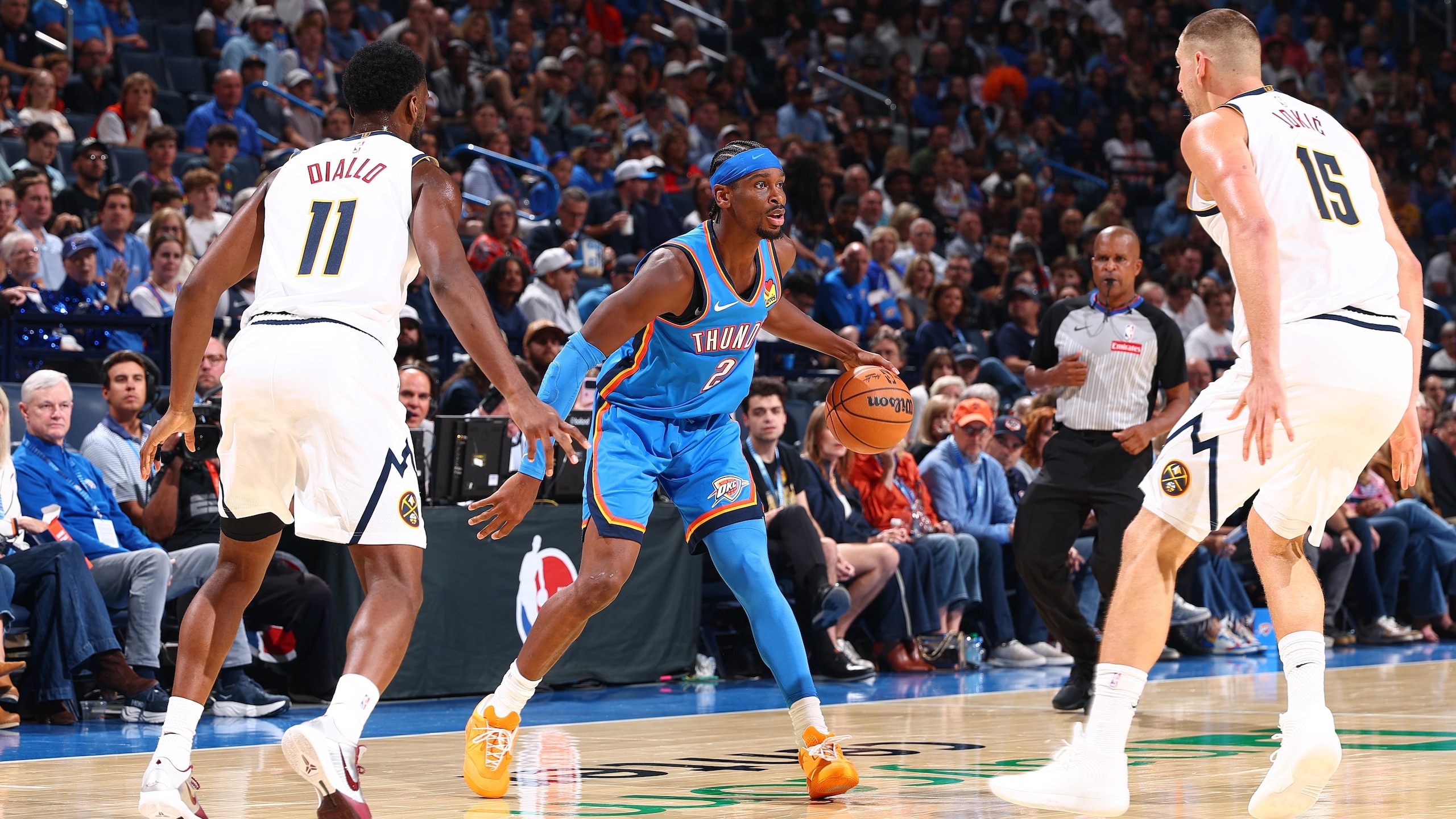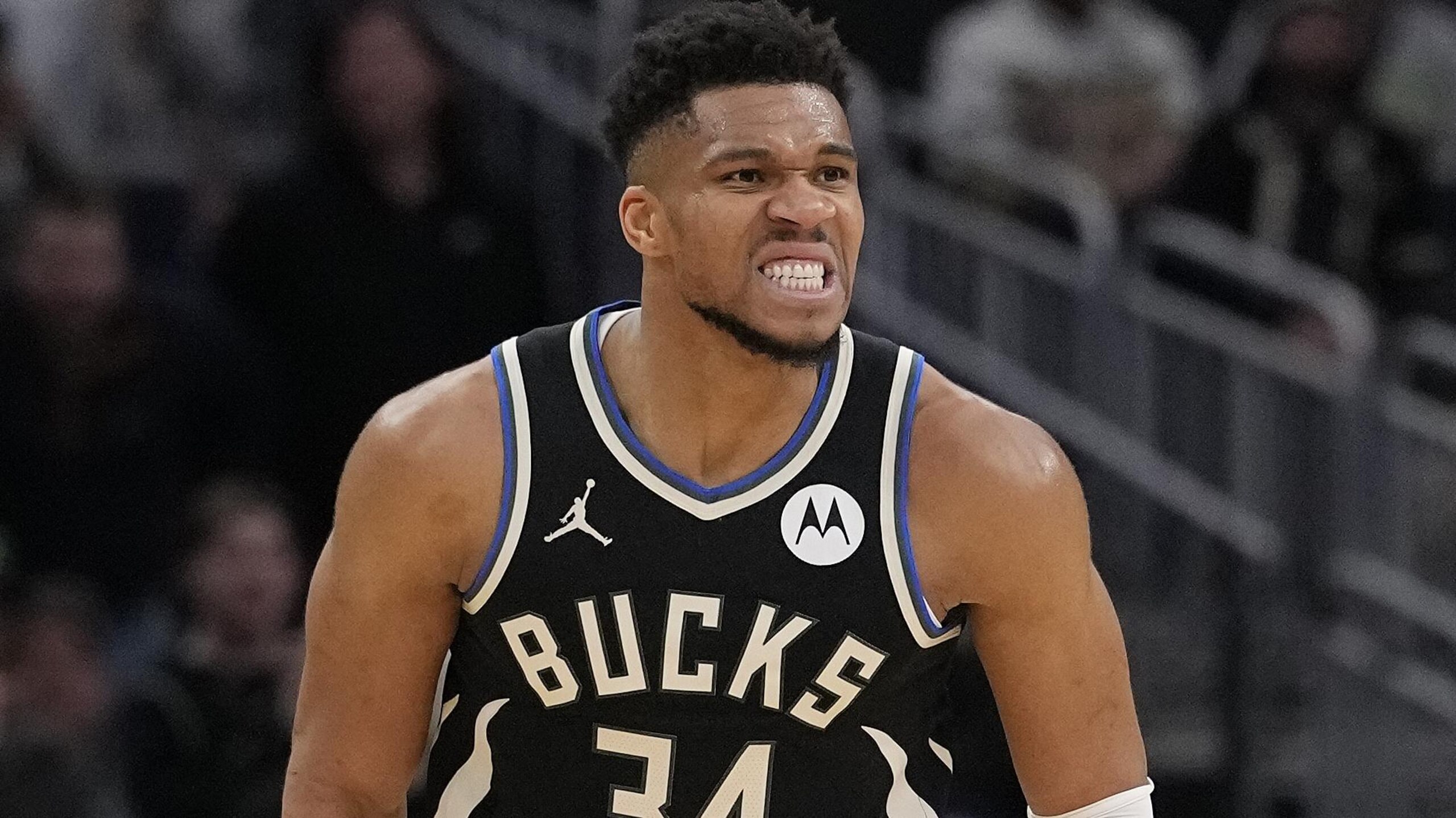


Just as it's never a bad time to start NBA draft prep, getting out in front of the offseason trade market is a must. That preparation begins…now.
Top-three big boards will be the vehicle through which we evaluate each team's should-be targets. Rankings within the trios will be determined by each squad's most pressing needs and potential player impacts.
Top spots will almost always be dedicated to the most ambitious possibility. Each list is assembled while taking into account franchise directions, cap situations and available assets.
In-house free agents and prospective draft positioning are also given consideration. (I.E. The Washington Wizards' shouldn't be prioritizing a star point guard, because Trae Young and his player option aren't going anywhere.) With that said, all of these trade-target catalogs are extremely fluid and subject to change depending on how the playoffs and draft lottery unfold.
Atlanta Hawks
1 of 30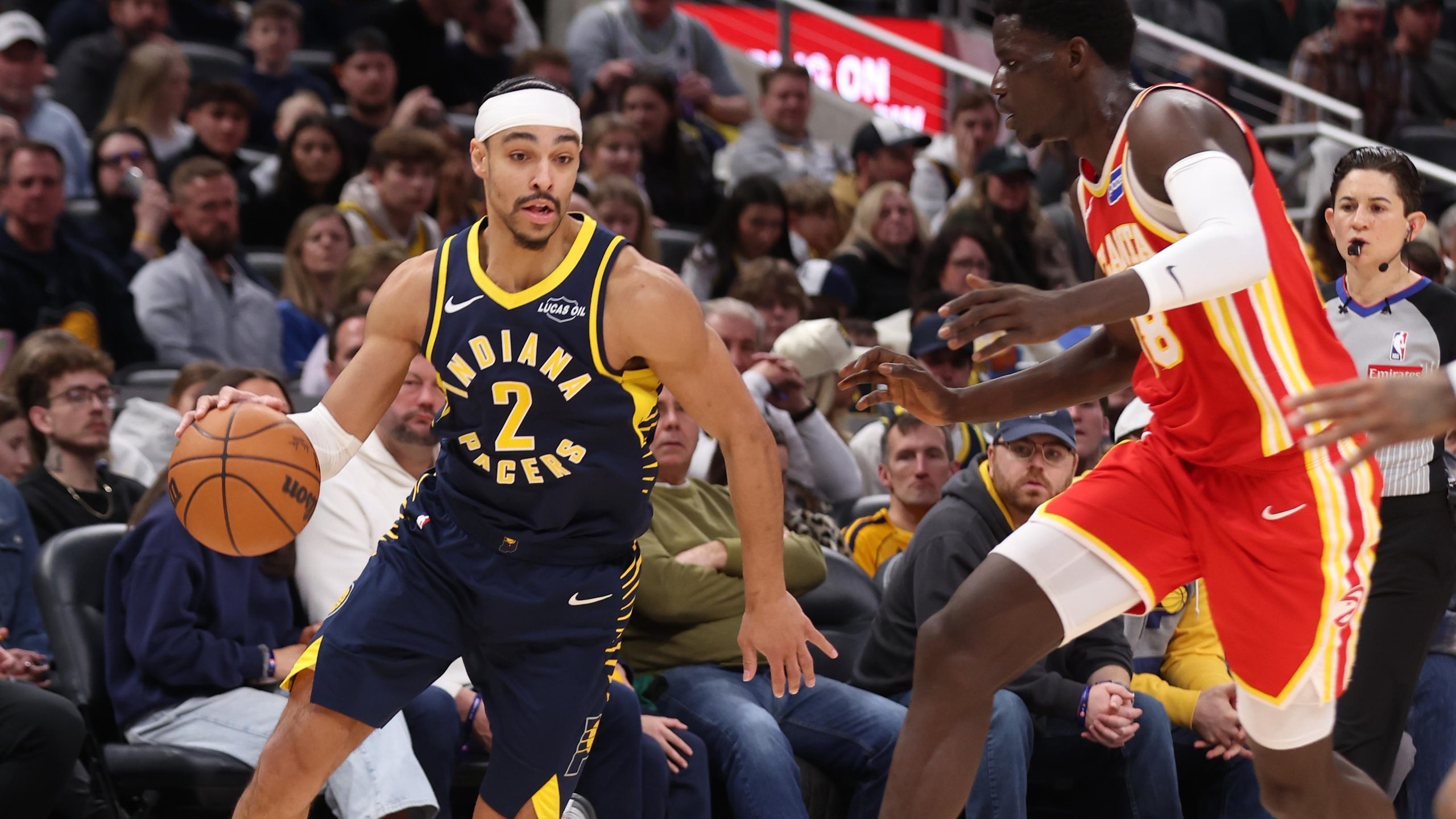
Although the Atlanta Hawks' transition offense is delivering divine returns post-Trae Young trade, it isn't anything special in the half-court. The dynamic will only get more touch-and-go if CJ McCollum, an imperfect-yet-currently-necessary player, leaves in free agency.
Jalen Johnson, Nickeil Alexander-Walker and Dyson Daniels bring enough playmaking for the Hawks to sniff around middle-tier options who either needn't or shouldn't dominate the ball. Andrew Nembhard and Ryan Rollins fit the bill to a T. Acquiring either would also form a hellfire defensive duo/trio alongside NAW and/or Daniels.
Moving Nembhard doesn't align with the Indiana Pacers' intent to rejoin next season's contender ranks. They are close enough to the luxury tax, though, that cutting costs will become a conversation—particularly if they land a top-four pick. Rollins becomes more gettable in the (frankly likely) event the Milwaukee Bucks are compelled or forced to deal Giannis Antetokounmpo.
Scotty Pippen Jr. is finally playing for the Memphis Grizzlies. He's more turnover-prone than usual, but that comes with working beside a rotating cast of personnel with whom you have little experience. He would be an excellent stabilizer in Atlanta and remains someone who can either start or come off the bench.
Boston Celtics
2 of 30
Assuming Nikola Vučević is merely a stopgap, the Boston Celtics will need another center. Whether they want that big man to back up, play ahead of or start alongside Neemias Queta is a matter the playoffs will settle.
Oneyka Okongwu both splits the difference and is the most ambitious option. His three-ball is reliable enough (including from above the break!) for him to play in tandem with Queta.
Salary-matching will get iffy depending on the Atlanta Hawks' 2026-27 goals. Otherwise, the Celtics have the wiggle room beneath the tax to take on Okongwu's money without needing to give up Derrick White or Payton Pritchard. They could even get away with keeping Sam Hauser and taking Okongu into the Anfernee Simons trade exception.
Daniel Gafford isn't nearly as dynamic, at either end, as Okongwu but remains a solid rim protector and pick-and-roll partner. That he's remained efficient as the dive man in this Dallas Mavericks offense is a modest miracle.
Day'Ron Sharpe is slated to cost under $6.3 million and brings dabs of defensive disruption, rebounding and general enormity, as well as undercurrents of offensive craft. He's the name Boston draws a heart around if it's attempting to allocate money elsewhere and certain Queta can be its primary 5.
Brooklyn Nets
3 of 30
The Brooklyn Nets are the ultimate offseason wild card. Their 2027 first-round pick is headed to the Houston Rockets, and they took on zero long-term money at the trade deadline. The stage is set for them to shock-and-awe, perhaps even by crashing the next superstar-trade sweepstakes.
It nevertheless makes more sense to keep following a more gradual course. They shouldn't shy away from targeting impact names, but they're too far from contention to consider all-in propositions.
Cason Wallace and Jalen Suggs perfectly straddle this line. Both are defensive menaces who have at times flashed slightly-deeper-than-complementary offensive bags, and each hails from a team that's barreling toward tough financial decisions that'll invariably culminate in higher-profile collateral damage.
Cody Williams has more frequently looked like an actual NBA player this season. (The increase in strength is real.) But the Utah Jazz are preparing to enter a different timeline next season after landing Jaren Jackson Jr. Between him, Lauri Markkanen, Ace Bailey and whomever they select with their (likely) top-eight pick, Williams will have a hard time establishing himself as anything more than a ninth man and could end up in the second-draft pool.
Charlotte Hornets
4 of 30
Congratulations to the Charlotte Hornets and their fans. They have officially entered offseason-buyer territory.
Upgrading the second combo-forward spot needs to be the top priority. Another center isn't out of the question, but we genuflect at the altar of Moussa Diabaté around these parts.
Tari Eason is the perfect fit as a chaos agent on defense who runs the floor and drills threes. The Houston Rockets are also expensive enough to envision them entertaining sign-and-trade proposals. Charlotte will have the non-taxpayer mid-level exception at its disposal, but a $15.1 million starting salary isn't poaching this type of restricted free agent.
If the Rockets are bent on paying Eason, they might be more open to entertaining offers for Jabari Smith Jr. His offensive efficiency is all over the place, but the Houston Rockets have yet to play him alongside proper table-setters. The Hornets have no fewer than two of those (LaMelo Ball and Kon Knueppel), and his defensive malleability will allow head coach Charles Lee to slot him at the 4 or 5.
Smith's contract fits nicely into Charlotte's long-term plans to boot. A five-year, $122 million seems like a lot, but it averages out to under 15 percent of the cap. That's not an allocation the Hornets need to fear as they plan around new deals for Brandon Miller (extension eligible this summer), Diabaté and, eventually, LaMelo and Knueppel.
Pivoting to Naji Marshall is the consummate "We need to see more before we go bigger" hedge. That is underwhelming but fine enough. Marshall can be moved around the positional spectrum on defense, and his downhill attacks will cut like a cleaver through hot butter alongside Charlotte's armory of spacers.
Chicago Bulls
5 of 30
For the purposes of this exercise, we are going to make a trio of assumptions about the Chicago Bulls.
Premise No. 1: The front office is actually committed to following a gradual course and won't target household names who require them to surrender primo assets. Premise No. 2: Chicago will prefer to use its cap space to take on unwanted money in exchange for draft compensation rather than throw it around in free agency. Premise No. 3: Landing a potential long-term option in the middle will be the top priority.
None of these are etched in stone. Especially Premises No. 1 and No. 2. The Bulls are the Bulls and just as likely to believe they must hit accelerate after functioning as a rebuilding team for almost half a season.
Dereck Lively II would be an excellent prize if Chicago stays on its current path. The Dallas Mavericks may not be actively looking to move him, but his injury history could foist him into distressed-asset territory.
Good luck convincing the Portland Trail Blazers to give up on the Yang Hansen experiment after just one season. He's bound to be called Baby Jokić again during Summer League. Yet, between Donovan Clingan's emergence and Portland's willingness to play smaller, he's a good "It never hurts to ask" option.
Yves Missi isn't necessarily a perma-solution, but he's more than a placeholder. He can run the floor, provide around league-average rim protection, adds an offensive-rebounding element and, if he improves his hands, gives Chicago's guard battalion a target near the basket.
Cleveland Cavaliers
6 of 30
This list could require an overhaul depending on how the Cleveland Cavaliers fare in the playoffs and what happens with James Harden's free agency (player option). As now, bolstering the wing defense, preferably with someone who can slide up to the 4 in Evan Mobley-at-5 arrangements, profiles as the biggest area of need.
Urgency increases tenfold if Dean Wade signs elsewhere in free agency, though Cleveland should be on high alert even if he comes back. Its pursuits must once again be limited to easily matchable salaries, since the team's cap sheet is brushing right up against the second apron. That rules out someone like Herb Jones, whose 2026-27 money can't currently be matched without including Harden, Mobley, Donovan Mitchell or Jarrett Allen.
Justin Champagnie is ideal. He subsists on spot-up threes and holds his own on defense, even spitting out the occasional help around the basket. Earning just under $2.7 million next year, he's so cheap the Cavs may actually have to extend the deal so they can get off a more expensive player.
Ron Holland II comes with a ton of offensive baggage. That's precisely why he may not be untouchable entering Year 3. His defensive physicality would be a welcomed value add alongside Harden and Mitchell, and Cleveland might be able to entice the Detroit Pistons with sweeteners attached to a healthy Max Strus.
Derrick Jones Jr. continues to have the physical pop, when available, to cover four positions at the defensive. He, too, comes with offensive trade-offs, but he can be used as a screener, has a track record playing alongside James Harden and comes off the books after next season.
Dallas Mavericks
7 of 30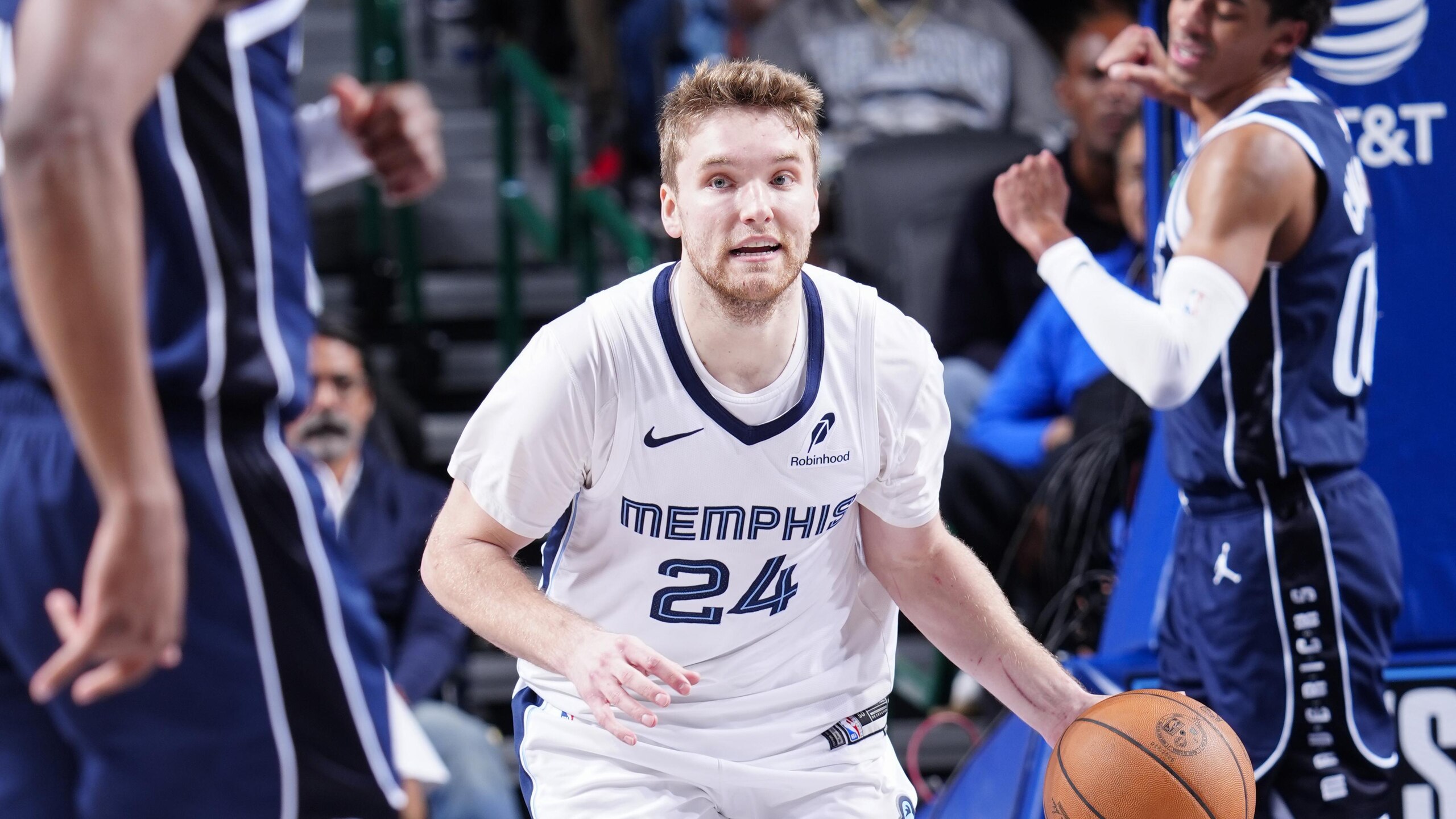
Not having control over their own first-rounders in 2027 (Charlotte), 2028 (Oklahoma City), 2029 (Brooklyn or Houston) or 2030 (Minnesota or San Antonio) kinda sucks for the Dallas Mavericks. Nothing and no one aside from Cooper Flagg should be off the table if they have the opportunity to regain any of those rights.
Material offensive improvement becomes dire if the Mavs are hoping (read: forced) to prioritize racking up wins. The return of Kyrie Irving takes care of the ball-handling and playmaking only in theory. He turns 34 in March, is coming off a major injury and has always been at his most dangerous when splitting that workload.
Dallas can aim higher than Cam Spencer if it's willing to put first-round equity on the table. Related: It shouldn't be doing that. Spencer provides enough ball-handling and passing in tandem with lethal outside shooting to offset any gaps in a Kyrie- and Cooper-powered offense.
Grayson Allen offers less creation but has done more ball-handling this year and should be more efficient from beyond the arc than he's shown. With the Phoenix Suns in need of a tune-up at the 4, they just so happen to be a good trade partner for Dallas, too.
Denver Nuggets
8 of 30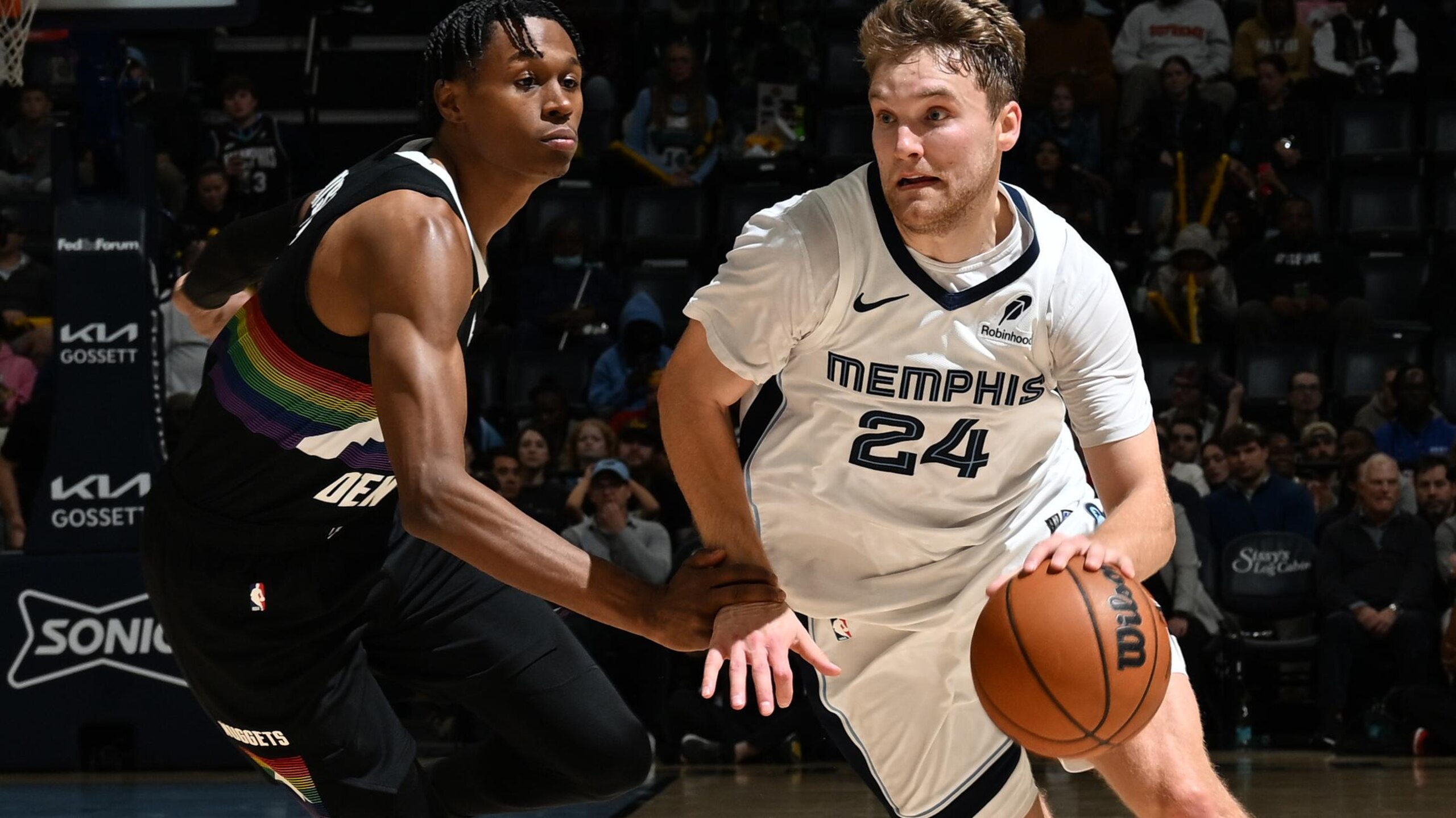
The Denver Nuggets will likely blow right past the second apron if they bring back even one Jonas Valančiūnas (non-guaranteed) and Peyton Watson (restricted). This says nothing of re-signing Spencer Jones (restricted).
Unless they get the itch to knife further into the core (possible!), they'll be on the prowl for cheapo depth while hoping Zeke Nnaji's contract is now short-term enough (two years, $15 million) to be readily moved.
Cam Spencer isn't a wing (or backup big), but he blends together a lot of what Tim Hardaway Jr., Bruce Brown Jr., Jalen Pickett and Julian Strawther do or are supposed to do at the offensive end. His shooting and ball-handling are beyond valuable off the bench, and he's someone that can play in conjunction with Jamal Murray.
Justin Champagnie typifies the three-and-D archetype at a cut rate, which should be particularly appealing to Denver given which of its own players are flight risks. Terrence Shannon Jr. follows a similar blueprint, with a much less-proven track record. His scattershot health and unspectacular play this season work in the Nuggets' favor if it's trying to pry him out of Minnesota.
Detroit Pistons
9 of 30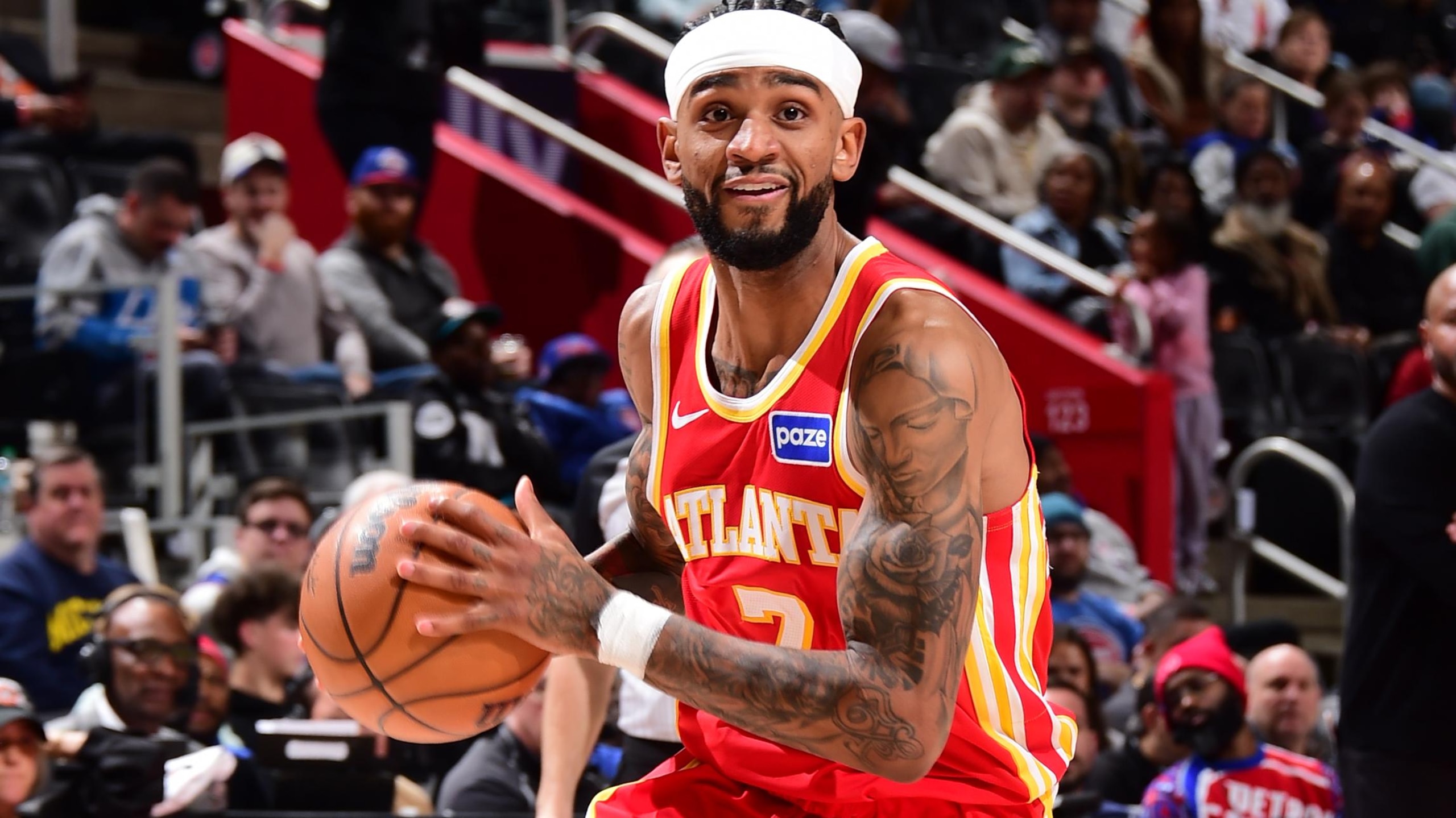
Almost nothing changes from the Detroit Pistons' trade-deadline big board. They need someone(s) who can open up the half-court and make life easier on Cade Cunningham. Bonus points if that player can also initiate the secondary offense.
Michael Porter Jr. and Trey Murphy III are reaches in the latter department. They have shown the capacity to generate more of their own looks, but neither is a burgeoning table-setter.
Detroit can use its mid-level exception to address that spot or bank on Daniss Jenkins and Caris LeVert being enough. The on- and off-ball gravity of Porter and Murphy is too perfect for this team to pass up.
MPJ gains the edge since he's on an expiring contract and won't cost as many assets to obtain. Murphy leapfrogs him if the Pistons want someone under lock and key for longer and don't care about the additional draft equity required to get him.
Nickeil Alexander-Walker has morphed into one of the league's best-value contracts. The Atlanta Hawks shouldn't be looking to move him in a vacuum. Yet, having Dyson Daniels, Jonathan Kuminga (team option), Zaccharie Risacher and, most notably, a top-tier draft pick this June confuzzles both their perimeter hierarchy and timeline enough to ask lead-exec Onsi Saleh what's what.
Golden State Warriors
10 of 30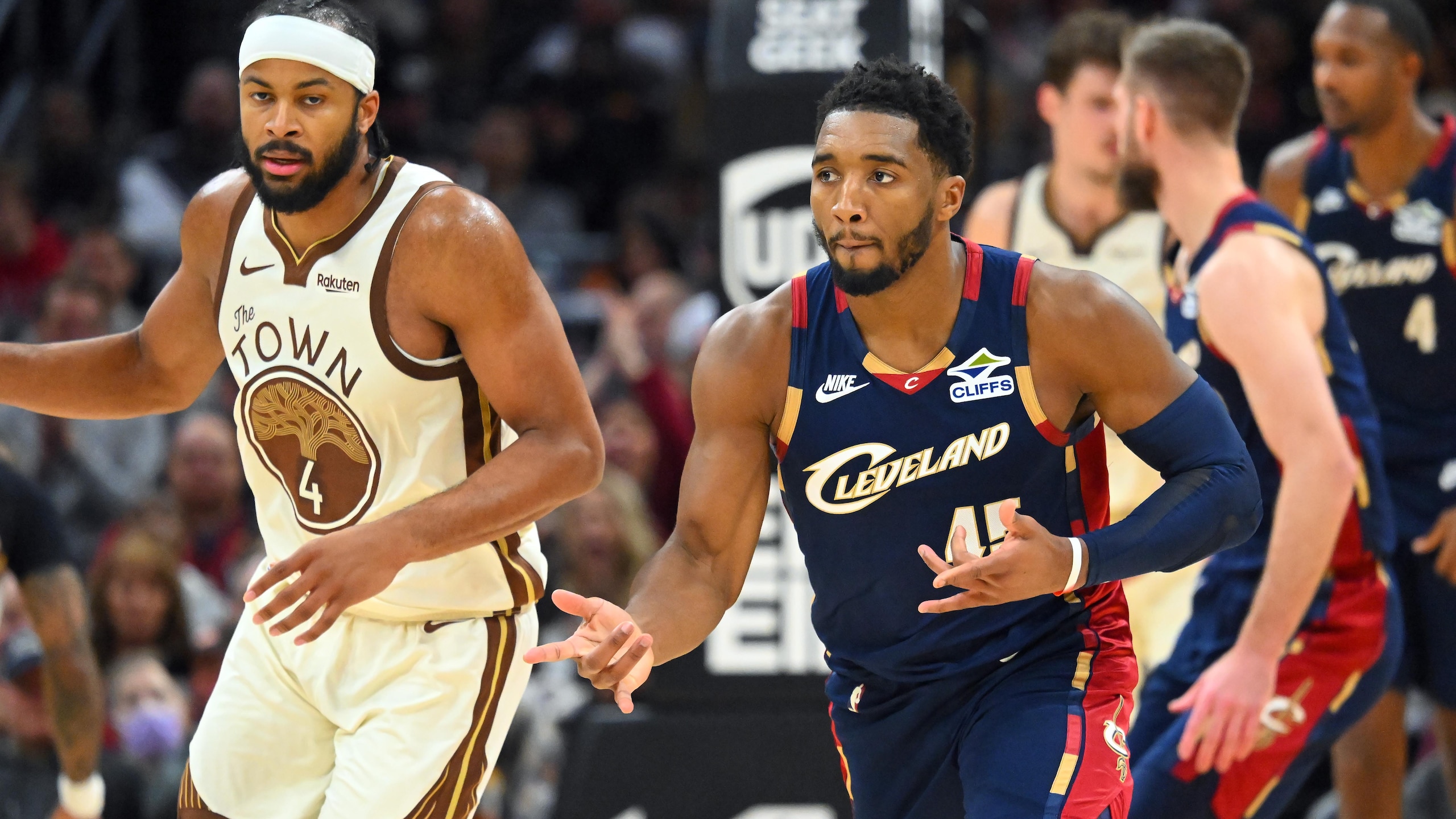
Stephen Curry is almost 40, has missed games, blah, blah, blahty blah. So long as he's on this roster and operating, when healthy, at an All-NBA level, the Golden State Warriors are obligated to pursue all-in moves until the wheels fall off. At the very least, they must pretend that's what they're doing.
Giannis Antetokounmpo is the "Doy!" inclusion. Golden State just needs to hope he isn't that married to living on the East Coast.
Going on 30 in September, Donovan Mitchell is young enough (or close to it) for the Warriors to peddle him as their ticket to immediate contention and bridge into the future. They should cross their fingers for the Cleveland Cavaliers flame out of the playoffs, again, and open themselves up to an offseason roster-razing.
"What about the defense?!" will be a common refrain when looking at a prospective Steph-Spida backcourt. That is fair. And also immaterial. The offense will be dynamite, and Golden State may have the juice to cover up a ton of deficiencies if it keeps Draymond Green (player option), Kristaps Porziņģis (unrestricted) and De'Anthony Melton (unrestricted) and nails a marginal signing or two.
Kawhi Leonard increases the variance for the Warriors' range of outcomes with his own murky health bill. The risk-reward profile is well worth it when Jimmy Butler would be the matching salary and is going to miss part of next season anyway. Fun Guy should also cost fewer picks than Giannis or Mitchell and still permits the front office to play its "See?! We're trying!" card.
Houston Rockets
11 of 30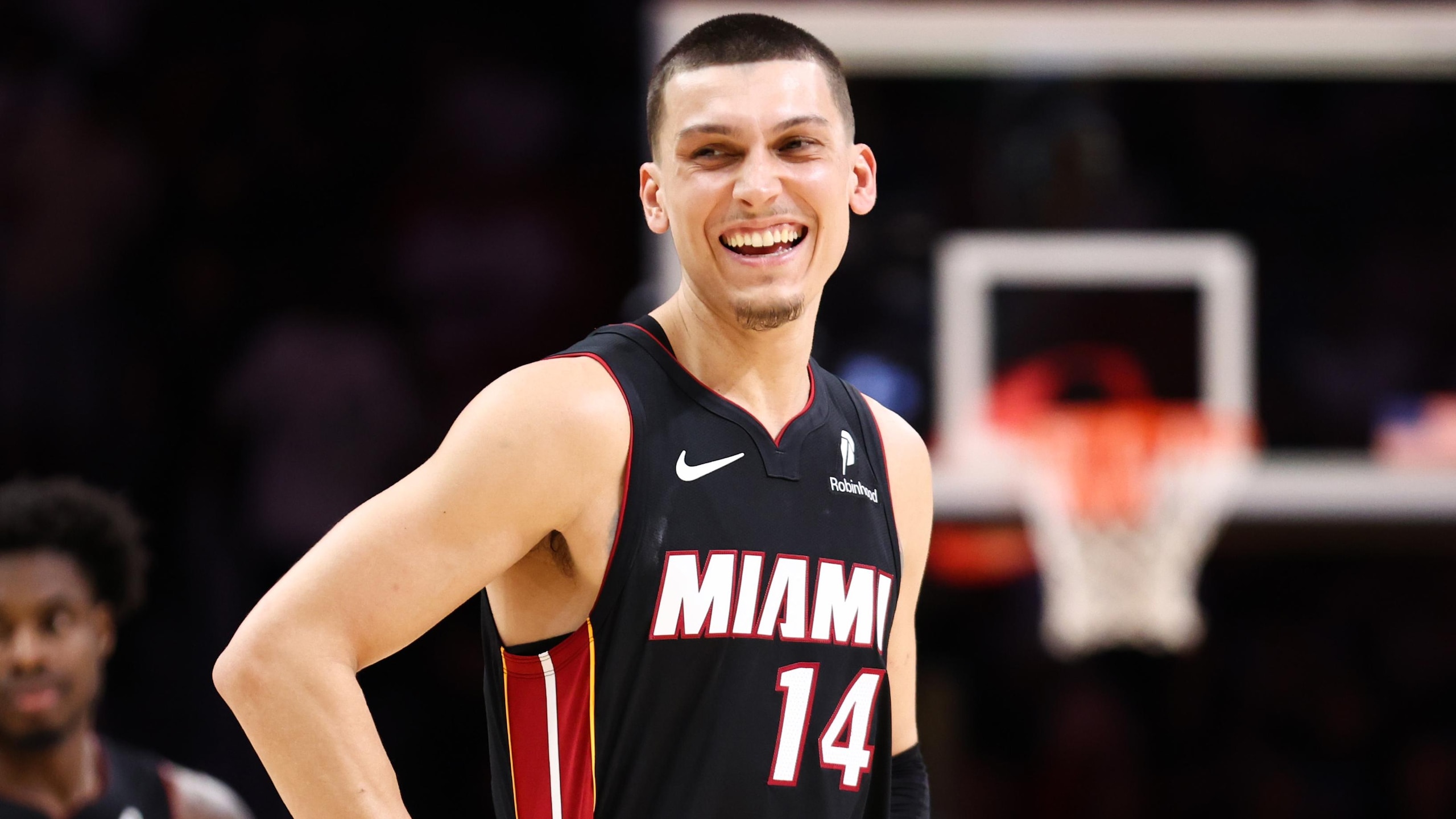
Payton Pritchard and Ryan Rollins are Utopian fits for a Houston Rockets team that believes Reed Sheppard is the long-term solution to its first-chance offense and resigned to head coach Ime Udoka hardly ever relying on defensive liabilities. The postseason will determine whether second-rung ball-handlers who knock down threes and generate looks for themselves and others inside the arc aren't high-end-enough solutions.
Rollins is probably more Udoka's speed. Pritchard is the more ambitious target. He's got an extra team-controlled year on his contract, and if we're being brutally honest, the Milwaukee Bucks seem more likely to hold a fire sale after moving Giannis Antetokounmpo than the Boston Celtics do to entertain moving one of the league's best-value deals with multiple seasons left on it.
Tyler Herro will evoke laughter from plenty of people. He shouldn't. Injuries have dampened his availability this season, but he has improved over the years as a creator and decision-maker and retains the off-ball gravity to put pressure on defenses without infringing upon opportunities (and development) for others.
Houston will have to value him against his next contract, since he'll be an expiring deal this summer. That's also part of his appeal. His salary can come off the books prior to potential new deals for Amen Thompson (2027-28) and Sheppard (2028-29) taking effect.
Indiana Pacers
12 of 30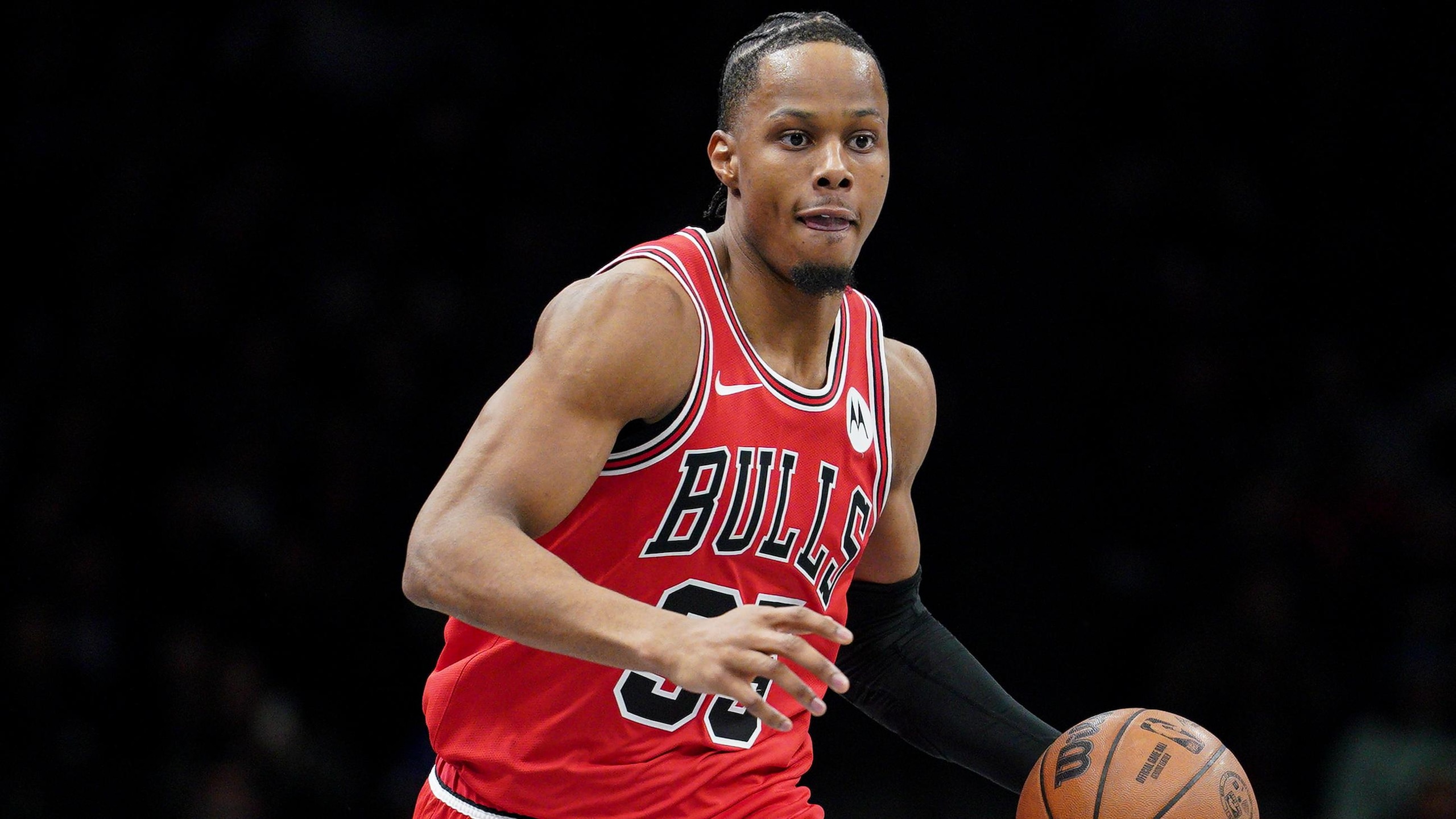
Affordable wing depth rockets to the top of the Indiana Pacers' to-do list when looking at their roster and proximity to the luxury tax. They could aim for spicier names if they wind up keeping this year's first-round pick, but that doesn't make much sense unless they're shaking up their projected closing five.
Isaac Okoro's offense will be touch-and-go for a Pacers squad not known for carving out a ton of corner threes, but he can leak out and make stuff happen in transition. Indiana also has offense to spare if it means making room for functional ball pressure at the other end.
Jake LaRavia's own three-ball has tapered off, but he's churned out better percentages amid modest volume in the past and can fill point-of-attack and general wing gaps on defense. Though the Pacers don't have dispensable salaries who will interest the Los Angeles Lakers, roping in a third team who nudges up Hollywood's projected league-best cap space could get the job done.
At just 22, Justin Edwards is a total flier. He has seen the scope and scale of his role plummet with the Philadelphia 76ers. This bodes well for the Pacers. Edwards' offensive efficiency has fallen off a cliff, but he is plug-and-play and showed last season he could down threes at a reasonable clip while shouldering a meaningful defensive workload.
Los Angeles Clippers
13 of 30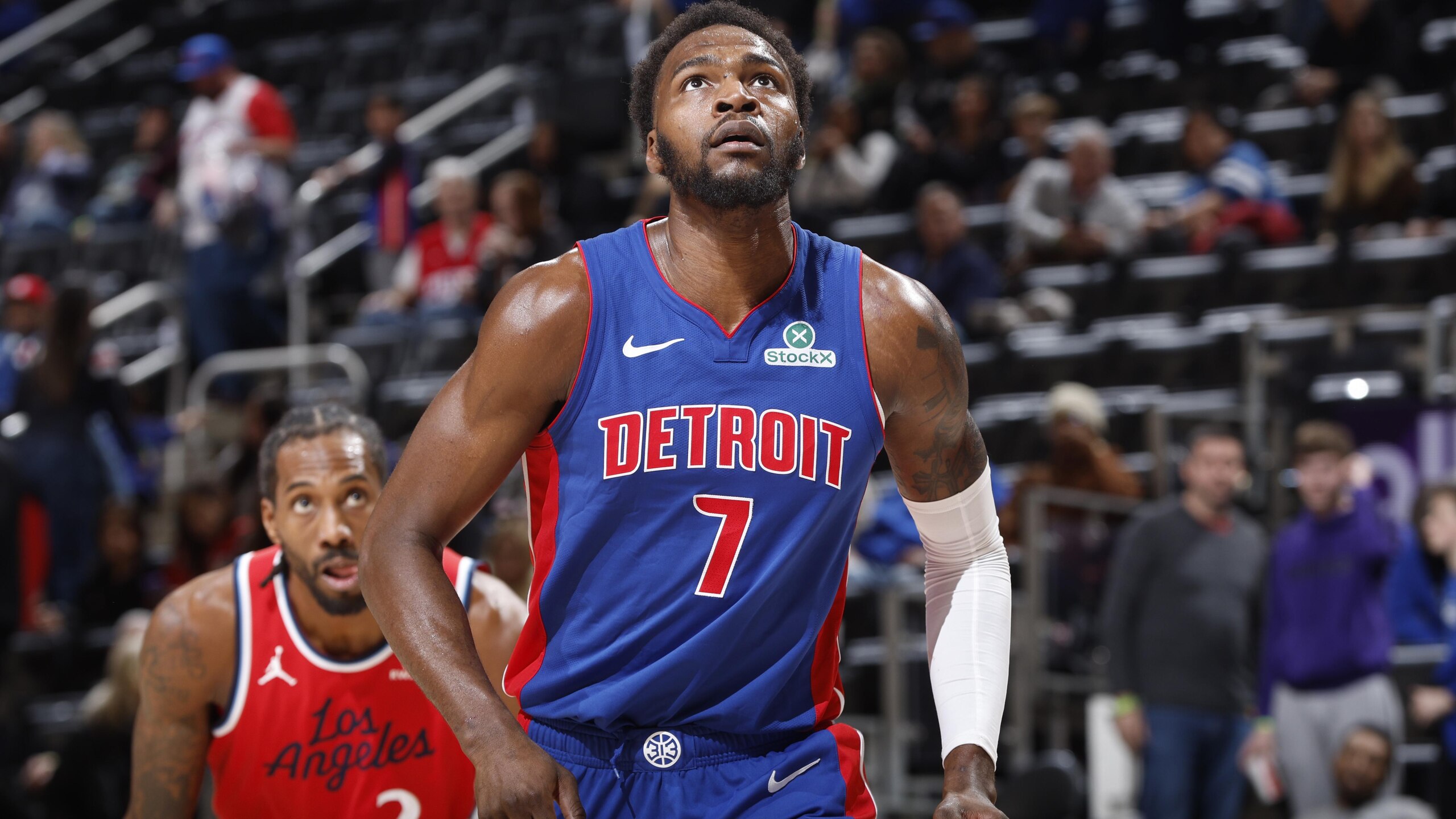
People overstated how much the James Harden-for-Darius Garland swap thrust the Los Angeles Clippers into a separate timeline. They were planning around bonkers flexibility in 2027 before. That remains the case. If anything, a healthy Garland does a better job of straddling the now-and-later lines.
Replacing Ivica Zubac without over-compromising assets and 2027 cap space is the mission until further notice. Someone like Onyeka Okongwu would be stupendous, but only if the Clippers are attempting to accelerate their transactional aggression.
Placeholder bigs with the potential to become something slightly more populate their list for the time being. None of Day'Ron Sharpe, Paul Reed and Yves Missi have the offensive craft of Ivica Zubac, but each can satisfy the screen-and-roll quota while adding value on the glass and/or as a paint protector.
Reed is the name here with the most upside, in no small part thanks to his three-point exploration. Without a track record of playing more than a bite-sized role, though, the first-place nod goes to the bigger and girthier Sharpe.
Los Angeles Lakers
14 of 30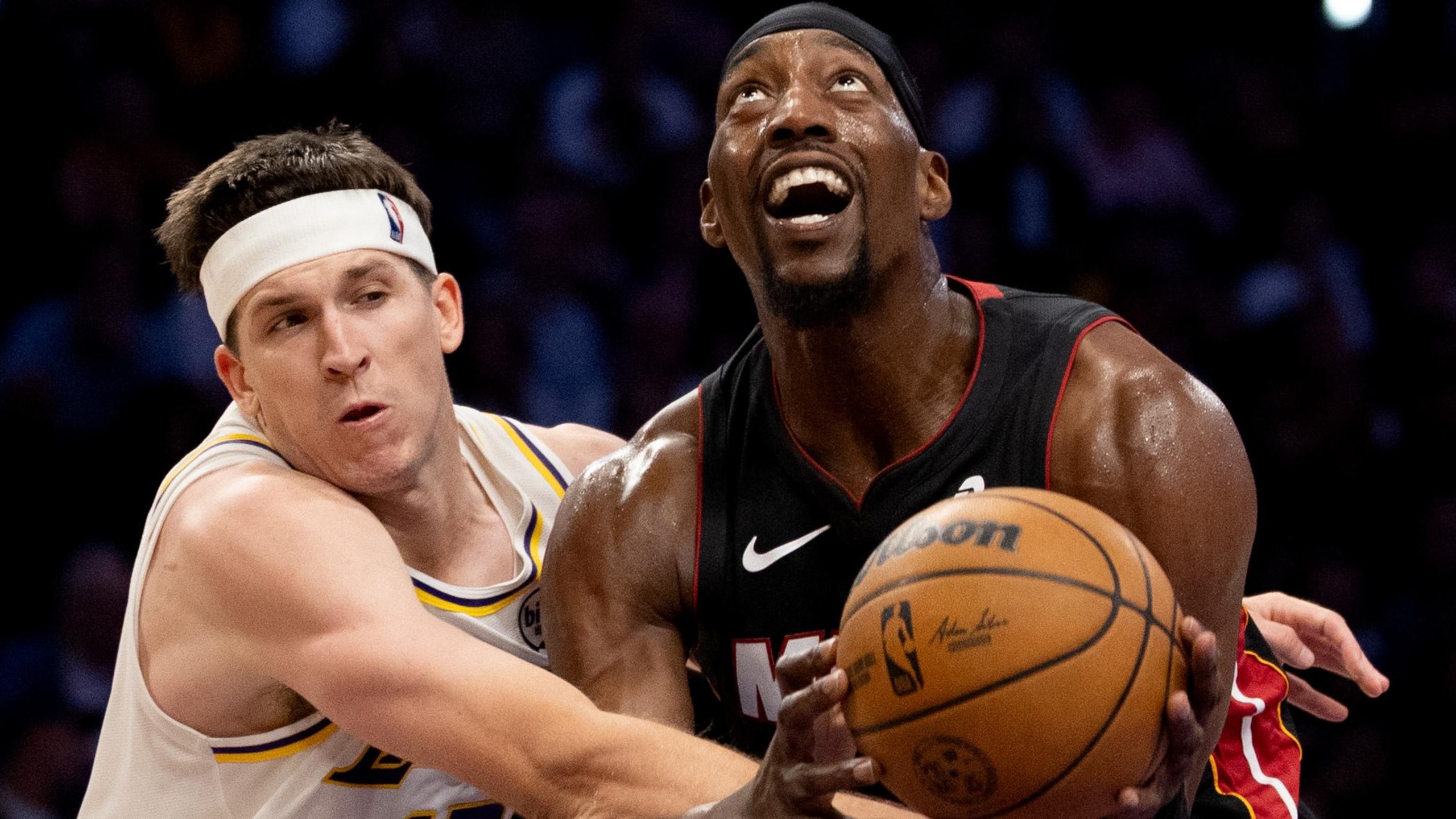
Assuming LeBron James leaves Hollywood, the Los Angeles Lakers will enter the summer with nearly $50 million in cap space while retaining Austin Reaves' free-agency hold. They'll also have the ability to dangle up to three first-round picks. Fireworks seem inevitable.
Los Angeles needs massive upgrades on the wings and in the middle. Given the free-agency pool has more quality center options, the former takes precedence.
That is, unless Bam Adebayo proves gettable.
The Miami Heat tend to avoid traditional rebuilds, but if they trend toward another empty-handed summer, it might be time to consider moving their defensive anchor as he begins a three-year extension that averages out to over 30 percent of the salary cap. His mid-range heavy shot diet is cause for pause, but he has the tools to reorient his usage around elite playmakers like Reaves and Luka Dončić.
OG Anunoby isn't going anywhere unless the New York Knicks luck into Giannis Antetokounmpo. Knowing the two-time MVP showed exclusive interest in the Big Apple last summer, the Lakers should hold out hope for the chance to swoop in as a third-party facilitator who sends draft equity the Milwaukee Bucks' way. If they play their cards right, they have enough ancillary money—Jake LaRavia, Deandre Ayton (player option), Marcus Smart (player option)—to complete a lopsided deal without nuking all of their cap space.
Lu Dort will be among the Oklahoma City Thunder names in play if ownership cheaps out on entering the second apron. The Lakers could sign him outright if his team option gets declined, but no front office run by Sam Presti is incompetent enough to let him walk for nothing.
Absorbing his entire 2026-27 salary while sending out some draft equity would still leave L.A. with the ammo to do a bunch of other stuff.
Memphis Grizzlies
15 of 30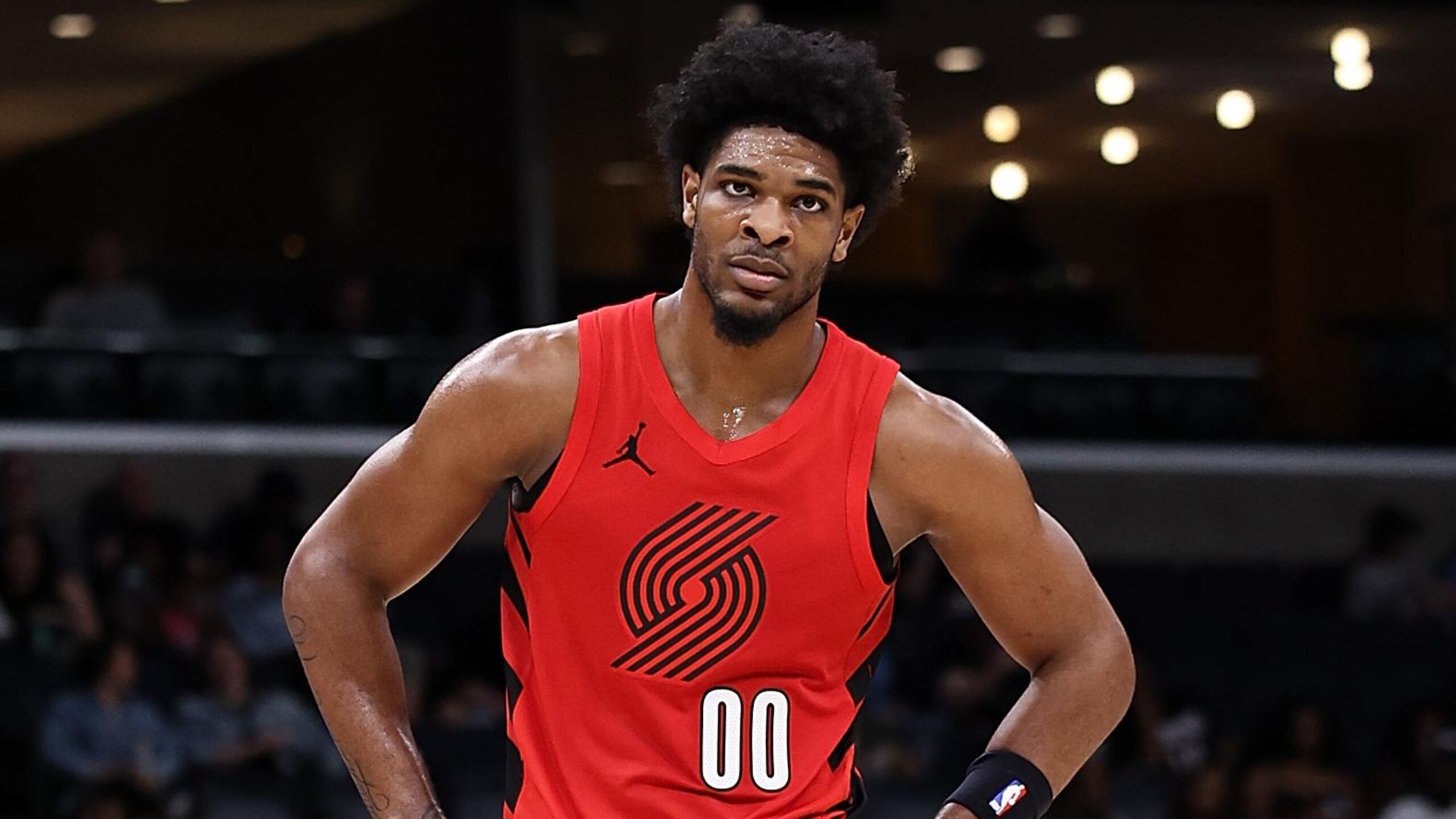
Swinging on a big-picture floor general with more upside than Ty Jerome or Scotty Pippen Jr. and without coughing up any premier draft equity should be the Memphis Grizzlies' offseason siren song. Easy enough, right?
Projections change if the organization and Ja Morant are aligned on a future together, or depending on how Memphis' draft shakes out. At this point, the latter will have more influence than the former.
The Miami Heat reportedly had interest in Morant at the deadline. The Grizzlies should strive to get Kasparas Jakučionis as part of any package if they revisit this well. His outside shooting is further along than expected, and he's got real playmaking pop.
While the Portland Trail Blazers aren't a realistic Morant suitor, Scoot Henderson's health and topsy-turvy play are giving them something to think about ahead of his extension eligibility. Memphis suddenly has the timeline to experiment with giving him the ropes.
Christian Braun is here as a "Ah, what the hell?" inclusion. He isn't a lead initiator, but a perimeter trio of him, Cedric Coward and Jaylen Wells has a preposterously high defensive ceiling. With the Denver Nuggets up against the second apron and the Grizzlies sitting on a massive Jaren Jackson Jr. trade exception, Braun is a potential core piece Memphis might be able to add on the relative cheap.
Miami Heat
16 of 30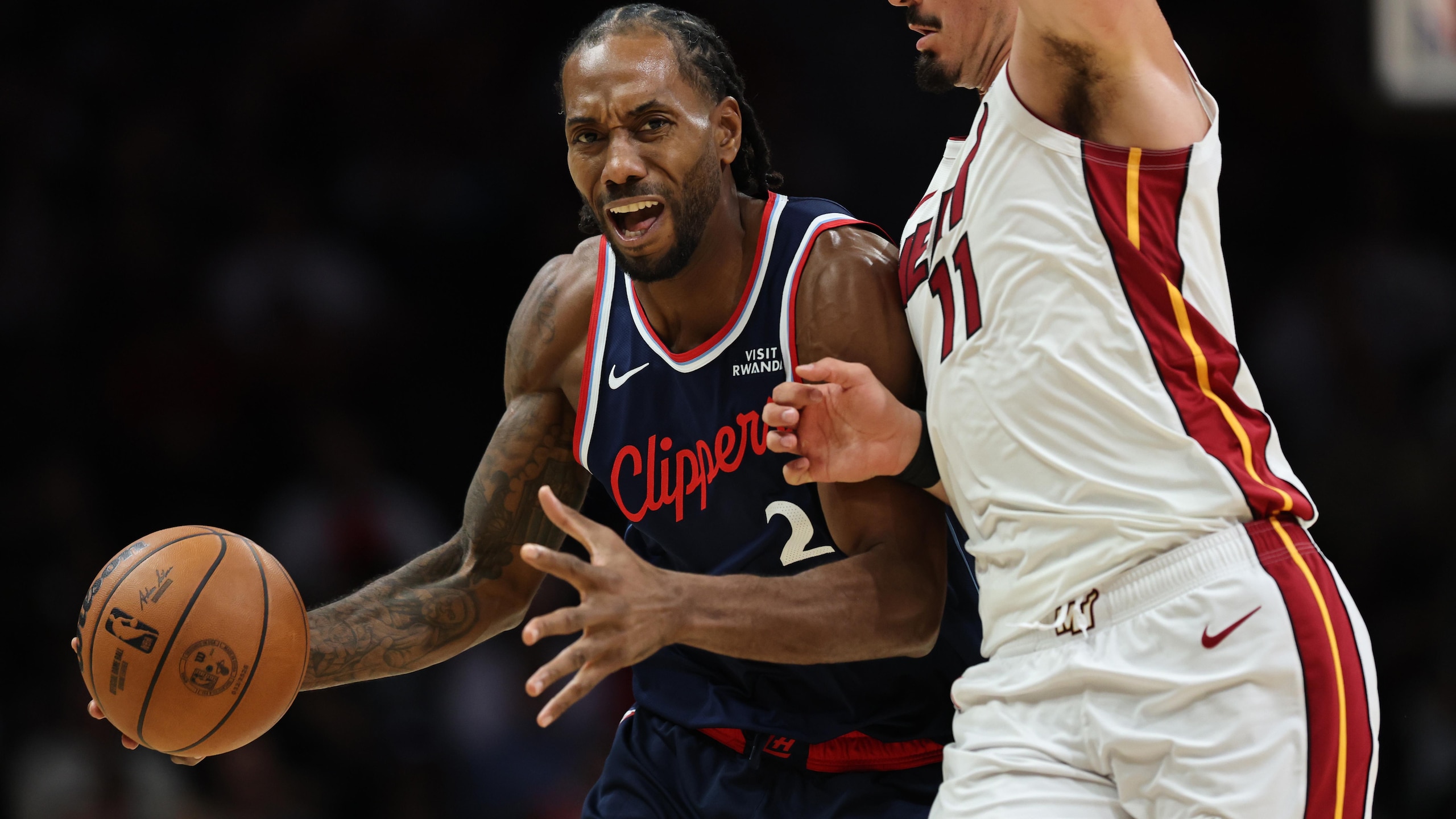
As a founding member of the "Hoping Giannis Antetokounmpo Requests Out" club, the Miami Heat need to base anything they do this offseason around his availability. They can't come close to building the best package, but Kel'el Ware's ascent plus the prospect of Giannis scuttling a move to the West Coast help a great deal.
Donovan Mitchell seems like a YOLO inclusion. He becomes more realistic if the Cleveland Cavaliers get bounced before the Eastern Conference Finals. Mitchell isn't getting moved unless he forces the issue, which he'd presumably only do to join a more ready-made contender. Whether the Heat qualify is arguable. That shouldn't stop them from monitoring the situation.
After Giannis and Spida, the Heat are best suited gravitating toward higher-profile players who don't bankrupt their asset stores or crack at absurd flexibility in 2027.
Hello, Contract Year Kawhi Leonard.
As someone who doesn't need screens to generate his own buckets but can run more traditional sets with Bam Adebayo or Kel'el Ware, he fits whatever iteration of the offense Miami is running. Miami is also one of the franchises to which you can envision him getting traded and not threatening to retire.
Milwaukee Bucks
17 of 30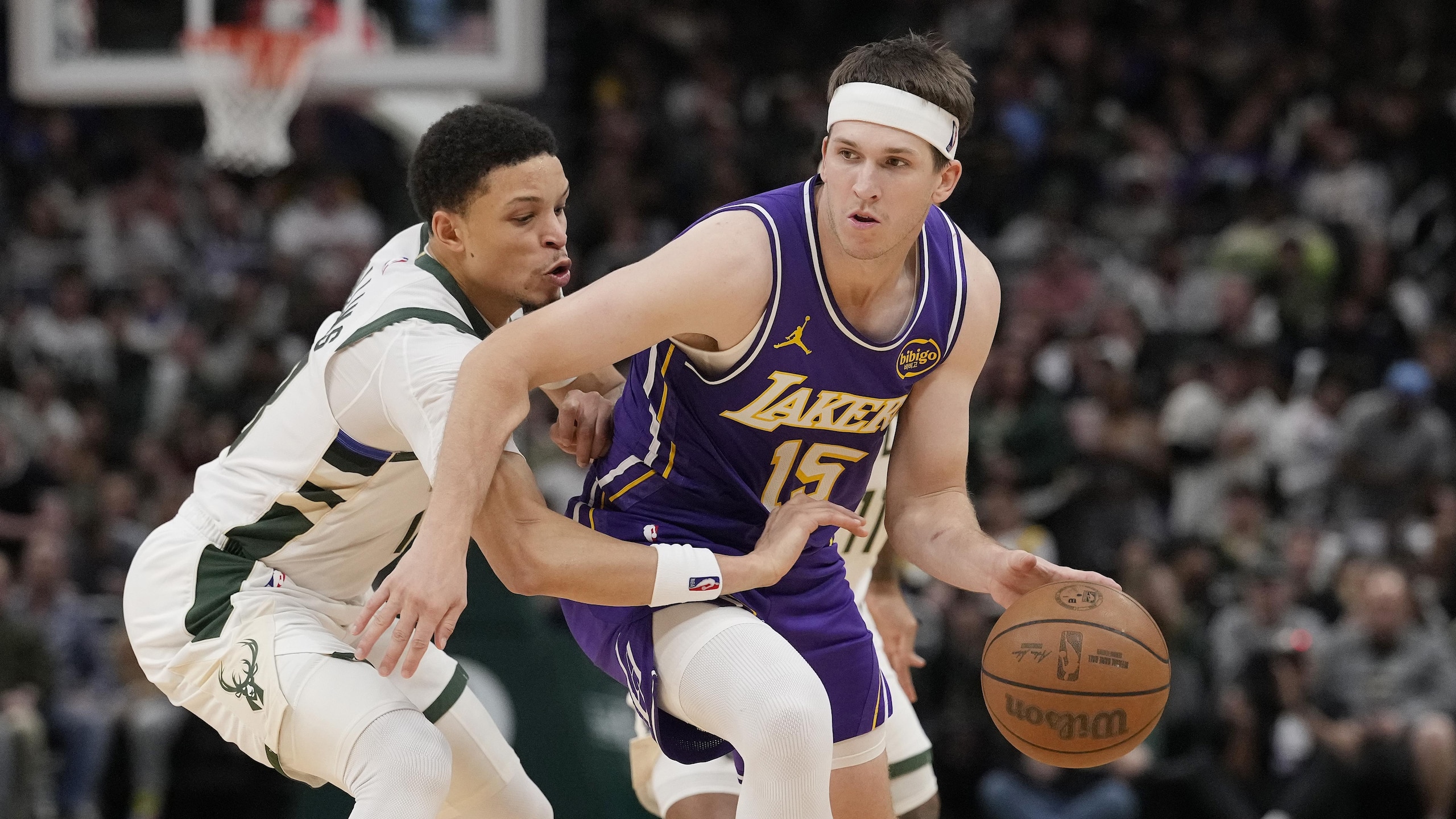
Until or unless Giannis Antetokounmpo trade sweepstakes officially begin, we must treat the Milwaukee Bucks as a buyer intent on landing someone glitzy enough to convince their megastar on signing an extension. That is a tall task, but with three first-round picks to deal, ample matching salaries and a respectable amount of runway beneath the luxury tax, it's not impossible.
This raises the question: Who is equal parts good and gettable enough to show Giannis Milwaukee can rejoin the contender ranks as early as next season?
Donovan Mitchell verges on a pipe dream, but he's slightly less of a fantastical option given the state of the Cleveland Cavaliers. They narrowed their window and heightened their urgency by flipping Darius Garland for James Harden. Another early playoff exit could spell their undoing, at which point the Bucks' top-line package can be built around three first-rounders and Ryan Rollins.
Kawhi Leonard has still got it. That refers to his megastardom, but also his questionable health bill. So long as Milwaukee isn't mortgaging its entire future to nab him, he gets the job done.
Chances are the Los Angeles Lakers won't want any part of helping the Bucks keep Giannis. And yet, hear me out: What if they believe Nikola Jokić will actually reach 2027 free agency and want to keep their books clean so they can try pairing him with Luka Dončić? Handing Reaves near-max money runs counter to that. Or perhaps they want a higher-end running mate for Luka in general. The Bucks can help with either scenario.
No, Reaves doesn't have the cachet of Mitchell or Kawhi. But he has graduated to star territory, and fits Giannis' apparent desire to play with someone not too ball-dominant.
Minnesota Timberwolves
18 of 30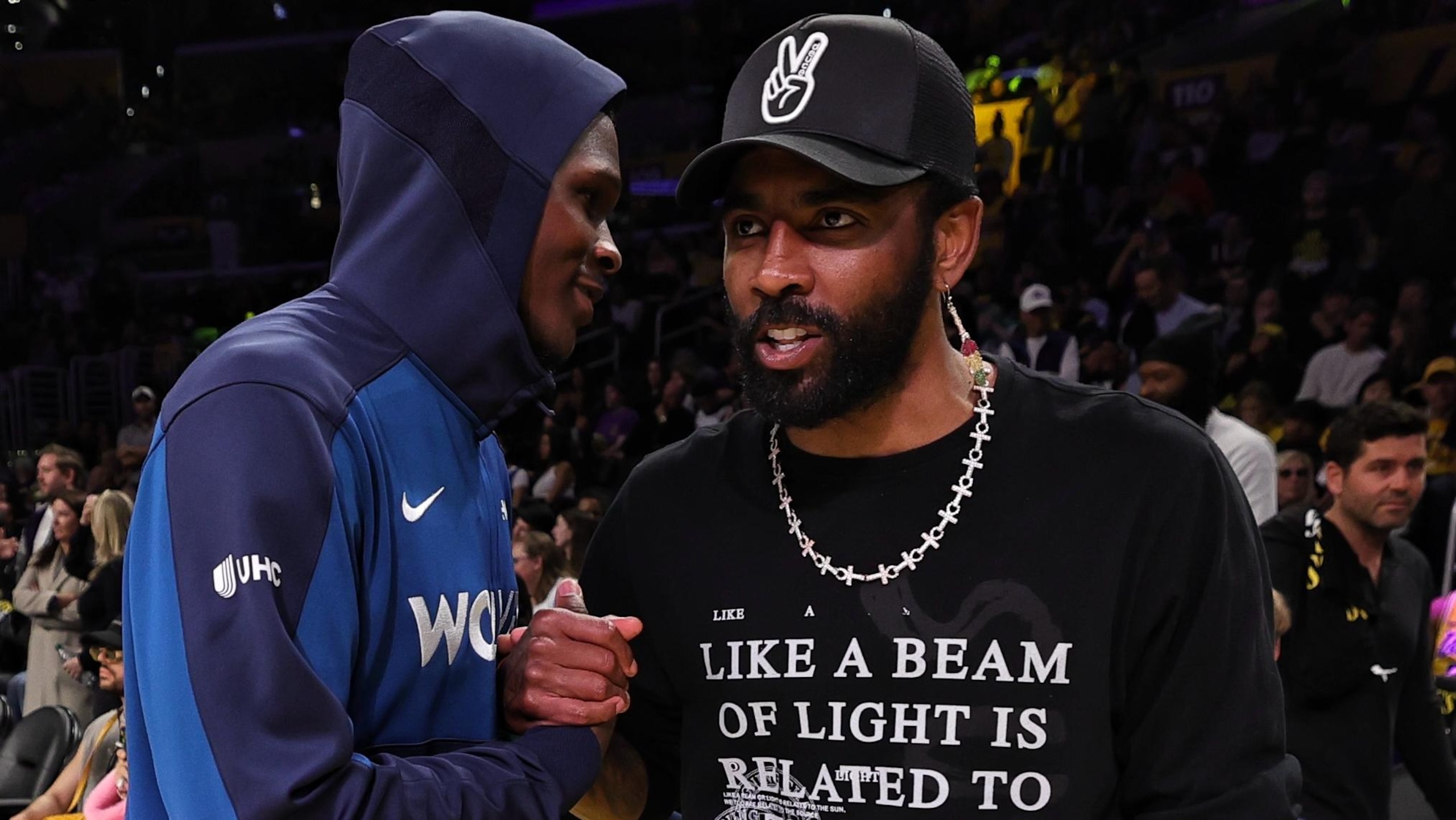
Mapping out offseason instructions is arguably harder for the Minnesota Timberwolves more than any other team. Not only will the scope and scale of their trade-market ambitions vary wildly depending on the playoffs, but their primary needs are in near-constant limbo.
Will Minny need to upgrade from Julius Randle? Or from the Ayo Dosunmu-Donte DiVincenzo-Bones Hyland brigade? Is Rudy Gobert old enough, Naz Reid imperfect enough and Joan Beringer raw enough the Wolves would consider a wholesale recalibration at center? Will they make it so deep into the playoffs they only need to futz and fiddle on the margins?
After two consecutive Western Conference Finals appearances, anything short of making or winning the Finals stands to nudge them toward loftier targets. Look no further than their trade-deadline interest in Giannis Antetokounmpo and 2025 offseason pursuit of Kevin Durant as proof.
Minnesota isn't drowning in blockbuster assets but will be able to unload a 2033 first-rounder, plus whomever it selects in this June's draft. That's more than enough to gain entry into prospective Kawhi Leonard and Kyrie Irving scenarios. If it's not, the team should pass.
Returning to Durant could be more costly. He's older but more durable than both Kawhi and Kyrie. KD has also shown no signs that he's ready to wear yet another jersey—other than, you know, allegedly trashing his current Houston Rockets running mates using an, apparently, not-so-secret X Twitter account.
New Orleans Pelicans
19 of 30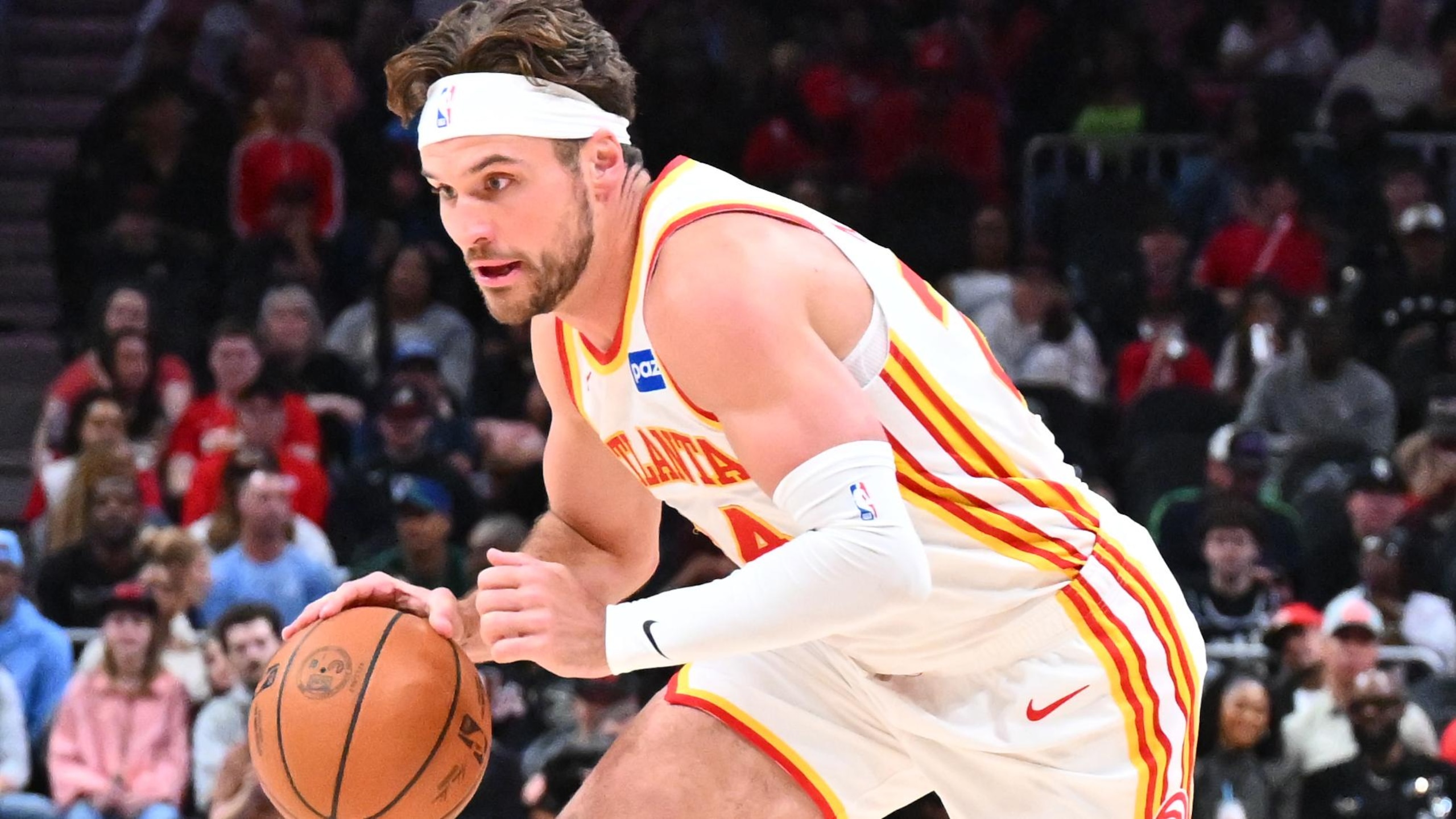
BREAKING: The New Orleans Pelicans control the rights to their 2027 first-round pick. (They'll get the more favorable of their own and Atlanta's selection.) They are free to rebuild, which is kind of what they're doing now, only not so efficiently. They could also make another shortsighted trade, but pre-offseason is a time for optimism, so let's not go there.
Regardless of the direction in which New Orleans heads, it needs to include more shooting. Exigency mushrooms if it keeps all of Derik Queen, Jeremiah Fears and Zion Williamson into next season. This big board is constructed as if that will be the plan—and also as if the Pelicans won't be itching to offload serious assets.
Sam Hauser is a volcanic shooter who fits anywhere. Cory Kispert isn't as molten, but he can keep defenses on tilt away from the ball and was an understated finisher at the basket until joining the Atlanta Hawks.
Gradey Dick's performance has always lagged behind his reputation as a knockdown shooter. Defenses often treat him like a five-alarm fire anyway. The Toronto Raptors' rim frequency has increased with him on the floor every year. His gravity is real, and after falling out of the Raps' rotation, he might be an up-for-grabs second-draft flier.
New York Knicks
20 of 30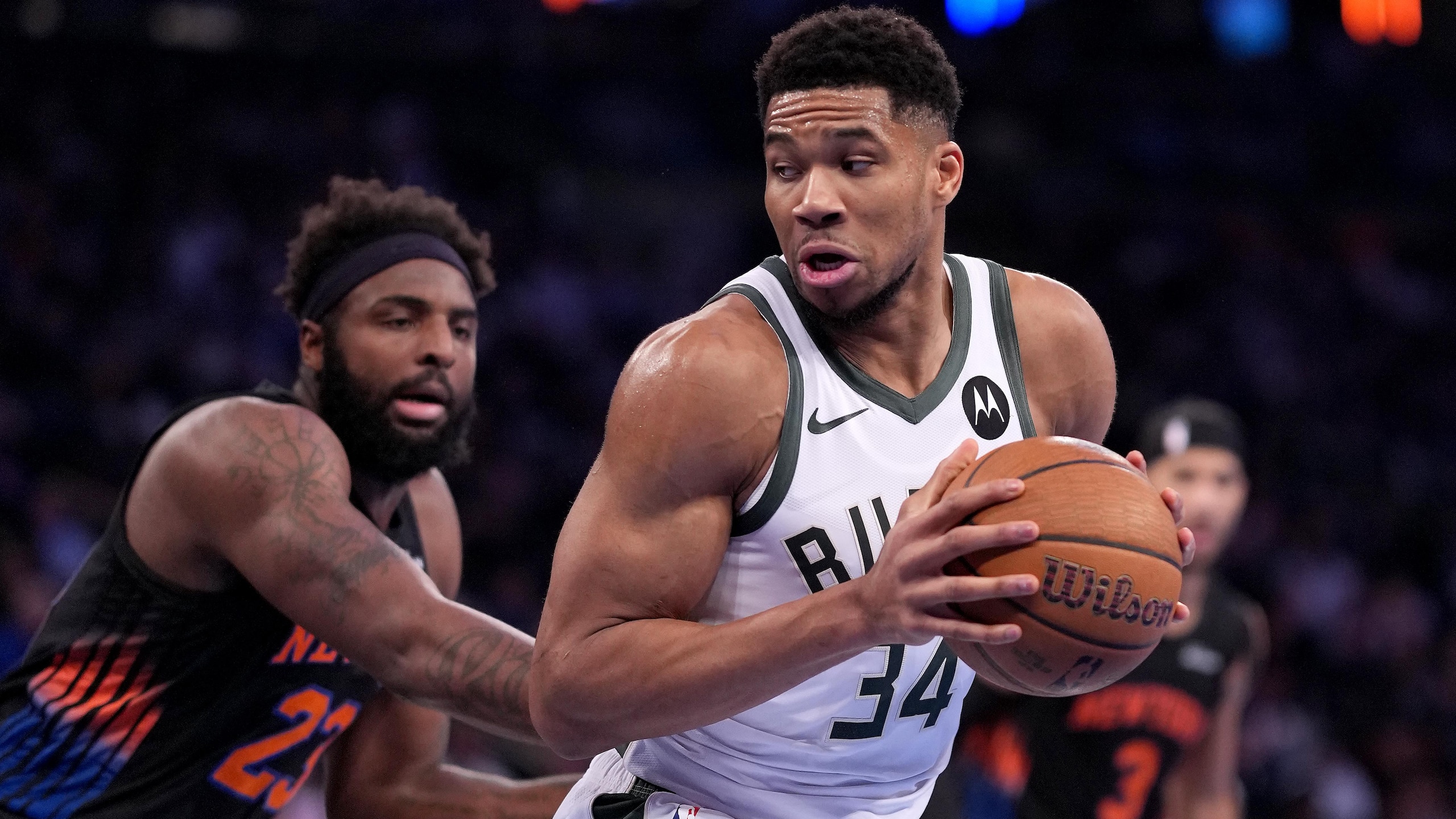
Giannis Antetokounmpo having exclusive eyes for the New York Knicks last season is pretty much all that keeps them in play for his services. They should be all-in on hoping he forces a trade to the Big Apple unless they win it all. And even then, they'd probably need to assume the same stance.
Potential needs abound when looking at the Knicks' list of notable free agents: Mitchell Robinson, Landry Shamet (Early Bird), Mohamed Diawara (restricted) and Jose Alvarado (player option). Despite the focus on the defense, consistent shot creation outside of Jalen Brunson remains an issue. Karl-Anthony Towns, Mikal Bridges and OG Anunoby aren't equipped to do so regularly…or against aggressive ball pressure.
Putting two first-round picks (2026 and 2033) and salary on the table might get New York into some interesting convos, but its proximity to the second apron complicates any blockbuster swings. (That includes Giannis.) If the Knicks are unable to aggregate salaries, they'll have to aim high or swing low. There can be no in-between.
Cam Spencer isn't a caps-lock creator, but he's on the books for under $3 million through 2028-29 (team option), and he'd rank second on New York in unassisted threes. Though Deuce McBride and Jose Alvarado are stronger on defense, he's probably the best passer of the trio.
Cheap wing help that doesn't shrink the floor is a runner-up need—even with the emergence of Diawara. Justin Champagnie won't do much with the ball but can knock down threes. More crucially, he can soak up bigger-wing reps on defense, will add a dash of shot-snuffing activity around the basket and makes under 2 percent of the salary cap.
Oklahoma City Thunder
21 of 30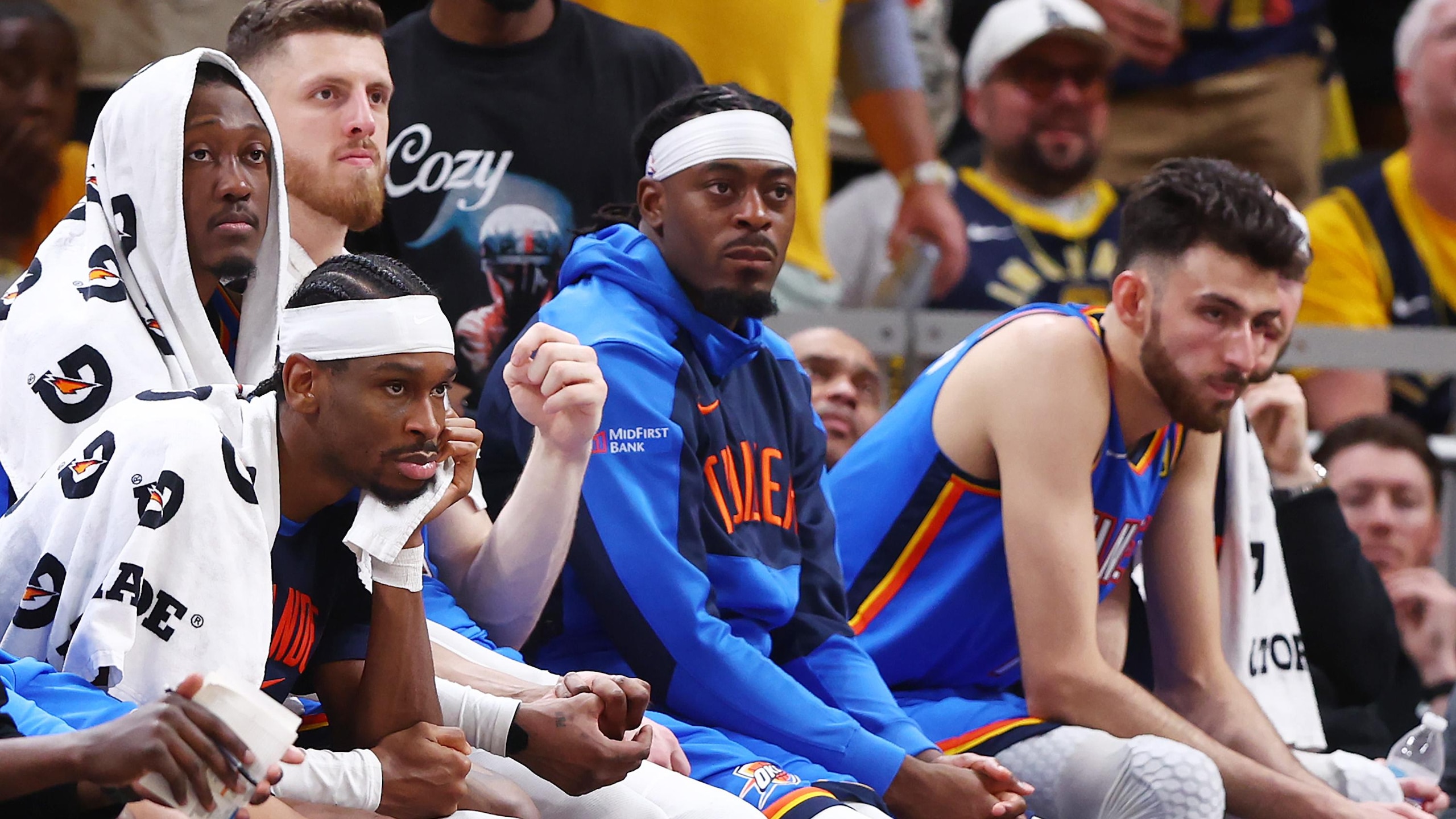
Tough decisions await the Oklahoma City Thunder. If they bring everyone back in 2026-27, they'll be deep into the second apron. Going this route is on the table so long as ownership is willing to pay the tax. The roster-building restrictions that come with entering the second apron won't faze a team as deep as OKC.
Keeping the long-term-pick armory stocked is critical no matter what the Thunder decide. That's what will allow them to load up the internal pipeline with cost-controlled players on the ascent who help juggle rising roster costs and leave their window to win open for as long as possible. Executive vice president Sam Presti should have his eyes on the outer years, because he's yet to nail down any definitive first-round picks or swaps in 2030, 2031 or 2032.
Consider the rest of this big board just-in-case insurance. Max Christie will be cheap for at least another year (2027-28 player option) and can approximate much of what gets lost if some combination of Lu Dort (team option), Isaiah Joe, Aaron Wiggins or Alex Caruso become collateral damage of OKC's finances. The Dallas Mavericks no doubt want to hold onto him, but the Thunder have choose-your-own adventure assets—a stockpile that includes the rights to swap 2028 firsts with Big D.
Horford, meanwhile, has enough left in the tank to spare Chet Holmgren from logging too many traditional-center reps if Isaiah Hartenstein (team option) gets the boot. Going on 40 this June, his return would be nothing more than a stopgap. With Jaylin Williams, Kenrich Williams (non-guaranteed) and a presumably healthy Thomas Sorber in tow, that's good enough.
Orlando Magic
22 of 30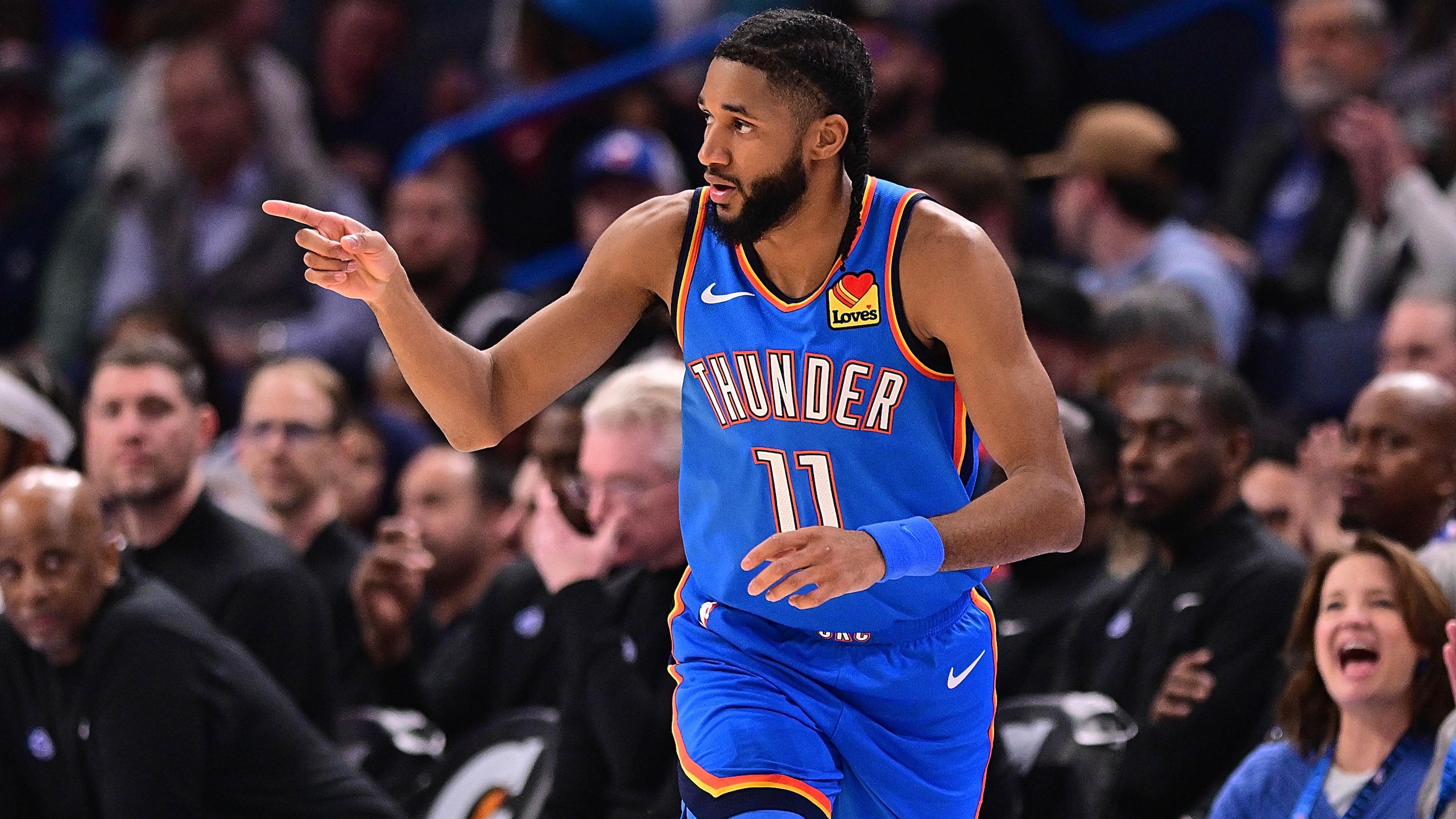
Failing to make the playoffs or getting trounced in the play-in or first round could coax the Orlando Magic into major changes—beyond potentially firing head coach Jamahl Mosley. Predicting anything nuclear prior to their season ending doesn't sit right, though. They are notoriously conservative with their transactions, and injuries have limited their core five-man unit fewer than 15 appearances.
Orlando needs to focus on opening up the floor if it keeps the band together. And it must do so while navigating a finicky financial situation. Staying out of the second apron should be a breeze. Ducking the first apron is possible. Entering the tax, however, is a virtual certainty even if Jonathan Isaac's partial guarantee gets the boot.
Isaiah Joe can be streaky, but he's a human flamethrower both off the catch and on pull-up opportunities in the aggregate. His remaining contract (three years, $35 million) fits the Magic's salary structure, and the Oklahoma City Thunder's increasingly expensive core and deep well of guards could foist him onto the chopping block.
At 6'7", Svi Mykhailiuk is bigger than you think, and his contract keeps him on the books through 2027-28 at an average annual value of less than 2.5 percent of the cap. He's not going to do much off the bounce, but he rates in the 99th percentile of off-screen impact per 75 possessions and 92nd percentile of catch-and-shoot three-point shot-making, according to BBall Index.
Vit Krejčí loves himself some half-court freelancing but doesn't need the ball in his hands. Like both Mykhailiuk and Joe, he can be used in stationary or movement sets. And at $3 million next season, he's the cheapest of the trio.
Philadelphia 76ers
23 of 30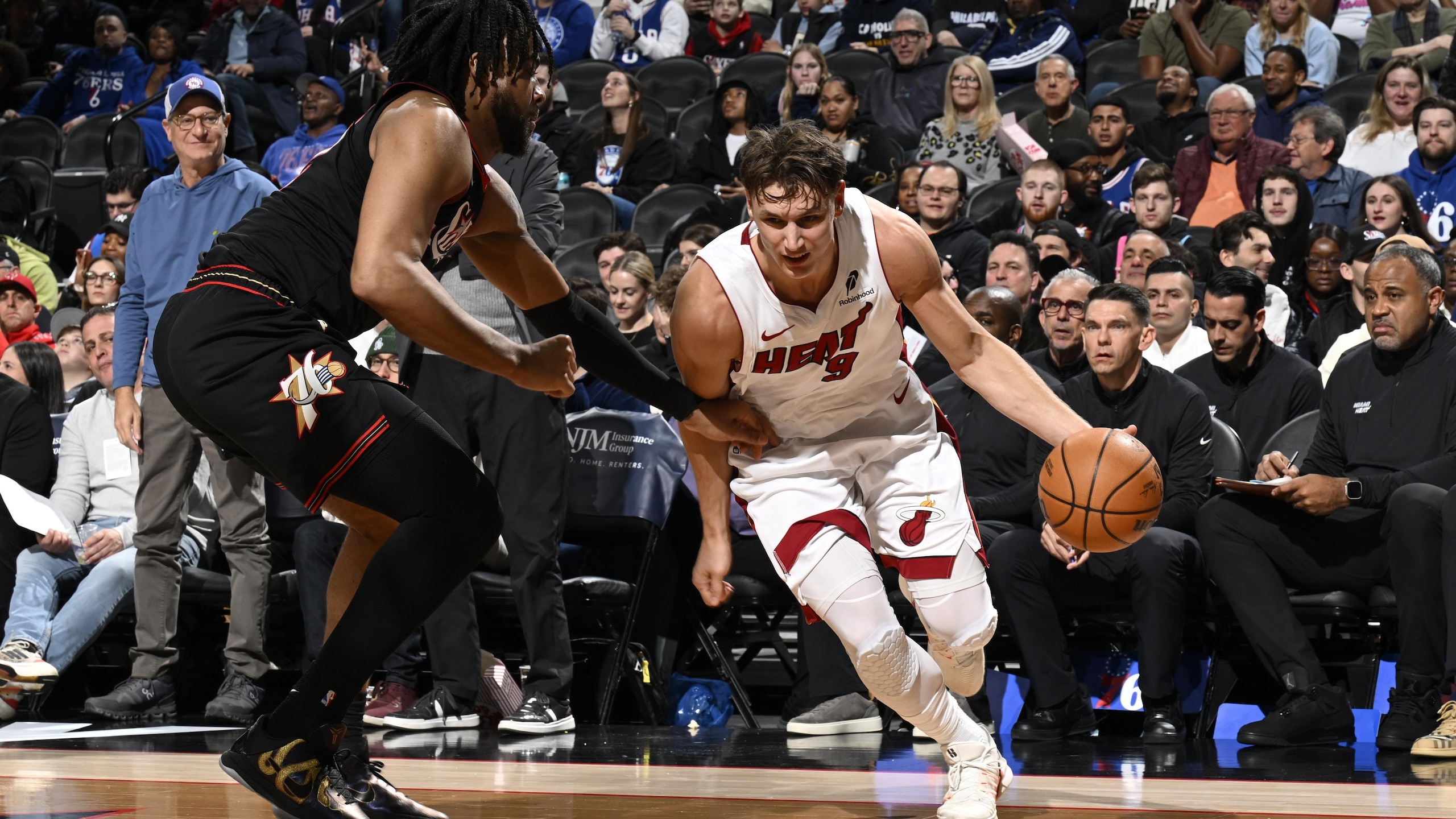
Building the Philadelphia 76ers' offseason trade big board is, as of now, an achingly boring exercise.
Remove Tyrese Maxey, VJ Edgecombe, Joel Embiid and Paul George from the table, and their next highest paid player is…Dominick Barlow (non-guaranteed)...who's on the books for $3.4 million. Mid-level exceptions can now be used in trades, and the Sixers have $20-plus million in room beneath the luxury tax. But that number doesn't factor in possible new deals for Kelly Oubre Jr. and Quentin Grimes—or ownership's serial penny-pinching.
Cheaper targets will be the default until we get a better lay of the offseason land. And the focus will preferably lie with wings and combo forwards. You could make the case for secondary scoring and ball-handling, but surely a team in need of that wouldn't auction off Jared McCain at the trade deadline…right?
Pelle Larsson blurs the line between guard and wing thanks to his size. Though his three-pointer isn't reliable, he's shifty going downhill and boasts pretty good live-dribble vision.
Go ahead and add Philly to the list of teams that should attempt to raid the Washington Wizards for Justin Champagnie. His defensive malleability is legit. He can help out around the basket in lineups that don't feature Joel Embiid and settle into wing duty the rest of the time.
Terrence Shannon Jr. is supposed to offer standstill shooting, driving and ferocious defense. He's not doing that. Whether it's because of a lingering left foot injury or overestimation of his potential, who knows? He's cheap enough for the Sixers to try finding out.
Phoenix Suns
24 of 30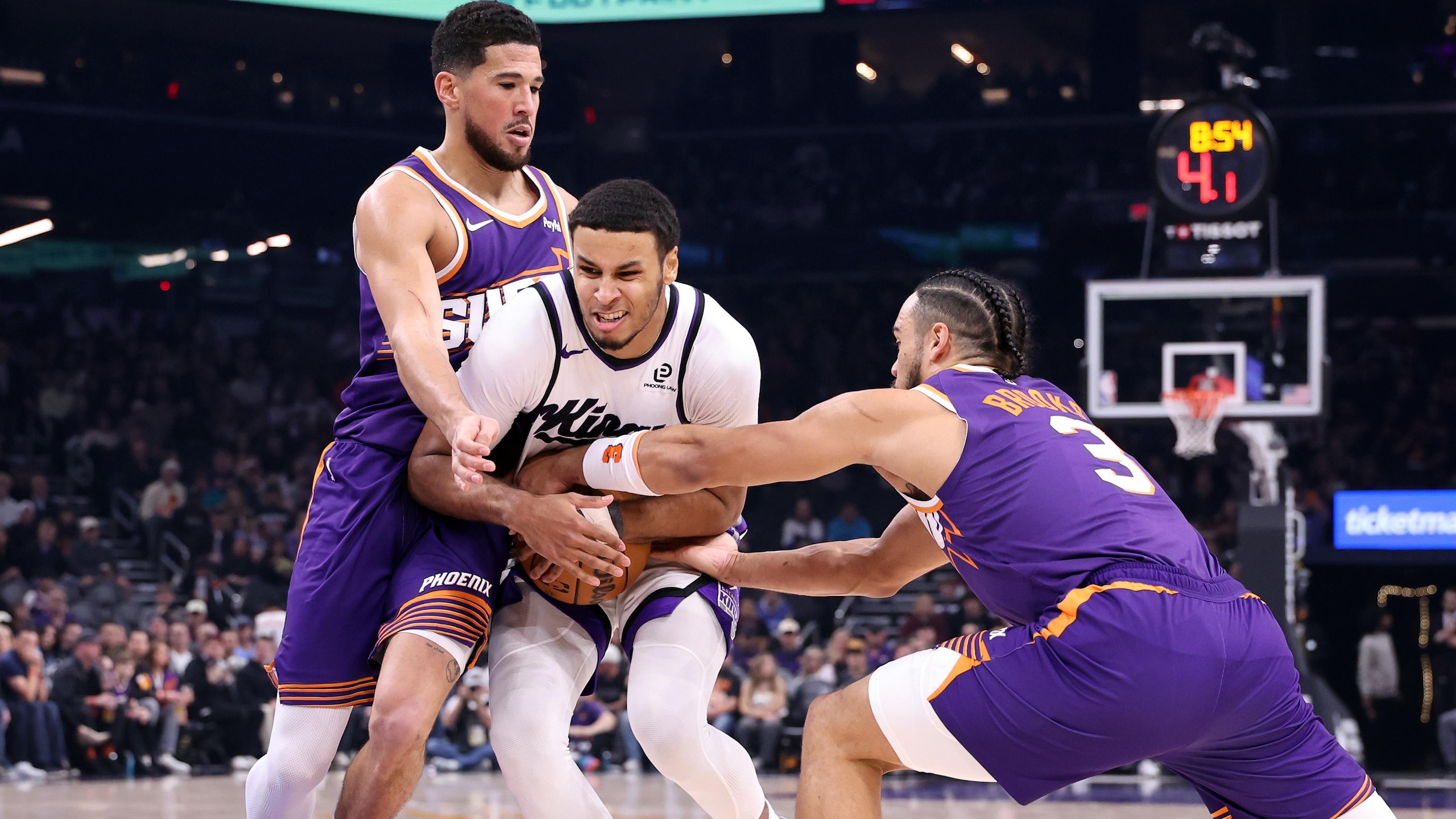
Punching up the offense with a combo-forward upgrade remains the Phoenix Suns' most obvious course of action. (Rasheer Fleming, you have my apologies.) Just as it was entering the trade deadline, this will still be a challenge.
Phoenix remains light on tantalizing draft picks and prospects. It technically has plenty of breathing room beneath the tax, but that $17-plus million cushion could evaporate depending on its approach to Collin Gillespie, Jordan Goodwin and Mark Williams (restricted) entering free agency.
Fortunately for the Suns, Zion Williamson is among the marquee names who shouldn't require king's-ransom returns. Half-court spacing could get wonky with him playing alongside another big, but he's no stranger to getting downhill in such configurations. He's also never had the chance to establish a two-man game with someone like Devin Booker.
Keegan Murray's five-year, $140 million extension isn't aging well. Chalk that up to his extended absence and, more notably, playing for the Sacramento Kangz. If they're interested in loosening the big-picture purse strings without receiving gaga draft compensation, the Suns should be among those first in line to gamble on him.
Saddiq Bey's threes never seem to fall at a high enough clip, but he plays with a genre of physicality inside the arc that helps offset it. Also: There's a chance he downs more triples catching passes from Booker and (hopefully) Gillespie.
Portland Trail Blazers
25 of 30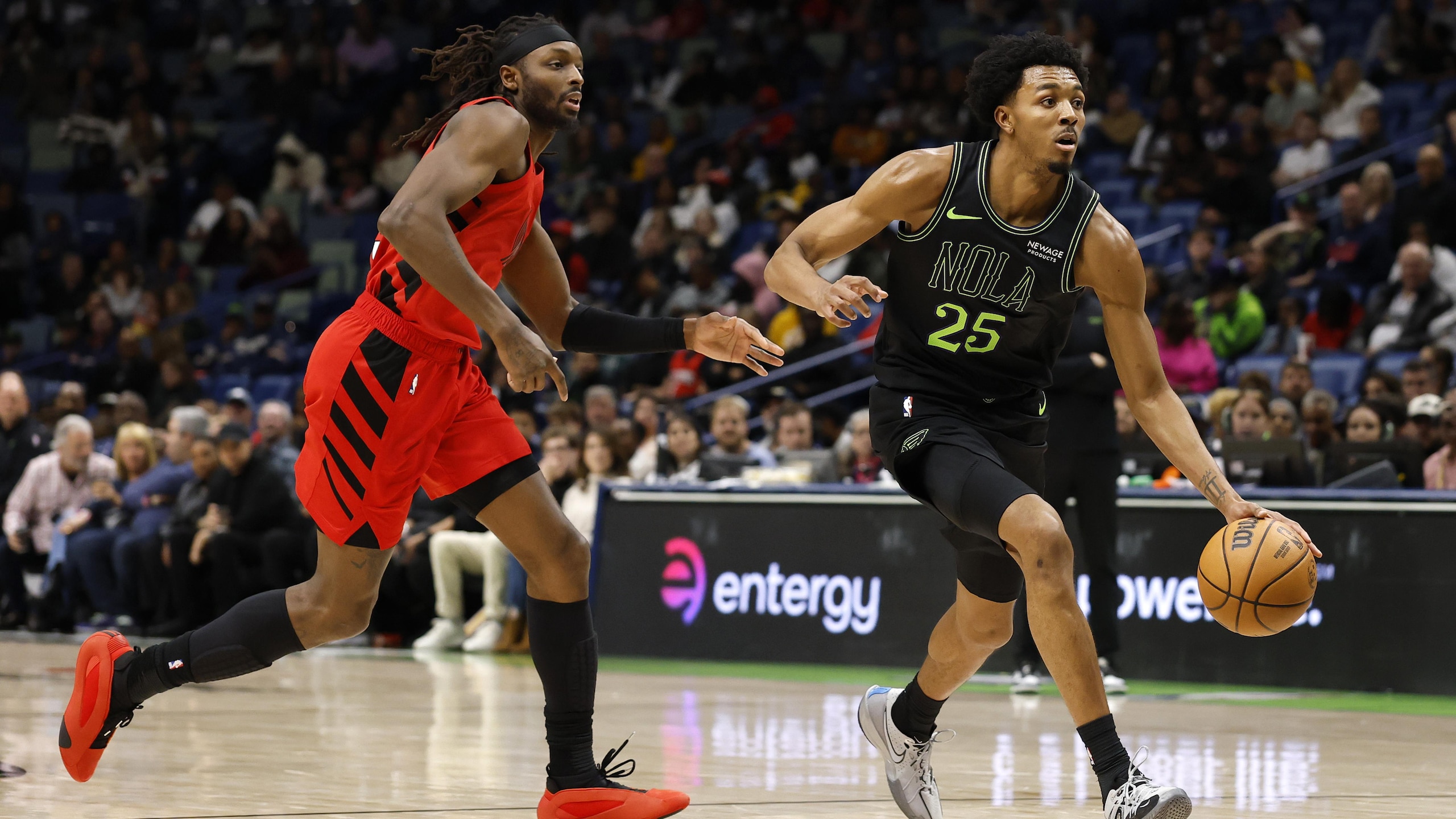
With all due respect to Deni Avdija, Jrue Holiday and Scoot Henderson, the Portland Trail Blazers need a sizable-to-galactian offensive infusion. Their apparent interest in Giannis Antetokounmpo at the trade deadline suggests they're ready for a big swing, too.
Portland should steer clear of that big swing. Giannis isn't the cleanest fit, and while everyone involved would find a way to make it work, the Blazers should favor someone who is younger, actually spaces the floor and won't cost as much contractually or transactionally.
LaMelo Ball would be an electric addition even with Damian Lillard rejoining the fold next season. The off-the-bounce shot diet can be anarchic, but his impact on the offense is undeniable. Granted, you'll want to file this under "Ultra-Ambitious." The Charlotte Hornets have played themselves out of seller's territory. Though maybe, just maybe, they view their recent success as a chance to sell high.
Trey Murphy III doesn't have the track record to run the offense, but he works defenses into a tizzy on and off the ball. The value he promises as a floor-spacer is worth the premium he'll command if Portland has Dame, Avdija and Holiday in tow.
Sam Merrill will forever spit fire in his sleep from behind the rainbow. At 6'5", he's a sneaky scrapper on the defensive end as well. If the Cleveland Cavaliers get cagey about (probably) staying in the second apron, the Blazers have the luxury-tax space to offer relief by taking Merrill into their mid-level exception and sending out draft compensation and cheaper reinforcements.
Sacramento Kings
26 of 30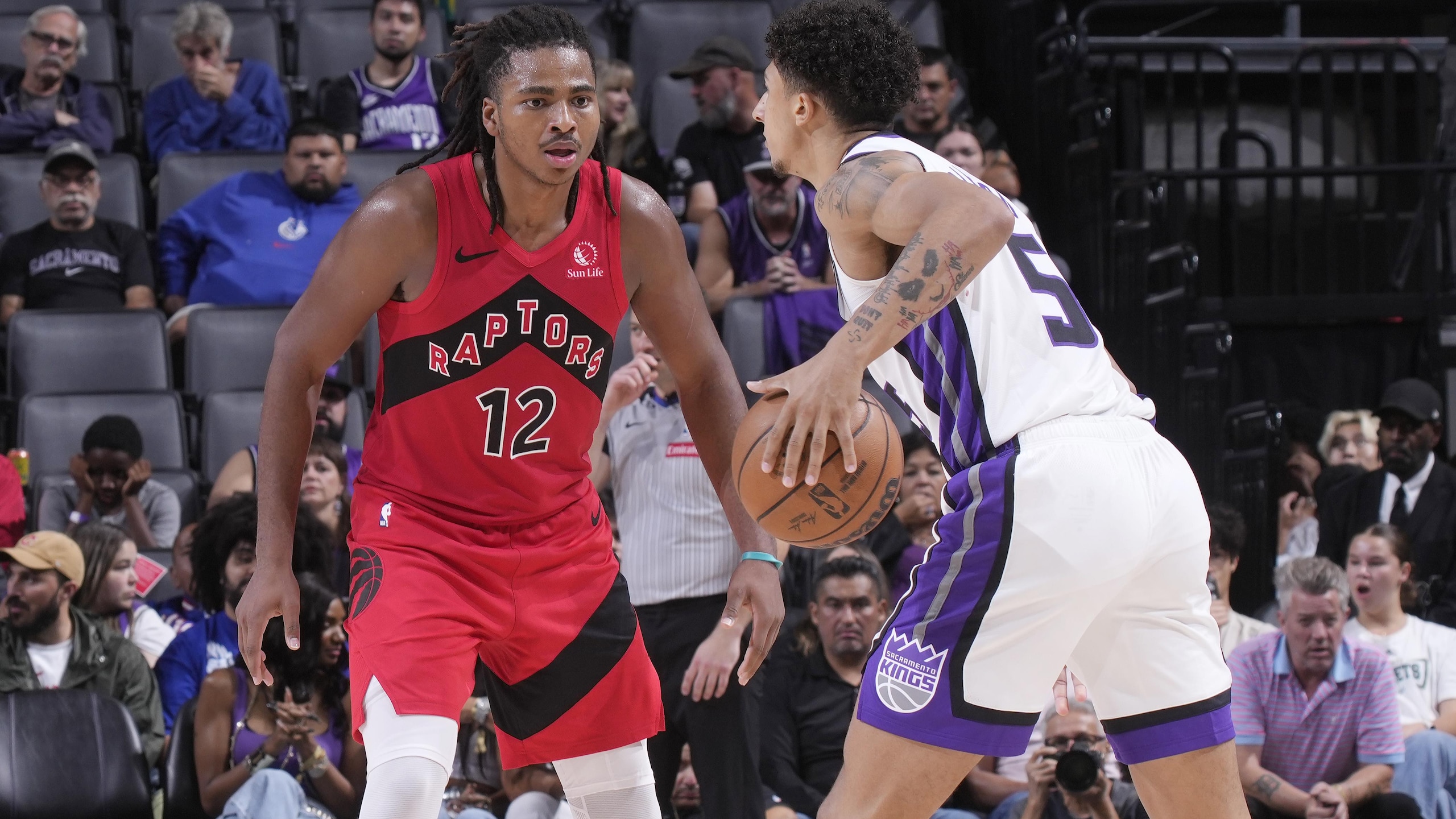
Continuing to lean into a longer-term arc better be the Sacramento Kings' offseason blueprint. Almost entirely barren of hot-commodity players and contracts, they won't be selling from a position of strength, but they need to sell all the same.
The Toronto Raptors were apparently among the teams interested in Domantas Sabonis at the deadline. Although he isn't getting Collin Murray-Boyles' frenetic defense and deft passing on his own, if Toronto is pairing Scottie Barnes with Domas, Sacramento might be able to grease the wheels by swallowing the Jakob Pöltl contract.
Any Chicago Bulls draft picks will do. Any at all. They, too, were linked to Sabonis at the deadline and have the cap space to offer Sacramento a path out of the tax and then plenty of additional savings. Chicago's fire sale may have liquidated its interest, but just as the Kings are the Kings, the Bulls are the Bulls.
Beyond that, Sacramento should look at any low-cost prospect with a puncher's chance of running the offense. Tyler Kolek is the most realistic of the listed triumvirate and has flashed masterful vision in New York. Isaiah Collier and Scoot Henderson are higher-end swings and harder to acquire unless their respective teams' increasingly speedy timelines convince them to sell low.
San Antonio Spurs
27 of 30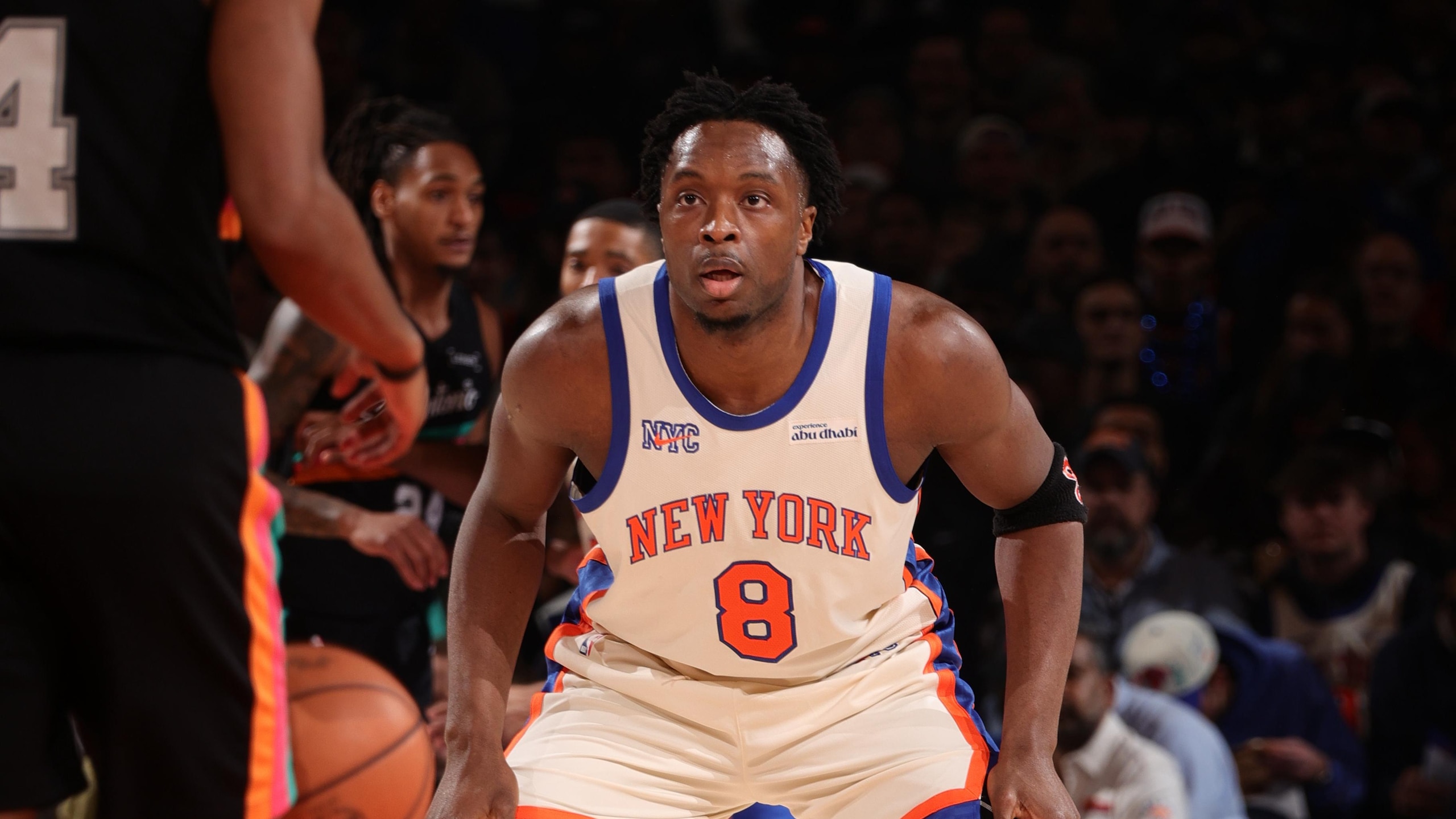
Popularizing Giannis Antetokounmpo-to-the-San Antonio Spurs lost its overarching heft a while ago. This team may already be good enough to win the whole damn thing. Even if they're not, they appear close enough to focus their upgrades on superstar role players rather than actual superstars.
Trey Murphy is Nirvana to any team with as many downhill attackers as San Antonio. The gravity he'll have away from the ball will turn the Spurs offense into a cheat code, and he's shown off-the-bounce chops to boot.
Jaylen Wells slides nicely into the "San Antonio needs more shooting and perimeter defense" bucket without breaking the bank. Literally. He is under contract through 2027-28 (team option) and tops out at $2.5 million.
Extricating him from the Memphis Grizzlies will eat into the Spurs' draft stash—assuming the Grizz even pick up the phone. That's fine. He won't come close to costing Castle or Harper, who are San Antonio's two tickets to any future megastar trades it might explore later.
Most teams will fear facilitating Giannis' relocation somewhere else. The Spurs aren't one of them.
Furnishing the New York Knicks with first-round equity to fortify their Giannis pursuit in exchange for OG Anunoby would add the perfect amount of shooting, defense and physicality to the primary frontcourt slot alongside Victor Wembanyama. Matching salaries gets harder with Harrison Barnes coming off the books. San Antonio can make it work with Keldon Johnson and Devin Vassell or by attaching Johnson to Barnes sign-and-trades.
Toronto Raptors
28 of 30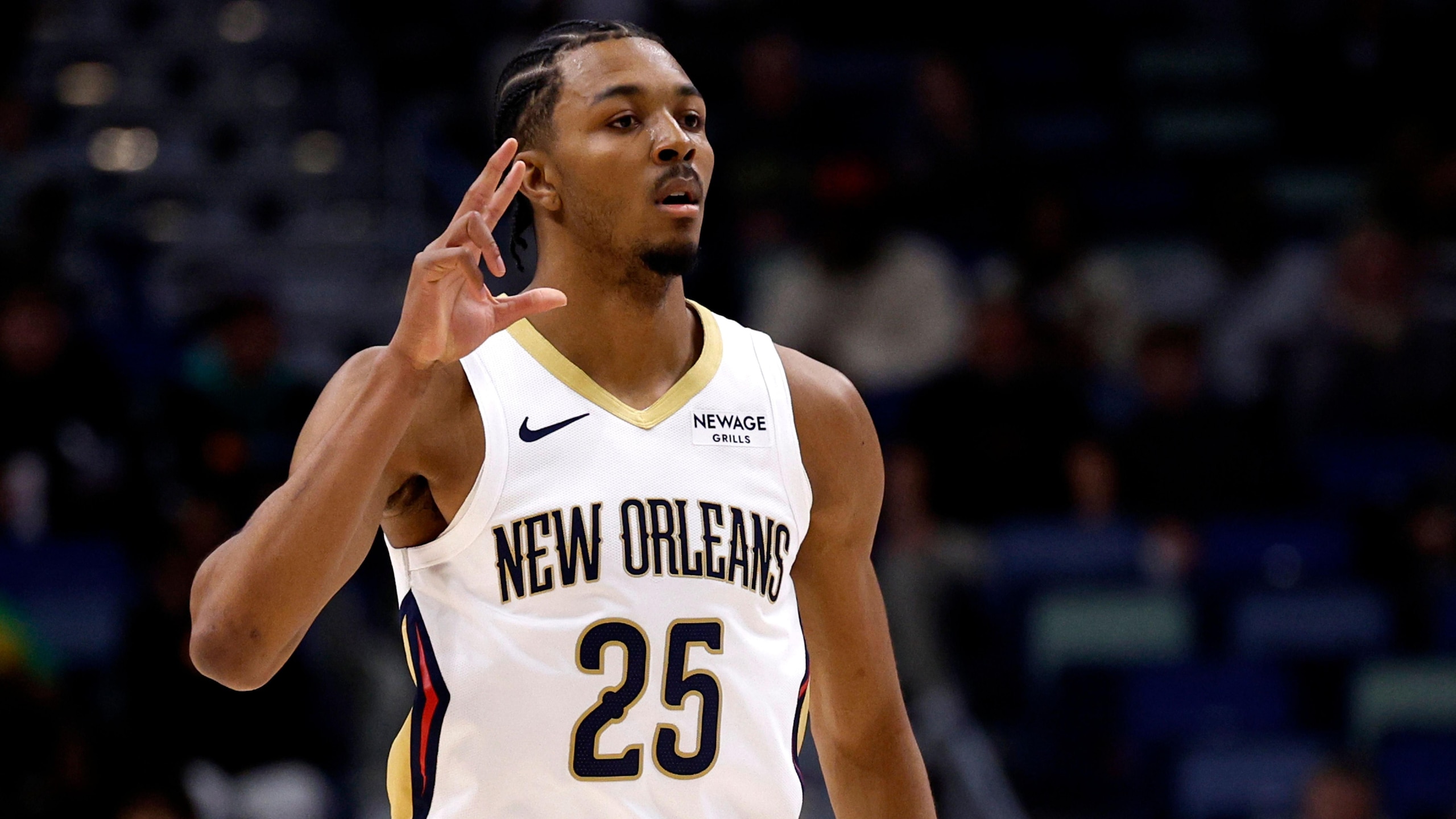
So much energy was burned leading into the trade deadline trying to suss out the Toronto Raptors' perfect big man. More time and effort should've been spent identifying someone who could come in and add dynamism to the offense—definitely as a floor-spacer, but also as a secondary creator.
Trey Murphy III isn't going to check the secondary-creator box, but the pull he has on- and off-ball will open up the half-court for Brandon Ingram, Scottie Barnes and, well, everyone else. He'll cost a mint in draft assets. The Raptors can handle it. They have all of their own first-round picks and shouldn't be shy about throwing them around if they're serious about building up from the middle.
Including Nickeil Alexander-Walker has nothing to do with a Canadian homecoming. Well, almost nothing. His contract (three years, $45.5 million remaining) is a friggin' steal relative to the offensive strides he's made. The shooting could regress, and he'd still help Toronto's offense as a spacer and someone who can get into the teeth of the defense.
Michael Porter Jr.'s $40.8 million salary will remain prohibitive for select teams. The Raptors shouldn't be one of them. They have the means to match it without including Immanuel Quickley, and the cost will be short-lived with MPJ scheduled for 2027 free agency.
Squeezing him in alongside Brandon Ingram and Scottie Barnes gets a tad awkward if he wants to keep stretching his on-ball wings. Even in Brooklyn, though, the vast majority of his buckets come off assists. Toronto would be huge on the perimeter with him in the fold and able to accommodate whatever center archetype it wants to place beside himself, Barnes and Ingram over the longer haul.
Utah Jazz
29 of 30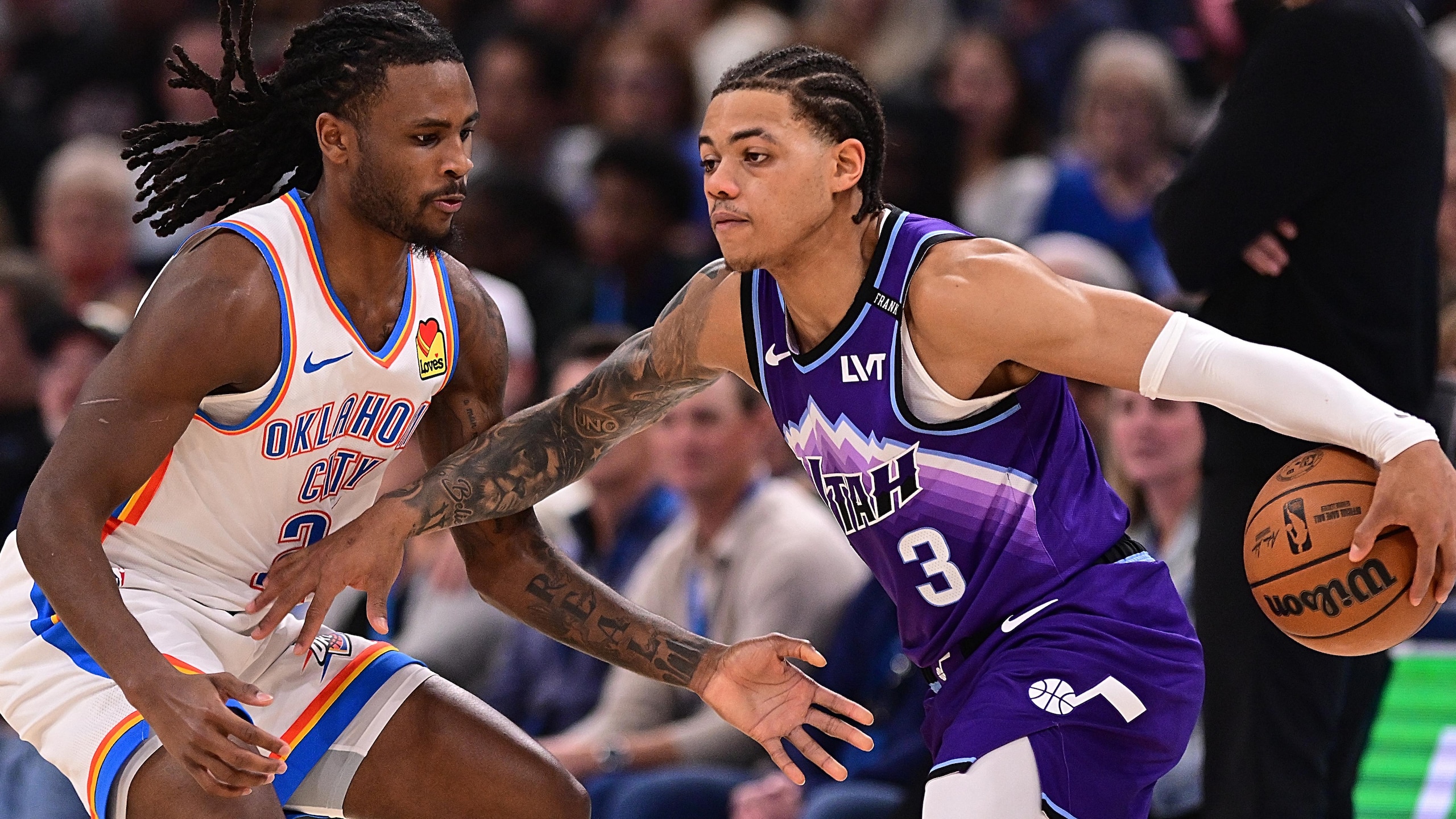
Quality on-ball perimeter defenders remain the Utah Jazz's biggest need. And after fast-tracking their timeline with the Jaren Jackson Jr. trade, they should aim higher to address than they might've before.
Cason Wallace doesn't seem at risk of becoming collateral damage if the Oklahoma City Thunder look to slash payroll. Then again, they have a ton of guards, and he's up for a contract extension. Matching his 2026-27 salary is no sweat, and Utah has enough picks left in the clip to make a viable offer.
Max Christie is young enough, at 22, to remain part of the Dallas Mavericks—assuming they're resetting at all. Without control over their own first-rounder again until 2031, they're heavily incentivized to favor win-now pursuits.
Still, Christie has just one more team-controlled year left on his deal (2027-28 player option). Selling high off his two-way performance this season shouldn't be out of the question.
Jalen Suggs could be untouchable for the Orlando Magic, but they're getting more expensive after maxing out Paolo Banchero and Franz Wagner and acquiring Desmond Bane. Anthony Black's breakout ahead of his extension eligibility only complicates matters.
The Jazz are uniquely equipped to tempt the Magic. Offers built around expendable first-round picks, a floor-spacer or two (Brice Sensabaugh, Kyle Filipowski, Svi Mikhailiuk, etc.) and tax relief might get Orlando thinking. And, in turn, it could get Utah a defensive dynamo on a pricey-but-declining contract.
Washington Wizards
30 of 30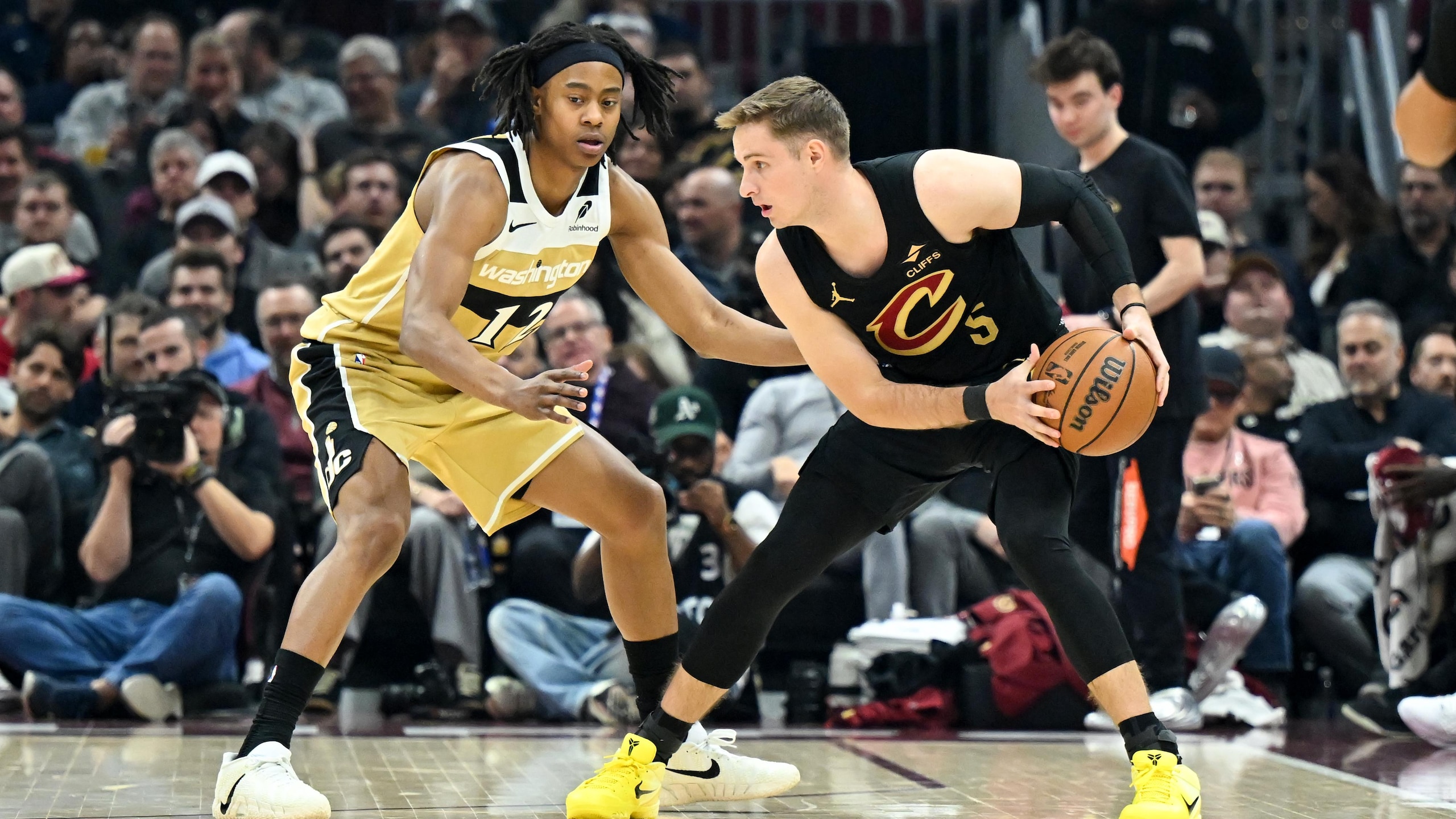
To what extent the Washington Wizards want to climb up the standings next season is unkonwn. Bringing in Anthony Davis and Trae Young (player option) clearly indicates they're angling for a huge jump, but they were also acquisitions of convenience.
No matter their internal expectations, though, this group needs capital-S Shooting. A frontcourt of AD, Alex Sarr and Bilal Coulibaly is far from a floor-spacing behemoth, and with the exception of Tre Johnson, the Wizards aren't stocked with a certified sniper.
Sam Merrill is a human inferno who exhausts defenders simply by pinballing around the half-court. Minutes with him and Young could be tenuous on defense, but he's more of a scrapper than advertised, and Washington has the requisite size and stinginess elsewhere to make it work. The Will Dawkins-led front should hope the second-apron-bound Cleveland Cavaliers enter cost-cutting mode over the summer.
Moses Moody doesn't shoulder a motion-shooter's volume, but he's someone who can knock down an open triple off movement. And while he's easily overtaxed on defense, the assignments he can tackle keeps in theme with insulating Young.
Sam Hauser seems less gettable now that the Boston Celtics have exited tax-ducking mode. But the 28-year-old is also their most expendable matching salary. The Wizards' own flexibility below the tax could render them a third-party helper as part of Beantown making a bigger swing.
Dan Favale is a National NBA Writer for Bleacher Report. Follow him on Bluesky (@danfavale), and subscribe to the Hardwood Knocks podcast, co-hosted by Bleacher Report's Grant Hughes.