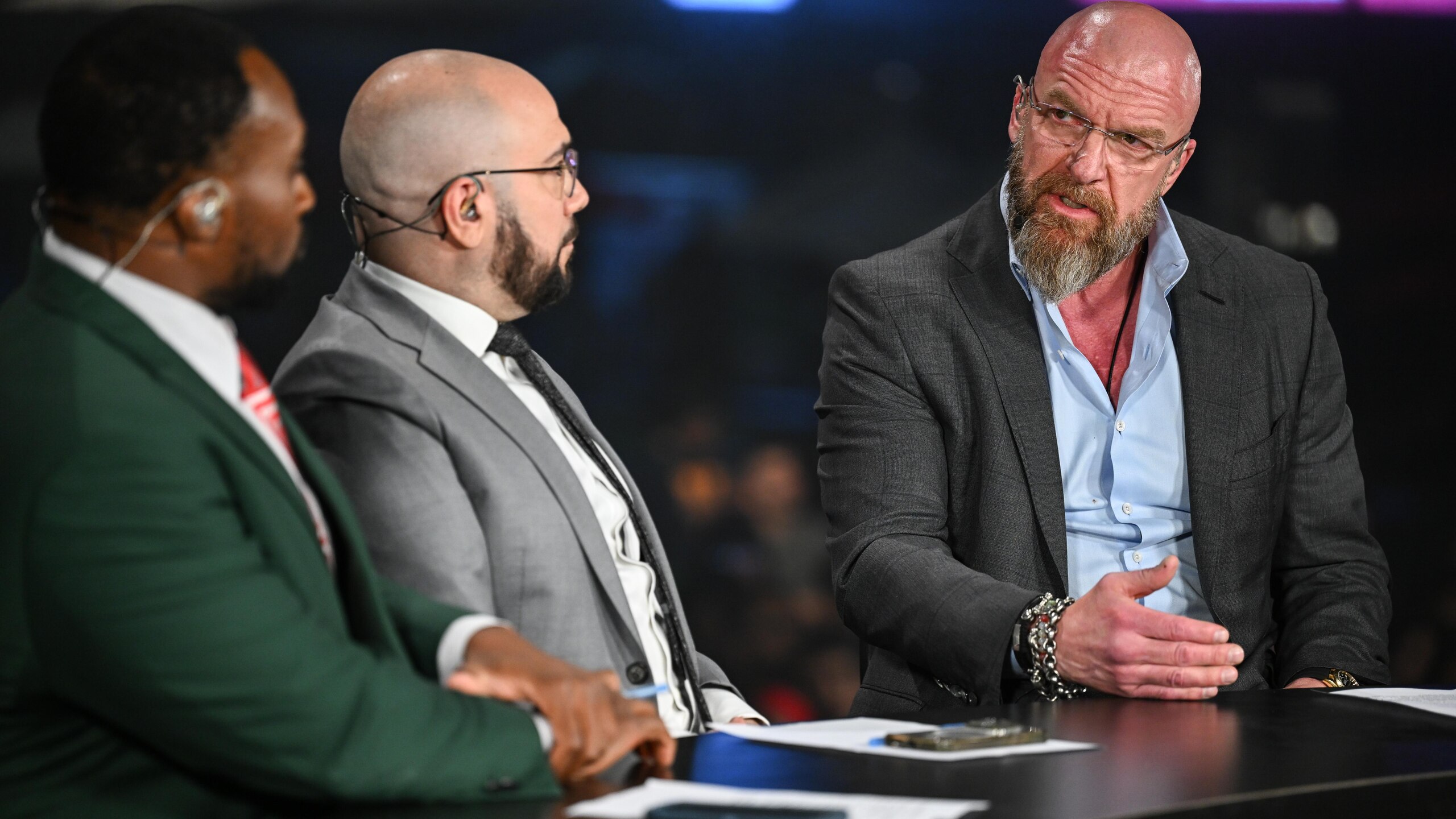

Making Sense of WWE's Creative Plateau Under Triple H
There was a time when Triple H felt like the second coming in WWE, a pro wrestling booker who had his finger on the pulse and was prepared to inject the company with much-needed freshness by creating new stars, building layered stories and giving fans the payoff they deserved in return for their patience.
That time feels like an eternity ago as the chief content officer and the company prepare for a return to Las Vegas for WrestleMania 42 on April 18-19.
WWE creative has plateaued and there may be no quick fix. How did the once-celebrated leader of the creative process in pro wrestling's most prominent company get to this point?
There are several reasons.
Booking for Viral Moments
1 of 3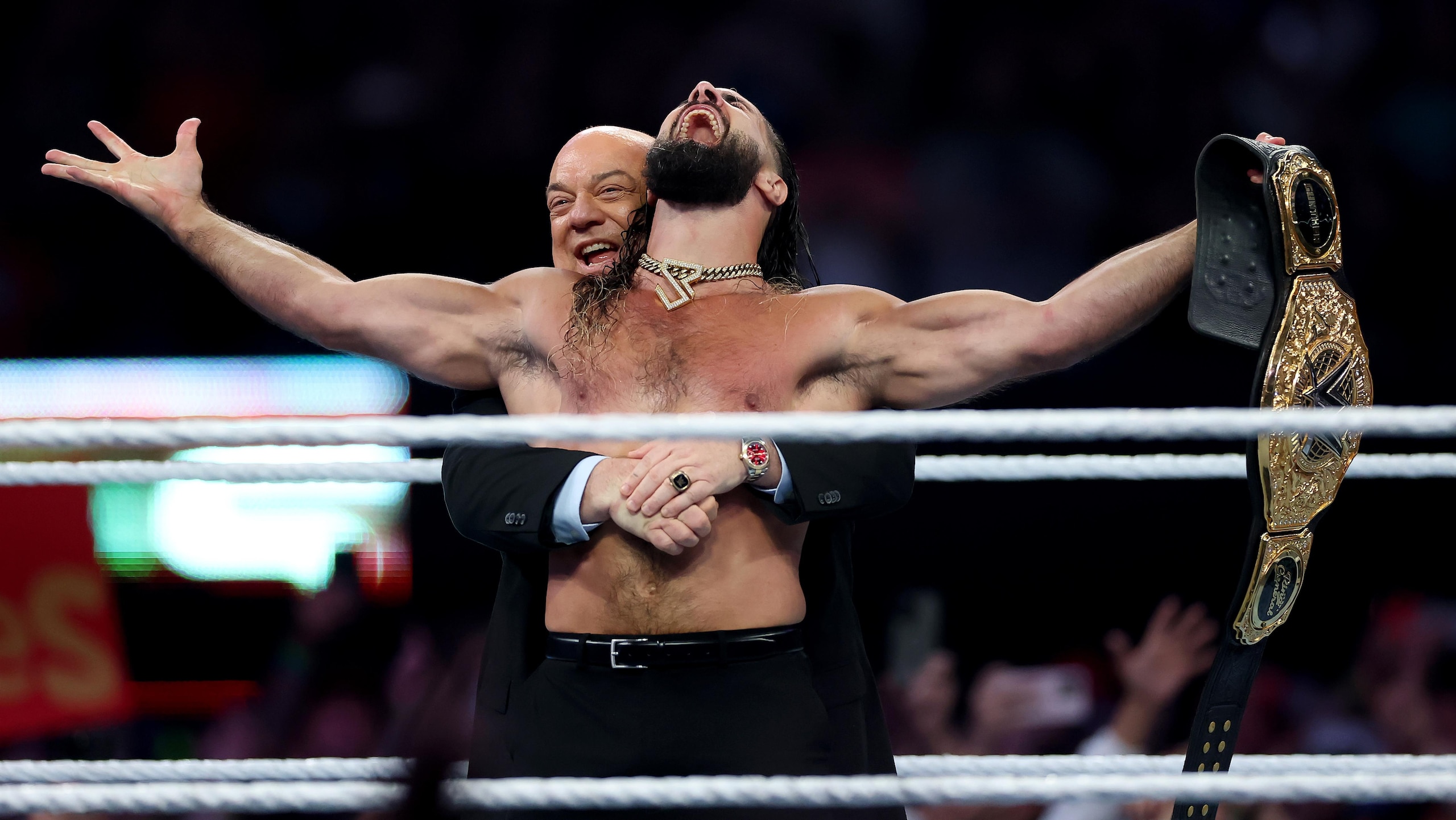
Social media is a key tool for any company in the entertainment industry in 2026, and viral moments attract the attention of a global audience as much as any marketing or promotional campaign.
When you begin booking your show with the intent of creating a singular moment, rather than telling stories or providing satisfying conclusions to them, you end up with a product that consists of meaningless weekly shows strung together to get from one moment to another.
Sometimes while disregarding developments along the way.
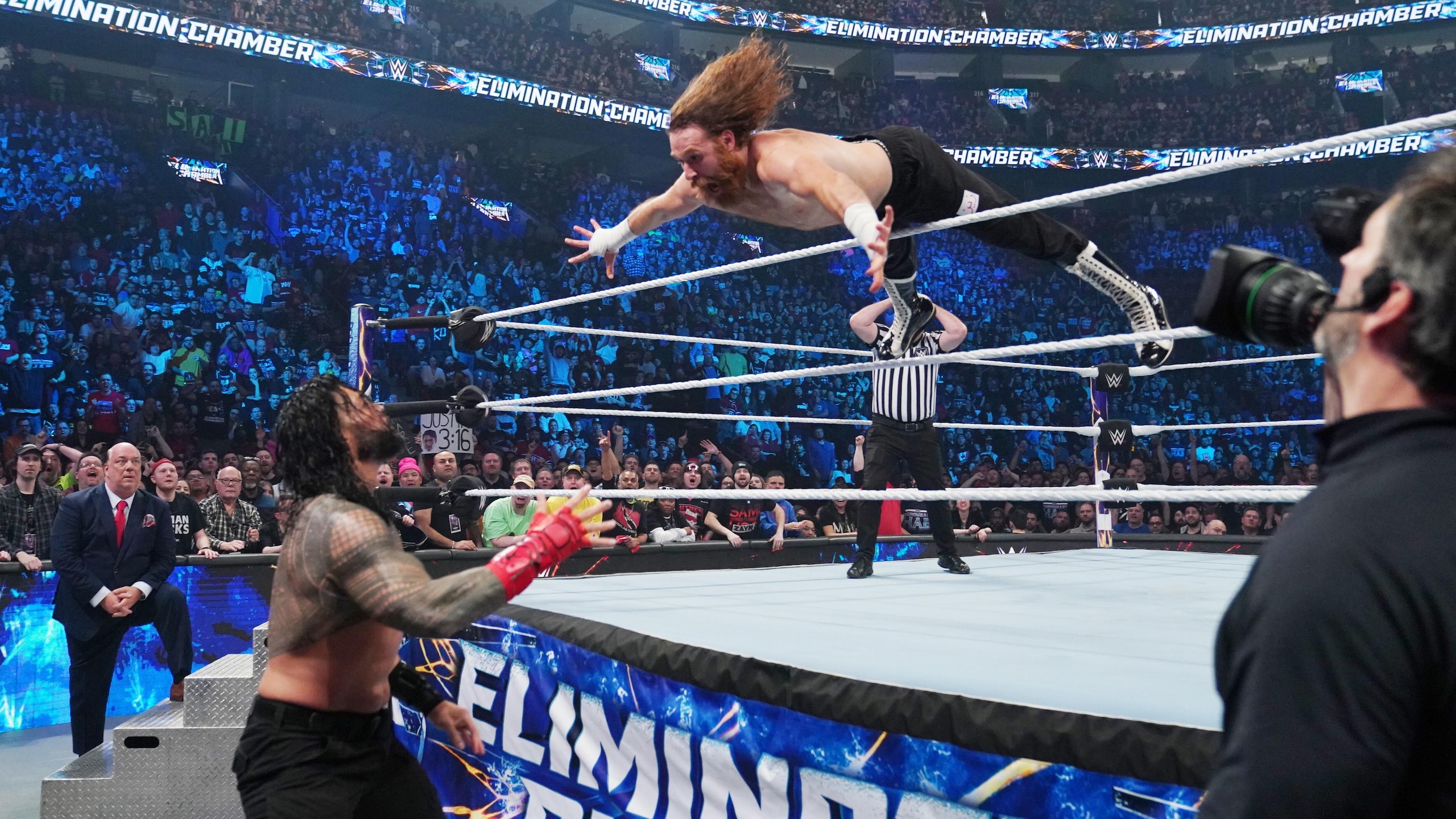
Look no further than John Cena's ill-fated heel turn at the 2025 Elimination Chamber. That moment, in which he sold his soul to The Rock and aligned with rapper Travis Scott meant nothing in the long run.
It drummed up interest for a WrestleMania 41 card that lacked the intrigue of its predecessor, but it set back Cena's retirement tour for months and forced creative's hand in August, when it inexplicably turned him back babyface.
Cena's example is the biggest, but it is an issue that has plagued WWE TV for the last 16 months.
Seth Rollins' feigned knee injury that culminated in his surprise return at SummerSlam and cash-in on CM Punk for the World Heavyweight Championship was done specifically to get one over on the "smart" fans and create a moment that would generate buzz just enough for WWE's ratings not to crater at the start of the fall and the onset of the NFL season.
In reality, it was detrimental to The Vision, which was left without its leader for weeks on end, putting a giant pause on the top storyline on Raw.
While it is nice to admire the number of impressions any social media post makes, booking exclusively for moments ultimately undermines the creative process, and the rest of the show suffers as a result.
Not Going All-In With New Stars
2 of 3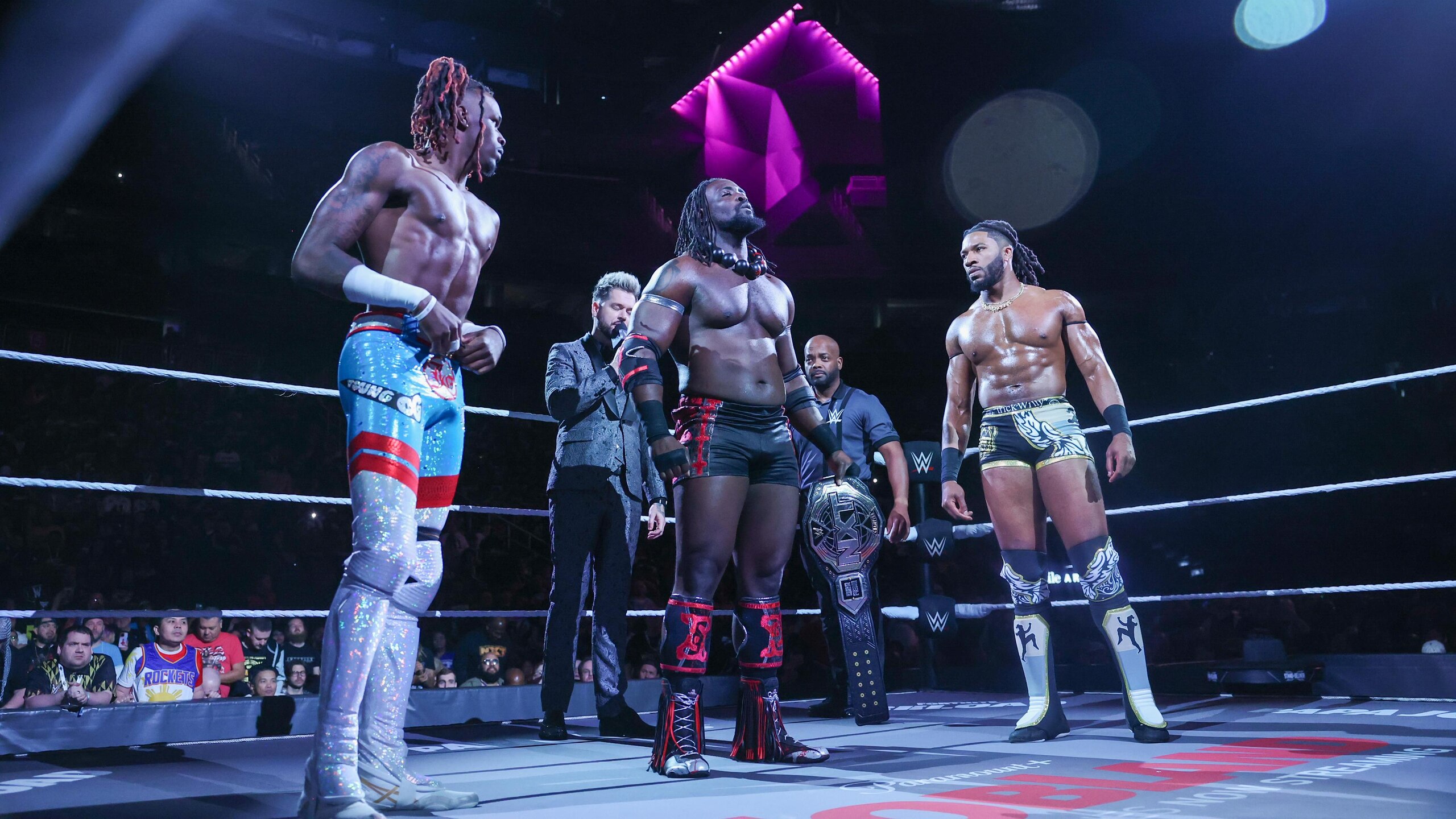
Too often over the last three years, fresh faces have either returned or been called up to the main roster and wasted.
Aleister Black, Rey Fenix, Rusev and Carmelo Hayes are just a few of the notable stars who debuted on WWE television and then put in a holding pattern.
WWE would likely hide behind "ongoing, long-term booking" as a reason that they cannot be more prominently featured, but considering how little actual long-term booking there is on the company's television these days amid ever-changing plans and stories that disappear into nothingness, that sounds more like a cop-out than anything.
Once upon a time, Triple H and Co. utilized top stars like CM Punk, Cody Rhodes, Roman Reigns and Seth Rollins to elevate names such as Drew McIntyre, Gunther, Damian Priest and Jey Uso.
Now, after months of pushing Bron Breakker, Bronson Reed and Logan Paul as part of The Vision, they appear to have taken a back seat in favor of a Punk-Reigns main event at WrestleMania, which is a huge blow to the youth movement that appeared well underway last spring.
Oba Femi's elimination of Brock Lesnar at the Royal Rumble, the failure to build on Je'Von Evans' performance against Gunther in the John Cena retirement tournament, and the inexplicable utilization of Andrade that led to him returning to AEW and immediately entering their world title picture are all further evidence of the company's reluctance to go all-in with young talent that fans have responded to and look the part of the future of the industry.
A Lack of Follow-Up
3 of 3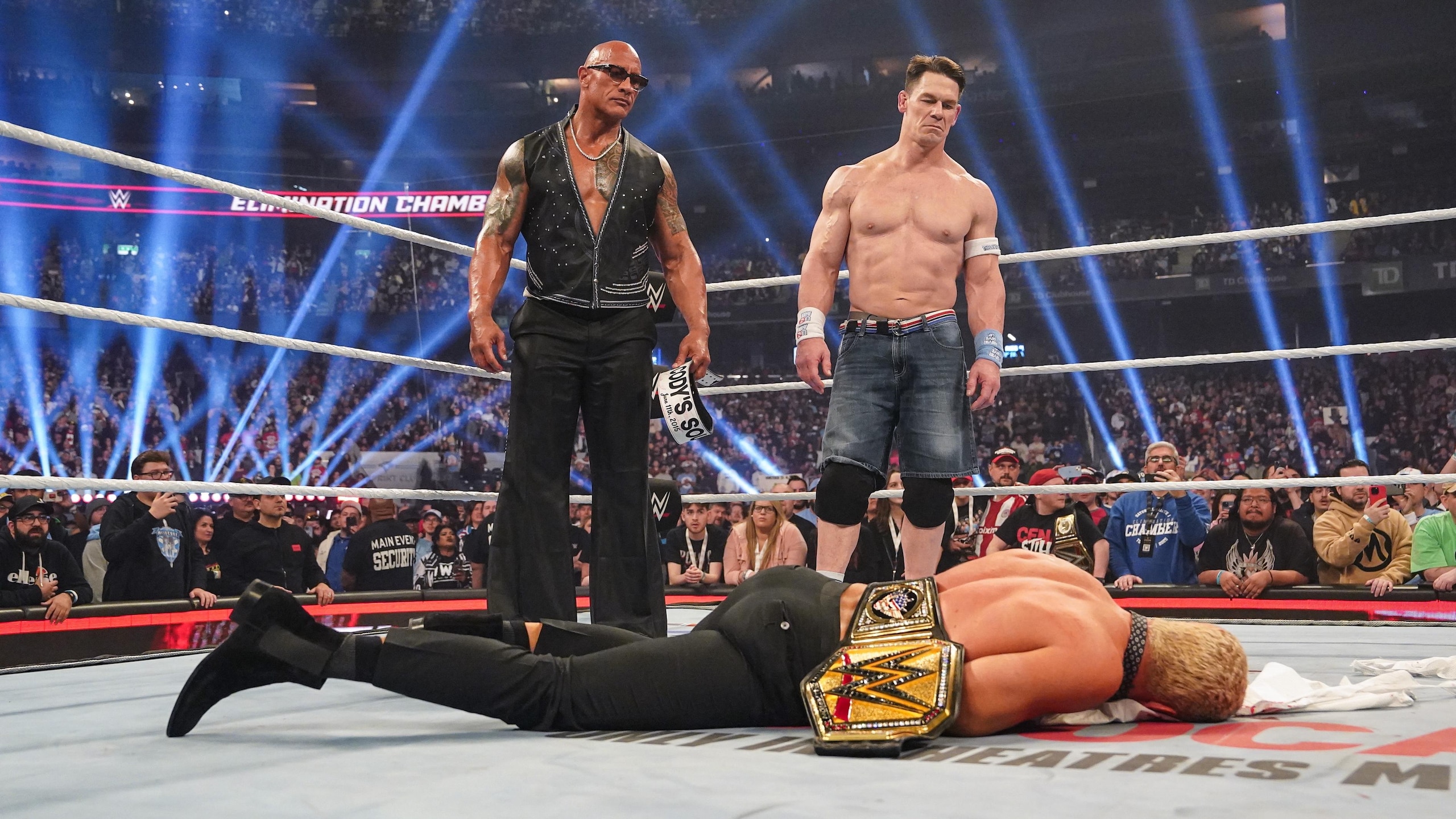
Perhaps the greatest issue facing WWE's creative process right now is the apparent lack of follow-up.
If the company does insist in creating viral moments and booking toward one solitary angle, the follow-up has to be huge. It has to have plans in place on how to build on the momentum that moment generates and the renewed interest it creates.
Triple H and Co. rarely do, though.
It was clear early on that there was no plan for the Cena heel turn. It happened, then everything else for the remainder of the year felt like it was thrown together or made up on the fly.
Yes, outside forces adversely affected it, but an angle of that magnitude should have several different directions coming out of it and it was clear there wasn't even one.
The Monday after Rollins shocked the world at SummerSlam felt like a regular episode of Raw instead of this red-hot show that sucked fans in and had them living and breathing with the events that unfolded.
Gunther has retired John Cena and AJ Styles, and one would be hard-pressed to watch either Raw or SmackDown right now and have any real indication of what The Ring General might be doing at WrestleMania. That is not building intrigue, that is lacking foresight to even hint at a potential direction for a star who has been as over as any other in recent months.
If WWE insists on continuing to be a highlight reel instead of a show featuring engaging, layered and thought-provoking storylines, it must have some sort of follow-up planned to take advantage of the moments it does create.
Otherwise, the company becomes a collection of moments strung together by unfocused television that eventually begins to look like the product that fans grew bored with under the previous regime.

.jpg?w=2560 "AD Trolls Bears WR on IG 😂")
.jpg?w=2560 "Viral Dan Campbell Presser 💙")
.jpg?w=2560 "Buzz: MHJ Hired Agents for Trade")
.jpg?w=2560 "Report: Steelers WR to Miss 'Weeks'")
.jpg?w=2560 "Cam Ward Says He's Not A Loser")


.jpg?w=2560 "Chargers Fall to 0-5 🤢")