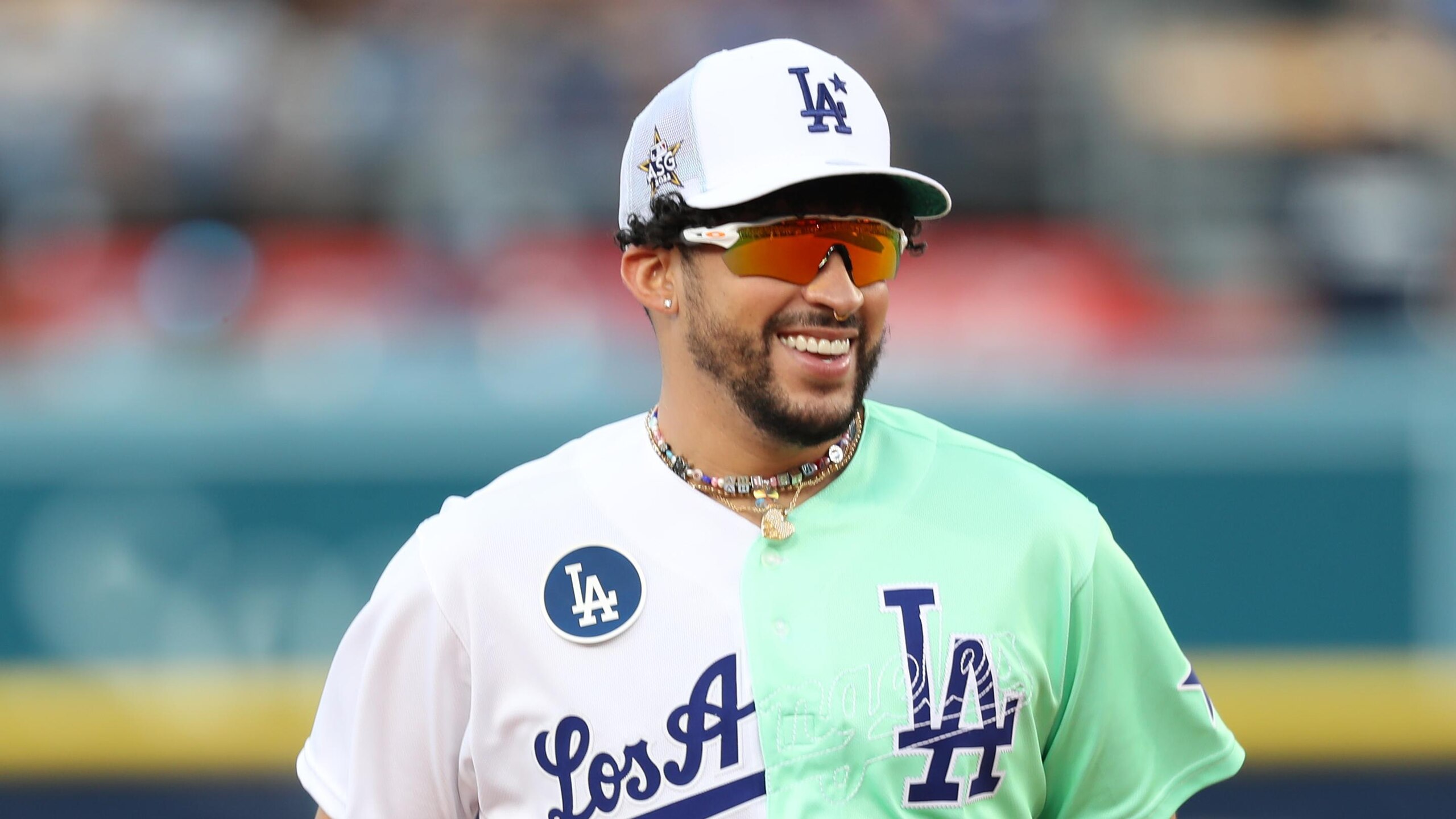

10 Things to Know about Bad Bunny, the Super Bowl LX Halftime Performer
Bad Bunny doesn't need you to speak Spanish to get the point. On his song "Tití Me Preguntó," he delivers a half-teasing, half-confessing hook with a grin you can hear—the same mischief that carried him from clubs in Puerto Rico to global superstardom.
That restless, flirtatious confidence is the engine of everything he does. And as the halftime headliner for Super Bowl LX between the New England Patriots and Seattle Seahawks at Levi's Stadium outside San Francisco this weekend, the reggaeton artist known as the "King of Latin Trap" looks to ride that frequency on the biggest stage.
The NFL picked a performer who wears skirts, shouts out Kobe and Messi in the same verse and keeps his name in people's mouths. Some folks are mad about his selection, and the outrage machine keeps churning. Good luck deterring him. Benito has heat-check confidence. Unlike past headliners, he doesn't make background music for commercials or CVS. This is a sexy choice.
Bad Bunny has always been athletic in his instincts and fearless in his presentation. If you're just meeting him on Super Bowl Sunday, here are 10 things to know about the 31-year-old before you give in to seducción.
10. He's a Global Superstar
1 of 10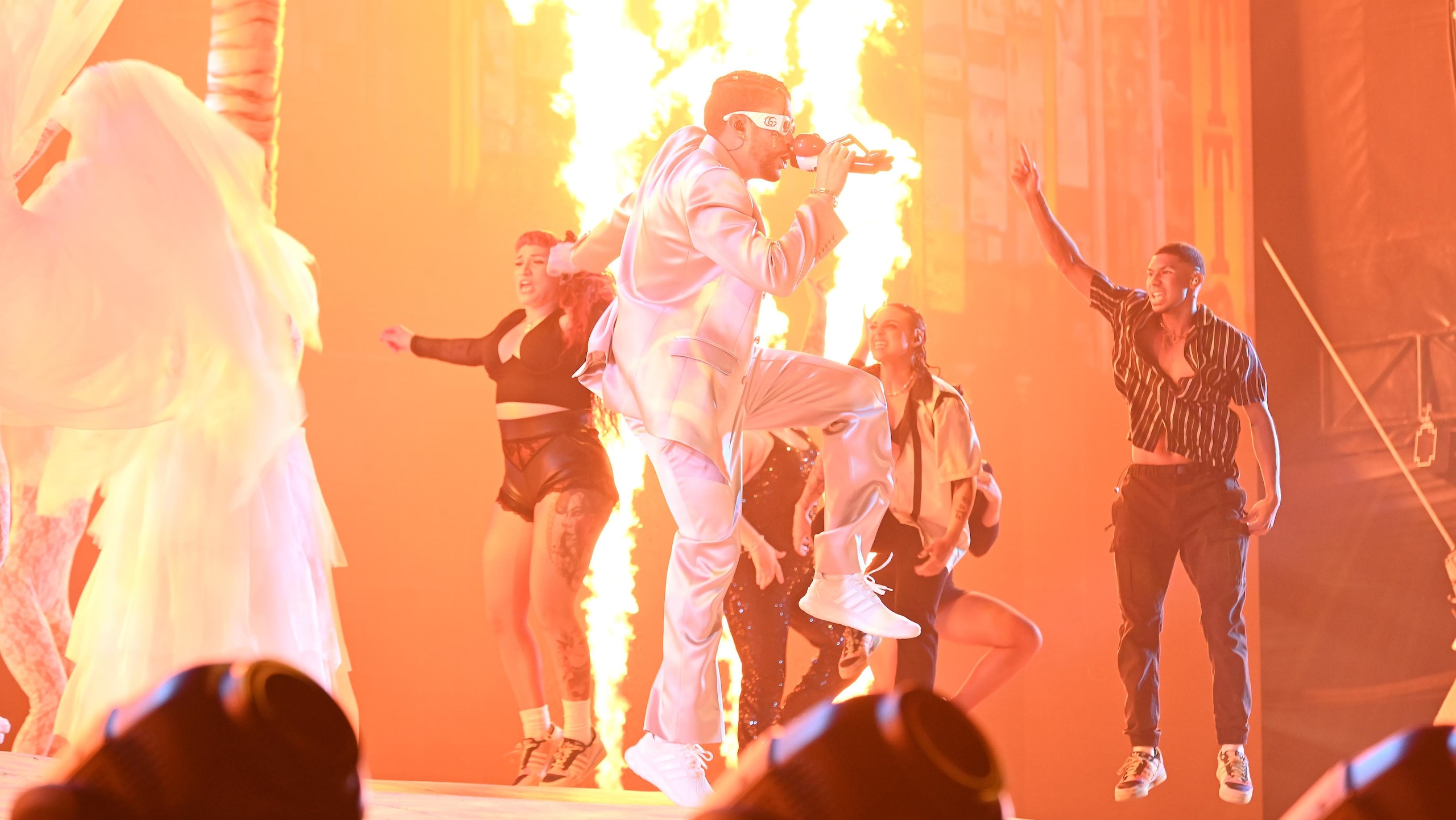
Bad Bunny blew up despite never translating his songs for an English-speaking audience. He sings in Spanish and centers Puerto Rico, his home. From "X 100PRE" (2018), his breakout debut, to "YHLQMDLG" (2020), which cemented his reggaetón dominance, to "Un Verano Sin Ti" (2022)—the first all-Spanish album ever to top the Billboard 200 and one of the most streamed albums in history, Benito has built his career without compromise.
His most recent release, "Debí Tirar Más Fotos" (2025), a culturally loaded and politically sharp project, went on to win the 2026 Grammy for Album of the Year, solidifying him as a defining artist of his era.
The hits abounded. Songs like "DtMF" and "Baile Inolvidable" ruled global charts in 2025, while staples such as "Me Porto Bonito," "Tití Me Preguntó," "Callaíta," "Ojitos Lindos," "Moscow Mule" and "Un Verano Sin Ti" have each crossed the billion-stream mark, soundtracking clubs, car stereos and stadiums across continents.
The scale is hard to overstate: Bad Bunny was Spotify's most streamed artist in the world in 2025, racking up nearly 20 billion streams and reclaiming the title for the fourth time. "Debí Tirar Más Fotos" finished as Spotify's biggest album globally that year, while "Un Verano Sin Ti" alone surpassed 20 billion streams.
Having Bad Bunny instantly draws the coveted youth vote while giving billions of eyes outside the United States a reason to tune in. Despite the outrage machine, Commissioner Roger Goodell said the league would not reconsider its choice, calling Bad Bunny "one of the leading and most popular entertainers in the world."
It's clear the numbers back it up.
9. Puerto Rico Is His Home Court
2 of 10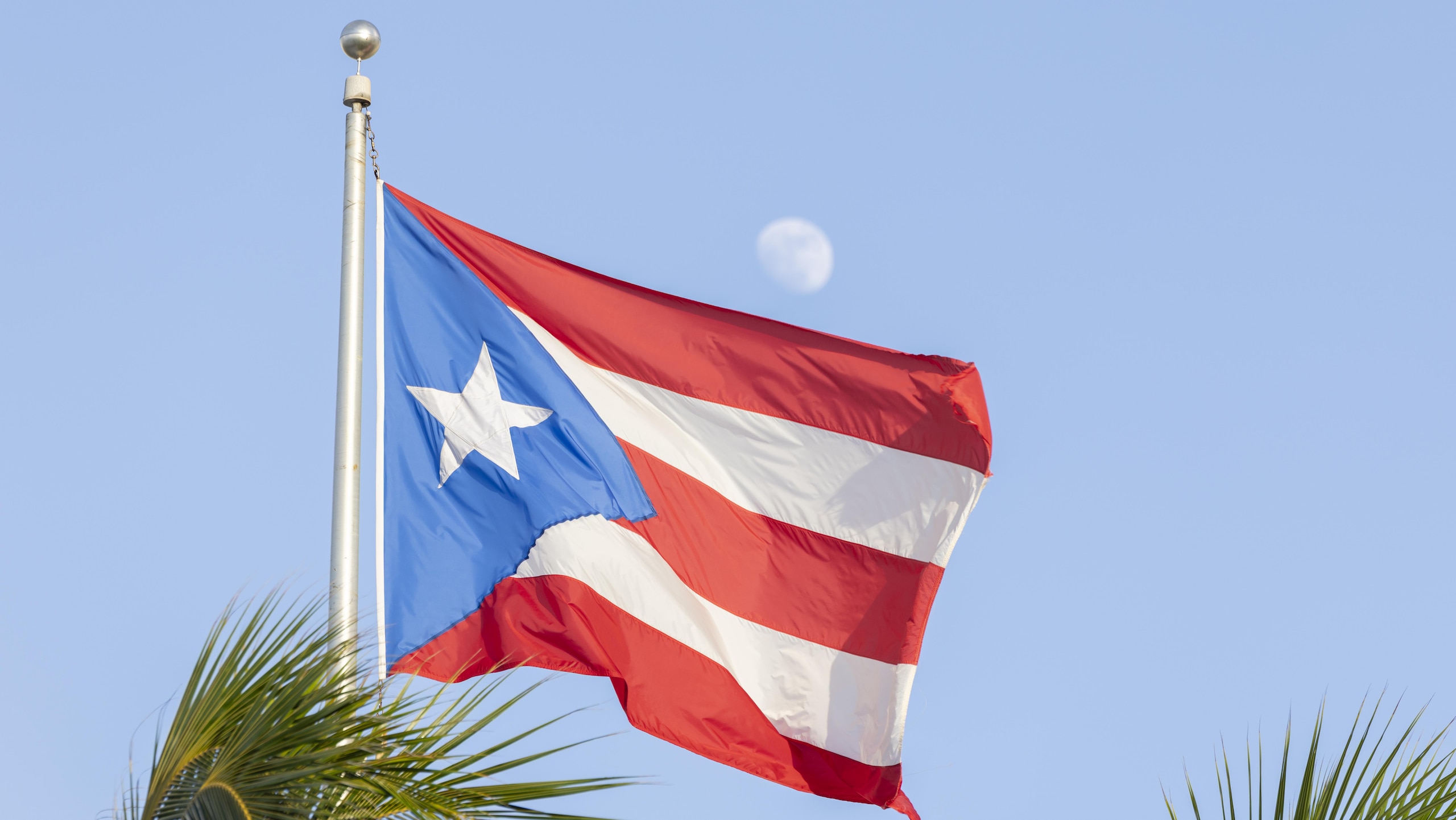
Everything Bad Bunny does starts with Puerto Rico and circles back to it. The accent stays. As do his left-wing politics. He treats his island the way legendary athletes treat their hometowns: with responsibility. Nervous? Pobrecita.
In Puerto Rican history, there's a straight line from Roberto Clemente refusing to be silenced, to Carlos Arroyo carrying his baloncesto into the NBA, to Benito doing the same through music. Each took an American platform to uplift their home island.
Latinos are now among the league's fastest-growing fanbases, as Spanish-language broadcasts expand and Hispanic viewership in the United States climbs sharply. Outside the U.S., the league's audience numbers in the tens of millions, particularly in Mexico and Brazil, with Mexico often cited as the NFL's largest market outside the U.S.
Nielsen data consistently shows Latino fans to be among the most engaged—more likely to attend games, buy merchandise and consume NFL media than the average viewer.
Hispanic audiences have grown as the league increasingly courts them through Spanish broadcasts and culturally specific campaigns.
So expect to hear mostly Spanish in Bad Bunny's set. Stretch for the incoming Caribbean rhythms. Prepare to lose yourself in the trance. The Super Bowl stage won't change his approach—it will magnify it.
8. His Music Is Packed With Sports References
3 of 10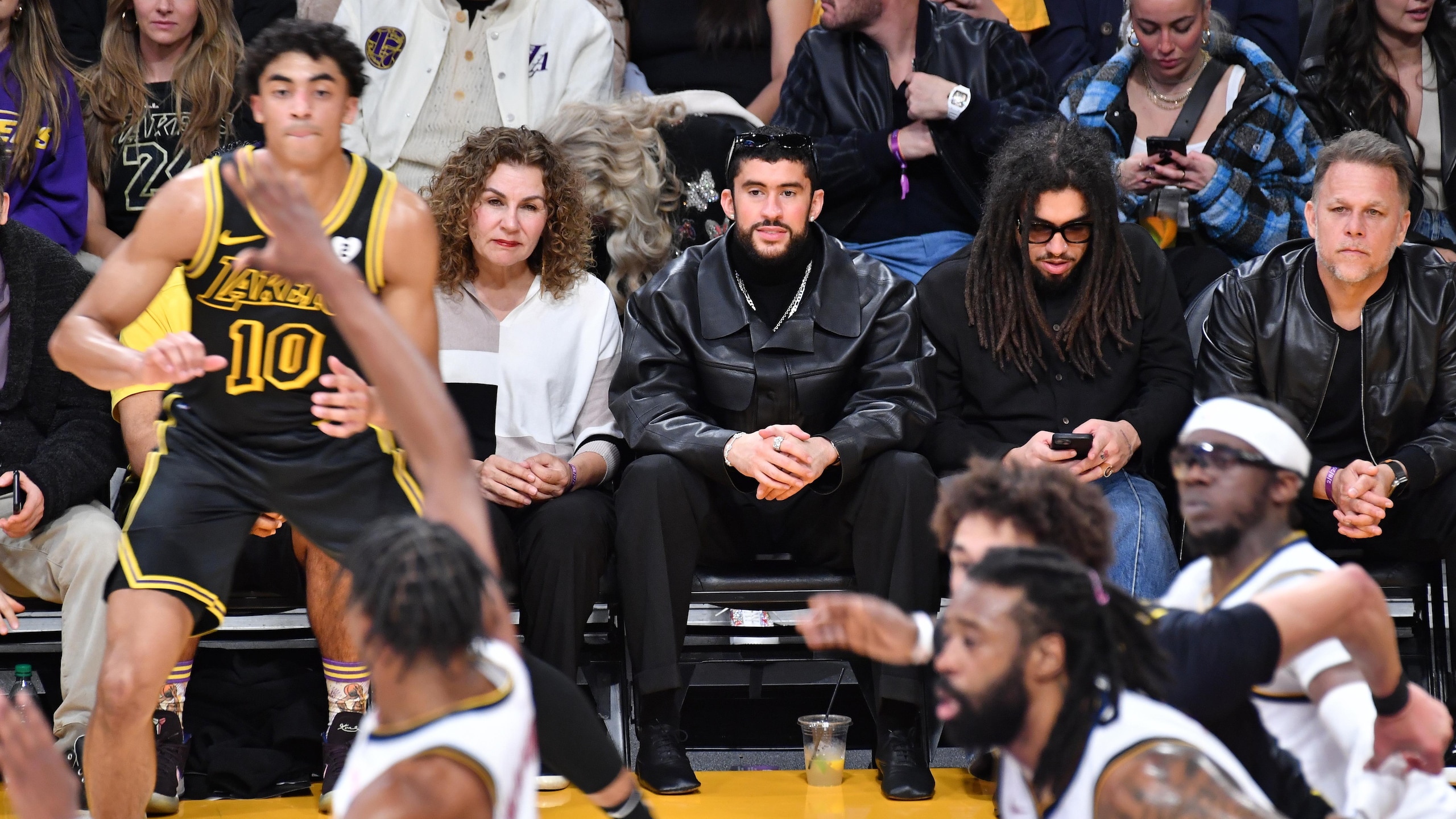
His songs name-check Messi, Cristiano Ronaldo, LeBron James, Kobe Bryant, Tim Duncan, Randy Arozarena, Ja Morant, Mike Trout and Igor Shesterkin. He assumes you're keeping up. His album Nadie Sabe Lo Que Va a Pasar Mañana reads like an obsessive scroll between games, social media, highlights and group chats.
Kobe's 61 at Madison Square Garden gets flipped into a threat on "Telefono Nuevo." Tim Duncan's career becomes a template on "Vuelve Candy B." In "Volví," he uses the Padres' Fernando Tatís Jr. to sell desire. Reggie Jackson gets immortalized as "Mr. October." On "El Mundo Es Mío," Bad Bunny demands the Cy Young outright, declaring himself a pitcher who never gets pulled.
On "25/8," Luka Dončić becomes shorthand for inevitability. Sports are how he understands success. Are you paying attention yet?
.jpg?w=2560 "Packers 49ers Football")
.jpg?w=2560 "Lions Cardinals Football")
.jpg?w=2560 "Seahawks Cardinals Football")
7. Actor-Slash-Rapper
4 of 10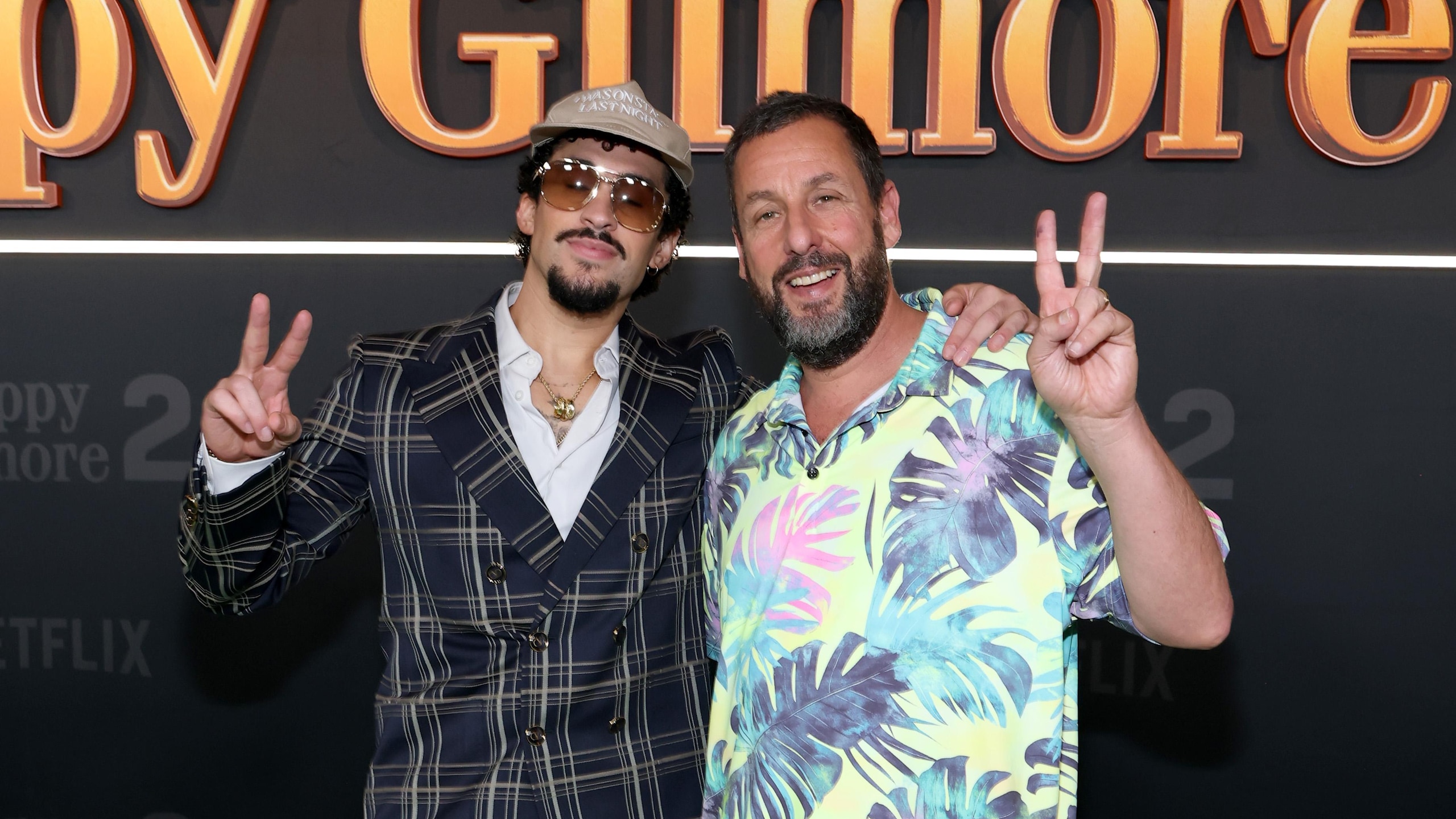
First, it was Narcos: Mexico, in which he held a small role playing a young cartel member. After that came F9, another blink-and-you-miss-it appearance. Then a larger gig in Bullet Train, where he went toe-to-toe with Brad Pitt as the hitman "The Wolf." The role asked for physicality and menace, and he delivered.
In Cassandro, he went in the opposite direction, playing the romantic interest to a queer wrestling icon in a film rooted in intimacy and vulnerability. And in Happy Gilmore 2, he plays Adam Sandler's caddie, a supporting sports-comedy role that relies on timing chops. His most recent, Caught Stealing, is a mess, but Bad Bunny rises above the material.
Playing a low-level villain, he gives the film more gravity than it deserves. Darren Aronofsky said it was the first time Benito felt like he disappeared into a character. You can see it, even when the movie fails miserably around him.
6. WWE Made Him a Legit Performer
5 of 10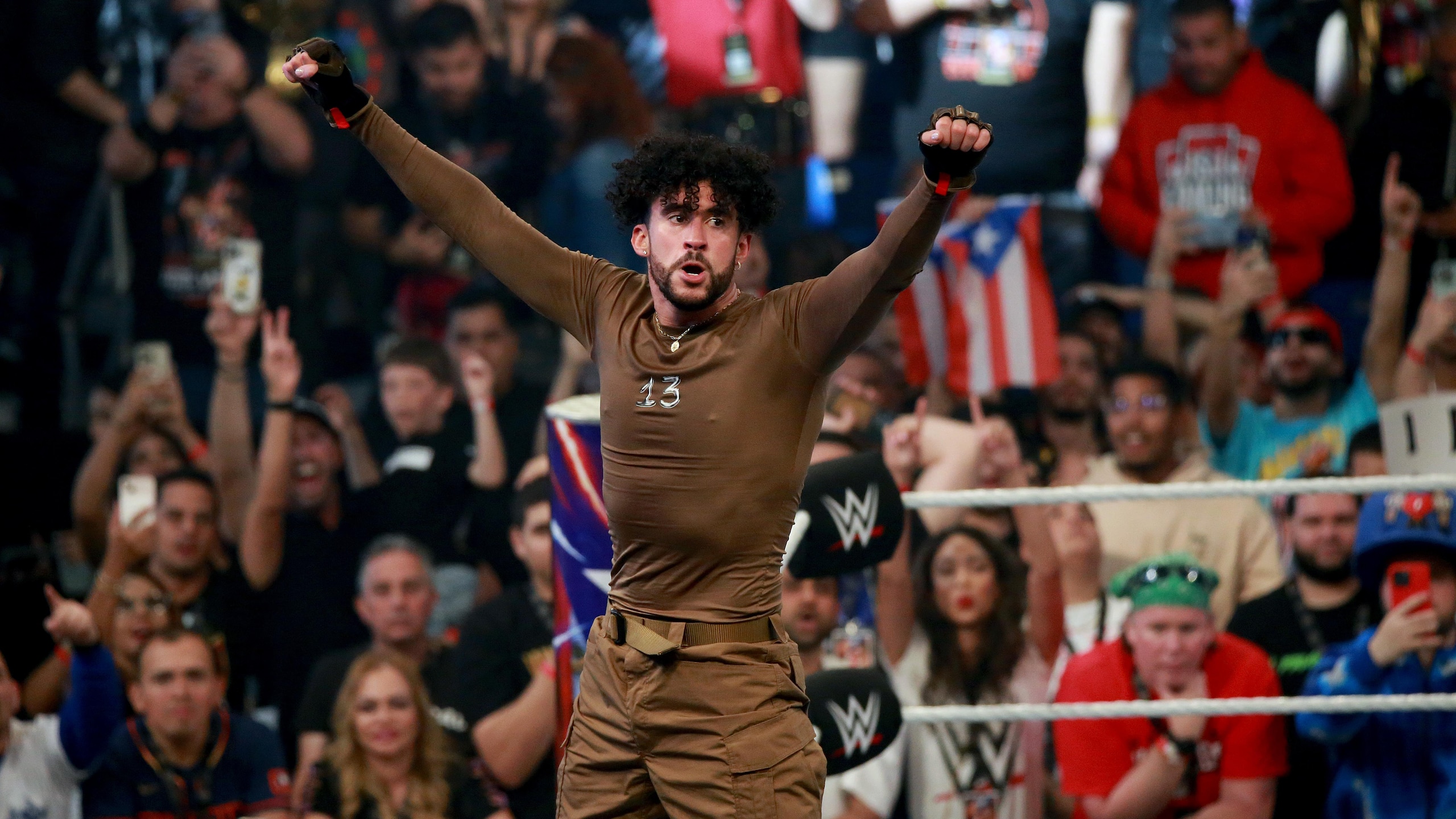
Bad Bunny doesn't treat WWE like a joke. On Hot Ones, he said the most painful moment wasn't some elaborate stunt, but Damian Priest cracking him with a kendo stick—something he once thought couldn't really hurt because it was "just a little wooden stick." It hurt. A lot. That's the point. Wrestling teaches fast.
He's only had four matches, WrestleMania 37 alongside Priest and WWE Backlash 2023, the 2022 Royal Rumble and a WWE Monday Night Raw match to win the 24/7 Championship.
He trained hard, refusing to hide behind his celebrity. When Hot Ones host Sean Evans called him the greatest celebrity wrestler ever, Bad Bunny didn't deflect. "That's a fact," he said.
5. Rimas Sports Is His Front Office
6 of 10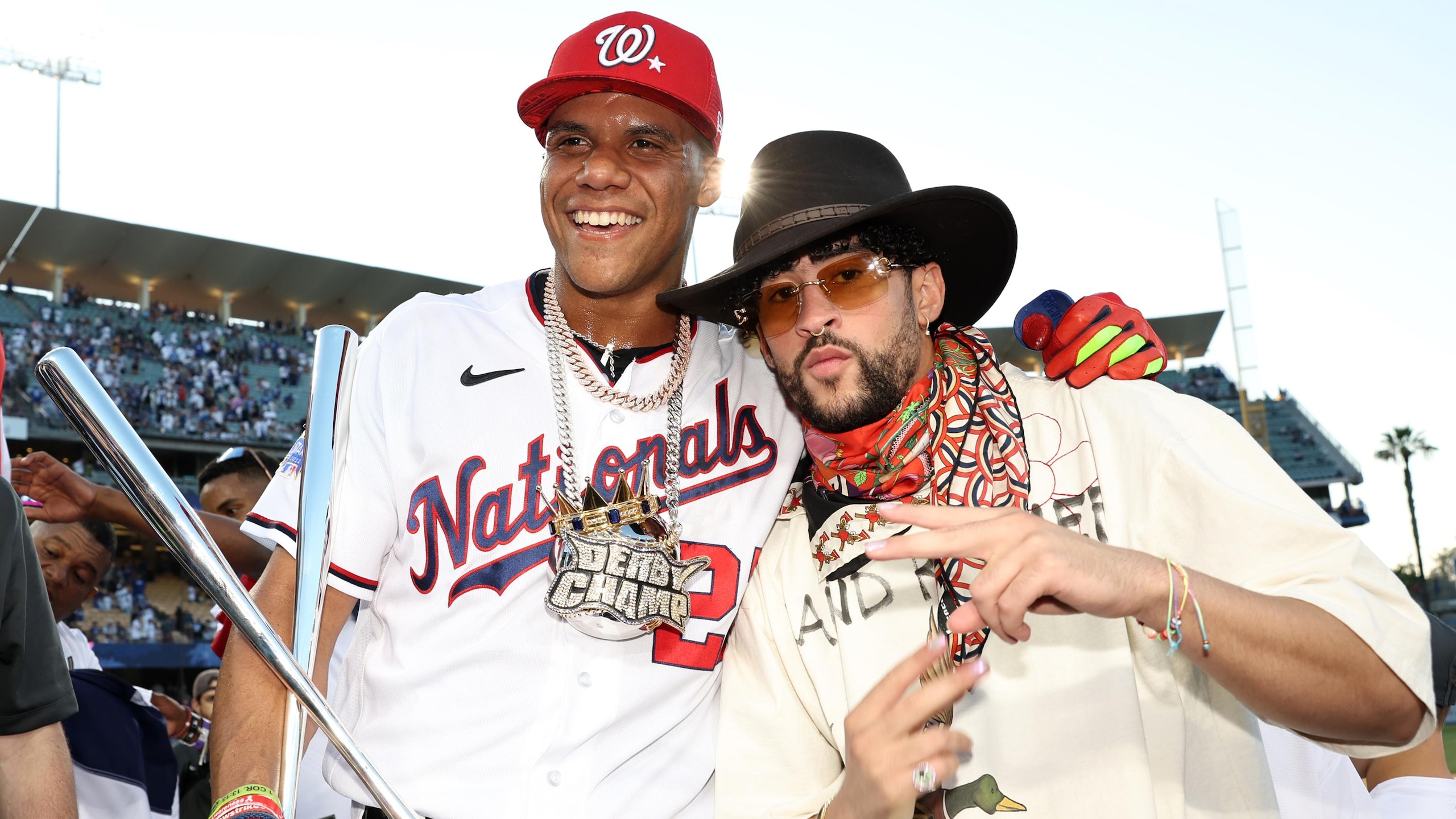
Bad Bunny's involvement in athlete management agency Rimas Sports isn't another celebrity vanity project. By signing strawweight king and pound-for-pound star Oscar Collazo, Benito is proving he understands how to weaponize branding from the inside.
Collazo's move to Rimas follows a dominant 2025 and marks a new era for the "Jibarito" from Villalba. Joining a stable that includes Xander Zayas and MLB icons like Fernando Tatis Jr., Collazo is securing the infrastructure needed to turn boxing titles into a global business. Rimas focuses on the "ownership mindset."
For Collazo, this deal bridges the gap between being a technical master in the ring and a household name. The Latin superstar is aligning himself with athletes reclaiming their agency from corporations.
4. He's One of the Loudest Mainstream Voices for LGBT Visibility
7 of 10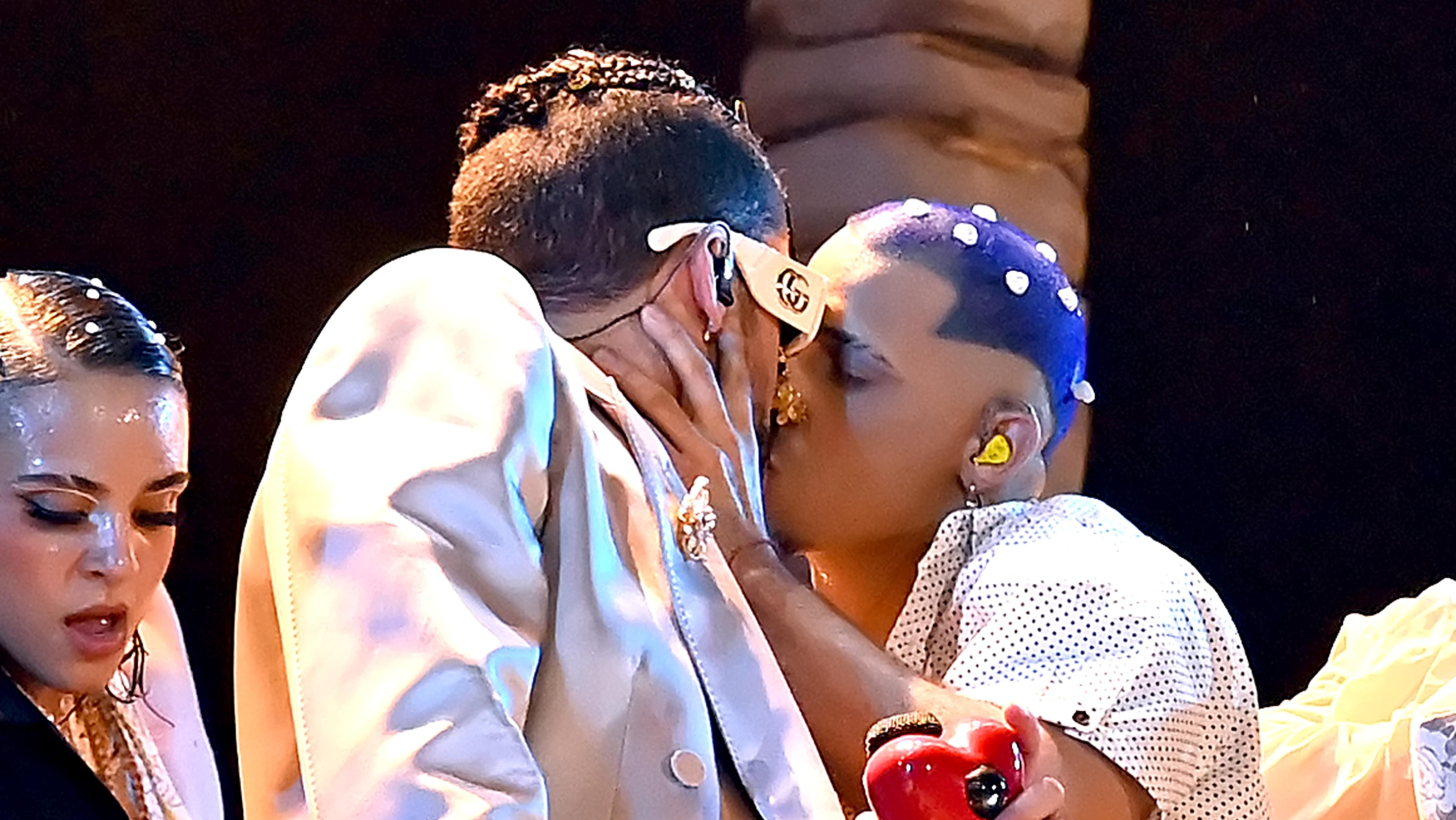
Whether wearing skirts or kissing male dancers, Benito dismisses "queerbaiting" accusations with the same laissez-faire ease he brings to the stage. In a genre historically shaped by machismo, he views his style not as a calculated identity, just doing what feels good.
While critics debate whether a straight ally deserves "queer icon" status, Benito's visibility carries undeniable social weight. He has consistently used his platform to highlight trans rights and Latin LGBTQ+ resistance, reportedly planning to honor "queer icons" during his halftime show, per Radar Online (h/t the Daily Beast via Yahoo).
Similar to cultural avatars like Allen Iverson, he forces the landscape to adjust to him. Facing backlash from conservative boycotts, his posture remains unbothered. Rumors have swirled that he'll double down and wear a dress at the halftime show, though TMZ has since refuted that. We'll find out Sunday.
3. His Fashion Is Its Own Playbook
8 of 10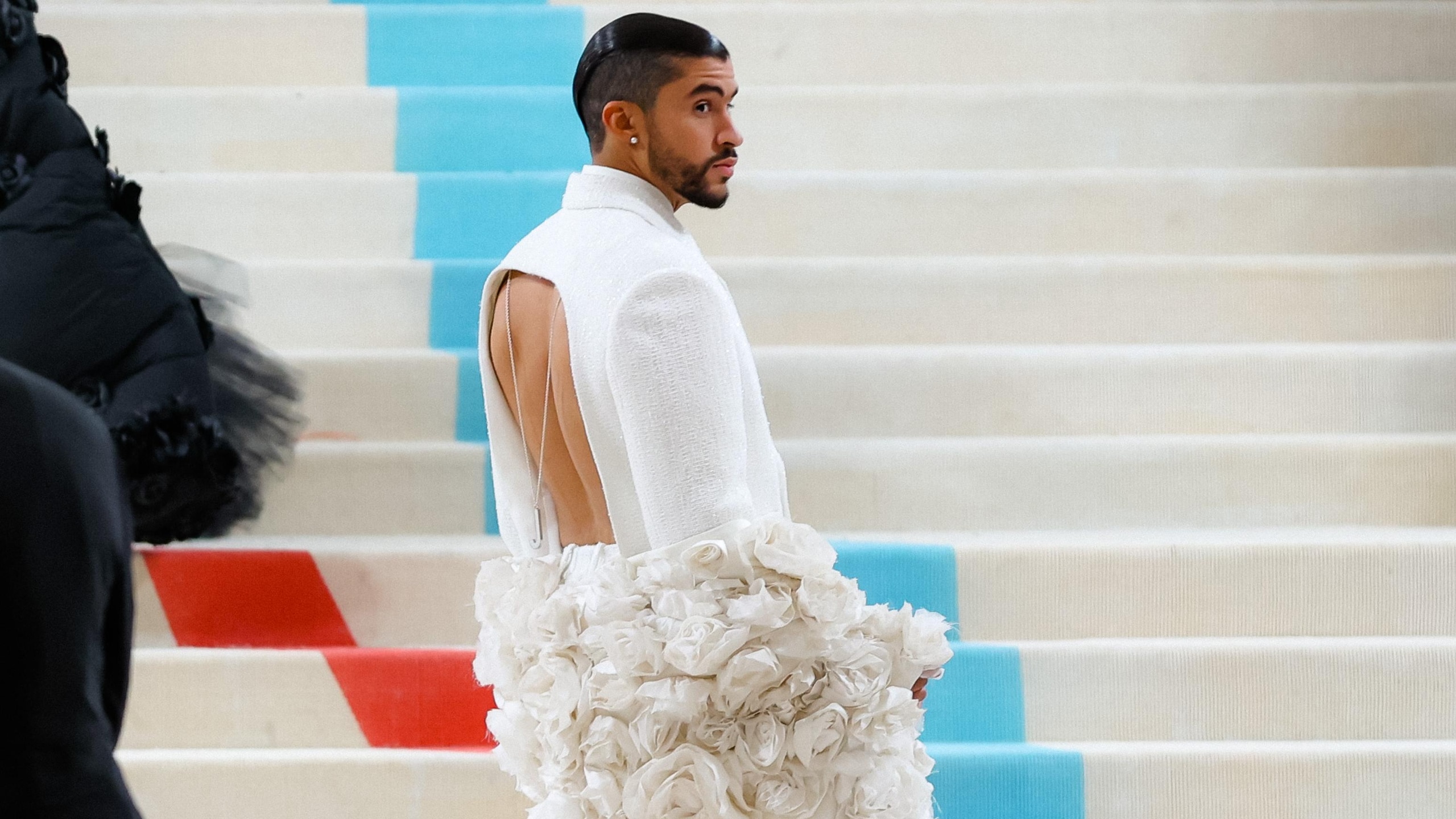
Bad Bunny understands that his visuals, whether fashion or gestures, are performance art. Some nights, he steps out in elaborate high fashion. Other nights, sleek streetwear.
His clothes are a direct link to his roots. At the 2024 Met Gala, he paired a tailored Prada suit with a pava, a traditional Puerto Rican straw hat. He made a statement about the importance of Puerto Rican culture, specifically honoring Afro-Latino culture. While other celebrities play it safe, Benito uses the camera to proudly represent his heritage.
Whether it is a backless Jacquemus suit or a Burberry skirt, he pushes past gendered boxes because he dresses for mood. He routinely rejects gendered clothing, in direct opposition to machismo of Latino celebrity, viewing it instead as an expression of identity. He's created his own aesthetic by pairing luxury items with vintage streetwear or a simple baseball cap. Qué rico.
2. His Lyrics Are Raw on Purpose
9 of 10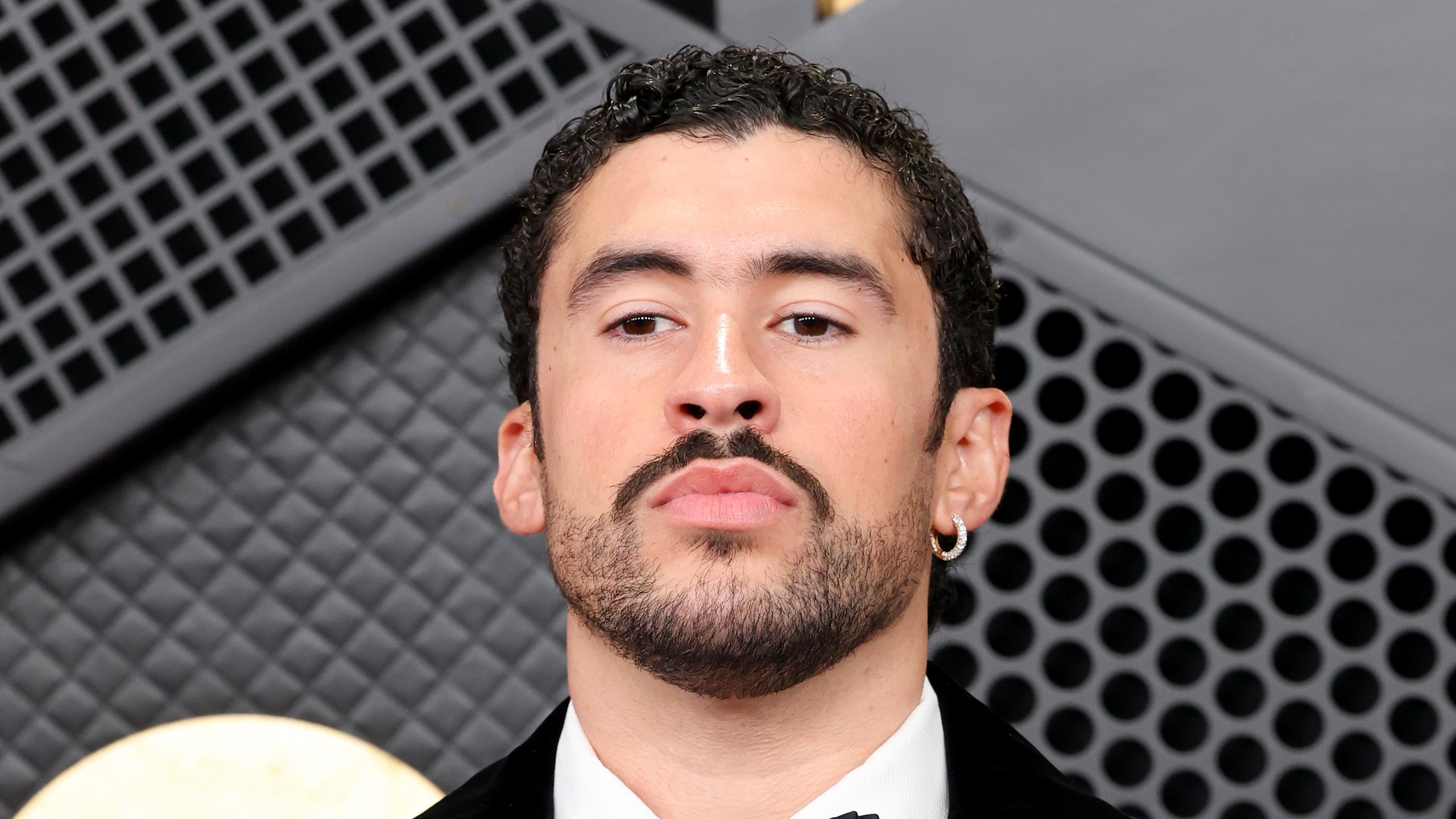
Bad Bunny's explicit lyrics are tools of artistic control. In his 2025 album "DeBÍ TiRAR MáS FOToS," he uses camp to force a reaction, refusing to dilute himself for American audiences. This defiance often triggers moral panics, like the Dominican Republic's ban on "urbano" tracks for vulgarity.
This censorship mirrors the 1990s "Mano Dura" era in Puerto Rico, when reggaeton was treated as contraband. While critics point to misogyny, these bans often mask classism and racism aimed at a genre born in the caseríos (neighborhoods). As reggaeton faces blanqueamiento (whitening) to suit global pop markets, Benito resists sanitization by embedding heavy political stakes into his music.
In "LO QUE LE PASÓ A HAWAii," he denounces gentrification, warning against the loss of culture that occurred in Hawai'i. He references the Gag Law, which once criminalized the Puerto Rican flag, and calls out island-wide blackouts that tourists conveniently ignore. By stirring discomfort, Benito ensures that the sociopolitical weight of his roots remains impossible to ignore.
1. The Super Bowl Stage Fits Him Perfectly
10 of 10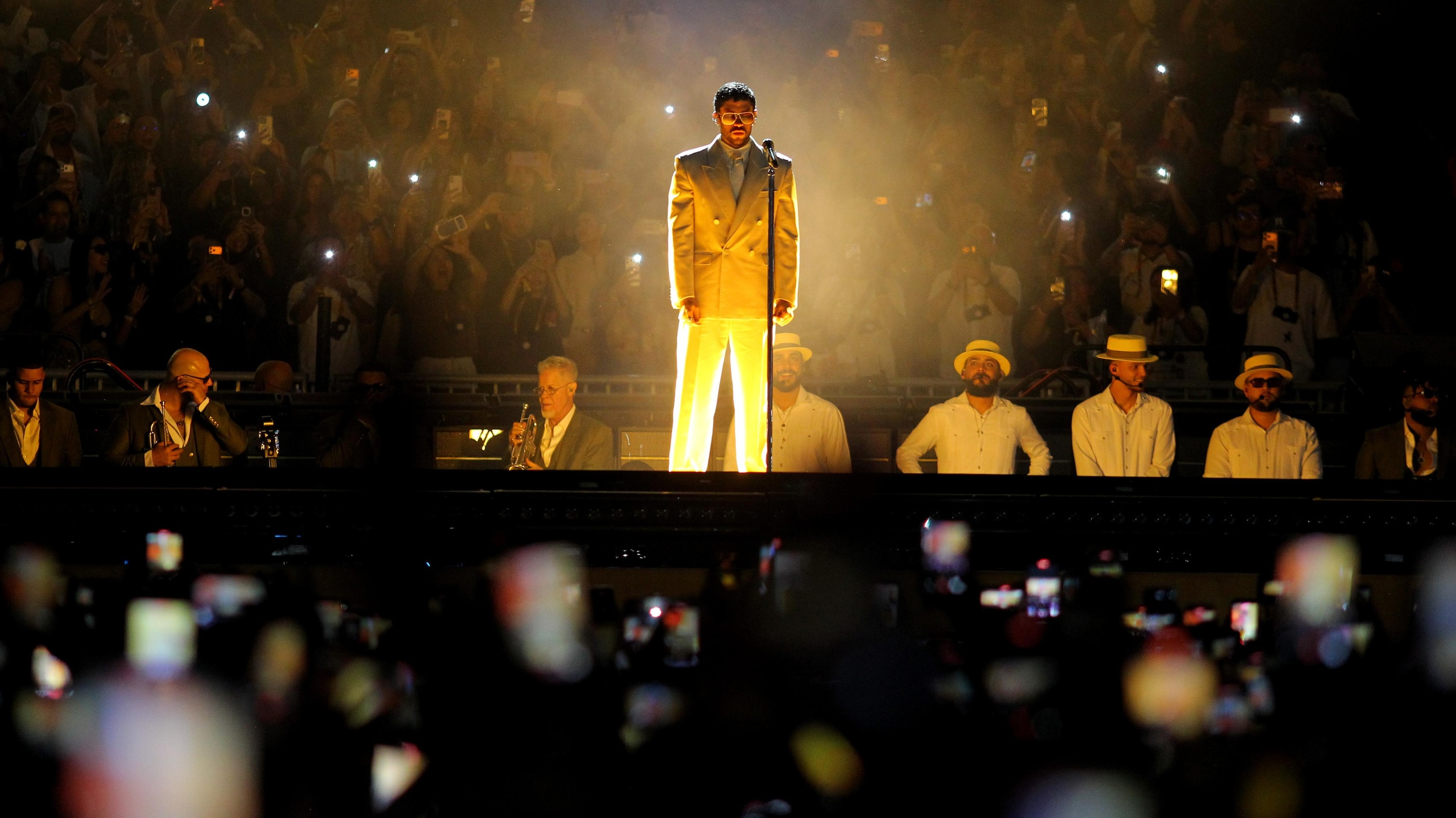
This isn't Bad Bunny's first Super Bowl. During the 2020 halftime show, he made a high-profile appearance alongside Shakira and Jennifer Lopez, holding his own during one of the most-watched musical moments in television history.
Now, he returns for Super Bowl LX as a solo headliner, and the format suits him. Expect a fast-paced medley rather than full songs, stitched together for maximum stadium energy.
A recent juggernaut like "DtMF" feels tailor-made for an opening or early peak. "Baile Inolvidable," already featured in the official trailer, is an obvious party starter. There's also room for Bad Bunny's cultural staples—"Callaíta" or "Tití Me Preguntó"—folded into choreography-heavy segments. And it wouldn't be surprising if he sneaks in a brief genre-bending or rock-leaning moment from Debí Tirar Más Fotos, using the stage to signal his artistic evolution.
Bad Bunny has spent years referencing sports culture and modeling his career after the elite athletes he now represents through Rimas Sports. Now he gets to celebrate his heritage and the pioneers who came before him—while reminding the audience, on the biggest stage in American sports, that Puerto Rico is part of America.
In the official trailer for the event, he leaned into a theme of unity, featuring performers dancing to "Baile Inolvidable." The message was simple and confident: The world will dance. By performing primarily in Spanish, he isn't making a statement so much as reflecting reality—one in which American culture is already multilingual.
.jpg?w=2560 "Steelers Browns Football")
.jpg?w=2560 "Cam Ward Says He's Not A Loser")


.jpg?w=2560 "Chargers Fall to 0-5 🤢")