
The 2027 Baseball Hall of Fame Class Will Usher in a New Era of Defining Greatness
A few short decades ago, the idea of a pitcher with only 200 wins or a hitter with only 1,500 hits getting into the Baseball Hall of Fame would have been laughable.
Only the rarest of exceptions could circumvent the need for gaudy counting stats, with reaching or at least approaching established benchmarks like 300 wins or 3,000 hits a definitive test for whether a player belonged in the hallowed halls of Cooperstown.
However, as the game has evolved, so too have the measures of greatness.
TOP NEWS
Brewers Stun Padres in Game 2 😧
Braves' Opener Shines vs. LA 💪
Aaron Boone Calls Out Yankees Catcher 🗣️
We've likely seen our last 300-game winner given today's modern bullpen usage, and while 3,000 hits and 500 home runs are more attainable milestones, there is no active player who is a lock to reach either of those marks.
The 2026 Hall of Fame ballot saw one of the thinnest classes of newcomers in recent memory, headlined by Cole Hamels and Ryan Braun, and that could end up being the first step toward a major reframing of what it means to be a Hall of Famer.
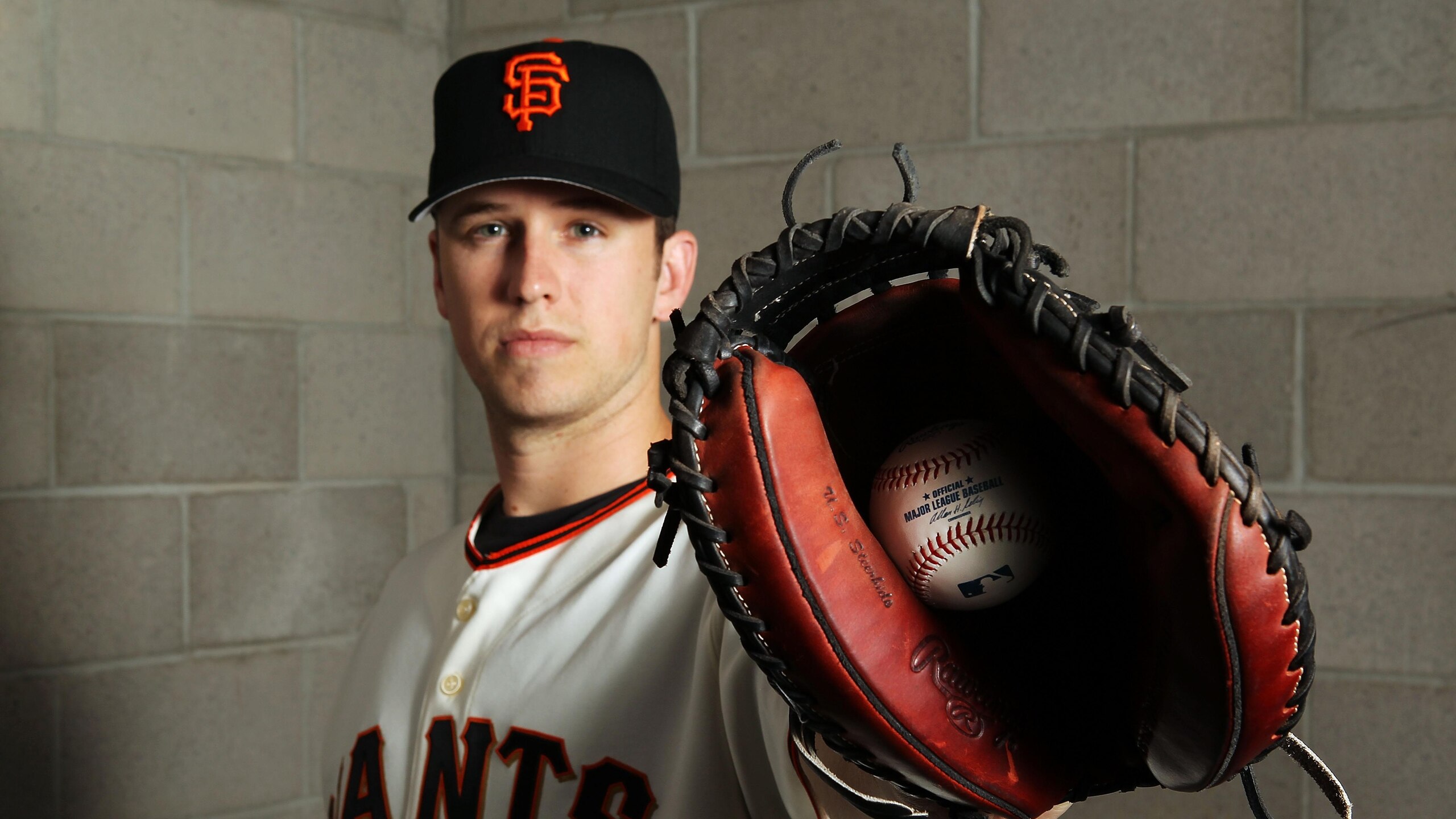
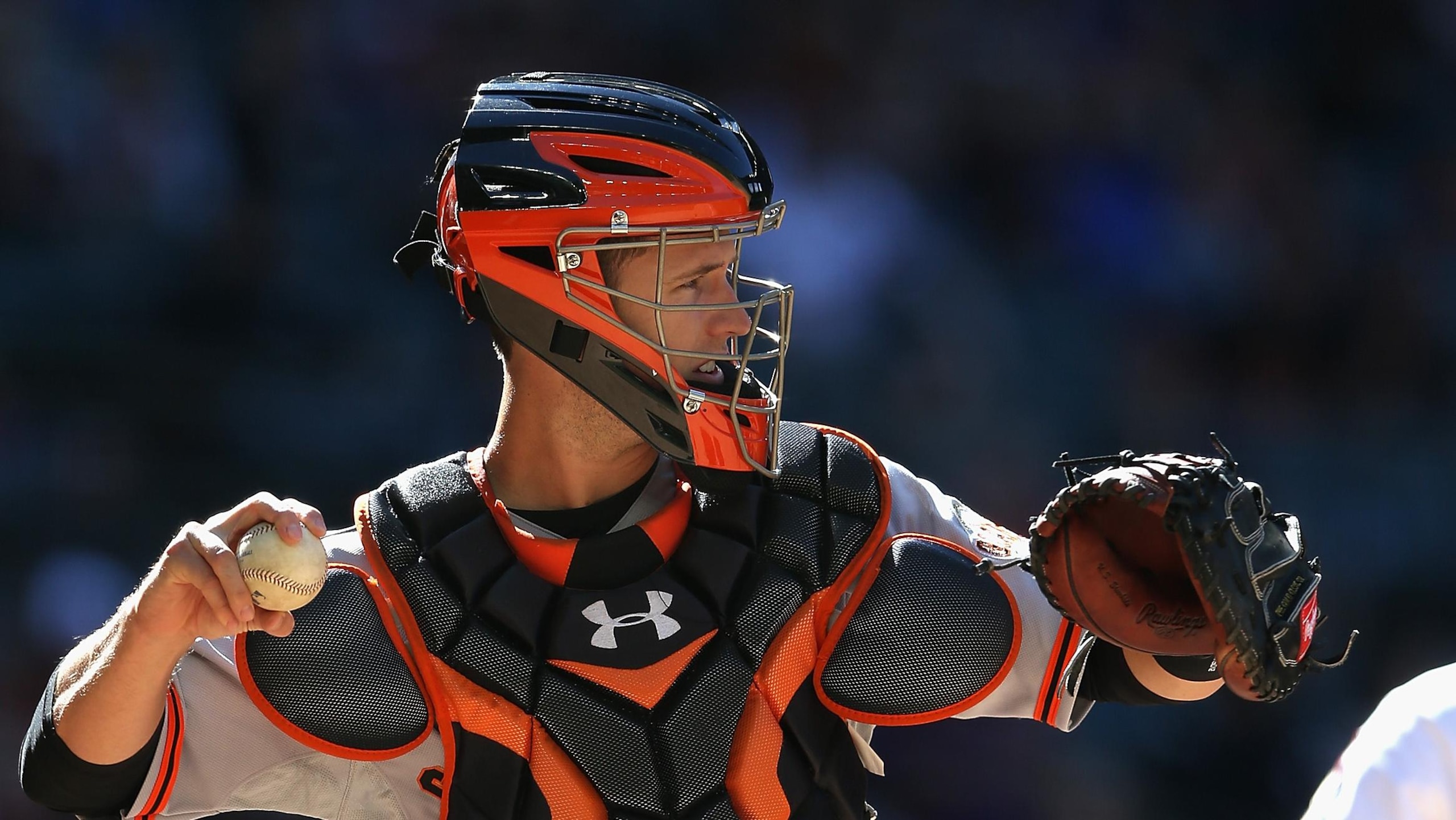
Next year's ballot brings two perfect test cases for what the modern Hall of Fame selection could look like: Buster Posey and Jon Lester.
The Modern Hall of Fame Hitter
Omitting the Negro League legends for which full career statistics are still not readily available, there are currently 165 hitters in the Baseball Hall of Fame, and their combined average is 2,404 career hits.
Many of the players who fall below that mark lost multiple seasons to military service or split their career between the Negro Leagues and Major League Baseball, including trailblazers like Jackie Robinson, Roy Campanella and Larry Doby.
If you narrow the focus to Hall of Fame hitters who debuted in the last 50 years, that average hit total climbs to 2,673 hits, and no one from that group of 32 players has fewer than 2,000 career knocks.
The voters have established a higher standard at the same time that pitching talent has reached previously unseen heights. As recently as the 2000s, a pitcher touching the upper 90s with his fastball was still a rare sight, but now teams have a staff full of high-octane arms who back their electric fastballs with wicked offspeed stuff.
That leads us to the Hall of Fame case of Posey, who will be eligible for inclusion on the ballot for the first time in 2027.
Here is a quick look at where some of his notable career numbers rank among the aforementioned 165 Hall of Fame hitters:
OPS+: 129 (78th)
Hits: 2,000 (126th)
HR: 158 (92nd)
RBI: 729 (153rd)
TB: 2,285 (154th)
WAR: 45.0 (134th)
Nothing about that screams first-ballot selection, or even Hall of Famer.
However, his role as the leader of a team that won three World Series titles in five years, a list of accolades that includes 2010 NL Rookie of the Year, 2012 NL MVP and seven All-Star selections, and his .302/.372/.460 batting line will likely be enough for the doors of Cooperstown to swing open to him in his first year of eligibility.
The question then becomes what that means for historical cases that compare favorably.
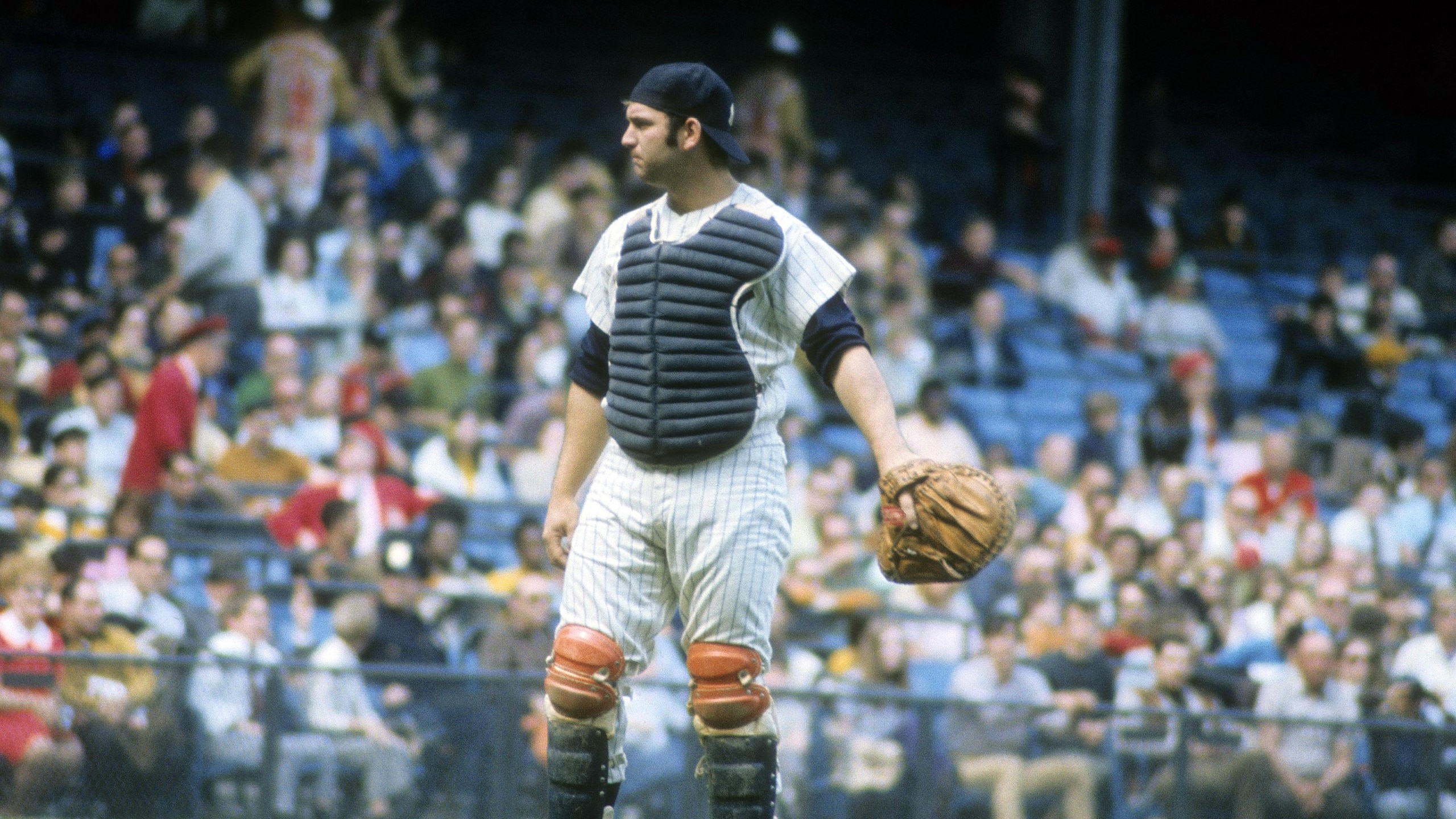
Former New York Yankees catcher Thurman Munson played just 11 big league seasons, one fewer than Posey, before his life was cut short in a plane crash at the age of 32.
He similarly won Rookie of the Year and MVP honors while emerging as the unquestioned leader of a Yankees team that won back-to-back World Series titles in 1977 and 1978.
He finished with just 1,558 hits, 113 home runs and 46.0 WAR, and never topped 15.5 percent voting support in his time on the Hall of Fame ballot, but is his case really all that different from Posey?
The reframing of the modern Hall of Famer will have a ripple effect on the history of the game, and not just on the position player side of things.
The Modern Hall of Fame Pitcher
The reframing of offensive milestones stems largely from fewer players hanging around as compilers and more emphasis needing to be placed on peak performance.
On the pitching side of things, the game has changed entirely.
A quick check-in at leaguewide complete game totals through the decades tells the story:
1975: 1,052 (27.2% of games)
1985: 627 (14.9% of games)
1995: 275 (6.8% of games)
2005: 189 (3.9% of games)
2015: 104 (2.1% of games)
2025: 29 (0.6% of games)
Ready for a shocking fact?
Only nine starting pitchers who debuted in the last 50 years have been inducted into the Hall of Fame—Greg Maddux, Randy Johnson, Pedro Martínez, Mike Mussina, Tom Glavine, John Smoltz, Roy Halladay, CC Sabathia and Jack Morris.
That's a small fraction of the 68 MLB starting pitchers that are currently in the Hall of Fame, and is a clear indication that voters have been slow to adjust to that changing pitching landscape.
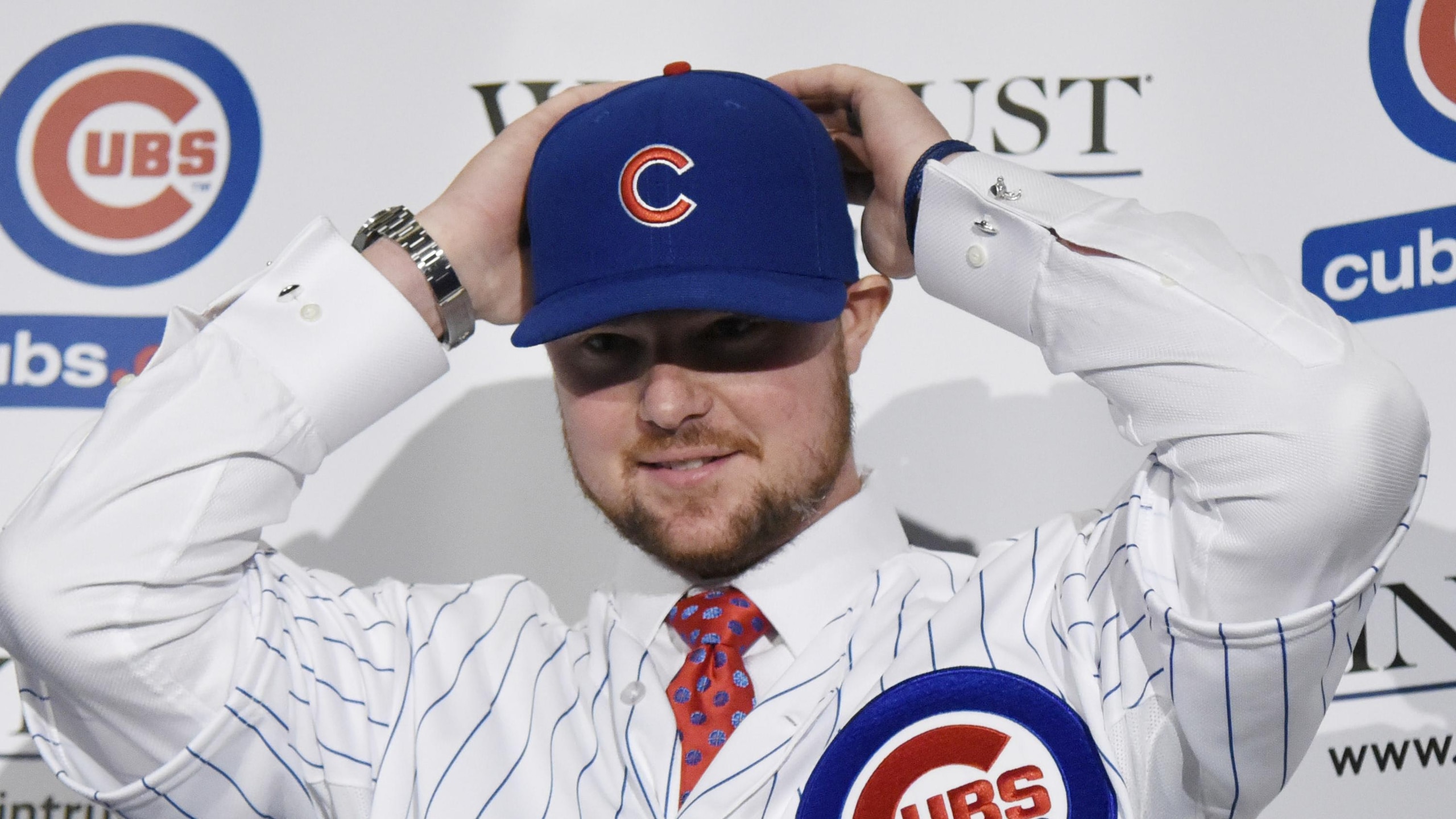
That brings us to the candidacy of Jon Lester, another first-time eligible candidate on the 2027 ballot.
Similar to the snapshot we provided for Posey, here's a look at where he ranks among the 68 current MLB starting pitchers in some key statistics:
Starts: 451 (45th)
Wins: 200 (60th)
ERA+: 117 (44th)
K: 2,488 (24th)
IP: 2,740.0 (64th)
WAR: 43.5 (61st)
Again, not obvious Hall of Fame worthy statistics.
However, when you start to look beyond those surface-level numbers at a fantastic postseason resume that saw him log a 2.51 ERA over 154 innings, including a 1.77 ERA in 35.2 innings in the World Series while winning three rings, the narrative starts to shift.
Félix Hernández is another new-era candidate who voters are grappling with since he falls short of traditional Hall of Fame benchmarks, but he saw a nice bump in support from his first year on the ballot in 2025 to this year.
In 2029, a ballot that includes Zack Greinke, Madison Bumgarner and Adam Wainwright will provide a similar conundrum for voters.
If the floodgates start to open and the Hall of Fame view shifts on starting pitching, it will also call for snubs like Johan Santana, Kevin Brown, David Cone and Orel Hershiser to have their resumes re-examined.
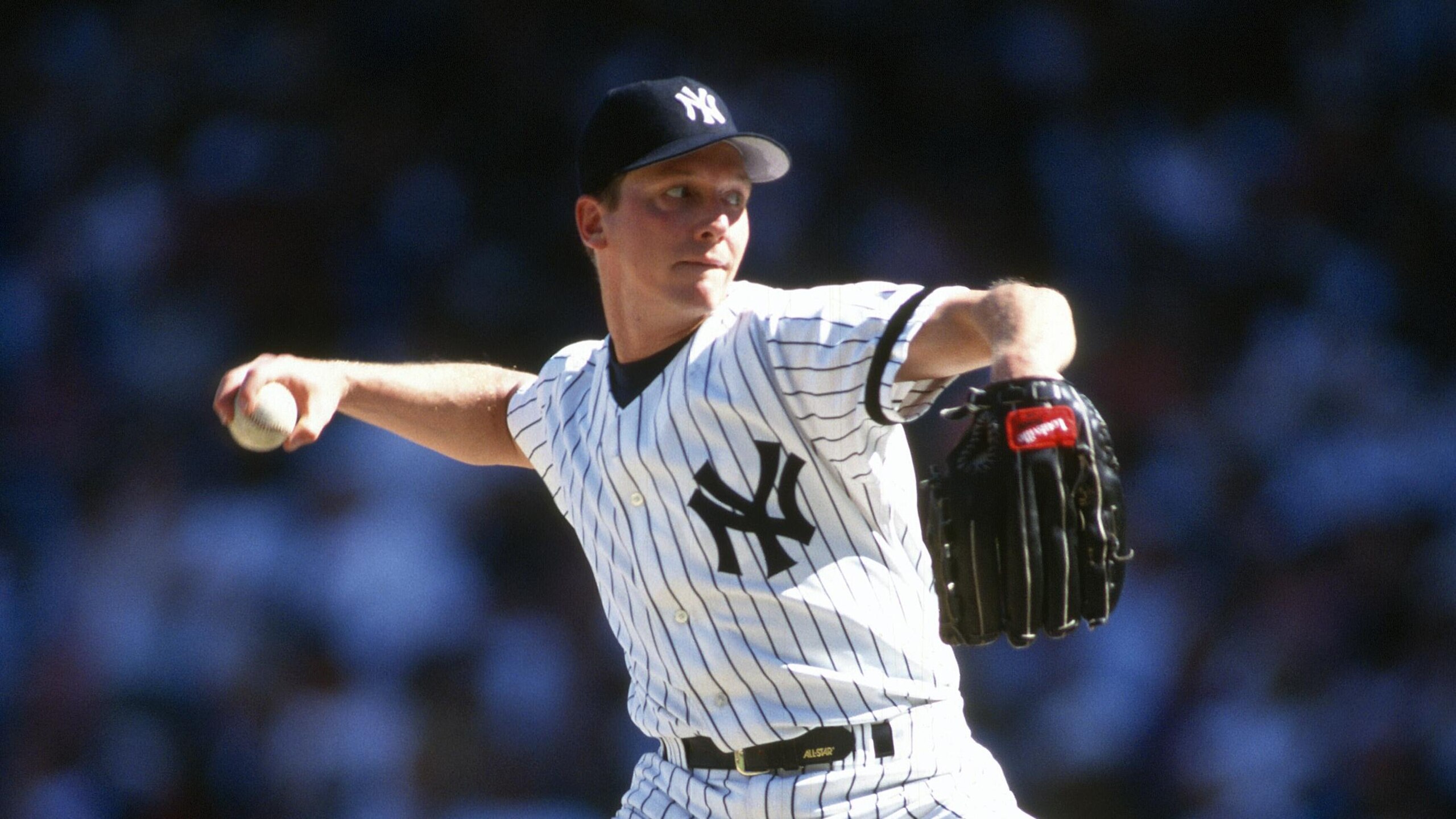
With five World Series rings and a reputation as a big-game pitcher, but only 194 wins over 17 seasons, Cone in particular is a candidate that closely resembles Lester in that his Hall of Fame appeal is built on his October legacy and longstanding ace status.
It's time voters started looking at starting pitching through an updated lens that better reflects today's game.
The Takeaway
The days of 3,000 hits and 300 wins are a thing of the past, not because today's players are less talented, but because the game continues to grow and evolve.
Now it's time for Hall of Fame voters to grow and evolve along with it.
Next year's ballot will be a big test for an entire generation of players, and how the BBWAA handles those candidates will ultimately reshape Cooperstown for years to come.
.jpg?w=2560)

.jpg?w=2560 "NFL investigating 2 referees for separate viral exchanges")

.jpg?w=2560 "Report: Chiefs Contact Hill's Agent")
.jpg?w=2560 "OBJ Calls Out Giants 😳")
.jpg?w=2560 "Tyreek makes another cryptic post amid Chiefs rumors")