

England vs. Australia, 3rd Test, Day 3: Home Comforts for Ian Bell at Edgbaston
England moved back in front in the Ashes series with an eight-wicket win over Australia in the third Test.
Ian Bell's unbeaten 65 saw England to a target of 121 just before tea on Day 3, meaning Alastair Cook's side are now 2-1 up with two matches remaining.
Australia had resumed on Friday morning on 168 for seven, and although the tail wagged, with Peter Nevill and Mitchell Starc making half-centuries, they were never able to set their opponents a challenging total.
.jpg?w=2560 "49ers Giants Football")

Here are a few takeaways from Friday's play in Birmingham, England.
In it for keeps
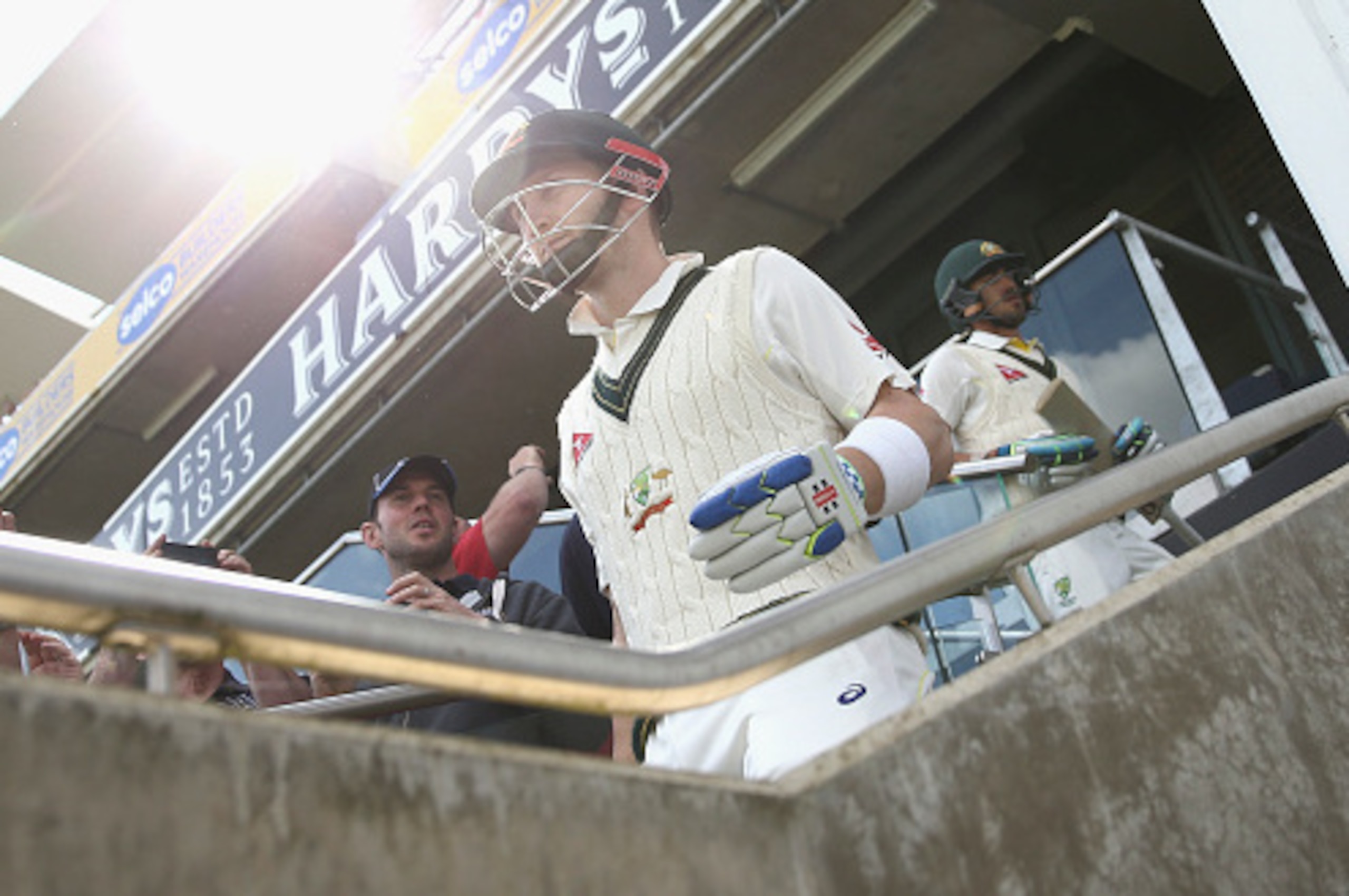
Despite impressing on debut at Lord’s, Nevill found himself in the spotlight going into the third Test.
The wicketkeeper had been handed the chance to make his international debut after first-choice gloveman Brad Haddin was ruled out for personal reasons.
Although Haddin was available for selection at Edgbaston, Nevill kept his place.
National selector Rod Marsh, a former wicketkeeper himself, revealed that it was an “amazingly hard call” between the pair, via Andrew Ramsey of Cricket Australia’s official website.
Nevill was oddly referred to as the “new boy” by Marsh in the same story.
The decision not to select Haddin did not sit well with some former Australia players, though, with Shane Warne taking to Twitter to air his opinion:
Whether he should have played or not, Nevill was one of the few plus points of the game for Australia.
The 29-year-old showed the batsmen listed above him in the order what could be achieved on the pitch when you focus on occupying the crease.
Nevill made 59—his maiden Test half-century—from 147 balls. He is poles apart from Haddin in terms of the way he plays, but he has shown that in his own way, he too has the stomach for the fight.
Home comforts

After their top-order problems continued in the second Test, England's selectors decided it was time to shake things up.
The ax fell on Gary Ballance, meaning Ian Bell was shunted up one spot in the order to bat at three.
The Warwickshire right-hander had hardly been in outstanding form himself—he had mustered just one score over 50 in his last 12 Test innings.
However, he responded to the vote of confidence from management with half-centuries in each innings, including 65 not out in England's successful run chase on Friday afternoon.
A first Test century at his home ground of Edgbaston had been there for the taking first time around; Bell eased to 53 before an attempt to hit off-spinner Nathan Lyon over the top resulted in his demise.
Still, a total of 118 runs in the match was just what both Bell and England needed.
Next man up

When James Anderson was forced to abandon his ninth over halfway through on Day 2 due to a side injury, the alarm bells began to sound in the England dressing room.
Via BBC Sport, the home team confirmed on Friday morning that not only would the bowler take no further part in the current match, but that he would also miss the next Test at Trent Bridge.
The side strain suffered by Anderson means the Lancastrian will not get the chance to play at a ground where he has had tremendous success in the past. In eight Tests at the venue, he has picked up 53 wickets, including career-best figures of seven for 43.
The loss of their leading wicket-taker is a huge blow for England. Anderson’s boots are big ones to fill.
Mark Wood is the obvious candidate to come in—he played in the first two Tests before losing his place to Steve Finn.
The Durham paceman was the top choice in a BBC Sport poll:
However, there are other names in the frame.
Chris Woakes is back playing again for Warwickshire after an injury lay-off, while Derbyshire's left-arm paceman Mark Footitt was part of an extended squad that travelled to Spain for a pre-Ashes training camp.
The Yorkshire duo of Jack Brooks and Liam Plunkett could also come into contention, not to mention Durham's Chris Rushworth, the leading wicket-taker in the County Championship.
The only certainty is that England’s attack won’t be quite the same in the next match without Anderson, who picked up the injury on his 33rd birthday.
The real Australia need to stand up
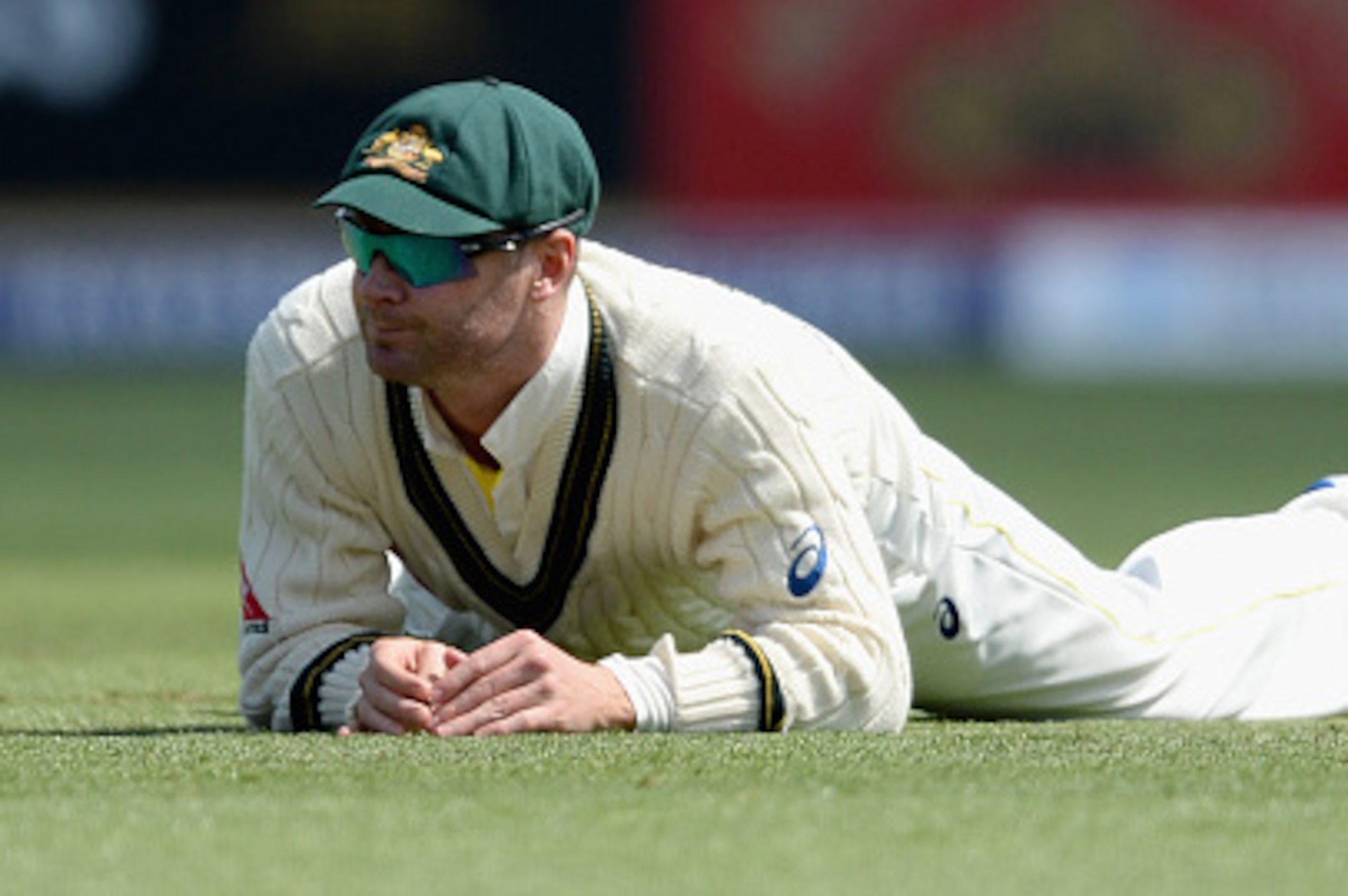
It is tough to know which Australia will turn up next. Will it be the clinical side who steamrollered England at Lord's, or the careless bunch who were hammered at Cardiff and Edgbaston?
The bowling unit that performed so impressively in the second Test simply never turned up in Birmingham, bar one brutal over from Mitchell Johnson on Day 2 that saw him pick up two wickets in three balls.
On a pitch that offered some assistance to the seamers, they failed to take 20 wickets in a Test for the first time in the series.
The batting, however, is a bigger concern for the tourists.
They failed to back up skipper Michael Clarke's decision to bat first after winning the toss. They lasted just 36.4 overs in the first innings in making a paltry 136.
The captain himself failed twice in the match, continuing his worrying run of low scores on the tour. He was brutally honest in the assessment of his own performances so far, via BBC's Test Match Special:
Peter Miller also pointed out that the loss meant Clarke had reached an unwanted milestone:
"Michael Clarke's new record confirmed. Joint most losses by an Australian in England pic.twitter.com/TOk1DmBgW7
— Peter Miller (@TheCricketGeek) July 31, 2015"
Still, it must be remembered that a drawn series will be enough for Australia to retain the Ashes. They may have lost the battle in Birmingham but can still win the war.
.jpg?w=2560 "Commanders Vikings Football")
.jpg?w=2560 "Dak Addresses 'Dumb' Old Romo Tweet 🤣")
.jpg?w=2560 "WWE Raw Live Grades 🔠")

.jpg?w=2560 "🚨 Puka Out for MNF")