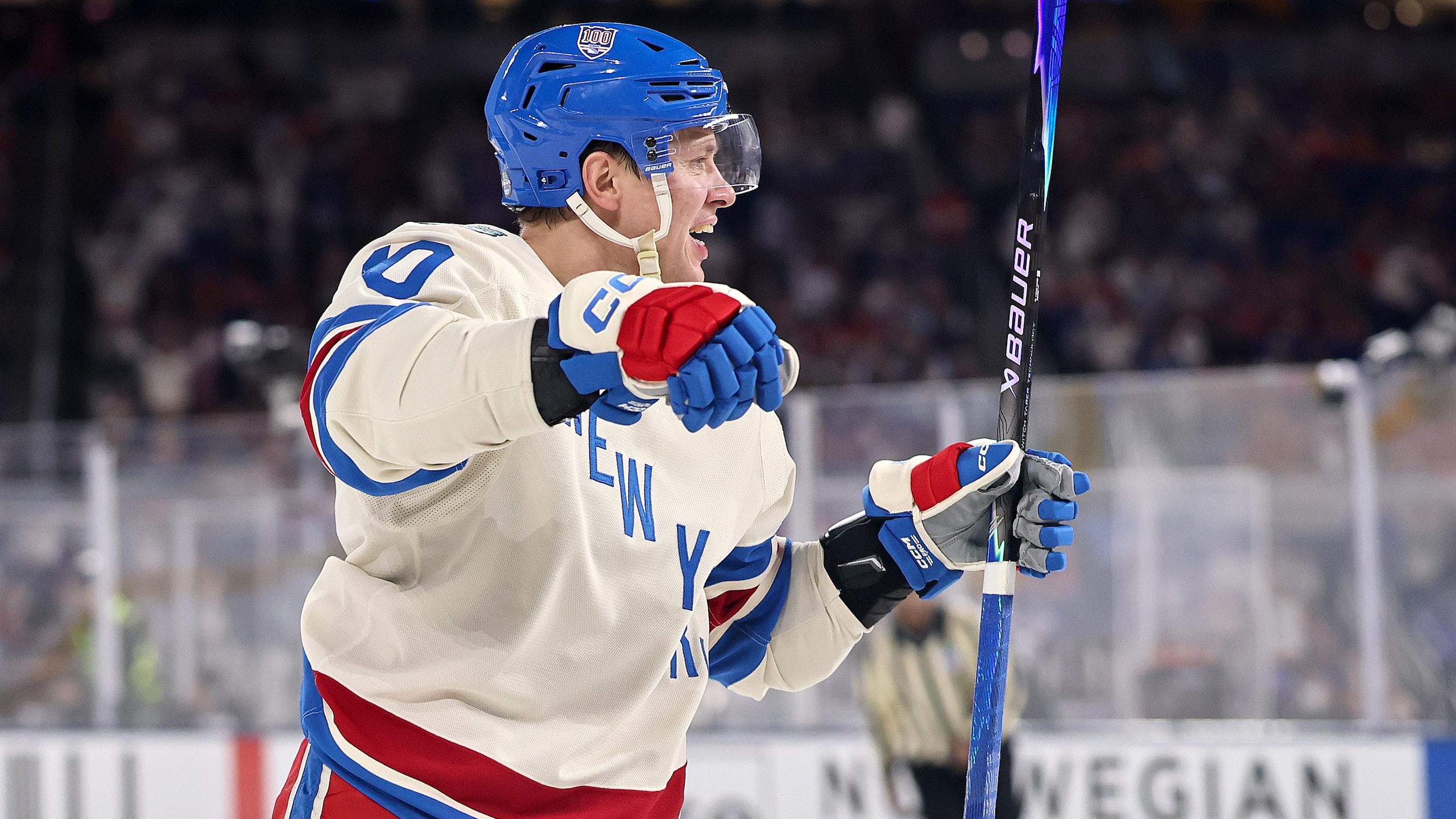


We've officially reached the second half of the NHL season, so you know what that means: It's time to start talking about the trade deadline.
Things are a bit funkier than usual this time around. The market is saturated with buyers since offseason free agency was a dud, and yet the current parity around the league makes the seller situation less obvious. Plus, the Olympic Games complicate matters as teams wait to see whether their trade targets (and their own players) perform well and stay healthy.
Will we see more "hockey trades"? Will the Olympic trade freeze serve as a mini deadline? Who's even selling? Here are five bold, early predictions for the 2026 NHL trade deadline.
The Rangers' Sell-Off Will Include More Than Artemi Panarin
1 of 5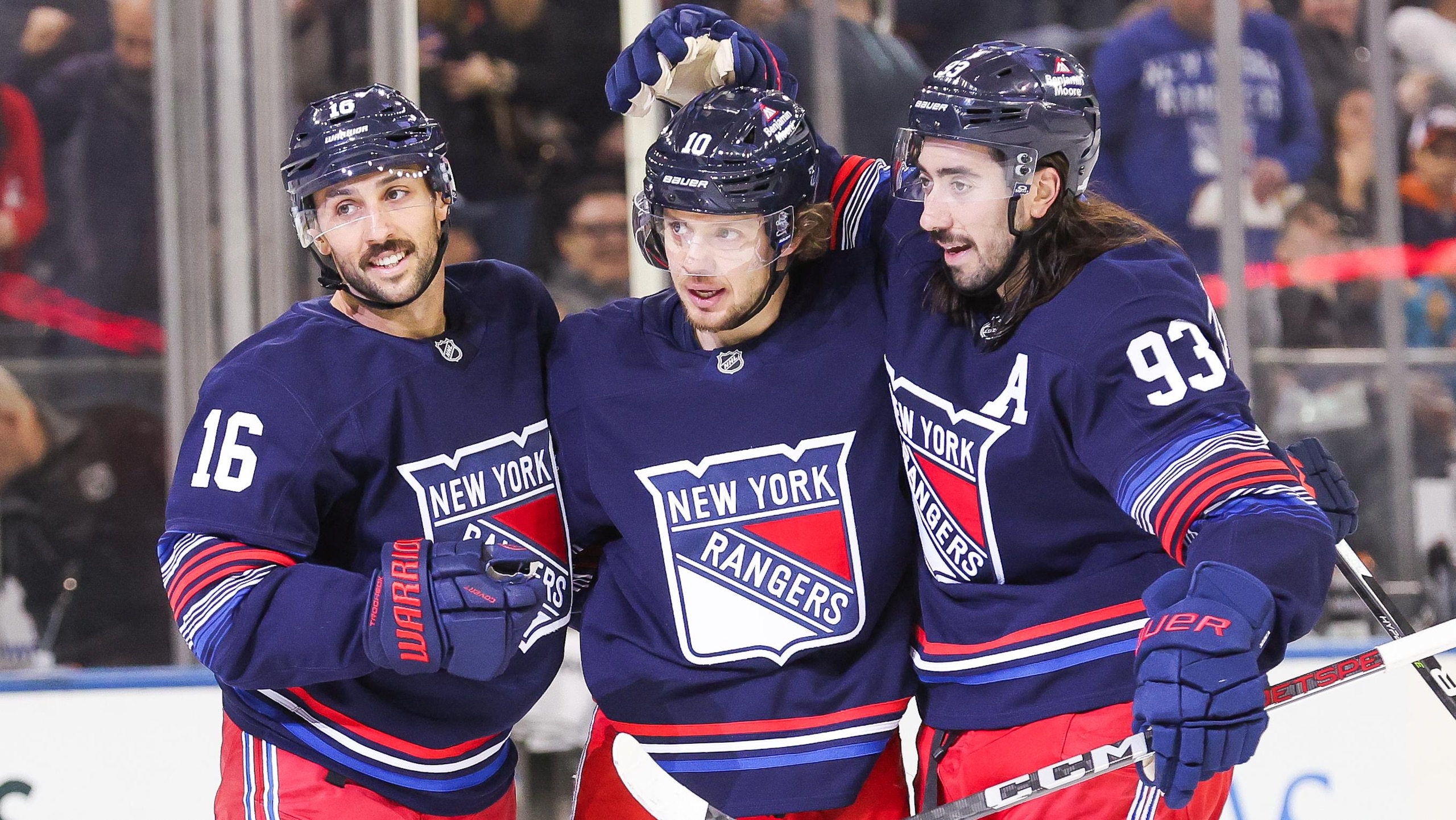
It's been blow after blow these days for a Rangers team that was already struggling to put together the bounce-back season we expected under Mike Sullivan.
Just when Adam Fox was gaining traction and showing signs of the top defenseman we know he can be, he's back on long-term injured reserve. The final nail in the coffin could be the lower-body injury that has world-class goaltender Igor Shesterkin sidelined indefinitely.
The Rangers were optimistic that all the major trades, signings, and the addition of Sullivan would get them back on the right track this season, but it's time to face reality. They're sitting in second-to-last place in the Metropolitan Division, only one point out of last place, and the defense has quickly spiraled out of control without Fox and Shesterkin in this four-game losing streak.
Pending UFA Artemi Panarin is obviously New York's biggest asset, and the buyer market is starving for bread. Panarin's stock is up now after a slow start, and it seems like the Rangers and his camp are far apart on an extension, so it's looking more and more likely that Panarin will not be a Ranger by March.
Did we mention the buyer market is starving? If the Rangers don't have Panarin, that's pretty much waving an understandable white flag on the season. Might as well make a few more phone calls and capitalize on the sellers' market.
Would the Rangers be willing to part ways with Vincent Trocheck? They'd get a solid return given the lack of centers anticipated on the market, and given Trocheck's playoff spunk.
Trocheck or not, it's looking like the Rangers will be selling more than just Panarin at the deadline.
Will We See Some Surprise Buyers?
2 of 5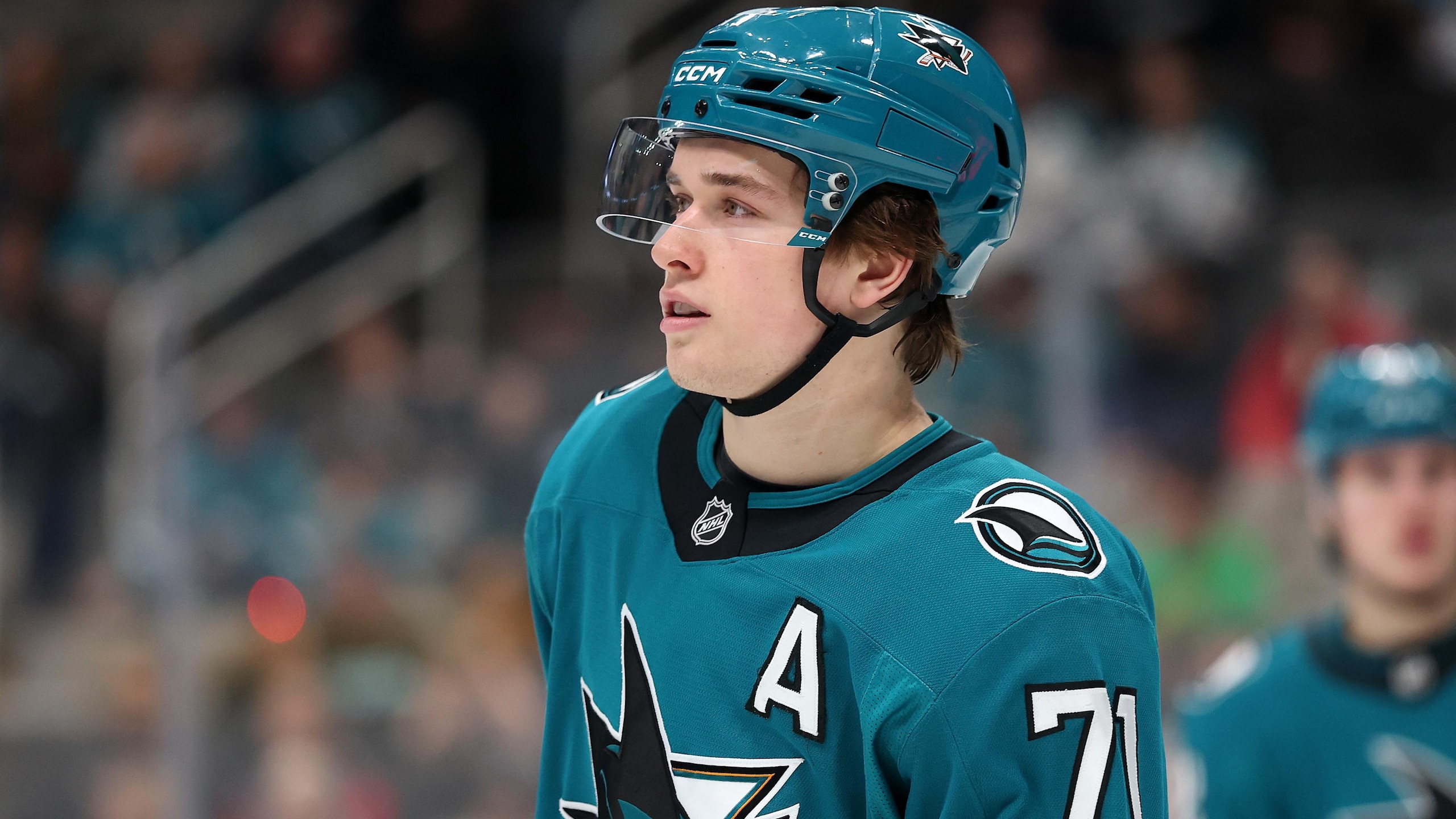
Of course, the expected scarcity of sellers implies an abundance of buyers -- with a few could-be buyers few saw coming.
The Sharks are swimming in cap space, and Macklin Celebrini's epic sophomore season has led them into the playoff conversation as they sit at No. 4 in the Pacific, just one point behind the Kraken at No. 3. Could they be one of the few teams to weaponize their cap space, avoiding a hockey trade and negotiating with a true seller?
The Mammoth sit atop the second tier in the tough Central. No one's competing with the top three Avalanche, Wild, and Stars, but could a solid deadline haul cement their playoff spot and make things a bit more interesting?
The Blackhawks likely aren't there yet -- and that's fine, they weren't expected to be -- especially with Connor Bedard's injury. Still, there's a chance they, too, unexpectedly weaponize their cap space and spoil the seller market even further for the true Cup contenders.
Fun times.
We're Going to See More "Hockey Trades"
3 of 5
What happens when a bunch of buyers face a market with less than a handful of true sellers? Well, folks, we get treated to some true "hockey trades."
The term "hockey trade" is exactly what it sounds like: A playoff-hopeful team moves a player on its NHL roster in exchange for a player on another playoff-hopeful team's NHL roster so that both teams acquire a perceived need.
These are rarer than your typical tanking team trading an NHL player for future asset-type trades. Not only do two contending teams have to live with making a potential future opponent better, but they have to give up a presumably important part of their own team to do so.
When you look at all the potential bubble teams this year -- heck, just take a gander at the closeness of the Atlantic Division standings -- you get the sense that few teams are willing to give up on their seasons. More teams are still in the playoff race than usual, and that means less "acquiring a big-name player for a first-round pick and a prospect," and more "the trade was one-for-one"s.
That's great news for us spectators.

The Olympic Break Could Be a Mini Trade Deadline
4 of 5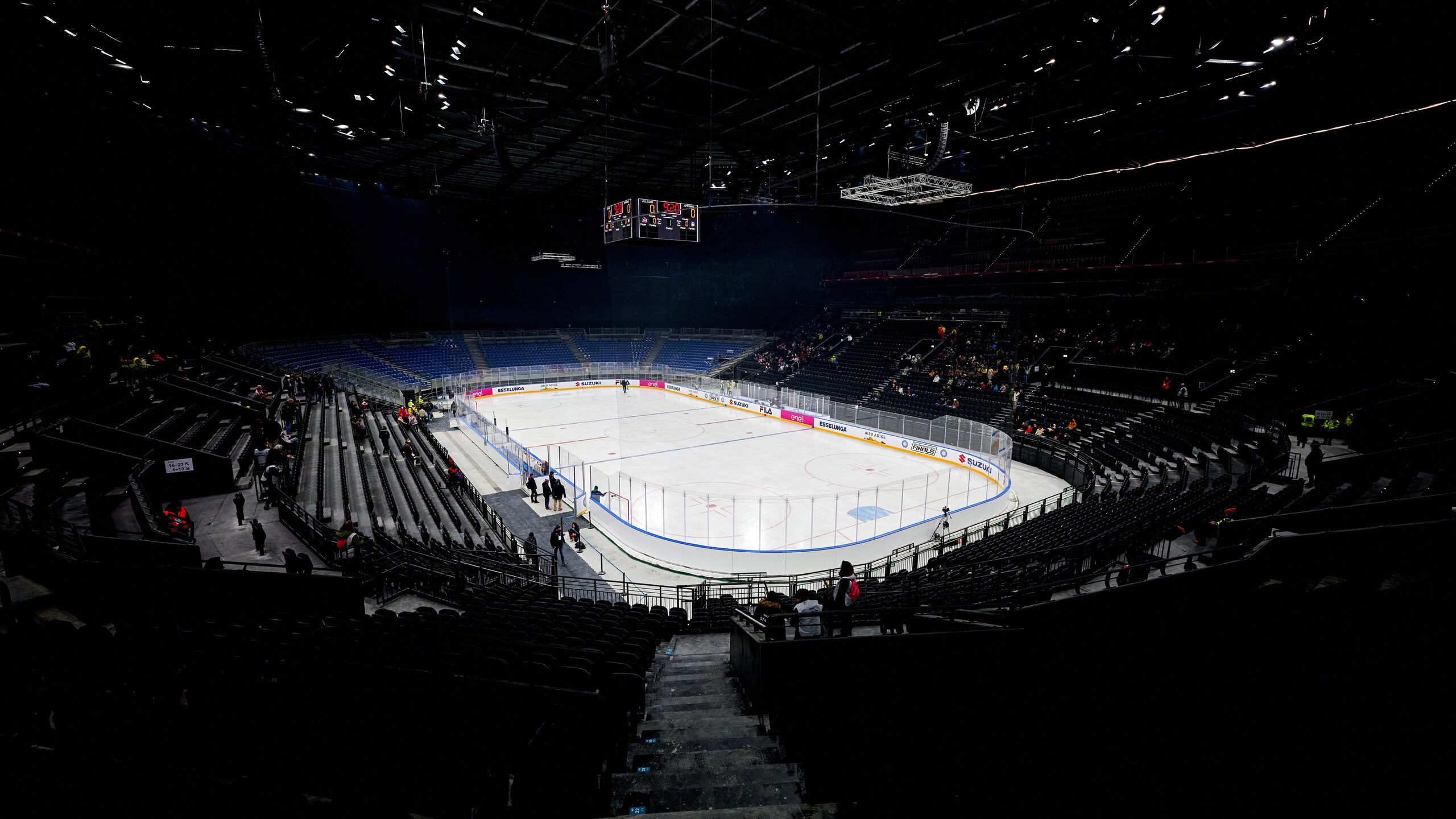
NHL players are participating in the Olympics for the first time since 2014, and that obviously comes with some quirks in the NHL season. The condensed schedule has led to non-stop action across the league, for one.
You'll also remember that the trade deadline is typically in early March, so the two weeks from February 11-22, when the players are at the Olympics, are when teams would get their last looks at trade targets and spend time in trade talks. That will affect how teams plan for and execute trades.
The Olympic break trade freeze goes into effect at 3 p.m. ET on Feb. 4 until 11:59 p.m. ET on Feb. 22. Might we see this trade freeze serve as a mini trade deadline, or an appetizer to the real trade deadline in March?
We're seeing deals get done earlier and earlier these days, like the Mikko Rantanen saga and this season's Quinn Hughes deal. Then again, the best players in the world are playing in the Olympics, and there's going to be a large concentration of trade targets at the event. Teams will want to make sure these targets don't get injured in the games. Teams also want to make sure their own players don't get injured at the Olympics -- they'll have to make a trade at the real deadline if that's the case.
So, should we expect an influx of early blockbusters? No. Could we see some depth trades before the Olympics? Absolutely.
Patience Won't Pay Off
5 of 5
The two-fold context going into this trade deadline is fascinating: The Olympics make it almost impossible for teams to make big moves until the deadline is dangerously close, and there are so few obvious sellers that supply for the most coveted positions and players is awfully low.
We expect a domino effect, and although we don't know exactly when it will happen, we get the sense it will all unfold very quickly. In the past, we'd perhaps caution against making any sudden moves or pulling the trade trigger too fast. But the past few seasons have shown us that the most successful GMs are the ones acting fast, whether it's Jim Nill getting into the Mikko Rantanen mix and coming out on top, or Bill Zito locking up his free agents before another club even sniffed an opportunity.
On a market with few sellers, and in this contemporary NHL, you want to be the team dropping the first domino -- even if that first domino drops later than we're all used to. The playoff race is brutal and uncertain this year, and GMs are going to have to get creative. You want to simplify things and acquire the best players on the board before others do.
.jpg?w=2560)

.jpg?w=2560 "Purdy Becomes Highest-Rated QB EVER 🤩")

.jpg?w=2560 "Grading WWE Raw 🔠")