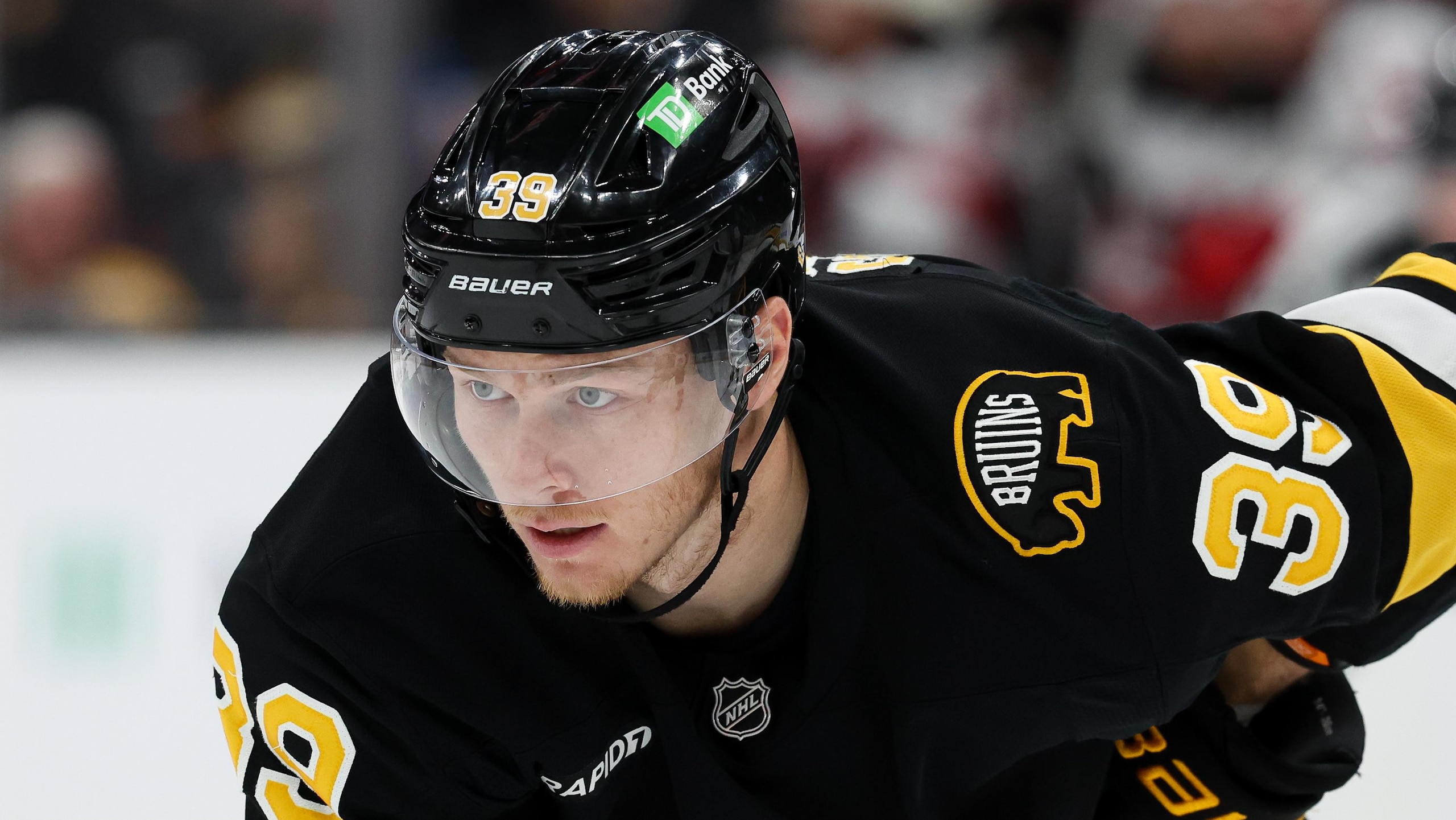


Watching Boston Bruins center Morgan Geekie pick up where he left off last season when it comes to goal scoring has been incredible. Last season, he posted a career-high 33 goals in his second year with the Bruins. His monster year came in his fifth season in the NHL and seemingly came out of nowhere.
This season, Geekie is off and flying second in the league in goals with 22, three behind Colorado Avalanche star Nathan MacKinnon and two ahead of Dallas Stars superstar Jason Robertson. Geekie's rise to fame over the past two seasons got all of our attention, and our heads are spinning. Who would've expected to see this from him?!
Geekie is on pace to score more than 40 goals this season, which would follow suit well from last season but would also add his name to the list of players that came out of the blue to put up a monster season in goal scoring.
The list of players who were able to do that suddenly and unexpectedly got us wanting to pore through the history books and remember some all-time great seasons to impress your friends the next time you're remembering some guys.
Jeff O'Neill, Carolina Hurricanes
1 of 10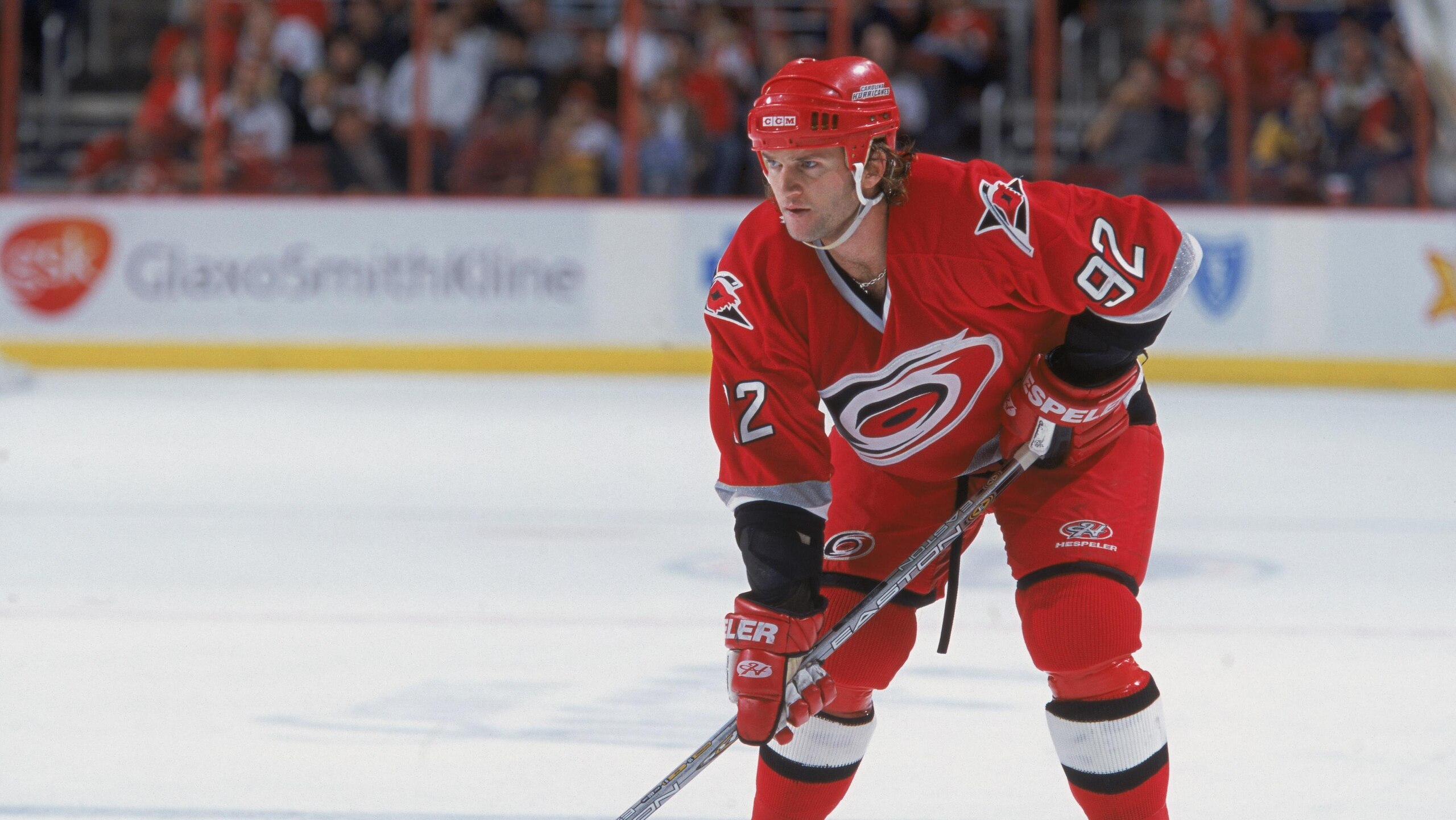
Some of you might better know Jeff O'Neill as a commentator in Canada, but in his time in the NHL, he found his stride with the Carolina Hurricanes in a big way in 2000-2001 when he scored a career-high 41 goals.
O'Neill led the Hurricanes in scoring that season in a year that proved to be the start of a three-season run in which he scored 30 or more in each year. His emergence as a goal scorer came at the same time the 'Canes were able to make it to their first Stanley Cup Final in 2002 against Detroit.
During that stretch with Carolina, O'Neill filled the net from the wing while playing alongside centers like Ron Francis and Rod Brind'Amour, but his 2000-2001 season was the best in his career. After coming up in the organization in Hartford, his career wound down in Toronto after the 2004-2005 lockout, after two more seasons with the Maple Leafs.
Derek King, New York Islanders
2 of 10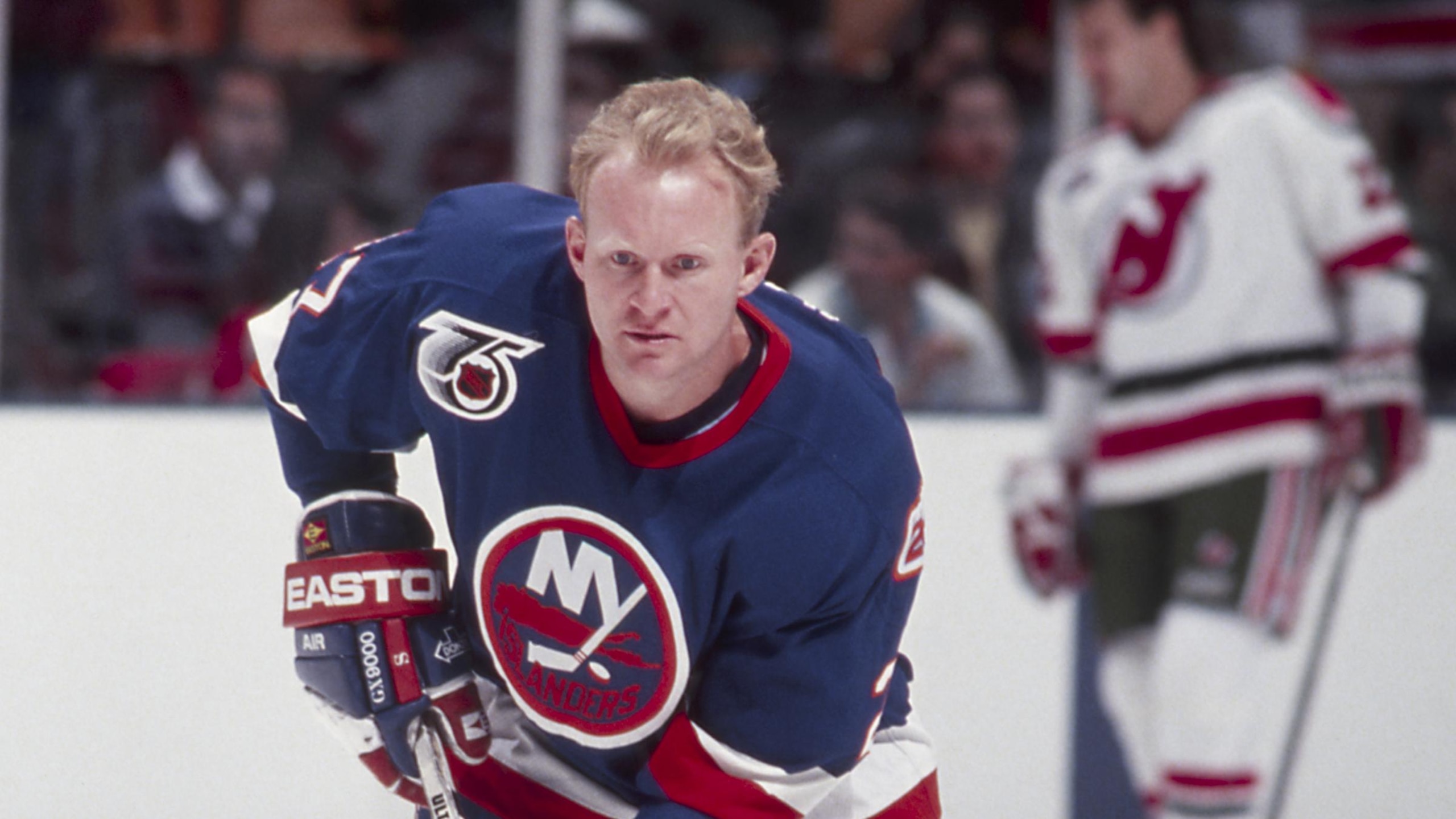
Throughout 14 seasons in the NHL, Derek King's best years were, by far, with the New York Islanders, and from 1991-1992 through 1993-1994, he was scorching when it came to scoring goals. But it all started in '91-'92 for King when he scored 40 for the Isles after putting up 58 goals in his previous four seasons combined.
The Islanders in '91-'92 were led by newly added Pierre Turgeon and Ray Ferraro, but it was King and Benoit Hogue who flew in on the wings to help drive the offense. King's 40-goal outburst came out of nowhere but proved to be the start of a fantastic run of three straight seasons of 30-or-more goals.
Jason Blake, New York Islanders
3 of 10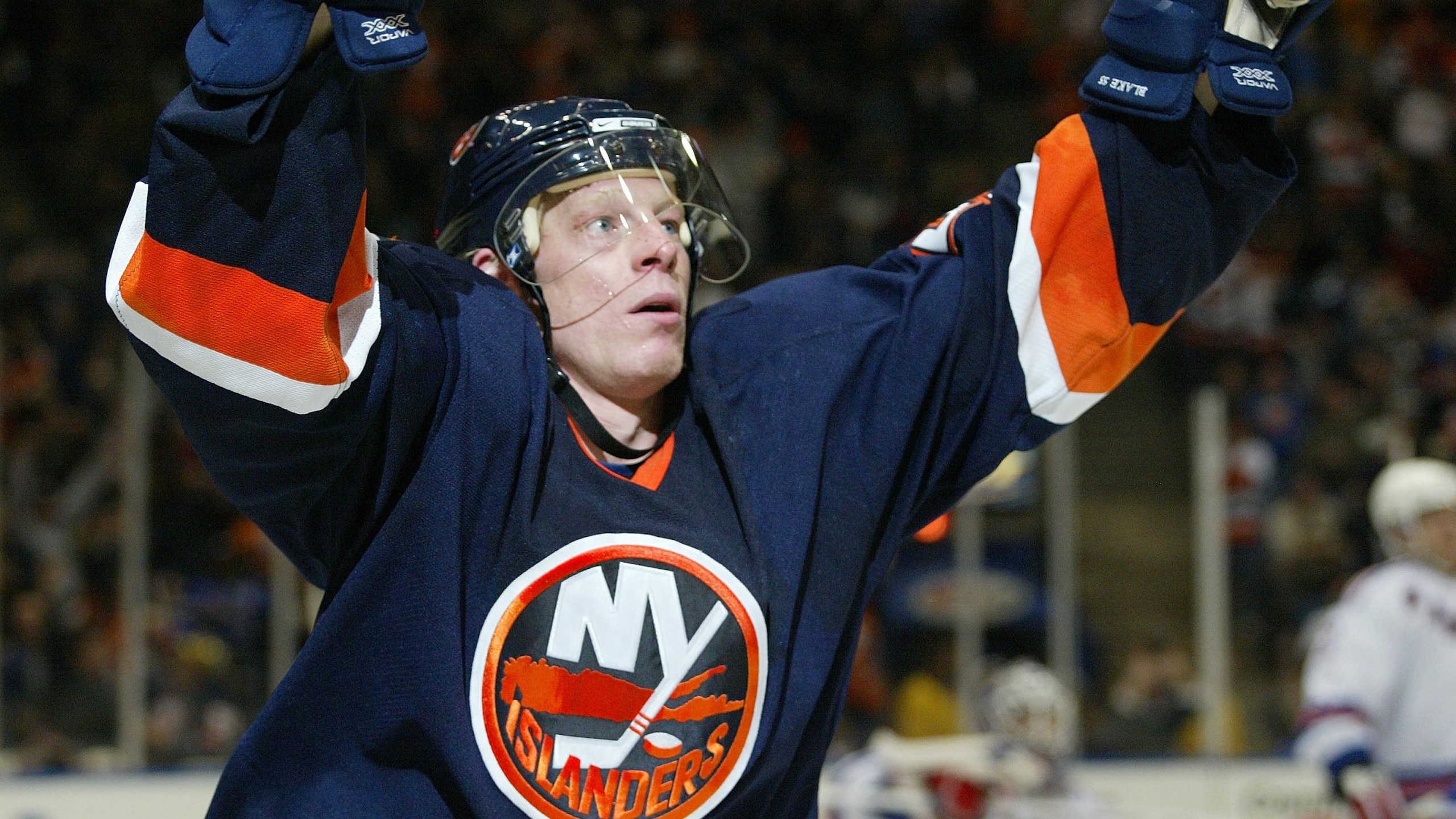
Throughout Jason Blake's career, he was always known for his steady production and ability to score with the kind of regularity you could set your watch by. He was a middle-six forward with some touch in the offensive zone, and that's always good, but in 2006-2007 with the New York Islanders, he got hot and stayed hot all year.
Blake put up 40 goals for the Islanders that season while shooting a career-high 13.1 percent (he averaged 8.0 percent for his career). His career year ended a run of four straight years with 20-or-more goals, which led him to leave the Isles after that season and sign a five-year, $20 million free-agent deal with the Toronto Maple Leafs at 33 years old.
Blake wouldn't come close to scoring 40 again the rest of his career and topped out at 25 goals in 2008-2009 with the Leafs.
Bob Kudelski, Ottawa Senators & Florida Panthers
4 of 10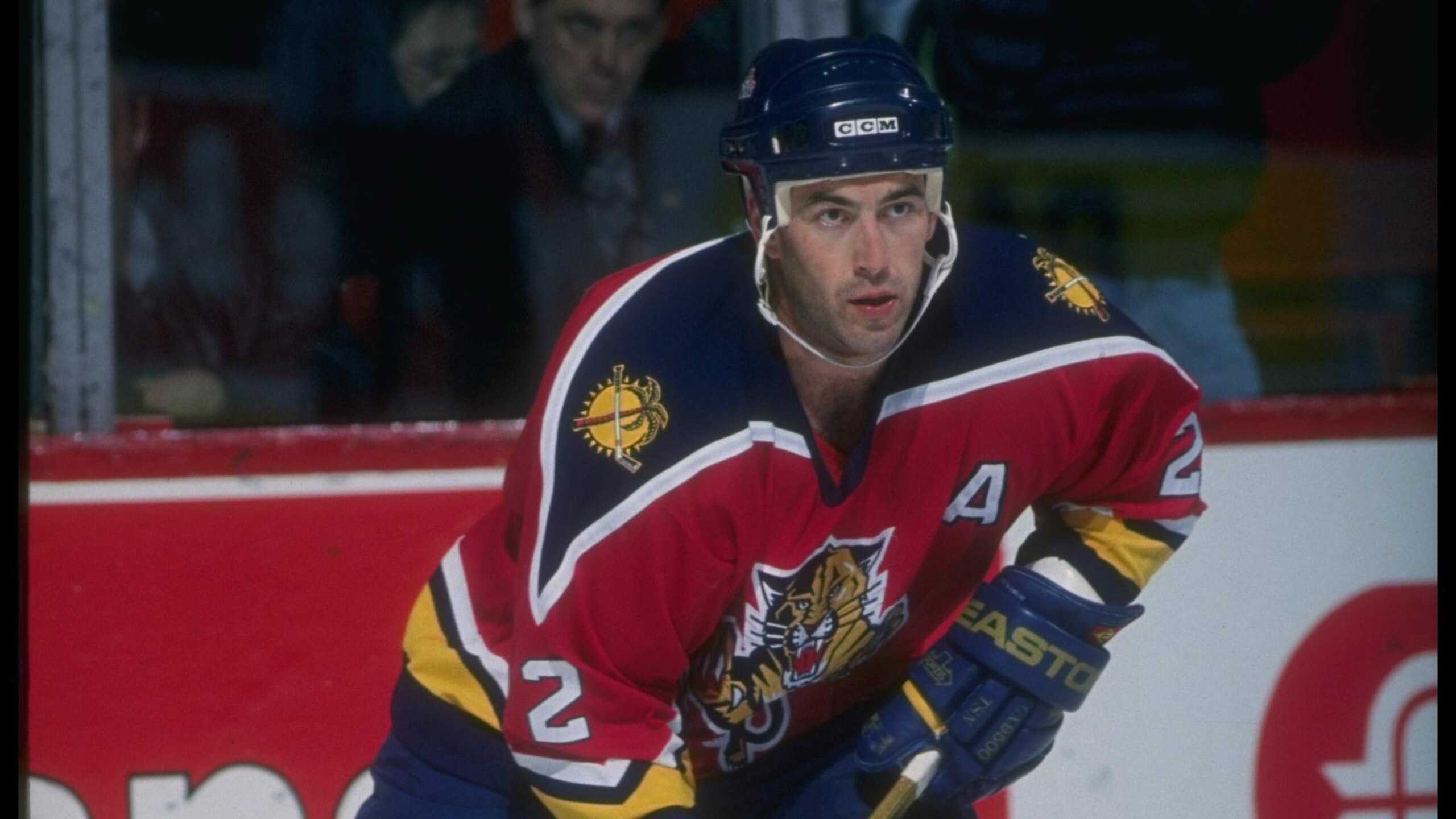
In 1993-1994, the NHL's trap era hadn't fully dried out scoring, and 23 players scored 40 or more goals that season. Even though guys like Pavel Bure, Brett Hull, and Sergei Fedorov were the names you'd expect to see, Bob Kudelski was not, and yet, there he was.
Kudelski started the season with the Ottawa Senators, who were in their second season in the NHL and were quite bad. At 29, Kudelski was one of many veteran players on the roster and one of their top offensive producers. Even though he was traded midseason to the newest expansion team, the Florida Panthers, he finished second on the Senators in goals with 26 in 42 games.
In Florida, Kudelski finished the season with 14 goals for the Panthers in the final 44 games, and he finished with 40 goals in 86 regular-season games (the NHL season was 84 games that season). His overall 40-goal, 70-point season was a career year and a virtual swan song, as well, as he played just two more NHL seasons and 39 games after that '93-'94 season.
Jonathan Cheechoo, San Jose Sharks
5 of 10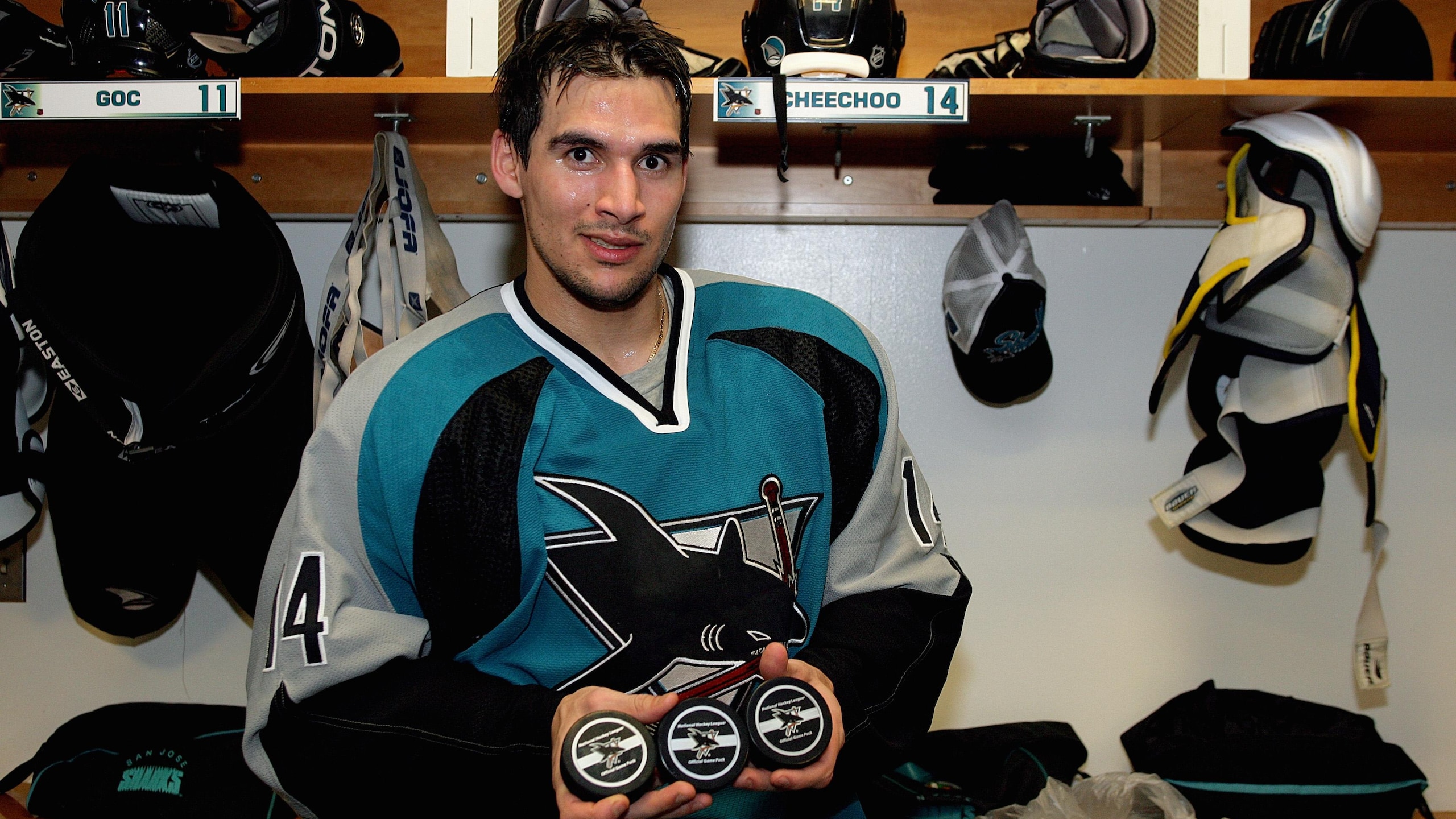
Out of all of the all-time out-of-nowhere seasons, Jonathan Cheechoo's 2005-2006 season might be among the best of them all.
Offense in the NHL coming out of the 2005-2006 lockout was explosive, thanks to new rules and improved rule enforcement that allowed goals to pile up across the league. Before the lockout, Cheechoo emerged as a sniper, scoring 28 goals in his second season, but after the lockout, he got a little bit of extra help in San Jose in the form of Joe Thornton.
The Sharks acquired Thornton from the Boston Bruins that season, and his ability to set up teammates led to Thornton winning the MVP and to Cheechoo scoring a career-high 56 goals, twice the number he scored in his previous season. While he would team up with Thornton to score 37 the following year, things were never the same after that, and he wound up traded to Ottawa in 2009.
But for that one incredible season, Cheechoo was a sensation across the league for scoring a boatload of goals and having one of the most fun and memorable names in NHL history.
Brian Bradley, Tampa Bay Lightning
6 of 10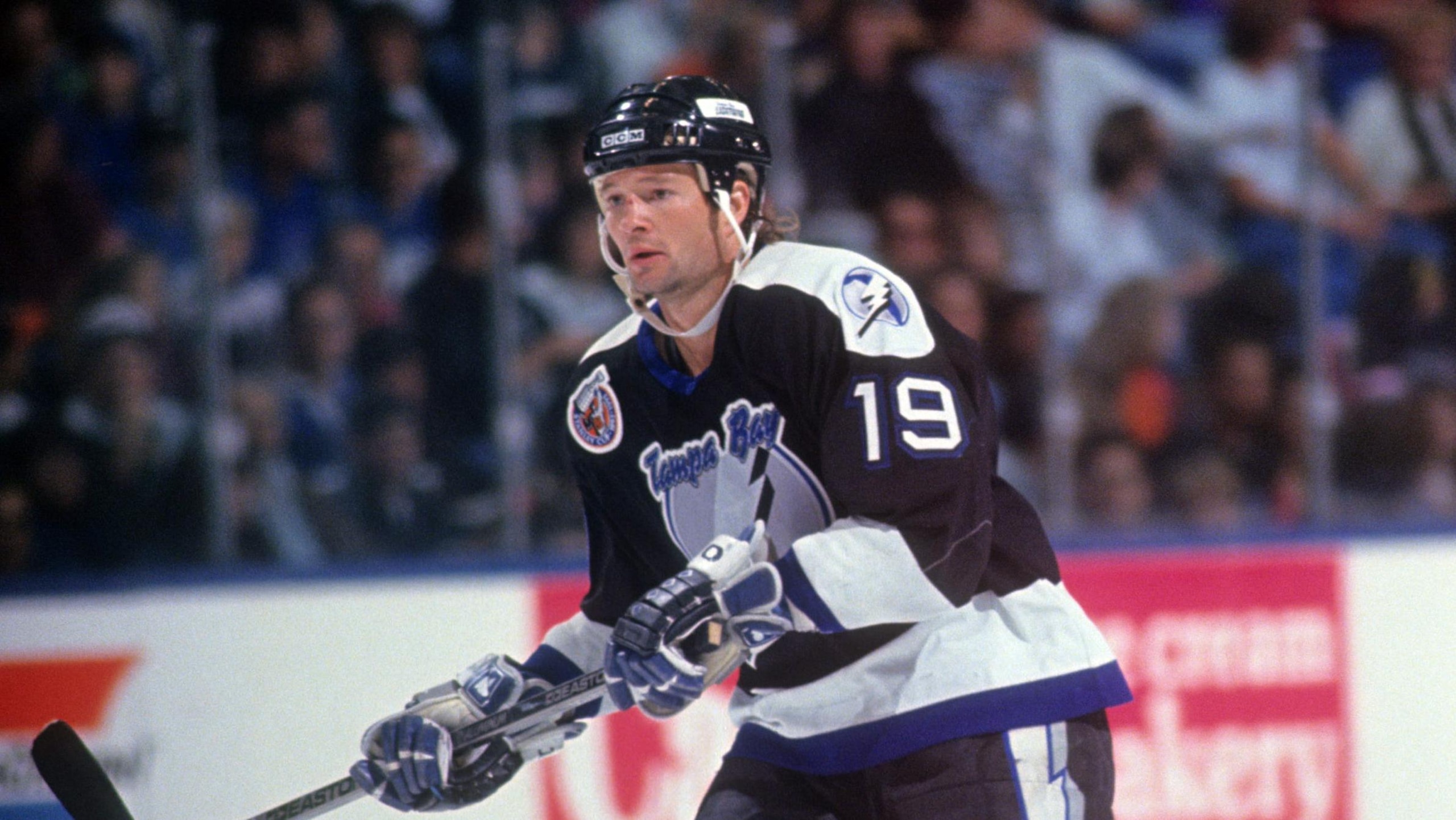
Sometimes all a player needs is an opportunity to become an offensive star, and for Brian Bradley, expansion did just that.
When the Tampa Bay Lightning entered the NHL in 1992, one of their expansion draft picks was used on Bradley, who had bounced around between the NHL and the minor leagues the previous few seasons with Calgary, Vancouver, and Toronto. With the Lightning, he was in the lineup every game and centered their top line. After having a previous career high of 19 goals, he exploded for 42 goals in the Lightning's first season.
Bradley's monster season was completely unexpected. He led Tampa Bay in scoring by 30 points, and the next closest to him in goals was Chris Kontos with 27. He established the team record for goals in a season, and it wasn't broken until 2006-2007 when Martin St. Louis (43) and Vincent Lecavalier (51) both surpassed it.
Bradley would score 20-plus goals twice over the next three seasons, but never before and never again would he have an outburst like the one he did in the Lightning's first season.
Brad Boyes, St. Louis Blues
7 of 10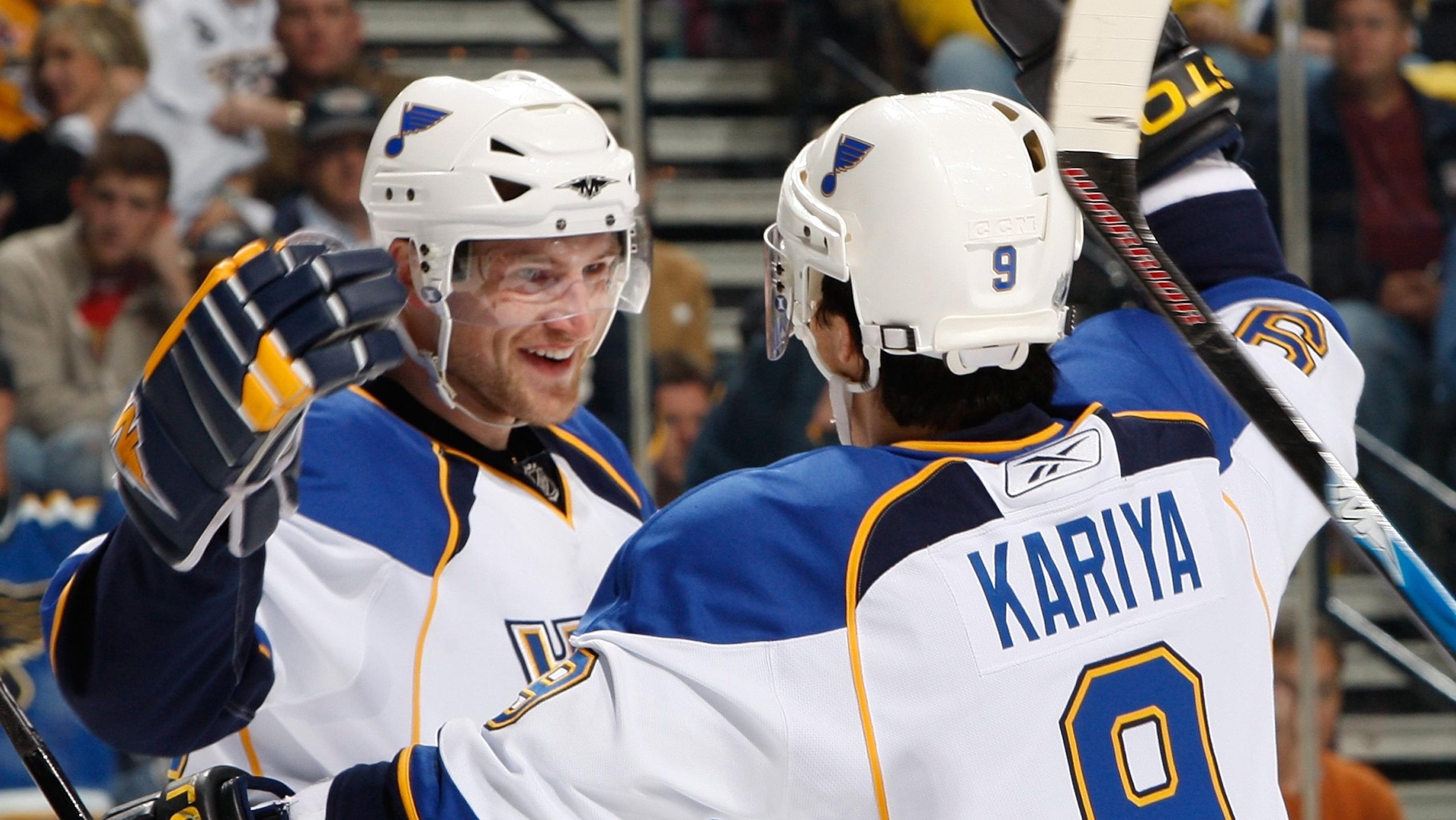
When Brad Boyes landed in St. Louis in 2007 after a trade with the Boston Bruins, he didn't waste any time making the Bruins and their fans regret the move.
Boyes' first full season in St. Louis saw him score a career-high 43 goals on a team with Paul Kariya and Keith Tkachuk. Boyes led the Blues in scoring that season, and while he was known to be a goal scorer (he did score 28 one season with Boston), he was able to take advantage of the new situation with the Blues, having a couple of legends to lean on.
Boyes' monster 2007-2008 season was part of a two-year run where he scored a ton of goals as he followed it up in '08-'09 with 33 more. He wouldn't have another prolific season again after that, although he was a solid depth player for years to come with other teams. But for two seasons in St. Louis, Boyes had Boston fans cursing out management for getting rid of another top scorer.
Warren Young, Pittsburgh Penguins
8 of 10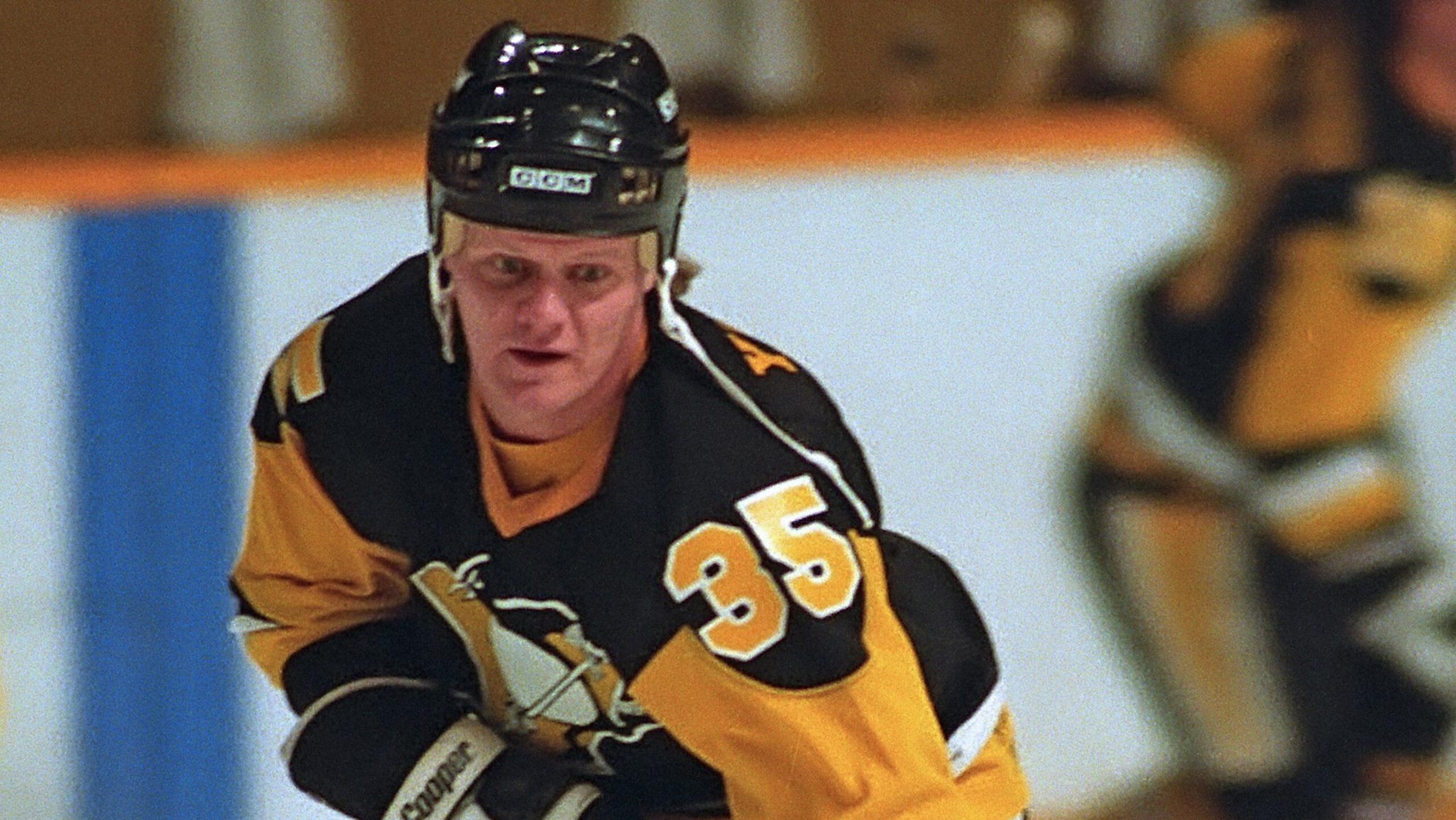
When people talk about how great Mario Lemieux was, one of the players most often cited in making that case isn't someone like Jaromír Jágr or Kevin Stevens; it's Warren Young.
If you don't know who Young is, that's fair. He played 236 career games in the NHL with the Pittsburgh Penguins, Minnesota North Stars, and Detroit Red Wings, but it was with the Pens and specifically with Lemieux that he had his greatest season.
In 1984-1985, Young scored 40 goals and had 32 assists after recording two goals and eight assists in his previous 20 NHL games over three seasons. His explosive season out of nowhere came playing on a wing with the 19-year-old rookie Lemieux.
The unexpected deluge of goals from Young served as an example of how brilliant Lemieux was in retrospect but at the time it was an emphatic announcement of Le Magnifique's arrival in the league. Young followed up his 40-goal season with 22 the next year in Detroit before he found his way back to Pittsburgh in a trade only to then be out of the NHL after the 1987-1988 season.
Craig Simpson, Pittsburgh Penguins & Edmonton Oilers
9 of 10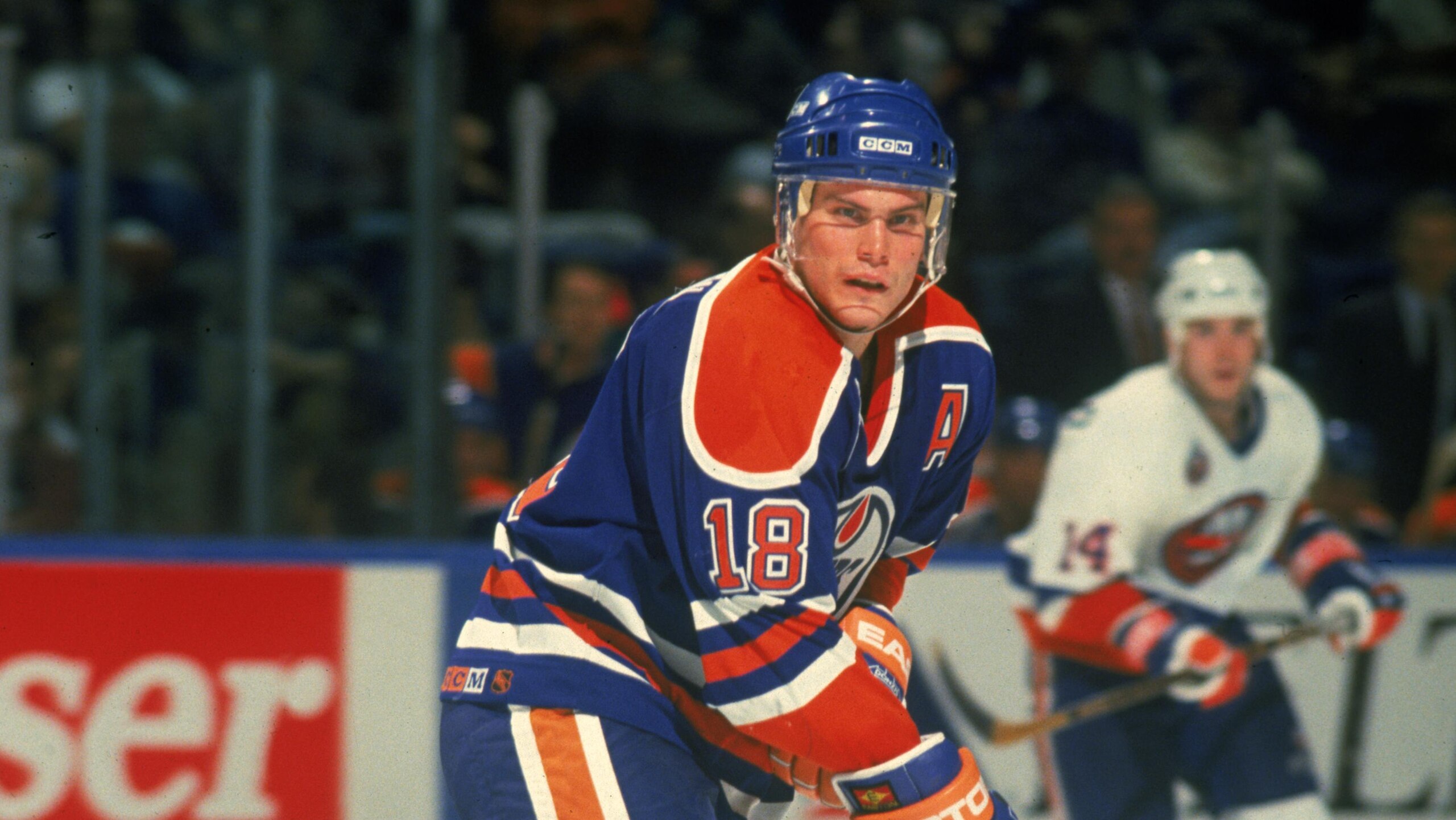
Playing hockey in the 80s and being able to call both Mario Lemieux and Wayne Gretzky teammates is not something a lot of players got to say they could do, but Craig Simpson could, and in his breakout season of 1987-1988, he was able to explode on the scene.
Simpson was a top prospect of the Penguins (was the No. 2 pick in 1985) and had 26 goals in his second NHL season with Pittsburgh, but in 1987, a blockbuster trade sent him to Edmonton and brought Paul Coffey to the Penguins. While the Pens weren't yet a Stanley Cup contender, the Oilers were in the middle of their dynastic run, and Simpson, who had 13 goals for the Penguins before the trade, went off with Gretzky, Mark Messier, and the firewagon Oilers, scoring 43 times in 59 games.
At 20 years old, Simpson put up a monster 56-goal season and helped the Oilers to their fourth Cup in five years. It was the first big season in Simpson's career, and he went on to score 30 or more twice more and 29 during Edmonton's run to the Cup in 1990.
Rob Brown, Pittsburgh Penguins
10 of 10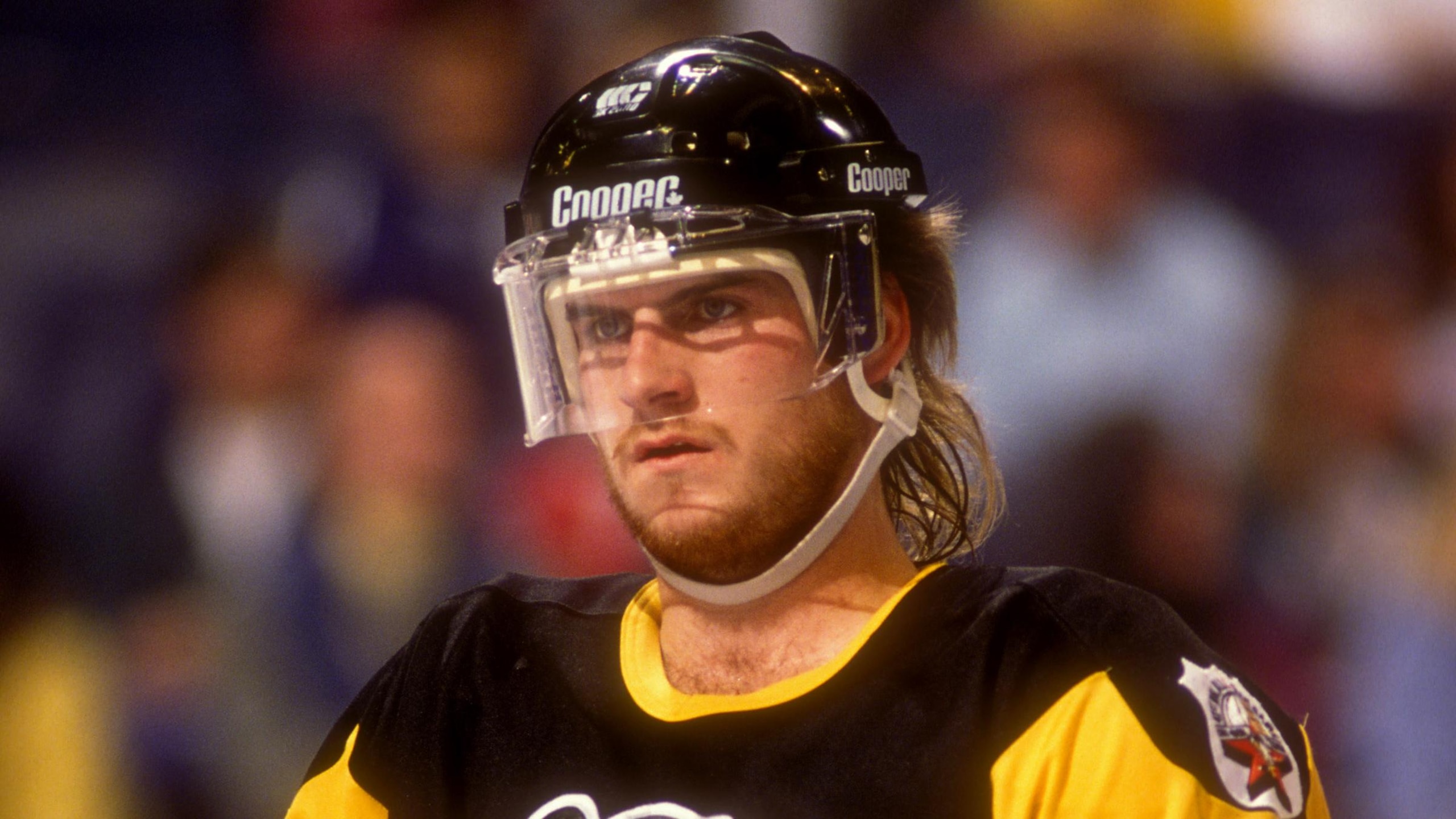
While Warren Young's 40-goal season out of the blue let us know that Mario Lemieux might be something special, it was Rob Brown's 49-goal season in 1987-1988 that made it a stone-cold fact that Lemieux was elite.
Brown debuted in Pittsburgh during the 1986-1987 season with 24 goals and a knack for toughness, but the following year he sidled up next to Lemieux and reaped all the benefits en route to a career-high in goals (49) and points (115). Brown was an outstanding complement to Lemieux's all-around brilliance, and by keeping his stick on the ice and making sure to find Super Mario in stride, he could rack up points.
Brown's offensive numbers fell off the table when he was traded to Hartford, and the distinct lack of Mario Lemieux-like players on the Whalers may have had something to do with it. When he circled back to Pittsburgh in the late-90s, he was able to cap off his career playing with Ron Francis and Jaromír Jágr and recapture some of the offense he'd lost along the way, but that one monster season is one that stands out above all.
.jpg?w=2560 "NHL Trade Grades Connor Hellebuyck")



.jpg?w=2560 "Raiders Could Start Mendoza")
.jpg?w=2560 "Rodgers Iced Out on Plane 💎")

.jpg?w=2560 "🚨 Week 8 AP Top 25 Poll")

