

The first month of the 2025-26 NBA season has revealed plenty about the 30 teams involved.
That includes the biggest offseason regret all of them have. Well, almost all of them have.
While there's still time for some of these issues to be ironed out, it's not too soon to wonder whether the executives responsible for them are already second-guessing their way through sleepless nights.
Atlanta Hawks
1 of 30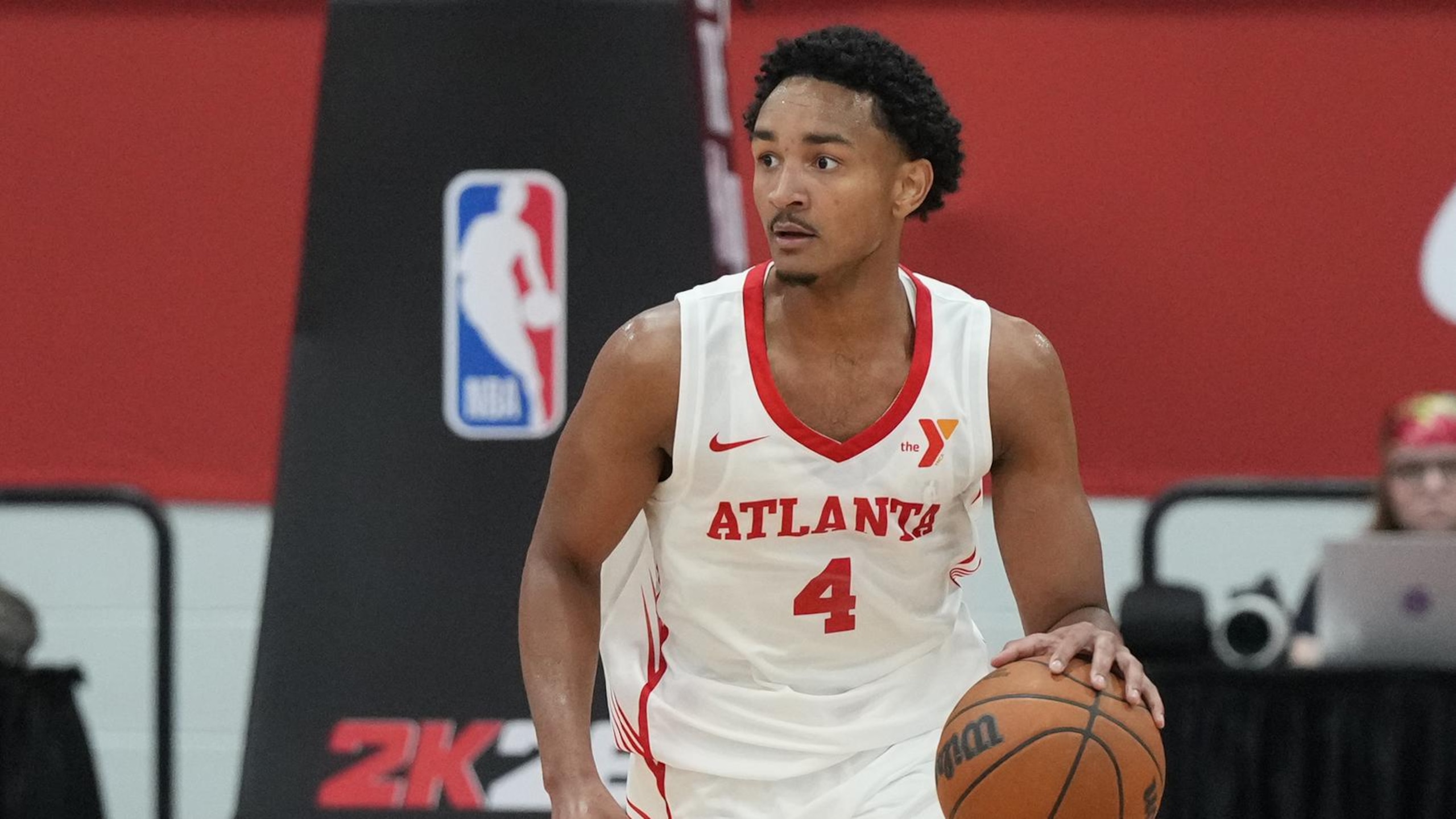
Waiting too long to trade Kobe Bufkin
The Hawks were a popular pick on offseason winners list, so the major missteps that have plagued them in past summers (the Dejounte Murray trade waves hello) were thankfully unseen in Atlanta.
Forced to nitpick, then, the Hawks really squandered whatever trade value Kobe Bufkin once theoretically held, didn't they? In 2023, they made him the 15th overall pick. Two years later, on the heels of a couple injury-impacted, unproductive campaigns, Atlanta routed him to the Brooklyn Nets for only cash considerations.
Clearly, his market had cratered by that point, but if the Hawks knew they weren't keeping him around, they could've at least moved him before he laid a bunch of bricks and struggled with turnover trouble in Las Vegas.
Boston Celtics
2 of 30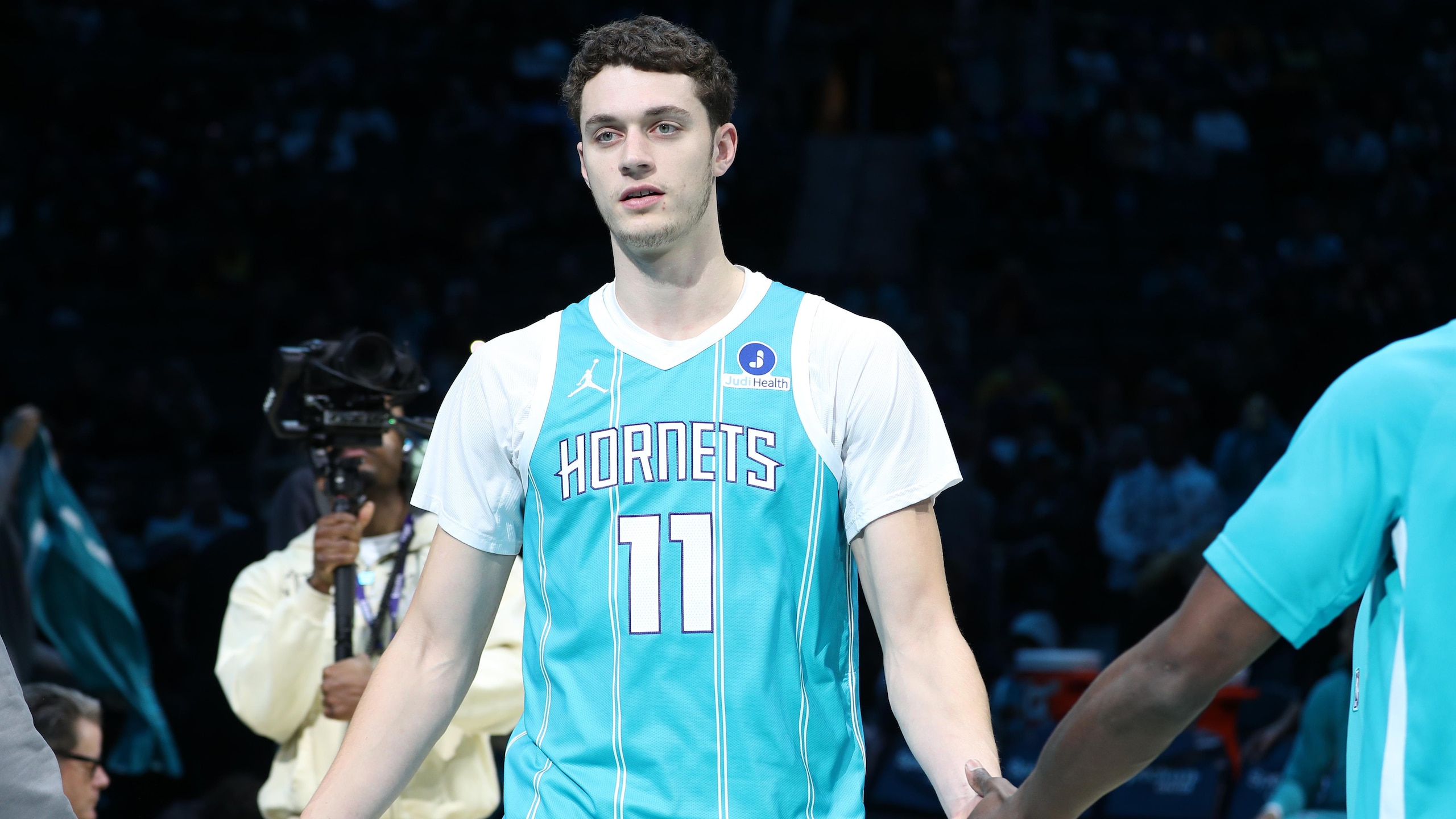
Letting Ryan Kalkbrenner slip away
Once Boston decided it had to shed Kristaps Porziņģis and couldn't afford to bring back Luke Kennard, the franchise was confined to big man-shopping on a budget. Still, the Shamrocks could've let a plug-and-play paint protector fall into their laps.
The Celtics held the No. 32 pick, but wound up flipping it for two later seconds and two future seconds. That's good value in a vacuum, but they still could have strengthened their interior rotation by keeping that selection and spending it on Ryan Kalkbrenner, who went 34th overall.
Granted, it will take more time to fully evaluate that decision, but all early indications are that the Creighton product could have handled significant minutes right away. He's certainly maximizing the chances given to him by the Charlotte Hornets, averaging 9.9 points, 7.1 rebounds and 2.2 blocks in just 26.6 minutes while converting a comical 81.2 percent of his field goals.
Brooklyn Nets
3 of 30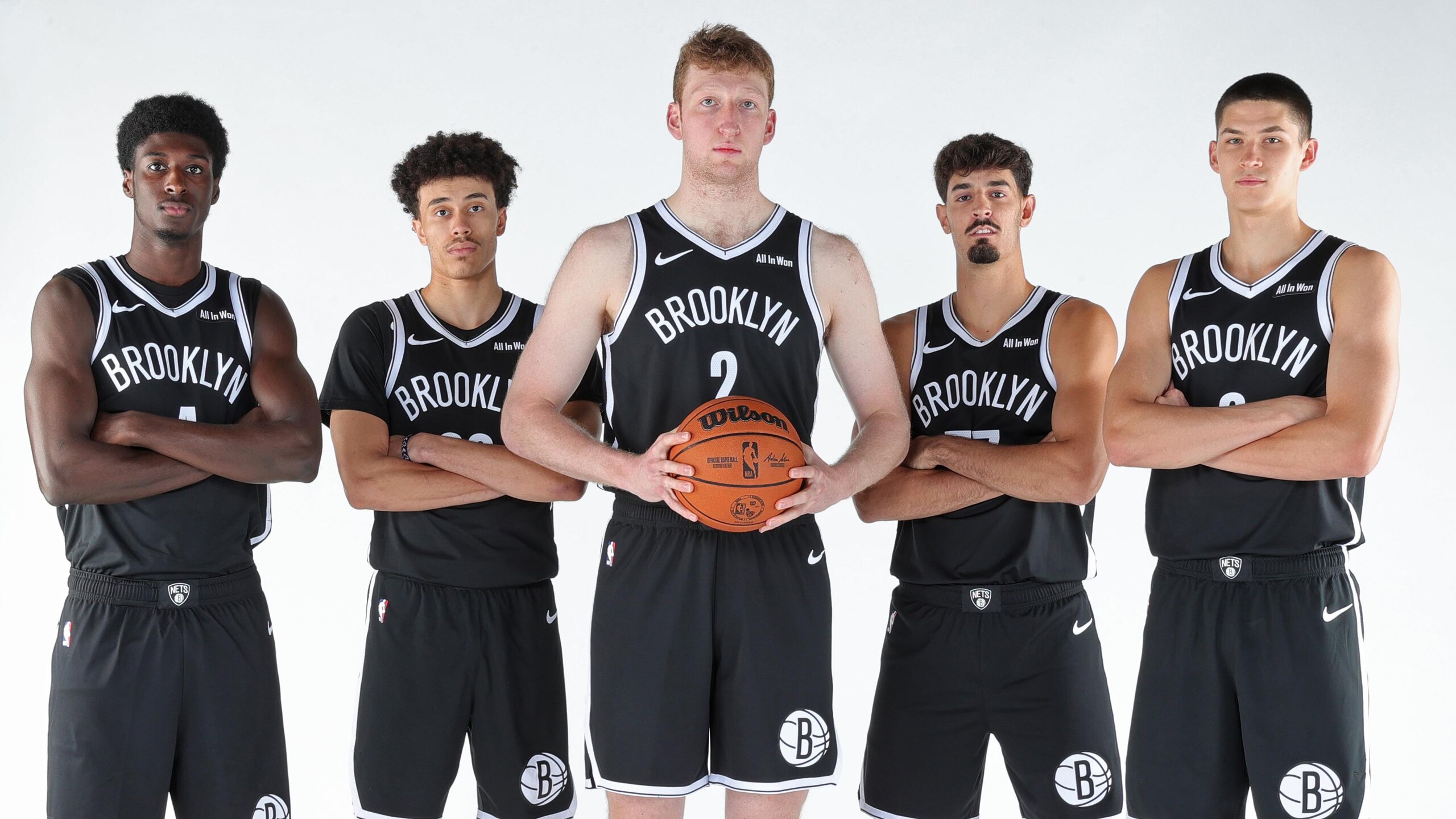
Spending four first-round picks on playmakers
Armed with a whopping five first-round picks, the Nets figured to rank among the first round's busiest movers and shakers. Instead, they made all five selections—and spent four of them on players who count playmaking as their greatest strength: Egor Dёmin, Nolan Traoré, Ben Saraf and Danny Wolf.
To no one's surprise (other than maybe Brooklyn's), the team has quickly figured out there aren't enough touches to go around to help season every prospect. Dёmin paces the quartet in minutes at just 20.5 (eighth-highest on the team), while Saraf has the biggest usage percentage at 17.3 (10th).
What's worse is the Nets have a glaring need for sound decision-makers (21st in assist-to-turnover ratio), but their heavy investment at the draft has so far failed to address it.

Charlotte Hornets
4 of 30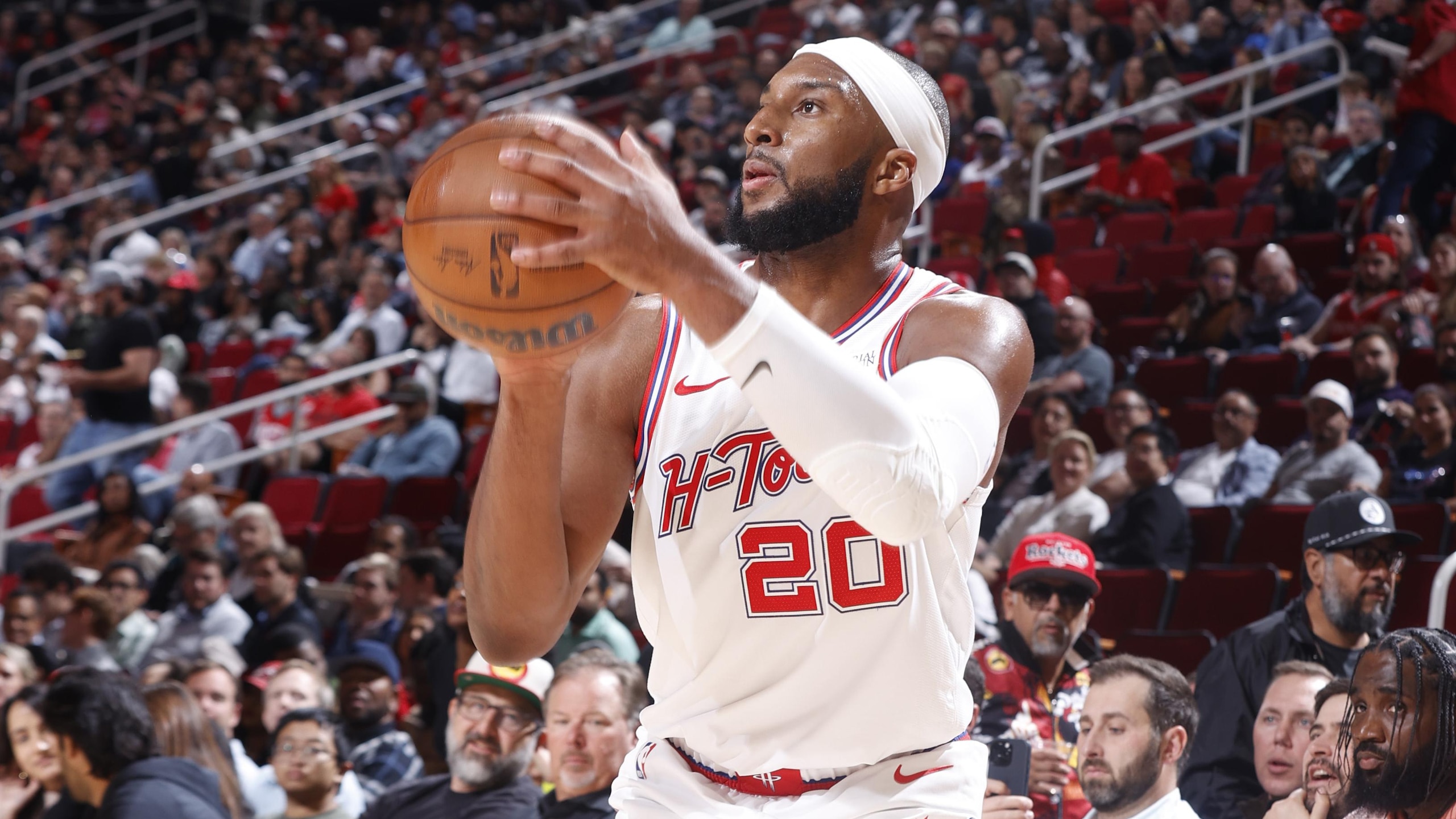
Waiving Josh Okogie
This might be a bit unfair, because the Hornets surely tried to shop Okogie before waiving him ahead of his $7.7 million contract guarantee date in July.
Still, hindsight tends to forget about market nuances and remembers only the results, and this move looks fairly brutal looking back on it.
Charlotte is again saddled by a dreadful defense (117.5), while Okogie is filling a helpful (and always energetic) role for the Houston Rockets. A tireless defender, he's even propping up their offensive attack by converting 49.2 percent of his field goals and 45.7 percent of his long-range looks.
That sounds like someone capable of contributing to a lot of teams—the Hornets included.
Chicago Bulls
5 of 30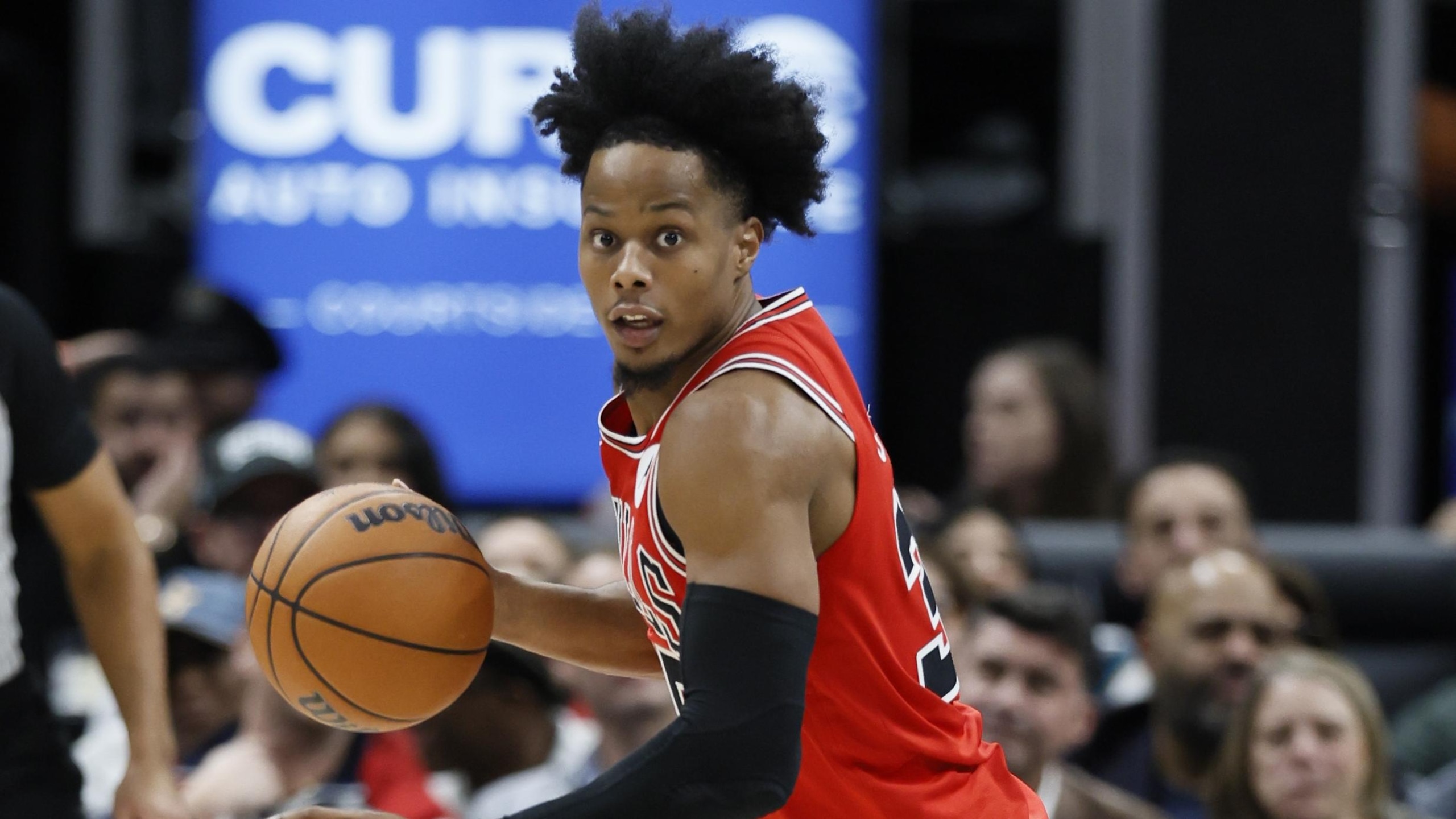
Selling low on Lonzo Ball
Back in February, the Bulls had a chance to flip Lonzo Ball for a first-round pick. They kept him around instead and inked him to a two-year, $20 million extension.
Come July, Chicago relented and sent Ball packing. Surely, the club simply reacted to an offer too rich to refuse? Nope. After watching him miss the 2024-25 campaign's final two months with a sprained wrist, the Bulls dealt him to the Cleveland Cavaliers for Isaac Okoro and...nothing else.
Okoro is fine, but his all-defense skill set and offensive limitations have always led to a role reduction come playoff time. And it's not like the Bulls had a glaring need on the wings, since Matas Buzelis looks like a rising star, Kevin Huerter can handle a rotational role, they're forever committed to Patrick Williams, and they just spent a lottery pick on Noa Essengue (No. 12).
Cleveland Cavaliers
6 of 30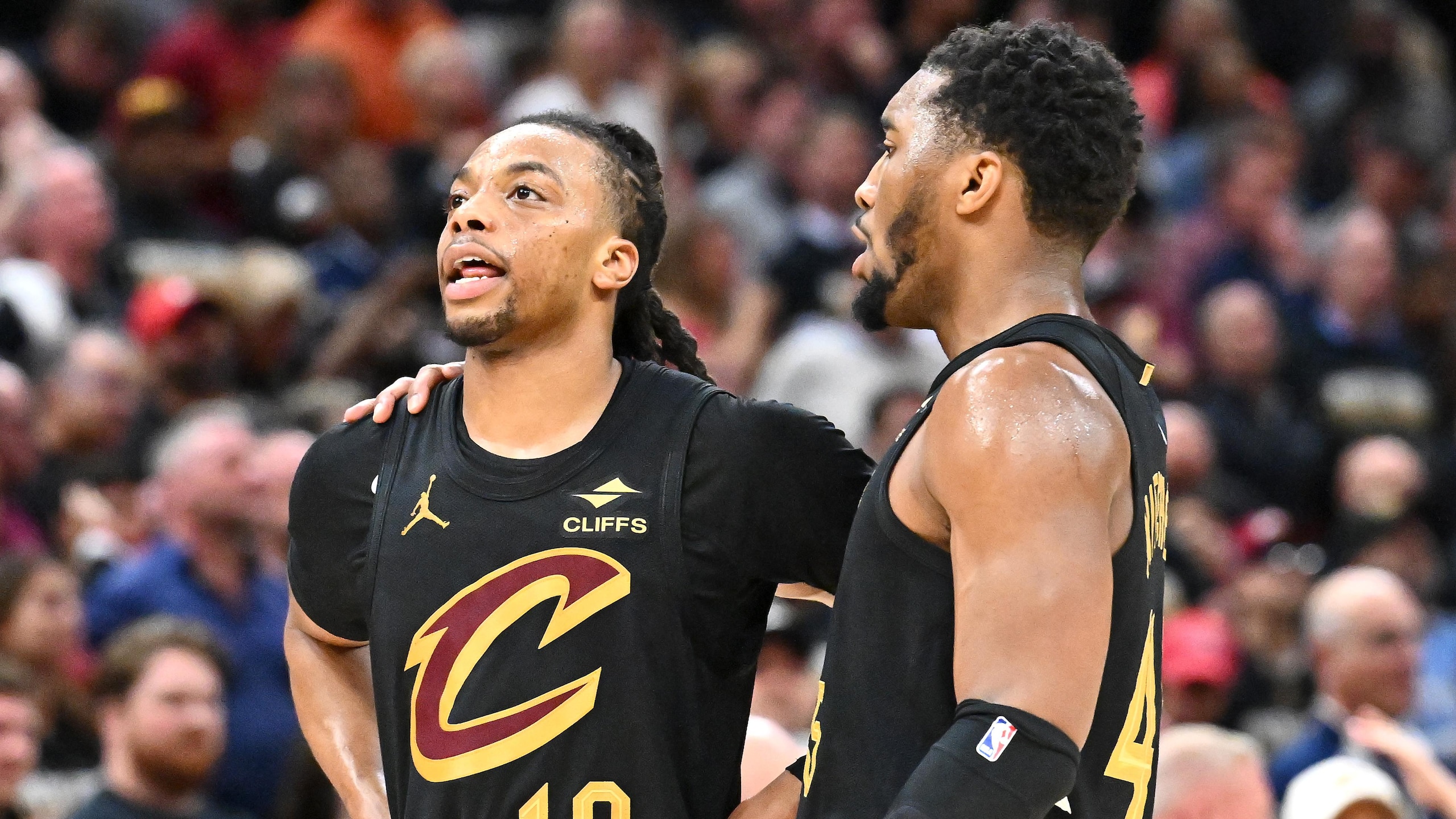
Subtracting and not replacing a shot-creator
While the Cavaliers were busy reaping the rewards of Ty Jerome's breakout last season (he took bronze in the Sixth Man of the Year race), they were also probably counting down his days in Cleveland. Frankly, he had performed too well for them to be able to afford to bring him back.
So, his exit in free agency—to the Memphis Grizzlies on a three-year, $28 million contract—wasn't surprising. What may have surprised, though, (and looks regrettable in hindsight) was Cleveland not seeking another shot-creator to replace him.
Maybe the Cavaliers felt they were set, since they have a couple of elite creators in Donovan Mitchell and Darius Garland. But part of Jerome's appeal was the insurance he provided behind that pairing, a crucial safety net given Garland's injury history.
Dallas Mavericks
7 of 30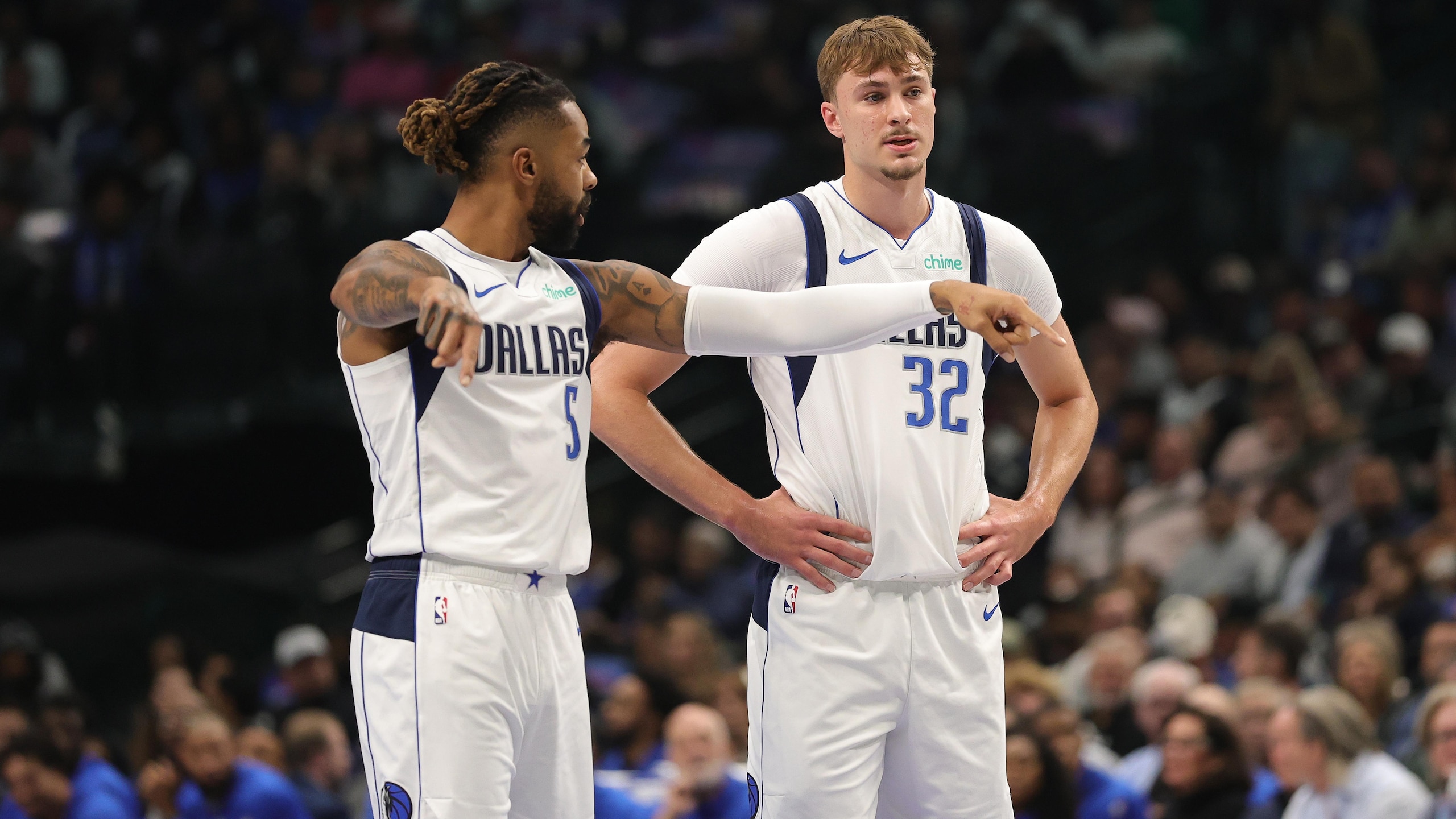
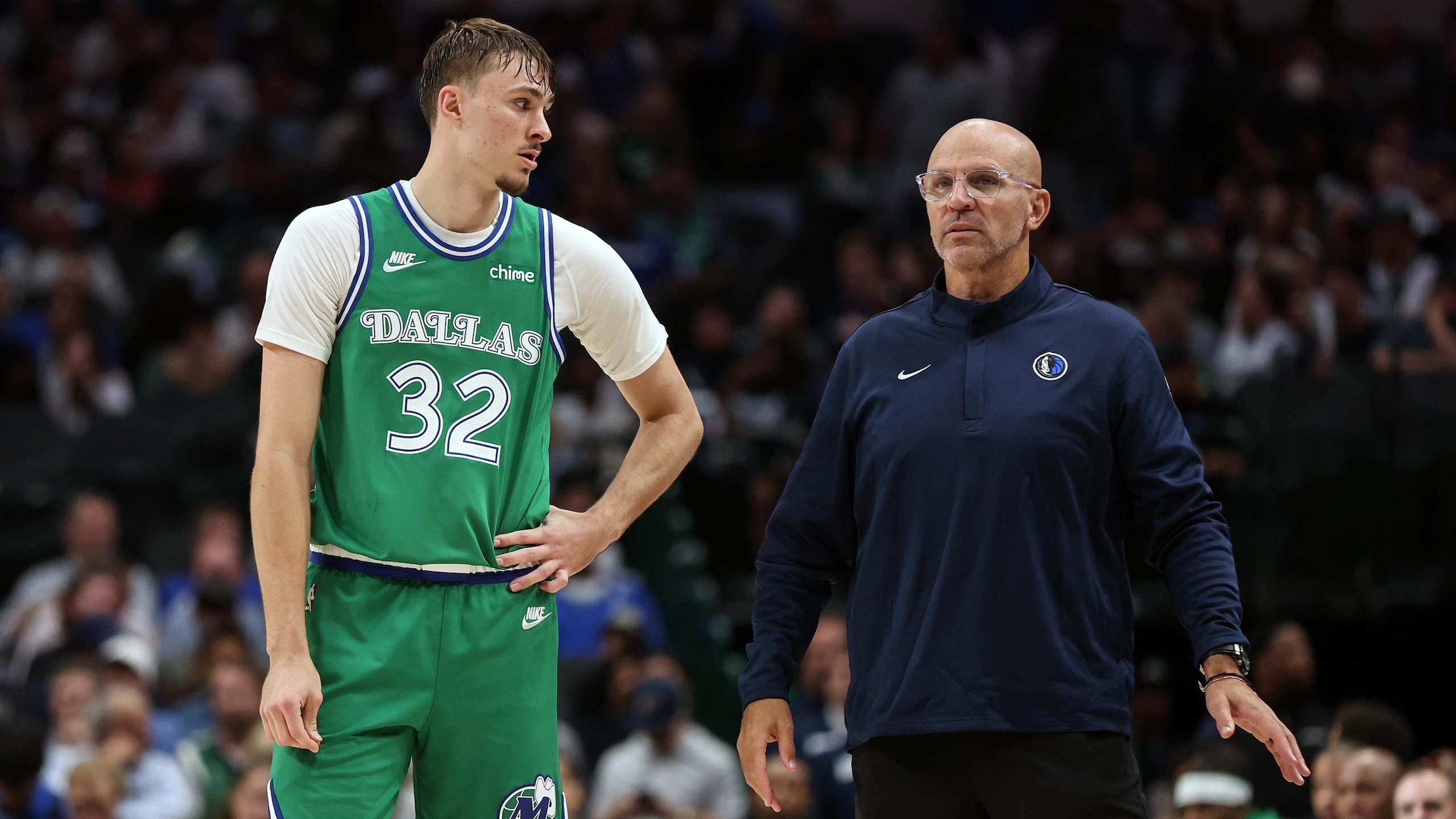
Neglecting the point guard position
When the Mavericks made the shocking decision to ditch Luka Dončić last season for a package centered around Anthony Davis, who turned 32 in March, they put themselves under immense win-now pressure.
So, why didn't they bother to include a point guard replacement as part of that plan?
They knew they'd spend at least the first portion of this campaign without Kyrie Irving, who suffered a torn ACL in March, so shouldn't they have prioritized the position? That would have felt like a logical approach, but they instead thought signing D'Angelo Russell and adding Ryan Nembhard as an undrafted free agent sufficed.
Obviously, that wasn't enough, and tasking top pick Cooper Flagg with playing out of position to cover up that spot only added to his challenge of transitioning to this league as an 18-year-old.
The Mavs are a mess (13th in the West), former general manager Nico Harrison is out of a job, and this offense is less efficient than everyone other than the Tyrese Haliburton-less Indiana Pacers. So much for winning now.
Denver Nuggets
8 of 30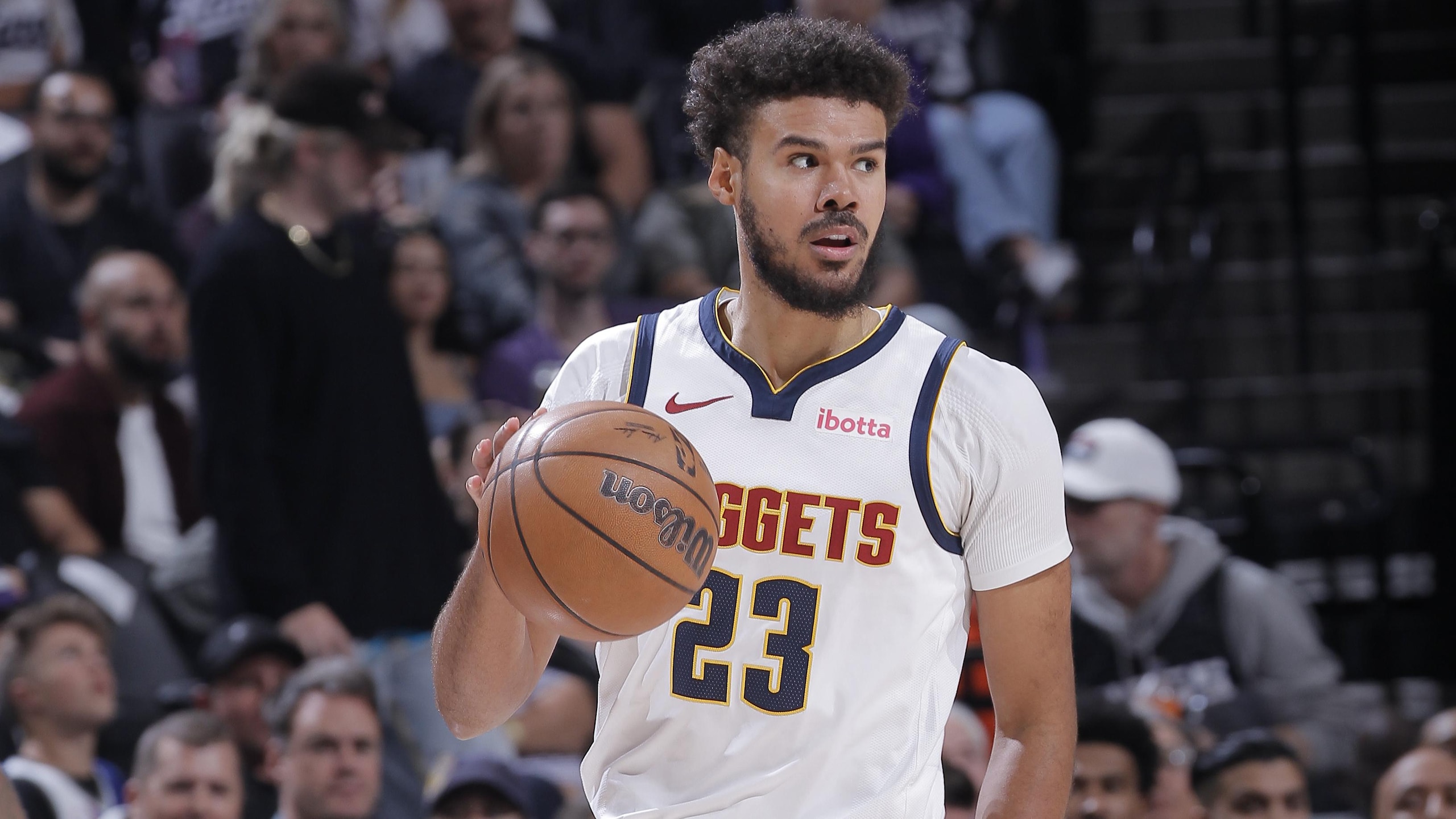
Paying a premium for Cameron Johnson
To be clear, nothing is keeping the Nuggets up late at night right now. Well, nothing beyond any post-game partying that their scorching-hot start to the season has initiated (10-3 with a wholly dominant plus-11.5 net rating).
Even this decision could eventually go down as a good one. Johnson's fit still seems snug on paper, and he's too good of a shooter for his connection rates to stay this low (38.9 overall, 28.9 from three) for too much longer.
All of that said, Johnson hasn't been anything close to what Denver thought it was getting when it swapped out Michael Porter Jr. and an unprotected 2032 first-round pick to add him.
Again, Johnson could (and arguably should) snap out of this funk at any moment, but the early returns on this costly investment are not good.
Detroit Pistons
9 of 30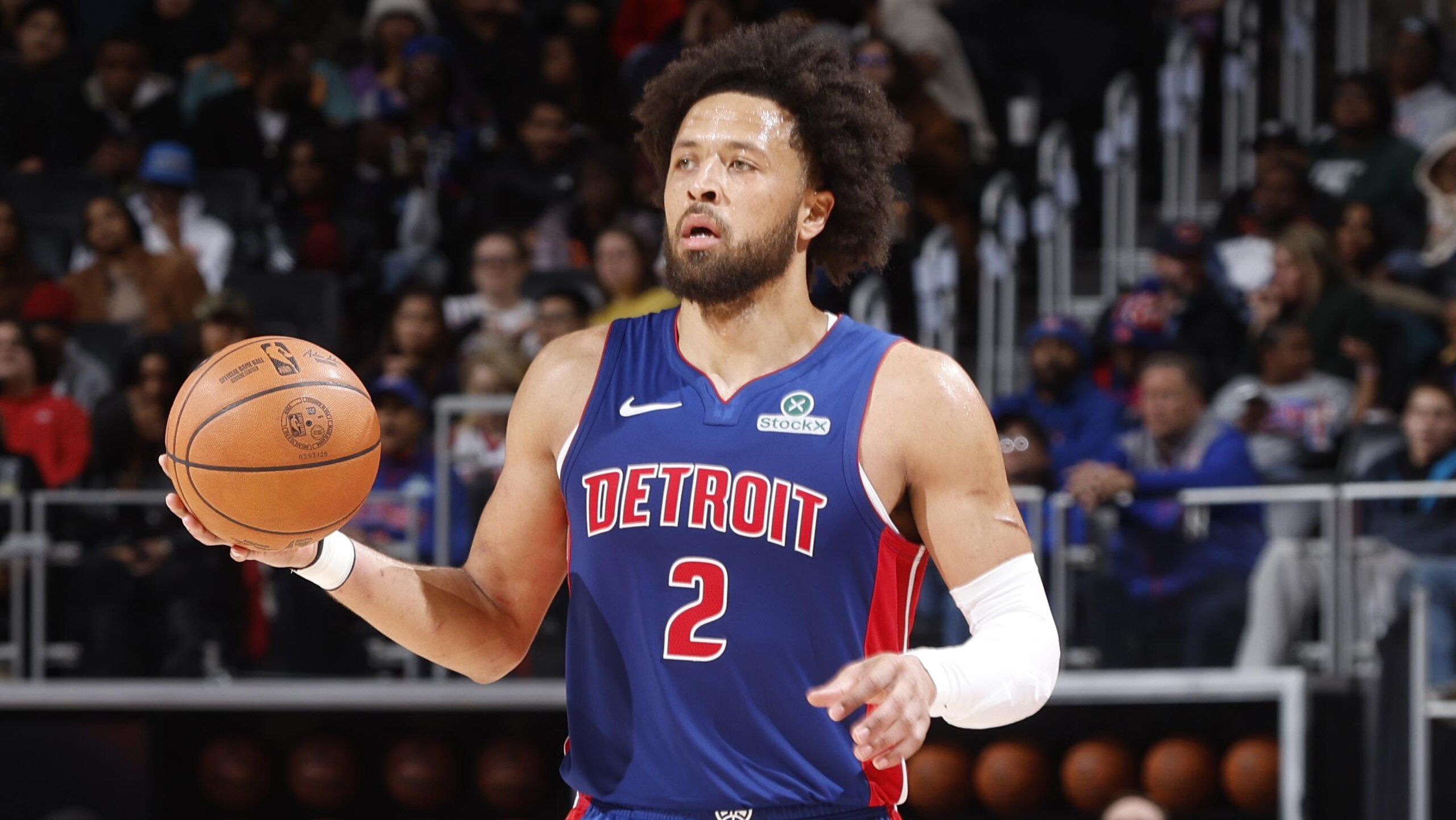
Not getting a co-star for Cade Cunningham
Are the Pistons—and Cunningham himself—good enough to overcome the lack of a true No. 2 option and contend for the crown right now? Their 12-2 record makes you want to believe, but his wizardry and Detroit's No. 2 ranking in defensive efficiency are doing much of the heavy lifting here.
Focus only on the offense, and suddenly the Pistons don't appear ready for basketball's biggest stage. Despite plenty of volume from Cunningham and a big leap forward from Jalen Duren, the efficiency just isn't there.
Detroit sits an uninspiring 13th in offensive rating, while the 2021 No. 1 overall pick's sagging shooting rates (43.6 from the field, 28.8 from range) suggest he's being overburdened.
The Pistons' asset collection is too rich to have not corrected this imbalance yet. And even if the decision-makers didn't know this group would be this good this quickly, this was clearly a club on the rise.
Detroit can, of course, still reach for the skip-ahead button at any time, but the need for a co-star was obvious even before the offseason started.
Golden State Warriors
10 of 30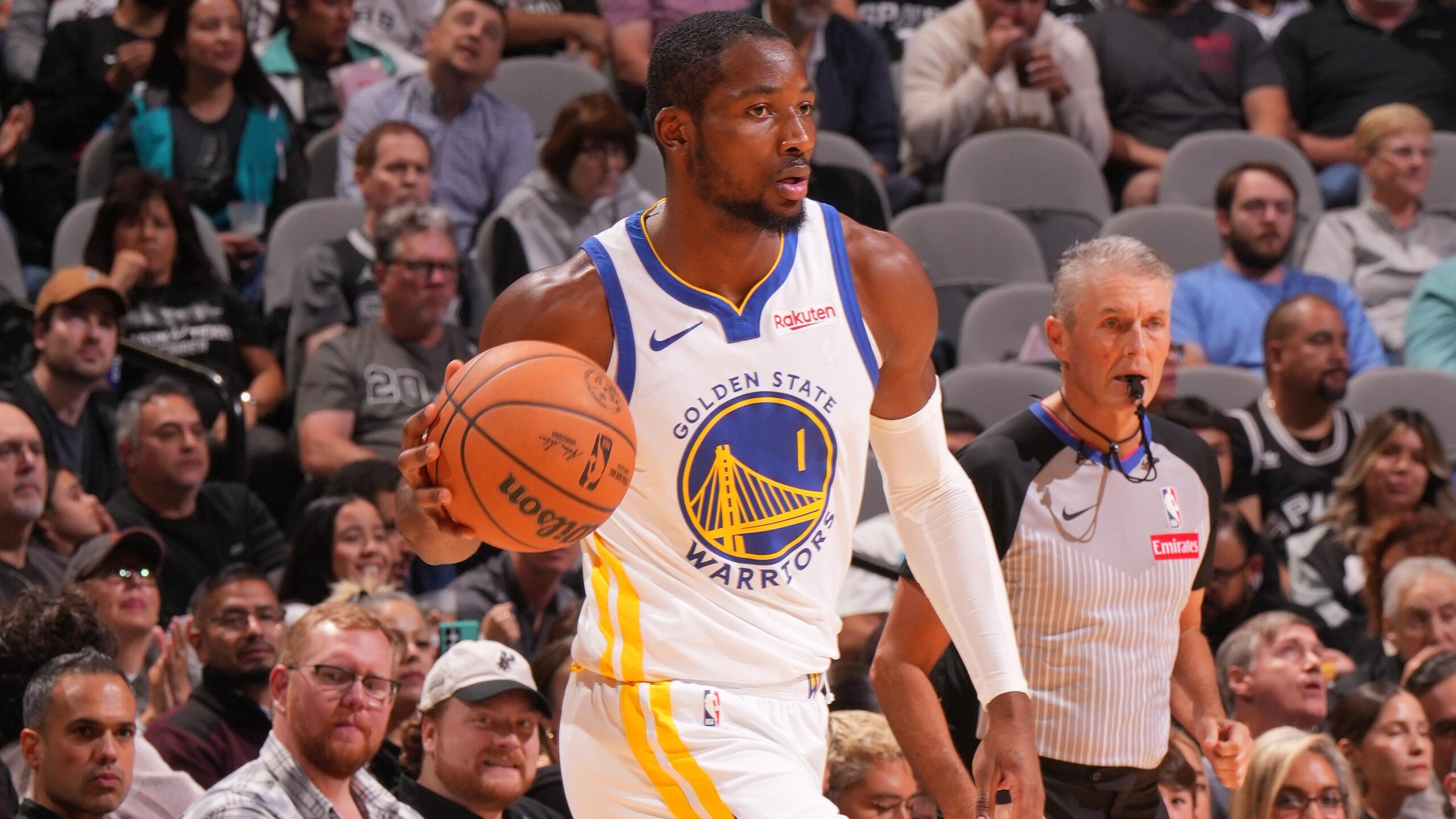
Not figuring out the Jonathan Kuminga quandary
Kuminga's restricted free agency was a drag, and that's coming from a simple external observation. It took forever to get a deal done, and the agreement that was finally ironed out didn't solve the situation so much as it just kicked things down the road.
Even when ESPN's Shams Charania reported on the two-year, $48.5 million pact (team option on the second season), he added the verbiage "if and when Kuminga is traded during the upcoming season."
In other words, the 23-year-old's future remains unsettled. And his role with the franchise spawns nightly debates. He started out strong, cooled off just as quickly and has since been sidelined by knee tendinitis. In between, he lost his starting spot and saw both a spike in turnovers and a slide in shooting accuracy.
This consistent inconsistency can't be good for his trade value, which feels murky at best—especially if the general consensus is that Golden State is only holding onto him as long as it takes to become trade-eligible (which he will be on Jan. 15).
This is an unnecessary distraction, and one the Dubs probably hoped they had put behind them during the summer saga.
Houston Rockets
11 of 30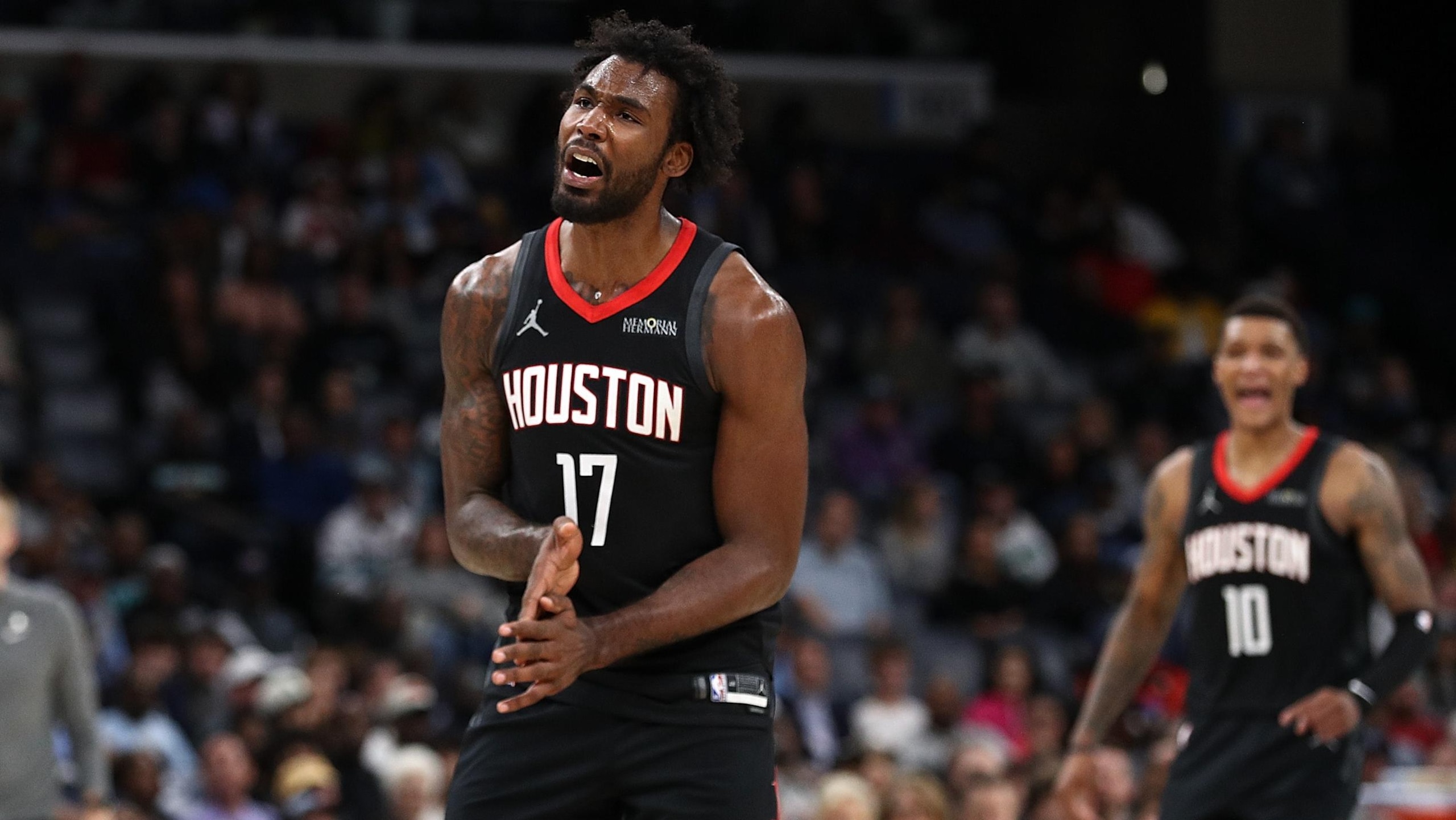
Not settling Tari Eason's uncertain future
It's pretty wild—and a full-throated testament to this team—that the obvious answer here isn't failing to replace Fred VanVleet following his ACL tear in September.
The Rockets could still go point guard-shopping at some point, but Alperen Şengün, Amen Thompson and Reed Sheppard have all responded brilliantly to their increased responsibilities.
So, the discussion shifts to Eason, to whom Houston admittedly made a spirited attempt to extend. That a deal wasn't finalized, though, casts some uncertainty about both his present and future with the franchise.
He's been good when he plays—less disruptive than in years past, but much more accurate from three—but he's back on the sideline now, this time with an oblique injury.
Eason somehow seems both a perfect fit for this club and the most likely trade chip should the Rockets pursue a perimeter upgrade.
Indiana Pacers
12 of 30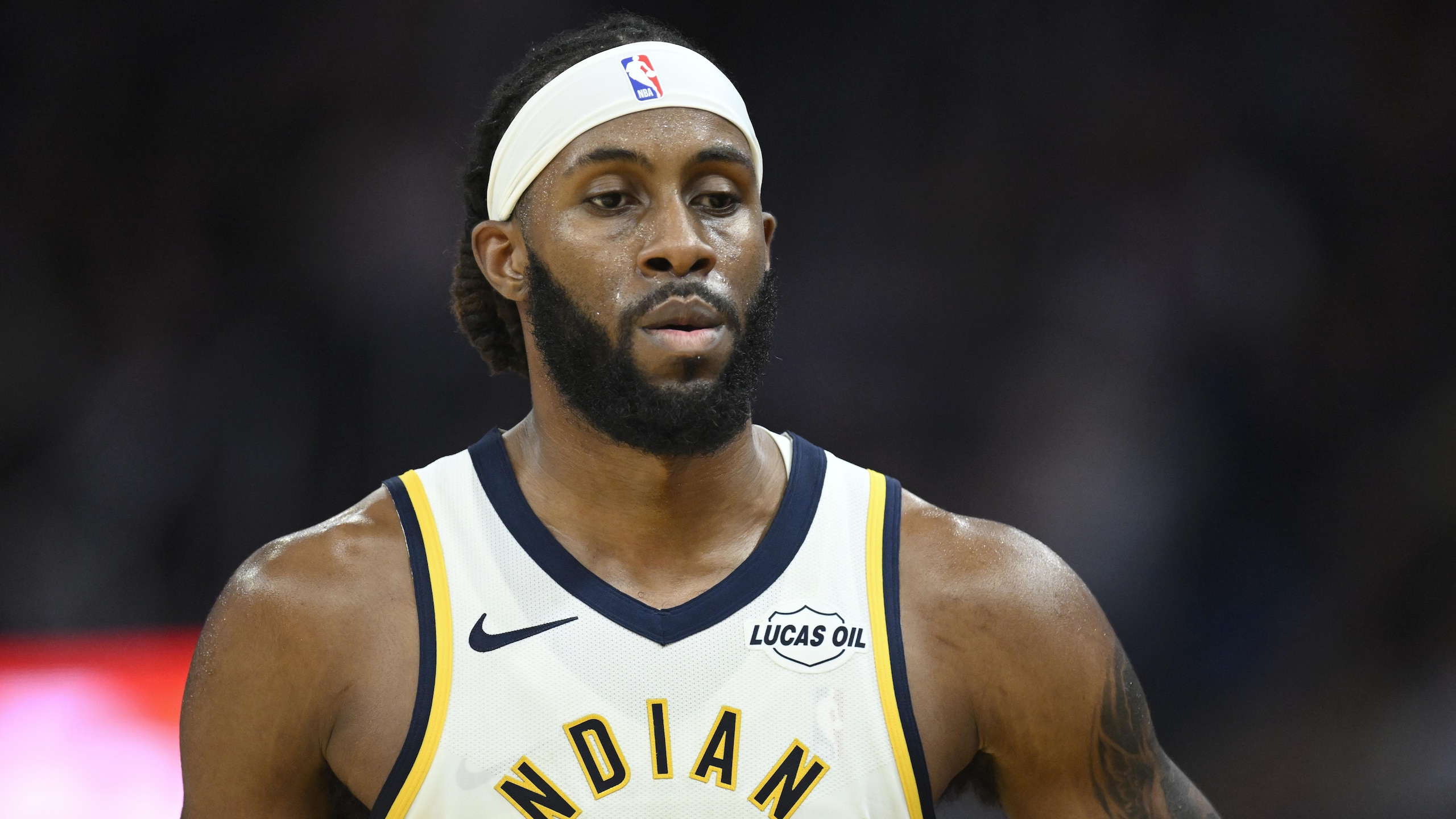
Not having an emergency plan in place for Myles Turner's exit
While it always felt like the Pacers were prepared to give Turner the bag in free agency, Tyrese Haliburton's Achilles tear seemingly changed everything. And that, in itself, is OK.
Indiana probably isn't pining to be on the other end of the four-year, $108.8 million contract he wound up signing with the Milwaukee Bucks.
Still, if Indiana knew Turner's departure was more possible than it seemed, why didn't it have a better contingency plan in place? Even for a gap year, a center mix of Isaiah Jackson, Tony Bradley, Jay Huff and James Wiseman was never going to cut it.
The Pacers have already plunged into an unintentional tank job—reacquiring their own 2026 first-round pick was a stroke of genius—but in a perfect world, they'd at least be developing players who can help out Haliburton when he returns next season.
Other than maybe Jackson, it feels like Indiana's interior group is entirely comprised of temporary placeholders.
Los Angeles Clippers
13 of 30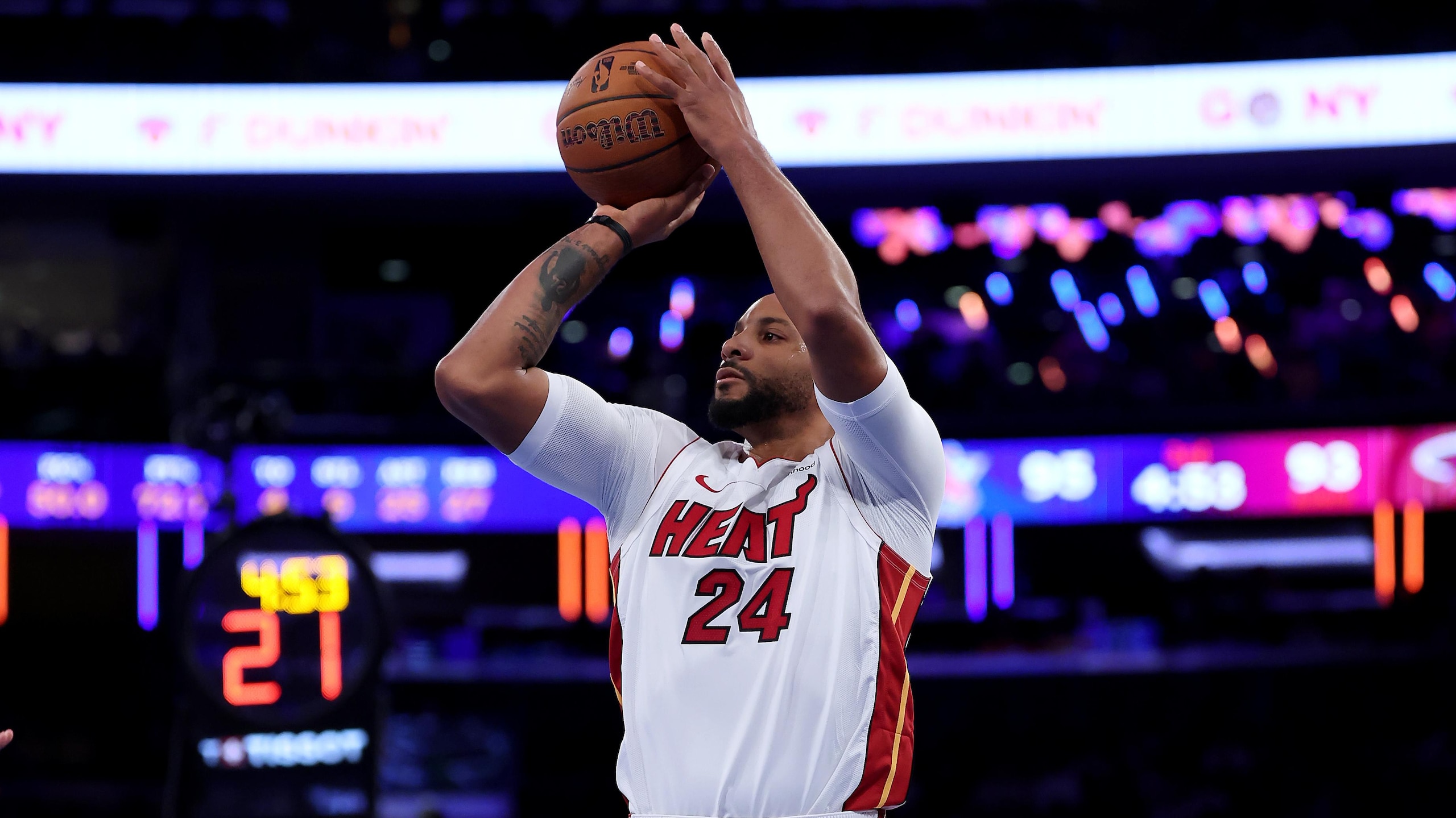
Letting go of Norman Powell
The Clippers had reasons to explore life without Powell this offseason. There were all kinds of sustainability questions regarding his age-31 breakout, and if he somehow managed to answer them, L.A. would've faced the tricky task of balancing his 2026 free agency with an apparent desire to clear the books for 2027.
So, the idea of moving on from Powell wasn't, by itself, the worst business decision. The manner in which they did it, though, looks disastrous.
Because they somehow only turned Powell—a breakout wing with championship experience—a second-round pick and cash into John Collins.
L.A. seemingly thought it was flipping one fine-but-flawed role player for another. While Collins has met that description, Powell has managed to level up again (25.5 points on 47.8/46.1/93.2 shooting) and looks like a legitimately transformational piece for the Miami Heat.
Los Angeles Lakers
14 of 30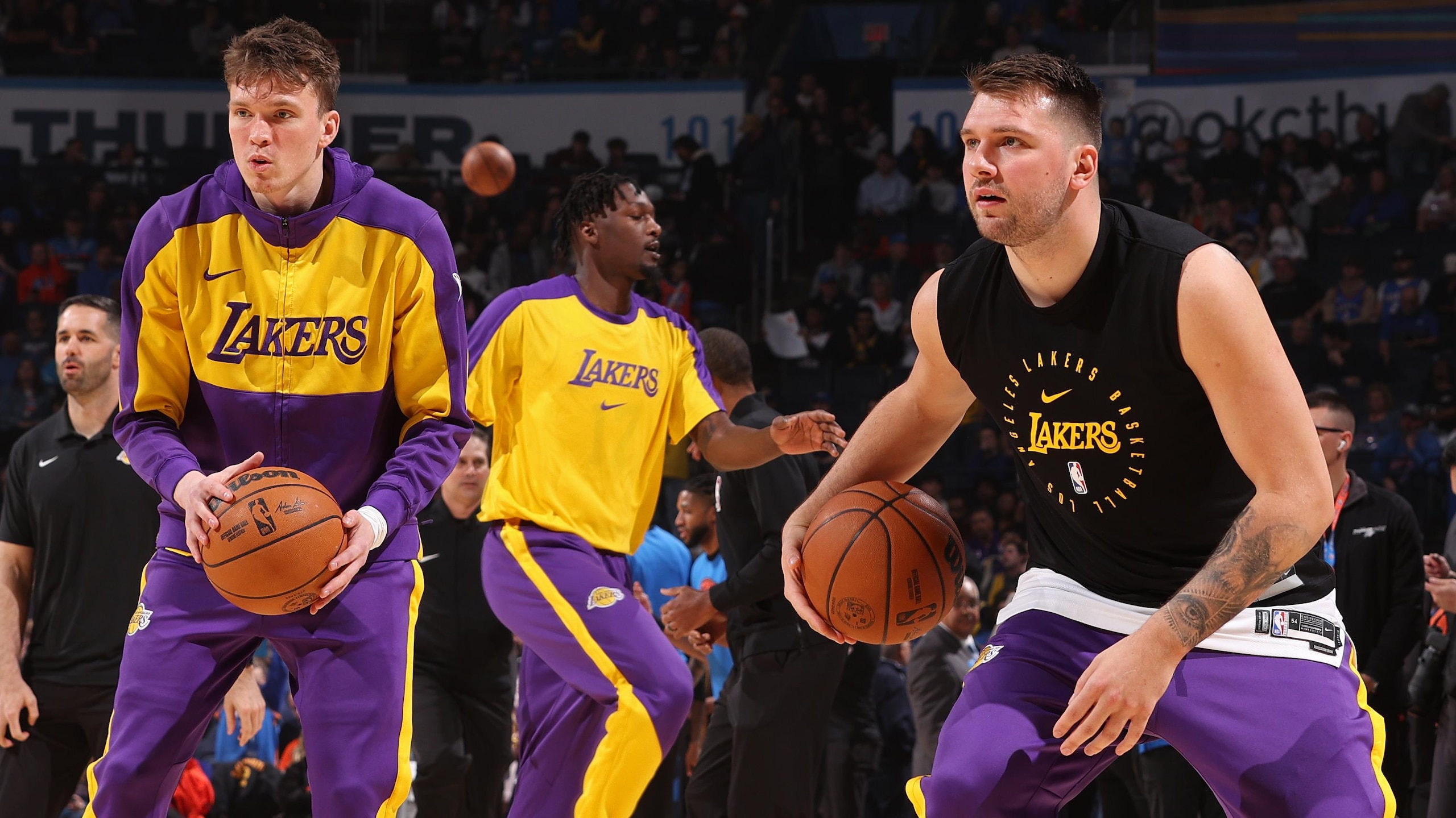
Not finding a three-point threat
The Lakers should be overloaded with three-point shooters. If they were, they might be truly unstoppable on offense.
They aren't, though. In fact, they're a forgettable 17th in offensive efficiency despite getting MVP-caliber play from Luka Dončić and All-Star-level support from Austin Reaves. How is that even possible?
Well, it's easy to point toward the absence of LeBron James, and that's surely part of it, but even the NBA's ageless wonder can't solve L.A.'s problem with perimeter shooting.
The Lakers are collectively crummy from three (29th in made threes, 24th in three-point percentage), which feels unforgivable given how absurdly hard to handle this offense would be with proper spacing around the stars.
Memphis Grizzlies
15 of 30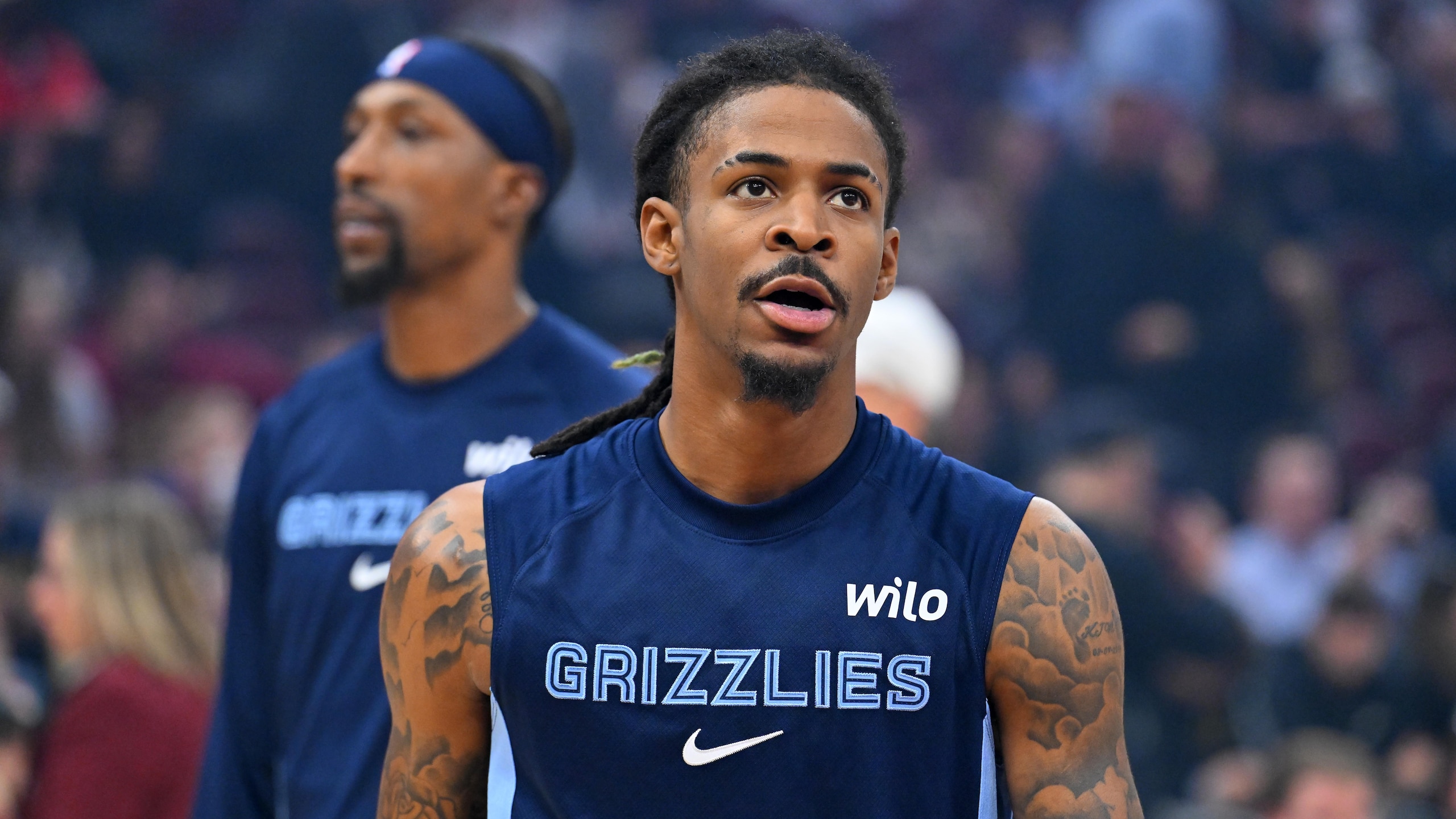
Not making more subtractions
On the heels of a first-round exit and a full three seasons removed from their last series victory, the Grizzlies clearly had an appetite for change this summer. That's why they turned stalwart starter Desmond Bane into a pile of first-round picks in June.
They didn't make any other future-focused moves, though. They extended Jaren Jackson Jr., kept Ja Morant and acquired veterans Ty Jerome, Kentavious Caldwell-Pope and Jock Landale. It was almost like they were the next team to try putting the two-timeline idea into practice.
That has rarely ever worked for anyone else, though, and Memphis clearly isn't bucking that trend.
The Grizzlies don't have enough talent to compete in the fully loaded West right now, but they also aren't bursting at the seams with blue-chip prospects. And since they have those vets, they probably aren't bottoming out, which has left folks "around the league" wondering whether they might "entertain" trade talks for Jackson and Morant at some point this season, per ESPN's Tim Bontemps.
Miami Heat
16 of 30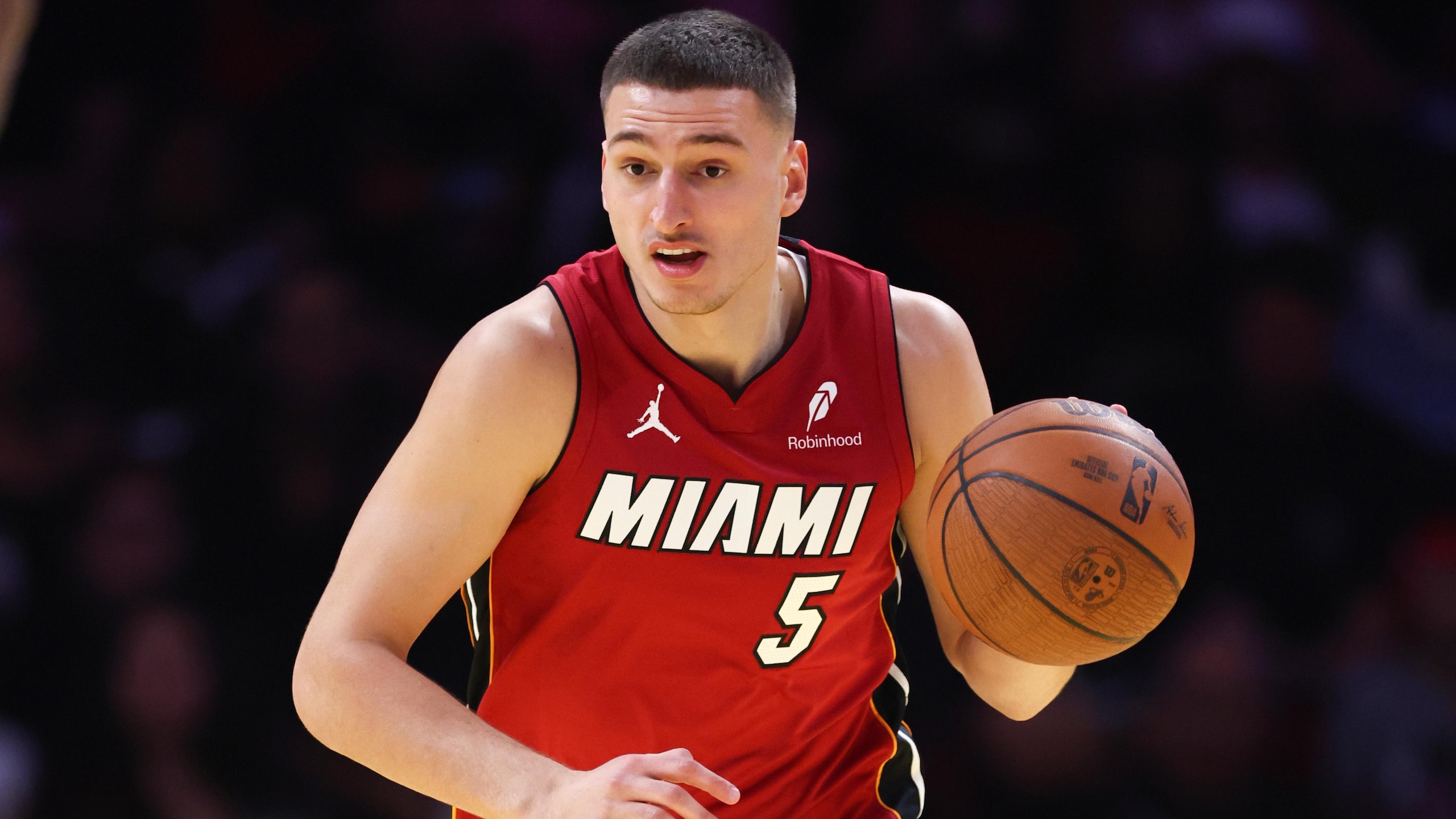
Rushing the Nikola Jović extension
The Heat clinched a successful summer the second they somehow managed to turn Kyle Anderson and Kevin Love into Norman Powell. And they'll come out way ahead if spending the No. 20 pick on Kasparas Jakučionis proves as big of a steal as it felt at the time.
They can't quite call it an A-plus summer, though, because the four-year, $62.4 million extension given to Nikola Jović is already aging like spoiled milk. Granted, they were paying more for potential than actual production, but even then the numbers were supposed to be better than this: 8.8 points on 40.2/29.4/74.3 shooting.
And remember, Miami was already absorbing some risk when it made that investment, although the risk was supposed to be regarding availability not on-court performance. So, if his injury problems resurface and his stats don't recover, this decision will demand a lot of second-guessing.
Milwaukee Bucks
17 of 30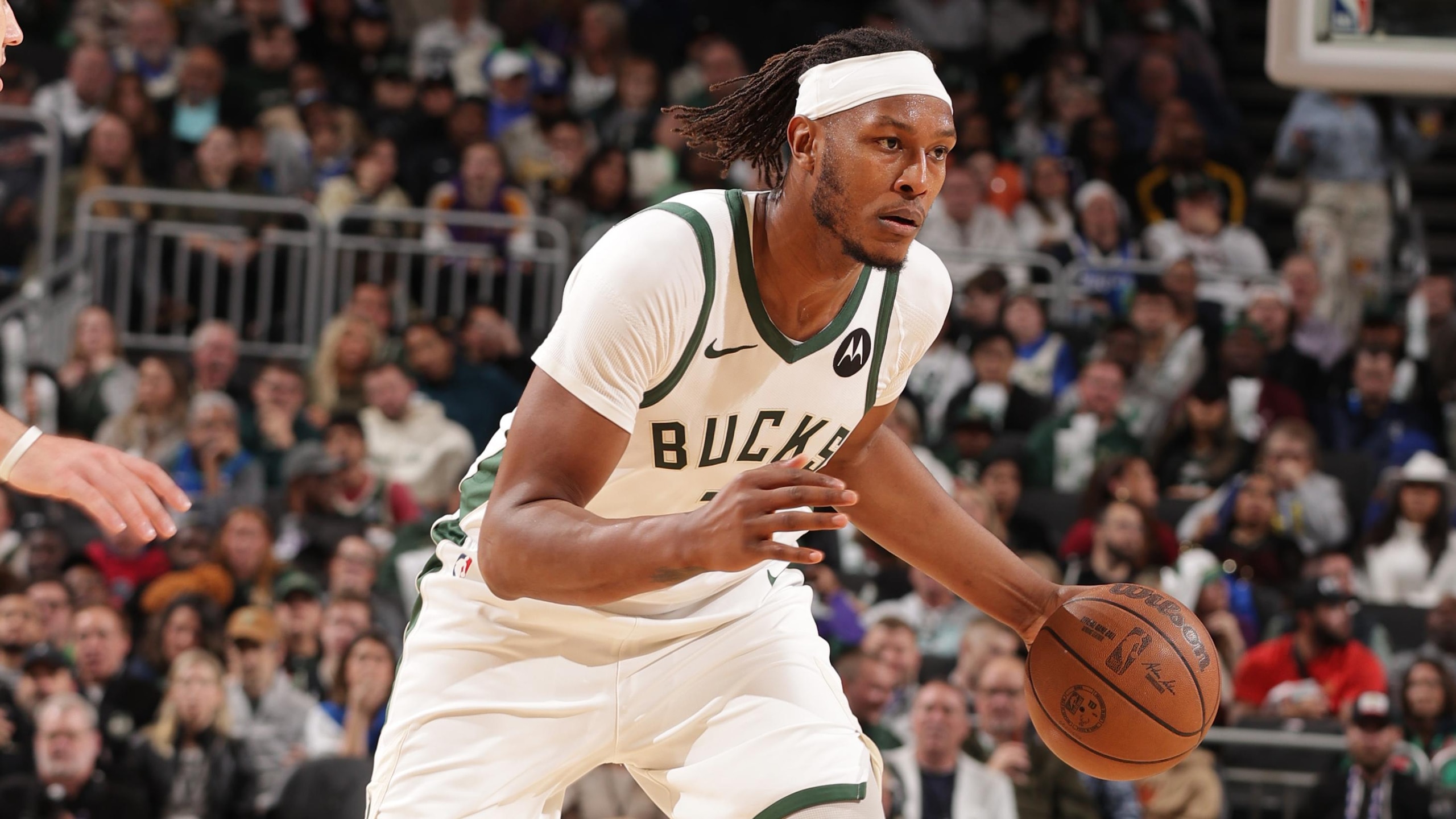
Taking a huge financial hit to sign Myles Turner
Because the Bucks are perpetually living with the worry Giannis Antetokounmpo could, at any time, decide he's ready for a change, they have to be aggressive when upgrading the roster around him.
That said, there's a difference between aggressiveness and recklessness. And so far, the two-step process of waiving-and-stretching Damian Lillard and the $113 million he's still owed to give Myles Turner a four-year, $108.9 million deal looks like an extreme version of the latter.
Turner is a solid player, and his unicorn blend of shot-blocking and shot-making pairs pretty perfectly with Antetokounmpo. That said, Turner is not a star and has never been mistaken for one. So, to make this big of a bet on him always felt like it was asking for trouble.
Minnesota Timberwolves
18 of 30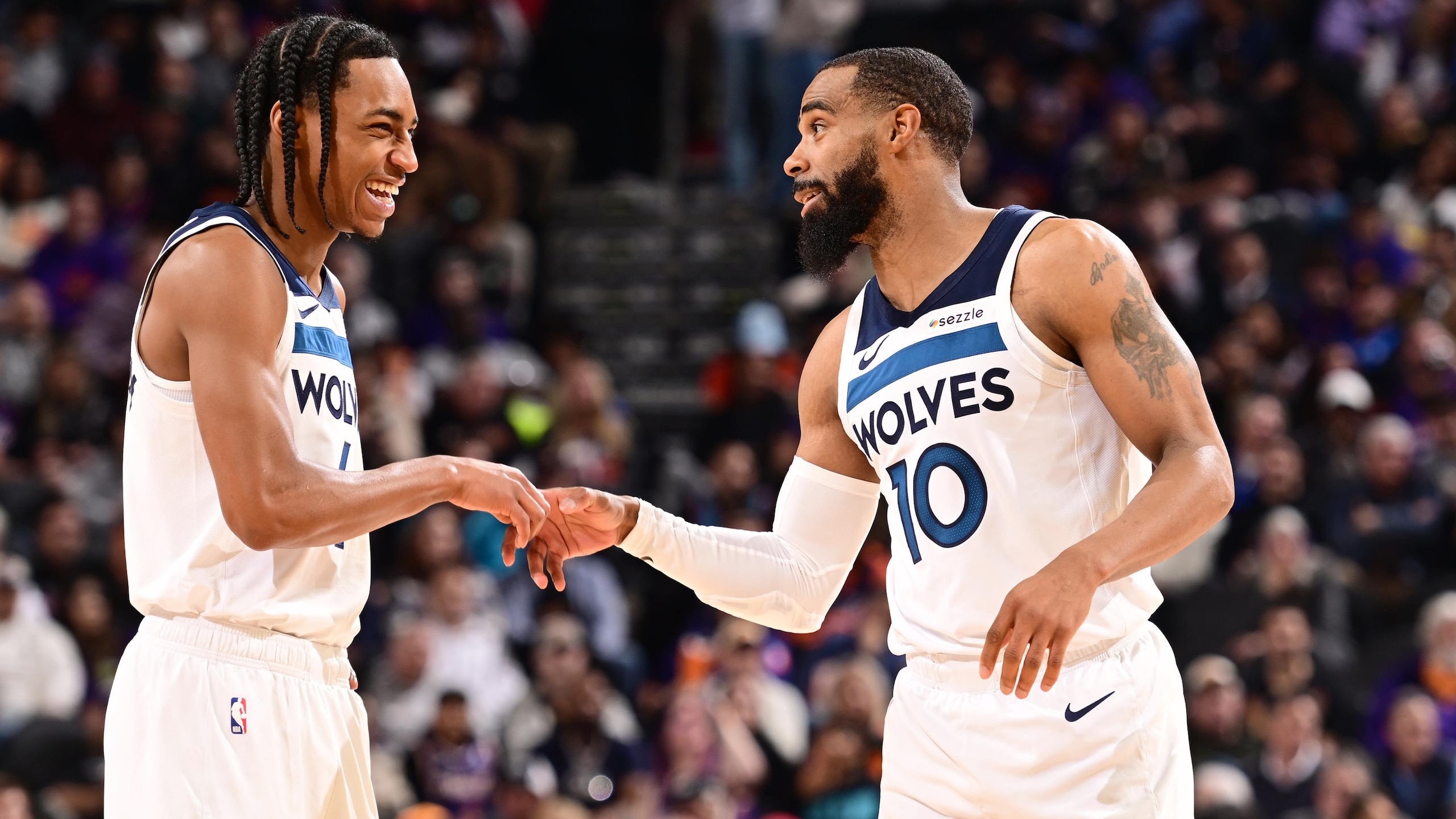
Ignoring the obvious point guard problem
Last season, the Timberwolves learned two unfortunate truths: Mike Conley, who turned 38 this October, was really starting to show his age, and Rob Dillingham, the No. 8 pick in 2024, wasn't ready for the NBA test.
This summer, they took those lessons learned and...hmm...hoped they'd quietly sweep themselves under the rug? That is to say, they did nothing to fix a position they could already sense would be a problem.
They've since handed over the keys to combo guard Donte DiVincenzo while dialing back Conley's role and still not seeming super-comfortable trusting Dillingham. Leaving this position group untouched was truly baffling, especially considering Minnesota made two draft picks this summer (both inexplicably spent on centers: No. 17 pick Joan Beringer and No. 45 pick Rocco Zikarsky).
New Orleans Pelicans
19 of 30
Forgetting that pick protections exist
The Pelicans apparently entered the draft fully focused on getting Derik Queen. Only, they understood he'd be a reach with the No. 7 pick, which they wound up using on Jeremiah Fears.
So, they scrambled to find a second lottery pick and wound up paying a massive price over two different deals to get it.
First, they parted with the Pacers' 2026 first-round pick for the No. 23 selection, which looks terrible now but seemed defensible then, since Indiana was playing in the NBA Finals at the time and hadn't yet lost Tyrese Haliburton to an Achilles tear. Then, the Pels packaged that pick with an unprotected 2026 first-rounder (the more favorable of their own and the Milwaukee Bucks') to climb to No. 13 to get Queen.
This was a head-scratcher (or chortle-inducer) as soon as it went down, and it looks just as brutal now. While Queen is off to an encouraging start, New Orleans has been one of the worst teams in the league, which checks out considering this was only a 21-win team last season.
The 2026 draft, meanwhile, looks overloaded, and the Pels could wind up giving away one of their highest picks on the board.
New York Knicks
20 of 30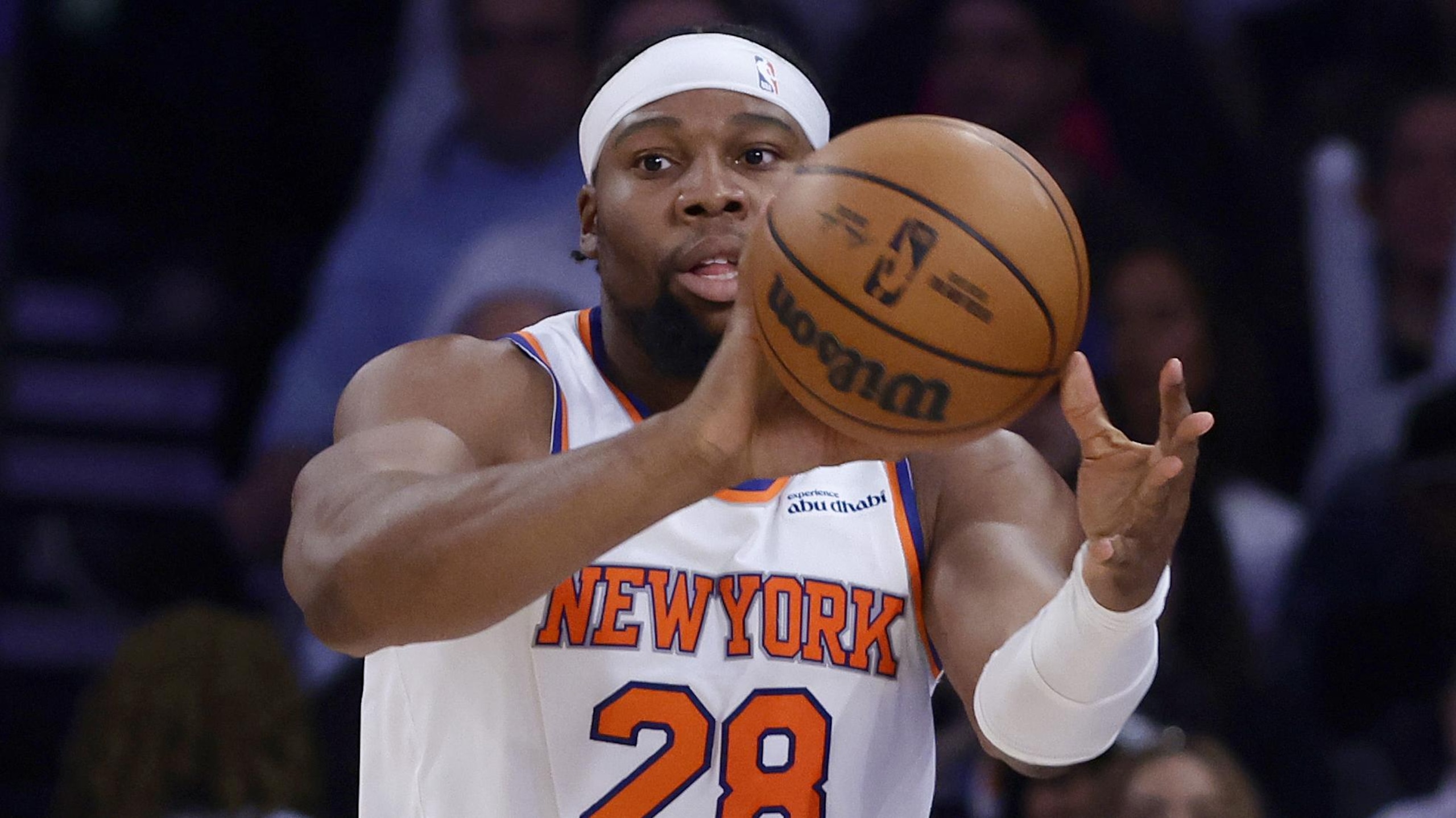
Prioritizing Guerschon Yabusele without defining his role
New York's starters looked gassed by the end of its playoff run last season, so it tried what it could to breathe life into the bench. Beyond changing coaches from Tom Thibodeau to Mike Brown, the Knicks also made some targeted additions in free agency, like Jordan Clarkson and Yabusele.
It was smart to value depth, but New York maybe should have factored its needs more into the equation. Because when the Knicks have a healthy Mitchell Robinson, they don't really need anyone else behind Karl-Anthony Towns.
Granted, Robinson rarely stays healthy for long, so you get why they wanted some insurance, but this was a costly plan. New York used its mid-level exception, the largest mechanism at its disposal in free agency, to add Yabusele, who is struggling to find minutes and hasn't done much with the little floor time he's received.
Oklahoma City Thunder
21 of 30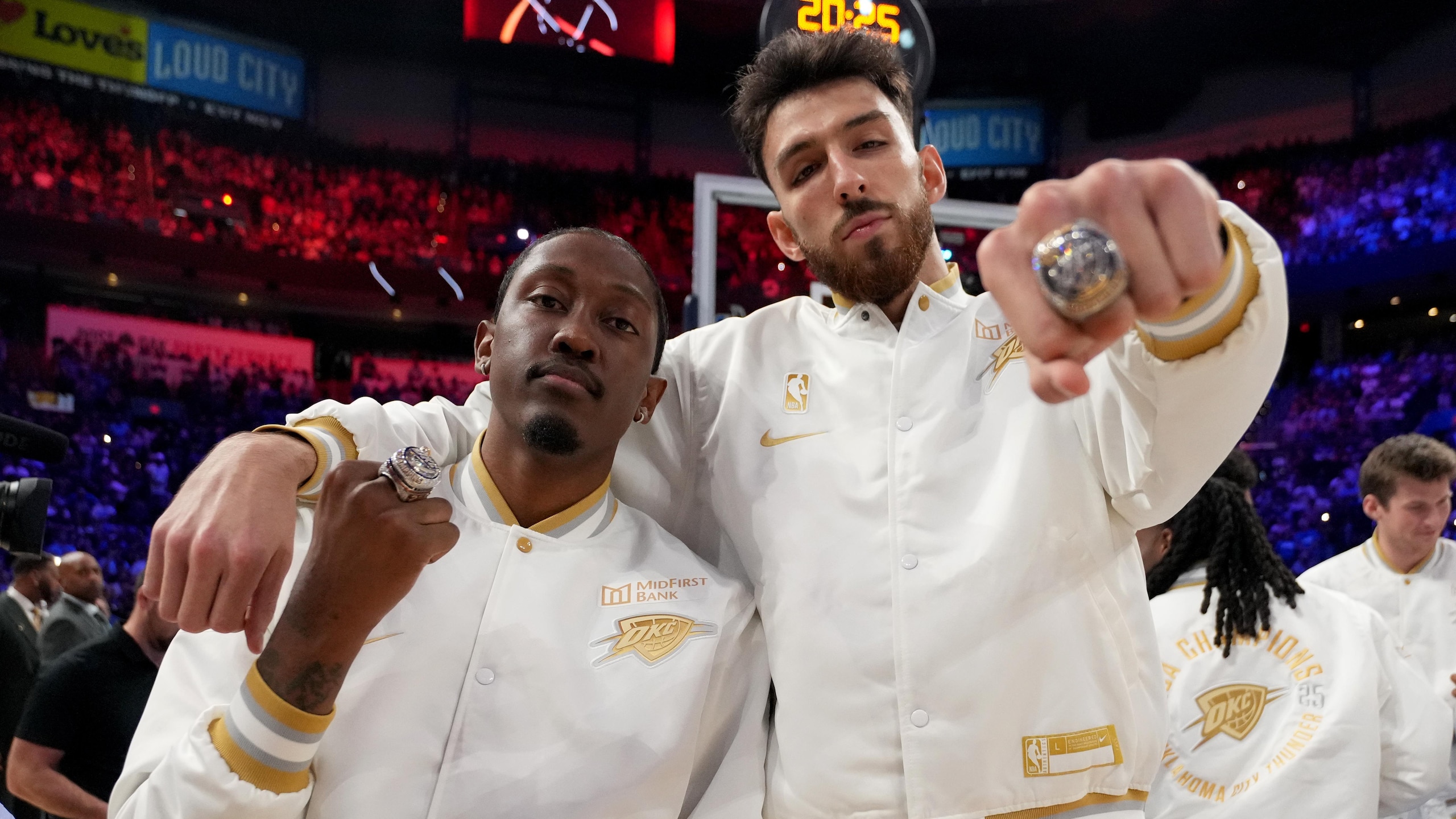
None detected
Cop-out answers are never fun, but what could Oklahoma City possibly regret?
The Thunder won the title last season, and then basically brought back their entire roster, save for Dillon Jones, who failed to latch onto the lowly Washington Wizards. Moreover, OKC continued to brighten its future by locking up several key contributors, like Chet Holmgren and Jalen Williams, on long-term extensions.
The Thunder could have a dynastic hold on the hoops world. Their average game to this point has been a 15.5-point win—and Williams hasn't even suited up yet (wrist surgery). If you're second-guessing this front office's decision-making, you're simply doing it wrong.
Orlando Magic
22 of 30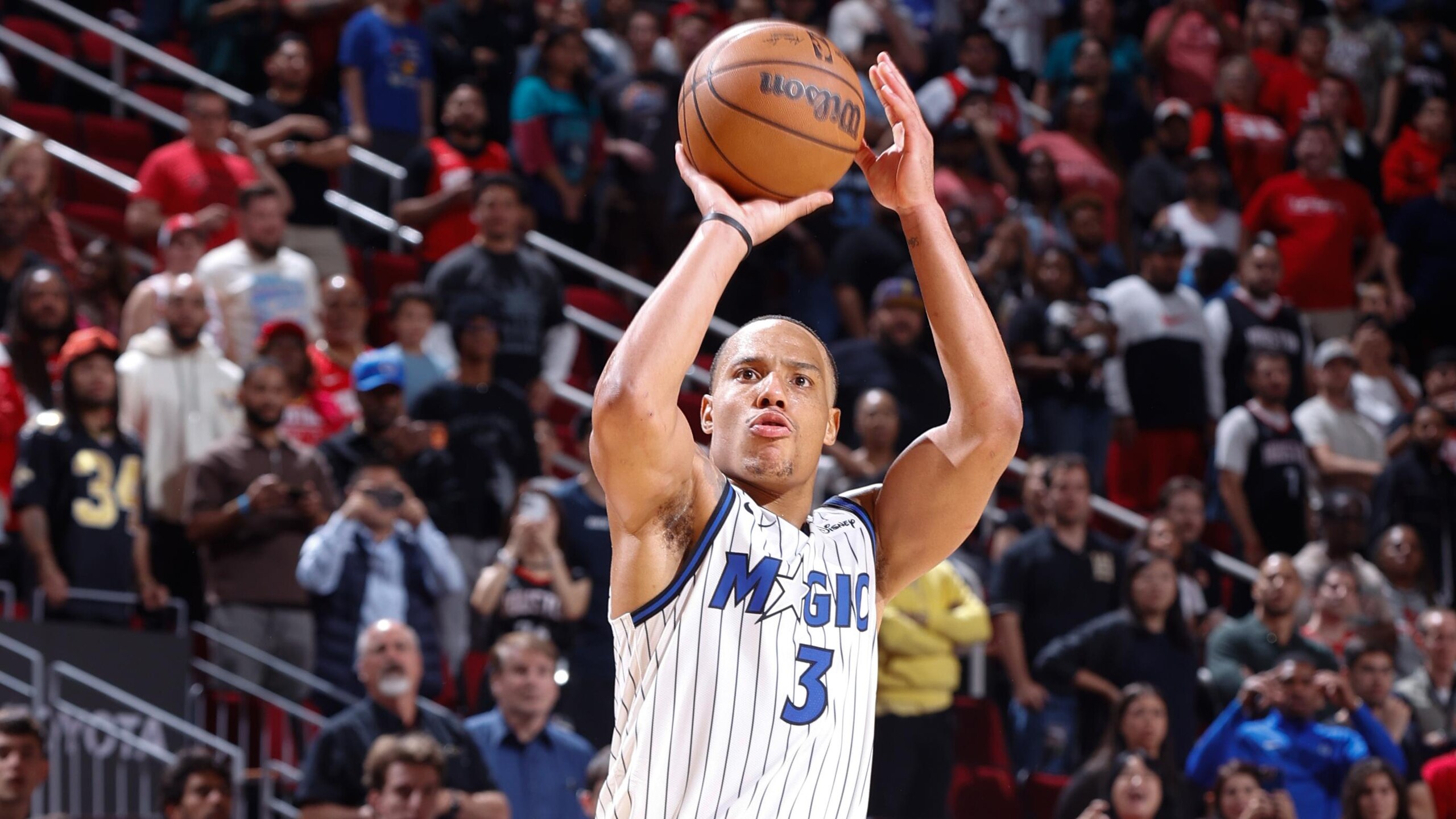
Not finding more shooting
The Magic knew they had to improve their perimeter attack to attempt a leap from pretty good to great, so they spent a fortune on Desmond Bane. They also spent their first-round pick on Jase Richardson and signed Tyus Jones in free agency.
So, it's not like they stayed idle, but the stat sheet says they still should have done more. Their offense is better, but the improvement feels more marginal than fortune-changing: They went from 27th to 20th in offensive efficiency and from 30th to 23rd in three-point percentage.
Orlando needed to close the gap between its offense and defense, but not like this. The offense is a bit better, but the defense has regressed a not-insignificant amount (12th in efficiency, down from second). And this still looks like a one-way team, only its strength is now more solid than special.
Philadelphia 76ers
23 of 30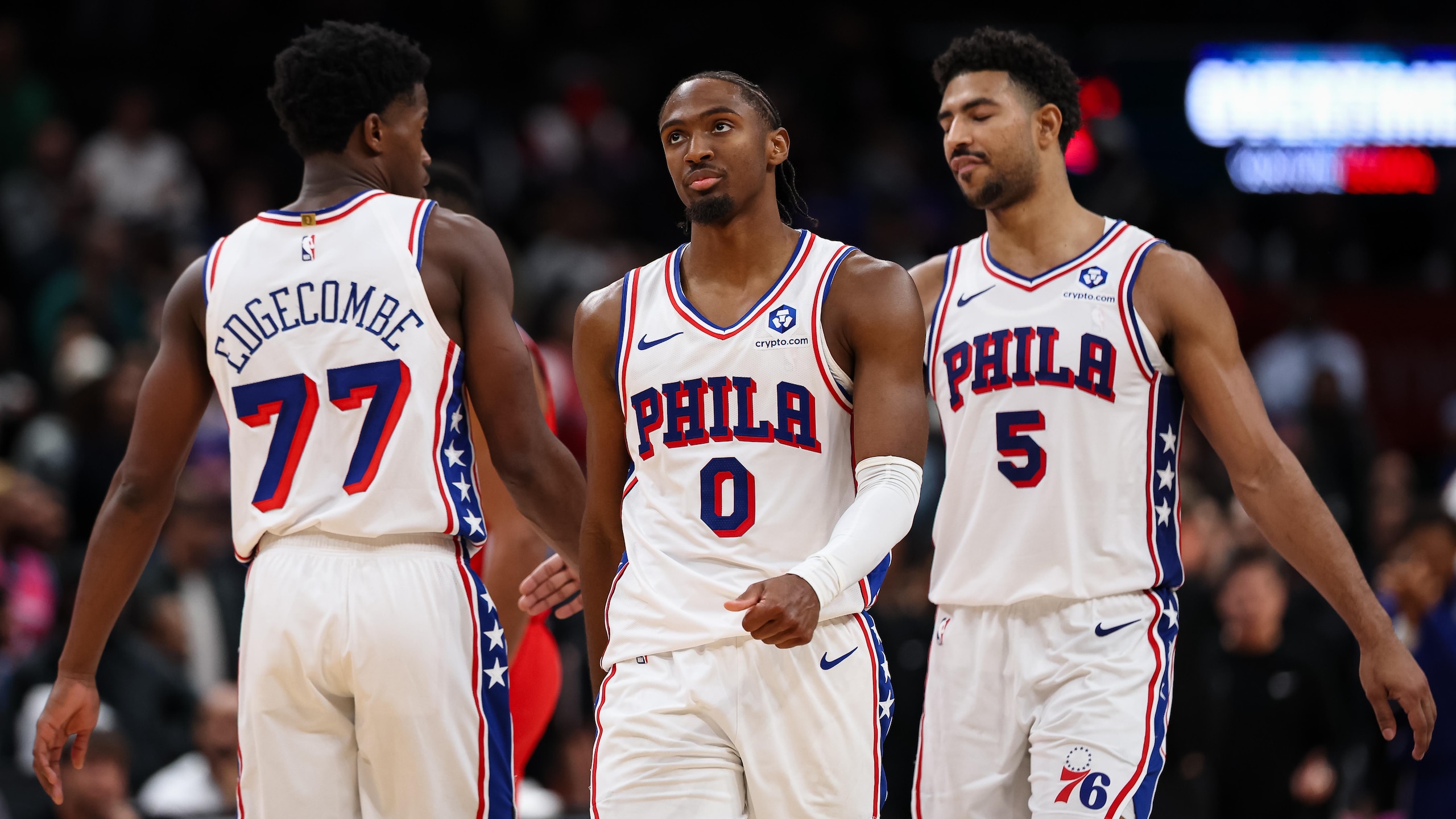
Not using backcourt congestion to fill frontcourt need
With Joel Embiid effectively holding perpetual day-to-day status and Paul George facing even bigger questions, the Sixers knew their ceiling would be set by the massive X-factors in their frontcourt. So, why didn't they give those positions more attention?
They have enough backcourt depth to draw from it without leaving themselves exposed. Between Tyrese Maxey, VJ Edgecombe, Quentin Grimes and Jared McCain, Philly has more good, young guards than it can maximize.
That wasn't so obvious when McCain was sidelined by another bout with the injury bug, but it's become jarring with last season's breakout player now being tethered to the bench for non-injury reasons.
The Sixers seemingly know they don't need all of these young guards together, so they should have dangled one to bring in either a starting-caliber power forward or better protection behind their high-priced frontcourt players.
Phoenix Suns
24 of 30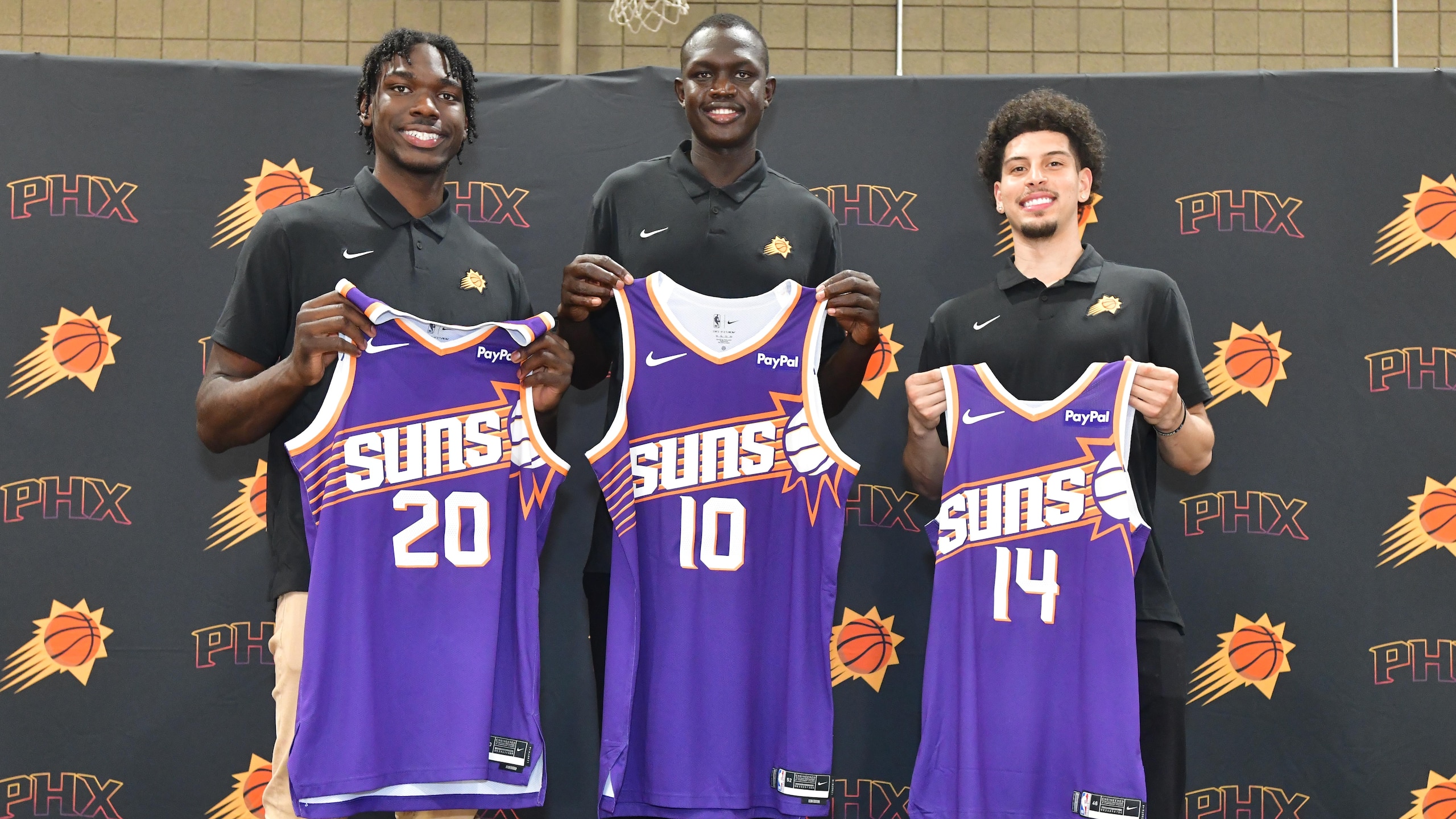
Trade-ups in the second round
Despite some remaining skepticism about the Suns' decision not to add a point guard, it's hard to cite that as a regret when do-it-all Devin Booker has this offense downright humming. He's playing at an All-NBA level again, and Phoenix is holding down the No. 9 spot in offensive efficiency as a direct result.
If there are any regrets in the desert, though, you wonder whether the Suns might be rethinking some of their draft moves. It's too early to sound any major alarms about No. 9 pick Khaman Maluach, since he's a project pick buried behind two established pros (Mark Williams and Nick Richards).
How is Phoenix feeling about trading up for both Rasheer Fleming and Koby Brea, though? The pair arrived with a combined eight college seasons under their belts, so they should have been more of the plug-and-play variety.
Neither has locked down a rotation role yet, though, which makes you wonder why the Suns felt the need to climb up to get them.
Portland Trail Blazers
25 of 30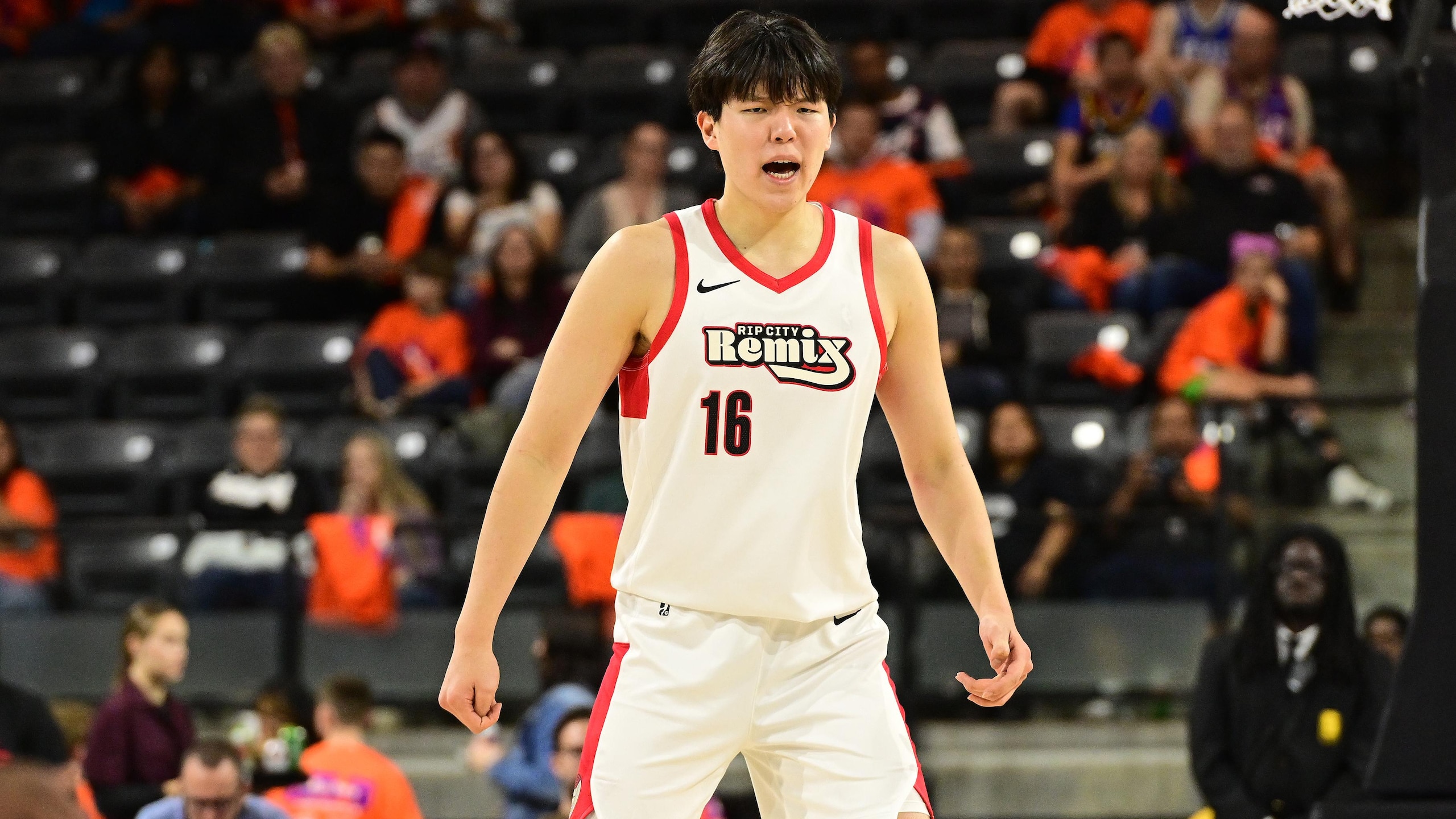
Betting big on Yang Hansen while burying him on the depth chart
While Portland hinted at having some win-now interest this offseason—acquiring Jrue Holiday and bringing back Damian Lillard—the Blazers still took the long view at the draft. Only instead of adding another lottery prospect to the roster, they traded out of the No. 11 spot (where they could have had Cedric Coward or Derik Queen) and wound up shocking everyone by spending the No. 16 pick on Yang Hansen.
It was a fascinating wager on his unique skill level for his size (7'1", 270 lbs) and immediately made the Blazers a must-watch team on the summer circuit. There were pressing questions even before his arrival, though, about whether he could keep up with the NBA's speed.
Those questions are no closer to being answered, since he's buried so far on the depth chart. Remember, just last year Portland used the No. 7 pick on a different center (Donovan Clingan), and it has held onto both Robert Williams III and Duop Reath. That's why Hansen has, to this point, logged only 29 more NBA minutes than you and I.
Sacramento Kings
26 of 30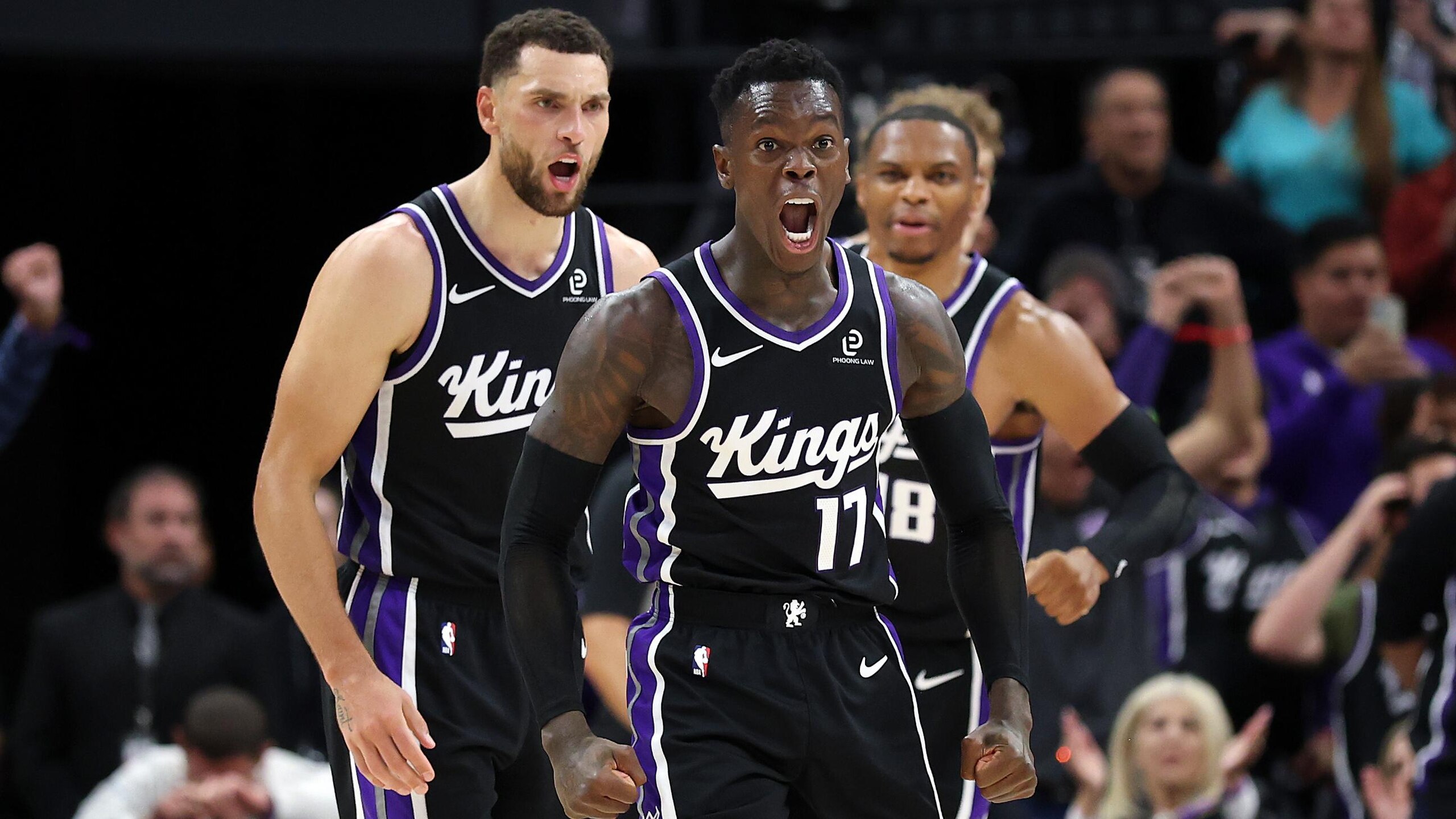
Ignoring upside
Remember when the Kings were busy beam-lighting their path to a glorious playoff return? Those were fun times, weren't they?
Well, they didn't last long, as Sacramento is now two seasons removed from that drought-snapping postseason berth. And that's despite doing everything it can to get back to those winning ways.
Despite coming off of consecutive playoff-less seasons, the Kings keep seeking out potential finishing pieces. This offseason, that meant adding veterans like Dennis Schröder, Russell Westbrook and Drew Eubanks. Even their draft picks were old: No. 24 pick Nique Clifford turns 24 in February, and No. 42 pick Maxime Raynaud will be 23 in April.
This could be a fruitful approach if the club was a piece or two away from breaking out, but it had a losing record last season and has long struggled to put a functional defense around Domantas Sabonis.
San Antonio Spurs
27 of 30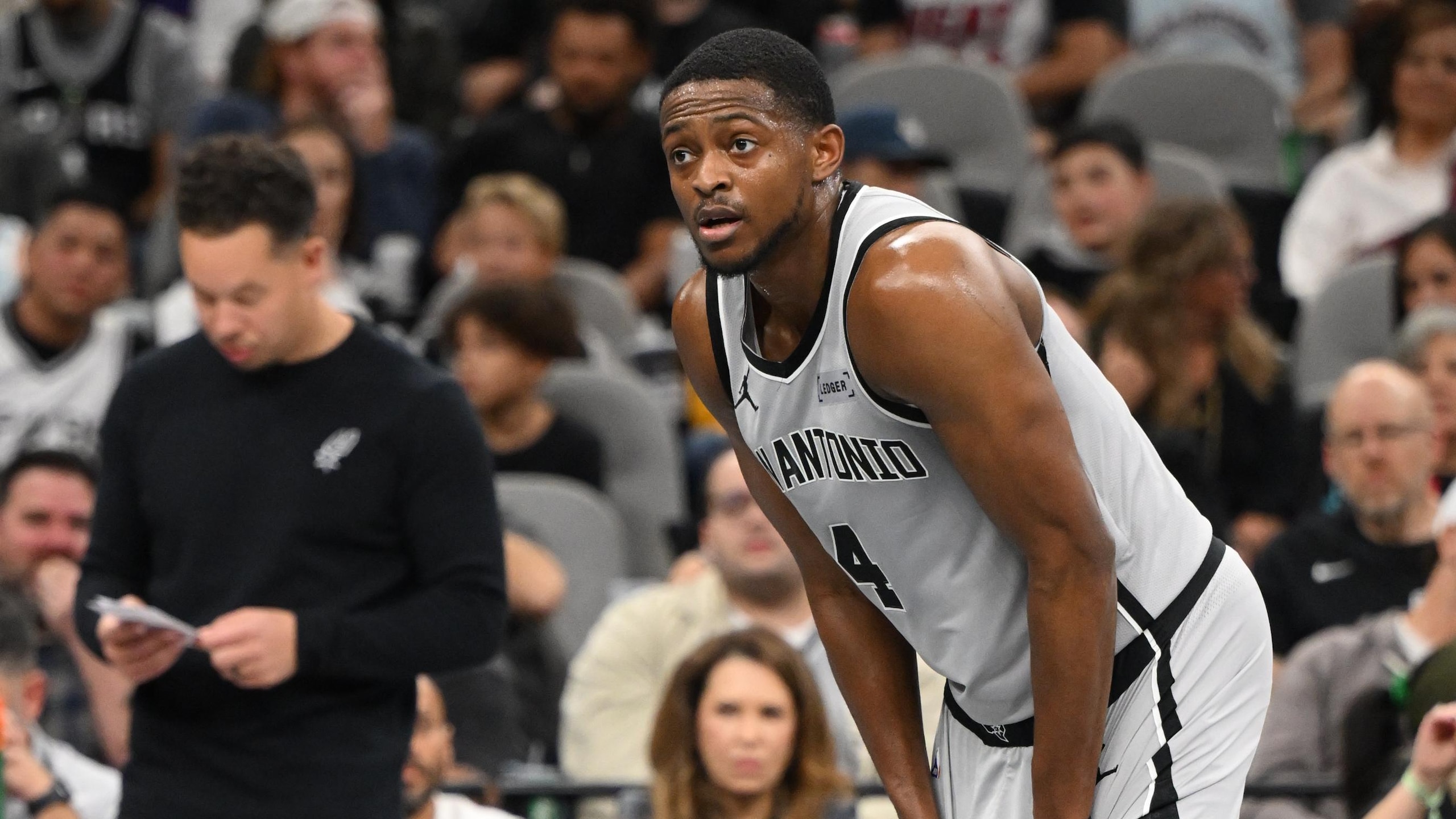
Maxing out De'Aaron Fox
When the Spurs made a deadline deal for Fox last season, it felt like a good trial run to gauge the impact of having a second star alongside Victor Wembanyama.
With Fox being both a one-time All-Star and extension-eligible this summer, the trade price was reasonable enough that San Antonio didn't have to cash in its best assets.
The Spurs barely saw the two together, since Wembanyama was sidelined shortly thereafter by deep vein thrombosis. San Antonio also beefed-up an already strong point guard group by adding No. 2 pick Dylan Harper to go along with Fox and reigning Rookie of the Year Stephon Castle.
And yet, the Spurs still felt compelled to give Fox a four-year, $229 million max extension in August. That's an awful lot of money for a soon-to-be 28-year-old with one All-Star selection on his resume and an inconsistent jumper that could be more problematic once the aging process starts cutting into his physical gifts.
It also just felt unnecessary when, again, San Antonio already had younger, cheaper alternatives in Harper and Castle in case the Fox-Wembanyama combo was anything other than ideal.
Toronto Raptors
28 of 30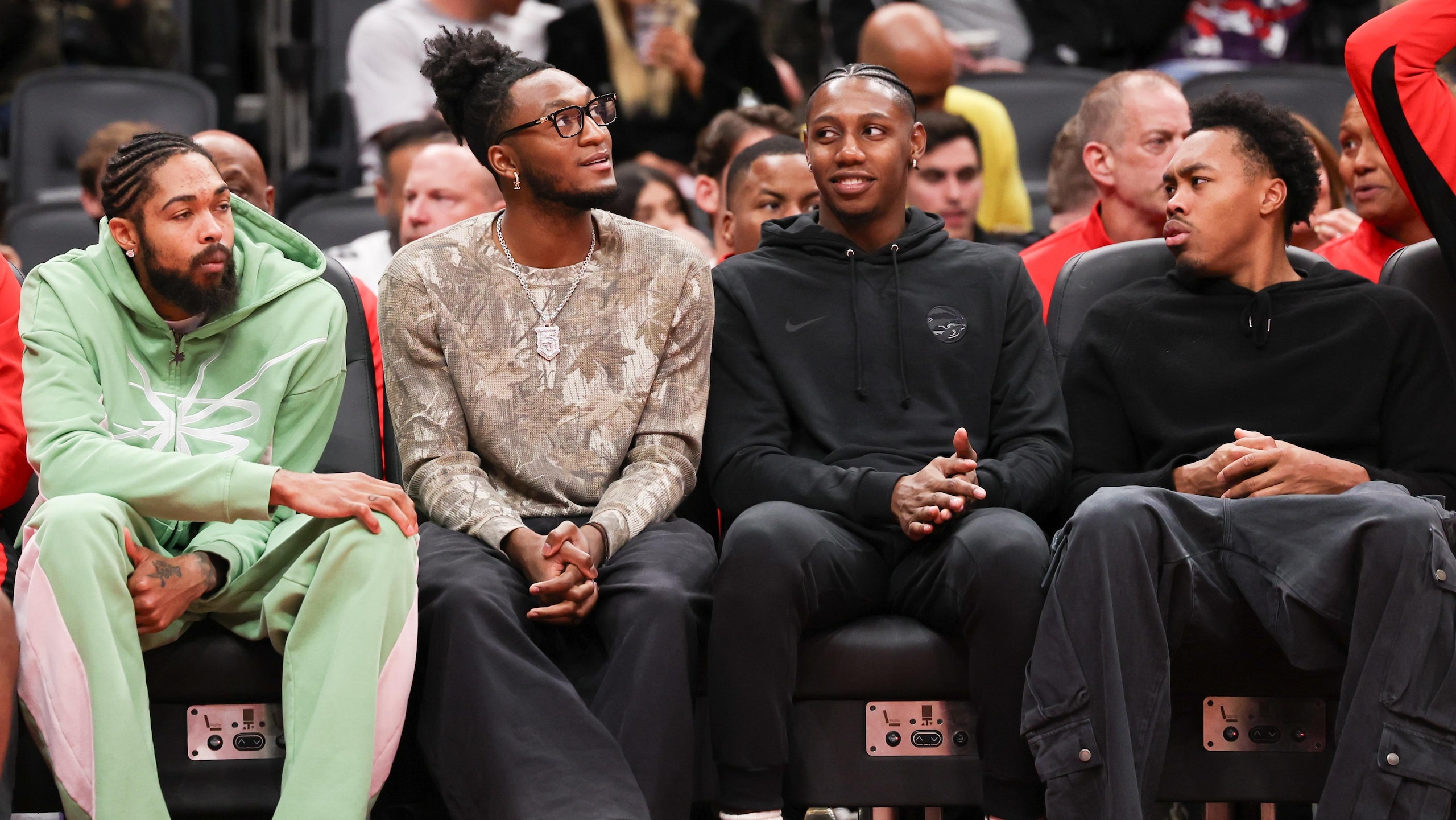
Neglecting floor spacing
The Raptors sensed a bargain opportunity at last season's deadline and promptly pounced on the opportunity to add Brandon Ingram. It was both a bet on talent and an admission that the current core was missing something.
So far, it's mostly so good, but why didn't Toronto prioritize perimeter shooting? Even with Scottie Barnes improving his outside shot, this offense still (predictably) gets congested. Only seven teams average fewer three-point makes, and just two of them have a winning record.
Toronto has a chance to be pretty decent, but failing to address this obvious shortage could put a cap on its growth potential.
Utah Jazz
29 of 30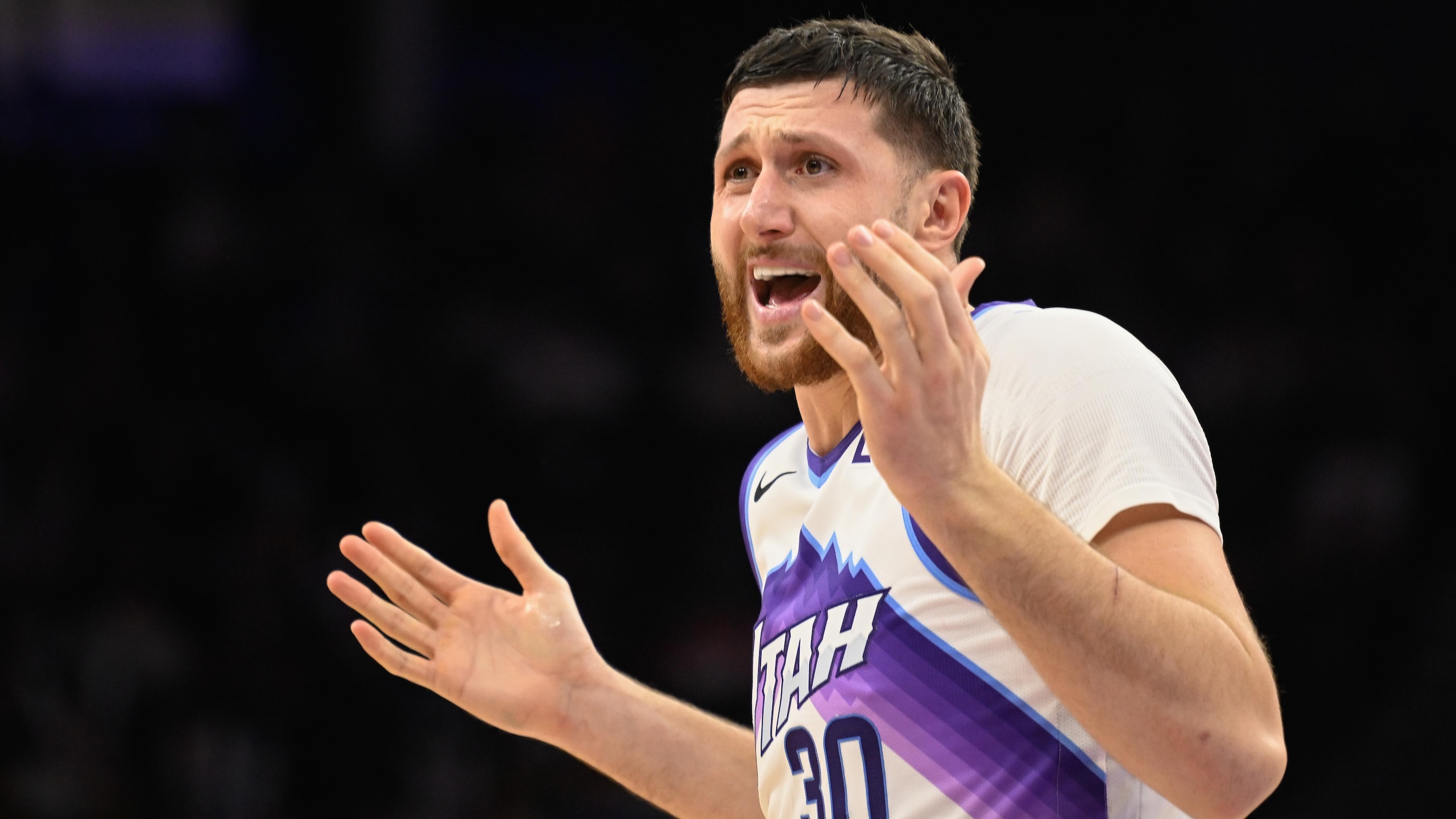
Not getting more assets during roster reset
The mindset behind Utah jettisoning its non-essential veterans this summer made sense. The Jazz had other, higher priority young players to develop, plus they need to safeguard the top-eight-protected pick they owe Oklahoma City.
But why didn't Utah bother bringing back any kind of assets in those deals? Resetting the roster is sometimes a necessary evil, but teams are typically incentivized to do it.
That just didn't happen for the Jazz. John Collins, who averaged 19 points and 8.2 rebounds last season, brought back Kyle Anderson and Kevin Love. Collin Sexton, who averaged 18 points and four assists each of the past two seasons, delivered Jusuf Nurkić and a trade exception.
While you would assume Utah worked the market some before agreeing to these swaps, the returns make it seem like the Jazz just subtracted players for the sake of doing so.
Washington Wizards
30 of 30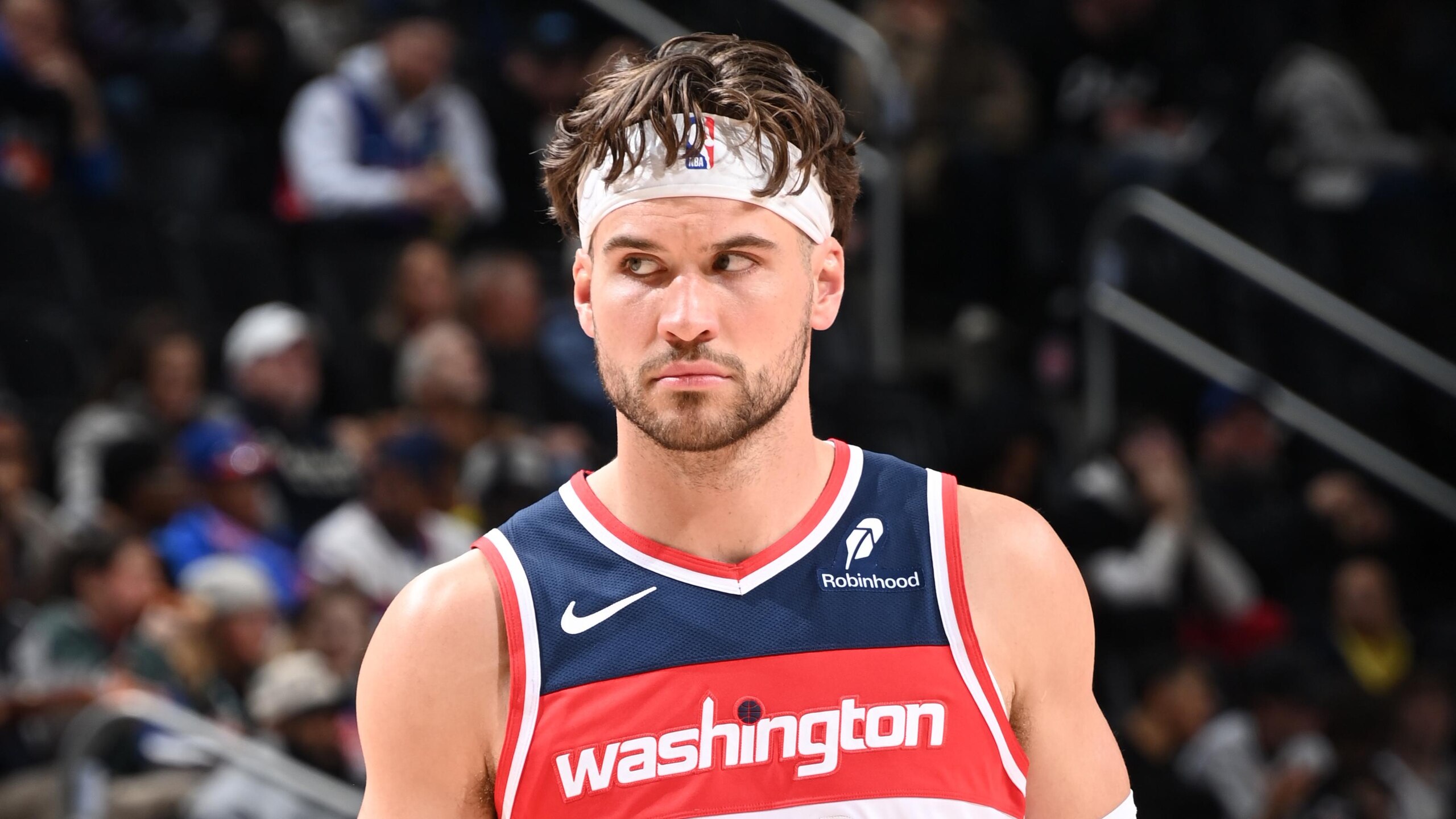
Not finding a Corey Kispert trade
The Wizards are orchestrating one of the league's most extreme youth movements. So, why is Kispert still a part of it?
Sure, his three-ball is helpful to have, but it would be much more beneficial to a team with any degree of win-now intentions. And Washington isn't even really reminding potential suitors of that, since its developmental wings are cutting into his minutes, driving down his numbers and potentially his trade value, too.
His off-ball activity could still shine with the right supporting cast, but all of these growing-pains prospects around him aren't it.
Statistics used courtesy of NBA.com and Basketball-Reference and current through games played on Monday.

.jpg?w=2560 "Trevon Diggs Cut by Seahawks")
.jpg?w=2560 "Grading SmackDown 🔠")