

We are just about through the first quarter of the 2025-26 NHL season, and we are starting to get a sense of what each of the league's 32 teams is all about. Where they excel, where they struggle, and what they might be capable of this season.
Now that we have some answers, let's examine the biggest issue facing each team—whether positional, roster-related, long-term, or psychological.
Let's get to it.
Anaheim Ducks
1 of 32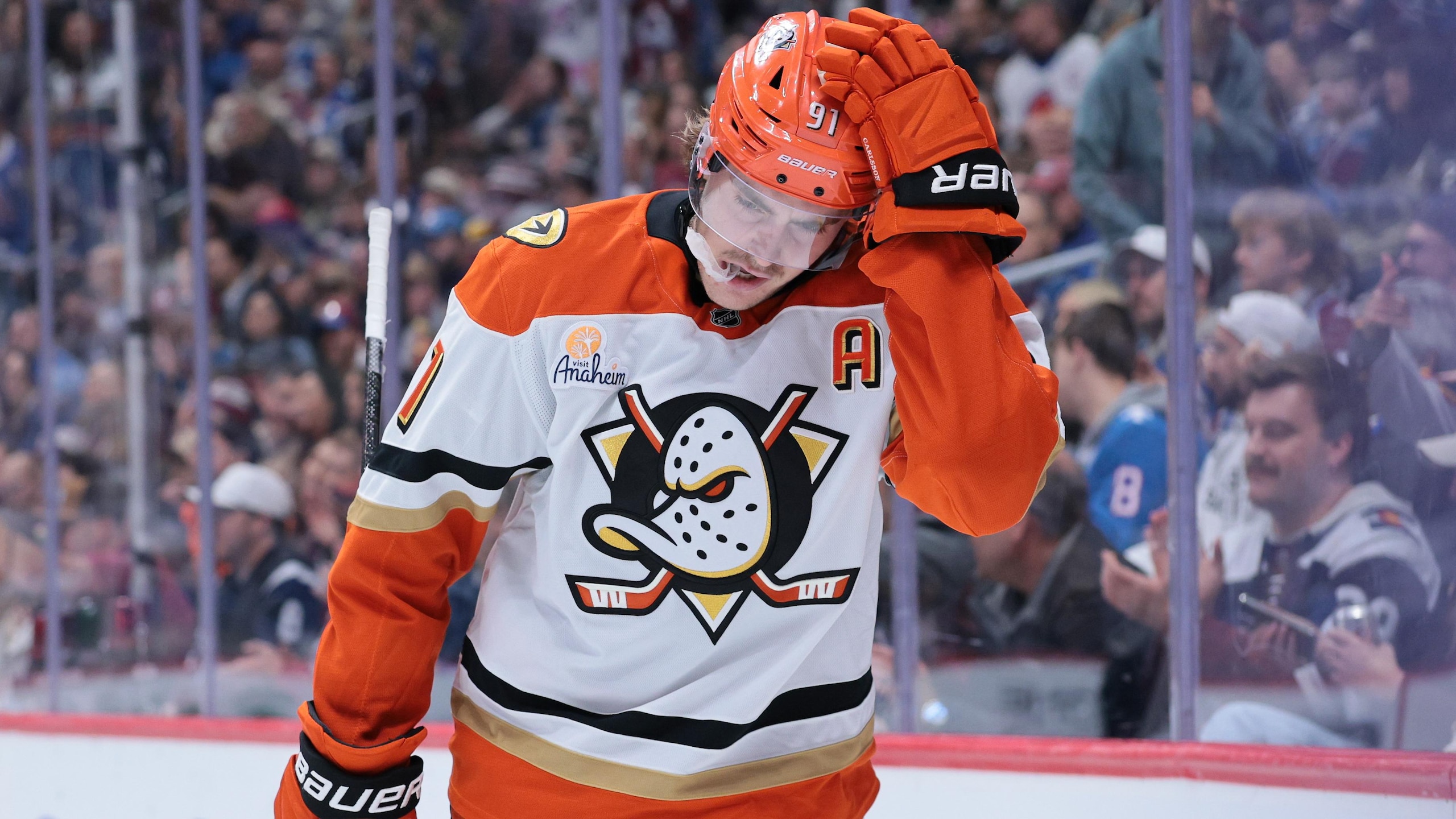
Growing problem: Defensive play
The Ducks are one of the biggest surprises in the NHL this season, and their young talent at forward is the biggest driving factor in that.
Specifically, the play of Leo Carlsson and Cutter Gauthier, both of whom have been among the most productive players in the league and look like emerging stars.
Carlsson, in particular, looks like a franchise player given his play-driving ability and offensive production.
The major concern is their inability to defend, which threatens their promising start.
Entering play on Tuesday, the Ducks ranked 31st in the NHL in expected goals against per 60 minutes during 5-on-5 play (3.04) and 30th in high-danger chances against (13.43).
Capable goaltending and high-end forward talent have helped mask those flaws. Eventually, though, those flaws might start to become more apparent. There is a lot to be excited about here, but the defense has to play better to build on this great start and keep it going.
Boston Bruins
2 of 32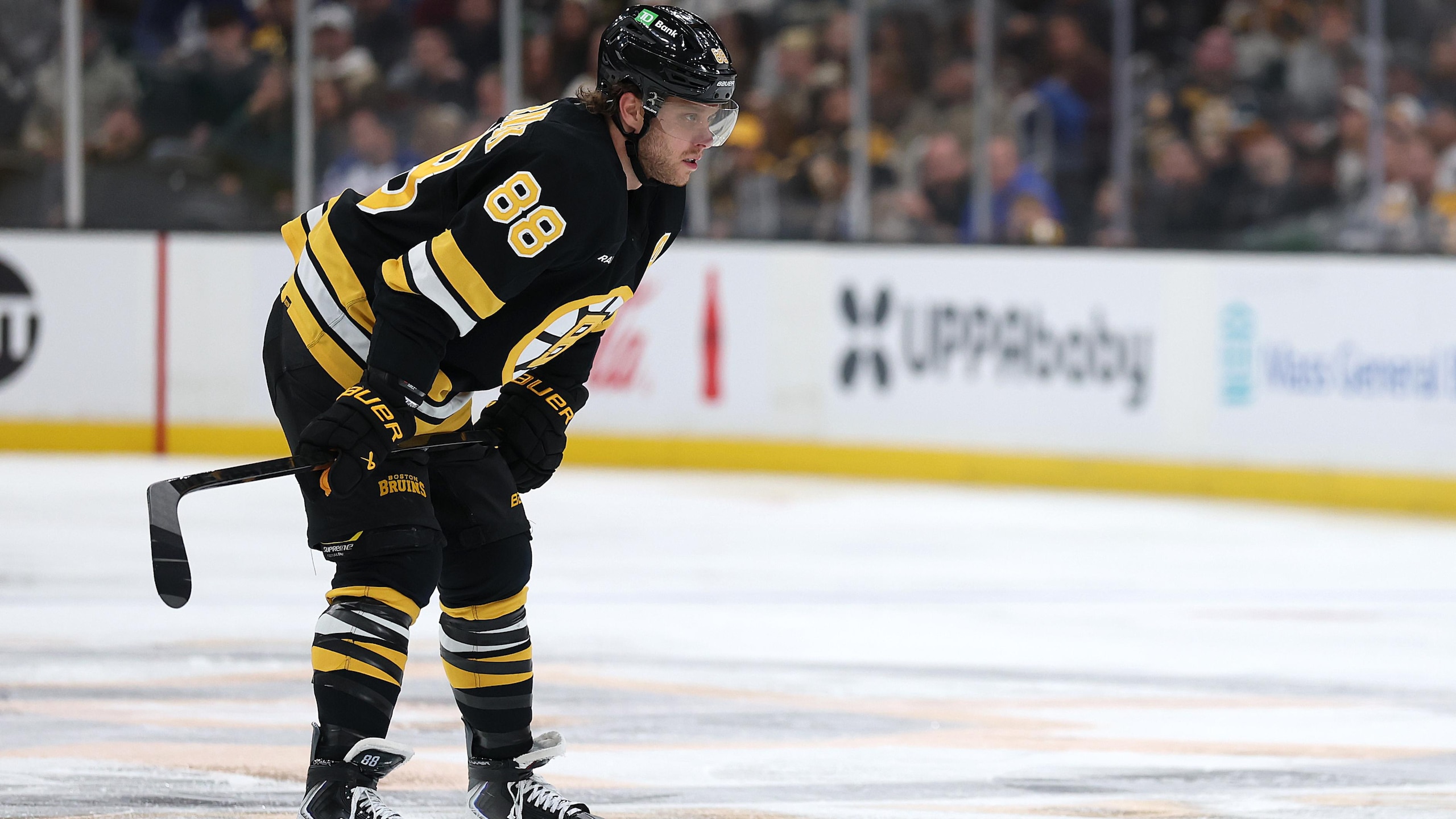
Growing problem: Scoring depth
After losing six of their first nine games, the Bruins have gone on a run to vault them to the top of the Atlantic Division entering play on Tuesday. But while they have found success, there is a big gap between their top-scoring forwards (David Pastrnak and Morgan Geekie) and the rest of the roster.
The lack of a No. 1 center has been a problem here for a couple of years now, and now their scoring woes extend into their overall scoring depth.
Head coach Marco Sturm even called that out a little bit following Monday's loss to the Carolina Hurricanes, saying they can not just be standing around waiting for Pastrnak and Geekie to carry the offense and do everything. If they want to get back into the playoffs, there has to be more balance offensively.
Buffalo Sabres
3 of 32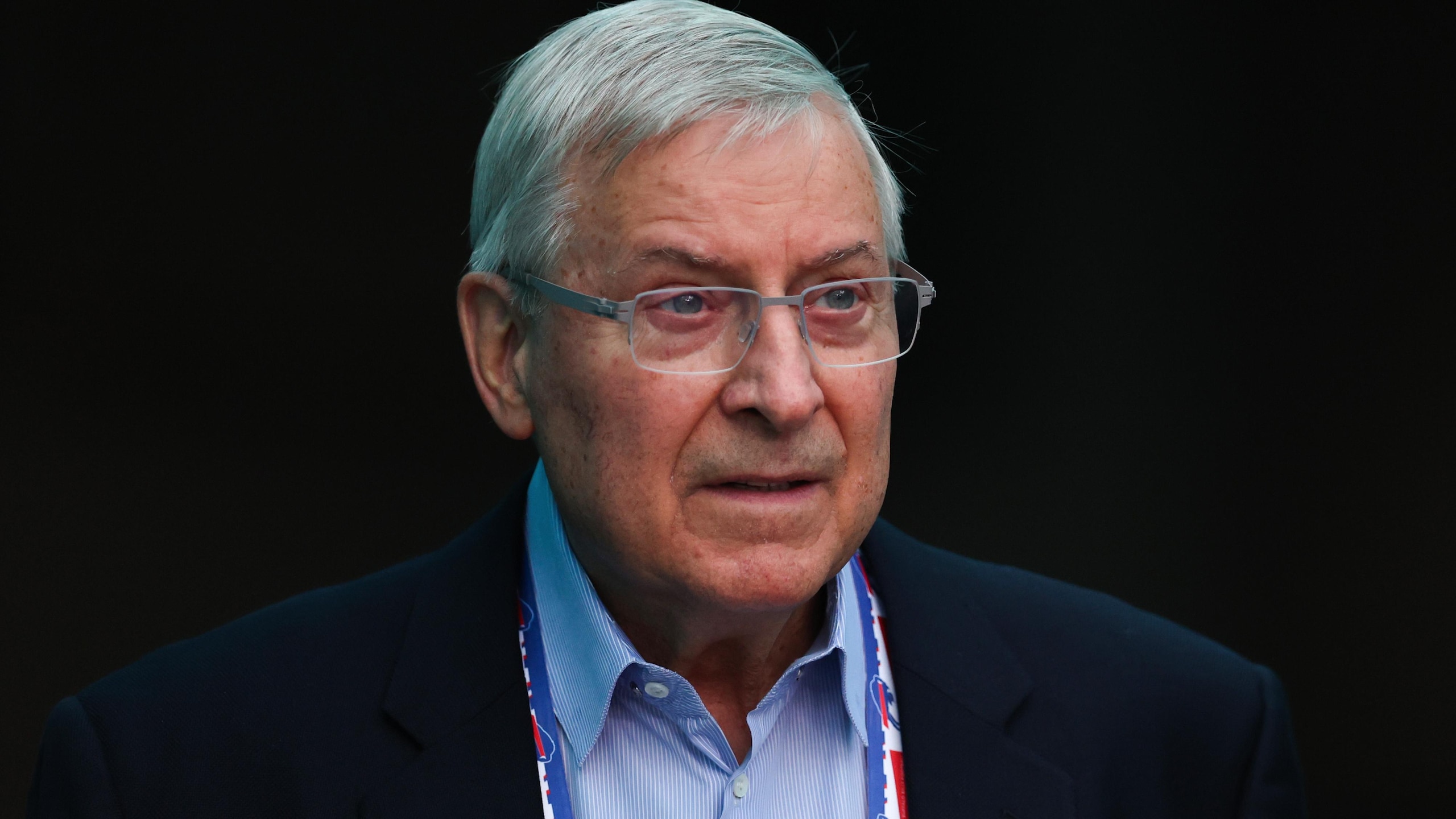
Growing problem: Ownership
This will continue to be the problem. It will always be the problem until something dramatically changes either in who owns the team or how ownership operates.
General managers, head coaches and players keep changing. The results do not.
Analyze this year's roster, coaching, and everything else associated with the 2025-26 season all you want. It won't matter. It never matters.
Terry Pegula's purchase of the Sabres is the direct line in the sand for where everything started to go wrong, and there has been no turning back. The losing has been going on for a decade and a half. It is no longer just a growing problem.
It is just a problem.

.jpg?w=2560)
Calgary Flames
4 of 32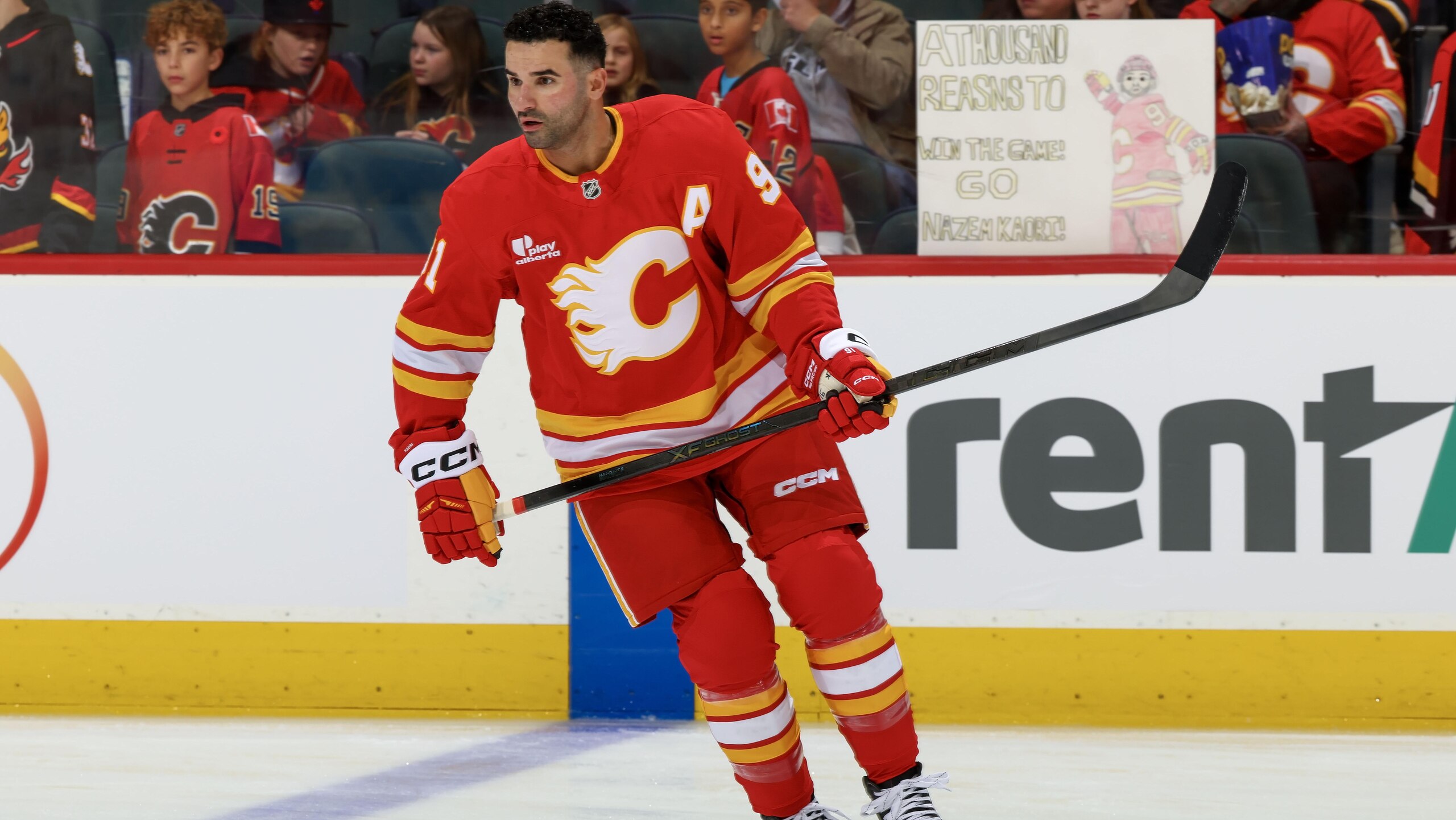
Growing problem: Offense
The Flames were one of the worst offensive teams in the NHL during the 2024-25 season, finishing 29th in goals scored. Even an average offense would have been enough to put them into the playoffs.
After a quiet offseason where nothing meaningful was done to improve the offense, the Flames are now 32nd in the NHL in goals scored entering the week.
Since the start of the 2024-25 season, their 262 goals are 31st overall, just two ahead of the Nashville Predators.
Entering play on Tuesday, only two players on the roster had more than 10 points, and nobody had more than Nazem Kadri's 11 points. It is a bleak situation offensively. That lack of offense, combined with a slow start from starting goalie Dustin Wolf, has put the Flames at the bottom of the NHL standings.
Carolina Hurricanes
5 of 32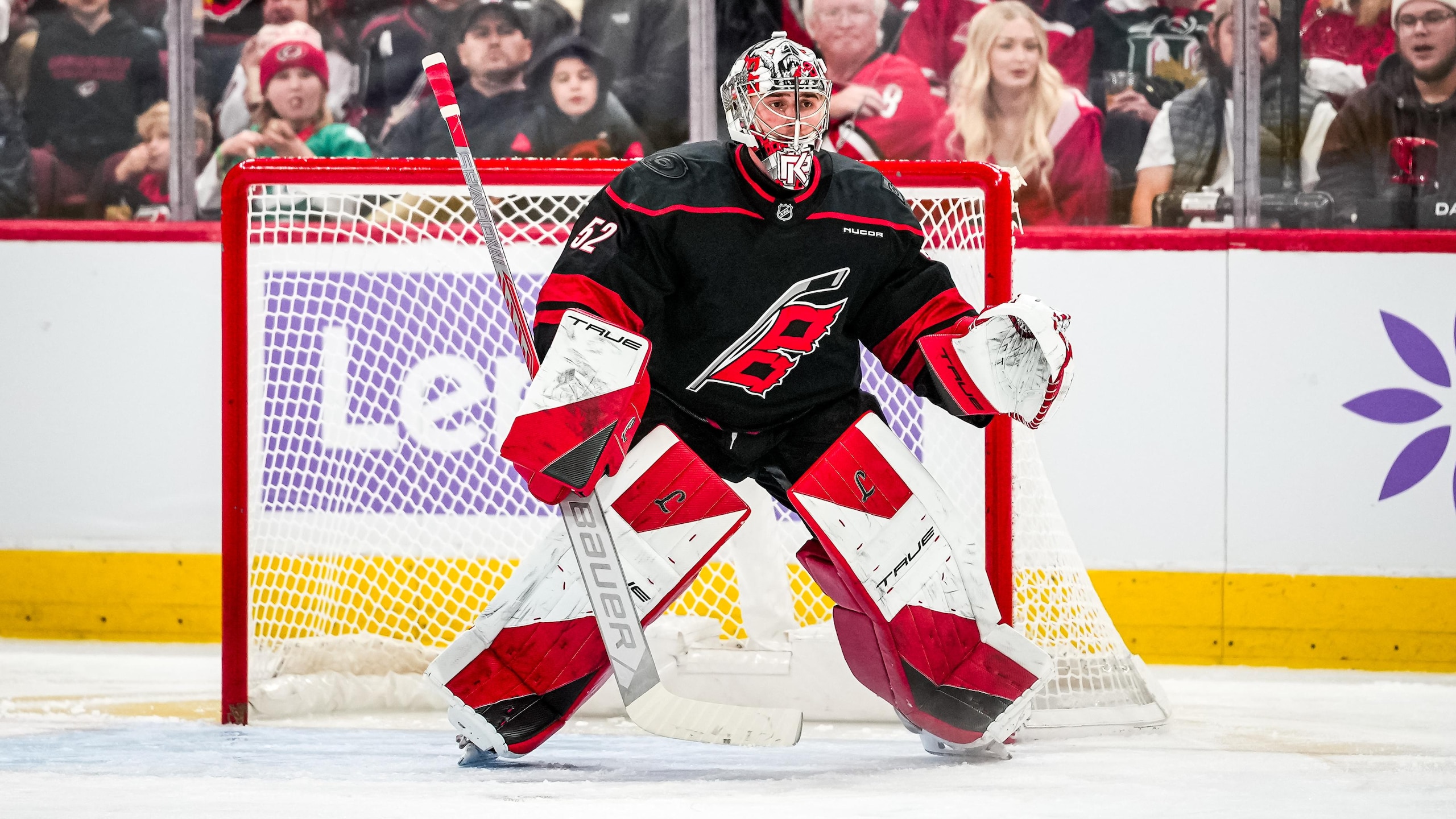
Growing problem: Goaltending depth
Even this might be a bit much, but there really aren't many problems in Carolina right now. They are doing what they always do in wearing teams down with a massive territorial advantage, playing their game, and winning a lot.
There might still be questions about whether the offense will be there late in the playoffs against better teams, but overall, it is hard to argue with the results.
If there is a concern, it might be the fact that their goalies after Pyotr Kochetkov have not played particularly well, with Brandon Bussi and Frederik Andersen having sub-.900 save percentages. Carolina, as a team, is 18th in the NHL in all-situations save percentage. Might be something to keep an eye on.
Chicago Blackhawks
6 of 32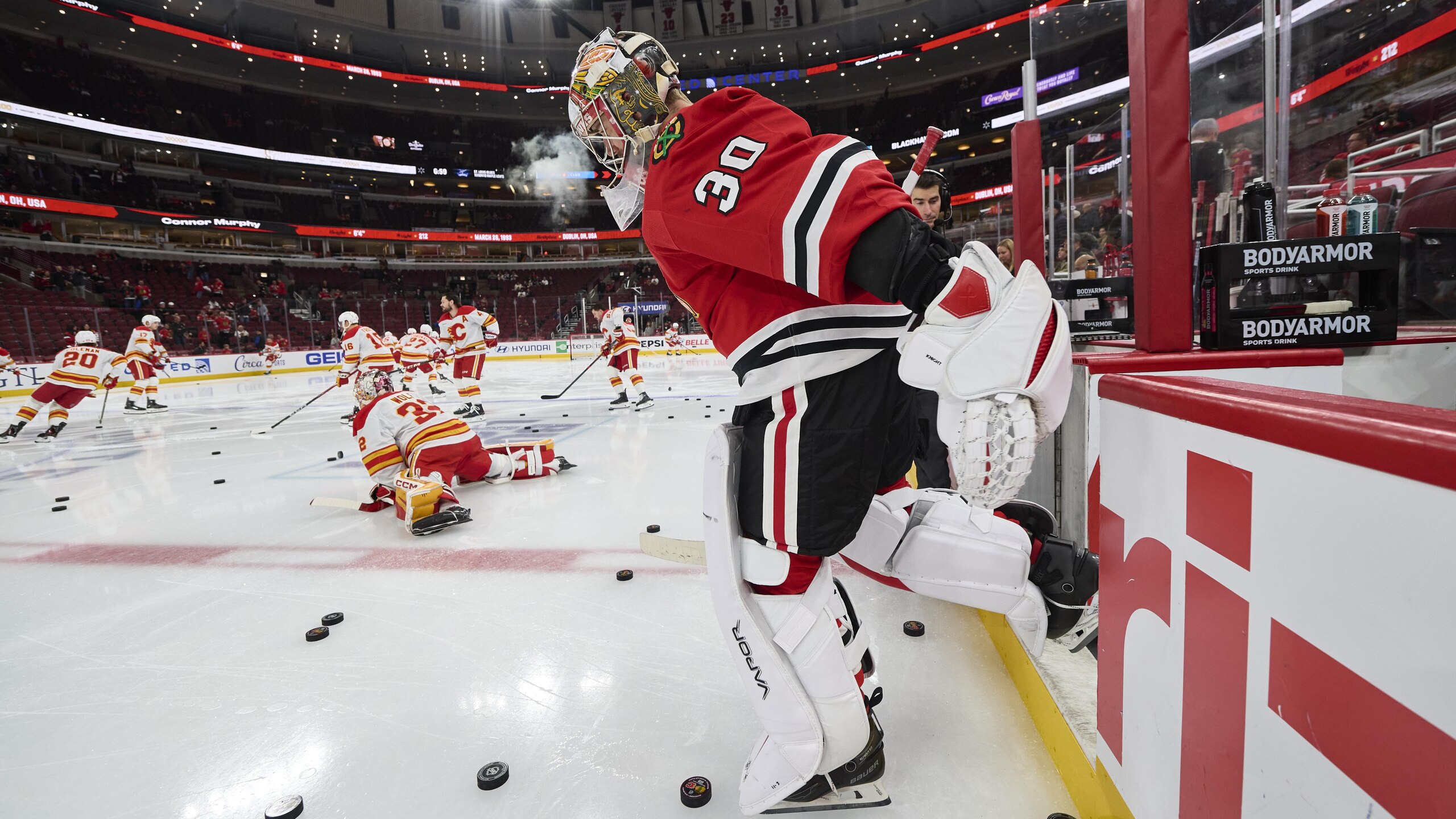
Growing problem: Dependency on Spencer Knight
The Blackhawks are off to their best start in years, and might have their fans actually thinking playoffs. Maybe.
But while there are some encouraging signs (specifically the breakout season for Connor Bedard), there are also some legitimate concerns. The biggest being that they are relying heavily on starting goalie Spencer Knight to do so much of the heavy lifting for their success.
Now, on one hand, Knight playing like a No. 1 goalie is a huge development. It's been a problem position, and Knight is still young enough and talented enough to be a key player for the franchise.
The concern is whether he can maintain this MVP-level of play behind a team that does not defend particularly well. The Blackhawks are allowing 3.64 expected goals per 60 minutes in all situations (31st in the NHL) and 2.96 per 60 minutes (28th in the NHL) during 5-on-5 situations.
Will the dam eventually break? Or will Knight keep carrying them? Their playoff hopes might depend on his ability to continue to do so.
Colorado Avalanche
7 of 32
Growing problem: Overtime games
The Avalanche look like an absolute wagon to open the season, having lost just one of their first 19 games in regulation and owning a 13-1-5 record going into the week. They lead the league in goals scored, are tops in goals against, and have major award contenders in Nathan MacKinnon and Cale Makar.
The only concern so far is the fact that they have not been able to find success in games that go beyond regulation.
They are just 1-5 in games that have gone to overtime, leaving a couple of points on the table. It will not likely hurt them. More good news: Playoff overtime is not 3-on-3, and there are no shootouts in them. So it may just be a temporary inconvenience more than anything else.
Columbus Blue Jackets
8 of 32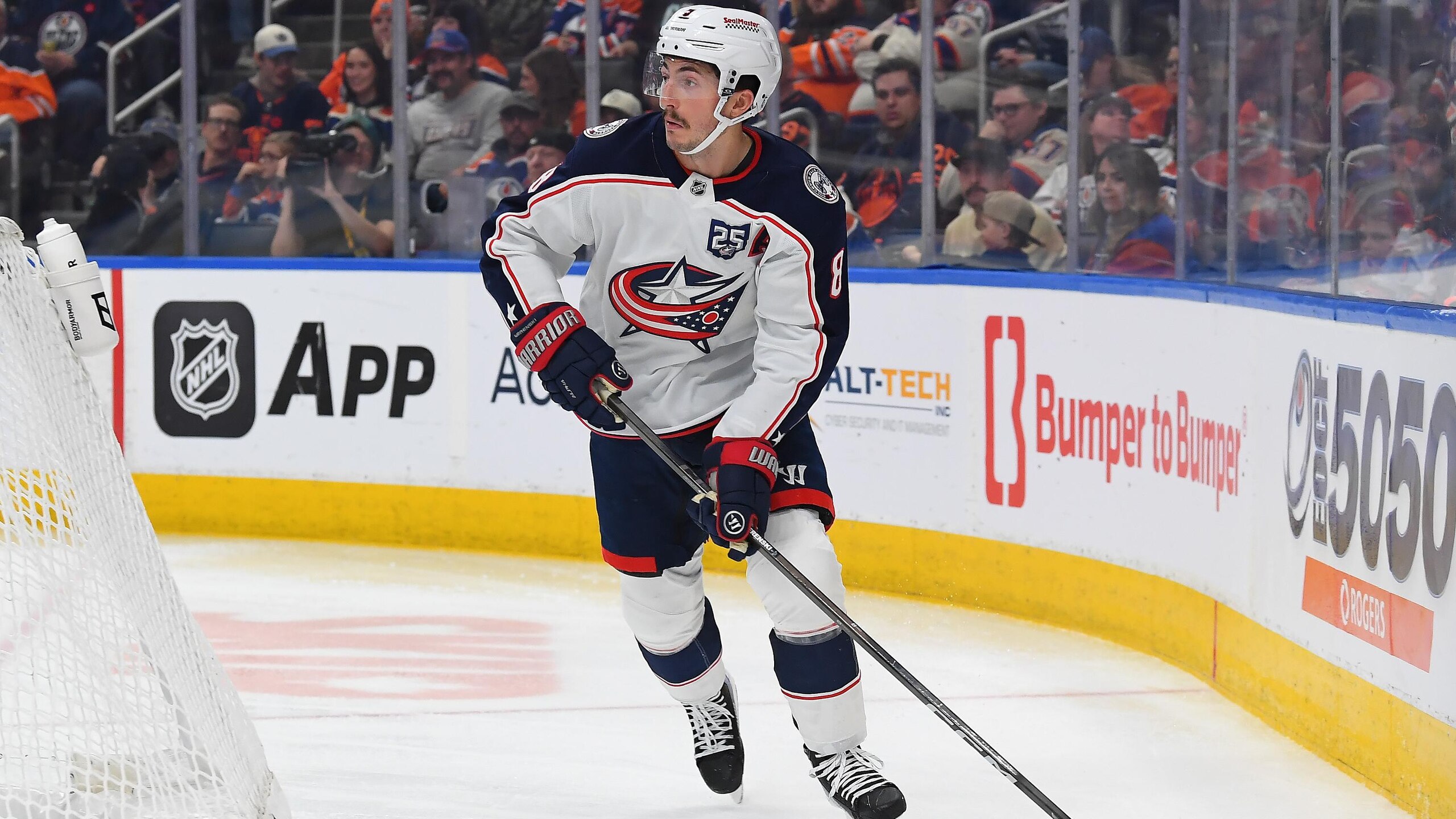
Growing problem: Penalty kill
The Blue Jackets are still a work-in-progress from a big-picture perspective, and their offseason left a lot to be desired given the trade assets and salary cap space they had to work with, but there is still a good core in place and a lot of long-term potential.
In the short term, their penalty kill is a major problem as they have successfully killed off just 72.9 percent of their penalties entering play on Tuesday.
There is a fine line between winning and losing at this level, and a PK unit that is ineffective can be a big hurdle to overcome.
Dallas Stars
9 of 32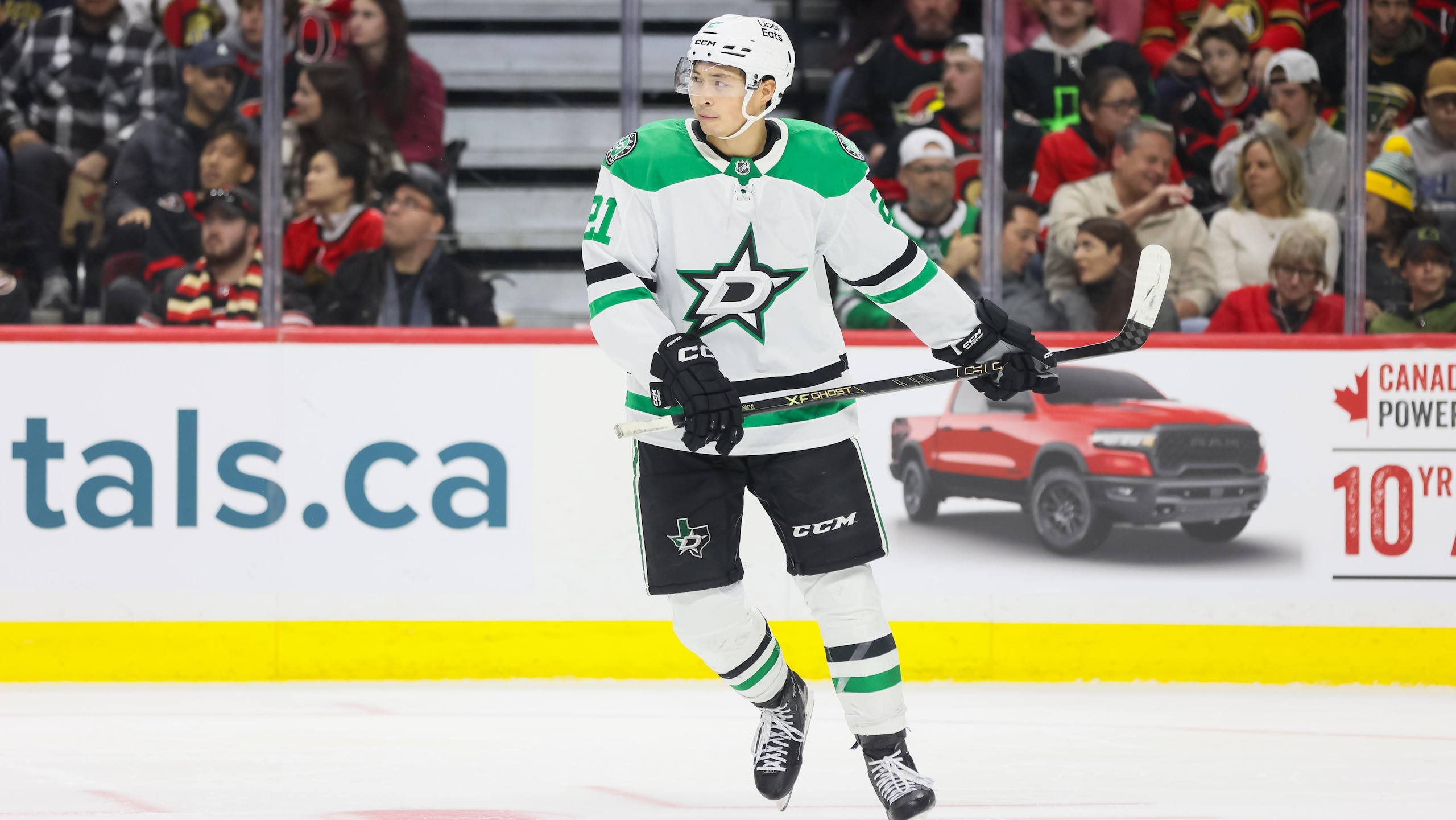
Growing problem: Penalty kill
The Stars are climbing their way back to the top of the Western Conference standings and look like they are primed for another deep postseason run. Mikko Rantanen has been everything they could have hoped for, while Jason Robertson and Wyatt Johnston are giving them more big-time offense.
The Stars are also an outstanding defensive team during 5-on-5 play.
The one potential Achilles heel so far is on the penalty kill, where they are near the bottom of the NHL. They finished fourth in the NHL during the 2024-25 season. The talent is on the roster to be better, and they have a track record of doing so, but it is a concern early on.
Detroit Red Wings
10 of 32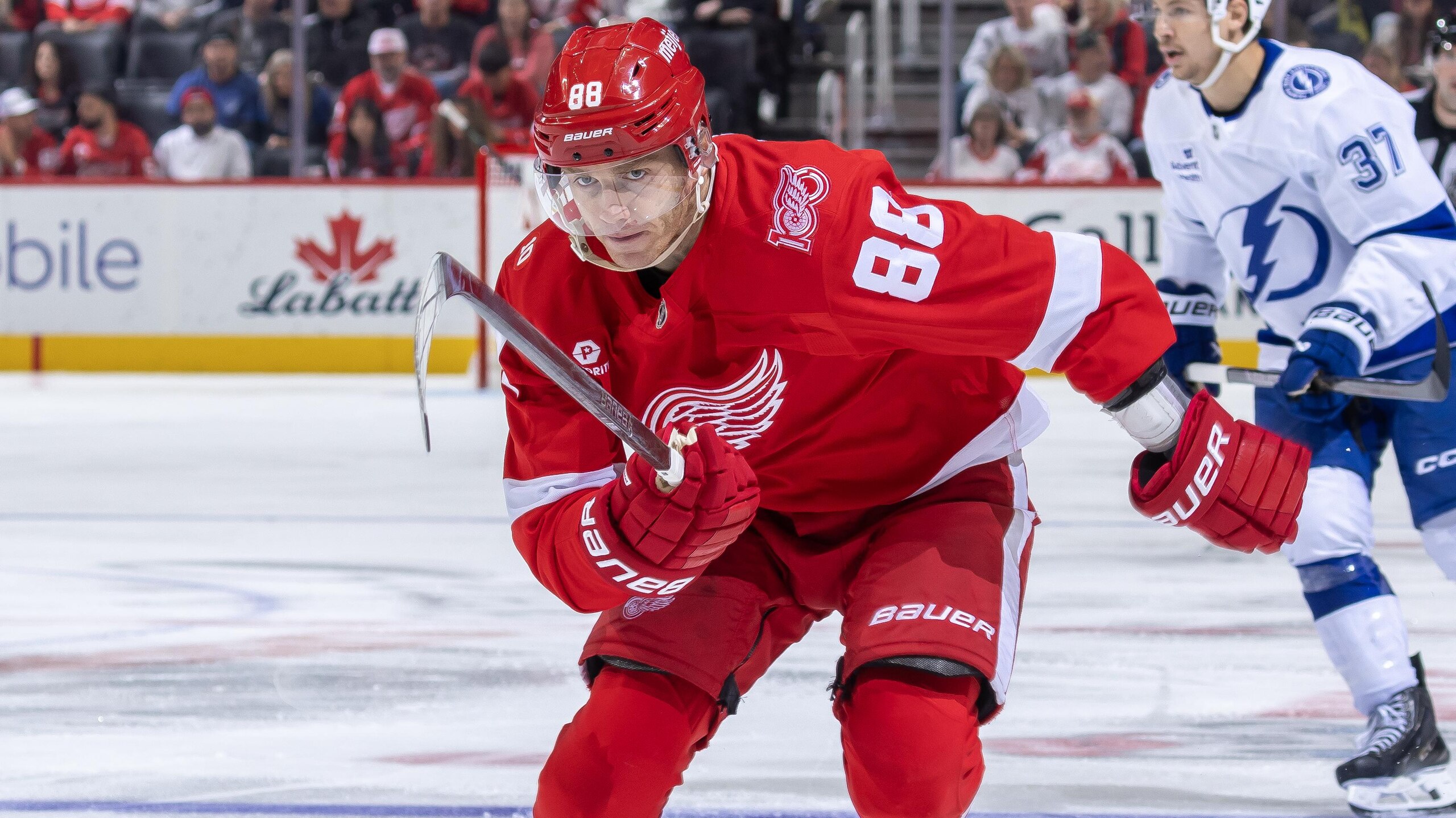
Growing problem: Scoring depth
The Red Wings' top forwards are all playing outstanding hockey, with Dylan Larkin, Lucas Raymond, and Alex DeBrincat all averaging more than a point per game through the first month and a half of the season. They are carrying the offense.
The problem is they are starting to carry literally all of the offense, as there is a noticeable gap between them and the rest of the team's forwards.
Patrick Kane's injury took a lot of scoring punch out of the lineup, but the Red Wings as a team were scoring just 2.12 goals per 60 minutes of 5-on-5 play entering action on Tuesday. That was only 24th in the NHL. That will not be good enough.
The Red Wings' roster still has some issues, but the lack of scoring depth is becoming a serious concern.
Edmonton Oilers
11 of 32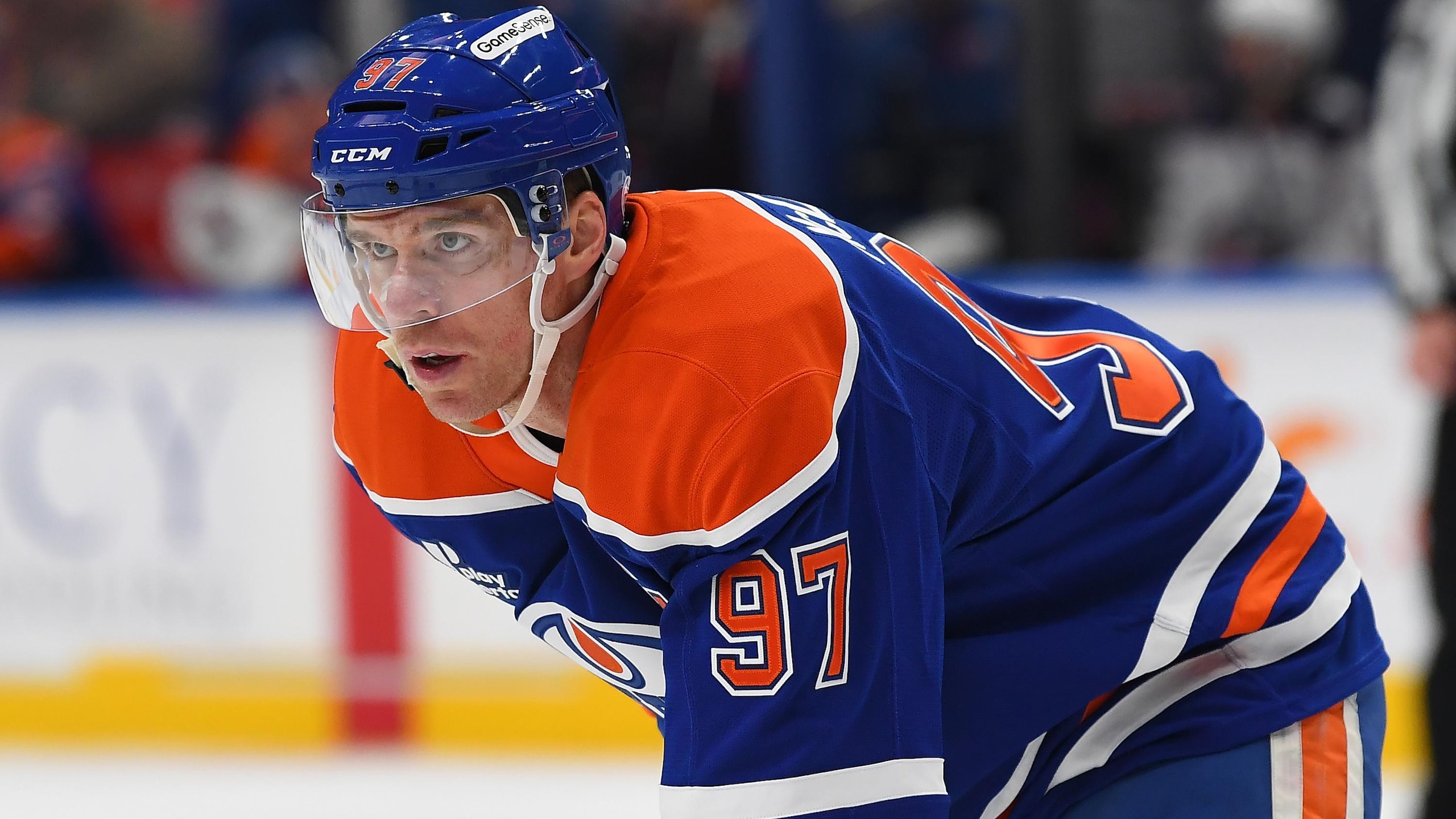
Growing problem: Depth
Whether it's scoring, defense, or goaltending, the Oilers' lack of depth is a critical flaw.
The number of problems and concerns on this team is staggering for a potential Stanley Cup contender, which probably explains why they have not played like one this season.
How problematic are the depth concerns for the Oilers? When neither Connor McDavid nor Leon Draisaitl is on the ice during 5-on-5 play, the Oilers were being outscored by a 30-9 margin entering play on Tuesday while only owning a 42.4 percent expected goals share in those minutes.
You can not win being so dependent on only two players.
When McDavid and Draisaitl are not on the ice, the Oilers play like a lottery team. A bad one. An historically bad lottery team.
Florida Panthers
12 of 32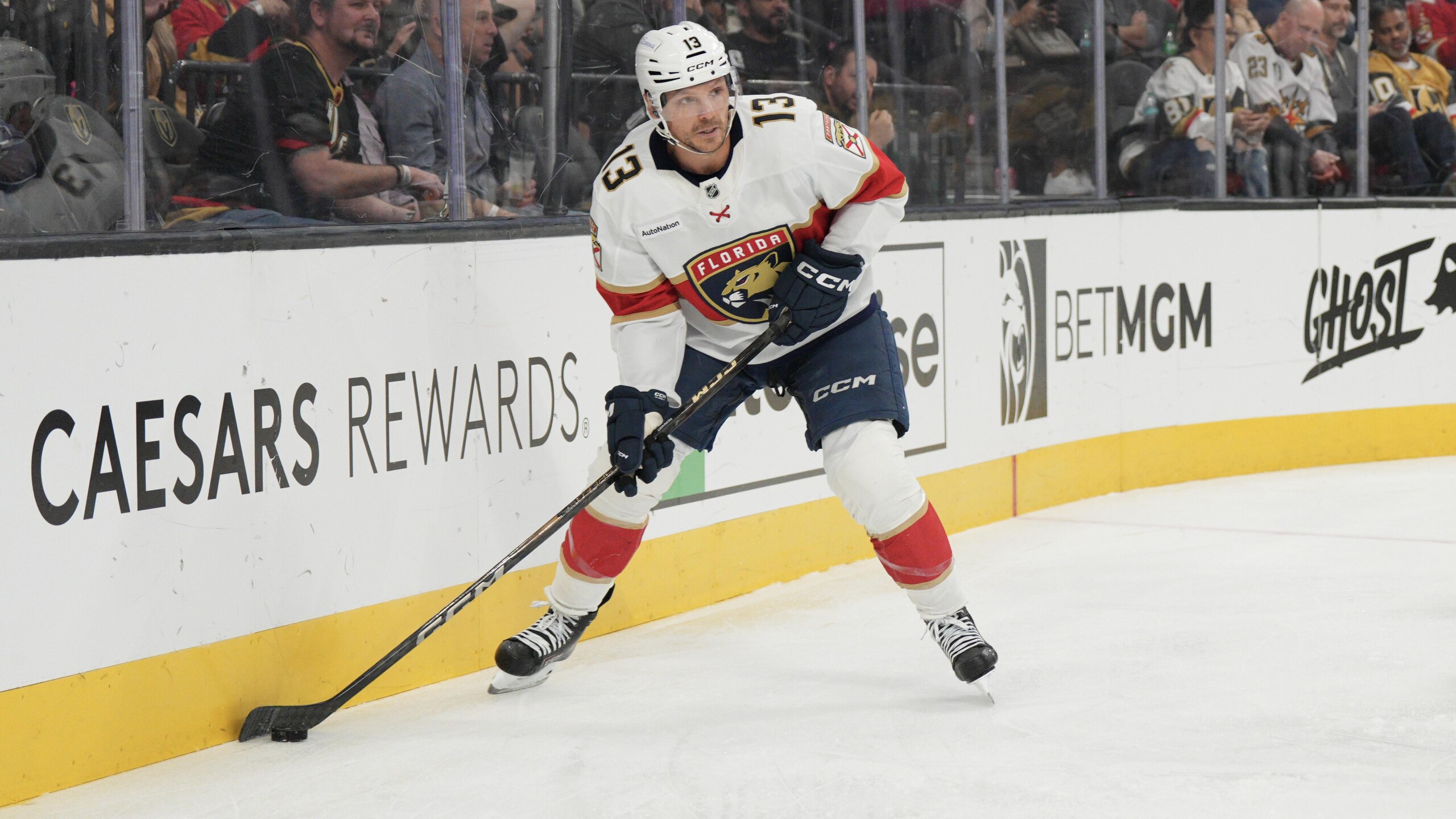
Growing problem: The injuries
Overall, there is not much wrong with the Panthers' process this season. They are still defending well, still pushing play and dictating chances, and still a menace to play against.
The biggest issue is that they are not consistently turning their possession and chances into goals.
And that probably should not be a huge surprise given the absence of Aleksander Barkov and Matthew Tkachuk, their two best players. Neither player has appeared in a game this season, and Barkov likely will not return until next season (the door is still cracked open for a potential playoff return). Tkachuk is getting closer to a return, but there are not many teams in the NHL that can take two players of that caliber out of the lineup and not struggle. They need Tkachuk back.
Los Angeles Kings
13 of 32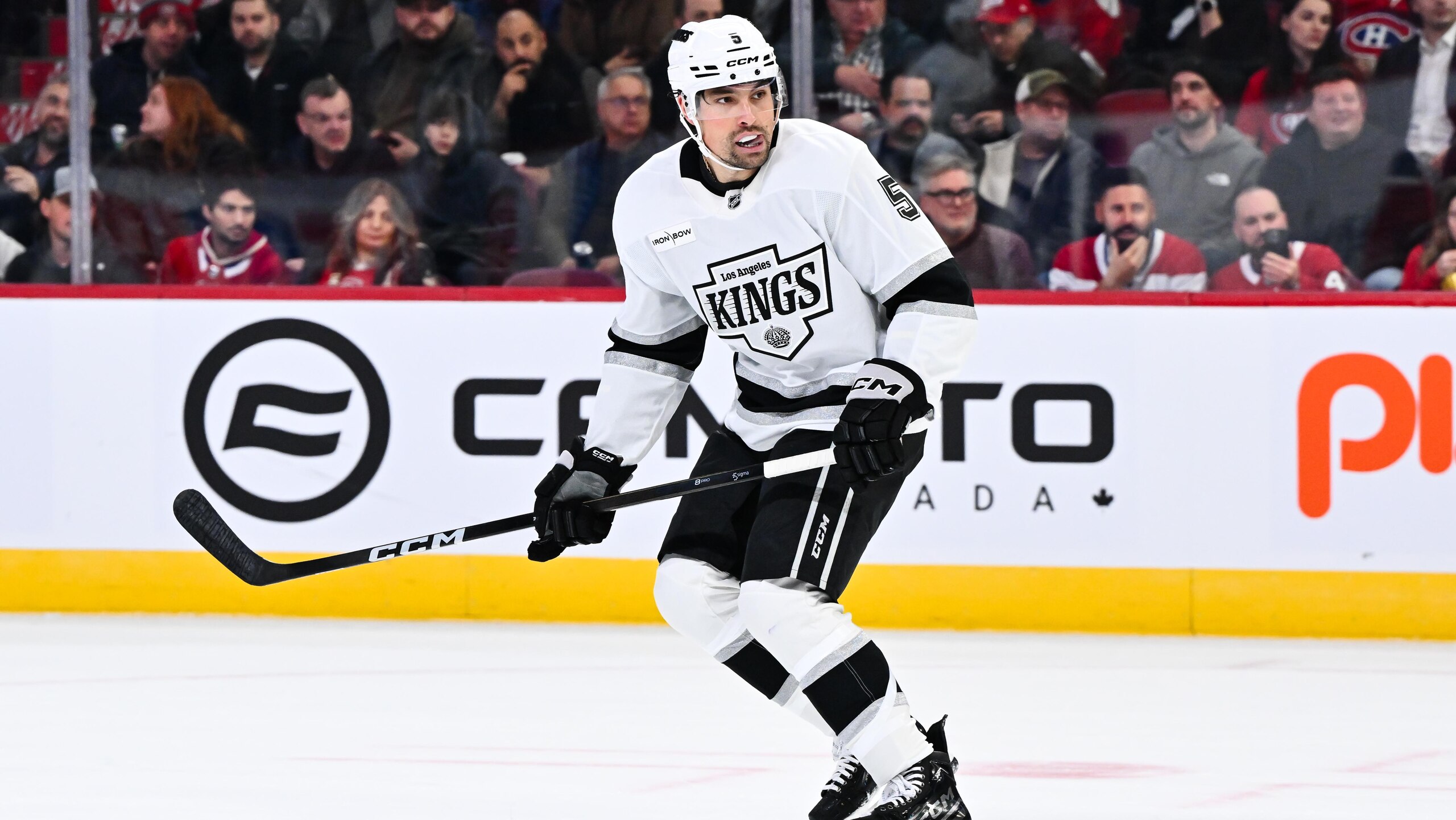
Growing problem: Defensive depth
Specifically speaking, Cody Ceci and Brian Dumoulin.
The Kings could certainly use more offense, but they have another big issue with what is considered to be their greatest strength -- their defense.
Ceci and Dumoulin were general manager Ken Holland's two big additions this summer, replacing Vladislav Gavrikov following his exit in free agency and the trade of Jordan Spence. It has not improved the unit.
When Ceci and Dumoulin have played together on the same pairing, the results have been disastrous. They have not been much better away from each other, and both rank among the Kings' worst players in terms of out-chancing their opponents and suppressing opportunities against.
Sometimes the playoffs are not necessarily about what you do well, but what you don't do well, and weaknesses that can be exploited. This could be a problematic weakness for the Kings, especially when teams have more opportunities to game-plan and target their weaknesses in a potential best-of-seven series.
Minnesota Wild
14 of 32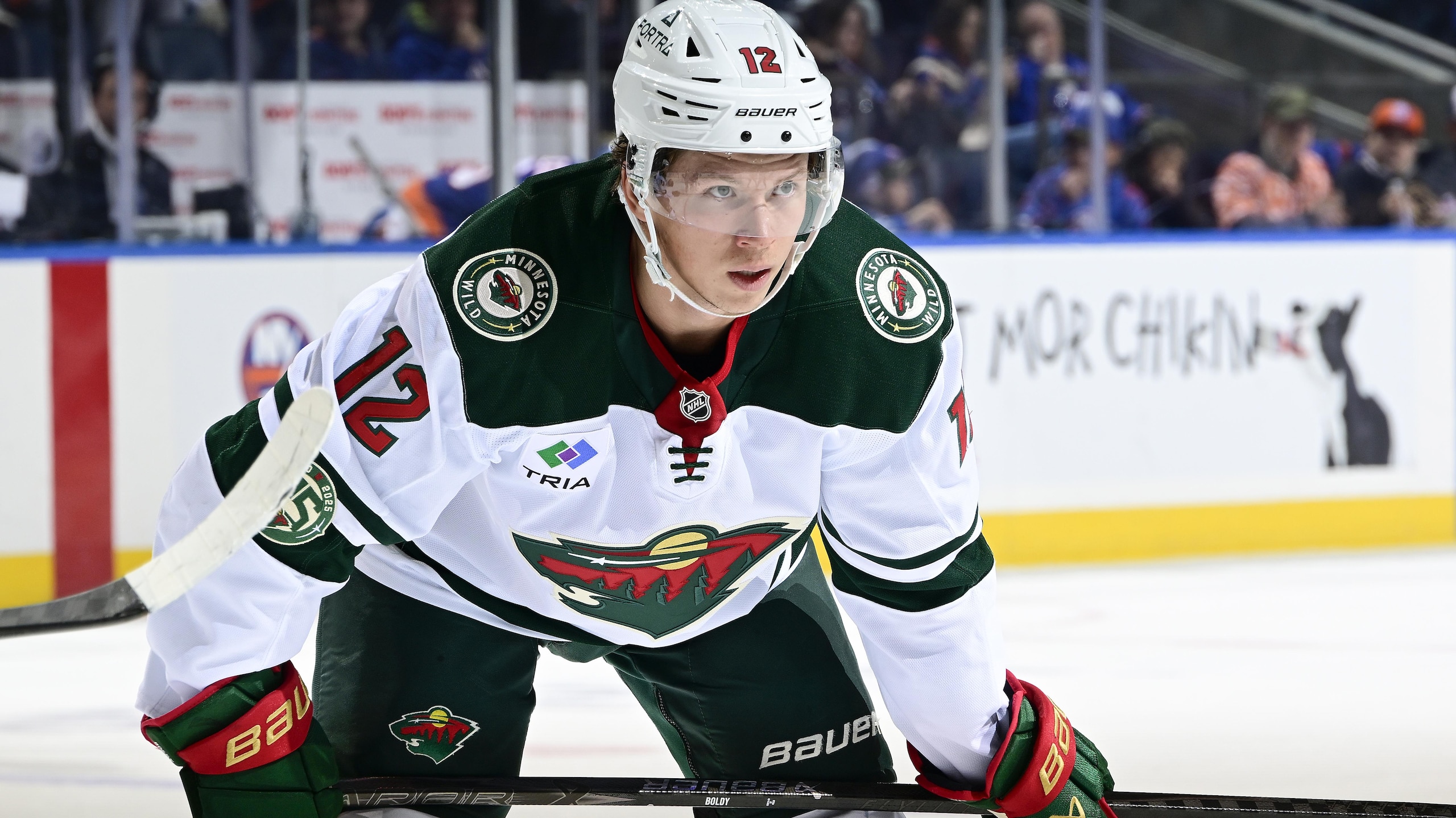
Growing problem: 5-on-5 offense
The Wild have had a mostly underwhelming start to the season, and one of their biggest issues has been their inability to score goals during 5-on-5 play.
While Minnesota's power play has been a game-changer and resides in the top five of the NHL, they are averaging just 1.79 goals per 60 minutes of 5-on-5 play. That is the lowest mark in the NHL.
The Wild have some serious high-end talent at the top of their lineup, led by superstar winger Kirill Kaprizov, but they are not getting enough from the rest of the lineup. Injuries to Marco Rossi and Mats Zuccarello have not helped matters.
Montreal Canadiens
15 of 32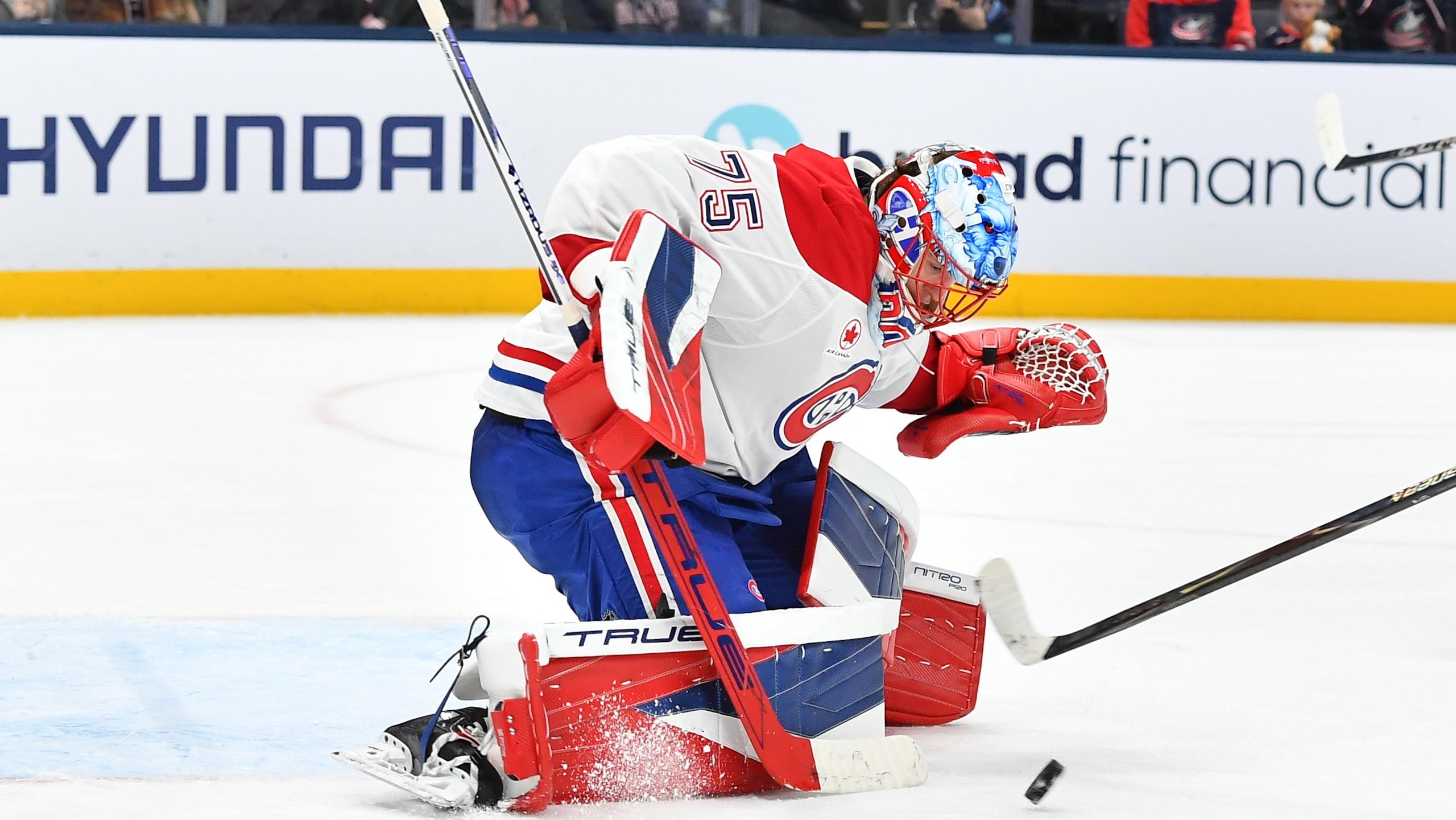
Growing problem: Goaltending
The Canadiens took a huge step forward in their rebuild during the 2024-25 season, shocking the hockey world with a playoff appearance. They have an outstanding young core of talent and added to it this offseason with the additions of defenseman Noah Dobson and forward Zac Bolduc, as well as the first full season of top prospect Ivan Demidov.
It is a very good roster, and an exciting one.
The one thing that could potentially stunt that progress is goaltending.
So far this season, the Canadiens rank 26th in the NHL in 5-on-5 save percentage, as both Sam Montembeault and Jakub Dobes own sub-.900 save percentages, going into play on Wednesday.
It is a concern because Montembeault has never really been more than a league-average goalie, and Dobes is extremely unproven.
Nashville Predators
16 of 32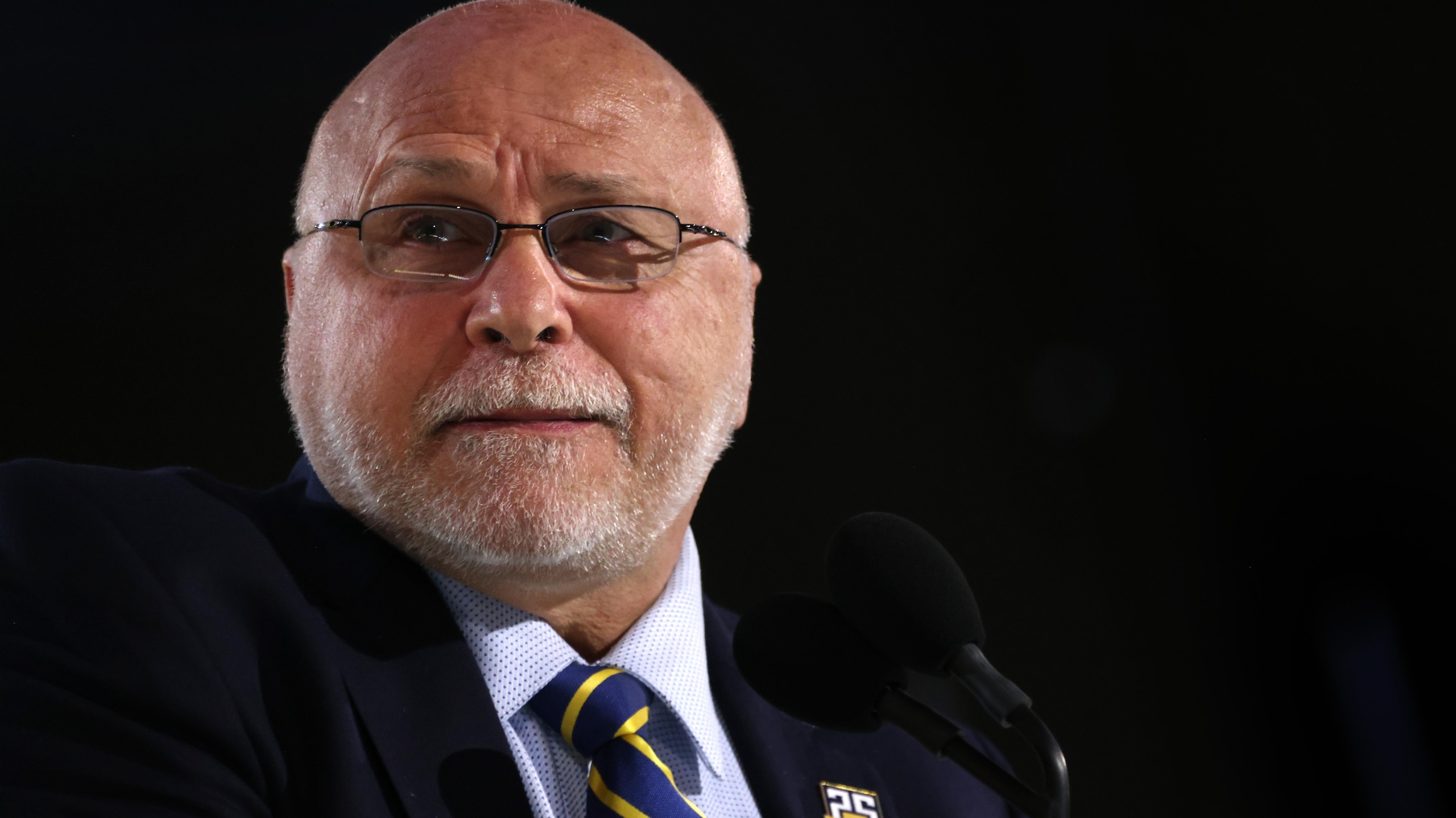
Growing problem: Barry Trotz as general manager
Barry Trotz was an outstanding head coach with the Predators, Washington Capitals, and New York Islanders.
That success has not carried over to the general manager's office.
Trotz has pieced together a team that has been one of the NHL's worst since the start of the 2024-25 season, and one that seems to have no real direction in where it is going and what it is doing.
Pretty much every major move Trotz has made has backfired, including the major free-agent moves in the summer of 2024 that included Steven Stamkos, Jonathan Marchessault, and Brady Skjei.
The long-term contract extension given to veteran goalie Juuse Saros has also failed to produce the desired results, leaving the Predators with an aging core of players with big-money contracts that could be difficult to move.
They do have a strong farm system, and rookie Matthew Wood is shining already in the NHL, but Trotz has built a very bad, very flawed team, and he seems to have no easy path to fixing it.
New Jersey Devils
17 of 32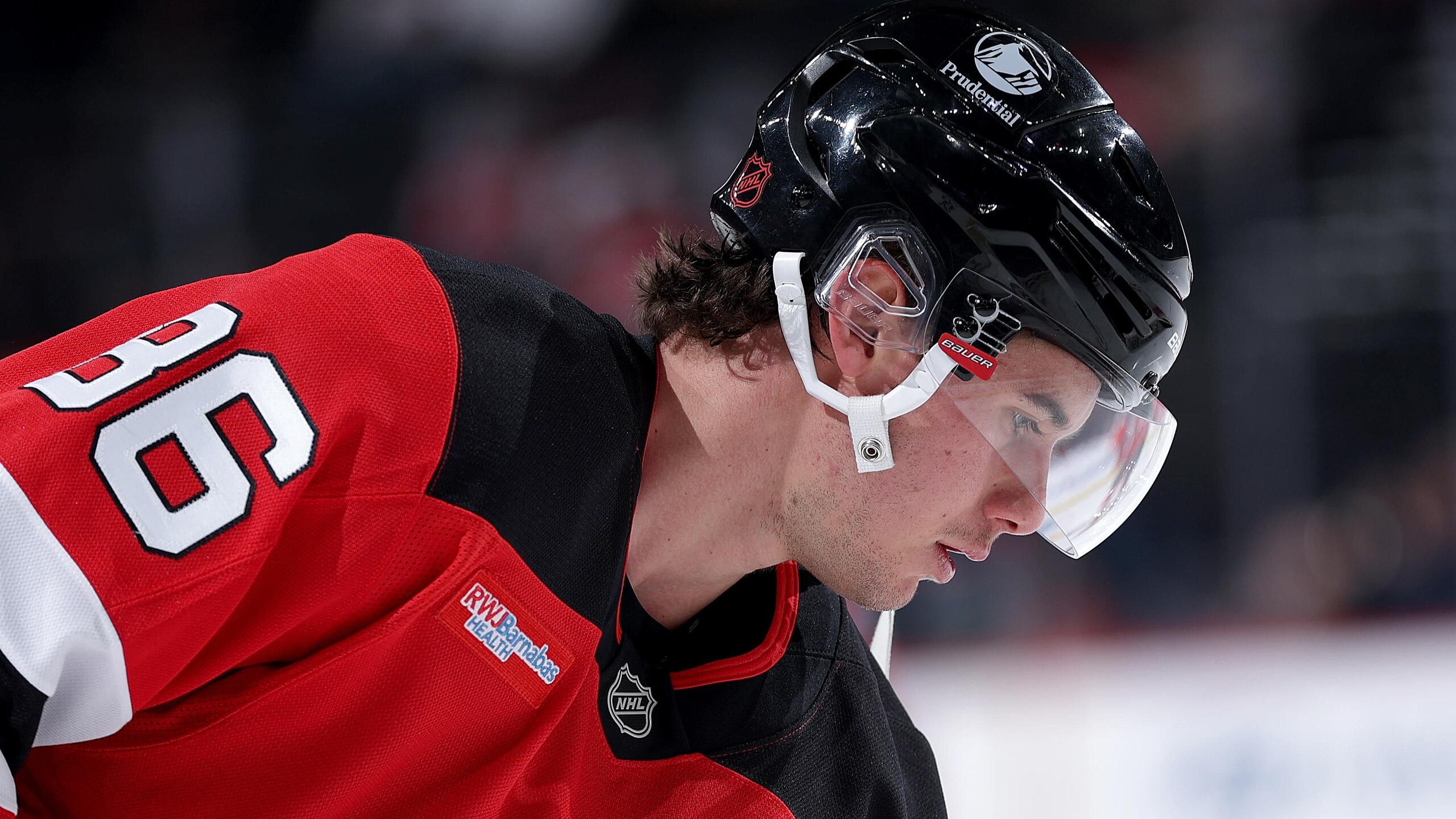
Growing problem: Jack Hughes injuries
When Jack Hughes is on the ice, he is one of the NHL's most dynamic players and a true star for the Devils. He changes the whole vibe and feel of the team and can make them a strong playoff team in the Eastern Conference.
The only problem is that he has developed a knack for missing many games each season. The only seasons in his career in which he did not miss significant game time were the 2019-20 and 2020-21 seasons (both shortened due to the pandemic) and the 2022-23 season. In his other four seasons, including this season, he has missed double-digit games.
Sometimes due to fluke hockey injuries.
This season due to a fluke injury at a team dinner.
Unlucky as they may be, when he is out of the lineup the team takes on a dramatically different -- and worse -- feel, and the results back that up.
New York Islanders
18 of 32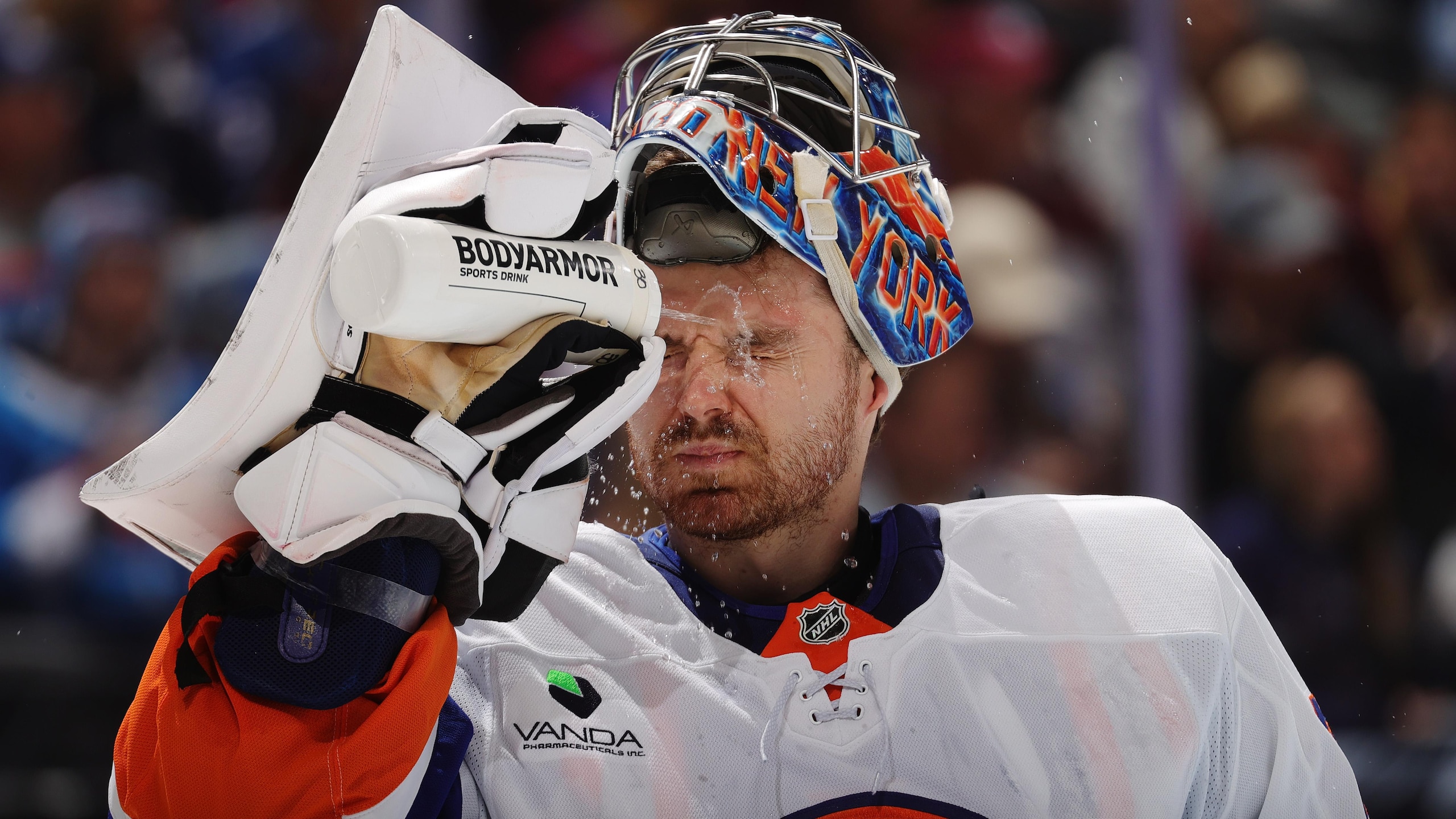
Growing problem: Ilya Sorokin has not regained his elite form
The Islanders have several problems right now, ranging from a lack of offense to struggles on defense at the team level despite having an emerging superstar on their blue line in No. 1 overall pick Matthew Schaefer.
But the bigger long-term problem here is the fact that starting goalie Ilya Sorokin is now working on his third consecutive season of average-to-below-average play in net.
When Sorokin first arrived in the NHL for the 2020-21 season, he was an immediate star and played at an elite level over his first three full seasons. It prompted the Islanders to give him a massive long-term contract extension that pays him like one of the league's best goalies.
But since the start of the 2023-24 season his play has just not matched any of that.
For perspective, during his first three seasons in the league, Sorokin's all-situations save percentage of .924 was second among the 62 goalies that had appeared in at least 50 games during that stretch.
In the three seasons since (including the first part of this season), his .907 mark has dropped down to 14th out of 57 goalies.
It is .... fine. It is above average (barely). But it is probably not quite what the Islanders were hoping for with that contract. This season, his save percentage is under .900.
New York Rangers
19 of 32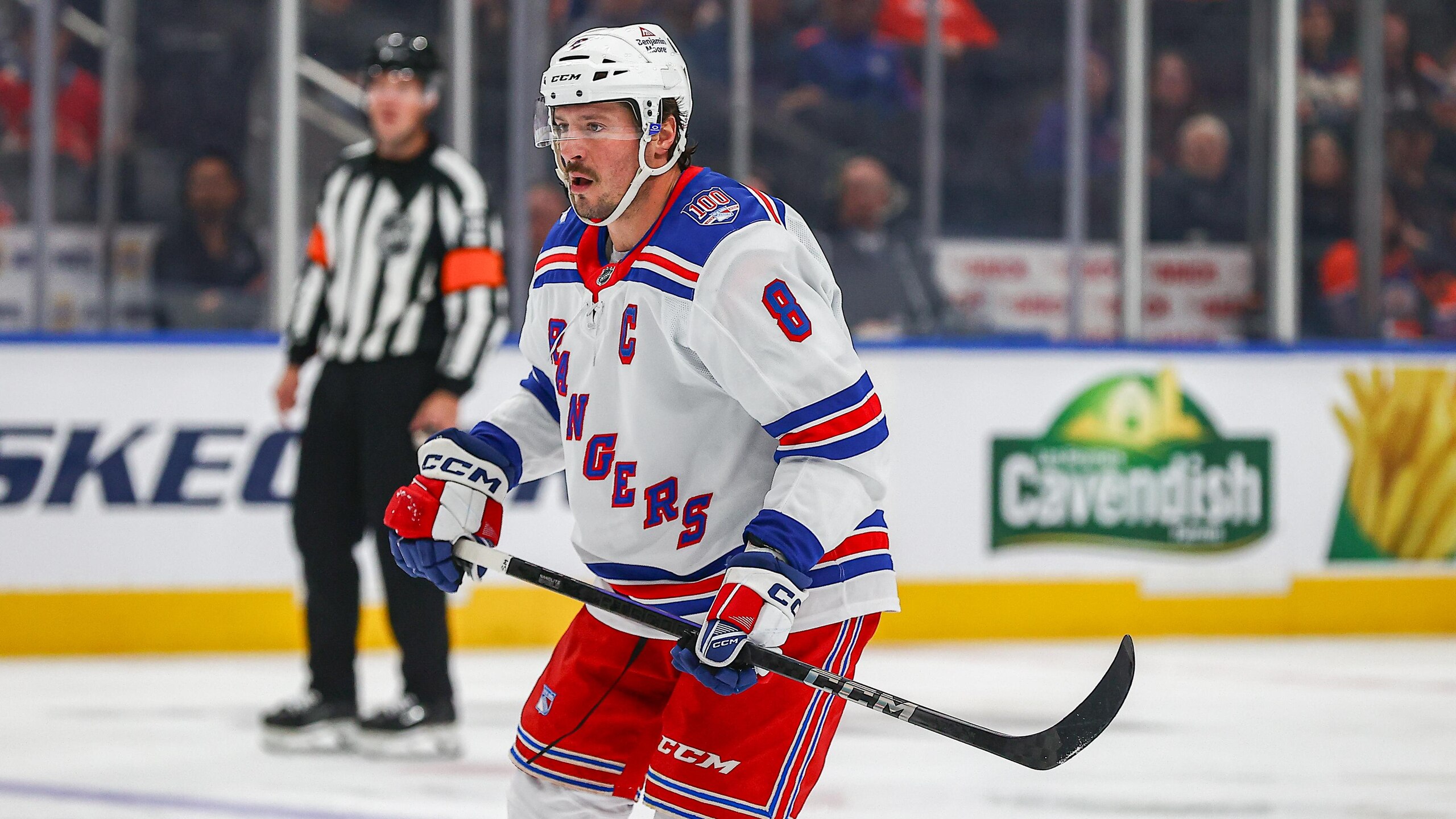
Growing problem: Goal-scoring
From a numbers perspective, there are a lot of things to like about this New York Rangers start. Their defensive metrics are outstanding, and they are creating chances and mostly out-chancing their opponents.
That has not manifested itself into a goals advantage, especially on home ice, where simply putting the puck into the net has been a season-long issue.
The hope is that if the Rangers stick with that process, eventually the chances will lead to goals.
The concern is that the Rangers simply do not have the players with enough finishing ability to make that happen.
J.T. Miller is Exhibit A of their struggles. They traded the No. 12 overall pick, Filip Chytil, and Victor Mancini for him and his contract a year ago, and he is currently on a 35-point pace for this season. That is not good enough. Not even close to good enough.
They need another goal-scorer (or two), but are they really in a position to trade more long-term assets to try and salvage what might just be an average team in a season where they probably are not going to be a serious Stanley Cup contender?
Ottawa Senators
20 of 32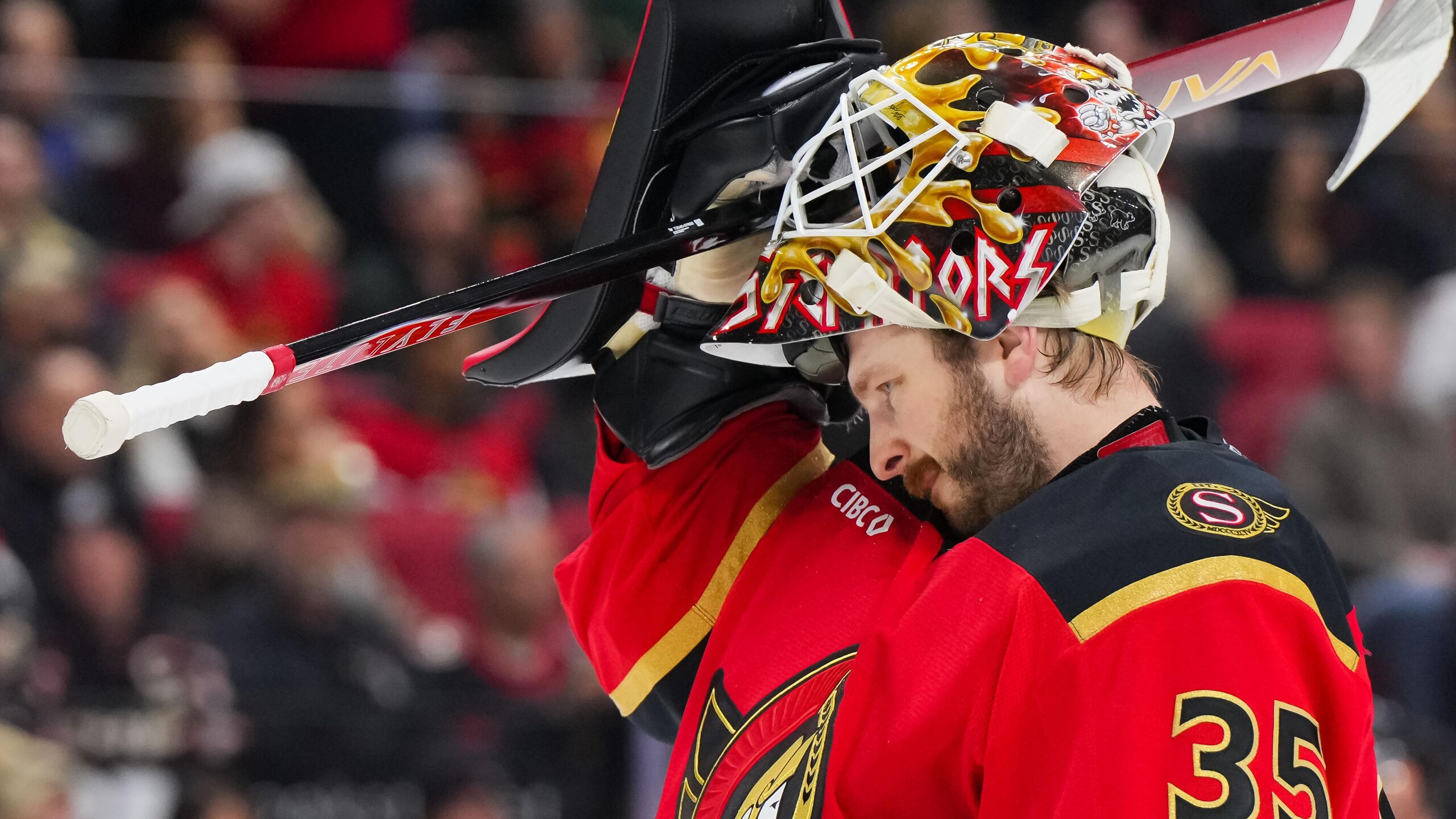
Growing problem: Linus Ullmark's slow start
Ullmark's acquisition played a huge role in the Senators ending their playoff drought during the 2024-25 season, as he solidified a huge weakness in net.
He has not yet repeated that performance this season, and goaltending as a whole has led to some big issues for the Senators. They still have a respectable 9-6-4 record through their first 19 games, but they have played well enough, especially defensively, to be even better.
The fact that they have already accumulated 22 points in the standings with an .865 team save percentage (30th in the NHL) is a testament to how well they have played defensively.
If Ullmark returns to form and Brady Tkachuk returns, this could still be a really good team in the Eastern Conference.
Philadelphia Flyers
21 of 32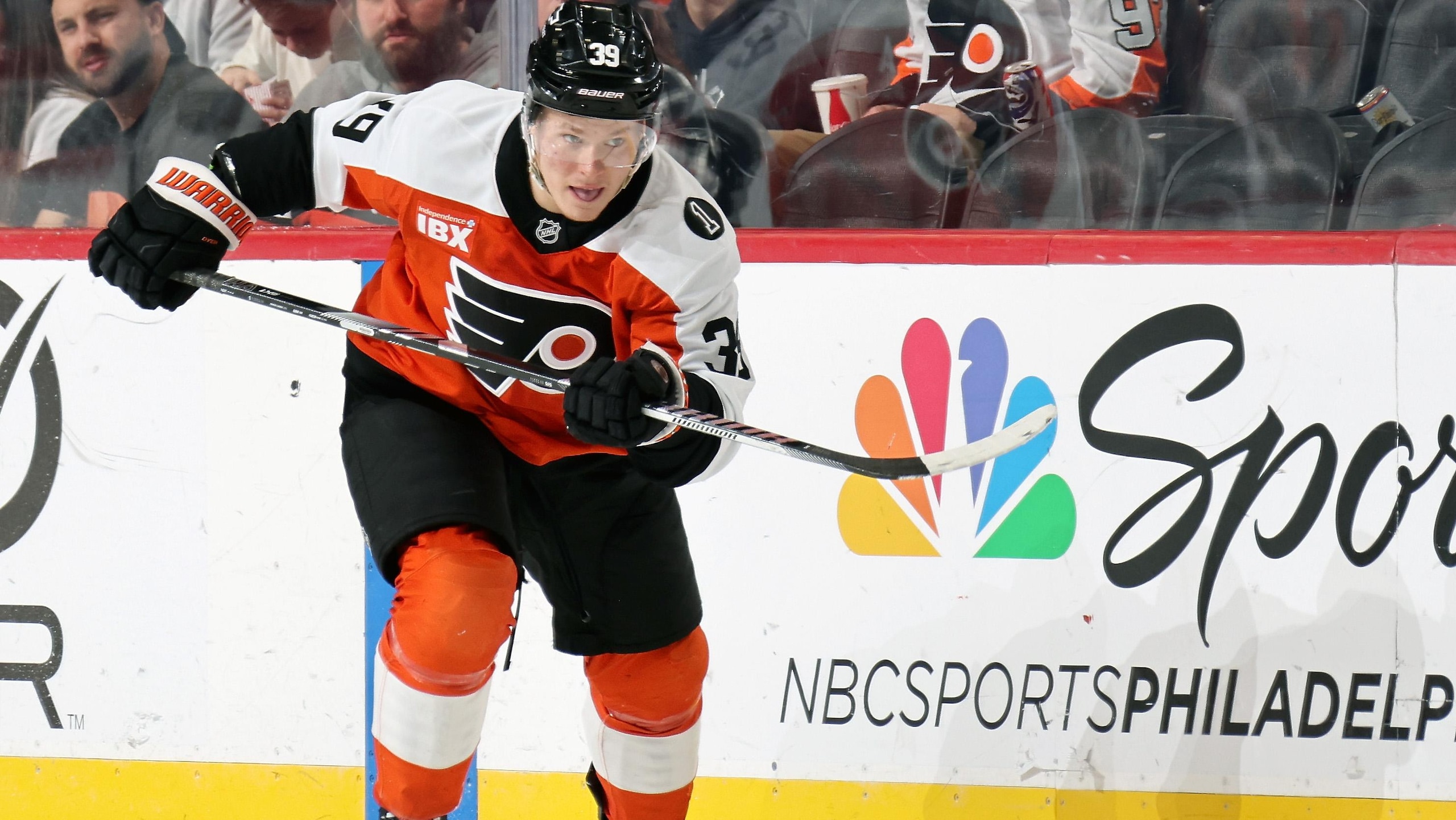
Growing problem: Offense
There is a common trend among teams coached by Rick Tocchet. Well, two common trends. The first is that they do not win very much. The second is that they do not score very many goals or generate much offense.
While Tocchet's Flyers are off to a solid 9-6-3 start in the standings, it is certainly not because of their offense. Their 2.61 goals per game rank only 29th in the NHL, and they are not getting consistent offense from any individual players outside Trevor Zegras and Travis Konecny.
Second-year standout Matvei Michkov is off to a frustratingly slow start, and it seems like he still has another level he can reach. They need him to get there because there are not many other options on the roster right now.
Pittsburgh Penguins
22 of 32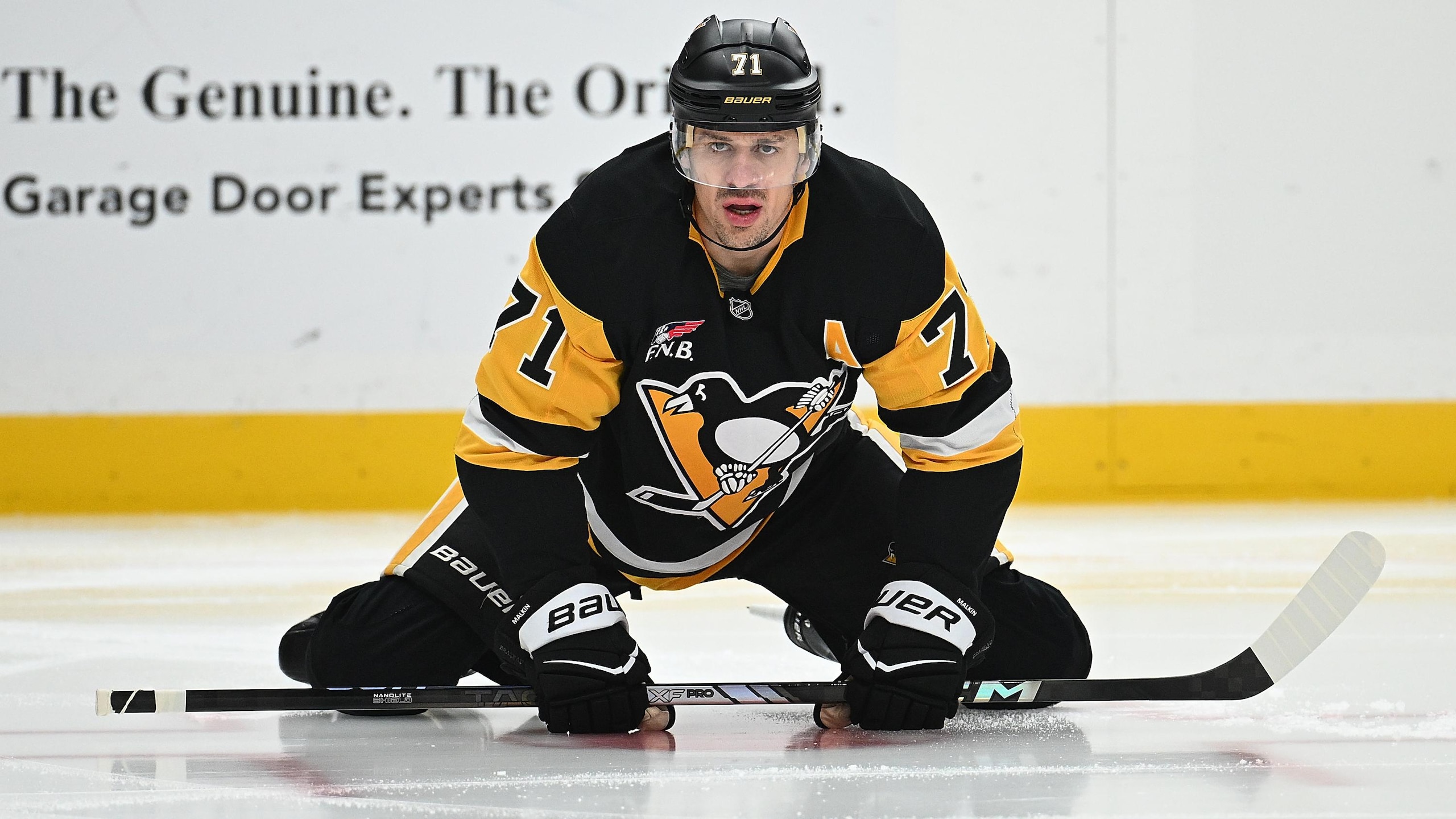
Growing problem: Defensive play
The Pittsburgh Penguins are one of the NHL's biggest surprises this season. After entering the season with the expectation they would be in the Gavin McKenna race, they enter Wednesday with the third-best points percentage in the Eastern Conference.
That is largely because of their offense and surprisingly strong goaltending. Their veteran players, specifically Sidney Crosby, Evgeni Malkin, and Erik Karlsson, are still playing at extremely high levels, while they have also had a nice group of young players make early impacts, including 18-year-old rookie forward Ben Kindel.
They also seem to find some cheap free-agent gems in forwards Justin Brazeau and Anthony Mantha.
The concern is that their overall defensive play leaves a lot to be desired, especially on the left side of their defense, where Parker Wotherspoon, Ryan Shea, and Matt Dumba are playing most of the minutes.
The Penguins sit near the bottom of the league in most advanced defensive metrics and are relying heavily on their goaltending trio of Sergei Murashov, Arturs Silovs, and Tristan Jarry to keep the puck out of the net.
It is working so far. We will see how long it lasts.
San Jose Sharks
23 of 32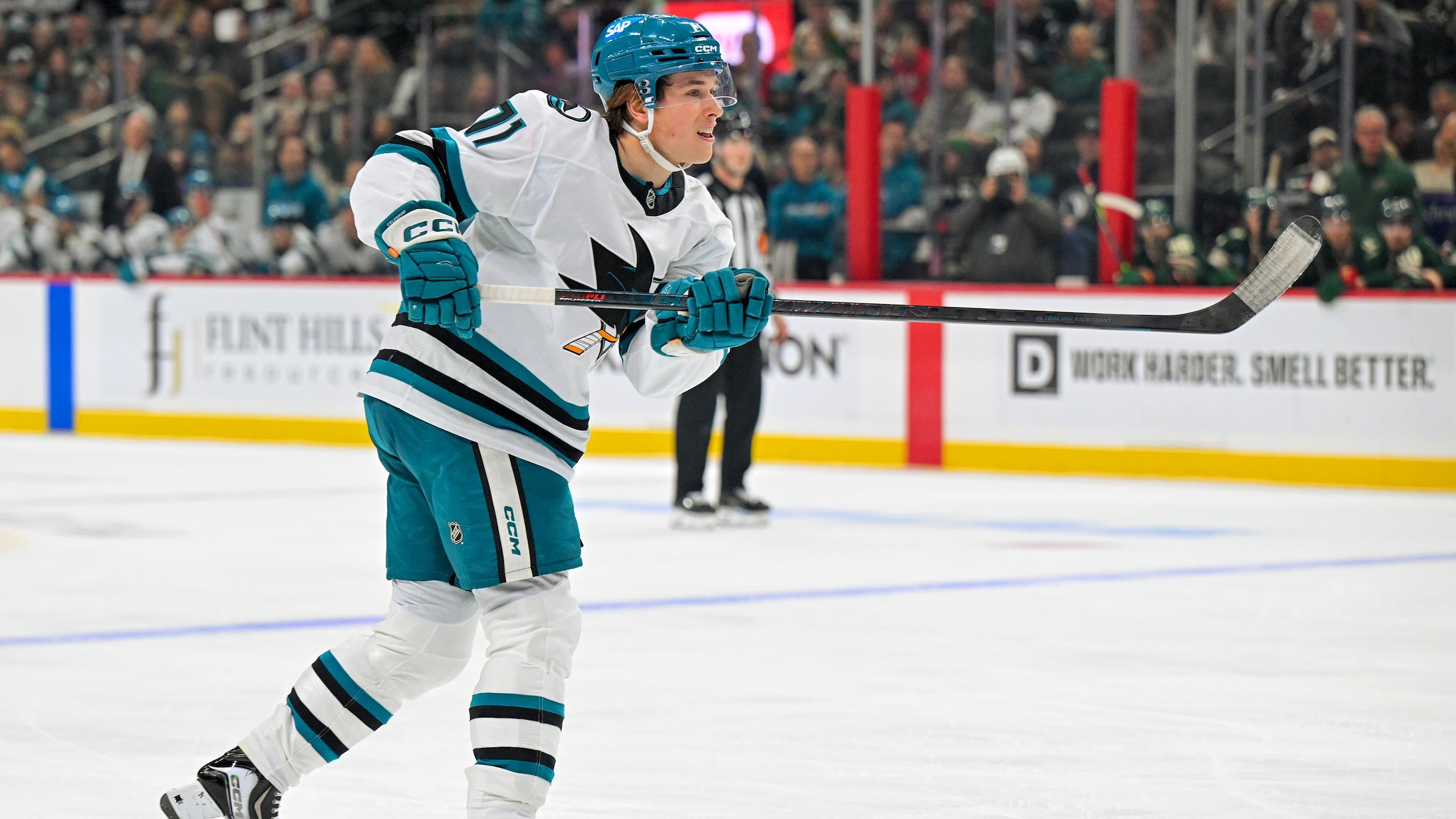
Growing problem: Building around their youth
The biggest goal for the Sharks this season should have simply been putting a competitive team on the ice after a couple of years being ... well ... uncompetitive.
So far, so good, and they have their young core of Macklin Celebrini, Will Smith, and William Eklund to thank for that. They have all been outstanding, and especially Celebrini as he continues his rise to superstardom.
The challenge now is building a competent, competitive team around them.
That is going to be the concern, because right now, there isn't really much to write home about around them. The problem with full-scale rebuilds is how long it takes to rebuild an NHL roster. The Sharks have the foundation. Now they need to build the house.
Seattle Kraken
24 of 32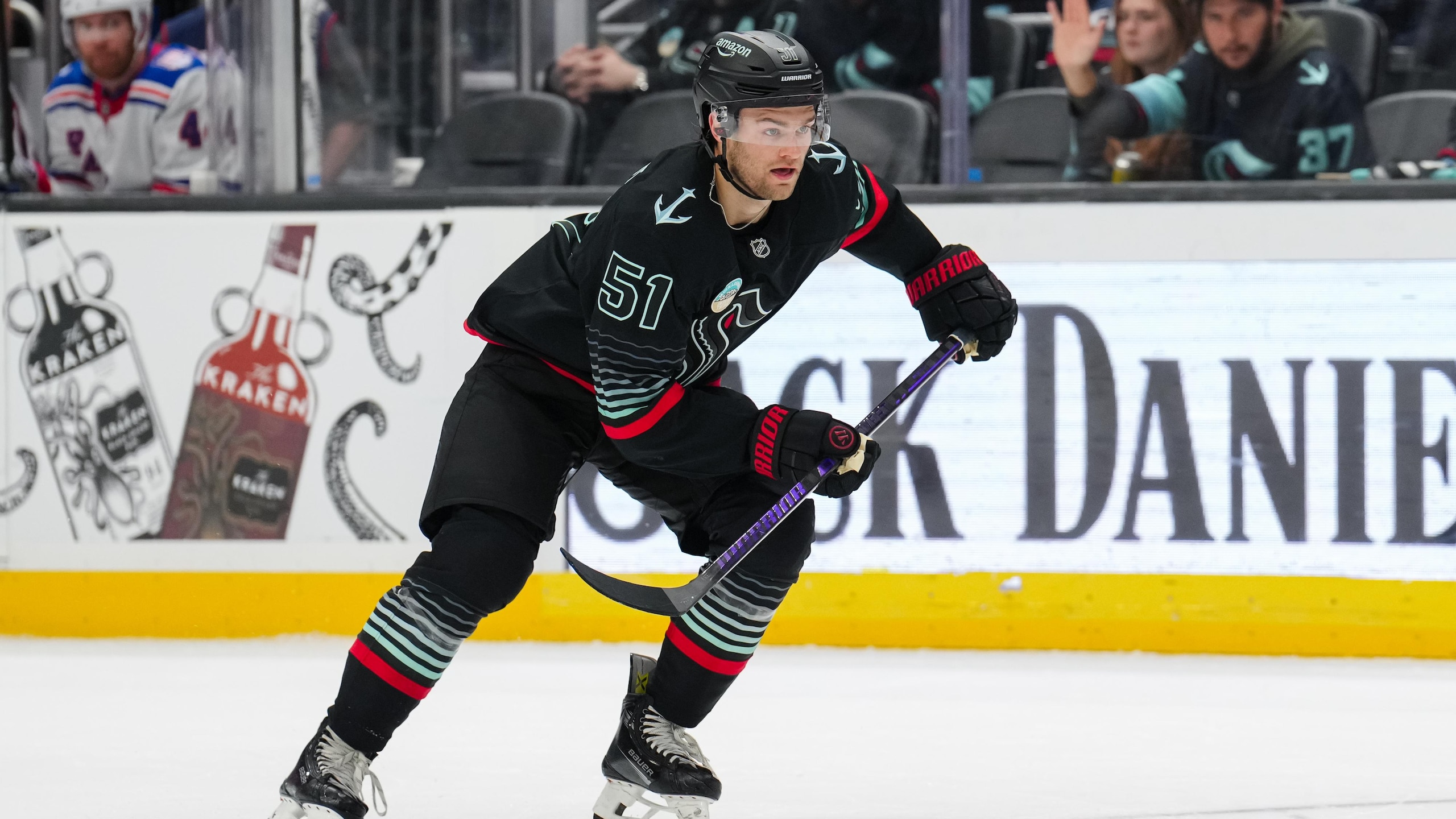
Growing problem: Offense, lack of stars
Jared McCann is a very good NHL player with a lot of valuable skills and talents. He has a role and would be useful for all 32 teams.
That role should not be as a team's top offensive player. But that is what he pretty much is with the Kraken, and when you take him out of the lineup, it makes an already average offensive team even worse.
The lack of an impact player at the top of the lineup, as well as the lack of quality scoring depth, are big concerns for the Kraken.
Their best hope to fix those two problems would be for one of, ideally both, Shane Wright and/or Matty Beniers to have a true breakout. It has not happened yet.
While both players are still relatively young and have time on their side, neither has looked like a franchise cornerstone. At least not yet.
St. Louis Blues
25 of 32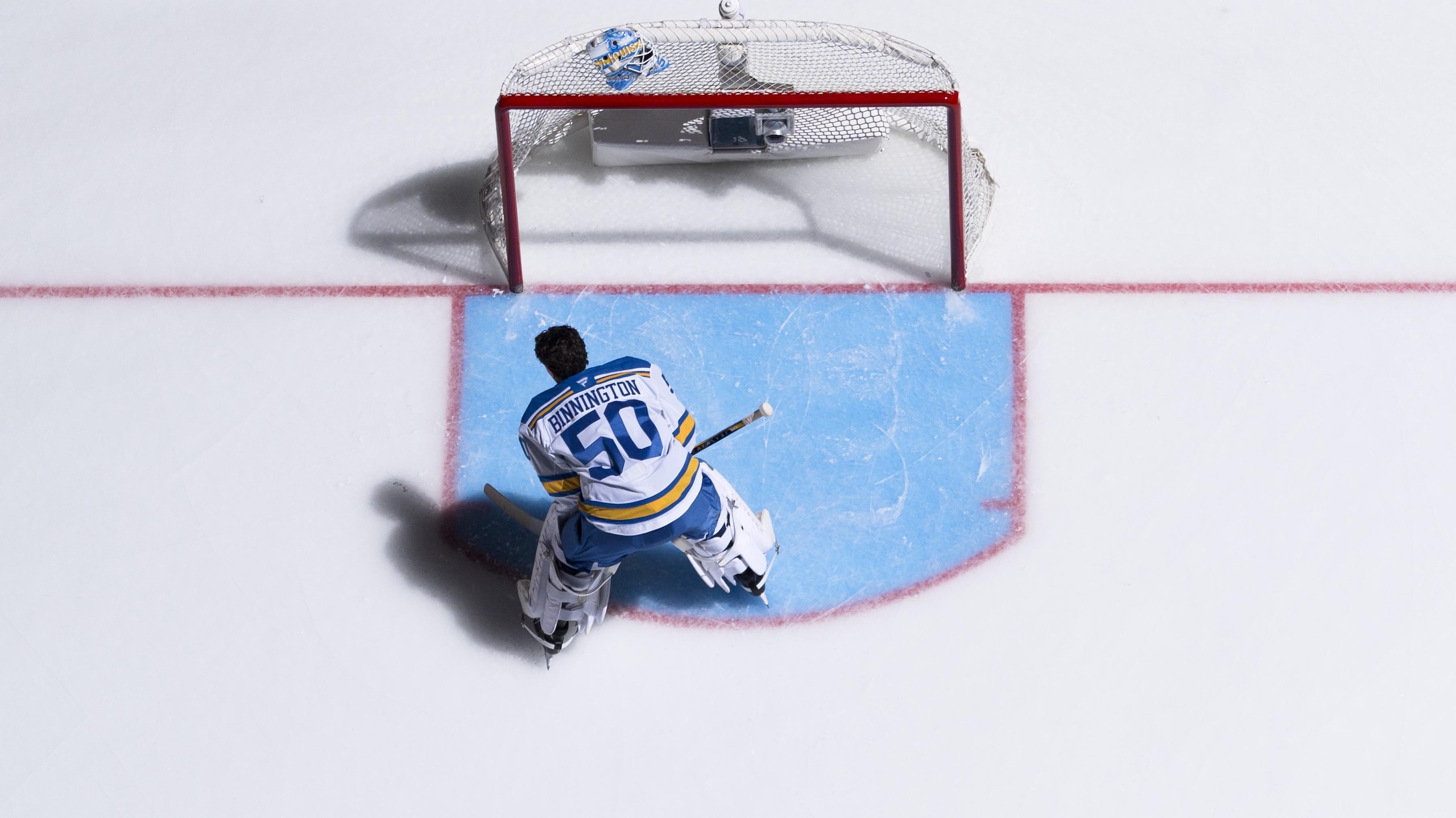
Growing problem: Goaltending
The Blues have problems beyond goaltending, but it's probably the most glaring.
An .863 all situations save percentage is the worst in the NHL, and while there are other issues on the roster, there is nothing that is going to overcome that level of goaltending.
Jordan Binnington might seem like a lock for Team Canada, but right now, the Blues need him to be better than he has been.
Tampa Bay Lightning
26 of 32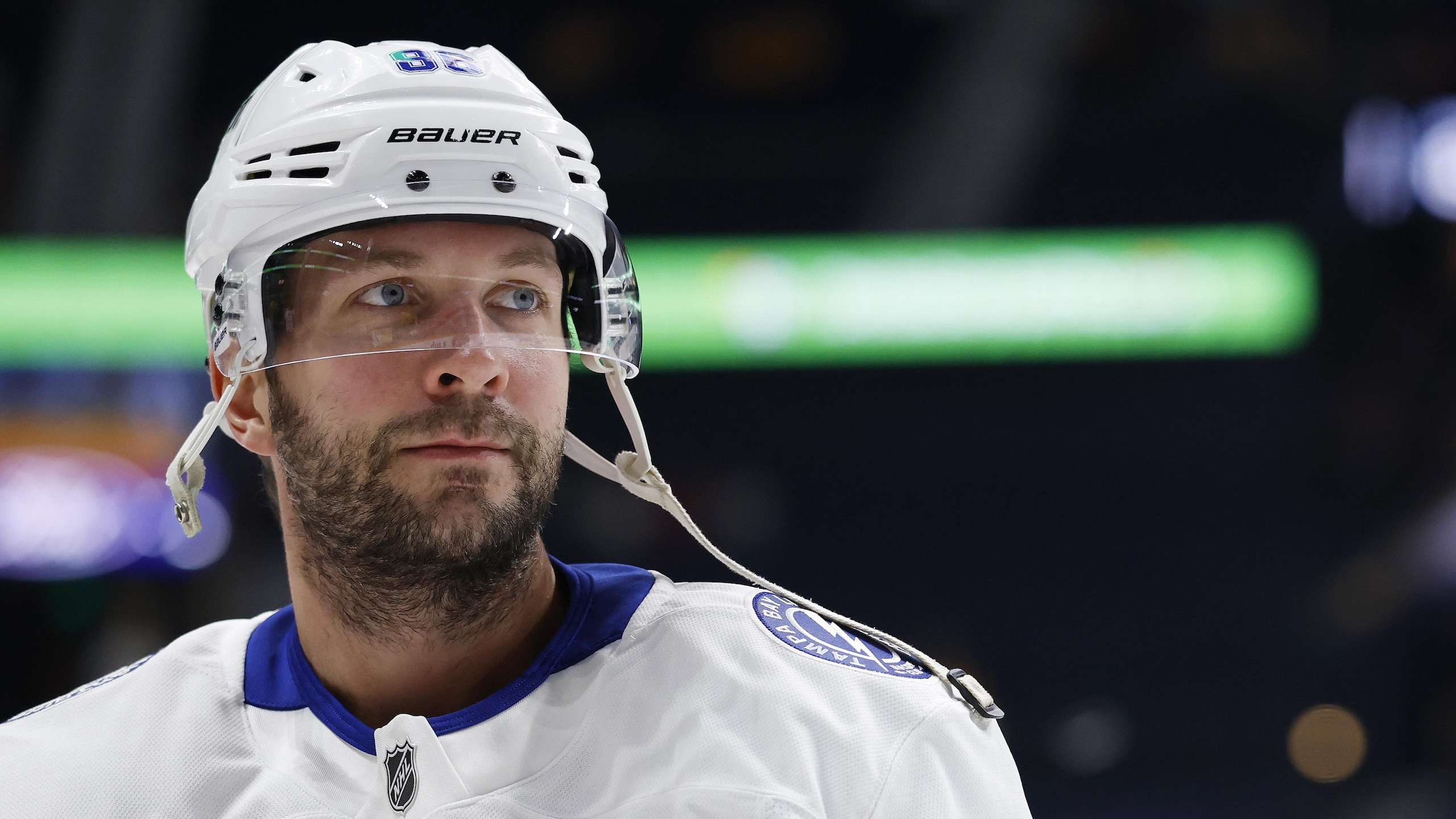
Growing problem: Depth
Just simply depth, at both forward and defense.
The Lightning still have outstanding talent at the top of the lineup, but there are questions as to whether the bottom half of the lineup is still a championship-contending group.
That's especially on the blue line where there is a noticeable gap once you get beyond Victor Hedman, Erik Cernak and Ryan McDonagh.
Toronto Maple Leafs
27 of 32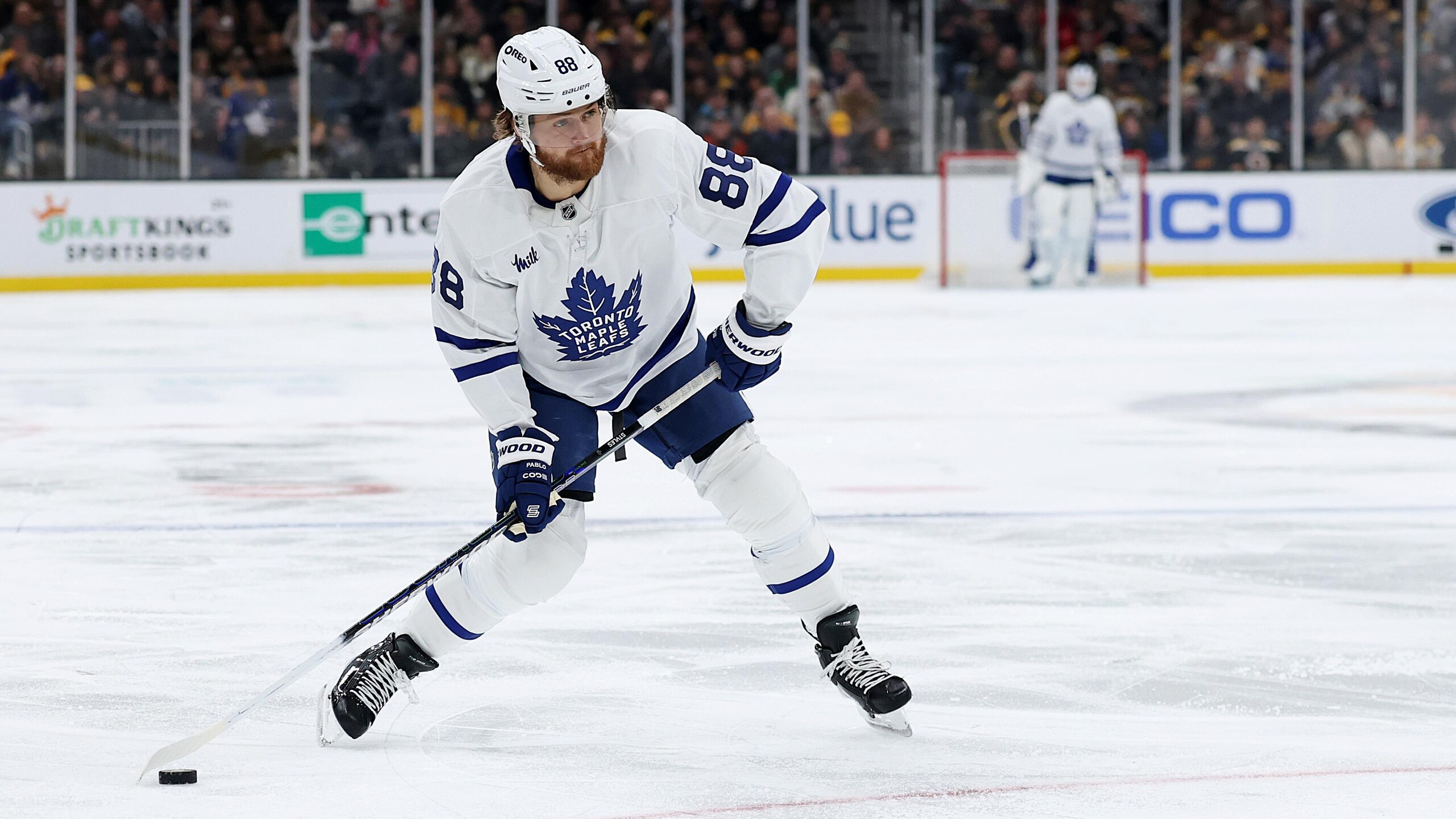
Growing problem: Defensive play
This season is quickly slipping away from the Maple Leafs, and things might really get out of control if they do not figure something out soon.
While they are still scoring goals at a decent rate without Mitch Marner, the lingering question is whether they will have enough offense in the playoffs, which has always been a problem for them.
Before they can answer that question, there is a far bigger and more important one: Can this team even make the playoffs this season?
Their defensive play and goaltending have both been major issues so far, and there does not seem to be a quick fix in sight.
General manager Brad Treliving has exhausted significant assets over the past year and has not received great value back in return.
Replacing Marner with a bunch of third-tier players and trading multiple first-round picks and prospects for Brandon Carlo and Scott Laughton have all left this roster decidedly average on paper and equally average on the ice.
Utah Mammoth
28 of 32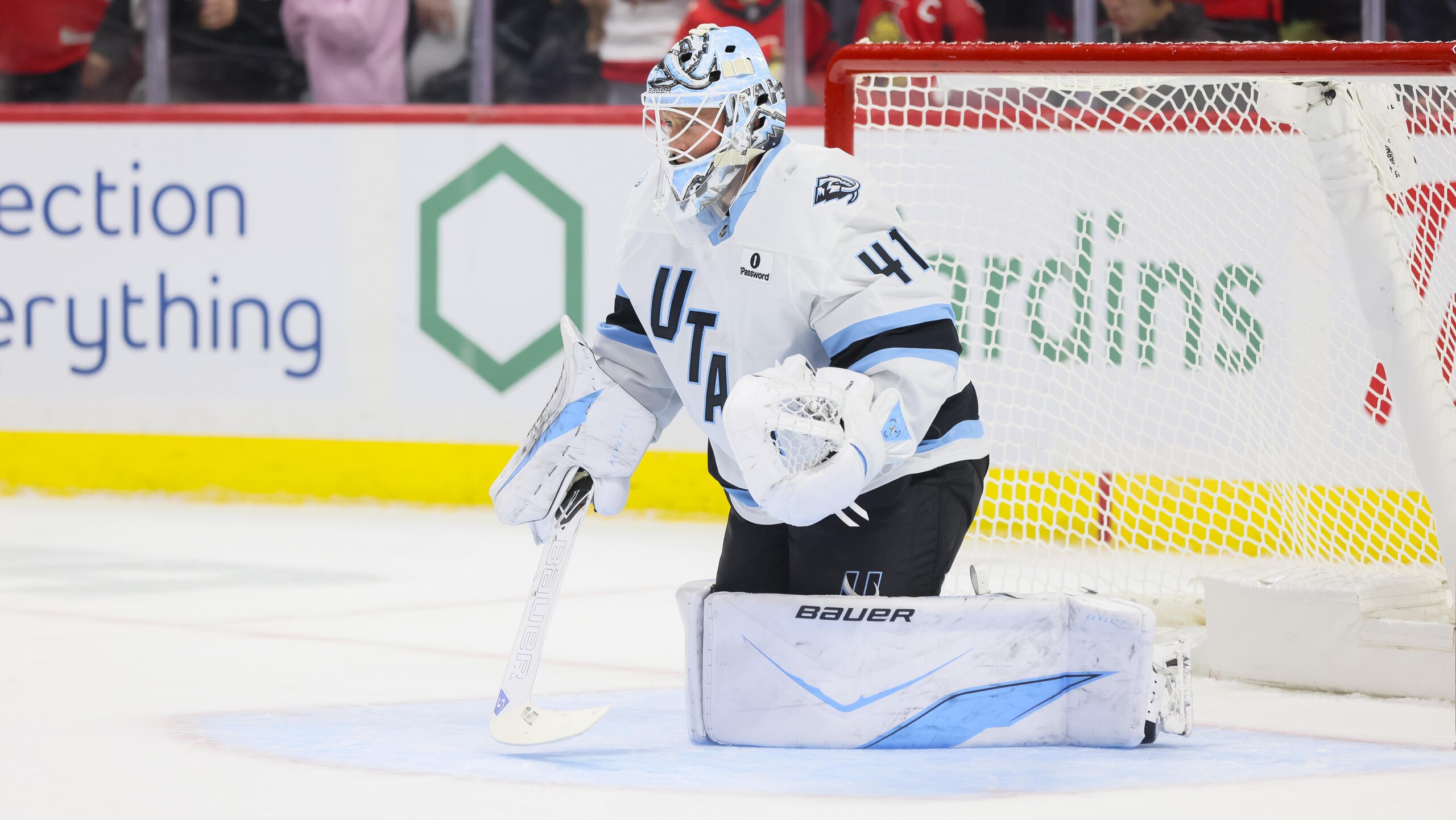
Growing problem: Goaltending
Utah has taken big steps toward building a playoff-caliber roster over the past year and a half. They have acquired Mikhail Sergachev and John Marino to help reshape the defense and followed up this offseason by acquiring J.J. Peterka from the Buffalo Sabres.
Add in the development of young players Logan Cooley and Dylan Guenter, along with the presence of veterans Clayton Keller and Nick Schmaltz, and this roster is pretty deep at both forward and defense.
The one big weakness right now has been the goaltending, where they currently rank 29th in the NHL in all-situations save percentage. Nothing ruins progress faster than bad goaltending. The Mammoth might find out that soon if Karel Vejmelka and Vitek Vanecek do not start playing better. Soon.
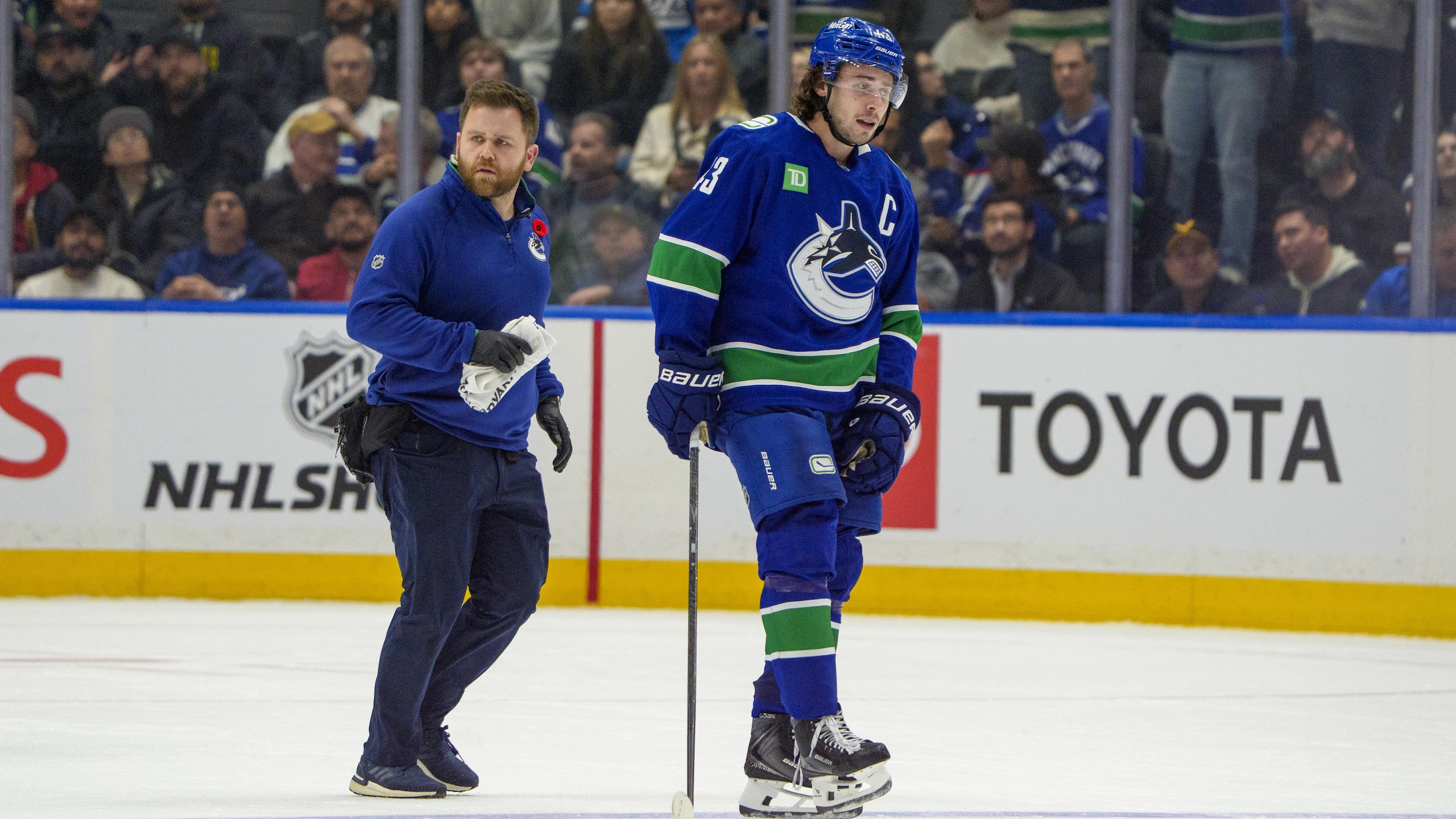
Vancouver Canucks
29 of 32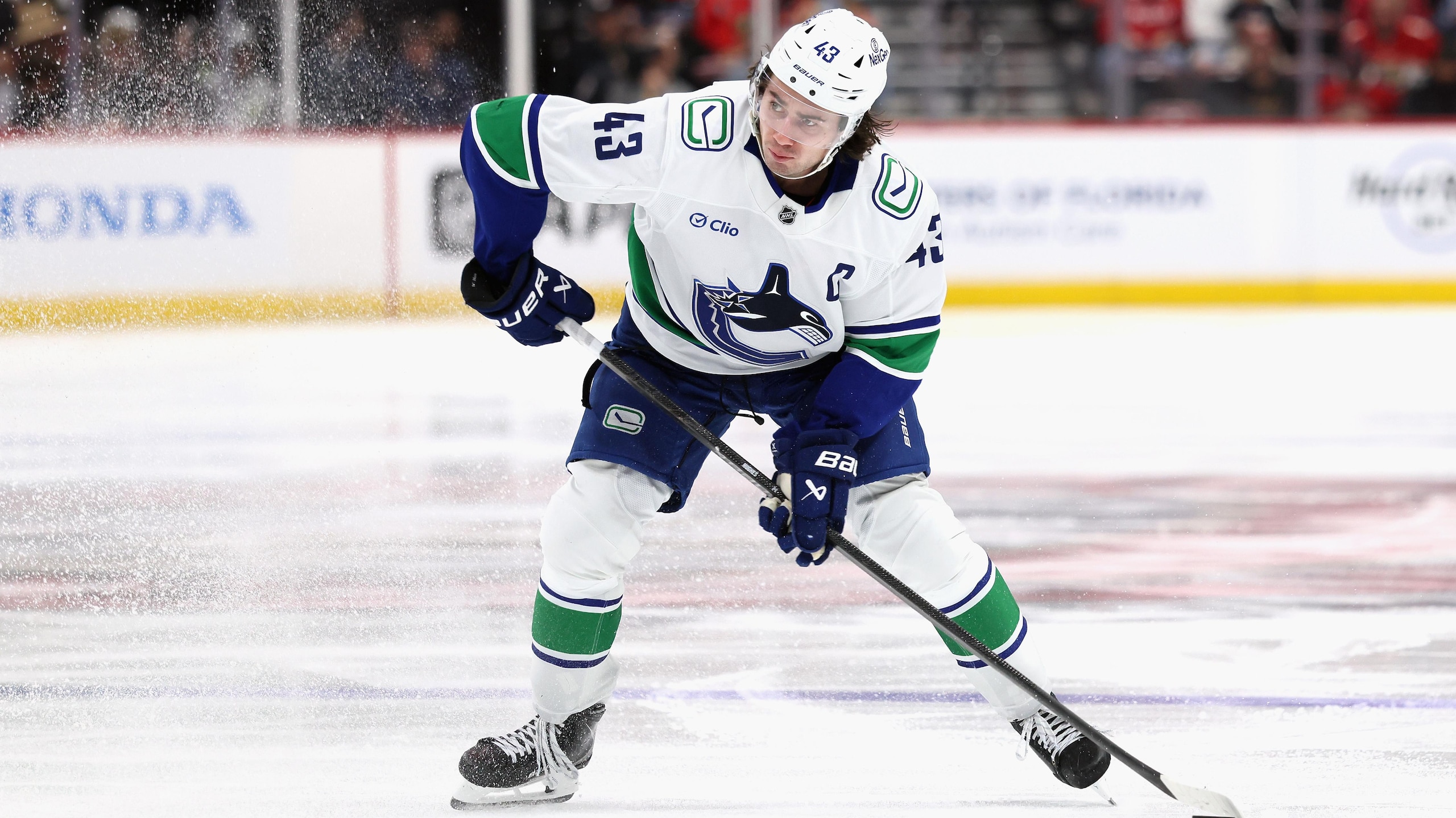
Growing problem: They seem to know Quinn Hughes is going to leave and don't know what to do about it
The big sub-plot to this season for the Canucks is the uncertainty around superstar defenseman Quinn Hughes.
Team president Jim Rutherford keeps talking about Hughes' future, and has acknowledged the very real possibility he might end up playing alongside his brothers, Jack and Luke, with the New Jersey Devils at some point in the near future.
Hughes still has a year-and-three-quarters remaining on his contract, and he is eligible to sign a new contract extension this season.
Given the presence of his brothers on another NHL team, as well as Vancouver's struggles on the ice, it seems likely he will end up across the continent sooner rather than later.
This past week, Rutherford was asked if a potential Hughes decision would kick-start a rebuild, and he said it would not as long as they can get good young players back that can play in the NHL.
He has shown no interest in a rebuild for the Canucks, but it is hard to see a scenario in which the team can be competitive if Hughes asks out. That could lead to an extended run of mediocrity. Perhaps even more mediocre than the team has already been.
Vegas Golden Knights
30 of 32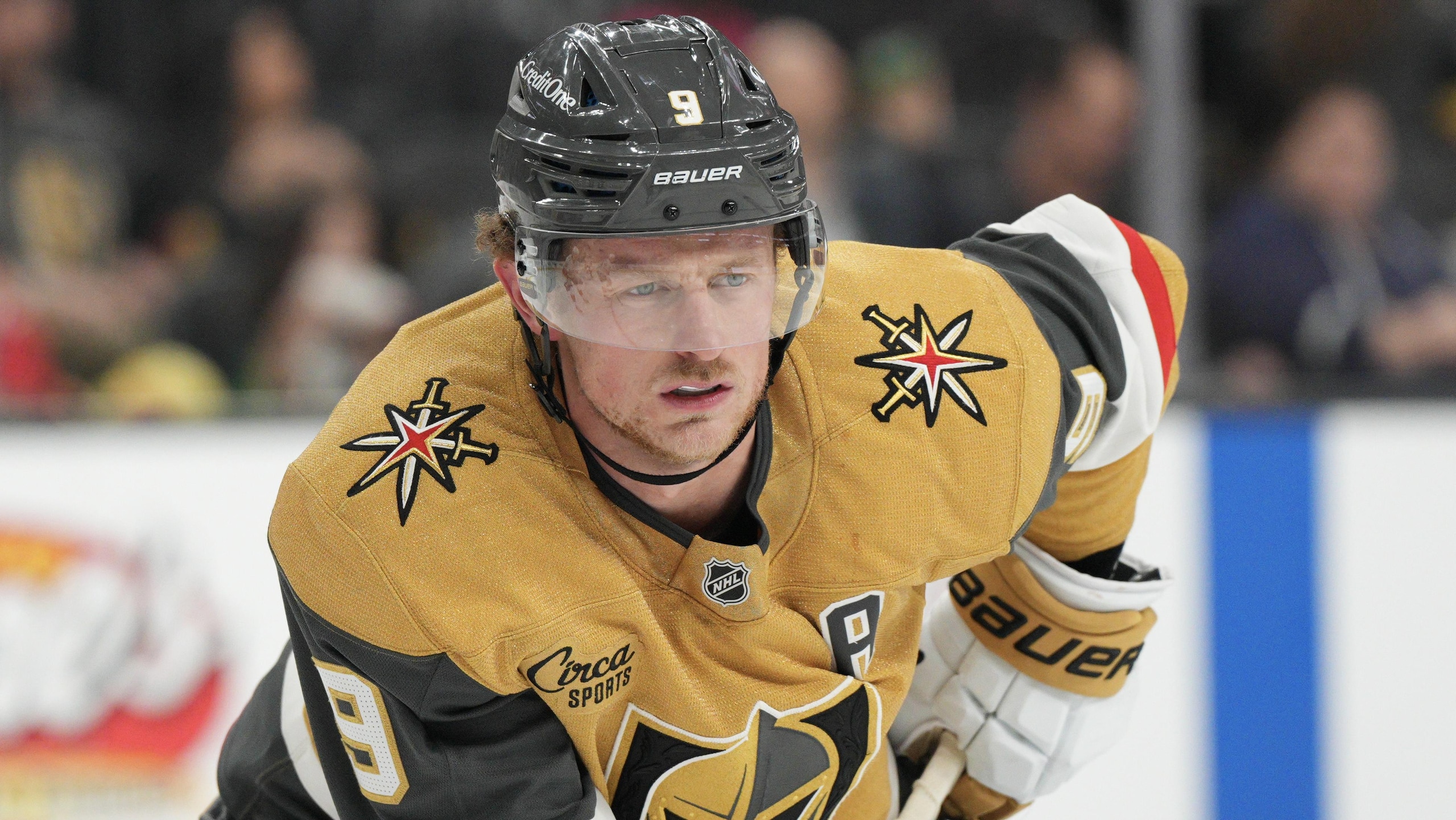
Growing problem: Depth
The Golden Knights have an outstanding core group of talent that should make them a playoff team, and ideally a Stanley Cup contender.
Right now, though, they do not have the depth to reach that championship level.
How bad has the Golden Knights' depth been this season? When top players Jack Eichel and Mitch Marner are not on the ice during 5-on-5 play, the Golden Knights own only a 32.2 percent goals scored share and a 44.1 percent expected goals share.
That's not good enough in the regular season, and it's not going to be good enough in the playoffs.
Washington Capitals
31 of 32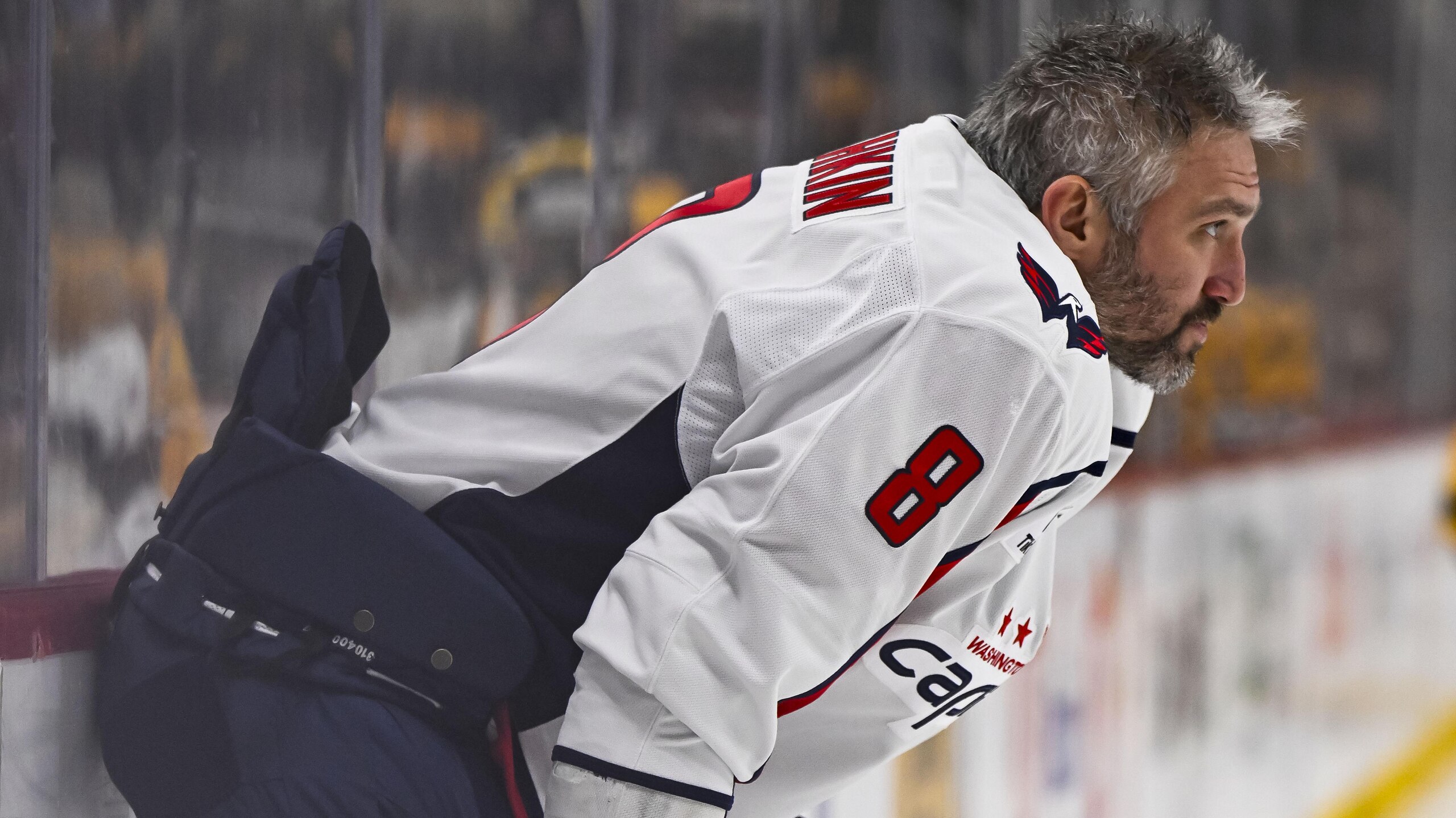
Growing problem: Special teams
The Capitals have the NHL's second-best goal differential during 5-on-5 play and a goalie, Logan Thompson, who leads the NHL in save percentage.
Despite those two facts, they are only 9-8-2 entering play on Wednesday. How is that possible?
A power-play unit that ranks 30th in the NHL at 14 percent, and a penalty-killing unit that ranks 26th in the NHL at 72.6 percent.
Both are crushing their chances this season and ruining what should still be a pretty good NHL roster.
Winnipeg Jets
32 of 32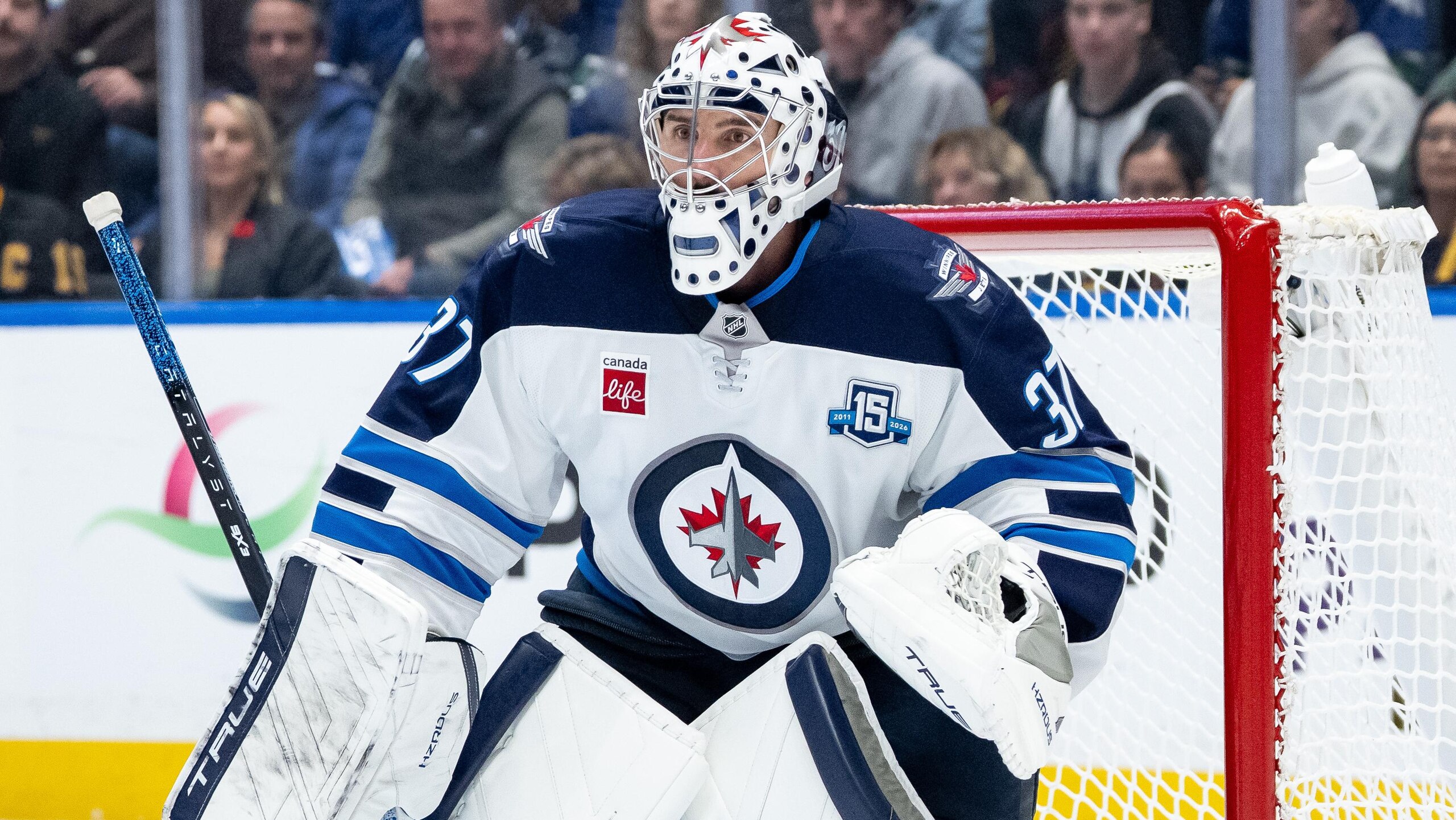
Growing problem: Second-line center
When we last saw Jonathan Toews before the 2025-26 season, he was a shadow of his former self on some bad Chicago Blackhawks teams.
After two years away from the NHL, he is back with his hometown Winnipeg Jets team trying to play a second-line center role. It is not going well.
Winnipeg is being outscored by a 13-6 margin when he is on the ice with a 39 percent expected goals share. It has a lot of depth issues overall, and defensively it ranks 32nd in the NHL in 5-on-5 expected goals share and expected goals against per 60 minutes of 5-on-5 play.
All of those numbers are concerning, and the Jets' lack of quality depth is a big part of that. While there are significant flaws all over the lineup, the second-line center spot is easily the most glaring.
Top players Mark Scheifele, Kyle Connor, Joshua Morrissey and starting goalie Connor Hellebuyck are carrying them right now. They will not be able to take them all the way to a Stanley Cup on their own. They need more help.

.jpg?w=2560)

.jpg?w=2560 "Myles Garrett Got Warning 👀")