

NBA training camps are in full swing, every team is undefeated and every player is in the best shape of his life.
If you could measure collective optimism around the league, it might be peaking right about now. Improvement is certain! Progress guaranteed! Everyone, everywhere, will take a leap.
Let's narrow it down to one player per team, just to keep things reasonable in these hyperbolic times.
A breakthrough can mean something different for every player. Some improve enough to seize a rotation role for the first time, while others vault from a reliable-starter level to stardom. Growth doesn't stop there. In the rarest cases, players everyone agrees are special take that final step toward generational greatness.
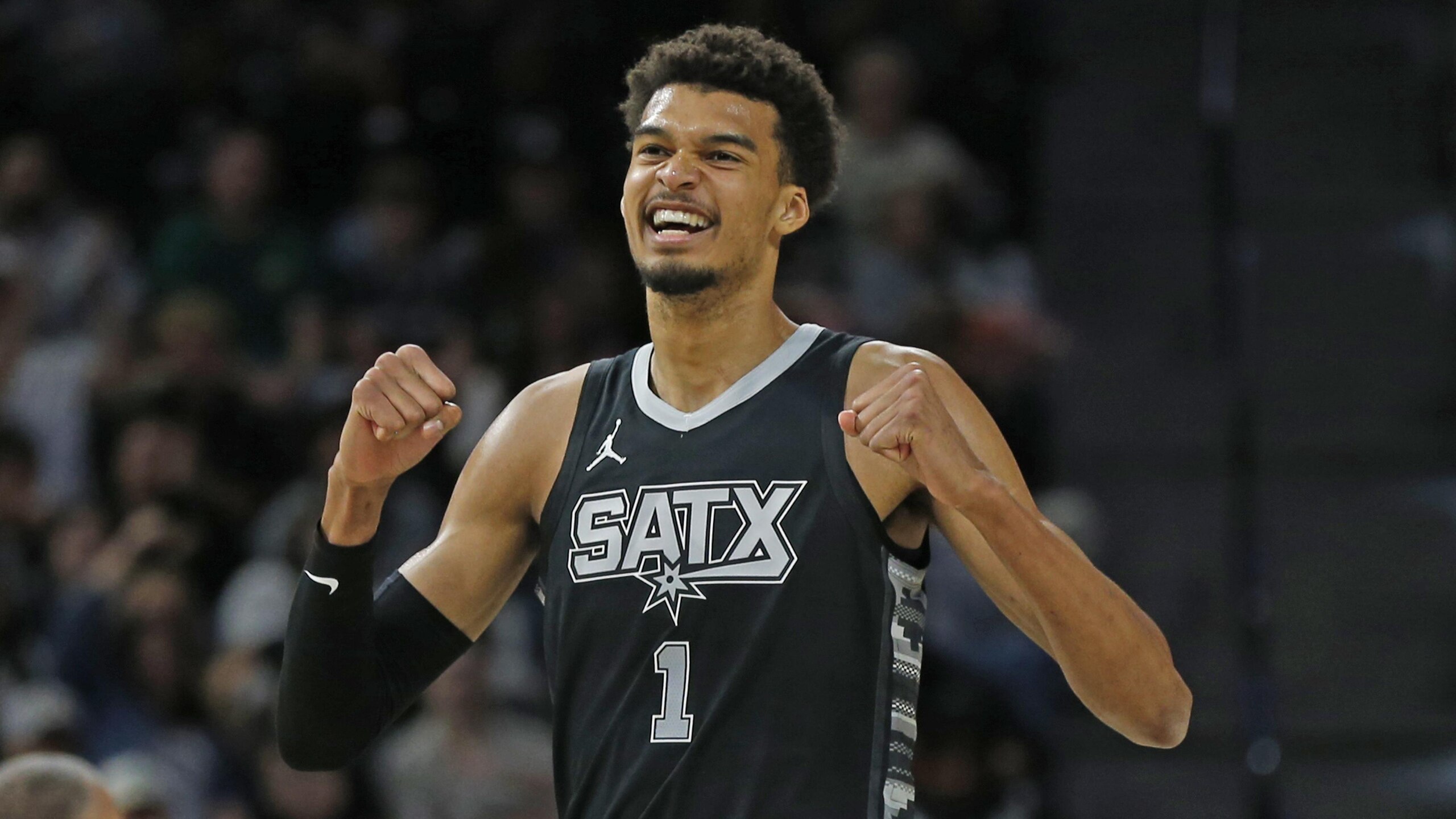
And yes, this is a preemptive justification for choosing Victor Wembanyama as the San Antonio Spurs' representative.
Every team has several players with upside. Here, we'll choose the one with the greatest capacity for growth in 2025-26.
Atlanta Hawks: Jalen Johnson
1 of 30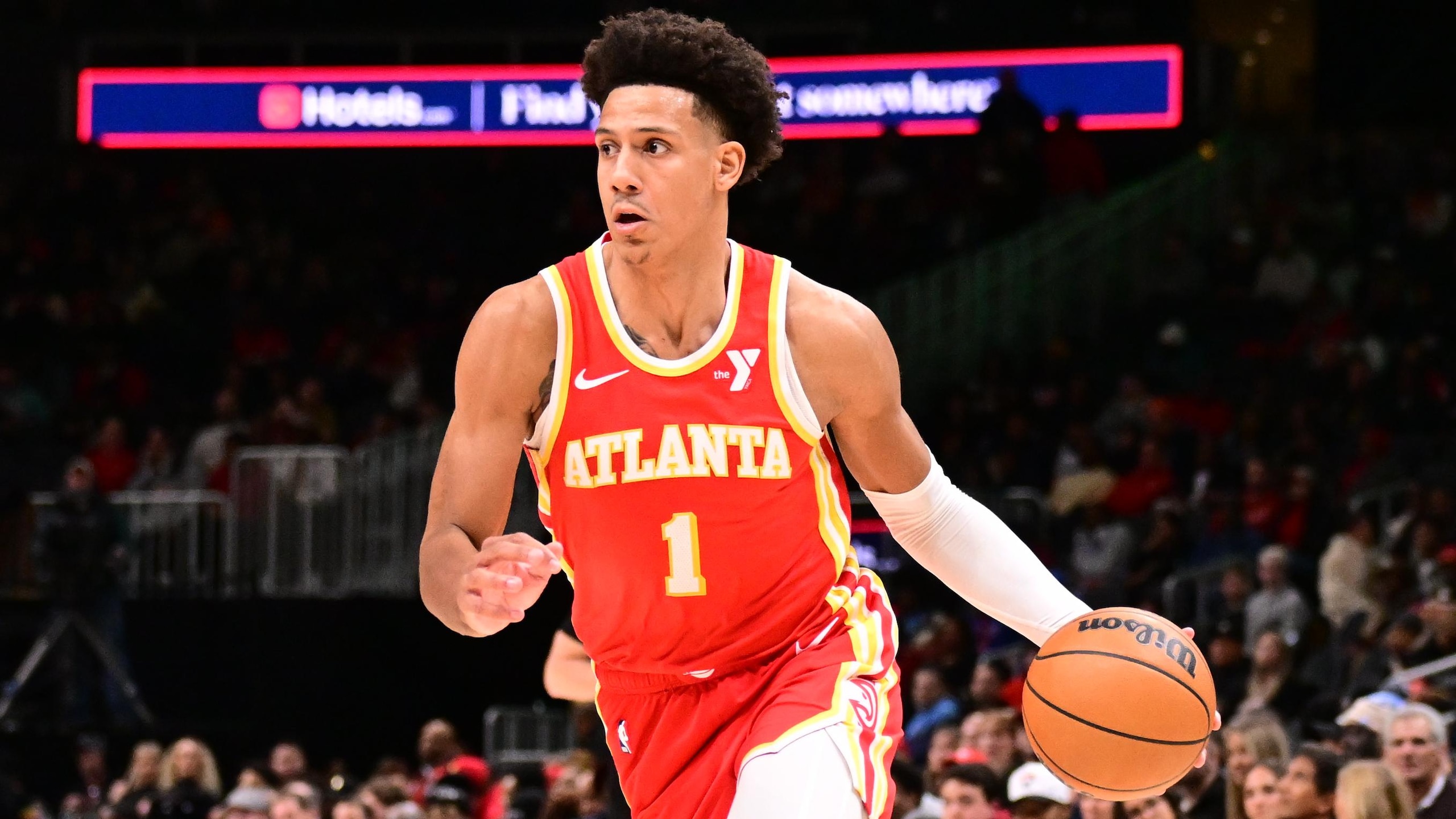
All Jalen Johnson has to do is prove last year's numbers—18.9 points, 10.0 rebounds, 5.0 assists in 35.7 minutes per game—are real. Stats like those are terrific, particularly for a 23-year-old with an ideal big-wing frame. But it's hard to trust them when they only come over a 36-game sample.
Johnson got off to a white-hot start, missed a handful of games in early January and suffered a torn labrum on January 23. The injury required surgery, putting a period on what could have been a breakout season.
The Hawks are defined by Trae Young and a collection of early-to-mid-20s support pieces. The list includes Dyson Daniels, Zaccharie Risacher, Onyeka Okongwu and even new addition Nickeil Alexander-Walker.
Johnson is the one with the most potential. If he can continue his stat-stuffing ways while getting his three-point percentage back to the 35.5 percent he shot in 2023-24, he could emerge as an All-Star—especially if his production has Atlanta in the East's top four when voting concludes.
Boston Celtics: Neemias Queta
2 of 30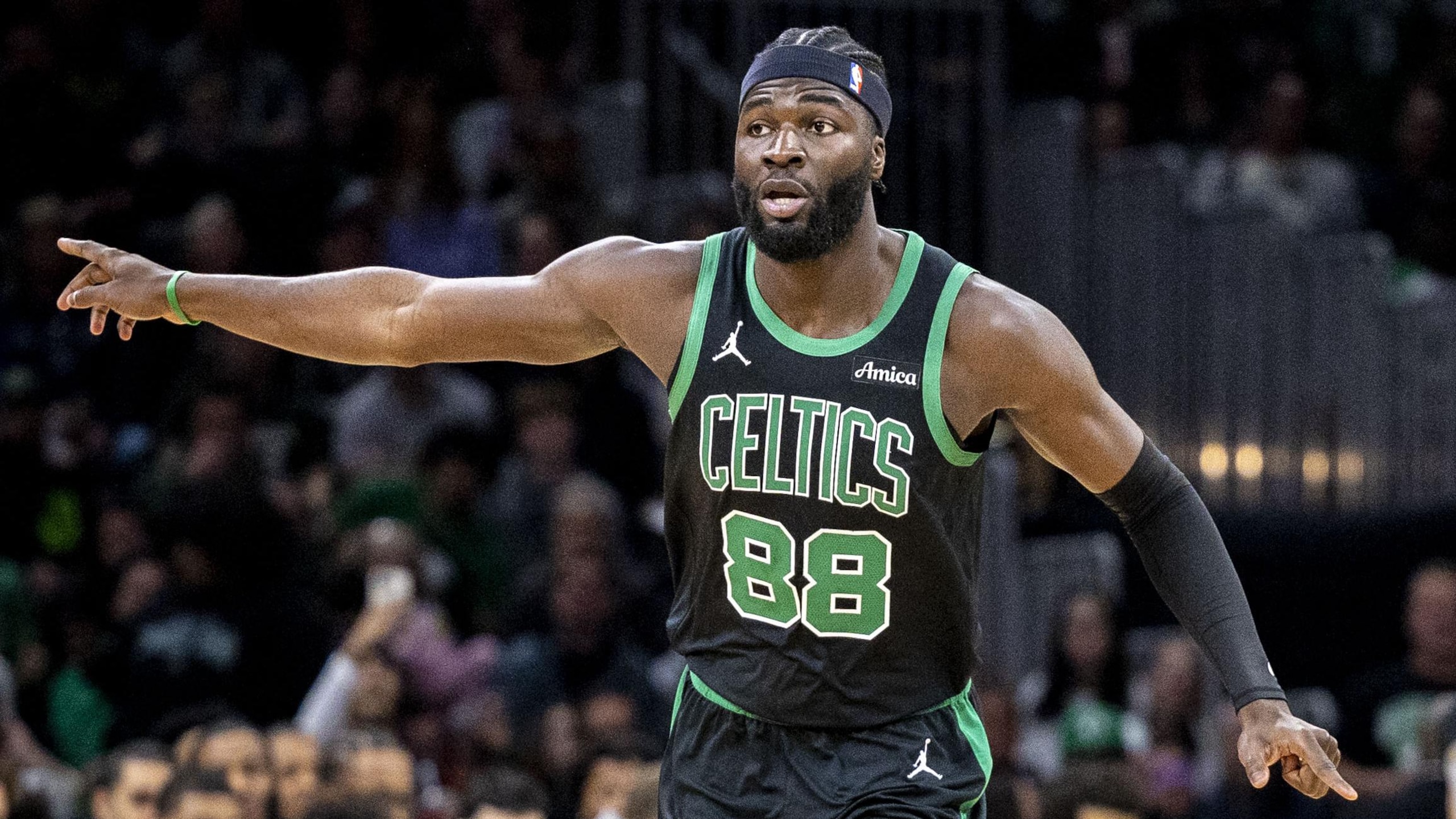
Neemias Queta has never averaged more than 5.5 points or 4.4 rebounds in a season, but the runway is clear for him to blow those figures away as a potential starter for the Boston Celtics.
Al Horford, Kristaps Porzingis and Luke Kornet are all gone from last year's center rotation, and a strong showing for Portugal in EuroBasket—15.5 points, 8.0 rebounds and 1.7 blocks—suggests the 26-year-old Queta can seize a major role.
Though he has four years of NBA service, Queta has only appeared in 110 games. While that limited track record comes with questions about his processing speed on both ends and no demonstrated floor-stretching skill, the 7-footer plays hard and has the size-mobility combo to physically overwhelm opponents inside. He'll go up and get lobs most can't, and his motor will earn the Celtics loads of extra possessions on the offensive boards.
Never more than a journeyman and G League star in the past, Queta is going to emerge as a legitimate starter and finish the season as Boston's best big man.
Brooklyn Nets: Day'Ron Sharpe
3 of 30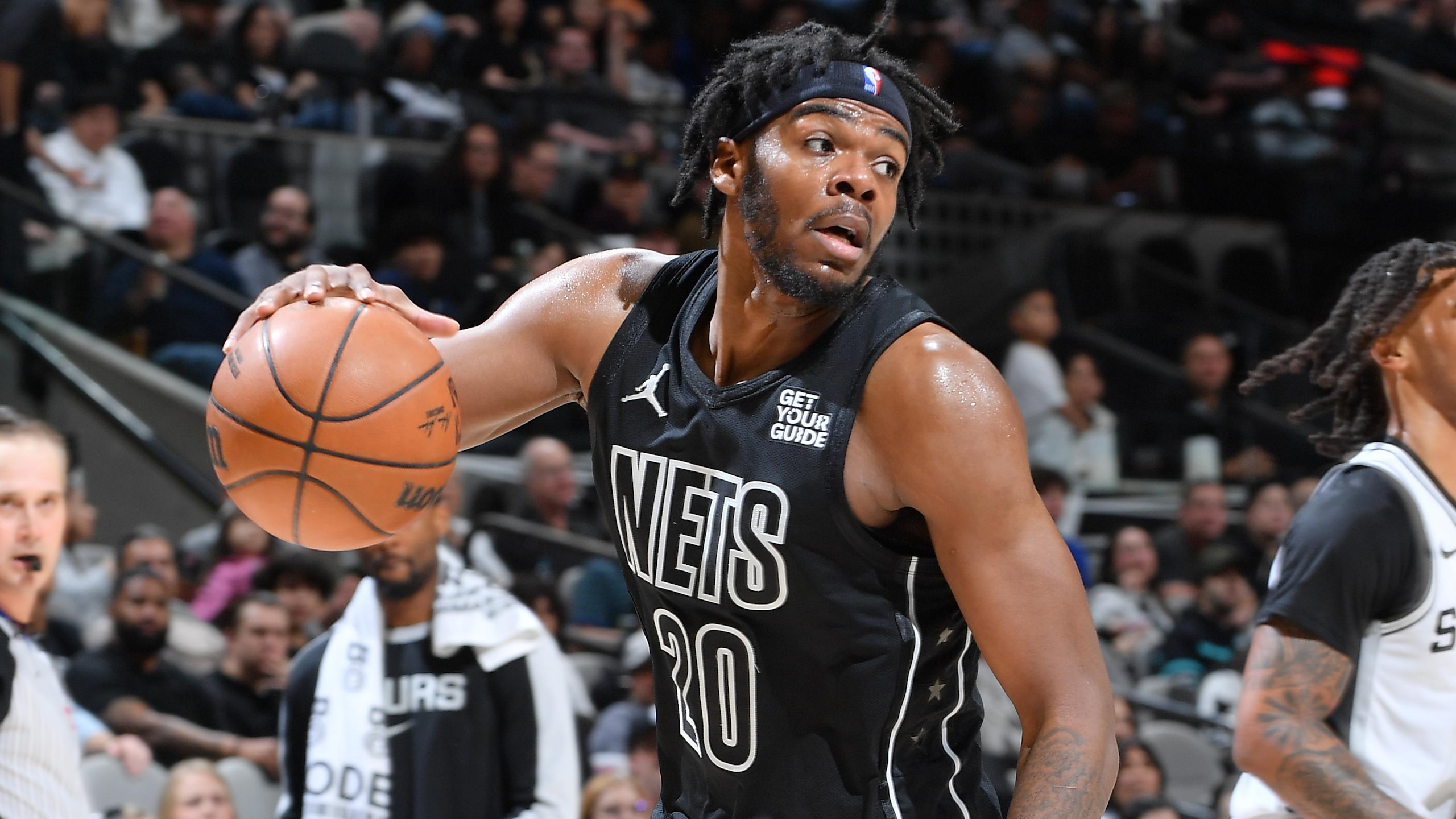
It may take a Nic Claxton trade to unlock the possibility, but Day'Ron Sharpe has as much breakout potential as anyone on the Brooklyn Nets—if we exclude the 47 different rookies they project to use in their rotation.
Sharpe's three-point shooting remains theoretical, but at least he's working on it. A little stretch would be a nice bonus, but the burly 6'10" big man is most likely to make a major impact by dominating the glass. If given the minutes, Sharpe's elite offensive rebounding rate (98th percentile among bigs last year) could make him a sneaky pick to lead the NBA in boards.
He gobbled up 13.1 rebounds per 36 minutes last year and hasn't been below 13.0 in any of his four professional seasons.
Considering the number of missed shots a Nets offense led by rookie ball-handlers should produce, Sharpe will have ample opportunities to do what he does best. And if he takes over a starting gig, double-doubles will become a nightly norm.
Charlotte Hornets: Brandon Miller
4 of 30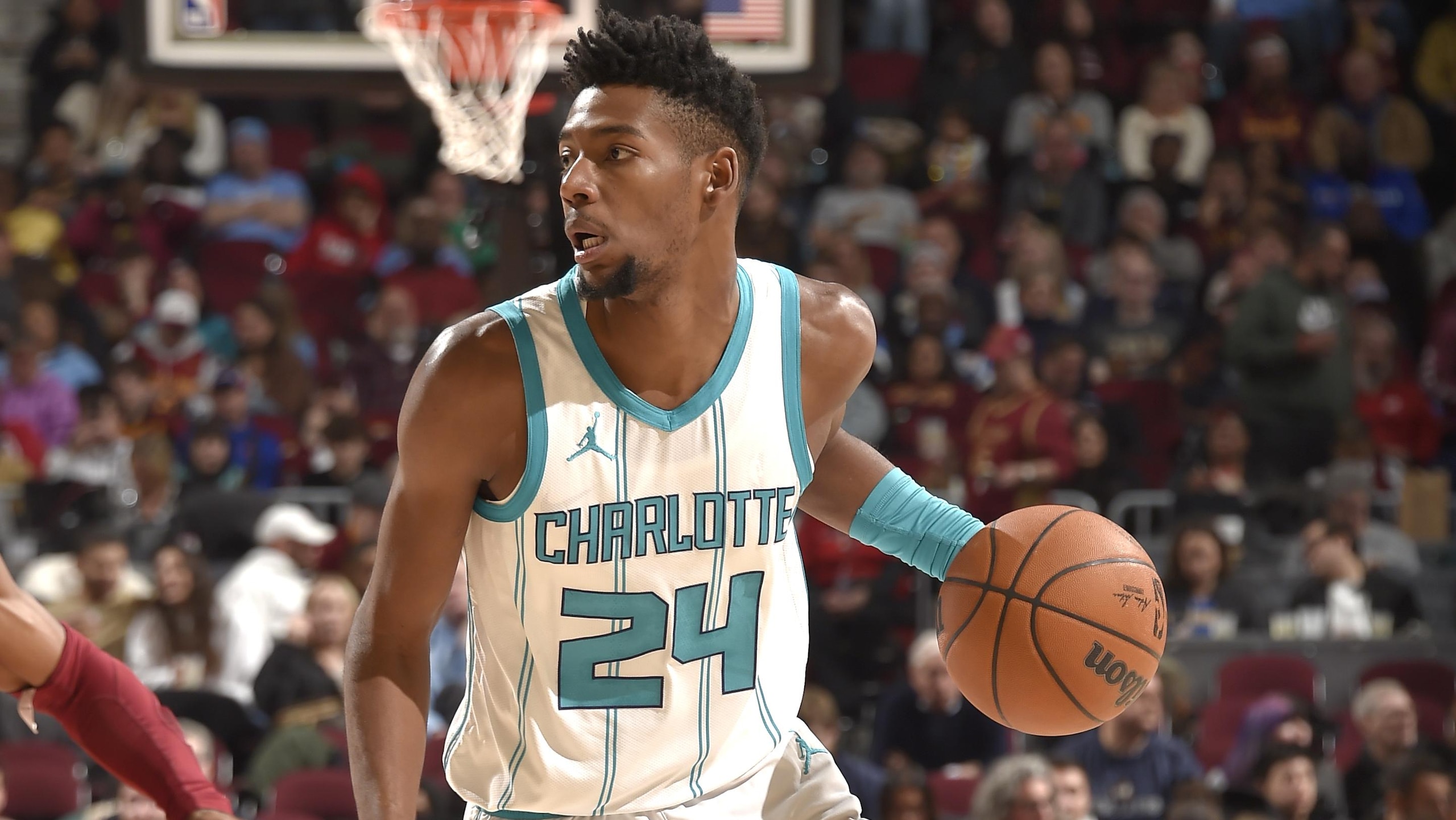
Brandon Miller played a different role as a sophomore than he did as a rookie, firing off above-the-break threes at much higher rates, reducing his drives despite playing more minutes on average and generally trying to fit in as a spacing support piece to LaMelo Ball.
The counting-stat results were solid, as Miller upped his scoring average from 17.3 to 21.0 points per game, but the gains came at the cost of efficiency. After posting a 55.2 true shooting percentage in 2023-24, Miller slipped to 54.0 percent last year—an expected dip in a higher-usage role. His season ended after just 27 games due to a right wrist injury.
A projected leap has as much to do with Miller's No. 2-pick pedigree as it does with the intriguing gains he made as a passer and high-volume three-point shooter. Quietly, he upped his assist rate from 11.4 percent to 18.4 percent while adding over 5.0 additional three-point attempts per 100 possessions.
The time he spent working on his left hand during last season should result in even more dynamic facilitation, and the extra shooters Charlotte added will give him more breathing room on the perimeter.
Chicago Bulls: Matas Buzelis
5 of 30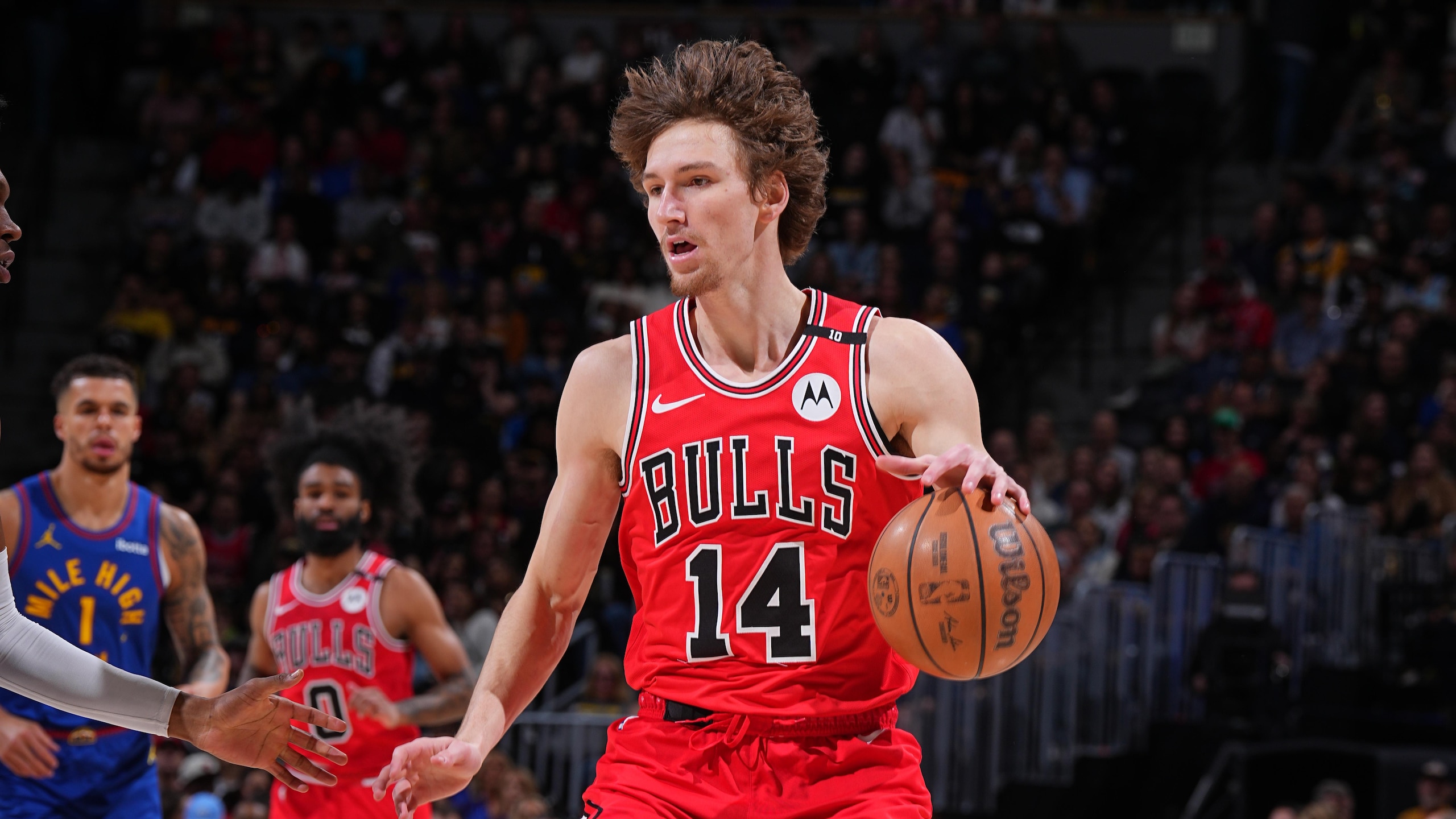
Matas Buzelis is going to get a shot to prove he can do more than cut, spot-up and accumulate stats through effort in his second season. Per Julia Poe of the Chicago Tribune: "Bulls coach Billy Donovan believes Buzelis can develop into a true secondary ball hander, a catalyst for the offense."
The second-year forward didn't thrive in that role across two Summer League games, turning the ball over eight times and logging only two assists. While he may not be ready for stardom just yet, this new opportunity will still allow him to leverage high-end hustle and physical tools that earned him a second-place finish in Rookie of the Year voting last season.
Buzelis offered a glimpse of the future once he took on full-time starting duties after the All-Star break, posting 13.0 points, 4.8 rebounds and 1.9 assists on a 46.7/36.1/83.3 shooting split. That's solid work for a rookie in an expanded role, even if that only meant 26.8 minutes per game.
That stat line should represent a floor for the hard-charging forward.
Cleveland Cavaliers: Jaylon Tyson
6 of 30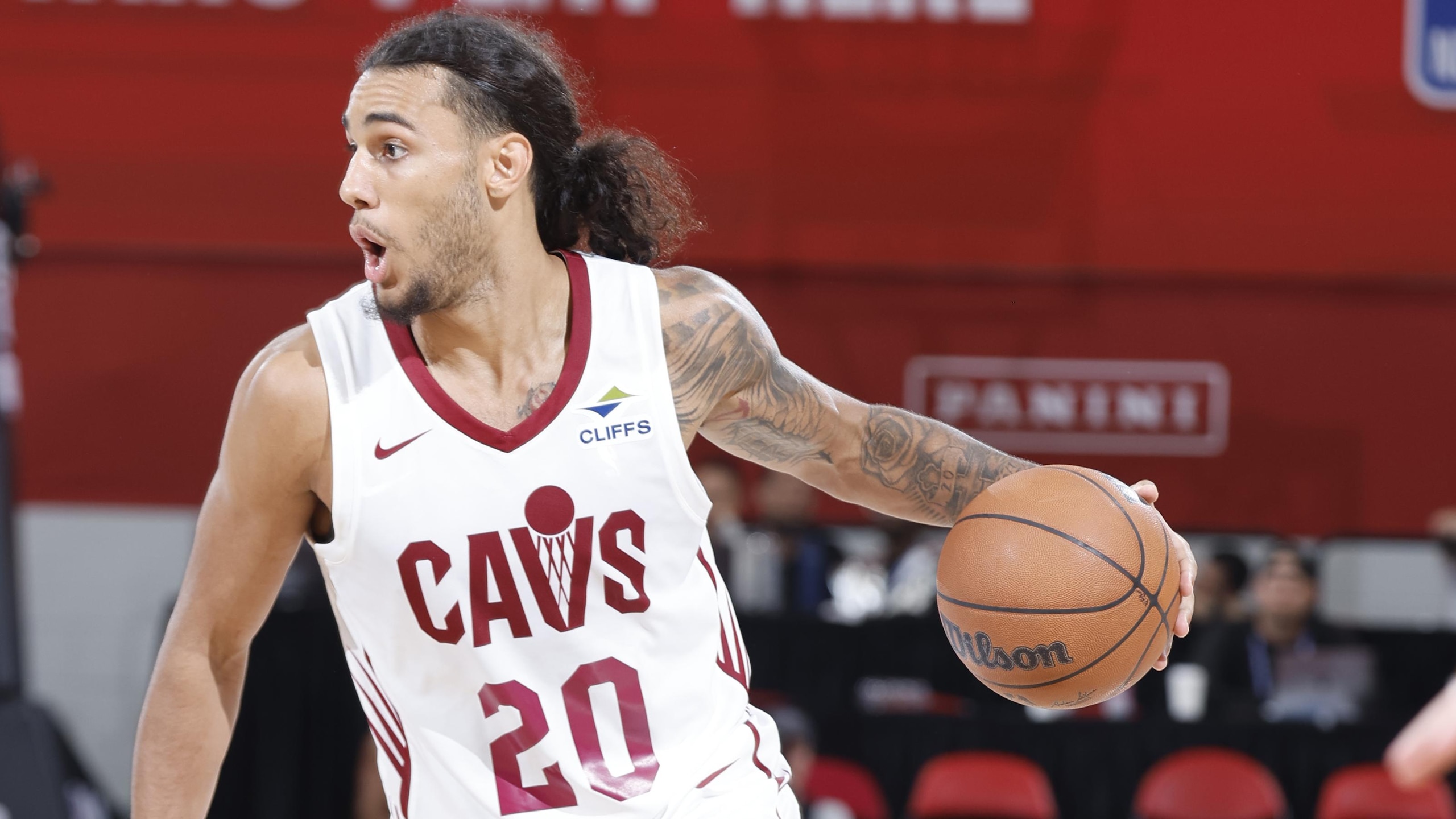
Jaylon Tyson might have wound up on an All-Rookie team last year if he hadn't landed with the deep, talented, win-now Cleveland Cavaliers. With several more experienced options ahead of him in the 2024-25 rotation, the 6'6" wing never got the extended minutes necessary to showcase his mix of hustle, ball-handling and beyond-his-years savvy.
When Tyson actually saw significant time, he excelled. In three starts, he averaged 17.0 points, 7.7 rebounds and 5.0 assists.
With Max Strus and Darius Garland set to miss the start of the season, Tyson should have a much clearer pathway to playing time. Cavs head coach Kenny Atkinson told reporters he envisions Tyson being "a real contributor" this season.
In the wake of last year's G League stats (16.8 points, 8.6 rebounds and 5.2 assists) and a sterling Summer League effort (19.7 points, 6.0 rebounds and 6.7 assists), the Cal product seems likely to seize his opportunity and never let it go.
Dallas Mavericks: Max Christie
7 of 30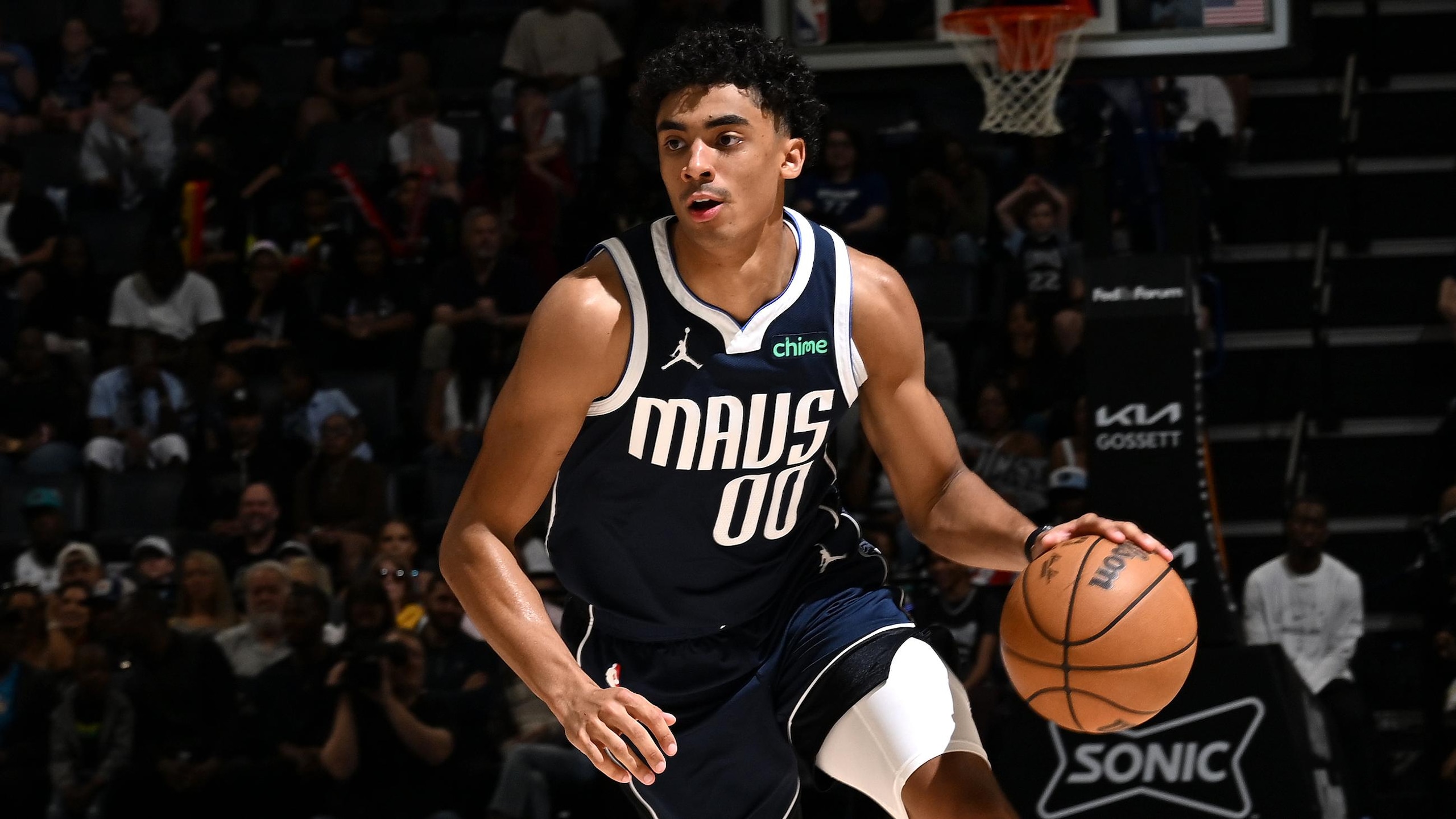
Cooper Flagg can't really make a leap because he doesn't have a previous NBA track record on which to improve, and Dereck Lively II simply has too much competition for playing time on a Dallas Mavericks roster bursting at the seams with big men.
So with the Mavs' top two youngsters disqualified, Max Christie gets the nod.
The 22-year-old blew the doors off in his first few games with Dallas last year, putting up 14.1 points per game on a 47.8/44.0/82.1 shooting split across the month of February. He tailed off after that, though the decline could have been attributable to fatigue. Christie had never occupied such a high-usage role in his time with the Los Angeles Lakers.
The frontcourt roster crunch that may prevent a Lively breakout has a flip side. Dallas is painfully thin at the guard spots, which should give Christie a shot at serious playing time. If he can knock down his threes while solidifying himself as an on-ball defender against 1s and 2s, he'll get all he can eat alongside D'Angelo Russell in the Mavericks backcourt.
Denver Nuggets: Cam Johnson
8 of 30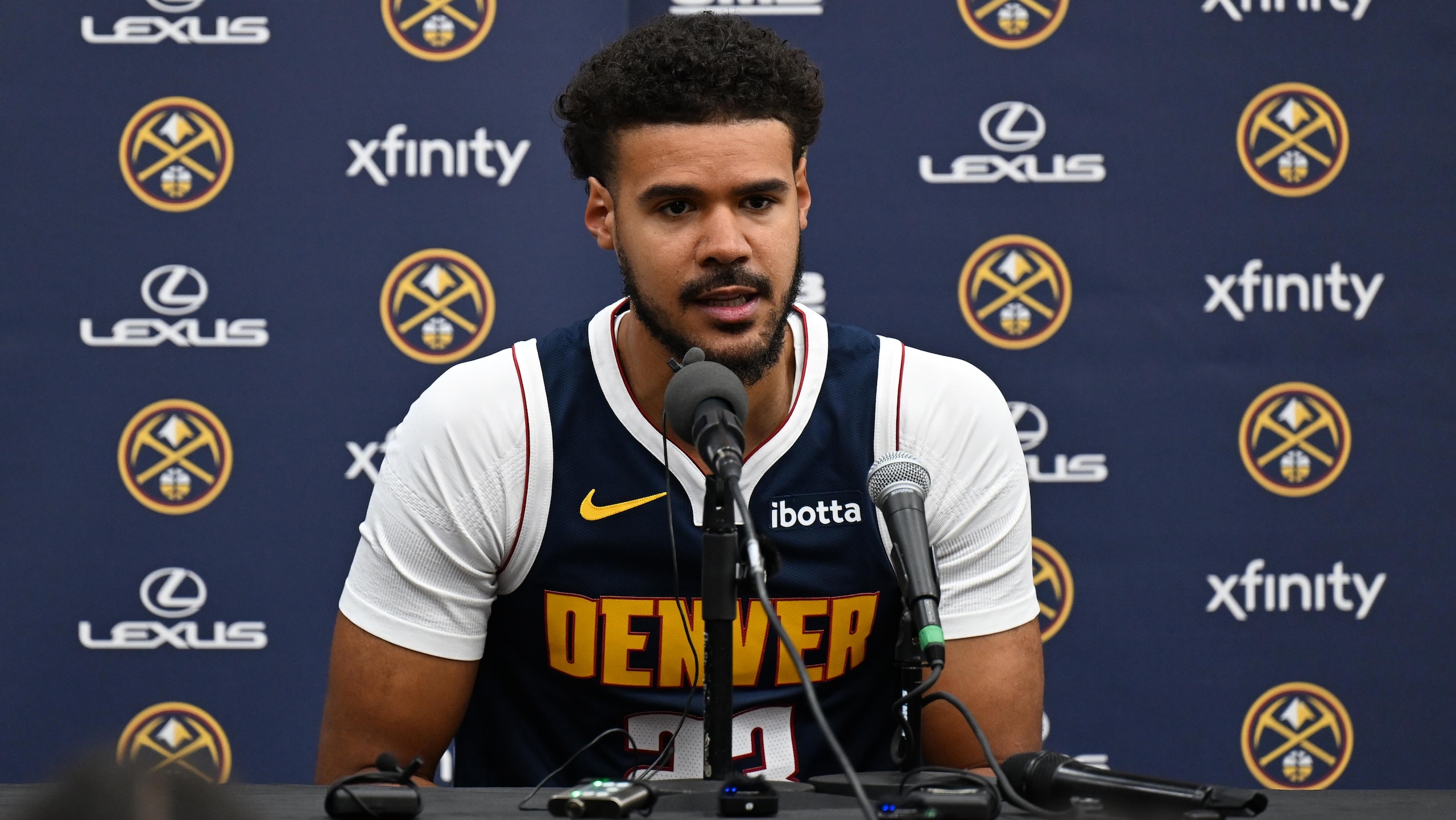
We're about to see the best season of Cam Johnson's career because, well...Nikola Jokić tends to have that effect on his teammates.
The reverse is true, too. Everyone watched Kentavious Caldwell-Pope's game fall apart in Orlando last year.
Choosing Bruce Brown Jr. for this spot would have been a bit too much, but the underpinning logic holds up. Brown was better than ever when Jokić was setting him up in 2022-23, and he parlayed that performance into the biggest contract of his career. Unsurprisingly, Brown didn't enjoy the same success during a two-year sojourn that took him to Indiana, Toronto and New Orleans.
Johnson has had several seasons better than Brown's best, and he has already shown the ability to excel next to an ace setup man. He shot 42.5 percent from deep and finished third in Sixth Man voting when Chris Paul was diming him up in 2021-22. Johnson has had higher-volume scoring seasons since then, but that career-best efficiency never resurfaced.
Now slotting into Michael Porter Jr.'s vacated role on a contending Denver Nuggets team, Johnson is positioned to pair last year's career-best volume (13.1 shots per game) with his peak efficiency levels of the past.
Detroit Pistons: Ausar Thompson
9 of 30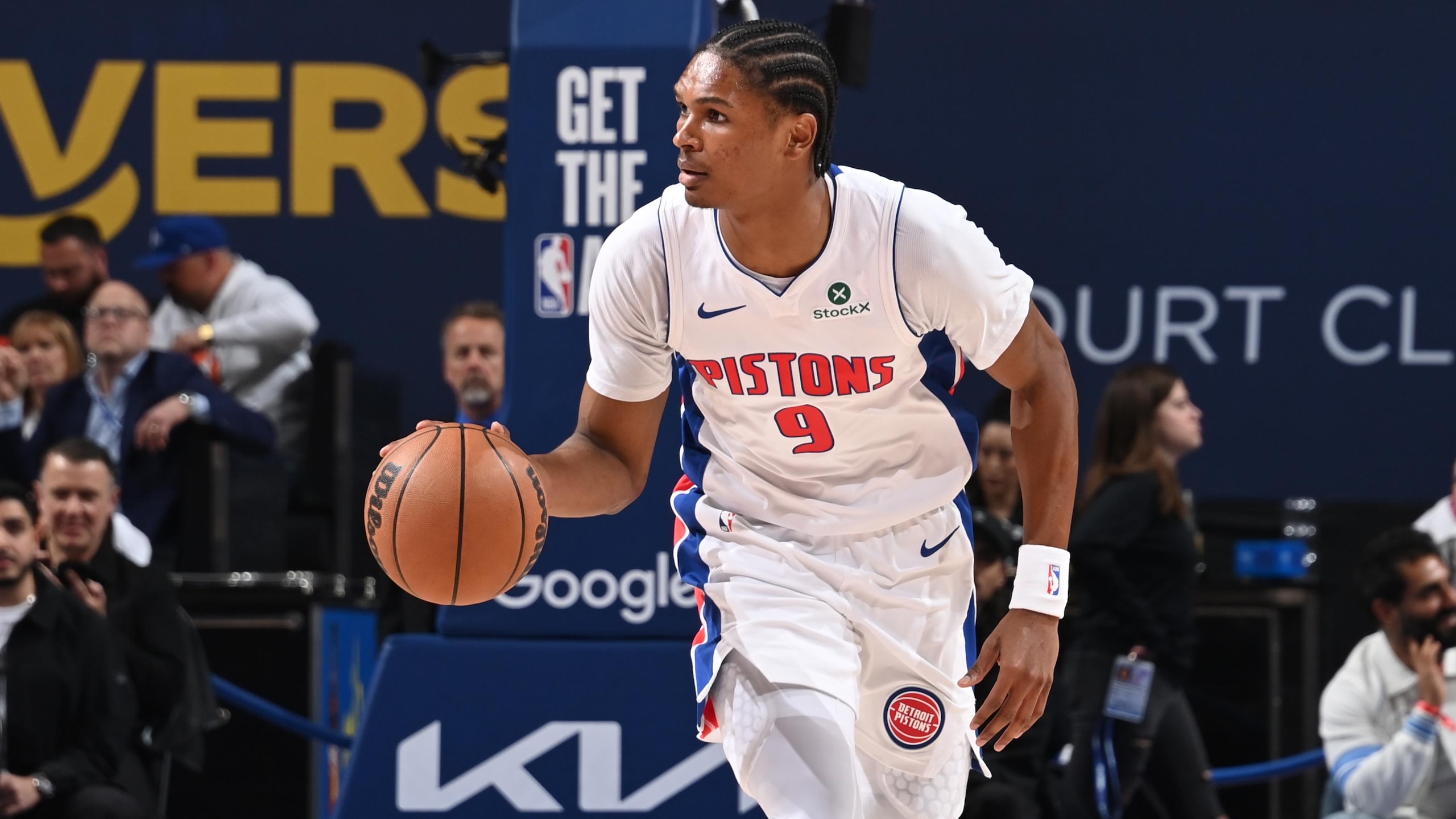
If he never figures out how to hit a perimeter shot, Ausar Thompson will have a hard time reaching superstardom. But if you think he's topped out after two injury-hit seasons, you've got another thing coming.
Even if that jumper never comes around, Thompson has loads of room to improve on the impact he already makes on defense, as a rebounder and in transition.
Last season, he produced a 96th-percentile steal rate and a 98th-percentile block rate among wings. His offensive and defensive rebounding numbers were also elite, and the Detroit Pistons were markedly better in transition whenever he was on the floor.
Cade Cunningham was the only Pistons player with a higher Estimated Plus/Minus than Thompson last year. That's a per-minute stat, which is relevant because Thompson only saw 22.5 minutes per game in 2024-25. If he gets no better and Detroit simply bumps up his playing time, he has a chance to be one of the most positively impactful wings in the league.
Golden State Warriors: Brandin Podziemski
10 of 30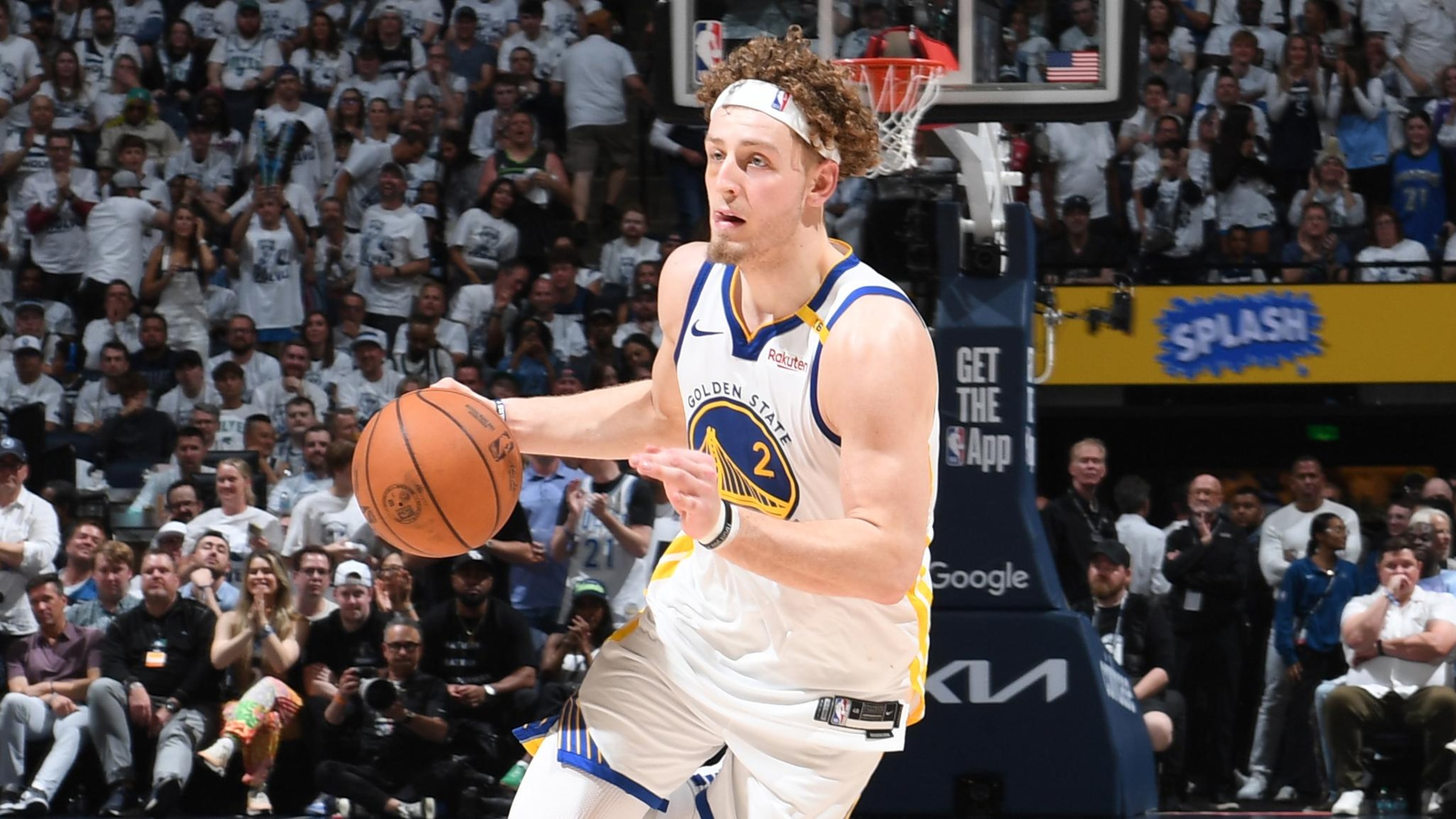
Brandin Podziemski drew more charges than anyone in the league since he debuted in 2023-24, and he's boosted the Golden State Warriors' net rating by at least 6.0 points per 100 possessions when on the floor across both of his professional seasons.
This year, a player who has always done the little things will take a leap by improving in more conspicuous areas.
Podz has graded out as merely a middling pick-and-roll operator, posting points-per-possession figures around the 50th percentile for his career. Defenses don't tend to fear him as a scoring threat in those situations, but he can change that by making quicker decisions and proving he can generate shots for himself in one-on-one situations.
More consistent three-point shooting will paper over some of his athletic limitations as well, and it's encouraging to note that he found his stroke as last season went on. A frigid start gave way to 43.8 percent shooting from deep after the All-Star break. Don't bet against him beating his post-ASG averages of 15.5 points, 5.9 rebounds and 3.3 assists on 59.0 percent true shooting.
Houston Rockets: Amen Thompson
11 of 30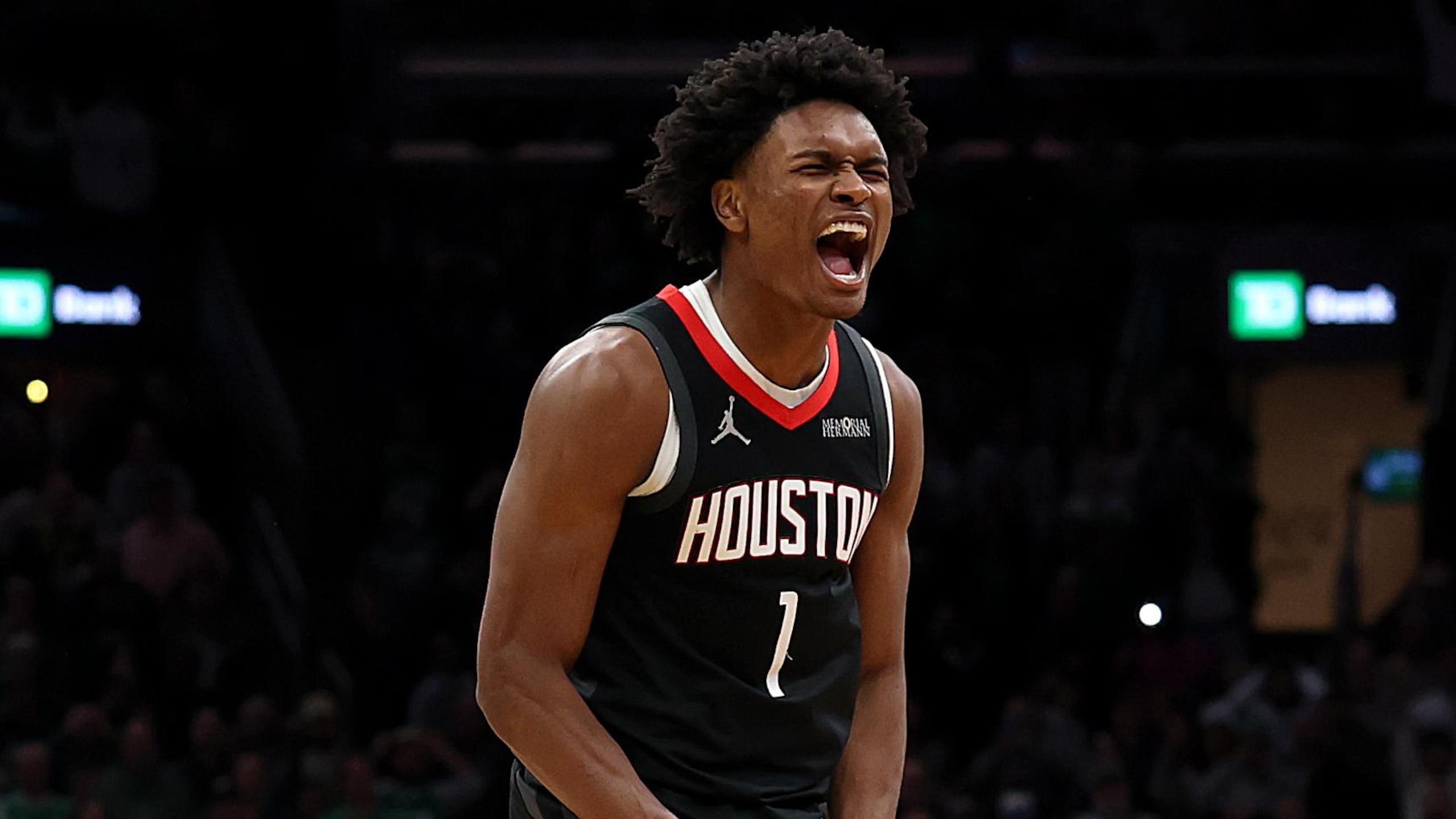
Last year wasn't a leap for Amen Thompson, who finished fifth in Defensive Player of the Year and established himself as a game-wrecking stopper. It was only the beginning.
With Fred VanVleet sidelined by a torn ACL, the Houston Rockets will entrust Reed Sheppard and Thompson with more playmaking duties than expected. Sheppard will perform well in his first taste of real playing time, but Thompson is going to use this opportunity as a springboard.
The absurdly athletic wing offered hints about what he might contribute when he took over a starting role late in December of last year. Thompson averaged 18.7 points, 10.6 rebounds and 4.3 assists in January, then followed that up with 14.9 points, 8.6 boards and 6.3 assists in February, complete with 35.3 percent three-point shooting that month.
It may be asking too much for Thompson, a career 22.1 percent shooter from deep, to become the kind of shooter that defenses actually respect this coming season. But if the ball is in his hands more often, opponents won't have the option to ignore him.
Thompson's raw talent is undeniable, and his potential as an on-ball threat is real. If he makes any shooting gains at all, he's going to join the NBA's next class of two-way superstars.
Indiana Pacers: Bennedict Mathurin
12 of 30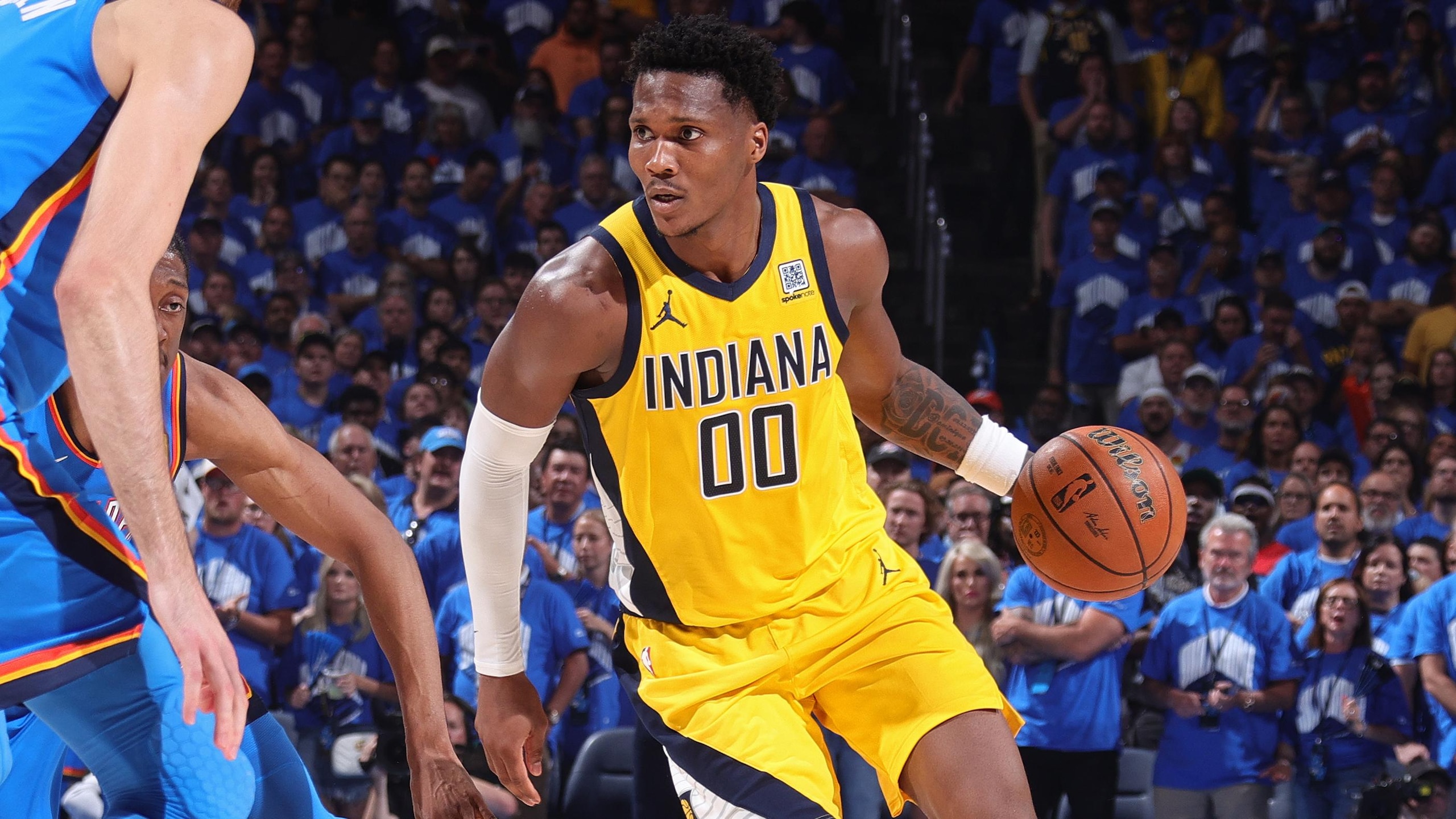
Some of the negative aspects of Bennedict Mathurin's game seem incurable. His career assist-to-turnover ratio of 371-to-384 is unthinkably poor for a wing player, to the point that we can give up on him as a decision-maker.
The Indiana Pacers won't ask him to do much facilitating. What they need from him this season is scoring, and Mathurin can definitely provide that.
With Tyrese Haliburton sidelined and Myles Turner gone in free agency, Mathurin should start and feature as a consistent second option behind Pascal Siakam. A tremendous foul-drawer and a handful in isolation, the 6'6" guard is also going to pile up points as a cutter in the Pacers' free-flowing attack.
Mathurin has never averaged more than 30.0 minutes per game, and he hasn't attempted over 12.0 shots per contest since he was a rookie.
He'll blow past both those figures this season and could easily crack the 20.0-point mark for a Pacers squad that'll need his high-volume scoring.
LA Clippers: Cam Christie
13 of 30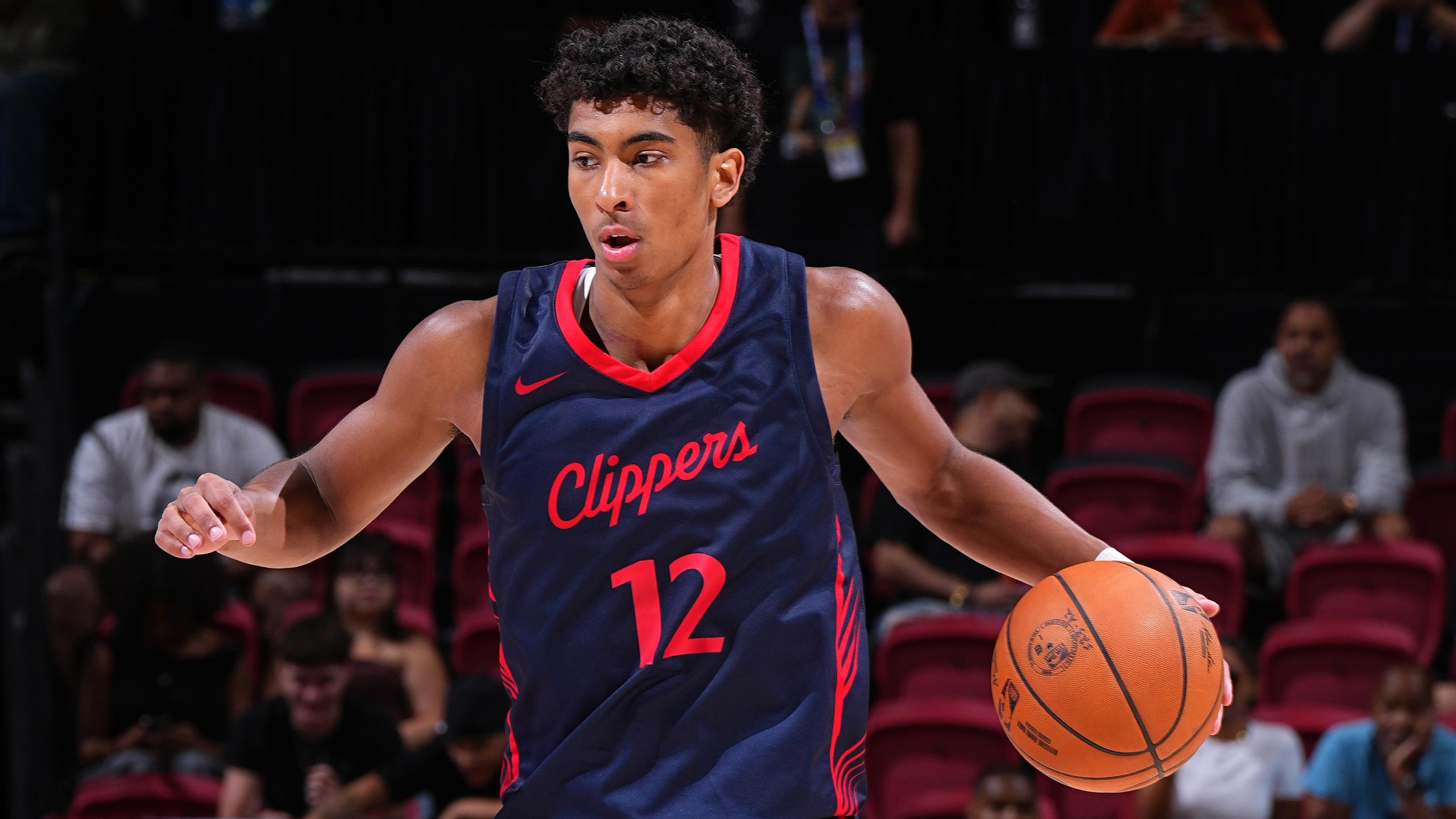
Derrick Jones Jr. and John Collins are both 28, and they're the youngest players in the LA Clippers' projected 10-man rotation. A group this old doesn't exactly lend itself to leaps.
Cam Christie is far from a lock to see real playing time, but he's only 20 and showed enough at the G League level last year to warrant some attention. His work in Summer League—18.2 points, 4.5 rebounds and 2.4 assists per game—doesn't hurt his case either.
A rangy 6'6" frame with room to fill out gives Christie great size for the shooting guard position, and ESPN's Jonathan Givony tabbed him as a sleeper in the 2024 draft because Christie rated as one of the top pull-up three-point shooters in the class.
He'll need an injury or three to crack the Clips' rotation, but Christie has the raw materials to become a reliable wing weapon as soon as this year.
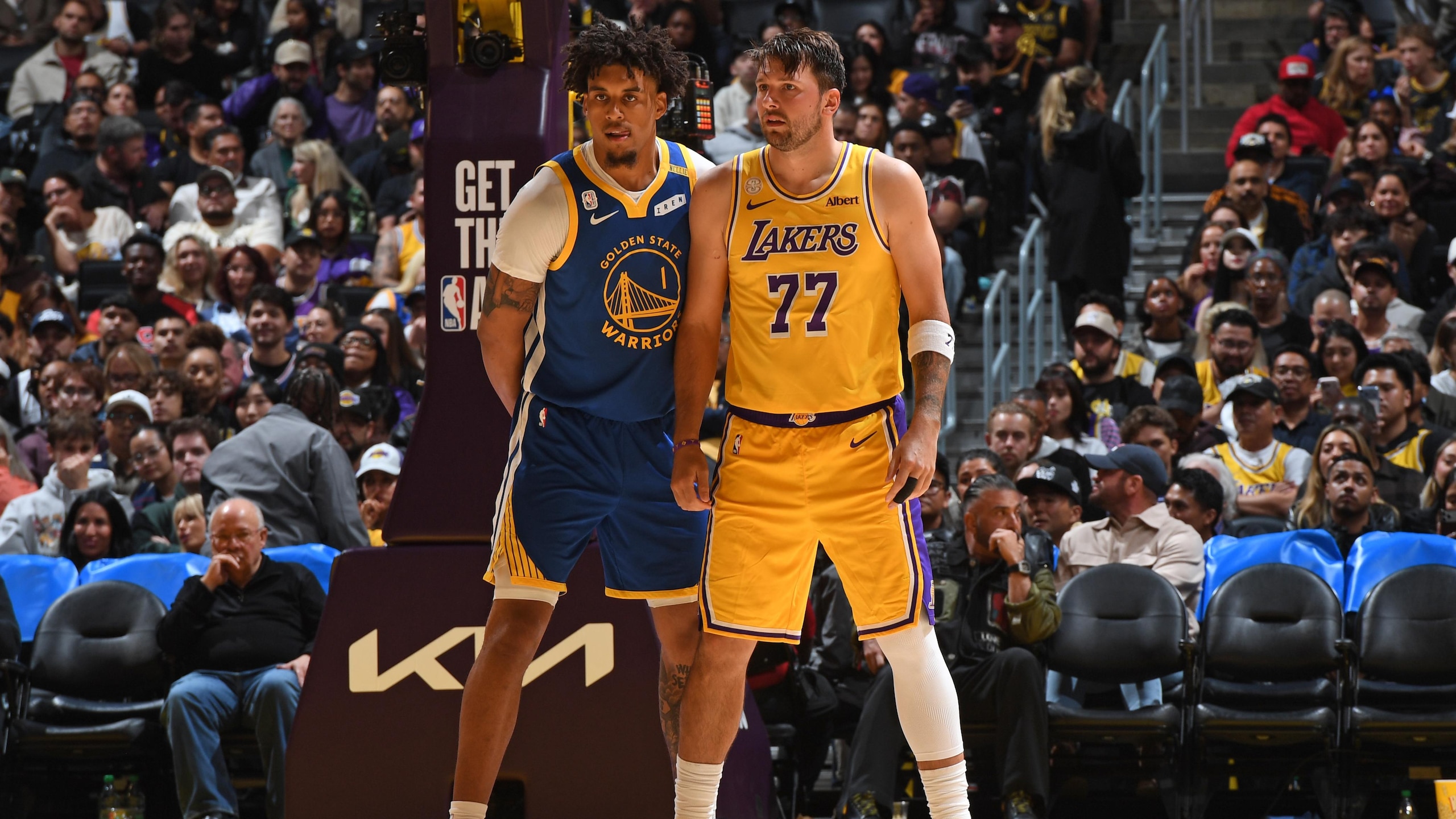
Los Angeles Lakers: Deandre Ayton
14 of 30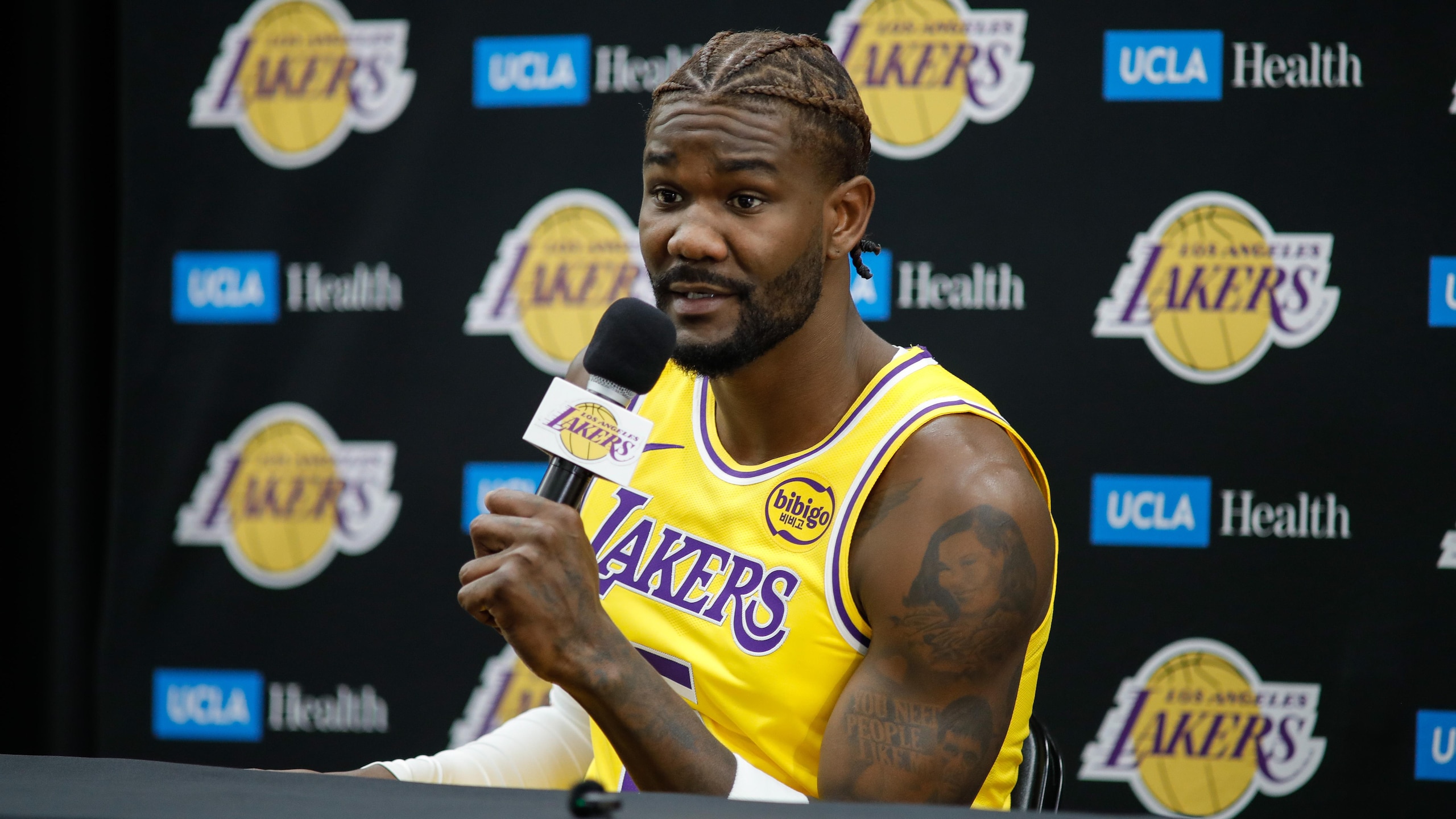
Deandre Ayton's field goal percentage and scoring average are on a three-year slide, but that's about to change.
Playing alongside Luka Dončić will ensure Ayton has the cleanest looks he's seen since Chris Paul was spoon-feeding him in Phoenix three years ago. While concerns about Ayton's motor are legitimate, one assumes he'll be motivated by playing alongside LeBron James—especially following a buyout from the Portland Trail Blazers.
Being paid to go away sometimes serves as a wake-up call.
Ayton will get all the minutes he can handle at center, hasn't been positioned to succeed like this in years and is still very much in his prime at 27. A career season feels likely for the former No. 1 overall pick.
Memphis Grizzlies: Santi Aldama
15 of 30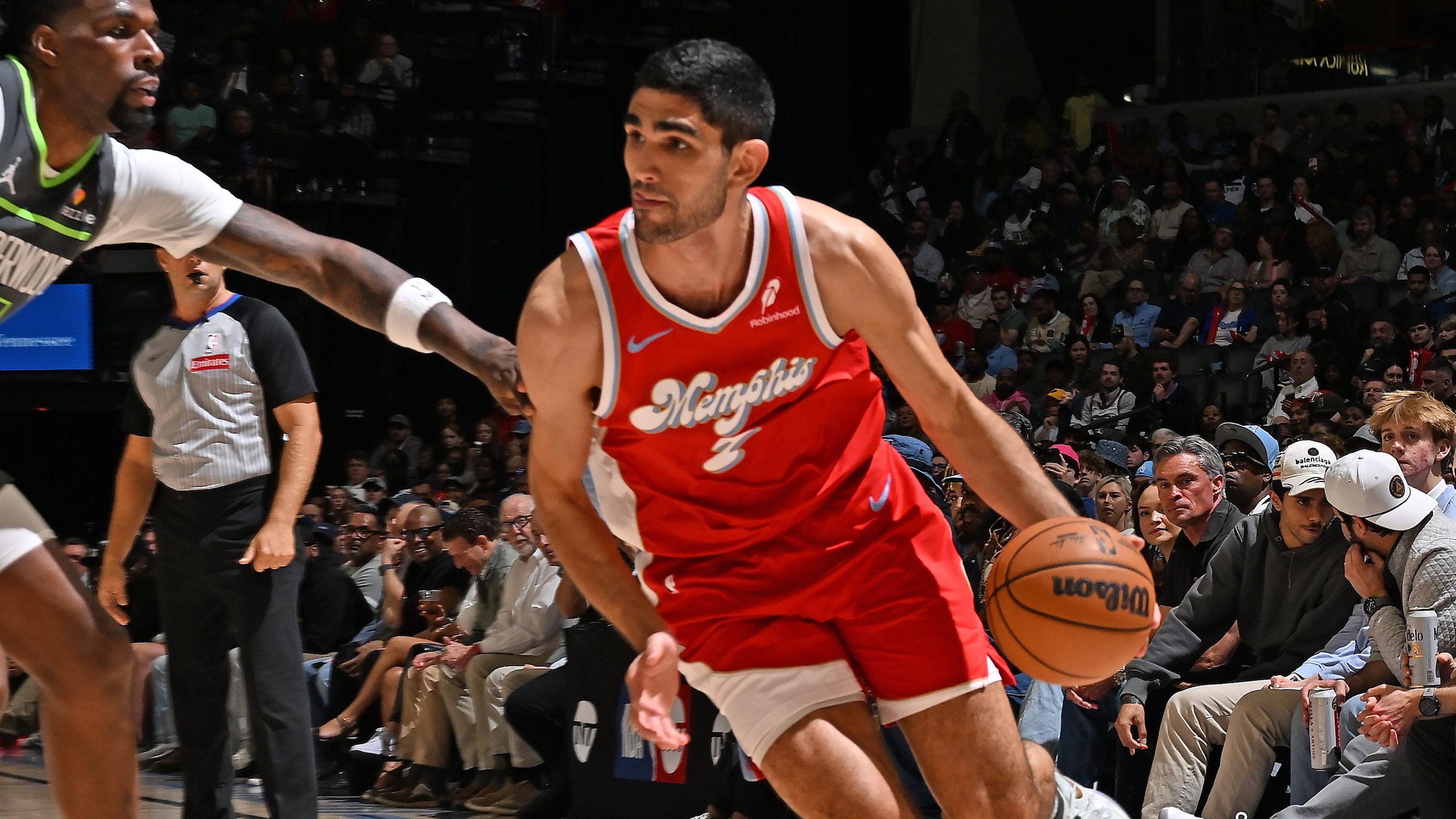
Virtually all of the Memphis Grizzlies' big men are going to start the season on ice, and Jock Landale would be a bit too outside the box for a breakout pick.
Santi Aldama isn't a center by any stretch; his interior defense is decidedly more guard-like, and he's never even reached the 50th percentile at his position in defensive rebounding. Despite all that, the 6'11" forward is going to see tons of time while Jaren Jackson Jr., Zach Edey and Brandon Clarke work their way back from injury—some of it at the 5.
That means we might need to view last year's per-36-minute stats as Aldama's floor for the first few months of 2025-26. Those figures—17.6 points, 9.0 rebounds and 4.1 assists—would represent a major step forward. And if Aldama improves on his most valuable skill, three-point shooting, he could even sniff a few All-Star votes.
Even without the elevated role, Aldama is a clear improvement candidate. He's entering his age-25 season having spent the last four gradually increasing his scoring average and three-point volume.
Miami Heat: Kel'el Ware
16 of 30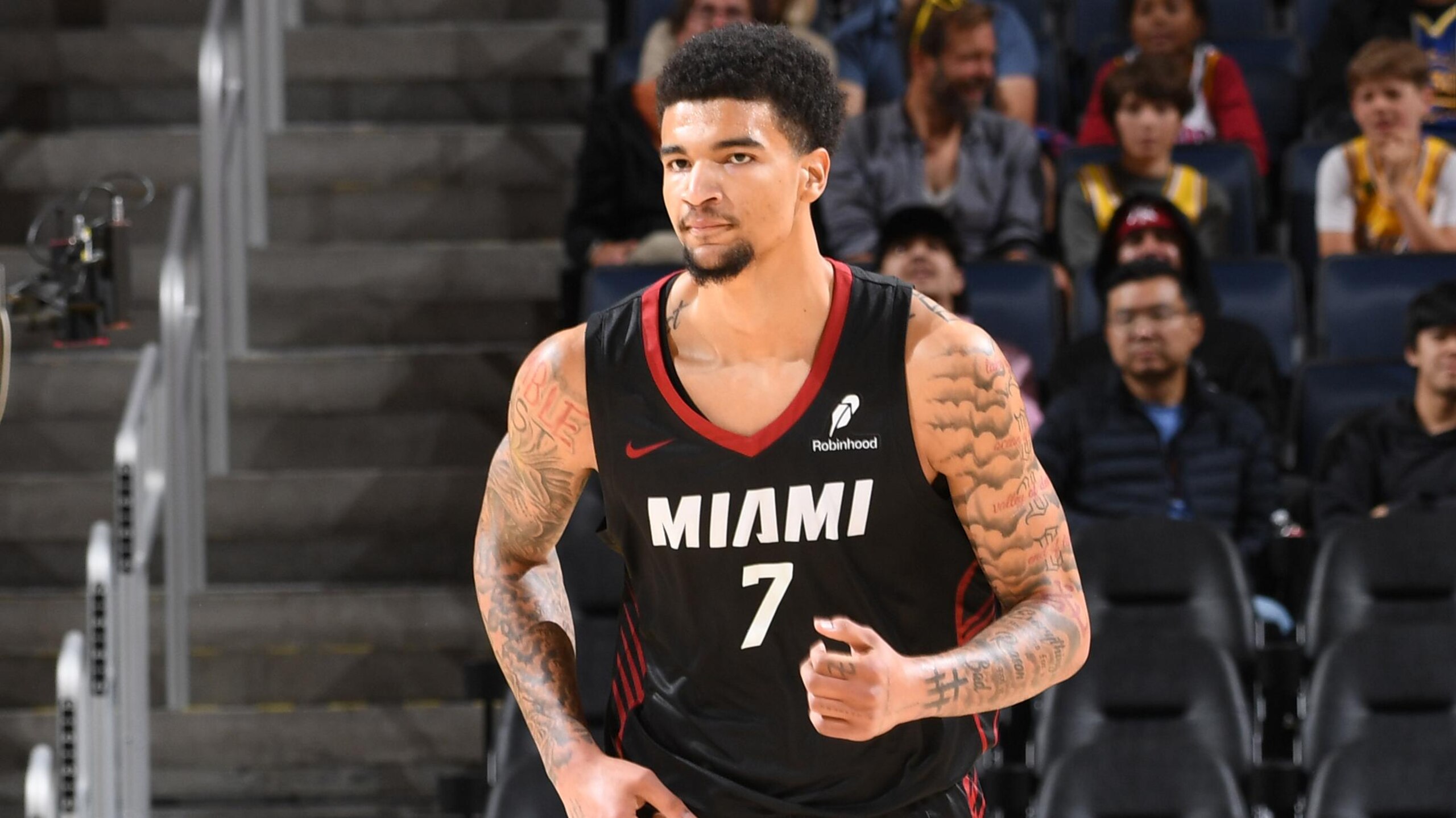
Everyone has gotten a little too concerned with Kel'el Ware's brutal playoff performance. Rookies aren't supposed to be ready for postseason intensity, particularly not ones who weren't even starters until midway through the regular season.
Zoom out, and the case for a big second season from Ware is pretty simple. He averaged 9.3 points, 7.4 rebounds and 1.1 blocks per game across 64 contests, and those numbers jumped to 10.8, 10.0 and 1.3 as a starter. Set those figures as a baseline, price in legitimate three-point shooting potential and note that the Heat were better with Ware on the floor than off (atypical for a rookie), and you've got all you need to project improvement.
In an era that seems to be skewing back toward size, it's also key to note that Ware and Bam Adebayo played over 1,000 possessions together last season with excellent results. Miami posted a plus-1.1 net rating overall but was plus-4.2 with those two sharing the court.
Milwaukee Bucks: Ryan Rollins
17 of 30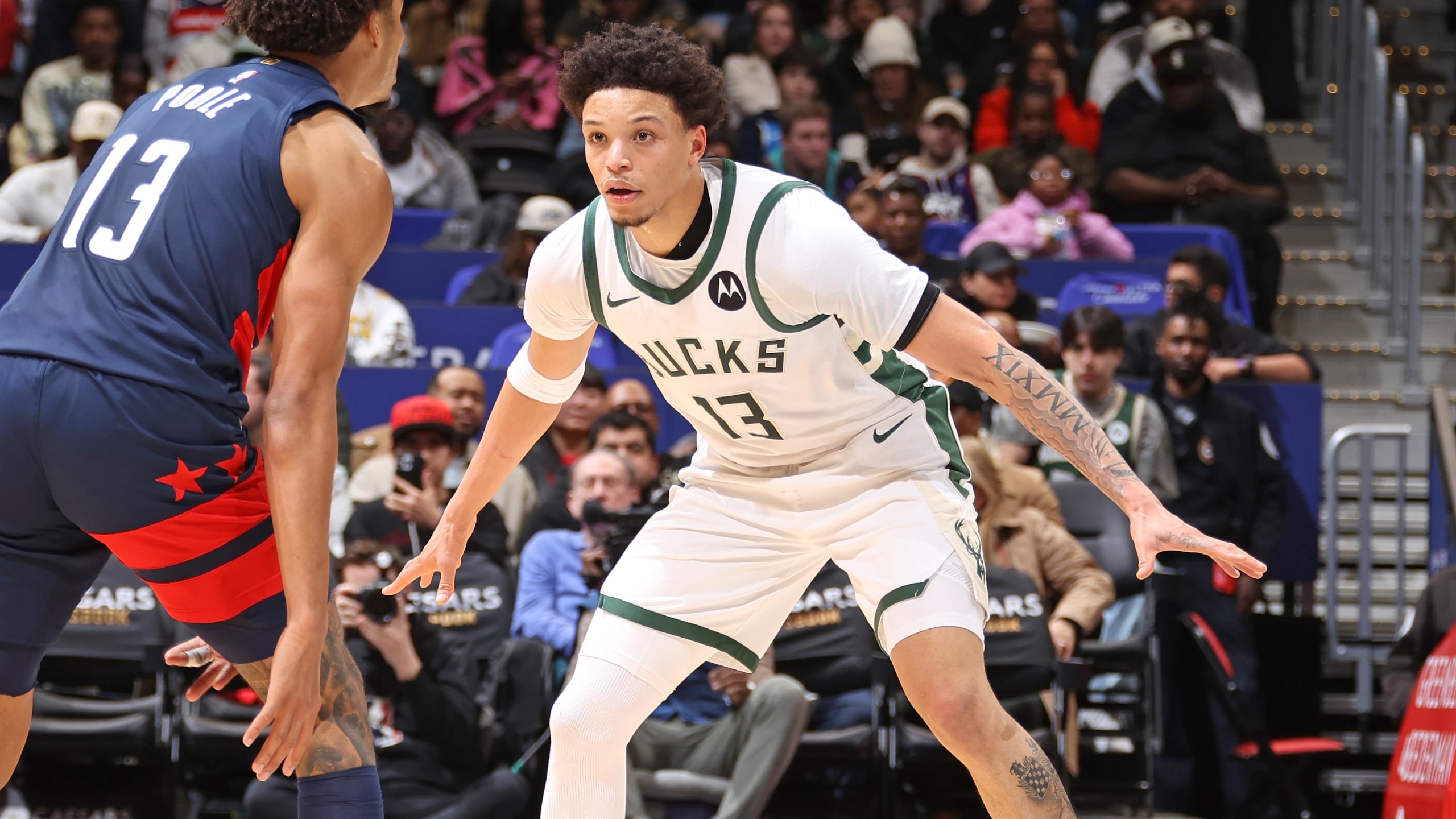
Disruptive defense will get Ryan Rollins on the floor for the Milwaukee Bucks, and it'll be almost impossible to take him off of it if the 23-year-old guard proves his small career sample of 41.4 percent shooting from deep is real.
Across 56 games last season, Rollins utilized stellar lateral quickness and a 6'10" wingspan to average 2.5 steals and 1.0 block per 100 possessions. The list of players with block and steal rates that high over 56-plus appearances is short, and it includes the likes of Dyson Daniels, Ausar Thompson, Keon Ellis and Tari Eason—defensive studs across the board.
The Bucks need someone to shut down opposing guards and wings, and Rollins is pretty clearly their best option on the front. Though not a born facilitator, all Rollins needs to do to push for a starting gig is match last year's excellent 43.0 percent on catch-and-shoot threes.
Minnesota Timberwolves: Jaden McDaniels
18 of 30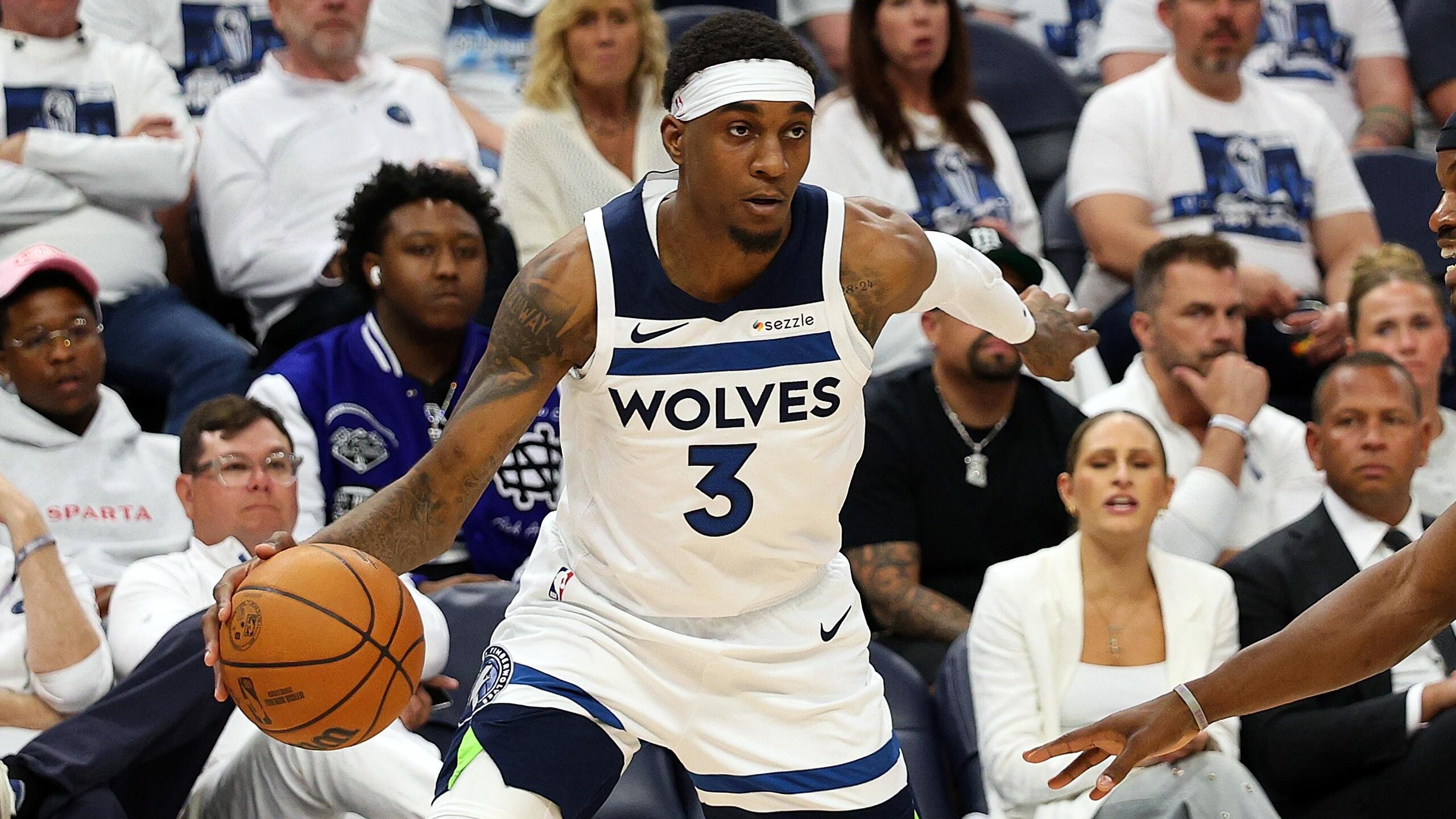
Quiet growth during the regular season suddenly got loud in the 2024-25 playoffs, as Jaden McDaniels flashed the gains he'd made as a playmaker and self-sufficient scorer under much brighter lights.
Though still defined by his top-flight defense, McDaniels assisted on a career-best 9.1 percent of his teammates' buckets last year. His turnover rate fell to a career-low 10.3 percent as well, a great sign for a player whose usage rate had never been higher. Another key development: McDaniels was only assisted on 61.1 percent of his two-point buckets, a career-low.
Nobody's arguing McDaniels will take over point guard duties from Mike Conley or reduce Anthony Edwards' role in the offense. But when one of the apex-predator defenders in the league shows signs of becoming a reliable on-ball creator and scorer, it's a huge deal.
Everyone fixates on McDaniels' three-point shooting as a swing skill, but defenses have respected him as a spacer for years. The real key to unlocking a new level is his self-sufficient scoring and facilitating. After last season, it's clearer than ever that he can succeed on those fronts.
New Orleans Pelicans: Herb Jones
19 of 30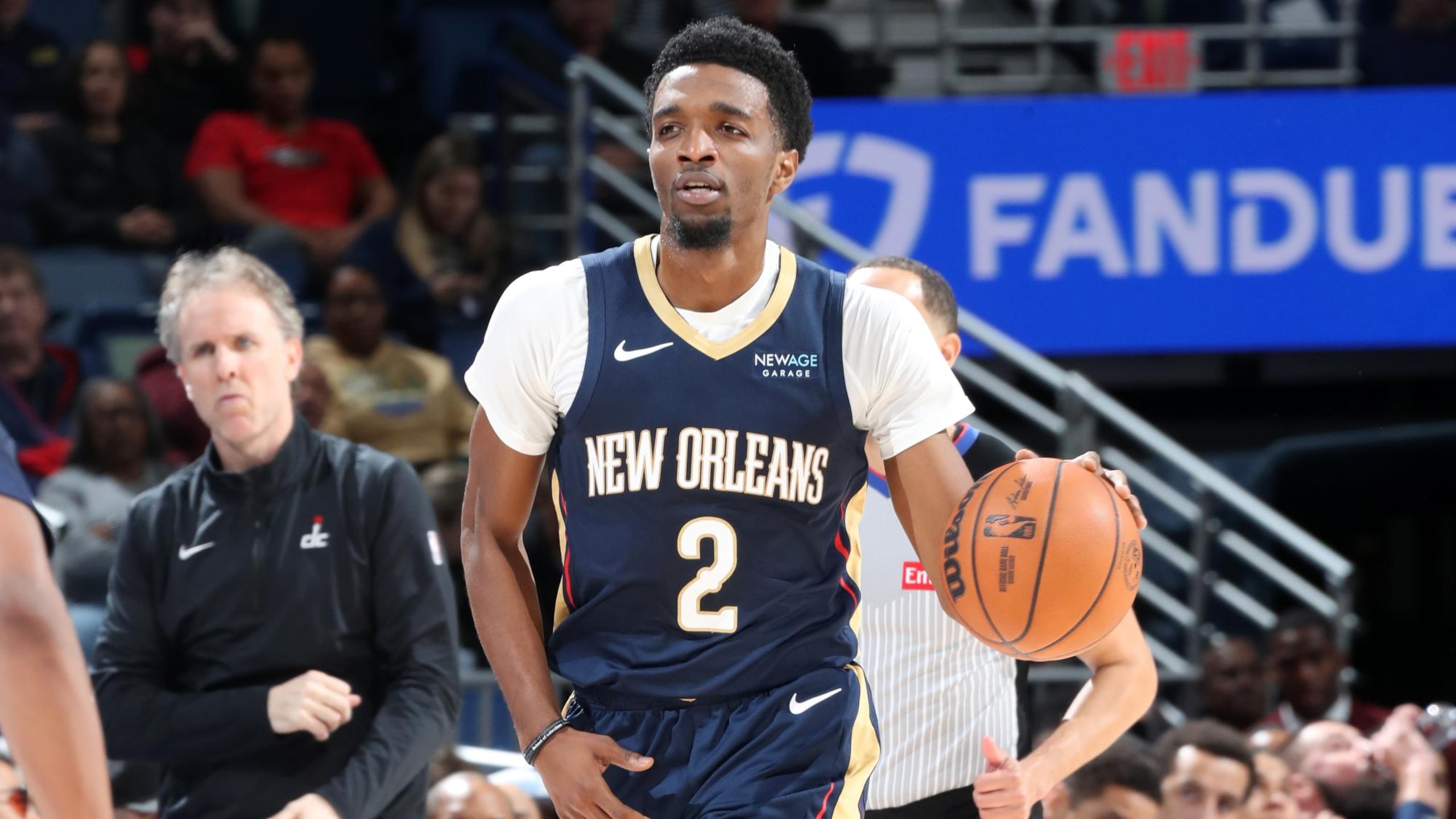
Just as it was for the New Orleans Pelicans as a whole, 2024-25 was a lost season for Herb Jones. In only the fourth game of the season, Jones suffered a right shoulder injury that sidelined him for over a month. Clearly less than his best self upon returning, Jones hurt the shoulder again in January and was done for the year.
He'll be nearly nine months removed from surgery to repair that torn labrum by the time opening night rolls around, and we should expect Jones to build on the progress he made in his last full season, 2023-24.
It's easy to forget now, but Jones looked like one of the most valuable role players in the league that year. He was an All-Defensive first-teamer who came within spitting distance of the hallowed 50/40/90 efficiency threshold.
What's stopping him from reclaiming his title as perhaps the best perimeter defender in the league while adding volume to what was, in 2023-24, a 41.8 percent three-point stroke?
Jones only averaged 11.0 points per game two years ago. As long as he's healthy, he should blow that number away. Forget last season. Jones is in line for a career year.
New York Knicks: Miles McBride
20 of 30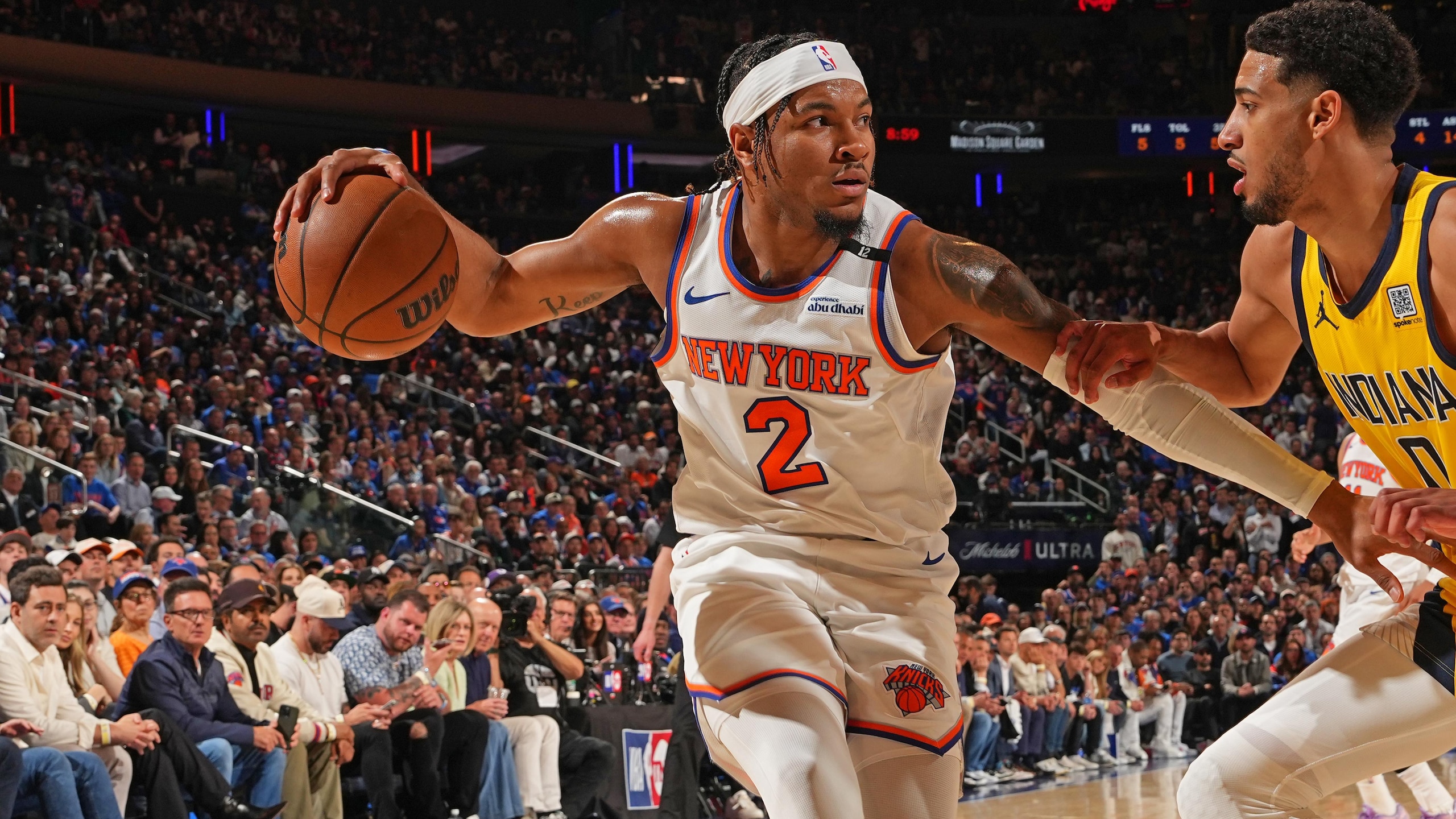
New head coach Mike Brown has had success coaxing the best out of a scoring sixth man when his system produced the best basketball of Malik Monk's career in Sacramento. Maybe he can do the same thing with Miles McBride in New York.
McBride has an overlooked case to claim a starting job next to Jalen Brunson because the Knicks can better manage Mitchell Robinson's minutes if he comes off the bench. Josh Hart is the logical first-unit pick, but the finger injury he aggravated over the summer means defenses will have even less respect for his outside shot.
A career 36.0 percent three-point shooter who peaked at 41.0 percent in 2023-24, McBride could be key to giving New York true five-out spacing. If Brown has any luck getting the Knicks to pick up their tempo on offense, the 25-year-old could also feature prominently as a transition scorer.
Oklahoma City Thunder: Chet Holmgren
21 of 30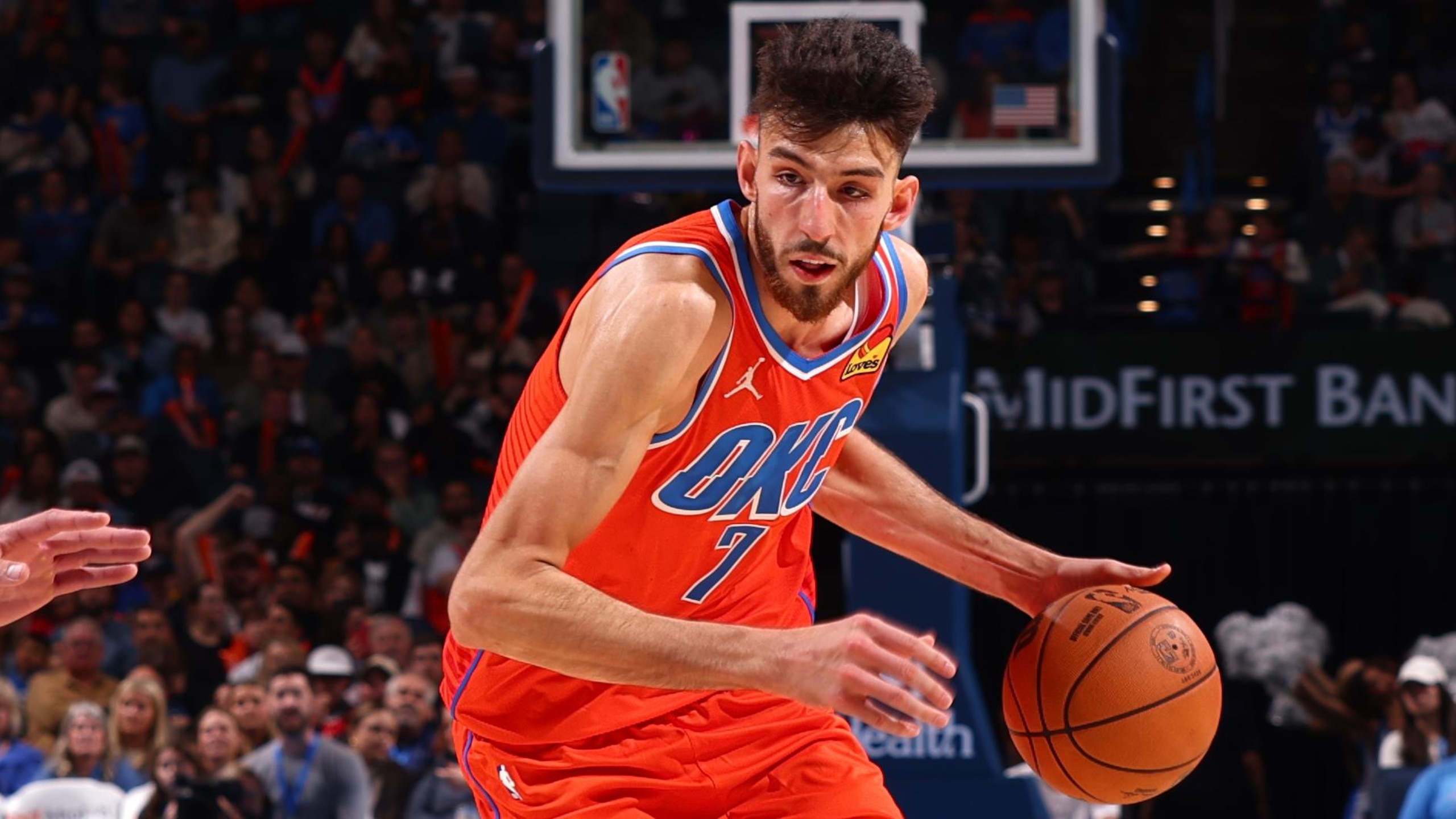
The Oklahoma City Thunder will let Jalen Williams take his time in returning from offseason wrist surgery, a luxury they can afford because another of their young players seems ready to take on a much larger role.
Chet Holmgren finished second in Rookie of the Year voting in 2023-24 but had his progress interrupted by a nasty fall on November 10 if last season. He fractured his pelvis and missed nearly three full months, looking slightly less mobile upon his return.
Now almost a year removed from that injury, he's going to establish himself as a first-time All-Star, All-Defensive shoo-in and two-way force for OKC. Even if Holmgren doesn't improve on his offensive game, he's going to rate as one of the top defenders in the league as long as he stays healthy. More likely, though, he'll add volume to a long-range stroke that has already produced a 37.2 percent conversion rate over two seasons while also sharpening an off-the-dribble game that should make every 7-footer jealous.
Expect a scoring average north of 20.0 points, a top-five finish in blocks and ridiculously valuable spacing for a Thunder offense that could use some from its bigs. If all goes well, Holmgren could even establish himself as an All-NBA honoree.
Orlando Magic: Franz Wagner
22 of 30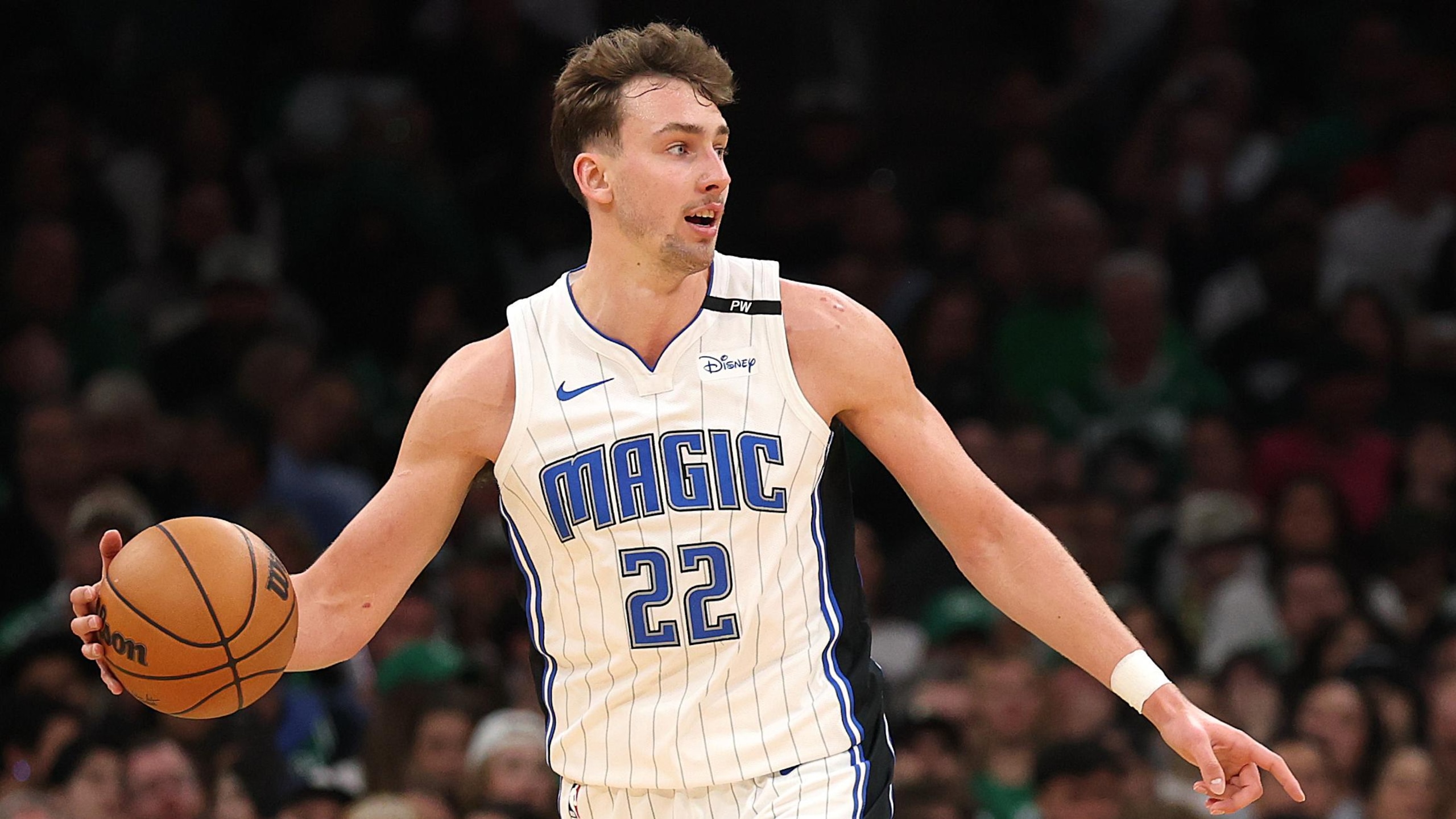
Last season, Franz Wagner drove the ball more often than the likes of Anthony Edwards, Giannis Antetokounmpo, Donovan Mitchell, Kyrie Irving and even teammate Paolo Banchero. At a burly 6'10", that's a lot of force rumbling downhill.
Already a signature skill, just imagine how much more effective Wagner's preferred method of attack could be if defenses had to prepare for anything else.
Yes, this is about Wagner's three-point shot, which has fallen at rates under 30.0 percent in each of the last two years. His effectiveness as a driver is a minor miracle given the sag-off space opponents allow him. If he manages to convert enough treys to pull defenders farther out on the perimeter, he could wreak real havoc.
Even if Wagner never gets his jumper to fall, Desmond Bane's floor-spacing should at least clear out a help defender or two from the lane. The real gains will come if Wagner, already a fringe All-Star, becomes a complete offensive threat.
Philadelphia 76ers: Trendon Watford
23 of 30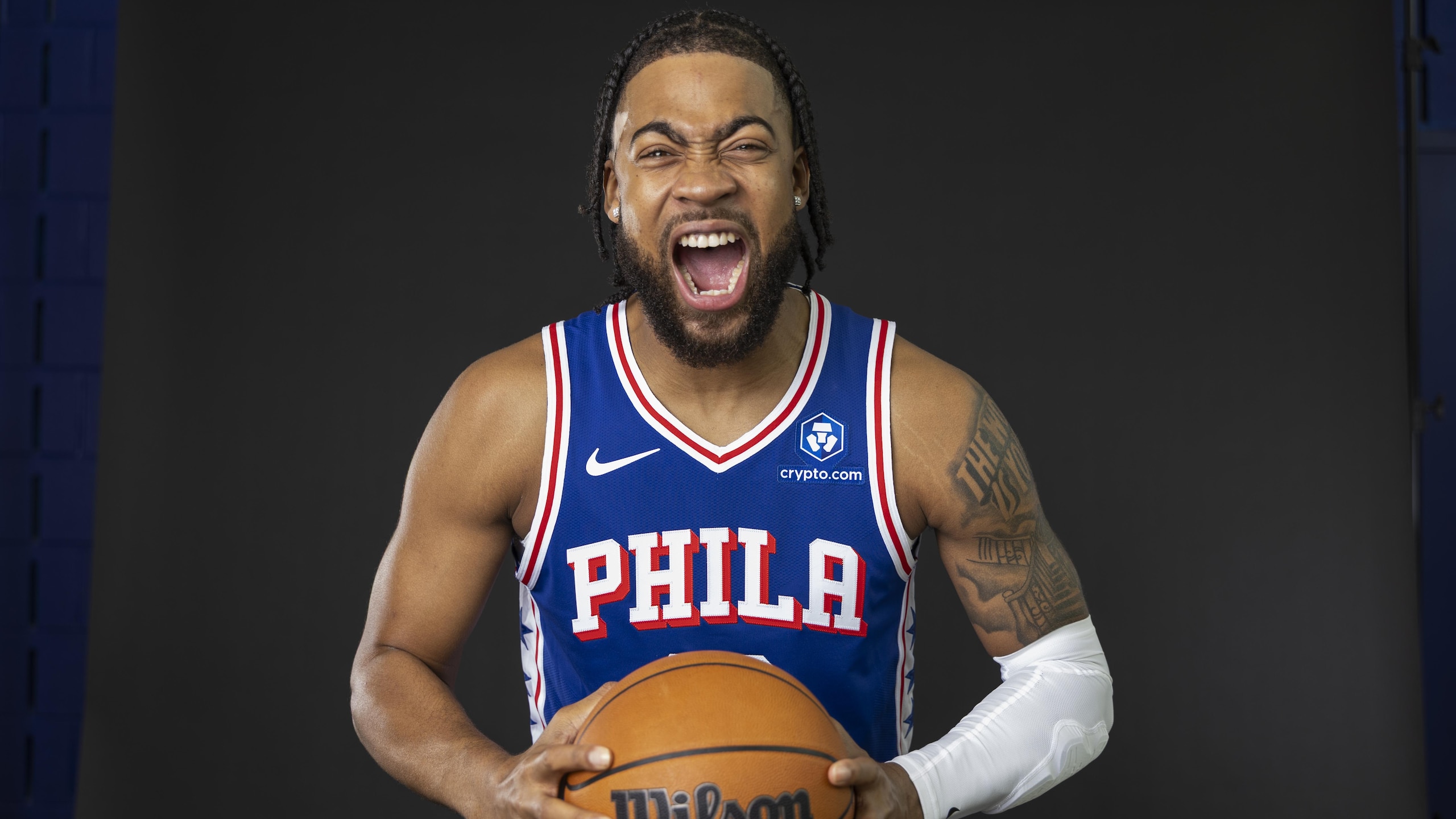
Trendon Watford is going to get plenty of opportunities for the Philadelphia 76ers this season as they juggle a big-man rotation that includes massive health questions (Joel Embiid), fading former starters (Andre Drummond) and unproven backups (Adem Bona).
Watford lacks ideal center size, but he makes up for it with clever passing chops as a roll man and just enough stretch to give Philly a five-out look. Watford shot over 39.0 percent on low volume in 2022-23 and 2023-24. Nobody noticed it last year because it happened in Brooklyn, but the 24-year-old enjoyed a facilitation breakout by posting a 92nd-percentile assist percentage at his position.
These are real offensive tools, and the Sixers' general health situation should allow Watford to utilize them at both the 4 and the 5.
Nobody's suggesting stardom is in the cards, but it's not impossible that Watford produces in the range of his career per-36 averages, which could mean something like 16.0 points, 8.0 rebounds and 4.0 assists with some perimeter stretch.
Phoenix Suns: Collin Gillespie
24 of 30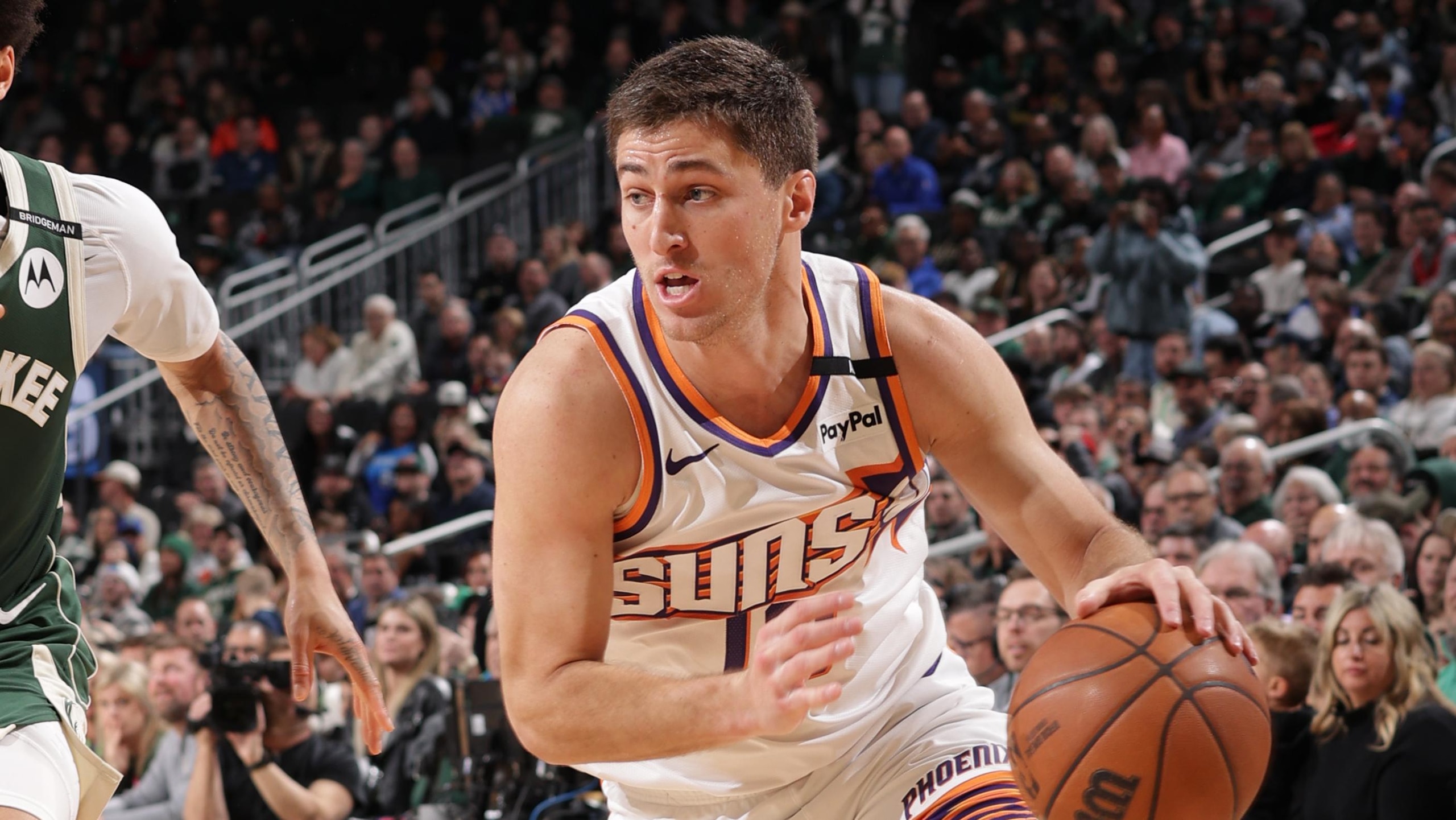
The Phoenix Suns brought in Mark Williams and drafted Khaman Maluach, which takes personal favorite Oso Ighodaro out of the breakout conversation. Dillon Brooks is in Ryan Dunn's way, limiting his opportunities.
The one spot where Phoenix didn't obstruct an incumbent player's path to a larger role is at point guard where, well...there's basically nobody but Collin Gillespie.
Devin Booker and Jalen Green will start in an experimental look, but Gillespie is the clear front-runner to relieve one of them. When he enters the game, he'll bring high-end shooting (42.2 percent from deep for his career) and pace-pushing chaos that'll resemble what TJ McConnell does in Indiana.
Gillespie is undersized and will always struggle to finish around the basket, but he can hit a floater and takes care of the ball. You know, actual point guard stuff.
Phoenix is going to need what he provides.
Portland Trail Blazers: Deni Avdija
25 of 30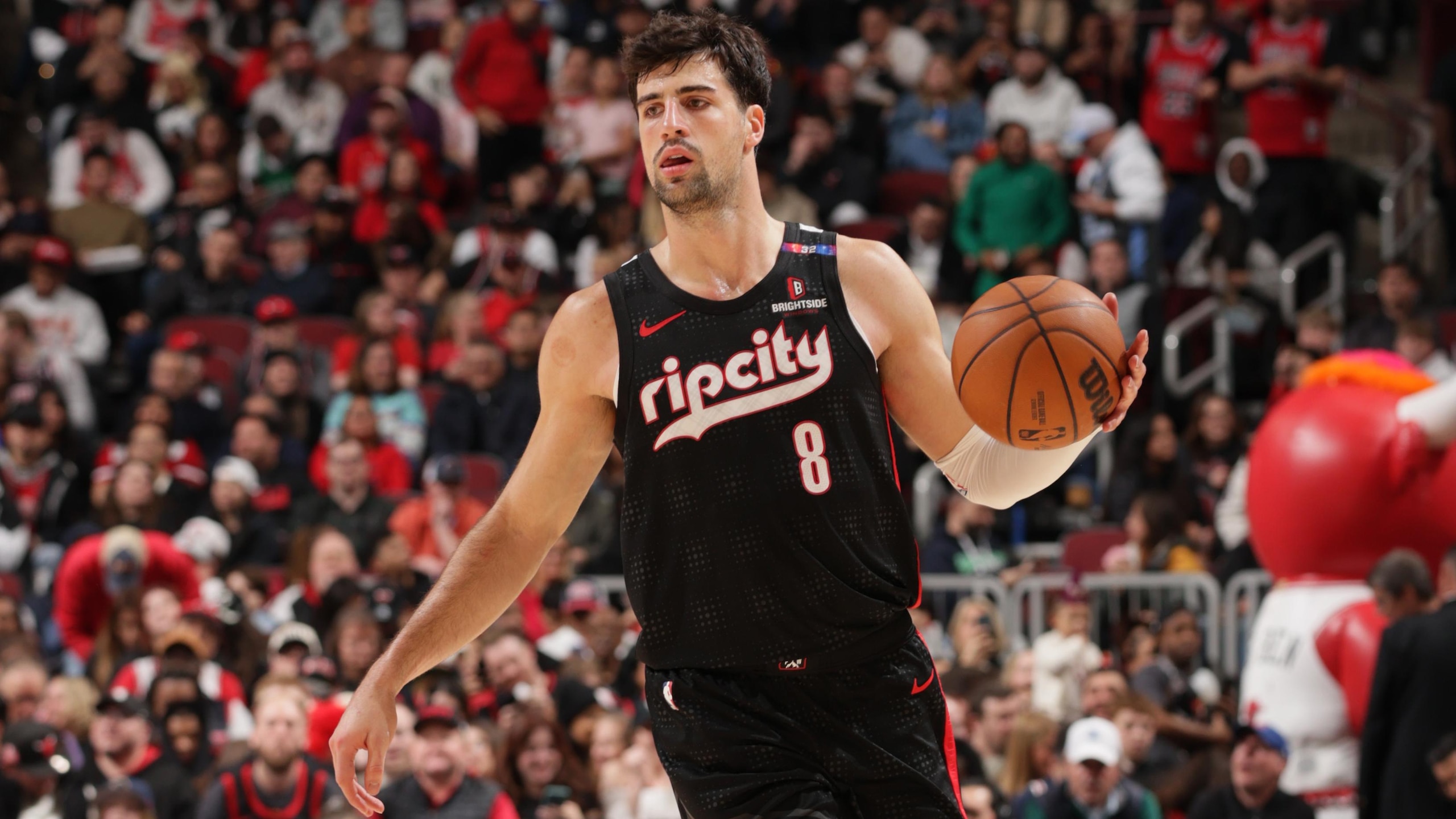
Keep quiet, regular viewers of the Portland Trail Blazers. We know you're aware of what Deni Avdija did down the stretch last year, but the rest of the world still doesn't know he's a star hiding in plain sight.
The 24-year-old forward put up a career year in 2024-25, but his 16.9 points, 7.3 rebounds and 3.9 assists per game undersell the story. After the All-Star break, Avdija exploded, averaging 23.3 points, 9.7 rebounds and 5.2 assists.
Those post-ASG cosmetic gains were supported by key improvements like higher-volume three-point shooting, dramatically increased foul-drawing craft and a climbing usage rate that acknowledged Avdija's ability to create for himself and others.
It's dangerous to judge a player on what he does in stretch-run games where opponents may be mailing things in, but Avdija has made steady progress as a shooter and ball-handler throughout his five-year career. He's going to prove last year's closing run was the new normal—not an anomaly.
Sacramento Kings: Isaac Jones
26 of 30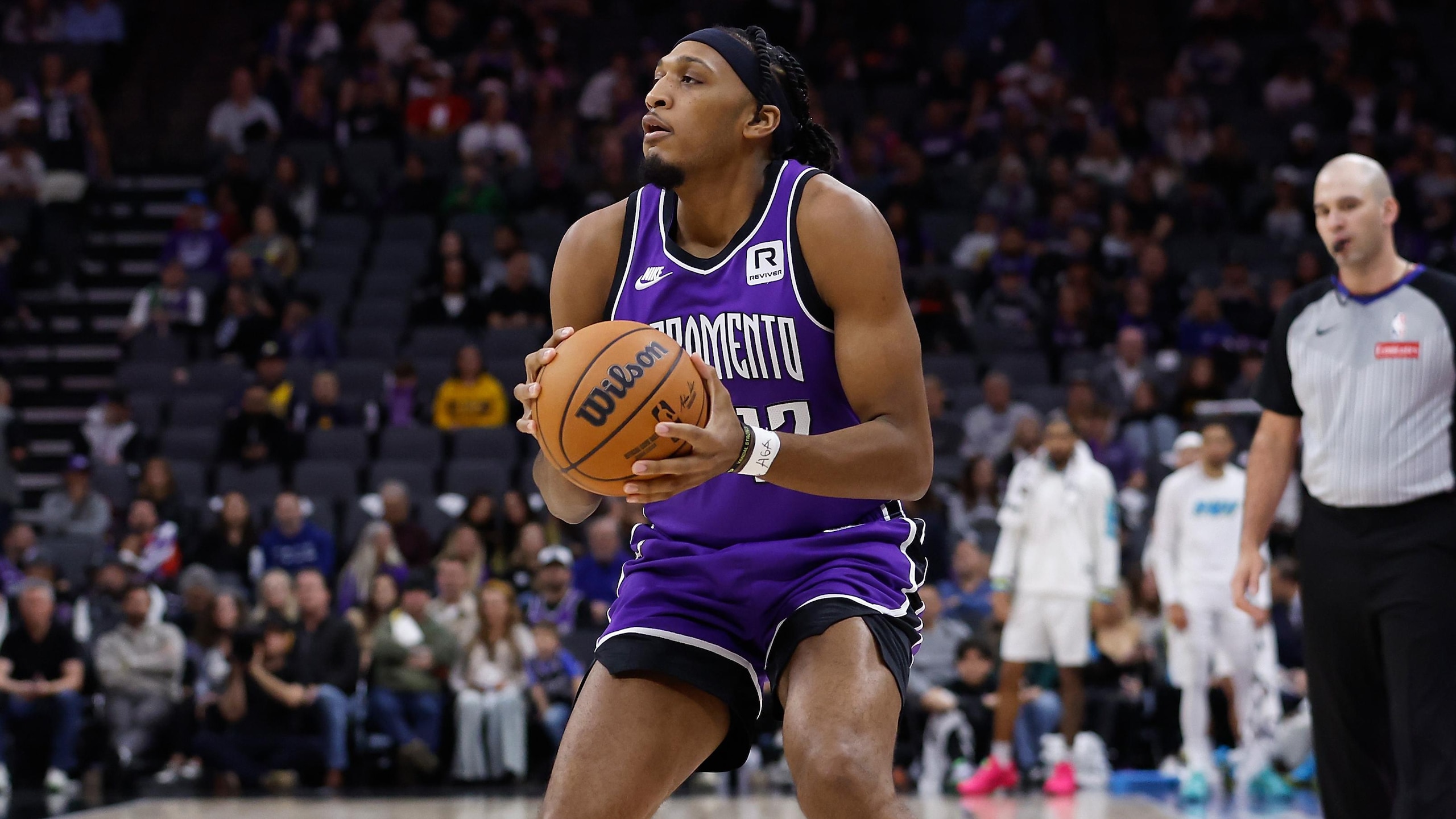
Isaac Jones has a grand total of 304 NBA minutes under his belt and is probably the best power forward on the Sacramento Kings roster.
This is great news for Jones, who showed enough promise to earn a standard NBA contract last year, but it's also indicative of the general messiness of Sacramento's personnel decisions.
Small-sample caveats apply across the board, but Jones flashed the ability to hit the three last year (3-of-8) and has been working on his shooting all summer. Energy and defensive versatility will be strengths, badly needed on a Kings team that will put multiple sub-par defenders on the floor in most configurations.
Dario Sarić is on the verge of slipping out of the league, Doug McDermott isn't a 4 and several options from last season—Jake LaRavia, Trey Lyles and Jonas Valanciunas—are gone. Jones has a clear pathway to a rotation gig, which would take him from undrafted free agent to lineup staple in the span of a single year.
San Antonio Spurs: Victor Wembanyama
27 of 30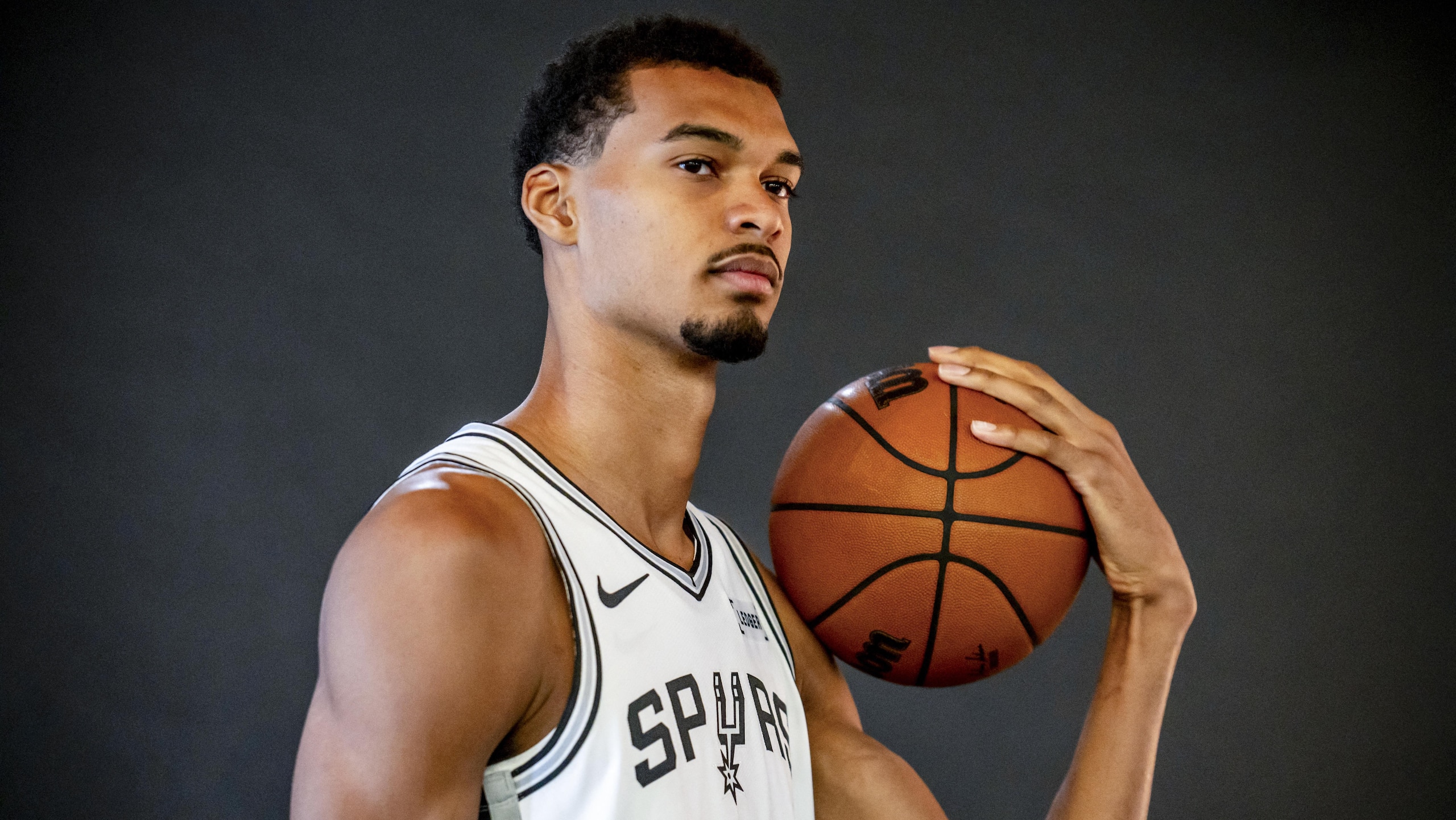
Is it cheating to choose Victor Wembanyama on the basis of the awards he hasn't won yet?
Maybe, but that offense isn't as egregious as pretending anyone else on the San Antonio Spurs has more room to grow.
Wemby hasn't yet been named Defensive Player of the Year, earned an All-NBA nod or received even a single MVP vote. That last one owes partly to missing the games-played threshold last season, but the point stands: However much Wembanyama has captured our imaginations and impressed with per-minute production, he hasn't even begun to reach his full potential.
Fully healthy following last year's early shutdown due to deep vein thrombosis, the league's next great superstar is primed to hoard awards and set statistical records.
Stephon Castle might learn to shoot, and De'Aaron Fox could return to an All-Star level, but those leaps will pale in comparison to the one Wembanyama is about to make.
Toronto Raptors: Sandro Mamukelashvili
28 of 30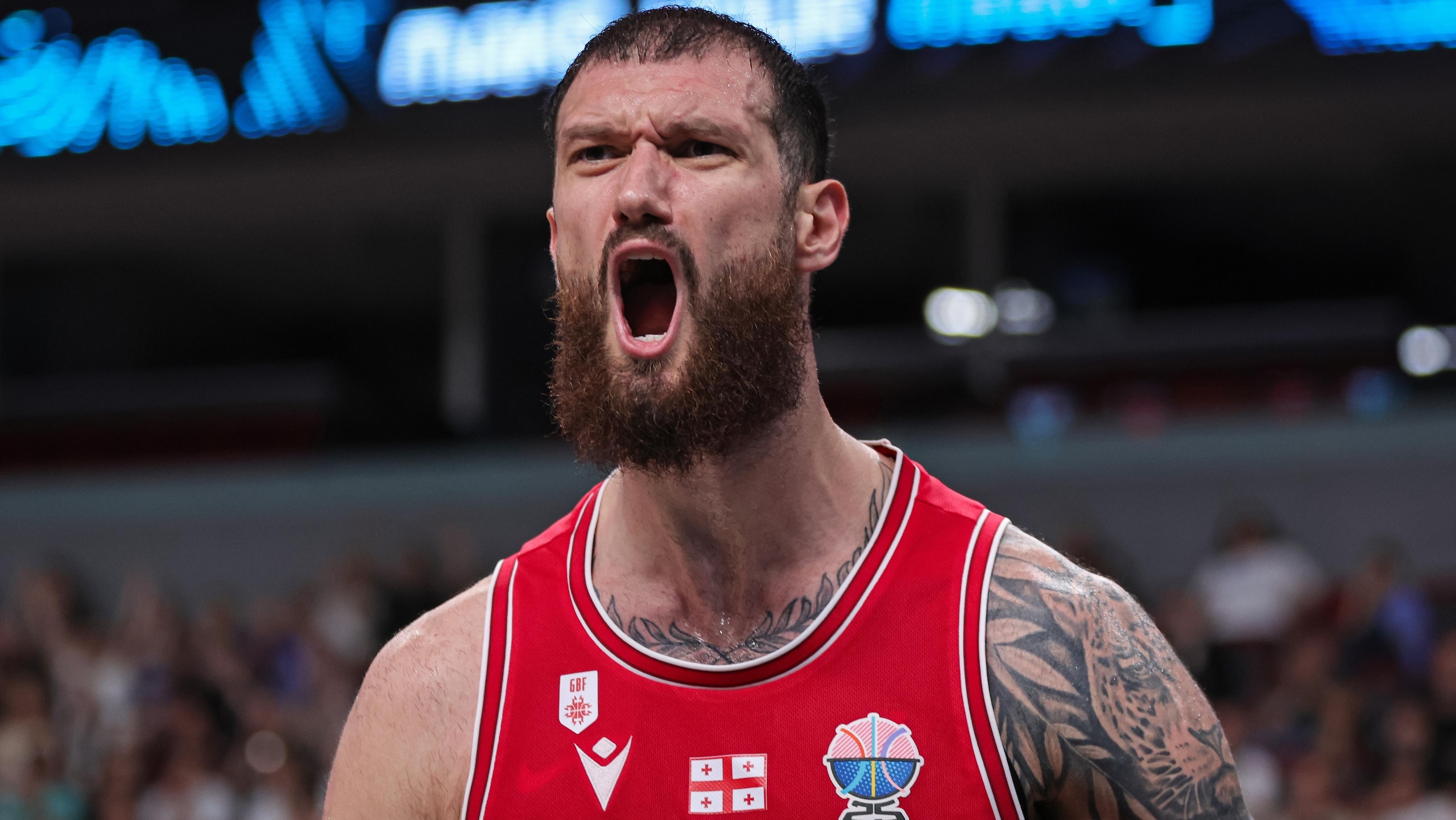
Give Sandro Mamukelashvili a chance at real minutes, and he's going to produce. The 6'11" big man put up 20.4 points, 9.9 rebounds and 2.5 assists per 36 minutes while hitting 37.3 percent of his triples for the Spurs last year, and he should get every chance to validate those numbers in the Toronto Raptors' frontcourt rotation.
Mamu can space the floor and has a surprisingly potent off-the-dribble game for a player his size. Those skills play well just about anywhere, but they'll be vital on a Raptors squad that can't count on floor-stretching play from any of its other 4s or 5s.
Jakob Poeltl will start at center next to power forward Scottie Barnes, and neither of those two threaten defenses from deep. The key to breathing room could come from Mamukelashvili, who makes sense next to both of those first-unit options.
The Raptors are overstuffed with forwards who can defend multiple positions and work inside, but Mamukelashvili is the team's only supersized shooter. All he's ever needed is an opportunity, and now he's got one right in front of him.
Utah Jazz: Kyle Filipowski
29 of 30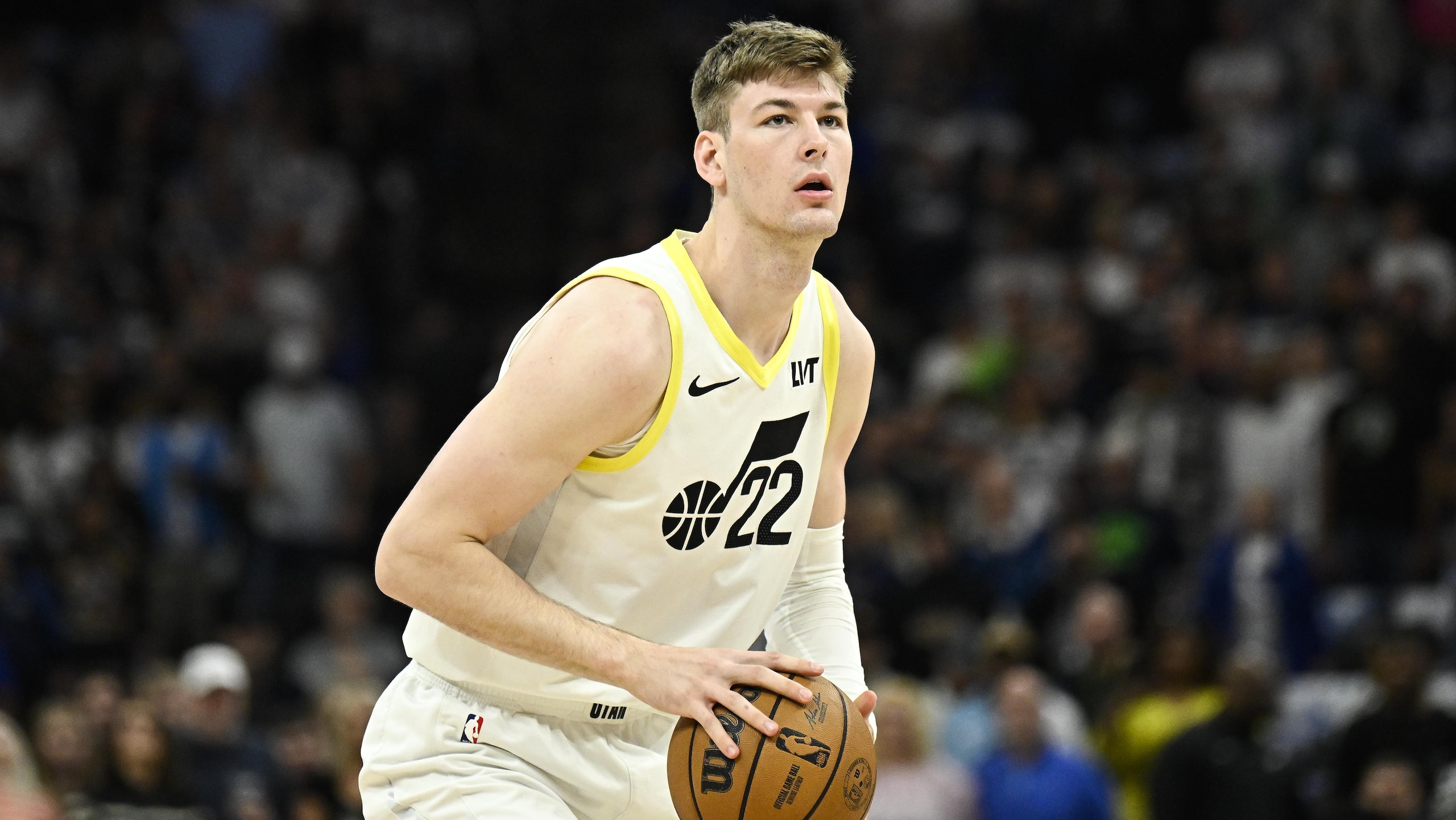
Any potential breakout pick on the Utah Jazz runs up against a positional logjam of one kind or another. That's certainly true for Kyle Filipowski, who'll have former All-Star Lauri Markkanen, oft-forgotten third-year forward Taylor Hendricks and rookie Ace Bailey in the mix for minutes at his position.
Filipowski's obvious offensive skill is still too intriguing to resist.
Few players with the Summer League MVP's 6'11" size can dribble, shoot and facilitate like he can. Though not a pick-and-roll technician, Filipowski is already a "cut, and he'll find you" passer who can distribute on the move or with his back to the basket. Though questions remain about how real his 35.0 percent three-point shooting is, all the on-ball skills he showed as a rookie seem legitimate.
Markkanen is undoubtedly the better overall player, but the Jazz should be looking harder than ever for ways to trade away his remaining four years and $196 million. As soon as this year, Filipowski might produce 80 percent of Markkanen's on-court value at roughly five percent of the price.
Washington Wizards: Bilal Coulibaly
30 of 30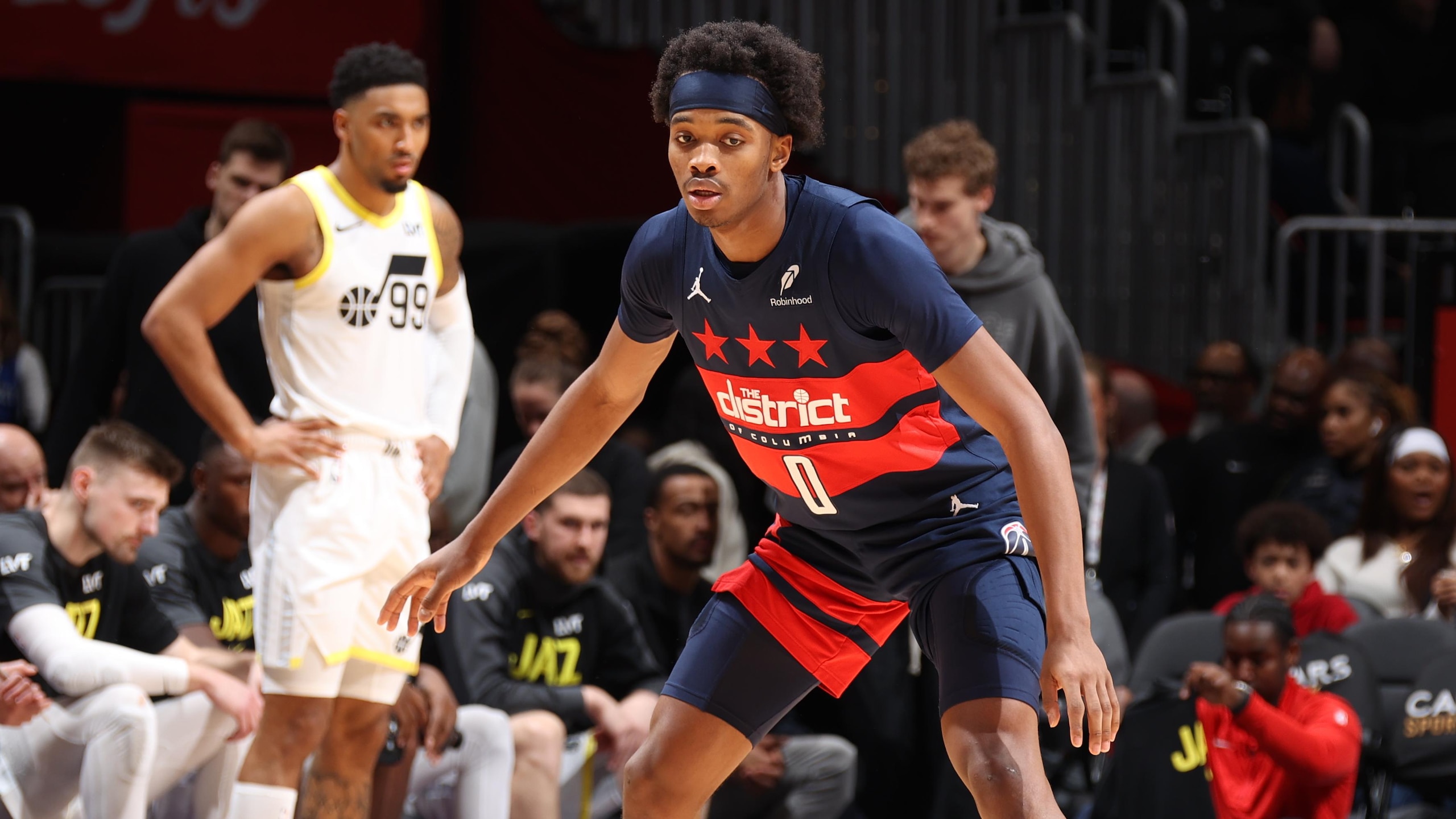
Last year, Bilal Coulibaly proved over a pretty large sample that he's as good as anyone at putting the clamps on superstar wings. He's already one of the top defenders at his position, which means he's in for a "recognition" leap when everyone who still sees him as a potentially great stopper realizes he's already achieved that status.
Offensively, questions persist. Coulibaly shot it well from deep as a rookie but tailed off considerably last season. He offset that slippage by developing as an on-ball creator, though it's still hard to be sure he has a future as a first option.
Even while acknowledging the uncertainty on the offensive side of the floor, Coulibaly put up 12.3 points and 3.4 assists per game as a 20-year-old. That's not half bad, especially considering the lack of supporting talent around him.
A popular breakthrough pick last season, Coulibaly deserves a double-down selection. He has all the tools to be a dominant two-way wing, and he's flashed massive potential across his two seasons so far.
Stats courtesy of NBA.com, Basketball Reference and Cleaning the Glass. Salary info via Spotrac.
Grant Hughes covers the NBA for Bleacher Report. Follow him on Bluesky and subscribe to the Hardwood Knocks podcast, where he appears with Bleacher Report's Dan Favale.

.jpg?w=2560 "B/R's Expert Week 7 NFL Picks 🔮")
.jpg?w=2560 "JJ Watt to Be Top CBS Analyst")

.jpg?w=2560 "Report reveals list of next NFL international locations")
