
The Best 2nd Option in Every NBA Team's History
The NBA myth machine is obsessed with alphas. But every franchise cornerstone had someone behind them who carried the load when defenses swarmed. The second option rarely got the shoe deals or the media hype machine but without them there is no dynamic duo. Take away the second option and those dynasties collapse. The banners don't get raised. The legends don't become legends.
On the really great teams, the second-best option was also a Hall of Famer. Other times they were a former superstar who learned to acquiesce or a role player who starred at doing their job.
As the secondary stars, their grind and sacrifice forged the way. Possession after possession. Turning stops into shots into runs into breaks. They fought through double-teams, dove on the floor, made the extra pass and hit the shots that broke opponents' backs.
Let's give these co-stars their due.
Atlanta Hawks: Cliff Hagan
1 of 30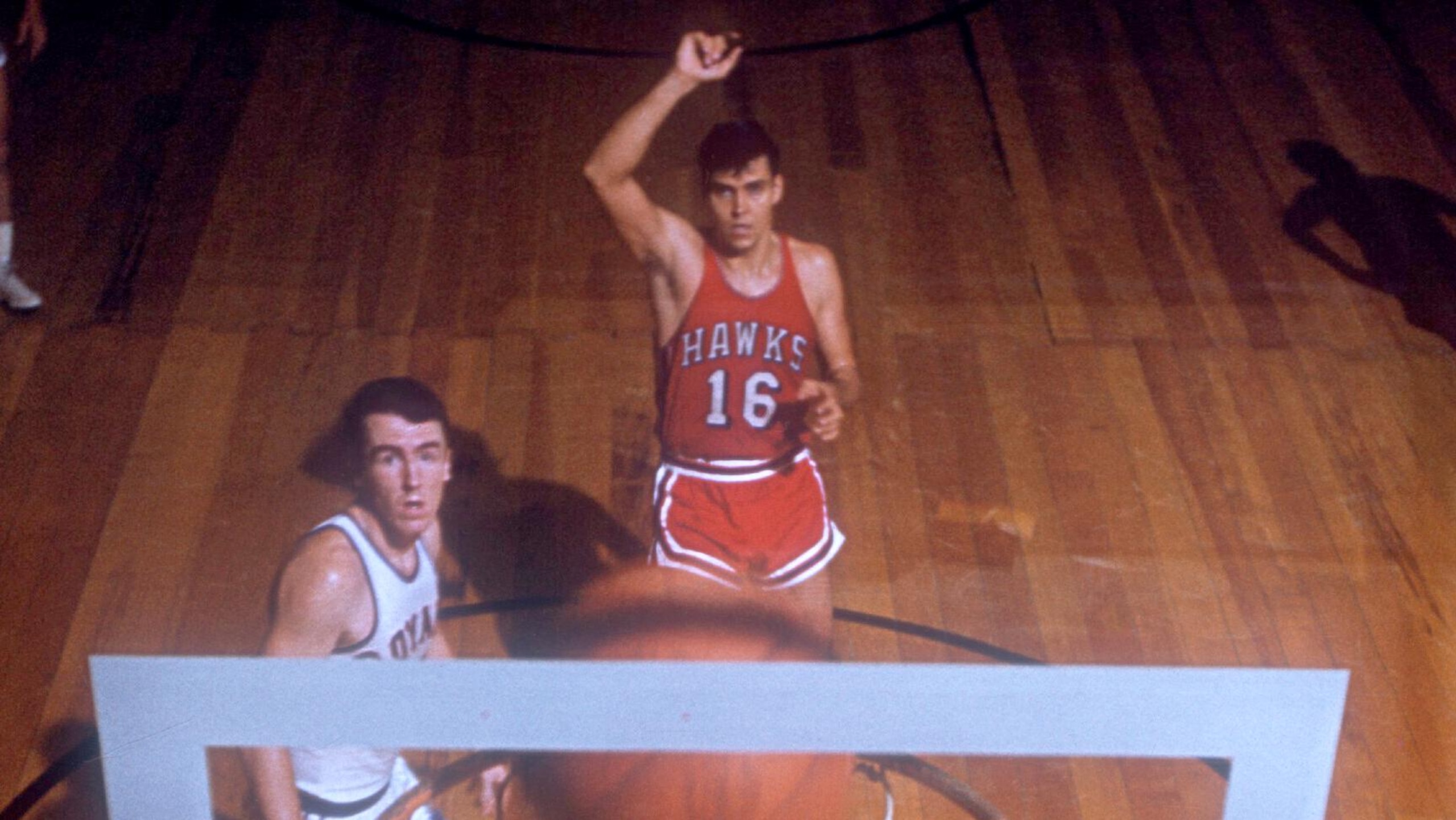
No. 2 option behind: Bob Pettit
The NBA doesn't make Cliff Hagans anymore. At 6'4" and barrel-chested, he'd be hunted on switches by 6'10" wings and stretched by 30-foot shooting—easy to dismiss as a relic of a slower era. Still, don't sleep.
Five All-Star nods, two All-NBA and a Most Improved Player award under his belt, he's best known as the first to hit one of the game's most legendary shots. In Game 6 of the 1957 Finals, he nailed a buzzer-beater that pushed the series to a Game 7 against Boston. It was the first recorded playoff buzzer-beater in NBA history.
Youngbloods would benefit from doing their due diligence. That 1958 title banner doesn't happen without Hagan dragging defenses into impossible rotations, allowing first option Bob Pettit to perform at an MVP level. Atlanta's history is littered with almosts and never-weres. Hagan was undersized but unforgettable. He was Atlanta's first great second option and still the blueprint for every Hawk chasing glory since.
Boston Celtics: Kevin McHale
2 of 30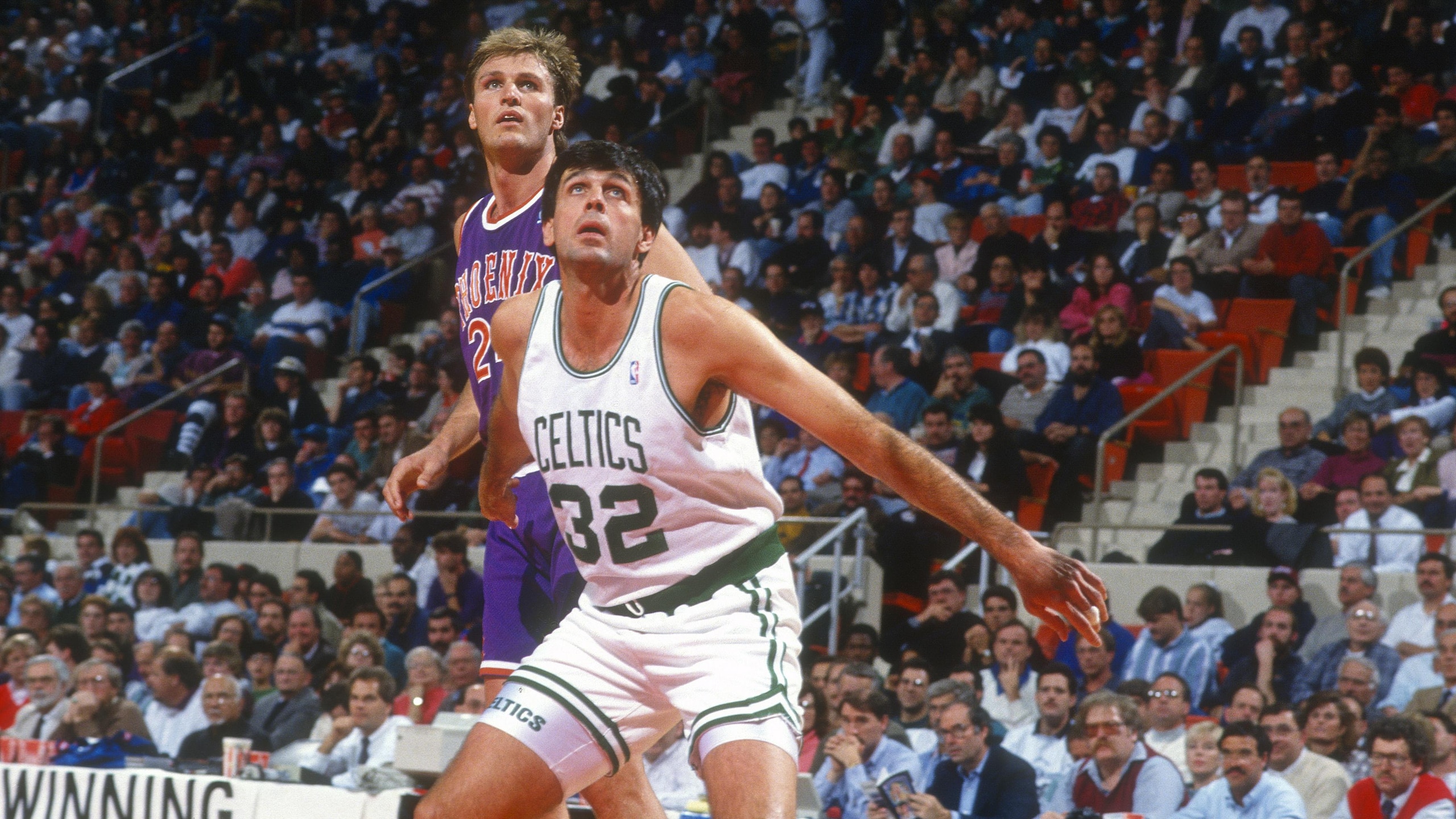
No. 2 option behind: Larry Bird
Larry Bird's trash talk and heavy-metal scoring fueled the '80s Celtics. But real ones know Kevin McHale's low-post torture chamber was the dynasty's core action.
Best believe Bird needed McHale's cruel efficiency: drop-steps, hook shots, up-and-unders, guided by elbows that cut glass. McHale buried you, methodically, without mercy. Together they made Boston basketball religion again.
Stats rarely do justice. But let's try. McHale shredded Houston's front line in the 1986 Finals, averaging 21.5 points on nearly 58 percent shooting. Remember, he did this against the first twin towers: Hakeem Olajuwon and Ralph Sampson. These weren't bums. It was a true clash of the titans. In Game 5 he dropped 33 with ruthless efficiency (12-23), bullying for position and cashing nine of 10 at the stripe.
He followed with 29 points, 10 boards and four blocks in the closeout Game 6, pairing soft touch with brute power on the block. Across six games he posted 129 points and 51 rebounds. He was part of three championships in the '80s. Think McHale could only be a second option? Whatever helps you sleep at night.
Brooklyn Nets: Brook Lopez
3 of 30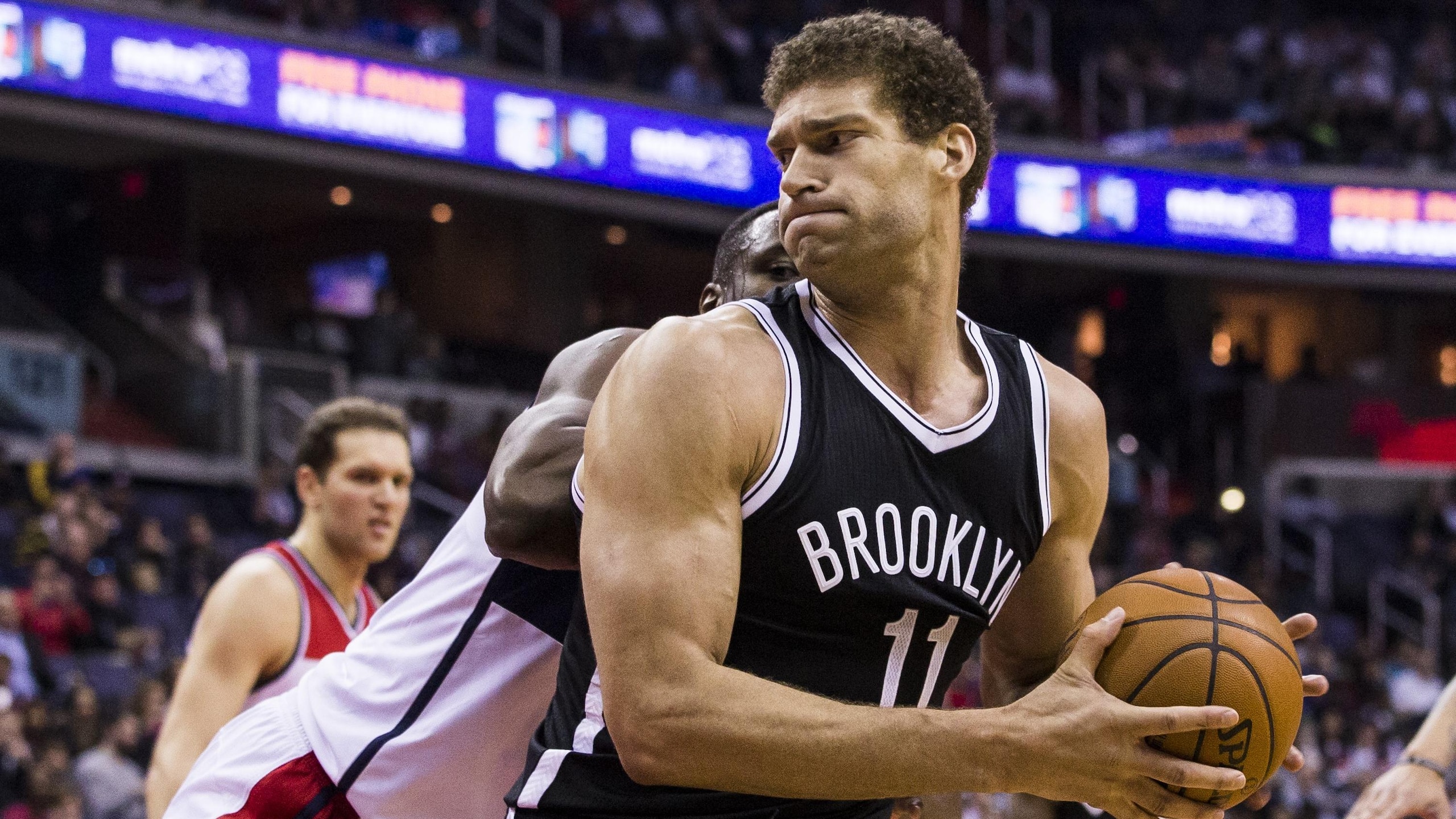
No. 2 option behind: Deron Williams
There was a moment in 2013, once Dwight Howard's injuries became Superman's Kryptonite, that Brook Lopez was the best big man in the game.
You read that right. Lopez had an arsenal of post moves paired with elite footwork that made him a bucket to start the 2010s. He was 2B to Deron Williams' 1A. But it never panned out. Williams' star faded from injuries and the team stumbled through the horrid trade chaos of Paul Pierce and Kevin Garnett. Nevertheless, Lopez kept showing up with a hardhat and bag of post tricks.
He was the franchise's steady No. 2—sometimes its No. 1 by default—yet his name goes underappreciated aside from Nets fans. He's remembered now for being a starting center on the championship Milwaukee Bucks team. But those who watched know his post game with the Nets was radical.
He's still the Nets' all-time leading scorer, a feat he'll likely hold for decades—a reality buried under losing records and relocation. He survived a market that demanded a superstar flash his game didn't match. And when the Nets and Lopez finally moved on, they never replaced what he gave them. Still haven't.

Charlotte Hornets: Alonzo Mourning
4 of 30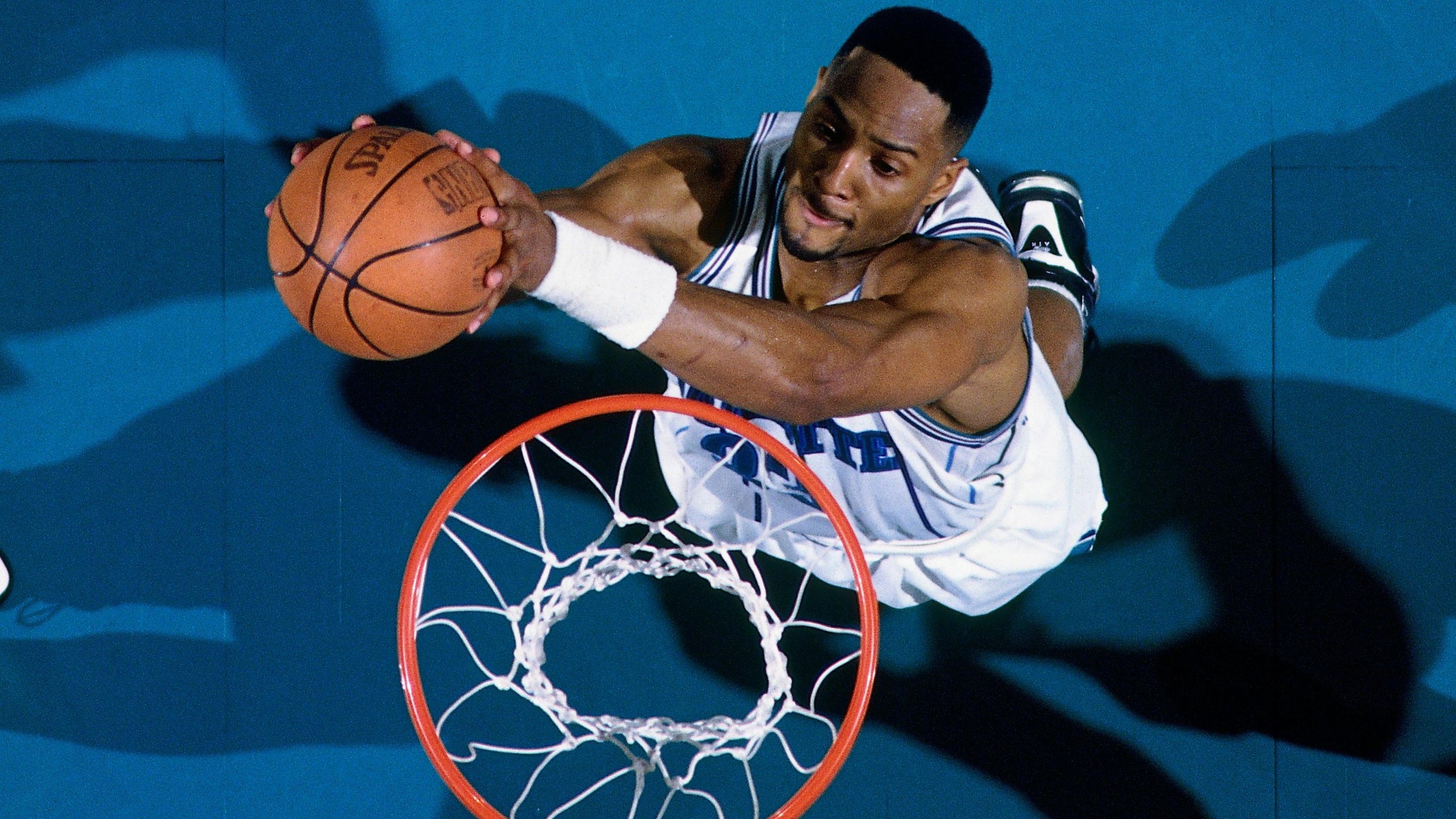
No. 2 option behind: Larry Johnson
This one was interchangeable. Larry Johnson and Alonzo Mourning both made a case to be the man for the Hornets in the mid-1990s. Before Miami, Mourning was Charlotte's snarling guard dog in the paint. Johnson was the franchise face with his gold-tooth smile and "Grandmama" commercials. But Zo had an edge to him.
It wasn't all dunks. His dominance was two-way. Mourning came from a storied legacy of Georgetown centers. In Charlotte, Mourning averaged 3.2 blocks per game across his first three seasons, posting a block percentage of 5.6—numbers that ranked among the league's best rim protectors.
Advanced metrics like defensive win shares (5.1 in 1994–95) showed how much he anchored the young team's identity.
Check YouTube: Zo was a monster in Charlotte. He added the Hornets to the black-and-blue mythos of '90s basketball when they could have easily fallen into expansion-team gimmick, the way Vancouver did.
Chicago Bulls: Scottie Pippen
5 of 30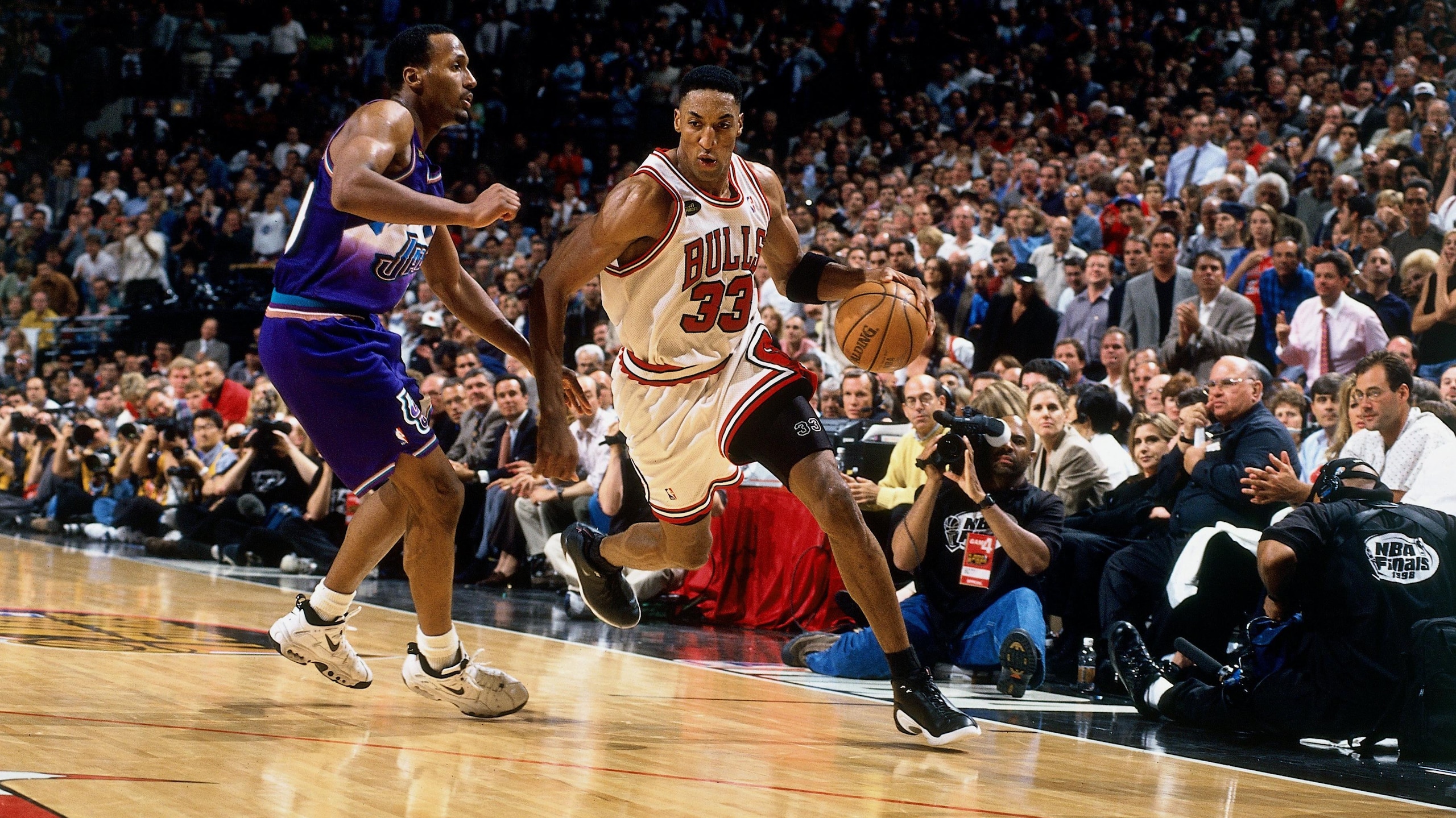
No. 2 option behind: Michael Jordan
You could bet the bank this one was coming. Scottie Pippen is the greatest No. 2 of all time. Period. As the GOAT, Michael Jordan got his deserved glory, but Pippen suffocated the other team's best player every night and ran the offense when MJ let him. Without Pippen, Jordan becomes stuck in the wilderness.
Pippen's length, vision, IQ, and versatility changed basketball. He could switch onto anyone 1 through 5 and give 'em a gauntlet. On offense, he forever etched "point forward" into the nomenclature. People like to reduce him to Robin, but no Robin never averaged near-triple-doubles in the championship round. Pippen dropped a cool 20.5 points, 9.2 rebounds and 7.7 assists per game in the 1993 Finals.
For reasons only Pippen can answer for, giving him his due is messy. He's spent years post-career cutting at Jordan and muddying the legacy he helped build. Everyone remembers the 1.8 seconds in '94 when he wouldn't check back in. That ego was always there, but it doesn't diminish his greatness.
Cleveland Cavaliers: Kyrie Irving
6 of 30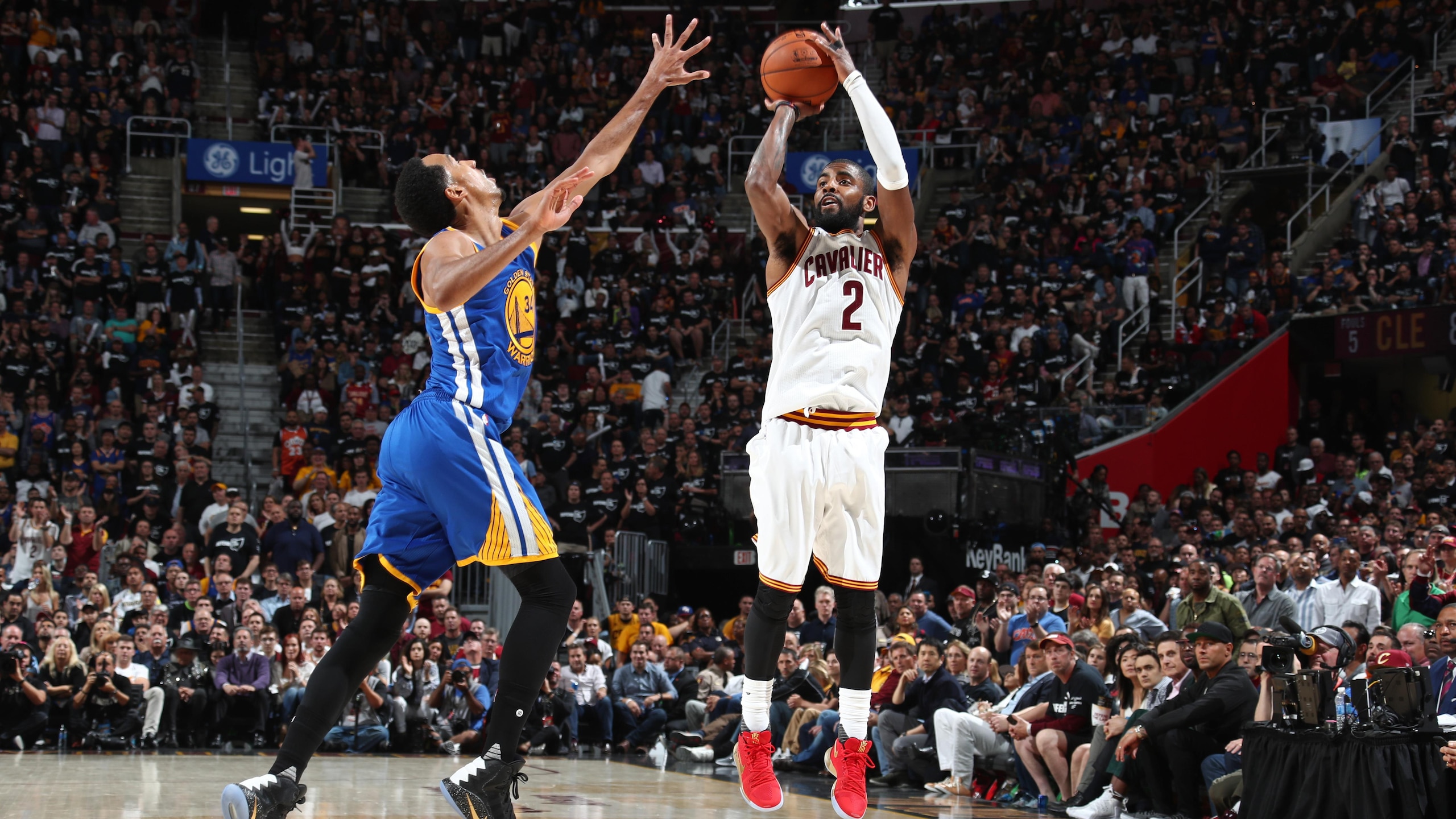
No. 2 option behind: LeBron James
Has any second option ever had a more memorable moment than Kyrie Irving? We're talking about the shot over Steph Curry, Game 7, 2016 Finals. That's a legacy bucket. Cleveland's ark. A reminder sometimes it's Robin who saves Gotham. Forget the flat-Earth jokes for a second. Without Kyrie, the Cavs don't get that 2016 title.
Cleveland and Golden State developed a legendary rivalry in the second half of the 2010s. Every possession felt like two men fighting over a knife in the mud. In the trenches, there was no better co-star for James to go to war with than Irving. But Irving never wanted to be anyone's No. 2, and maybe that's why it worked for just long enough.
Just like LeBron's first Cleveland tenure, Irving needed to leave to find his own path. He was the initial domino, followed by LeBron bolting to L.A. with the Cavs championship window slamming shut behind them. But that doesn't erase what he did for the city. His "shot" gave Cleveland its first parade in half a century.
Dallas Mavericks: Jason Terry
7 of 30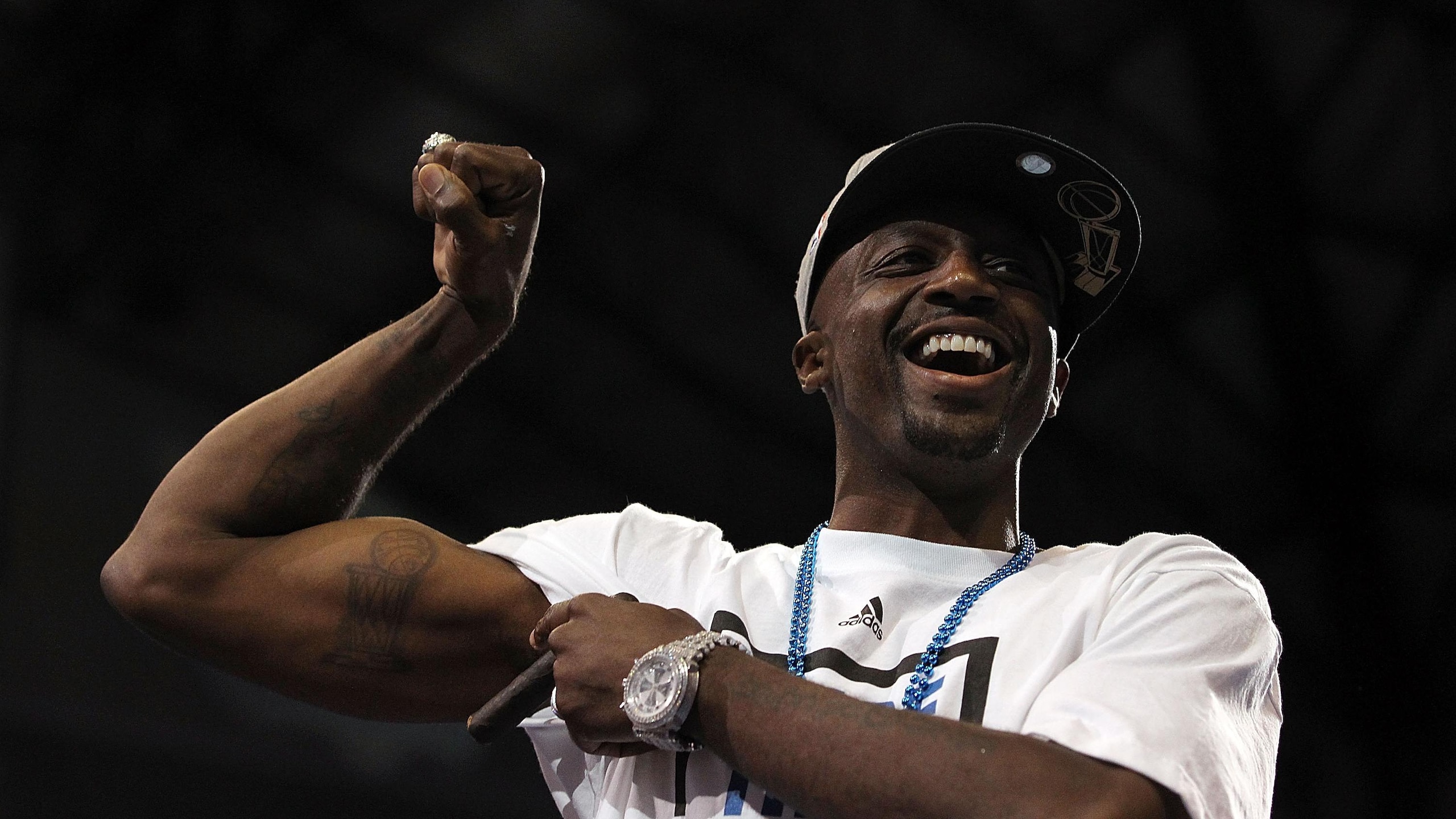
No. 2 option behind: Dirk Nowitzki
Man, oh man, did Jason Terry look corny at the time. That's our bad. In 2011, everyone but Dallas Mavericks faithful were dead wrong about what could be. Outsiders doubted. Hated even. When he first showed off his championship trophy tattoo prophesying a 'chip, it was pure comedy. The Mavs? In the age of the Miami Heat's Big Three, Kobe Bryant's defending champs and the rising Oklahoma City Thunder?
Up to that point, Terry was a lifetime role player. No one expected him to be able to play second fiddle for a championship. In Atlanta he was never the most athletic, certainly not the flashiest, but when the Dallas lights turned nuclear in 2011, he flamed LeBron James alive. With the Mavericks clinging to a fragile lead late in Game 5 of the 2011 Finals, Terry found himself one-on-one with James, the weight of the series hanging in the air.
He dribbled right, rose up and buried a cold-blooded three over LeBron's outstretched arm, a dagger with 33 seconds left that silenced Miami and pushed Dallas toward destiny. No one's laughing now.
Denver Nuggets: Jamal Murray
8 of 30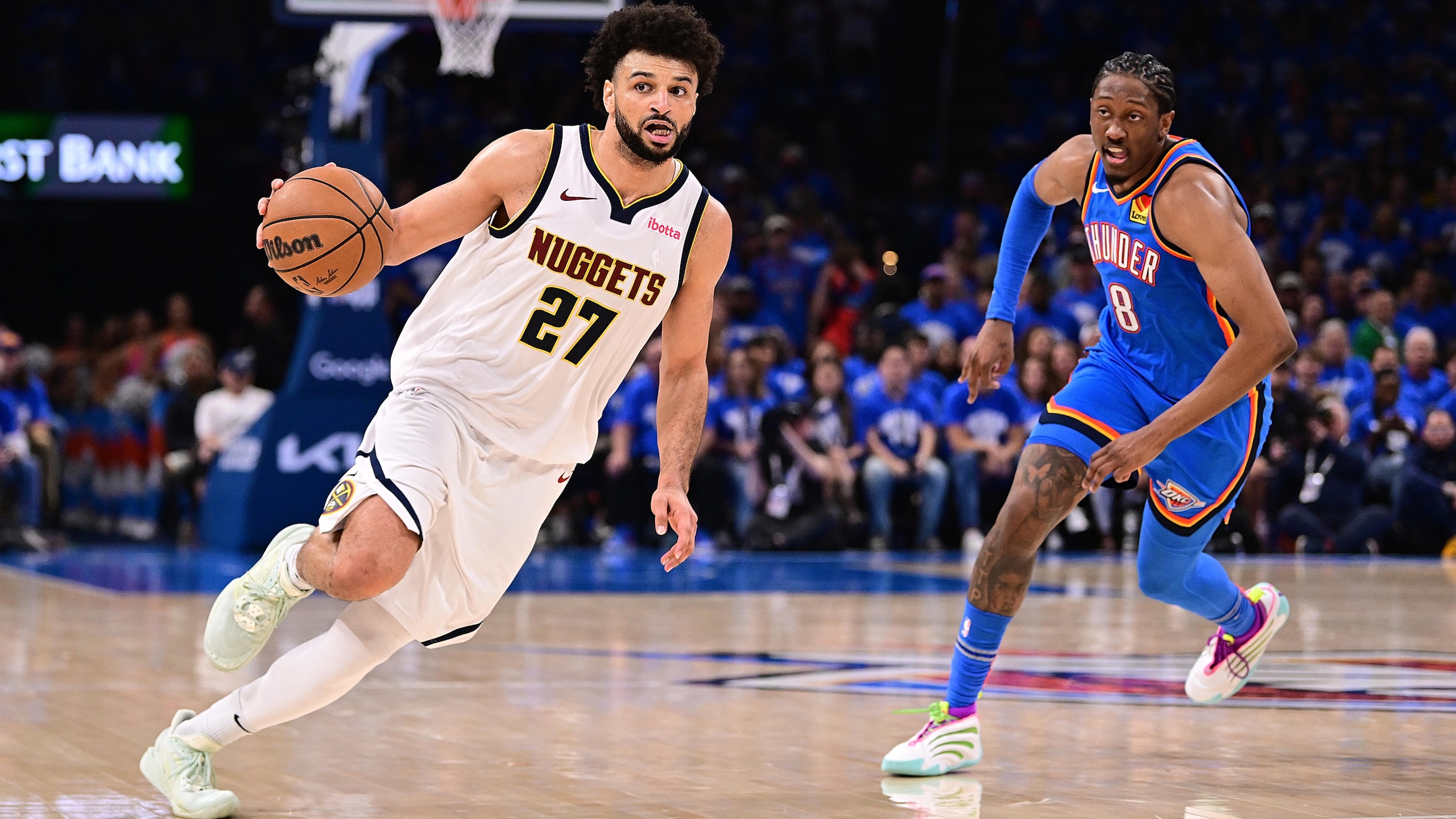
No. 2 option behind: Nikola Jokic
Did you know Nikola Jokic has never played with an All-Star? Consider that for a moment. Heavy stuff. With all Jokic has done and all he will do, the fact that he's never played with elite talent only enhances his place in hoops history. Jamal Murray is nice, but not a top-echelon guard. It just shows how special Jokic is.
But Murray has come through when it's mattered most. The pandemic was a crazy time, making Murray's bubble explosion in 2020 felt like a fever dream. In the 2023 Finals run he proved it wasn't a fluke. Those 40-point outbursts against Utah were the blueprint for how he'd scale next to Jokic.
Murray has averaged 23.7 points across 79 playoff games—a full three points higher than his regular-season line. He's logged nearly 40 minutes per night, proof of trust. His playoff true shooting, a mix of his 52.4 effective field-goal percentage and 90.4 percent from the stripe, confirms what the eye already knew: He stays efficient even when defenses load the clip against him.
But back to the Nuggets' championship postseason. Murray hung 34 in Game 3 of the Finals, dissecting Miami's defense with two-man actions and step-back jumpers that kept the Heat's zone scrambling.
Detroit Pistons: Joe Dumars
9 of 30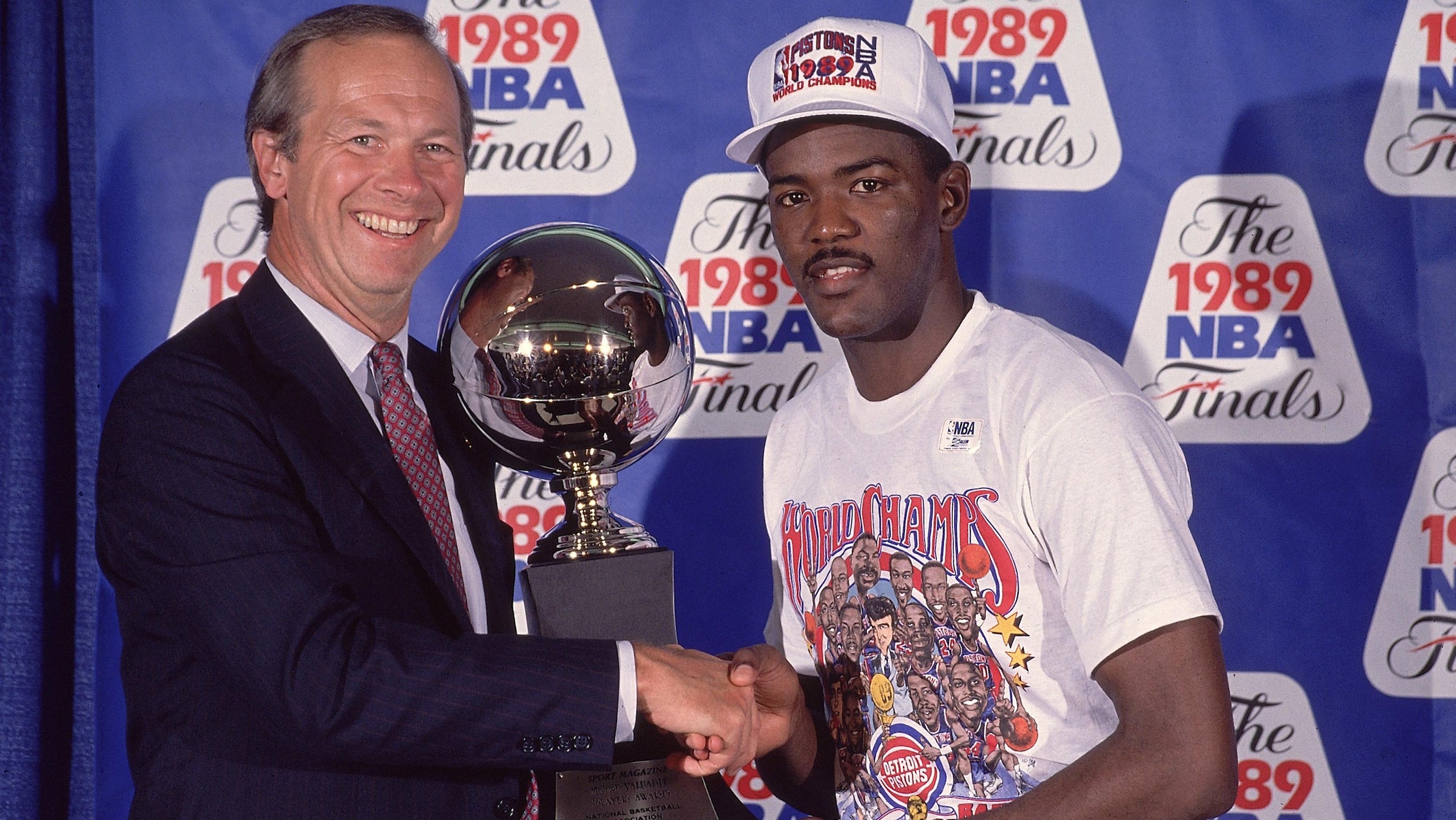
No. 2 option behind: Isiah Thomas
Ironically, the Detroit Pistons' "Bad Boy" image in the 1980s never fit Joe Dumars. No trash talk. No cheap shots. Just mid-range jumpers that sniped defenses. He always seemed a little out of place in the Bad Boys mythos of prison ball. But every memorable villain has an id. And Dumars was the conscience of his team.
He won Finals MVP in '89 while the Lakers were busy getting mauled by Bill Laimbeer and Dennis Rodman. Defensively, he put Magic Johnson in a vice, chased him off spots and forced him into bad angles. Magic shot 46 percent from the field, 20 percent from three for just 11 points per game behind bars.
On a team remembered for elbows and flagrants, Dumars made sure the Pistons were more than a gang of brawlers. He made them champs.
Golden State Warriors: Steph Curry
10 of 30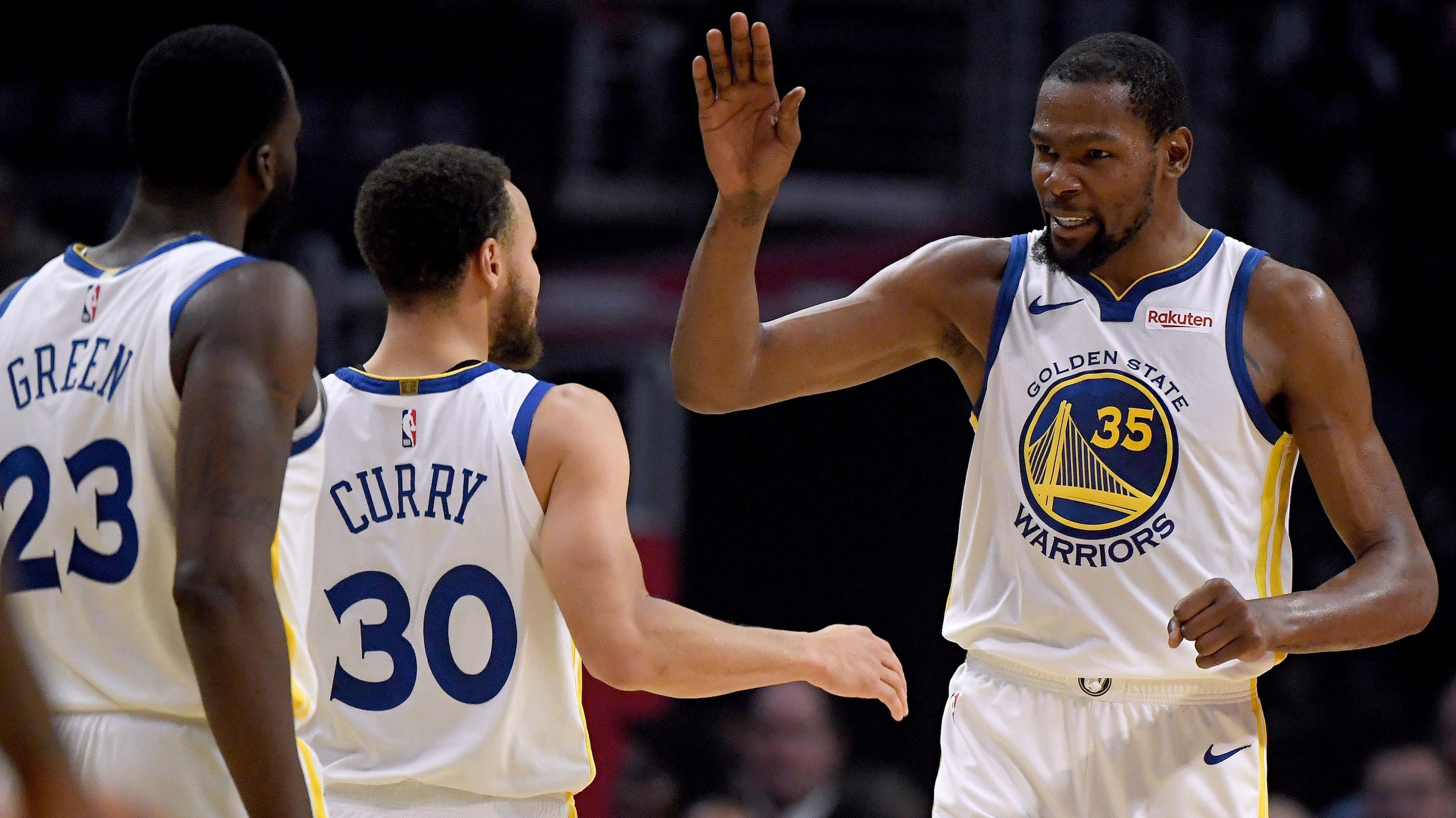
No. 2 option behind: Kevin Durant
Yeah, it sounds insane—Steph Curry a second option?
But in the Warriors' Kevin Durant years, that's exactly what he was. The most dangerous shooter in history willingly bent his game to let Durant cook. Most superstars in that position would've bristled, demanding the ball. Curry did the opposite.
Look at the numbers to see the balance. In 2017, Curry put up 26.8 points, 8.0 rebounds and 9.4 assists per game against Cleveland—an almost triple-double pace. The following year, in 2018, Durant won another Finals MVP, but Curry still averaged 27.5 points, 6.0 rebounds and 6.8 assists, including a Finals-record nine made threes in Game 2.
And here's the kicker: He sacrificed a chunk of his own legacy to do it. But the trade-off made him sharper. Playing next to Durant forced Curry to weaponize his off-ball movement to the extreme, to become an even more relentless off-ball sprinter, a more dangerous decoy, a more complete player.
When Durant left, Curry took the throne back without hesitation and won his first Finals MVP in 2022.
Houston Rockets: Ralph Sampson
11 of 30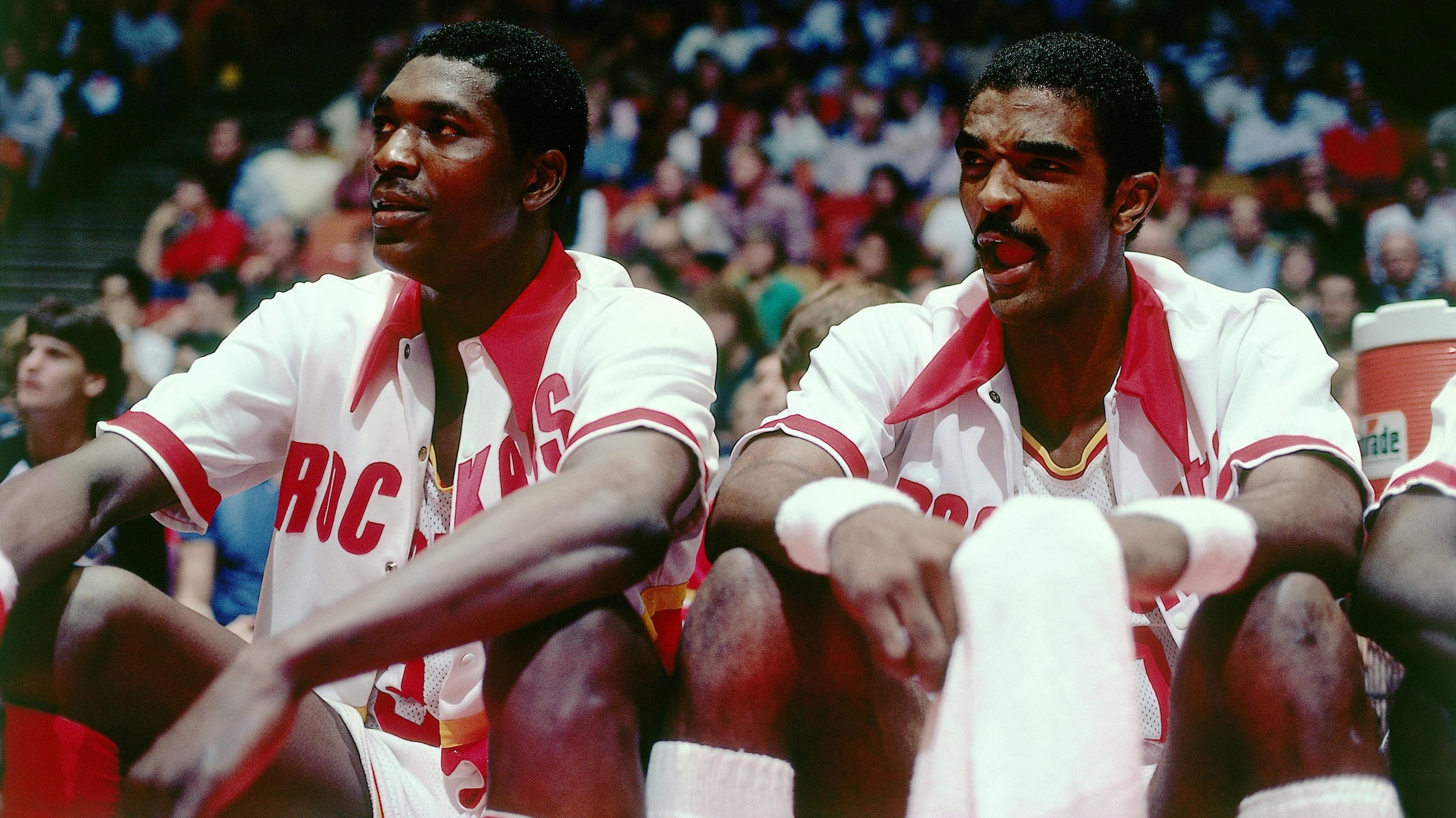
No. 2 option behind: Hakeem Olajuwon
In the 1980s, the Houston Rockets believed they had the next giving tree on their hands. Two in fact. Hakeem Olajuwon, a raw and furious 7-footer fresh from the University of Houston, and Ralph Sampson, a 7'4" anomaly who moved like a guard in a giant's body. Together, they were the Houston Rockets' Twin Towers.
Sampson could face up, post up and stretch the floor in an era that had never seen a "unicorn" before. They were the first frontcourt to warp the court vertically and horizontally simultaneously.
His postseason résumé in Houston's rise underscored his versatility. In his first playoff run, 1985, he logged 38.6 minutes per game, averaging 21.2 points and 16.6 rebounds at 24 years old. The following year, as Houston stormed to the Finals, he elevated his efficiency, shooting 51.8 percent from the field while averaging 20.0 points, 10.8 rebounds and 4.0 assists over 20 playoff games.
The peak of his promise came 1986. In the Western Conference Finals, staring down Magic Johnson, Kareem Abdul-Jabbar and the Lakers dynasty, Sampson hit a dagger that still echoes through Rockets history—a twisting, falling turnaround jumper at the buzzer that sent Showtime packing. And launched the Rockets to their second Finals.
Indiana Pacers: Pascal Siakam
12 of 30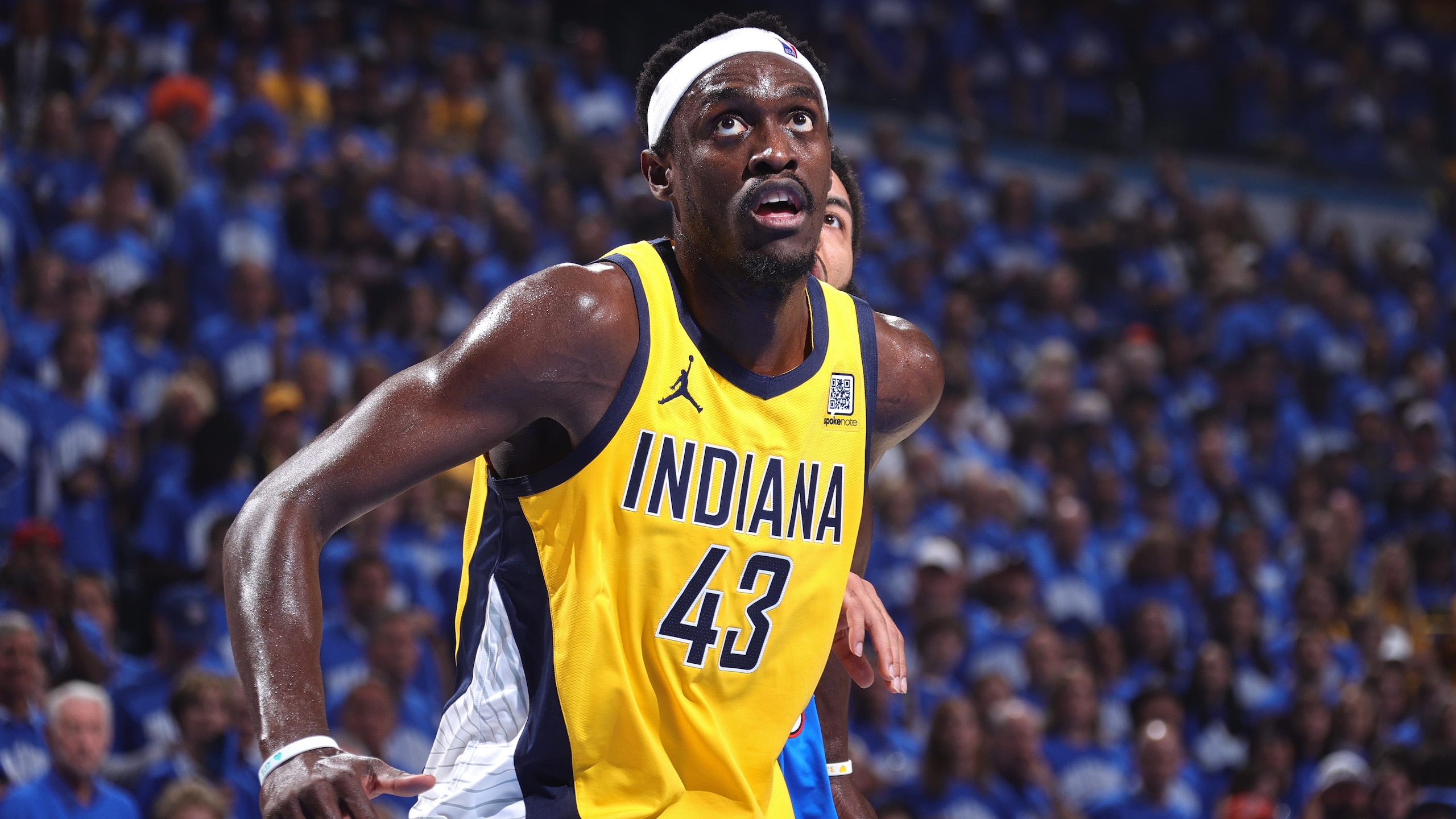
No. 2 option behind: Tyrese Haliburton
No, he hasn't been in Indiana long, but Pascal Siakam already feels like the best running mate the team has had in decades. Tyrese Haliburton should count his lucky stars that he's got Siakam, an NBA champion with Toronto. Siakam's a proven second option who plays like a first when Hali inevitably fades. In Toronto, he dropped 32 in the clinching Game 6 of the 2019 Finals.
Siakam's game has an edge Indiana hasn't had since peak Ron Artest—prime physicality mixed with skill. He can bully smaller wings, spin past slower bigs and sports pure midrange pull-up. He gives the Pacers a dual-engine attack the franchise has never truly possessed. Until now.
Then there was that clip ahead of Game 6 of the 2025 Finals. Siakam's eyes rolled back in the huddle, whites showing like he'd been overtaken by something more diabolical than basketball itself. Twitter joked about demons, but in that moment, it felt true. He came out different. Less sidekick, more apex predator.
Los Angeles Clippers: Blake Griffin
13 of 30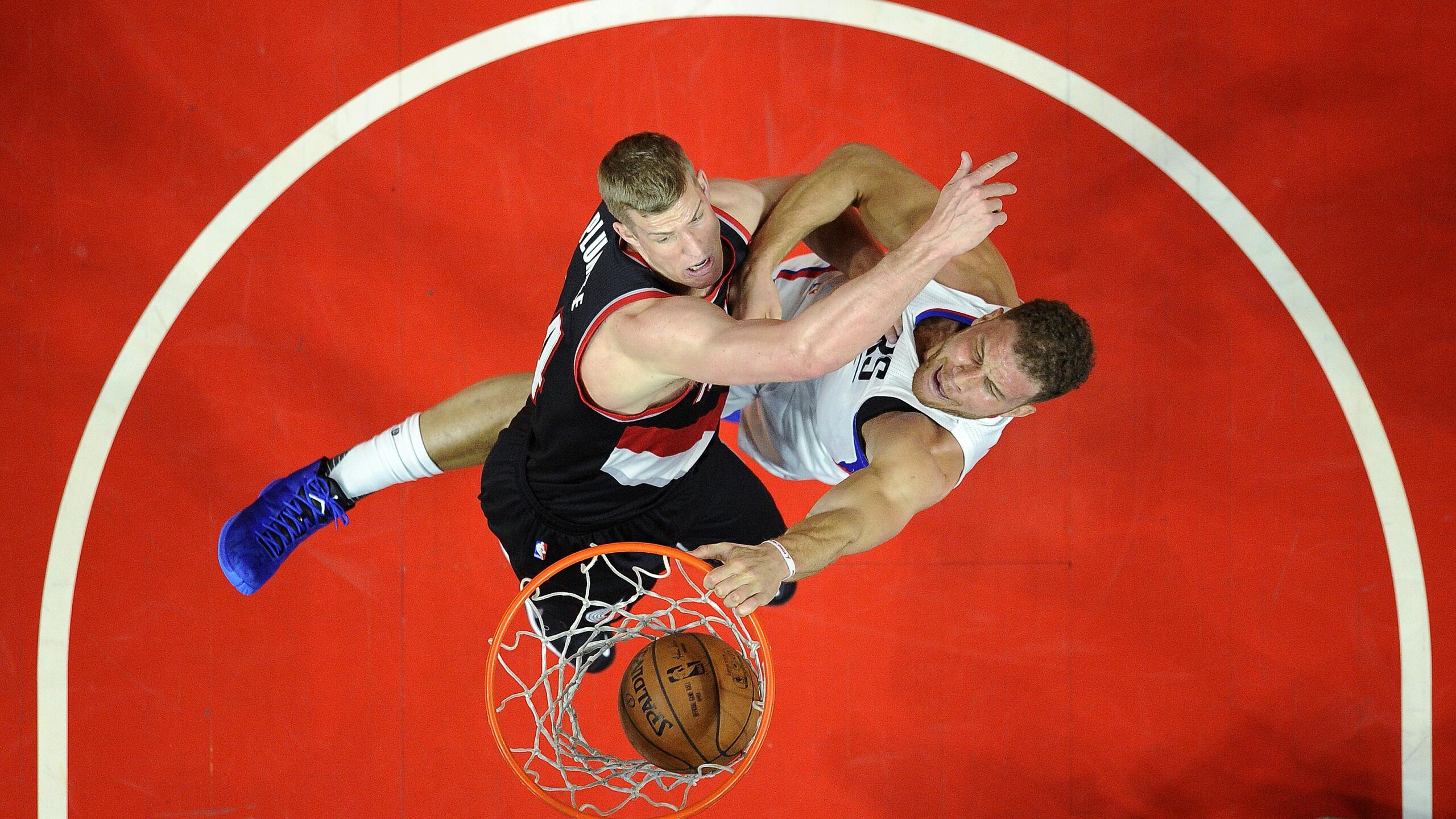
No. 2 option behind: Chris Paul
All that's left of Lob City are memes and heartbreak. But for the first half of the 2010s, Chris Paul was the Point God, with Blake Griffin his lightning bolt.
For decades the Clippers had been the league's punchline, a franchise known more for dysfunction. With Griffin cashing in Paul's lobs, they became a contender. For the first time in forever, L.A.'s other team mattered more.
And it wasn't all flash. Griffin's game grew beyond the rim. He built a midrange jumper that defenses had to respect. He started making reads as a passer, running offense from the elbow, threading assists through collapsed defenses. He shouldered the scoring load whenever Paul went down with injury. He became a dependable offensive hub.
In that stretch, he was one of the league's most versatile bigs, something closer to a prototype for the modern playmaking forward. During six full seasons alongside Paul, Griffin posted 21.3 points, 8.8 rebounds and 4.2 assists per game, earning four All-Star nods and a pair of top-10 MVP finishes.
Los Angeles Lakers: Kobe Bryant
14 of 30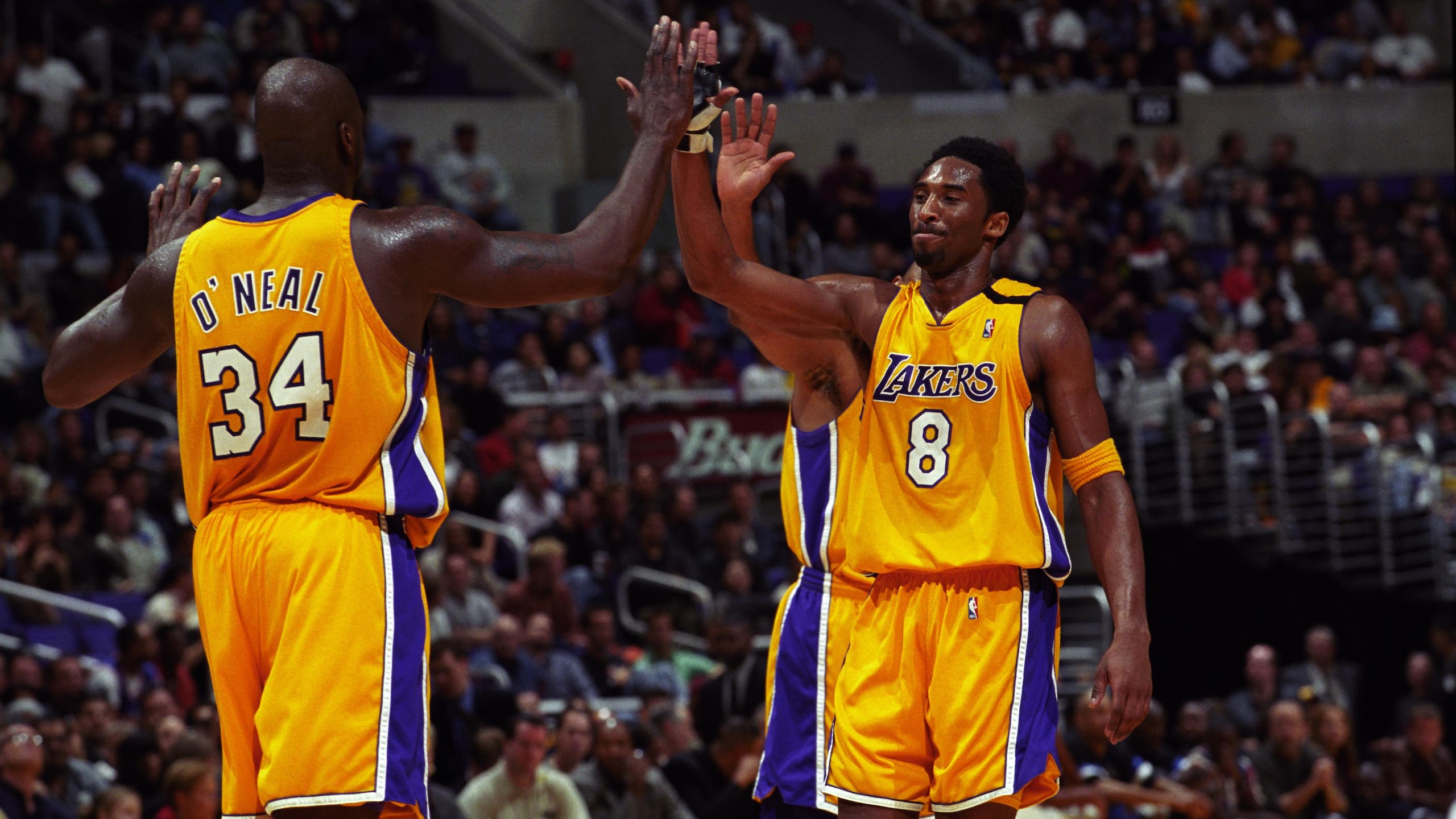
No. 2 option behind: Shaquille O'Neal
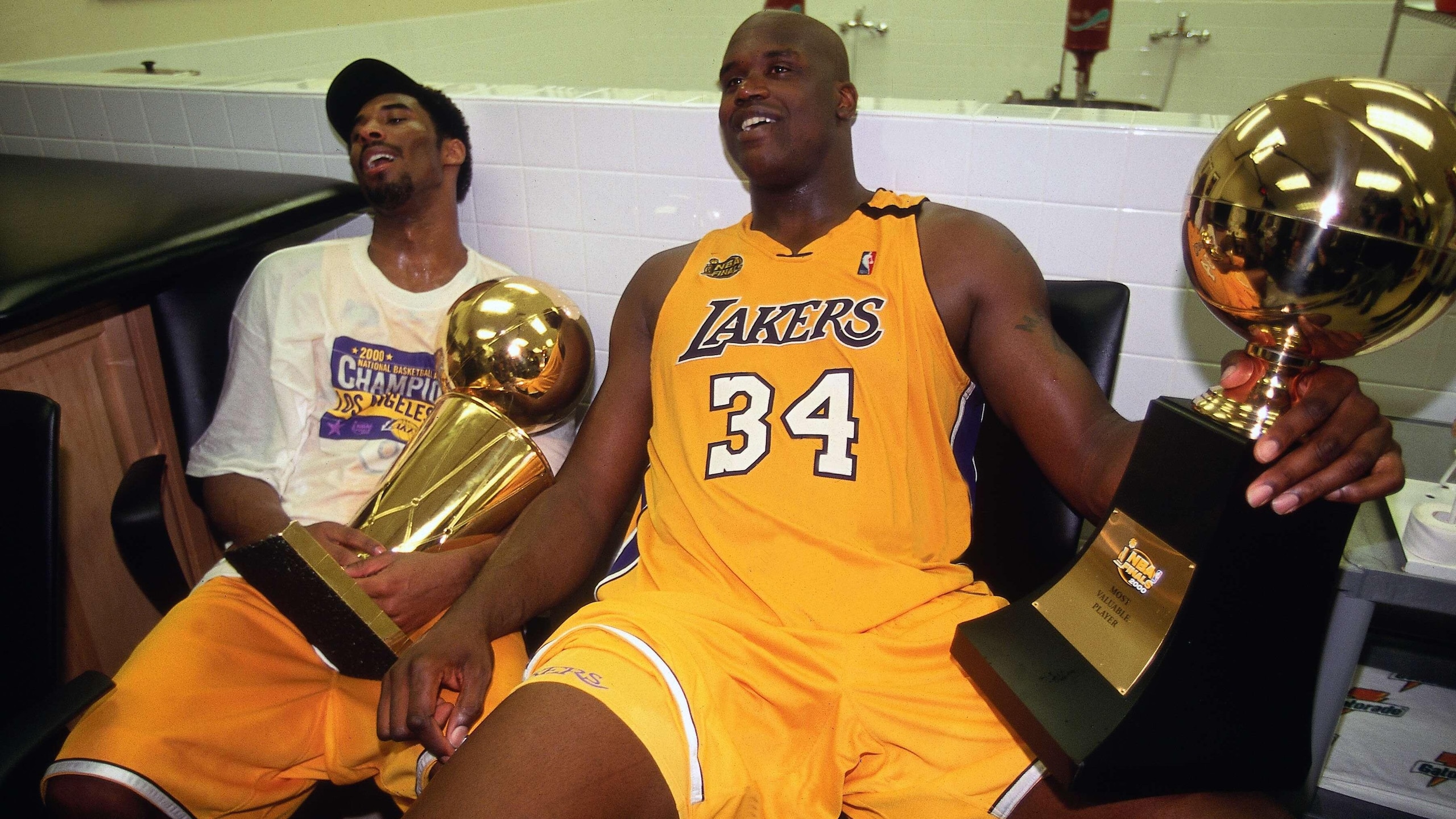
Game 4 of the 2000 NBA Finals. Overtime. Shaquille O'Neal, the most dominant force in basketball, had just fouled out.
Without Shaq, the Lakers were supposed to fold. That's when a 21-year-old Kobe Bryant, limping on a bum ankle, looked around and decided the game was his.
This was the moment that transformed him from sidekick to co-star. The Mamba went to work. Pull-up jumpers with a hand in his face. Floaters in the lane. A cold-blooded midrange dagger after crossing up Jalen Rose. He hit four shots in the final minutes, each one an explicit affirmation that the Lakers weren't giving this away.
The Pacers tried to trap him, body him, make him feel the weight of Shaq's absence. But Kobe didn't blink. He rose into the teeth of the defense with both fists clenched. When the horn finally sounded, he had 28 points—eight of them in overtime—sealing the win that gave L.A. a 3-1 stranglehold on the series.
Shaq would recall the moment after fouling out with 2:33 left and the Lakers clinging to a 112-109 lead, saying that Kobe told him,"Don't worry about it."
Memphis Grizzlies: Marc Gasol
15 of 30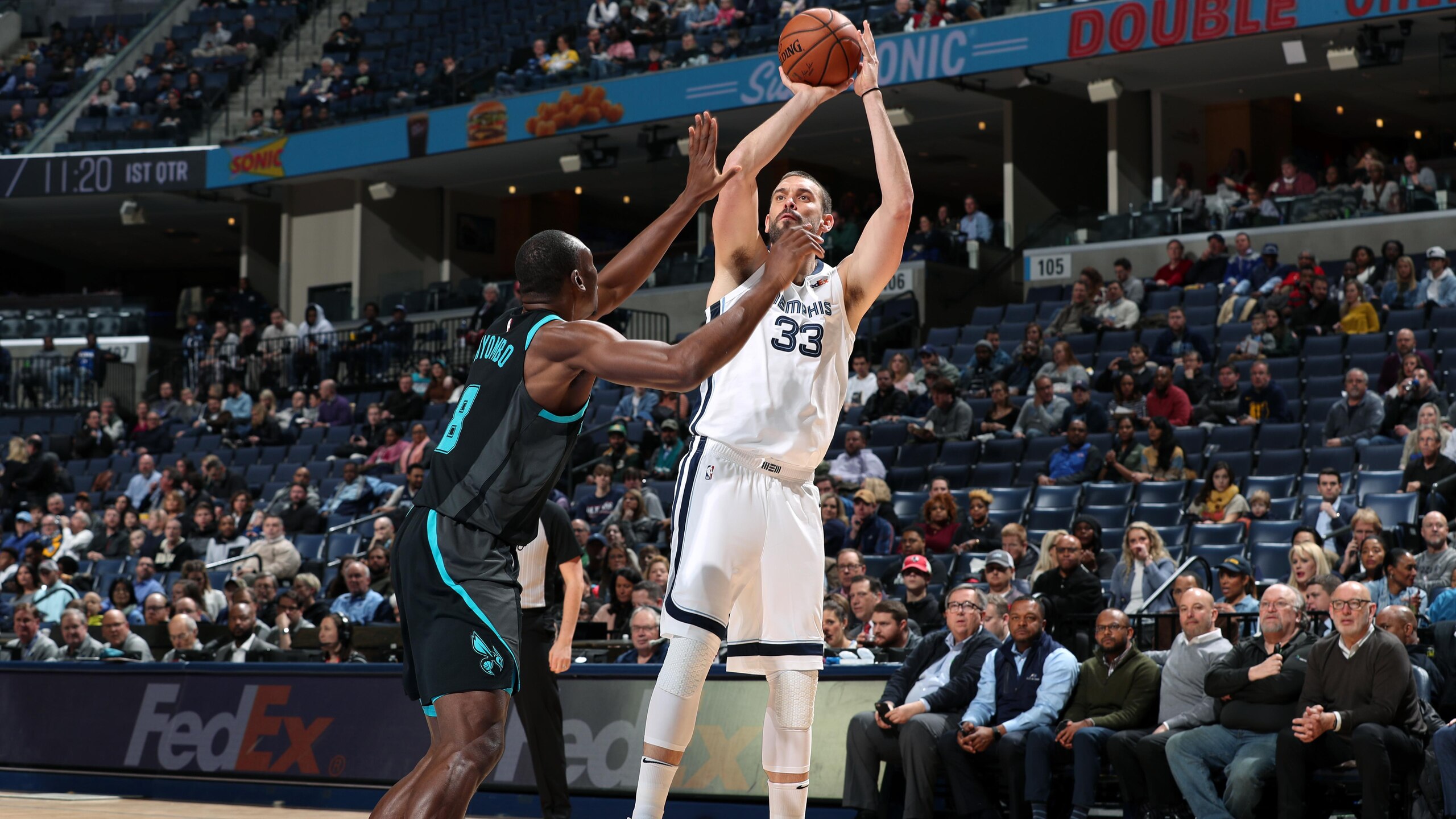
No. 2 option behind: Zach Randolph
Marc Gasol's legacy in Memphis began as an afterthought. In 2008, the Grizzlies traded his big brother, Pau Gasol, the face of their franchise, to the Los Angeles Lakers. In return, they got a package that many saw as scraps: Kwame Brown, Javaris Crittenton, draft picks and the rights to Marc, who was still playing overseas.
But who knows the potential of a Gasol better than Memphis? Marc wasn't Pau. He didn't glide with finesse, didn't have the same polished scoring bag. He was heavier, slower, less athletic. But oh, what a beautiful mind. Marc figured out how to beat opponents with angles, turning positioning into a weapon, anticipation into art, and passing into a point-of-attack for a franchise desperate for identity.
Alongside Z-Bo, Tony Allen and Mike Conley, Gasol became the strategist of the Grizzlies' Grit 'n Grind era. He always found a way to win his matchup, using craft and touch where others relied on force. He could bury a midrange jumper when defenses sagged and thread a pass through a thicket of arms, and on defense, turn the rim into a wall.
Gasol's impact was recognized at the highest level. He won Defensive Player of the Year in 2013, making Memphis one of the toughest outs in basketball. And in true irony, his story circled back to Los Angeles—where he joined the Lakers in 2020 and won a championship just like Pau. Sometimes the throw-in becomes the prize.
Miami Heat: Dwyane Wade
16 of 30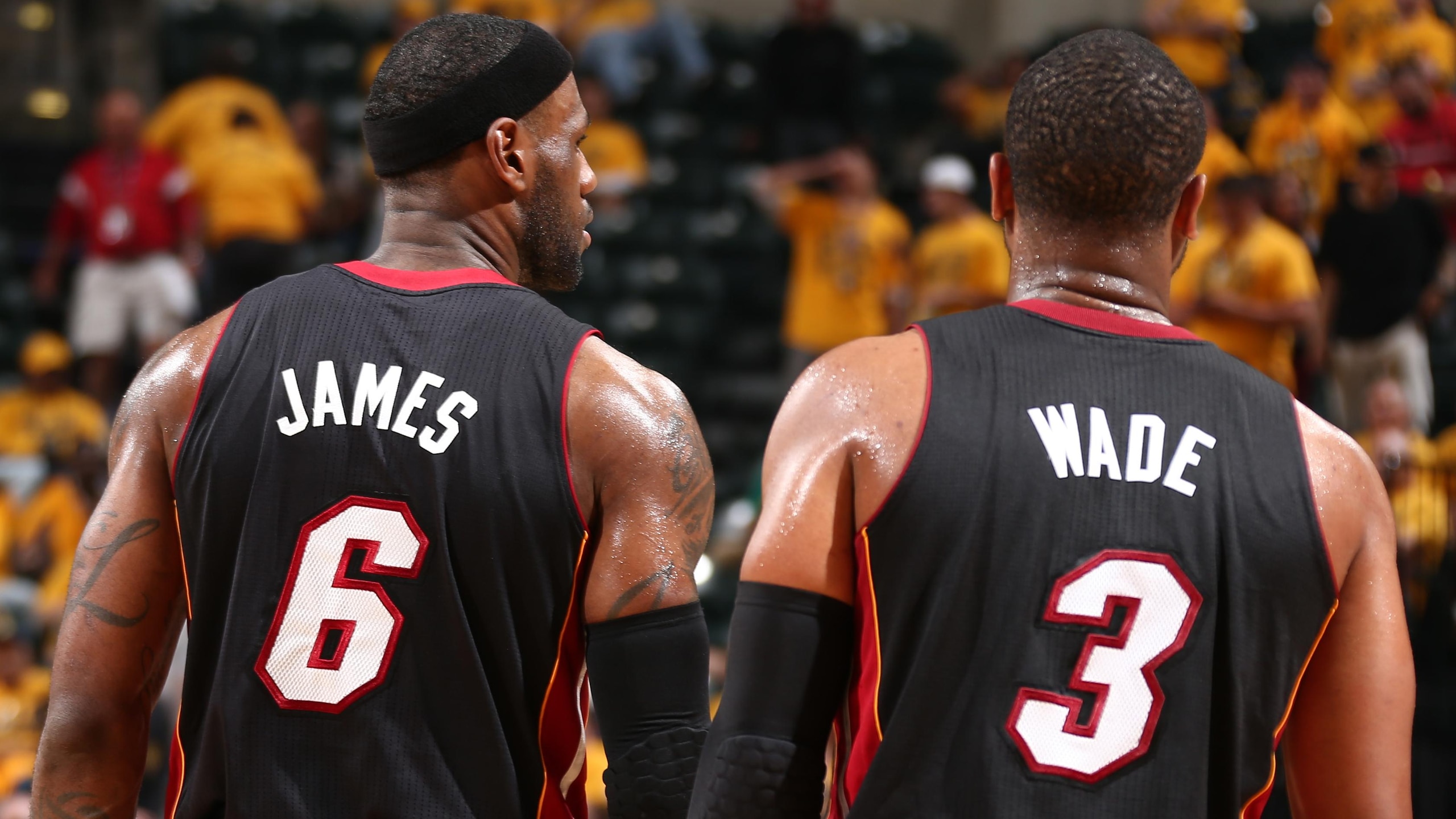
No. 2 option behind: LeBron James
The Miami experiment almost collapsed before it began. In 2011, the newly formed Big Three—LeBron James, Dwyane Wade and Chris Bosh—were supposed to steamroll their way to championship(s). Not one, not two, not three...instead, they unraveled against the Dallas Mavericks in the Finals.
LeBron shrank under the spotlight, the offense jammed with too much overlap, and Wade—who had dragged Miami to its first title in 2006—looked like he might have to carry the load all over again.
Something had to give.
For the Heatles to work, LeBron had to be the unquestioned No. 1. Wade recalibrated himself into the perfect co-star, sacrificing touches, spotlight, even narrative so that the team could evolve into the juggernaut it was meant to be.
The results were instant. In 2012, LeBron finally ascended to full dominance, and Wade's adjustment made it possible. When games slowed to a grind, he could still slice into the lane, hit the midrange pull-up or draw those incessant fouls. When defenses loaded up on LeBron, Wade reminded them who he was.
Milwaukee Bucks: Oscar Robertson
17 of 30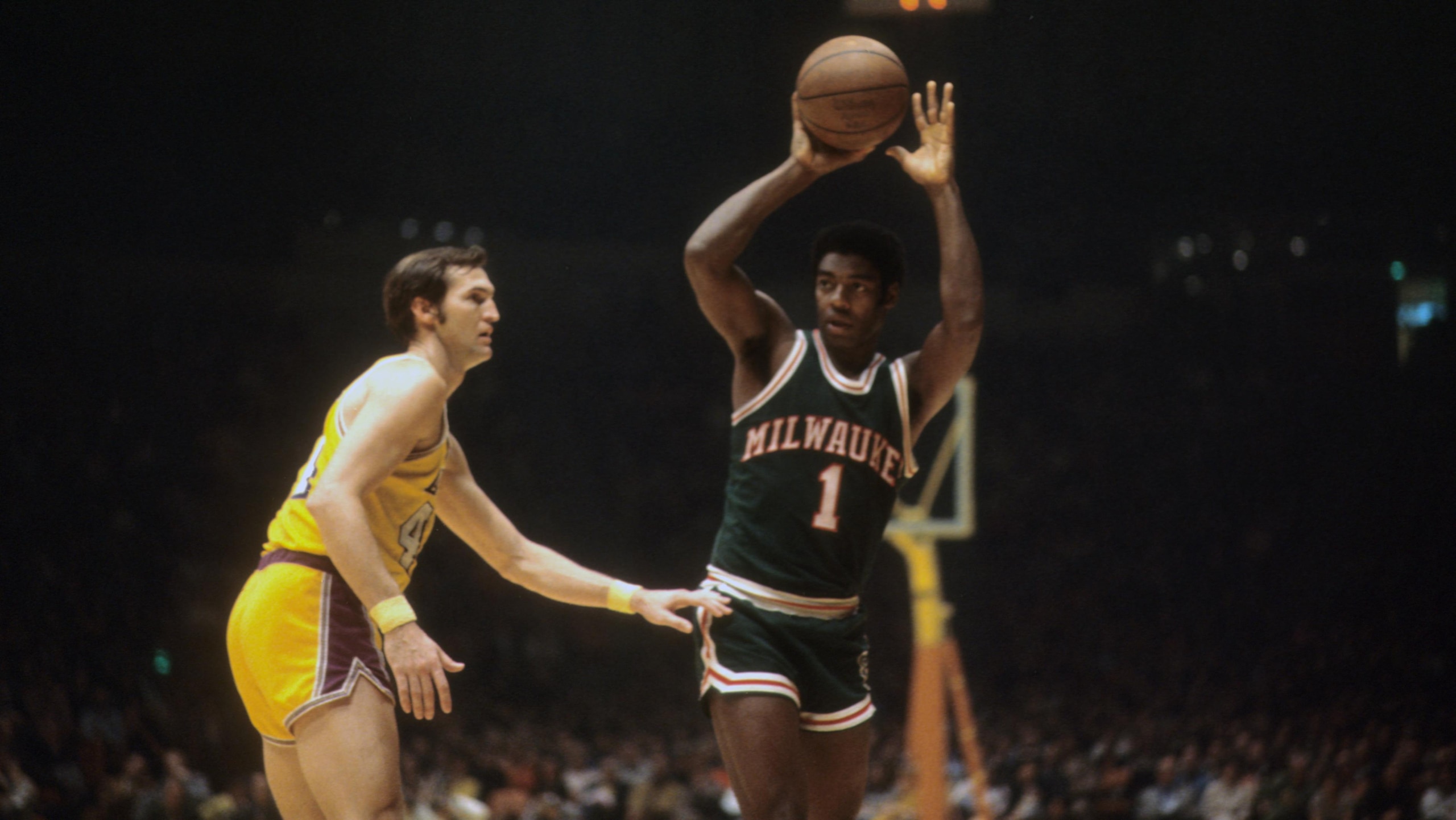
No. 2 option behind: Kareem Abdul-Jabbar
In his prime with the Cincinnati Royals, Oscar Robertson revolutionized statistics. A 6'5" powerhouse with scoring, rebounding, rare size and passing brilliance, Robertson made triple-doubles his brand. He was the first to average one for an entire season by notching 30.8 points, 11.4 assists and 12.5 rebounds per game in 1961-62.
"Nearly," because only Father Time is unbeaten. By the point he arrived in Milwaukee in 1970, his physical gifts were beginning to wane. The explosive athleticism had dulled and the endless minutes of carrying an offense had taken their toll. Instead of fading into obscurity, Robertson was the first superstar to reinvent himself. In Milwaukee, he became the steadying hand, complementing rising superstar Lew Alcindor—soon to be Kareem Abdul-Jabbar.
The Big O's presence meant the Bucks didn't need Alcindor to shoulder every burden; Robertson could play prime in spurts. He could still absorb defensive focus and guide possessions with precision. In 1971, the partnership gave both stars, and the franchise, a first championship. Alcindor's skyhook may be eternal, but it was Robertson who first put it in his hands to shoot it.
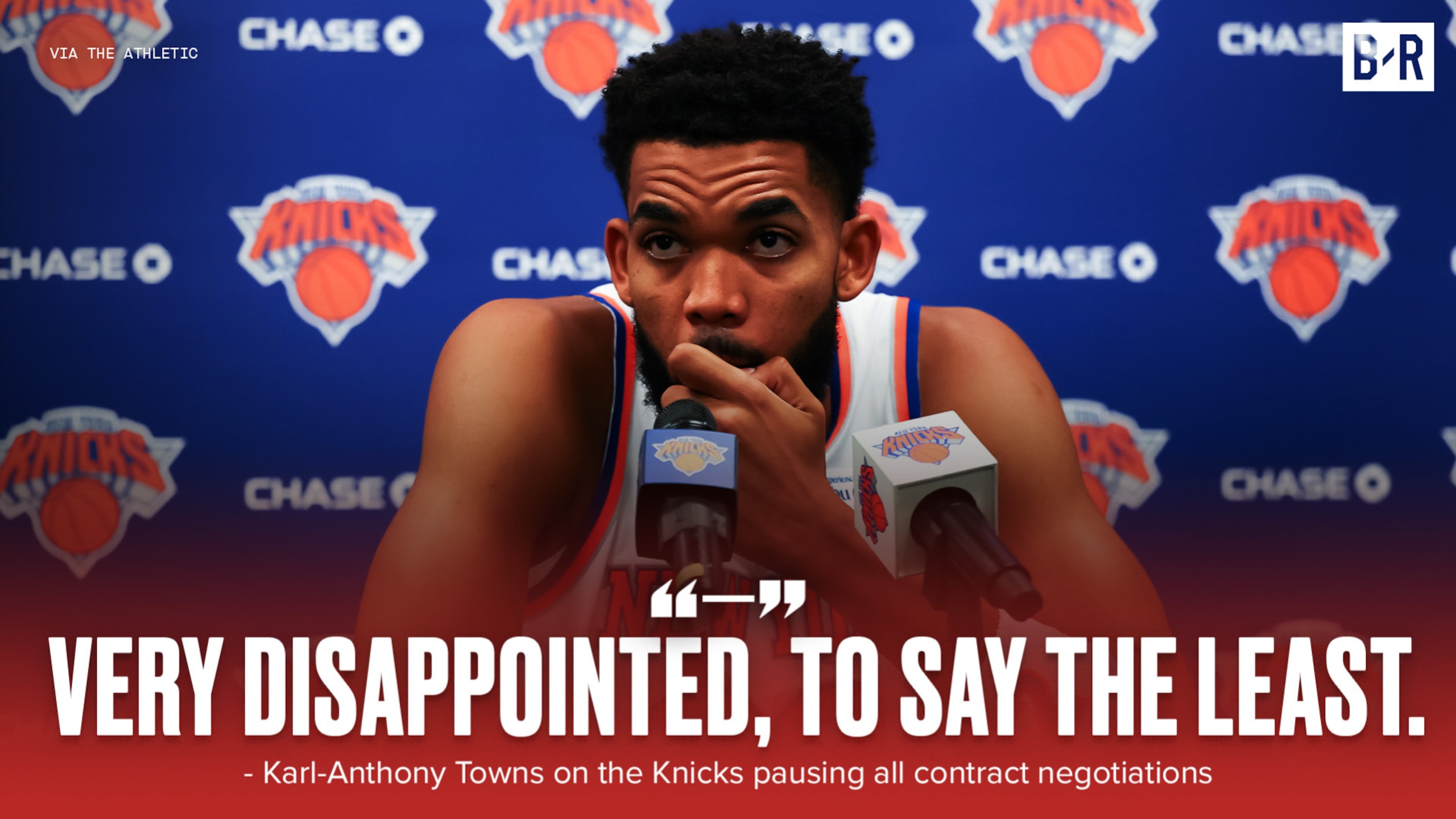
Minnesota Timberwolves: Karl-Anthony Towns
18 of 30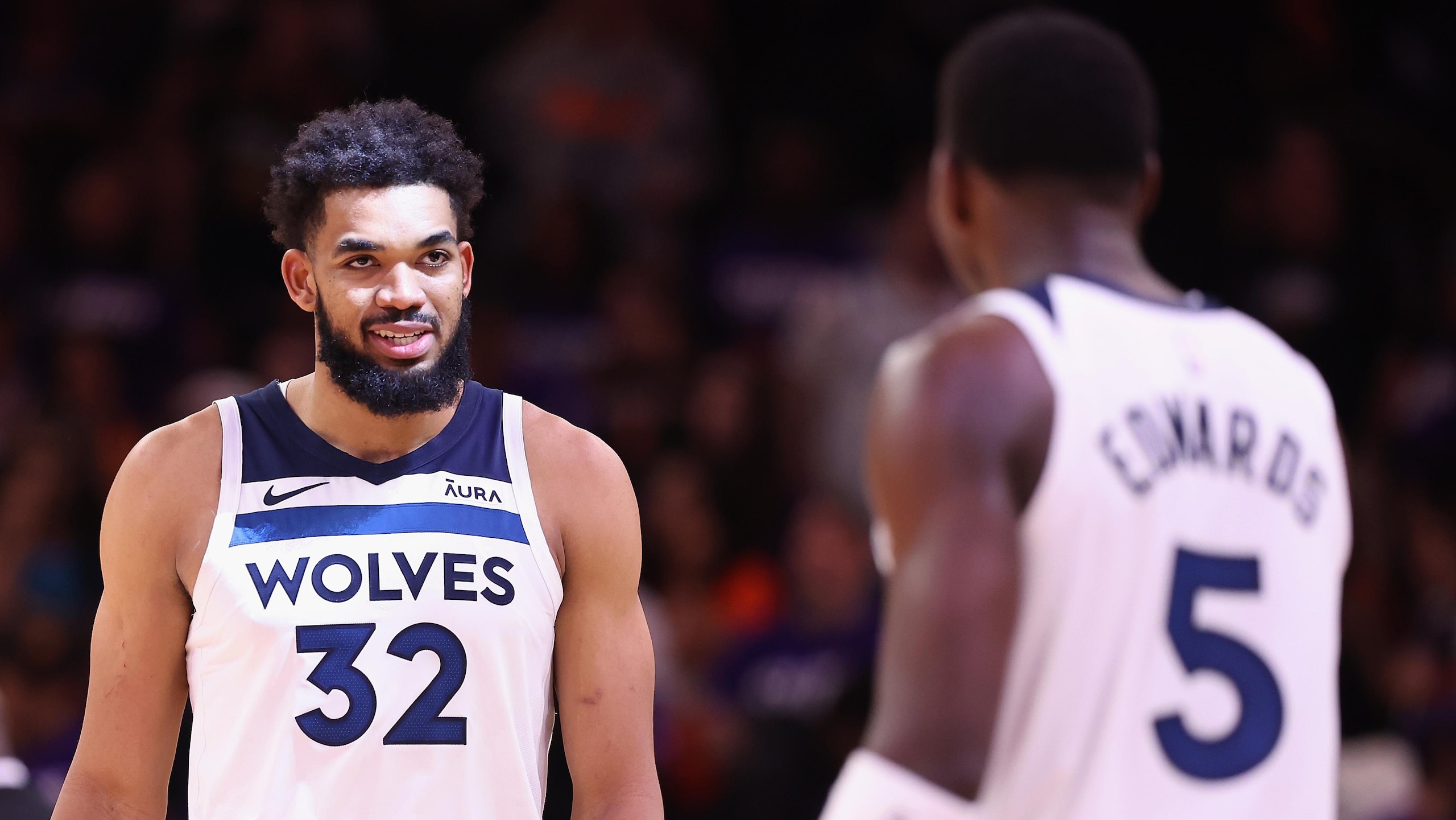
No. 2 option behind: Anthony Edwards
Karl-Anthony Towns entered the league as the blueprint of a franchise cornerstone. At seven feet tall with guard-like skills and touch from deep, the No. 1 overall pick looked every bit the modern big. In Minnesota, he was supposed to be the player everything else revolved around. And for years, he was exactly that: Rookie of the Year, All-NBA and All-Star scorer, an elite rebounder and a matchup nightmare.
But Towns' career has been defined less by forcing himself into that role and more by how he learned to step aside. Unlike other former No. 1 picks who never gave up the spotlight until it was too late, Towns has killer discernment. He was the rare top selection willing to acquiesce to another emerging No. 1 pick when the situation called for it. Greater still, he didn't do this on the back end of his prime, but right in the middle of it. By the time he was Anthony Edwards' No. 2, he still had plenty prime years left in him.
Towns is better than 99 percent of the big men who have played in the 21st century. Full stop. His offensive versatility alone puts him in rare company. But not every great big man needs to be the ruthless, take-over scorer to win a championship.
New Orleans Pelicans: David West
19 of 30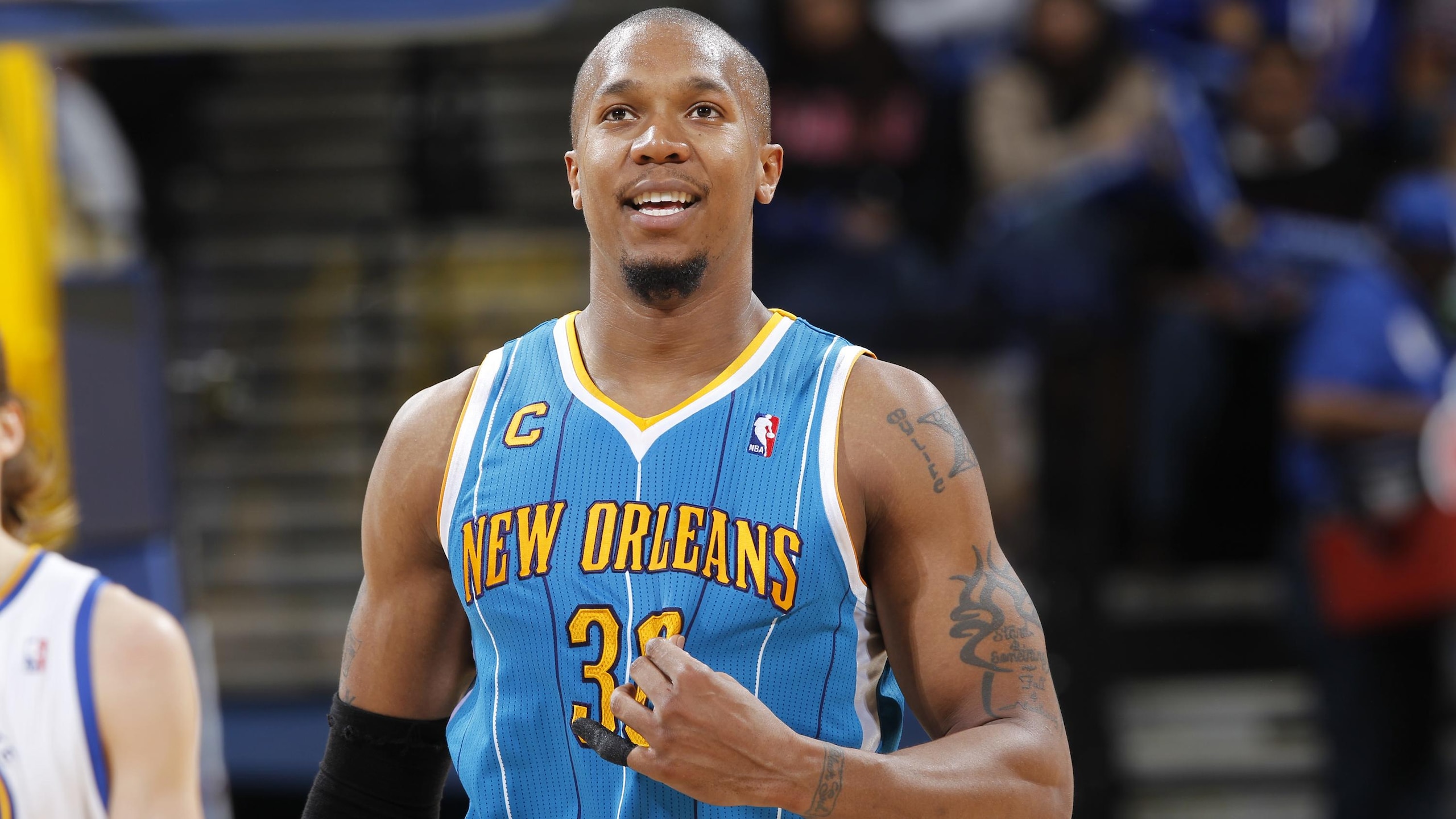
No. 2 option behind: Chris Paul
David West is a fun pick because he's the least known name in this group, and he spotlights a thorny Pelicans question: Who's the best No. 2 in team history? The young franchise has had several Hall of Fame-worthy No. 1 options but few memorable seconds.
West spent eight steady years in New Orleans, living in that 15-to-18-foot pocket that analytics later frowned on—yet his midrange was automatic.
If you went for his pump fake or jab, West got nasty. Opponents knew they were going to get hit, shoved, leaned on and stared down. His screens gave Chris Paul daylight. His toughness gave the Hornets an edge in playoff slugfests against the Spurs and Mavericks.
This all made him one of the more impactful two-way bigs, largely because of how his spacing and rim deterrence unlocked CP3's cerebral cache. In 2008-09, West averaged 19.2 points, 8.9 rebounds and 2.3 assists per game, his best season. He also earned his two All-Star nods (2008, 2009) with New Orleans.
New York Knicks: Walt Frazier
20 of 30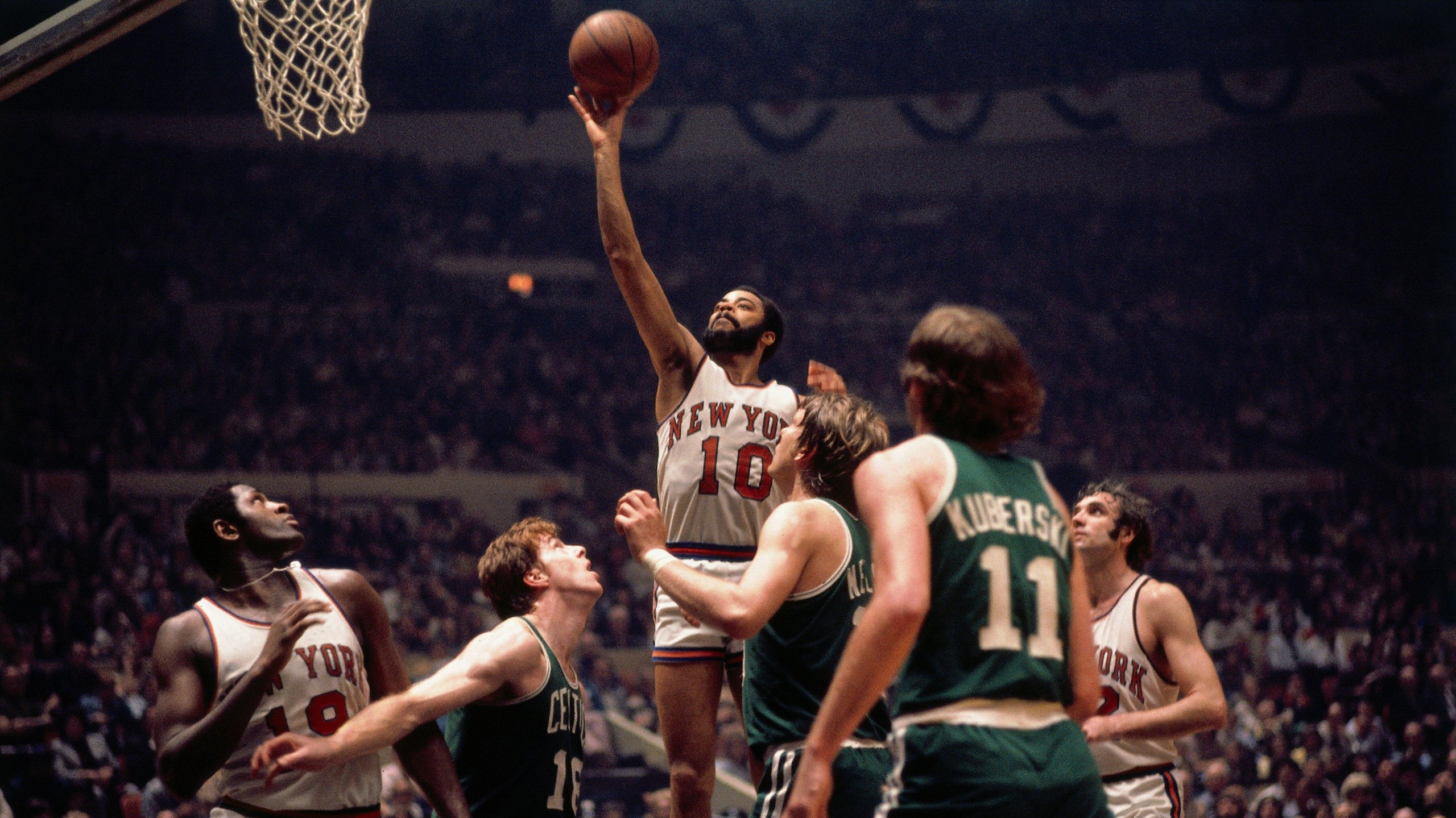
No. 2 option behind: Willis Reed
Willis Reed's limp onto the floor is legend, but Game 7 belonged to Walt Frazier. He put up 36 points, 19 assists and seven rebounds in the biggest game in Knicks history, and that line still stuns more than five decades later. It's why New York beat a stacked Lakers team full of Hall of Famers and claimed its first title.
Frazier was the perfect second option: smooth and stylish. His game had a flair to it. Those pull-up jumpers. Those no-look passes. The way he defended with toughness as superlative as his vocabulary on the mic.
Off the court, he lived like a star out of a 1970s movie reel: the fur coats, the Rolls Royce, the giant mirror mounted above his bed that became a part of his myth. He was a ladies' man with a poet's cadence, a personality that matched the city's pulse. In Game 7, that charisma turned into dominance—36 points, 19 assists, seven rebounds. Frazier was and is, cool personified, and he backed it up with the greatest performance in Knicks history.
For the Orange and Blue faithful, the 1970 title means everything.
Oklahoma City Thunder: Russell Westbrook
21 of 30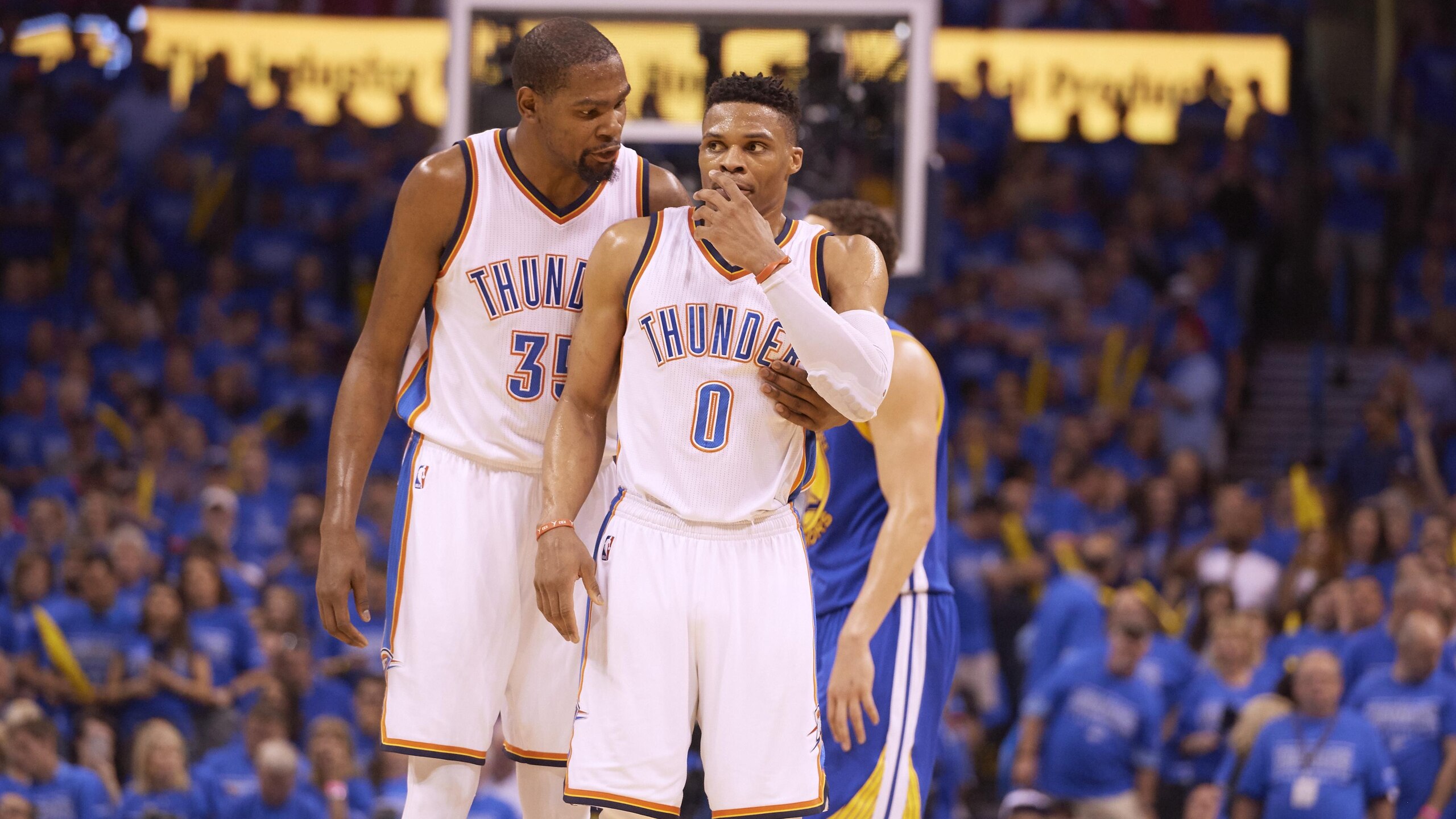
No. 2 option behind: Kevin Durant
Russell Westbrook probably hated every second of being a second option. But in the Kevin Durant years, that angst became fuel. That uneasy arrangement is what made the Oklahoma City Thunder terrifying. Durant was the sniper, the effortless executioner. Westbrook, by contrast, was the perfect storm of chaos.
To watch Westbrook in those years was to glimpse the untamable. You couldn't prepare for his drives. You just had to brace. The same flaws that made him infuriating—turnovers, wild shots, a refusal to be restrained—were also the same qualities that made him unstoppable.
Westbrook thrived by weaponizing the very instability that terrified his opponents. Next to Durant's 28-30 effortless points per night, Russ was giving 21.5 points, 7.6 assists and 5.6 rebounds per game—numbers that would be franchise-cornerstone stats anywhere else.
The duo pushed Oklahoma City to the brink but never over. Together, KD and Russ were balance and chaos, precision and fury. Durant's quiet inevitability met Westbrook's gale-force will, and for a stretch the league was theirs.
Orlando Magic: Penny Hardaway
22 of 30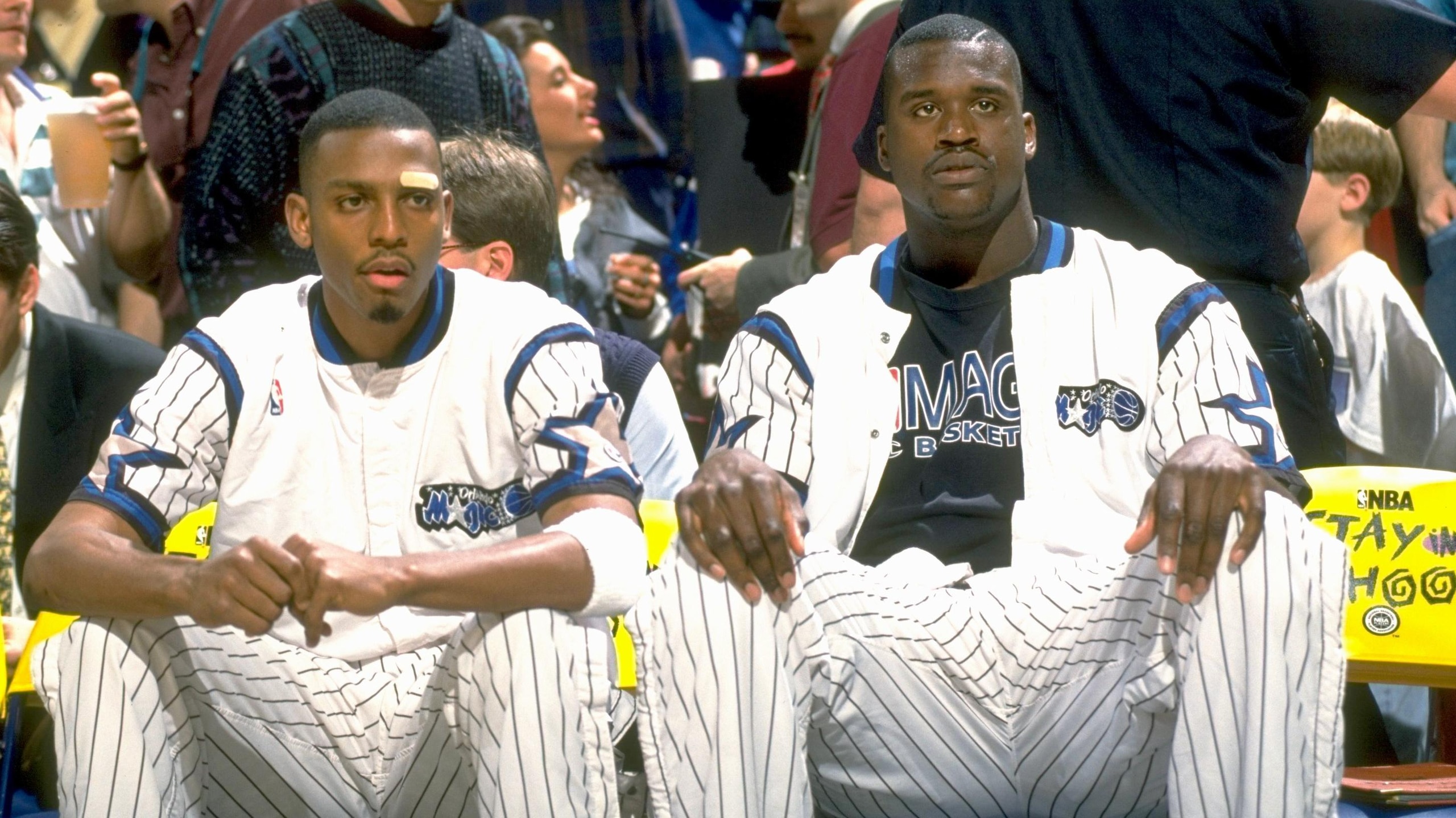
No. 2 option behind: Shaquille O'Neal
Imagine you're in a lab, white coat on, test tubes bubbling, and the mission was simple: create the perfect co-star for Shaquille O'Neal. You start by sketching a frame. Not a normal guard's frame, but something mad, 6'7" with the stride of a wing and the handle of a point. You'd need size to see over defenses. Plus length to slash past anyone. Out of the beaker, you'd pour Penny Hardaway.
Shaq was a human earthquake, so his partner needs to see cracks in real time and know exactly where to send the next shock wave. You installed offensive awareness to scan the floor like radar. Programmed passes that thread through hedges. And you can't forget this part: that lob—the one placed perfectly above the rim where only Shaq's hands could detonate it.
In the lab notes, you'd write: pick-and-roll genius. Now take stock of your creation. What a miracle you've birthed.
For a brief stretch in the early '90s, the experiment worked. Orlando had its prototype. But like Achilles' heel, those injuries shattered the design too soon. Penny was the only elite No. 2 Shaq never won a championship with. They came close in the 1995 Finals. But the blueprint was clear. If you wanted to know how to build the ultimate co-star for Shaq, look to Penny Hardaway.
Philadelphia 76ers: Julius Erving
23 of 30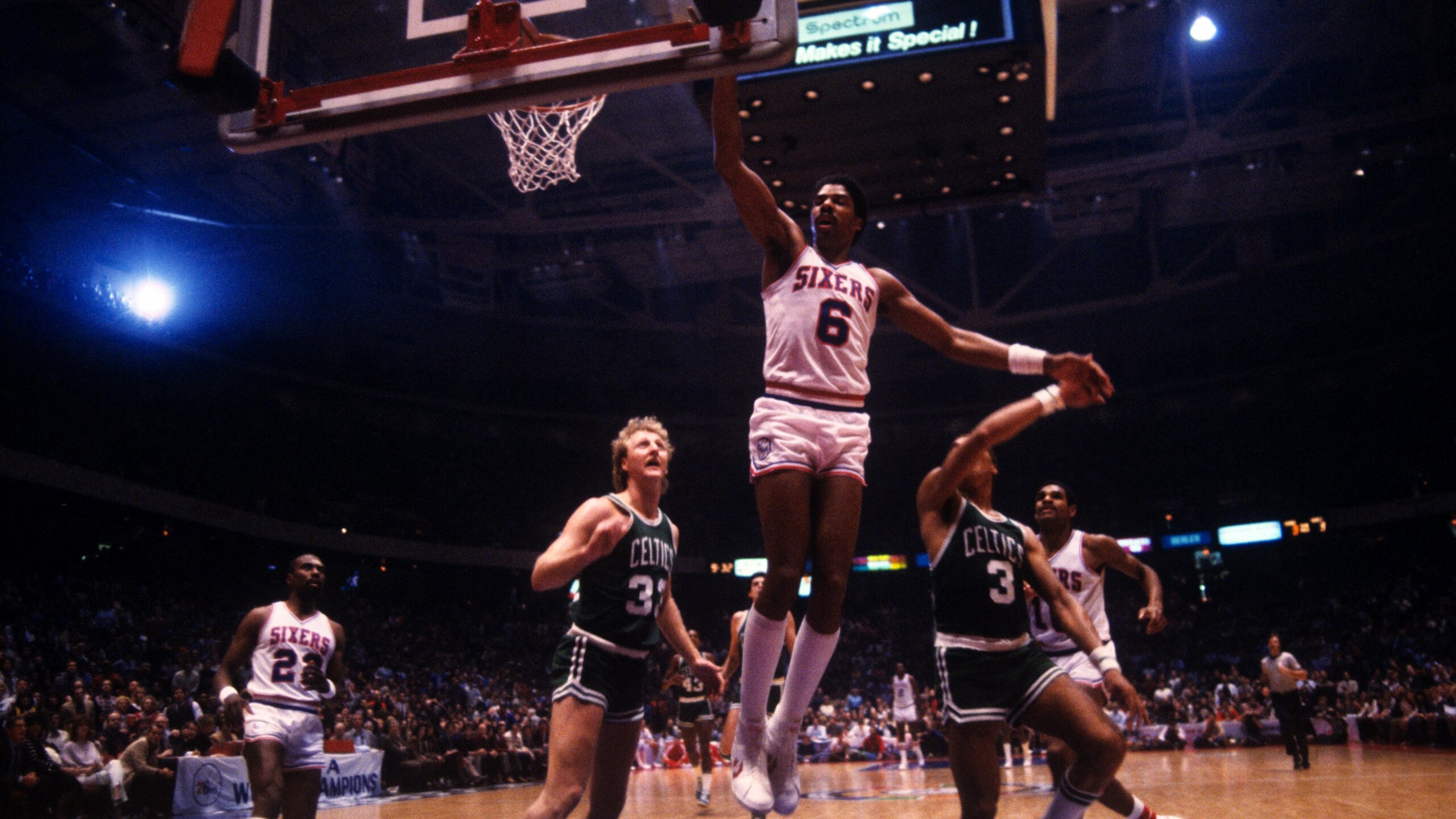
No. 2 option behind: Moses Malone
For years, Julius Erving stood alone as the face of Philadelphia basketball. Before the 1983 breakthrough, he was the Sixers' centerpiece, the aerial artist who carried the franchise. Dr. J transcended "first option" into a cultural icon. Dude's game made people believe man could fly.
In the late 1970s and early 1980s, Philadelphia was a perennial contender largely because Erving could dominate a game by himself with unmatched flair. He won an MVP in 1981 and carried the Sixers to multiple Finals appearances, but the lack of a dominant interior partner left him one step short of the ultimate prize.
That all changed when Moses Malone arrived in 1982. Where Erving had long been asked to shoulder the burden of scoring and leadership, Malone brought relentless force on the glass and in the paint.
With Dr. J beside him, the Sixers rolled through the 1982-83 postseason at 12-1, clinching the franchise's first championship since 1967.
Even as Malone rightfully took Finals MVP honors, Erving's role was indispensable. He set the tone for a roster stacked with talent, showing he could sacrifice scoring and status for the greater good.
Phoenix Suns: Amar'e Stoudemire
24 of 30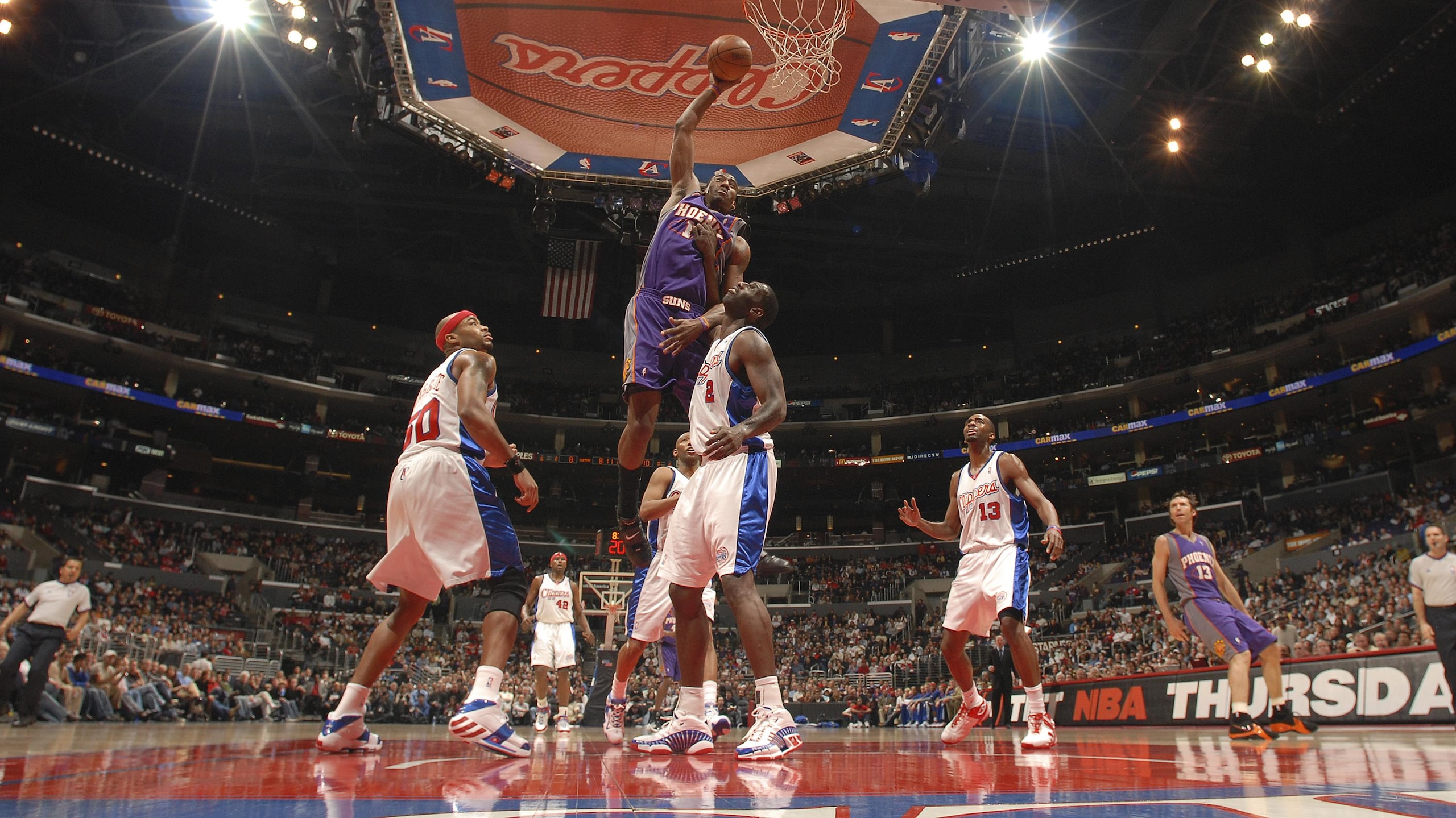
No. 2 option behind: Steve Nash
Steve Nash didn't invent the pick-and-roll, but he treated it like a hidden equation. He studied the angles, searching for the perfect solution to its geometry. Then in 2005, eureka! He solved Amar'e Stoudemire. Together in the desert, Nash became something like basketball's Oppenheimer, with Stoudemire the bomb.
Every Suns possession carried the tension of a test site. Nash dribbled into space with his defender scrambling. The big man hedged, wings sagged toward the paint. To a hoops physicist like Nash, defenses were variables that affected detonation. Only Nash could push the button with a pass. There was no turning back. Stoudemire slammed down dunks that erased the rim protector in front of him. Fans basked in the unleashed energy of the Sun.
The Suns never reached the Finals, but plenty of damage was done. Every team had to account for the pick and roll in new ways. Coaches rethought what a "big" should look like. He was the blast.
Nash's two MVPs cemented his place as one of the game's great thinkers, the orchestrator of controlled chaos. Yet every calculation depended on Stoudemire, waiting to ignite. That detonation was unavoidable. What Nash unlocked, Stoudemire unleashed.
Portland Trail Blazers: Terry Porter
25 of 30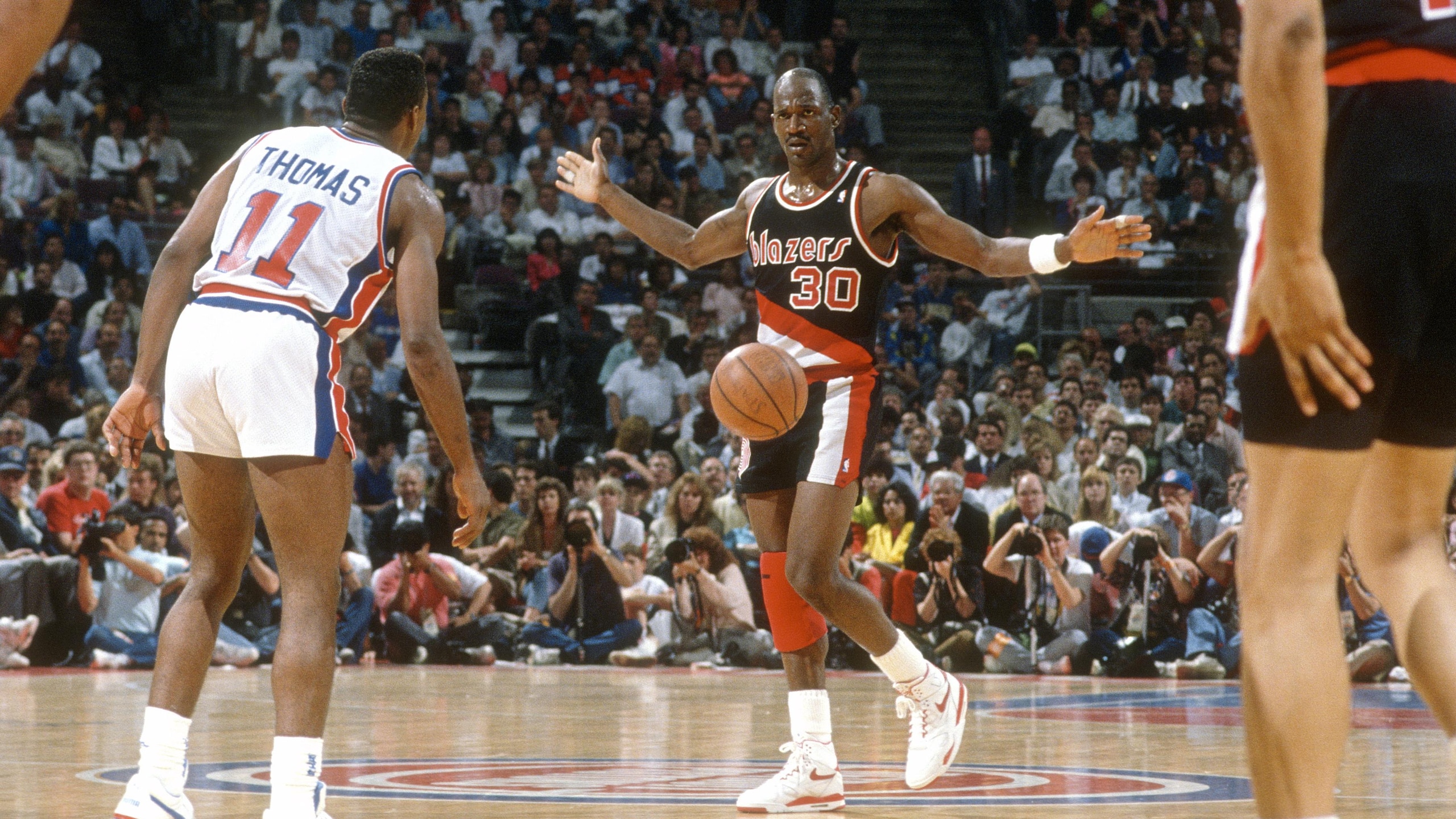
No. 2 option behind: Clyde Drexler
Terry Porter is the most underrated point guard of all time. Not "one of," not "in the conversation." The most. In the late 1980s and early 1990s, Porter was as essential to winning basketball as nearly any guard in the league. His resume is buried under bigger Trail Blazer reputations, but his impact led to Finals appearances in 1990 and 1992.
Drafted out of Division III Wisconsin–Stevens Point, he wasn't supposed to be a star. By his third season, he was one of the best guards in basketball. A dime-dropper. He peaked around 1990–91, when he combined scoring, passing and ball control.
In the 1990 Finals against the Bad Boys Pistons, he averaged nearly 19 points, hit outside shots when defenses collapsed on Clyde Drexler, and attacked gaps in a Detroit scheme designed to suffocate everything at the rim in drop coverage.
Two years later, back in the 1992 Finals against Michael Jordan's Bulls, he was a lighthouse again. Chicago tried to trap with him Michael Jordan and Scottie Pippen while giving hard shows off screens—classic Phil Jackson defensive pressure. Porter solved it in real time by flowing drag screens into pick-and-rolls, snaking to the nail and flattening the floor when Chicago tried to top-lock. The Blazers wouldn't have been in that series if Porter wasn't their playmaker.
Sacramento Kings: Mike Bibby
26 of 30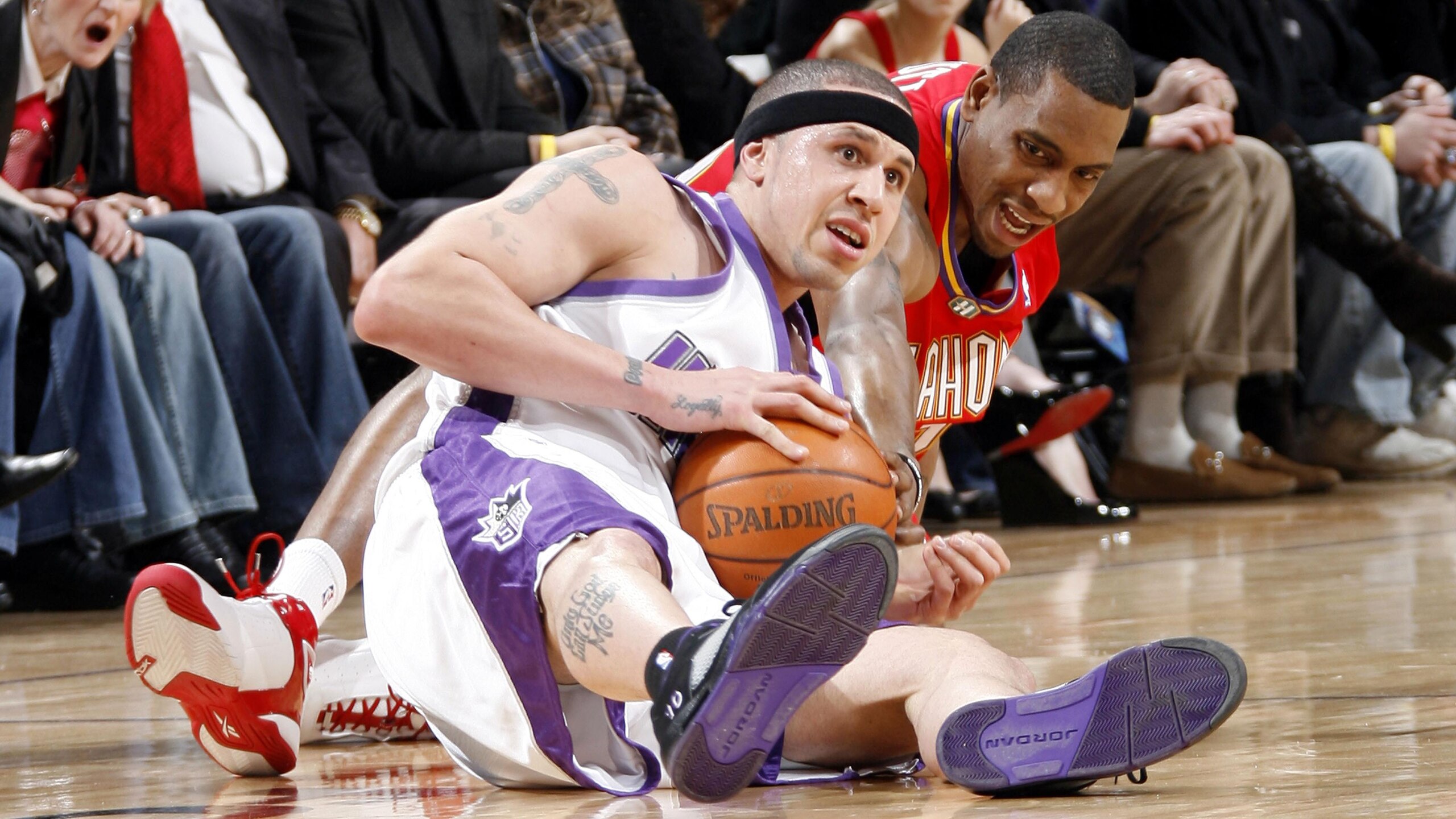
No. 2 option behind: Chris Webber
Sometimes the second option arrives in a pivotal moment. When Sacramento traded star point guard Jason Williams for Mike Bibby in 2001, it wasn't for cosmetic reasons. It upgraded how the Kings executed late in games. With Bibby at the point, the Kings' ceiling lifted from "fun" to a top contender in the Western Conference.
The results showed: The team jumped from 55-27 with Williams in 2000-01 to an NBA-best 61-21 with Bibby in 2001-02, then pushed the three-peat Lakers to a Game 7 in the West finals.
Sacramento's offensive rating climbed from 105.6 points per 100 possessions in 2000-01 to 109.0 in 2001-02; net rating rose from plus-6.0 to plus-7.9, and they played at the league's fastest pace without coughing the ball up as much.
Bibby didn't arrive to be the No. 1 scorer—Peja Stojakovic was the second-best offensive weapon on that roster, but the point guard became the perfect partner for Webber.
The difference was stark in the crucible of their Laker wars. Bibby hit the game-winner in Game 5 of the 2002 West finals against L.A. Even Williams later admitted the obvious: Sacramento got better when it made the move.
San Antonio Spurs: Tony Parker
27 of 30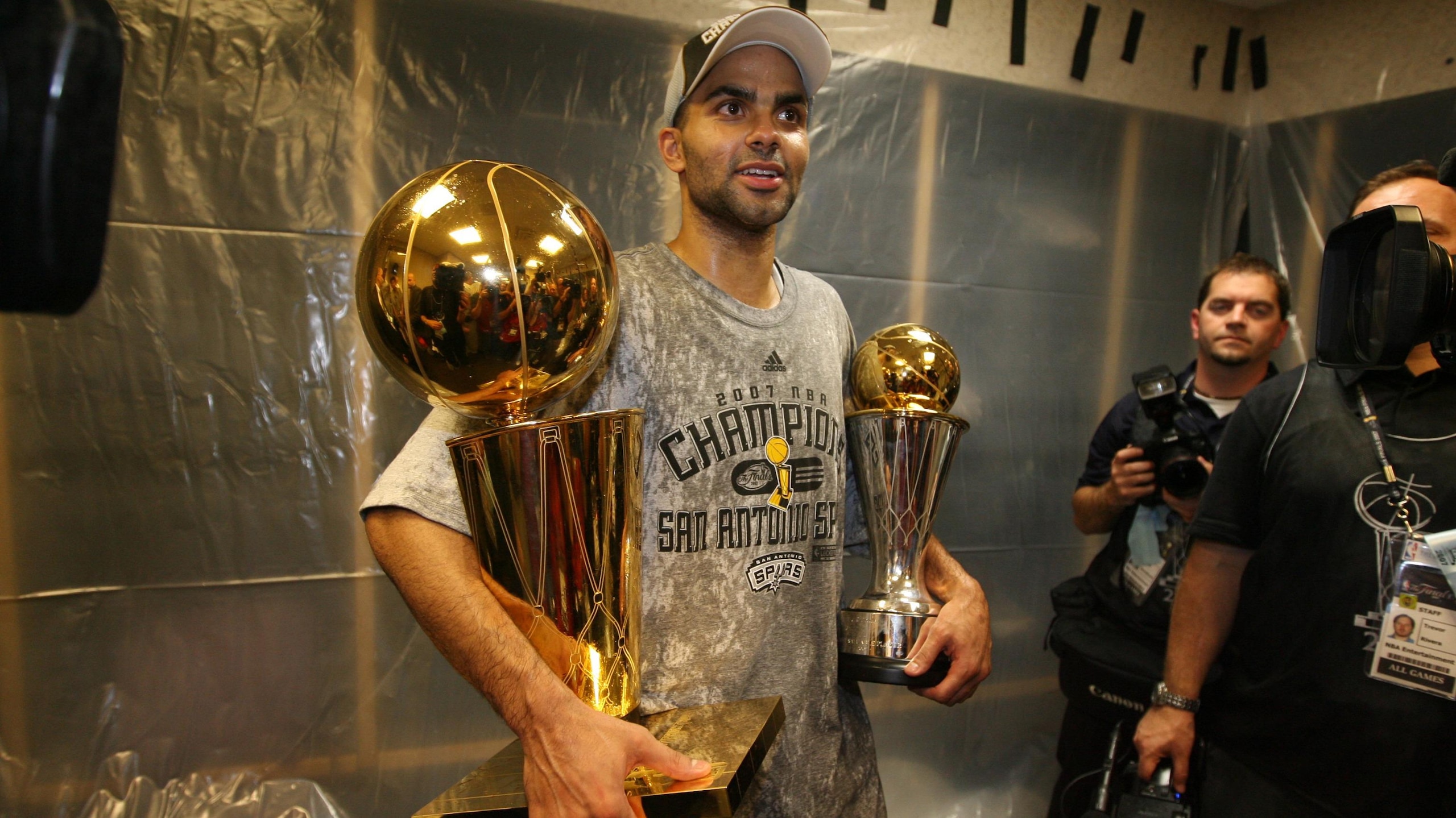
No. 2 option behind: Tim Duncan
The rest of the league respected Tim Duncan. They marveled at Manu Ginóbili. But Tony Parker was infuriating. His smug smirk, that little grin he flashed after breaking an ankle or beating a trap drove opponents, coaches and even teammates mad.
But it's easy to hate the guy who's the reason you lost. And during Parker's 2000s prime, that was all 29 other fanbases. Especially when he decided to escape Gregg Popovich's order and unleash chaos. He was named Finals MVP in 2007, torching defenses with his dribble penetration and lightning-fast first step.
It was no secret that Parker relished every ounce of disdain, carrying himself like a real-life Reddit troll. And as he left your favorite player stumbling, ankle broken in real time, Parker's parting gift was always the same: a sarcastic, Gallic shrug and a little "merci beaucoup" as the final twist of the knife.
Toronto Raptors: Kyle Lowry
28 of 30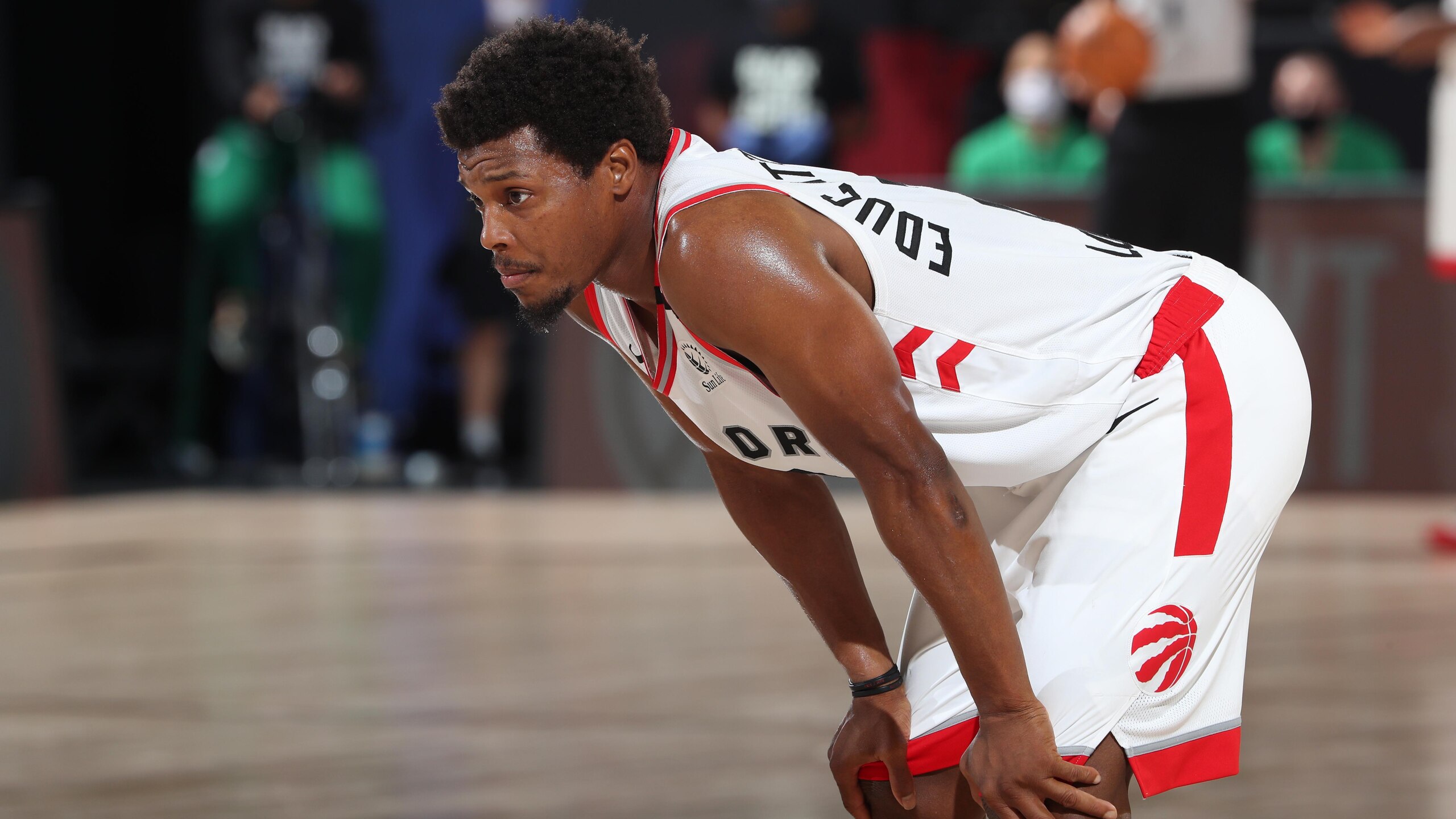
No. 2 option behind: Kawhi Leonard
For the 2010s Raptors, each season brought new hope. But the ending never changed: five consecutive playoff trips fell short of the Finals. During that era, Kyle Lowry was the weary co-star to DeMar DeRozan, a solid All-Star but not a championship-level No. 1 option.
Lowry's greatest trial would come when his brother-in-arms DeRozan was traded ahead of 2018-19. Their seven-season partnership had been forged in loss and loyalty. It ended by a stroke of executive Masai Ujiri's pen. In his place came Kawhi Leonard, who got Toronto over the hump and into the championship round.
Not forgetting past failures, Lowry helped carry the team. In the Finals, Lowry opened the decisive Game 6 with a barrage that set the tone, finishing with 26 points, 10 assists, seven rebounds and three steals, resulting Toronto's only title.
Utah Jazz: John Stockton
29 of 30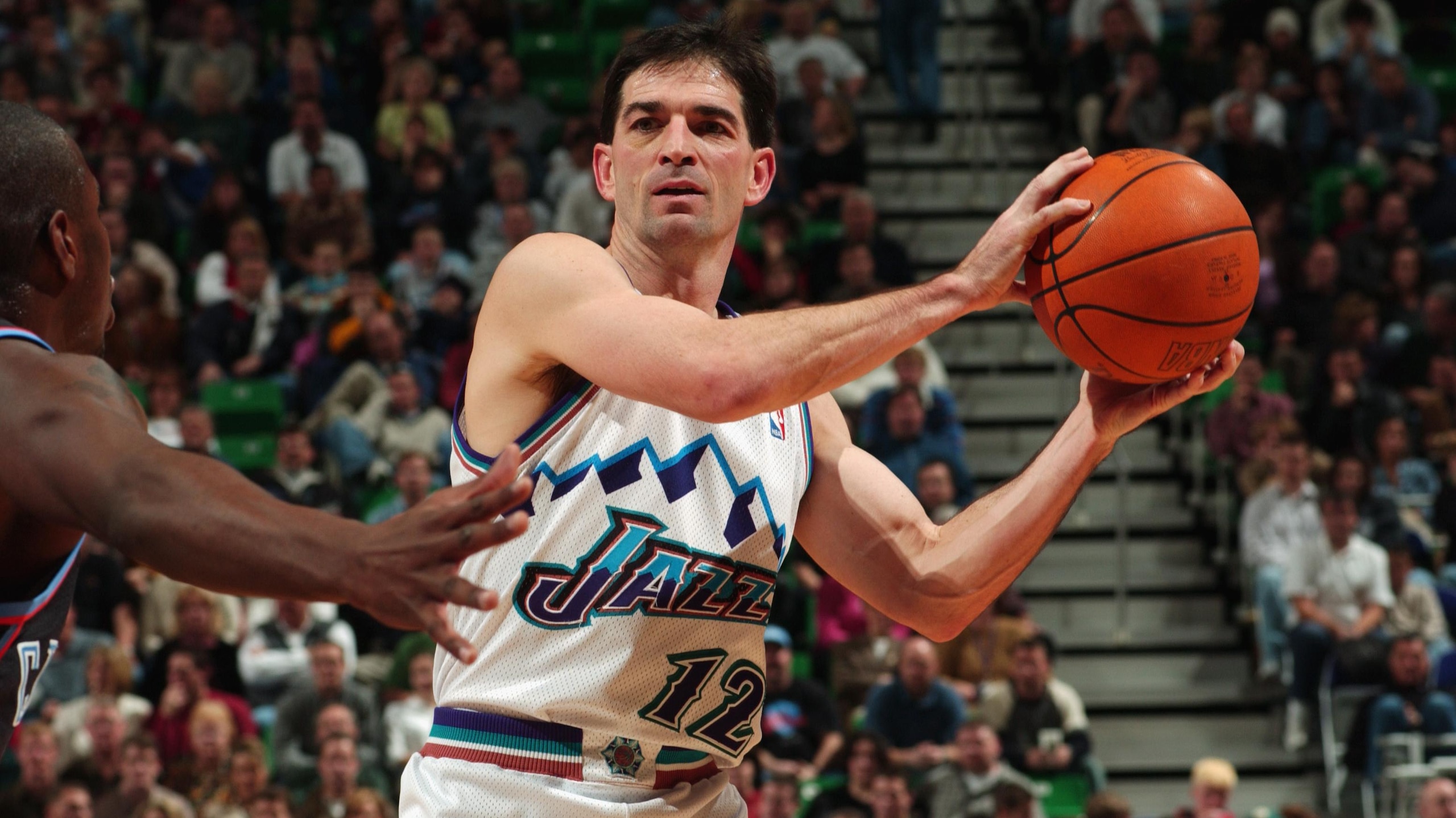
No. 2 option behind: Karl Malone
John Stockton and Karl Malone perfected the pick-and-roll. Dynamic duos are still trying to match their synergy. No play in basketball history felt so inevitable, so devastatingly simple. And yet, it remained impossible to stop. Stockton saw the floor like a chessboard. Malone, all muscle and timing, knew exactly when to slip, seal or explode toward the rim.
Stockton's passes came off his fingers with no hesitation, no wasted motion. He'd drag his defender off Malone's shoulder, eyes darting between cutter and corner, then fire a bounce pass that hit the big man in stride. Malone's job was simple but not easy: read the defense, roll hard, draw the foul and finish through contact. Over time, the rhythm became second nature.
Stockton set the screen's angle just right; Malone knowing when to seal off a late switch; both knowing exactly where the other would be before the defense could react.
Their partnership led the NBA's all-time steals leader, Stockton, to become the all-time leader in assists as well.
Decades later, the image endures of the high shorts and that damn bounce pass threading the gap. Then Malone, hand behind his head, delivering the thunderous finish. With the Mailman third all-time in career points, Stockton had a hand in almost every one of Malone's 36,928.
Washington Wizards: Bradley Beal
30 of 30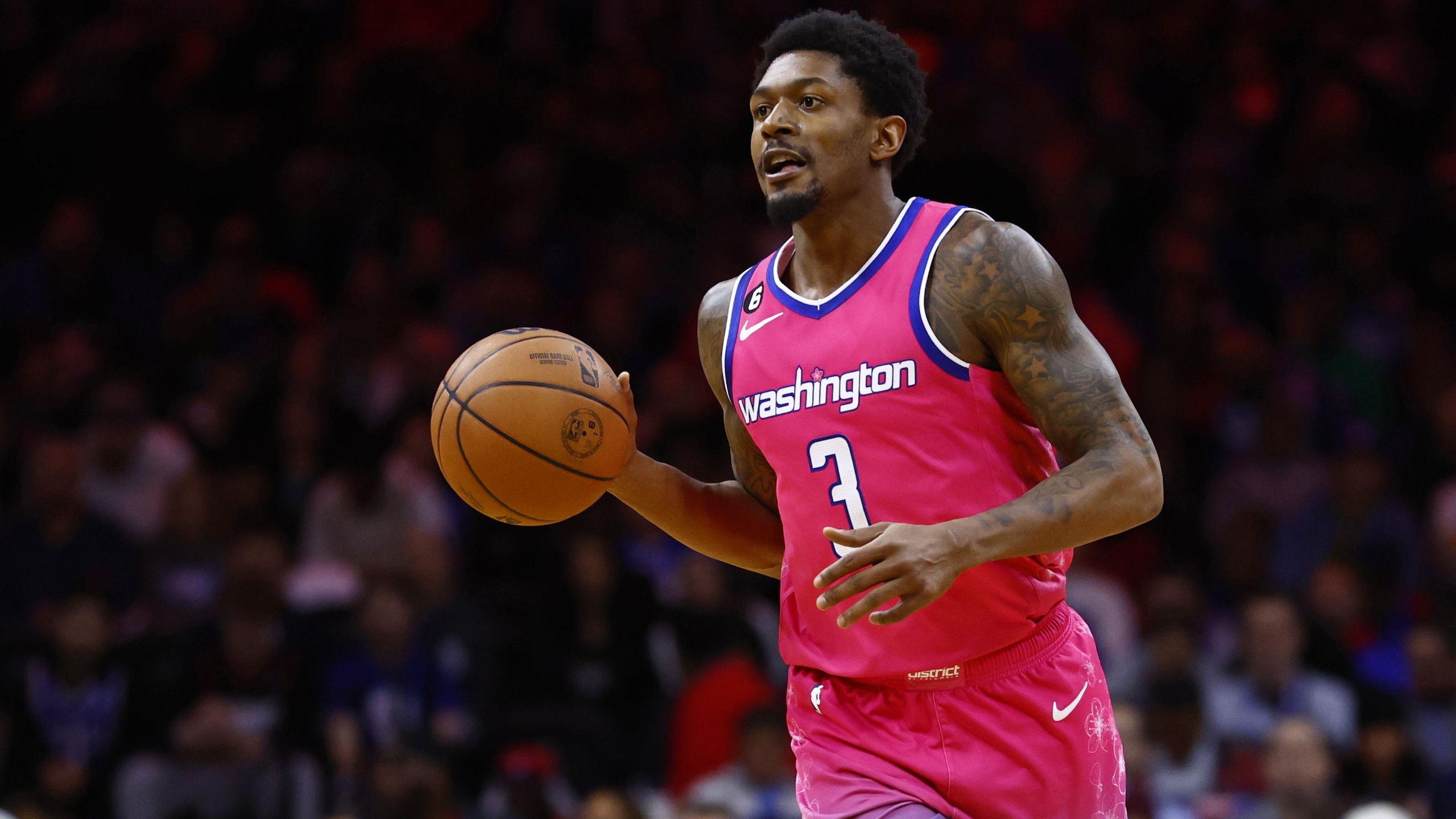
No. 2 option behind: John Wall
You would think we would end this list by reaching back to the 1978 championship team, the one banner still hanging in Washington's rafters. But if we are being honest about the best No. 2 in franchise history, no player from that 1978 group was as skilled, as versatile or as influential as Bradley Beal.
His catch-and-shoot game off pindown screens gave Wall the spacing to attack downhill. His pull-up jumper from the elbow forced defenses into impossible pick-and-roll coverages, while his layup-package featured euro-steps, floaters and reverse finishes as good as any three-level scorer.
His off-ball movement demanded constant attention, creating gravity that stretched defenses across the floor. When Wall collapsed defenses with his drives, Beal became the perfect release valve—deadly from beyond the arc or slicing into the lane for a finish. In the half court, their two-man game mirrored what players were running on NBA2K, free-flowing and improvisational, a blend of spacing, pace, and shot creation that anticipated where the league was heading.

.jpg?w=2560 "Cam Ward Says He's Not A Loser")
.jpg?w=2560 "🚨 Texans Trade for MHJ")
.jpg?w=2560 "Grading MHJ Trade 📝")
.jpg?w=2560 "Chargers Fall to 0-5 🤢")
.jpg?w=2560 "MHJ Bought Own Jugs Machine")