

Every move made over the NBA offseason technically deserves time to marinate before making sweeping declarations or handing out superlatives. But certain decisions and transactions always stand out in the moment for how needless, if not senseless, they seem.
Let's talk about them, shall we?
Making this list is not the equivalent of eternal damnation. The thought process behind them and consequences of completing them can still pan out. It's just that the path to the best-case outcomes in these cases remains overwhelmingly steep. The odds are stacked against us looking back in one, two or even three years and thinking, "Ah, yeah, this was a good call."
Virtually every type of move is eligible for inclusion: trades, signings, extensions, waive-and-stretches, the whole shebang. Free-agency departures are the lone exception.
As one example: Myles Turner leaving the Indiana Pacers is a bad look for the latter. But framing it entirely as the team's choice is disingenuous when it was also his prerogative to join the Milwaukee Bucks. We're more focused on the organizational branch of the decision tree.
Houston Rockets: Trading Cam Whitmore
1 of 5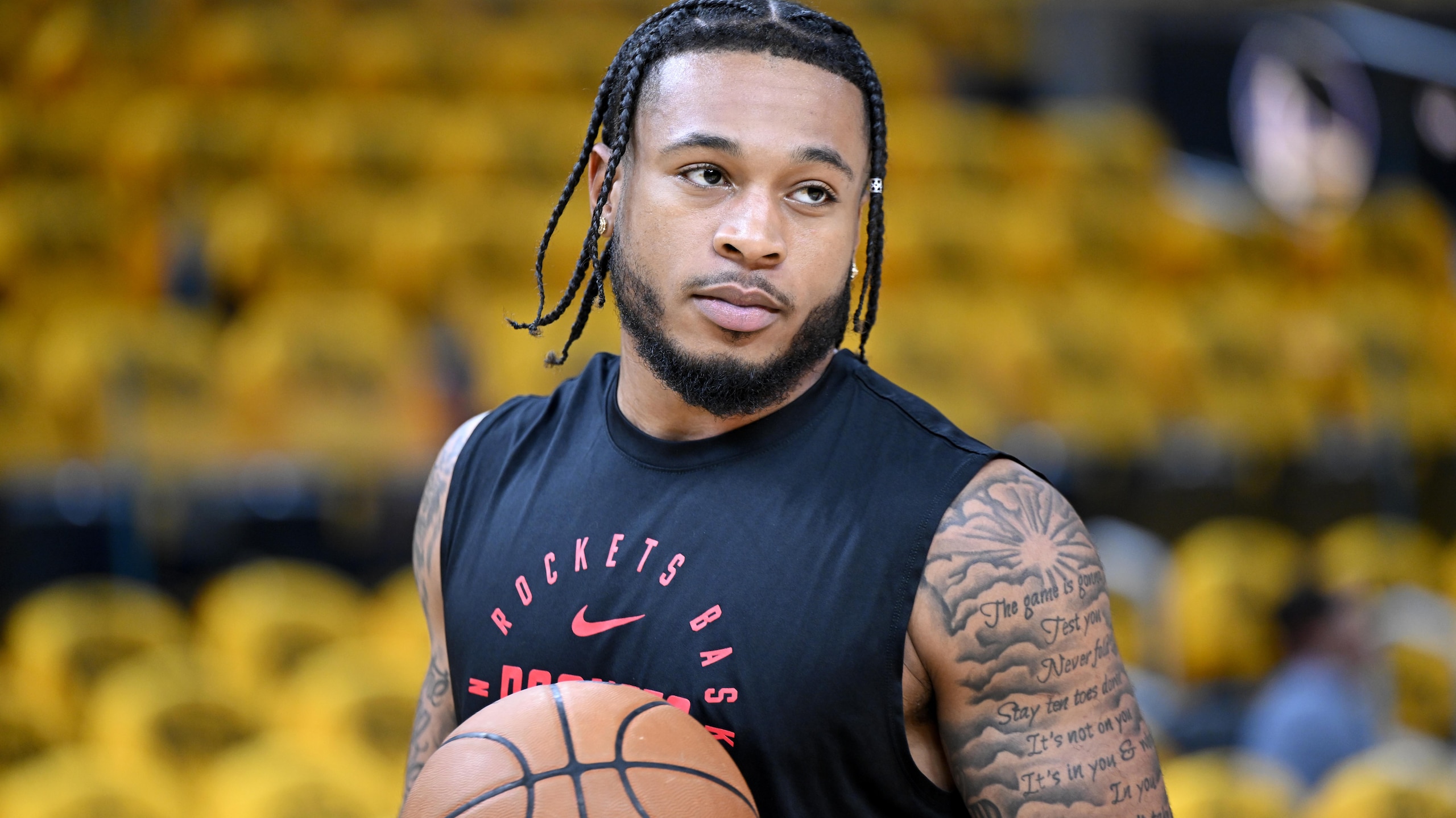
The Houston Rockets just built a powerhouse and would do it all over again if they had the chance.
Cam Whitmore saw his role diminish as a sophomore and had no conceivable path to more playing time next season. His trade value this time next year likely would have been lower.
Understanding and defending the Rockets' process doesn't change the potential long-term optics. Whitmore has real multi-level scoring ability.
Among every player to log as much court time through their first two seasons over the last 25 years, here's the list of names to average more than 20 points per 36 minutes while matching Whitmore's effective field-goal percentage: Chet Holmgren, Victor Wembanyama, Zion Williamson, Naz Reid, Michael Porter Jr., Jaren Jackson Jr., Karl-Anthony Towns, Shaquille O'Neal and David Robinson.
That's pretty good company. And while it's not necessarily telltale of what's to come, turning Whitmore into two second-round picks is one of those moves that, while justifiable, may not age too well with the benefit of hindsight.
New Orleans Pelicans: Trading for Derik Queen and Trading for Jordan Poole
2 of 5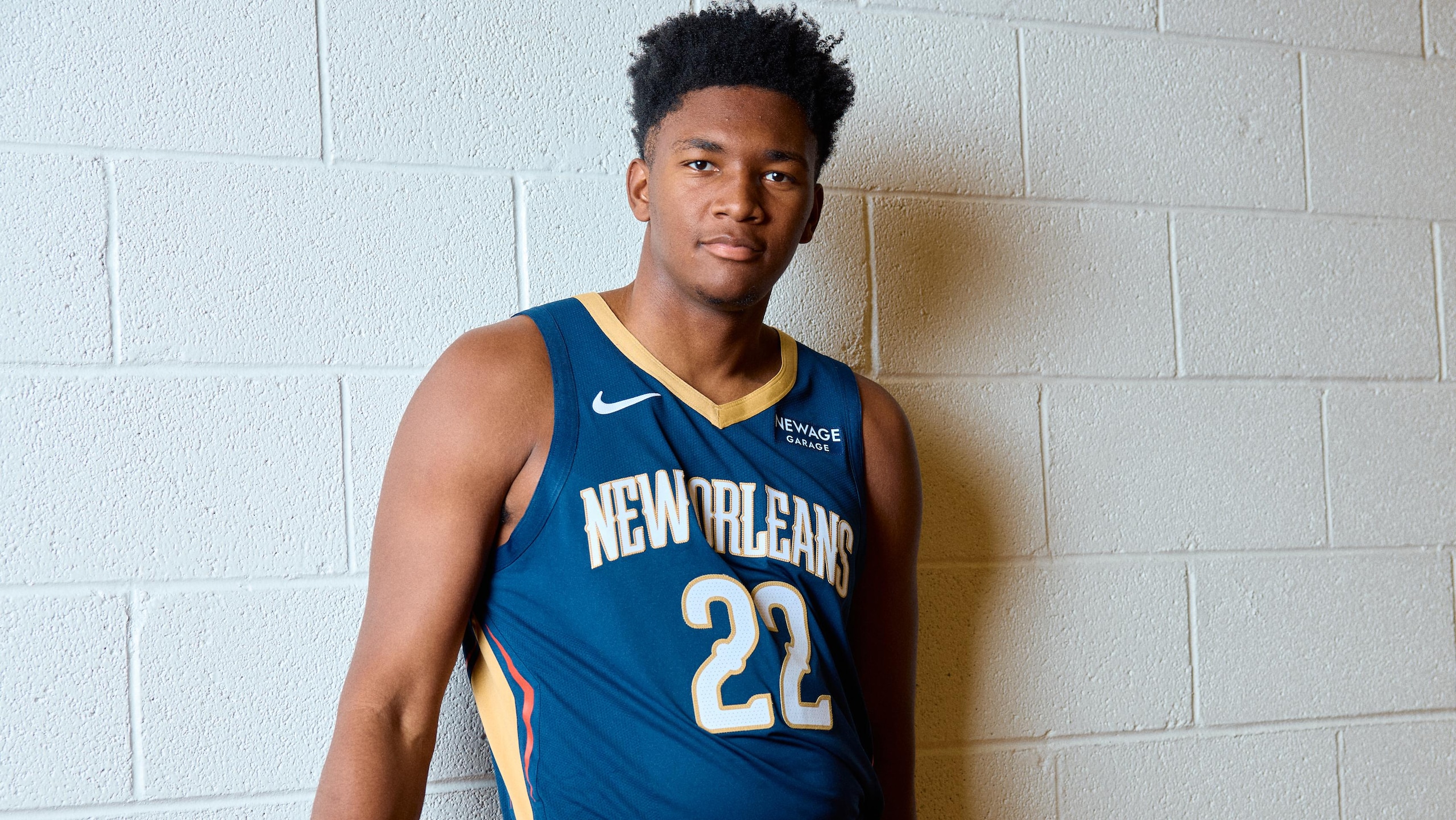
The New Orleans Pelicans shipped out the No. 23 pick along with an unprotected 2026 first-rounder (most favorable from them or Milwaukee) to move up 10 spots and select Derik Queen. The move was eviscerated in real time and doesn't look any better several weeks later.
This isn’t an indictment of Queen’s ceiling. His defensive, spacing and below-the-rim limitations are real, and the left wrist injury that will sideline him for roughly three months is a bummer. But he could still turn into a fantastic cornerstone.
Here’s the thing: If the Pelicans were this high on him, they should have simply taken him at No. 7 instead of Jeremiah Fears.
Spinning this as "They got their two guys" rings ridiculously hollow when what the package they gave up demands they be good immediately, lest they surrender a high lottery pick to the Atlanta Hawks. Making the playoffs in the Western Conference while relying heavily on two rookies and a trillion non-spacing centers is never a good bet.
Queen could make an All-NBA team next season (he won't), and this trade would still look bad, albeit much less so, because it represents a complete disconnect between New Orleans' self-evaluation and current reality.
Oh, and this says nothing of the Pelicans' decision to jettison CJ McCollum's expiring contract for Jordan Poole and Saddiq Bey.
Poole is coming off an encouraging campaign, but his offensive stock is nothing if not turbulent, he's not a true floor general, and the defense with any combination of him, Queen, Fears and Zion Williamson will be a big woof.
Bey is a good shooter, but he's not much of a defender himself, and he's coming back from a torn left ACL that cost him all of 2024-25.
On top of all that, the ever cost-conscious (read: notoriously stingy) Pelicans are adding over $40 million to their 2026-27 books for reasons that are, at best, not entirely clear—and at worst, completely nonexistent.
Phoenix Suns: Buying Out and Stretching Bradley Beal
3 of 5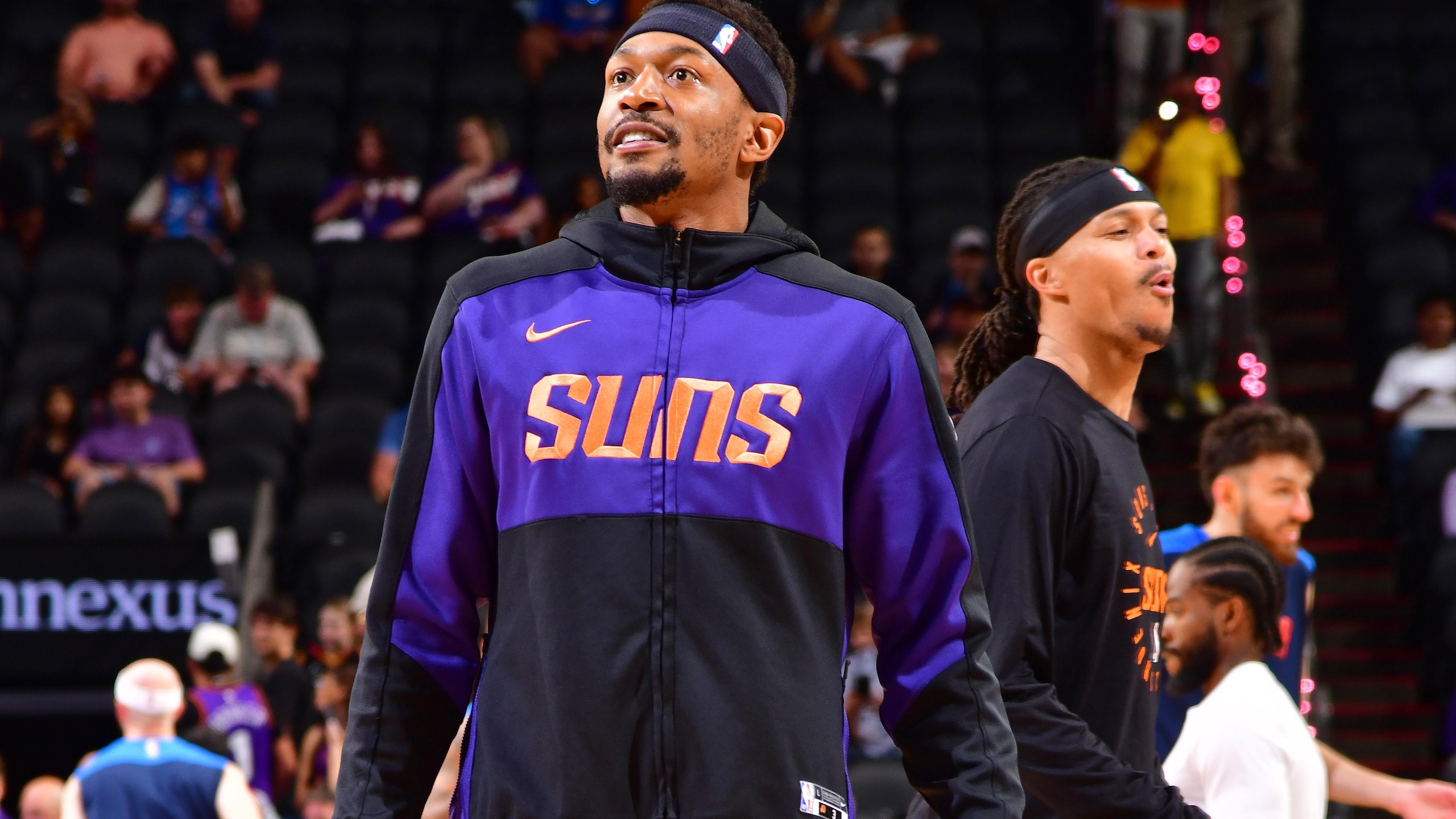
Putting the Phoenix Suns on this list for buying out and then waiving-and-stretching Bradley Beal while not including the Milwaukee Bucks for waiving-and-stretching Damian Lillard can seem hypocritical.
Both teams now have a boatload of dead money on their books—$19.4 million for the Suns, $22.5 million for the Bucks—over the next half-decade.
But Milwaukee is taking the hit on Lillard's deal to add Myles Turner and buy itself at least one more year with Giannis Antetokounmpo. Phoenix is paying Beal to play for the Los Angeles Clippers to...lower its tax bill.
Getting out of the second apron is a big deal for the Suns—and not just because it saves team governor Mat Ishbia some serious scratch. It helps ensure their 2032 pick is eventually unfrozen and won't be moved to the end of the first round. But if you view setting $19.4 million on fire for five consecutive years as the only way to elude the second apron, something's off.
It's one thing if Phoenix did this to pave the way for another big move. It didn't. Devin Booker's extension doesn't count. The Suns added a whopping one guaranteed year of team control to the equation, and given they're still on the fast track nowhere post-Beal, he was clearly going to sign it no matter what.


Sacramento Kings: Signing Dennis Schröder/Trading Jonas Valančiūnas
4 of 5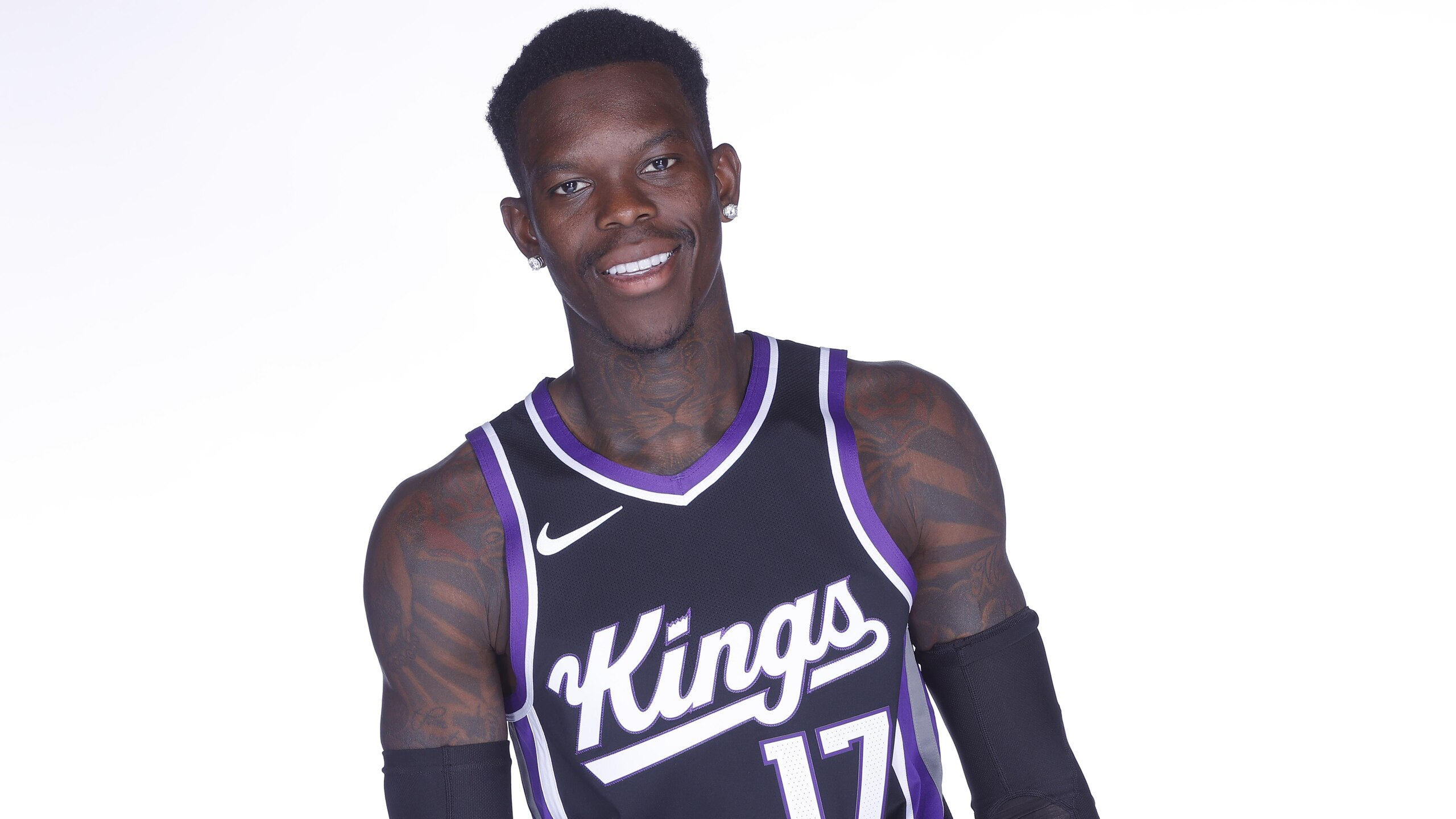
Domantas Sabonis called for the Sacramento Kings to add a point guard this summer. They answered by signing Dennis Schröder, who is more floor-general adjacent, to a three-year deal worth $44.4 million.
The contract looks like an overpay at first glance. It still might be. Schröder is 31, and so much of his effectiveness is predicated on quickness. He will not retain his value as well as others over time. Still, only the first two years of his agreement are fully guaranteed. Just $4.4 million of his salary in the final season is a lock to remain on the ledger.
This is nevertheless damning with faint praise. Schröder is not an intuitive fit on a roster still teeming with a bunch of other guards and on-ball creators.
More than that, fitting his deal into the Kings' payroll structure required trading Jonas Valančiūnas, one of the best backup centers in the league, for Dario Šarić, who's years removed from being an every-night rotation player.
To make matters even worse, Valančiūnas might have been willing to forgo most or all of his salary to play for Greek EuroLeague club Panathinaikos. Exploring that route would have made more sense than housing Šarić and creating a miniature trade exception.
Dumping Valančiūnas is perhaps the worst of the Kings' moves in a vacuum. But it only happened because they decided to pay Schröder.
Utah Jazz: Trading Collin Sexton for Jusuf Nurkić
5 of 5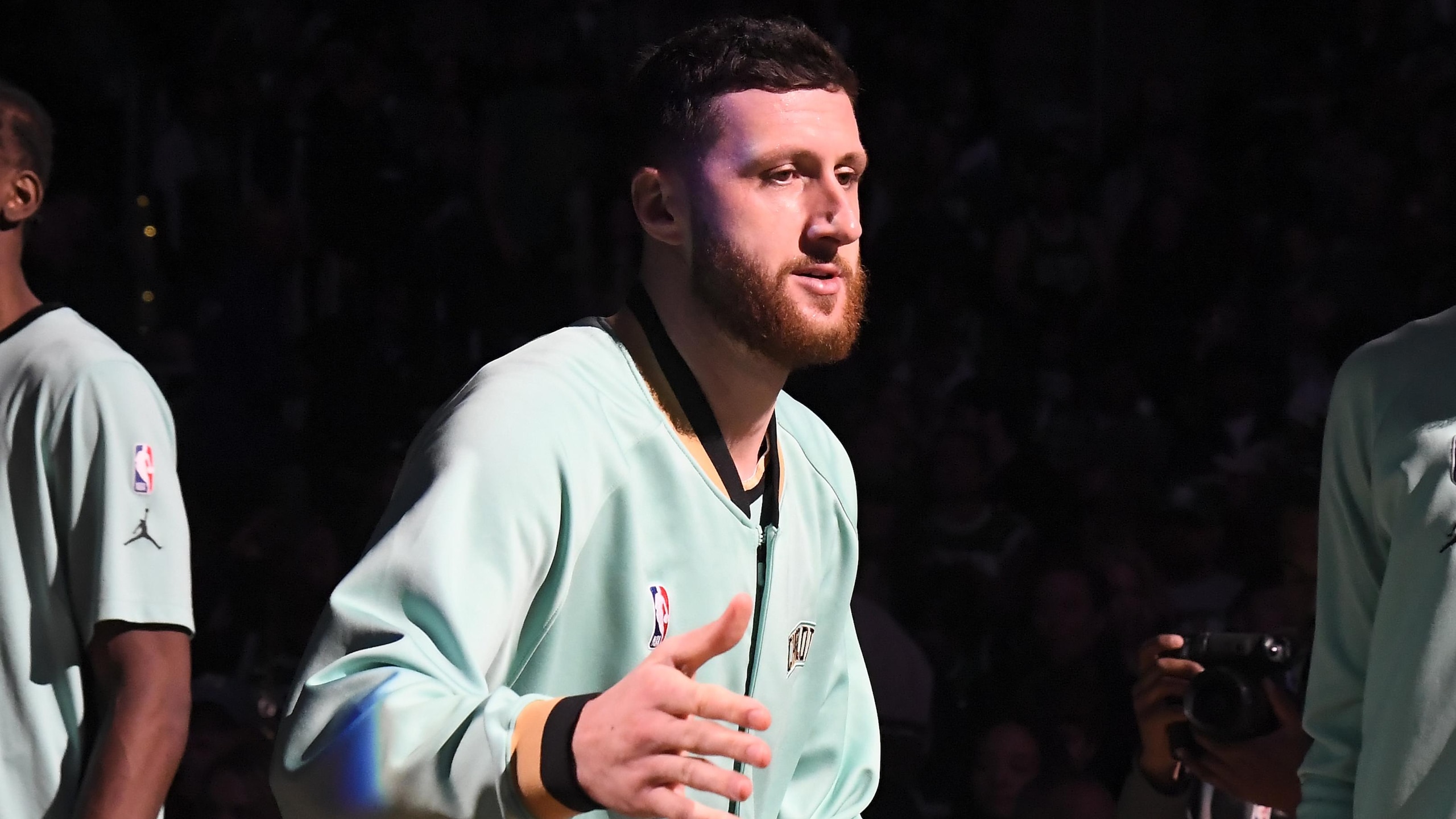
Congratulations to the Utah Jazz for swinging one of the most baffling trades in recent memory. By flipping Collin Sexton for Jusuf Nurkić, they gave up the better player, on the cheaper contract, while also including a 2030 second-round pick, which will be the more favorable of the Clippers' or their own.
This move is mostly justified as Utah clearing court time and touches for rookies Ace Bailey and Walter Clayton Jr. Sure. It's not like buying out Jordan Clarkson helped that process or anything. And even if this is the motive, why are the Jazz surrendering the pick here?
Keeping Sexton as an expiring contract to move at the deadline would have made more sense. Heck, buying him out and taking the roster spot would've made more sense. It leaves you with dead money that can't be moved, but at least you're not out a 2030 second.
Somehow, someway, this decision is aging even worse than expected after Bosnia's coach called out Nurkić in advance of Eurobasket 2025 because he's "out of shape and can barely run."
The only way Utah comes out of this ahead, or looking remotely sensible, is if the big man eventually gives back more money than Sexton would have in a buyout—or if, for some reason, this was the cost of convincing the Charlotte Hornets not to draft Bailey.
Dan Favale is a National NBA Writer for Bleacher Report. Follow him on Bluesky (@danfavale), and subscribe to the Hardwood Knocks podcast, co-hosted by Bleacher Report's Grant Hughes.
.jpg?w=2560 "Mahomes Told Teammate to Leave Meeting")
.jpg?w=2560 "🚨 Week 8 AP Top 25 Poll")


.jpg?w=2560 "Baker Gets Glove From Rays 🧤")

.jpg?w=2560 "Updates from EVERY NFL Game 🏈")
