
Earlier this year, Bleacher Report released its list of the top 100 players in NBA history. And now, it's time to break it down by height.
Below, you'll find the greatest player of all time at every height, broken down by inch, and as determined by the aforementioned top 100.
But that's not all. No every individual height was represented on the list, so you'll see several names that didn't make the cut.
Determining who would be assigned to each individual height was easy: The listed heights at Basketball Reference were strictly followed. Then, whoever was ranked highest on B/R's list at that height was the selection for this exercise (with the exception of those who didn't make the list).
That gave us someone for each and every inch (except 5'4") from 5'3" to 7'7".
5'3": Muggsy Bogues
1 of 28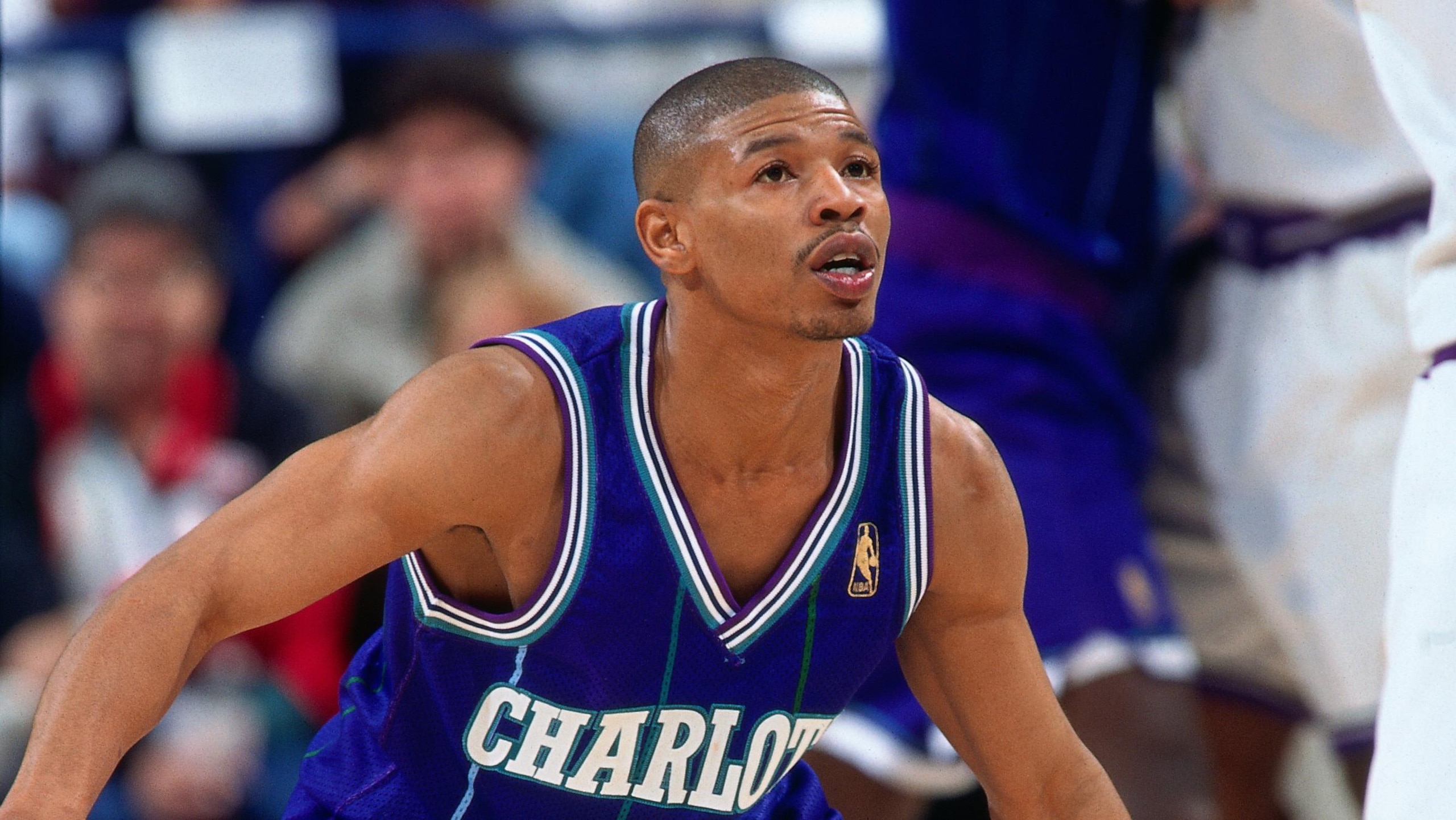
Key Stats: 7.7 PPG, 7.6 APG, 1.5 SPG
Total Seasons: 14
B/R Top 100: Not Listed
Muggsy Bogues is the only player in league history listed at 5'3", but it would be a disservice to him to say he's here by default and move on.
Despite standing nine inches shy of six feet, he isn't just the best at his height. He's among the very best sub-6'0" players we've ever seen.
Beyond the shiftiness and quickness one might expect from an NBA player of this size, Bogues was a fierce competitor and team-first distributor who averaged a double-double in 1993-94 and put up 9.5 points and 9.3 assists over a six-year span from 1989-90 through 1994-95.
That kind of production from someone listed at 5'3", in a league where most players are historically over a foot taller (and some are over two feet taller), is nothing short of remarkable.
5'5": Earl Boykins
2 of 28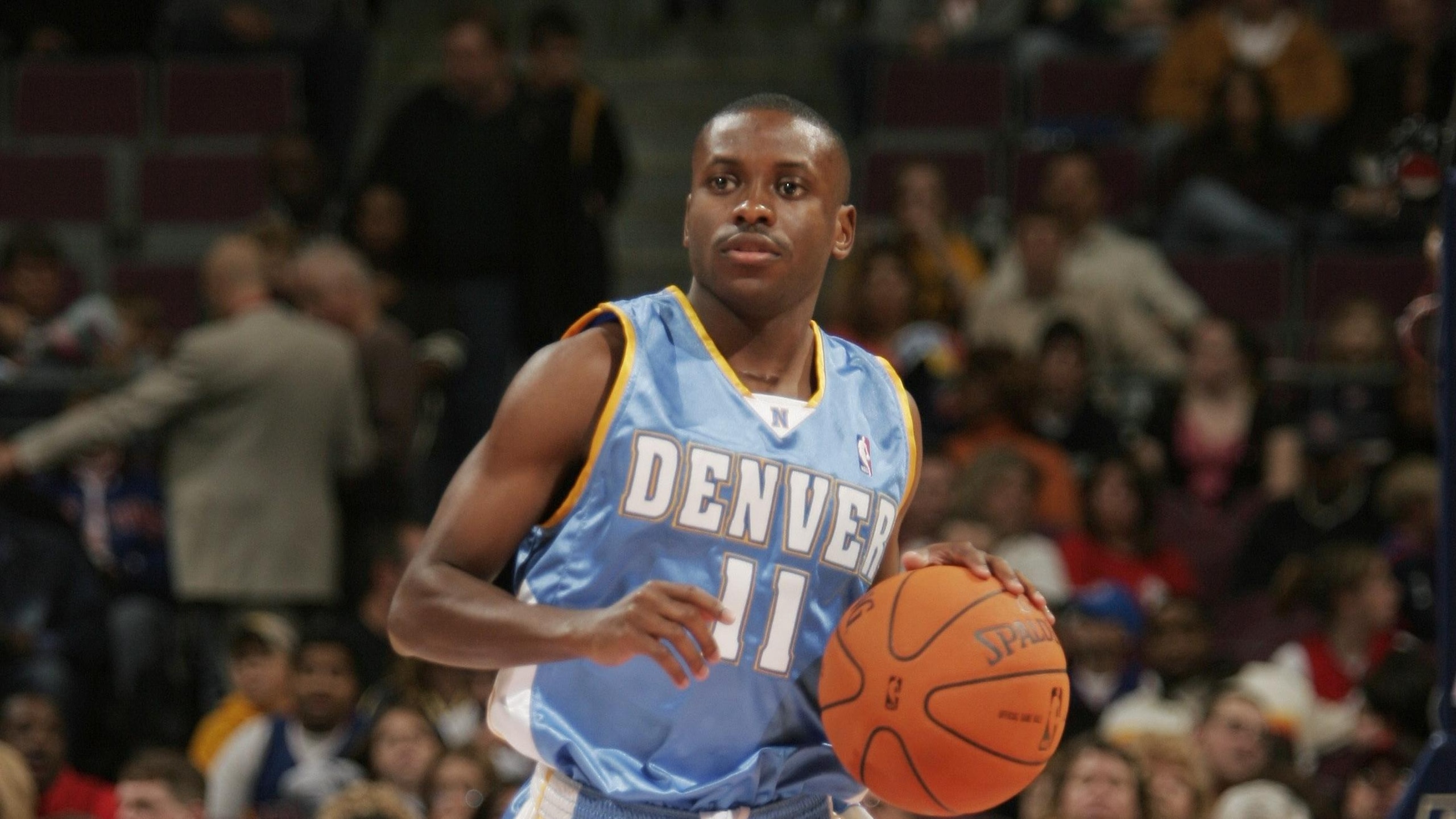
Key Stats: 8.9 PPG, 3.2 APG, 0.6 3PG, 34.8 3P%
Total Seasons: 13
B/R Top 100: Not Listed
As mentioned at the outset, there is no one in league history who was listed at 5'4", so we skip ahead to Earl Boykins at 5'5".
And though he didn't have quite the same impact Bogues did, lasting well over a league in the decade at Boykins' size is impressive.
The most notable stint of his career came with the Denver Nuggets, where he played 255 games and averaged 12.1 points and 4.0 assists.
5'6": Spud Webb
3 of 28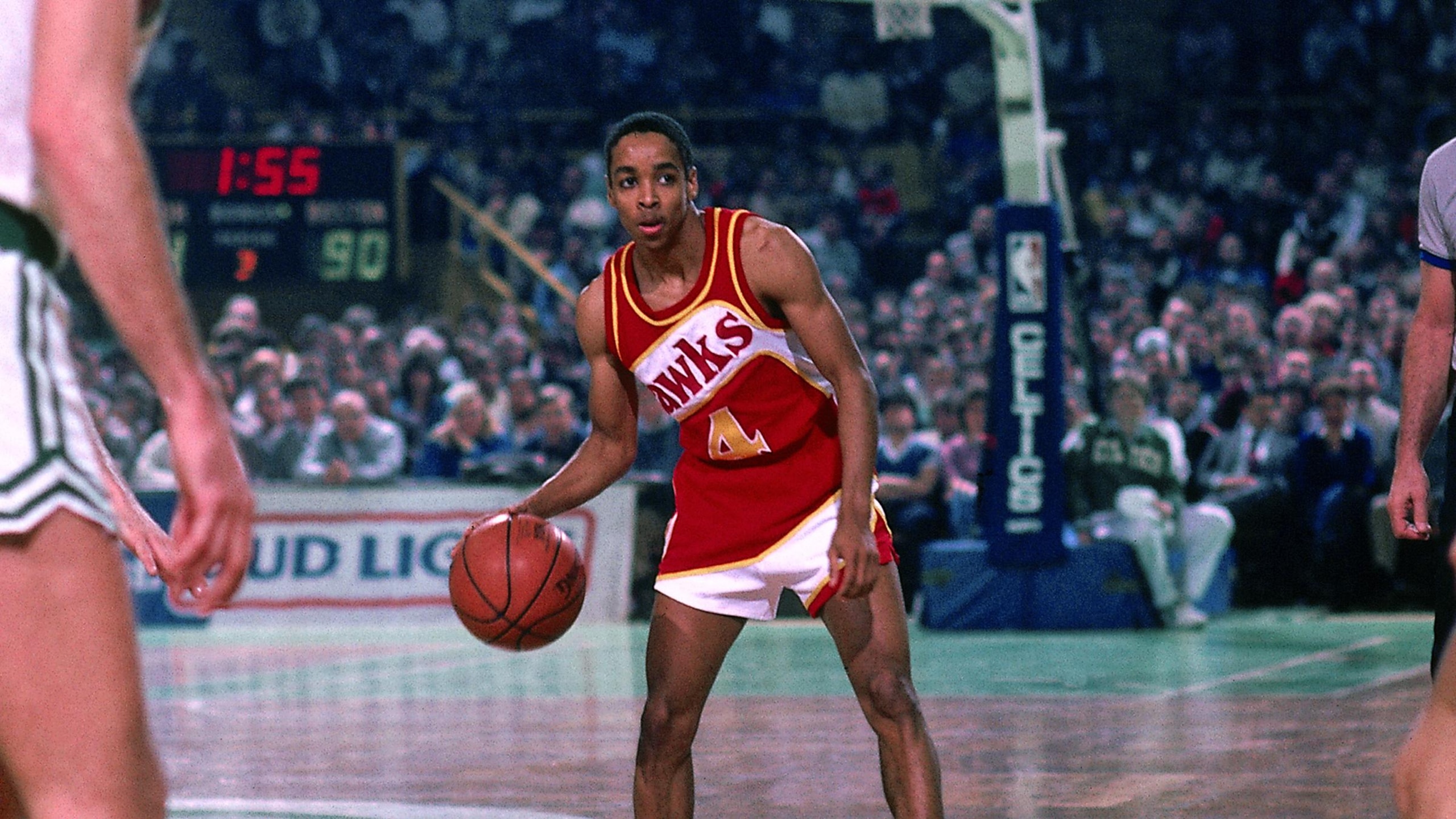
Key Stats: 9.9 PPG, 5.3 APG, 1.1 SPG
Total Seasons: 12
B/R Top 100: Not Listed
Perhaps best known for his dunk contest win in 1986, Spud Webb was a much more productive player than someone who should just be relegated to an event from a single All-Star weekend.
Particularly after he joined the Sacramento Kings, an era of his career that seems to be largely forgotten, he was an everyday starter and dynamic playmaker.
In 1991-92, his first year with the Kings, Webb put up 16.0 points, 7.1 assists and 0.9 threes (decent volume for the era), while shooting 36.7 percent from deep. A few years later, in 1994-95, he led the league in free-throw percentage at 93.4.
So, while the dunk contest might be the coolest and most memorable moment of his career, his impact went way beyond that weekend.



5'7": Keith Jennings
4 of 28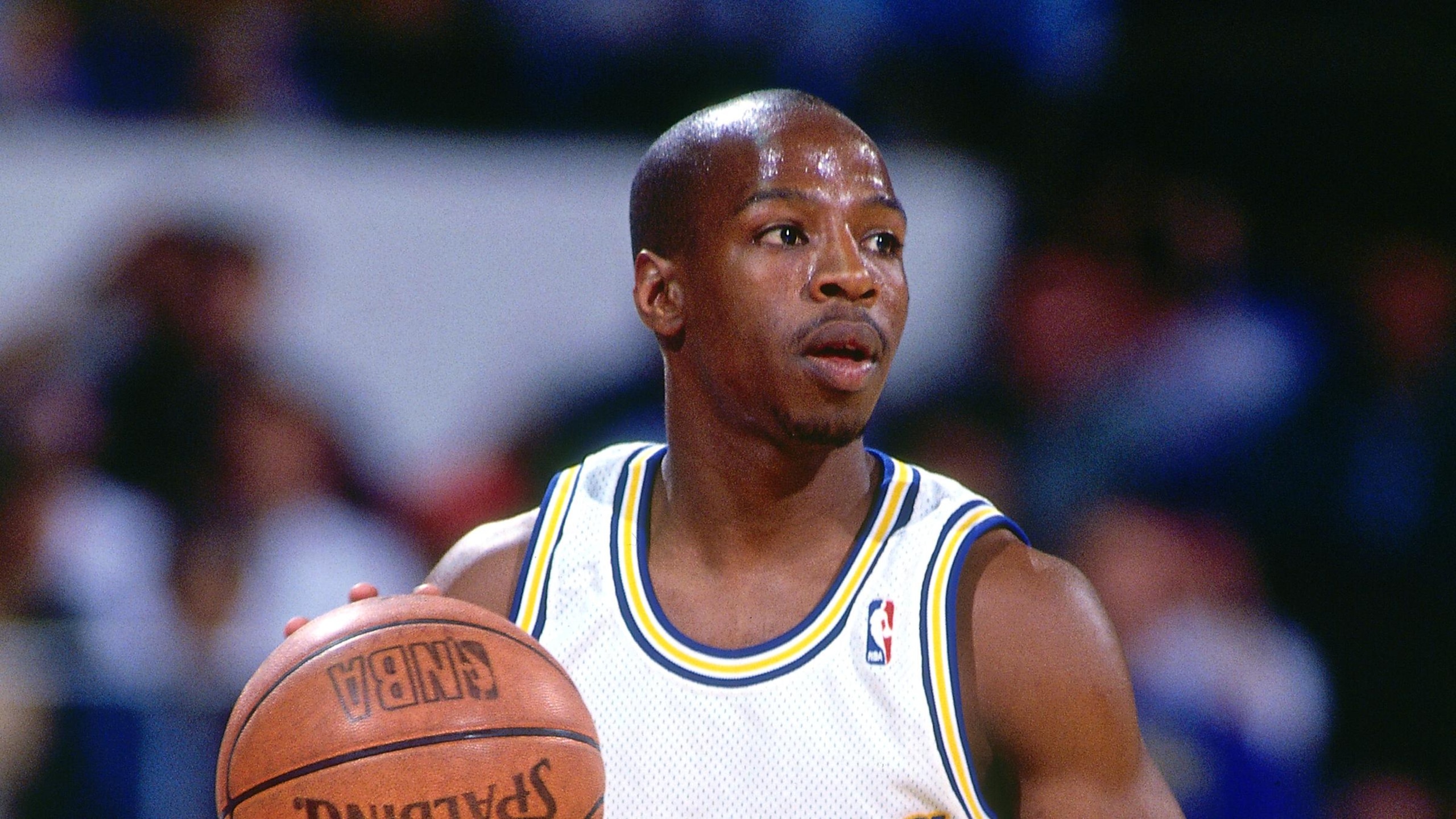
Key Stats: 6.6 PPG, 3.7 APG, 1.0 SPG, 0.8 3PG, 37.4 3P%
Total Seasons: 3
B/R Top 100: Not Listed
With all due respect to Keith Jennings, there's a distinction between this entry and Bogues', in that this really is sort of a default placement.
Jennings and Greg Grant are the only players listed at 5'7" with 500-plus career minutes, and the former finished with almost five times as many win shares as the latter.
And while it's obviously an immense challenge for a sub-6'0" player to stick around in the NBA, when you look at Jennings' individual numbers from his last two NBA seasons, it's a little surprising he didn't last longer.
5'8": Charlie Criss
5 of 28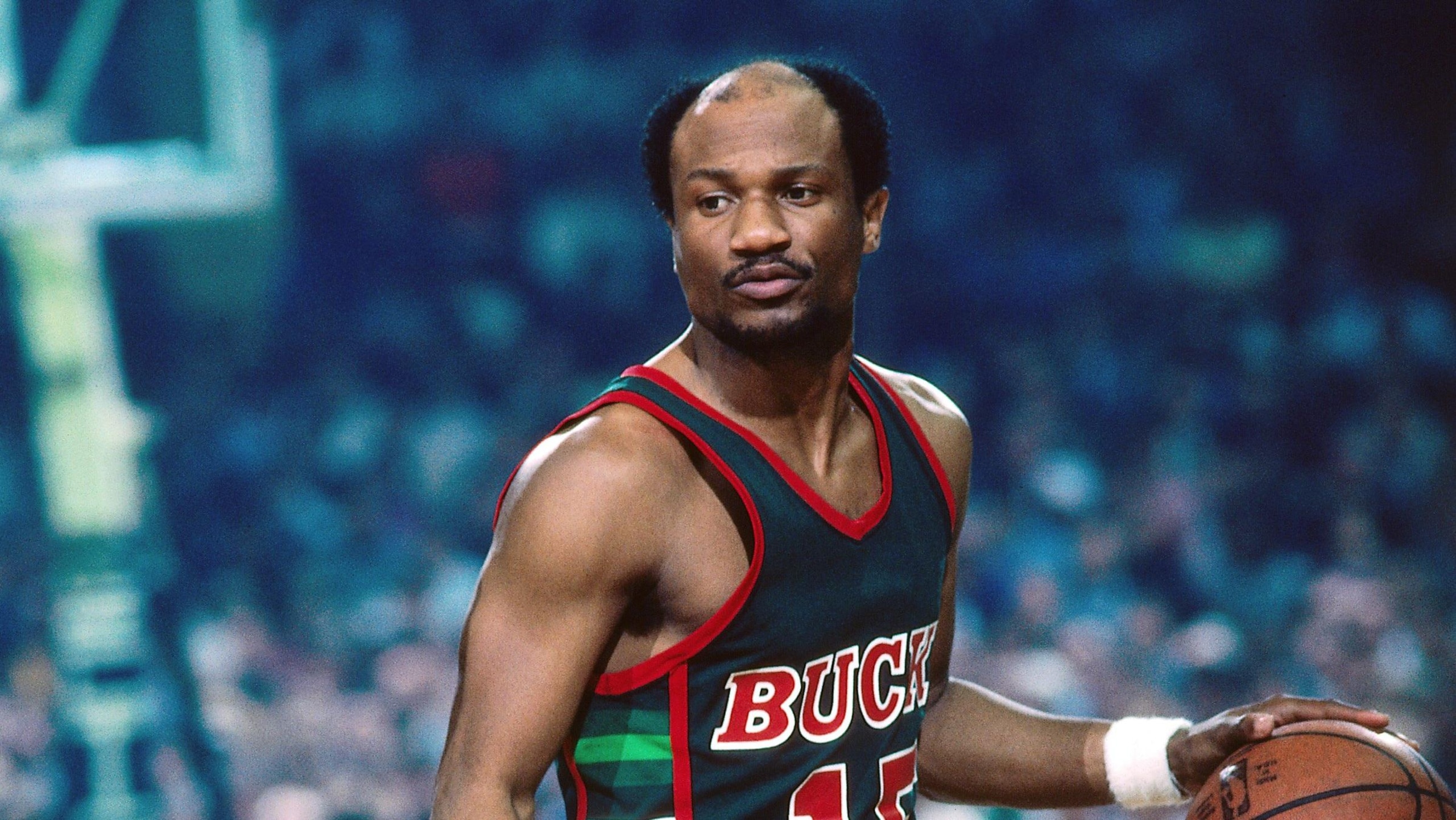
Key Stats: 8.5 PPG, 3.2 APG, 0.9 SPG
Total Seasons: 8
B/R Top 100: Not Listed
Another diminutive playmaker, Charlie Criss is the only player in league history who's listed at 5'8" and played at least 500 minutes.
And he made it all the way to eight years and 8,960 minutes.
Criss got there with a negative box plus/minus and a 17.9 three-point percentage, but a near-decade-long NBA career requires plenty of ability and competitiveness, and the "Mosquito" had both.
5'9": Isaiah Thomas
6 of 28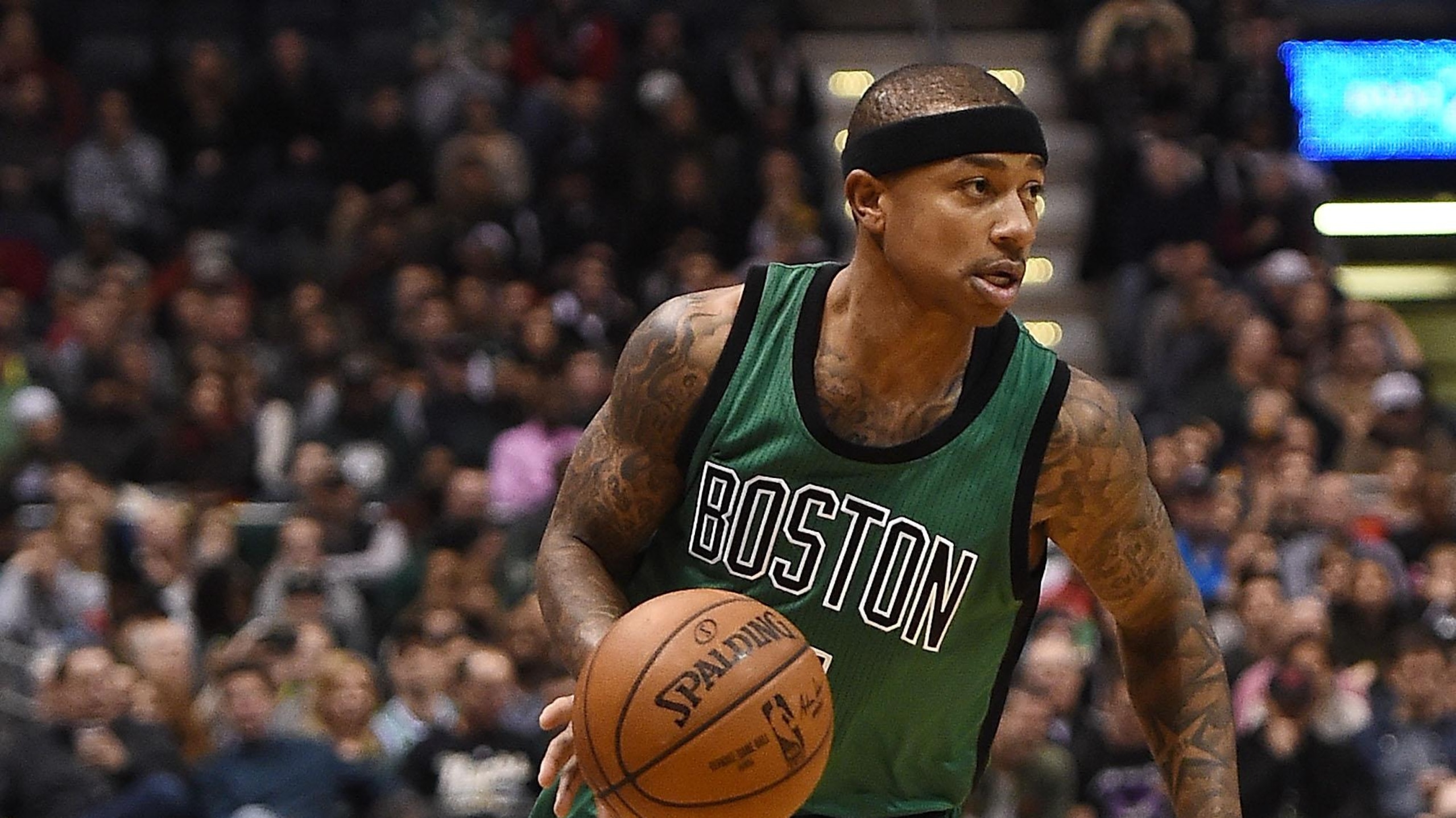
Top Accolades: 2x All-Star, 1x All-Rookie, 1x All-NBA
Key Stats: 17.5 PPG, 4.8 APG, 1.9 3PG, 36.3 3P%
Total Seasons: 12
B/R Top 100: Not Listed
An injury seriously impacted Isaiah Thomas' once-electrifying career. And his six NBA appearances in 2023-24 suggest he may not be done just yet.
At 36, a comeback is starting to look borderline impossible, but that shouldn't say anything about his legacy.
Thomas, despite being the final pick in his draft class, averaged double figures in each of his first seven seasons. He cleared 20 points per game in this third campaign, and he peaked in 2016-17 with one of the best offensive seasons ever for a player of any height.
The "King in the Fourth" dominated clutch situations for the Boston Celtics that season, averaged 28.9 points and 5.9 assists, shot 37.9 percent from deep and finished fifth in MVP voting.
5'10": Michael Adams
7 of 28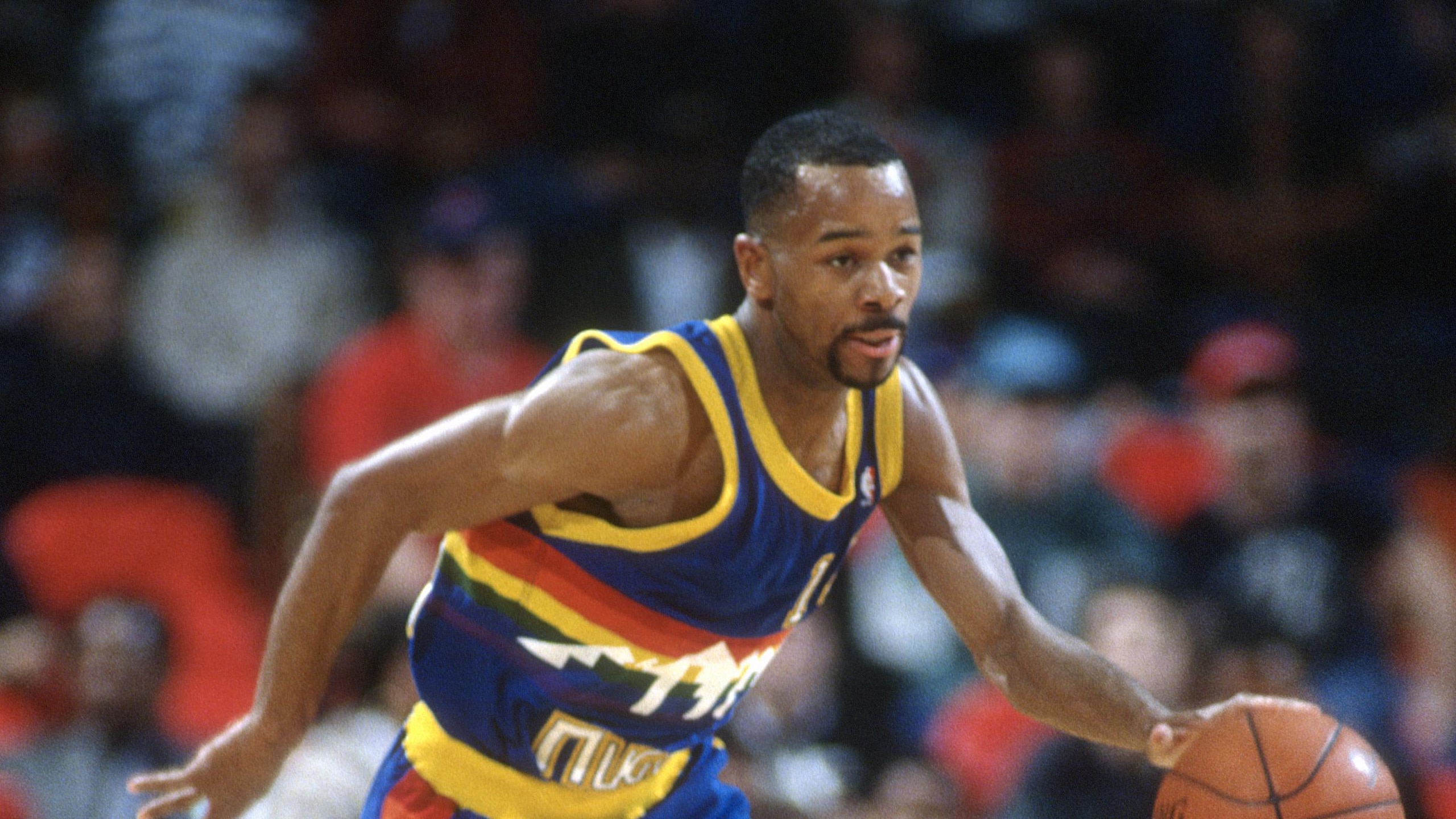
Top Accolades: 1x All-Star
Key Stats: 14.7 PPG, 6.4 APG, 1.7 SPG, 1.5 3PG
Total Seasons: 11
B/R Top 100: Not Listed
When you look at Michael Adams' career-long numbers above, you probably think of him as a solid, non-star-level guard who deserves plenty of credit for lasting over a decade in the NBA as a sub-six-footer.
And that's all true. But it may sell his individual ability a little short.
In 1987-88, he finished with a point in MVP voting. He led the league in three-point attempts per game in four different seasons. He led the league in threes made per game twice. And in 1990-91, he had a truly spectacular campaign that can stack up with just about anyone, regardless of height.
That season, Adams put up 26.5 points, 10.5 assists, 2.5 threes and 2.2 steals. And to this day, that's the only campaign in league history in which all four of those marks are matched or exceeded.
5'11": Terrell Brandon
8 of 28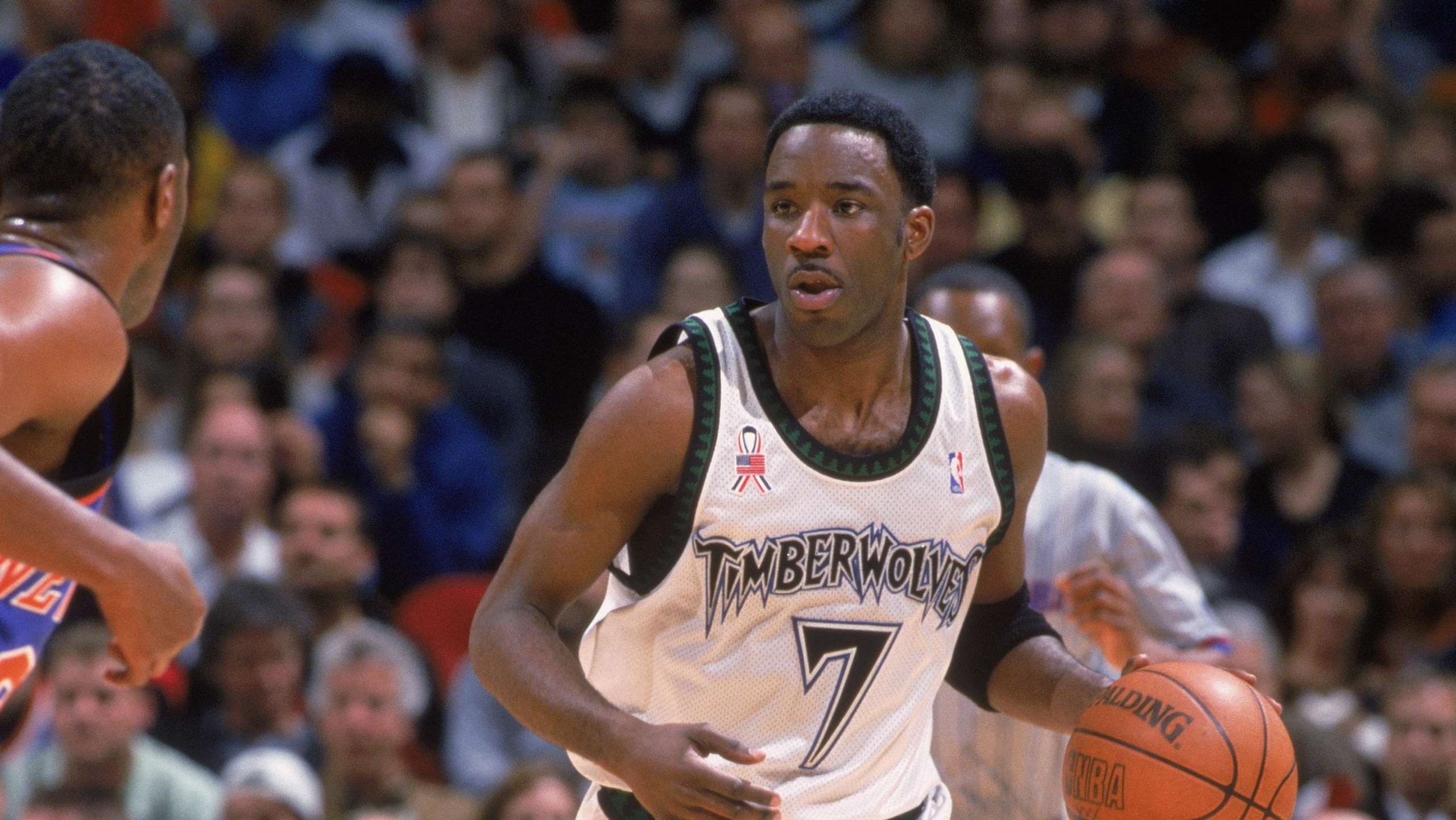
Top Accolades: 2x All-Star, 1x All-Rookie
Key Stats: 13.8 PPG, 6.1 APG, 1.6 SPG
Total Seasons: 11
B/R Top 100: Not Listed
Much like Adams, Terrell Brandon's career numbers look relatively modest. But there was a brief stint in the 1990s when the sub-6'0" playmaker was a legitimate star.
In 1995-96 and 1996-97 (when he made his two All-Star appearances), he averaged 19.4 points, 6.4 assists, 1.8 steals and 1.3 threes (good volume for the era), while shooting 37.9 percent from deep.
And in the twilight of his career, Brandon helped the career of one of the greatest forwards of all time reach new heights.
In 2001-02, Brandon's 8.3 assists per game led a Minnesota Timberwolves team that featured Kevin Garnett averaging a team-high 21.2 points.
6'0": Chris Paul
9 of 28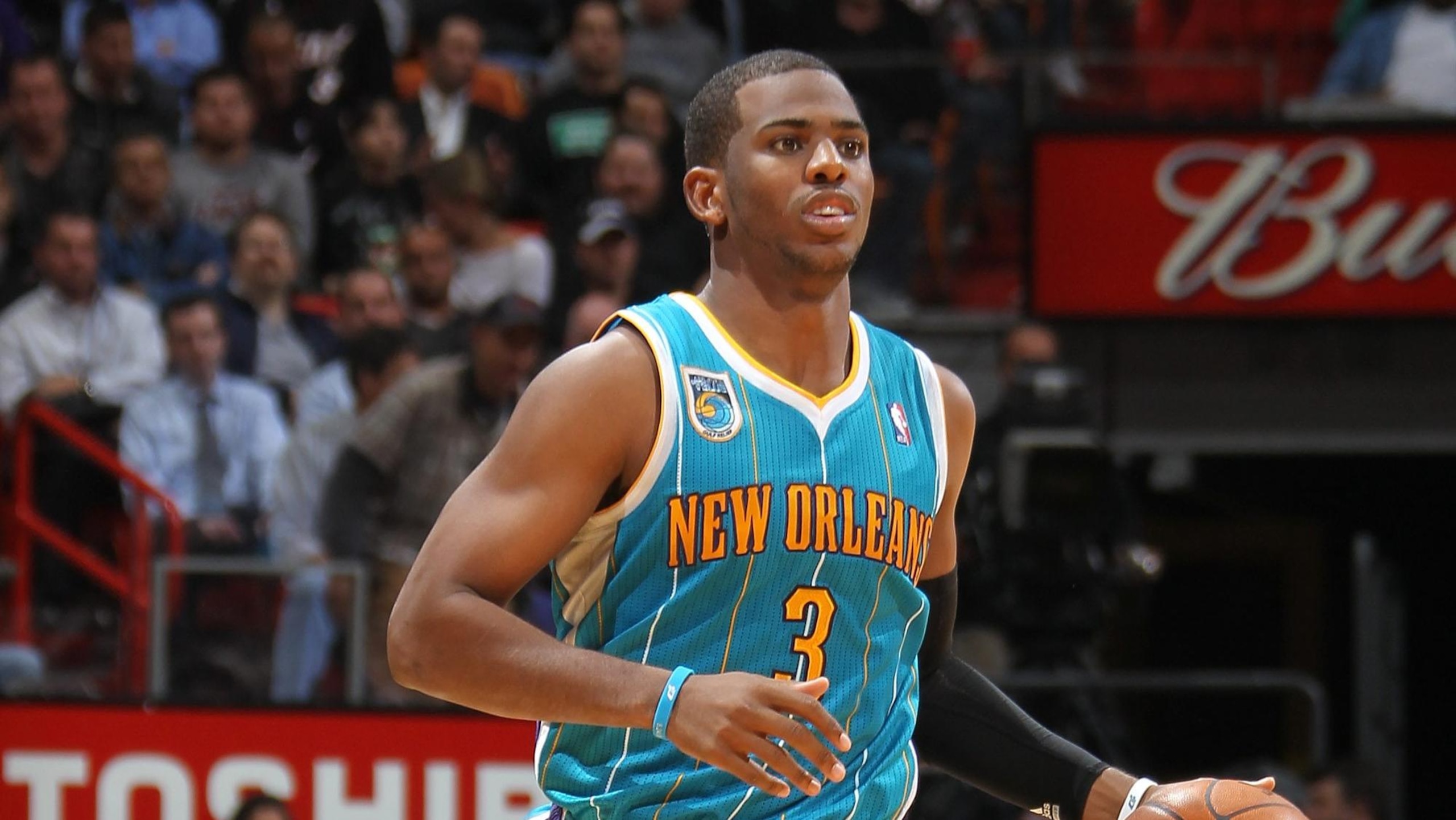
Top Accolades: 11x All-NBA, 12x All-Star, 9x All-Defense, Rookie of the Year, 5 Assist Titles, 6 Steals Titles
Key Stats: 17.0 PPG, 4.4 RPG, 9.2 APG, 2.0 SPG, 47.0 FG%, 37.0 3PT%
Total Seasons Played: 20
B/R Top 100: 30
And now, we break into the top 100 list with one of the best point guards in the history of the league.
For two decades, Chris Paul has been perhaps the master manipulator of individual possessions in the NBA. His ability to control the pace of the game, survey the entire floor, hit players at exactly the right moment and generally avoid mistakes has made him one of the most positively impactful players of his era.
Over the course of his increasingly legendary career, his teams are plus-6.4 points per 100 possessions when he's on the floor and minus-2.6 when he's off.
And while CP3 won't catch John Stockton in either category, finishing second all time in both total assists and total steals is a heck of a bullet point on the resume.
6'1": Isiah Thomas
10 of 28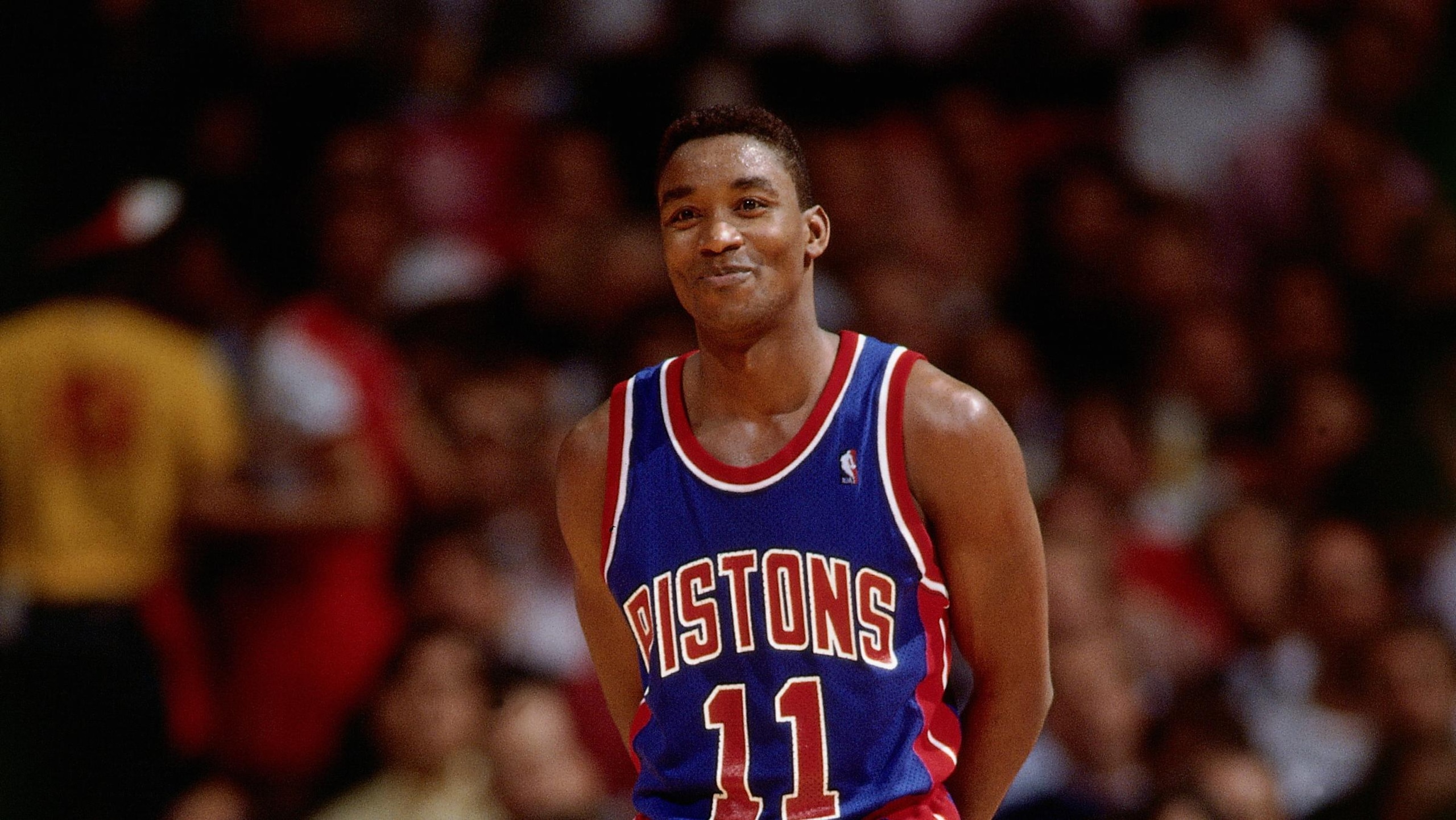
Top Accolades: 2x Champion, 1x Finals MVP, 12x All-Star, 5x All-NBA, 1x Assist Champion
Key Stats: 19.2 PPG, 3.6 RPG, 9.3 APG, 1.9 SPG, 45.2 FG%, 29.0 3P%
Total Seasons Played: 13
B/R Top 100: 27
To get a sense of how great Isiah Thomas was, you have to go beyond his regular-season numbers.
In today's social media-driven era, we hear a lot about "playoff risers," and he was exactly that.
Thomas' 2.6 regular-season box plus/minus was well shy of his 6.0 in the playoffs, where he averaged 20.4 points and 8.9 assists.
Tack two championships and the 1990 Finals MVP on top of that, and you have a truly legendary career, regardless of height.
6'2": Stephen Curry
11 of 28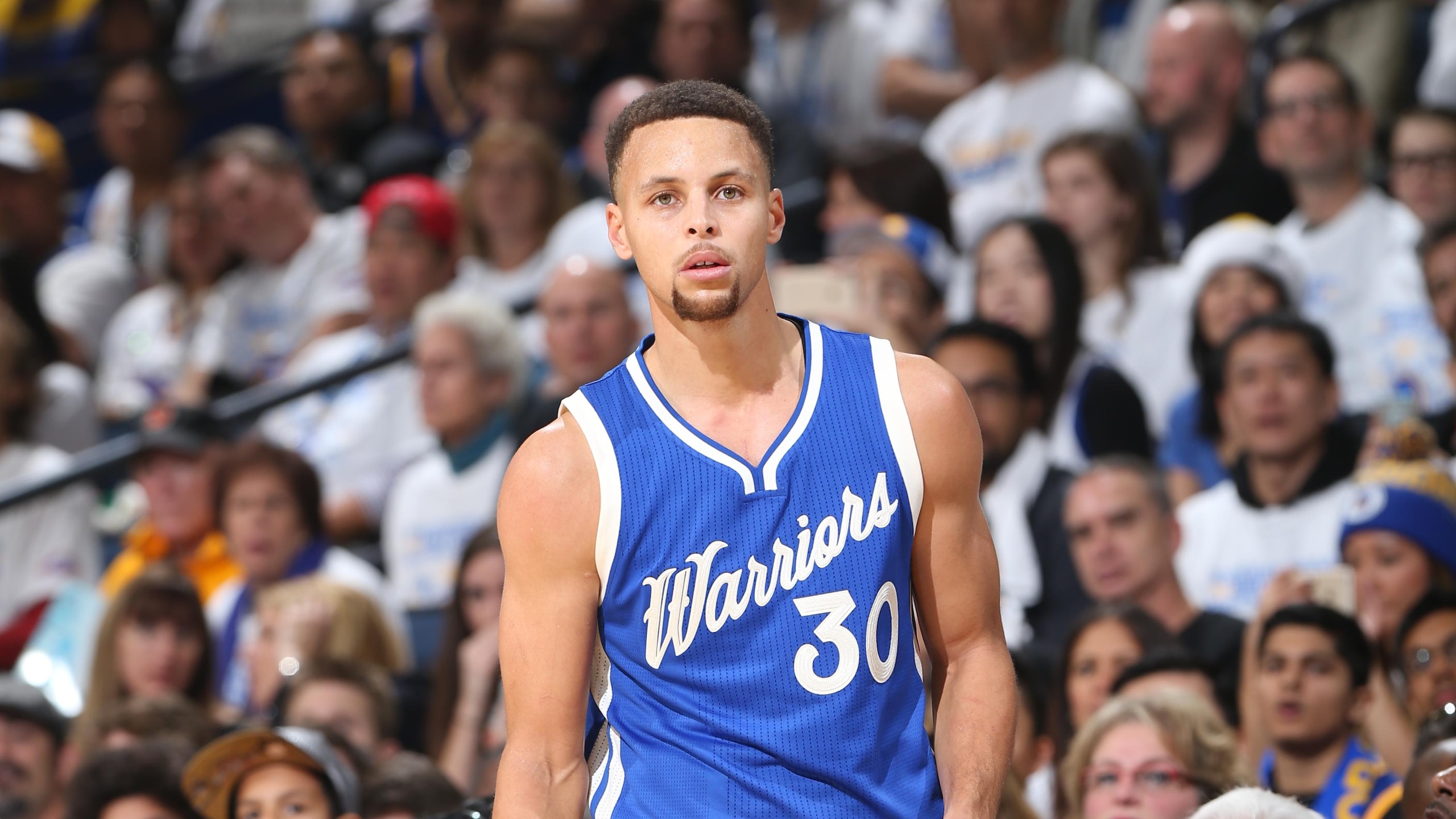
Top Accolades: 4x Champion, 2x MVP, 1x Finals MVP, 11x All-Star, 11x All-NBA, 2x Scoring Champion, 1x Steal Champion
Key Stats: 24.7 PPG, 4.7 RPG, 6.4 APG, 4.0 3PG, 1.5 SPG, 47.1. FG%, 42.3 3P%
Total Seasons Played: 16
B/R Top 100: 10
The greatest shooter in NBA history may also be its most influential individual player.
In 2008-09, the last pre-Stephen Curry season, 22.4 percent of all shot attempts were threes. This past season, that number was 42.1 percent.
And that impact has traveled well beyond the NBA. Watch any college basketball game. Go to a game at your local high school. Just about every team shoots more threes. Players are far more confident in pulling up from deep and off the dribble.
Curry absolutely changed the game of basketball, and his height probably has at least a little to do with that.
Traditionally, the very best basketball players in the world were massive when compared to the average Joe or Jane. It was hard for fans and up-and-coming players to imagine themselves dominating the way LeBron James or Shaquille O'Neal did.
Curry, on the other hand, was doing things that young fans all over the world believed they could replicate.
And while some old-heads may complain about the explosion of three-point volume, there's no doubt his overall impact has been positive.
Curry is a title- and MVP-winning example of why skill and a team-first attitude can help anyone overcome a lack of size or athleticism.
6'3": Jerry West
12 of 28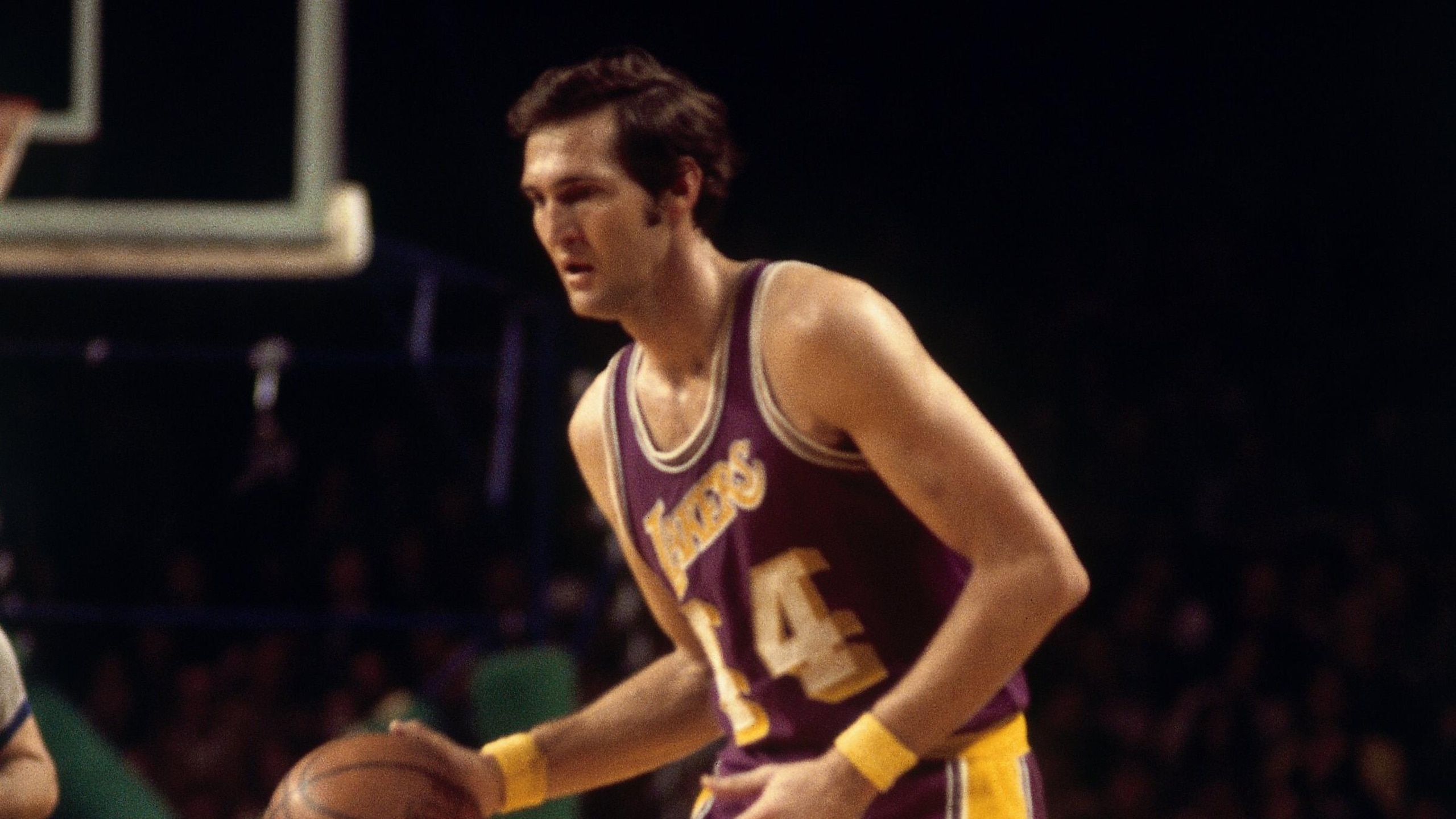
Top Accolades: 1x Champion, 1x Finals MVP, 14x All-Star, 12x All-NBA, 5x All-Defense, 1 Scoring Title
Key Stats: 27.0 PPG, 5.8 RPG, 6.7 APG, 2.6 SPG, 47.4 FG%
Total Seasons Played: 13
B/R Top 100: 15
Basketball has long been dominated by giants, and that was especially true in the 1960s and 1970s.
That was the era of Bill Russell and Wilt Chamberlain. Even before them, big men such as Bob Pettit and George Mikan dominated the NBA landscape. Centers almost had a monopoly on MVPs and the "best player on the title team" honor.
But 6'3" Jerry West managed to break through that monopoly with an ahead-of-his-time game and fierce competitiveness that perennially had his Los Angeles Lakers in the hunt during the Celtics' juggernaut-like run.
To emerge from those years as the player who made the most sense to use as the logo of the league is a testament to West's outsized impact.
6'4": Dwyane Wade
13 of 28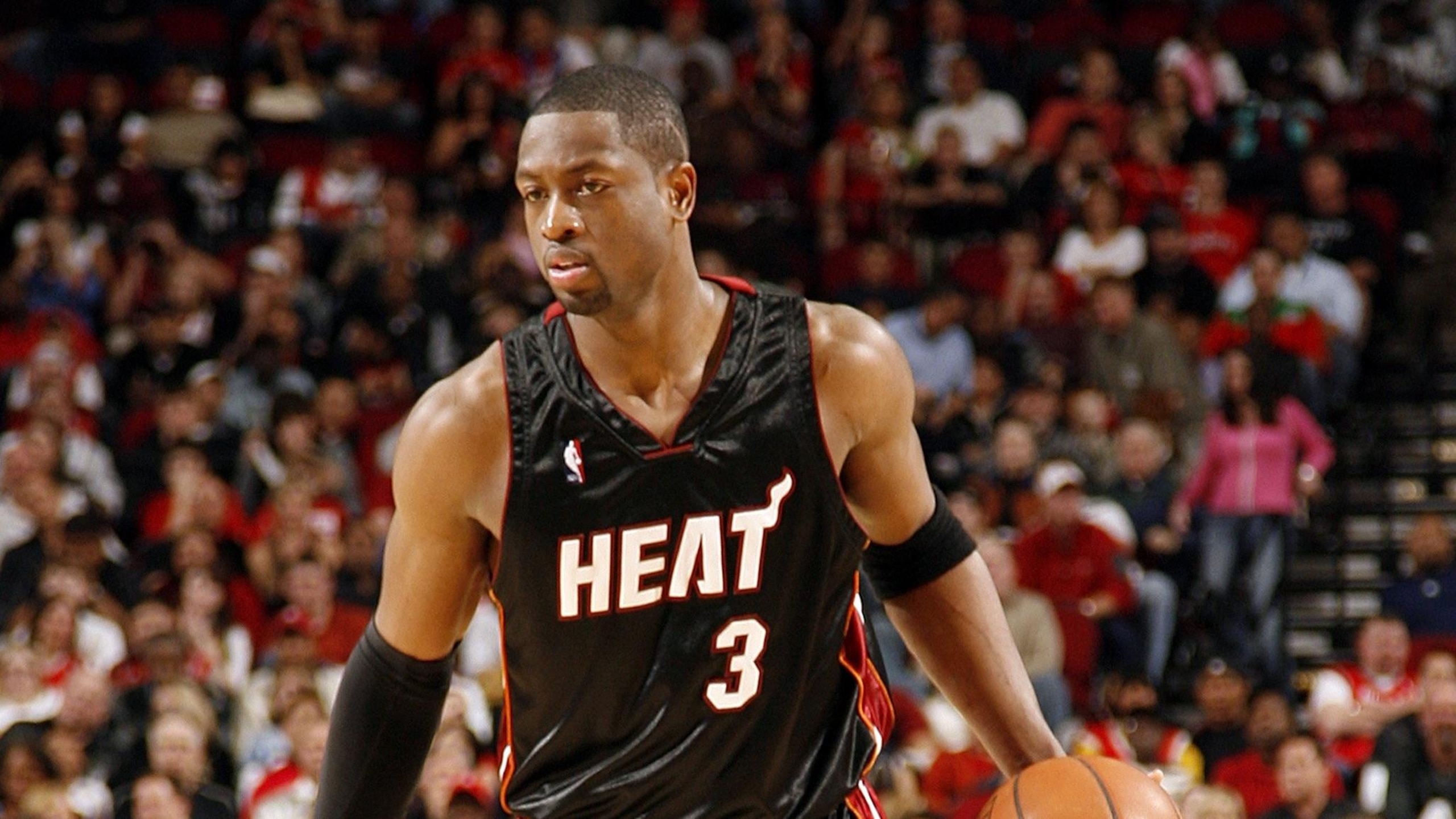
Top Accolades: 3x Champion, 1x Finals MVP, 8x All-NBA, 13x All-Star, 3 All-Defense, 1 Scoring Title
Key Stats: 22.0 PPG, 4.7 RPG, 5.4 APG, 1.5 SPG, 0.8 BPG, 48.0 FG%, 29.3 3PT%
Total Seasons Played: 16
B/R Top 100: 23
His career numbers obviously still look great, but there's a similar thing happening with Dwyane Wade that was touched on with Adams and Brandon.
Relative to his marks over the course of 16 years, his peak was pretty ridiculous.
During six seasons from 2005-06 through 2010-11, Wade averaged 27.0 points, 6.5 assists, 5.2 rebounds, 1.9 steals and 1.1 blocks.
He didn't win an MVP during that stretch. And playing at the same time as LeBron James and Kobe Bryant sort of barred him from the "best player in the world" conversation. But if he wasn't on their tier, he was mighty close.
And ascending to that level is exceptionally rare for someone under 6'6".
6'5": Oscar Robertson
14 of 28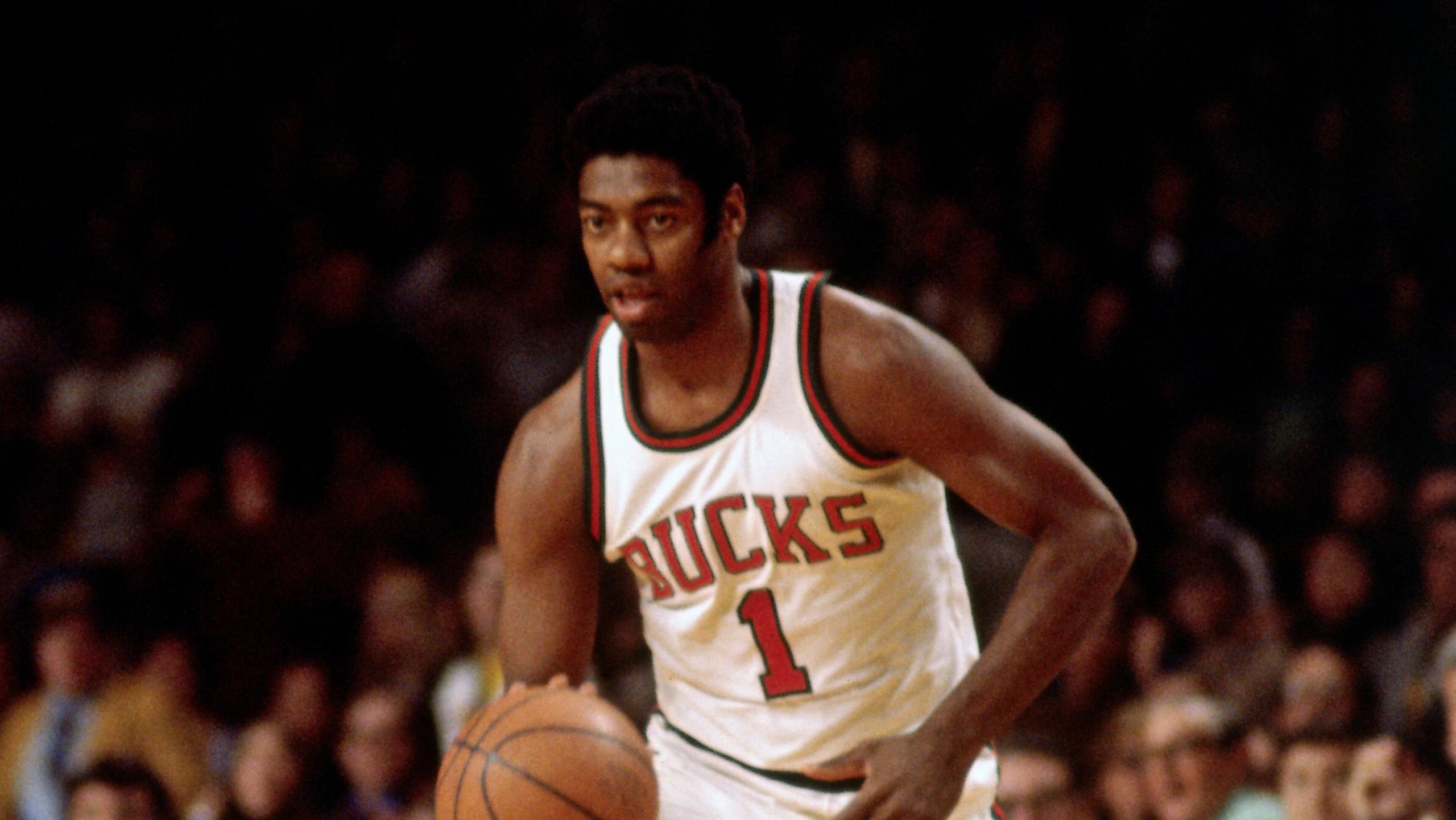
Top Accolades: 1x Champion, 1x MVP, 11x All-NBA, 12x All-Star, NBA Rookie of the Year, 7x Assist Champion
Key Stats: 25.7 PPG, 7.5 RPG, 9.5 APG, 48.5 FG%
Total Seasons Played: 14
B/R Top 100: 14
The "Big O" Oscar Robertson, much like West, was a dominant guard in an era when big men ruled the league. And unlike West, his dominance once translated to an MVP win.
In 1963-64, two years after the season in which Robertson averaged a triple-double, the Big O put up 31.4 points, 11.0 assists and 9.9 rebounds and topped Wilt, Russell and Pettit, who finished second, third and fourth, in MVP voting.
And, as if that wasn't enough, he went on to finish top-five in voting in each of the next four seasons (meaning he finished top-five in each of his first eight NBA campaigns).
Eventually, on a team that featured Kareem Abdul-Jabbar, Robertson also showed an ability to scale down his game and production and defer to another star. And in 1971, he locked up an NBA championship.
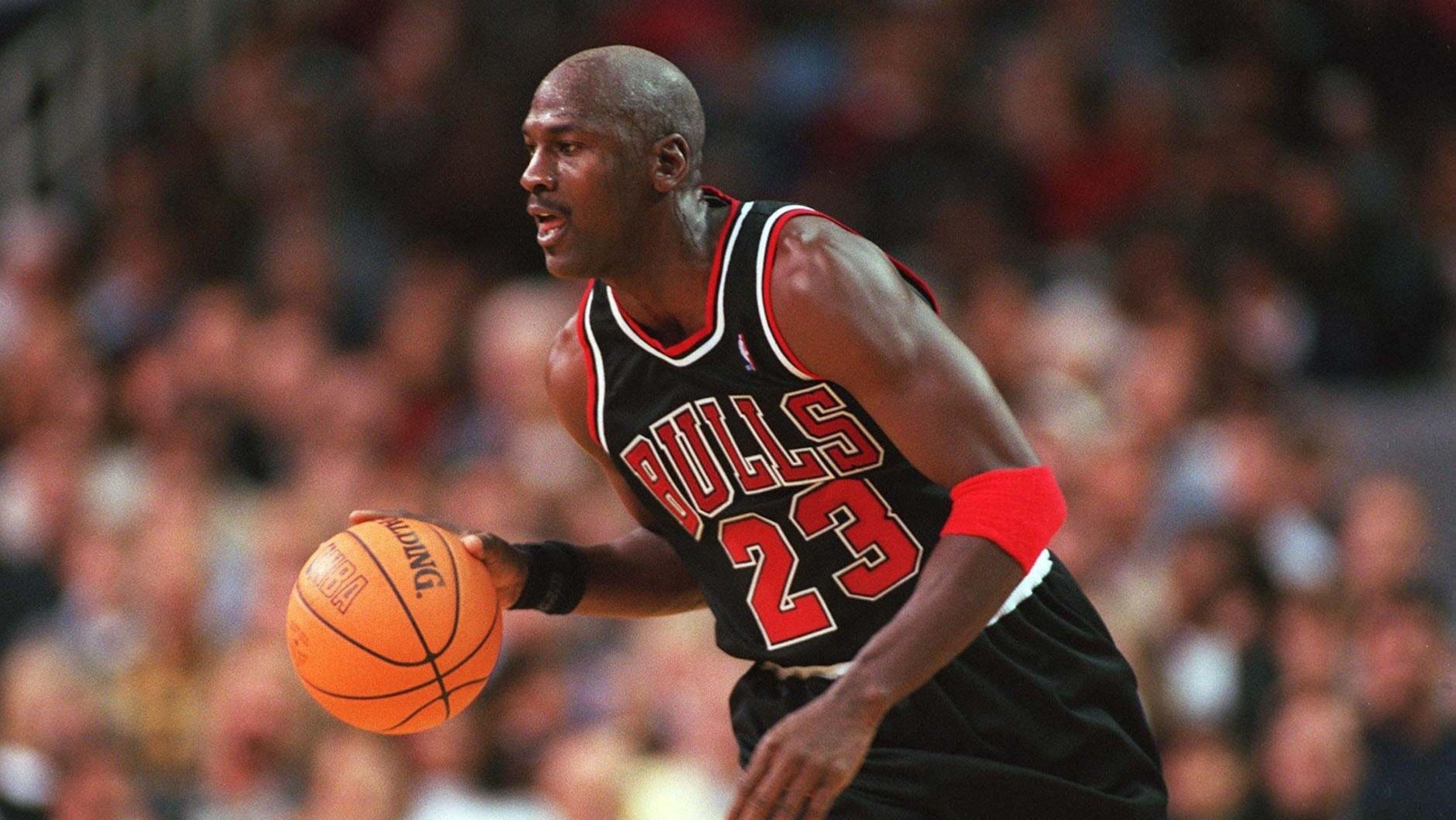
6'6": Michael Jordan
15 of 28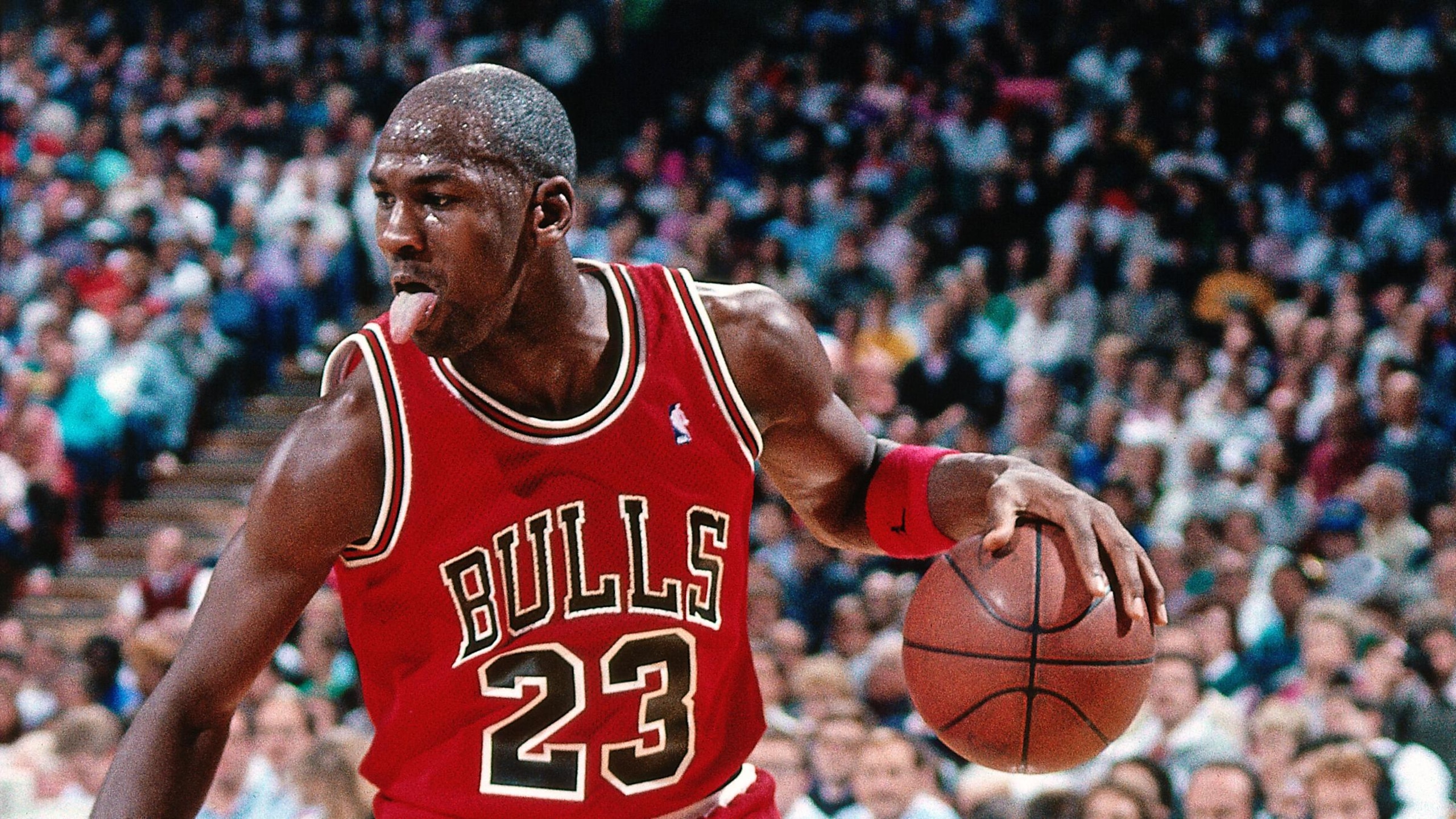
Top Accolades: 6x Champion, 5x MVP, 6x Finals MVP, 11x All-NBA, 14x All-Star, 9x All-Defense, 1x Defensive Player of the Year, NBA Rookie of the Year, 10 Scoring Titles
Key Stats: 30.1 PPG, 6.2 RPG, 5.3 APG, 2.3 SPG, 49.7 FG%, 32.7 3PT%
Total Seasons Played: 15
B/R Top 100: 1
This is the least suspenseful entry of the exercise. Michael Jordan isn't just the best 6'6" player ever. He's just the GOAT, regardless of height.
And though the disparity of impact between bigs and guards wasn't quite as wide in the '80s and '90s as it was during the league's formative years, he still had to develop his all-time resume in an era that included some of the best centers and power forwards of all time.
Over the course of the pre-Washington Wizards portion of his career, Jordan was obviously first in wins over replacement player, but five spots in the rest of the top 10 were occupied by Charles Barkley (Jordan's height, but he obviously played more like a big), Karl Malone, Hakeem Olajuwon, David Robinson and Patrick Ewing.
Hakeem won two titles during the era, but those were the result of Jordan's hiatus to play baseball, and no one else was able to lead their teams past the 6'6" wing and onto a title.
6'7": Julius Erving
16 of 28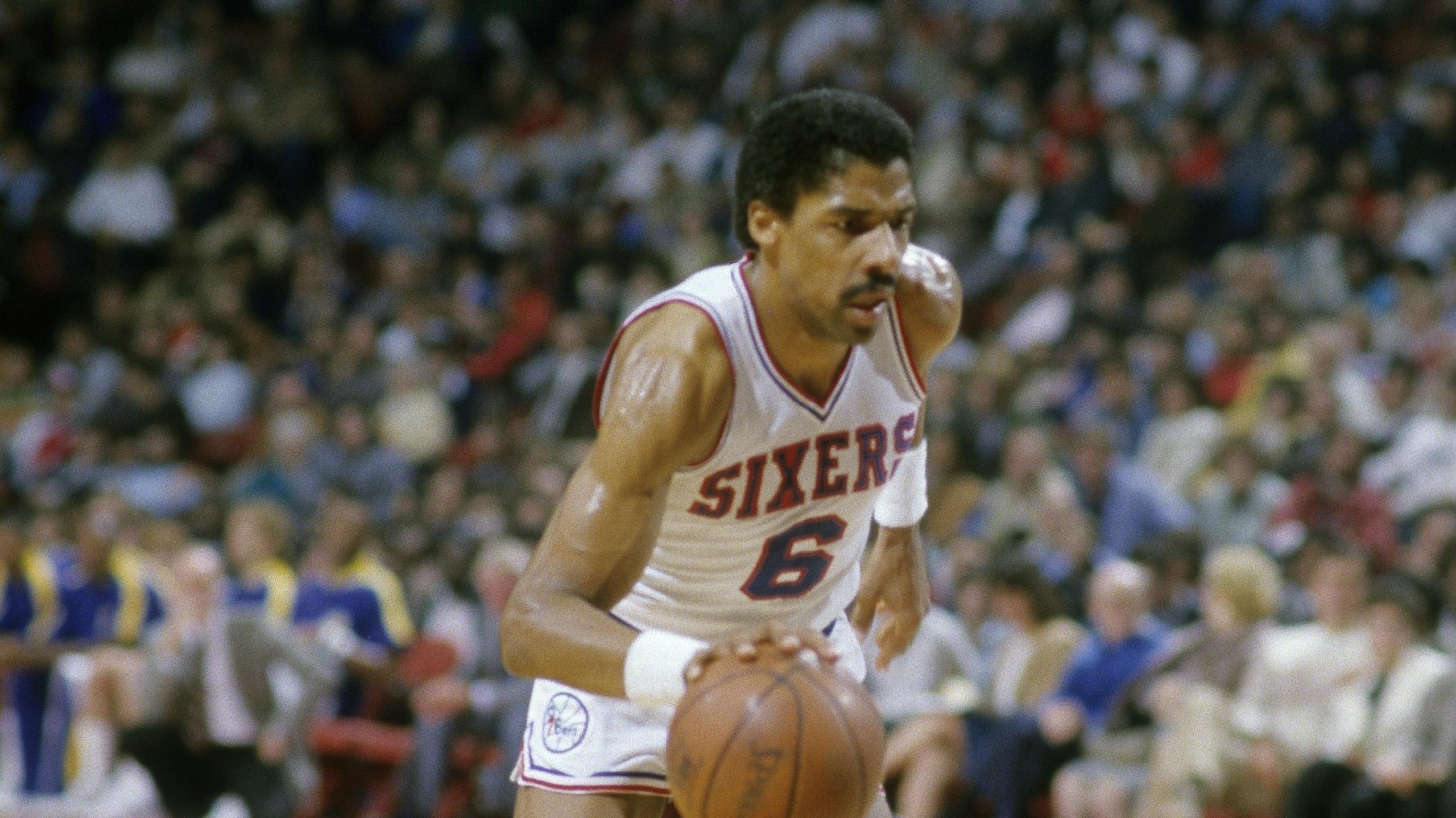
Top Accolades: 1x NBA champion, 2x ABA champion, 4x MVP (1x NBA, 3x ABA), 16x All-Star, 7x All-NBA, 5x All-ABA, 1x All-Defense
Key Stats: 24.2 PPG, 8.5 RPG, 4.2 APG, 2.0 SPG, 1.7 BPG, 50.6 FG%
Total Seasons Played: 16
B/R Top 100: 20
A trail blazer for Jordan and countless other wings and forwards who followed him, Julius Erving brought a new flair and aesthetic to to the NBA.
He leveraged his athleticism and well-rounded game to first dominate the ABA and eventually win one NBA MVP and a championship with the Philadelphia 76ers in 1983.
Erving may have only been in the league we know now for 11 years, but his impact can still be seen in all the players who still seek to emulate Jordan and Kobe.
6'8": Scottie Pippen
17 of 28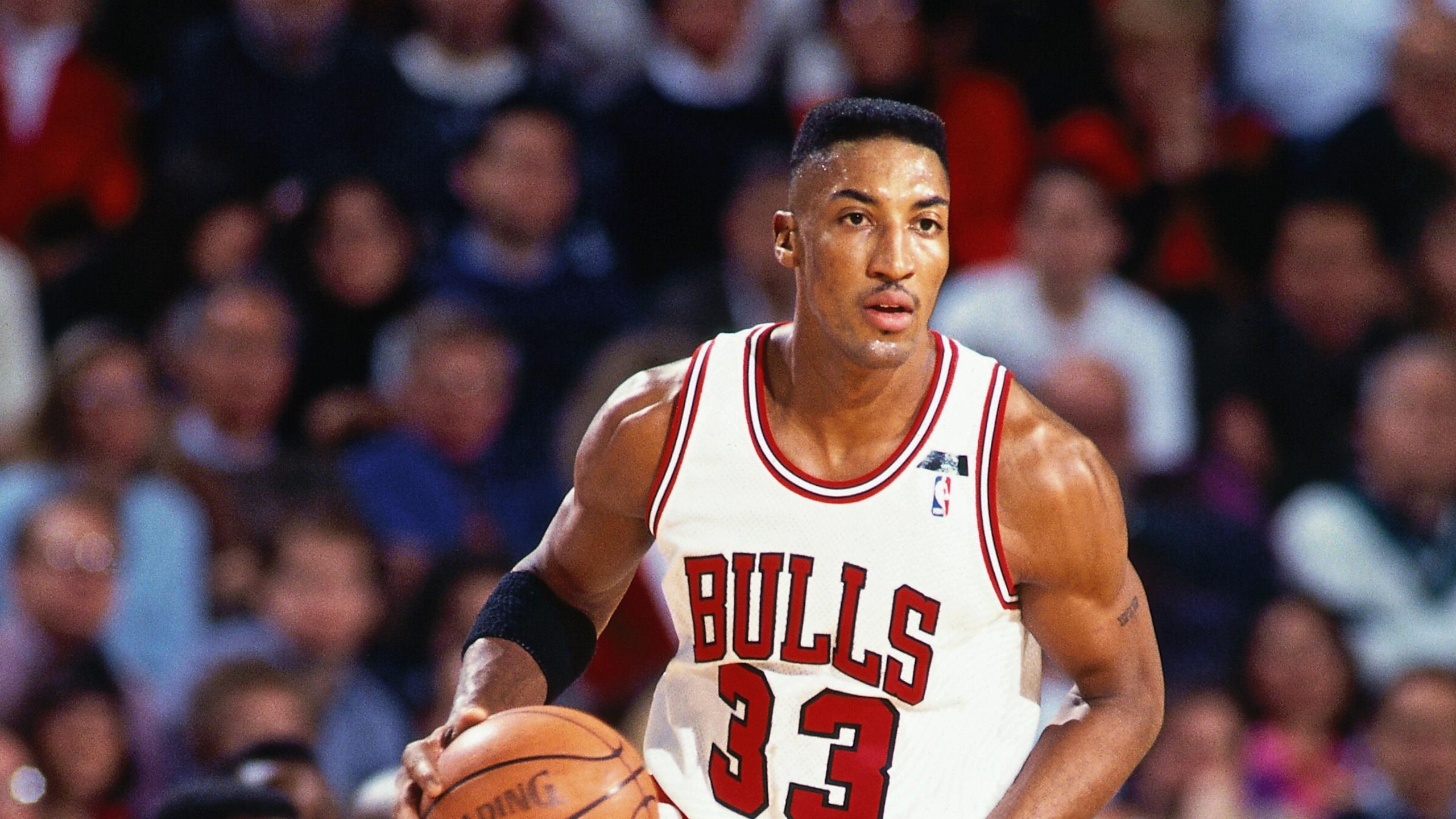
Top Accolades: 6x Champion, 7x All-NBA, 7x All-Star, 10x All-Defense, 1 Steals Title
Key Stats: 16.1 PPG, 6.4 RPG, 5.2 APG, 2.0 SPG, 0.8 BPG, 47.3 FG%, 32.6 3PT%
Total Seasons Played: 17
B/R Top 100: 28
This exercise inadvertently sort of framed the Chicago Bulls' dynasty in a new light.
Remarkably, they featured both the best 6'6" player ever and the best 6'8" player ever.
And lest you think this praise is a little too lofty for Scottie Pippen, it's worth noting a few things.
First, the career numbers you see above were dragged down by an extended role-playing portion of his career. During the stretch in which Chicago won its six titles, he averaged an eye-popping and well-rounded 20.0 points, 7.3 rebounds, 6.0 assists, 2.2 steals and 0.9 blocks.
Second, one of the best pieces of evidence for just how good Pippen was is the Bulls' 1993-94 campaign. While Jordan was pursuing his dream of playing baseball, Pippen put up 22.0 points, 8.7 rebounds, 5.6 assists and 2.9 steals, while leading his team to 55 wins and finishing third in MVP voting.
Finally, and perhaps most importantly, Jordan played three seasons before Pippen joined his team and six before he won a championship. Pippen was his No. 2 on each of the six title-winning teams.
With a 6'8" frame often suited for power forwards, Pippen was generally the lead distributor and best perimeter defender on some of the greatest teams the NBA has ever seen.
6'9": LeBron James
18 of 28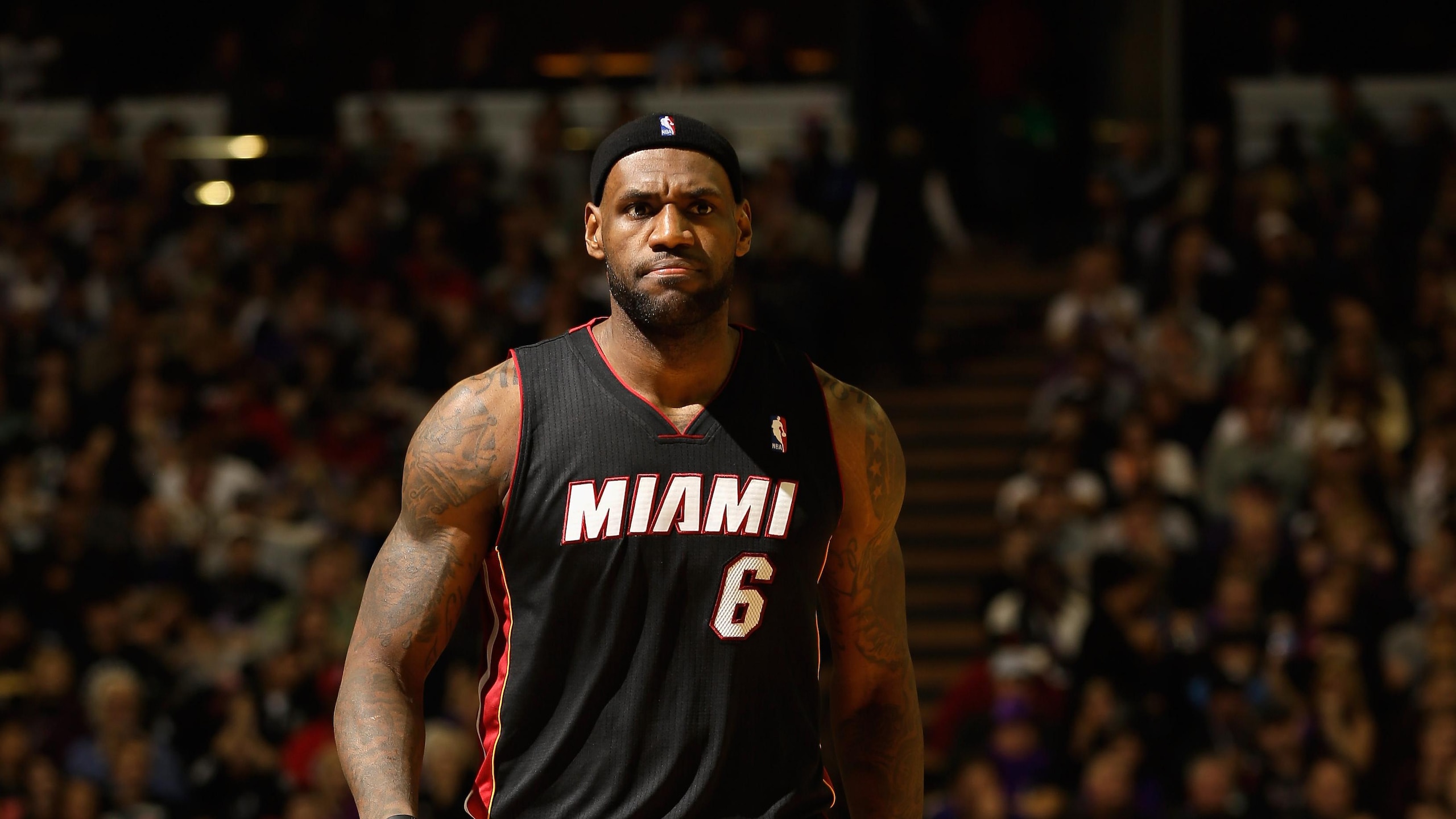
Top Accolades: 4x Champion, 4x MVP, 4x Finals MVP, 21x All-NBA, 21x All-Star, 6x All-Defense, 1 Scoring Title, 1x Assist Champion, Rookie of the Year
Key Stats: 27.0 PPG, 7.5 RPG, 7.4 APG, 1.5 SPG, 50.6 FG%, 34.9 3PT%
Total Seasons Played: 22
B/R Top 100: 2
If you have LeBron at No. 1 on your personal all-time ladder, I'm not going to argue with you. It's an understatement to say his case is strong. Nobody can touch him on longevity, and that side of his argument gets stronger every year.
His combination of size and versatility is probably unrivaled, too.
LeBron is built like a '90s power forward, but that didn't prevent him from moving like one of the most explosive wings or guards in league history. It also didn't prevent him from seeing the floor and setting up his teammates like a point guard.
Even with his career still going on, and when you use regular and postseason totals, he's first all time in points, third in assists, fifth in steals, fifth in threes, 16th in rebounds and 53rd in blocks.
6'10": Bill Russell
19 of 28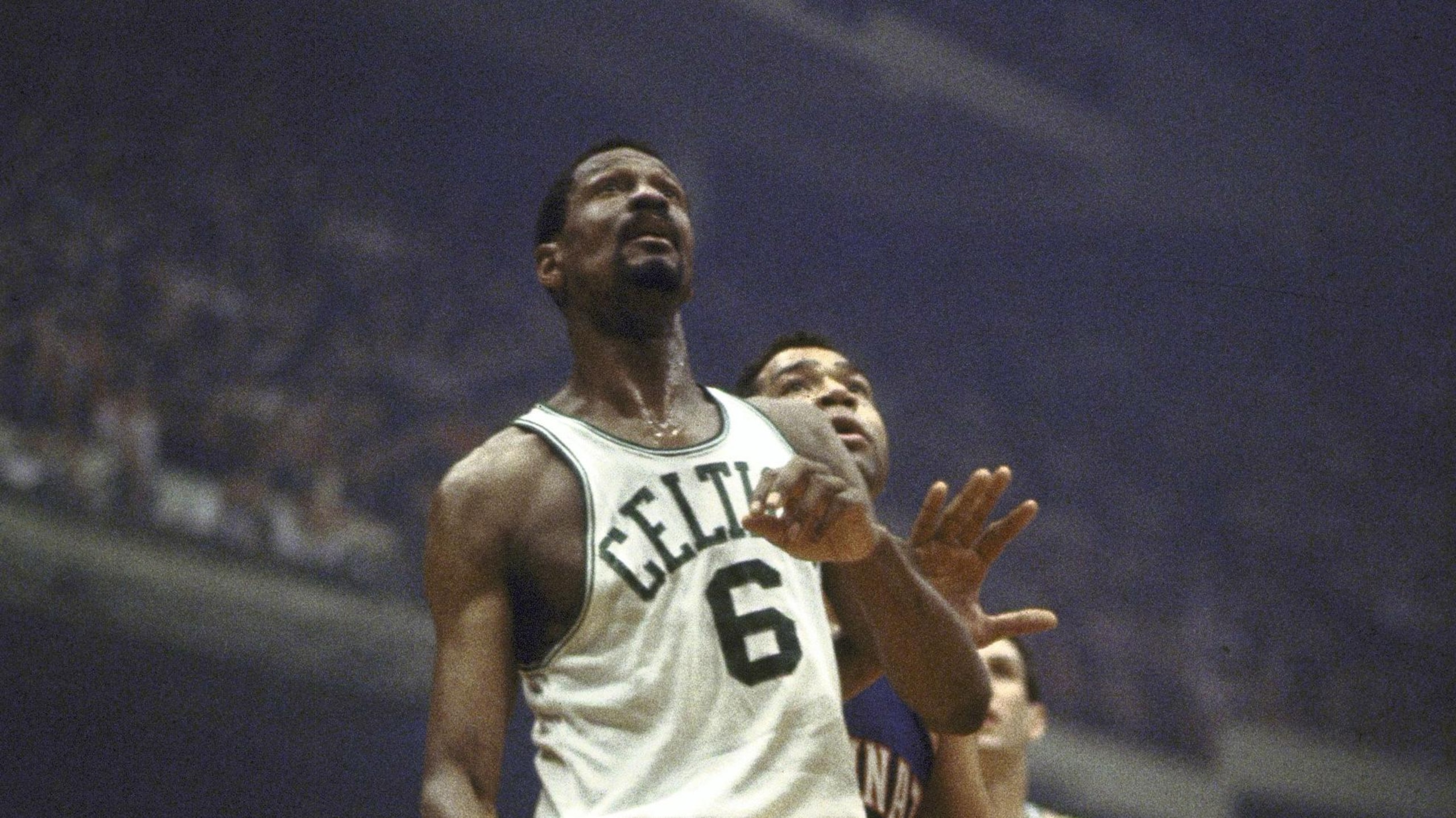
Top Accolades: 11x Champion, 5x MVP, 11x All-NBA, 12x All-Star, 4 Rebounding Titles
Key Stats: 15.1 PPG, 22.5 RPG, 4.3 APG, 44.0 FG%
Total Seasons Played: 13
B/R Top 100: 5
Even by today's standards, Russell was obviously a center, but he was often pitted against the bigger, more athletic and arguably more naturally talented Wilt Chamberlain.
And yet, Russell won nine of his 11 NBA championships after Chamberlain entered the league. Yes, his Celtics teams were loaded, but Russell was undoubtedly the leader, particularly on defense (where Boston really dominated).
And while he did and was known for plenty of "big man" things, like rebounding and protecting the paint, Russell's team-first philosophy also helped him average 4.3 assists. Bob Cousy was the only Celtic to average more during Russell's career.
6'11": Tim Duncan
20 of 28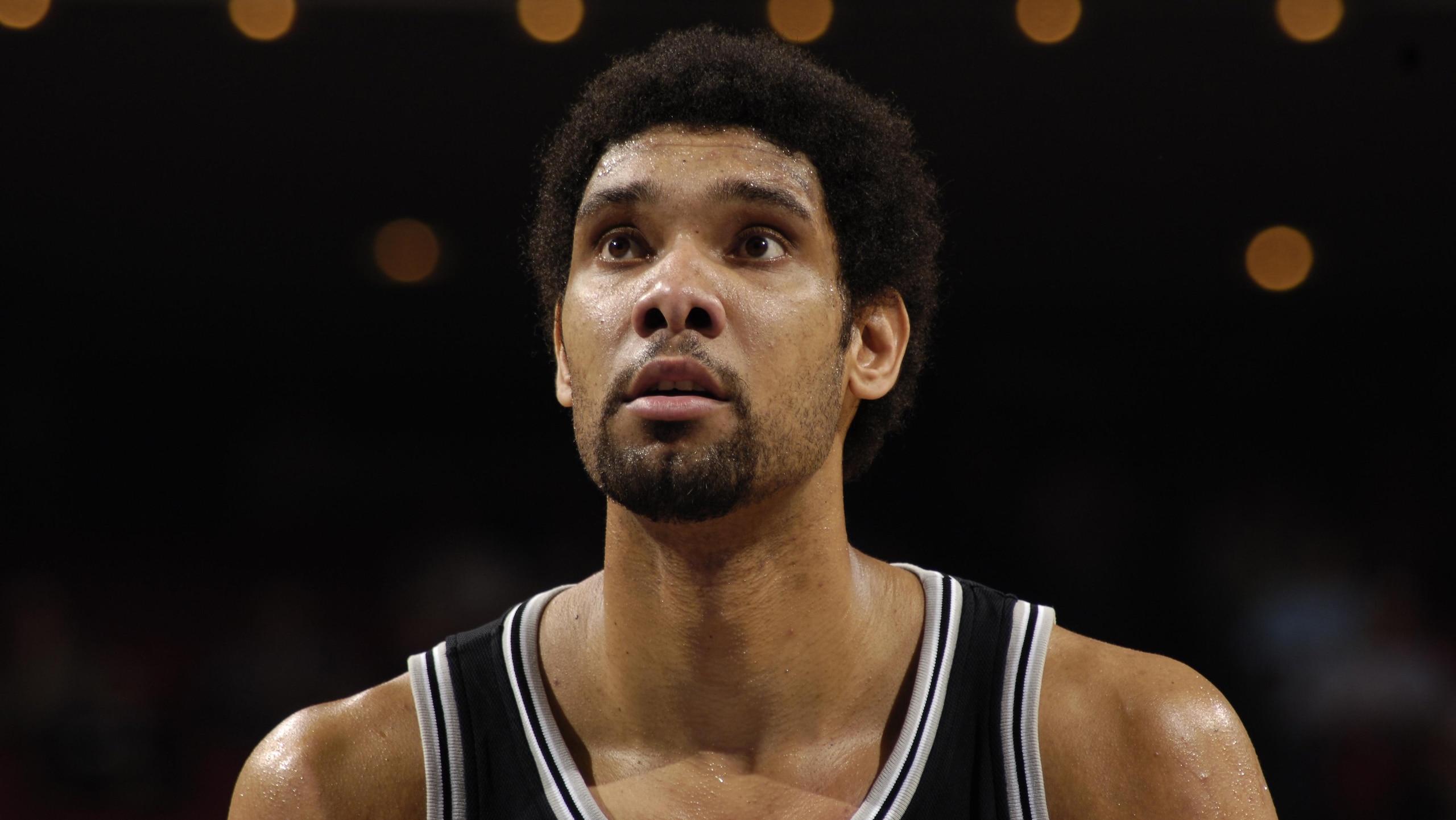
Top Accolades: 5x Champion, 2x MVP, 3x Finals MVP, 15x All-NBA, 15x All-Star, 15 All-Defense
Key Stats: 19.0 PPG, 10.8 RPG, 3.0 APG, 2.2 BPG, 50.6 FG%
Total Seasons Played: 19
B/R Top 100: 7
In many ways, Tim Duncan was the modern version of Russell.
Yes, he was a big man whose size was a critical component of his success as a defender and post scorer, but what made him truly great were basketball attributes that transcend height and positional designations.
Duncan was the league's consummate leader for his era. Team success and accomplishments always seemed to carry more weight than individual ones for him. And his philosophy and approach led to an absurd level of winning throughout his career.
While Duncan was in the NBA, from 1997-98 through 2015-16, the San Antonio Spurs' 71.0 winning percentage was over 10 points higher than that of the second-place Dallas Mavericks. Their plus-6.6 average point differential more than doubled second place. And the gap between their 100.5 points allowed per 100 possessions and second place was about as large as the gap between second place and 19th.
7'0": Hakeem Olajuwon
21 of 28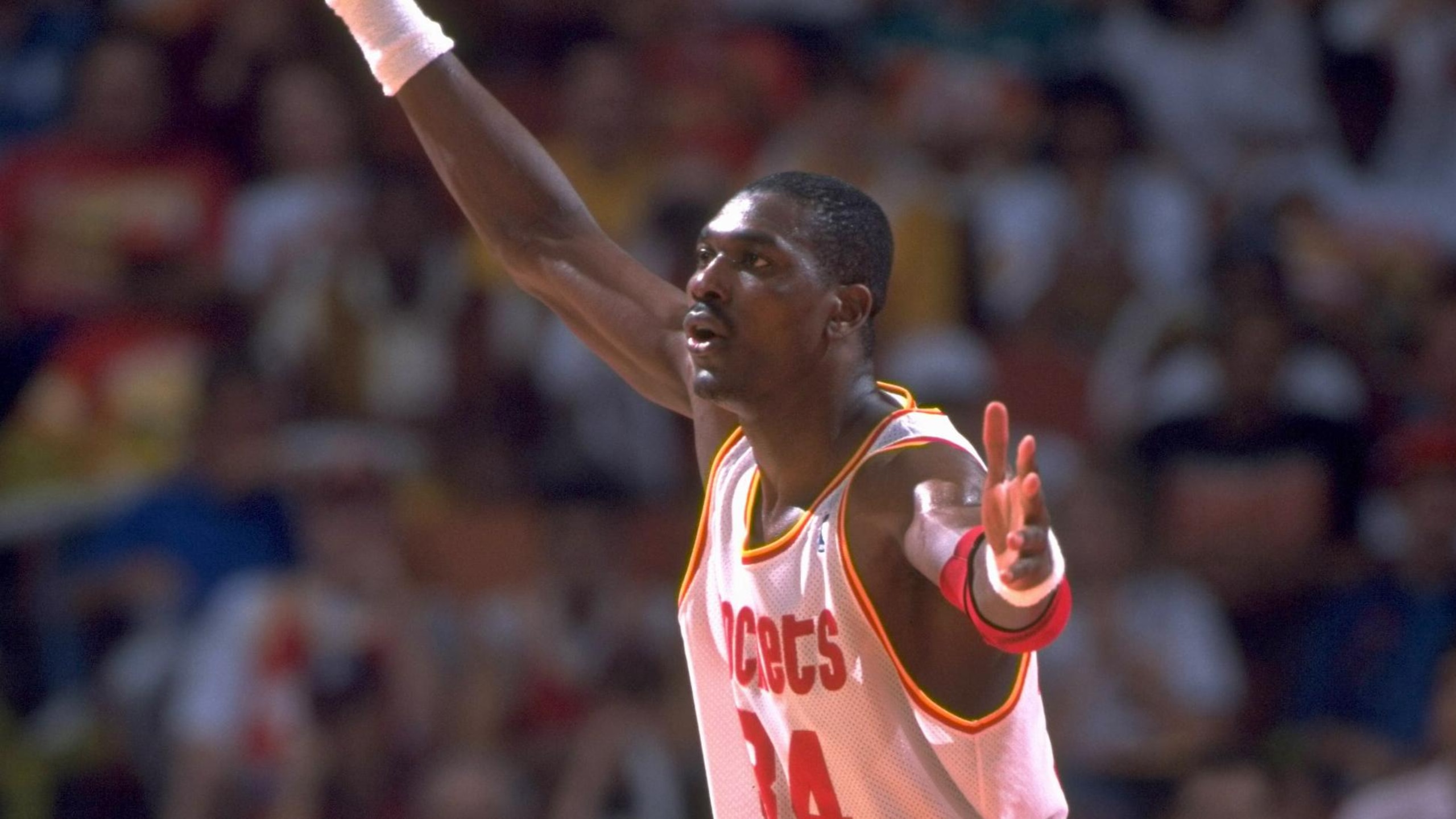
Top Accolades: 2x Champion, 1x MVP, 2x Finals MVP, 2x Defensive Player of the Year, 12x All-NBA, 12x All-Star, 9x All-Defense
Key Stats: 21.8 PPG, 11.1 RPG, 2.5 APG, 1.7 SPG, 3.1 BPG, 51.2 FG%
Total Seasons Played: 18
B/R Top 100: 12
One of the most skilled and nimble seven-footers of all time, Olajuwon's dominance was about far more than his size.
Yes, his frame and wingspan went a long way toward helping him score inside and block loads of shots on the other end, but his footwork was famously elite.
He used the pivot foot to incredible effect, had a wide array of fakes, post moves and counters and had timing and defensive instincts that remain among the best we've seen.
With all of his skill, even if he were three or four inches shorter, Olajuwon likely would have been an all-time great.
7'1": Shaquille O'Neal
22 of 28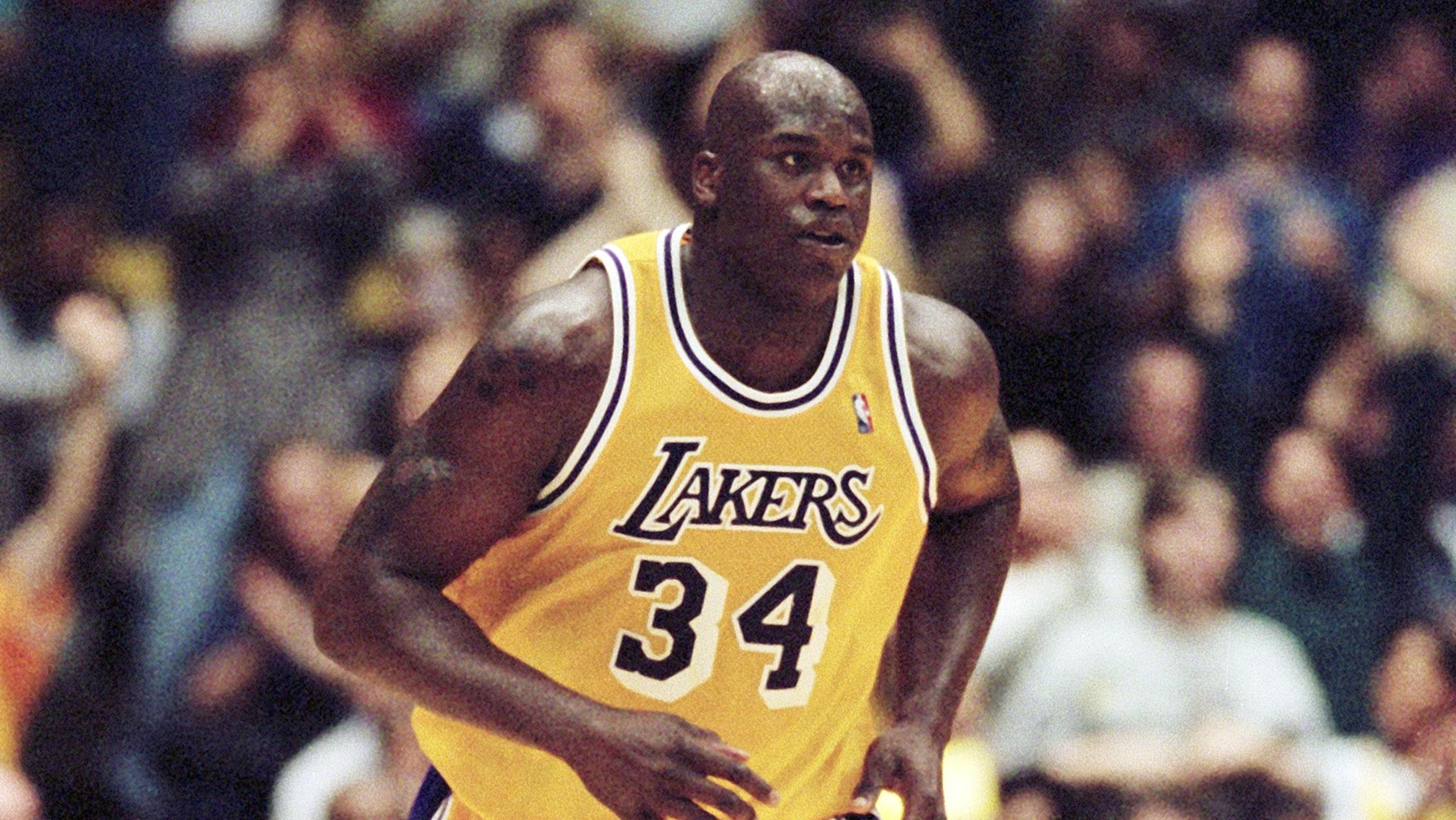
Top Accolades: 4x Champion, 1x MVP, 3x Finals MVP, 1993 Rookie of the Year, 15x All-Star, 14x All-NBA, 3x All-Defense, 2x Scoring Champion
Key Stats: 23.7 PPG, 10.9 RPG, 2.5 APG, 2.3 BPG, 58.2 FG%
Total Seasons Played: 19
B/R Top 100: 6
We're well over 10 years past Shaquille O'Neal's retirement and around two decades past his prime, but he remains perhaps the most physically dominant NBA player of all time.
Beyond standing over seven feet tall, he often played at over 300 pounds. And despite his massive build, he was more explosive off the ground and more nimble on it than most centers across league history.
His spin move alone, when combined with his size, made him a near-unstoppable force around the rim. That he could finish his post moves with either a soft-touched hook shot or a thunderous dunk made him all the more difficult to guard.
In a league that has seen hundreds of legitimate giants over the course of its existence, Shaq still stands out as maybe its most unique.
7'2": Kareem Abdul-Jabbar
23 of 28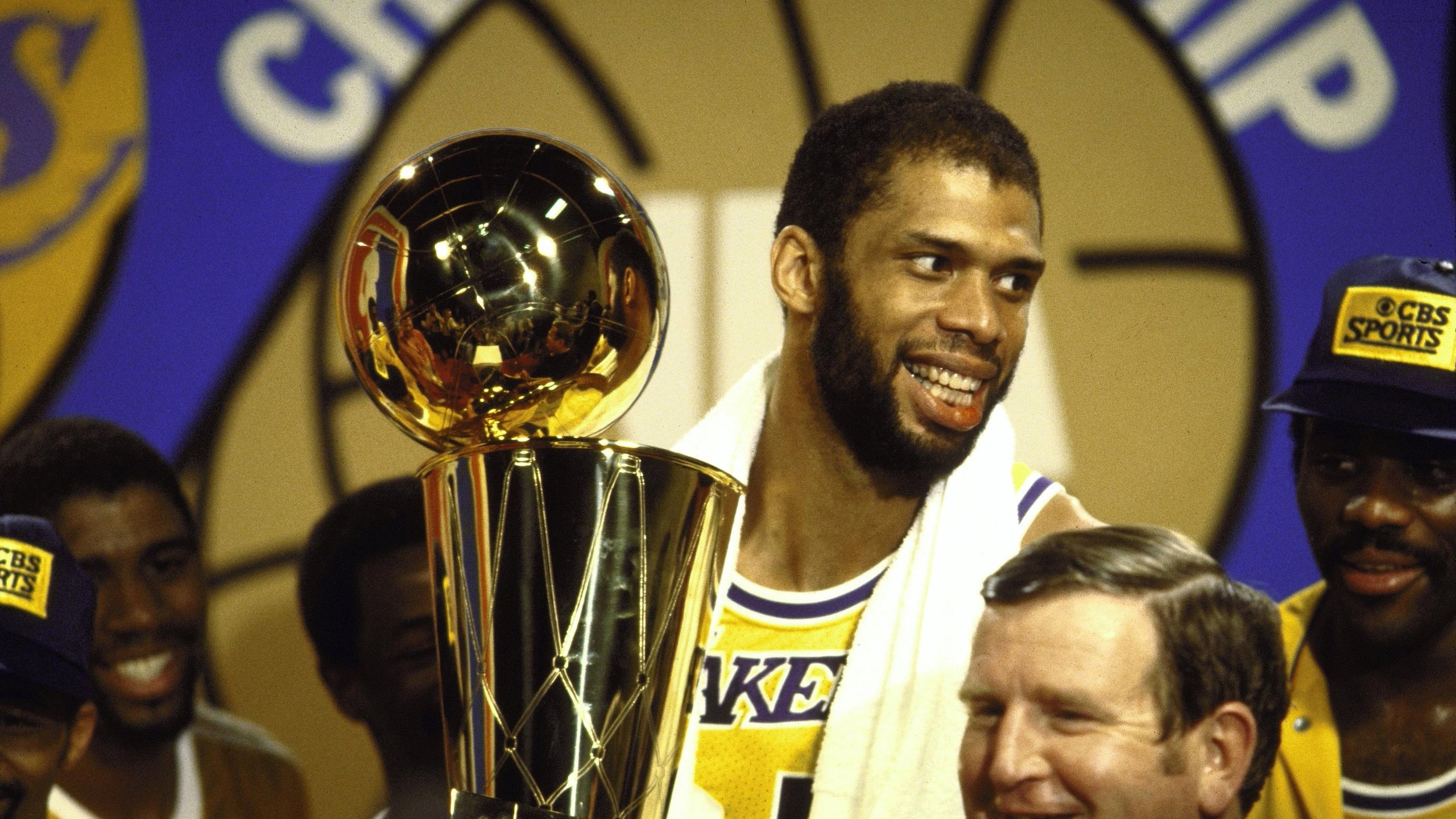
Top Accolades: 6x Champion, 6x MVP, 2x Finals MVP, 15x All-NBA, 19x All-Star, 11x All-Defense, NBA Rookie of the Year, 2 Scoring Titles
Key Stats: 24.6 PPG, 11.2 RPG, 3.6 APG, 2.6 BPG, 55.9 FG%
Total Seasons Played: 20
B/R Top 100: 3
You may be sensing a bit of a theme developing with the big men in this exercise. It takes more than sheer size to become an NBA all-timer, and Kareem Abdul-Jabbar's skill was certainly one of the driver's of his impact.
He was a dynamic post player who had all the basic moves and footwork required to dominate inside. He also mastered a trademark shot that may be the single most unstoppable signature move in league history.
With his 7'2" frame, Abdul-Jabbar's sky hook was essentially unblockable. And with his touch and timing, it generally found its way through the rim and to the bottom of the net.
When you add that to elite rebounding and rim protection, you get mind-blowing numbers like he posted over his first eight seasons (29.5 points, 15.3 rebounds, 4.3 assists and 3.5 blocks), six MVP awards and six titles.
With that resume, it's not hard to see how Abdul-Jabbar crept up to third in B/R's top 100.
7'3": Arvydas Sabonis
24 of 28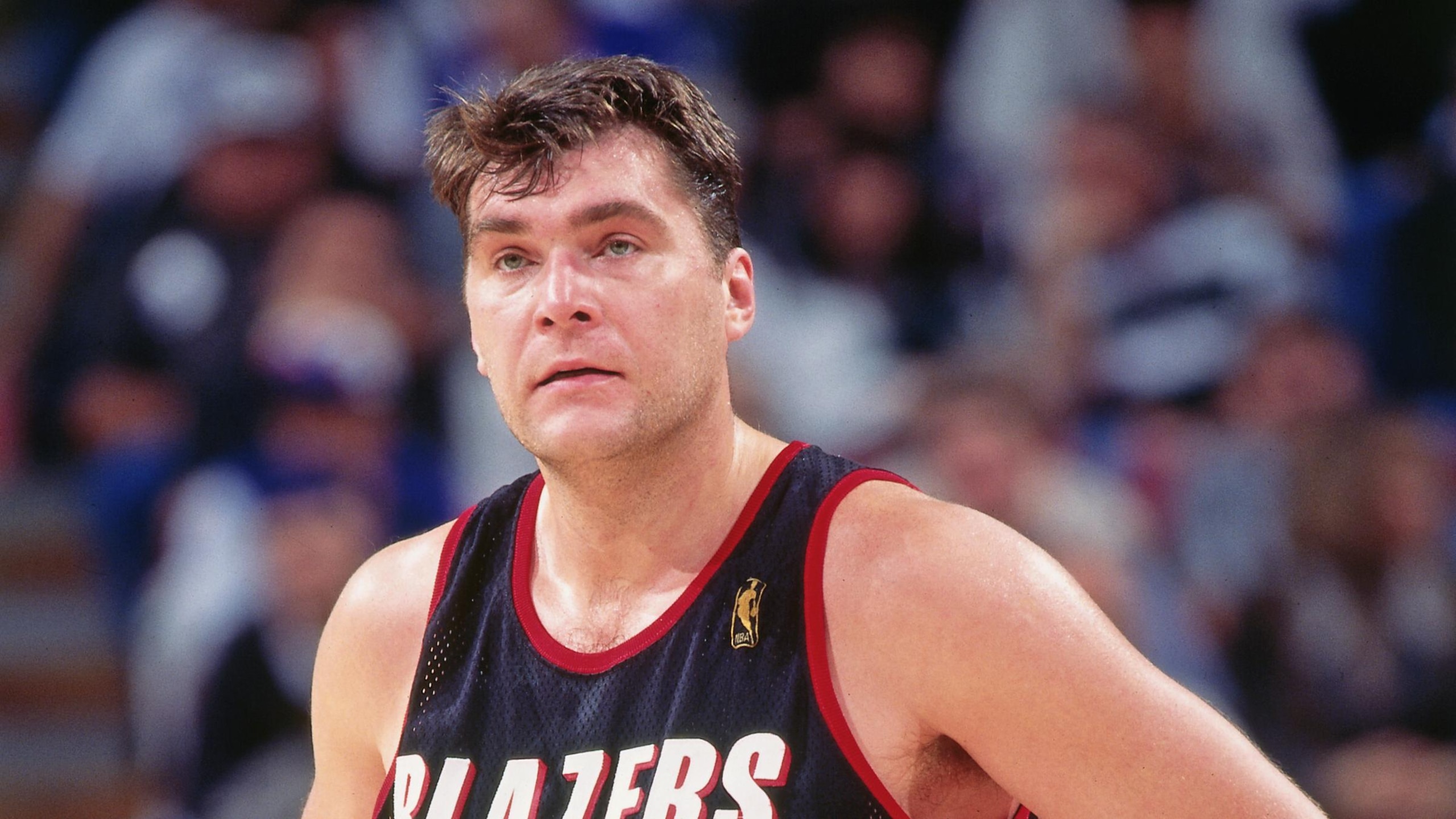
Top Accolades: 1996 All-Rookie
Key Stats: 12.0 PPG, 7.3 RPG, 2.1 APG, 1.1 BPG, 50.0 FG%
Total Seasons Played: 7
B/R Top 100: Not listed
Had Arvydas Sabonis spent his entire professional career in the NBA, there's a decent chance he could have made the top 100.
Prior to joining the league for his age-31 campaign, he was one of the best and most versatile big men outside it. And with the Portland Trail Blazers of the mid- to late-1990s, he was on a veteran-heavy team with plenty of scoring options.
Still, Sabonis' immense size made him one of the only reasonable defensive options for Shaq in the entire NBA. His passing helped the stage for playmaking bigs who would follow him in league history. And his overall game helped Portland make back-to-back conference finals.
7'4": Mark Eaton
25 of 28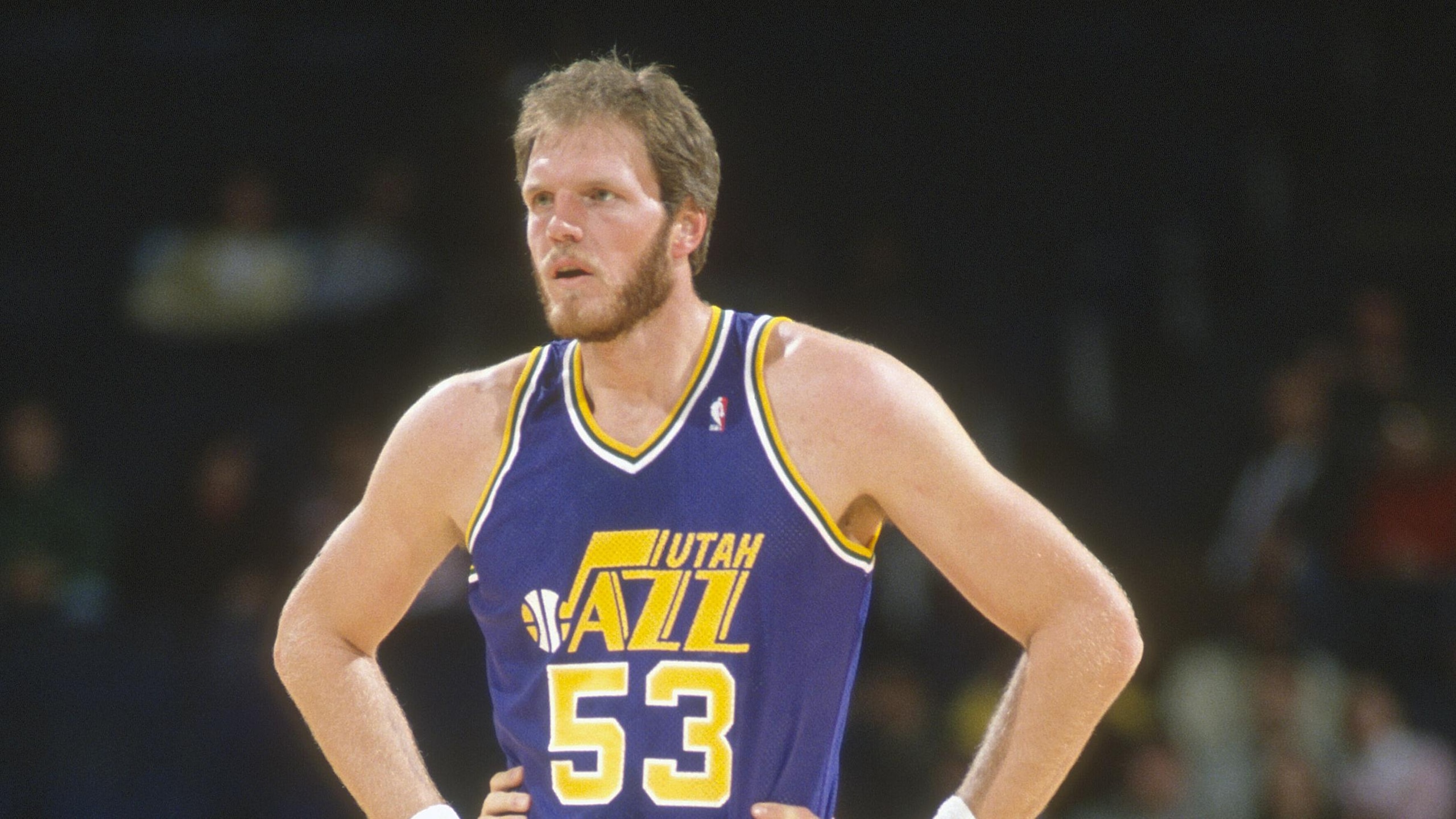
Top Accolades: 1x All-Star, 5x All-Defense, 4x block champion, 2x Defensive Player of the Year
Key Stats: 6.0 PPG, 7.9 RPG, 3.5 BPG
Total Seasons Played: 11
B/R Top 100: Not listed
At 21 years old, Mark Eaton was famously discovered by an assistant coach from Cypress junior college while the big man was working as an auto mechanic. A half-decade later, he was in the NBA.
And after his 11-year career, he retired as the all-time leader in career average for blocks per game (an honor he still holds) and multi-time Defensive Player of the Year winner.
Eaton averaged more than four blocks per game in four different seasons. And in 1984-85 alone, he led the league in both defensive rebounds (8.8) and blocks (5.6) per game.
7'5": Chuck Nevitt
26 of 28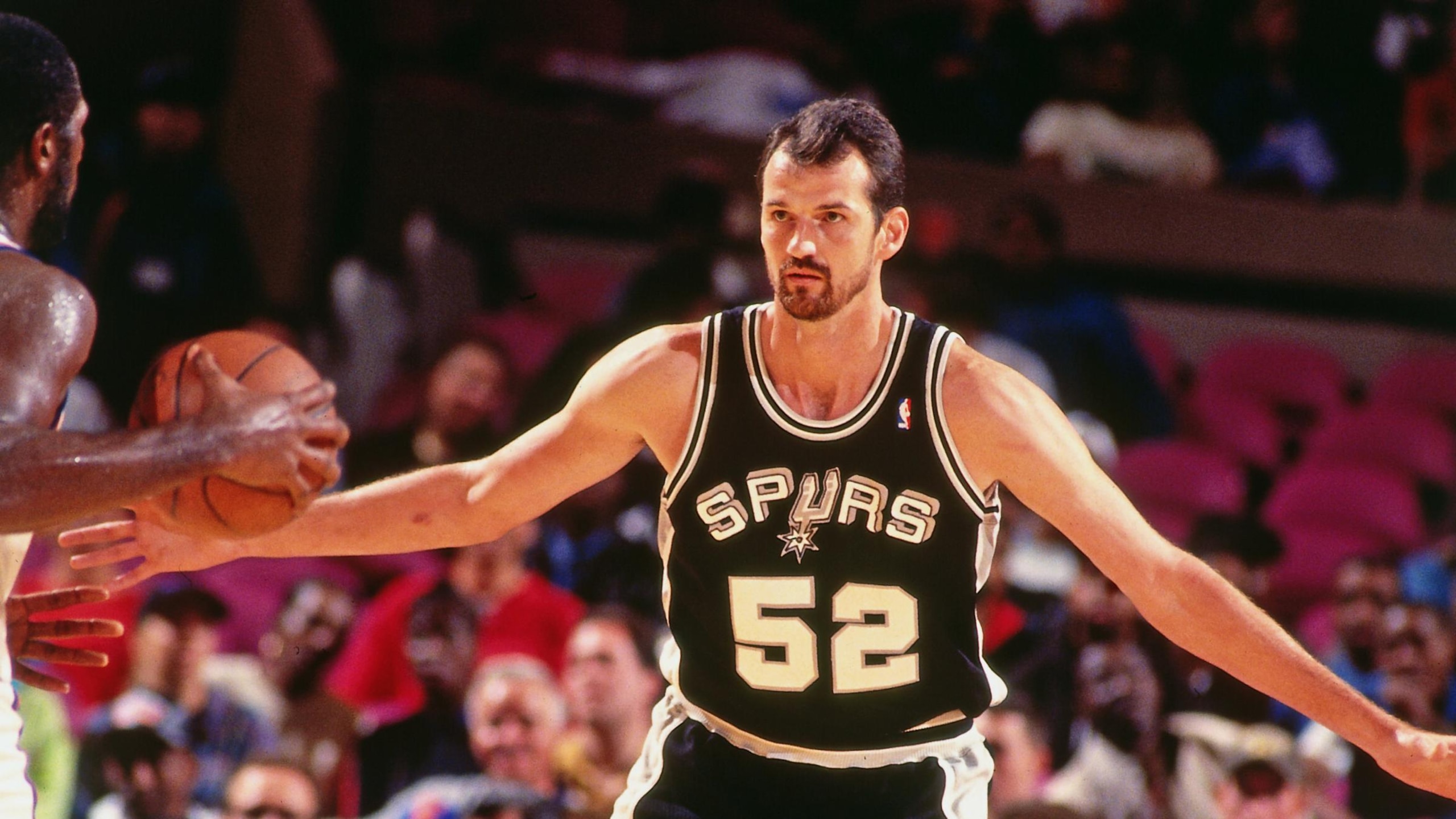
Key Stats: 1.6 PPG, 1.5 RPG, 0.7 BPG
Total Seasons Played: 9
B/R Top 100: Not listed
With all due respect to Chuck Nevitt, we're into another "here by default" portion of the exercise.
He is the only player in league history with 500-plus minutes and a listed height of 7'5". And his career highs for points and rebounds were just 12 and 10.
Size helped him stick around for nearly a decade's worth of seasons. And he was on the roster for the 1984-85 Lakers title.
But there's a reason he earned the nickname "Human Victory Cigar."
7'6": Yao Ming
27 of 28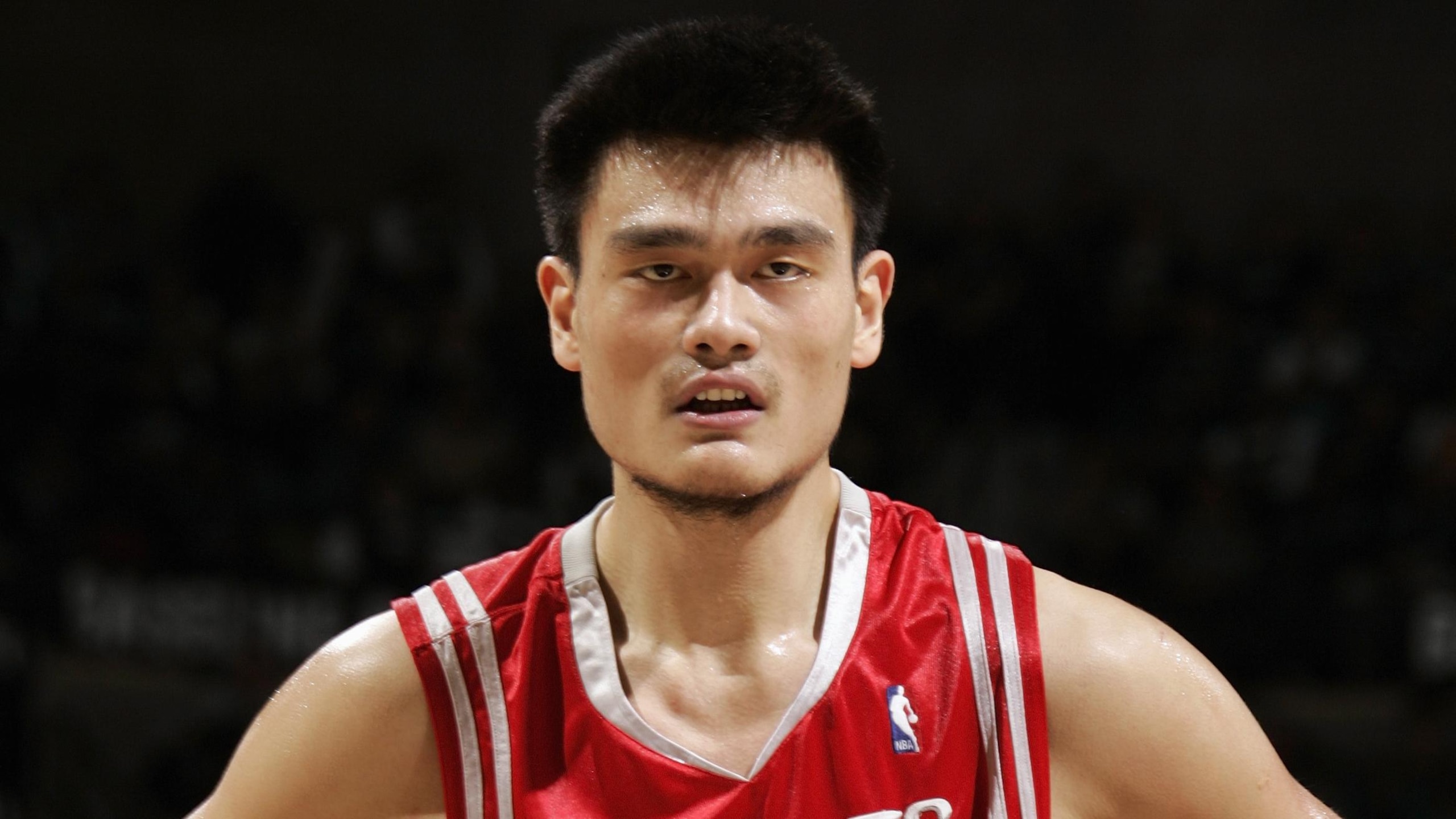
Top Accolades: 8x All-Star, 5x All-NBA, 2003 All-Rookie
Key Stats: 19.0 PPG, 9.2 RPG, 1.9 BPG, 52.4 FG%
Total Seasons Played: 8
B/R Top 100: Not listed
Believe it or not, there was a little competition for this spot.
Shawn Bradley is first of all time in career block percentage, averaged at least three blocks in six different seasons, led the league in blocks per game in 1996-97 and logged almost 4,000 more career minutes than Yao Ming.
But being one of the greatest shot-blockers and rim protectors in league history wasn't quite enough to steal this spot from Ming, a cultural sensation whose career was cut short due to injury.
Ming combining a 7'6" frame with feathery soft shooting and passing touch made him a dominant offensive player. His sheer size made him a major impediment for opposing offenses.
And after a bit of a learning curve after coming over from China, he had a four-year peak in which he averaged 21.9 points, 10.1 rebounds and 1.9 blocks.
7'7": Manute Bol
28 of 28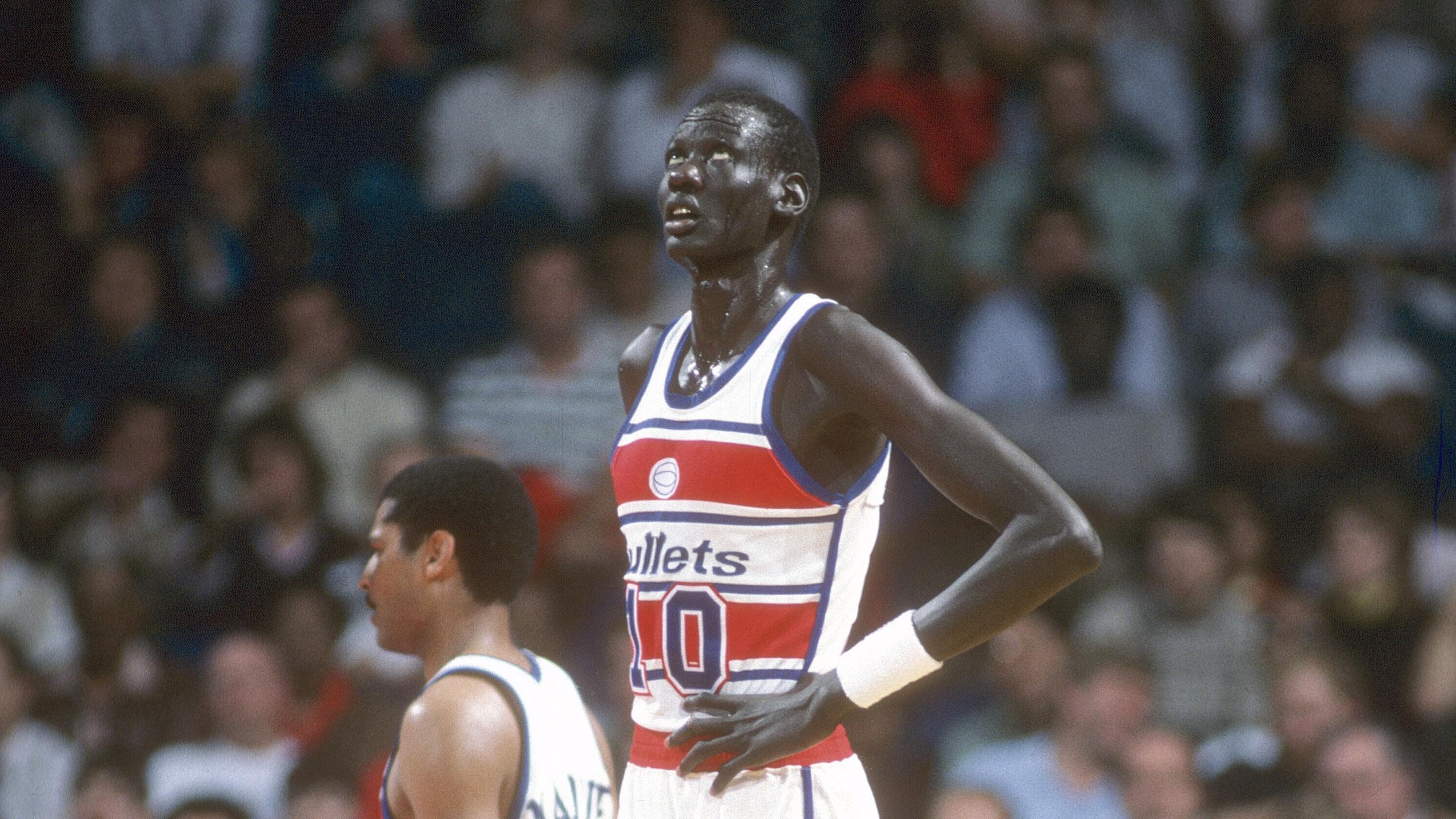
Top Accolades: 2x block champion, 1x All-Defense
Key Stats: 2.6 PPG, 4.2 RPG, 3.3 BPG
Total Seasons Played: 10
B/R Top 100: Not listed
Similar to the comparison between Bradley and Ming, there are only two real options for the 7'7" slot. One was a far better shot-blocker than the other. One was the far better scorer.
In this case, though, it's the defensive ace who wins out.
Gheorghe Mureșan's scoring average nearly quadrupled Bol's, but Bol more than doubled Mureșan's blocks per game.
When you add Bol's All-Defense nod and the fact that he played almost 5,000 more minutes, it starts to get easier to understand his selection (even if Mureșan had more career win shares).
Plus, Bol has a handful of notable single-season accomplishments worth mentioning.
In 1985-86, his rookie season, he averaged a league-leading and eye-popping 5.0 blocks. In 1988-89, he led the league in that category again, this time at 4.3. And just for fun, it's worth mentioning he attempted 139 threes over the course of 1988-89 and 1989-90.
Despite finishing well outside B/R's recent top 100, Bol was and is an NBA legend, thanks in large part to his 7'7" frame.
.jpg?w=2560 "Mahomes Told Teammate to Leave Meeting")
.jpg?w=2560 "🚨 Week 8 AP Top 25 Poll")



.jpg?w=2560 "Baker Gets Glove From Rays 🧤")
.jpg?w=2560 "Updates from EVERY NFL Game 🏈")
