
Updated B/R Roster Projection for the 2026 Canada Men's Olympic Hockey Team
Arguably the best part of the NHL and NHLPA getting a new CBA settled is that it set in stone that NHL players would return to the Olympics in 2026 in Milan, Italy.
The last time we had NHL players at the Games was 2014 in Sochi, which feels like a lifetime ago.
It's time to start thinking about just who will represent their homelands. Since Canada has, arguably, the best and most talent—and the fact that they won gold at the Four Nations Face-Off in February—we're going to project their lineup now.
You might think that's an easy task, but that is far from the case because for the 20 players we'll list. There are countless others who would make great choices as well.
It's a short seven months until the Olympics get started, so let's get picking.
First-Line Forwards
1 of 8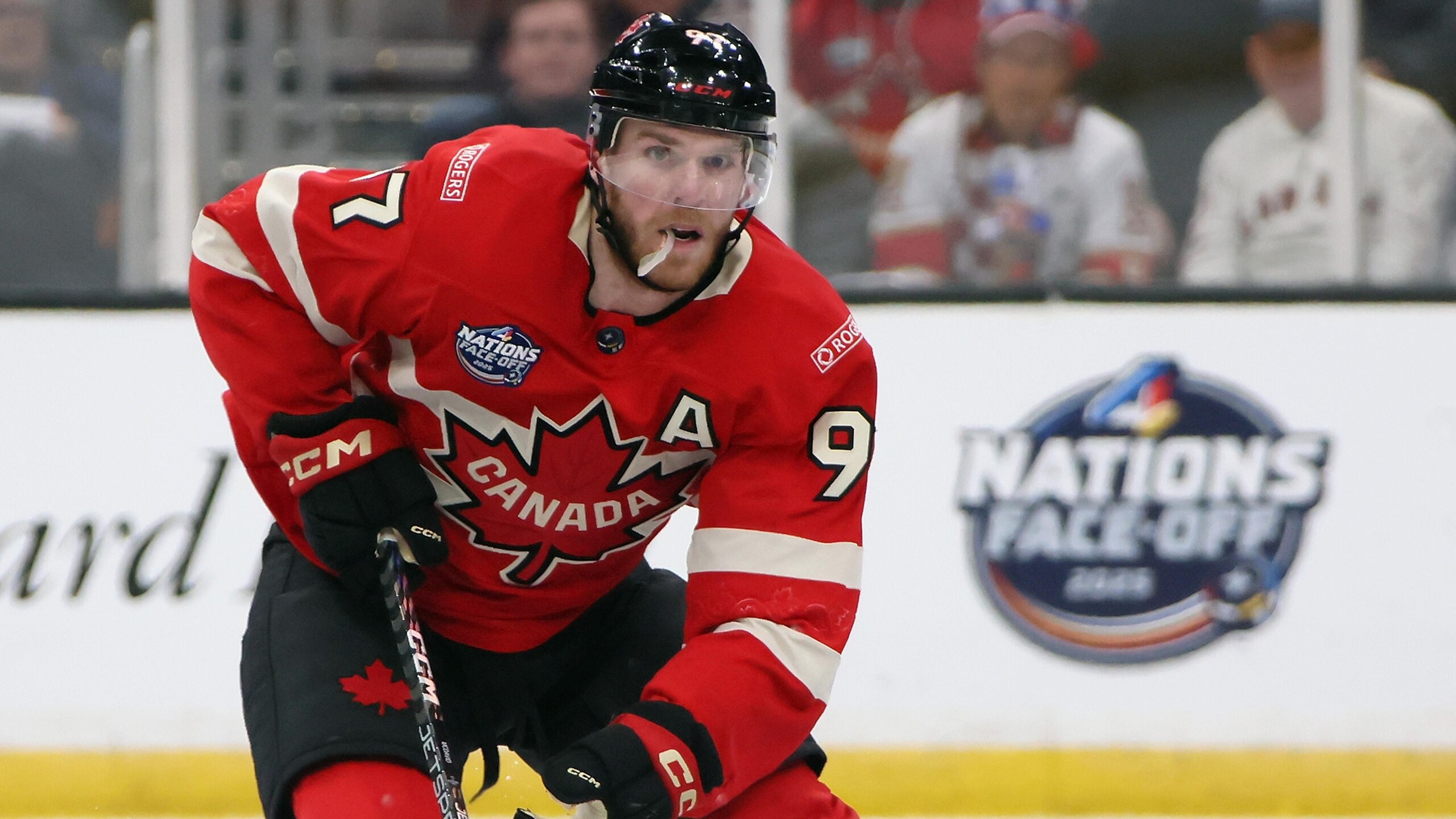
Zach Hyman - Connor McDavid - Brayden Point
The only reason we didn't see Hyman at Four Nations in February was because of injury. So long as he's healthy this time around, he's going to be on Canada's roster and most likely on a line with McDavid.
Chemistry is vital in these tournaments and there's no mistaking the connection Hyman and McDavid have in Edmonton. Keeping them together is among the most no-brainer choices to be had come Olympic time.
The big question for them, however, is who do you put on a line with them? The answer would seemingly be "just about anyone" and, you know what? Not wrong! Ideally, we'd like to have someone who can keep up with McDavid and complement his speed and skill on the wing. Fortunately, it doesn't need to be a winger to do that, which is why Brayden Point makes a lot of sense.
Some of you might want Sam Reinhart in this spot, but with the way Hyman plays and goes to the net, there's not much reason to double up on having guys who play that way together with McDavid.
Second-Line Forwards
2 of 8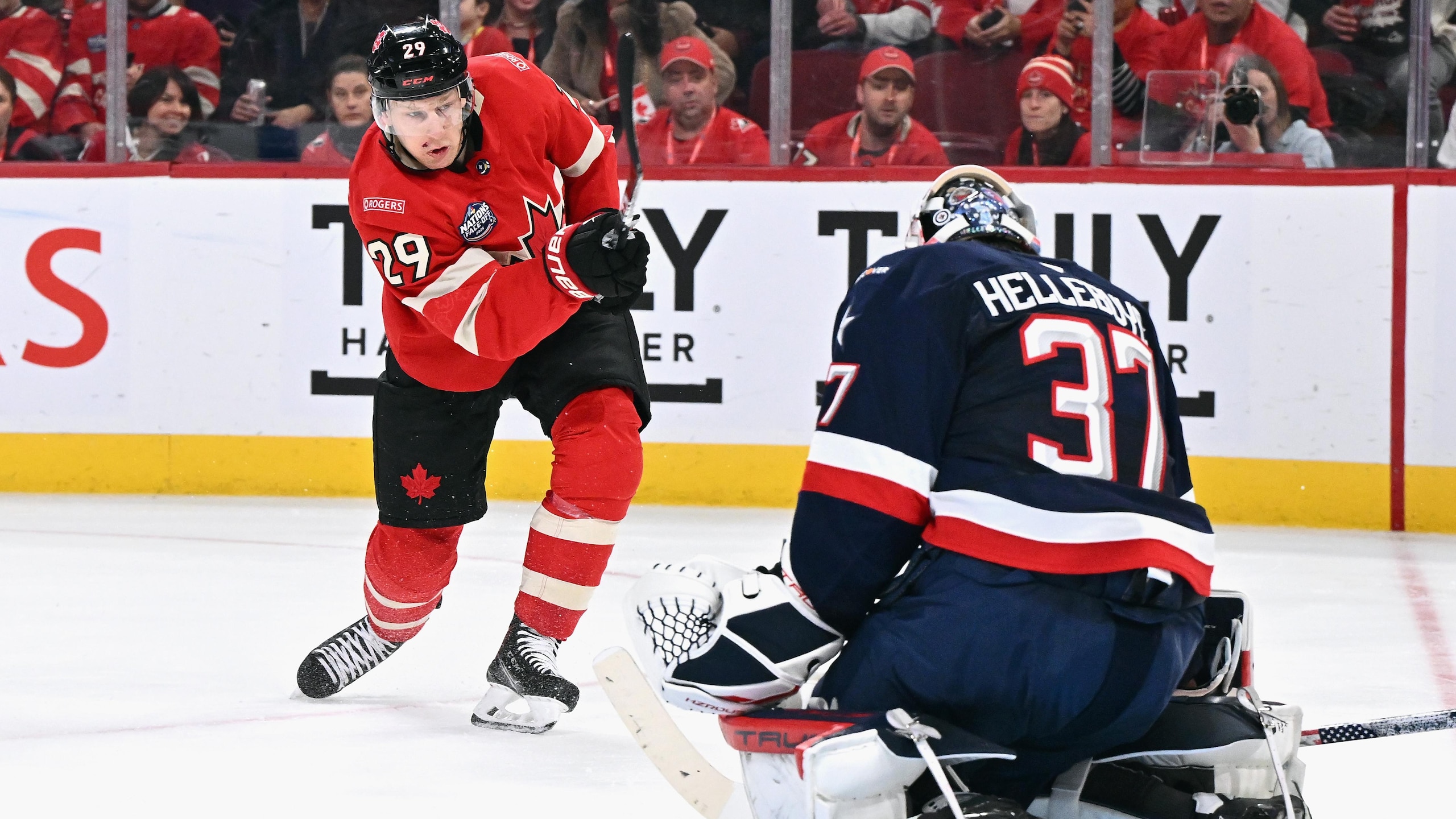
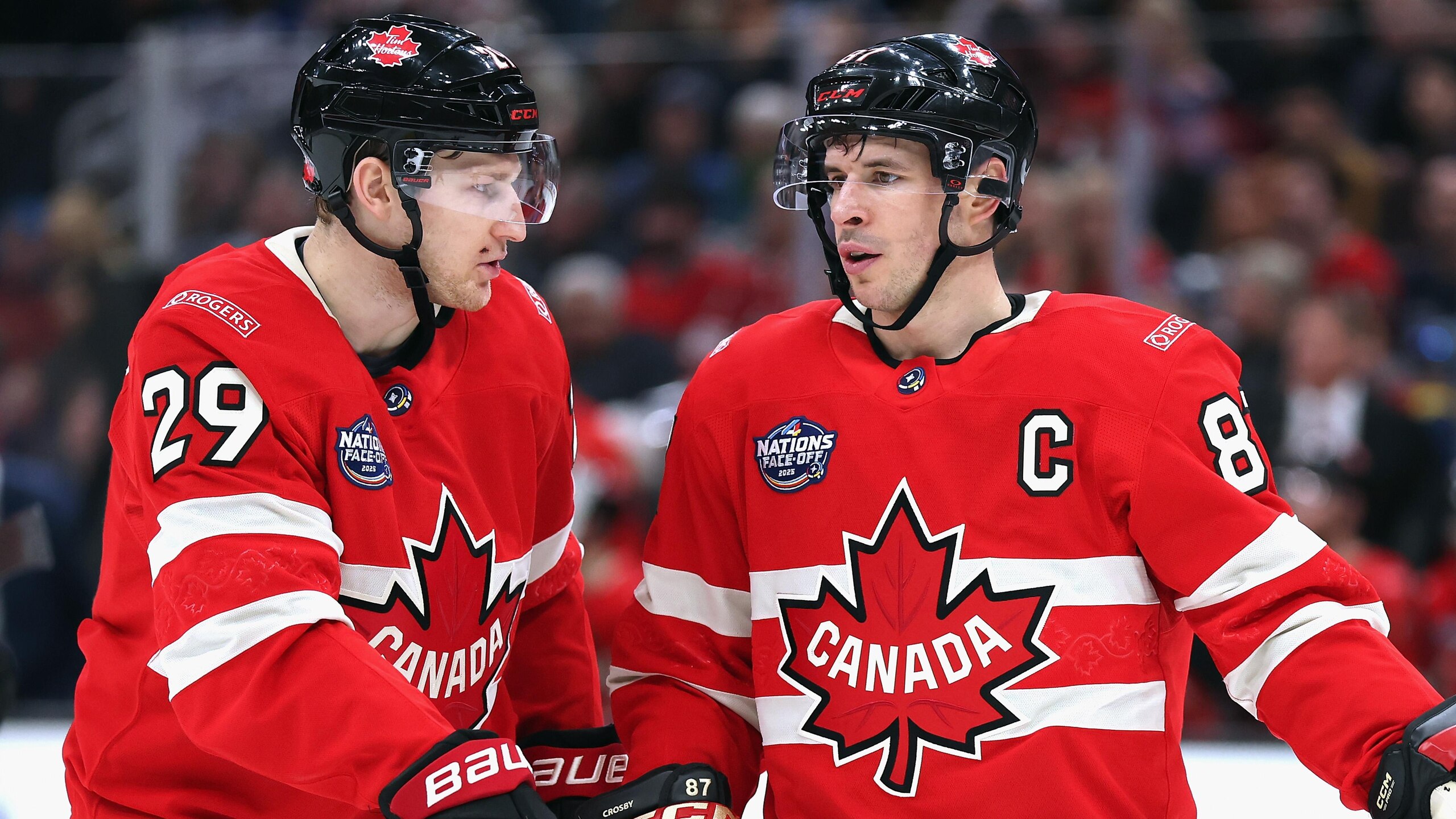
Nathan MacKinnon - Sidney Crosby - Mitch Marner
The connection that MacKinnon and Crosby had playing together at Four Nations was unmistakable and that they got together to do it again during World Championships made us think about writing a Cole Harbour, Nova Scotia buddy comedy. We'll leave that kind of thing to the pros though and stick to hockey and the hockey those two produced was outstanding.
Keeping Crosby and MacKinnon together is gold, and it honestly doesn't matter who plays center between the two of them because they're two of the best in the world.
Finding the correct player to work on the wing with them is tricky, but we saw the best of Marner at Four Nations when he was with MacKinnon and Crosby. At times, Marner seemed a bit like a fish out of water in the tournament but getting him out there with 29 and 87 allowed him to relax and go with the flow.
If Marner can do that in the Olympics and become a kind of hired gun to go with those two MVP players, Canada will be exceedingly difficult to slow down.
Third-Line Forwards
3 of 8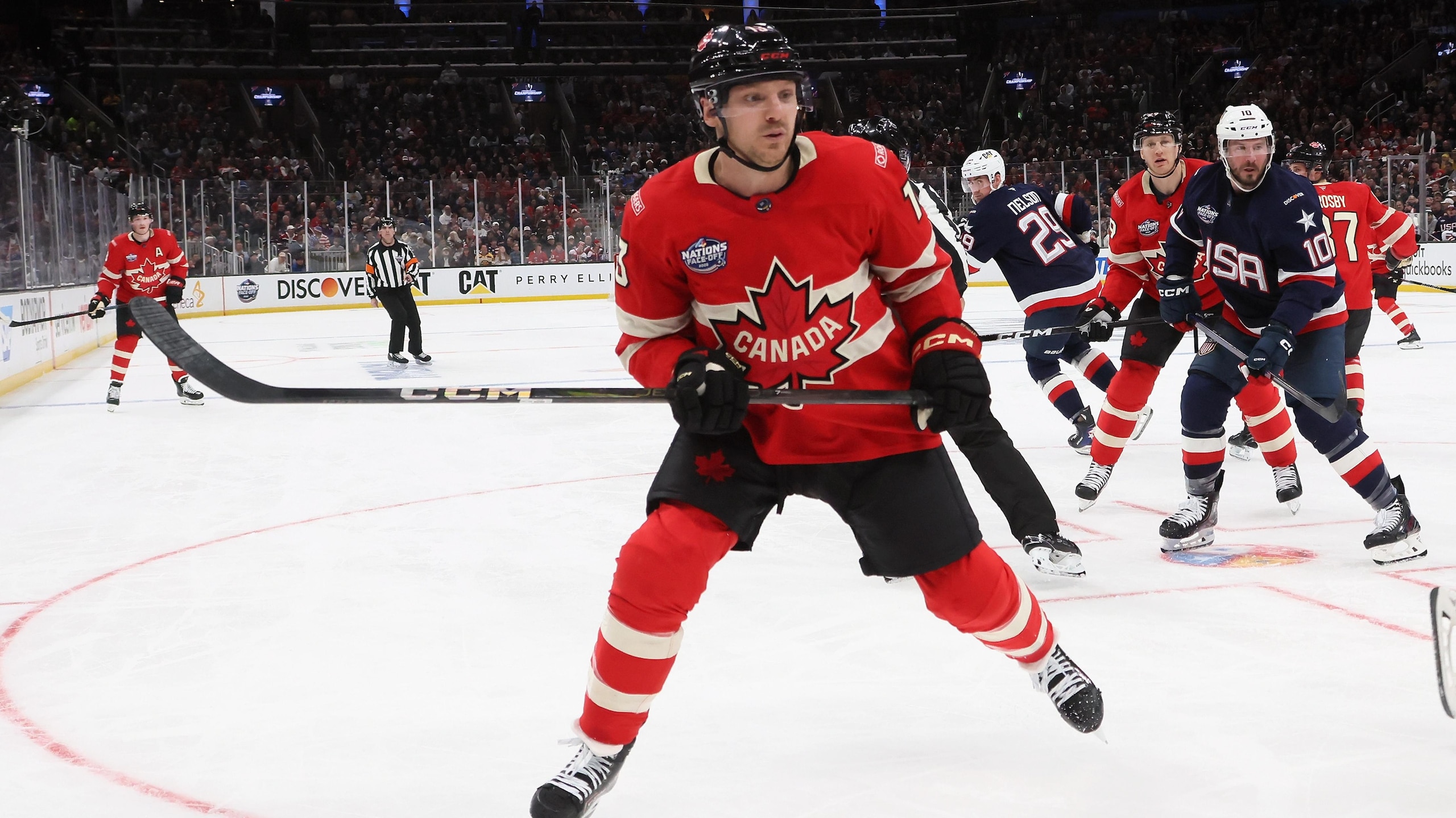
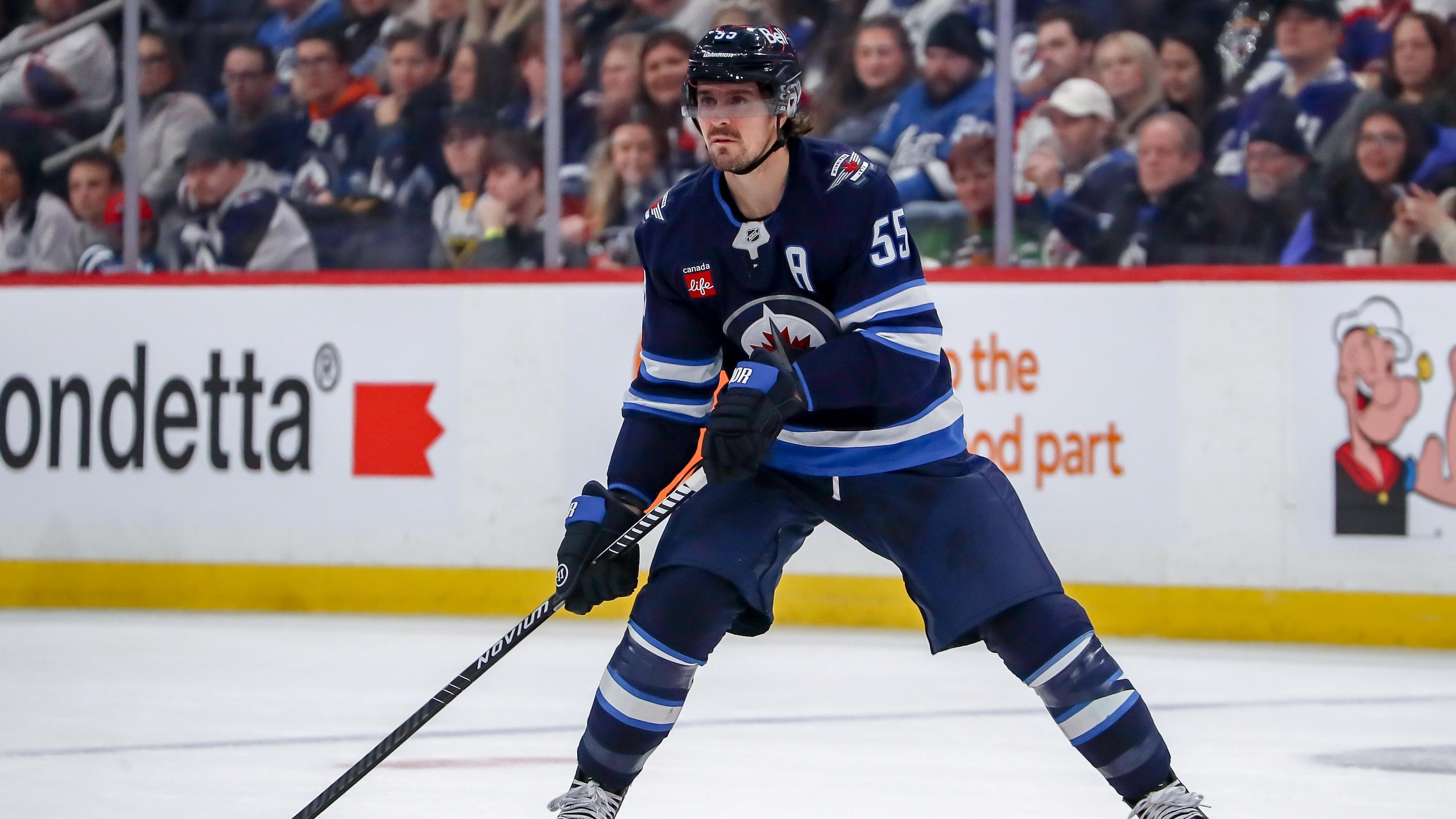
Brandon Hagel - Nick Suzuki - Sam Reinhart
Putting together a third line for Canada is surprisingly difficult. There's so much skill to pick from, but third lines tend to be a hybrid between skill and defensive grit and grind.
Then again, picking among Canadian players who toe the line between skill and grit is a bit easier to do. Reinhart and his Selke Trophy abilities along with his 50-goal scoring capability make him a natural. Brandon Hagel's two-way play also makes him an ideal fit on this line.
But who to play at center? Suzuki gets our call right now, but this is a spot that could very well belong to Mark Scheifele as well (Both players should make the roster if it's up to us).
Suzuki plays with a straight-line style that blends well with both wingers and while Scheifele can stir things up and upset opponents easily, that's a permutation that could come in handy in certain matchups in a short tournament.

Fourth-Line Forwards
4 of 8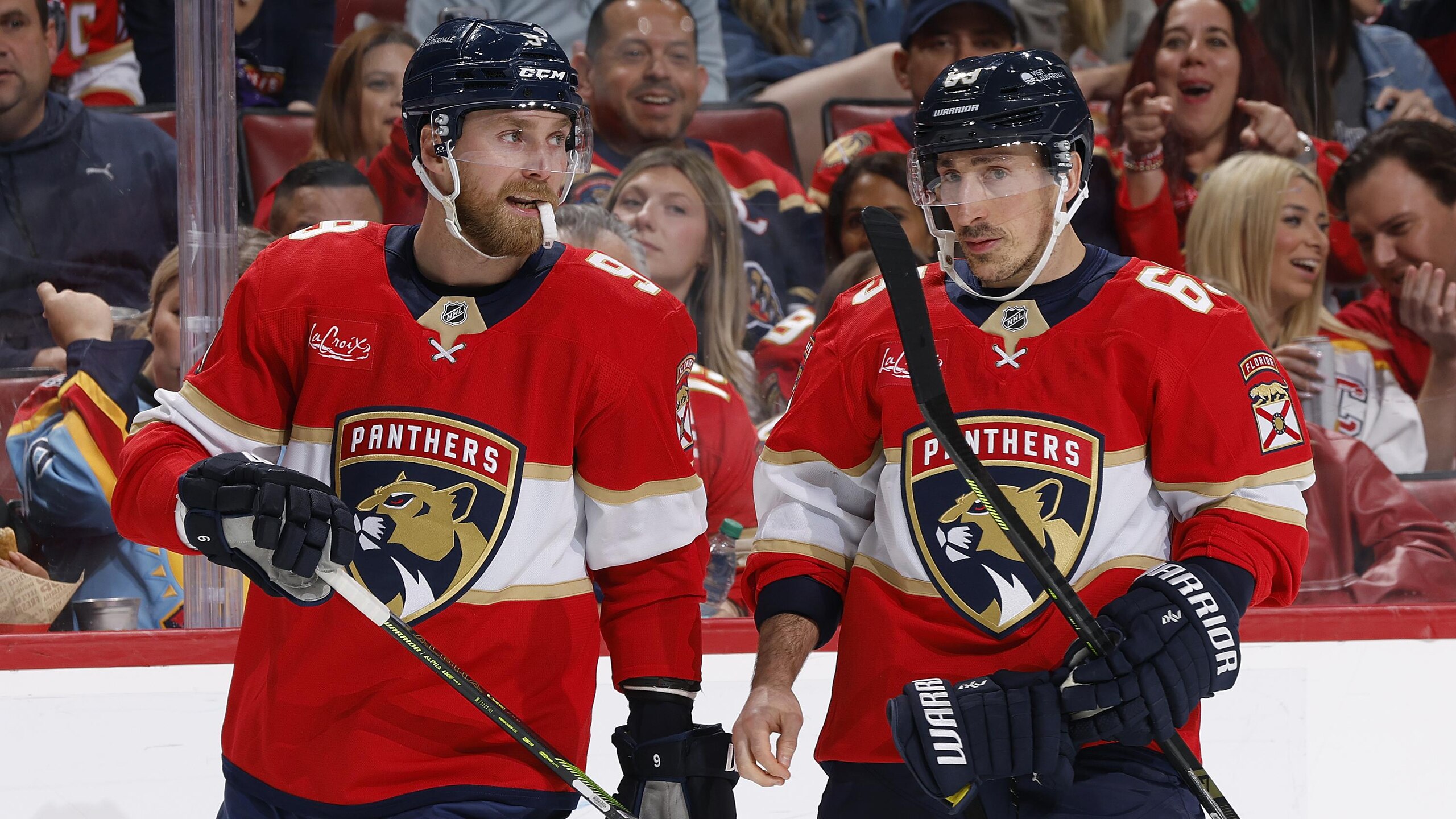
Brad Marchand - Sam Bennett - Tom Wilson
If there's a line capable of causing an international incident at the Olympics in Milan, this is it.
Bennett and Marchand got their first test being teammates together at Four Nations and it worked out so well that they went on to win the Stanley Cup together a few months later. Not bad. Both guys play hard as anything and drive opponents bonkers with their intensity and habitual line-stepping nature of play. If it's not broken, don't fix it, so keeping them together in the Olympics makes a world of sense.
Adding Wilson to this line, however, turns it into a group that's like pushing a wagon full of TNT downhill into a nitroglycerin factory. Wilson's tenacious and physical play was sorely missed for Canada at Four Nations and even though they still came away with the gold medal there, it could've been a lot easier if Wilson was there to counteract how the Tkachuk brothers and the rest of the United States team played.
Canada neglected to add Wilson once, don't expect them to do it again this time around.
First-Pairing Defense
5 of 8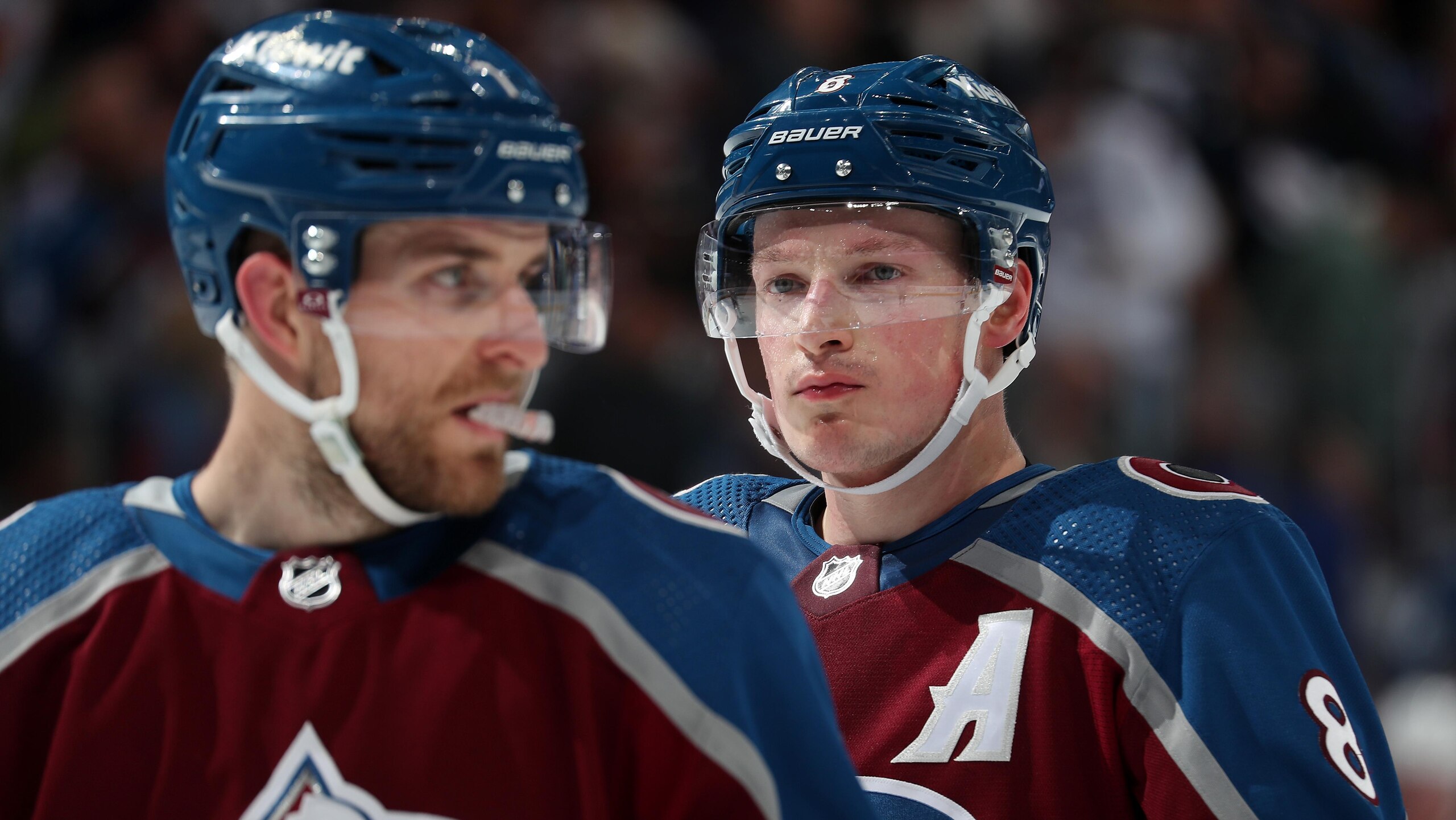
Cale Makar and Devon Toews
When you've got arguably the best defenseman in the NHL on the first pair and you can put his defense partner next to him in a short tournament, you do it.
There's no need to get cute here. Makar is elite and can play with anyone and it'll work, but he's now a multiple-time Norris Trophy winner and with Toews there as a top defenseman that just so happens to work with Makar roughly 25 minutes a night, it's an easy call.
Makar can dominate games on his own or he can help better facilitate his superstar teammates as well. All the while Toews is there to complement his play and contribute to the attack himself.
Yes, it's mean to be able to do this and no, Canada has no sympathy for anyone trying to keep up with them and failing.
Second-Pairing Defense
6 of 8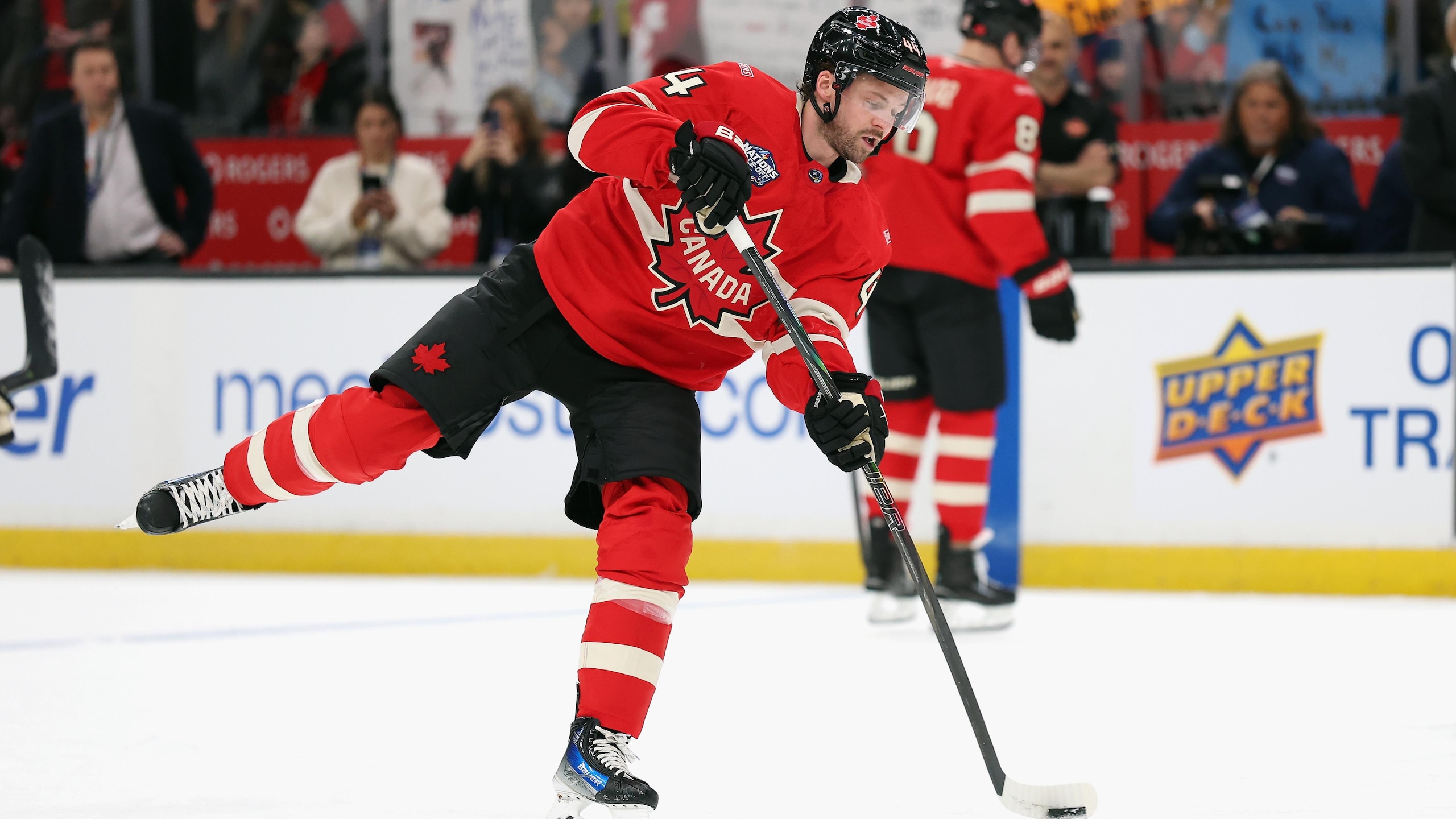
Josh Morrissey and Drew Doughty
Even though Morrissey hasn't won a Norris Trophy yet in his career, it's not because of a lack of ability to do it. He's the guy who drives the Winnipeg Jets' attack from the blue line and his importance to them is evident game in and game out.
That Morrissey isn't on the first pair for Canada is also not because he isn't good enough to do it but having him there means they've got a massive advantage when it comes to matchups. Putting him with a veteran star like Doughty might make you believe there aren't enough pucks on the ice for both of them, but what we saw from Doughty at Four Nations showed he knows best how to step up for his country.
Having Morrissey and Doughty together means either player can rush the puck up the ice and make a great first pass. It also means either one of them can jump into the play to set up a teammate or score a goal themselves. It's a massive advantage for Canada and one other teams will have a lot of difficulty trying to minimize their effects.
Third-Pairing Defense
7 of 8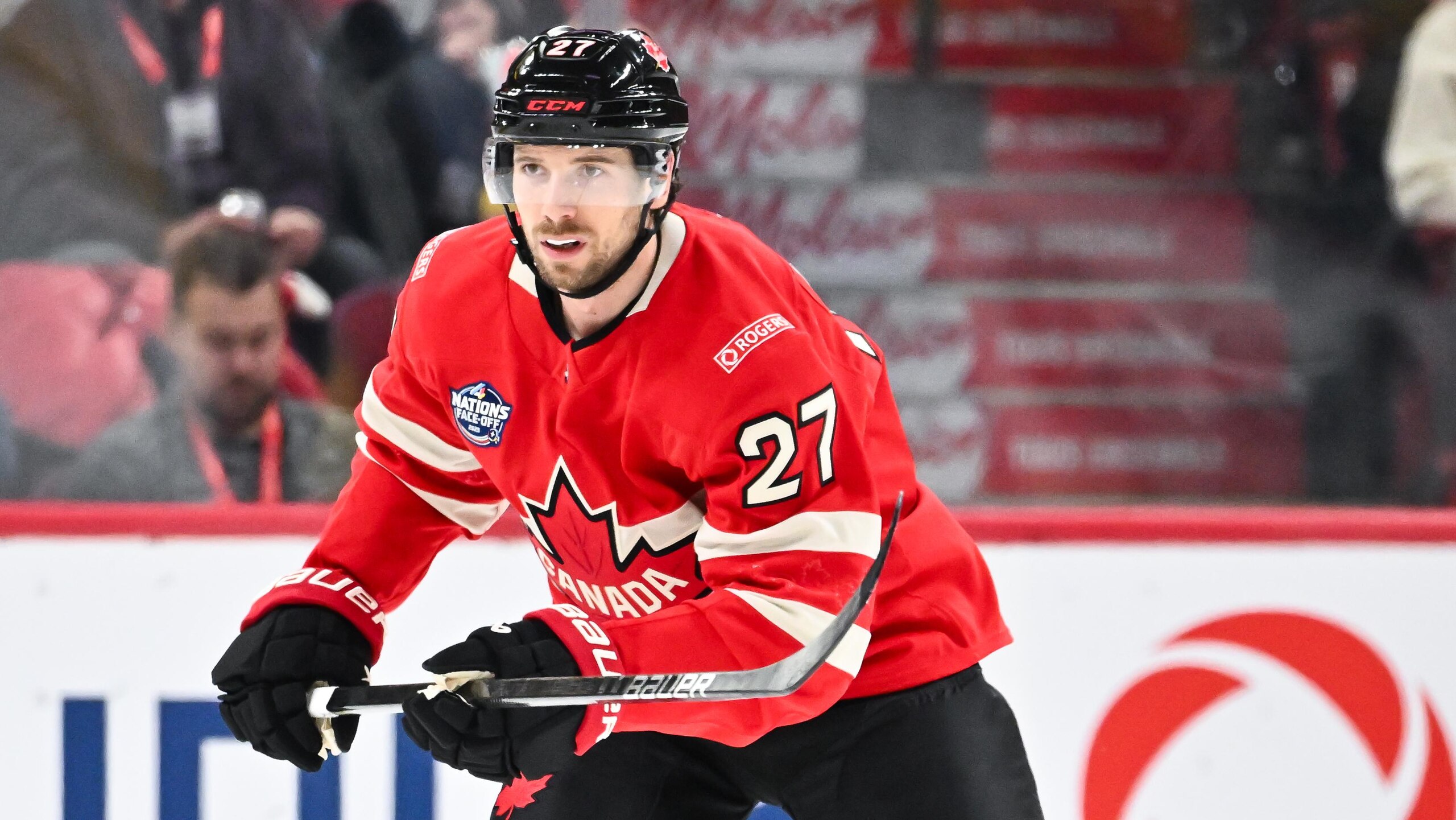
Shea Theodore and MacKenzie Weegar
Theodore's injury during Four Nations Face-Off cost him the chance to celebrate with his team in February, but his overall play made it so that he won't soon be forgotten when it's time to pick the next roster.
Theodore was able to control the flow of play and make the right decisions shift to shift to highlight his two-way abilities. He's a vital member of the Vegas Golden Knights for a reason and in a deeper role for Canada, his ability to exploit matchups is outstanding. There will be a debate about where Dallas' Thomas Harley fits into the mix and suffice it to say, it's a nice problem to have.
On the right side, we're going with Calgary's Weegar over St. Louis's Colton Parayko but it's not a totally cozy choice. Parayko was dynamite at Four Nations and was very good for the Blues as they rallied down the stretch into the playoffs. Weegar offers a similar skill set and physical play as well as a slight edge in mobility.
Considering Parayko made it to Four Nations and Weegar did not, maybe we don't know what we're doing. However, if Weegar makes the roster, Canada will have a guy that will go through walls to help them win.
Goaltenders
8 of 8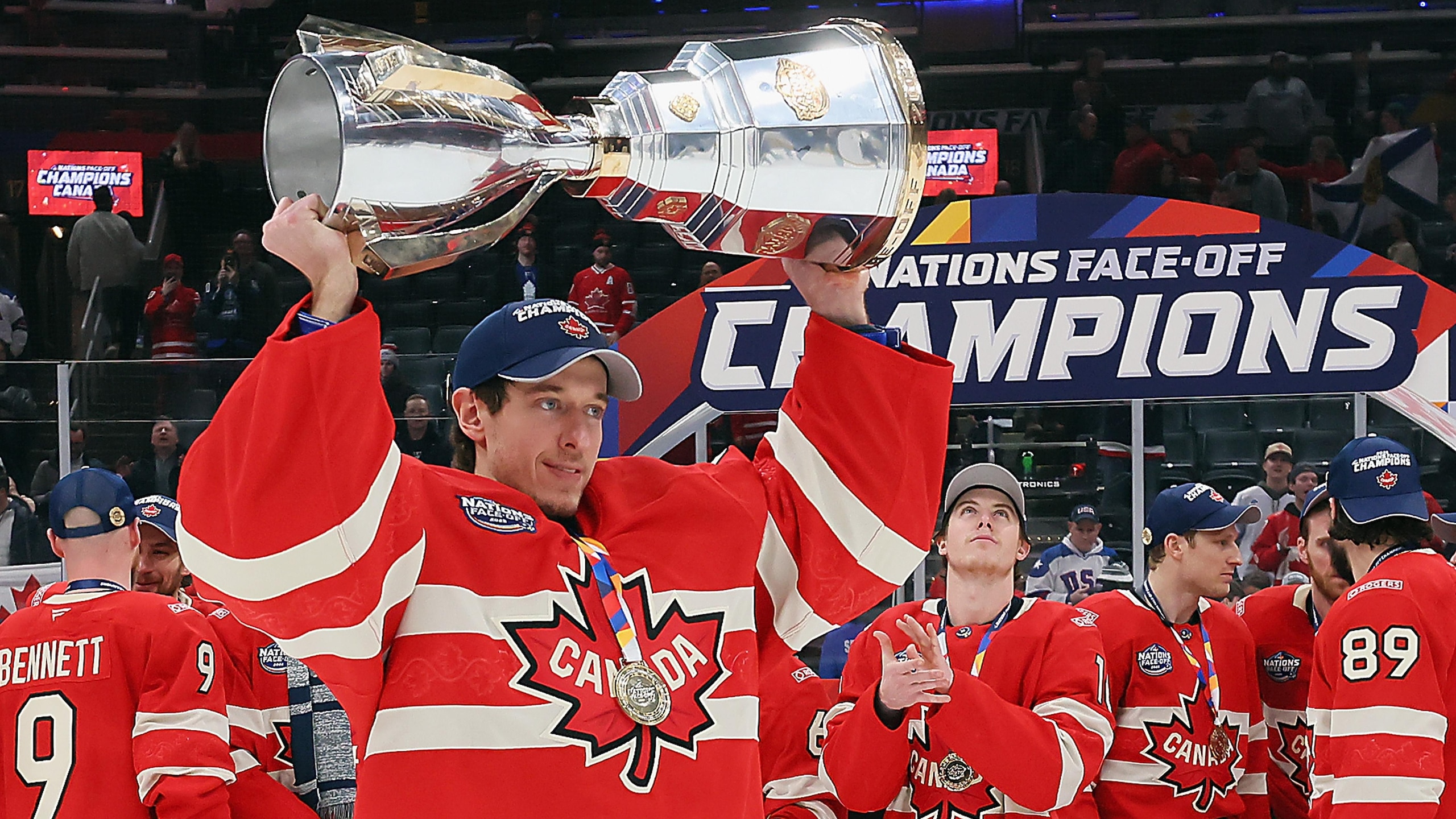
Jordan Binnington, Logan Thompson, Adin Hill
Remember when Canada's Four Nations Face-Off roster was announced and we were all really critical of their goaltending setup? What fools we were!
Binnington proved to be a big-game player for Canada and was outstanding in the final game against the United States. His performance in big moments likely sealed him up as their No. 1 guy moving ahead unless something absolutely drastic occurs.
Filling out the rest of the goalie group is a little tricky with Samuel Montembeault, Hill, Thompson, Mackenzie Blackwood, Stuart Skinner and Darcy Kuemper available.
We're going with Thompson and Hill for very basic reasons in that each of their teams had better seasons than the goalies for the other teams. We know that's not scientific, but if you've figured out the science of goaltending and made it predictable to know the future, then aren't you special!
Right now, Binnington owns the net until he doesn't and that solves a lot of issues for Canada because if it was an open competition with very few games to figure out who the guy will be, that's a bad setup for a short tournament.


.jpg?w=2560 "NFL investigating 2 referees for separate viral exchanges")
.jpg?w=2560 "Report: Chiefs Contact Hill's Agent")
.jpg?w=2560 "OBJ Calls Out Giants 😳")
.jpg?w=2560 "Tyreek makes another cryptic post amid Chiefs rumors")