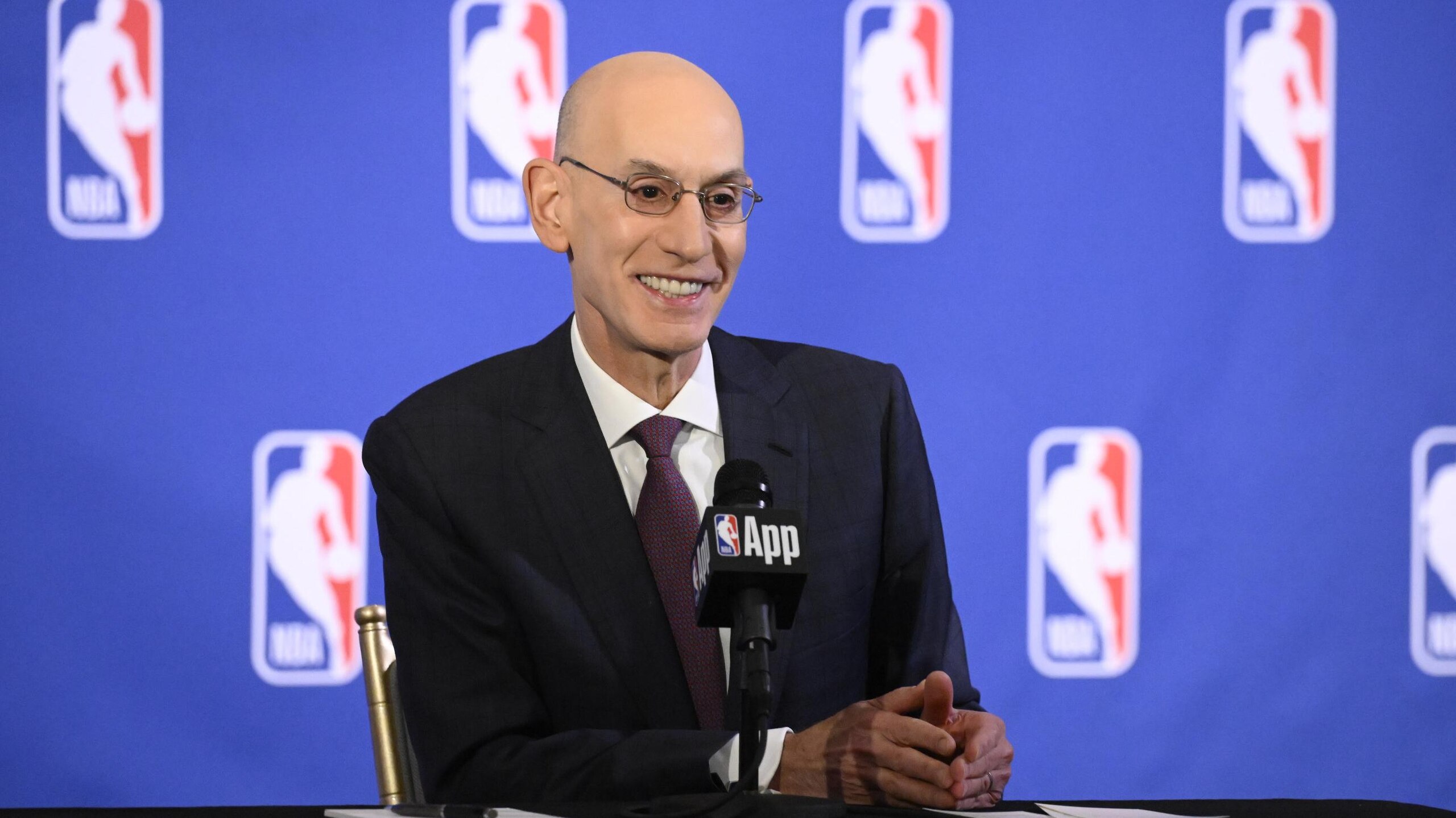


NBA Commissioner Adam Silver put the topic of expansion on the back burner until the league settled its collective bargaining agreement (completed in 2023) and reached a new national broadcast deal (finalized in 2024).
Soon after the league settled those huge issues, the Buss family agreed to sell a stake in the Los Angeles Lakers at an estimated $10 billion valuation. NBA economics are strong, and now appears to be the time to consider expansion seriously.
After the NBA's board of governors met Tuesday, Silver said "that the league has been tasked by team owners to study the issue more formally, which would be the first official move in a long process toward adding franchises," according to the Associated Press. However, he added that "a lot of analysis still needs to be done, and nothing has been predetermined."
Whenever the NBA does decide to expand, what will it entail? How long will it take? Who gets the money? Can the new team(s) steal away stars in an expansion draft?
Here's everything you need to know about how NBA expansion will eventually work.
What Cities Are in the Running?
1 of 5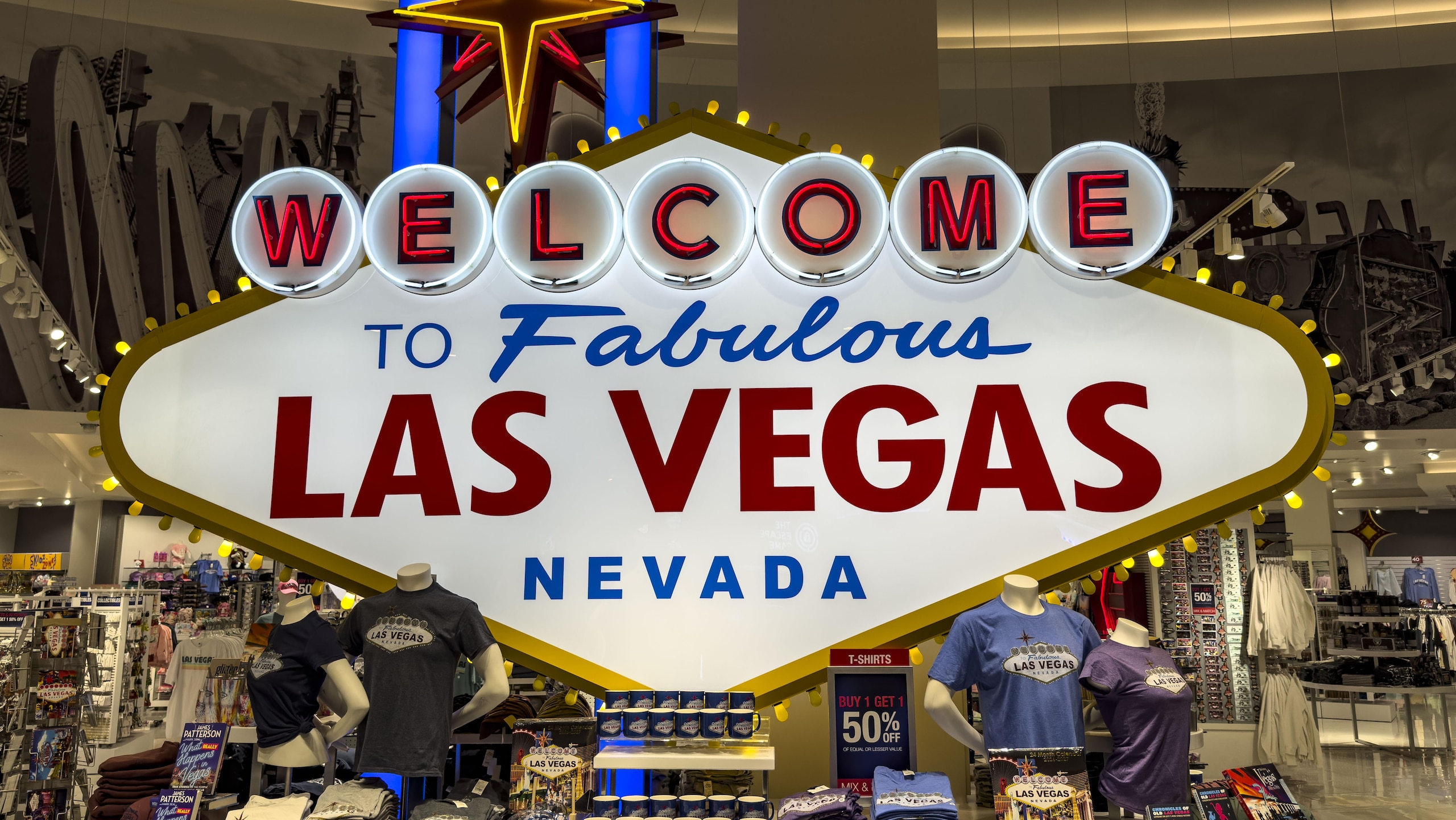
The pervasive buzz is that Las Vegas and Seattle will get the next two NBA expansion teams. While that could be the outcome, the league will open the floor to pitches throughout the continent, including Canada and Mexico. It's too early to handicap a front-runner.
While there's speculation that LeBron James will retire and run the NBA's new team in Las Vegas, that's more urban legend than fact. It may make some sense, but plenty of cities can make compelling cases.
The B/R list of candidates from 2020 hasn't changed much. Cities like Vancouver, Mexico City, Louisville, Kansas City, Las Vegas and Seattle all figure to be in the theoretical running, among others such as Nashville and Montreal. While international expansion could also be in the works, time zones may make London or other European cities initially unlikely.
Should the NBA start the expansion process this summer, it may aim to have the new teams up and running by the 2027-28 season.
How Much Will It Cost?
2 of 5
The NBA will presumably add two new expansion teams at the same time. The cost for each team would be heavily negotiated.
Silver could use the Lakers' $10 billion valuation as the asking price for each team. Potential buyers might argue for a lower fee based on average team valuation instead of one of the league's marquee franchises.
The league may keep a percentage of the expansion fee for overhead and operating costs, but a significant portion would be distributed to the 30 current franchises in equal shares. The players wouldn't receive a cut of the buy-in fee, but adding two new franchises would raise basketball-related income, roughly half of which goes to the players annually.
The cost to teams long-term is a smaller piece of the pie. Instead of 1/30th of the teams' share of national broadcast revenue, they'd receive 1/32nd.
If the NBA retained 10 percent of $20 billion, the current teams would receive $2 billion each. Those are very loose assumptions, though. The league hasn't expanded since the 2004 debut of the Charlotte Bobcats (now Hornets), and that was in a vastly different economic environment.
Which Current Teams Get Realigned?
3 of 5
If the league does grant new teams to Las Vegas and Seattle, one Western Conference team would need to move to the Eastern Conference to maintain balance with 16 teams per conference. The Memphis Grizzlies, New Orleans Pelicans and Minnesota Timberwolves would be the obvious candidates from a geographical perspective.
While Minnesota is the furthest west of those teams geographically, it's further away from the rest of the current alignment. The Pelicans or Grizzlies could easily join the Atlanta Hawks, Charlotte Hornets, Miami Heat and Orlando Magic in the Southeast Division, while the Washington Wizards could perhaps move into the Atlantic Division.
If Minnesota instead got added to the Central Division, other changes would be needed. The league could add the new Las Vegas and Seattle teams to the Northwest Division to replace the Timberwolves, while the Oklahoma City Thunder could move into the Southwest Division for better geographical alignment.
Plug in different cities for expansion, and it's back to the drawing board.

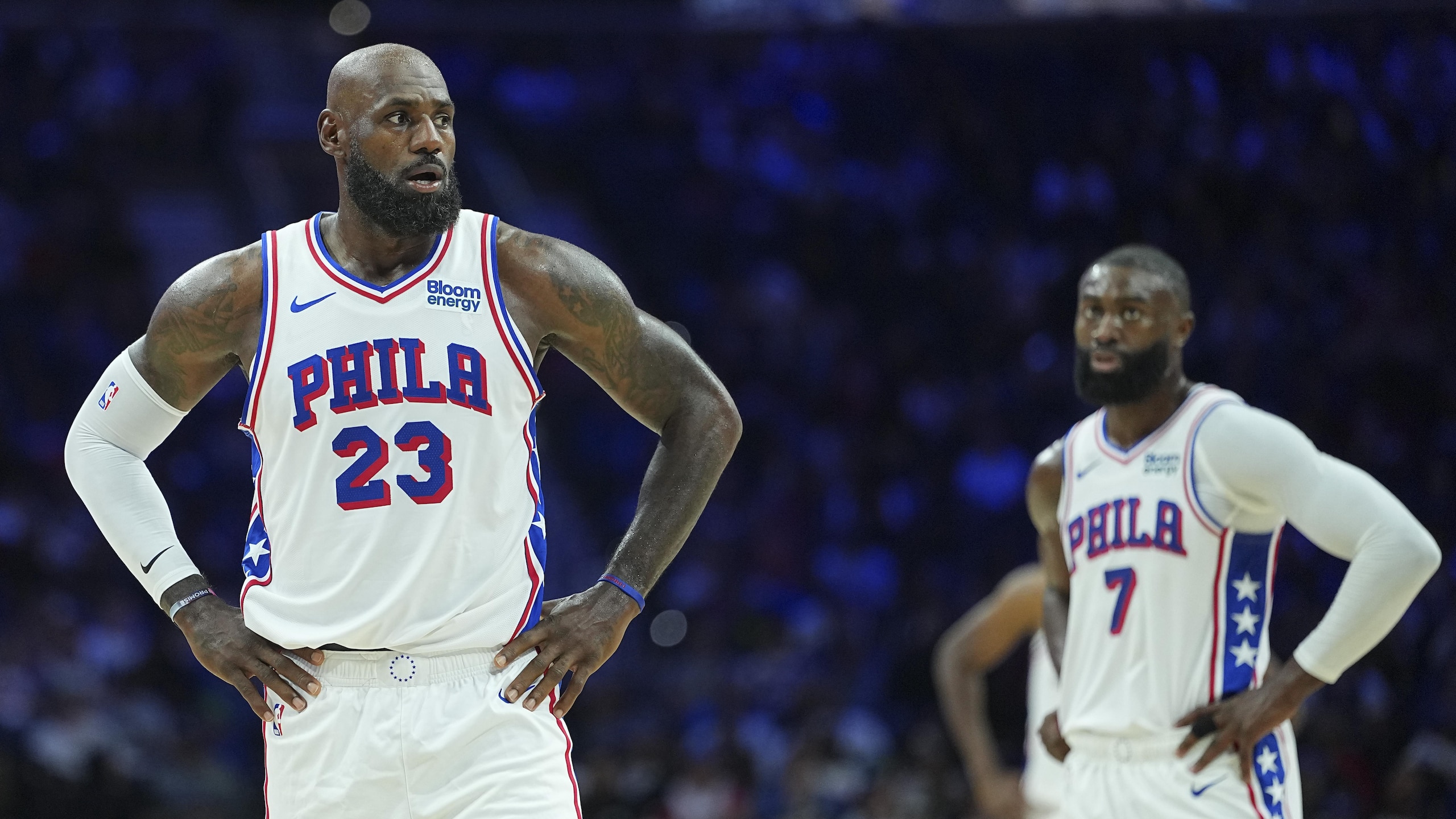
Will Your Favorite Team Lose Players in an Expansion Draft?
4 of 5
It has been more than 20 years since the NBA last executed an expansion draft. Those rules could be rewritten, but that's what we have to work from for now.
Historically, teams could protect up to eight players from being selected by the new teams in an expansion draft, including restricted free agents. Each franchise must expose at least one player under contract (aka, someone who's not eligible for free agency that summer).
Once there's a clear timeline for expansion, front offices around the league should strategize to ensure they have extra contracts to expose to avoid losing a key rotation player or a star.
No team can lose more than one player in an expansion draft. Your favorite player should therefore be safe from being selected, provided you aren't partial to low-minute hustle players on smaller contracts.
What Limitations Will the New Teams Have and for How Long?
5 of 5
The NBA's latest collective bargaining agreement spells out exactly how expansion teams will operate in their first few years of existence.
During their first season, they have a salary cap equal to 66.7 percent of the league's actual salary cap that year. In their second year, they have a salary cap equal to 80 percent of the league's actual salary cap. From their third season onward, they operate under the same financial rules as the rest of the teams.
They may also have restrictions in the draft, which may last for a couple of years. However, the NBA could attempt to accelerate the new teams' competitiveness.
While that may be possible, the most likely path for an expansion team is to build out its infrastructure, culture and fanbase slowly. Perhaps by the third year, the makings of a franchise core may start to form with some sound and wise decision-making.
With basketball's growth internationally, there's enough talent worldwide to support 32 NBA franchises. Even now, not every team has an All-Star, but the league is flush with talent. Expansion wouldn't dilute the product in the long term. It would increase income for the league and players, affording more jobs and access to fans who currently lack local NBA entertainment.
Silver has previously called expansion "inevitable." It seems like the league is inching closer to that day.
Email Eric Pincus at eric.pincus@gmail.com and follow him on X @EricPincus and Bluesky.
.jpg?w=2560 "Purdy Becomes Highest-Rated QB EVER 🤩")
.jpg?w=2560 "Grading WWE Raw 🔠")


.jpg?w=2560 "🚨 Davante Out 6-10 Weeks")