
Ripple Effects of Brock Purdy's $265M Extension on QB Market, 49ers' Future

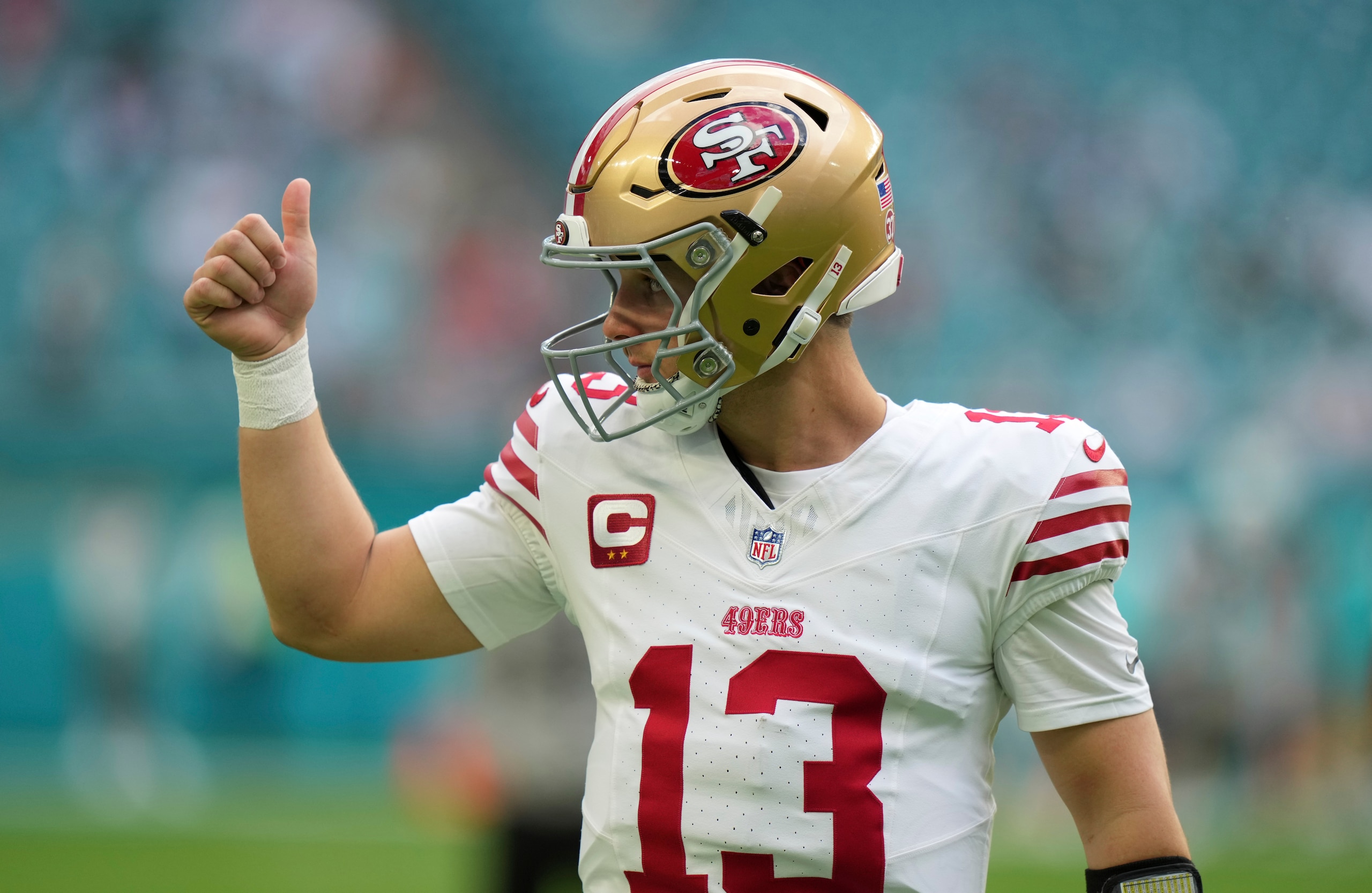
At least one Mr. Irrelevant is now anything but. San Francisco 49ers quarterback Brock Purdy, who was the final selection in the 2022 NFL draft, has just become one of the highest-paid players in NFL history.
Ian Rapoport, Mike Garafolo and Tom Pelissero of NFL Network reported on Friday afternoon that the 49ers and Purdy had agreed to a five-year, $265 million extension.
Purdy and his contract have suddenly become very relevant, both because of their impact on the ever-evolving quarterback market and on San Francisco's future plans.
Here are the biggest ripple effects we could see after Friday's deal.
Teams May Put A Pause on Record-Setting Contracts for All But the Most Elite QBs
1 of 5
Purdy's new deal is certainly eye-catching. He's set to earn $53 million annually over the five years of his extension, There's no denying that that's a lot of money, especially for a former seventh-round pick.
However, it doesn't place Purdy at the top of the quarterback market, which is where next-man-up quarterback contracts have all landed in recent years. Purdy will earn, on average, the same as Detroit Lions quarterback Jared Goff, just a bit more than Los Angeles Chargers signal-caller Justin Herbert and just a little less than Miami Dolphins quarterback Tua Tagovailoa.
Purdy and his agent, Kyle Strongin, didn't demand that they reach Dak Prescott's $60 million annual salary. Neither did Buffalo Bills quarterback Josh Allen, when he signed a new extension in March.
Allen, Joe Burrow, Trevor Lawrence and Jordan Love all make $55 million annually.
Allen's deal suggests that A.) Prescott's contract is an outlier, and the Cowboys overpaid and B.) that he's comfortable being paid like an elite signal-caller, not better than the rest of them.
Purdy's deal falling in line with the second tier of quarterbacks suggests that we may see a new normal for QBs who aren't quite on the level of Burrow and Allen—like, one could argue, Lawrence. Players who are Pro Bowl-caliber, but not MVP-caliber, may find a very lucrative financial window that sits just below the upper echelon.
The days of young, extension-eligible quarterbacks topping the most recent deal may be over, at least for the time being. That's most relevant for quarterbacks from the 2023 class, like C.J. Stroud and Bryce Young who, believe it or not, will be eligible for new deals next offseason.
Patrick Mahomes Probably Deserves a New Deal, Lamar Jackson May Get a Better One
2 of 5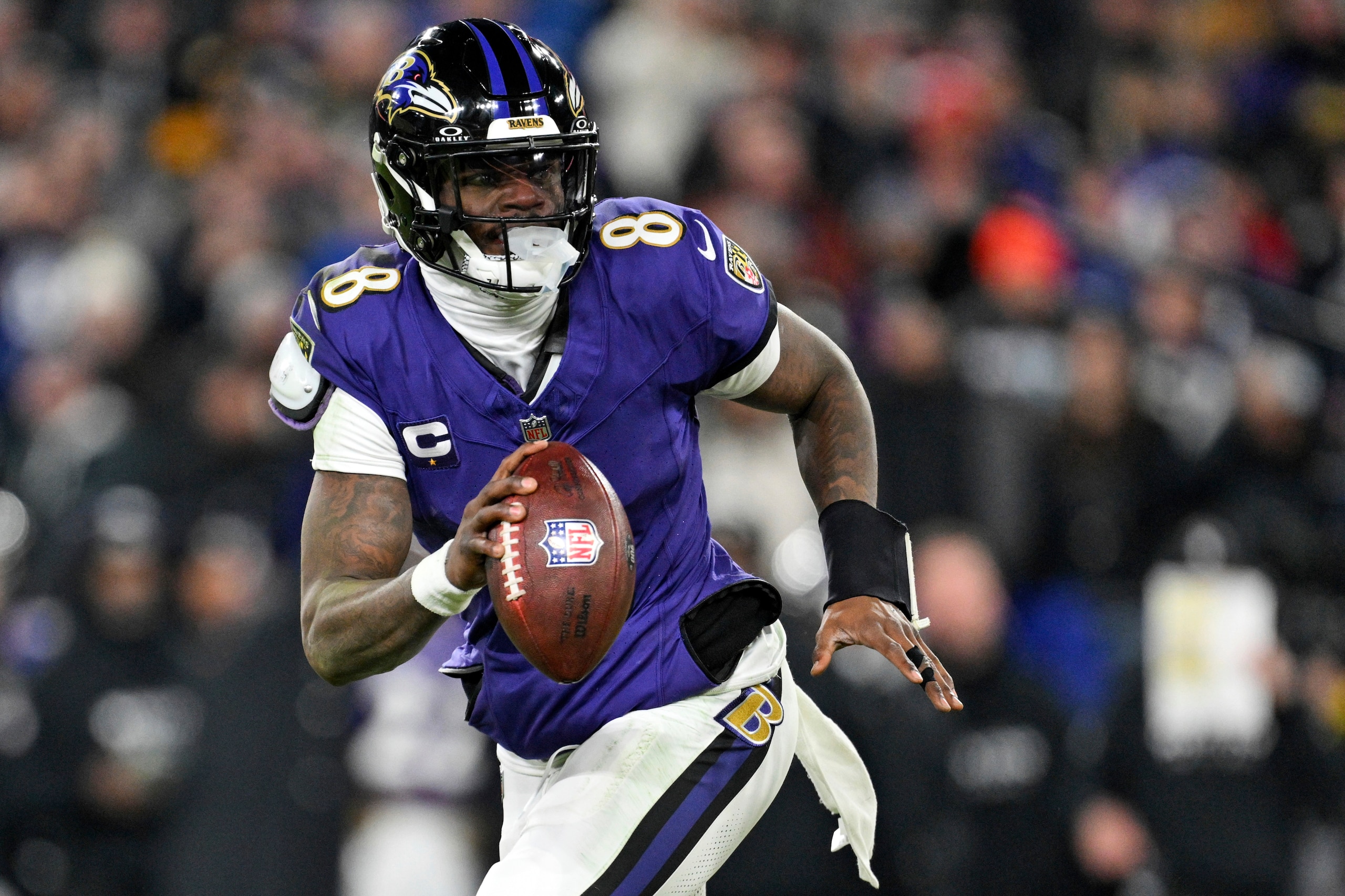
While Purdy's new contract isn't at the top of the market, it serves as a stark reminder that QBs who signed extensions just a few years ago are now grossly underpaid.
Patrick Mahomes, who remains the top quarterback in the NFL by almost any metric, earns just $45 million annually on his 10-year extension. That's $8 million less than Purdy, who lost to Mahomes in Super Bowl LVIII.
At this point, Mahomes probably deserves to be paid something closer to the going rate for elite quarterbacks. However, he seems pretty content with his deal and has repeatedly restructured it to help the Kansas City Chiefs financially.
Mahomes and defensive tackle Chris Jones restructured their deals in March to free up $49.4 million in cap space, according to ESPN's Field Yates.
While Mahomes is under contract through 2031 and may remain patient for a new deal, things could come more rapidly for Baltimore Ravens quarterback Lamar Jackson.
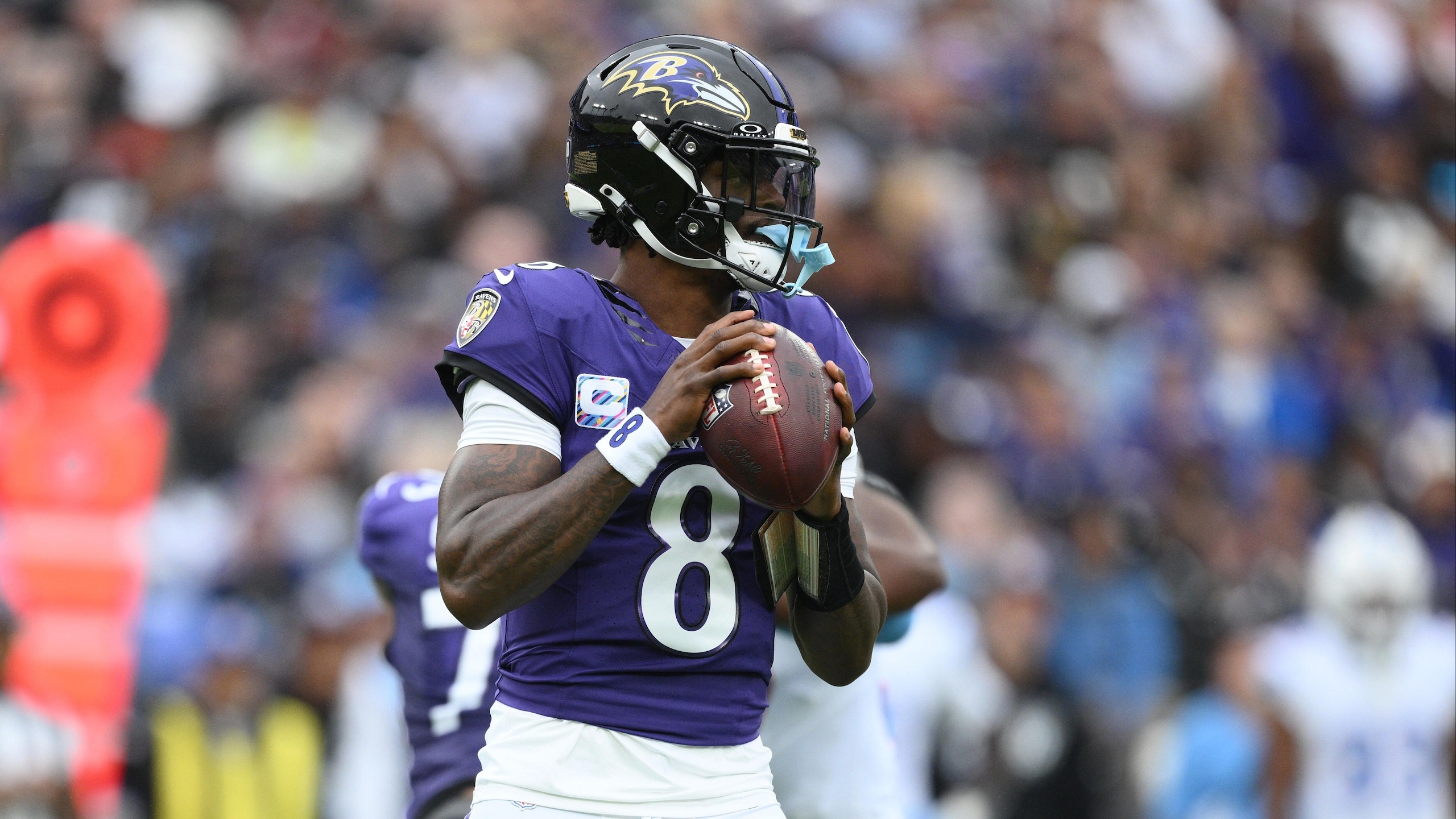
Jackson has just three years left on his contract and now makes $1 million less per year than Purdy. Jackson has three more Pro Bowls on his resume than Purdy, plus two league MVP awards.
One could easily argue that Jackson deserves to be in the Burrow/Allen tier of quarterback contracts, and according to The Athletic's Jeff Zrebiec, Baltimore was already looking to offer a new contract before the 2026 season.
"His cap number balloons to $74.5 million next year," Zrebiec wrote. "The Ravens would love to reach an agreement on an extension with Jackson before the start of this season."
With Purdy further cementing the second QB-contract tier in the $52-53 million range, there's virtually no chance that Jackson will accept anything less than the $55 million the top quarterbacks (not named Prescott) are making.
Teams May Become More Open to Finding Quarterbacks Later in the Draft
3 of 5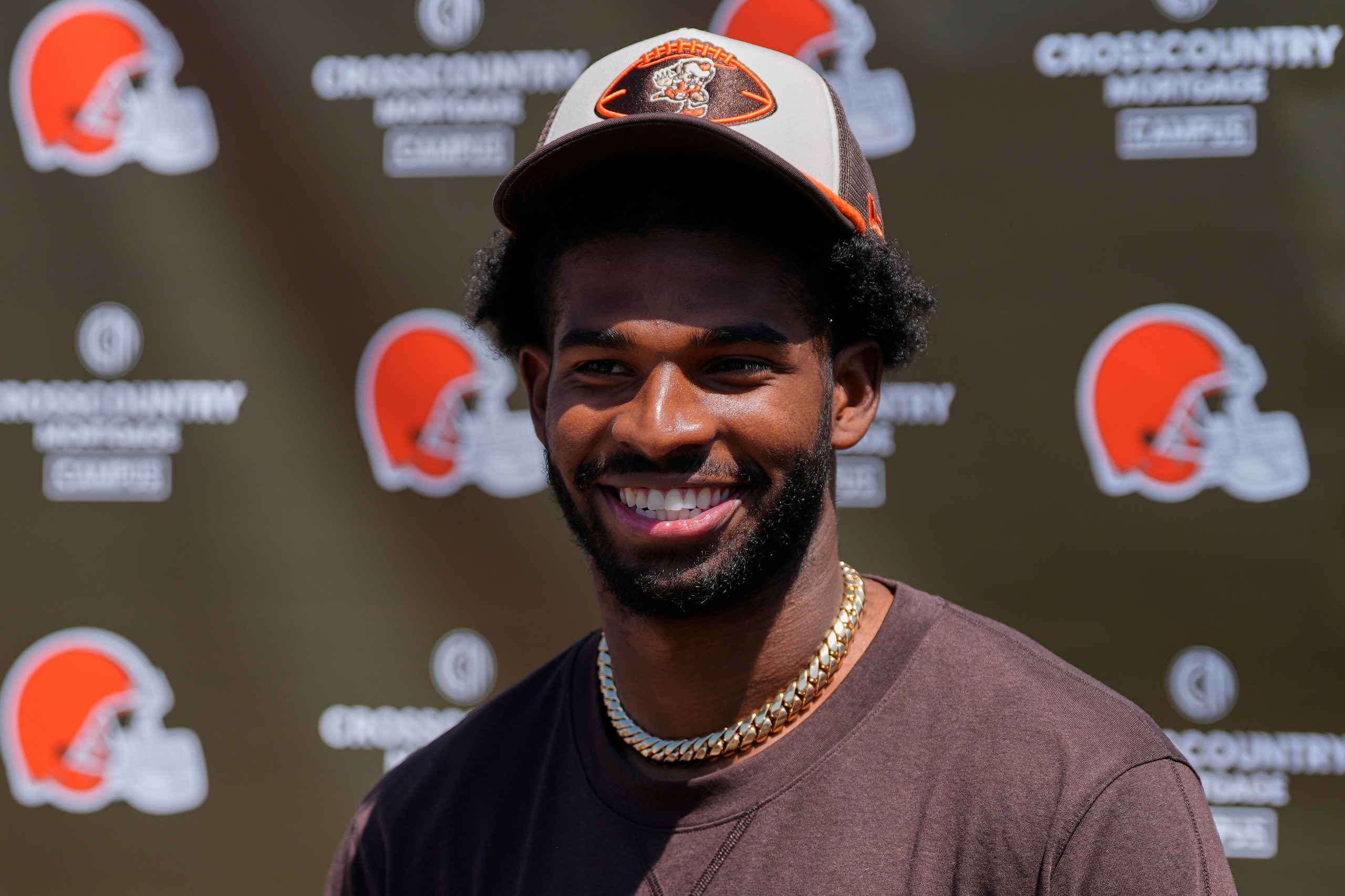
Anyone who watched Shedeur Sanders slide through last months draft likely heard at least one analyst discuss the theory that teams typically target starters in the first round and target backups on Day 3—with not much of a middle ground in between.
In the five drafts before this year's (2020-2024), only nine quarterbacks have been drafted on Day 2 (rounds 2-3). Of that group, only Jalen Hurts of the Philadelphia Eagles has become a high-level starter.
Of course, several quarterbacks drafted outside of Round 1 have never gotten legitimate long-term starting opportunities. Purdy only received his after Jimmy Garoppolo and 2021 first-round pick Trey Lance both suffered season-ending injuries during the 2022 season.
Yet, Purdy has since established himself as a "franchise" quarterback, at least in San Francisco's eyes, and his contract proves as much. That may cause a few other franchises to realize that their options at quarterback aren't necessarily limited to drafting a QB early in Round 1, paying a significant trade price or overpaying in free agency.
Now, there are obviously reasons why some quarterbacks last until later in the draft, and they are usually related to a lack of pro-readiness or a limited ceiling. However, Purdy's success story could open the door for incoming rookies like Sanders (Round 5), Jalen Milroe (Round 3) and Will Howard (Round 6) to earn legitimate opportunities while still on their rookie contracts.
And we may start seeing franchises throwing a lot more darts at quarterbacks toward the back end of drafts, hoping that they can stumble into the next Purdy.
.jpg?w=2560 "Chargers Chiefs Football")
.jpg?w=2560)
Purdy Deal Puts Pressure on the Entire NFC West
4 of 5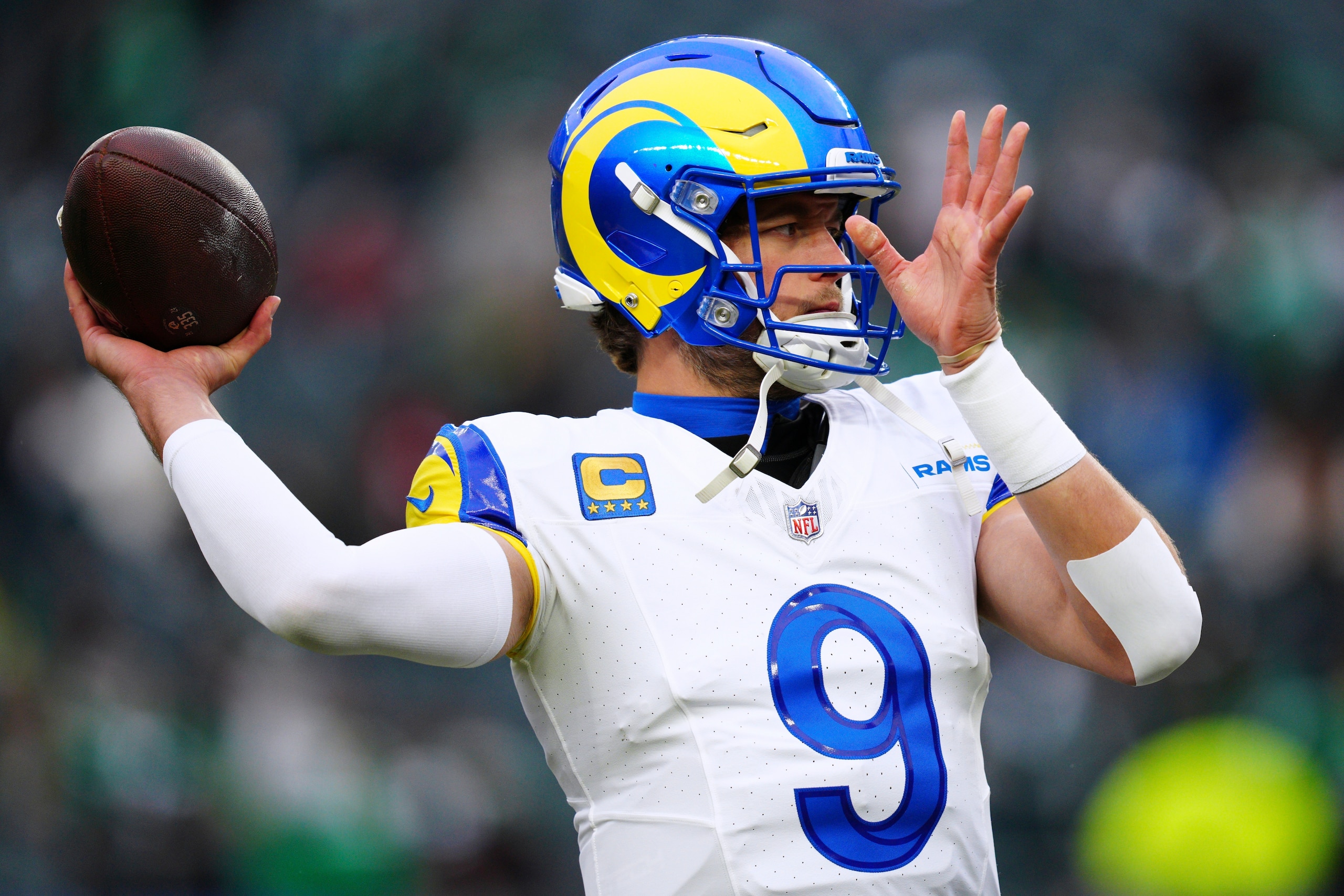
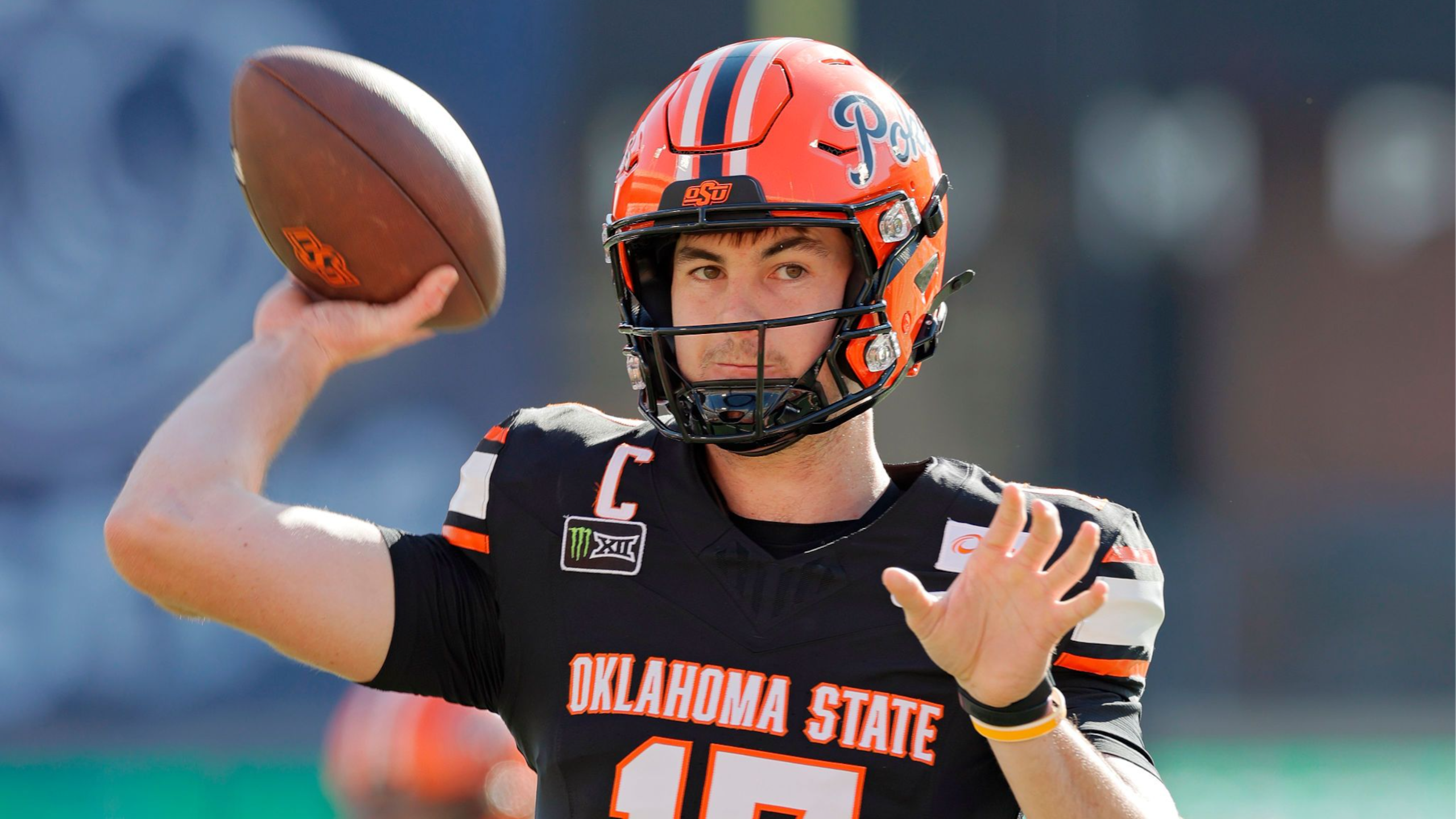
While the 49ers, general manager John Lynch and head coach Kyle Shanahan have to be thrilled about getting Purdy under contract, everyone will now face the pressure of having to prove themselves right.
Because Purdy's extension is tacked onto his rookie deal, the 49ers won't see massive cap implications this season—Spotrac estimates his 2025 cap hit to be just $5.4 million.
However, Purdy's annual cap hits are about to balloon because his contract includes $181 million in total guarantees and $165 million guaranteed within the first three years, according to Pelissero.
If Purdy regresses to become a below-average starter, San Francisco will find it hard to afford building a team that can carry him. He's now the highest-paid player in franchise history, and he'll be expected to carry the 49ers instead.
Of course, Lynch wouldn't have agreed to pay Purdy if he didn't believe he was capable. And if the 25-year-old is truly the long-term answer the 49ers have been seeking, that places a lot of pressure on the rest of the division.
The Los Angeles Rams won the NFC West last season, and Matthew Stafford should be a future Hall of Famer. However, he's also 37 years old and likely to retire well before Purdy's new contract ends.
The Seattle Seahawks are still looking for their long-term replacement for Russell Wilson. They traded two-time Pro Bowler Geno Smith and took chances on Milroe and Sam Darnold this offseason. If that series of moves falls flat, the Seahawks may spend the next several years chasing the QB stability San Francisco has.
Then, there's the Arizona Cardinals. Arizona has two-time Pro Bowler Kyler Murray under contract through 2027 with a club option for 2028 and an annual price point of $46.1 million.
While Murray has more physical upside than Purdy, the Cardinals have already been paying him handsomely with disappointing results. Purdy has gone 4-2 in the postseason with a 96.2 passer rating. Murray has only gotten the Cardinals to the playoffs once and had a disastrous performance (40.9 QB rating).
In short, when only one team in a division has its franchise quarterback, it's a serious problem for the other three and exactly how teams like the New England Patriots and Kansas City Chiefs have gone on lengthy runs of dominance. The 49ers could be that team in the NFC West within the next couple of years.
Drafting and Developing Players Becomes Paramount for the 49ers
5 of 5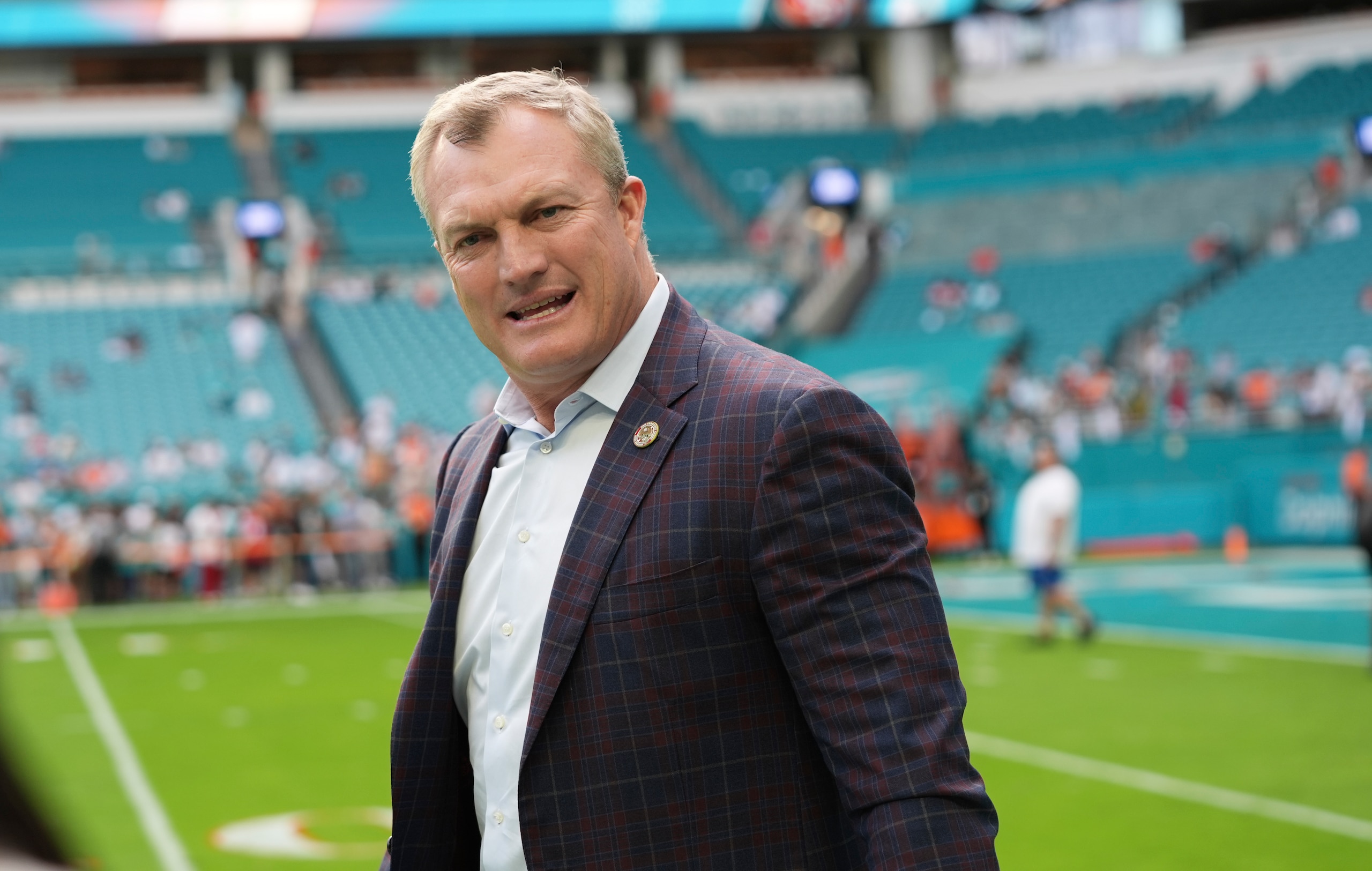
Give Lynch, Shanahan and the 49ers credit for planning for Purdy's impending suspension. The franchise parted with several pricier players this offseason and absorbed more than $86 million in dead money to clear future cap space to help offset Purdy's rising salary.
"When you make the decision that you want to pay a quarterback that has obviously been underpaid for his first three seasons in the NFL," Franchise owner Jed York said in early April, per ESPN's Nick Wagoner. "When you make that change, you have to make sacrifices somewhere."
But tearing down the roster to pay the quarterback makes it imperative that San Francisco reloads with cheaper rookie talent—something Shanahan reportedly believes his team did in this year's draft.
From The Athletic's Matt Barrows:
"Shanahan admitted he was nervous about the team’s threadbare roster after losing so many starters this offseason. The plan was to fill those spots in the draft, but what if it didn’t work out as planned? Shanahan said he started feeling better the second night of the draft after the team chose four potential defensive starters."
Unfortunately, the 49ers can no longer afford to whiff on early draft picks because they need team-friendly contracts to offset pricier ones and/or replace expensive players as they move on.
San Francisco parted with the likes of Dre Greenlaw and Javon Hargrave this offseason, while trading Deebo Samuel to the Washington Commanders. Players like Trent Williams and Christian McCaffrey could soon price their way out too.
Williams, for example, will carry a $38.9 million cap hit next season, which is the last of his current deal.
One of the most underrated benefits of finding Purdy in the seventh round was that his ascension made it easy for people to forget just how badly Shanahan and Lynch missed on Lance—a player they traded three first-round picks to move up and draft.
In fact, it's not hard to think both could now be out of a job if not for Purdy. Now that Purdy is earning the going rate for starting quarterback, however, the 49ers must draft well, develop players for the long-term and repeat the process if they hope to return to and stay in the Super Bowl conversation.
.jpg?w=2560 "Seahawks Chiefs Football")
.jpg?w=2560 "Grading SmackDown 🔠")