
Final Grades for Every NBA Team's 2024-25 Rookie Class
The 2024 NBA rookie class has turned in its last assignments and now awaits its final grades.
No more waiting for late-season surges. No more hoping certain first-year players get back up after running into the rookie wall. Just pure judgment—albeit on a relative scale.
Because players selected higher in the draft come with different sets of expectations than those taken later, we're grading on a curve. When major value comes from non-lottery picks and even second-rounders, it counts a little extra.
Some rookies have spent the majority of their time in the G League, and we'll note that when relevant. The main focus here will be on high picks and those who've actually logged significant NBA minutes this year. Not every rookie has a large enough role to factor into a team's grade.
Let's see how this class grades out as the 2024-25 season wraps up.
Atlanta Hawks
1 of 30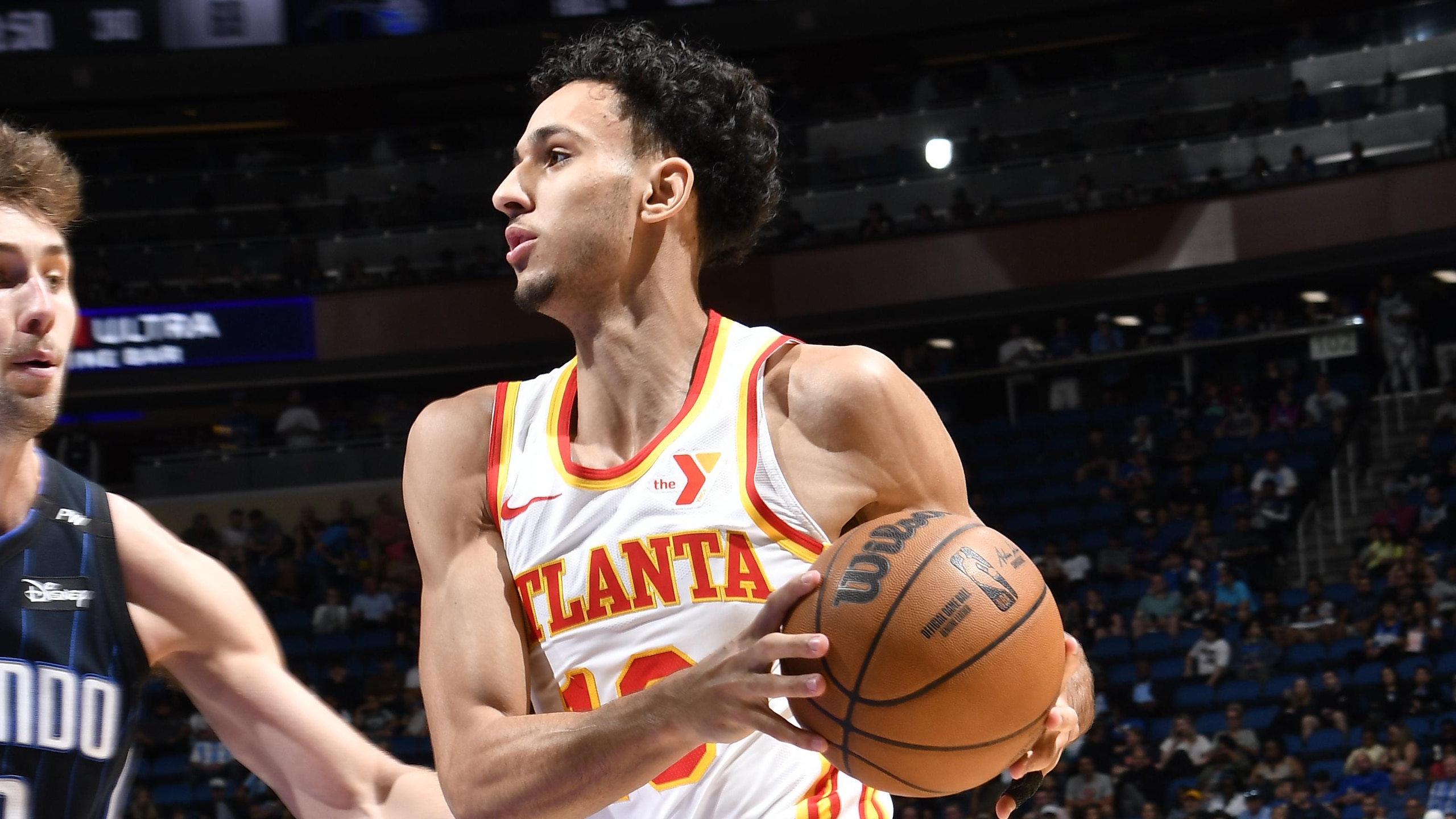
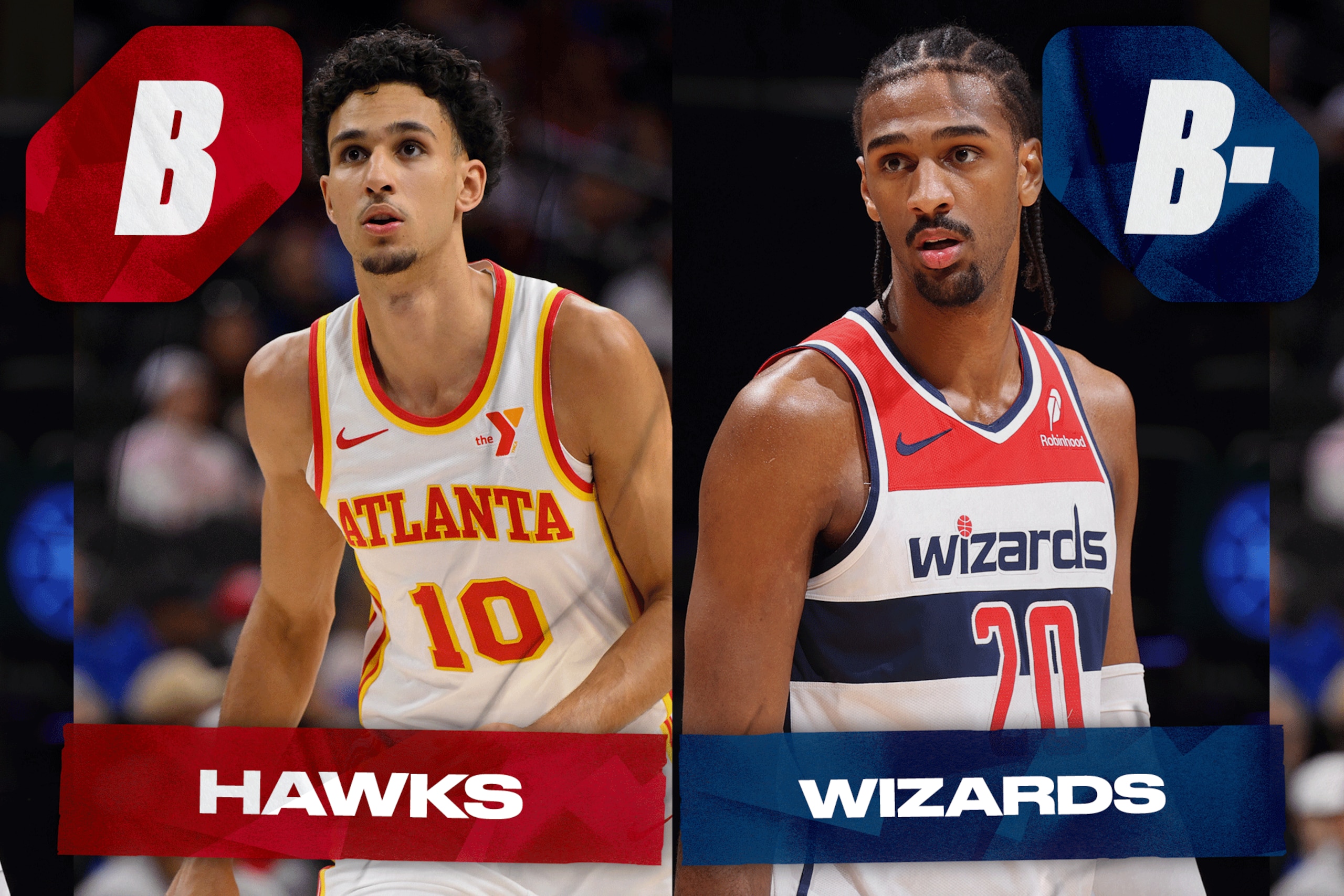
Zaccharie Risacher shot just a hair under 40.0 percent from three after the All-Star break, a development that validated Atlanta's decision to take him at the top of the 2024 draft. Though the 6'8" wing may not have the upside of some other members in this class, that kind of shooting will make him the sort of plug-and-play two-way wing every team covets.
A smart cutter and a good positional defender, Risacher checks the "knows how to play" box on the old-school scouting report. He'll finish as the second leading scorer among rookies—with a career trend line angling up after such a solid post-break performance.
Of Atlanta's two-way rookies, Keaton Wallace outshone Daeqwon Plowden by logging nearly 500 minutes and shooting right around the league average from deep.
Grade: B
Boston Celtics
2 of 30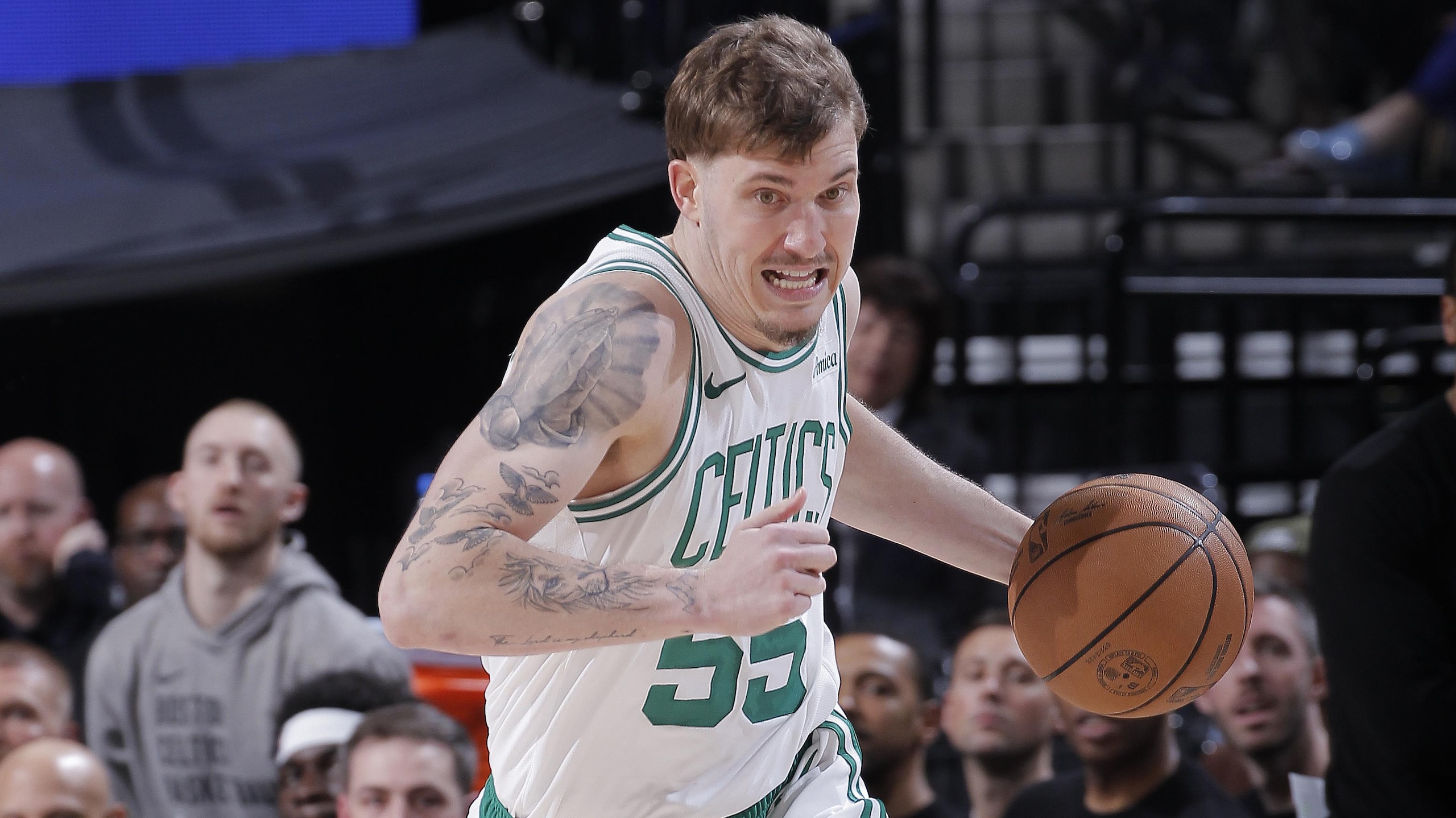
Baylor Scheierman looked overqualified for the G League all season but couldn't crack the Celtics' NBA rotation until a late-March stretch that saw him log at least 10 minutes in seven straight appearances.
The No. 30 pick showed he understood the assignment with Boston during that run, firing off threes at high rates and even putting up a 20-point game against the Nets on March 18.
It's promising that the brash wing came out gunning in his limited minutes with the Celtics, and his comfort in a real role should make the team confident he can handle more responsibilities going forward. For a Boston squad that seems likely to cut costs by moving on from at least one of its pricey vets in the near future, that's a big deal.
Grade: B-
Brooklyn Nets
3 of 30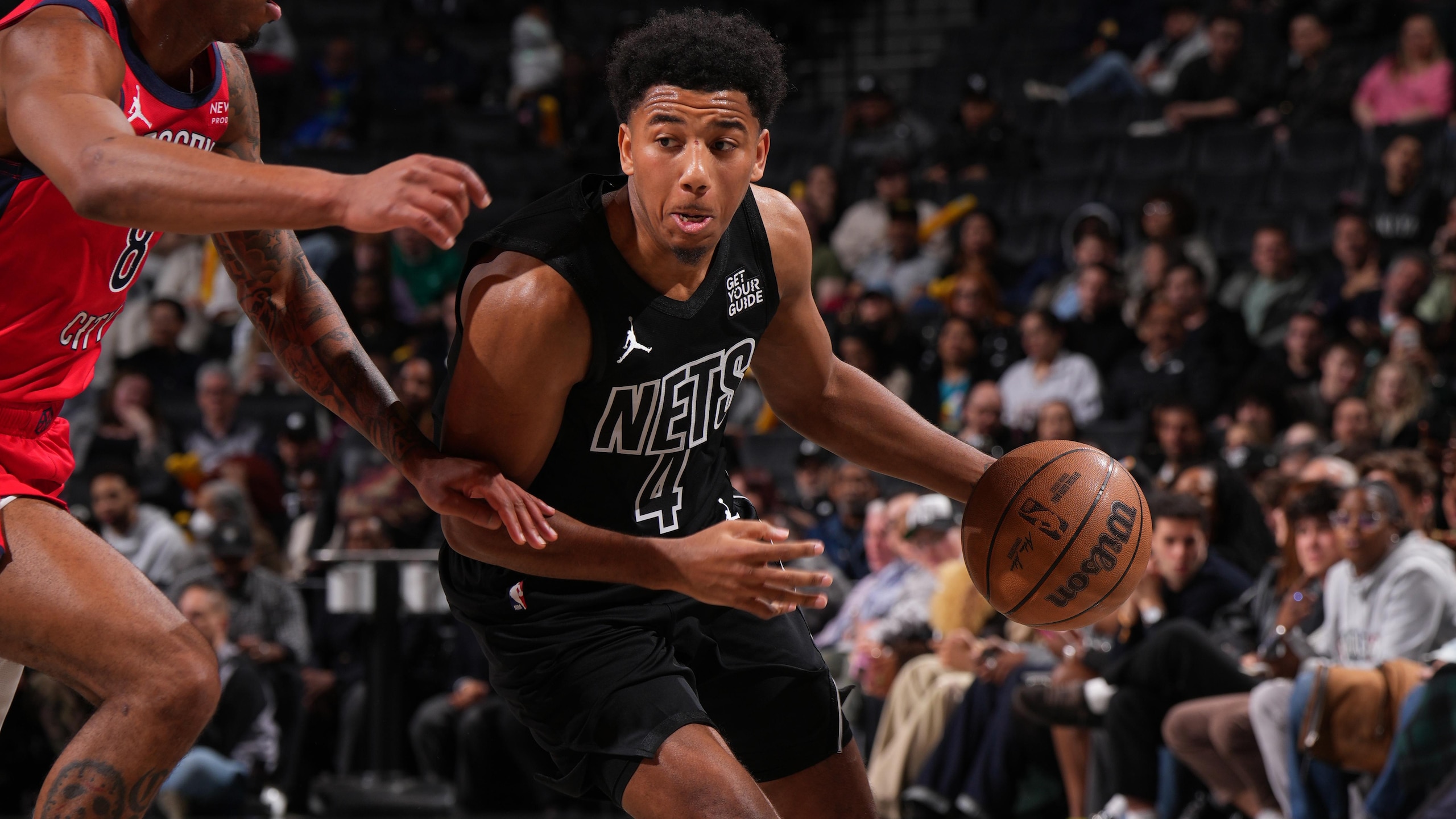
The tanking Brooklyn Nets are in the earliest stages of their rebuild, but they haven't given a single minute of game action to a 2024 pick. Every first-year player that has seen court time—and there haven't been many—was an undrafted free agent.
One rookie, Cui Yongxi, suffered a torn ACL and was waived as part of the deal that sent Dennis Schröder to the Golden State Warriors in December. Another, Jaylen Martin, saw five minutes all year.
Reece Beekman, who came over in the Schroder deal, is going to lead Brooklyn's rookie class in appearances but is only seeing about 15.0 minutes per game since the All-Star break. Good news, though: Beekman averaged 18.7 points, 7.3 assists, 5.2 rebounds and 2.8 steals while scoring efficiently for the Santa Cruz Warriors. At the very least, he's had some success at the lower levels.
No one in the Nets' revolving door of rookie pickups—Drew Timme, Tyson Etienne among them—profiles as a keeper.
Grade: C-

Charlotte Hornets
4 of 30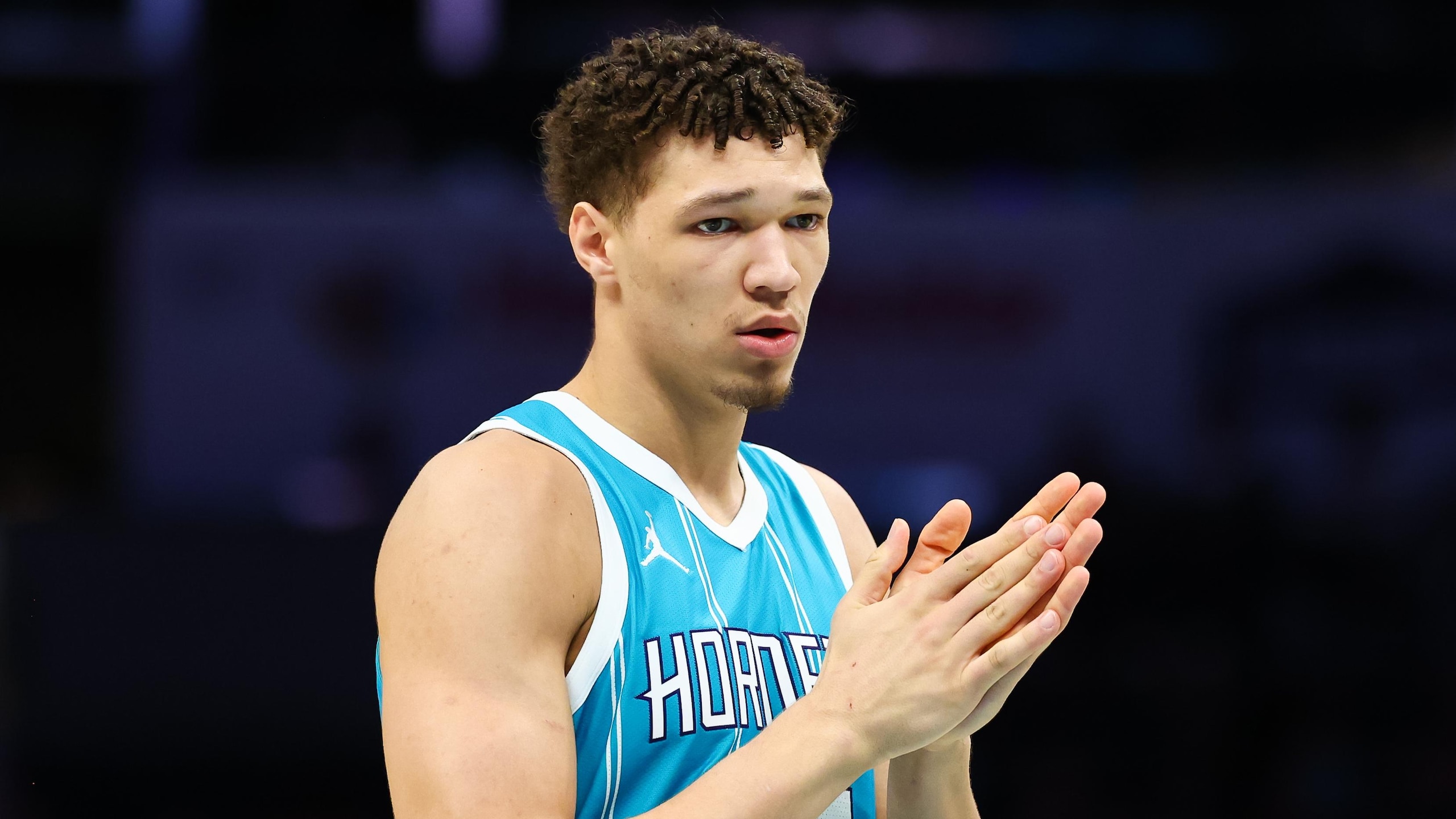
You can't pass final judgment on any rookie, least of all one who played the entire season as a 19-year-old. That said, Tidjane Salaün, picked sixth overall, didn't do much to inspire confidence he's close to contributing on a winner.
That may not matter to Charlotte, which seems to be operating with a very long time horizon. It can afford to wait for Salaün to develop. A rookie year marked a fourth-percentile ranking in points per shot attempt and no impact as a defensive disruptor means said development is much more of an "if" than a "when."
The 6'9" forward was a fringe rotation player all year and has been a fixture over the last several weeks of Charlotte's mail-in effort. He's managed 10 double-digit scoring games on the season but doesn't yet have a clear position or carrying skill.
Grade: D
Chicago Bulls
5 of 30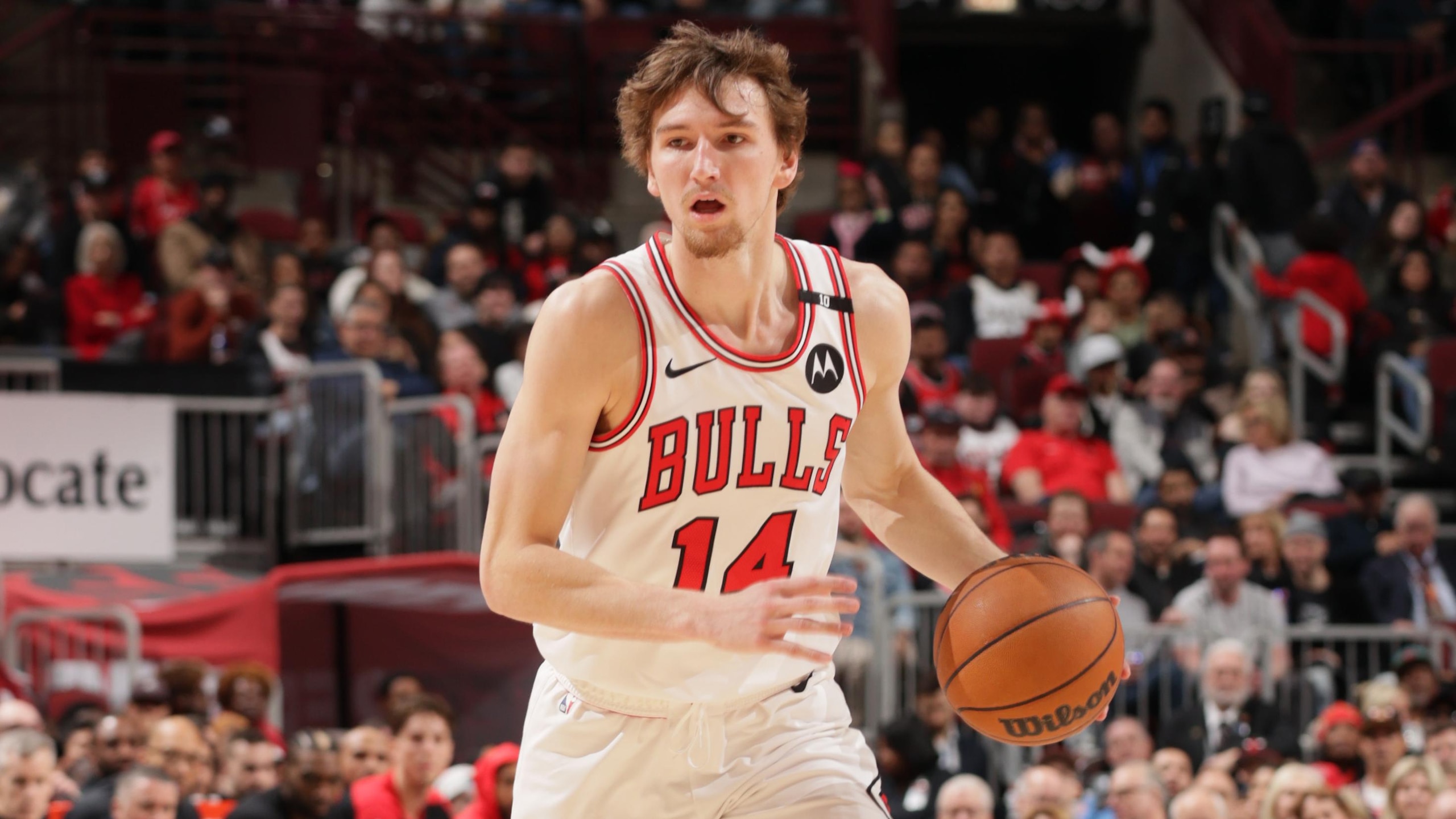
Even if it's coming down the stretch of a ho-hum season, Matas Buzelis' closing flourish is hard to downplay.
March averages of 13.7 points and 4.8 rebounds on a respectable 46.3/35.4/92.6 shooting split look good on paper but don't quite tell the whole story. You need to see Buzelis' energetic play and attack-mode style to appreciate the rookie's potential.
The 6'9" forward hung a season-high 31 points on the Lakers in a blowout win on March 22 and put together his best career game a week later against the Mavs. That one saw him amass 28 points, nine rebounds and six assists highlighted by 5-of-7 shooting from deep.
Buzelis should make an All-Rookie team and possesses the physical tools that give him one of the highest ceilings in the 2024 class.
Grade: A-
Cleveland Cavaliers
6 of 30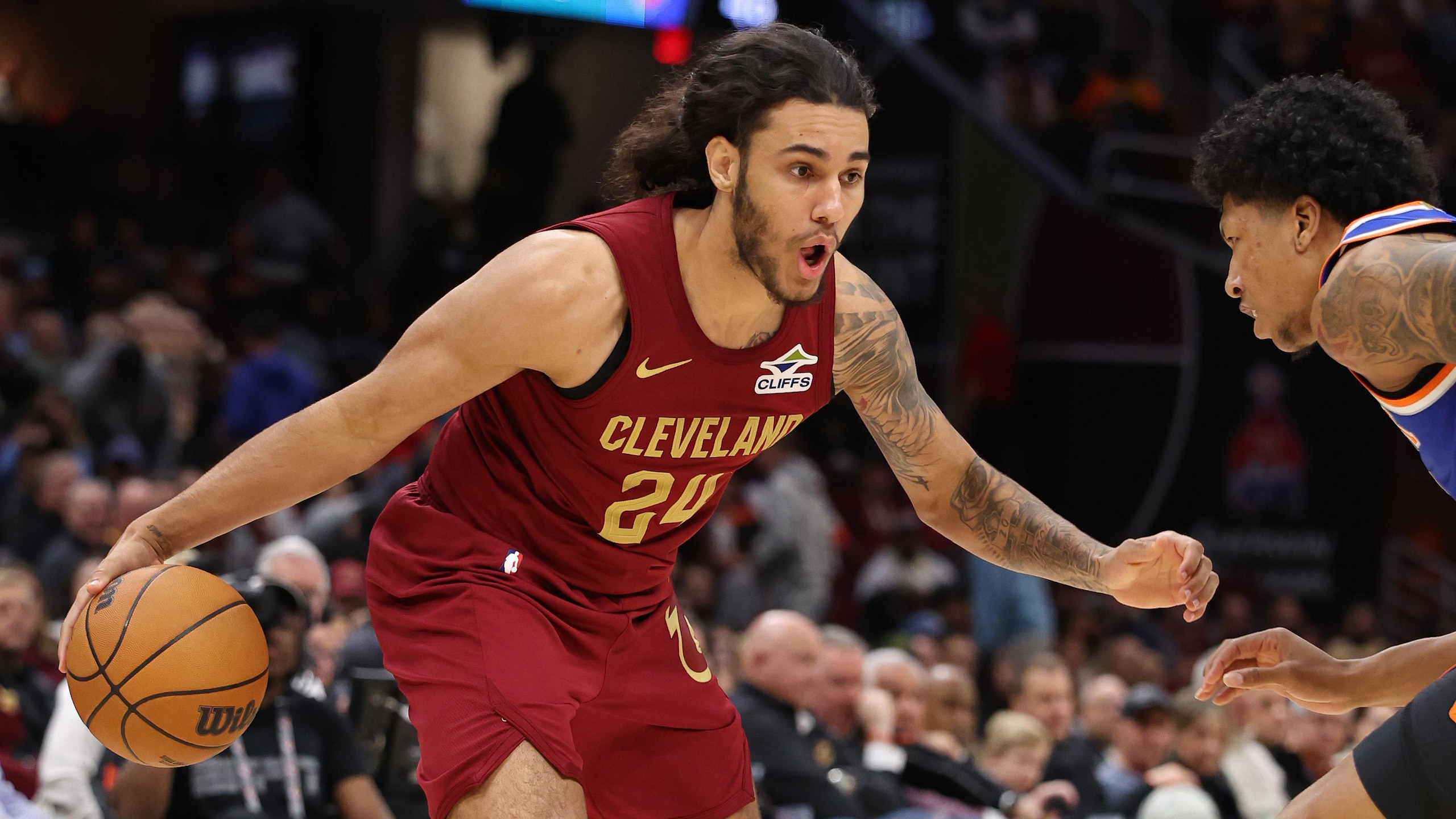
With less than 10 minutes played since we last graded rookies, Jaylon Tyson hasn't added much to a first-year portfolio that was already pretty thin.
The No. 20 pick's best game came way back on Nov. 20, when he piled up 16 points, 11 rebounds and seven assists in a blowout win over the New Orleans Pelicans. Two months later, he played enough to log 15 points against the Hawks on Jan. 30.
Tyson has mostly been an afterthought for the East-leading Cavs, shuttling between the G League, where he's been highly productive, and the end of the bench. In flashes, he's shown a multi-skilled wing's game. It's just that Tyson had the misfortune of being drafted by a team competing at the highest levels—one that doesn't have throwaway development minutes to hand rookies. Even ones that came billed as win-now contributors like he did.
Grade: C
Dallas Mavericks
7 of 30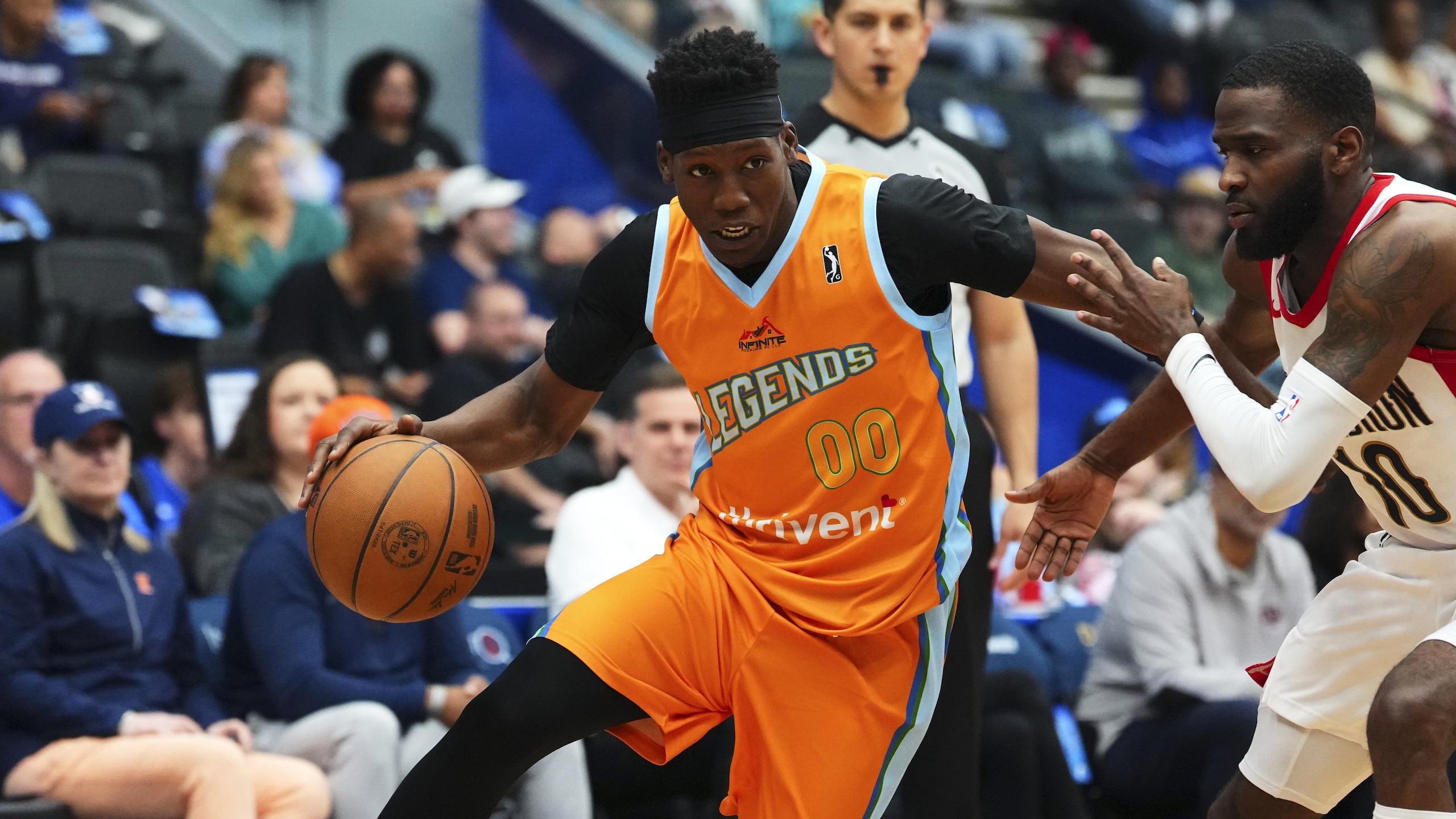
Kyrie Irving may not play at all next year because of a torn ACL, Anthony Davis has never been a top-option star and Dallas is out several future first-round picks due to the win-now trades it swung at past trade deadlines. This is a team that could use some youthful hope.
That's why it's such a problem that undrafted guard Jazian Gortman (since waived) and Kylor Kelly (also waived) are the only first-year players to sniff even the faintest whiffs of playing time.
Neither project as long-term NBA players.
Dallas didn't have a first-round pick in 2024, so we can't be maximally harsh. But in light of the franchise's current situation, it's troubling that there's so little young talent in the pipeline outside of sophomore Derrick Lively II.
Grade: C-
Denver Nuggets
8 of 30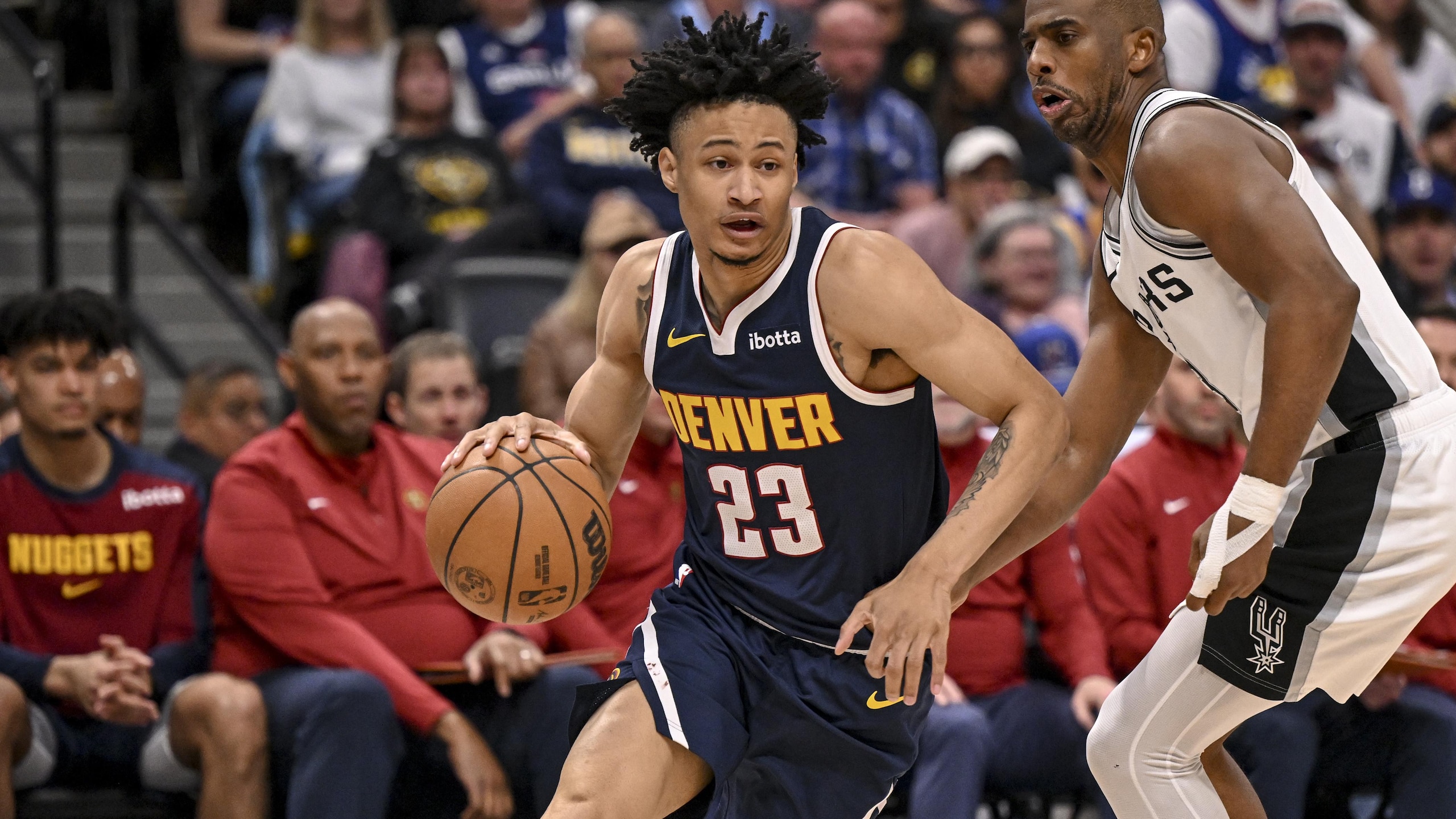
PJ Hall and Spencer Jones are averaging 3.5 and 6.3 minutes per game, respectively. Trey Alexander falls in the middle at 4.8 minutes per contest. Collectively, the trio has made 37 shots in 302 minutes.
Denver's rookie numbers would look better if No. 22 pick DaRon Holmes hadn't torn his Achilles just a few weeks after the draft. Hall, Jones and Alexander were never supposed to be contributors in 2024-25.
Holmes was an All-American at Dayton, and he likely would have spent time in the rotation on a Nuggets team constantly searching for ways to survive without Nikola Jokić. Whether as a backup for Aaron Gordon or in place of Zeke Nnaji, Holmes would have gotten a real crack at an impact role. His injury cost the Nuggets a depth piece they couldn't afford to lose.
We still aren't dinging the Nuggets for Holmes' injury. He was a good pick at the time and should be ready to chip in next season.
Grade: C
Detroit Pistons
9 of 30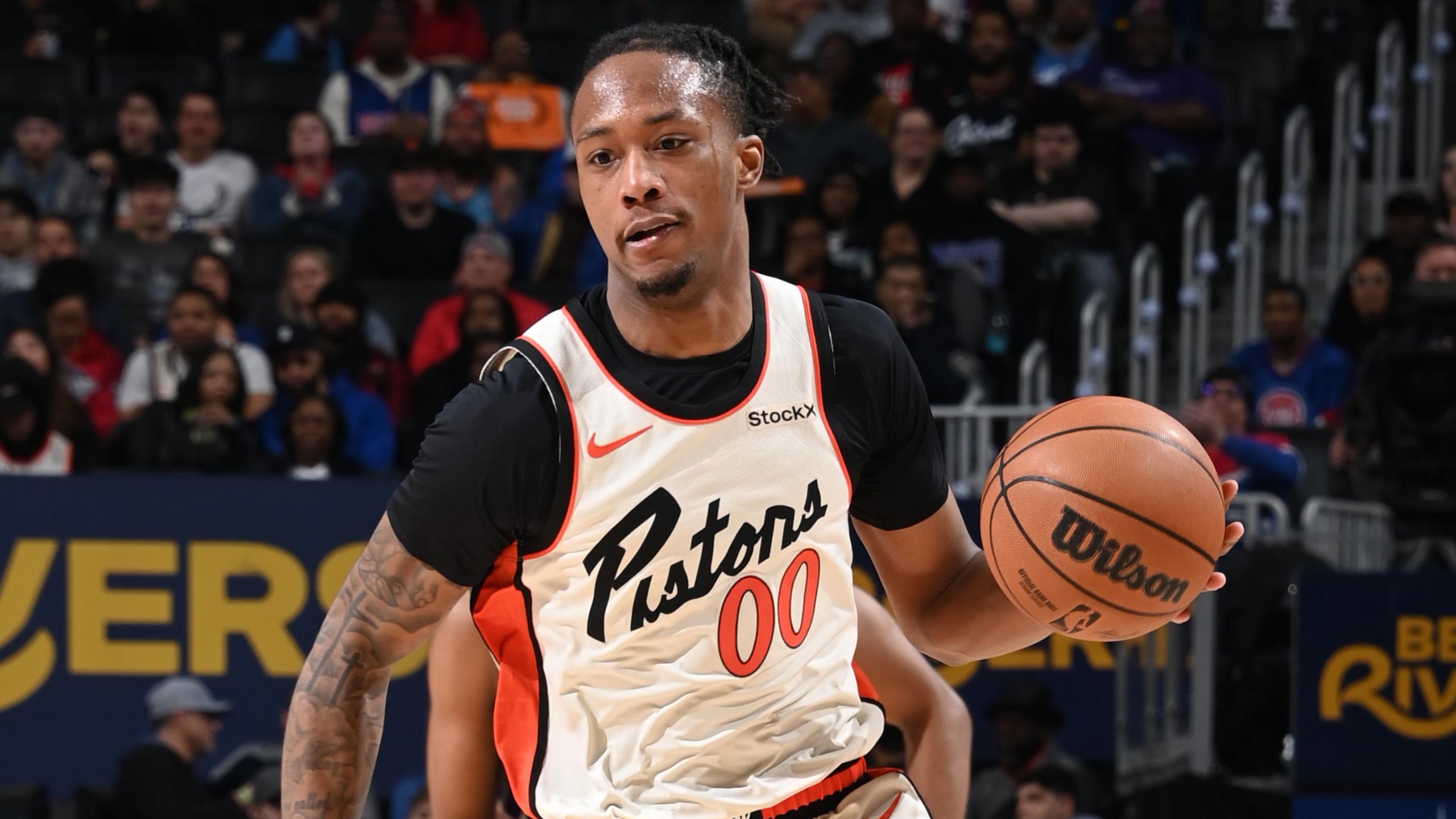
Ron Holland stuck in the Pistons' rotation all season. While his most notable moments have been in-game scraps, the latest of which earned him a one-game suspension, the ruthlessly competitive wing occasionally channeled that sharp edge into actual contributions.
Holland's best game of the season included 26 points, six assists and five rebounds in a six-point win over the New Orleans Pelicans on March 23, but outbursts like that have been the exception. Still just a 23.3 percent shooter from deep, Holland has a long way to go on offense.
There's value in a rugged, no-holds-barred mindset, but Holland is going to have to prove he can force defenses to guard him honestly before he's regarded as more than a live-wire defender and downhill attacker.
You can't coach attitude, though, and Holland's is very much in keeping with Detroit's hard-nosed culture.
Grade: B-
Golden State Warriors
10 of 30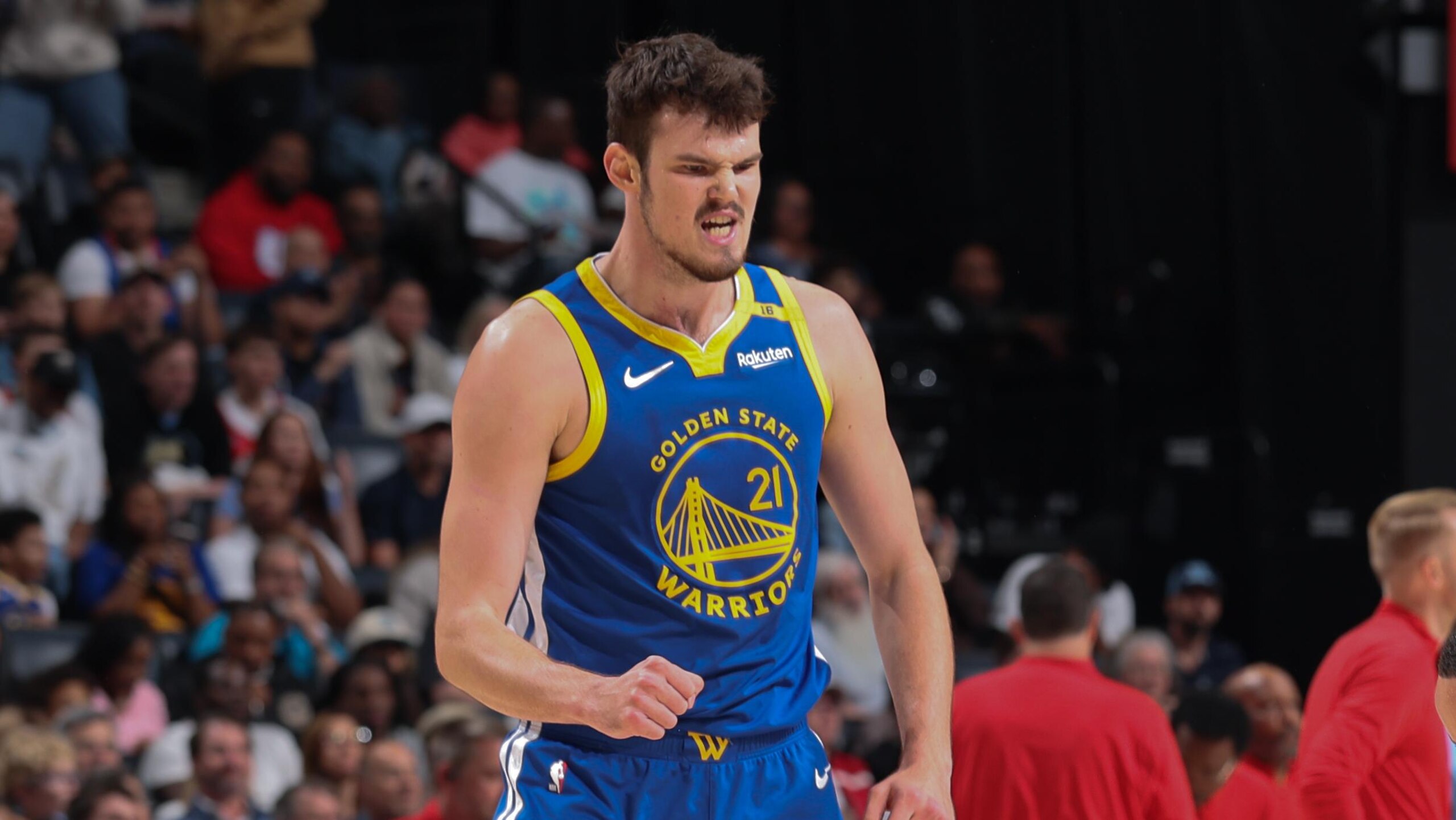
Relative to his draft position (52nd overall), Quinten Post has probably provided the most value of any rookie this side of Memphis Grizzlies wing Jaylen Wells.
Though a penchant for fouling and iffy interior offense makes him something of a specialist, Post's ability to space the floor as a true 7-footer does in fact make him special.
Forget rookies. Only seven players in the entire league have a three-point attempt frequency of at least 12.0 per 100 possessions and a hit rate north of 40.0 percent. Post is one of them.
Though not playable against certain matchups, the rookie has repeatedly helped the Dubs climb out of scoring ruts by firing away whenever he touches it—usually with good results.
Grade: B
Houston Rockets
11 of 30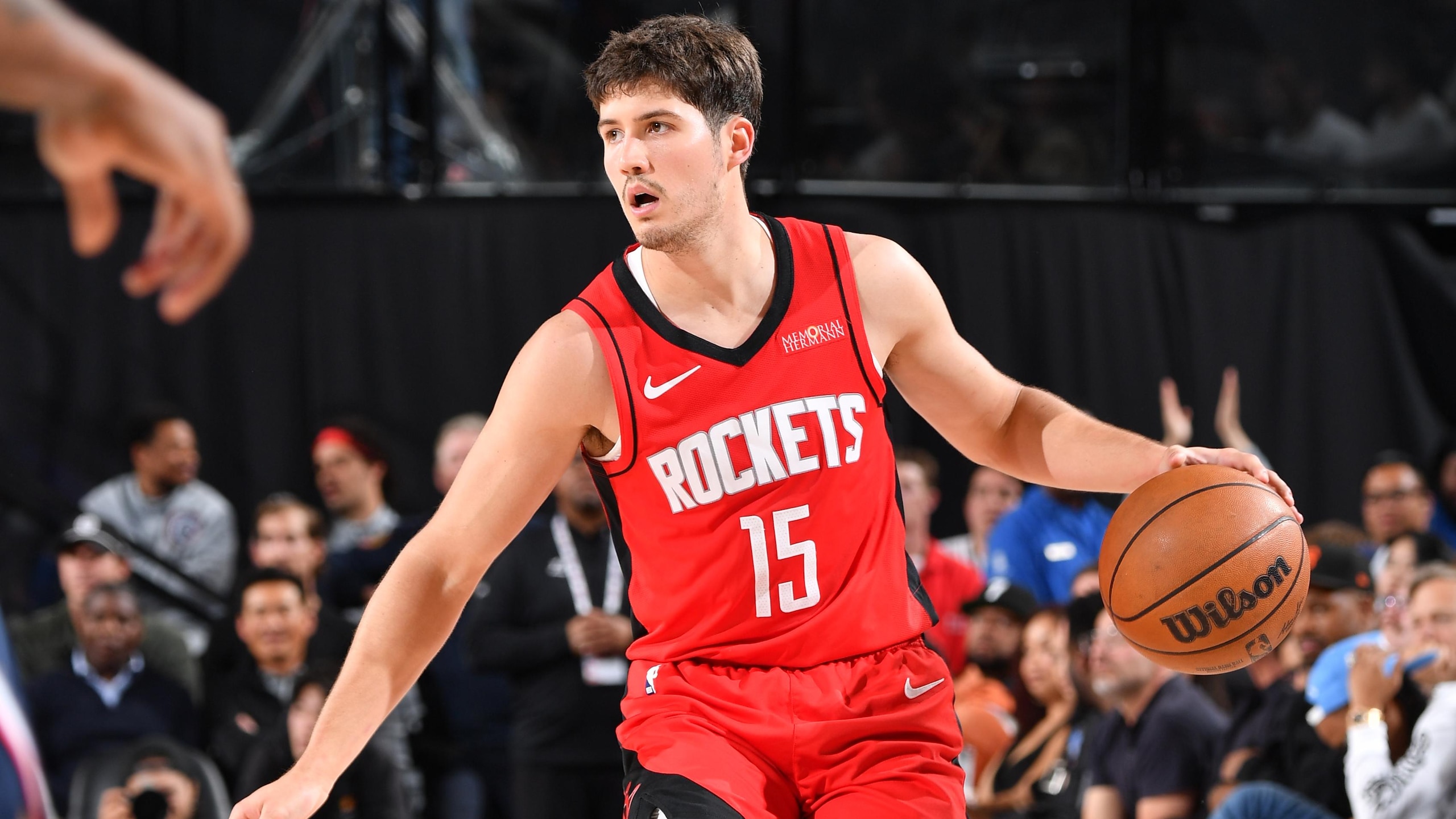
Give Reed Sheppard some actual playing time, and he'll do something with it. Case in point: Sheppard racked up 25 points, five assists, two steals and a block against the West-leading Oklahoma City Thunder on March 3. That was the only game this year in which he played at least 28 minutes.
His second-highest scoring total on the season came on Feb. 4, when he put up 16 points in 27 minutes.
The No. 3 overall pick averaged 30.7 points and 8.3 assists in the three G League games he logged, providing more evidence that this season's underwhelming numbers have more to do with a lack of opportunity than a lack of skill.
Nobody should be giving up on Sheppard yet, but there's really no way to frame his production positively—particularly considering where he was selected. A scoring average of 4.0 points on 45.6 percent true shooting just isn't good enough.
Grade: C-
Indiana Pacers
12 of 30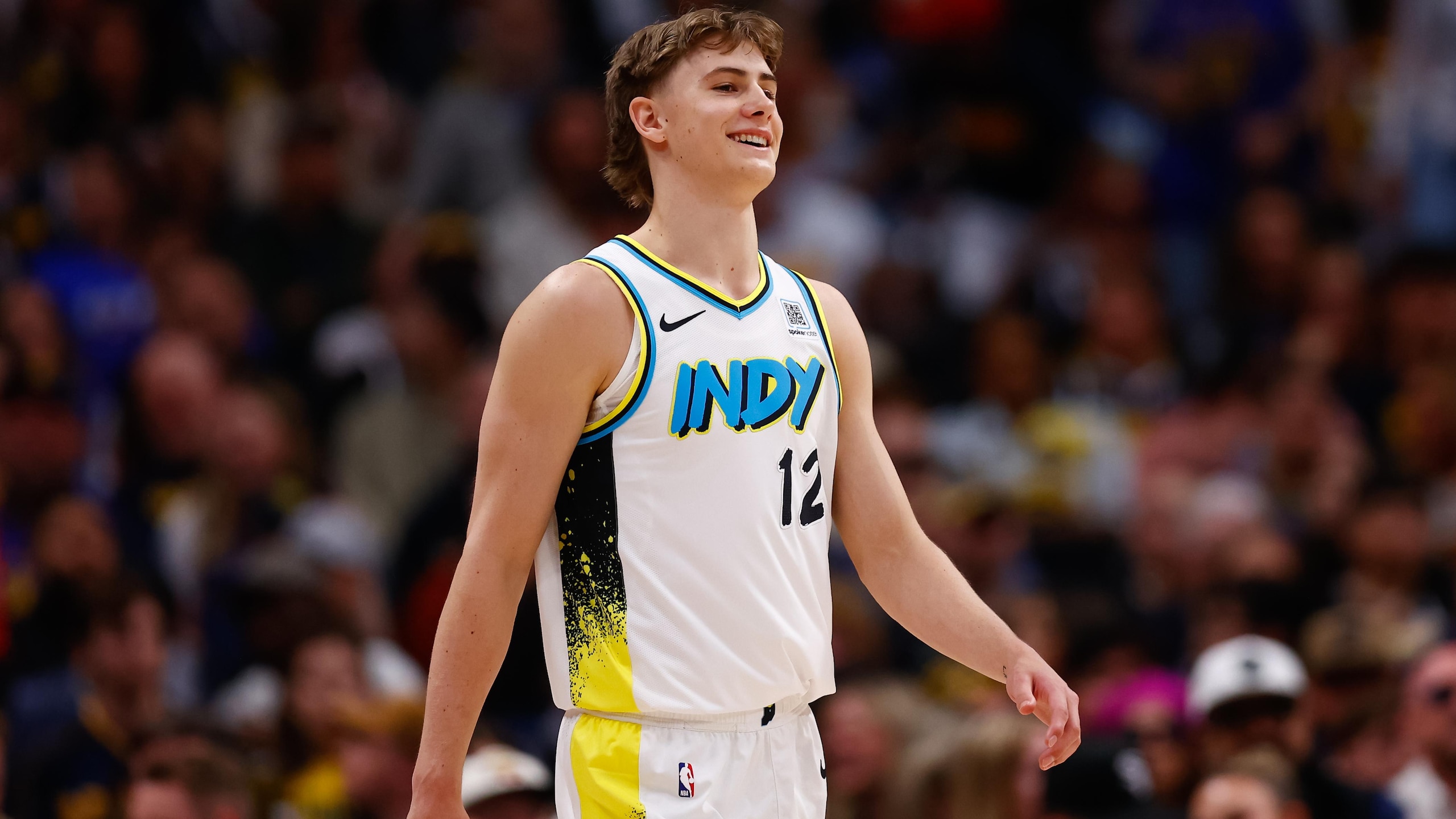
No. 35 pick Johnny Furphy was the only Indiana Pacers rookie making semi-regular appearances through the end of 2024, but he's mostly fallen out of the rotation as his team has surged in the second half. With key players returning from injury and a playoff seed to secure, Indy scaled back the rookie's minutes.
The second-round rookie saw the floor in 30 games from November to January but appeared just six times and averaged 3.5 minutes per game in February. March, in which Furphy averaged 5.3 minutes across seven games, was much the same.
The highlight of Furphy's season was definitely the month of December, when he put up 3.6 points per game and shot 40.0 percent (8-of-20) from deep. Since then, it's been DNPs and steadily declining playing time.
Grade: C-
LA Clippers
13 of 30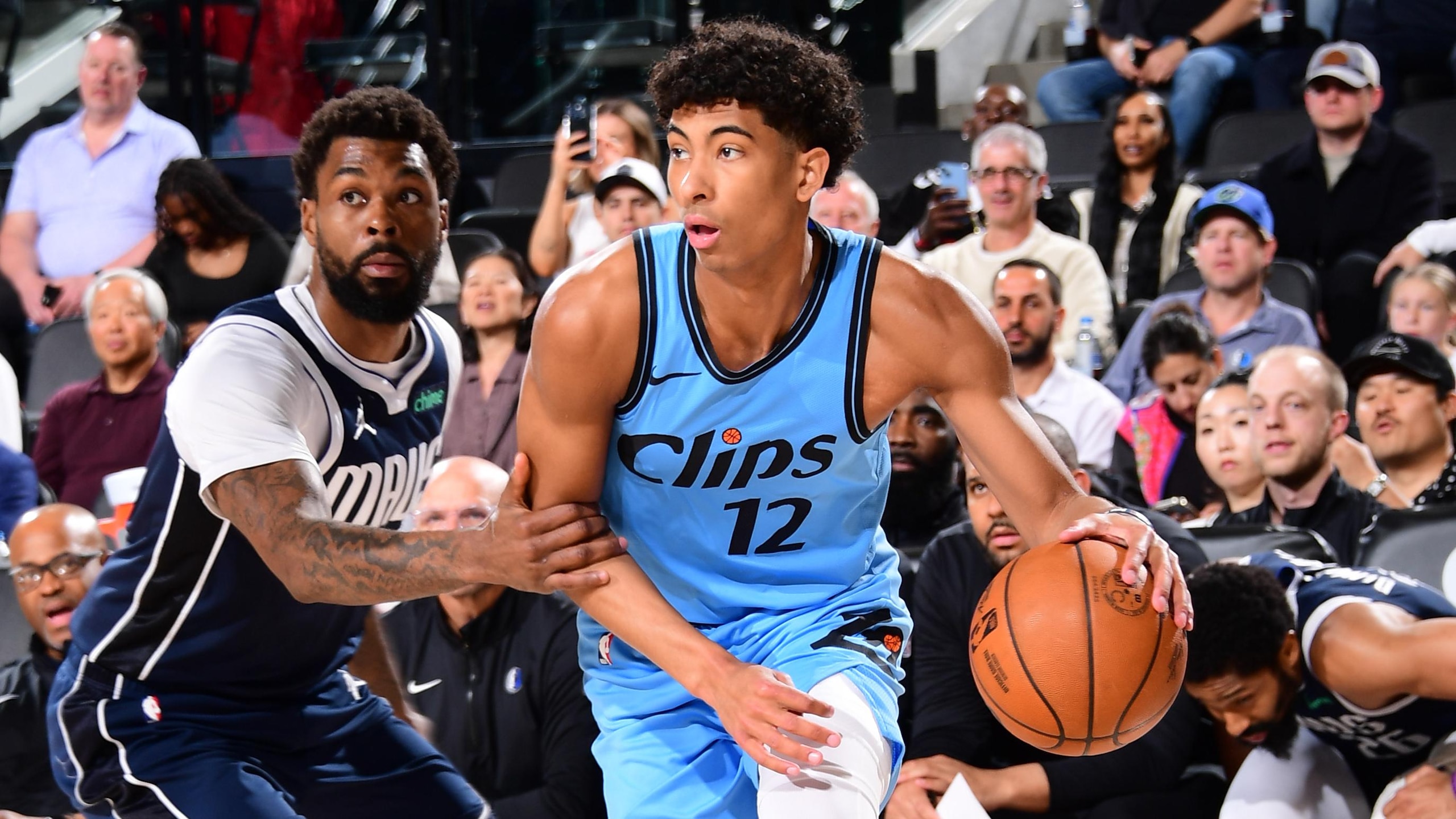
Cam Christie (No. 46) had a string of four straight appearances in late January and is closing out the season with another run of relatively steady end-of-bench playing time. He'll still be lucky to top 75 minutes on the year.
He averaged 13.4 points and 3.8 rebounds across 15 G League games, attempting over half of his shots from deep but hitting only 26.1 percent of them.
Trentyn Flowers (undrafted), LA's other rookie, recently saw the floor in back-to-back games (April 2 and April 3) for the first time this season. Unlike Christie, Flowers was an efficient scorer for San Diego, averaging 13.6 points and drilling 42.9 percent of his treys.
Neither Clippers rookie looks like a rotation force going forward, but both are in their age-19 seasons and didn't come with draft slots that suggested major upside.
Grade: C
Los Angeles Lakers
14 of 30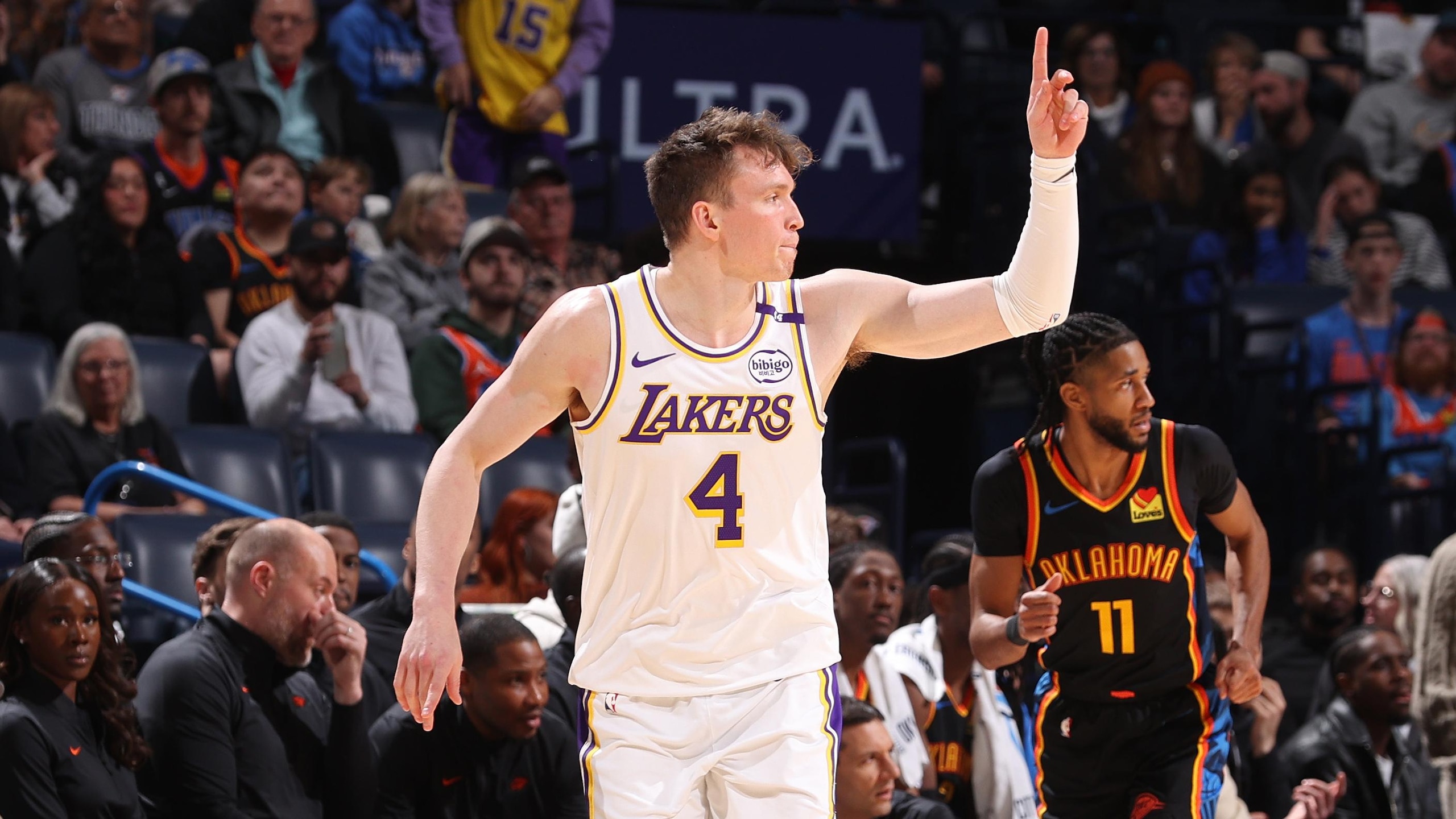
Dalton Knecht never quite recaptured his November magic, when he looked like a Rookie of the Year candidate and shot 46.0 percent from deep over his largest sample of playing time, 26.3 minutes per game, of any month. March wasn't so bad, though, as he averaged 19.2 minutes, started three times and posted a 42.0 percent hit rate from deep.
On balance, he's going to wind up providing good value for a No. 17 pick. With the third highest total of made triples and a top-10 finish in minutes played, the 23-year-old delivered some win-now help to a Lakers team that needed it.
Bronny James had some moments, led by a 17-point performance on March 20, but he's going to wind up with a scoring average south of 3.0 points per game in a tiny sample of playing time.
Grade: B
Memphis Grizzlies
15 of 30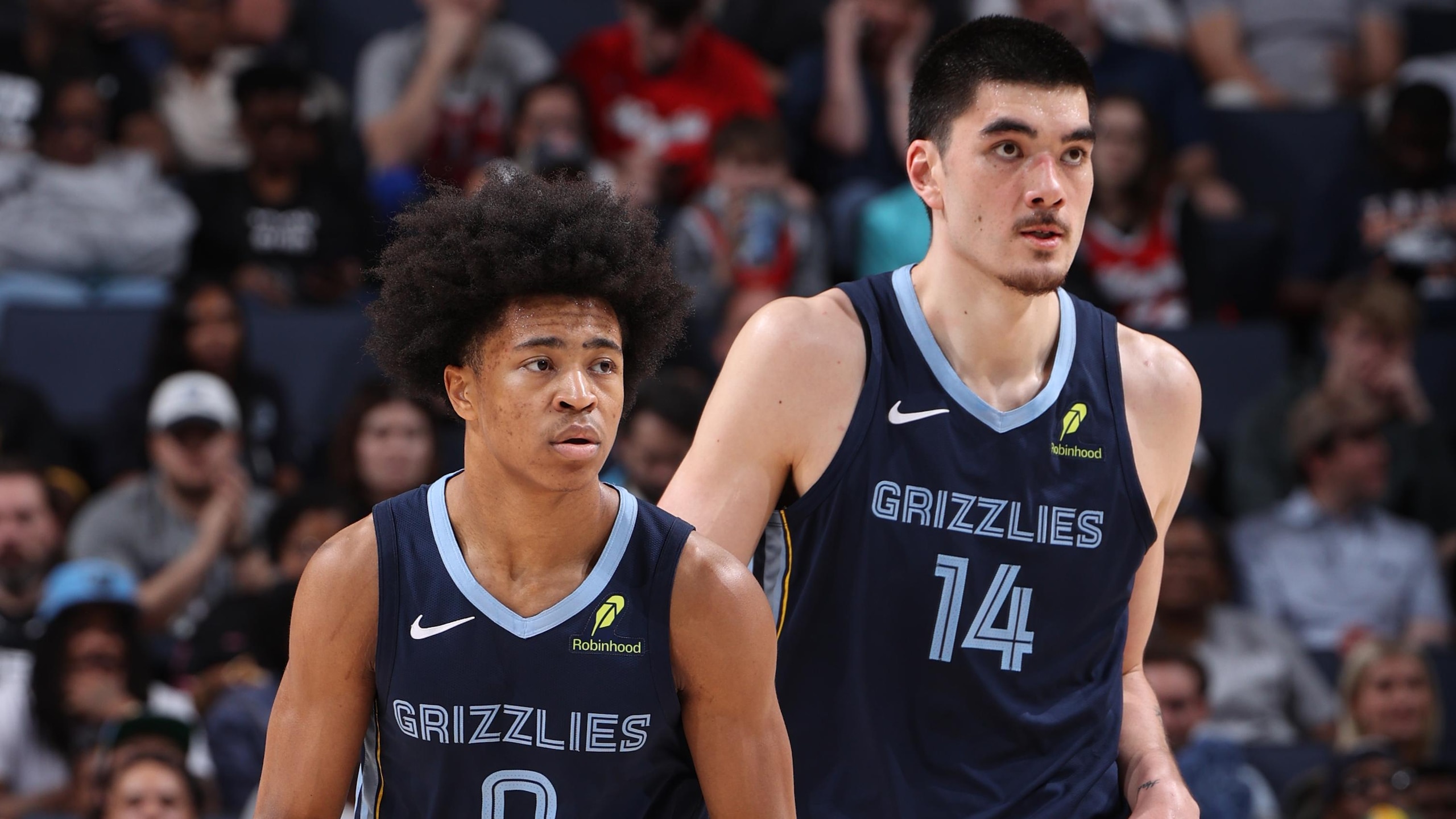
Jaylen Wells' offense cooled after the break, and his season ended a week early due to a scary fall that broke his wrist. He's still going to finish among this class' top five in starts, made triples, minutes, points and free throws. Most importantly, he's the only rookie to play a productive, high-leverage role on a winning team.
Actually, you could argue he's one of two. Teammate Zach Edey also started over 50 games for the postseason-bound Grizzlies, and he's going to finish among the top five in offensive rebounds and blocks. If you prefer catch-all metrics, Edey is 2024-25's rookie leader in win shares.
Wells' impact is the more impressive of the two, as no one should have expected the No. 39 pick to play this much or this well. Memphis routinely tasked him with defending the toughest opposing guard or wing, and Wells held up exceptionally well in that difficult role.
Grade: A
Miami Heat
16 of 30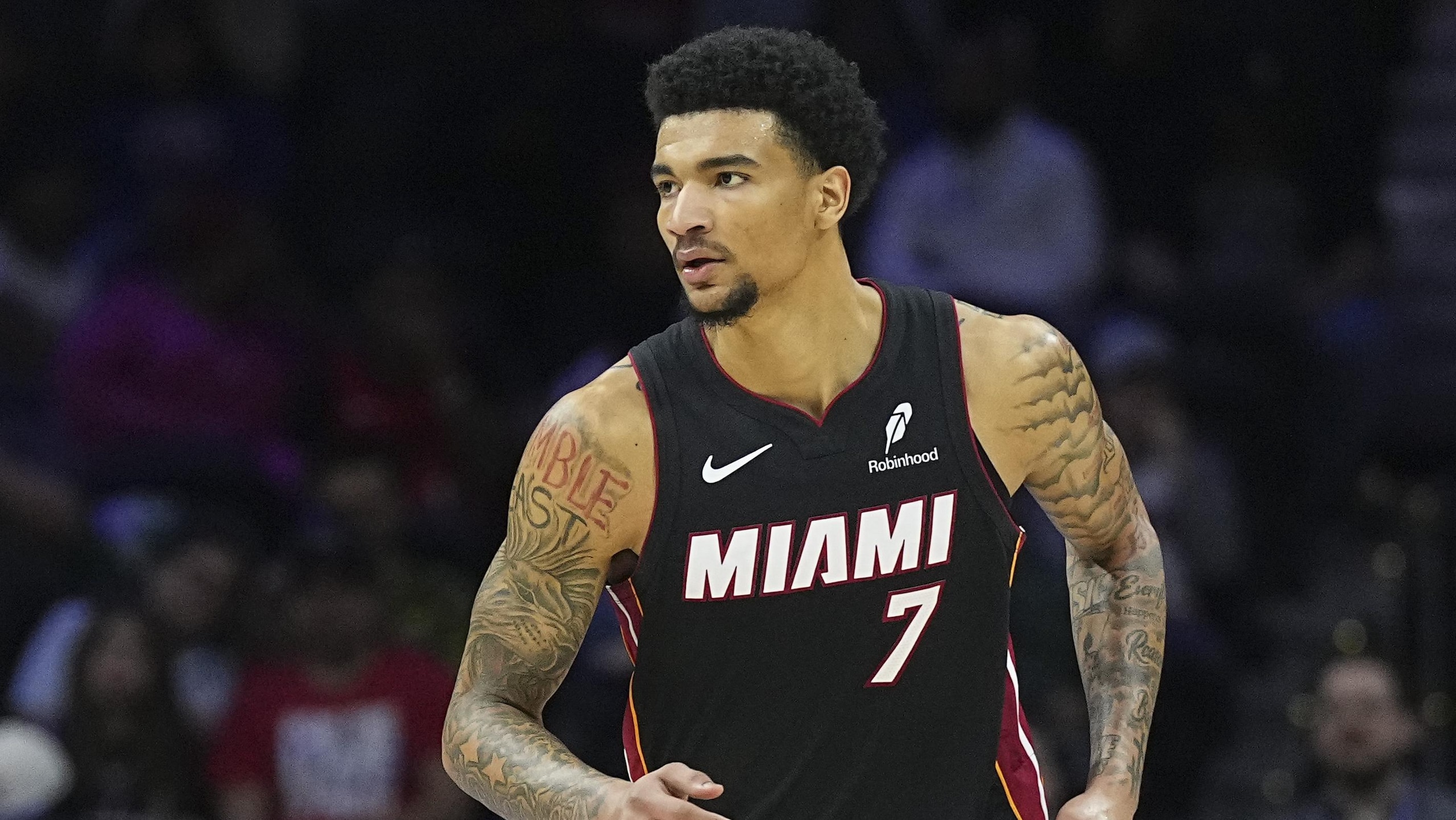
Kel'el Ware became a starting-lineup fixture in late January, and he's been one of the season's most productive rookies ever since. As a starter, Ware averaged a double-double and shot 53.5 percent from the field. Even more impressively, the Miami Heat won the minutes with their rookie center on the court over the course of the entire season, posting a plus-1.0 net rating across over 2,600 possessions.
Defensively, Ware needs to improve his timing and anticipation. But there's a lot to like about a big man with his size, athleticism and floor-spacing potential.
Second-rounder Pelle Larsson shuttled in and out of the rotation all season but is getting all he can eat in April as a regular starter. Don't read too much into late-stage play, but make sure to keep tabs on the versatile 6'5" wing for next year.
Grade: B
Milwaukee Bucks
17 of 30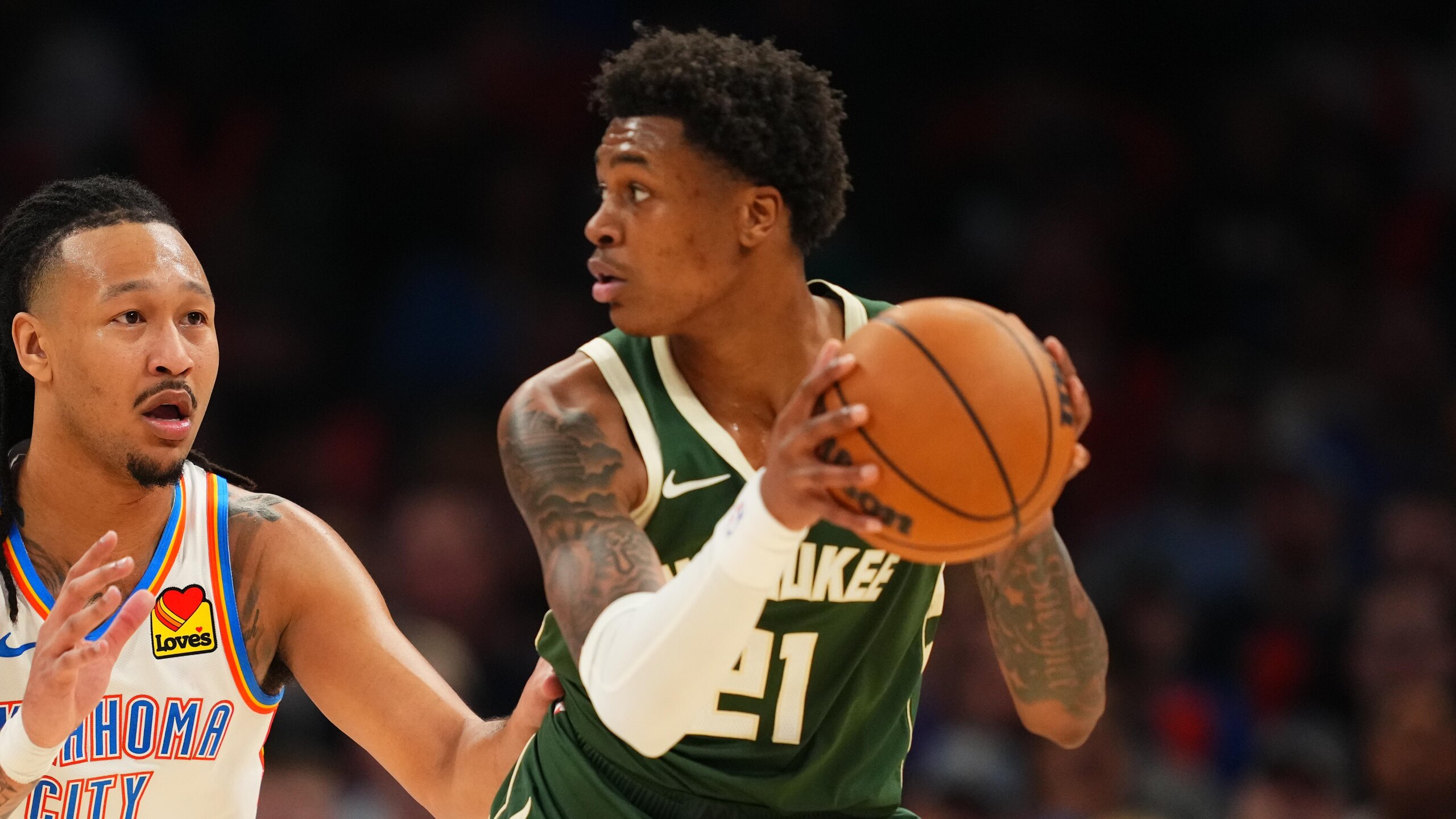
No. 23 pick AJ Johnson departed in the trade with the Washington Wizards that brought back Kyle Kuzma, a deal Milwaukee may come to regret. Johnson has looked frisky with the Wizards, racking up double-digit scoring nights on the regular since mid-March.
Tyler Smith, a 6'11" forward picked 33rd, appeared in 22 games through the first week of April and could have a future as a spacing big man. He's getting up 12.6 three-point attempts per 100 possessions, an extremely high firing rate for any position. If he can sustain something close to that volume at league-average accuracy (he's at 37.5 percent through his first 24 attempts on the year), the Bucks might have something.
The Bucks didn't view Bobby Portis' suspension as a reason to scale up Smith's role, though. He hasn't played more than five minutes in a game since Feb. 2.
Grade: D
Minnesota Timberwolves
18 of 30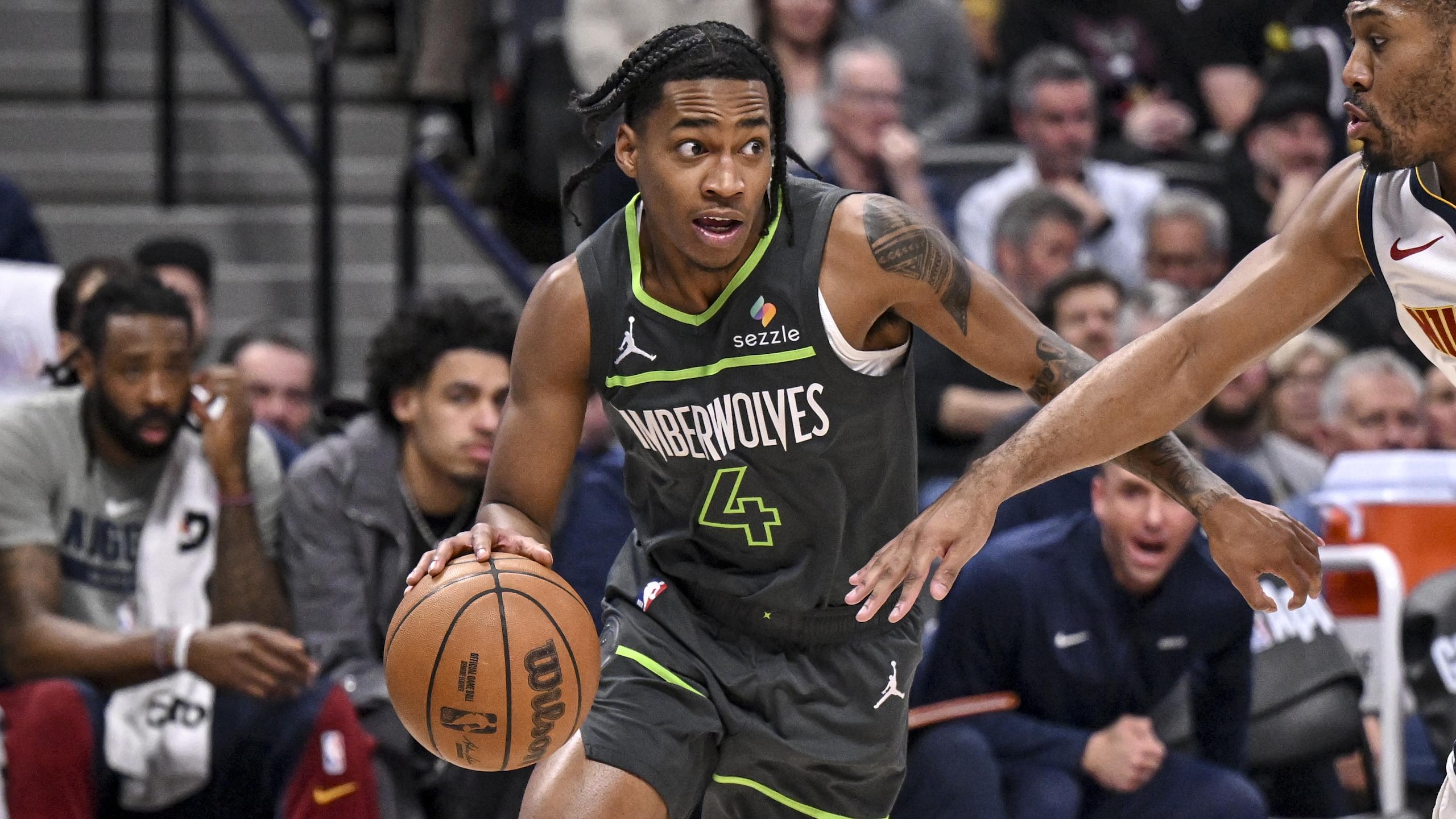
It's way too early to sell stock in the exceptionally quick Rob Dillingham, particularly because he had some legitimately impactful moments as a shot creator when given chances to play. Minnesota, though, didn't lean on Dillingham as the season progressed.
Good news! The Wolves enjoyed far greater production from Terrence Shannon Jr. and Jaylen Clark than they could have imagined.
Those two both averaged over 13.0 minutes per game after the break, and Clark's 43.1 percent shooting from deep on the season justified that playing time. Shannon Jr. didn't shoot it quite that well, but he was a helpful offensive player who posted an assist rate in the 72nd percentile among forwards.
Grade: B
New Orleans Pelicans
19 of 30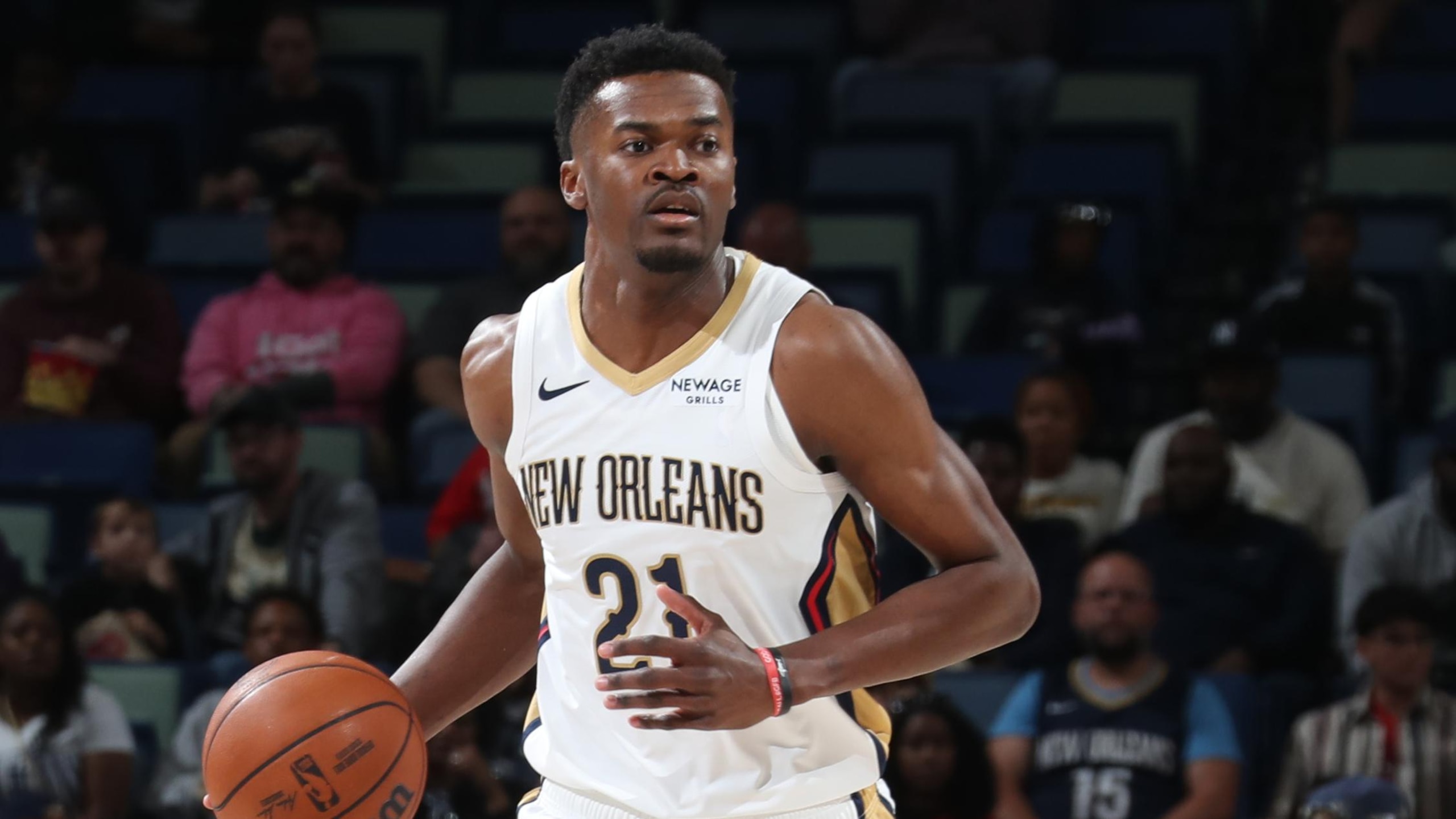
Yves Missi couldn't solve all the problems that arose for the injury-riddled New Orleans Pelicans during a lost season, but he did address the one people were talking about before everything fell apart.
The No. 21 pick gave the Pels a legitimate option at center
Missi never finished well inside, and his defensive rebounding was merely average among bigs. But as a shot-blocker and offensive-rebounder, he graded out extremely well, ranking in the 76th and 88th percentiles, respectively.
Karlo Matkovic outperformed his own No. 52 draft slot upon earning a rotation role in February, but Missi was the real story here. He'll finish fourth among rookies in minutes and No. 1 with a bullet in total rebounds.
Grade: B
New York Knicks
20 of 30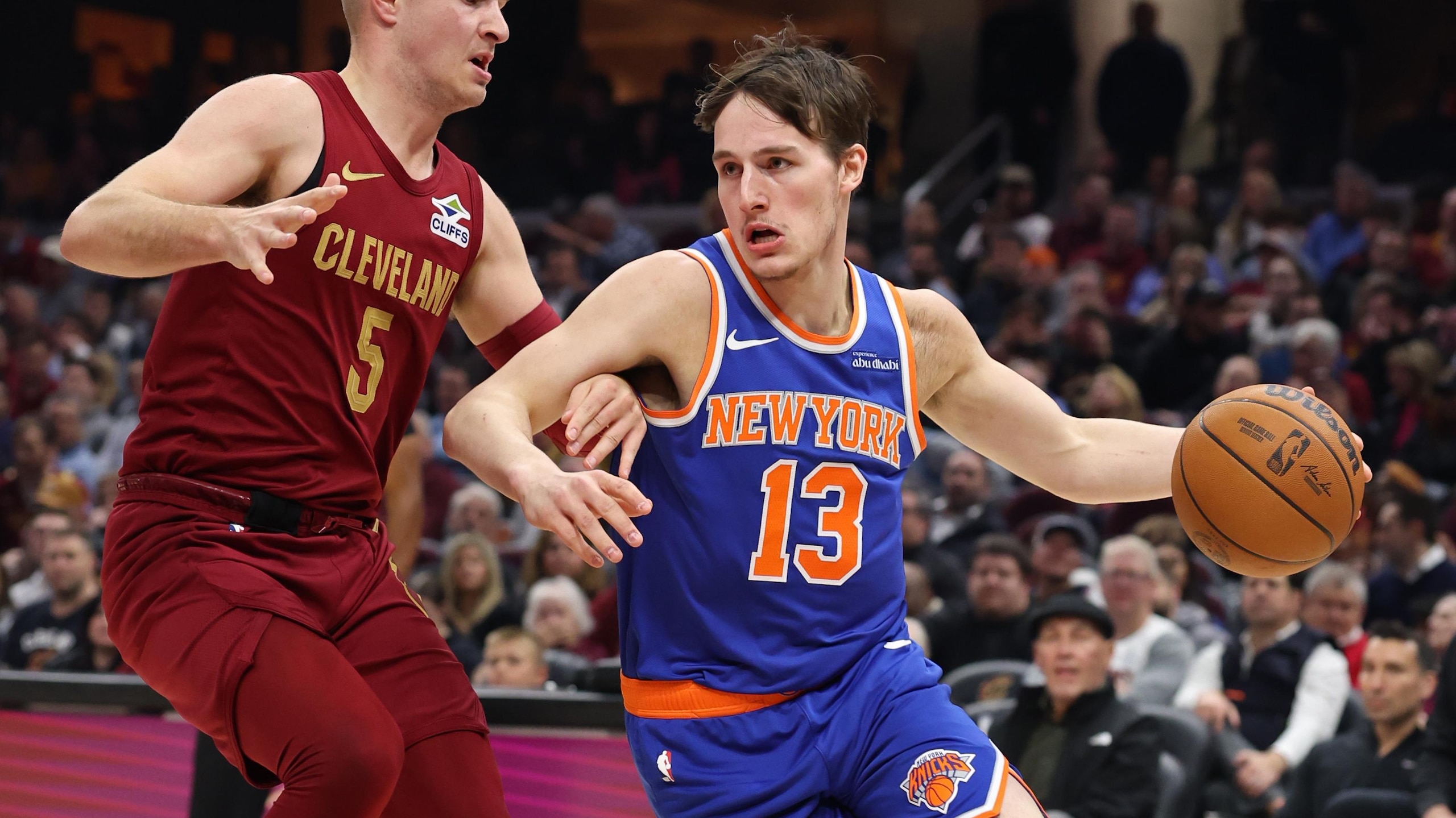
Ariel Hukporti was the only Knicks rookie who saw much playing time after Jan. 1, but a torn meniscus put him on the shelf for good on Feb. 26. His role was always going to diminish when Mitchell Robinson returned, but the injury basically eliminated first-year contributors from New York's rotation.
Tyler Kolek will wind up leading Knicks rookies in appearances (40 through April 8), and he's shot a solid 38.2 percent from deep while struggling to finish inside the arc. He also averaged 18.0 points and 9.8 assists in the G League.
Pacome Dadiet remains a project who hasn't produced efficiently in limited NBA minutes or during G League play. Still just 19, he has the highest ceiling of the bunch but isn't anywhere close to reaching it.
Grade: C
Oklahoma City Thunder
21 of 30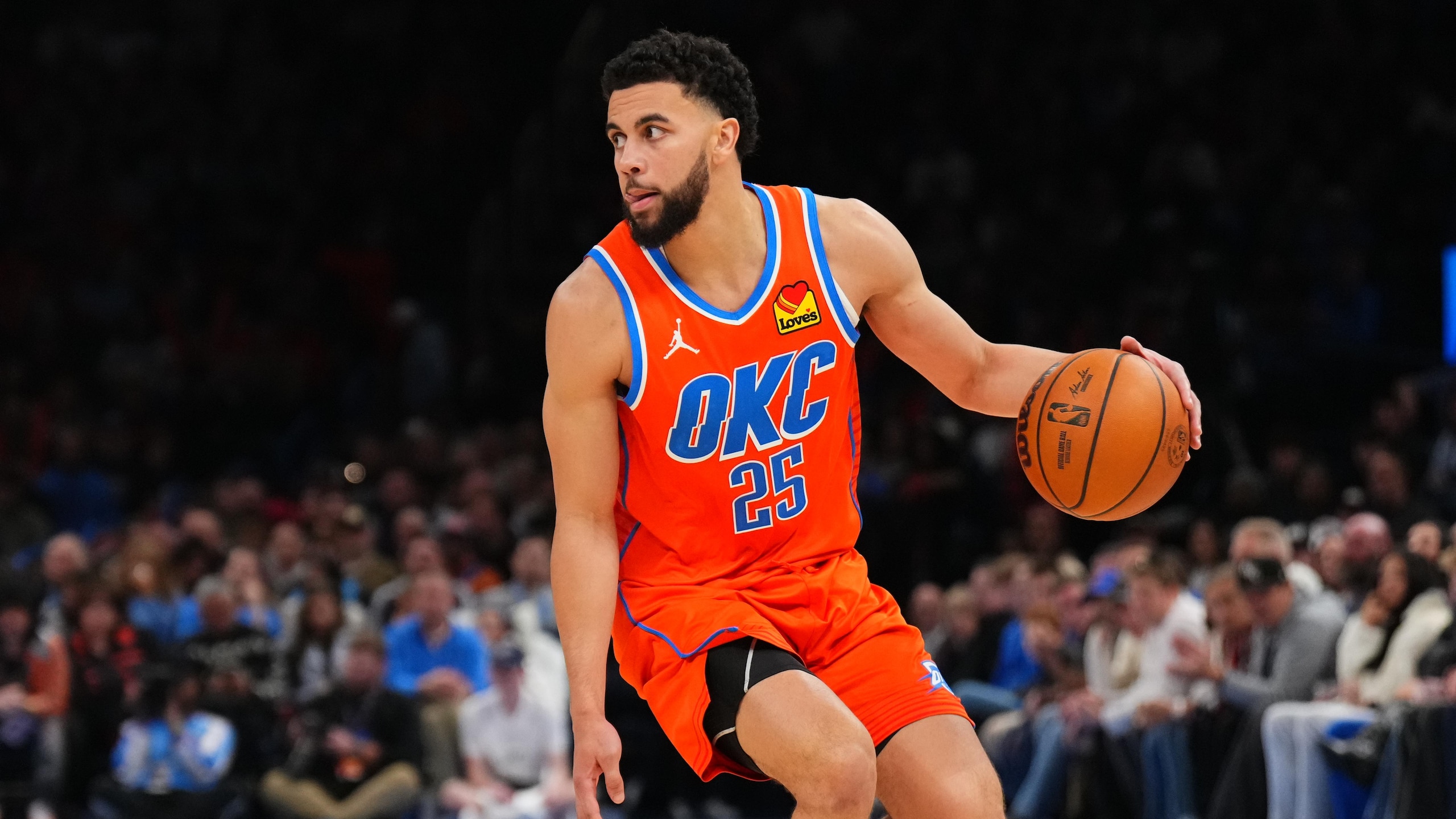
Second-rounder Ajay Mitchell underwent turf toe surgery in January and never made it back for regular-season action. Prior to injury, Mitchell was on track to make an All-Rookie team as the No. 38 pick. His exit cost the Oklahoma City Thunder one of their better reserve ball-handlers, though returns to health from veterans like Alex Caruso offset Mitchell's absence.
Mitchell was averaging 6.4 points per game and hitting 43.1 percent of his threes when he left the lineup. The lefty guard displayed advanced feel and passing vision, establishing a real role on a team running away with the West's best record.
Dillon Jones averaged 9.4 minutes and 2.2 points per game in February and didn't do much more than that in March. Branden Carlson and Alex Ducas had even smaller roles—no surprise on a squad as loaded as OKC.
Embarrassment of riches note: Lottery pick Nikola Topić didn't even play this season while recovering from injury. He figures to battle Mitchell for minutes in 2025-26.
Grade: B
Orlando Magic
22 of 30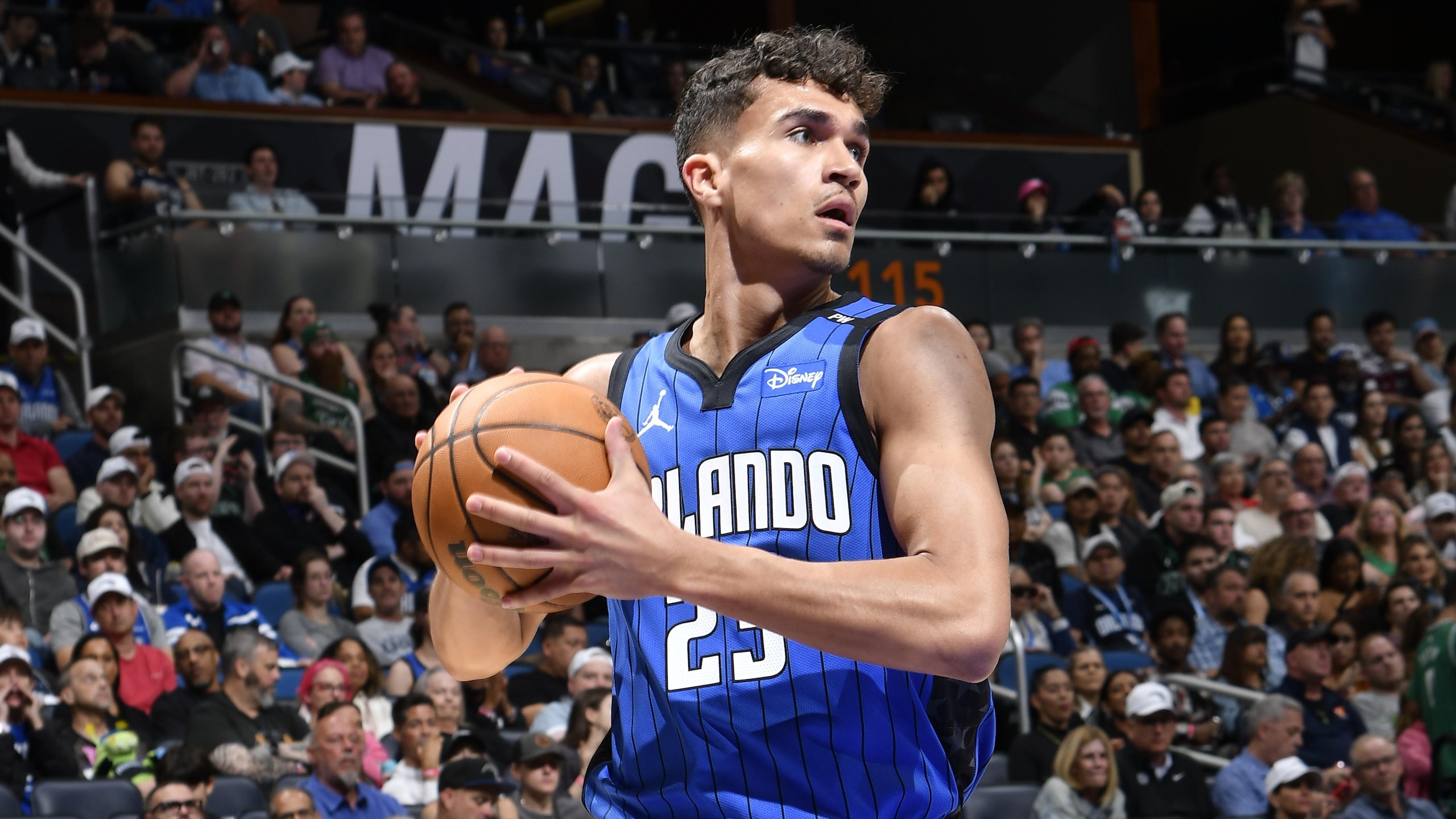
Though he exhibited solid two-way feel as a connective passer, cutter and team defender, Tristan da Silva's numbers trended the wrong way from December on. After averaging 10.1 points per game to close out the final month of 2024, he dipped to 8.3 in January, 4.8 in February and 3.9 in March.
Some of that decline owed to the Magic getting healthier, but da Silva was a regular starter in November before Paolo Banchero went down with his oblique injury. Mostly, the rookie lost his gig for performance reasons.
Only a handful of rookies earned more playing time than da Silva, who also deserves credit for taking on a surprisingly large role for a playoff-bound team. That said, it's going to be difficult for the 6'8" wing to help Orlando's uninspiring offense if he can't shoot better than 41.2 percent from the field and 33.0 percent from deep.
Grade: C
Philadelphia 76ers
23 of 30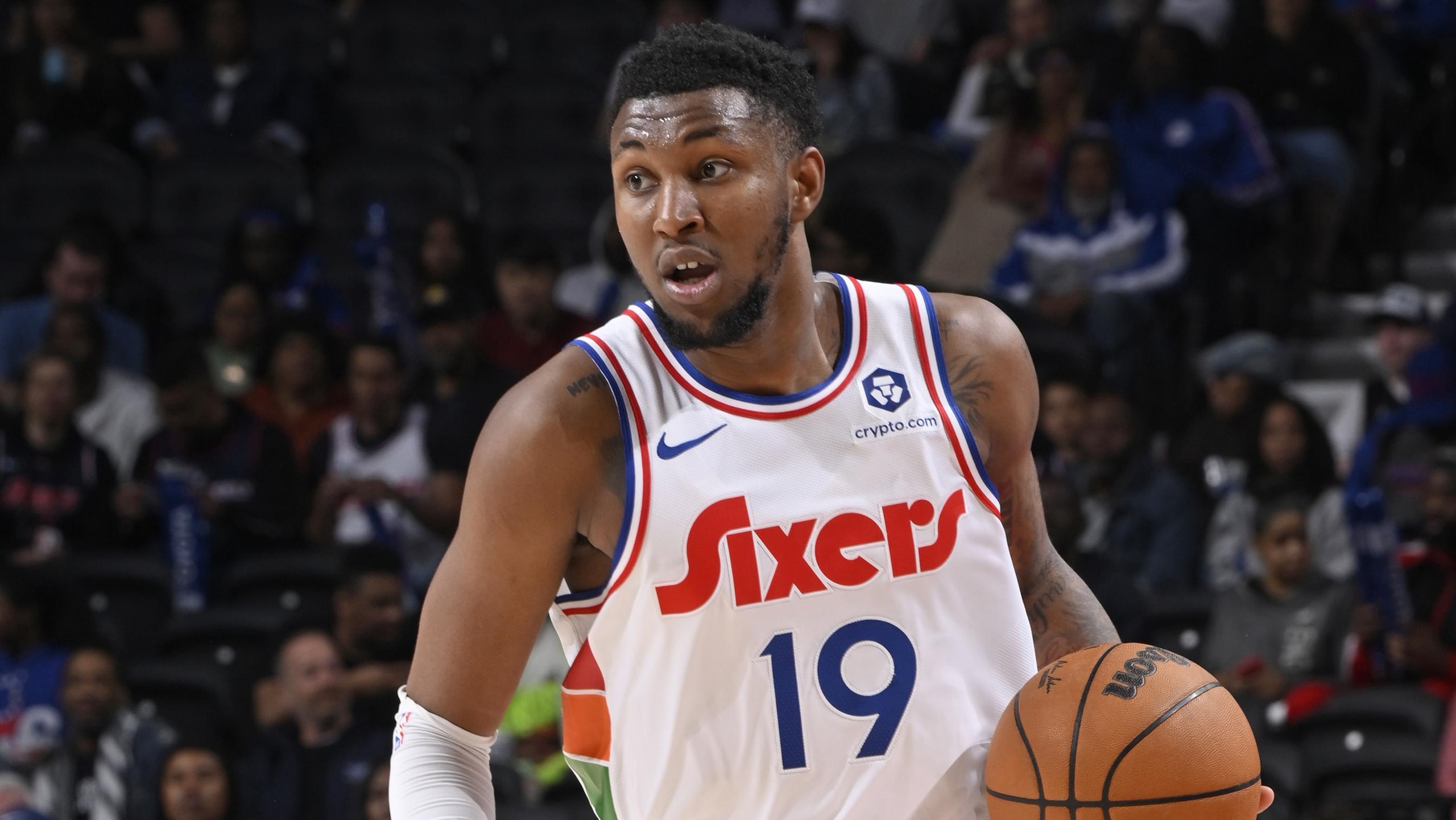
When you throttle up the tank, rookies get plenty of late-season reps, and that's why we at least get to mention Justin Edwards, Adem Bona and Alex Reese before focusing on early-season standout Jared McCain.
Of the non-McCain class, Edwards appears to have the most staying power. Initially inked to a two-way deal, he averaged 12.7 points, 3.6 rebounds and 1.8 assists after the break and earned a conversion to a standard contract. He has a real shot to be among the first wings off Philly's bench next season.
McCain looked to have an inside track on Rookie of the Year prior to tearing his meniscus. He averaged 15.2 points and shot 38.3 percent from deep in 23 games. Questions about his fit next to Tyrese Maxey and Quentin Grimes are legitimate, but the guard's surprising shot-creation skills and excellent off-ball feel make him an exciting offensive piece for 2025-26.
Grade: A-
Phoenix Suns
24 of 30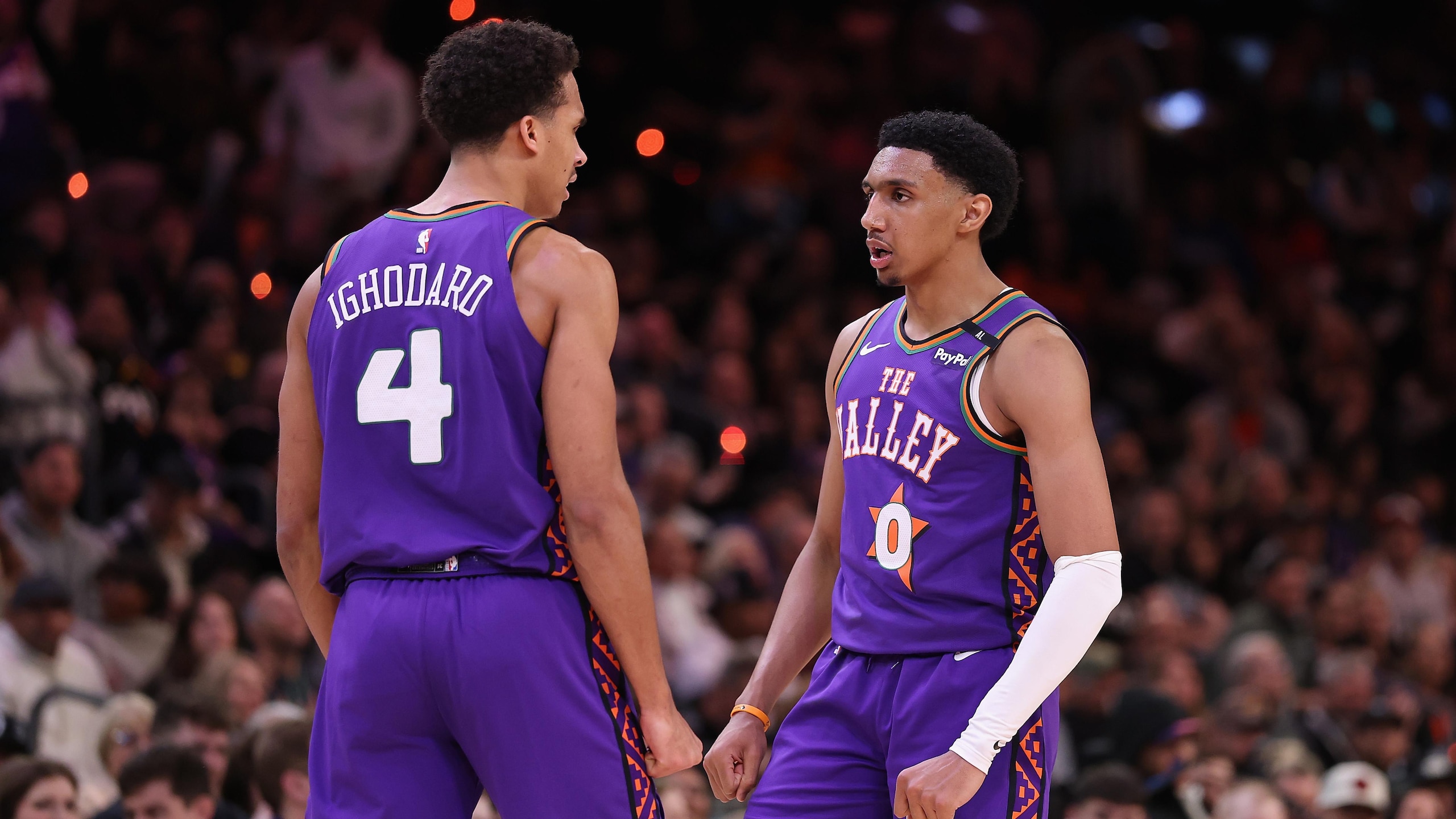
Ryan Dunn (No. 28) shot 29.0 percent from the field and 21.1 percent from deep in February but upped those rates to 43.1 and 35.1 percent, respectively, in March. Barring a closing swoon, he's going to just barely stay above 30.0 percent from distance for the season. Though Dunn remains a solid defender, his shooting simply hasn't been consistent enough to suggest he's a rotation piece on a good team right now.
Oso Ighodaro (No. 40) began to see extended minutes in March and showed off the defensive mobility, floater touch and short-roll passing that could keep him in the mix as a backup big next season. An extremely low-usage player (under 12.0 percent in every month of the season), Ighodaro may need to develop more scoring volume to really make an impact.
Both Dunn and Ighodaro showed flashes of quality play as rookies, but the high-end upside is hard to see. Considering where they were drafted, that's about in line with expectations.
Grade: C
Portland Trail Blazers
25 of 30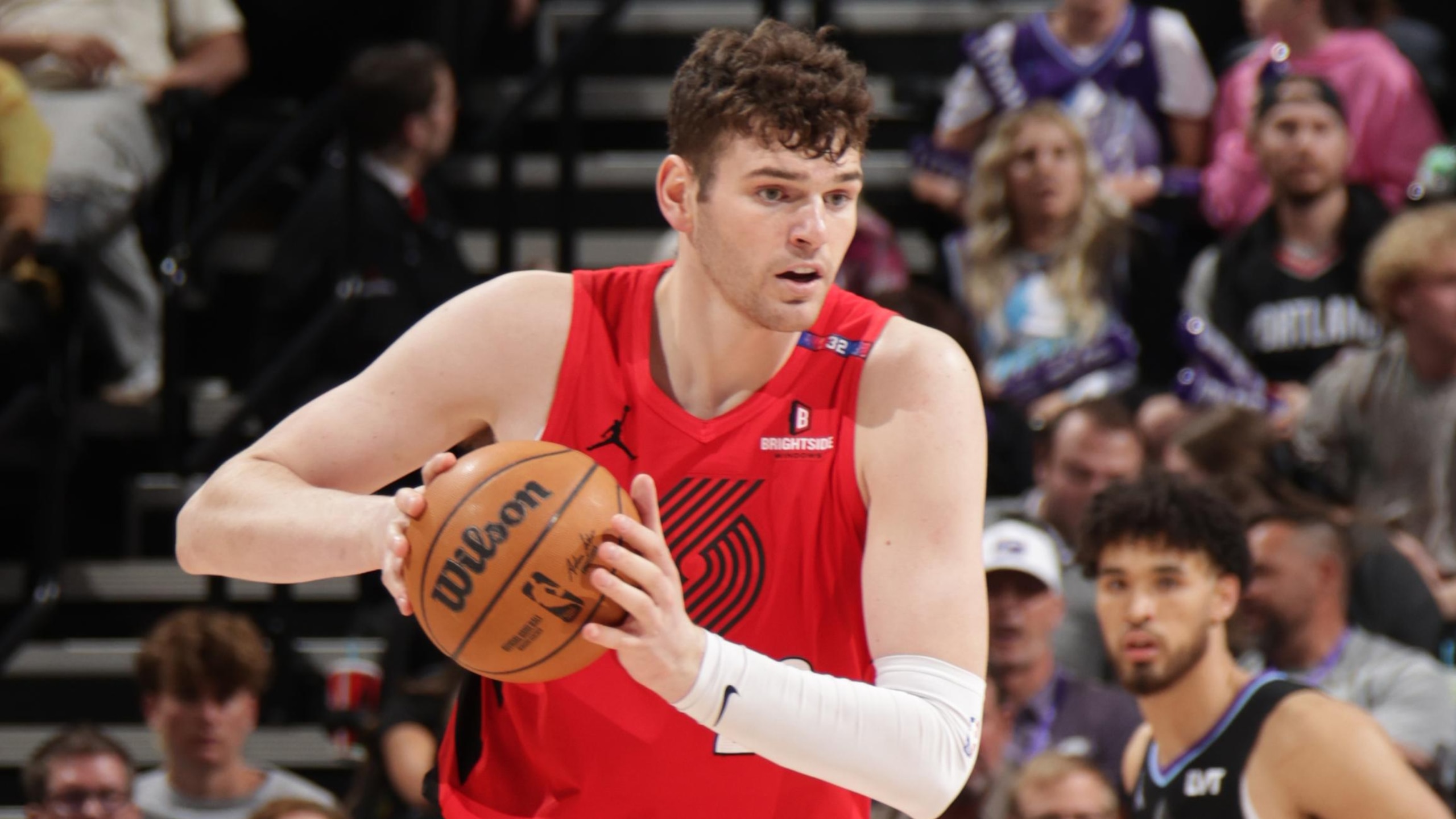
Donovan Clingan grabbed a starting role in the middle of February and promptly started doing exactly what his pre-draft billing said he would. The hulking 7-footer hoarded boards, swatted shots and established an imposing presence inside.
Whether it was his 10 offensive rebounds against Denver on Feb. 12, the 13 he snared on Feb. 24 or the eight blocks he tallied way back on Nov. 13, Clingan routinely affected the game near the basket.
Though he's cracked the 30-minute mark more often over the last few weeks, a generally limited role means the rookie's counting stats don't leap off the page.
Rate stats love Clingan, though. He's in the 98th percentile among bigs in block rate and the 96th in offensive rebound rate. Opponents attempt 5.4 percent fewer shots at the rim when he's in the game, an elite figure.
Grade: B
Sacramento Kings
26 of 30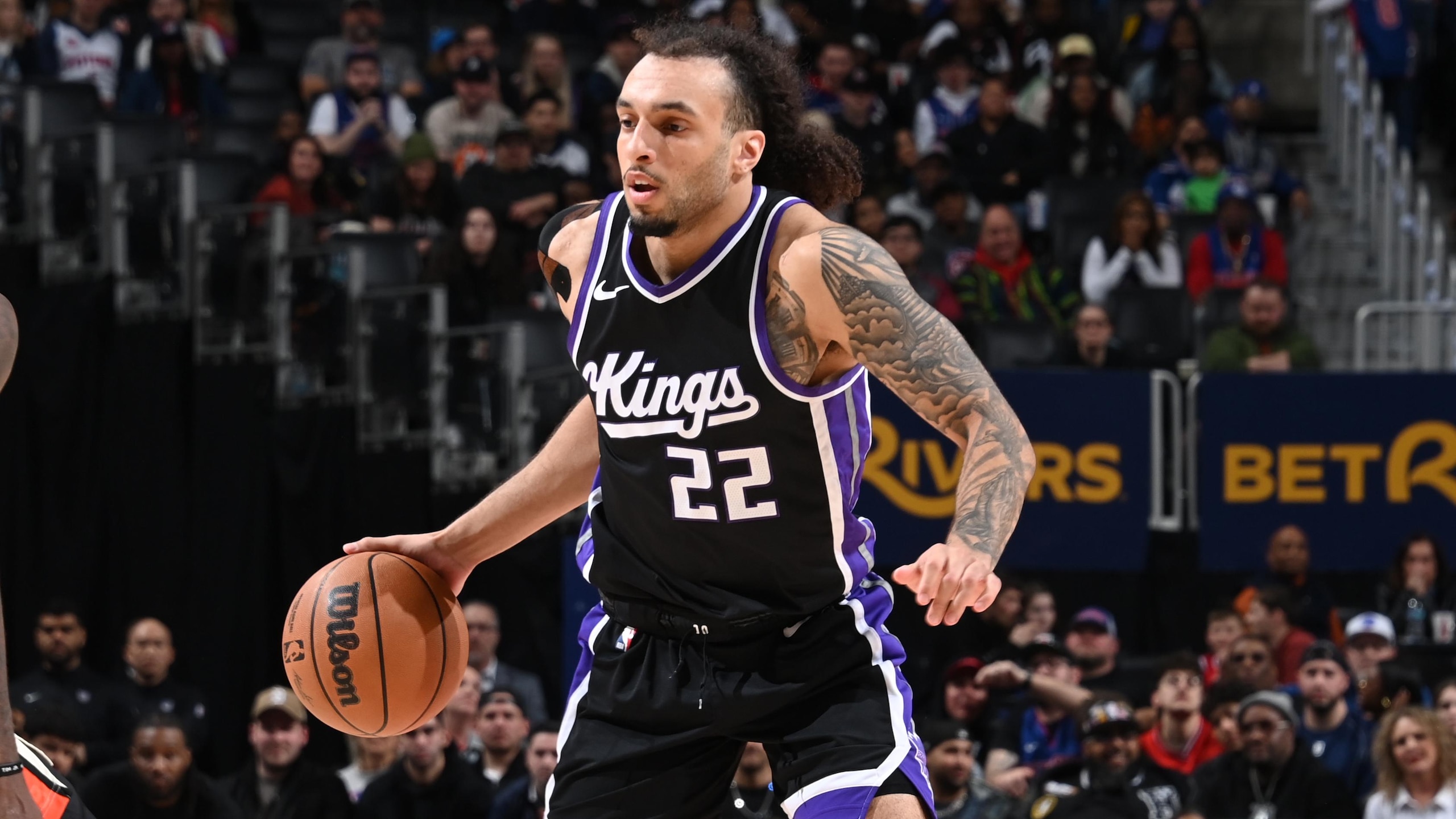
Isaac Jones and Isaiah Crawford both averaged fewer than 6.0 minutes per game after the break, which means Devin Carter, Sacramento's first-round pick, is basically the sole focus of the rookie-class grade.
Carter hasn't exactly piled up the playing time himself, but he's showcased defensive tenacity to go with the occasional scoring outburst, like when he put up a career-best 16 points across 30 minutes in a 123-119 win over the East-leading Cavs on March 19.
Carter's debut was delayed by shoulder surgery, and maybe that's a fair excuse for his uneven performance overall. At 37.6 percent from the field and 27.6 percent from deep, it's going to take major progress for him to feature as a useful offensive piece next season. Already 23, it's hard to price in that much growth.
Grade: C-
San Antonio Spurs
27 of 30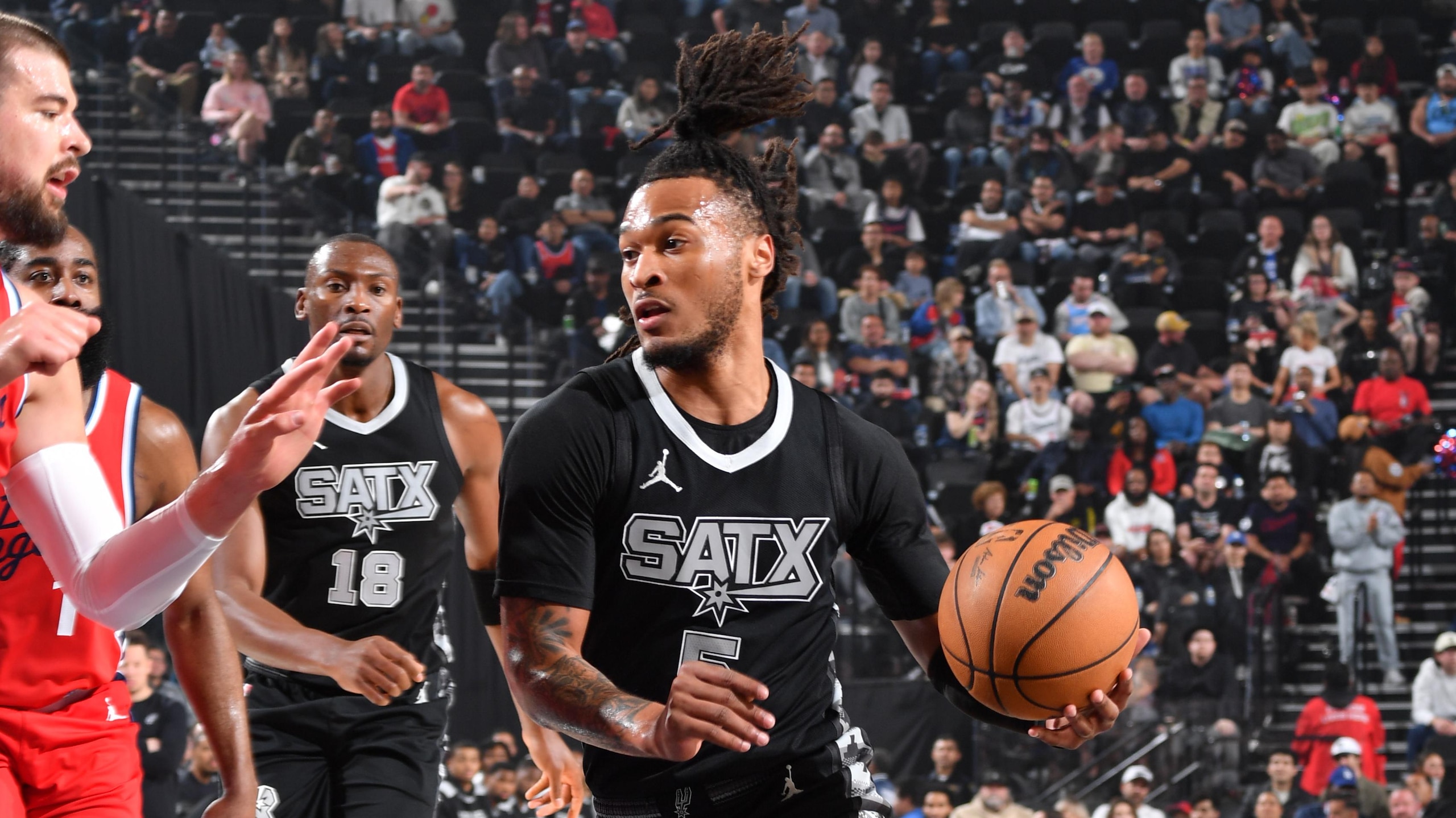
No rookies had higher highs than Stephon Castle, who might already be a reliable jumper away from stardom.
Castle showed off elite athleticism and surprisingly good feel on both ends from the jump, and he added real production to that package once he got enough of an on-ball role to spread his wings.
In March, he put up 19.5 points, 4.8 assists and 4.4 rebounds across 17 games, 10 of which he started. His 102 free-throw attempts across that sample were evidence of the pressure his speed and strength put on defenders. As he improves his craft, Castle is only going to become tougher to guard.
On track to finish first among rookies in points, free throws and steals, the San Antonio Spurs guard has the highest ceiling in the class.
Grade: A
Toronto Raptors
28 of 30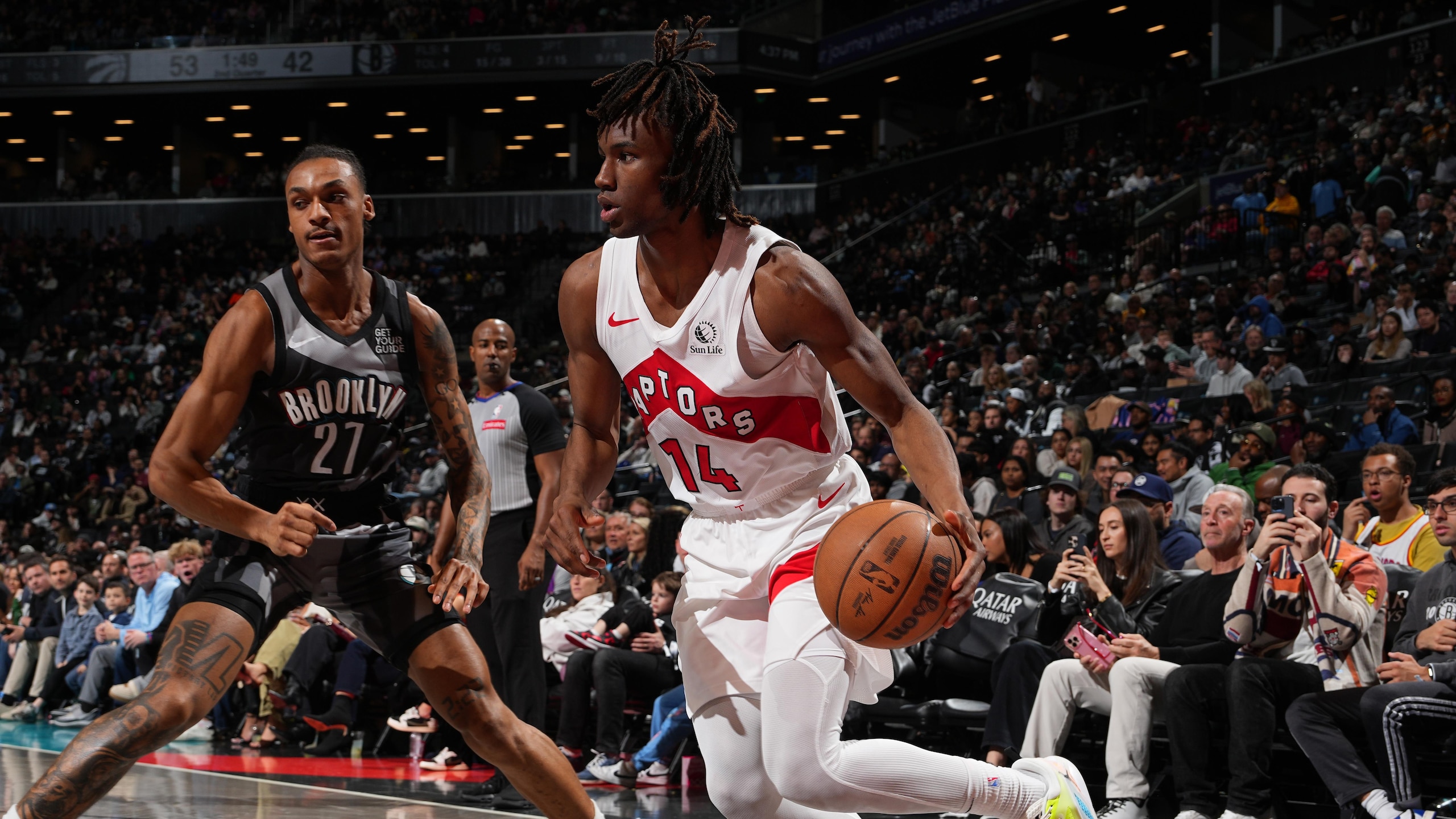
Four Raptors rookies averaged at least 20.0 minutes after the All-Star break, led by sharpshooter Jamison Battle.
Joining him was tantalizing wing Ja'Kobe Walter, who found his three-point stroke while averaging over 10.8 points per game in 16 post-break appearances. Jamal Shead defended tough opposing guards and averaged 5.3 dimes, while Jonathan Mogbo continued to offer grab-and-go value and disruptive D as an undersized big.
On the year, Battle probably offered the most value by hitting 41.0 percent of his threes. But Walter has come on strong and leads first-year Raptors in Estimated Wins Added. The No. 19 selection out of Baylor, Walter showed glimmers of star upside when given the minutes and higher-usage role.
Plenty of teams had higher quality rookies, but you'd be hard pressed to find anyone topping Toronto's quantity of first-year contributors.
Grade: B
Utah Jazz
29 of 30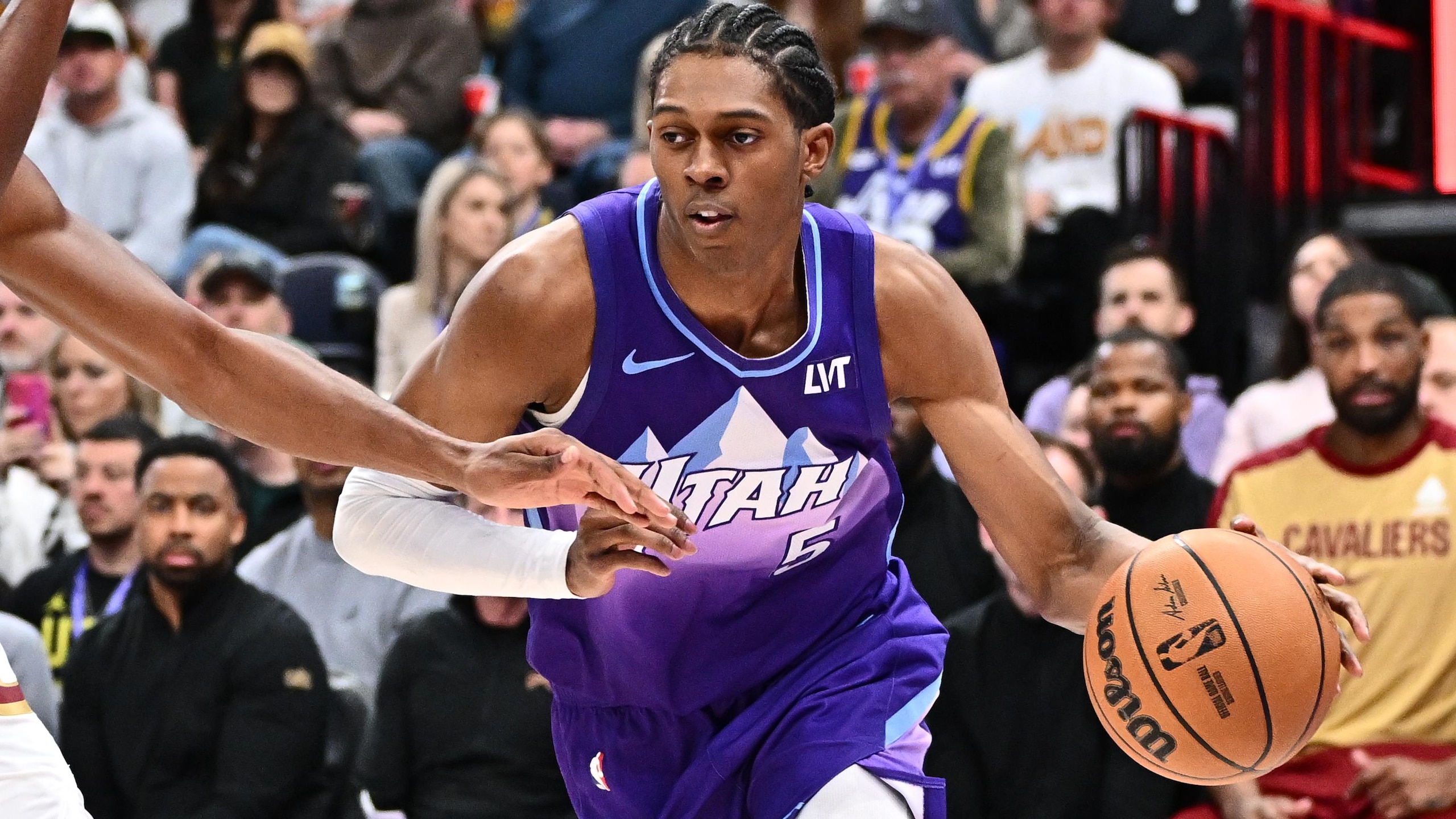
It's a good thing Isaiah Collier and Kyle Filipowski wound up closing out Utah's tanktastic season as starters. If those two hadn't outproduced their No. 29 and No. 32 draft slots, we would have had to give the Jazz's rookie class a failing grade.
Cody Williams was that ineffective.
The No. 10 pick made 18 field goals in his first 16 games and scored in double digits just four times all season. He made 32.3 percent of his shots from the field, 25.9 percent from deep and averaged just 2.0 assists and 3.8 rebounds per 36 minutes. Just 19 when he was drafted, the 6'7" wing has plenty of time to find his game. But Williams was invisible as a rookie.
Collier drives the ball effectively and ranks in the 80th percentile among point guards in assist rate, while Filipowski might be among five best offensive rookies in the class.
Utah got nothing from its lottery pick and quite a bit from its later selections. That balances out to an average mark.
Grade: C
Washington Wizards
30 of 30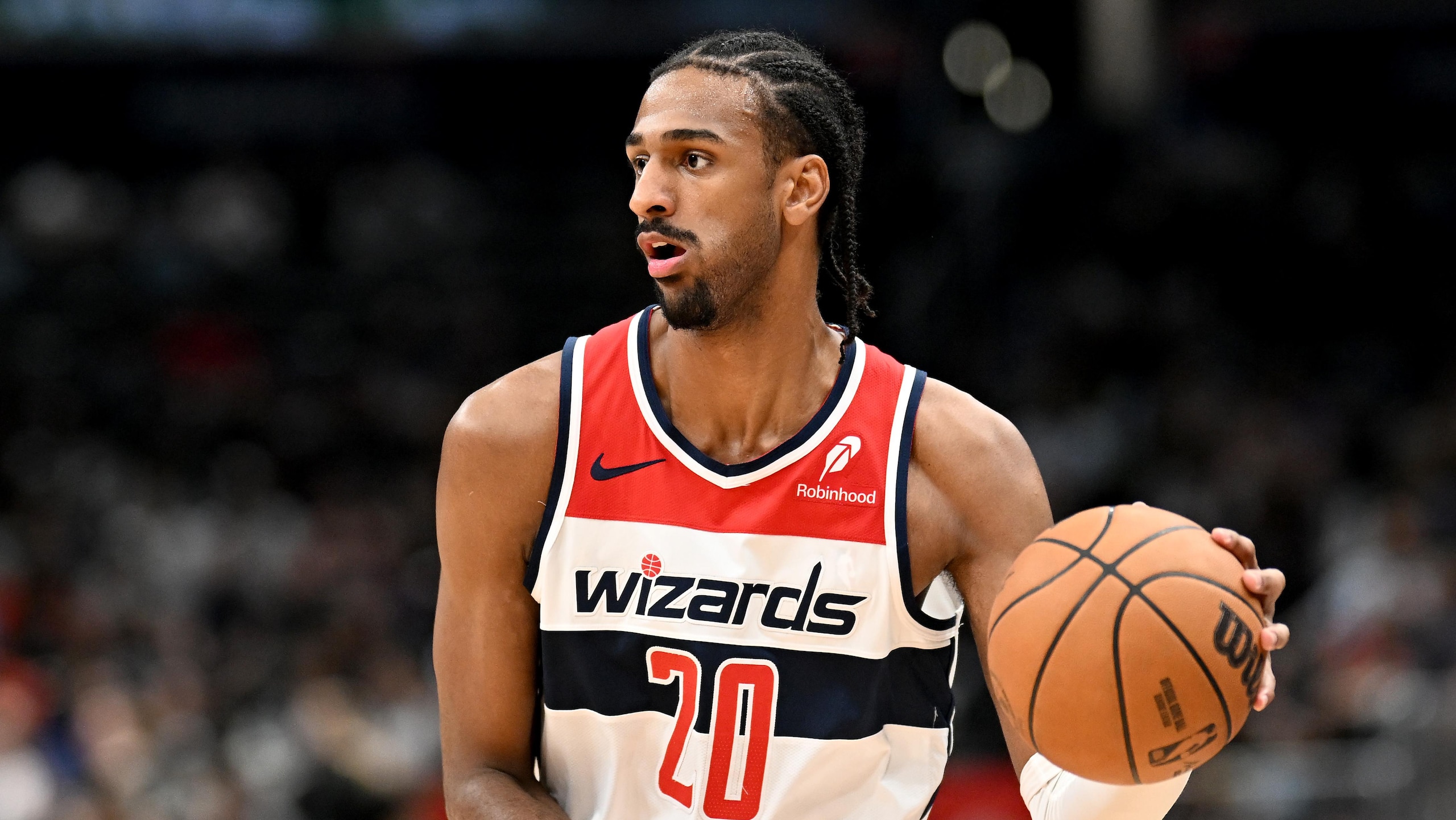
Bub Carrington (first), Alex Sarr (seventh) and Kyshawn George (eighth) will all finish in the top 10 in minutes among 2024 rookies, giving the Wizards a ton of total contributions from their first-year players. Not coincidentally, Washington stunk this year.
Sarr was among the least efficient two-point shooters among centers in the last few decades, but he'll also finish 2024-25 as the only rookie with at least 100 blocks and 100 made threes. Carrington will finish behind only Collier in assists while also ranking fifth in total points scored.
George shot just 32.1 percent from deep on the year but defended with intensity and has the frame of a coveted two-way wing.
All three showed flashes of what they might become, and their sheer volume of playing time looks good compared to the rest of the class. But it's hard to argue any of Washington's rookies established a clear case as a future starter on a good team.
Grade: B-
Stats courtesy of NBA.com, Basketball Reference and Cleaning the Glass. Salary info via Spotrac.
Grant Hughes covers the NBA for Bleacher Report. Follow him on Bluesky and subscribe to the Hardwood Knocks podcast, where he appears with Bleacher Report's Dan Favale.
.jpg?w=2560 "Grading Wild MITB PLE 😮💨")
.png?w=2560 "Money In The Bank Ends In Shocker 💼")
.jpg?w=2560 "Cardinals Finalizing MHJ Trade")
.png?w=2560 "Week 6 Winners & Losers 📊")
.jpg?w=2560 "Report: Cowboys Open to More Trades")
.jpg?w=2560 "Follow All The MITB Action Live 💼")