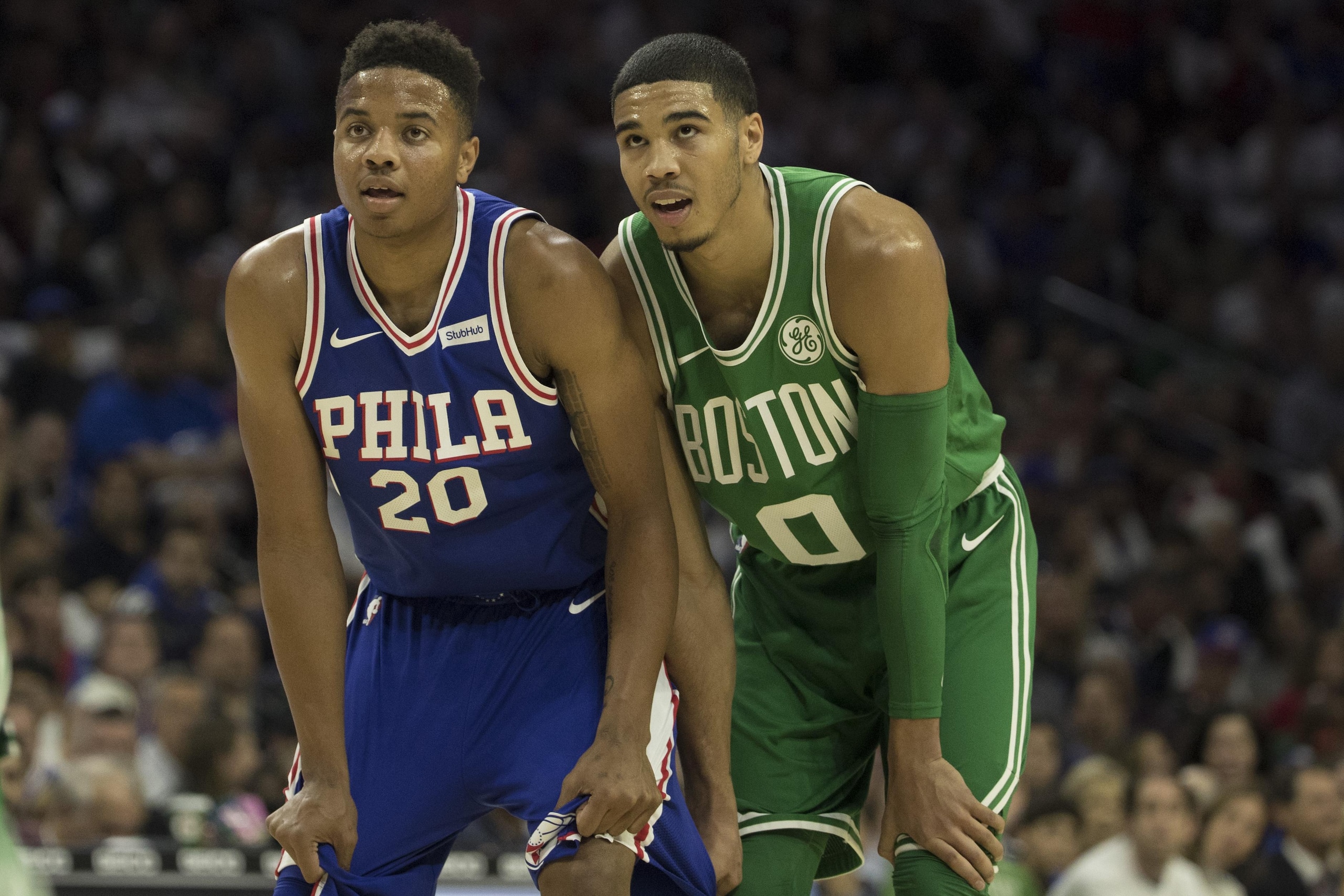

2017 NBA Re-Draft: The Markelle Fultz, Lonzo Ball, Jayson Tatum Class
The 2017 NBA draft class, which springs to mind every time the Boston Celtics and Philadelphia 76ers lock horns, was stacked.
It just wasn't loaded the same way evaluators initially believed.
There were annual All-Stars and perennial MVP candidates in the mix, but they weren't one of the two players taken at the top. Oh, and of the six players from this class to make an All-Star roster, only half were selected in the top 10.
In other words, this is a draft that might look dramatically different with hindsight, and since we have that at our disposal, we can re-run the selections now that we know—or at least have a very good idea of—how these players' careers have turned out.
As with most redrafts, this exercise eschews team fits and focuses only on the players involved. And with this draft so far into the rearview, we're weighing past and present production a lot more than any potential that may return untapped.
So, if someone can call NBA commissioner Adam Silver up to the podium, let's start running through all of the 2017 draft picks as they should have happened.
1. Boston Celtics: Jayson Tatum
1 of 30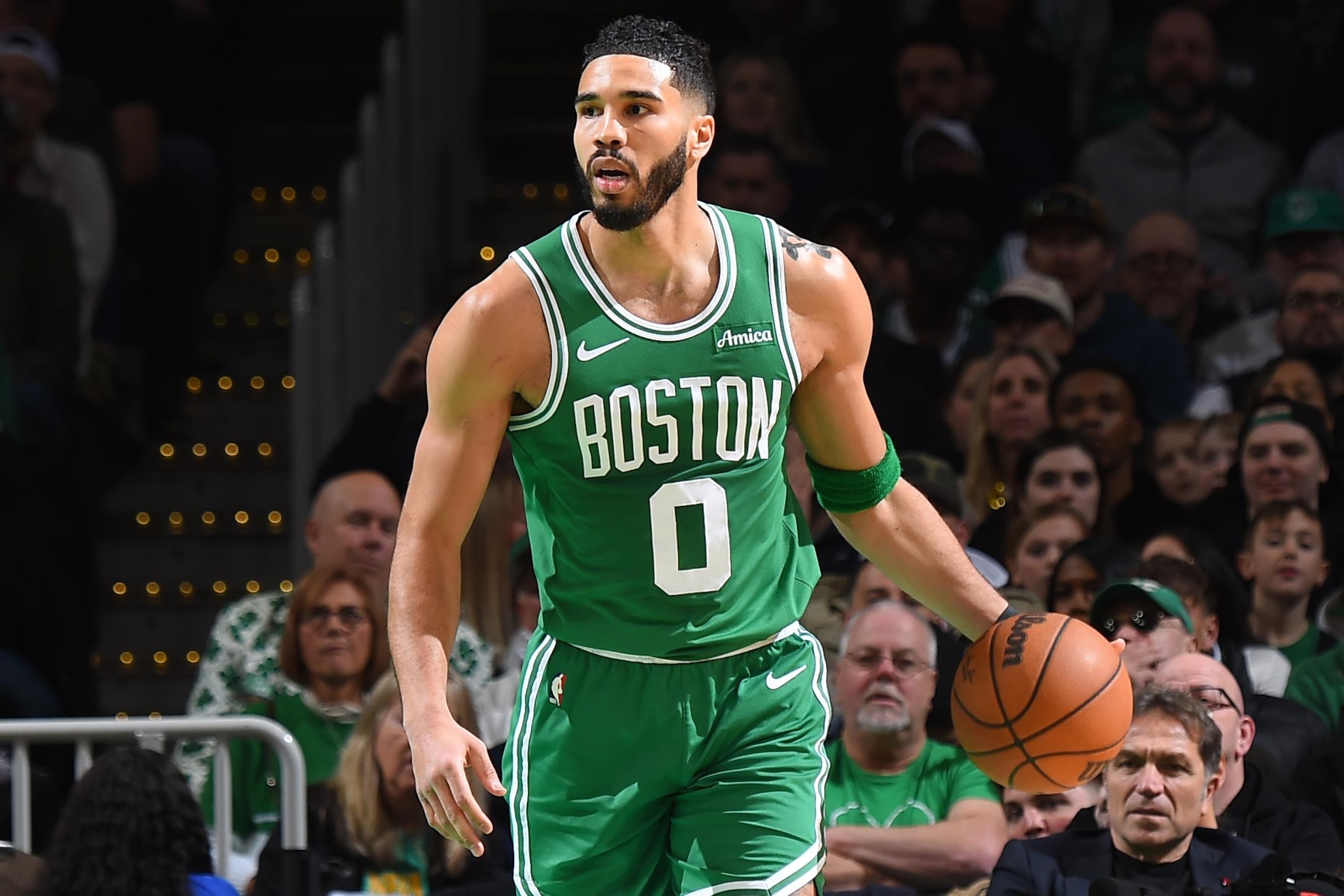
Original pick: Markelle Fultz
Jayson Tatum's original draft position: No. 3
While Tatum has perhaps never crested the best-player-on-the-planet conversation, he has done just about everything else a superstar can do.
Multiple All-NBA first-team selections? Check. Annual All-Star invitations? Check. MVP consideration year after year? Check. Best player on a championship team? Check.
There are few players in the league with more bona fides than his, and none are members of this draft class. He is an elite two-way talent and a no-brainer pick at No. 1.
2. Los Angeles Lakers: Donovan Mitchell
2 of 30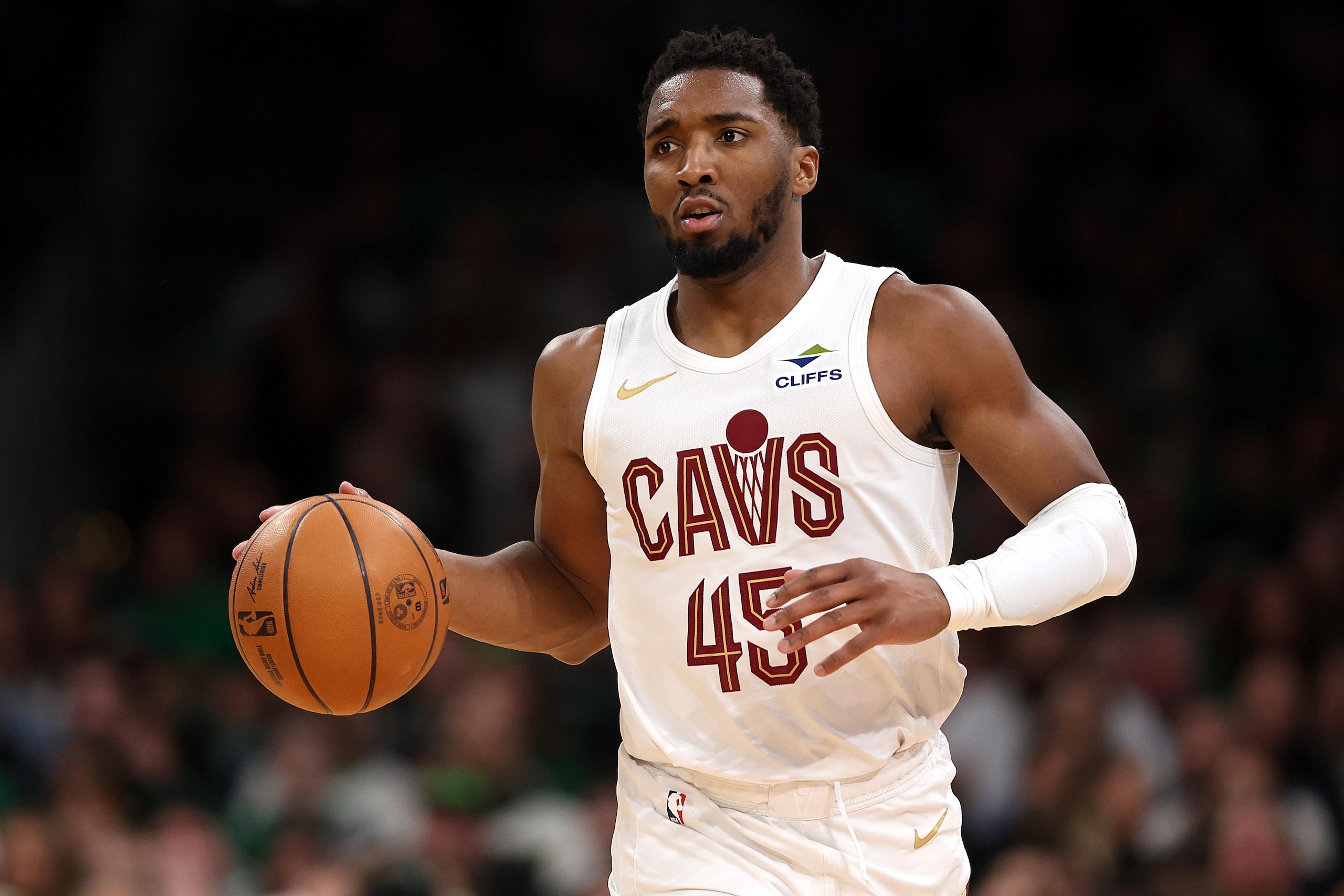
Original pick: Lonzo Ball
Donovan Mitchell's original draft position: No. 13
Run this re-draft even a few years back, and Mitchell would face some stiff competition for this spot. Now, though, his offensive impact (powered in no small part by increased efficiency) is too great to ignore.
He has mastered the delicate balance of boosting both his three-point volume and accuracy. He has widened the gap between his assists and turnovers. He has proved he can thrive under the spotlight or share center stage with others, flexibility that has helped him succeed at high levels in dramatically different situations with the Utah Jazz and Cleveland Cavaliers.
He is on course to be the leading scorer—if not best player—on a team with a .700-plus winning percentage for the second time of his career. In other words, he doesn't just put up numbers; he makes those numbers matter.
3. Philadelphia 76ers: Bam Adebayo
3 of 30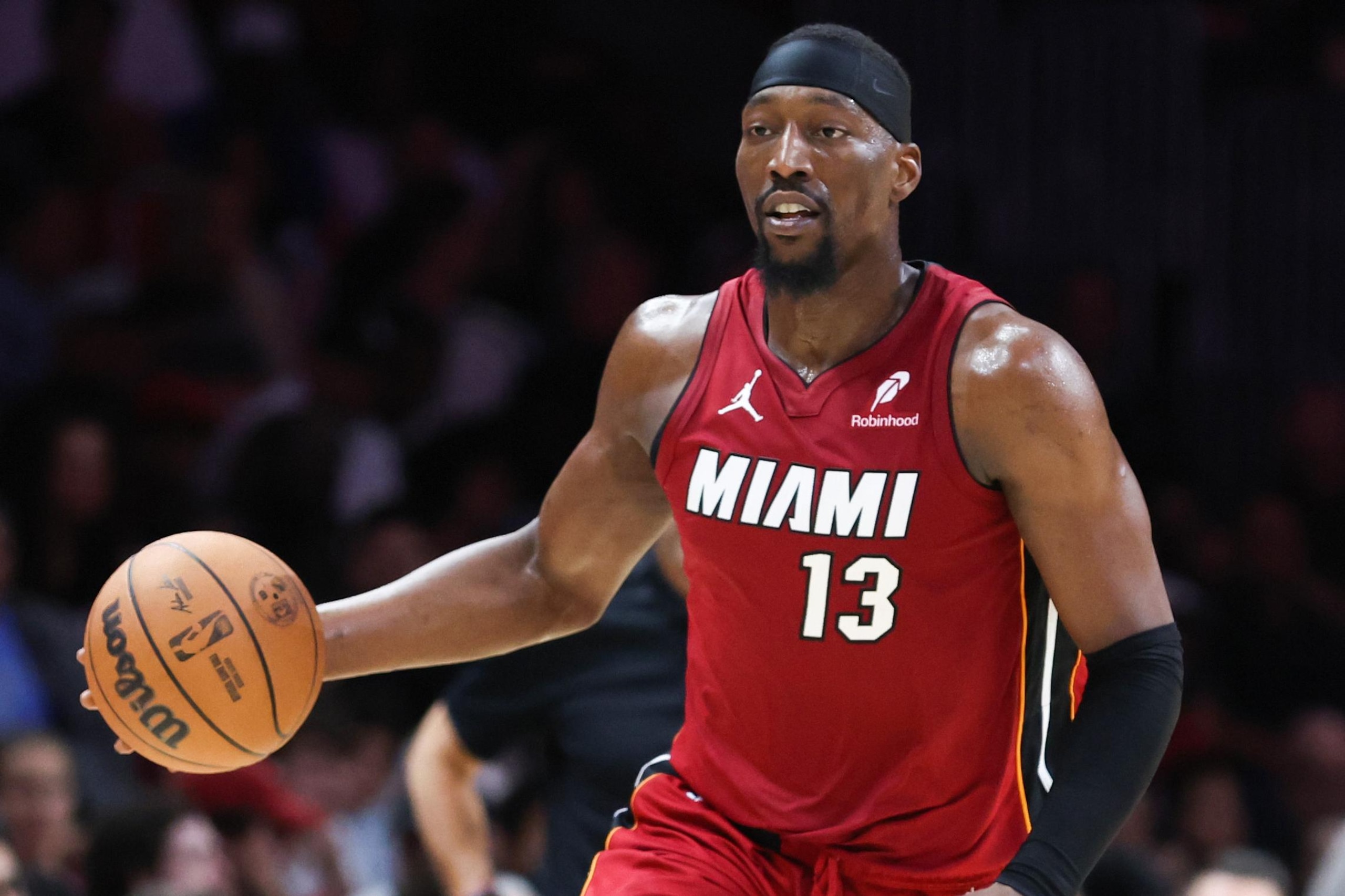
Original pick: Jayson Tatum
Bam Adebayo's original draft position: No. 14
The discourse with Adebayo can get warped at times, since he doesn't have the scoring punch of a typical star or the perimeter touch of a modern big man. What he does have, though, is chameleon-esque changeability on defense and an intriguing offensive blend of finishing, handling and playmaking.
Would it be fun—and hugely helpful to the Miami Heat—if he happened to become a net-shredding, 25-plus-points-per-game scorer? Sure, but that's not happening (his scoring is on a two-year skid), and he has made himself a star without those specific enhancements.
He forever factors into the Defensive Player of the Year mix, he'll have permanent placement on the All-Defensive teams until Father Time eventually comes calling and he always has a spot in the All-Star discussion, if not on the All-Star roster. And it's hard to question his impact on winning given that he prominently factored in three different playoff runs that reached at least the conference finals.

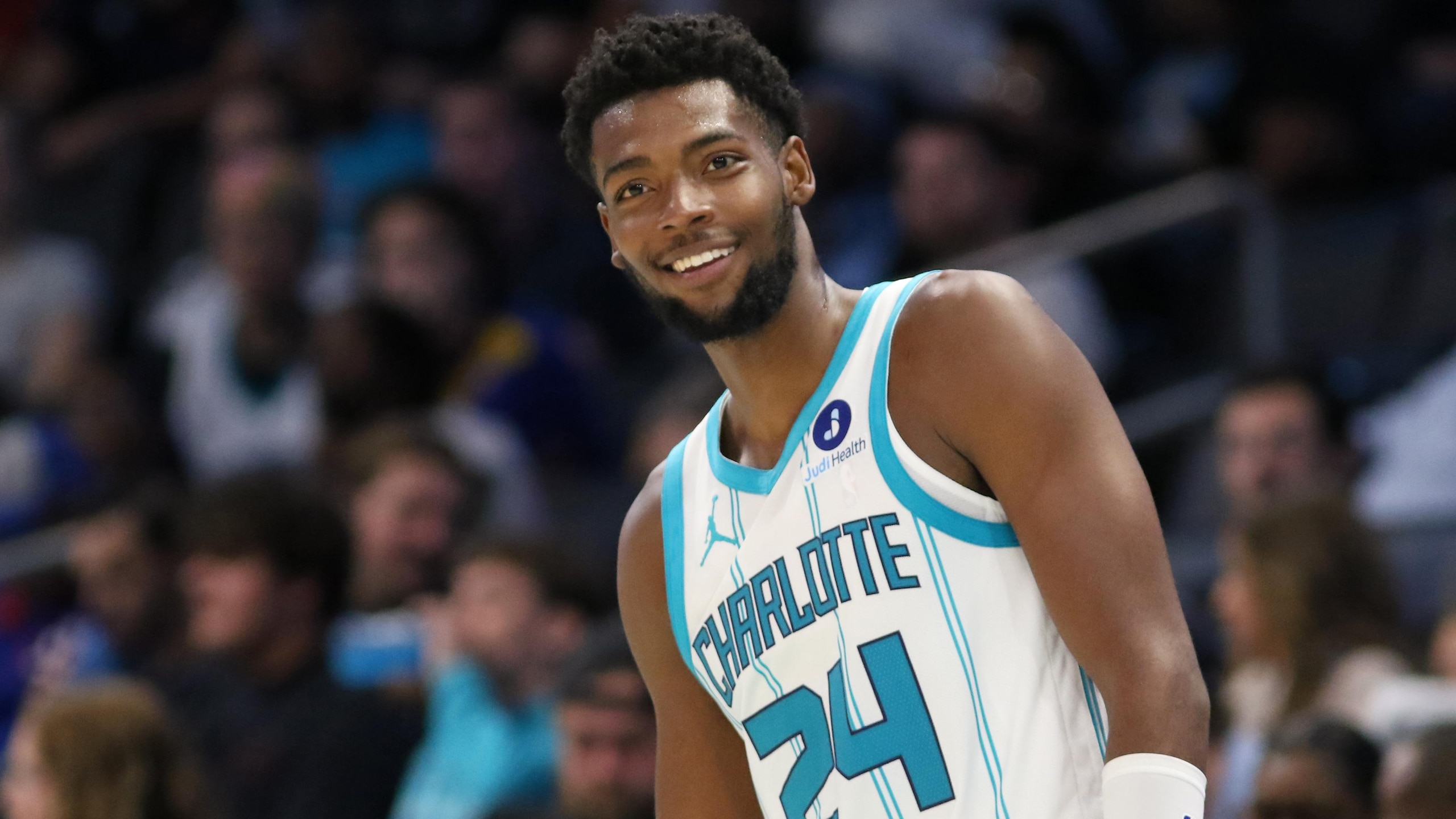
4. Phoenix Suns: De'Aaron Fox
4 of 30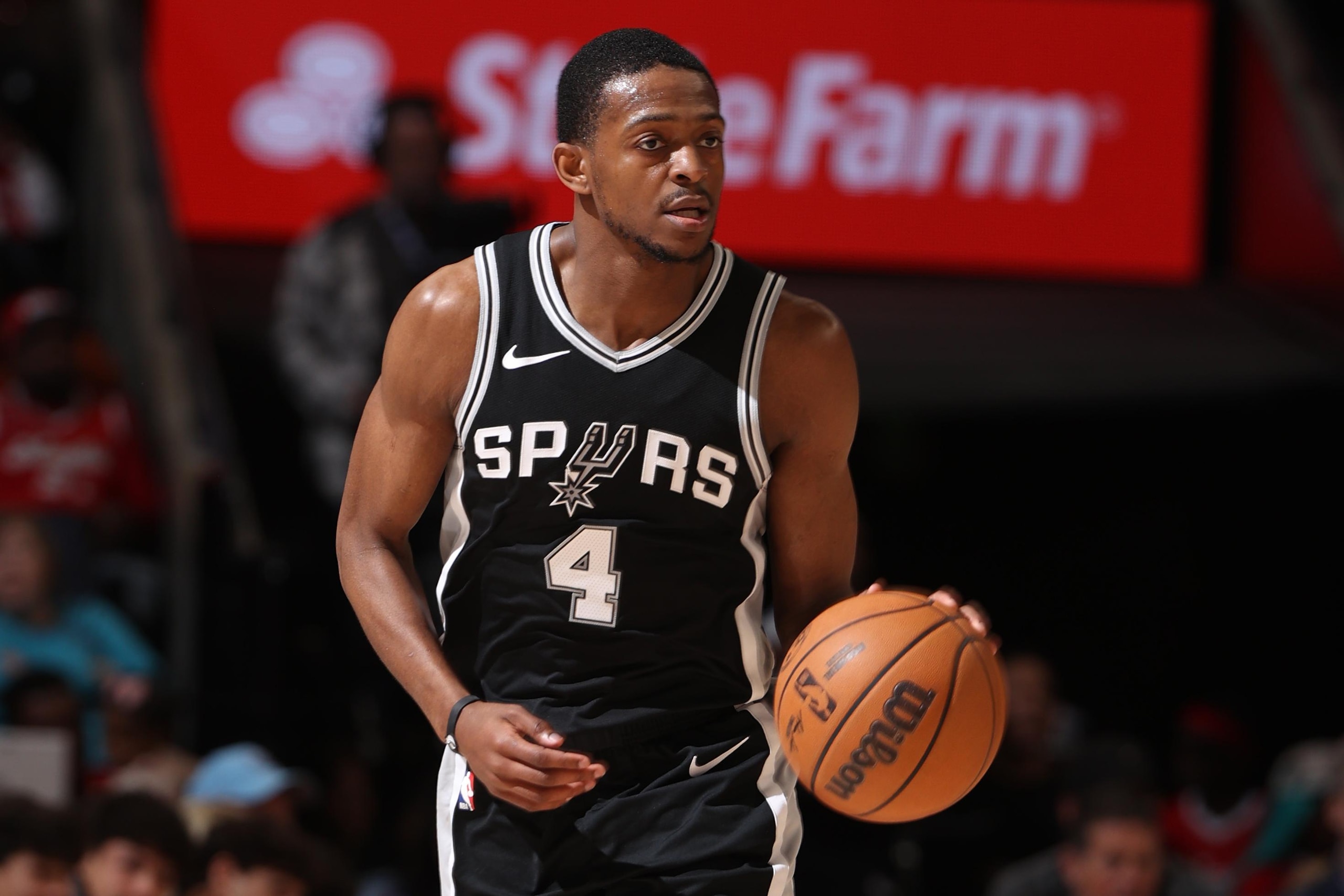
Original pick: Josh Jackson
De'Aaron Fox's original draft position: No. 5
Fox remains one of the fastest players in the Association, and his burst can be nothing short of game-breaking. He may not be the most efficient scorer or best playmaker you'll find, but the fact he can balance both roles while playing at 1.5x speed is special.
Still, it's tough to make the case he'd land any higher than this.
Maybe he'd have an argument if he had sustained the perimeter promise he showed last season (2.9 makes at a 36.9 percent clip then, 1.9 at 31 percent now). Or perhaps his case would be stronger if the Sacramento Kings had more than one playoff trip to show for his seven-plus season tenure with the team. Without those elements, No. 4 feels right.
5. Sacramento Kings: Lauri Markkanen
5 of 30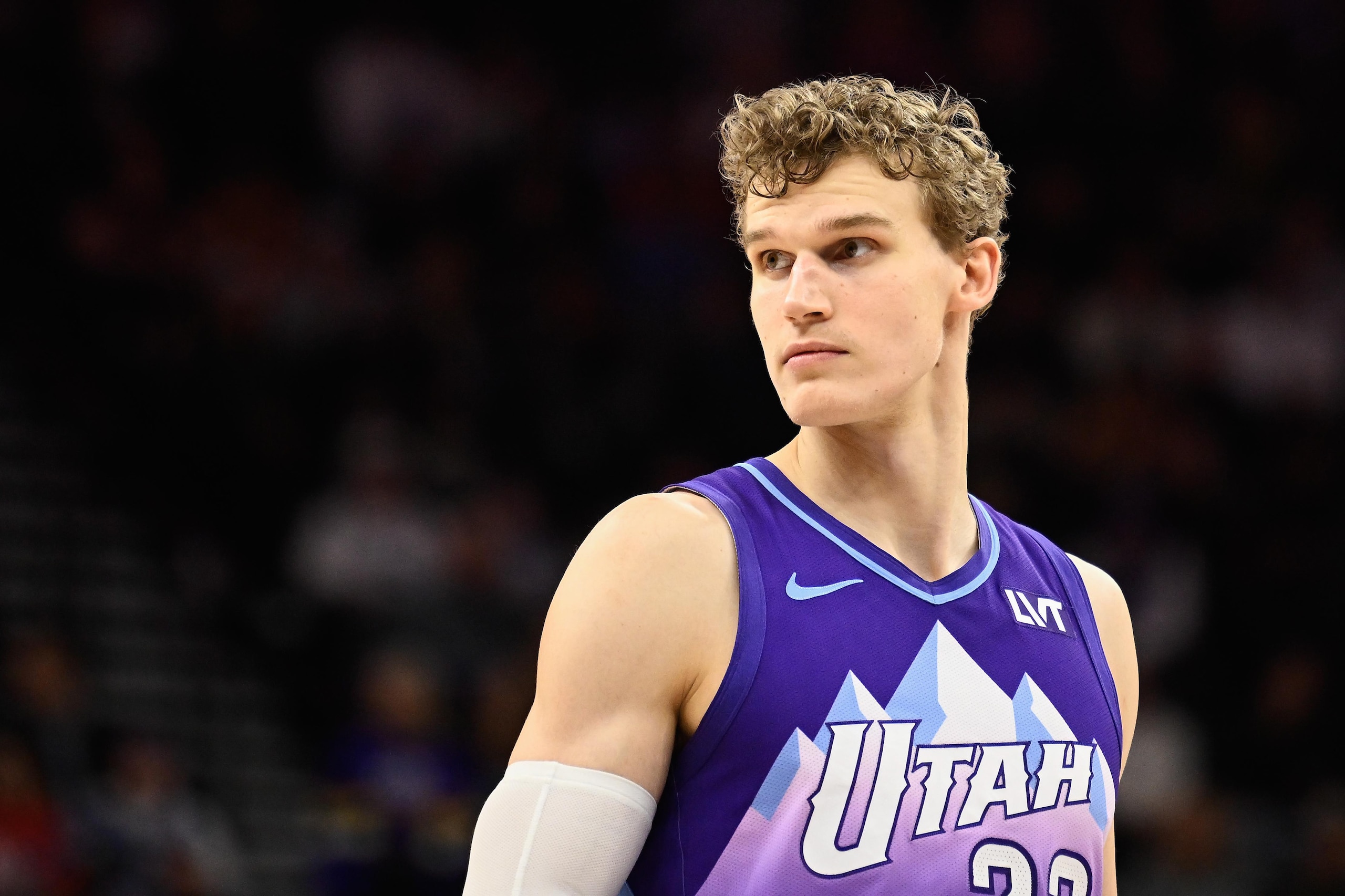
Original pick: De'Aaron Fox
Lauri Markkanen's original draft position: No. 7
Markkanen is a tough evaluation in an exercise like this, because his career feels like it's been written with chapters from different books. He flashed high-end ability early on, then seemed to settle into a support role, then ascended to All-Star status and is back to underwhelming this season (albeit on a Utah Jazz team tanking its way to the 2025 draft).
His highs were arguably as lofty as anyone's from this draft not named Tatum or Mitchell. Between the 2022-23 and 2023-24 seasons, he was within arm's reach of both a 25-points-per-game scoring average (24.5) and a 50/40/90 shooting slash (49/39.5/88.5). Indiana Pacers coach Rick Carlisle called Markkanen "the closest thing I've seen to Dirk (Nowitzki)," whom Carlisle coached in Dallas for 11 seasons.
Should two terrific seasons outweigh the many other mostly mediocre ones? Probably not. Look, Markkanen might be every bit as good as he looked the past two seasons, but his overall body of work can't justify going any higher here.
6. Orlando Magic: Jarrett Allen
6 of 30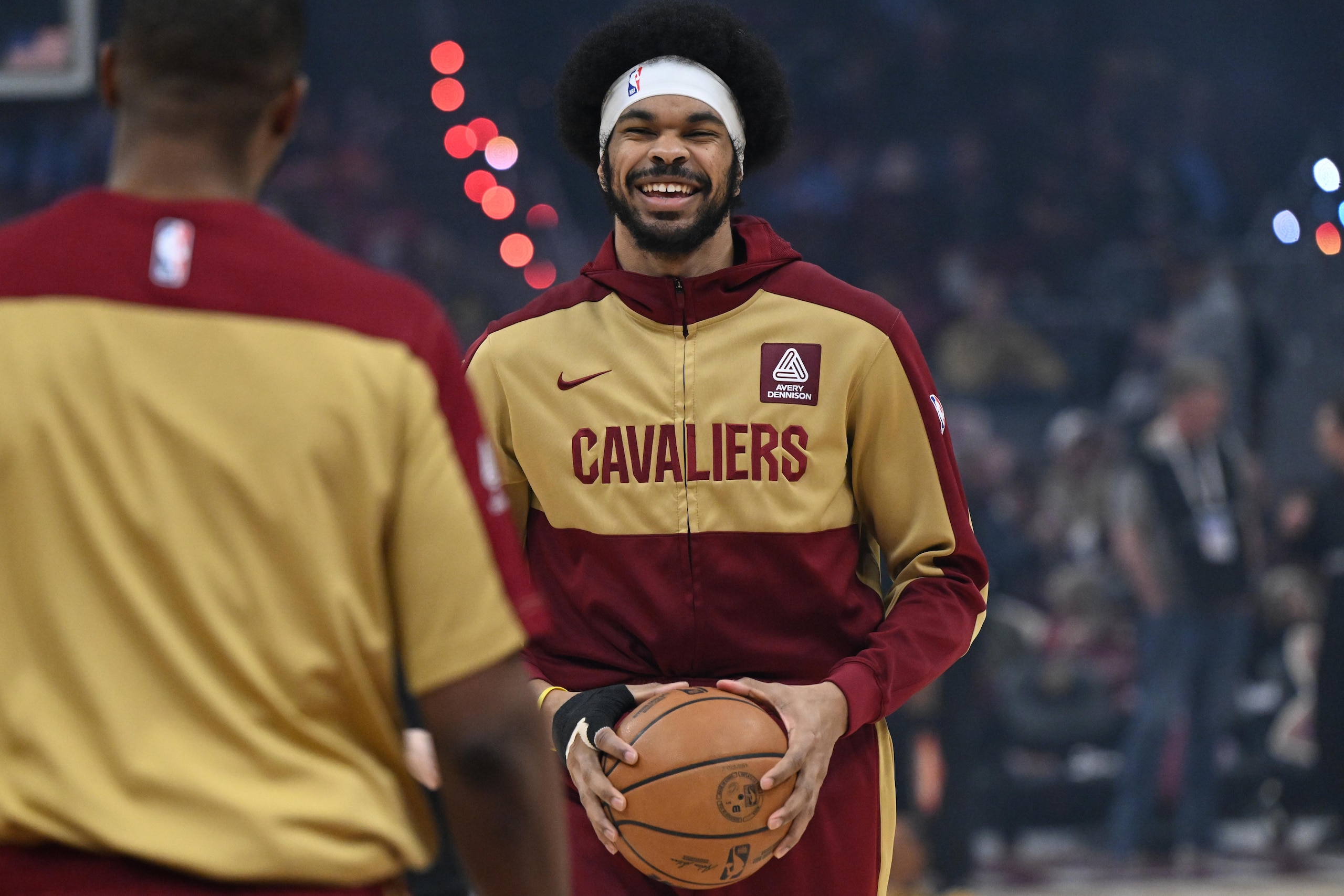
Original pick: Jonathan Isaac
Jarrett Allen's original draft position: No. 20
Is a 14-spot jump up the draft board actually underselling Allen? Certain metrics might make the argument. The bouncy big man is, after all, this draft's win shares leader (64.3).
He also has one of its best defined skill sets—for better and worse. He is an elite interior anchor who competes on the glass and consistently finishes around the rim. He is not, however, someone teams will turn to for creation, table-setting or any kind of shooting (19-of-114 from distance for his career).
He has everything you want in a rim-runner, and nothing more. That's good enough to have earned him an All-Star invitation and to now get him up to the No. 6.
7. Minnesota Timberwolves: Derrick White
7 of 30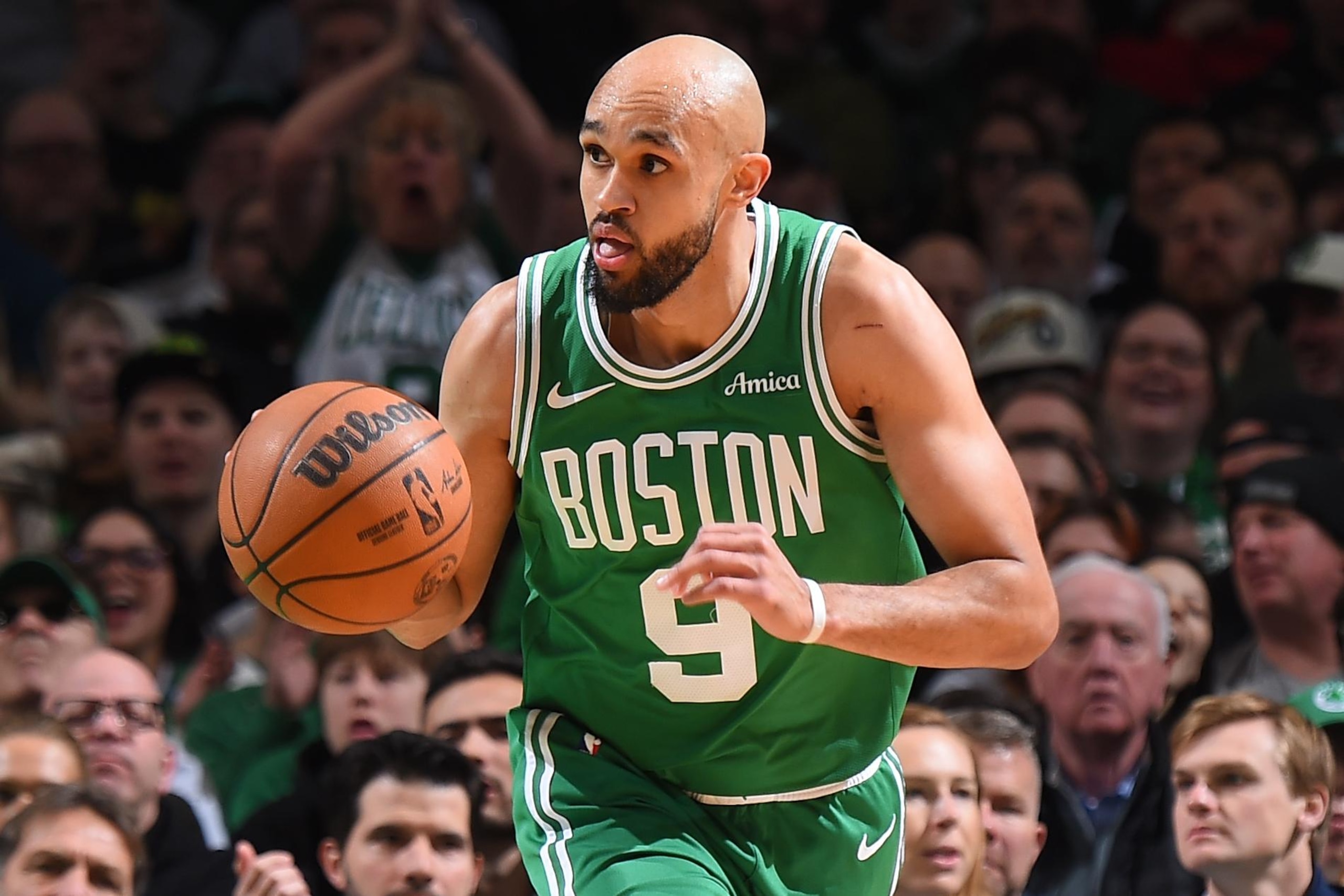
Original pick: Lauri Markkanen
Derrick White's original draft position: No. 29
With this draft's six All-Stars off the board, it only feels right to turn attention toward someone who isn't one per se but is capable of starring in myriad roles depending on the night.
White is, for lack of a better word, a winner. It's hard to dissect his game without leaning into clichés or coach speak. He works like a human adhesive, filling the gap for whatever his team needs in that particular game.
His cumulative statistics seldom jump off the page (though he is a pretty absurd shot-blocker for a 6'4" combo guard), but the totality of his contributions always impresses. He is one of five players—along with Tatum, Mitchell, Adebayo and Allen—to have top-six draft class rankings in both win shares (37.5) and box plus/minus (2.1).
8. New York Knicks: Josh Hart
8 of 30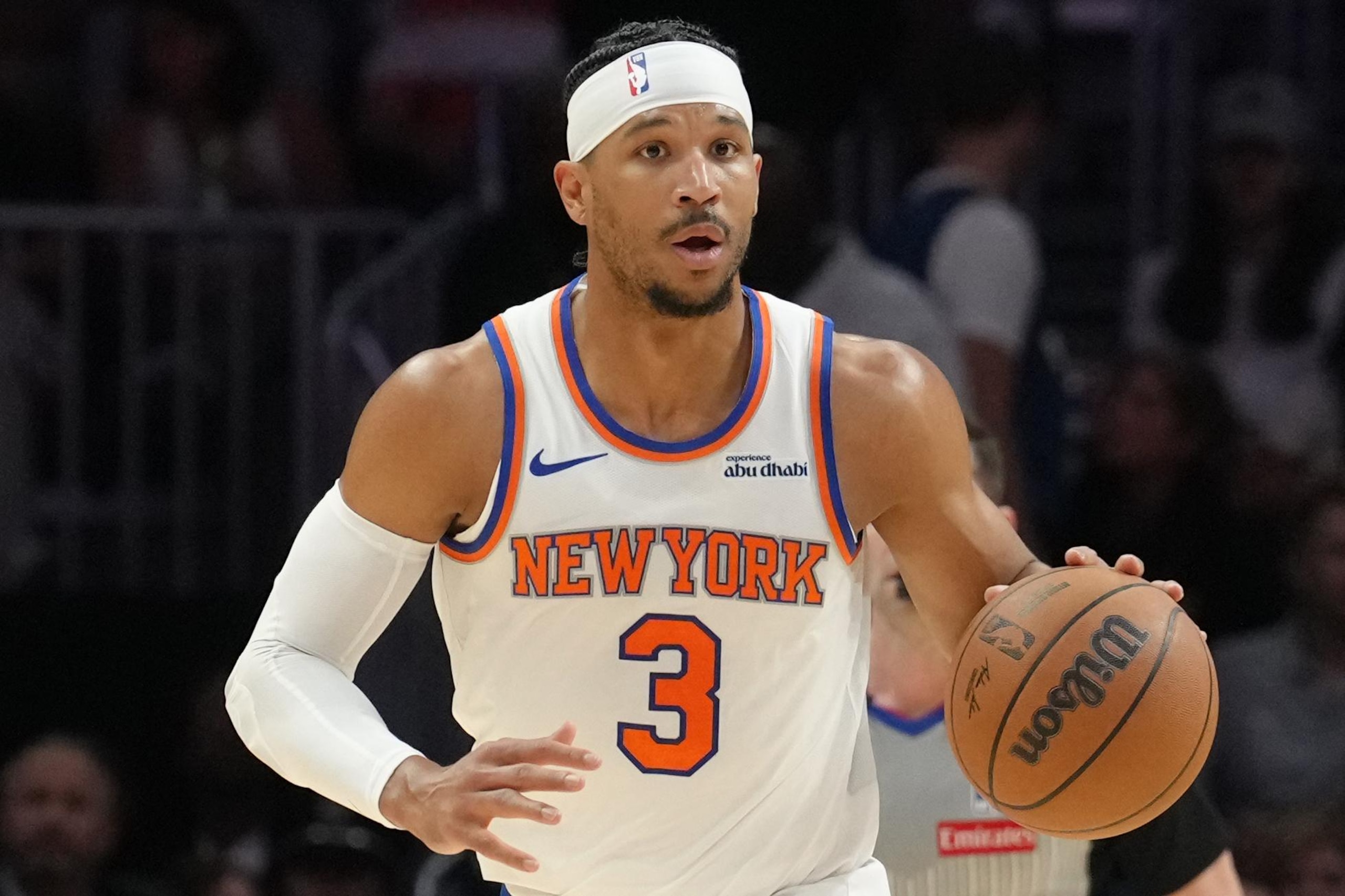
Original pick: Frank Ntilikina
Josh Hart's original draft position: No. 30
Hart slots into a similar glue-guy role as White, only the former doesn't have quite the same versatility or statistics.
That did, however, feel a lot more obvious before this season. This year, Hart has rubbed elbows with the best crack-fillers in the business, filling out his stat sheet to include 14.4 points (on a career-high 54.9 percent shooting), 9.6 rebounds and 5.7 assists. For context, only four other players are clearing a 14/9/5 stat line, and two of them are MVPs (Nikola Jokić and Giannis Antetokounmpo).
Now, Hart isn't usually this productive—on a related note, he's never played nearly this much (37.7 minutes)—and has some streakiness to his scoring, in part because he's an erratic outside shooter. Still, he's the kind of do-it-all support piece that every contender either has or covets.
9. Dallas Mavericks: OG Anunoby
9 of 30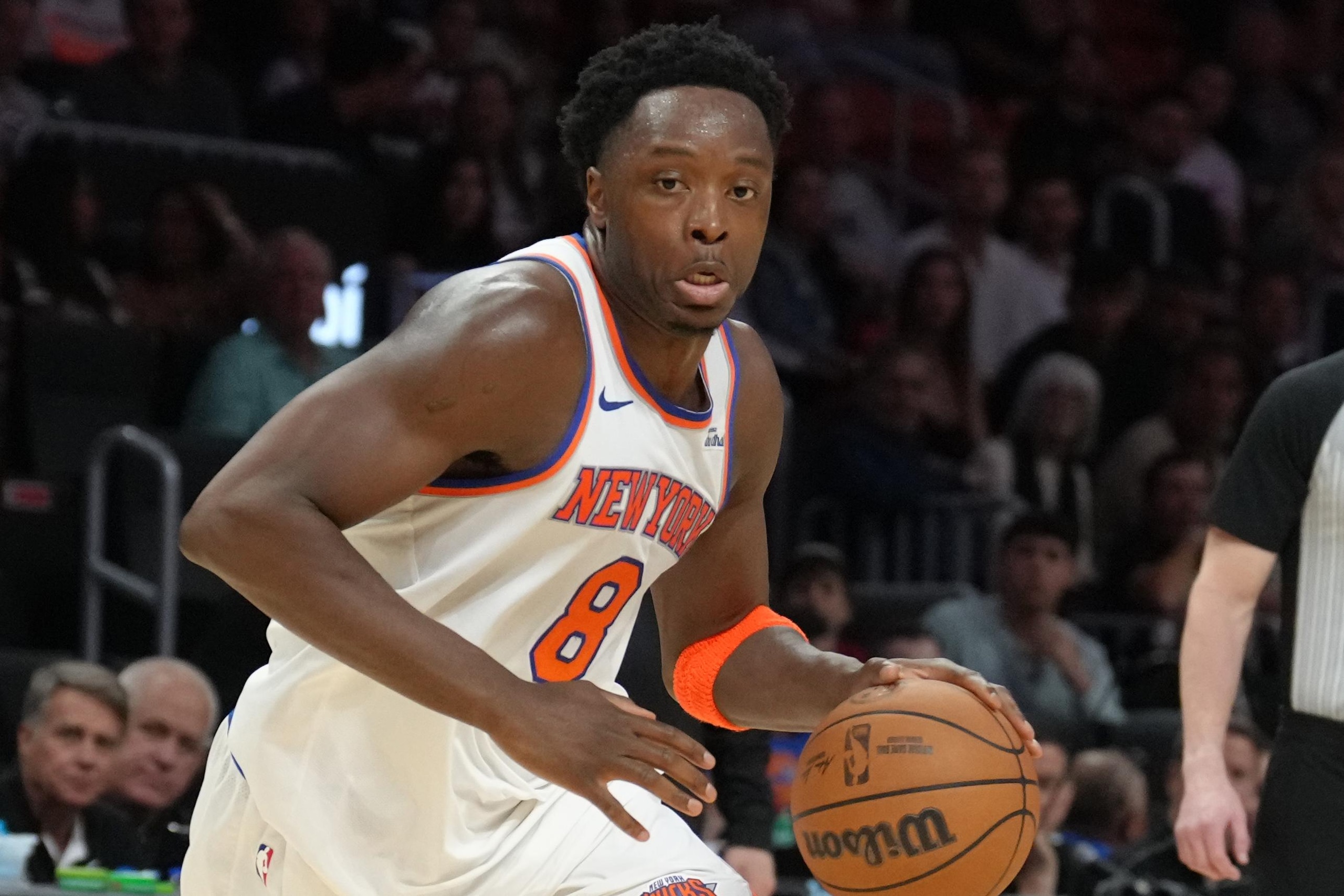
Original pick: Dennis Smith Jr.
OG Anunoby's original draft position: No. 23
If upside mattered more to this re-draft, Anunoby would slot even higher. Since this is more about reflection than projection, though, his availability issues stop that from happening.
While this could change this season, he has only hit the 70-game mark once and topped 50 games in only one of the previous four campaigns.
When he plays, though, he could be the NBA's most versatile defender, and he probably scores too much to be labeled a three-and-D wing. Since the start of 2022-23, he has poured in a healthy 16.1 points per night on an efficient 48/37.9/80.4 shooting.
10. Sacramento Kings: Kyle Kuzma
10 of 30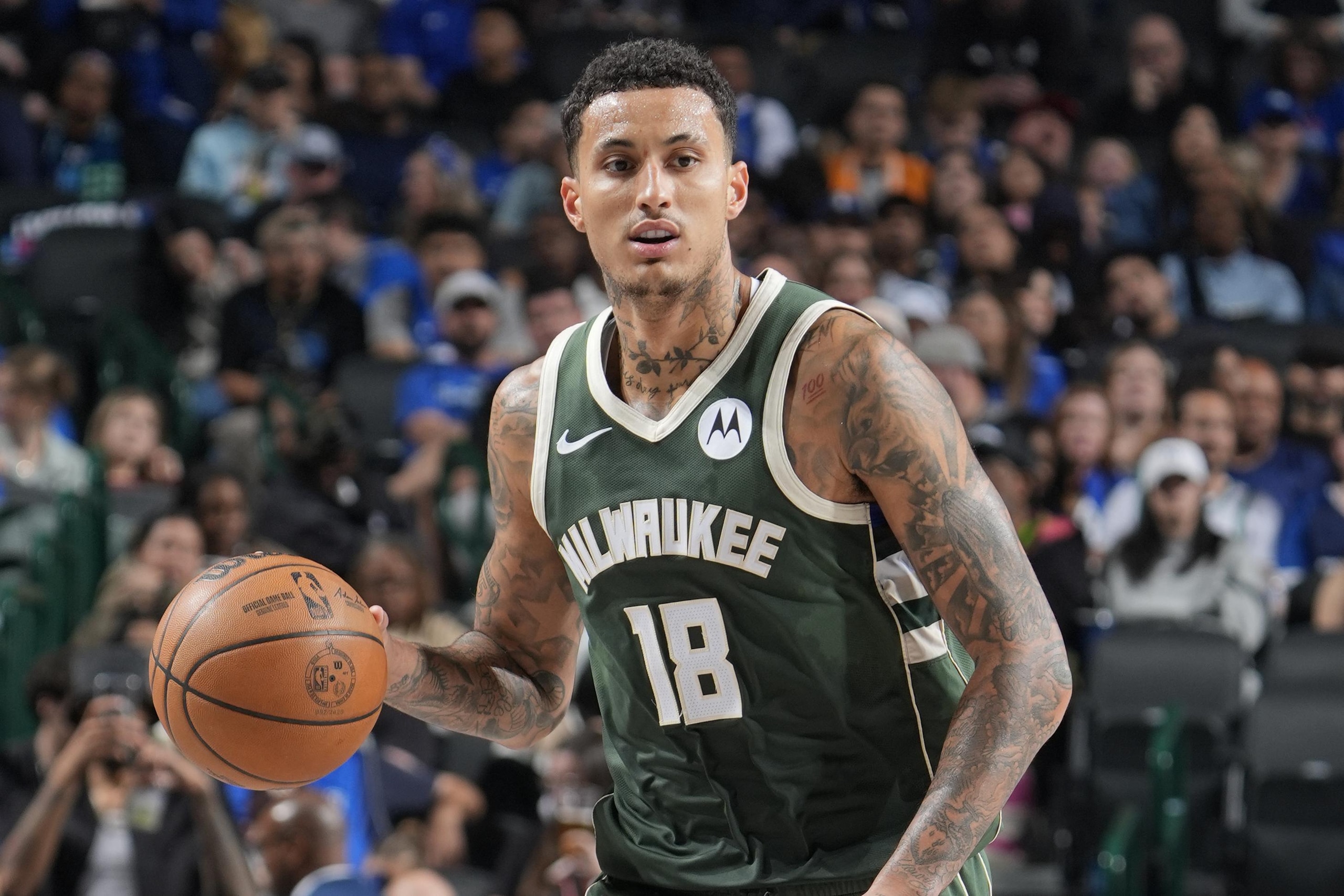
Original pick: Zach Collins
Kyle Kuzma's original draft position: No. 27
Kuzma has some of the better numbers of this draft, at least from its non-star contingent. He has twice popped for 20-plus points per night and had stretches where he was a legitimately impactful rebounder and table-setter.
So, why only the No. 10 spot? Because his impact on winning is debatable, his numbers have typically been the loudest on his worst teams and the advanced metrics aren't nearly as big of Kuzma fans as his counting categories are.
His shooting rates are middling to underwhelming, there isn't much separation between his assists and turnovers, and his defense is seldom better than decent. All of that said, he is a 6'9" wing who can do a little of everything, and that kind of size-skill combination will always be interesting.
11. Charlotte Hornets: Malik Monk
11 of 30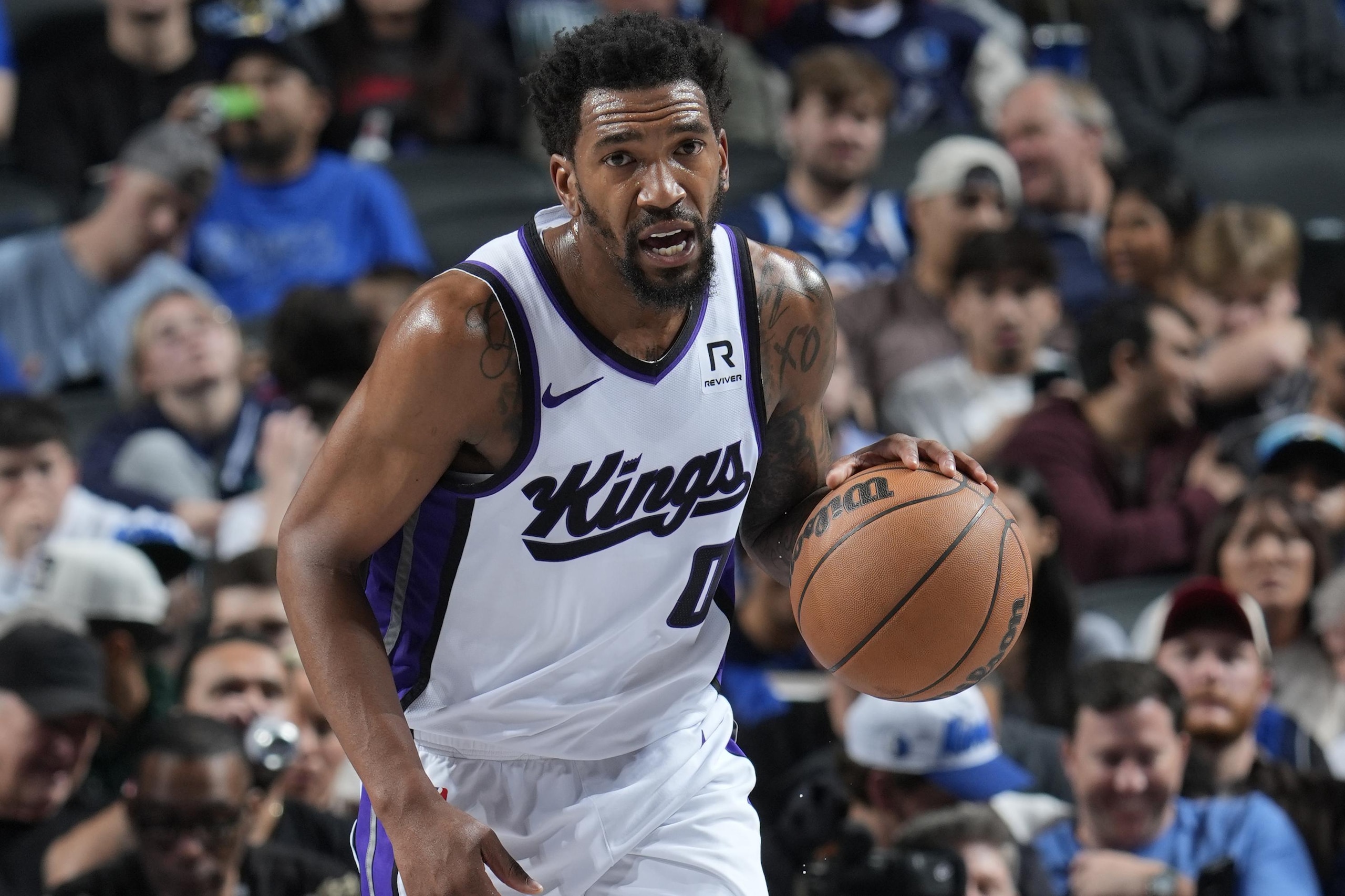
Original pick: Malik Monk
Malik Monk's original draft position: No. 11
Monk will have nights in which he looks like one of the best players from this class. The fact he only ranks 11th overall highlights how those nights have come too few and far between.
His shifty handles and spring-loaded explosiveness make him a tough cover off the bounce, and the strides he's made as a setup man (5.5 assists against 2.2 turnovers since the start of last season) have only increased the difficulty in containing him.
Had he paired his growth as a playmaker with a similar spike in outside shooting, he might really be in business. Unfortunately, he's been unable to sustain his previous perimeter success (2.2 makes on 39.4 percent shooting from 2020-21 to 2021-22, 2.0 on 34.5 percent since), making him more of an ignitable shooter than a truly fiery one.
12. Detroit Pistons: Isaiah Hartenstein
12 of 30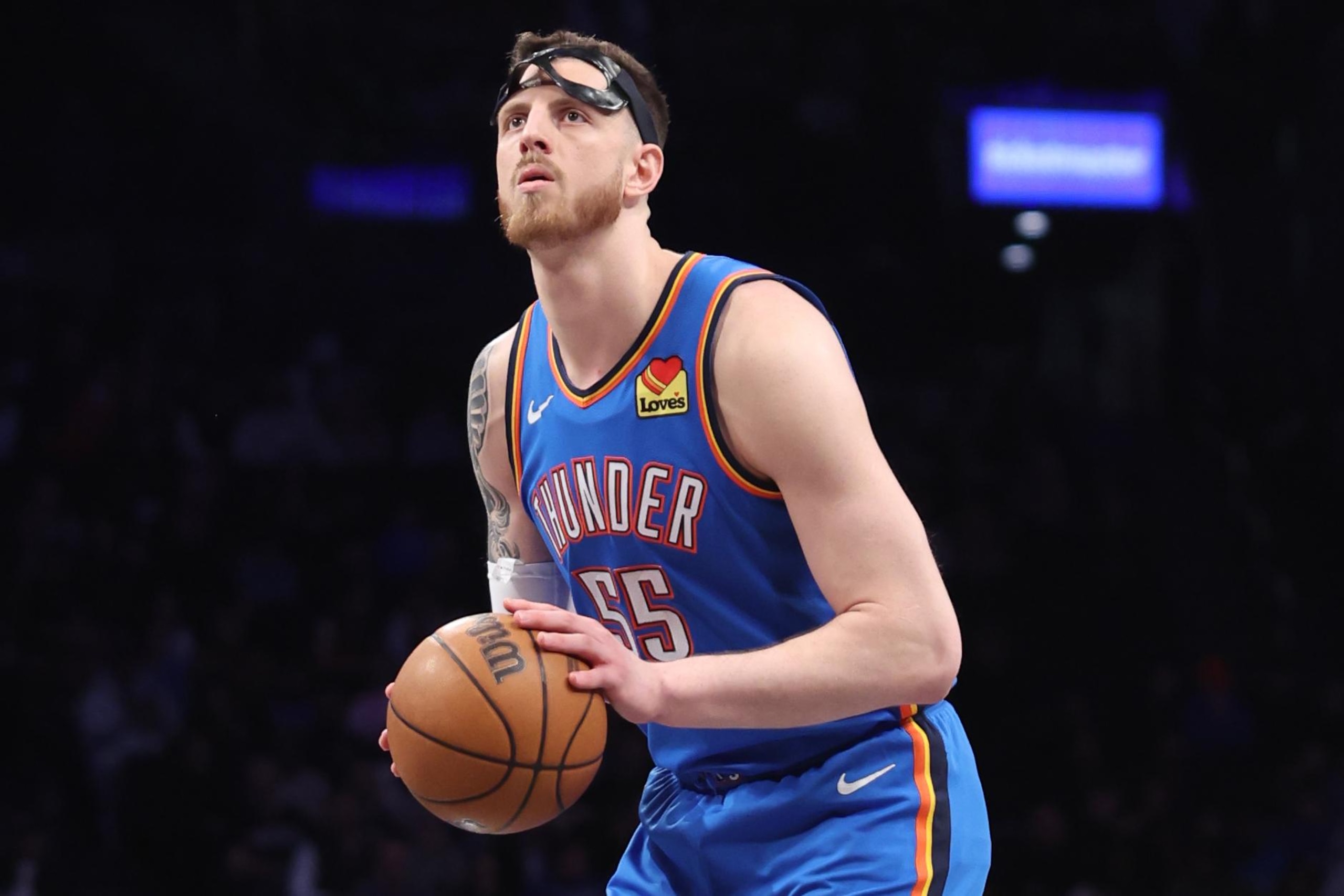
Original pick: Luke Kennard
Isaiah Hartenstein's original draft position: No. 43
It's been a bit of a slow burn for Hartenstein, who was stashed overseas for his would-be rookie season and subsequently spent the next few campaigns as a part-time player.
Since becoming a rotation regular in 2021-22, however, he has emerged as one of the better role players at his position. Nothing in his game ever leaps off your streaming device, but his many subtle strengths—hustle, screen-setting, rebounding, short-roll passing and soft finishing—paint a rather convincing picture overall.
There are a few players re-drafted later with stronger volume stats, but they can't match Hartenstein's ability to make winning plays. To that end, this draft's No. 43 pick now sits No. 3 in the class with .180 win shares per 48 minutes.
13. Denver Nuggets: John Collins
13 of 30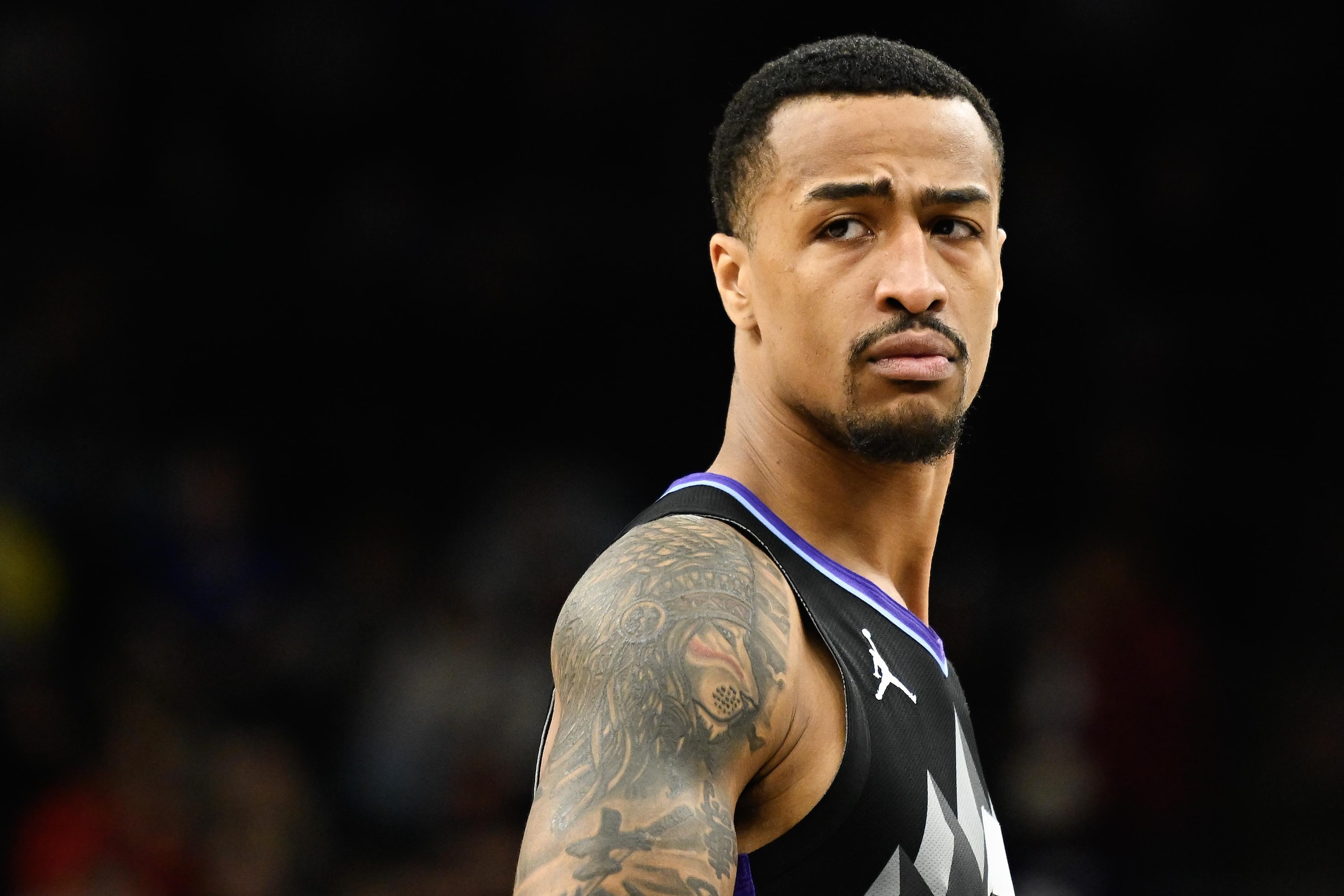
Original pick: Donovan Mitchell
John Collins' original draft position: No. 19
As a true offensive weapon, Collins has some of the strongest credentials in this class. His career 16 points per game are sixth-best, while his 54.6 field-goal percentage ranks inside the top 10.
Between his moon-boots bounce and soft hands, he's a dream lob-catcher, and he boasts a deeper scoring bag than your typical aerial finisher. While he never takes a ton of threes, he converts them at a high enough clip to force defenders to pay attention to him on the perimeter (career 36.4 percent).
There are a few warts in his game, though. His threes would be more beneficial if he launched them at a higher volume. His playmaking is an afterthought. And his defense proves that 'tweeners still exist in the modern NBA, since he can have trouble with both bruising bigs and speedy forwards.
14. Miami Heat: Dillon Brooks
14 of 30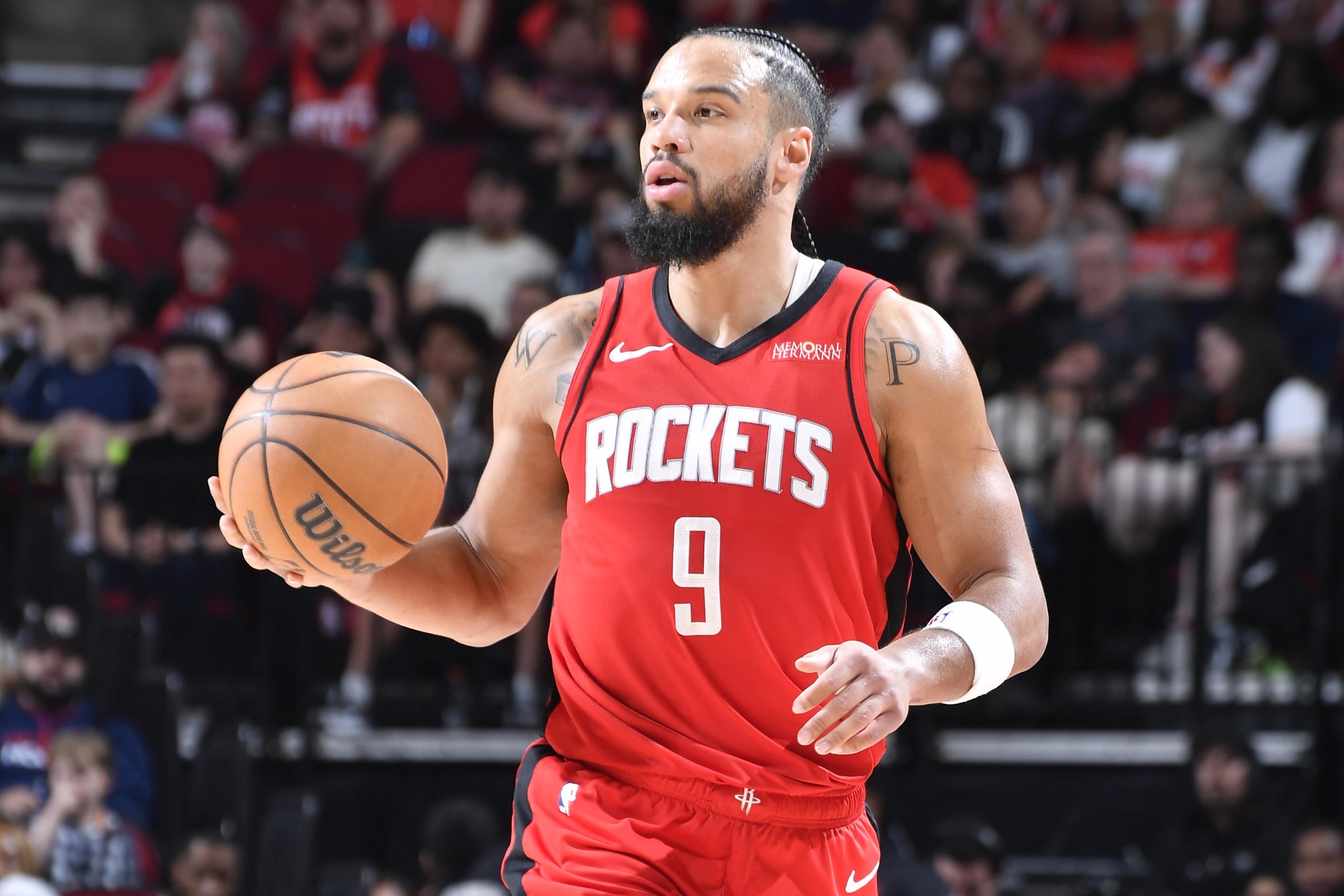
Original pick: Bam Adebayo
Dillon Brooks' original draft position: No. 45
Brooks is your classic agitator, and that's meant in mostly complementary fashion. Sure, his mouth sometimes writes checks that his game can't cash, but his physicality and tenacity on the defensive end are true assets.
Things get a little stickier when adding offense to the equation. He is a huge believer in his shooting, and while you want shooters to be confident, his confidence is such that it can torpedo his shot selection and plague his conversion rates. It's worth noting he's having a career campaign from three (2.4 per night on 38.8 percent shooting), but he is quicker to fire than you'd expect from a career 41.7 percent shooter from the field.
Calling him a one-way player takes the criticism too far, but catch him on a clang-filled night, and you'll swear the label applies.
15. Portland Trail Blazers: Lonzo Ball
15 of 30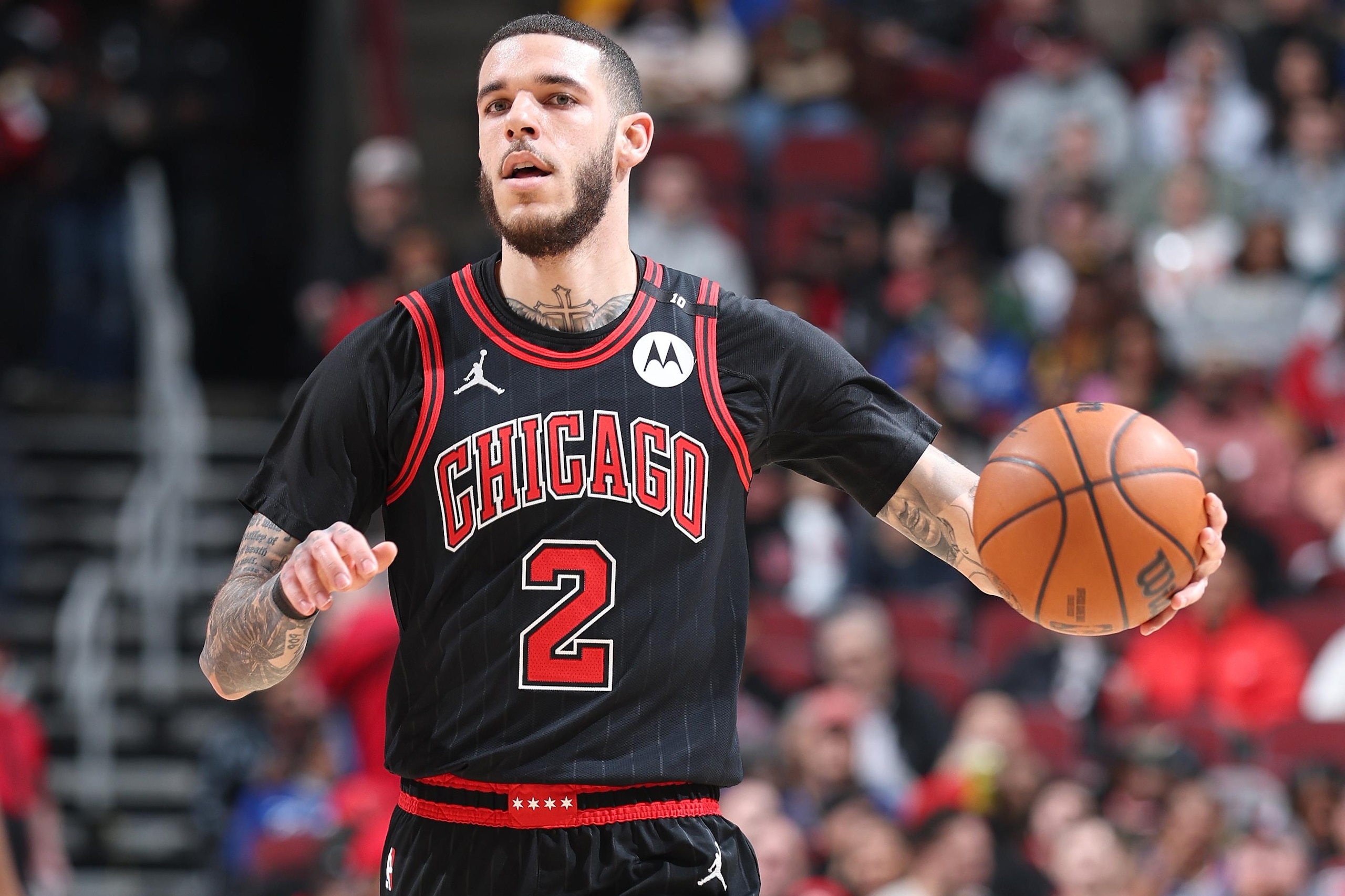
Original pick: Justin Jackson
Lonzo Ball's original draft position: No. 2
It's tempting to just drop a shrug emoji in here and move on to the next player. Ball is a rock-solid dot-connector *when healthy, but few players have put that asterisk more to use in recent years.
It wasn't that long ago when it felt like his nagging knee injuries had derailed his career for good. Instead, he rather miraculously found his way back to the hardwood following a more than 1,000-day layoff and re-emerged as a valuable two-way playmaker. His shot has looked (understandably) rusty this season, yet he's in the 96th percentile for net differential at a whopping plus-13.7 points per 100 possessions.
That impact is impossible to overlook. Unfortunately, so are the many absences. If he's back for the long haul, this might be a few spots too low, but his injury history denies him the benefit of the doubt.
16. Chicago Bulls: Jonathan Isaac
16 of 30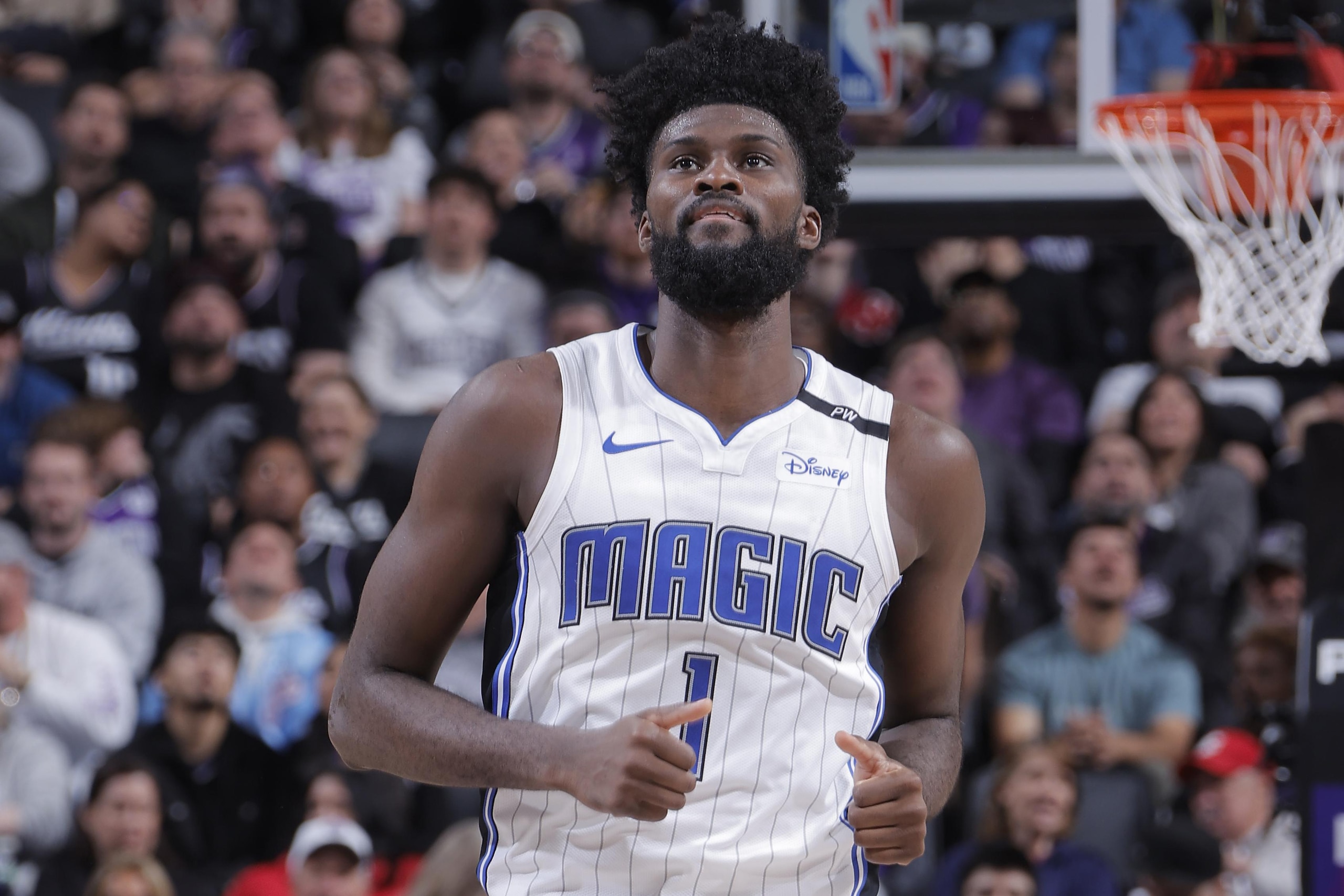
Original pick: Justin Patton
Jonathan Isaac's original draft position: No. 6
It feels unfortunately appropriate to have Ball and Isaac go in back-to-back picks, since their careers have followed similar trajectories.
Like Ball, Isaac lost two full seasons to injuries, and his others have all been impacted by them, too. This is his eighth year in the league, and he has only managed 50-plus appearances in three of them (and 60-plus in just one).
Unlike Ball, there aren't many layers to Isaac's game, but his defense is all-caps DOMINANT. He's sitting in the 98th percentile of estimated defensive plus/minus this season and is one of only 10 players ever with a five-plus block percentage and a two-plus steal percentage (minimum 200 games).
17. Milwaukee Bucks: Luke Kennard
17 of 30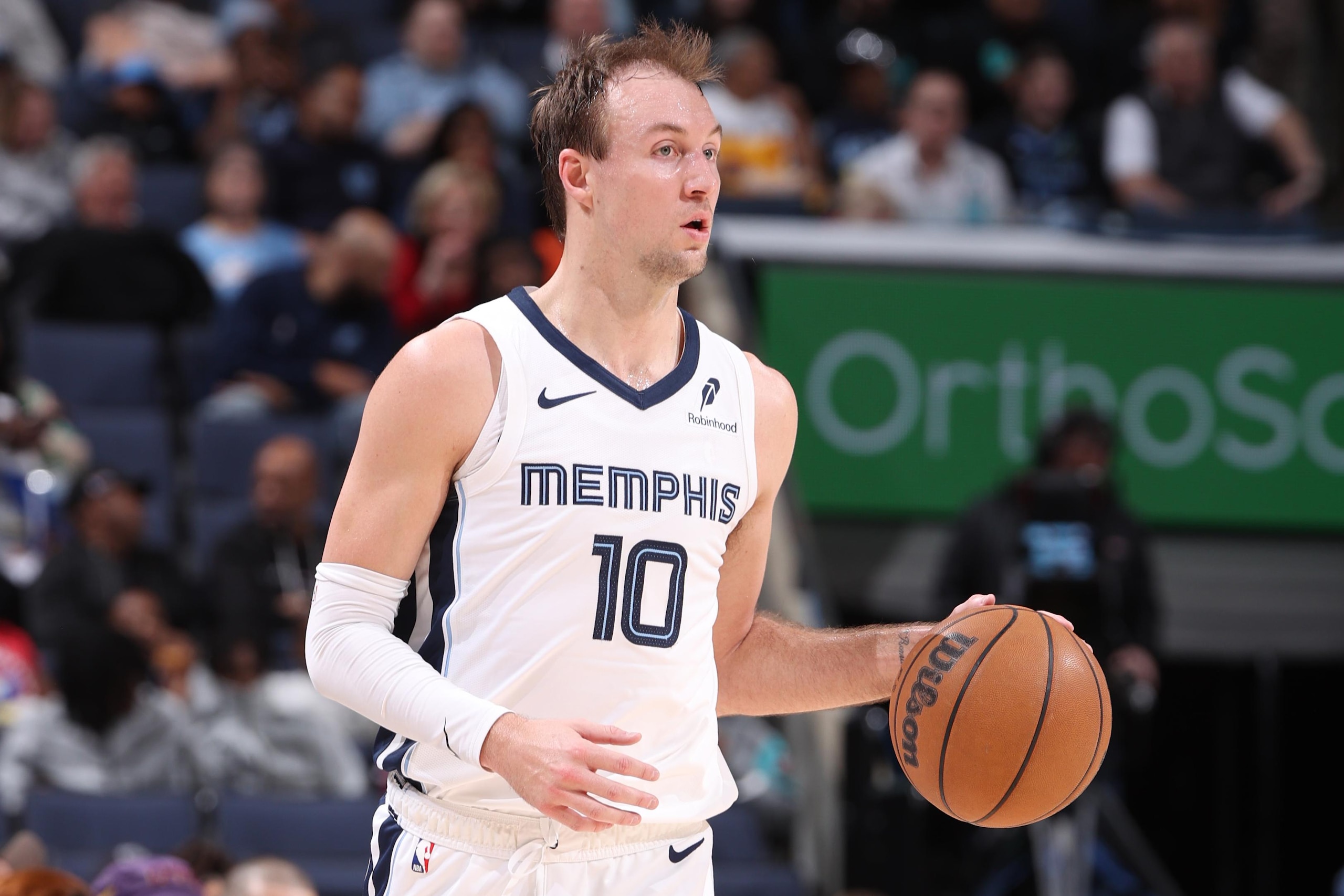
Original pick: D.J. Wilson
Luke Kennard's original draft position: No. 12
The injury bug has fingerprints all over this portion of the re-draft, as Kennard is yet another player plagued by availability problems. He at least cleared the 70-game mark twice, although he's only ventured above it once since his rookie season.
When he has played, though, he has routinely showcased one of the Association's surest outside shots. At the time of writing, he is leading all qualified shooters in three-point percentage (45.6), a category he also paced in two of the three prior campaigns. And while he lacks the handles of a primary playmaker, he does make great decisions with the basketball (3.5 assists against 1.2 turnovers since the start of last season).
His game doesn't stretch much beyond that, and he is a liability on defense, but at this stage of the re-draft, you can overlook the deficiencies to get that sweet long-distance stroke.
18. Indiana Pacers: Monte Morris
18 of 30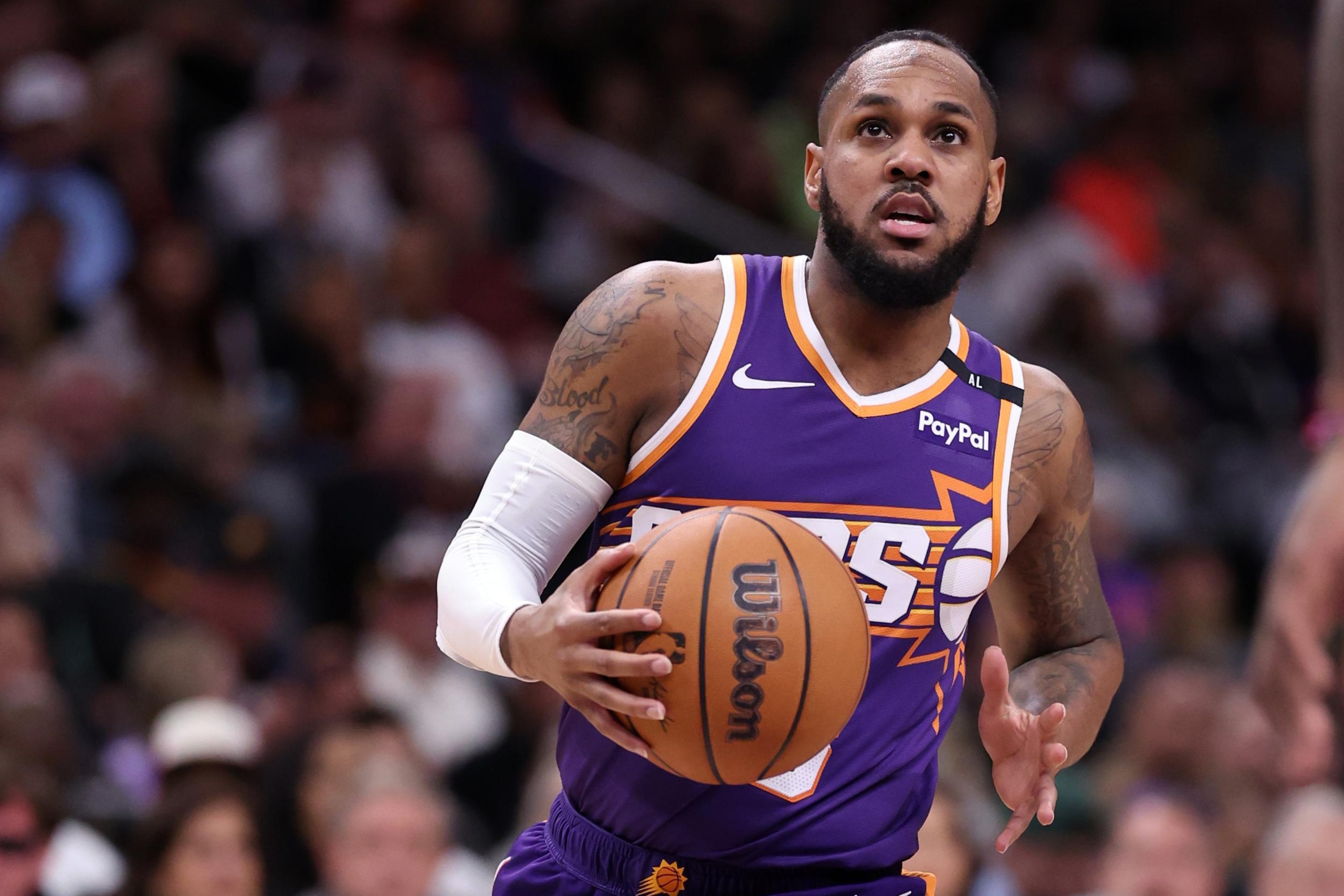
Original pick: T.J. Leaf
Monte Morris' original draft position: No. 51
Despite going so late in the actual draft, Morris looked like he might have the ball control needed to pilot a second-team attack for a decade-plus in this league. He is two years away from hitting that mark, and he even held down a starting spot in two of them.
He is the NBA equivalent of a game-manager quarterback. He may not bring a ton to the table on his own—he was, however, an efficient support scorer prior to his injury-impacted 2023-24 season—but he simultaneously helps others bring out their best while limiting mistakes. For his career, he has averaged nearly four times as many assists (3.6) as turnovers (1.0).
His scoring and shooting have both tanked the past two seasons, and since his lack of size already limited what he could do defensively, there's a non-zero chance we're talking about a passing specialist. Still, getting a reliable reserve and capable spot starter at this stage of the draft (let alone 33 picks later) is a selection well-spent.
19. Atlanta Hawks: Chris Boucher
19 of 30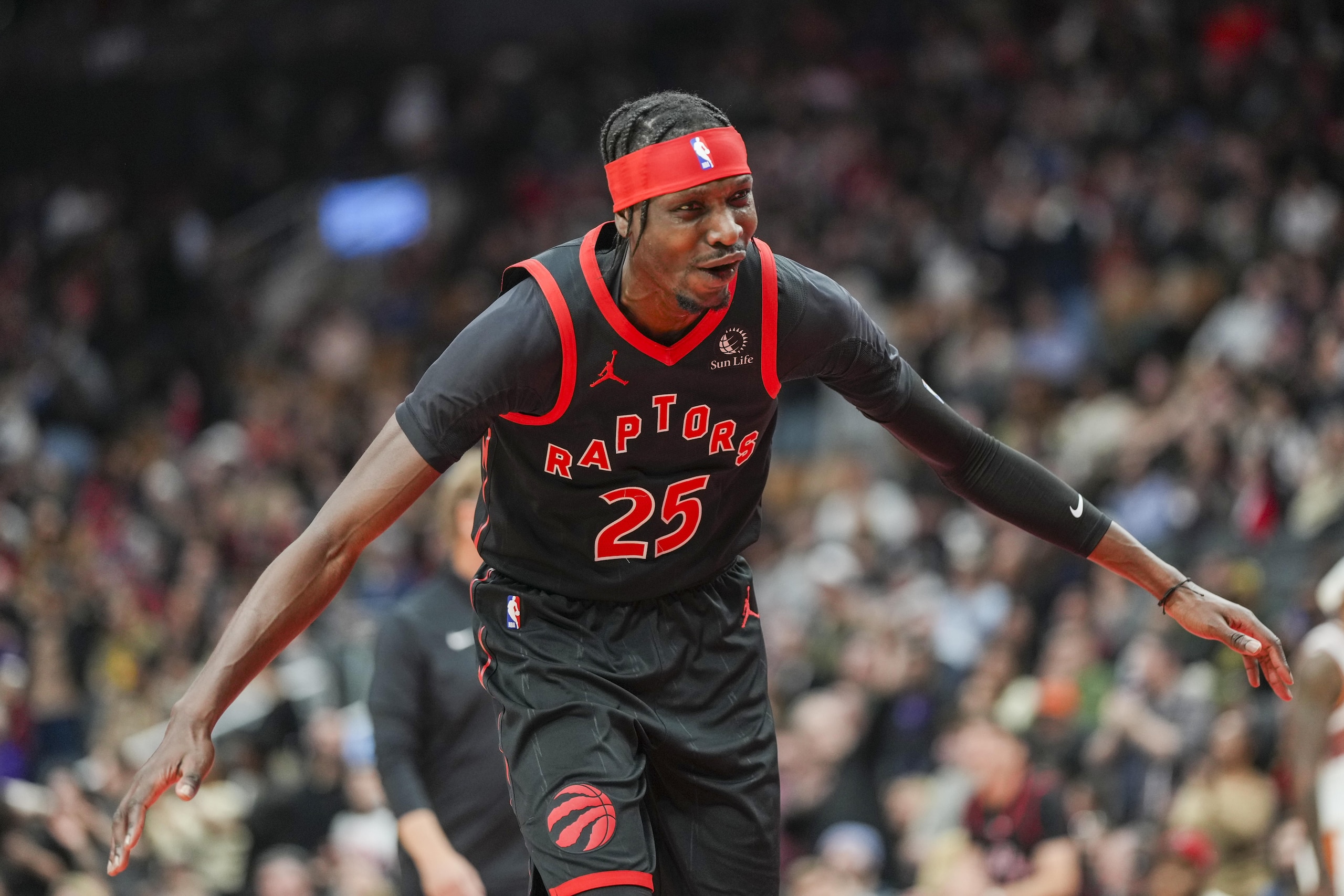
Original pick: John Collins
Chris Boucher's original draft position: Undrafted
The first undrafted player to make the cut, Boucher has spent much of his NBA career fighting to secure his spot in the rotation. That he is more than 400 games into said career, however, speaks to his resiliency and the intriguing elements of his game.
He sort of fits the unicorn mold of the modern big man, as he's been both an impactful shot-blocker and a capable outside shooter. The problem is he doesn't have enough size to hold down the center spot in anything but small-ball lineups (6'9", 200 lbs), and his three-ball runs more cold than hot (two seasons at 36-plus percent, five at 33 or below).
Still, he's a useful energizer, and that outside shot heats up just often enough to support some wild scoring binges (five games with 22-plus points this season; fewer than 27 minutes in all of them).
20. Portland Trail Blazers: Thomas Bryant
20 of 30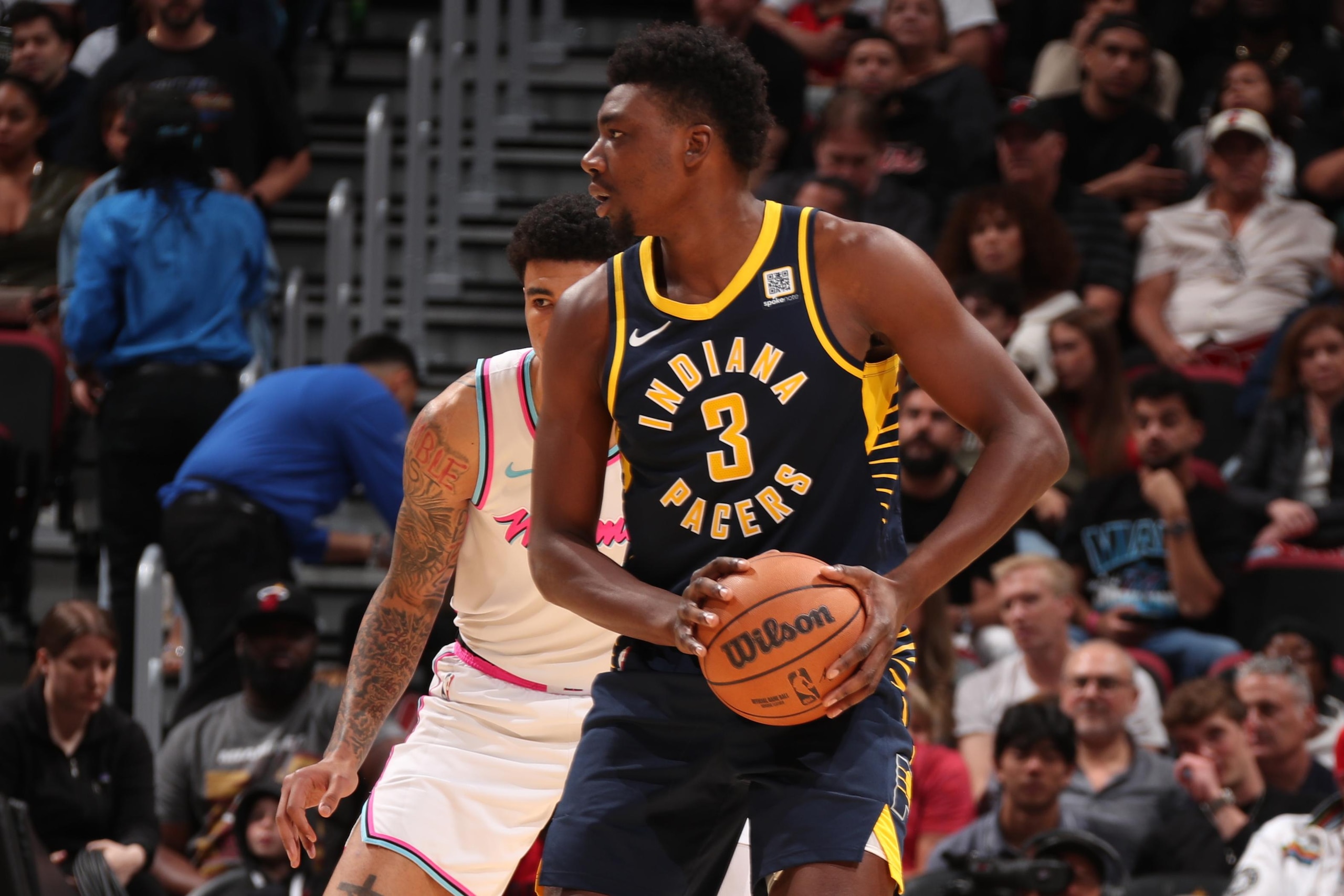
Original pick: Harry Giles III
Thomas Bryant's original draft position: No. 42
Bryant has the motor of a grunt-work big man and a good enough shooting touch to support solid career connection rates from all three levels (58.9/35.8/77.2). He also doesn't have a defined defensive role, as he's not a high-end rim-protector and can get exposed in space.
If you can deal with the defense, there are positives to take from his offense. The Indiana Pacers have found plenty since acquiring him in mid-December, as he has filled a void on their injury-riddled frontcourt by supplying 17.3 points per 36 minutes on 55.2/37.2/75.9 shooting.
His teams have typically fared worse with him than without, but he is fine for a third center who can step into second-team duties when injuries clear a path.
21. Oklahoma City Thunder: Markelle Fultz
21 of 30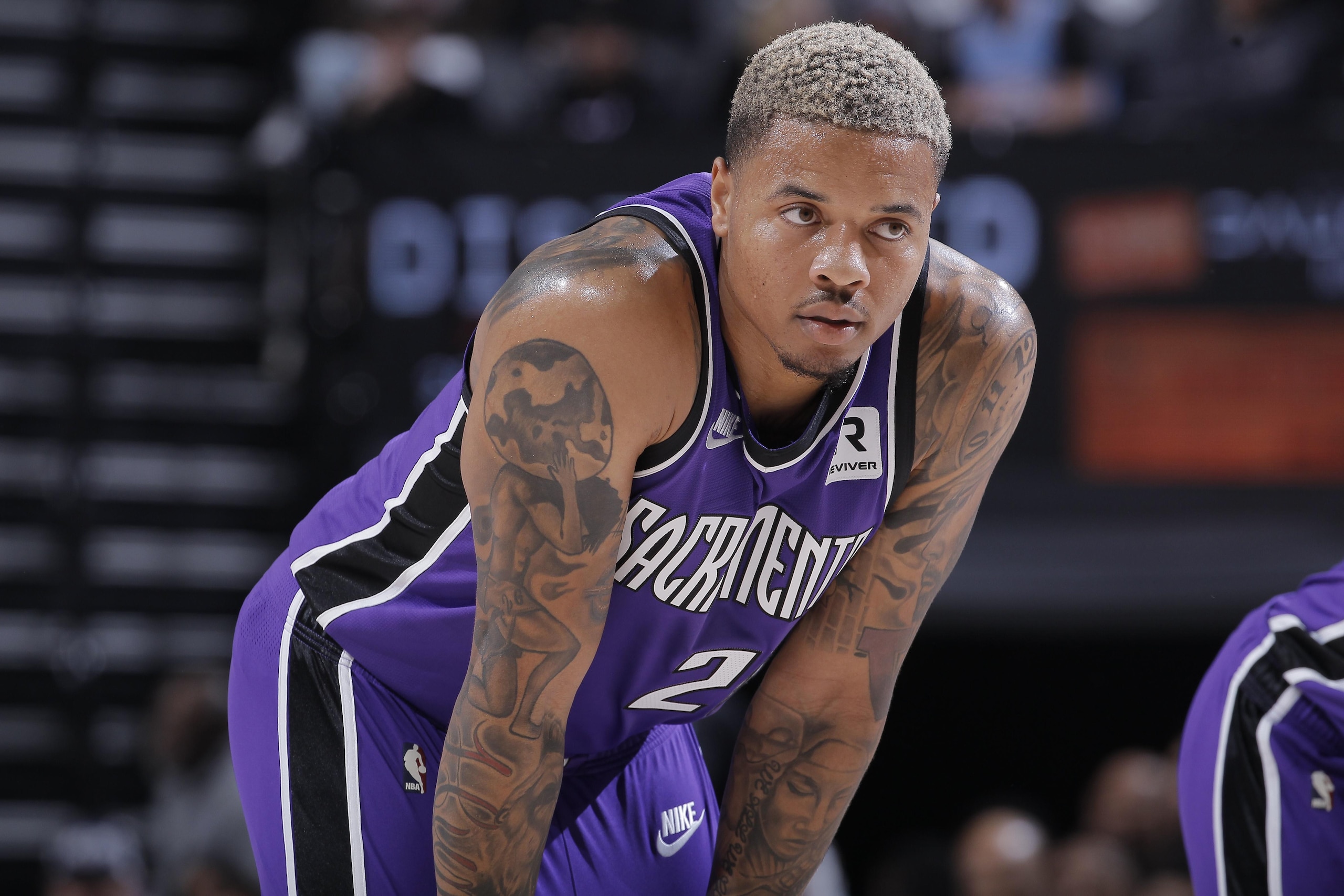
Original pick: Terrance Ferguson
Markelle Fultz's original draft position: No. 1
The Sixers initially thought enough of Fultz to trade up from No. 3 to No. 1 to take him at the expense of a future first-round pick. Evaluators were mostly in agreement back then, too, with Scott Howard-Cooper noting for NBA.com that Fultz was "the top prospect in the draft in a consensus of front offices."
It's been a strange story—and fascinating what-if retrospective—ever since. A shoulder injury wrecked his shooting form, and his offensive game never got back on track. He still made his mark as a defender and distributor, but his shortcomings as a scorer and shooter ultimately overshadowed the rest.
He didn't have an NBA job when the season started and only latched on with the De'Aaron Fox-less Sacramento Kings in February. A once uber-promising career appears to be on its last gasps.
22. Brooklyn Nets: Zach Collins
22 of 30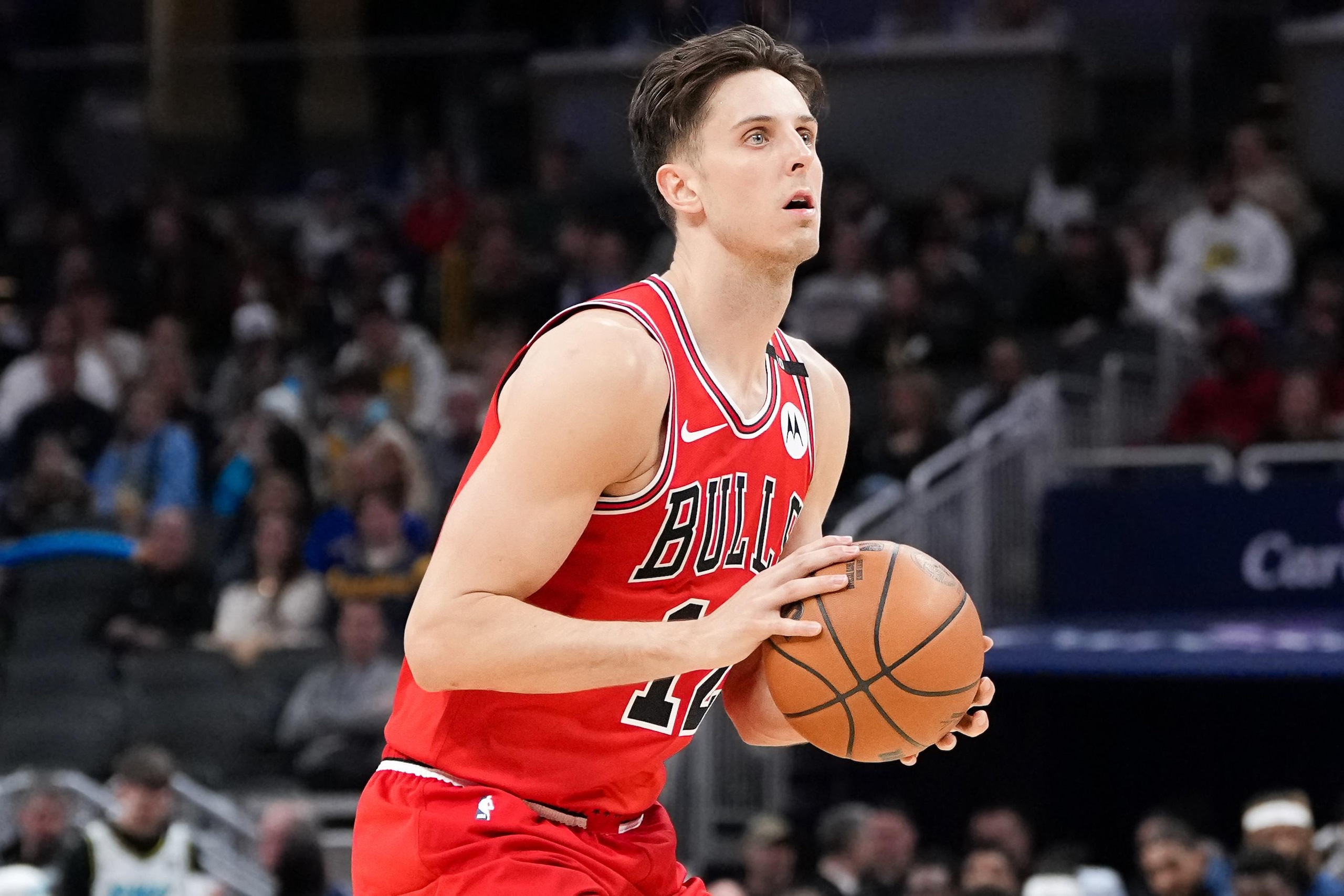
Original pick: Jarrett Allen
Zach Collins' original draft position: No. 10
Collins sounded perfectly cut for the modern NBA. And maybe he would've been had injuries not done so much damage to his career.
Coming out of Gonzaga, he held all-purpose potential on defense while also thriving as an offensive finisher and flashing elements of range shooting. Before he really had a chance to tap into that ability, though, injuries got in his way. He made just 39 appearances between the 2019-20 and 2021-22 seasons while navigating around a torn labrum and a pair of ankle fractures.
He has still been productive when he plays (though that outside shot never quite materialized). It's just an objective bummer that he hasn't been able to play more.
23. Toronto Raptors: Dennis Smith Jr.
23 of 30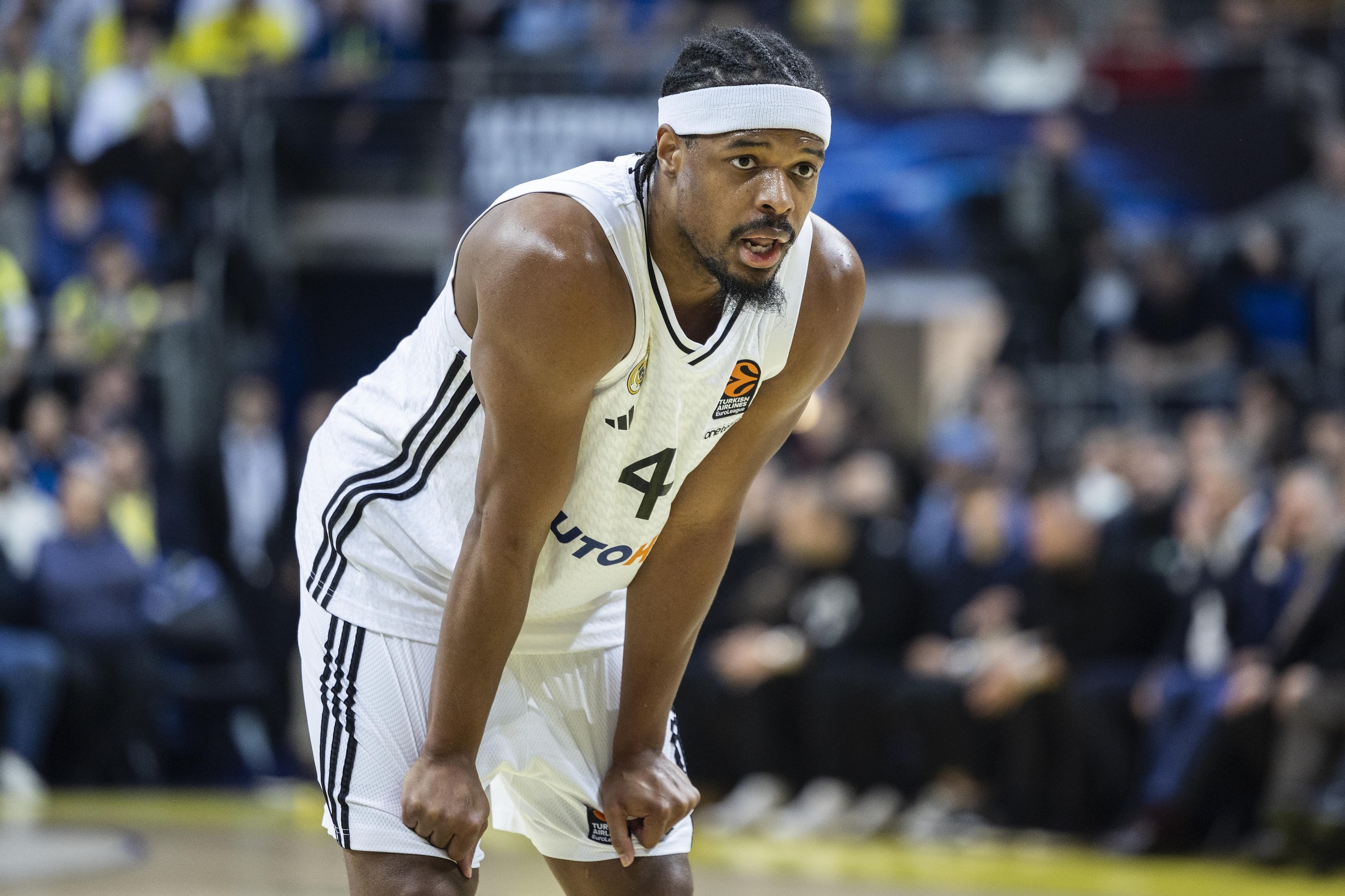
Original pick: OG Anunoby
Dennis Smith Jr.'s original draft position: No. 9
Smith entered the Association as a high-end athlete, even by its larger-than-life standards. In fact, he was a dunk contest participant in each of his first two seasons.
Unfortunately, that athleticism never amounted to much more than some highlight finishes and, toward the latter stages of his NBA career, dogged defense. His scoring nose-dived early on (15.2 points as a rookie, 13.6 as a sophomore and single digits after that), his shooting efficiency never came around, and his assist numbers fell short of the primary-playmaker threshold.
He had some intriguing moments along the way, but there are reasons he is awaiting an NBA phone call that may not be coming.
24. Utah Jazz: Luke Kornet
24 of 30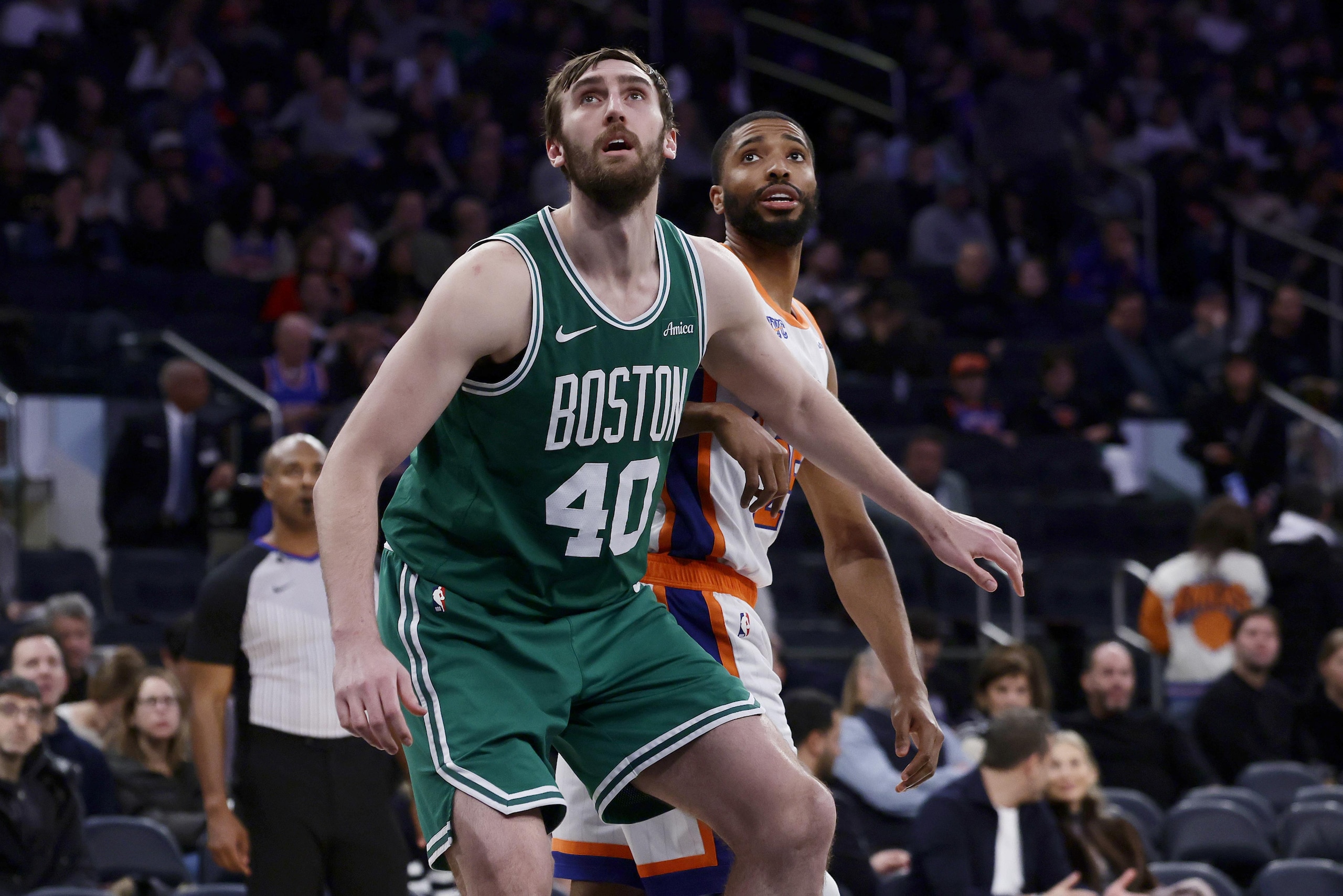
Original pick: Tyler Lydon
Luke Kornet's original draft position: Undrafted
Kornet shouldn't, at least on paper, fit in the modern NBA. There just aren't many centers who last in this league who aren't athletic rim-runners or three-point threats.
Yet, the 7'2", 250-pounder, who basically began his career as a jumbo-sized shooting specialist, has managed to carve out a useful niche for the defending champion Boston Celtics. He has become a steady source of subtle, smart plays, whether that's freeing a teammate with a screen, finding an open shooter out of the short roll, boxing out, competing on the glass or just routinely occupying the right place at the right time.
His long road to reach this point weakens his overall body of work, and his skills may not shine the same way if he wasn't surrounded by arguably the league's best roster. Saying that, he still gets at least a few flowers for finding his way.
25. Orlando Magic: Simone Fontecchio
25 of 30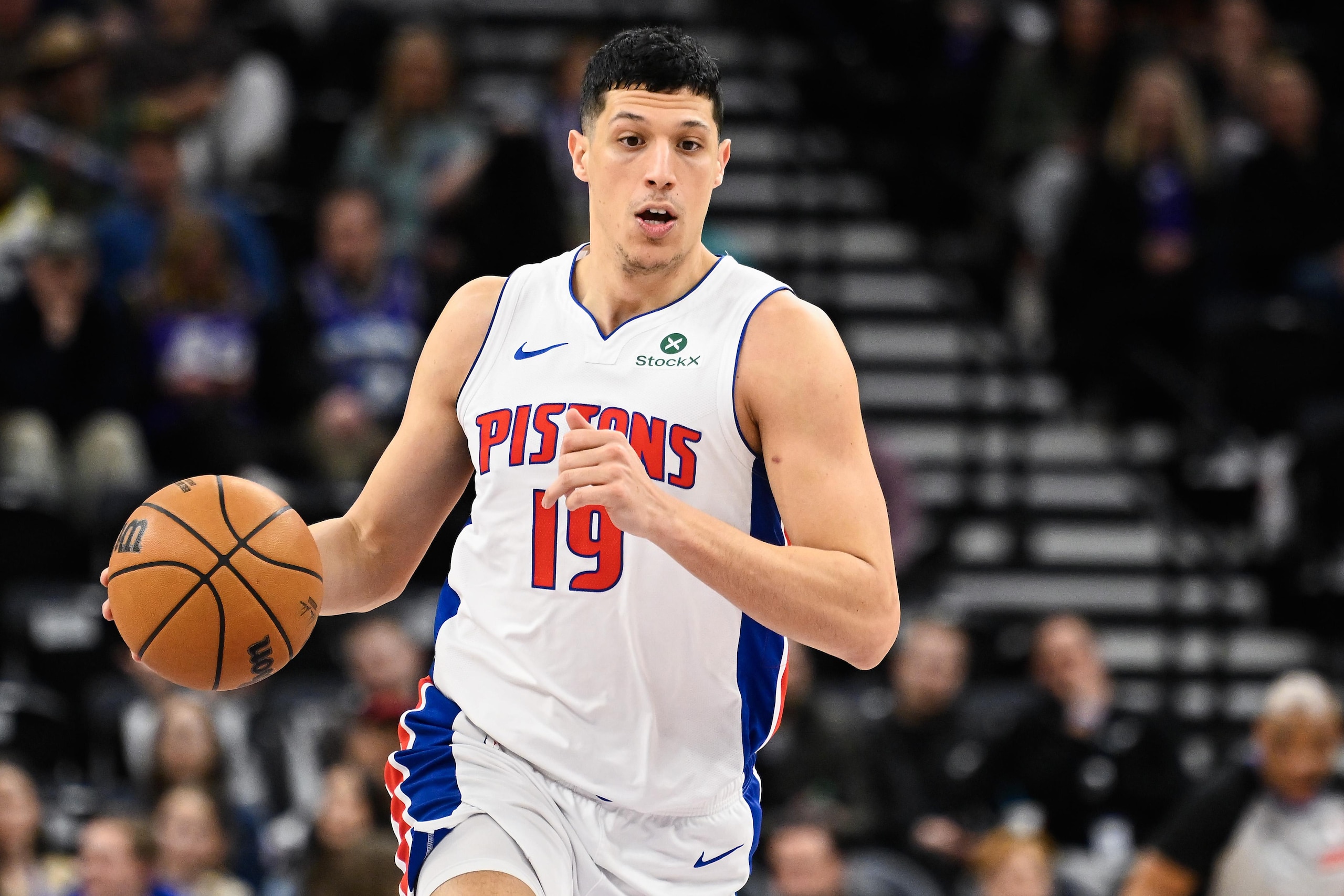
Original pick: Anžejs Pasečņiks
Simone Fontecchio's original draft position: Undrafted
Fontecchio loses the longevity argument to a lot of players in this class, since he didn't make his NBA debut until 2022. He comes up short in the statistical debates with a lot of them, too, as nothing from his stat sheets stand out as superior strengths.
He is, however, completing his third campaign as a serviceable rotation player, and that's enough to get noticed at this stage. He could even ascend a few re-draft selection spots in the future if he could rediscover his shooting touch from last season, when he converted 46 percent of his field goals and 40.1 percent of his threes.
If those shooting rates never resurface, though, there isn't much else to mention.
26. Portland Trail Blazers: Tony Bradley
26 of 30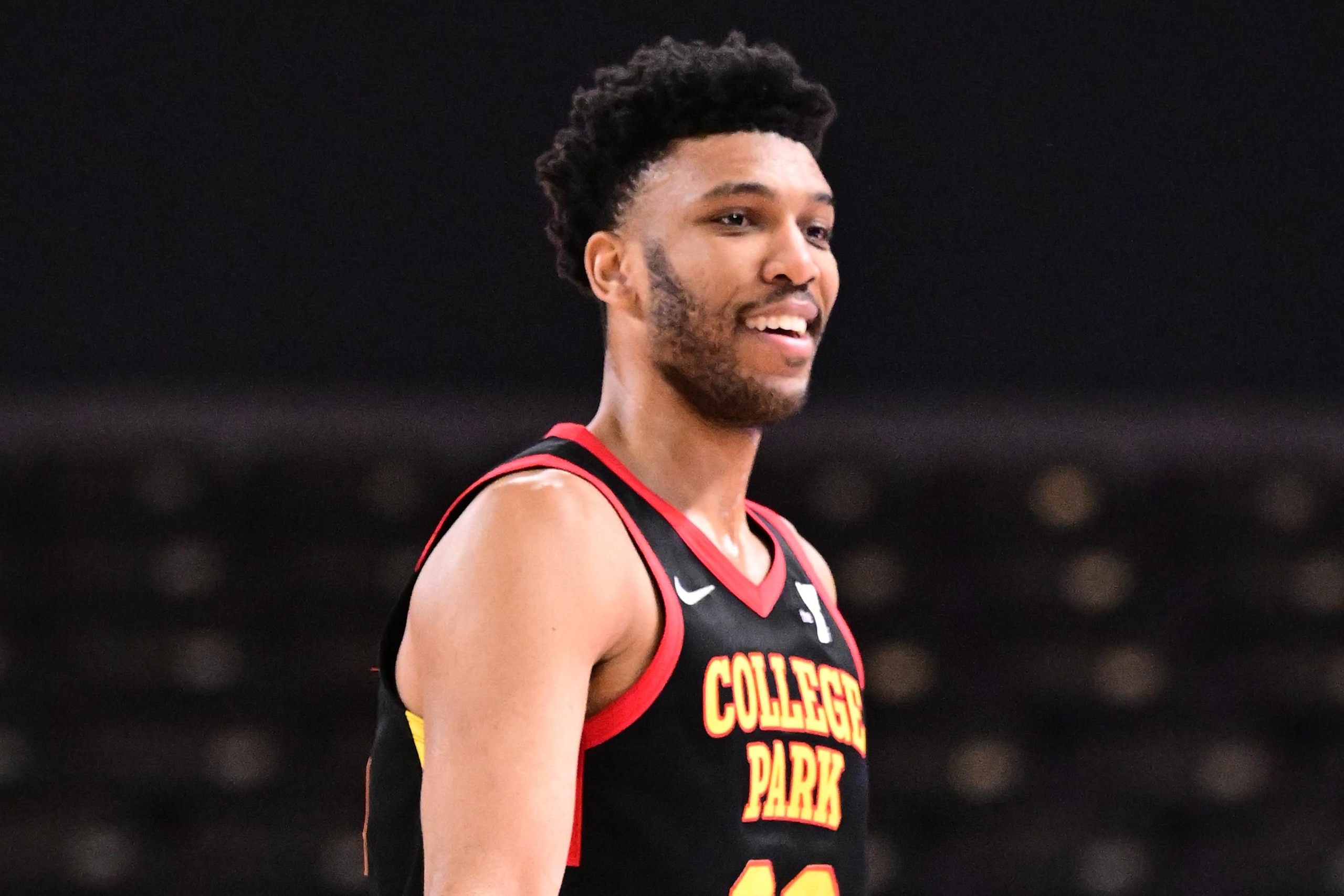
Original pick: Caleb Swanigan
Tony Bradley's original draft position: No. 28
Bradley recently revived his NBA career (for now, at least) by scoring a 10-day pact with the Pacers. He might have enough to stick around a little longer as an emergency depth piece.
He is big, long, mobile and active on the interior. There are no discernible perimeter elements to his game.
He has rebounding, point-blank finishing and a pinch of shot-blocking in his bag. Teams needing more than that from the center spot should look (and have looked) elsewhere.
27. Brooklyn Nets: Frank Ntilikina
27 of 30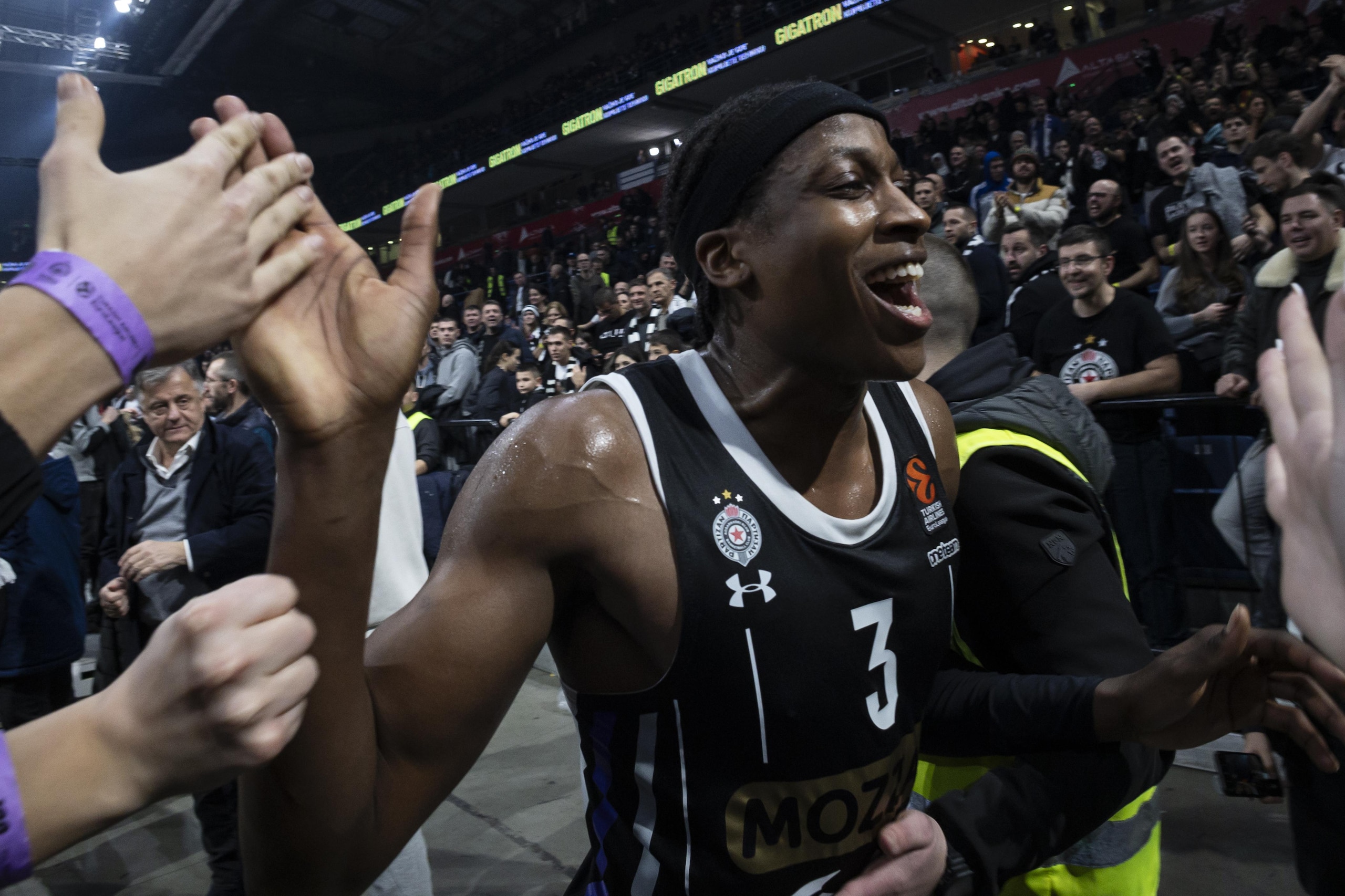
Original pick: Kyle Kuzma
Frank Ntilikina's original draft position: No. 8
With the benefit of hindsight, Ntilikina was clearly overdrafted, but there's a reason he initially went so early. His physical tools and defensive play both drew high marks, and through squinted eyes you could see him finding his way as a passer and spot-up shooter.
His offense never really materialized, though, and high-energy defense only gets a perimeter player so far. After topping 900 minutes each of his first three seasons, he managed just 1,657 over his final four combined.
He has since headed back overseas.
28. Los Angeles Lakers: Edmond Sumner
28 of 30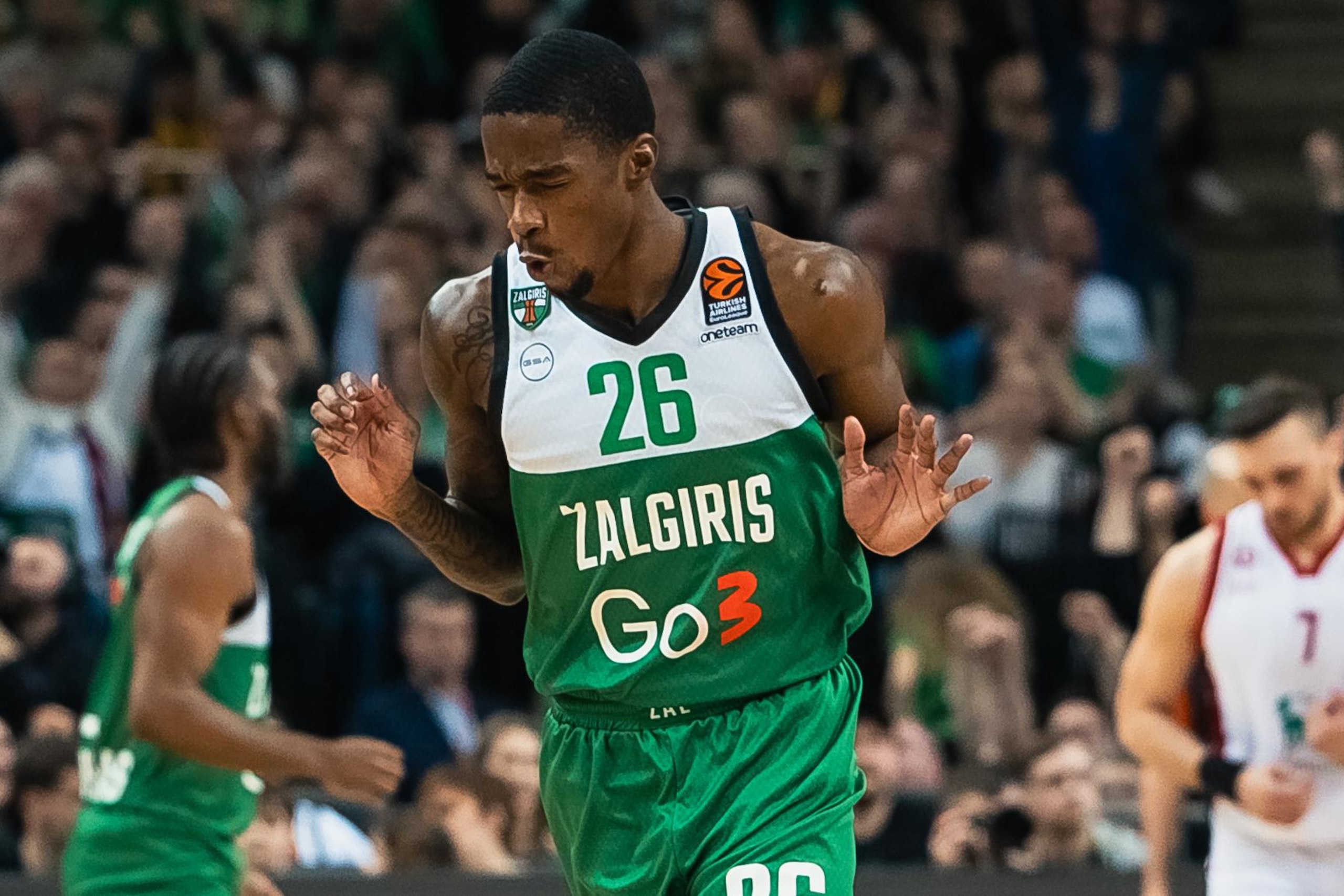
Original pick: Tony Bradley
Edmond Sumner's original draft position: No. 52
Injuries were an issue before Sumner even started his NBA career (he tore his ACL during his final season at Xavier) and perhaps ultimately cut it short.
It took him four seasons to cement his spot in the Pacers' rotation, but he thrived when he arrived. In 2020-21, he averaged 7.5 points on 52.5/39.8/81.9 shooting in 16.2 minutes and appeared in line for a role expansion when Indiana traded away Aaron Holiday that summer. Unfortunately, Sumner wouldn't stick in the Circle City much longer himself, as he suffered a torn Achilles that September and was traded the following month.
He was waived by the Brooklyn Nets shortly thereafter but scored a contract for the following season. He hasn't, however, had an NBA gig since being waived by the Charlotte Hornets in October 2023.
29. San Antonio Spurs: Sasha Vezenkov
29 of 30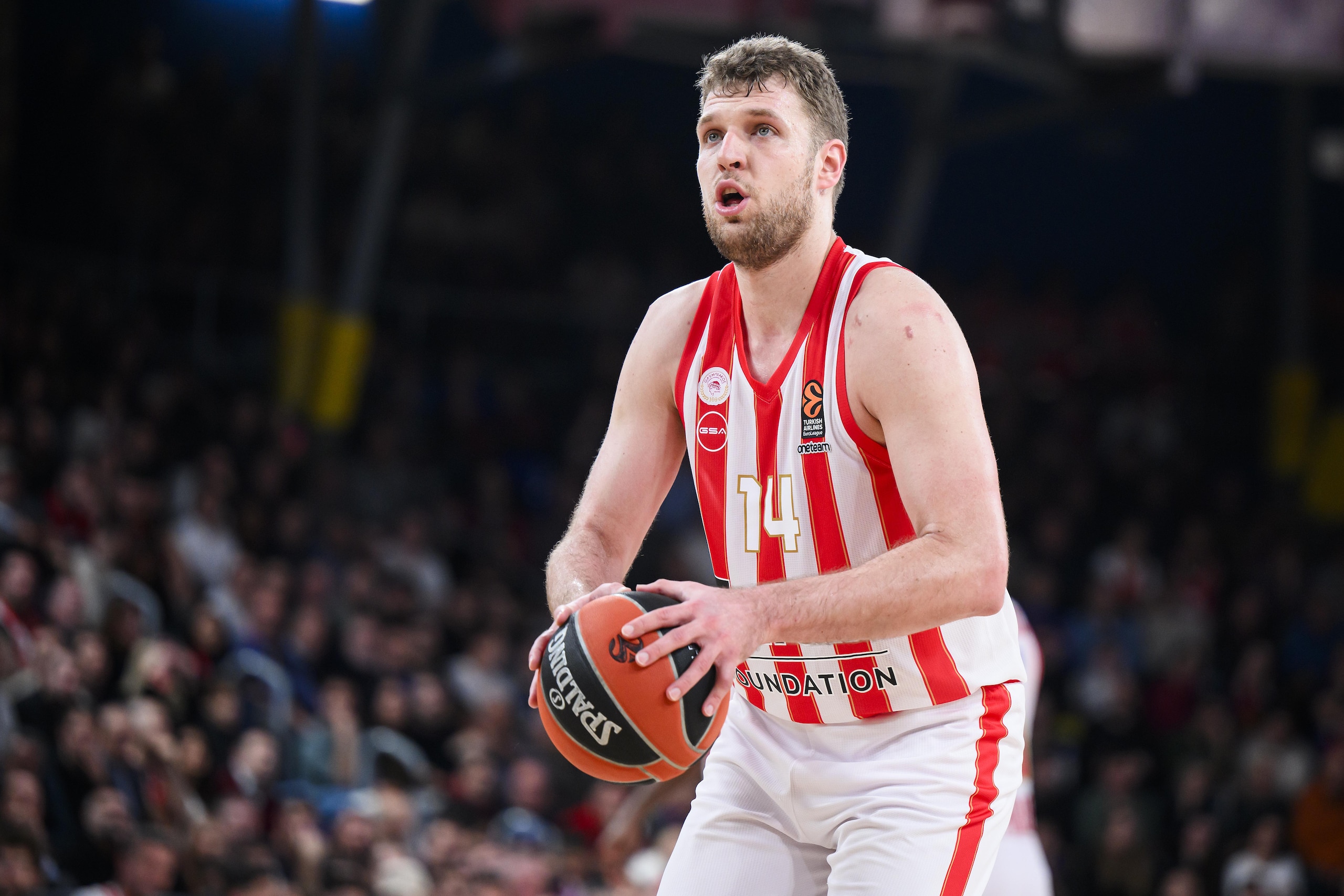
Original pick: Derrick White
Sasha Vezenkov's original draft position: No. 57
Six years passed between Vezenkov's selection and NBA debut. A EuroLeague star (and MVP), it took a three-year, $20 million agreement with the Sacramento Kings to convince him to come stateside.
The 6'9" sharpshooter impressed when he played, though staying in then-coach Mike Brown's rotation and injuries both proved tricky obstacles to navigate. Vezenkov's shooting at least lived up to the billing, as he shot 44 percent overall, 37.5 percent from three and 80 percent at the line.
That was all NBA fans got to see from him, though, as he requested and was granted a trade away from Sacramento and then reached a buyout agreement with the Toronto Raptors to return to Europe.
30. Utah Jazz: Justin Jackson
30 of 30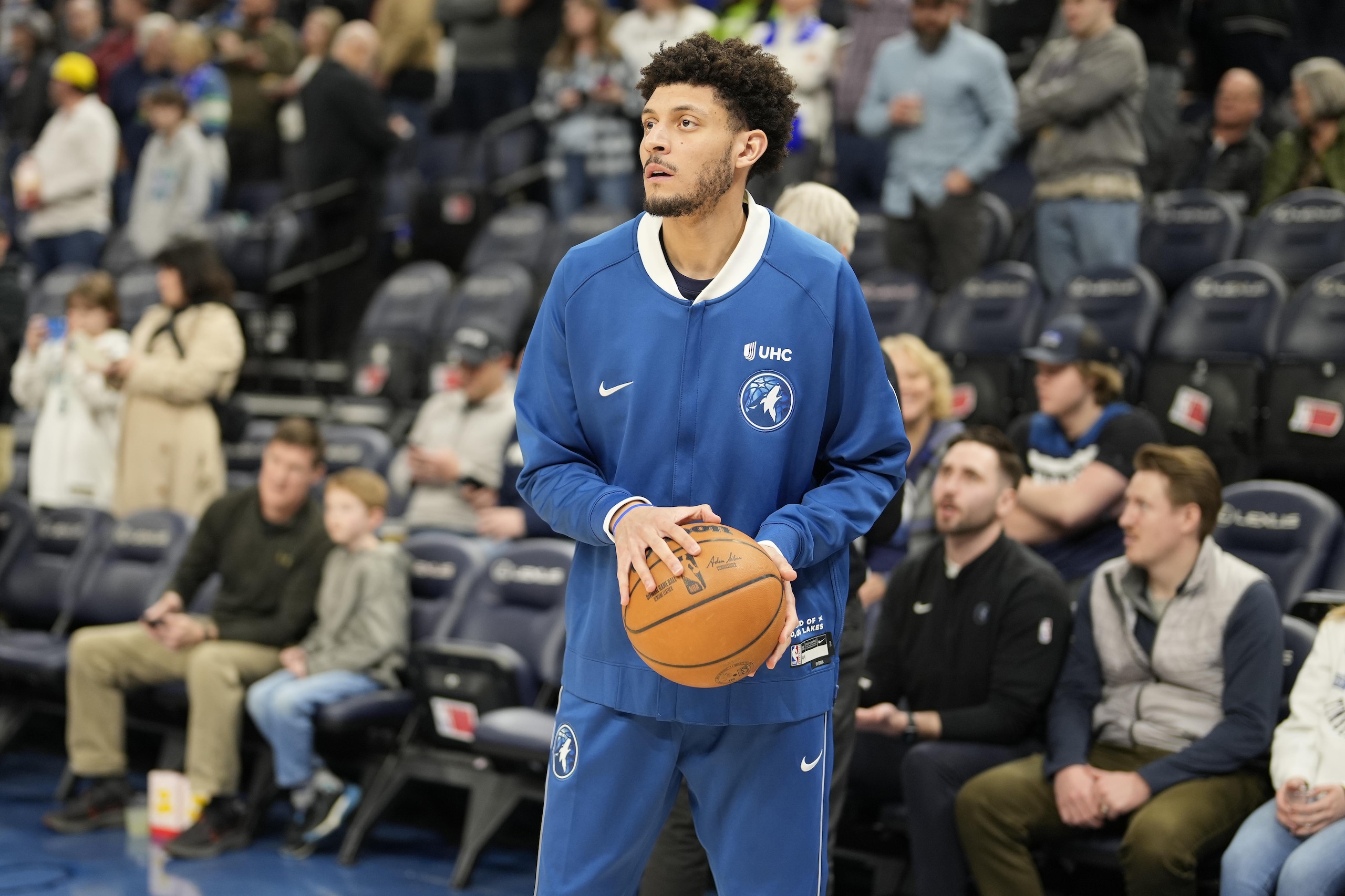
Original pick: Josh Hart
Justin Jackson's original draft position: No. 15
Jackson's jack-of-all trades game was never going to be the easiest fit in the NBA, since his physical tools underwhelmed and his track record as a shooter was all over the place.
Multi-talented 6'8" wings will always be a fascination for this league, though, and he had multiple chances to leave his mark. He wore seven different jerseys over seven seasons, a few of those chances coming by way of 10-day deals.
Despite having a seemingly well-rounded skill set, he never seemed to find his niche. At this stage of a re-draft, though, an inoffensive career that neared the 5,000-minute mark is good enough to round things out.
Statistics used courtesy of NBA.com, Basketball-Reference, Cleaning the Glass and Dunks & Threes.

.jpg?w=2560 "AD Trolls Bears WR on IG 😂")
.jpg?w=2560 "Viral Dan Campbell Presser 💙")
.jpg?w=2560 "Report: Steelers WR to Miss 'Weeks'")
.jpg?w=2560 "Cam Ward Says He's Not A Loser")
.jpg?w=2560 "Buzz: MHJ Hired Agents for Trade")
.jpg?w=2560 "Chargers Fall to 0-5 🤢")
