
12 Rules for Losing Gracefully
Japan may have lost the Women's World Cup final, but they lost gracefully.
And let's face it: Unless you're the 1972 Miami Dolphins, losing is just a part of sports. Players, coaches and fans would all do well to accept that and learn some tactics for handling those inevitable losses with some class and humility.
What follows are 12 rules for losing gracefully. Some apply to only fans, some to players and coaches, and some to all three. Whoever you are, always give the other team credit, and keep the blame game to a minimum.
Don't Refuse to Talk to the Media
1 of 12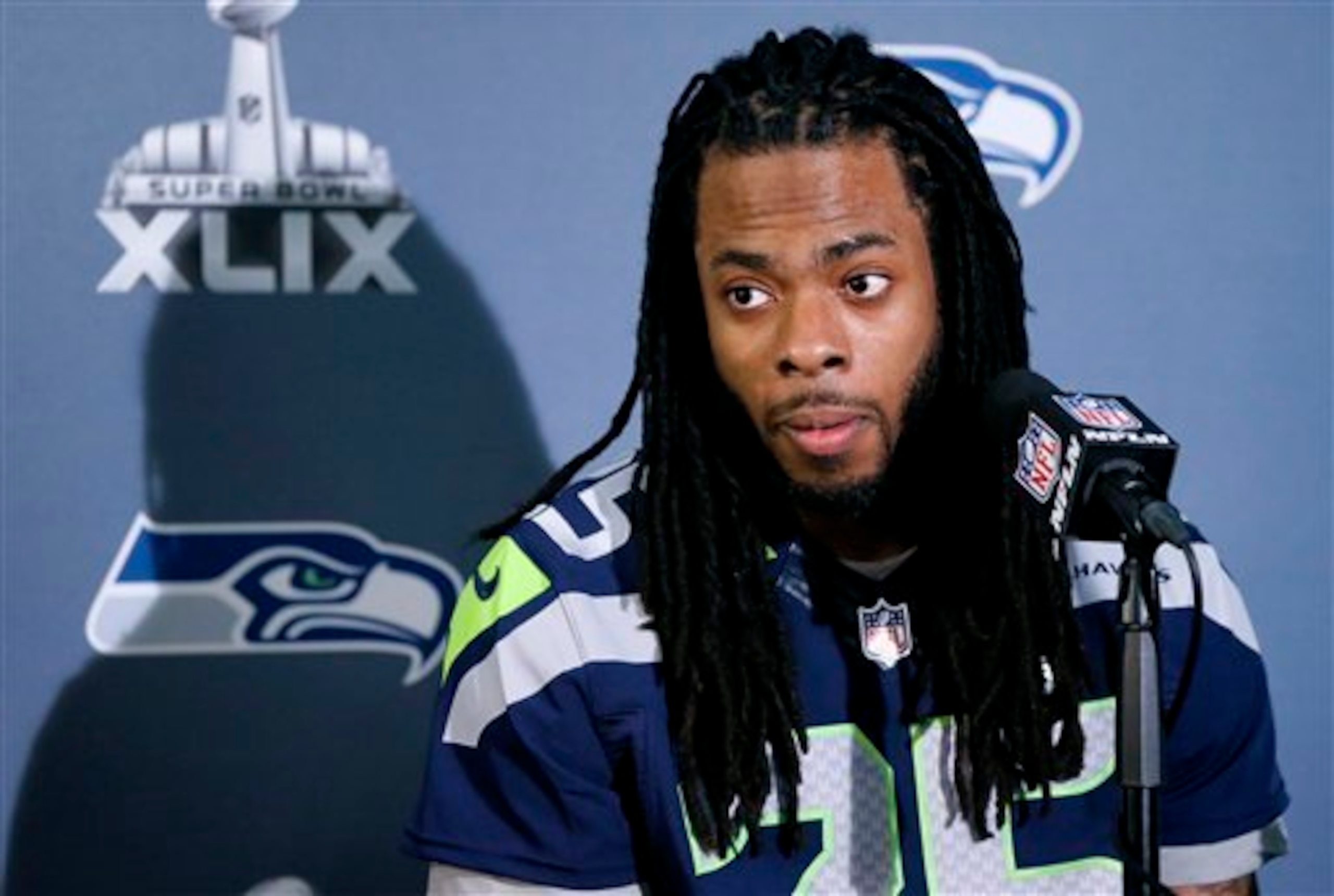
Rule for Players and Coaches
This one doesn't happen a whole lot, especially since athletes and coaches can get fined for not talking to the media, as they are often contractually obligated to.
That didn't stop Richard Sherman from avoiding the postgame media after a September loss to the San Diego Chargers. The ever-opinionated Sherman still tweeted about the game—he just refused to speak to the press afterward.
It's understandable players might just want to be left alone after a tough loss, but talking to the media is part of the job. Ignoring part of your job because you're in a bad mood isn't really an option for most professionals.
Don't Leave Stadium Early (Even When Losing Appears Inevitable)
2 of 12Rule for Fans
Even when a loss seems imminent, true fans stick it out until the bitter end. This is particularly important for home fans. It's got to be tough, as a player, to feel the sting of a looming loss and then look up and see lines of fans filing neatly out of the building as time ticks away.
Plus, you never know if things might miraculously turn around. You don't want to end up like the Miami Heat fans who left before the end of Game 6 during the 2013 NBA Finals. To recap: A Heat loss seemed inevitable, but some Ray Allen heroics sent the game to overtime, where the Heat eventually own.
Don't Play the Blame Game
3 of 12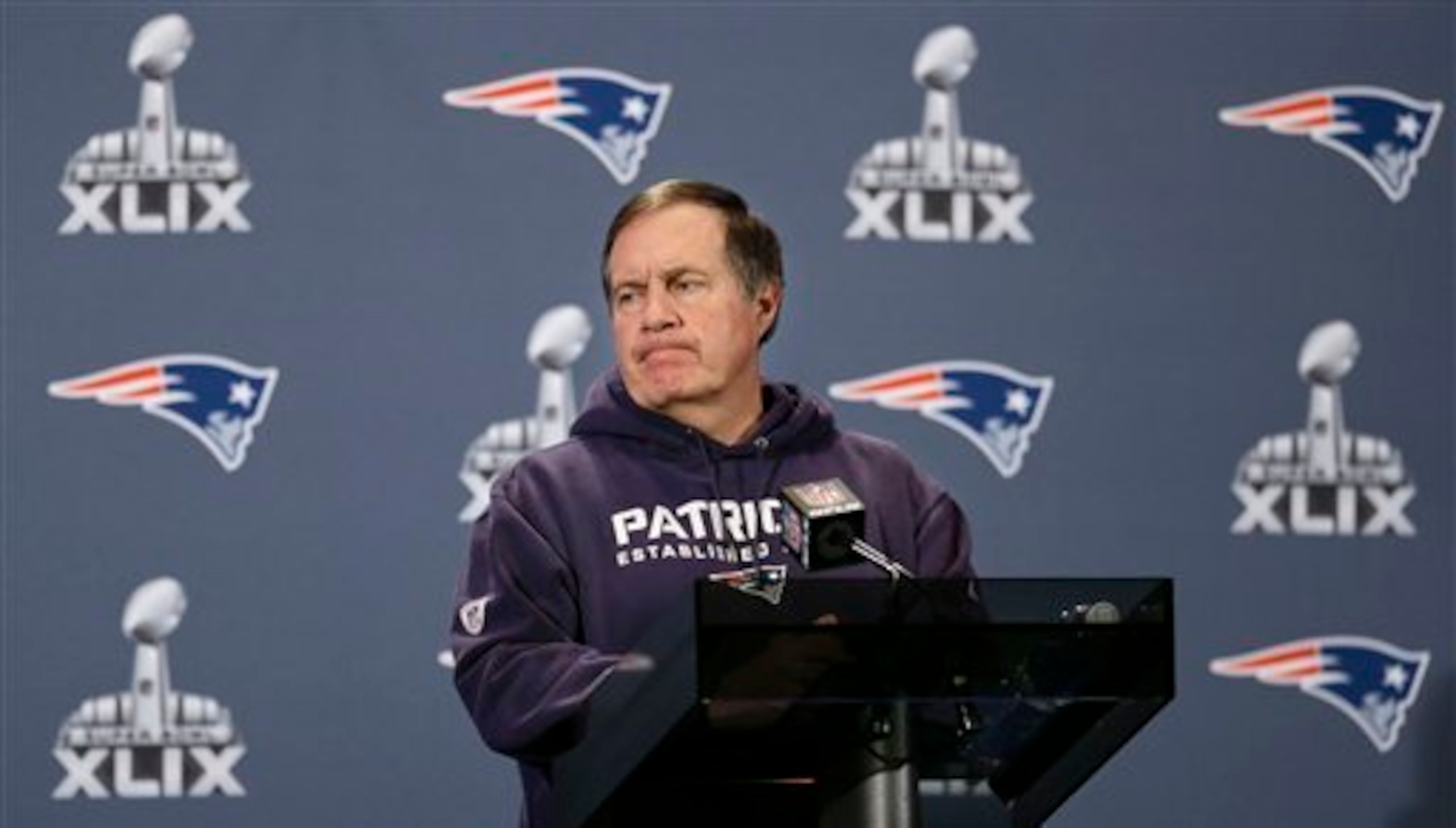
Rule for Players and Coaches
Notorious sore loser Bill Belichick is no stranger to the blame game. After a loss to the Denver Broncos in January 2014, he blamed former New England Patriot Wes Welker for a "deliberate" hit that sidelined cornerback Aqib Talib.
After a playoff loss in 2012, Kobe Bryant told reporters his teammate, Pau Gasol, was partly to blame. Bryant said, "Pau's got to be more assertive. He's the guy they're leaving [open]. When he's catching the ball, he's looking to pass. He's got to be aggressive. He's got to shoot the ball or drive the ball to the basket," as reported by Johnny Luden of Yahoo Sports.
Here's the problems with these examples: It's not as if the Patriots had a perfect game besides the Talib injury, and it's not as if Bryant was masterful in the final moments of his team's loss either. Blaming other players or your own is never a good look.
.jpg?w=2560 "Texans Titans Football")
.jpg?w=2560)
.jpg?w=2560 "Cardinals Giants Football")
Don't Blame Injury (Even If It's True)
4 of 12
Rule for Players and Coaches
Injuries have certainly played a part in many game outcomes over the years. However, it's still taboo to blame the losses entirely on them.
After losing his fourth NBA Finals, LeBron James told reporters, via Fred Kerber of the New York Post: "You lose Kevin, an All-Star, lose Kyrie, another All-Star. Try as much as we could to make up, we had a lot of talent sitting in suits. I've had a lot of playoff runs on both ends and know one thing, you've got to be healthy, you've got to be playing right at the right time. We had no luck. We were not healthy."
Even though James' comments were fair (and true), it's still not a great look to blame injuries for a loss. Every team deals with injuries at one time or another. It's part of the game.
Don't Publicly Insult the Other Team
5 of 12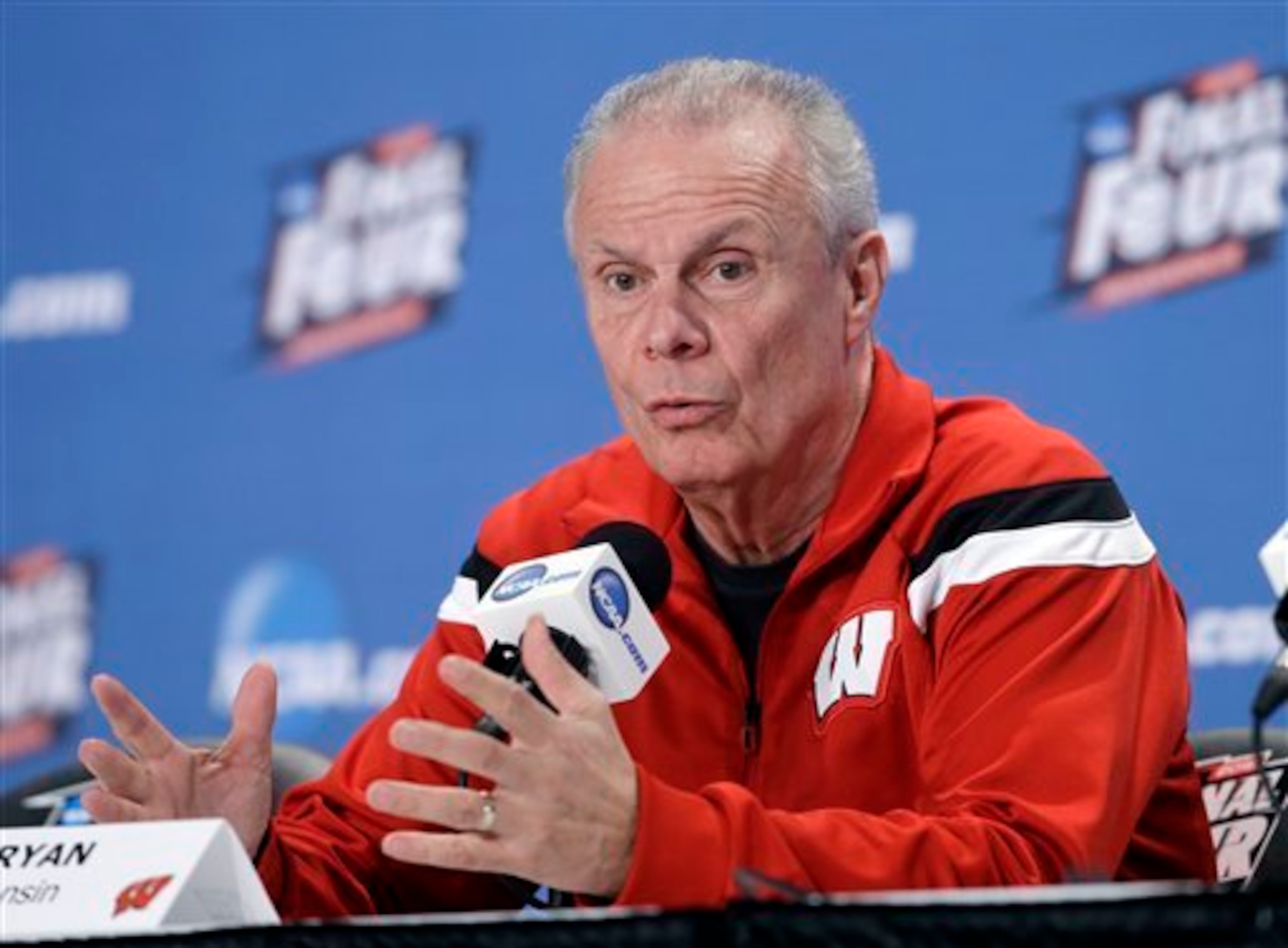
Rule for Players and Coaches
Losing is hard—no doubt about it. However, players and coaches shouldn't devalue or insult the winning team in their postgame comments.
When Duke edged out Wisconsin for the NCAA Men's Division I Basketball Championship, Bo Ryan told reporters, "We don't do a rent-a-player," as reported by Kevin Trahan of SB Nation. Now, Duke may generally have more one-and-done players, but Ryan still sounded like sour grapes.
Do Not Insist the Other Team Still "Sucks"
6 of 12
Rule for Fans
The word "sucks" should be eliminated from every sports fan's vocabulary (and really, every human's). That said, it's particularly asinine to insist the winning team "sucks" despite its recent victory.
Stick by Your Team
7 of 12
Rule for Fans
Even worse than insisting the winning team "sucks" is to voice a similar sentiment regarding your own team. True fans stick by their teams—they don't let one loss, no matter how devastating, turn them against their own. Loyalty matters in sports.
Do Not Throw a Public Fit
8 of 12Rule for Players, Coaches and Fans
Most of us learn this as little kids, but sometimes things don't go your way. Adults throwing temper tantrums is just immature.
In the closing moments of a playoff loss to the San Antonio Spurs, Los Angeles Clippers guard Chris Paul descended into a hissy fit that would make toddlers shake their heads. Come on, CP3—you're better than that.
Don't Complain About the Officiating
9 of 12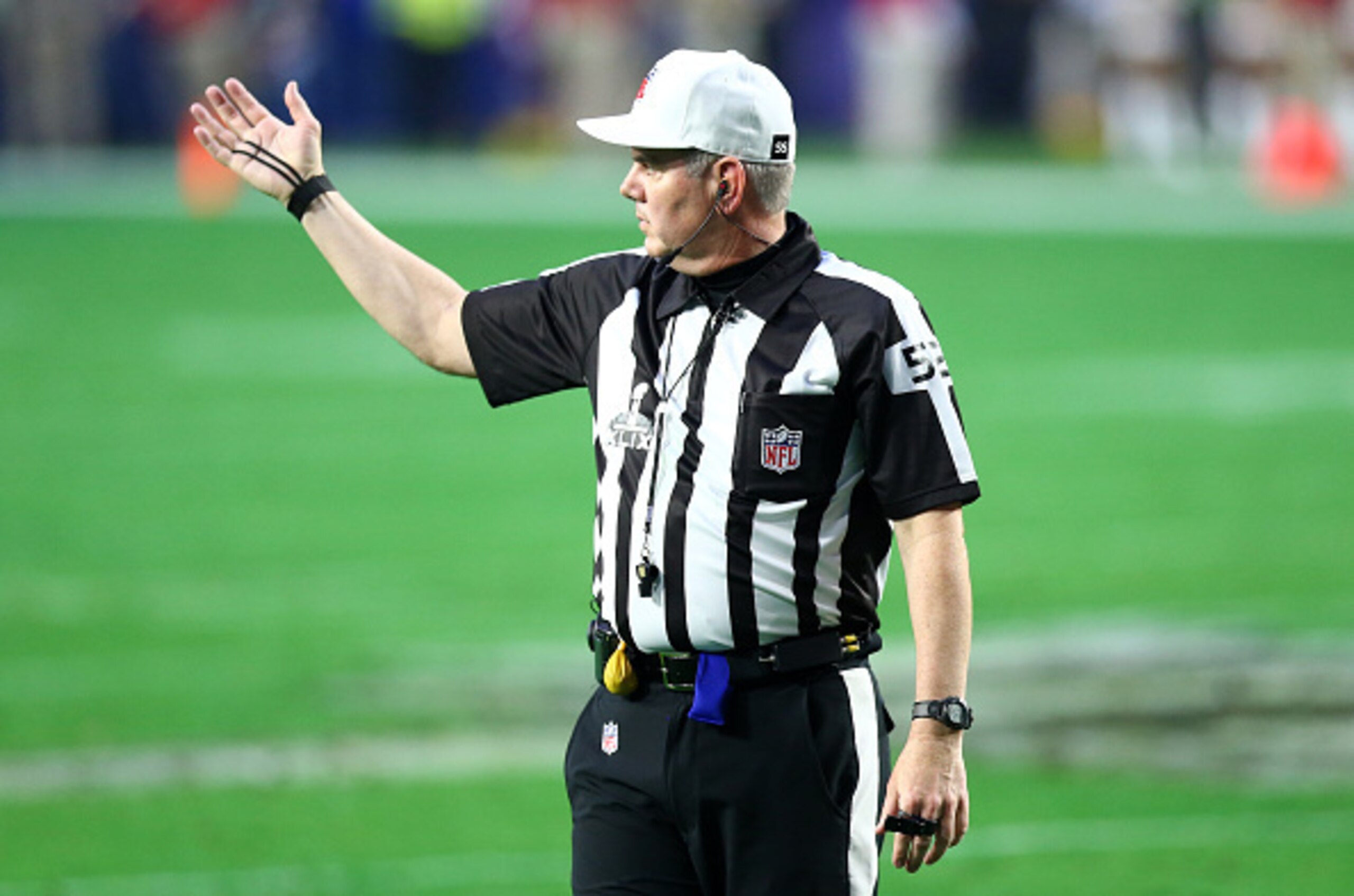
Rule for Players, Coaches and Fans
Blaming the refs is a subset of the overall blame game. It's common enough, after a tough loss, to blame the officiating in some way. However, unless you're the 2012 Green Bay Packers (think replacement refs and Golden Gate), you don't usually have a case there.
Sure, sometimes one team appears to get more calls than another, but the individual occurrences of sporting events don't happen in a vacuum. If one call went a different way with eight minutes remaining, for instance, that doesn't guarantee victory.
You get some calls; you don't get others—and you let the chips fall where they may. It's a rare occasion that a clearly better team loses solely because of officiating.
Fight Until the Very End
10 of 12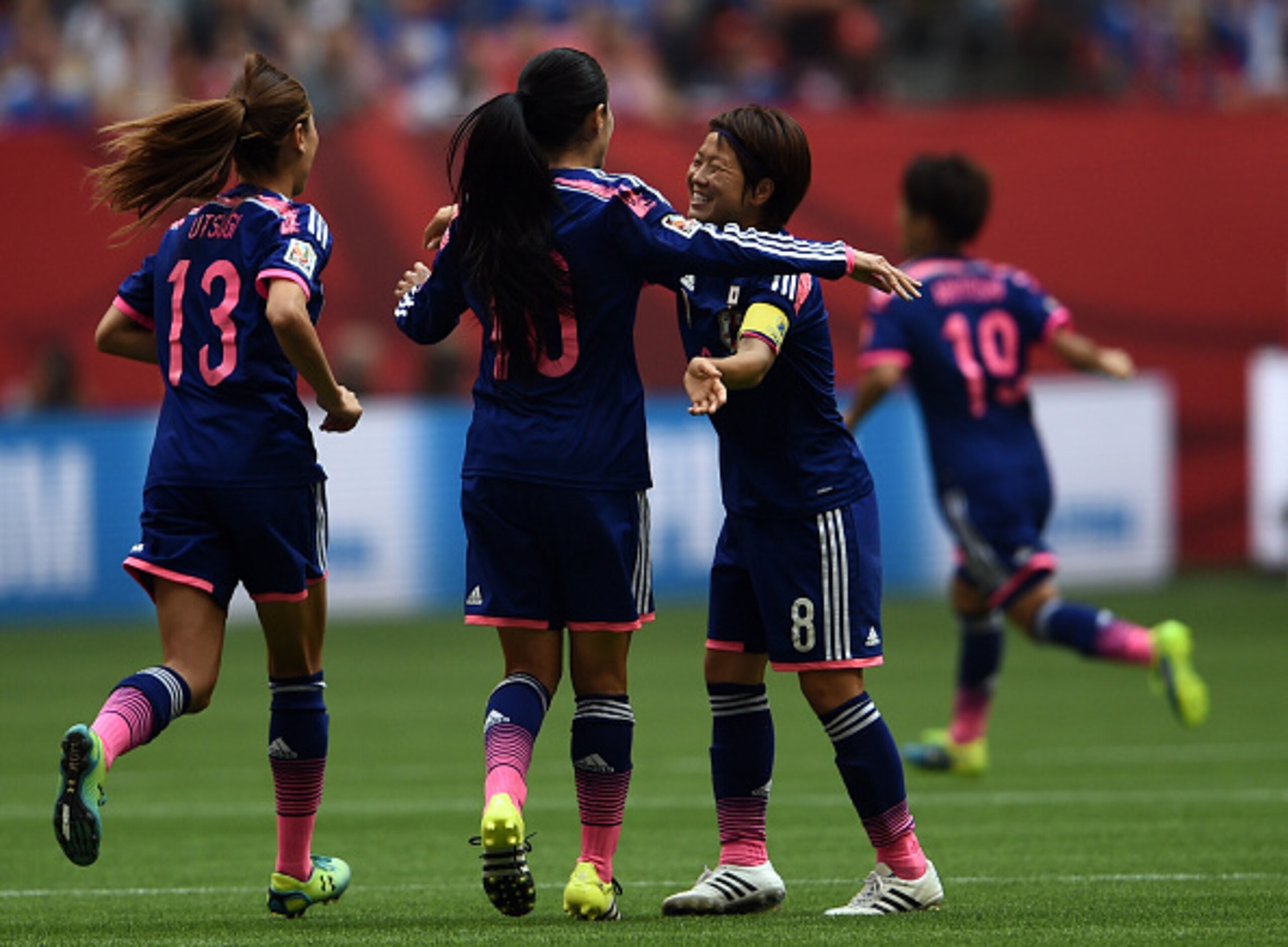
Rule for Players
Part of losing gracefully is putting forth your best effort, right up until the final second or the final out. Despite falling into a 4-0 hole in the first 16 minutes of the Women's World Cup final, Japan never gave up.
Fighting until the very end is a sign of respect, for your opponent and for yourself.
Give the Winning Team Credit
11 of 12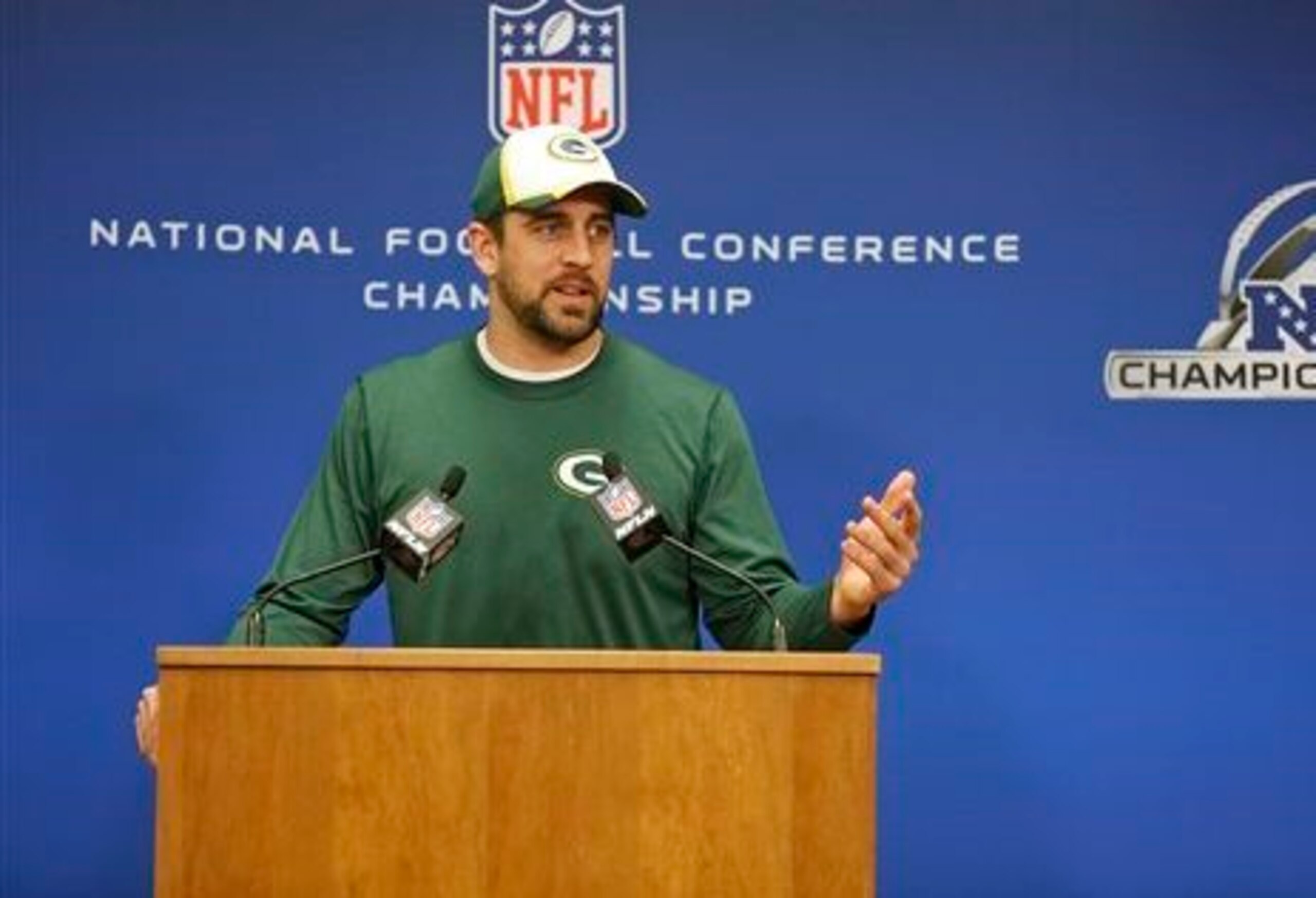
Rule for Players, Coaches and Fans
Players, coaches and fans should all give the winning team credit after a loss. Yes, it's hard, but it's the right thing to do. No matter what factors were involved—injuries, officiating, mistakes—that team found a way to win, and that deserves some recognition.
When the Green Bay Packers lost to the Seattle Seahawks in the NFC Championship Game, Aaron Rodgers told reporters, "We were the better team today, and we played well enough to win, and we can't blame anybody but ourselves," according to Molly Geary of SI.com. His sentiment was understandable, but again, it's important to credit the other team.
Worse is when fans insist, "We should've won!" Right, but you didn't.
Don't Refuse to Shake Opponents' Hands
12 of 12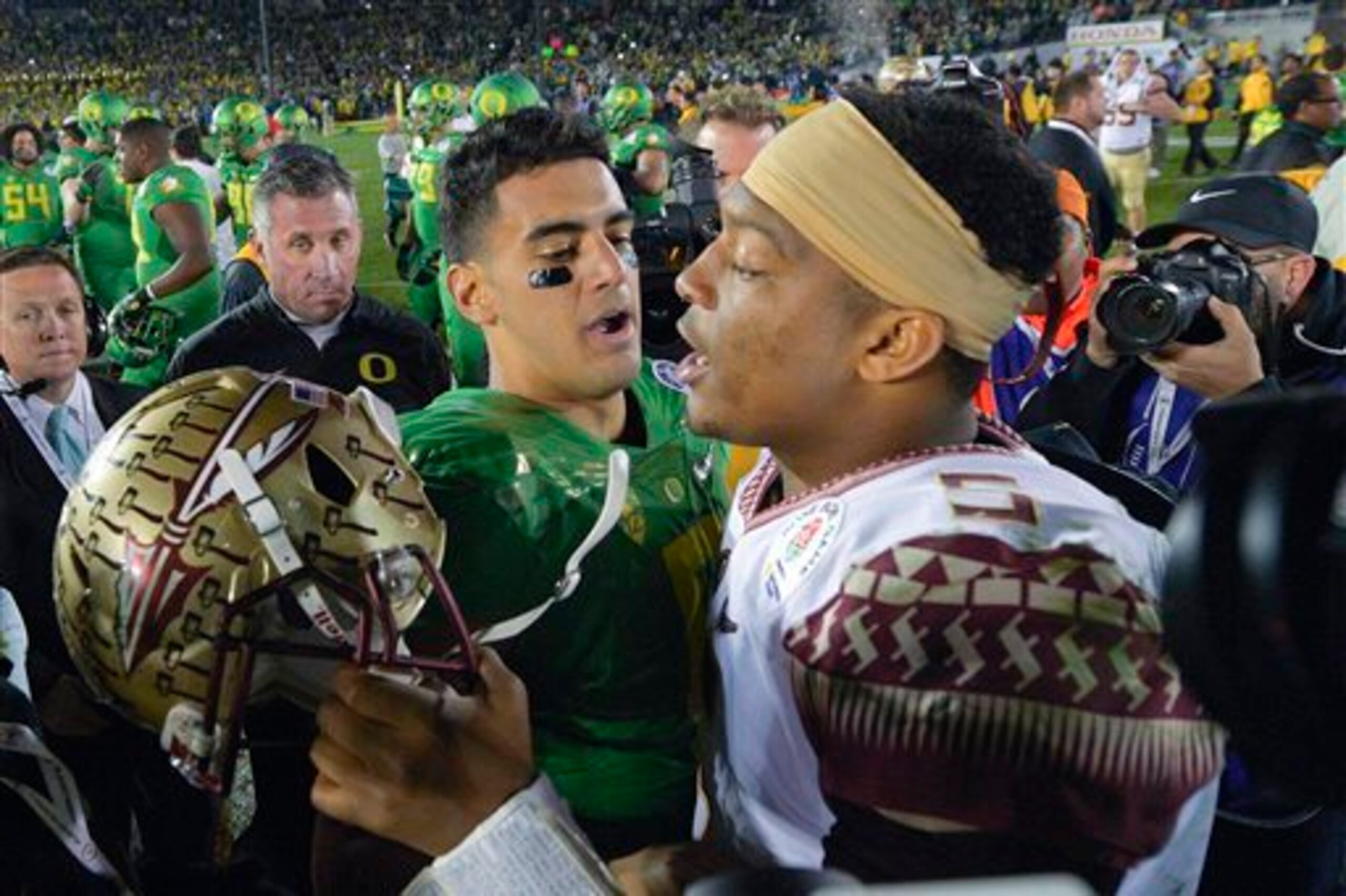
Rule for Players and Coaches
All players should display proper sportsmanship. Often, that means shaking hands after the game, win or lose.
Bayern Munich manager Pep Guardiola refused to shake the hand of the opposing head coach when his team lost to the MLS All-Stars in 2014. When Florida State got demolished by Oregon in the Rose Bowl, FSU players didn't shake the victors' hands.
Maryland even refused the handshake before a football game against Penn State in November.
Any way you slice it, that's just being a poor sport.
.jpg?w=2560 "Broncos Chargers Football")

.jpg?w=2560 "MHJ Bought Own Jugs Machine")