
The Best NBA Player at Every Age Right Now
The NBA GOAT debate is a little tired, and gaps in each generation’s opinion make consensus impossible to reach anyway. Depending on your age, Michael Jordan, LeBron James or Bill Russell might be your unassailable, indisputable Greatest of All Time.
If we’re going to settle anything, we need to narrow the parameters. That’s how this exercise was born. Here, myself and fellow Bleacher Report NBA scribe Grant Hughes will split active players into single-year age groups and determine who’s the best right now in each bucket.
To keep things as simple and fair as possible, we’ll use Jan. 31 as a cutoff. However old a player is on that date, that’s the age we’ll use. There’ll be some oddities, as Dereck Lively II qualifies as a 20-year-old, despite turning 21 a few days ago. But we’ll note those as they arise.
Otherwise, the idea is simple: Crown the best active player at every age from 19 to 40.
19: Alex Sarr, Washington Wizards
1 of 22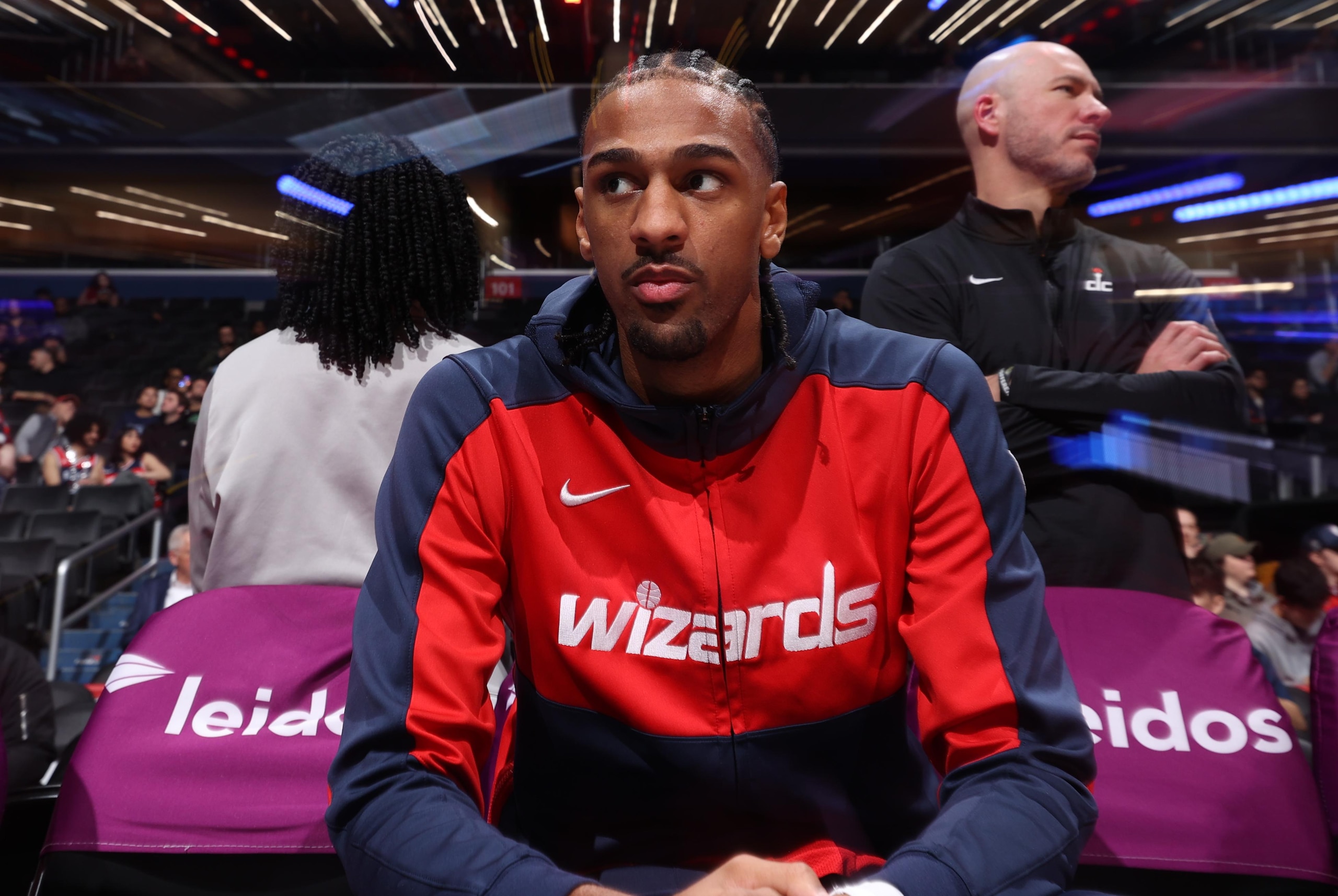
A field of fewer than 10 players helps Alex Sarr here. Granted, you can make a case for Zaccharie Risacher or Bub Carrington. But Sarr continues to show extended flashes that prove he has the highest ceiling of the three.
Shooting splits aren’t doing the Washington Wizards rookie any favor. His touch around the basket has improved but isn’t elite. Ditto for his long-range accuracy. And his hands as well as his overall floor game are works in progress.
Still, Sarr has moments in which he shines as a spacer and passer and even a defensive anchor. Clearing three assists, two blocks and one made three per 36 minutes may not seem like much, but it’s a single-season feat only ever accomplished by Victor Wembanyama, Chet Holmgren, Joel Embiid, Anthony Davis and Marc Gasol.
—Favale
20: Dereck Lively II, Dallas Mavericks
2 of 22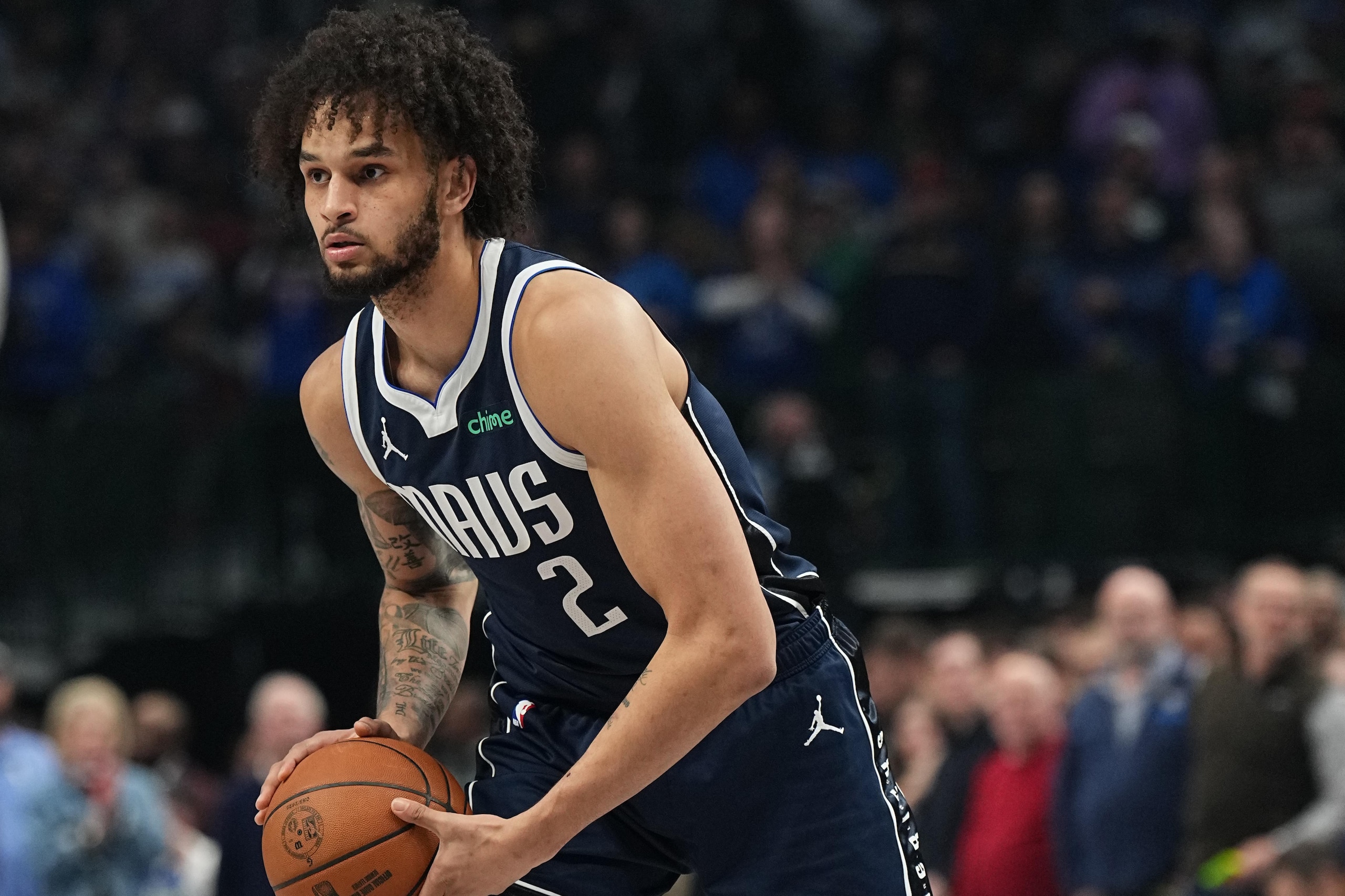
Potential abounds in the age-20 class, but Dereck Lively II is the only member of it who can already claim to have established himself as a legitimate starter on a good team. His defensive work was integral to the Dallas Mavericks making last year’s NBA Finals, and he was averaging 13.7 points, 11.8 rebounds, 3.9 assists and 2.5 blocks per 36 minutes prior to an ankle injury earlier this season.
Though it’s difficult to evaluate his offensive game independent of Luka Dončić’s spoon-feeding, Lively’s work on D (at the most important position on the floor) is undeniably excellent. He can hold up in space against smalls while providing top-end rim-protection inside.
Other notables—Stephon Castle, Bilal Coulibaly and Scoot Henderson, to name three—might have more potential to claim a prime offensive role down the line, but Lively (who just turned 21 but still qualifies by our criteria) is already a plus starter.
—Hughes
21: Victor Wembanyama, San Antonio Spurs
3 of 22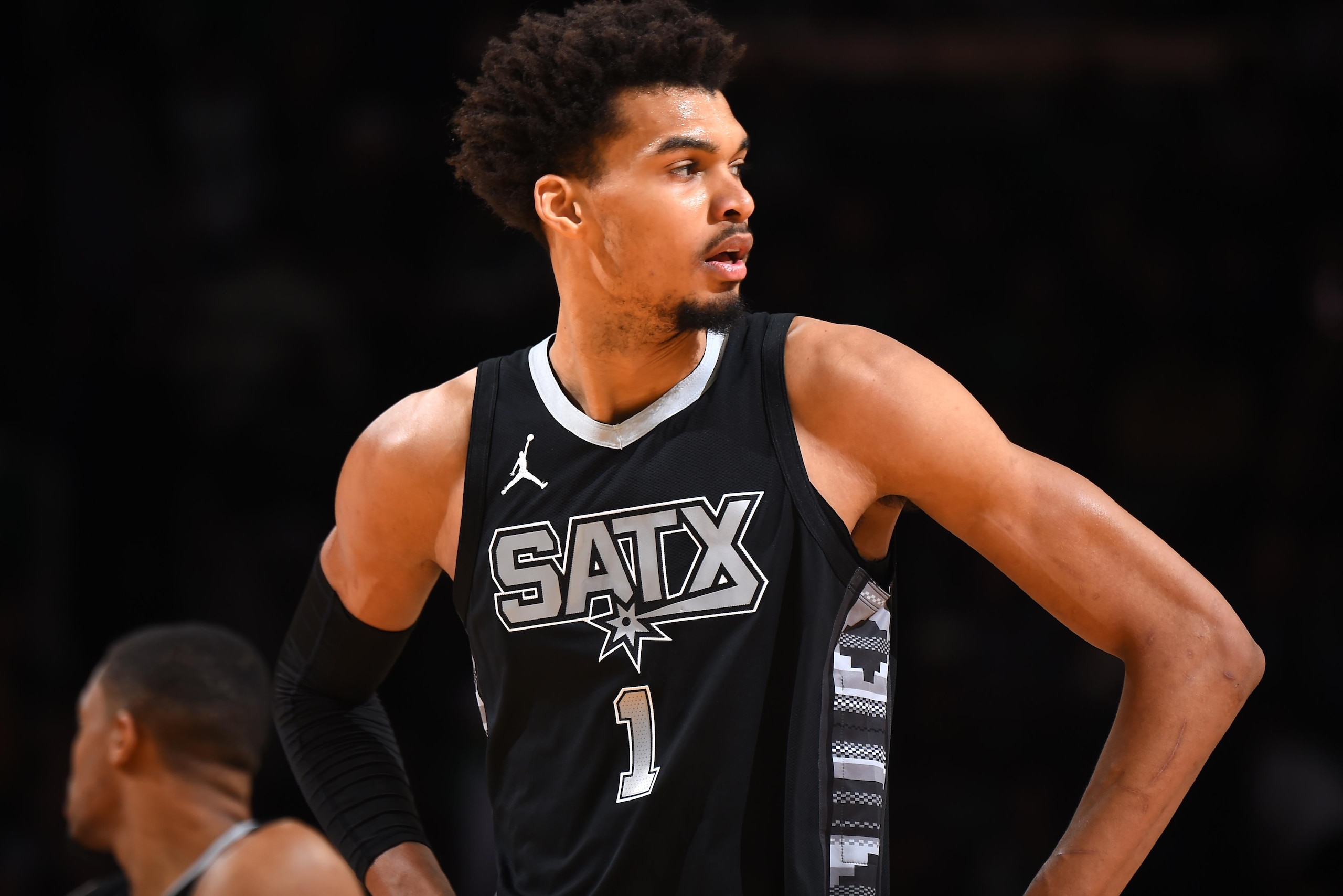
Our age-21-season field includes 38 entrants, but this is still among the easiest decisions of the entire exercise.
Victor Wembanyama is unlike any other player—any other human, really—we've ever seen. Year 2 has featured him earning an All-Star nod and establishing himself as the runaway Defensive Player of the Year favorite while further refining his outside-in offensive arsenal, which, by the way, includes bonkers range and burgeoning playmaking abilities.
Chances are good to great to inevitable that Wemby will headline every age bracket in which he exists for the next 15-plus years.
—Favale

22: Chet Holmgren, Oklahoma City Thunder
4 of 22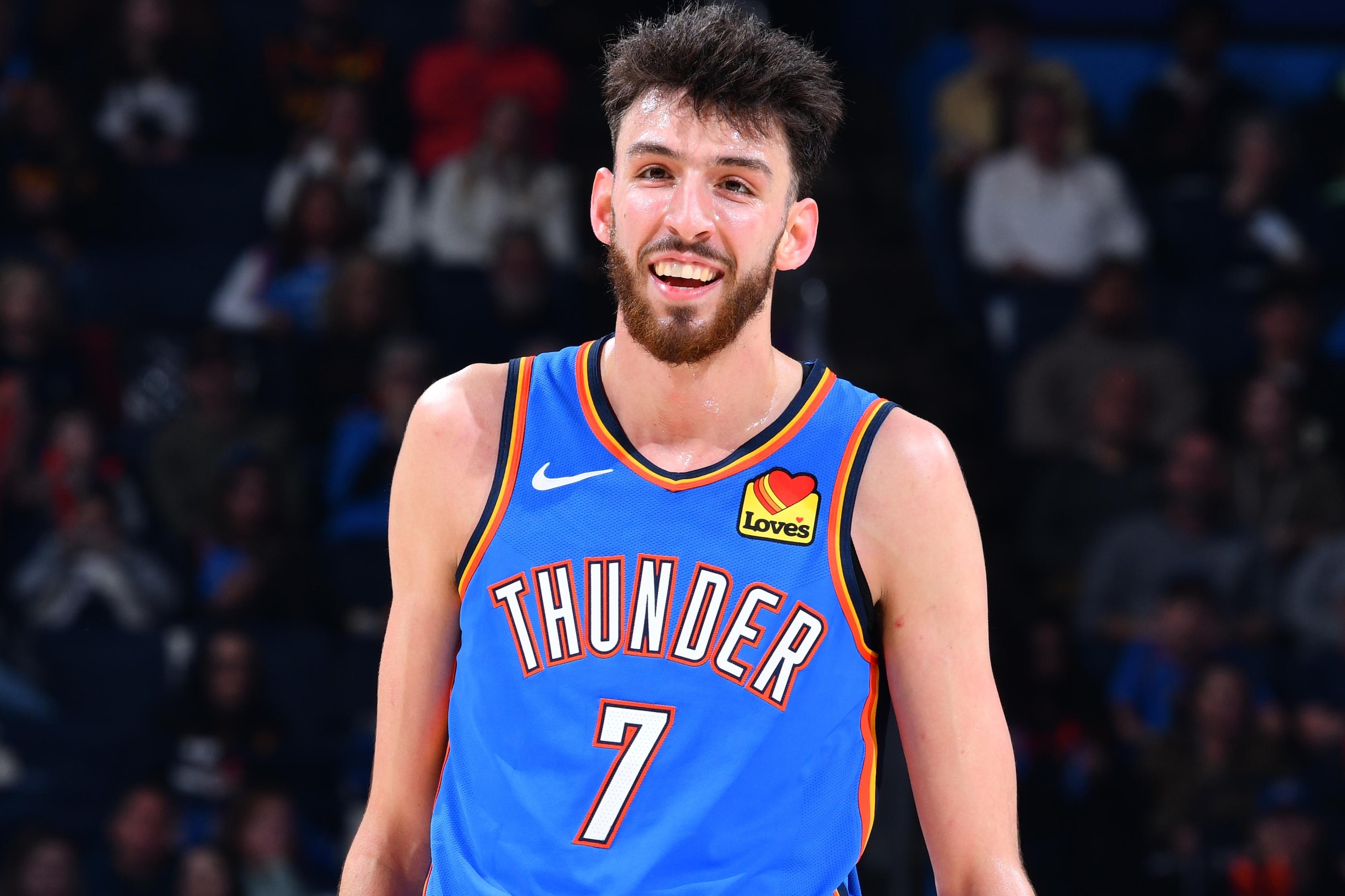
The best way to make the case for Chet Holmgren is to compare the questions we ask about him against the ones we ask about the other contenders for the age-22 crown. With Holmgren, the only uncertainty is health. He missed his entire first year, played all 82 contests last season and might top out at a games-played total in the 30s in 2024-25.
When it comes to his actual game, though? Zero doubts.
Holmgren put up 16.5 points, 7.9 rebounds, 2.4 assists and 2.3 blocks last season while hitting 37.2 percent of his threes. He’s right on track to equal or beat all of those figures this year, all while rating as perhaps the best defensive player on the planet not named Victor Wembanyama.
Alperen Şengün can’t space the floor and lacks the lift to be a dominant interior defender. Paolo Banchero has to prove he can shoot. Ditto for Amen Thompson.
Right now, Holmgren, if healthy, is just better than all of those players.
—Hughes
23: Anthony Edwards, Minnesota Timberwolves
5 of 22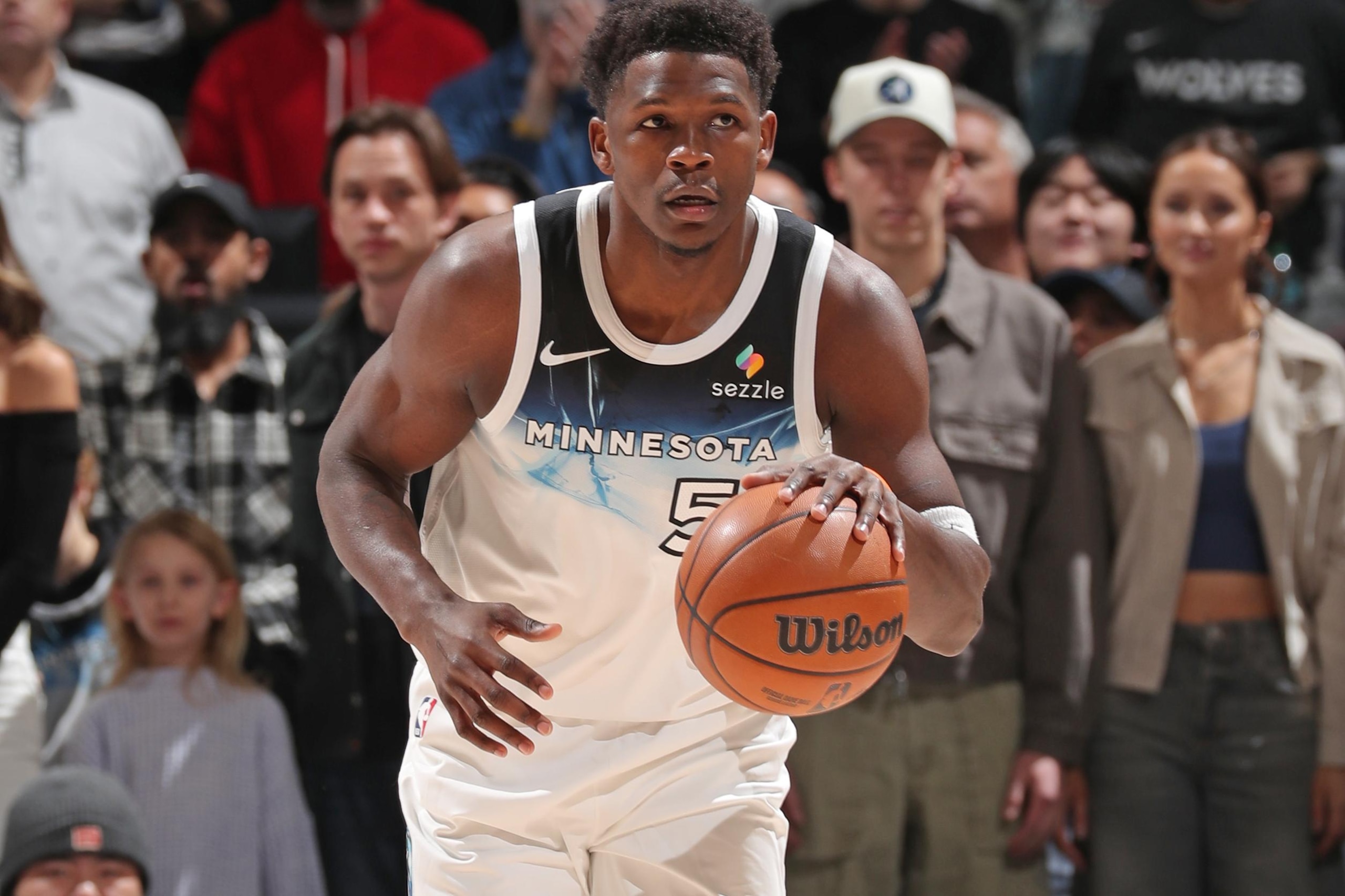
This age bucket will bend my brain until the end of time. Top-spot considerations include Anthony Edwards, Evan Mobley, Cade Cunningham, Franz Wagner, LaMelo Ball and Jalen Williams. That is absurd.
Edwards has some limitations as a primary offensive engine. At least two of his already-named peers are better passers (LaMelo and Cade). But Edwards has a defensive gear no one else in this bracket can hit aside from Mobley and J-Dub, and the three-point volume and efficiency he's delivering this season are both bonkers.
Mobley looms as the most interesting alternative. He's a Defensive Player of the Year candidate who's progressing as a creator, finisher and spacer. But you can make a compelling case for a half-dozen names here.
If nothing else, even if you disagree with this pick, at least the pool of candidates reinforces the belief that the future of the league is in good hands.
—Favale
24: Tyrese Haliburton, Indiana Pacers
6 of 22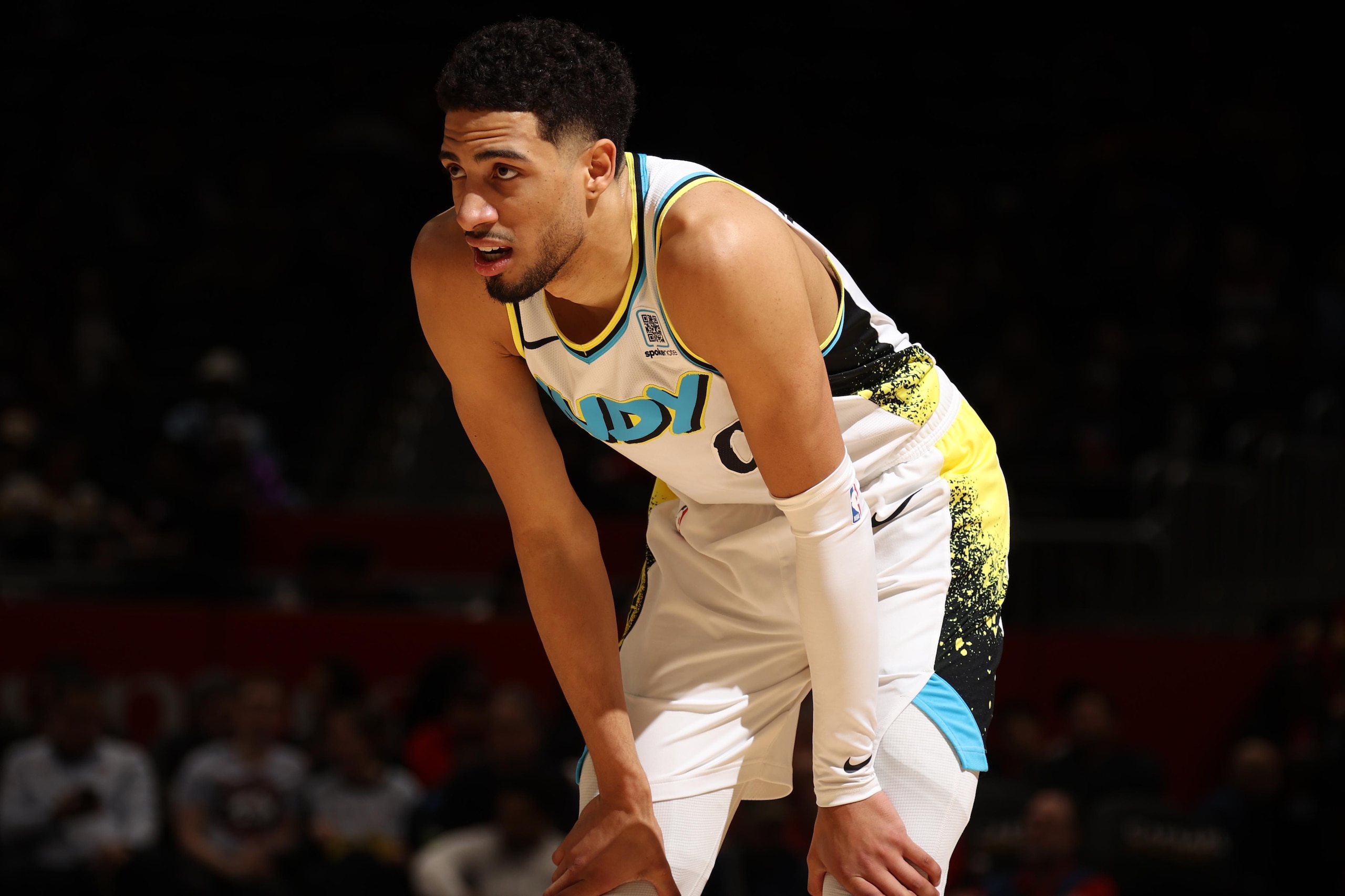
Even in what qualifies as a down year, Haliburton tops all 24-year-olds in Value Over Replacement Player, a testament to his level-raising effect on teammates, efficient scoring and unparalleled facilitation.
Haliburton carried the Indiana Pacers to last year’s East Finals and is the only player in his age group with two All-Star nods and an All-NBA honor on his resumé.
It’s worth wondering how the comparison would look if Zion Williamson could stay healthy, and one could argue the absolute peaks of Williamson’s career have rivaled or exceeded Haliburton’s. But this is a close enough call to make Williamson’s durability concerns relevant—to say nothing of how much easier it is to build a winning roster around a selfless, scaleable star like Haliburton than a spacing-challenged, defensively iffy big man like Zion.
—Hughes
25: Luka Doncic, Los Angeles Lakers
7 of 22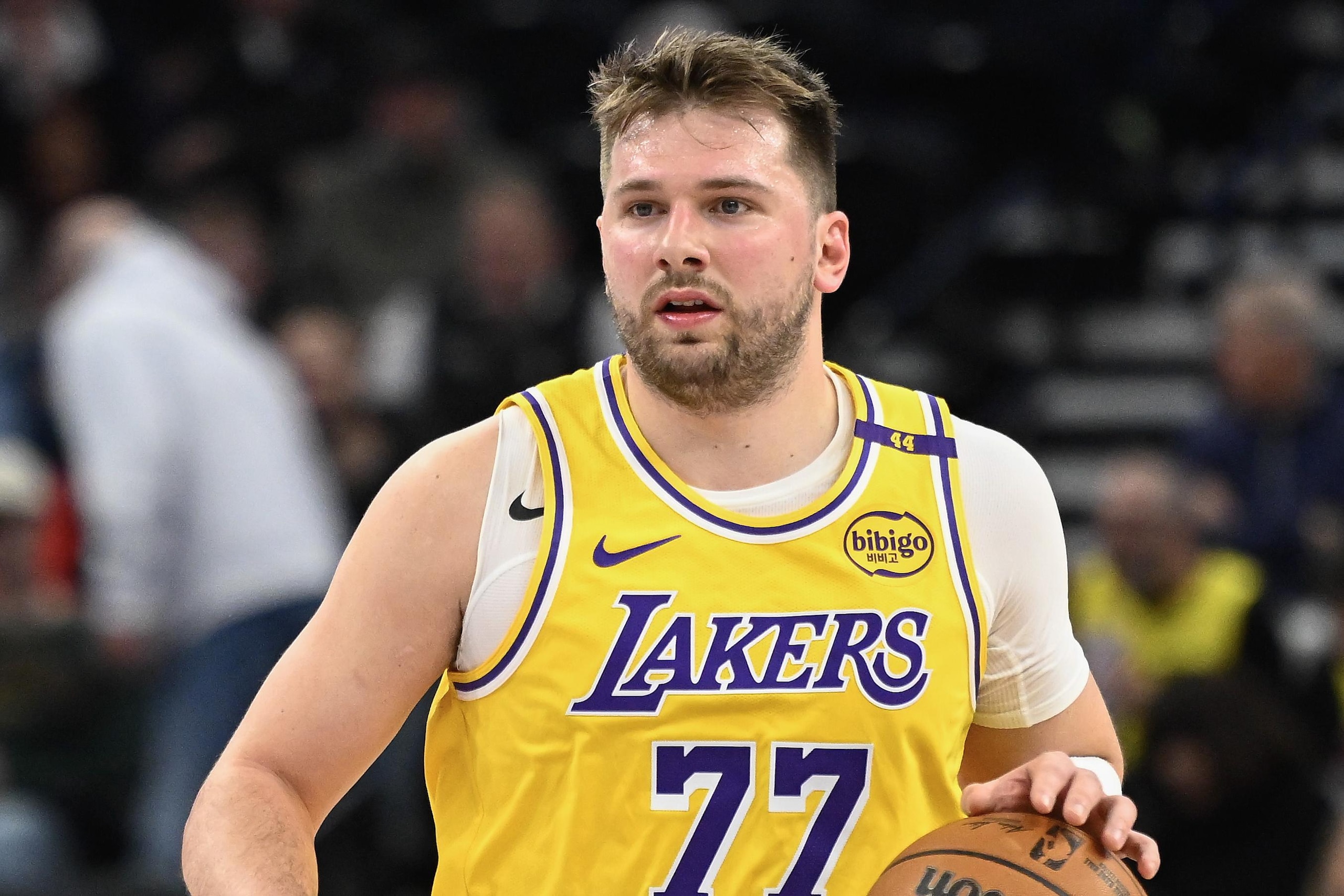
Do not let the Dallas Mavericks' weird, inconsistent and insufficient trade-deadline spin fool you. Luka Dončić is a generational talent. Still.
No, Dončić isn't chiseled like an Adonis. So what? The idea that pro athletes must look a certain way as proof of concept, performance, commitment, value, et al. is archaic and inaccurate and mega cringey.
Dončić is a perennial MVP candidate who drops 28/8/8 stat lines like it's child's play, and who spearheaded a Finals appearance before his 25th birthday. He isn't perfect. But he is transcendent in a way that towers over other talented 25-year-olds like Darius Garland and Jaren Jackson Jr.
—Favale
26: Shai Gilgeous-Alexander, Oklahoma City Thunder
8 of 22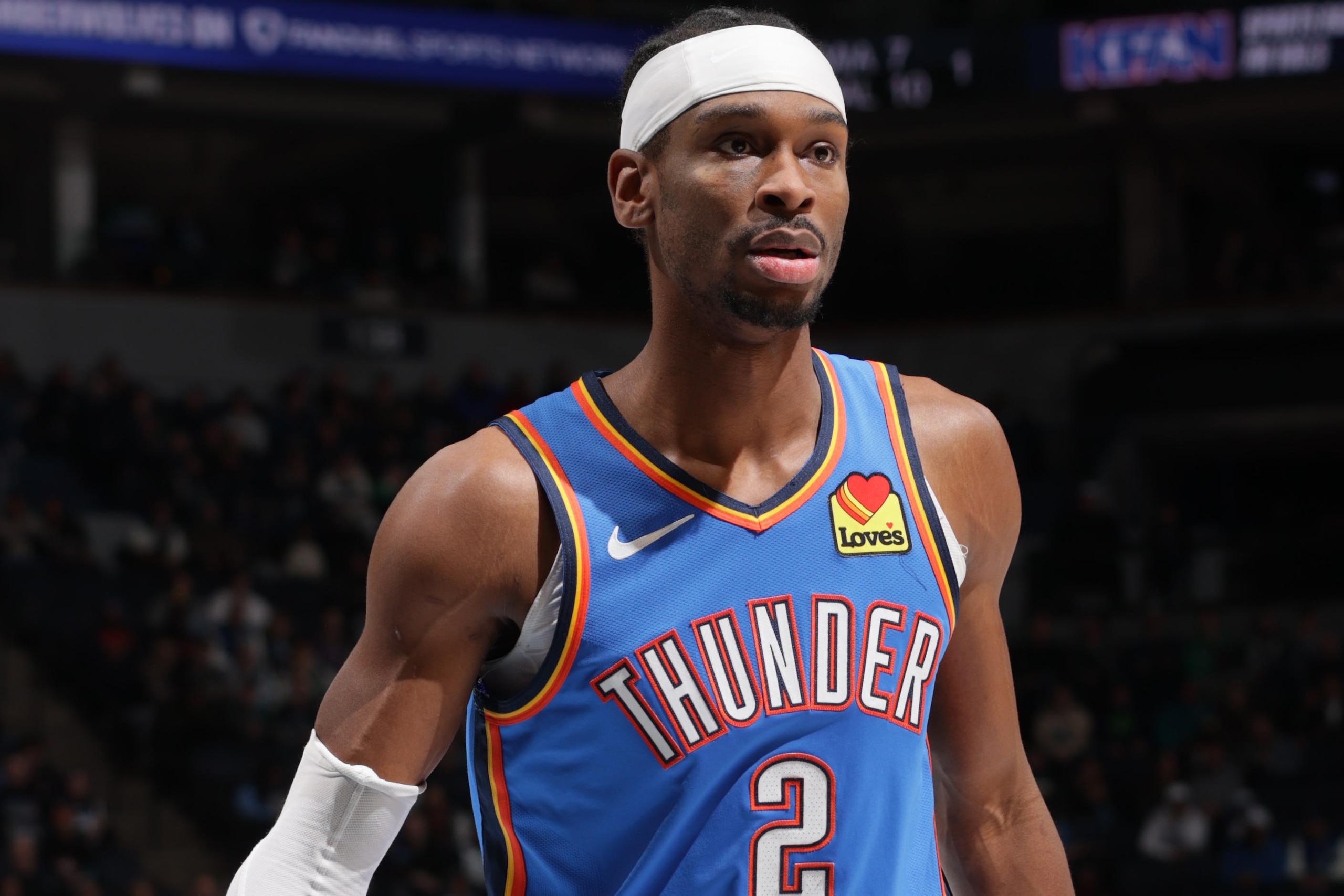
I’ll admit I groaned audibly when I realized I’d have to choose between SGA and Jayson Tatum for the age-26 class. Tatum turns in All-NBA seasons with such regularity that it’s almost becoming boring. He’s a weakness-free superstar who plays at elite levels on both ends, takes nothing away from teammates and can already lay claim to the career-capper that is “best player on a title team.”
And yet...SGA is the pick
Gilgeous-Alexander finished second in MVP voting last year, and that position is his floor in 2024-25. He’s the most fluid and reliable individual scorer the league has seen in years and, for what it’s worth, is blowing away Tatum from both a volume and efficiency standpoint. The Celtics star is second among 26-year-olds with 1,406 points on a solid 58.9 true shooting percentage, while SGA sits at 1,696 and 64.3 percent, respectively.
—Hughes
27: Bam Adebayo, Miami Heat
9 of 22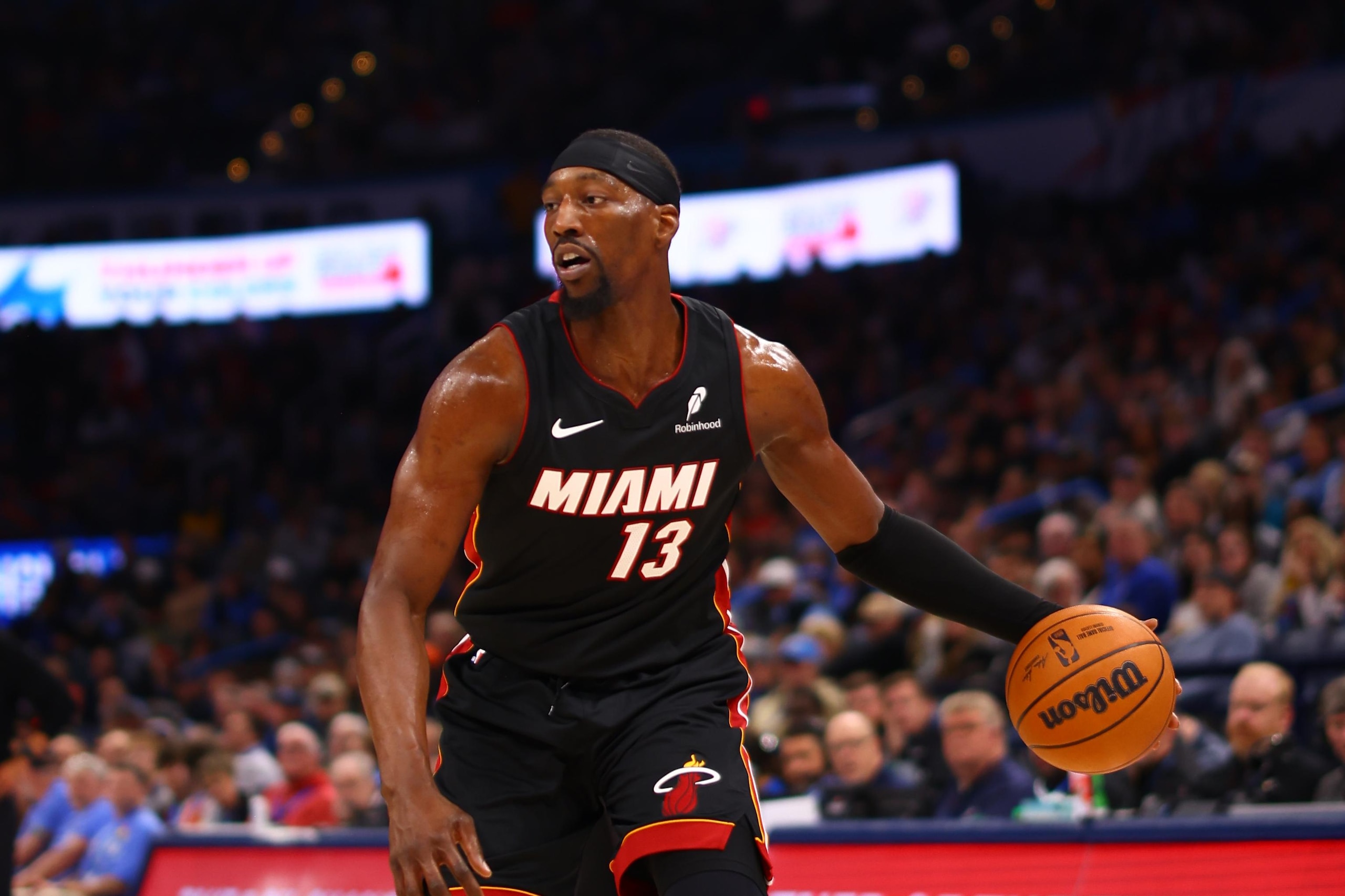
De'Aaron Fox, Jamal Murray, OG Anunoby and Lauri Markkanen all deserve honorable mentions here. Fox, in particular, is tough to pass over. He can be the solo driver of an offense more so than Bam Adebyo.
And yet, the Miami Heat star is incomparable at the other end of the floor. There may be better regular-season defenders. Nobody is more versatile—or more valuable in a playoff setting.
Adebayo can excel in any scheme and matchup. He gets flak for not doing certain big-man things—mostly stymying opponents at the rim. But that element of his game has improved over the past two seasons, and his defensive portfolio has zero holes, from the inside and out, otherwise.
Harping on Bam's offense is fair. His volume can wax and wane, and he's never going to be the most efficient jump-shooter. That's still not enough to unseat him. Bigs who can bring the ball up the floor and playmake from all over the court exist in rarefied air. And Adebayo continues to walk among them.
—Favale
28: Jalen Brunson, New York Knicks
10 of 22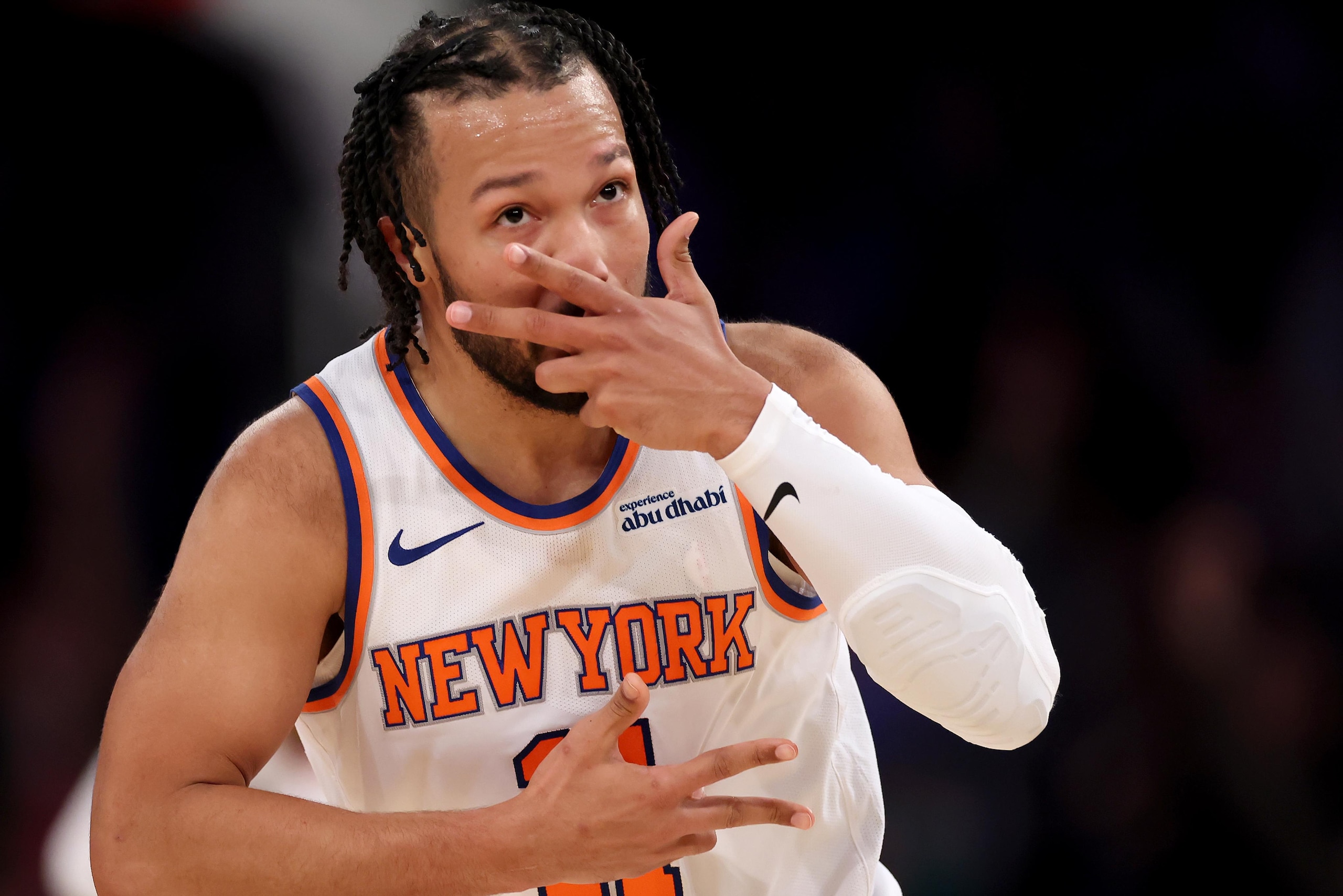
Brunson leads 28-year-olds in total points, assists and minutes on the year, and no individual offensive player shoulders a heavier load on offense than Brunson does for the Knicks, who seem to go into a scramble to give him the ball back whenever he gives it up.
Brunson has been more efficient from two- and three-point range than Donovan Mitchell, his team is well ahead of Devin Booker’s in the standings, and Domantas Sabonis hasn’t come close to proving he’s as capable of being the leading force on a big-time winner.
Jaylen Brown, Mikal Bridges, Myles Turner—excellent starters all. But Brunson was deservedly ahead of all of the aforementioned players in MVP voting last year and is likely to repeat that feat in 2024-25.
—Hughes
29: Nikola Jokic, Denver Nuggets
11 of 22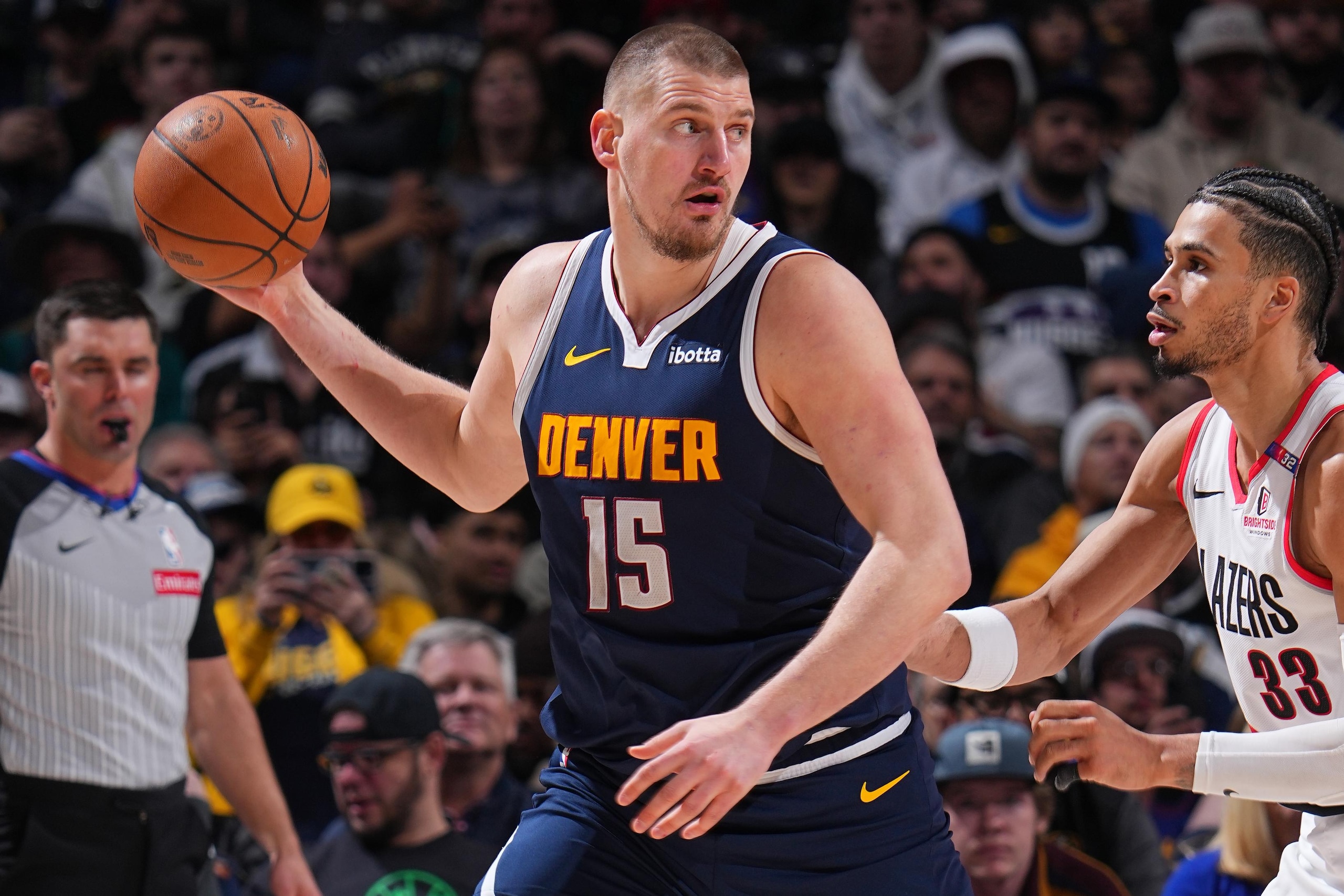
Anyone prepared to make a case for someone other than Nikola Jokić as the age-29 king should have their speaking, typing, podcasting, streaming, etc. privileges revoked. Especially when you consider Karl-Anthony Towns is the top alternative.
Jokić has three MVPs under his belt and may soon get a fourth. People tire of hearing about his net-rating swing, but it once again paces the league among regular-rotation players—proving not only that he’s an offensive system on his own, but a championship contender unto himself.
Oh, and it’s probably time to start thinking and talking about his legacy rank. He is now 21st all-time in value over replacement player, with enough time left this season to crack the top 20—and enough of his prime left to enter the top five.
—Favale
30: Giannis Antetokounmpo, Milwaukee Bucks
12 of 22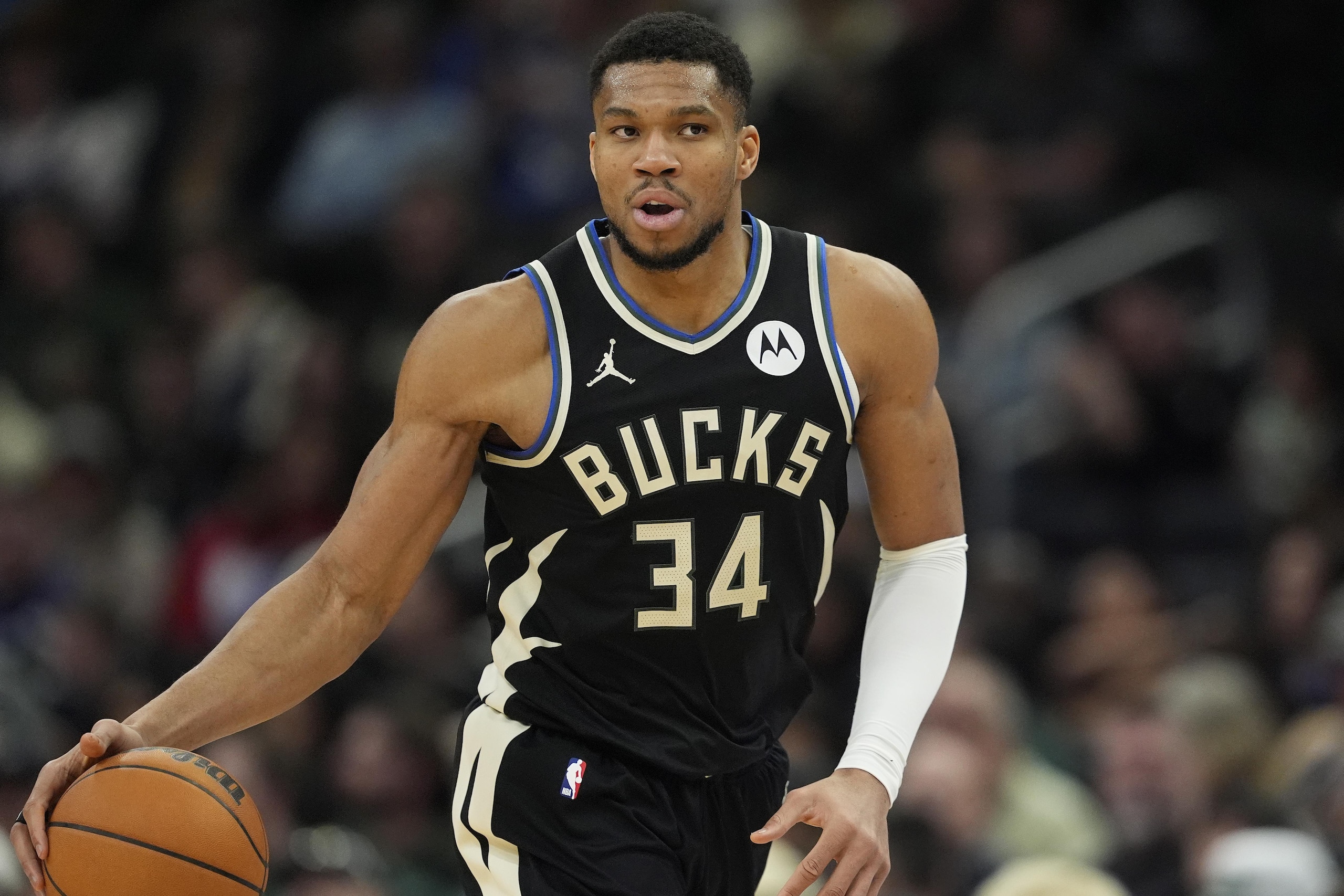
A healthy Joel Embiid might have made things interesting here, but Giannis Antetokounmpo sits a tier or two above everyone else in the age-30 bracket.
Currently on pace to set a new career high with 31.8 points per game, Giannis has two MVPs (finishing in the top 10 every year since 2016-17) and a championship. No one else in consideration can touch those accolades.
Put it this way: You could take any two 30-year-olds from a list that includes Embiid, Derrick White, Pascal Siakam, Fred VanVleet and Julius Randle, and the Bucks would laugh you out of the room if you offered both of them in a trade for Giannis.
—Hughes
31: Anthony Davis, Dallas Mavericks
13 of 22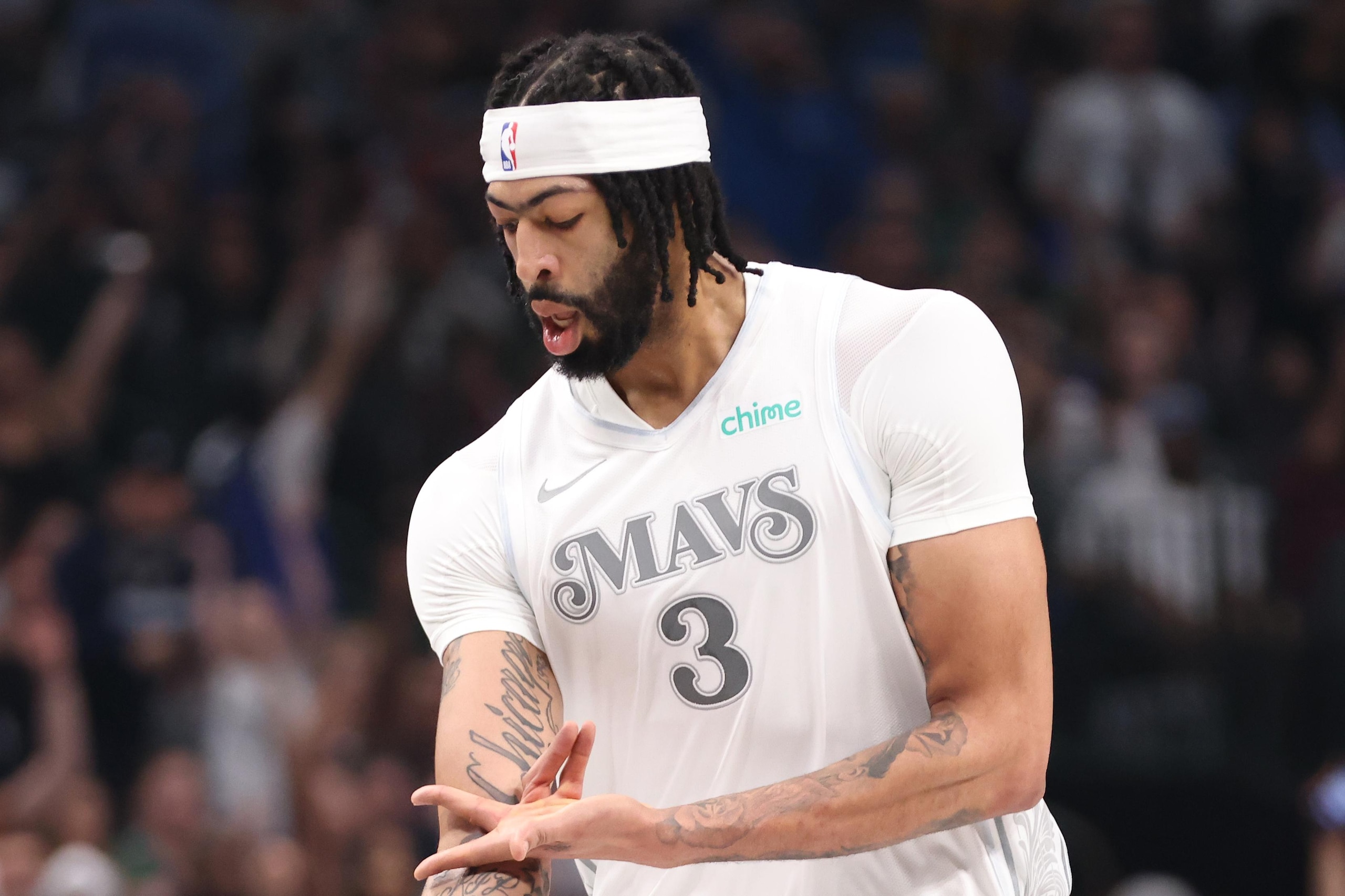
Injuries and inflated reputation as a shooter in mind, Anthony Davis is among the most dominant big men of all time.
His knack for play-finishing is often interpreted as a limitation when comparing him to others. But he has more driving, face-up and playmaking depth to his armory than credited. Tough finishes and high-volume trips to the foul line must not go overlooked, either.
Then, of course, there is the defense. Anecdotally speaking, it feels like we do not appreciate the lifts he shoulders on that end nearly enough. The amount of ground and number of bodies and mistakes he can cover up for on a single possession is rivaled by scant few.
If he winds up retiring without earning a Defensive Player of the Year nod, it'll seem off-putting, even if there isn't a year to which you can point and guarantee that he was robbed. At least he's receiving a runaway nod here. Bradley Beal and Norman Powell are the closest age-31 "challengers."
—Favale
32: Kyrie Irving, Dallas Mavericks
14 of 22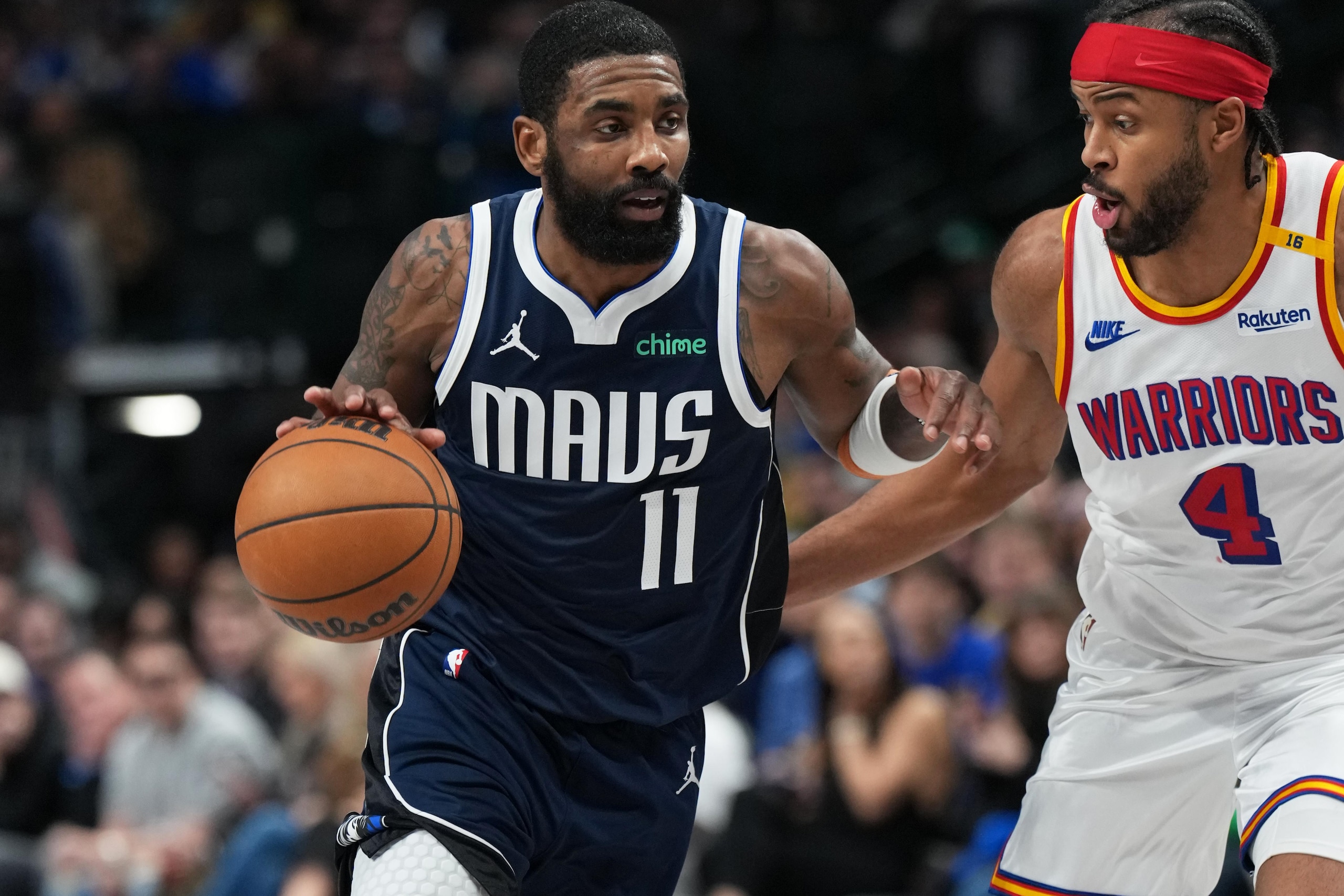
Don’t look now, but Irving is only a hot week away from being on pace to log the second 50-40-90 season of his career. That he’s managed that level of efficiency in long stints as a first option while former teammate Luka Dončić was sidelined only adds to the impressiveness of the potential feat.
Irving is still as incendiary a scorer as there is in the league, capable of manufacturing shots from all areas of the floor against any defender. His finishing craft is as breathtaking as ever, he can’t be forced into concessions by high-pressure defense and he’s the only 32-year-old you’d trust to occupy a top-option offensive role on a quality offense.
Rudy Gobert isn’t at DPOY levels anymore, and everyone else in this age is either a sub-par starter or a reserve. This one goes to Irving in a landslide.
—Hughes
33: Kawhi Leonard, Los Angeles Clippers
15 of 22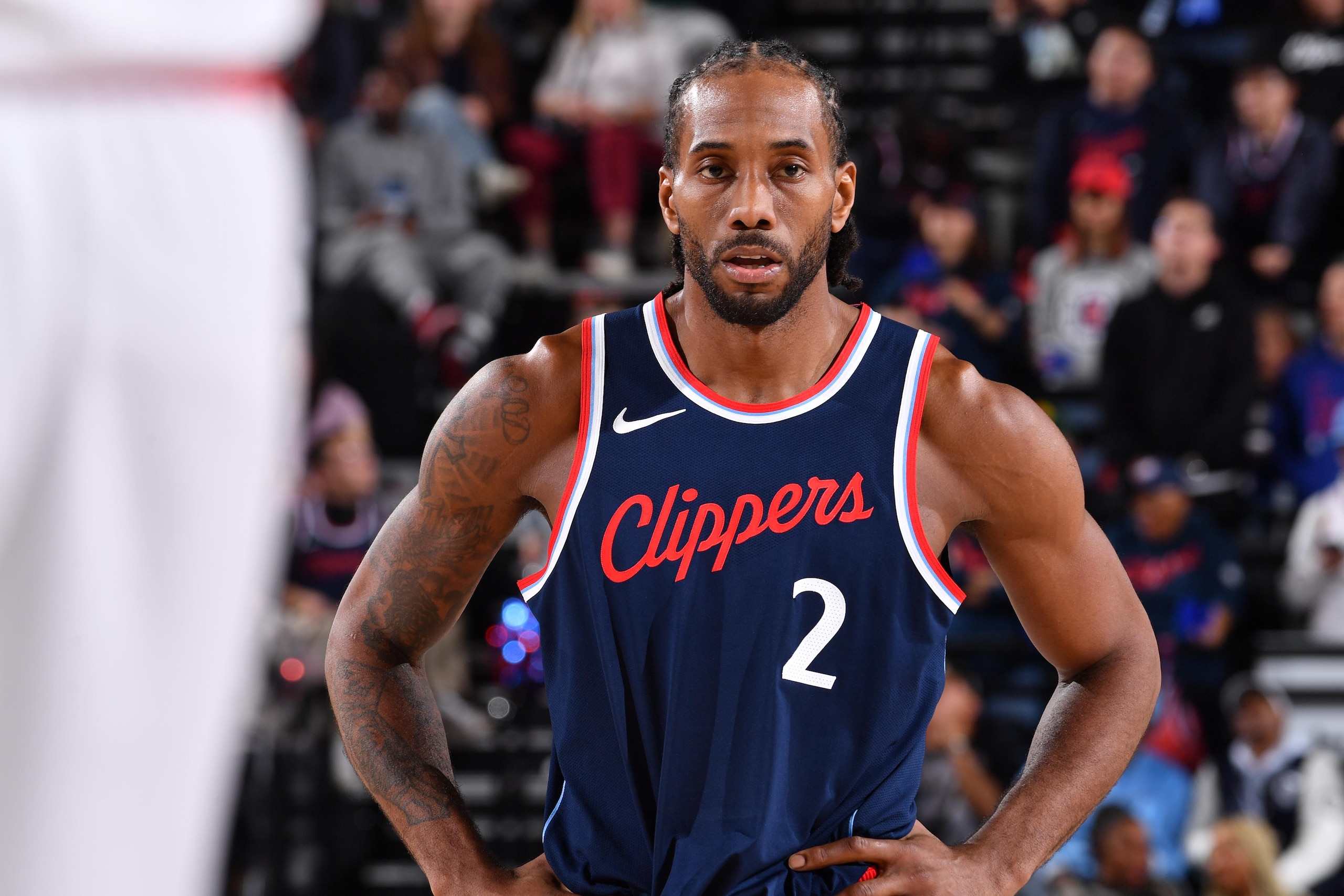
Availability matters. And Kawhi Leonard remains the Czar of all games-played wild cards.
The rest of the field demands we ignore it—or at least discount it. Khris Middleton is the clear No. 2 choice, and he is hardly a billboard for availability himself.
When Kawhi does play, the experience is bittersweet. His bandwidth for driving efficient offense, on a shot diet that isn't easy, while playing all-world defense sustains. It is mind-boggling, and an impetus for top-10-player-in-the-league discussions under normal circumstances. But then you're invariably reminded of what could have been, as well as what could still be, through both the playoffs and regular season, if only he could play more.
Would he have three titles instead of two? Four? Would the Los Angeles Clippers of today be considered a contender? (Probably.) Leonard's ability to incite critical-thought exercises is evidence of current possibility just as much as it reinforces missed opportunities.
—Favale
34: Damian Lillard, Milwaukee Bucks
16 of 22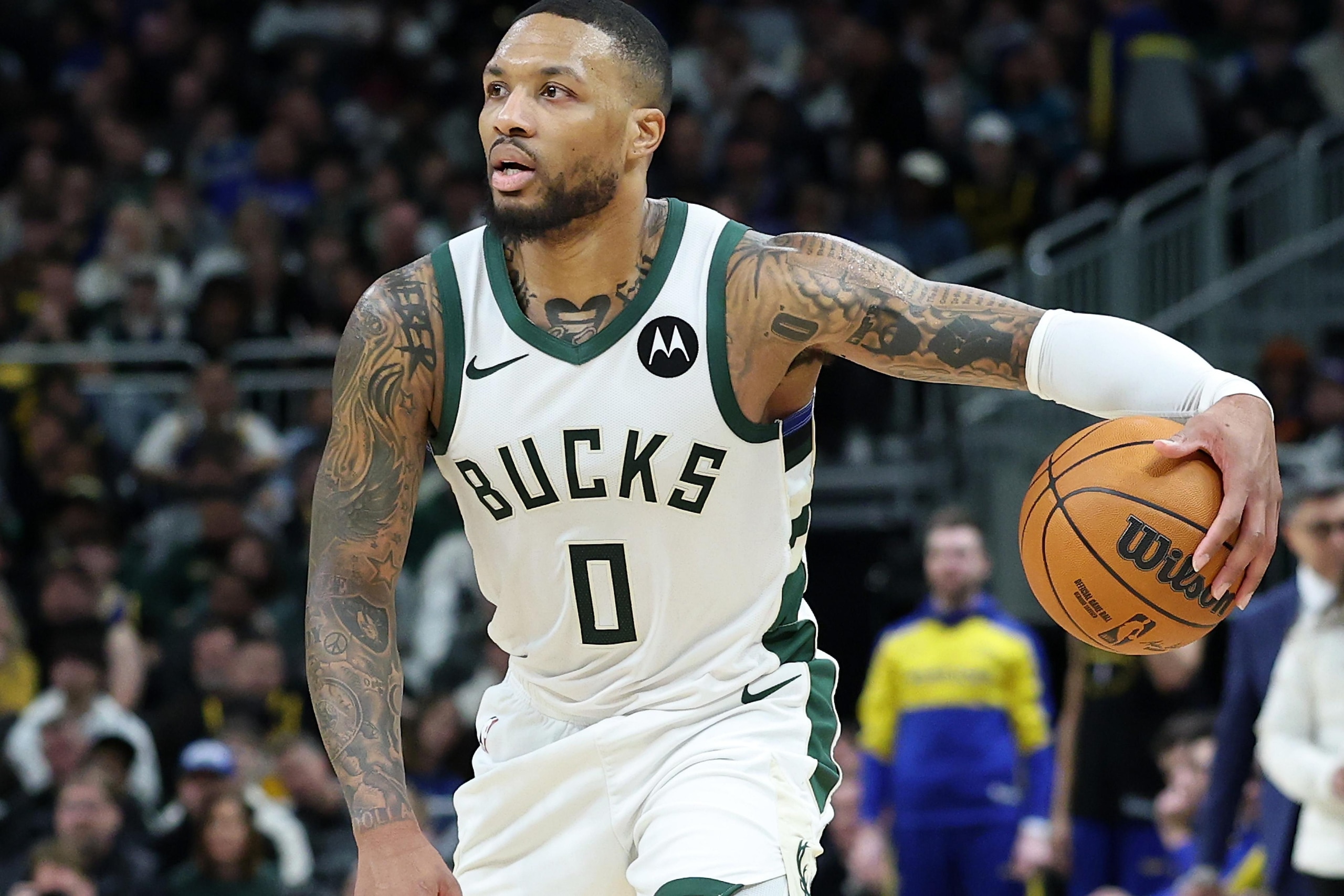
A year ago, when they were 33, Paul George, Jrue Holiday and Draymond Green might have had something to say about it. Now, though, Lillard is quite clearly the top 34-year-old in the league.
Currently averaging 25.8 points, 7.5 assists and 3.5 made triples per game, Dame is on pace to log his fourth career season with those averages. There have only been eight such campaigns in the entire history of the NBA.
Defensively, Lillard is as shaky as ever. But he remains an ultra-deep shooting threat who forces defenses to cover unmanageable swaths of the court, all the while pairing his range and volume with efficiency.
Lastly, none of the league’s other 10 34-year-olds came anywhere close to securing the All-Star nod (his ninth) Lillard earned this season.
—Hughes
35: Jimmy Butler, Golden State Warriors
17 of 22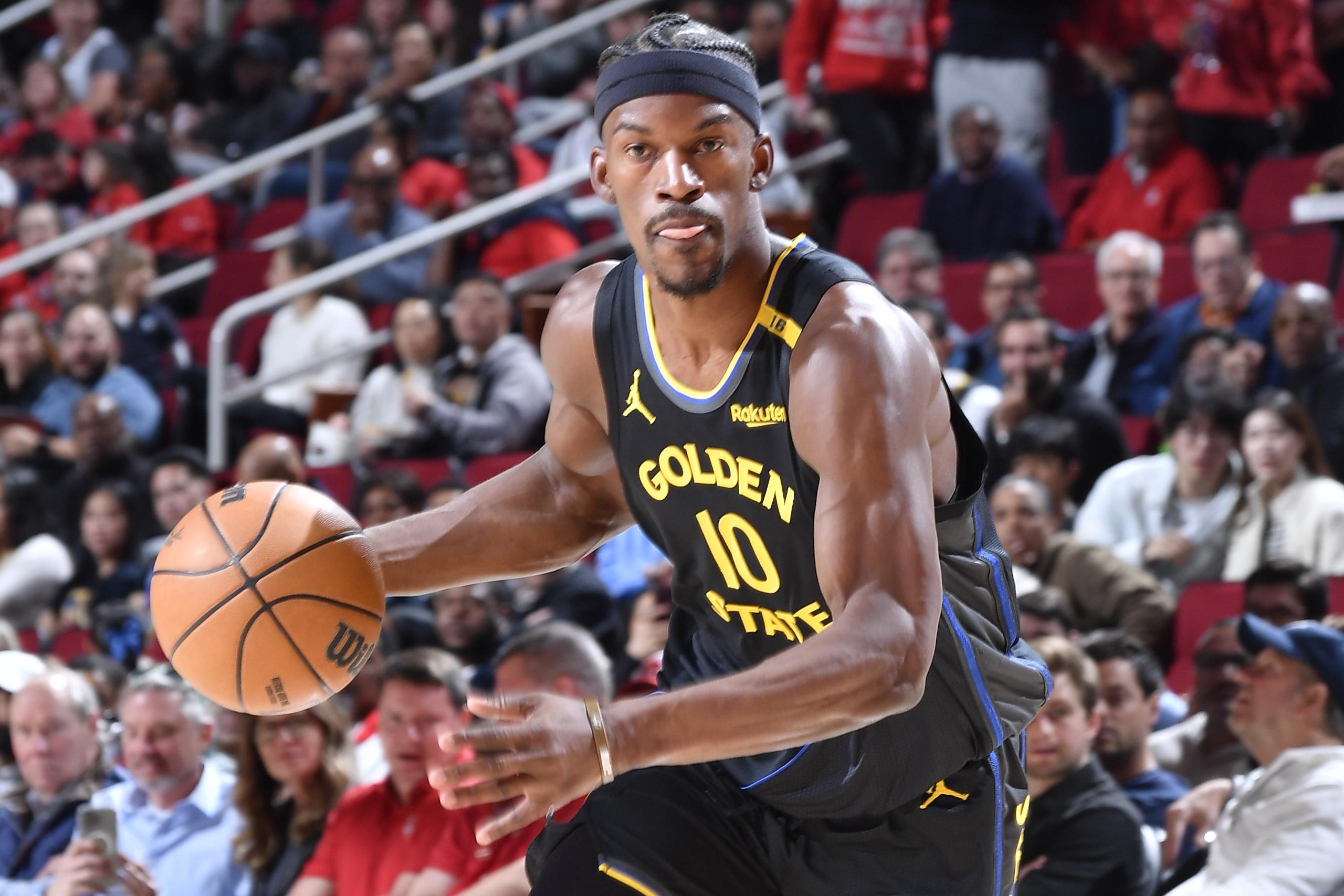
This is a compelling age bucket despite having only four members: Jimmy Butler, DeMar DeRozan, James Harden and Markieff Morris.
Butler wins out by virtue of two-way stardom. His exit from the Miami Heat left many to question whether he, at age 35, still has that extra level. He does.
The on-ball defense may have slipped a bit, but he remains tenacious and ferociously impactful in other ways, including off the ball. Some of us will never cease wishing he’d make more jump shots. But he doesn’t necessarily need them. His rim pressure scales to both on and off the ball, and he’s a foul-drawing machine from every level.
Cases for Harden and DeRozan can still be made. Yet they have no realistic claim to leapfrogging Butler when factoring in how everyone’s play style translates to the playoffs.
—Favale
36: Stephen Curry, Golden State Warriors
18 of 22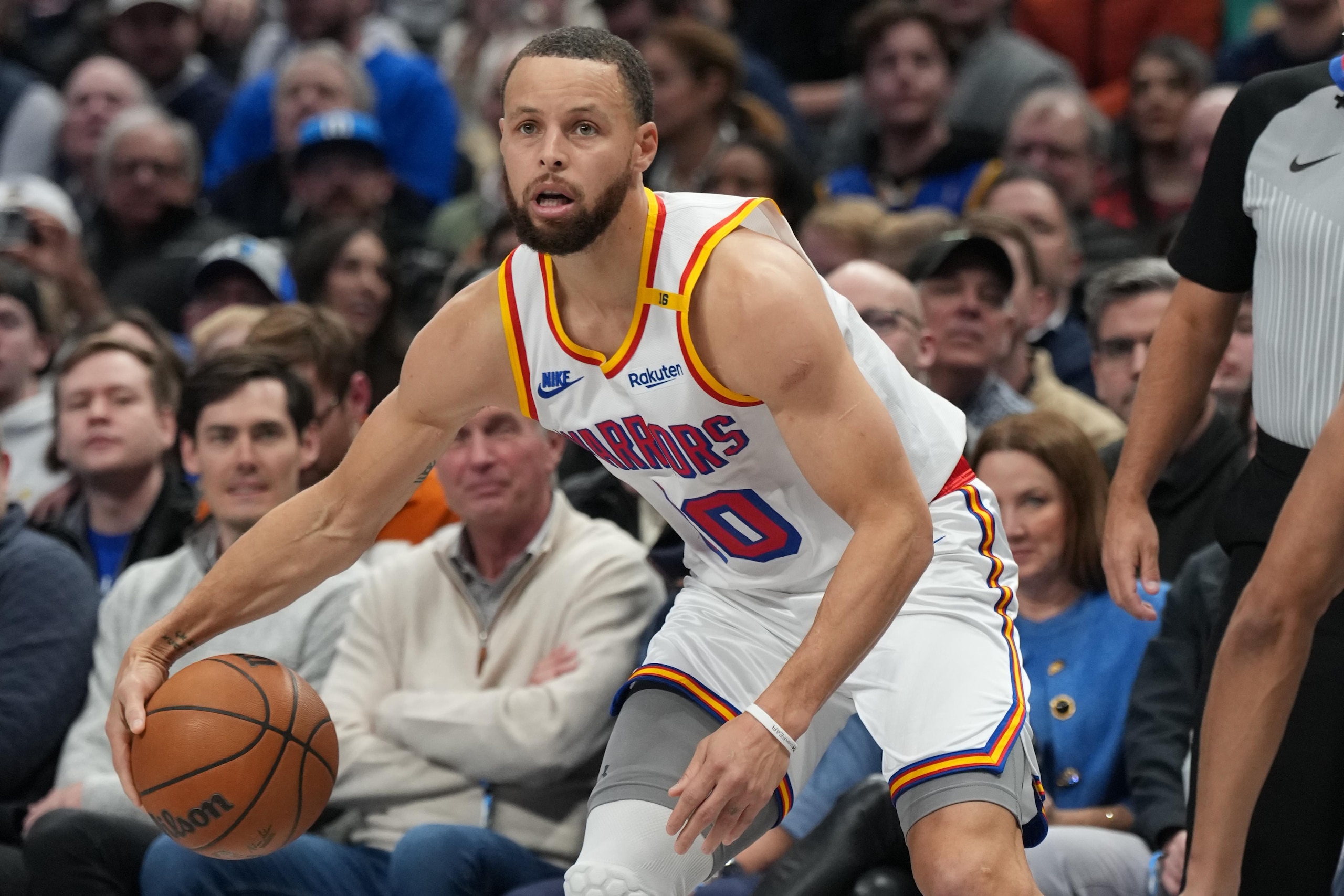
There’s no wrong answer between Curry and fellow 36-year-old Kevin Durant, who has actually produced more total points at higher efficiency across fewer games played than the Golden State Warriors’ four-time champ.
Context gives Curry the narrow edge, though, as the Dubs’ lack of secondary threats (pre-Jimmy Butler) allowed defenses to key in on Steph to an extreme degree. Despite all that attention, Curry remains the better singular driver of offense due to his individual scoring skills and his off-ball gravity.
On pace to drill over 300 triples for the fifth time in his career, Curry has made more than twice as many threes as Durant this season.
Both of these guys are still playing at All-NBA levels. Both are all-time greats. Both are deserving of this much less significant honor.
Go with Durant if you like, but at least acknowledge that Curry hasn’t had the luxury of a Devin Booker next to him this season.
—Hughes
37: Mike Conley, Minnesota Timberwolves
19 of 22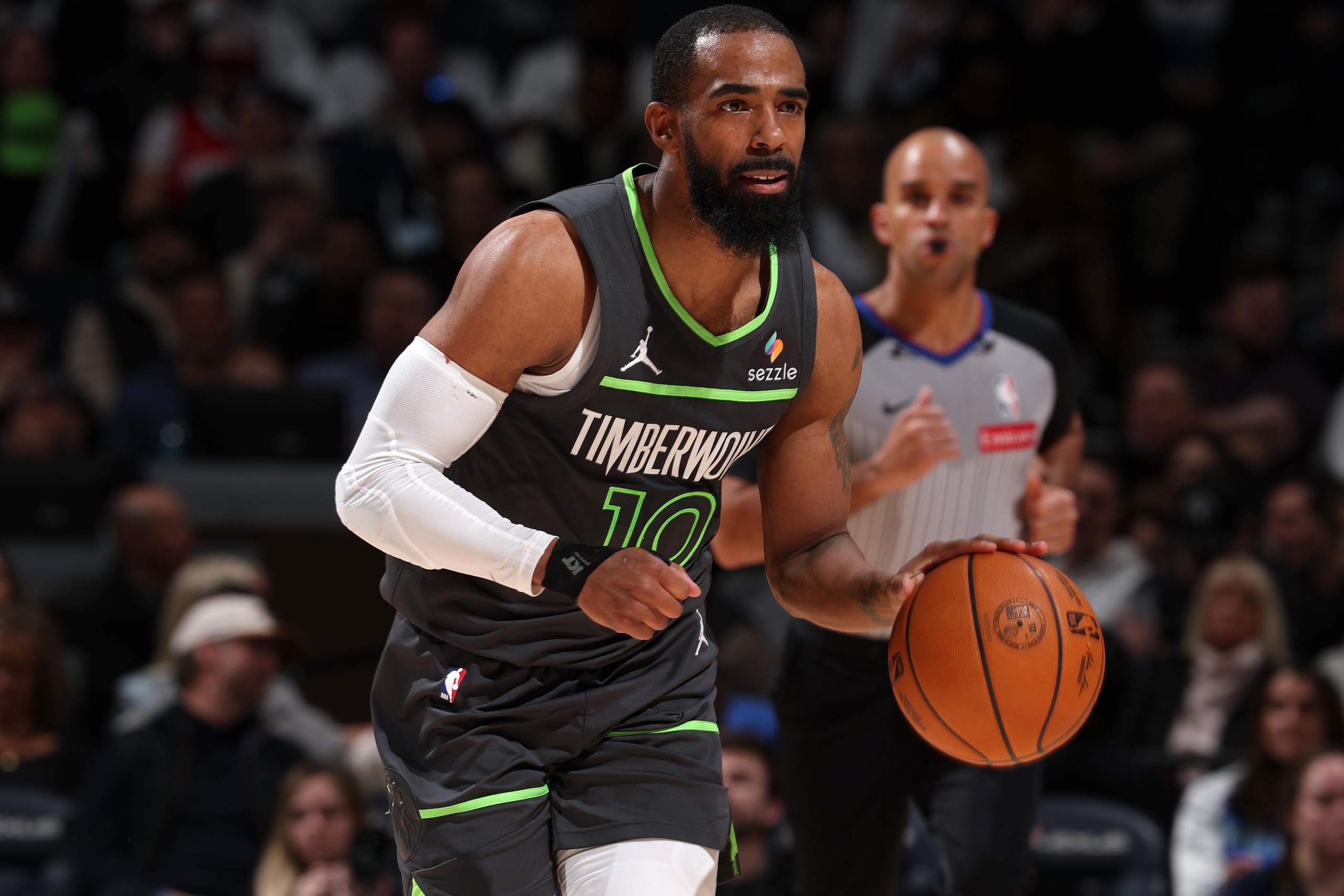
Mike Conley takes this subset by default since he's actually an active part of his team's rotation. Joe Ingles and James Johnson are the only other possibilities.
Not to say that Conley wins this only because of participation. He has definitely turned in rougher moments and lower lows this season. But the degree to which he still matters to connecting the Minnesota Timberwolves offense is equal parts cool as hell and, if you're a Wolves fan, at least a little unnerving.
—Favale
38: Al Horford, Boston Celtics
20 of 22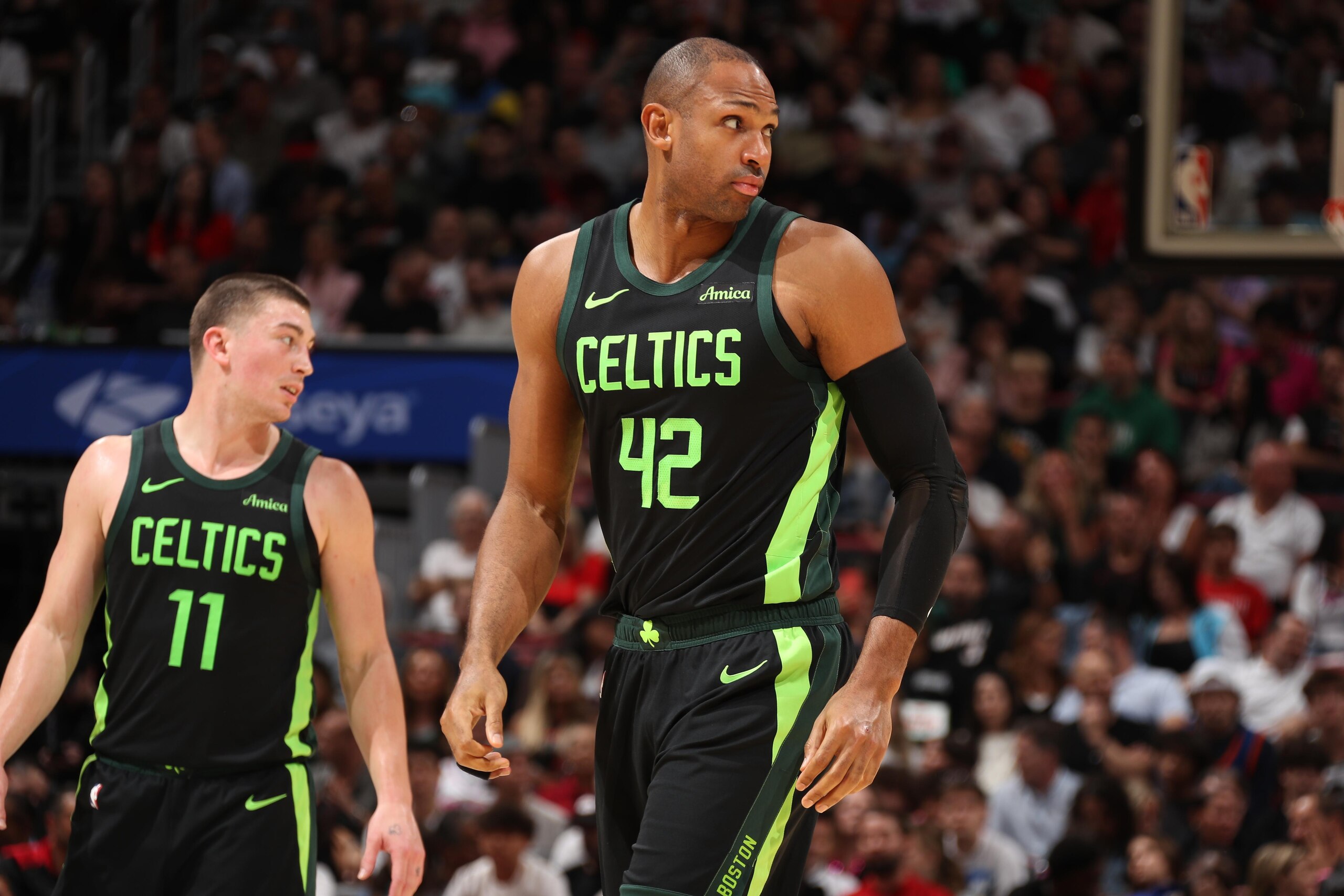
Down to a career-low 7.9 points per game and shooting it less efficiently from everywhere on the floor than he did a year ago, Al Horford is still a positive force on the league’s defending champs.
Boston’s net rating is 2.7 points per 100 possessions higher with Horford on the floor than off, and its defense is substantially stingier. Still a smart passer, still just dangerous enough from long distance and still—inexplicably—able to hold up against guards on switches, Horford remains a true craftsman when it comes to doing all the little things that win games.
Plus, competition is thin. Horford has scored more points, grabbed more rebounds and hit more threes this season than each of the other three 38-year-olds still hanging onto their careers—Kyle Lowry, Jeff Green and Garrett Temple—combined.
—Hughes
39: Chris Paul, San Antonio Spurs
21 of 22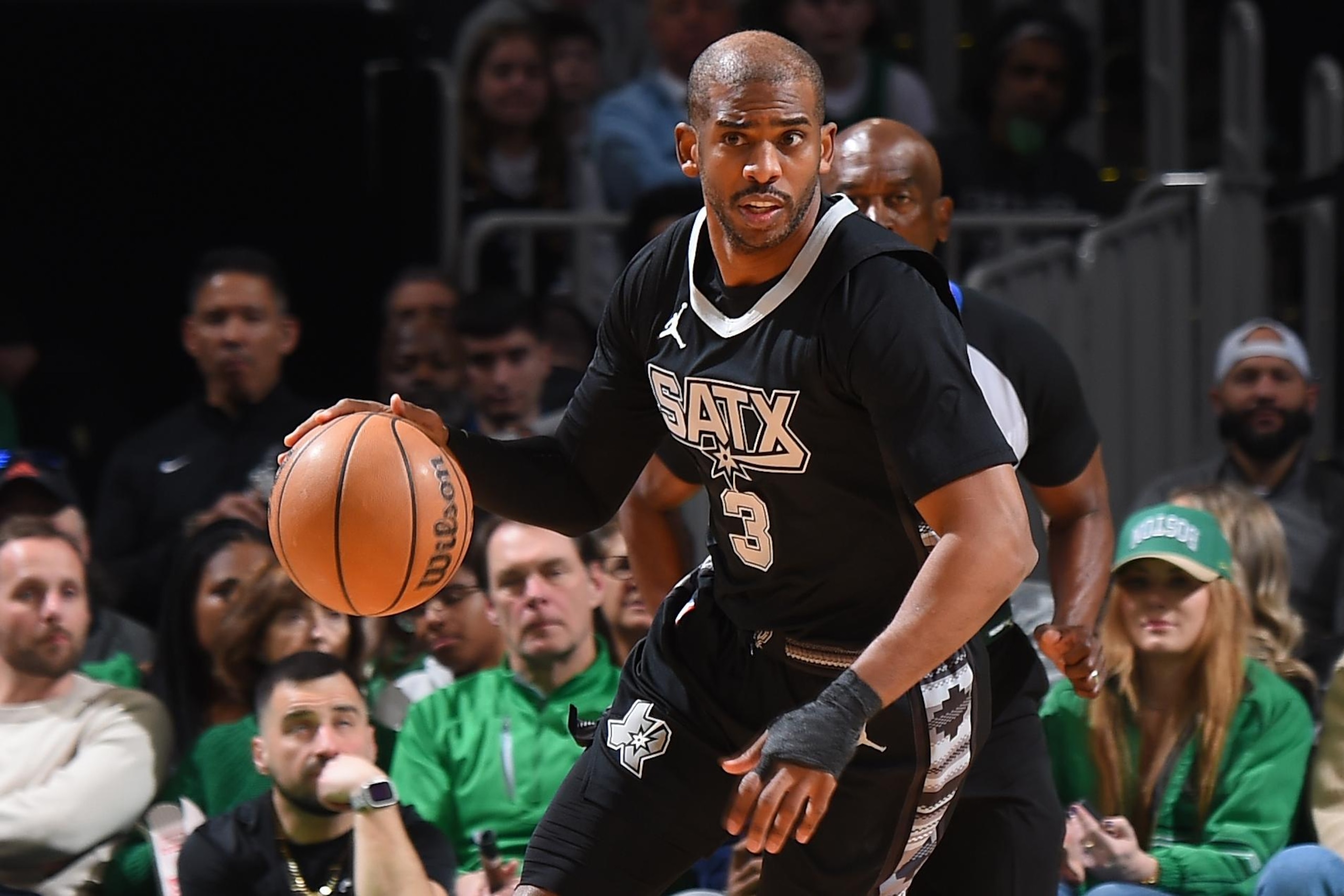
Chris Paul edges out Taj Gibson and him alone to nab the 39-year-old slot. What an upset for him.
Even pushing 40, Paul's command over the game is enviable. He can't cook defenders on switches like he used to, but his handle, vision, touch, control and guile allow him to exert a material command over the game.
Case in point: The San Antonio Spurs are 9.2 points per 100 possessions better when CP3 is on the floor. That is one of the 10 biggest bumps in the league among everyone to log at least 1,000 minutes.
—Favale
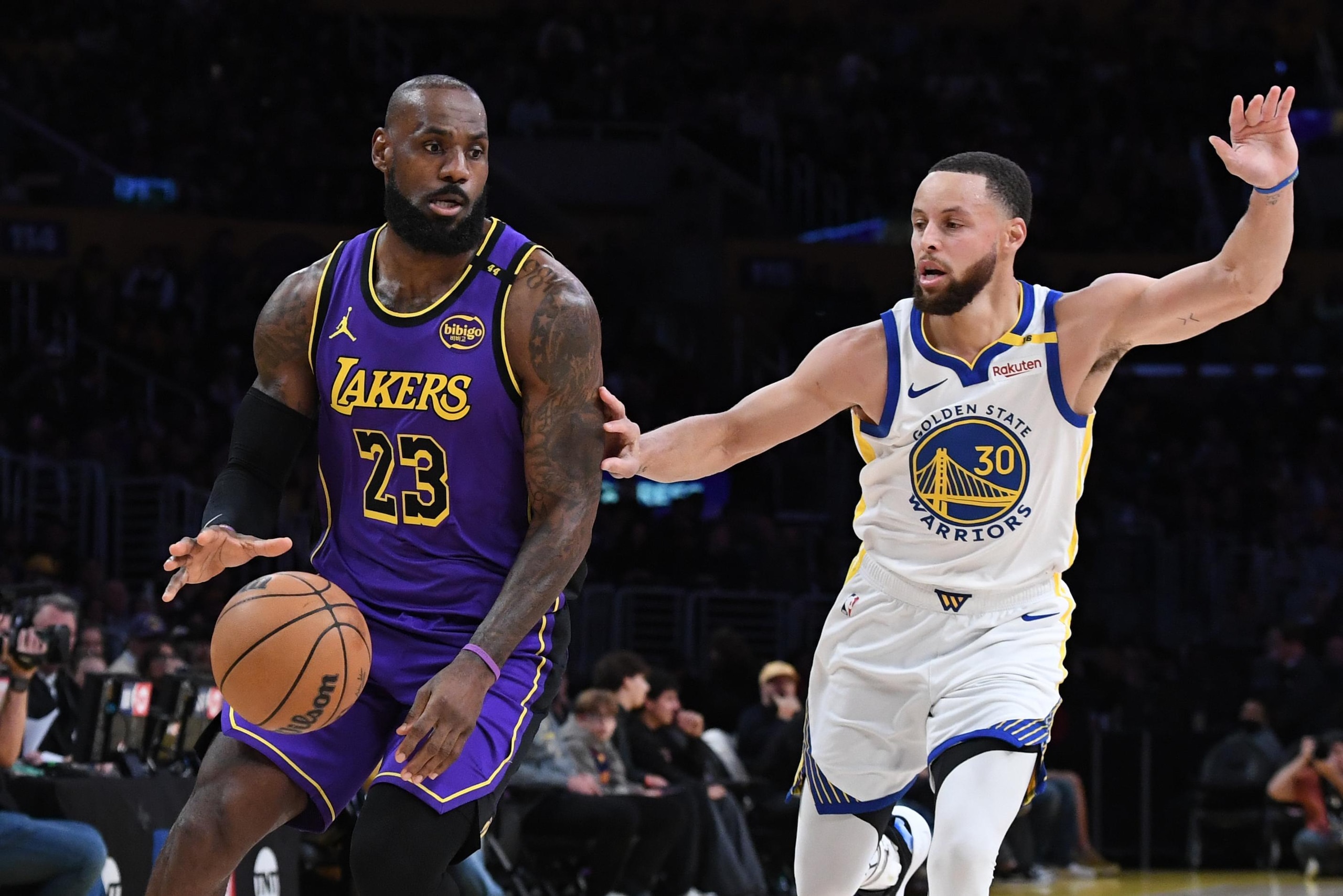
40: LeBron James, Los Angeles Lakers
22 of 22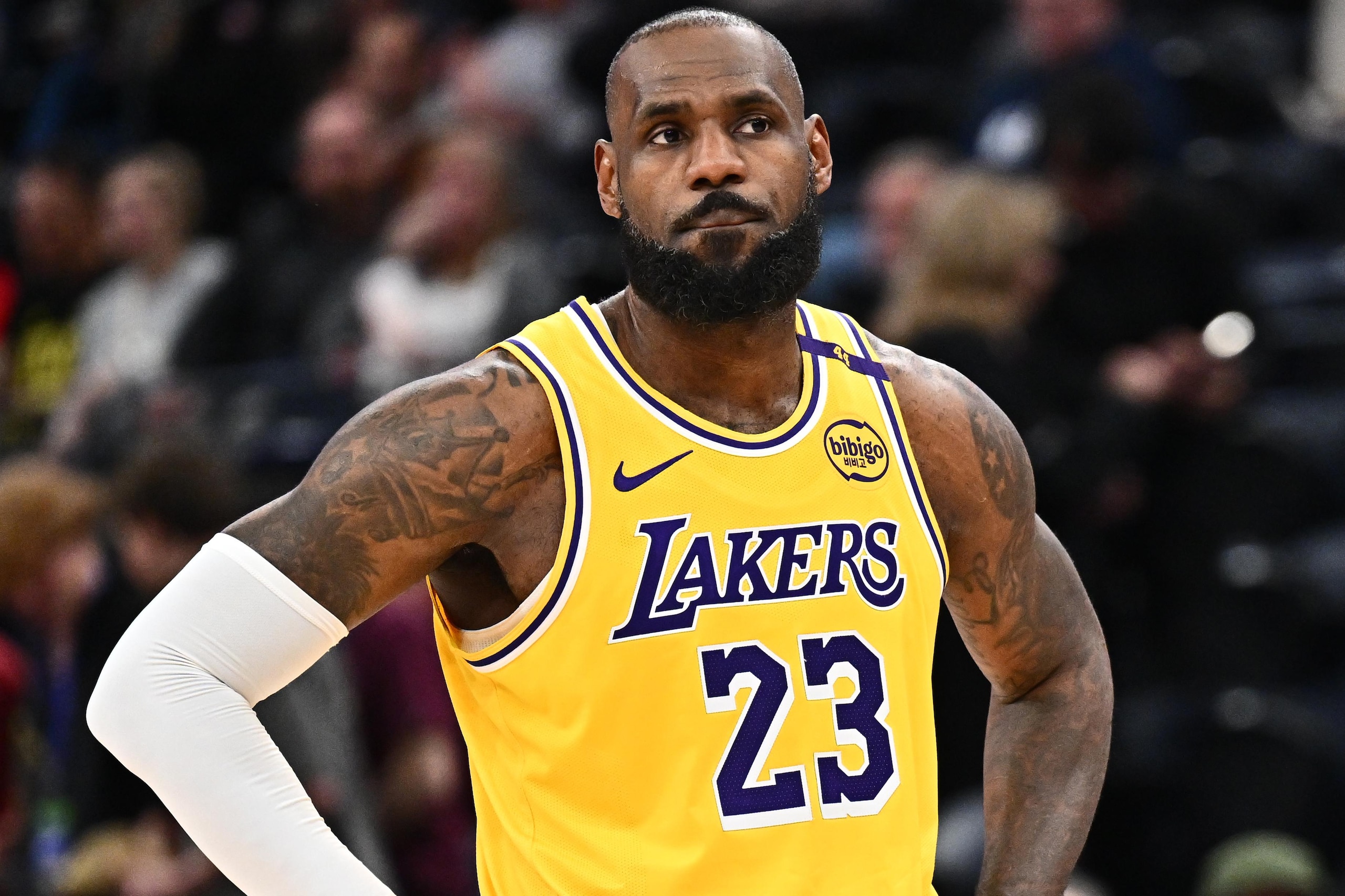
OK, let’s make sure we’re as thorough as possible here.
Break down the individual stats, consult the catch-all metrics, consider team context, carry the one, divide by a common denominator, adjust for inflation, and…there! We’ve got it.
It turns out LeBron James is the best 40-year-old in the league this year. Who’d have guessed?
It definitely helps that he’s also the only one, but let’s not allow that fact take away from his averages of 24.3 points, 9.0 assists and 7.7 rebounds on a 51.6/39.5/75.9 shooting split, or the fact that he’s the best 40-year-old to ever lace ‘em up.
In fact, take James’ averages from this season, and they’re probably better than what most members of the Hall of Fame managed when they were 25. This guy’s enduring greatness remains unfathomable.
Unless otherwise cited, stats courtesy of NBA.com, Basketball Reference, Stathead or Cleaning the Glass. Salary information via Spotrac. Draft-pick obligations via RealGM.
.jpg?w=2560 "Grading Wild MITB PLE 😮💨")
.jpg?w=2560 "Cardinals Finalizing MHJ Trade")
.png?w=2560 "Money In The Bank Ends In Shocker 💼")
.jpg?w=2560 "Follow All The MITB Action Live 💼")
.jpg?w=2560 "Report: Cowboys Open to More Trades")
.png?w=2560 "Week 6 Winners & Losers 📊")