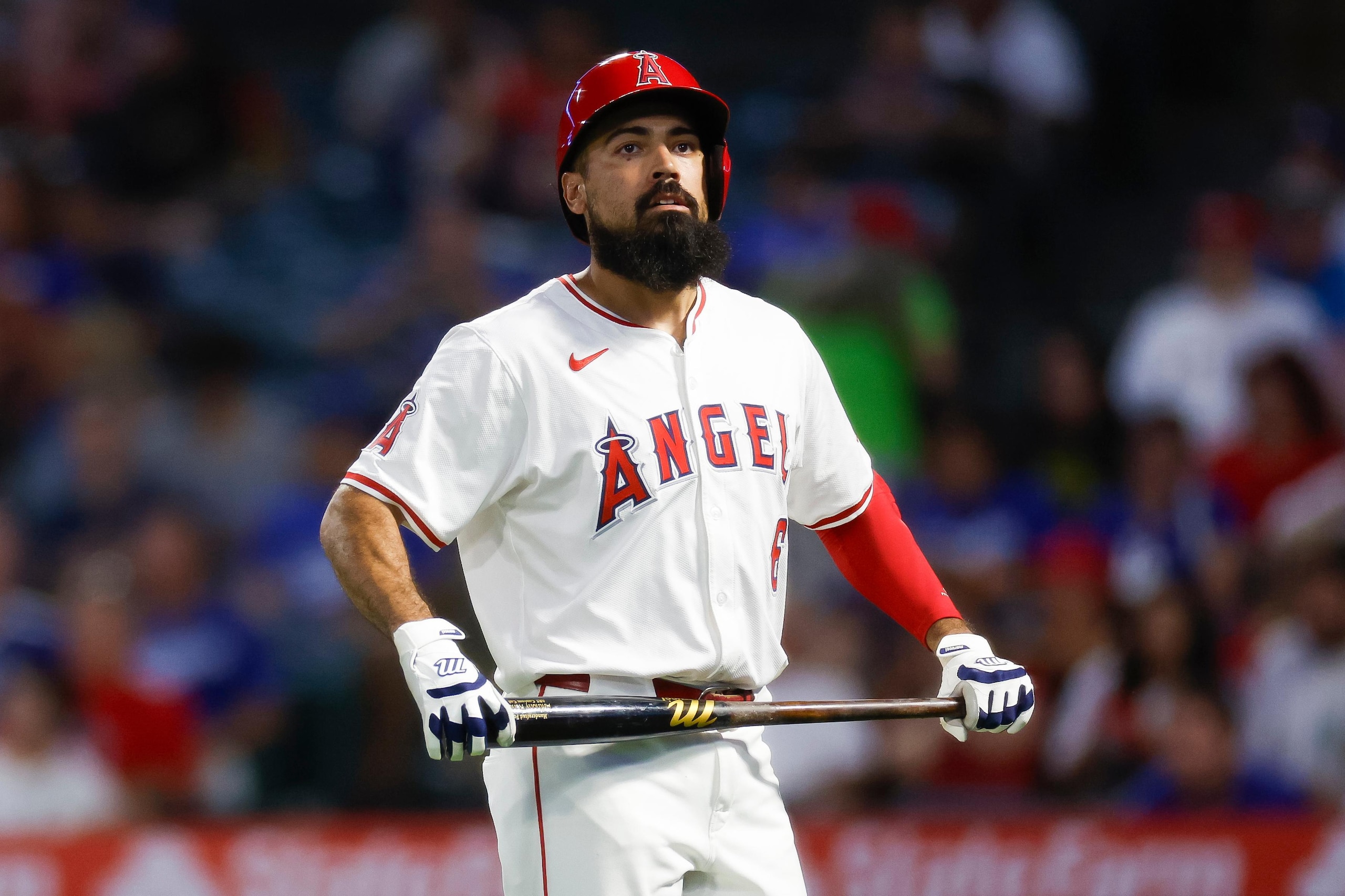

Ranking Anthony Rendon's Angels Deal Among Worst Contracts in Recent MLB History

Whatever hope there was of Anthony Rendon redeeming his contract is gone.
On Wednesday, the Los Angeles Angels announced that the veteran third baseman will undergo left hip surgery and is facing a "long-term rehab."
This is coming on the heels of a 2024 season in which the 34-year-old played in 57 games and hit zero home runs. It also helps explain the Angels' signing of Yoán Moncada, who had already been slated to push Rendon into a backup role.
The writing on the wall is that Rendon may not be seen again in the two seasons he has left on his seven-year, $245 million contract.
As for just how bad that deal has gone for the Angels, the best way to put it in context is by ranking it among the 10 worst signings in recent MLB history.
Anything since 2000 is in play here, so long as it's a nine-figure payout with at least four years of returns by which to judge it.
The ultimate factor is the disparity between the given player's earnings and his WAR, which in this case is courtesy of FanGraphs. All contract figures are via a dataset from The Baseball Cube.
10. Albert Pujols, Los Angeles Angels
1 of 10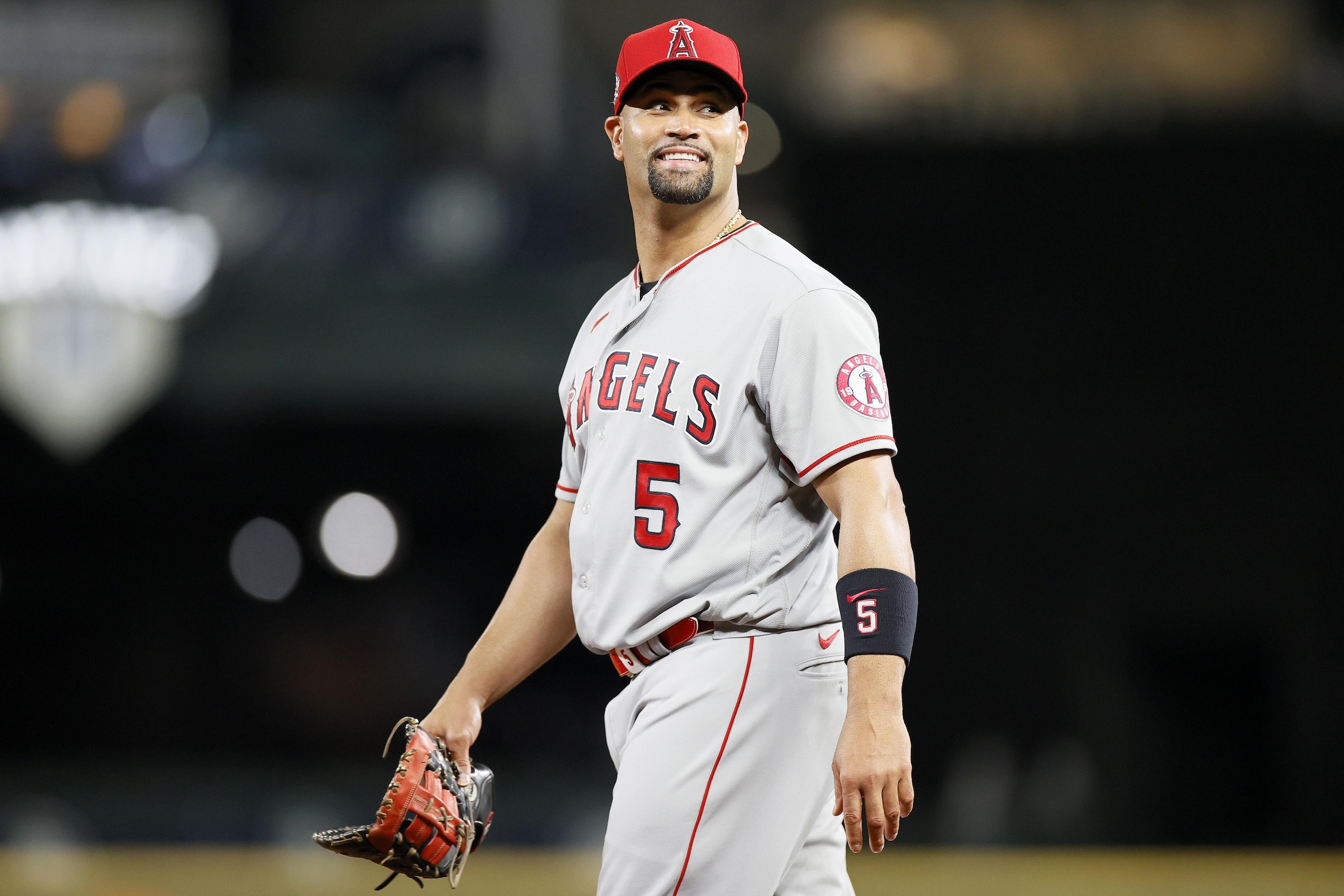
The Deal: 10 years, $240 million
Term: 2012-2021
Contract WAR: 6.6
Cost Per WAR: $36.4 million
What He Was
For anyone too young to remember, it's hard to express just how amazing Albert Pujols was in his prime.
He won three MVPs for the St. Louis Cardinals between 2001 and 2011, and it would have been five had Barry Bonds not been around in 2002 and 2003. He hit 445 home runs with a 1.037 OPS, and he already ranked fourth in WAR among live-ball era first basemen by the end of the 2011 season.
What He Became
Pujols' time with the Angels wasn't all bad. He hit 222 home runs for them, including Nos. 500 and 600 in 2014 and 2017, respectively.
As a batsman, though, he was a mere 5 percent better than the average hitter as an Angel. And that is but one reason why his WAR plummeted, as he also ceased to be a Gold Glove defender and became comically slow on the basepaths.
All's well that ends well, though, as Pujols joined the 700 Home Run Club in 2022 and is going to be a first-ballot Hall of Famer in 2028. But his time with the Angels is a period nobody will remember with any fondness.
9. Josh Hamilton, Los Angeles Angels
2 of 10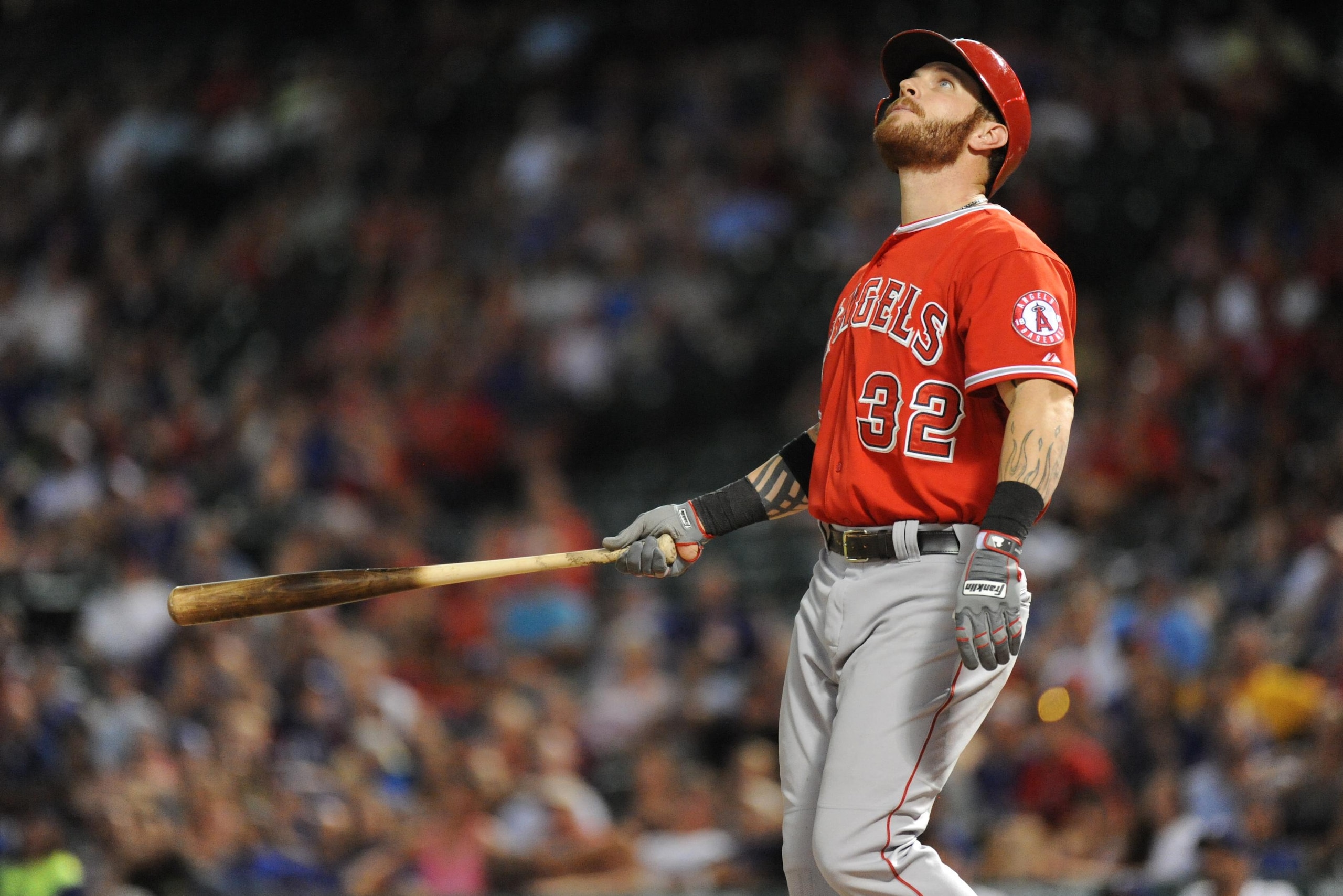
The Deal: 5 years, $125 million
Term: 2013-2017
Contract WAR: 2.8
Cost Per WAR: $44.6 million
What He Was
Name a feat. Any feat. Chances are Josh Hamilton accomplished it with the Texas Rangers between 2008 and 2012.
He might be best known for his absurd power display in the 2008 Home Run Derby. He also hit four home runs in one game in 2012, and his MVP-winning season in 2010 eventually saw him make the first of back-to-back World Series appearances.
What He Became
Though Hamilton was the best free agent of the 2012-13 offseason on paper, he did come with ample cause for concern. His history of drug addiction was well-known, and his 2012 campaign had started a lot better than it ended.
Rather than a blip, that slide down the back half of 2012 proved to be the beginning of the end of his stardom.
Hamilton never lived up to his contract in his first two seasons with the Angels, after which they traded him back to the Rangers. Though they also gave him chances in 2016 and 2017, he ultimately played his last MLB game on October 4, 2015.
8. Yoenis Cespedes, New York Mets
3 of 10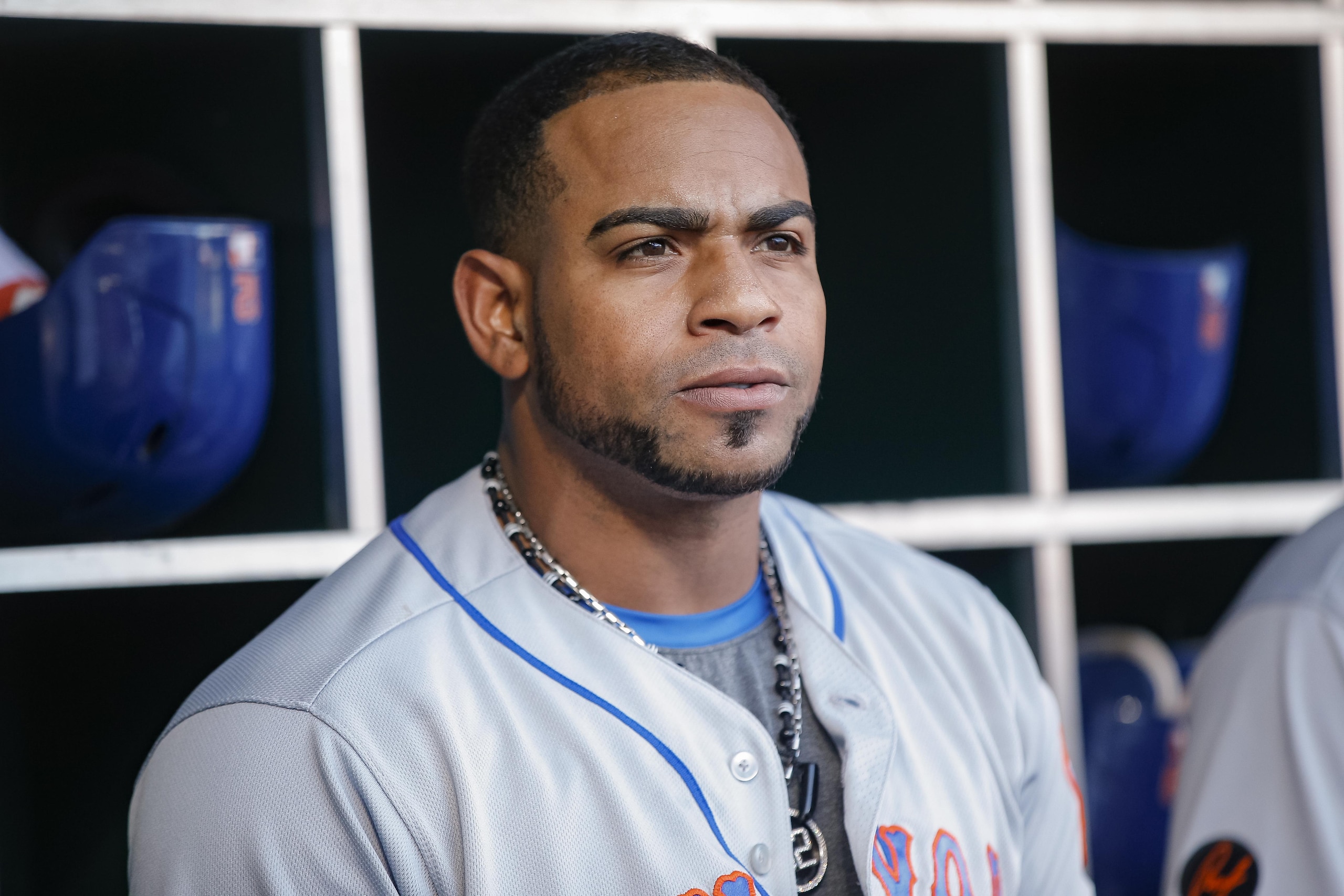
The Deal: 4 years, $110 million
Term: 2017-2020
Contract WAR: 2.2
Cost Per WAR: $50 million
What He Was
This is the second big-money deal Yoenis Cespedes signed with the Mets in 2016. The first was a three-year, $75 million contract that he had opted out of.
It really did feel like the Mets couldn't afford to part with him. Whereas Cespedes had been an up-and-down star before, his 189 games with them in 2015 and 2016 yielded a .903 OPS and 48 homers.
What He Became
In the end, Cespedes' last four seasons as a Met saw him play in just 127 games. And over half of those were in 2017 alone.
His 2018 and 2019 seasons were lost to injuries, including bone spurs in both heels and ankle fractures that (seriously, you can't make stuff like this up) had something to do with a wild boar.
Cespedes attempted a comeback in the shortened 2020 season, but he lasted just eight games before opting out. He purportedly did not like being used as a designated hitter.

7. David Wright, New York Mets
4 of 10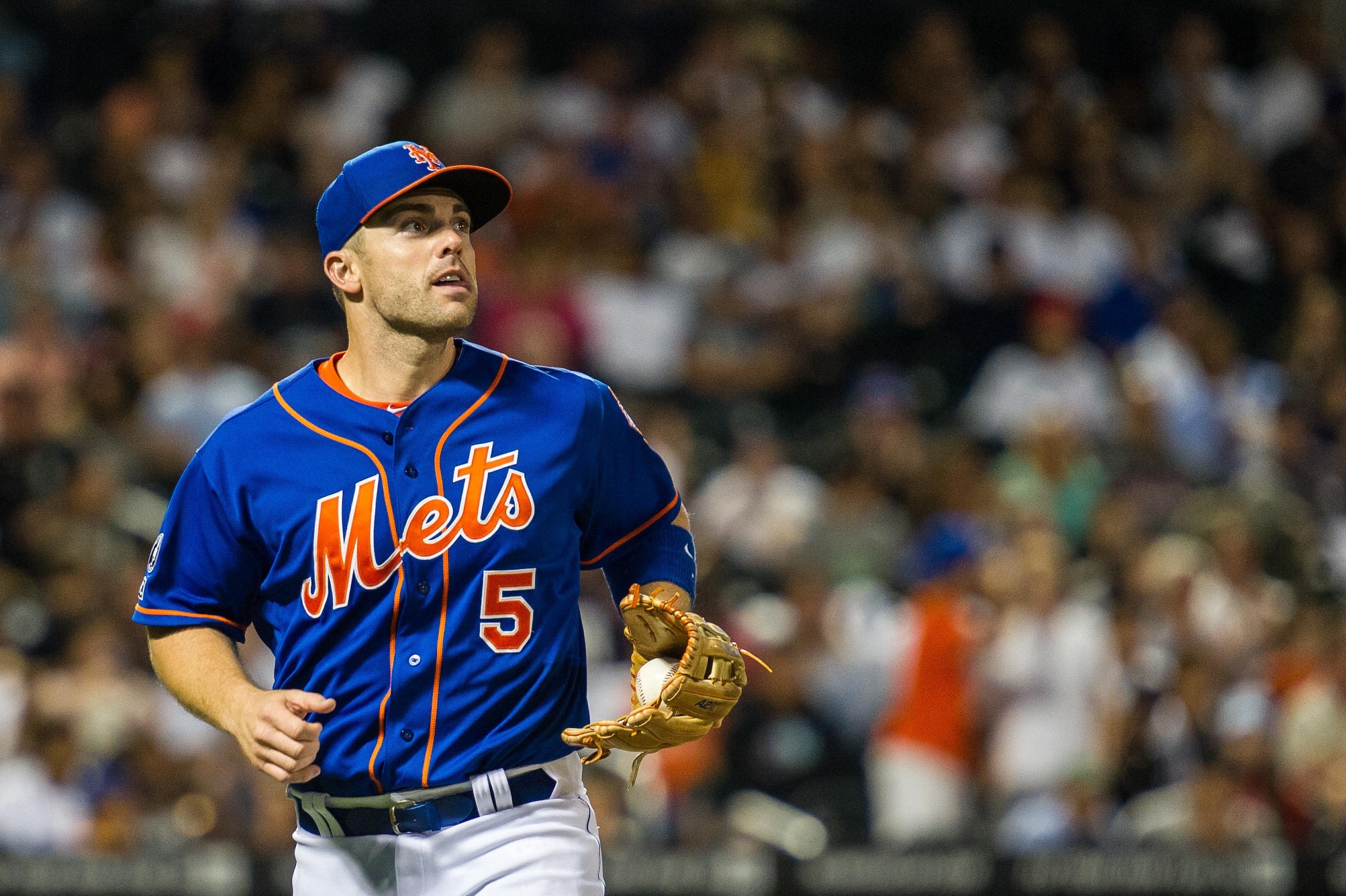
The Deal: 8 years, $138 million
Term: 2014-2020
Contract WAR: 2.6
Cost Per WAR: $53.1 million
What He Was
Here's another for the "Please Don't Let This Guy's Prime Be Forgotten" file.
An average season for David Wright between 2005 and 2013 included a .890 OPS and 23 home runs, with only three hitters producing more WAR in that span. He was a five-time All-Star, two-time Gold Glover and an apparent future Hall of Famer.
What He Became
The Mets extended Wright when they didn't technically have to. The deal came on the eve of 2013, for which they already controlled the slugger.
That year was a typically brilliant season for Wright, but then the injuries came. He played in 134 games in 2014 and just 77 after that through 2018.
The lesson here is that spinal stenosis is the worst. Because whereas Wright once seemed like a lock for Cooperstown, he got only 6.2 percent of the vote in 2024 and 8.1 percent in 2025.
6. Anthony Rendon, Los Angeles Angels
5 of 10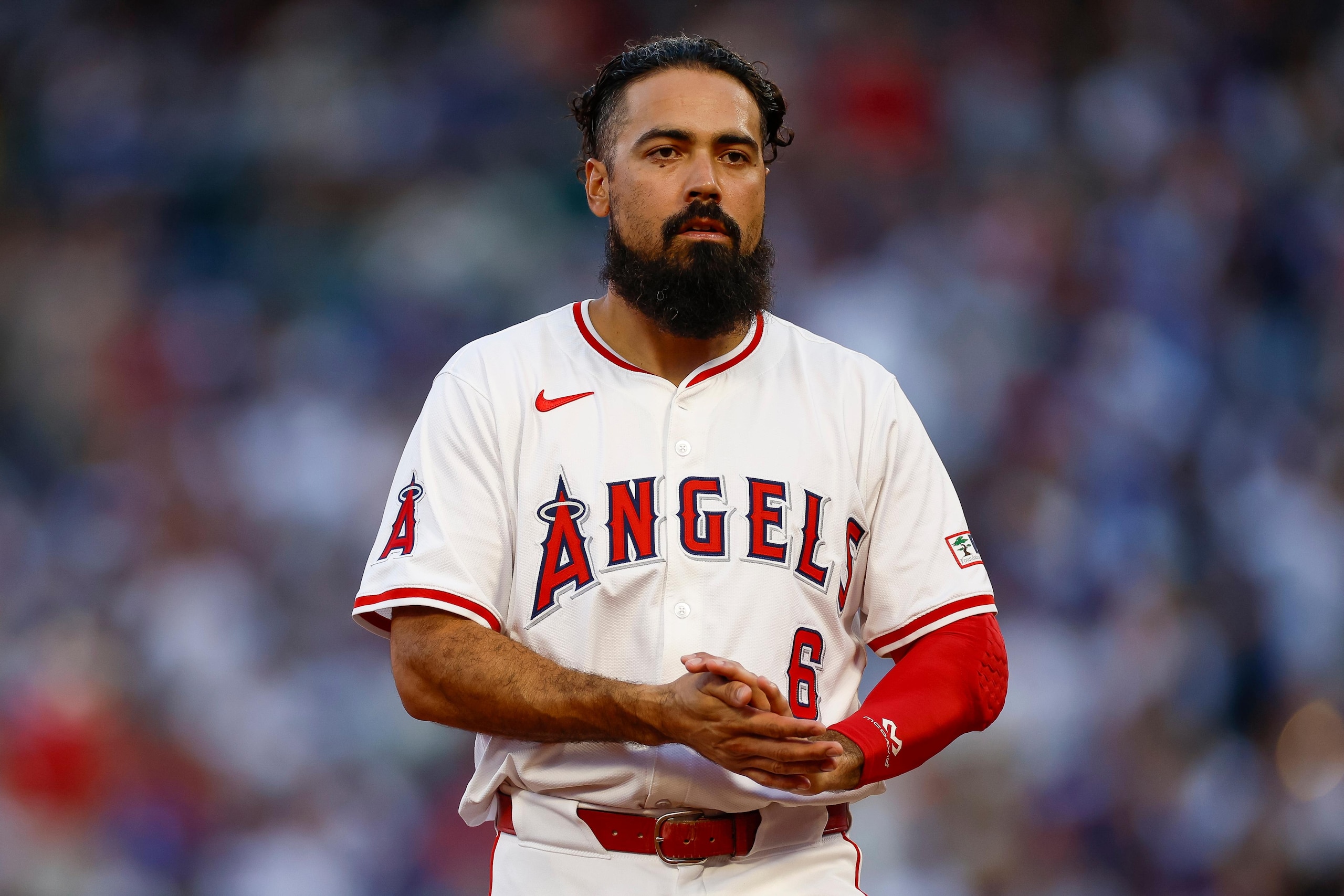
The Deal: 7 years, $245 million
Term: 2020-2026
Contract WAR: 3.8
Cost Per WAR: $64.5 million
What He Was
When the Angels signed him, the big thing Anthony Rendon had going for him is that he was fresh off being a World Series hero.
It felt like a coming-out party for a player who had previously been wildly underappreciated. Between 2014 and 2019, he produced a total of 28.9 WAR and was 31 percent better than the average hitter overall.
What He Became
It boggles the mind that Rendon was initially as advertised for the Angels. He was darn good for them in 2020, notably posting a career-best .418 OBP.
It's been ugly since then, and not merely because injuries have limited him to just 205 out of 648 possible games since 2021.
Rendon's power has long since gone bye-bye, as he most recently cleared the fence on July 1, 2023. He also hasn't just hasn't been the most inspiring presence, whether we're talking for the media or the public at large.
5. Miguel Cabrera, Detroit Tigers
6 of 10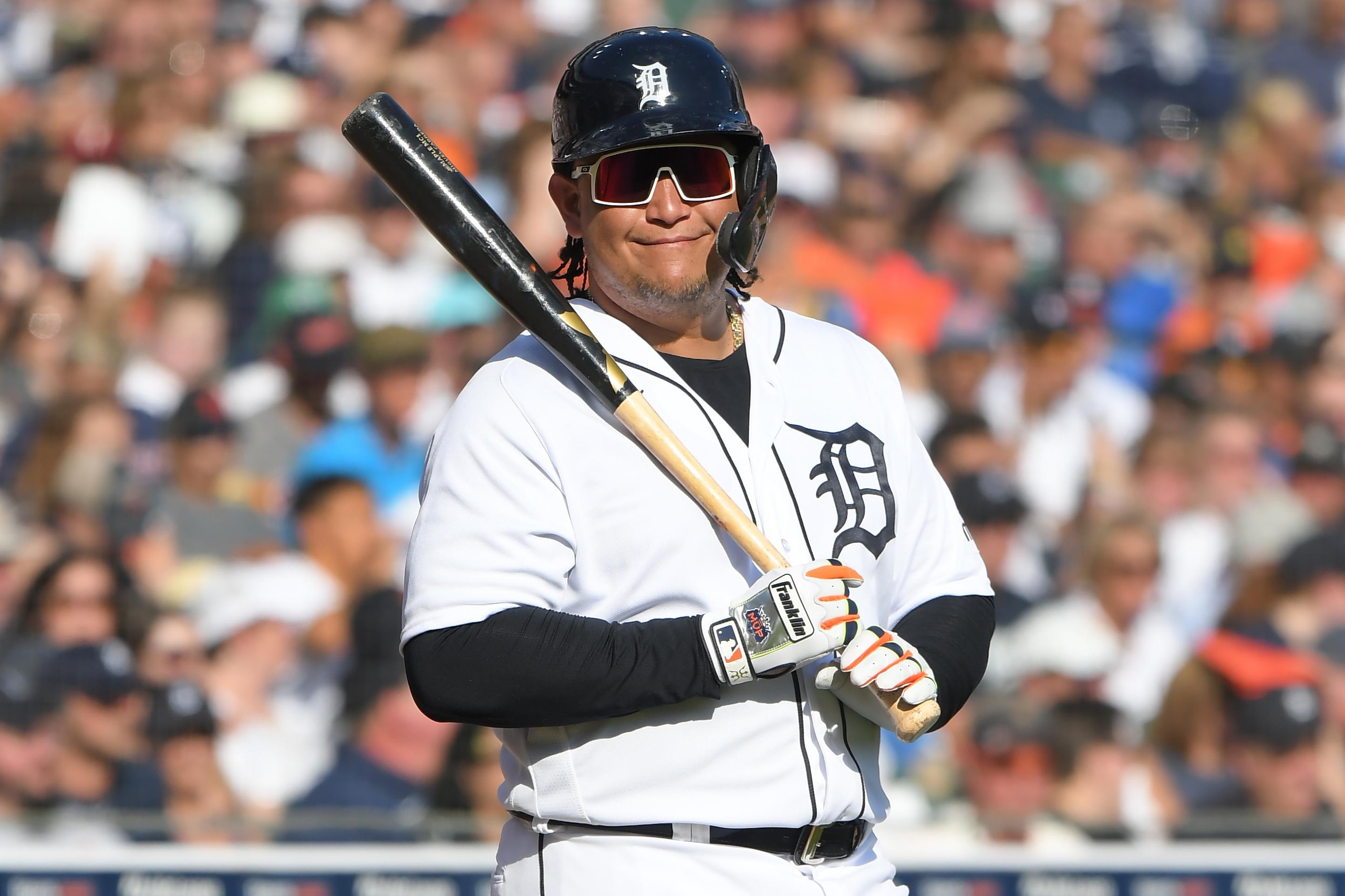
The Deal: 8 years, $248 million
Term: 2016-2023
Contract WAR: 3.3
Cost Per WAR: $75.2 million
What He Was
In his heyday, to watch Miguel Cabrera hit was akin to going through a religious experience.
In his first six years as a Tiger alone, he hit .327 with an average of 38 home runs per season. He won the triple crown and his first MVP in 2012, yet somehow improved his average, OBP and slugging percentage in winning the MVP again in 2013.
What He Became
This is another deal that didn't need to happen when it did, as the Tigers made their pact with Cabrera when he was already under contract for two more seasons.
The first season went well, as he did his usual thing in 2016 by hitting .316 and blasting 38 home runs. But then he basically went the way of Albert Pujols, with his next seven seasons producing just 65 homers and minus-2.1 WAR.
Still, at least Cabrera delighted fans by getting his 500th home run and 3,000th hit in a Tigers uniform. He's sure to be a first-ballot Hall of Famer in 2029.
4. Eric Hosmer, San Diego Padres
7 of 10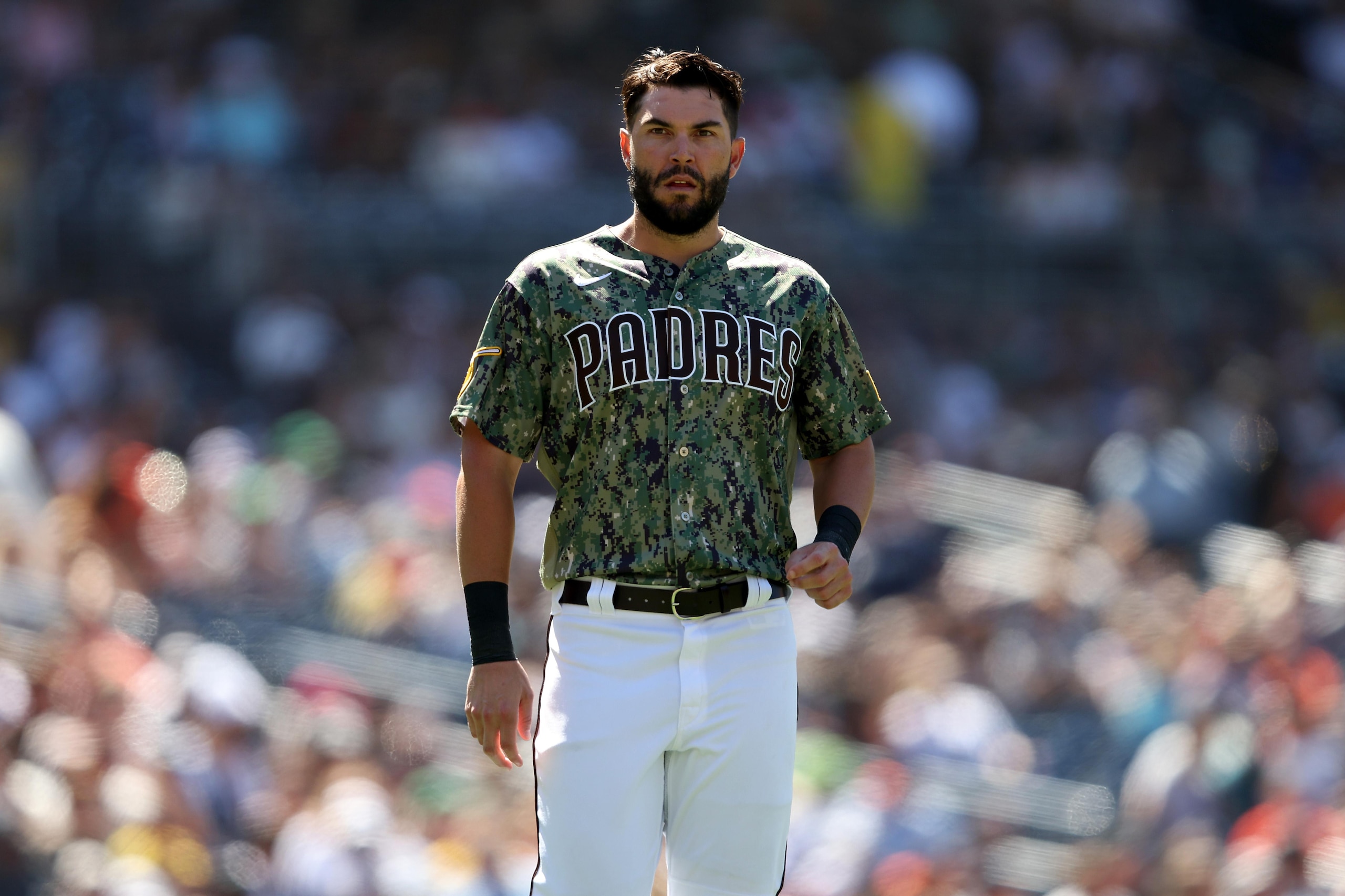
The Deal: 8 years, $144 million
Term: 2018-2025
Contract WAR: 0.9
Cost Per WAR: $160 million
What He Was
A certain segment of the baseball-watching populace saw Eric Hosmer as a just-OK player even before he signed with the Padres, but let's be fair for a moment.
As a Kansas City Royal between 2011 and 2017, he was part of two World Series teams and a generally productive hitter to the tune of a 111 wRC . And he went into free agency with momentum after hitting .318 with 25 homers in 2017.
What He Became
This is tricky, because the truth is Hosmer became a more extreme version of the player he had always been.
As in, not a particularly good first baseman despite his four Gold Gloves, and a volatile offensive performer to boot. He had been known for high ground-ball percentages even as a Royal, and that did not change after he joined San Diego.
Ultimately, he hit just .265 as a Padre before they gave up on him in 2022. He retired in 2024, but San Diego still owes him $12.2 million this year.
3. Stephen Strasburg, Washington Nationals
8 of 10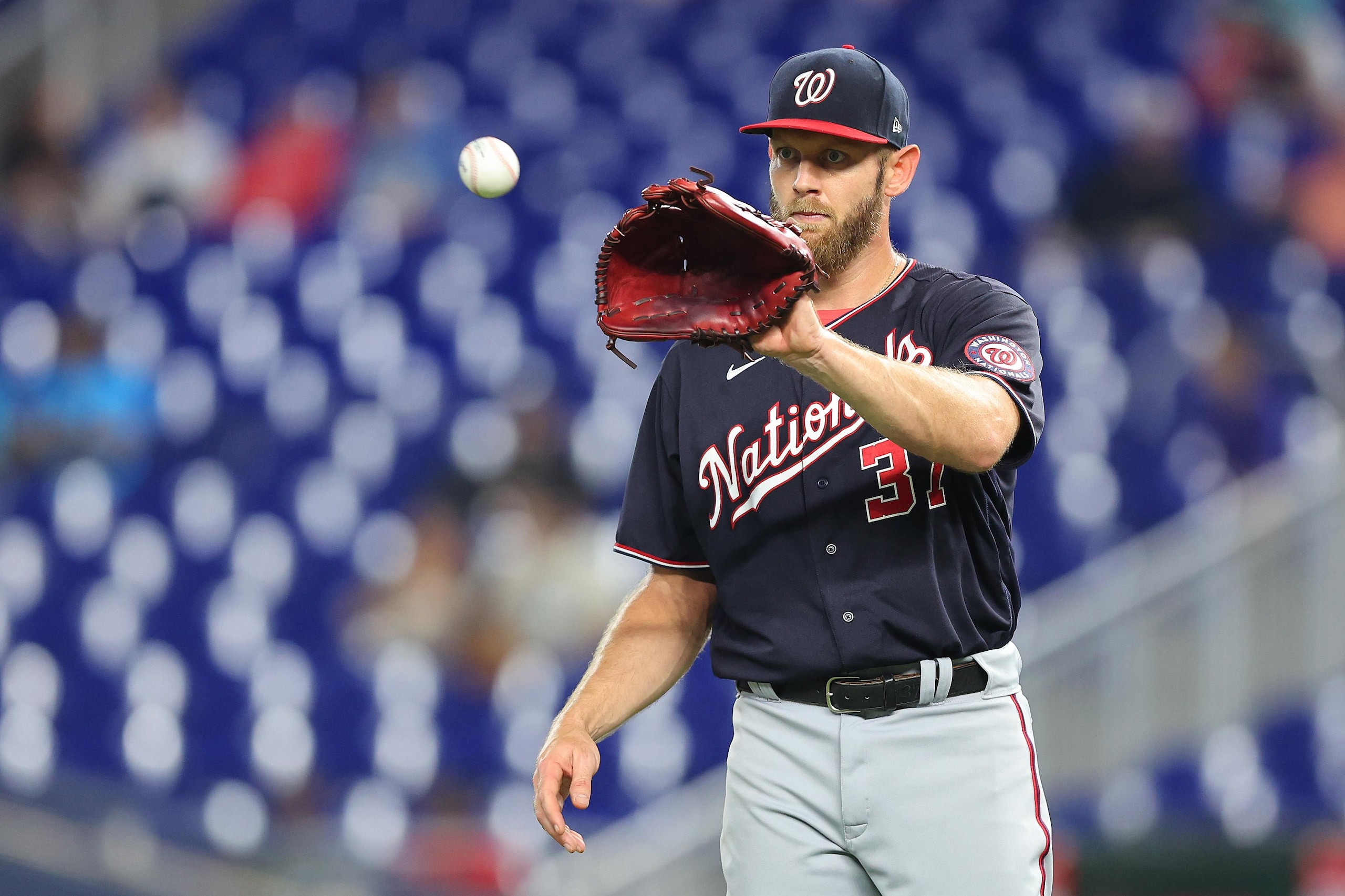
The Deal: 7 years, $245 million
Term: 2020-2026
Contract WAR: 0.1
Cost Per WAR: $2.5 billion
What He Was
Suffice it to say that Stephen Strasburg made it hard for the Nationals to walk away when he opted out of his contract in 2019.
He had been their No. 1 pick once upon a time in 2009, and he was one of the five best pitchers in MLB on a rate basis between 2010 and 2019. And in the last of those seasons, of course, he was the driving force behind the Nats' championship push.
What He Became
If you simply go off of games played, this is by far the worst return any team has ever gotten on a free-agent investment.
After signing on for seven more years, Strasburg made just eight starts for the Nationals between 2020 and 2022. He developed thoracic outlet syndrome, which is up there among the hardest injuries for a pitcher to come back from.
Though Strasburg retired last year, the Nats still owe him $35 million for this year and for 2026. Technically, only 10 players will earn more than him in 2025.
2. Ryan Howard, Philadelphia Phillies
9 of 10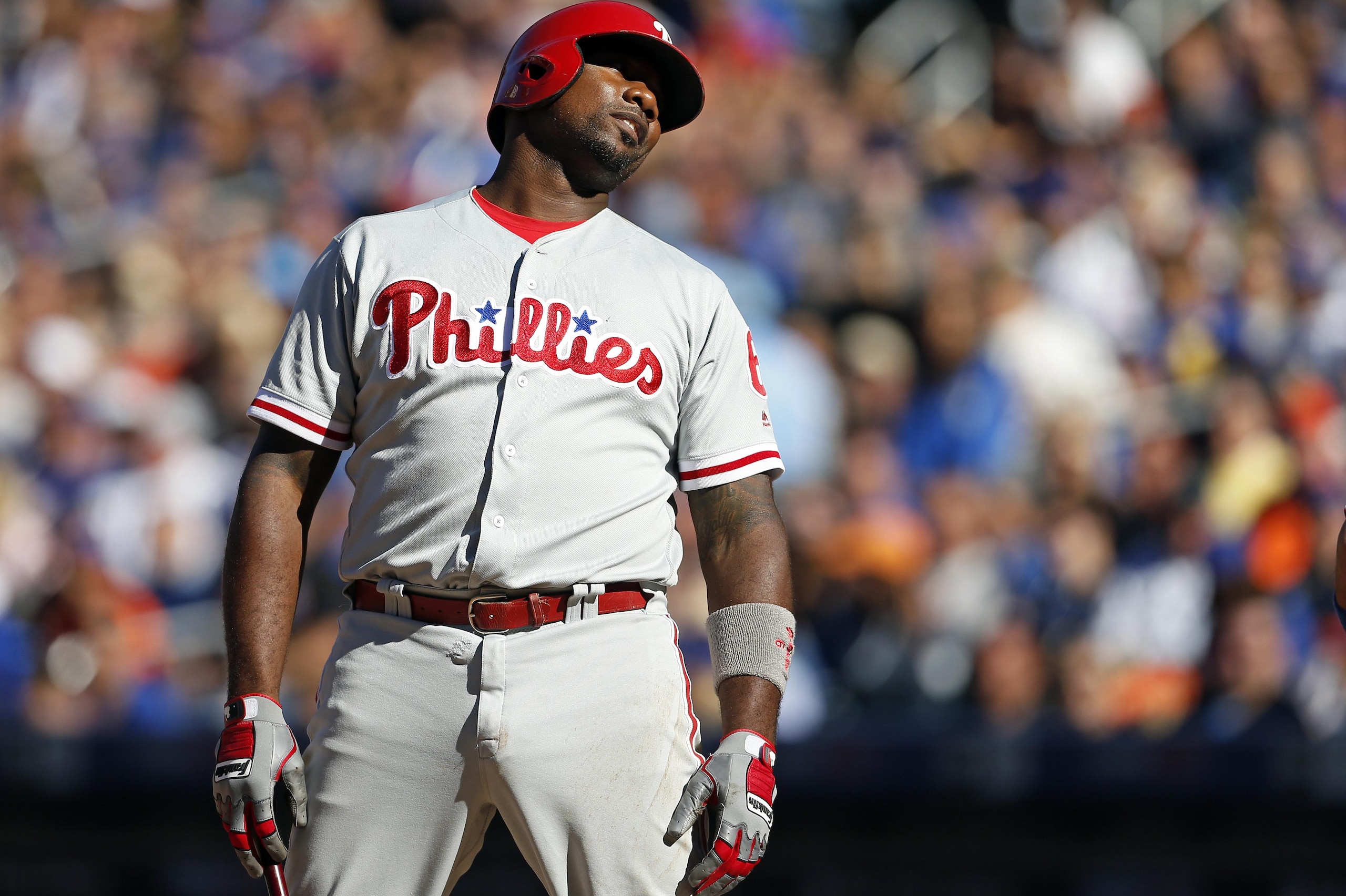
The Deal: 5 years, $125 million
Term: 2012-2016
Contract WAR: -1.9
Cost Per WAR: N/A
What He Was
There's a one-word explanation for why the Phillies extended Ryan Howard in April 2010, and that word is capital-D Dingers.
Headlined by an MLB-leading 58 in 2006, he hit 198 home runs across the previous four seasons. It was 33 more than any other hitter.
And with those taters came plenty of steaks, as Howard out-RBI'd the next best batter by a whopping 81.
What He Became
Trouble is, Howard was already 30 when the Phillies extended him. And though signed in 2010, the new deal didn't start until 2012.
It's a deal that almost certainly wouldn't be done today, given what we know about the aging curves of slug-only first basemen. And Howard is very much a cautionary tale in this respect.
Upon returning from a torn Achilles in 2012, he battled further injuries and eventually hit just 96 home runs with a .719 OPS over his last five seasons. He was better than a replacement-level player in just one of those.
1. Chris Davis, Baltimore Orioles
10 of 10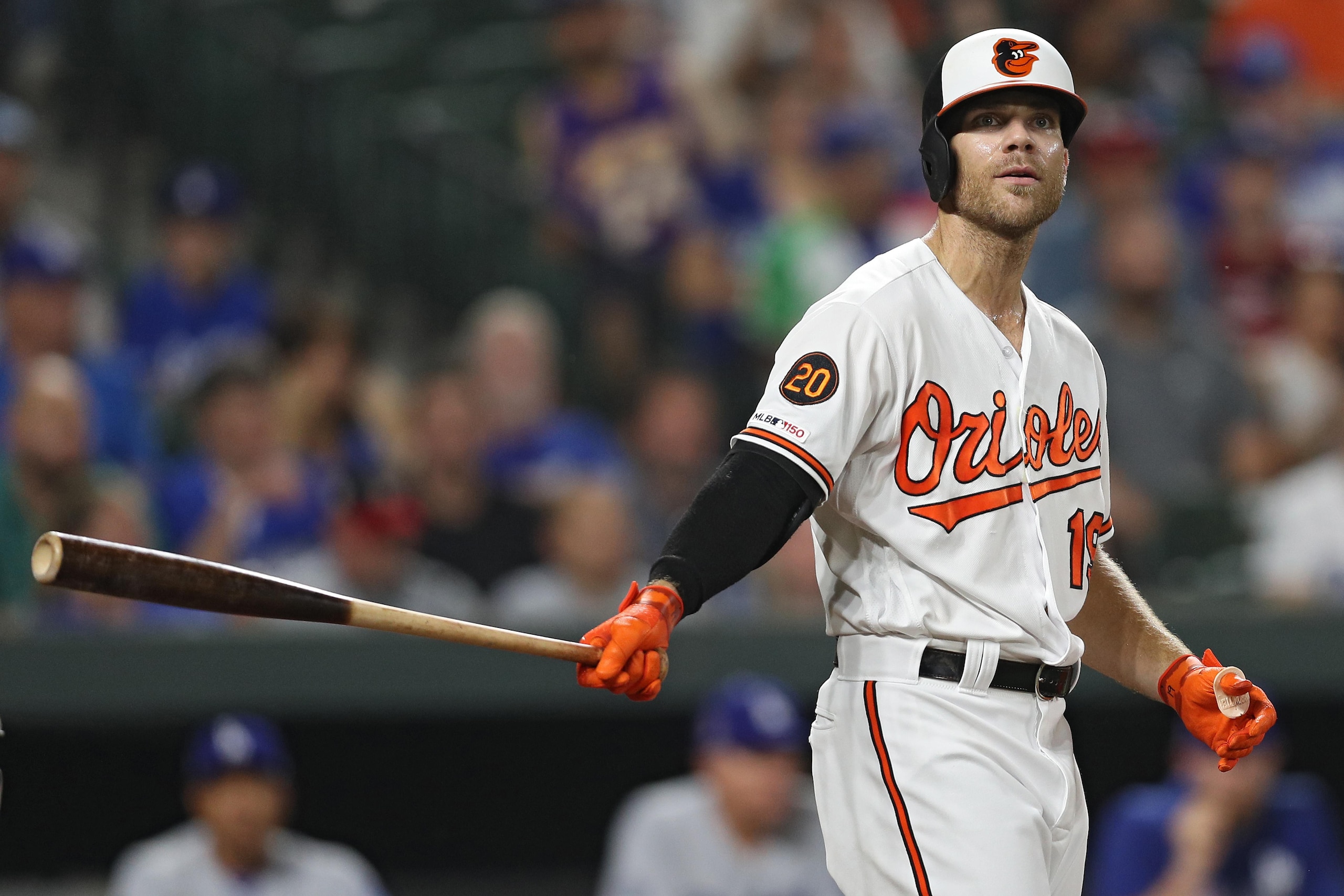
The Deal: 7 years, $161 million
Term: 2016-2022
Contract WAR: -3.4
Cost Per WAR: N/A
What He Was
Though Chris Davis was more or less a contemporary of Ryan Howard, he somehow felt like the next coming of Ryan Howard.
One minute, he was cranking out 126 home runs (15 more than any other hitter) and 327 runs batted in (five more than any other hitter) between 2013 and 2015. And the next...
What He Became
Davis basically went down the same path as Howard, except with more of a pronounced limp and more frequent stumbles.
His best season after re-upping with the Orioles was when he mustered a mere 1.6 WAR in 2016. He didn't even get to 0 WAR between 2017 and 2020, and he famously went 62 straight plate appearances without a hit at one point.
If anything, you have to credit Davis for going through that and still hanging on until August 2021 before finally retiring. Though by then, it had already been almost a year since he had last suited up for the Orioles.
Stats courtesy of Baseball Reference, FanGraphs and Baseball Savant.
.jpg?w=2560 "Report reveals list of next NFL international locations")
.jpg?w=2560 "Breaking News")

.jpg?w=2560 "McCarthy 'Not Surprised' to Be QB1")