

Analysis of an Exodus: What's Next for Genoa?
Recent weeks have been difficult for Genoa fans. They have had to watch as the team that brought them to the brink of an expedition into European football has been pilfered of its finest talent, leaving a mere carcass of what was before.
Shreds of hope do remain, primarily due to the fact that this sort of thing has happened to other clubs who have survived to tell the tale. Indeed, Genoa can find particular light in a story coming from English shores.
Last summer, Southampton sold Dejan Lovren, Adam Lallana and Rickie Lambert to Liverpool, Luke Shaw joined Manchester United and Calum Chambers left for Arsenal. Coach Mauricio Pochettino also jumped ship, defecting to Tottenham Hotspur.

Despite the tumult, the south-coast club spent well and rejuvenated their decimated squad, improving their performance and even flirting with the prospect of Champions League football.
The first part of that story is something Genoa can identify with but the second part remains alien, at least for the time being. The player flight is well underway, but no one knows how this latest chapter in Genoa’s story will ultimately unfold.
Going through the exodus essentially feels like reading out Genoa’s starting line-up for much of last season: Facundo Roncaglia; Luca Antonelli; Edenilson; Andrea Bertolacci; Iago Falque; M’Baye Niang; all of them are gone and unlikely to return.
Roncaglia was an integral part of the Grifone’s backline last season. Arriving on loan from Fiorentina, the Argentinean made more tackles and interceptions per game than any other player in the team, playing as he did on the right of Genoa’s three-man defence.
Antonelli left midway through last season for AC Milan on a loan deal that recently became permanent. An Italian international, he was inspirational as the flying left-wing-back and was second behind Roncaglia in tackles and interceptions.
While not a standout, Edenilson was versatile and quietly effective in Genoa colours while on loan from Udinese. He appeared on either flank and contributed five assists while also making 1.2 dribbles per game, the second highest total in both categories.
Bertolacci is perhaps the most notable sale of Genoa’s summer. His silky left foot and creativity were of huge value to the team, especially considering the fluid, passing playing style coach Gian Piero Gasperini seeks to promote.
The statistics show how crucial Bertolacci was to this style. No one made more passes per game than he, nor did anyone come close to matching his eight assists last season.
Roma bought out Genoa’s half of the central midfielder’s contract before selling him to AC Milan for a fee of €20 million. As James Horncastle states for epsnfc.com: “No Italian player has gone for more money…than he has in the past 15 years.” The fee shows just how highly Bertolacci is rated in Italy and how hard he will be for Genoa to replace.
Another major loss came in the departure of Iago Falque. The nippy left-footed winger was Genoa’s top scorer with 13 league goals last season in what was his one and only campaign with the club. He also made more key passes per game (1.5) than anyone bar Diego Perotti.
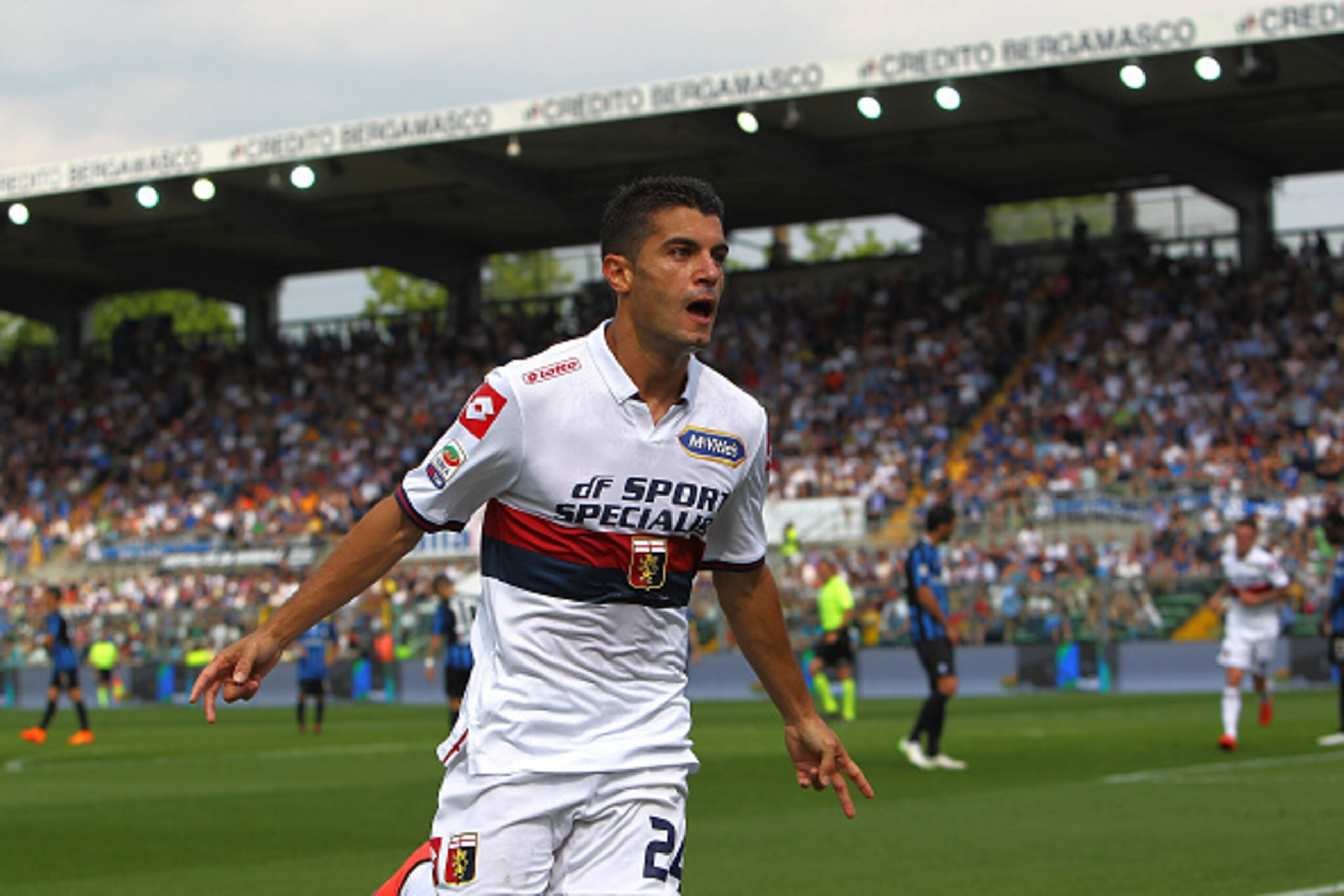
Falque signed for Roma on July 1 for an initial €1 million loan deal that can be made permanent for €7 million. He added a clinical air to Genoa’s front three, and given no one else reached double figures for the club last season, his exit is a blow.
M’Baye Niang hit the net on five occasions in 14 appearances after arriving on loan from Milan in January of this year, but he has since returned to the Rossoneri, where he has agreed to a two-year contract extension.
Perotti looks set to be added to the list of attacking losses, with the Argentinean heavily linked with a move away. He completed 3.6 dribbles per game for Genoa last season, more than anyone else, while also picking up the highest average rating—7.48—for his performances.
The versatile attacker played as a left winger and a false nine during the course of last season and his trickery, craft and guile were a perfect fit for Gasperini’s aforementioned philosophy. His inevitable sale would leave a gaping hole in Genoa’s forward line.
What makes this exodus worse is that, unlike Southampton’s last summer, Genoa’s appears to be predicated on financial difficulties. Genoa should be competing in European competition in 2015-16 thanks to their sixth-placed Serie A finish last season, but they have been excluded by UEFA for alleged financial irregularities, per ANSA.
If these allegations are true—and the player sales appear to point to that conclusion—then it will be far harder, if not altogether impossible, for Genoa to do what Southampton did and reinvest the proceeds from the sales into building a more competitive squad.
There are, however, green shoots amid the prevailing despair.
In defence, Slovenian Luka Krajnc impressed while on loan at Cesena last season, while Armando Izzo was part of Italy’s squad for this summer’s European Under-21 Championships. Both could help in filling in the void left by Roncaglia’s absence.
In midfield the sale of Bertolacci can be compensated for by the return of Panagiotis Tachtsidis, the continued presence of Tino Costa and the further development of Rolando Mandragora.
Tachtsidis obtained a higher rating than anyone else—including Luca Toni and Jacopo Sala—on loan at Verona, and the Greek midfielder could finally be ready to live up to his early promise. Costa, like Bertolacci, is extremely technically proficient and has a wonderful left foot. As such, he may be the most obvious choice to replace the new Milan man.
Mandragora is lesser known, but at just 18 years old, he shows immense potential. He is similar to Bertolacci in that he is a left-footed central midfielder, and he dealt well with being thrown into the deep end on his debut: a home game against champions Juventus. He could well be the long-term replacement for Bertolacci.
Further forward, Genoa brought in Serge Gakpe and Darko Lazovic—the latter of whom scored 10 goals for Red Star Belgrade last season—to add to their options on either side of the three-man forward line. The experienced Goran Pandev has also been added, while Leonardo Pavoletti’s loan has been made permanent after he scored six goals in 10 appearances.
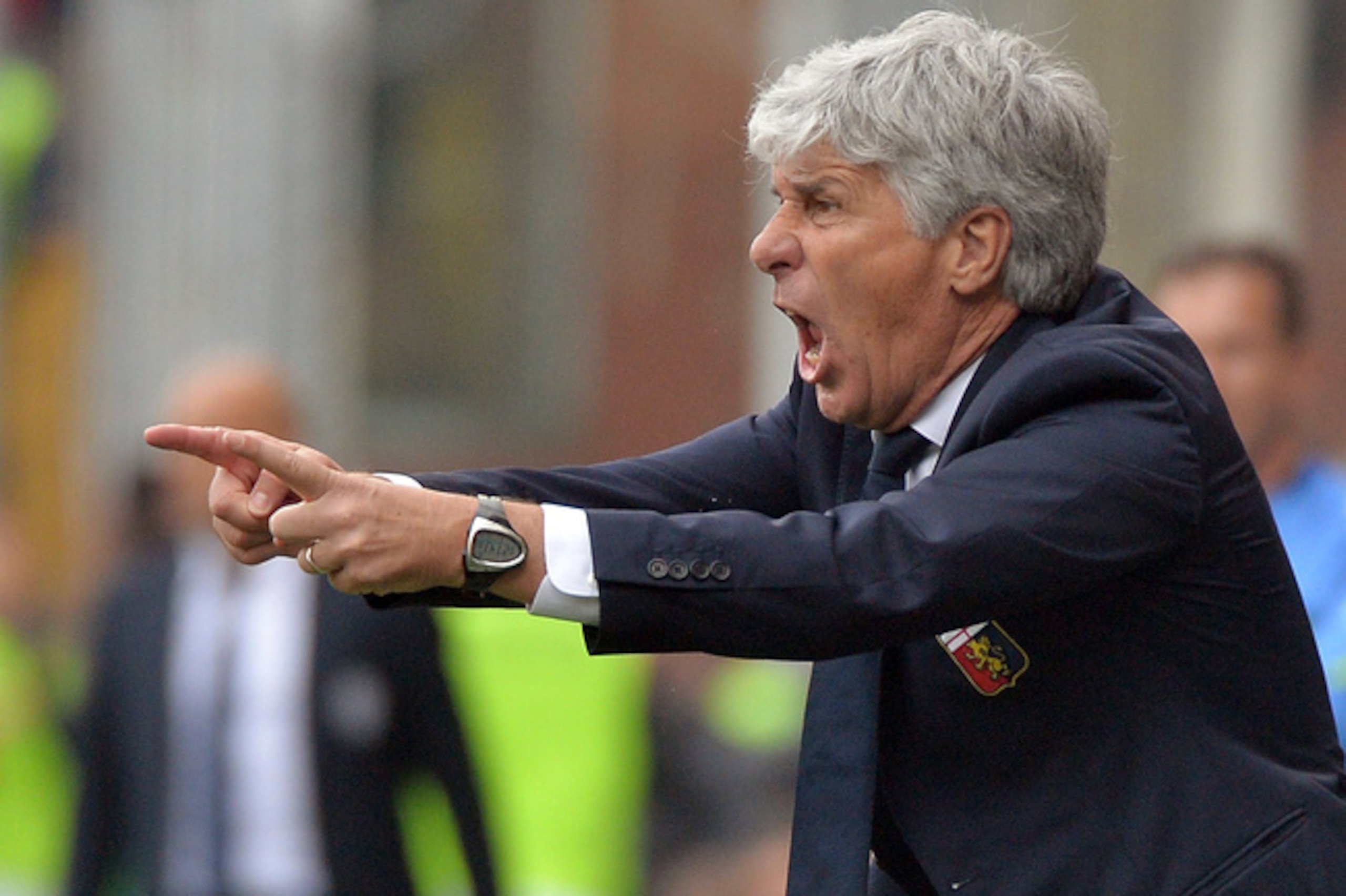
The most important business of Genoa’s summer concerned the renewal of Coach Gasperini’s contract (per Sky Sports), however. His tactics and squad-management acumen were the true force behind Genoa’s resurgence last season, and with him continuing on at the club, Genoa will at the very least attempt to play good, if not successful, football.
Even with Gasperini’s staying on, it’s hard to predict the future for Genoa. Will the renowned coach work his magic once again to keep the club at the top end of the Serie A table, or will the exodus of players spark a decline?
Realistically, the end result will probably be somewhere in between those two outcomes. Gasperini is good, but he is not a miracle worker. His distinctive style, combined with what remains of Genoa’s squad, should be enough to keep them safe. But at the same time, last season’s concerted push for European football is likely to be rendered a relatively unique experience.
All performance statistics provided by WhoScored.com
.jpg?w=2560 "49ers Giants Football")

.jpg?w=2560 "Ertz Returning to Eagles")
.jpg?w=2560 "Dak Addresses 'Dumb' Old Romo Tweet 🤣")
.jpg?w=2560 "WWE Raw Live Grades 🔠")

.jpg?w=2560 "🚨 Puka Out for MNF")