Each 2015 Rugby Championship Team's Greatest Weakness
This year's Rugby Championship will see four of the best teams in world rugby once again collide in what promises to be a terrific contest of skill, but even the elite have their weaknesses.
Only a week remains until New Zealand get their title defence underway, seeking to fend off the challenges of South Africa, Australia and Argentina, hoping their strengths outweigh those deficiencies.
Some teams' weaknesses are more abstract while others possess a very distinct shortage in one area of the park; some sides are fortunate to have fewer evident negatives than their peers, but no lineup is perfect.
Read on for a look at each Rugby Championship outfit's biggest weakness heading into the 2015 competition, with some coaches looking to patch up some substantial holes in the buildup to the World Cup.
Argentina: Lack of Depth in Superstar Talent
1 of 4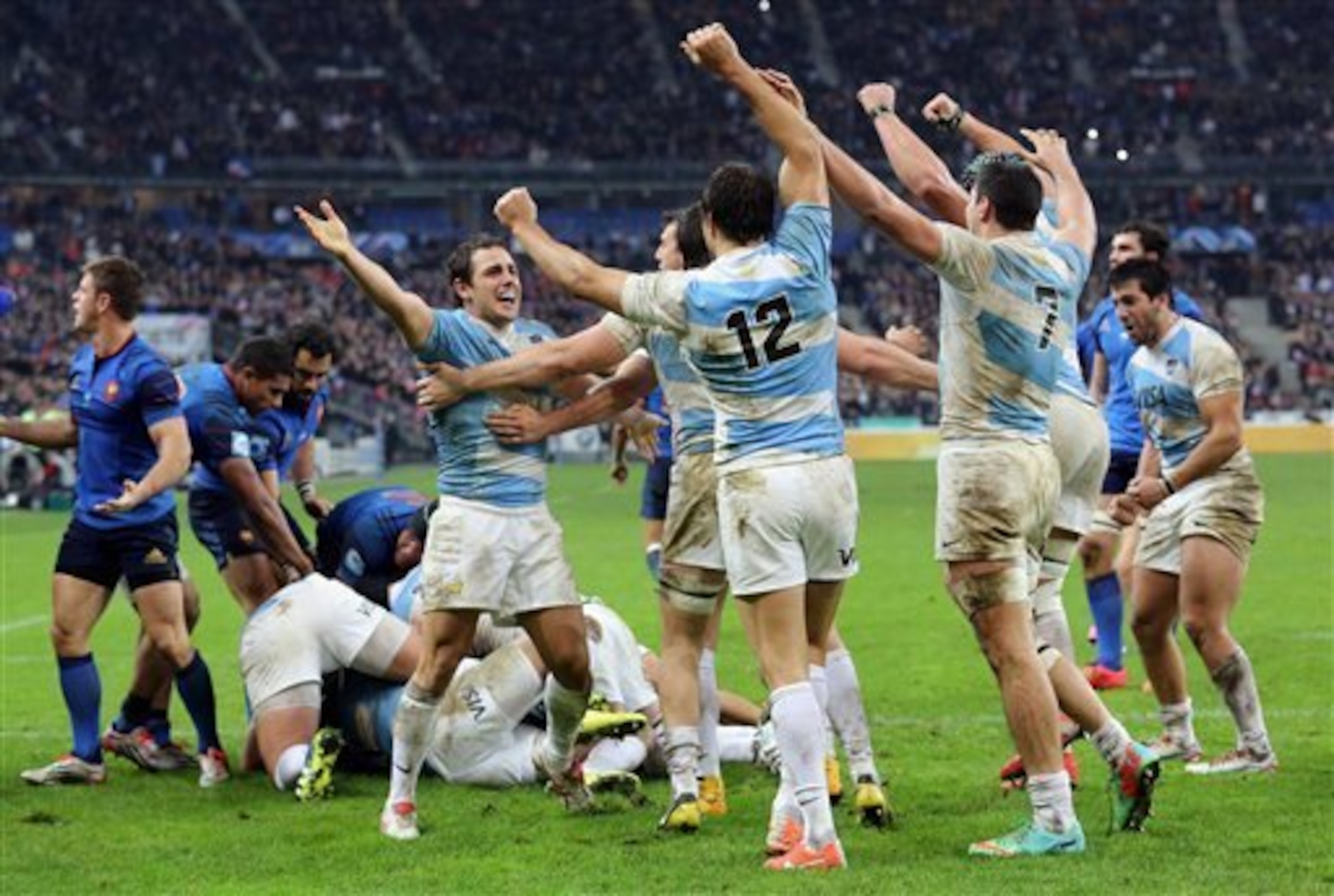
It's forever been the Pumas' shortcoming when it comes to the international game, and the fact remains that Argentina are still few and far between when it comes to genuinely world-class stars.
That is in comparison with the large bulk of other Tier 1 nations, however, and while coach Daniel Hourcade certainly has several gems on his hands, the likes of New Zealand, Australia and South Africa simply boast more.
Of course, that isn't to say the South Americans aren't improving, and by all means this year may see several more potential stars arise. After all, if wing wizard Manuel Montero can take the world by storm, who's to say Argentina don't have similar starlets hidden beneath?
Montero will be one of those missing the competition, though, after picking up a knee injury earlier this year. Argentina were also hit with the news that Juan Martin Hernandez would miss the opening clash against New Zealand, per Stuff.co.nz, as will Tomas Lavanini, Pablo Matera and Leonardo Senatore.
Hourcade will look to the likes of Juan Martin Fernandez Lobbe, captain Agustin Creevy and Juan Manuel Leguizamon to marshal his troops from the front line, while Hernandez's absence creates some back-line concern.
As their historic win over Australia last year showed, this is a team that can unite despite the apparent disadvantage in quality, taking much of their success through wild passion and an awesome home support.
That being said, star players have that ability to come up with star plays, and the Pumas may just find themselves out of their depth when asked to duel against their southern-hemisphere peers.
Australia: Settled Half-Back Partnership
2 of 4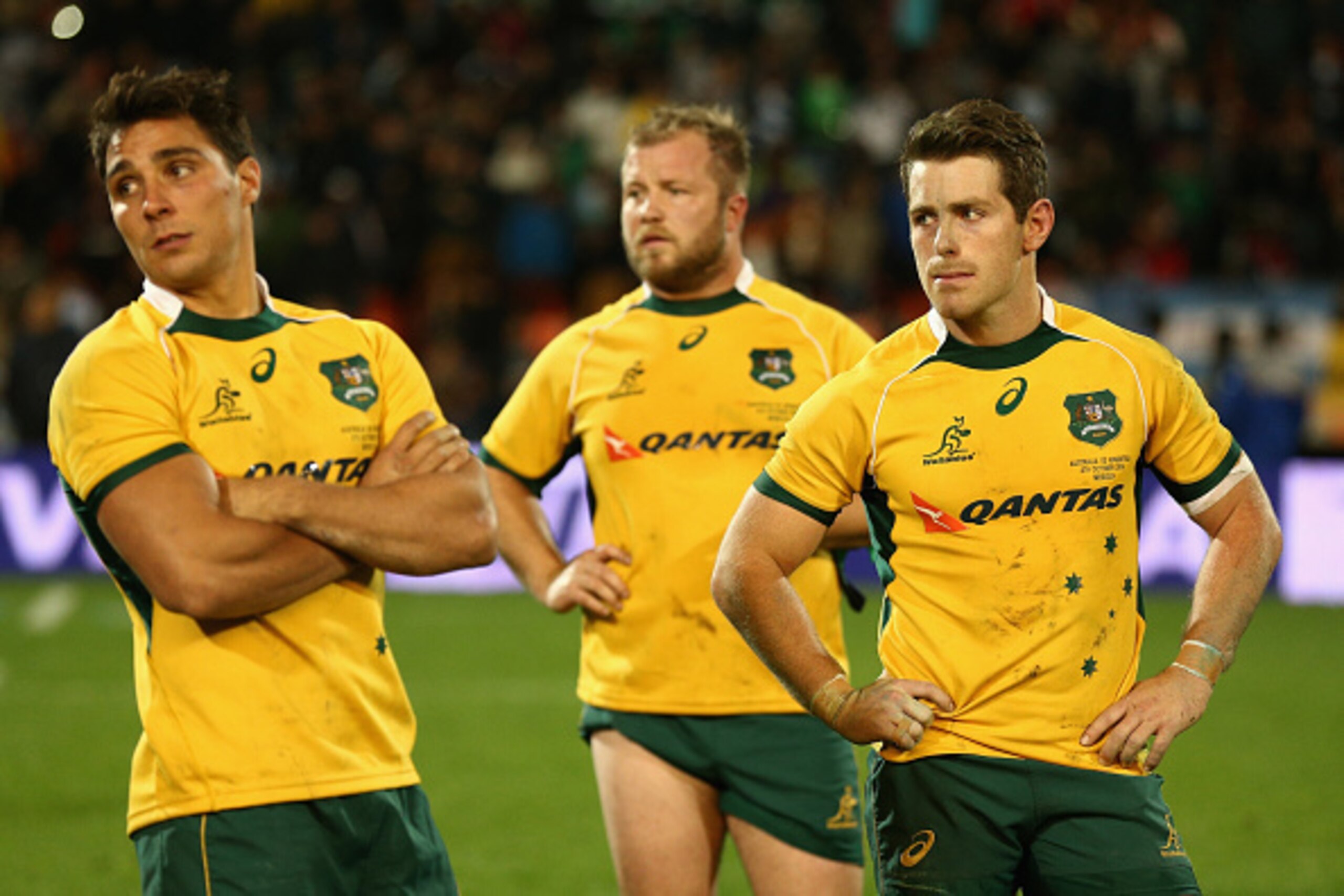
After finishing third by a distance in each of the last two Rugby Championship tournaments, Australia are a team down on morale and in need of their leaders, arguably chief of whom are the half-backs.
Coach Michael Cheika has solved many a conundrum since taking over the Wallabies in 2014, but one massive question mark that remains is who makes up the perfect combination at nine and 10.
The Waratahs tactician has been largely inclined to trust in his franchise partnership, with Nick Phipps and Bernard Foley two undoubtedly talented individuals but certainly not rubber-stamping their places in the XV just yet.
The Queensland duo of Quade Cooper and Will Genia have their backers, while we may yet even see Matt Giteau or Matt Toomua featuring at fly-half, but thus is the current mystery in that area.
In February of this year, Cheika was quoted by Georgina Robinson of the Sydney Morning Herald as saying his playmakers still had some proving to do, and don't Australian fans know it:
"Maybe it's still a bit early to say they've come of age. I think once they meet this challenge ahead of them now, of saying here's a pairing that's now played for their state and for their country, that they grow into that status. It's one thing getting there and achieving that status, it's another thing riding and growing and using that and the self-belief that comes with that to play better and orchestrate their team playing better.
A lot of the stuff that they do doesn't actually show in their own bit, it shows in the performance of others around them, and that's why it's so important that they stay close together. If you add [No.12 Kurtley Beale] on to the edge of that little threesome, I think they're going to be a big part of what we do this season.
"
The Waratahs bowed out of this year's Super Rugby campaign in the play-off semi-finals, where Foley and Phipps were among those to not quite live up to expectations.
The importance of the half-back pair in linking the forwards and backs is profound. Until the Wallabies have at least half that combination sewn up with a standout leader brimming with self-belief, they won't rediscover their winning stride.
New Zealand: Replacement of Departing Stars
3 of 4
Steve Hansen has known it was coming; later this year, the All Blacks boss will be forced into life without the evergreen figures of Richie McCaw and Dan Carter following a gradual easing out of the Test scene.
Although McCaw's ceasefire isn't yet concrete, he is expected to at least bow out of the international game alongside Keven Mealamu and Tony Woodcock, all three of whom all started in the victorious 2011 Rugby World Cup final.
Hansen is no fool, though. The past few years have seen him planning for those departures and offering time to their emerging successors, but can we really expect any of the current candidates to fill such big boots?
In the case of McCaw, many would see the Chiefs' Sam Cane as a promising replacement, and understandably so, but the front-row concerns may be considerably more urgent.
Mealamu and Woodcock are from a hardy generation but now need younger stars to step up, and the hard truth is that Dane Coles, Codie Taylor and Joe Moody just aren't of those standards—at least not yet.
Examining the All Blacks squad, it's difficult to pick positional flaws as their depth is so consistently great, but the gaps soon to be left by a handful of centurions open them up to their enemies.
The rugby community as a whole will mourn when New Zealand do eventually bid farewell to McCaw, Mealamu, Woodcock and Carter, but their opponents may well find their understudies to be easier prey.
.jpg?w=2560 "Texans Titans Football")
.jpg?w=2560)
.jpg?w=2560 "Cardinals Giants Football")
South Africa: Second-Row Options
4 of 4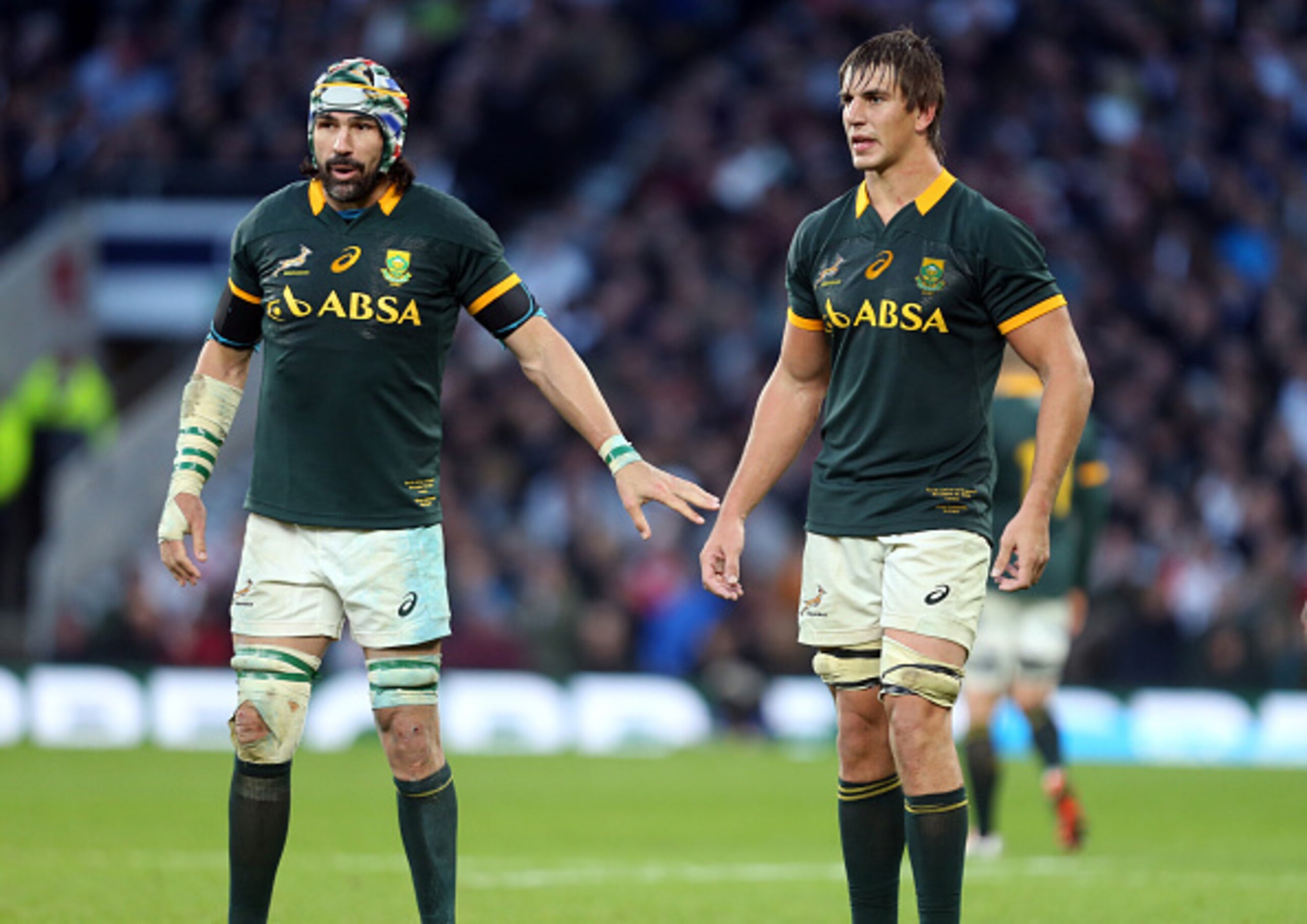
With Jean de Villiers well on course in his bid for a return to full fitness and Damian de Allende in terrifying form this year, South Africa's centre concerns may be culled; the concerns at lock, however, are not.
Ideally, any international coach would like to have four of their best locks, each of whom would preferably boast decent international experience, to a tournament like the Rugby Championship. Heyneke Meyer isn't so lucky this year.
Eben Etzebeth could one day go on to become the best in his position, but 38-year-old Victor Matfield is at the other end of his career and may not have too many (if any) 80-minute performances left in the tank.
Meyer has admitted Bakkies Botha's retirement, along with the unavailability of Andries Bekker and Flip van der Merwe, has created some serious concern in the second row, per ESPN:
"I am worried about No.5 lock and in our system that is probably the most vital guy because he runs all the line-outs. There is a big difference between the No.4 and No.5. We have worked with Lood [De Jager] to move to No.5 but he hasn't played there often enough and especially at Test level.
We spoke to one or two other guys. Juandre Kruger is still an option because you need a specialist at No.5 because 40 per cent of tries in the world last year came from line-outs. If you don't win your lineouts, you don't win your games and I believe Victor sometimes gets unfair criticism. But whenever he plays, he wins most of his line-outs and the opposition's, and he sometimes puts in the most tackles.
"
It's a desperate situation as things stand and Botha was quoted as saying on SuperSport's Boots and All (via Sport24's Lloyd Burnard) that a World Cup return is out of the question.
Lood de Jager, Franco Mostert and Pieter-Steph du Toit will come into the reckoning, but considering 22-year-old De Jager is the most seasoned of those in Test rugby, their inexperience doesn't boost confidence.
The heyday of Matfield and Botha dominating their dimension at lock is well and truly over, with the Springboks in a major need to see some unsuspecting heroes emerge, it seems.
.jpg?w=2560 "Broncos Chargers Football")

.jpg?w=2560 "MHJ Bought Own Jugs Machine")