Tottenham Hotspur's Long-Term Vision Must Not Forget the Here and Now
After years of delays, self-imposed and otherwise, Tottenham Hotspur's redevelopment of White Hart Lane is firmly moving ahead.
On Wednesday the north London club released "updated designs & plans for the Northumberland Development Project." Announced alongside an agreement to host NFL games over a 10-year period, it was an impressive show of intent for the club's future. One only tempered by the continued uncertainty over where the team will play during the required year away prior to the new ground's 2018 completion.
TOP NEWS

Messi Picks Next Gen Talent 💫
Live World Football Goals and Highlights 🔥
5 Potential Replacements for Michael Carrick as Manchester United Manager Amid Rumors
The same day's announcement of the signing of Belgium international Toby Alderweireld will certainly have pleased Tottenham supporters. The classy former Atletico Madrid and Southampton defender is a fine addition to Mauricio Pochettino's squad. It will be hoped the latest of the Premier League outfit's encouraging moves to improve their playing staff is a sign their long-term vision is not at the expense of the here and now.
The two are obviously somewhat entwined.
Rebuilding White Hart Lane (as it will surely still be known among fans, regardless of whatever naming rights are assigned it) is a move in large part designed to bring in the added revenues that will help the team. With a capacity of just over 36,000, the current ground puts Spurs at a disadvantage compared to top-four rivals such as Arsenal and Manchester United.
Big stadiums are not everything—Newcastle United and Sunderland's respective home grounds of St James' Park and the Stadium of Light are around the 50,000 mark, but their teams have still struggled on the pitch.
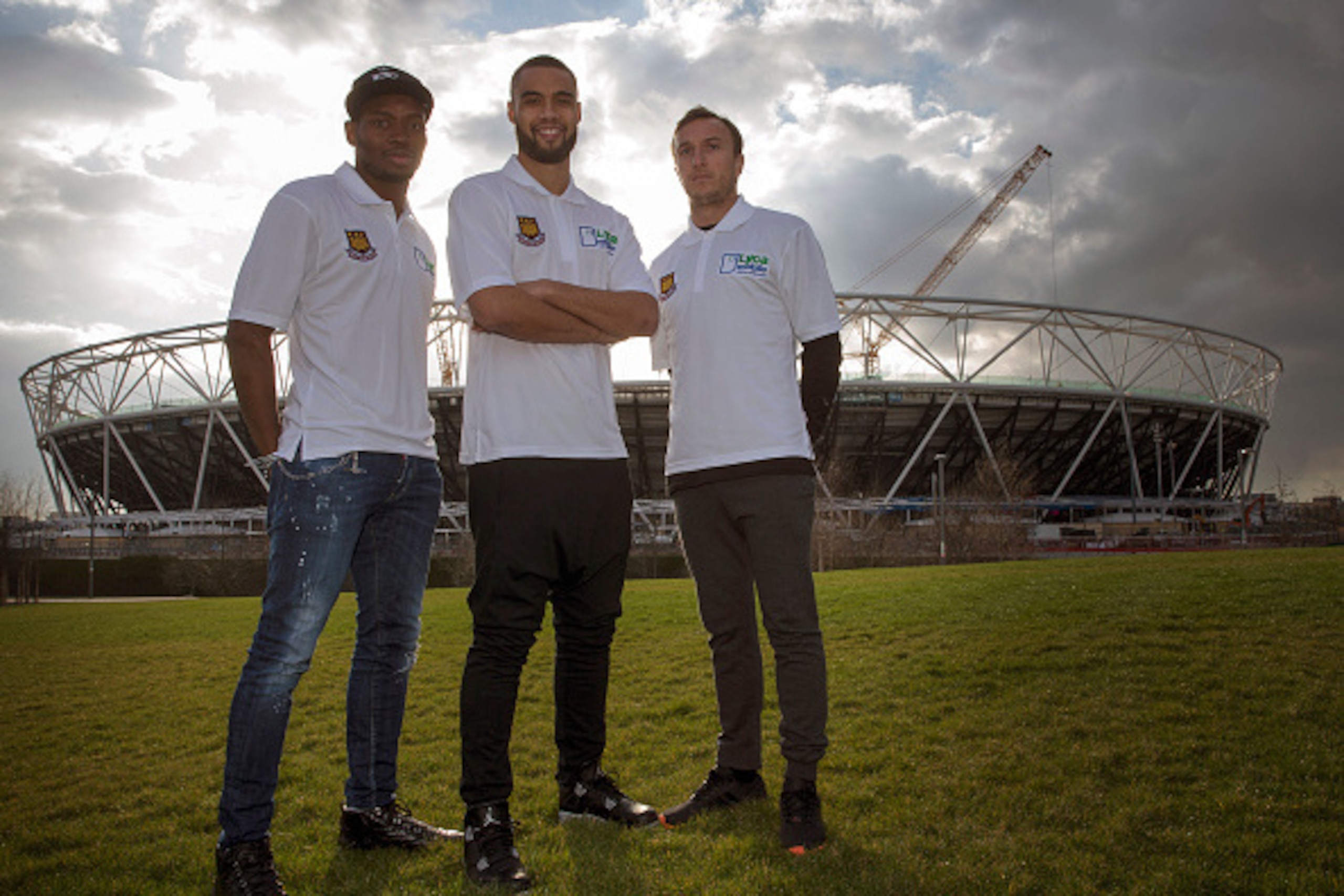
But that others like Chelsea (working on their own expansion plans for Stamford Bridge, per the Guardian's Oliver Wainwright) and West Ham United (leaving Upton Park for the much bigger Olympic Stadium) are making efforts to increase the number of people who can watch them play shows England's top-flight clubs are doing as much as they can here to avoid getting left behind.
Spurs chairman Daniel Levy is understandably excited about how things are shaping up. After the time wasted pursuing the Olympic Stadium at the turn of the decade, things are almost in place to realise the fans' preference to remain in Tottenham.
Whether still led by the current ownership, or backed by new money attracted by the increasingly enticing investment opportunity offered by the north Londoners (the state-of-the-art Hotspur Way training ground has also been open for a few years now), Levy has been keen to talk up the future. Not just for the club, but the area itself.
"In 10-15 years, what you see Tottenham is today will be completely transformed," Levy told Sky Sports News HQ. "With the cooperation of the government, Mayor and local authority, you will see massive investment coming into this area; transport improvement, lots of new houses and most importantly lots of new jobs."
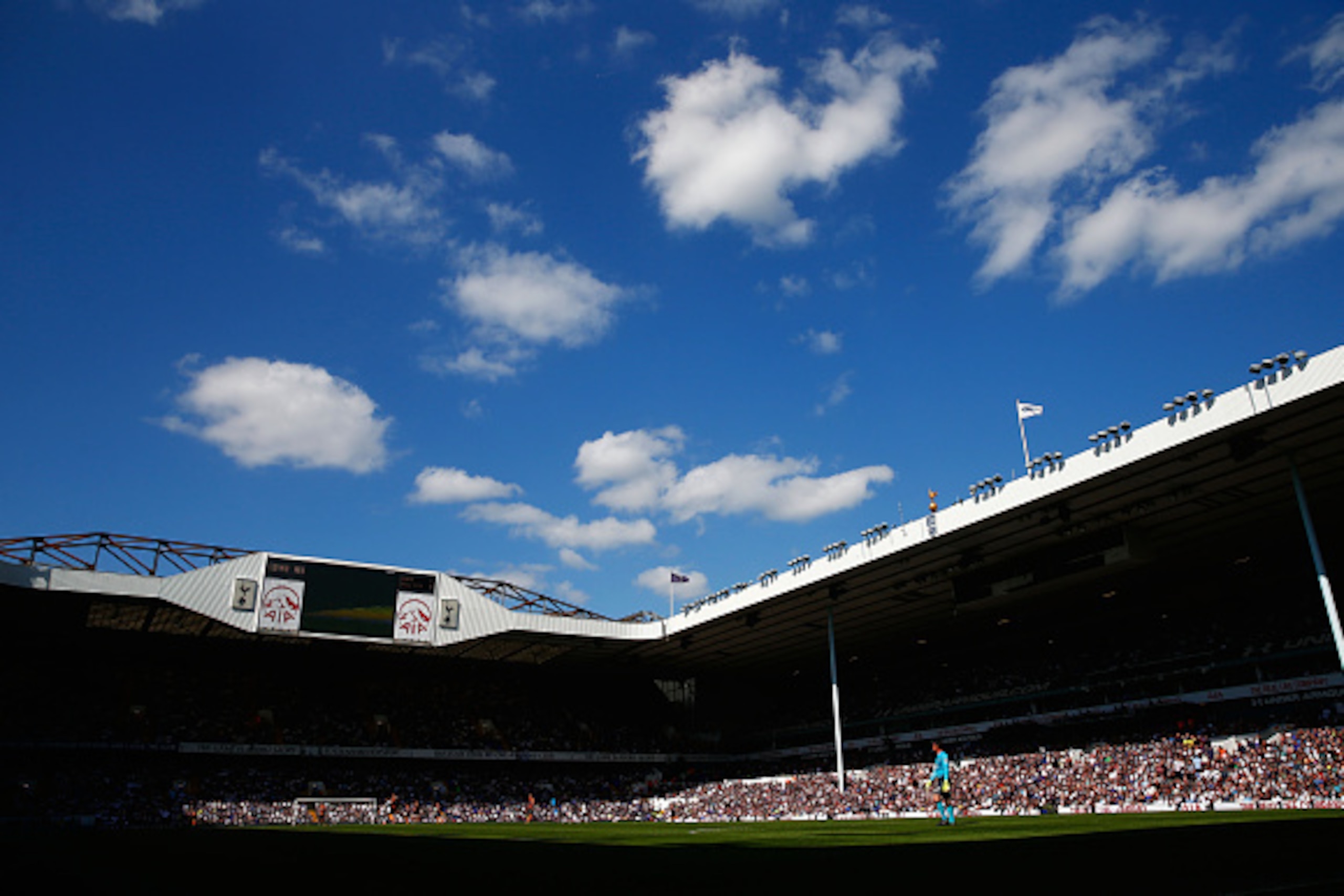
The big-picture intent is admirable. If fulfilled, the football club's historical home can be revitalised.
One eye needs be kept on ensuring the project aids the local population and does not ultimately leave them unaccounted for. So, too, must the Spurs hierarchy ensure the football side of things is not inadvertently neglected among these grand plans. Building a stadium fit to host matches against Europe's best clubs is not much good if the team is not in position to compete for the right to be in the Champions League.
Again, so far so good on this front. The Alderweireld transfer is the latest change in a retooling of the squad that is set to continue. As Levy recounted, per the London Evening Standard's Tom Collomosse:
"We have already brought in four new players since the winter window and we’ve done deals for players who have now left.
At the moment it is fairly relaxed. I would anticipate that as the window goes on, the activity will happen in the last two weeks but we are trying to business early where we can.
"
Last November's arrival of Pochettino's former Southampton colleague Paul Mitchell as "Head of Recruitment and Analysis" strengthened the Argentinian's fledgling managerial regime. If the promise of his first campaign—derby wins, run to the Capital One Cup final and the encouraging form of several academy talents—is built on, there is a good chance Spurs will move into the new stadium in stable, and perhaps prosperous health.
Football is rarely so kind as to completely adhere to such planning, though. There will almost certainly be setbacks on the pitch, perhaps of the kind that has encouraged Levy to dispense with the services of several managers in the past.
Providing stability for the looming prospect of the new stadium may promote a hitherto unforeseen patience in the chairman and board. Or the desire for near-perfection upon taking on the keys could force even more ruthless actions. Maybe changes will be justified and not just impetuous.
Whatever is to come, all concerned with the direction of Tottenham Hotspur must not lose sight of what is immediately in front of them. The long-term future has arguably never looked so exciting, but those visions can quickly be damaged if they do not give the present the care it needs.

.jpg?w=2560 "Cam Ward Says He's Not A Loser")
.jpg?w=2560 "🚨 Texans Trade for MHJ")
.jpg?w=2560 "Grading MHJ Trade 📝")
.jpg?w=2560 "Chargers Fall to 0-5 🤢")

.jpg?w=2560 "MHJ Bought Own Jugs Machine")