Burning Questions for 2015 NHL Free Agency
Now that the Chicago Blackhawks have captured the 2015 Stanley Cup, hockey fans can turn their attention to other matters at hand—like how the NHL's 30 teams can improve this offseason.
The action will begin at the draft in Miami on June 26, where future stars will be assigned to their pro teams and a big trade or two will almost certainly be announced.
The window for NHL teams to start speaking with this year's crop of unrestricted free agents will also open that same day, setting the stage for a flurry of contract announcements the following Wednesday, July 1.
Free agency is about more than which team spends the most money or which player walks away with the biggest contract. Here's a look at some of the most intriguing questions swirling around as this year's spending frenzy draws near.
What Will Be the Salary-Cap Ceiling?
1 of 6
What's the Issue?
In a nutshell, two situations have put downward pressure on projections for the 2015-16 salary cap. Back in December, the NHL originally estimated the 2015-16 cap at around $73 million, according to David Shoalts of the Globe and Mail. The league is now suggesting the number will fall closer to $71 million.
What caused the shift? Mostly, the Canadian dollar, which has declined in value from about 88 cents to 81 cents in the U.S.
That drop has effectively wiped out about 9 percent of the revenues collected by the league from Canadian ticket buyers, broadcast rights-holders and corporate sponsors—a bundle that makes up roughly 35 percent of the league's total revenue stream, according to Shoalts.
The second issue involves the players. Their escrow payments, as explained by James Mirtle of the Globe and Mail, basically mean that the players paid money from their salaries back to the NHL in 2013-14.
This happened because the 50 percent share of league revenues that the players received based on the terms of the collective bargaining agreement wasn't a large enough sum to cover all the salaries on the books. As a result, every player had to give back a percentage of his wage—and that doesn't feel good no matter how much money you make.
The same situation is expected this year, and players aren't happy about it. To combat the issue, players are considering voting down the usual application of the 5 percent salary-cap "escalator," hoping to slow the increase of the salary cap and allow revenues to catch up to the money that's committed to the players with existing contracts.
The goal would be for the players to see less of their paychecks reclaimed by the league next season.
Why Is It Important?
If the players vote to revoke the escalator, next year's cap could drop from $69 million to as low as $68 million, according to Mirtle. He says a potential compromise option is also being discussed, where a 2.5 percent escalator could be applied. That would push next year's cap up slightly, to about $69.5 million.
NHLNumbers.com shows that five teams finished the 2014-15 NHL season with less than $1 million in available cap space, and another six had less than $2 million in space to spare.
Some teams will have significant cap hits coming off the books—for example, unrestricted free agent Martin St. Louis' $5.625 million hit with the New York Rangers. But plenty of big contract extensions kick in around the league next year, most notably Patrick Kane and Jonathan Toews' twin deals with the Chicago Blackhawks, with cap hits of $10.5 million each.
If free-spending teams don't have cap space to spare when the ceiling is finally determined, it'll be tougher for this year's free agents to land the juicy contracts that we typically see handed out on July 1.
What's the Likely Outcome?
Players with active contracts will be tempted to try to keep more of their salaries in their pockets, but impending free agents will be gunning hard for the 5 percent escalator to be applied.
In January, Rick Westhead of TSN reported that NHL Players' Association head Donald Fehr and player agents like Ian Pulver are pushing the players to keep the escalator at 5 percent. Said Pulver:
"Because there are a couple of bumps along the way shouldn’t mean the players shouldn't continue to increase the cap and force the major players — the NHL, the clubs and the NHLPA - to grow revenues. To vote against the increase of the cap because of a fear of escrow runs counter to the collective good and common sense.
"
Last year, the 2014-15 salary cap was announced on June 28, just three days before free agency opened, via the Canadian Press. Expect a similar situation this year—with the players most likely agreeing to the full 5 percent escalator, which will lead to a salary cap in the $71 million range when all is said and done.
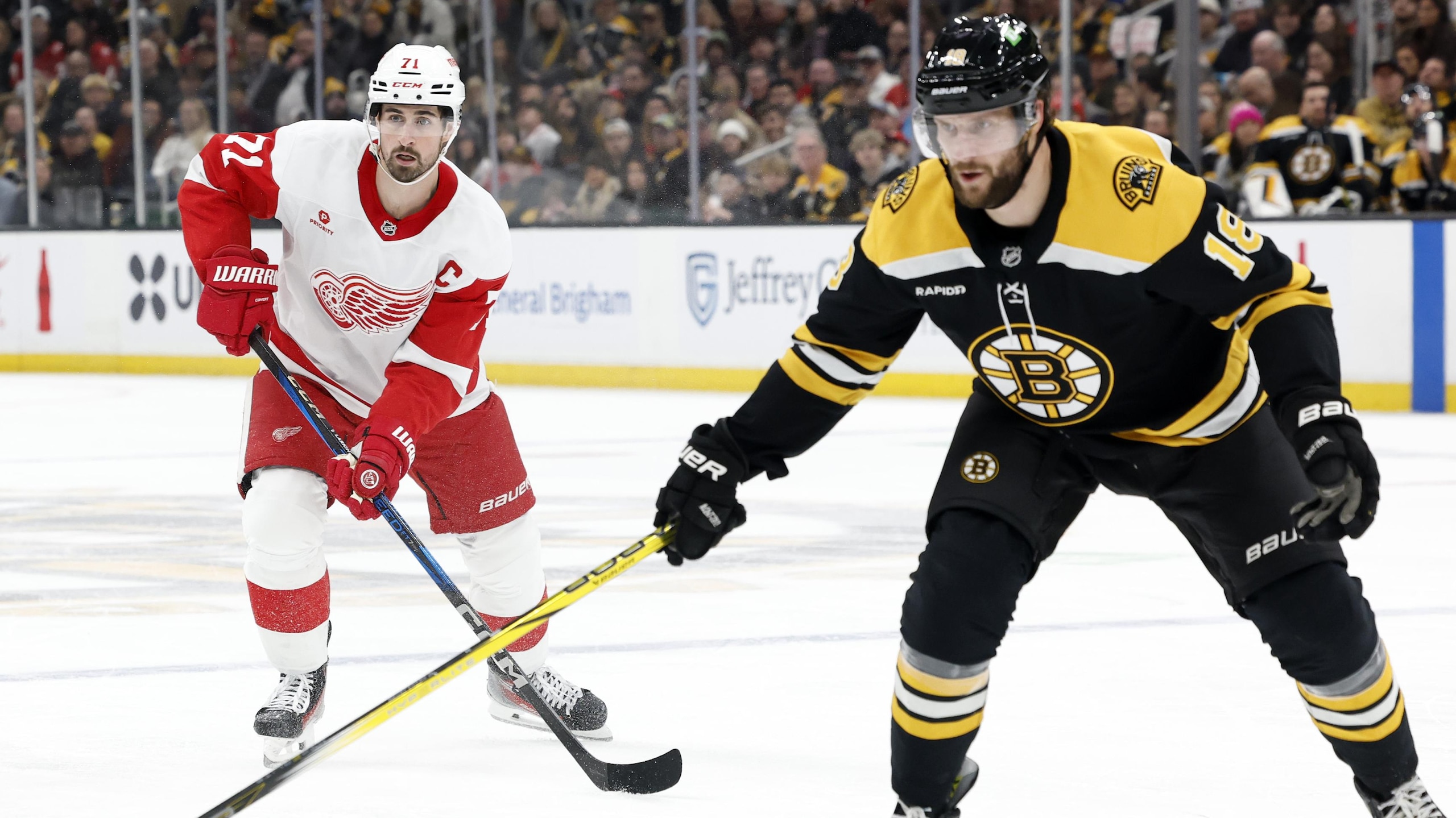
Will Dougie Hamilton Attract an Offer Sheet?
2 of 6
What's the Issue?
See the previous page. The Boston Bruins' defensive prodigy, who turns 22 on June 17, has completed his three-year entry-level contract and will become a restricted free agent on July 1.
Hamilton is in line for a raise, but Boston already has more than $63 million committed to 25 players next season, according to NHLNumbers.com.
The Bruins have just four NHL defensemen, one goaltender and nine forwards under contract for next season, not counting long-term injury case Marc Savard. In addition to Hamilton, Boston needs to re-sign or replace six unrestricted free agents with a relatively small amount of cap room.
A situation like Hamilton's causes rumblings that another team, like the Edmonton Oilers, could sign him to an offer sheet, per ESPN's Pierre LeBrun.
Why Is It Important?
What team wouldn't want to add an emerging star to its blue line? If Boston doesn't match the offer sheet, the cost to the new club would be a fat contract that's well-earned and compensation in the form of draft picks, according to this chart from Hockey-Reference.com. Rather than waiting for future draft picks to develop, a team can receive immediate help in the form of a proven commodity.
Of course, teams with RFAs to sign hate the idea of losing their best young players. Almost all offer sheets are matched by the player's original club.
What's the Likely Outcome?
According to My NHL Trade Rumors, only 35 offer sheets have been signed since 1986. The most recent was Ryan O'Reilly's offer sheet with the Calgary Flames in February 2013, which the Colorado Avalanche immediately matched.
We have to go all the way back to 2007 to find a successful offer-sheet transaction. The Edmonton Oilers lured away Dustin Penner from the Anaheim Ducks with a four-year, $21.5 million deal.
Most likely, Hamilton won't earn an offer sheet and will eventually come to terms with the Bruins on a short-term bridge deal.
If Edmonton or another team does sign him to an offer sheet, though, Boston will almost certainly match, but that could create a ripple effect. The money the Bruins might need to allocate to Hamilton could impact other personnel decisions on the roster.
Which Trade-Deadline Acquisitions Will Re-Sign?
3 of 6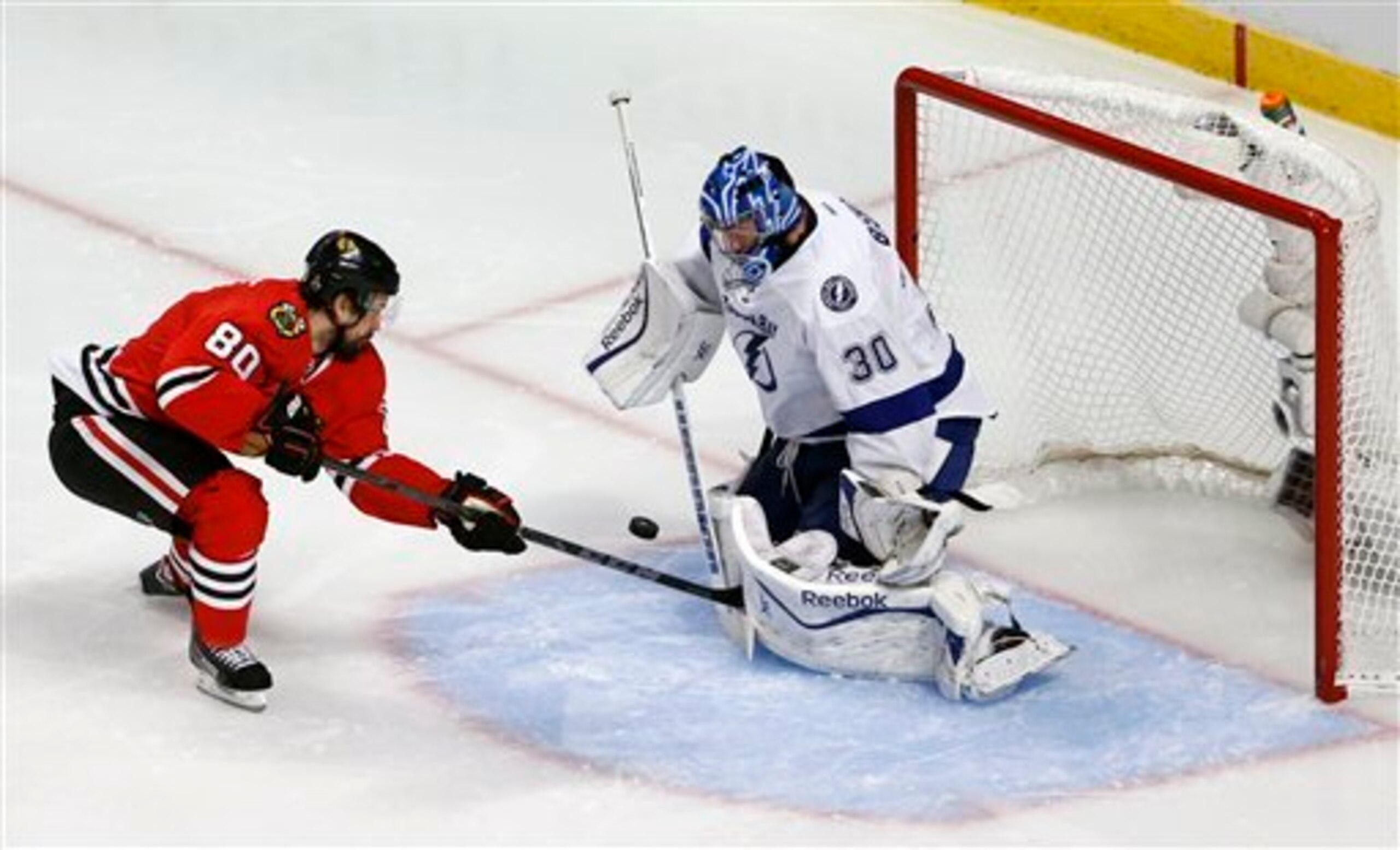
What's the Issue?
As usual, several teams that fancied themselves Stanley Cup contenders gave up future draft picks to bring in immediate help for the stretch run and postseason.
It's a formula that worked magnificently for the Los Angeles Kings with Marian Gaborik in 2013-14. Not only did he spike the Kings offensively with 14 goals in 26 playoff games, but Los Angeles was also able to re-sign the Slovak sniper to a seven-year contract at the end of the playoffs, before he became an unrestricted free agent.
This year, notable free agents-to-be who commanded big prices at the trade deadline were forward Antoine Vermette and defensemen Cody Franson and Andrej Sekera. The Florida Panthers may have made the biggest move by bringing in Jaromir Jagr in exchange for a second- and third-round pick and then re-signing him to a new one-year contract at season's end.
Why Is It Important?
Giving up high draft picks year after year for "rental" players can create holes in a team's prospect pool that are hard to patch going forward. If a team and a late-season acquisition find that they have good chemistry together, it can pave the way toward a long-term relationship that benefits both sides.
Franson was a bust in his return to Nashville, managing just two assists in five playoff games as the Predators fell in the first round to the Chicago Blackhawks. Sekera played just 16 games with the Los Angeles Kings, who failed to reach the playoffs, before suffering a season-ending lower-body injury.
Vermette was the standout, posting three game-winning goals for the Chicago Blackhawks during the last two rounds of the Stanley Cup playoffs en route to a championship.
What's the Likely Outcome?
Of those three big-ticket players, Sekera is most likely to stay in his new surroundings.
The Blackhawks will be hard-pressed to come up with enough money to keep Vermette—who became a timely playoff contributor as the games got more important but was assigned to the press box as a healthy scratch as recently as Game 3 of the Western Conference Final.
As usual, the Kings are also cap-crunched, but 29-year-old Sekera would be a nice upgrade from the now-retired Robyn Regehr if the two sides can find a way to make the money work.
Los Angeles general manager Dean Lombardi sounded interested in a new deal with Sekera in early June, per Rich Hammond of the Orange County Register:
"Sekera, the only thing I can say is, I think we have -- which is not always easy to get -- the parameters of a number. Often times, it’s hard to get a number, to see if you can plug it in. So I think we have the range that it would take (to sign him). Now have we countered with an offer yet? No. That’s all I can say on that one. I can say that I don’t think the number is outrageous. I think he’d like to stay here, so by virtue of that, you work at it and he ends up in some of your schematics there.
"

.jpg?w=2560 "Simon Edvisson Landing Spots")
Who's Running the Ship in Toronto?
4 of 6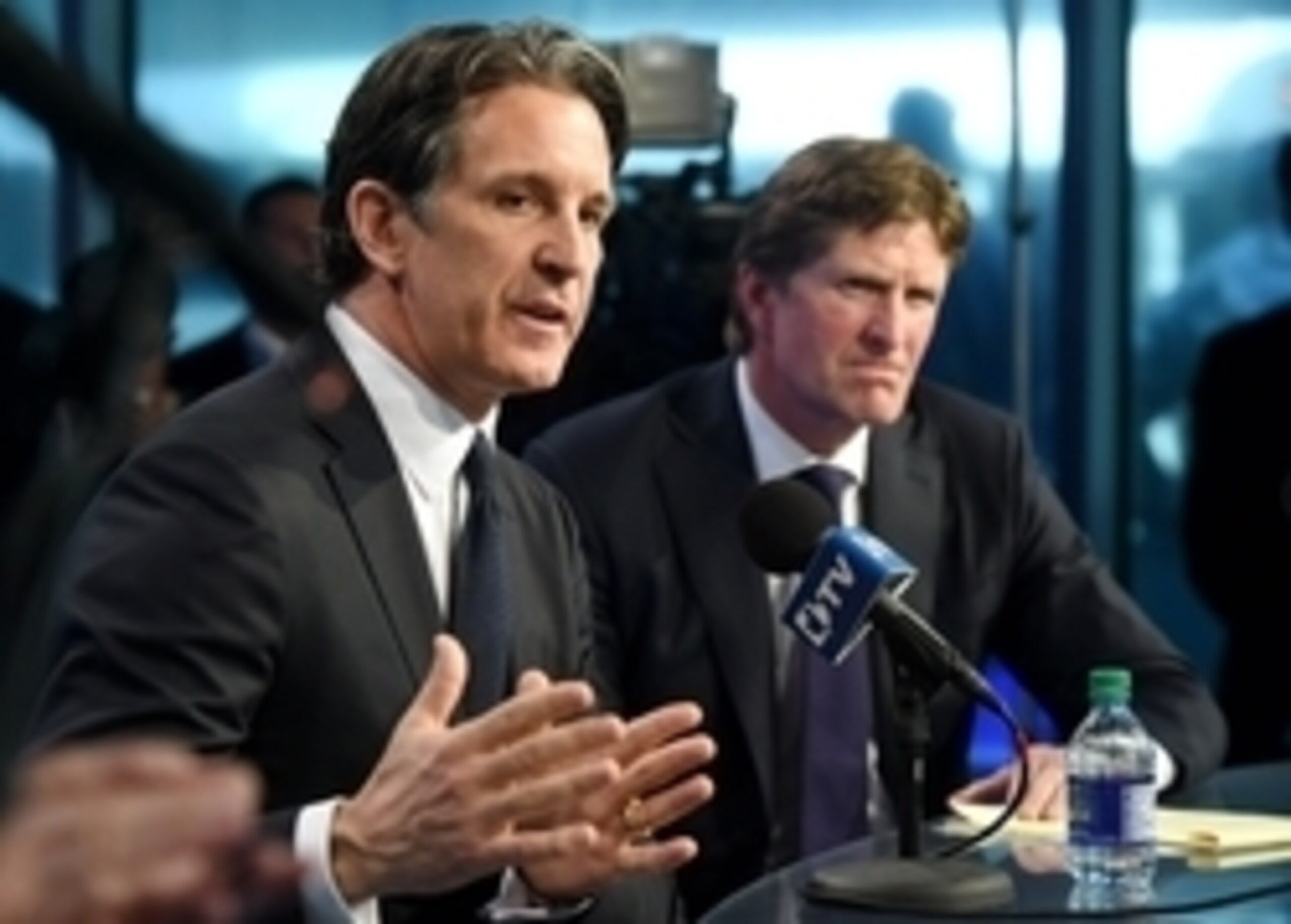
What's the Issue?
After Toronto finished 27th overall in the NHL standings in 2014-15, first-year Maple Leafs president Brendan Shanahan relieved both general manager Dave Nonis and interim head coach Peter Horachek of their duties, per NHL.com.
Big fish Mike Babcock replaced Horachek behind the bench, while assistant general manager Kyle Dubas and director of player personnel Mark Hunter were named interim co-general managers.
On June 8, Mike Johnston of Sportsnet reported that Toronto was in no rush to install a permanent general manager before this summer's draft and free-agency period.
Why Is It Important?
In the salary-cap world of today's NHL, every player-personnel decision impacts the next—and winds of change are swirling in Toronto.
Shanahan told Sportsnet's Arash Madani (per Johnston) that "'teams are calling us about all players and not just captain Dion Phanuef and sniper Phil Kessel, both of whom have been involved in trade rumours for months."
If the Leafs brass is going to make trades or sign free agents this summer in an effort to improve the team's fortunes, the group needs to assemble a realistic long-term financial plan—a goal that will be tough to accomplish unless the current group of "interim" managers are strategizing for the long haul.
What's the Likely Outcome?
The most sensible move for the Leafs at this point is to aim for a long-term rebuild—trading players with big salaries and collecting draft picks and prospects for a chance to start fresh after the last couple of toxic seasons. Those moves can happen one by one, buying Shanahan and his team some time before Toronto needs to make a decision on a permanent general manager.
If the Leafs stay focused on the future, it's unlikely that they'll make much of a splash in the free-agent market. But if the management group tries to satisfy its rabid fanbase with a short-term fix in an effort to make the team competitive next season, Shanny and company could end up smack in the center of the action on July 1.
Which UFAs Will Sign the Biggest Deals?
5 of 6
What's the Issue?
No matter how tight their budgets will be, teams are always looking for ways to improve. "Free" is the best part of free agency from their point of view—the chance to fill a need without losing a player or a draft pick.
In the summer of 2014, with a salary cap that increased from 64.3 million to 69 million, Eric Duhatschek of the Globe and Mail reported that teams handed out more than half a million dollars worth of new contracts on July 1 alone—a record-setting number that easily eclipsed the previous high of $384 million set in 2009.
Why Is It Important?
With more and more teams locking up their star players to long-term contracts, we don't see the league's biggest names testing the free-agent market often these days. But with 27-year-olds now able to become unrestricted free agents, teams can sign players in their primes to long-term deals—and that requires an investment.
What's the Likely Outcome?
This year's group of unrestricted free agents doesn't offer up a surefire offensive star like Paul Stastny, who signed a four-year, $28 million deal with the St. Louis Blues last summer. But center Antoine Vermette just upped his stock considerably with a Stanley Cup win, and general managers will have the chance to choose between first-time free agent forwards like Anaheim's Matt Beleskey, proven winners like Los Angeles' Justin Williams and anyone in between.
As for the defensemen, they might not match Matt Niskanen's seven-year, $40.5 million deal with the Washington Capitals, but 29-year-old Mike Green is in line to get paid after a bounce-back season. Other defenders like Johnny Oduya, Cody Franson, Paul Martin and Adam McQuaid should also command good-sized deals.
In goal, the biggest names who could be available this year are San Jose Sharks netminder Antti Niemi, Minnesota Wild reclamation project Devan Dubnyk and second-tier netminders with potential like Jhonas Enroth and Michal Neuvirth.
Which Teams Will Make the Biggest Splash?
6 of 6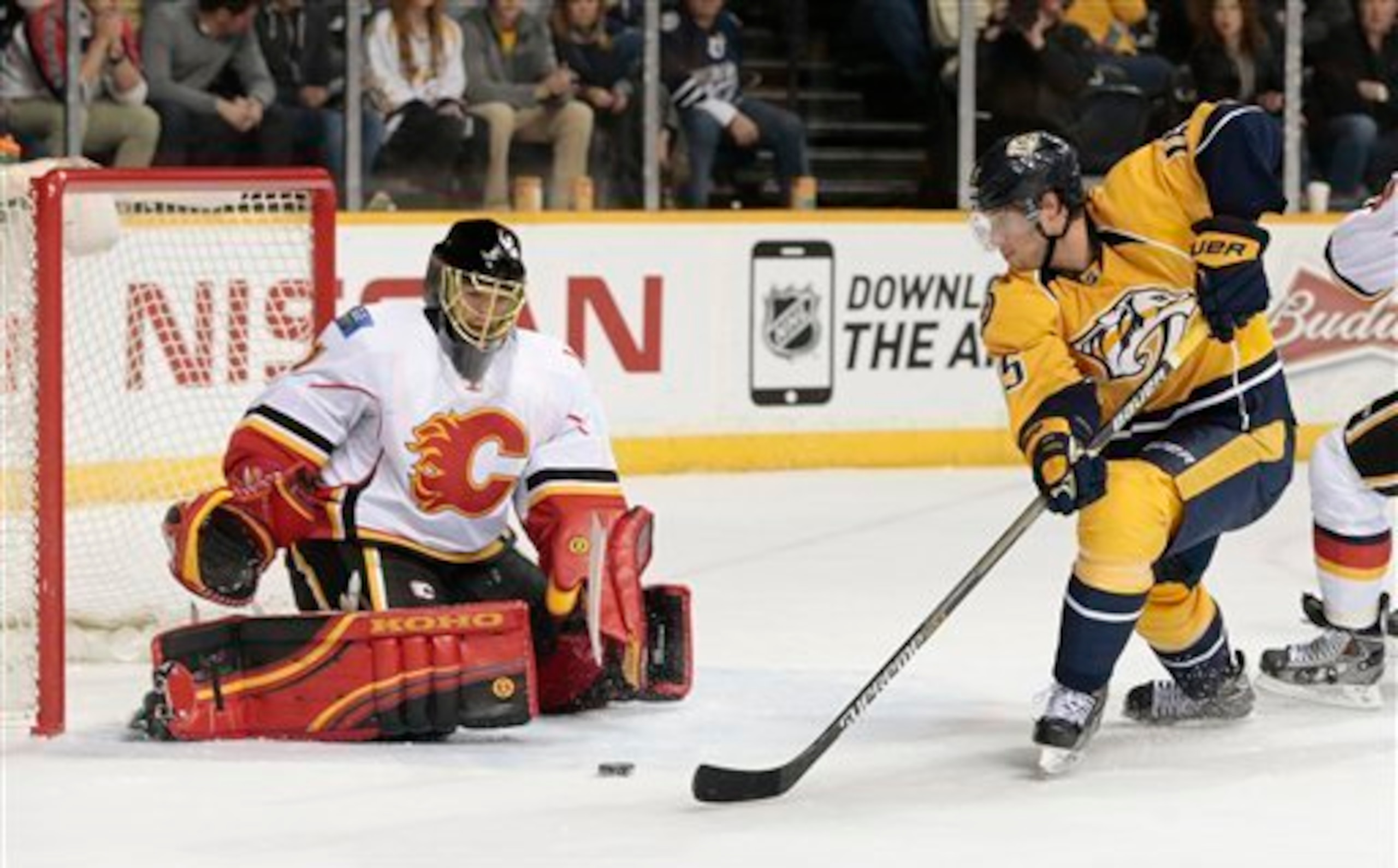
What's the Issue?
Typically, teams that make headlines during free agency have some combination of three factors in play:
- A desire to improve quickly
- A new voice behind the bench or in the front office
- Enough salary-cap space to win bidding wars against other teams
Why Is It Important?
Whether a team is trying to bounce back from a bad season or looking to add a couple of puzzle pieces to chase a championship, managers can expect to reap immediate rewards by upgrading at positions where they think their teams are lacking.
Last season, the Nashville Predators went from a non-playoff team to the third seed in the Western Conference thanks to a new coach and a series of budget free-agent signings—one of which paid off enormously. With just a $1.05 million investment on a one-year deal, the Predators snagged Mike Ribeiro, who posted an impressive 62 points as the No. 1 center.
The Washington Capitals spent more but followed a similar framework, revamping their blue line in just one day by signing former Pittsburgh Penguins defenders Matt Niskanen and Brooks Orpik to huge long-term contracts.
For the Calgary Flames, the savvy signing of goaltender Jonas Hiller combined with the addition of depth players like Mason Raymond and Deryk Engelland dramatically accelerated their rebuilding phase, vaulting them straight into the playoffs just one season after Brad Treliving took over as general manager.
What's the Likely Outcome?
Recent Stanley Cup champions like the Los Angeles Kings and Boston Bruins might love to inject some fresh blood into their rosters after missing the playoffs this year, but they don't have the cap space to make much happen.
Expect to see another shake-up from the St. Louis Blues, who will be willing to move out some old faces to make room for new ones. Teams with a decent amount of cap space that are poised to make noise on July 1 include the Dallas Stars, Edmonton Oilers, Buffalo Sabres and, once again, Nashville and Calgary.
All stats from NHL.com. Salary and contract information from NHLNumbers.com.





.jpg?w=2560 "Weather Channel Trolls Texans-Titans 💀")