Is the NFL Hypocritical on Gambling? Yes, and It Should Be
When it comes to the NFL's recent anti-gambling beatdowns, please remember three important things:
1. Yes, the NFL is nakedly hypocritical when it comes to gambling.
2. Yes, the NFL is also right in what it's doing, even if it's being draconian and at times patently absurd.
TOP NEWS
QBs Throw 0 TDs on TNF ⁉️
.png?w=2560)
Is Darnold Part of the Problem? 🤔
.jpg?w=2560)
Bleacher Report's Expert NFL Picks 🔮
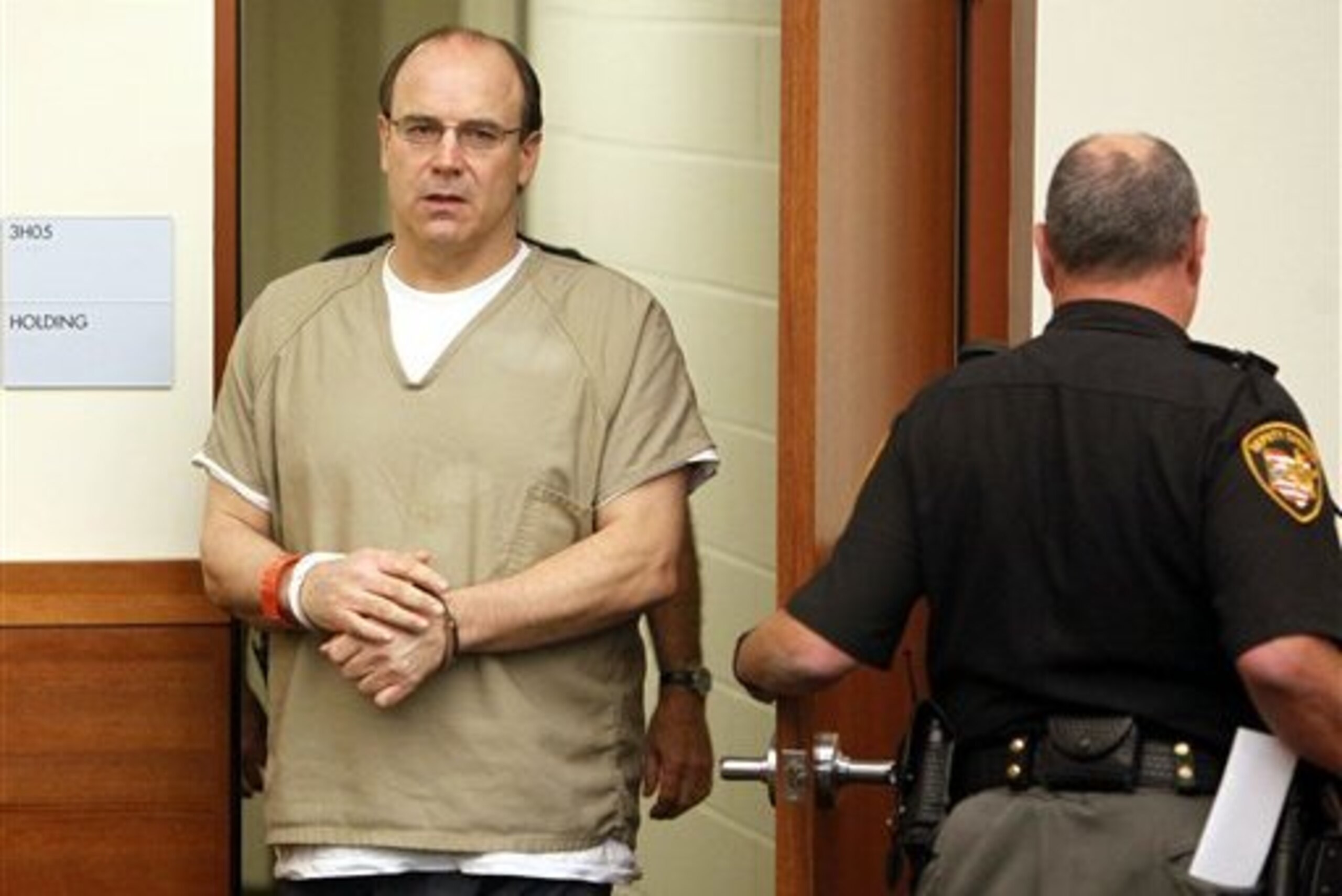
3. When trying to understand the NFL's reasoning for yanking Tony Romo's fantasy football expo from under his cleats (via Fox Sports) or telling Dolphins players to stay their poker-playing asses home (via the Sun-Sentinel), there's one name you must know: Art Schlichter. What he did—and his place in NFL history—is the reason the league is behaving the way it is.
Schlichter was the fourth overall pick in the 1982 draft and was just 23 years old in 1983 when then-commissioner Pete Rozelle suspended him indefinitely for gambling on NFL games. In one instance, Schlichter reportedly used his entire $350,000 signing bonus on gambling.
He was later reinstated and briefly returned to the league, but the issues recurred, and he was out of the league for good by 25. His gambling issues derailed his life, and he became one of sports' most notorious examples of gambling addiction.
When he suspended Schlichter, Rozelle acknowledged that the player had a gambling addiction but still offered a stinging statement (via the New York Times):
"While I have compassion for him and his illness, an N.F.L. player with his record of gambling, whether prompted by uncontrollable impulses or not, cannot be permitted to be active in the N.F.L. until the league can be solidly assured that the serious violations of cardinal N.F.L. rules he has committed will not be repeated. Public confidence in the game of football requires this.
"
That phrase—"public confidence in the game"—is an important one in the history of sports and gambling, whether it's the Schlichter case, or disgraced NBA referee Tim Donaghy, or the Black Sox, or Pete Rose, or Alex Karras and Paul Hornung being suspended in 1963 for gambling on games and associating with what Rozelle called "known hoodlums," or Frank Filchock and Merle Hapes of the New York Giants being suspended in 1947 by Commissioner Bert Bell for failing to report bribes offered by a gambler.
There are other cases, of course, and some we'll never know about. But the point is the fear: that all it takes is one or two guys betting on games—or being tempted by gamblers—to destroy the trust in a sport.
I understand the critics of the NFL. There is hypocrisy in its current harsh stand against gambling. Thick, stinky hypocrisy. Teams have paired up with lotteries. Teams have paired up with fantasy football sites (which is gambling). Teams have even held training camp at hotel resorts that host casinos.
Gambling is the warp core of the sport, a main propellant. The three legs that stabilize the NFL are violence, television and gambling. Fantasy football…gambling. Office pools…gambling. All of the gambling sites dedicated to the sport…big-time gambling. The NFL profits from it all, because it all drives interest.
Why have DirecTV's Sunday Ticket and NFL RedZone become so popular? The instant access to every game is perfect for people gambling on the games or gambling on players in fantasy football.
Yes, the hypocrisy is there. The NFL clutches its pearls and says it hates gambling—all while gambling helps put billions in the league's pocket.
But to understand what exactly the NFL's endgame is here, you have to remember Schlichter, and what he represents. And how what he represents scares football. This is why the NFL is acting the way it is. The endgame here for the NFL is to prevent another Schlichter.
NFL owners and executives have long memories, and those memories are passed down to new owners—almost like they are part of ownership DNA. We all forget how gambling can shake "public confidence in the game" because we have the memories of flies. The league has the memory of 10,000 elephants. The NFL is a living, breathing organism that never forgets.
Sure, some owners and teams don't have this intense fear of gambling. The Saints hold training camp at a casino. Fifteen teams are sponsored by the gambling site FanDuel, according to USA Today. But overall, the league wants its players away from gambling. It doesn't want them publicly endorsing it. It doesn't want them in casinos. It doesn't want pictures of them smiling while holding a pair of dice. None of that.
The league, rightly, sees a difference between individuals and organizations. It is infinitely easier for a player to influence a game than, say, a team executive. A quarterback can throw a ball into the dirt on 3rd-and-10 to settle a gambling debt. What's a GM going to do that doesn't raise questions? And it's not like a coach can bench a star player without justification.
This is the message the NFL is sending to Romo, the Dolphins players and everyone else in the sport. If the organizers of Romo's excellent Vegas adventure knew anything about the history of the sport, they would have known the league would never accept one of its marquee players, in an official capacity, on casino grounds, without the NFL being heavily involved. It was dumb to think otherwise.
It's fascinating how many people don't know about the league's anti-gambling fanaticism. Fanaticism that is justified.
There's a reason there has never been serious discussion about a team moving to Las Vegas, despite that city being a near perfect place for a franchise. Vegas is to the NFL what sunshine is to a vampire.
The NFL's stance on gambling was clear in 2012, when the NCAA, MLB, NBA, NFL and NHL filed a complaint against New Jersey state officials in federal court in trying to stop the state from initiating sports betting on professional and college sports. Page three, paragraphs five and six of their brief are particularly interesting:
"Gambling on amateur and professional sports threatens the integrity of those sports and is fundamentally at odds with the principle—essential to the success of Plaintiffs—that the outcomes of collegiate and professional athletic contests must be determined, and must be perceived by the public as being determined, solely on the basis of honest athletic competition. Plaintiffs have consistently opposed legalized sports gambling in other states and at the federal level because it undermines the public's faith and confidence in the character of amateur and professional team sports.
Amateur and professional sports are an integral part of American culture, particularly among the country's youth who often look up to athletes as role models. The sponsorship, operation, advertising, promotion, licensure, and authorization of sports gambling in New Jersey would irreparably harm amateur and professional sports by fostering suspicion that individual plays and final scores of games may have been influenced by factors other than honest athletic competition. As Congress recognized when it enacted PASPA, the proliferation of sports gambling threatens to harm the reputation and goodwill of Plaintiffs, and to adversely affect the way the public views amateur and professional sports. Plaintiffs cannot be compensated in money damages for the harm that sports gambling poses to the character and integrity of their respective sporting events. Once their reputation and goodwill have been compromised, and the bonds of loyalty and devotion between fans and teams have been broken, Plaintiffs will have been irreparably injured in a manner that cannot be measured in dollars.
"
Translation: We don't want fans to think the people taking bets on games are even in the same state as the people who influence the outcomes of those games.
To the NFL, Romo being in a casino, in an official way, puts him too close to people who might try to influence him. To the NFL, Dolphins players in a poker game at a casino puts them too close to people who might try to influence them. To the NFL, proximity matters. A player with a wireless router and gambling tendencies is different from a player who gets a knock on his casino hotel room door.
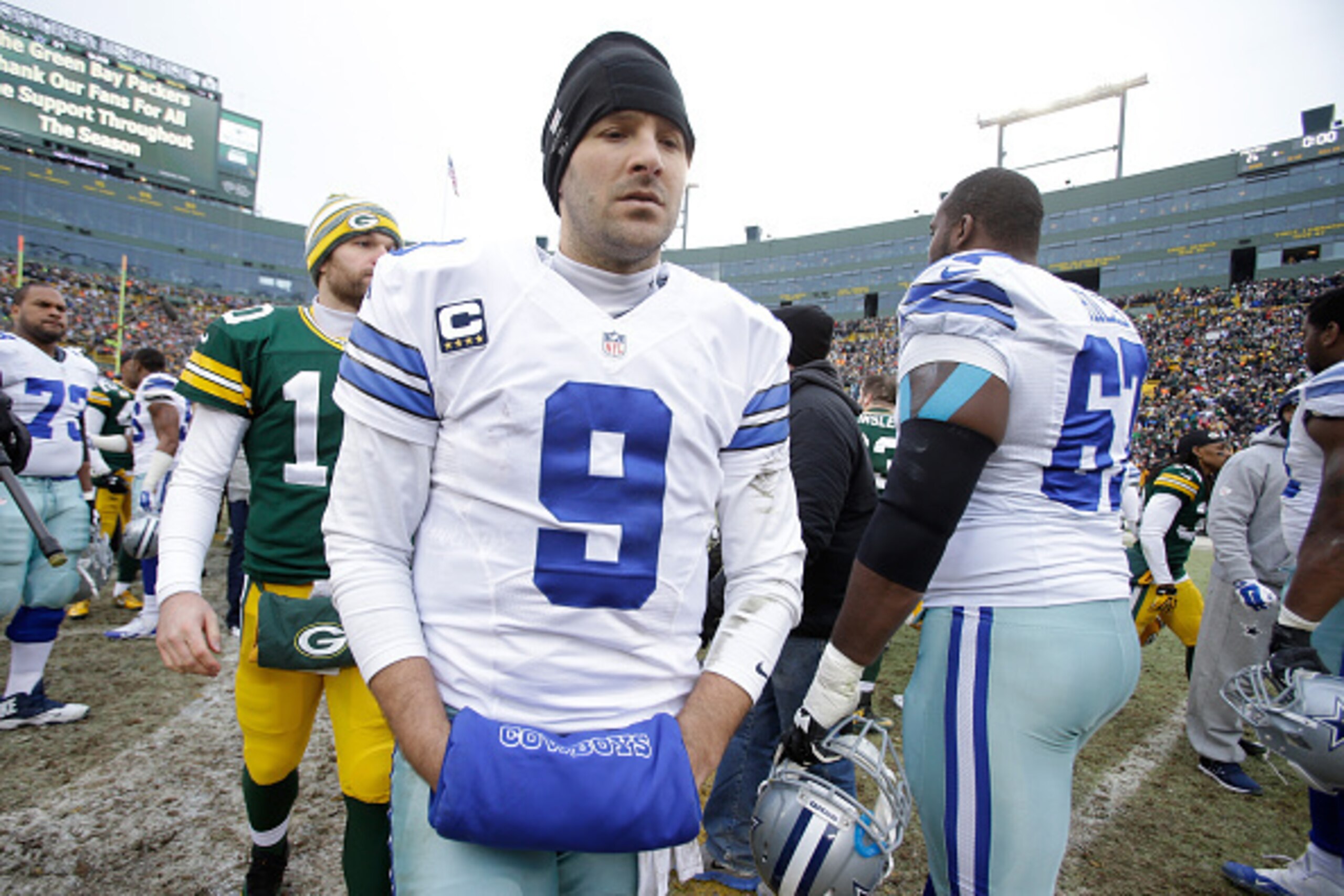
This isn't to say Romo could be influenced. I'm sure that would never happen. But go back to the NFL's long memory. The terror of players betting on football scares the hell out of them.
Sure, gamblers have these things available to them called airplanes and phones and computers, and if someone wanted to reach out and pay a player $100,000 to throw a game, it doesn't have to happen in a casino in Las Vegas.
But again, to the league, proximity matters.
To others, the NFL is just full of it.
"It's the biggest hypocrisy in sports," Scott Andresen, a sports and entertainment lawyer who teaches at Northwestern, told the New York Times. "The N.F.L. and other leagues are in opposition to legalized sports gambling because they haven't quite figured out how to monetize it. Once they do, they'll all be on board."
But if you need a reason to believe the NFL's gambling hysteria is justified, just go back in time, and remember the name Art Schlichter. Or Hornung and Karras.
The NFL may be hypocritical, but it's also right.
Mike Freeman covers the NFL for Bleacher Report.