Assessing SS Jaquiski Tartt's 2015 Role with the 49ers
On paper, the San Francisco 49ers did not need to add a safety in the 2015 NFL draft. But San Francisco did so anyway—drafting former Samford safety Jaquiski Tartt with its second-round pick.
The 49ers already have a worthy safety tandem of Eric Reid and Antoine Bethea. These two capped off a secondary that ranked No. 5 in the league last season with just 3,531 passing yards allowed. It's hard to imagine Tartt surpassing either of the two veterans even if the rookie has a phenomenal training camp and preseason.
So what will Tartt's role in 2015 be? Obviously, as is the case with any rookie, he'll be assigned the arduous task of adjusting to life in and the speed of the NFL. But Tartt may also have a legitimate role on defense in which the Samford product can offer an immediate impact.
.jpg?w=2560 "Rams Raiders Football")

.jpg?w=2560 "Steelers Saints Football")
Not only could Tartt serve as a No. 3 safety option—both on the depth chart and on the field in various passing formations—but the rookie could also address San Francisco's shortages at inside linebacker.
This assignment will probably be Tartt's best way to impact the defense in Year 1. But it won't be his only attribute.
What Tartt Brings to the Defense
A small-school safety like Tartt may not receive the attention and accolades given to other high-profile defenders, but there was enough praise given to him prior to the draft.
CBS Sports draft analyst Rob Rang described the positives behind Tartt's game:
"Possesses a legitimate NFL frame with broad shoulders, long arms (32 5/8") and impressive overall muscular definition. Highly aggressive defender, who attacks the line of scrimmage in run support and in defending the middle against crossing routes. An intimidating hitter who likes to lower his shoulder into ball-carriers, often resulting in explosive collisions.
"
Two elements of Rang's description should draw attention: aggressiveness and run-stopping abilities.
Tartt's hard-hitting demeanor should provide a boost to a 49ers secondary that has largely lacked an intimidating presence since the free-agent departure of safety Donte Whitner prior to the 2014 season.
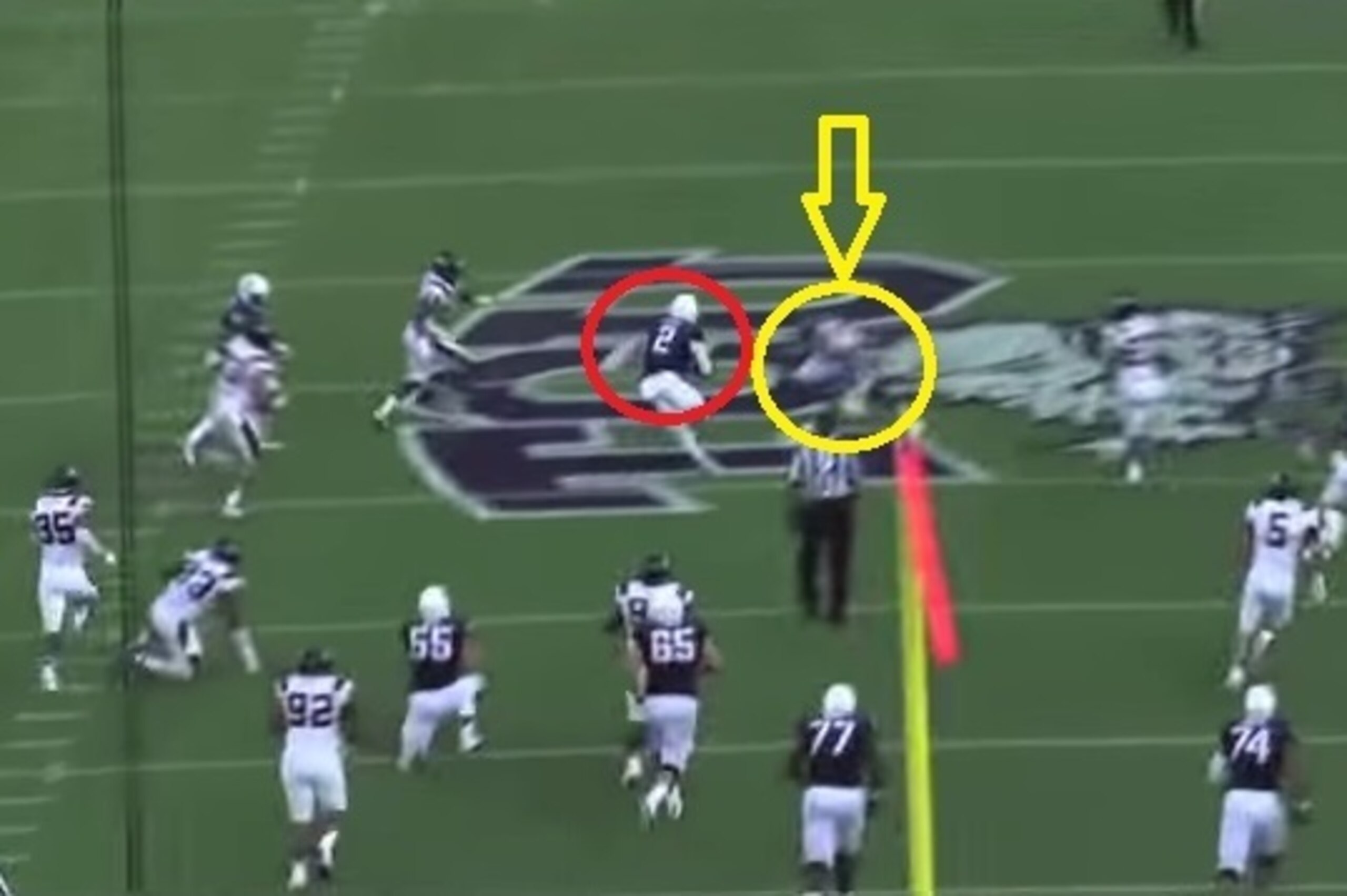
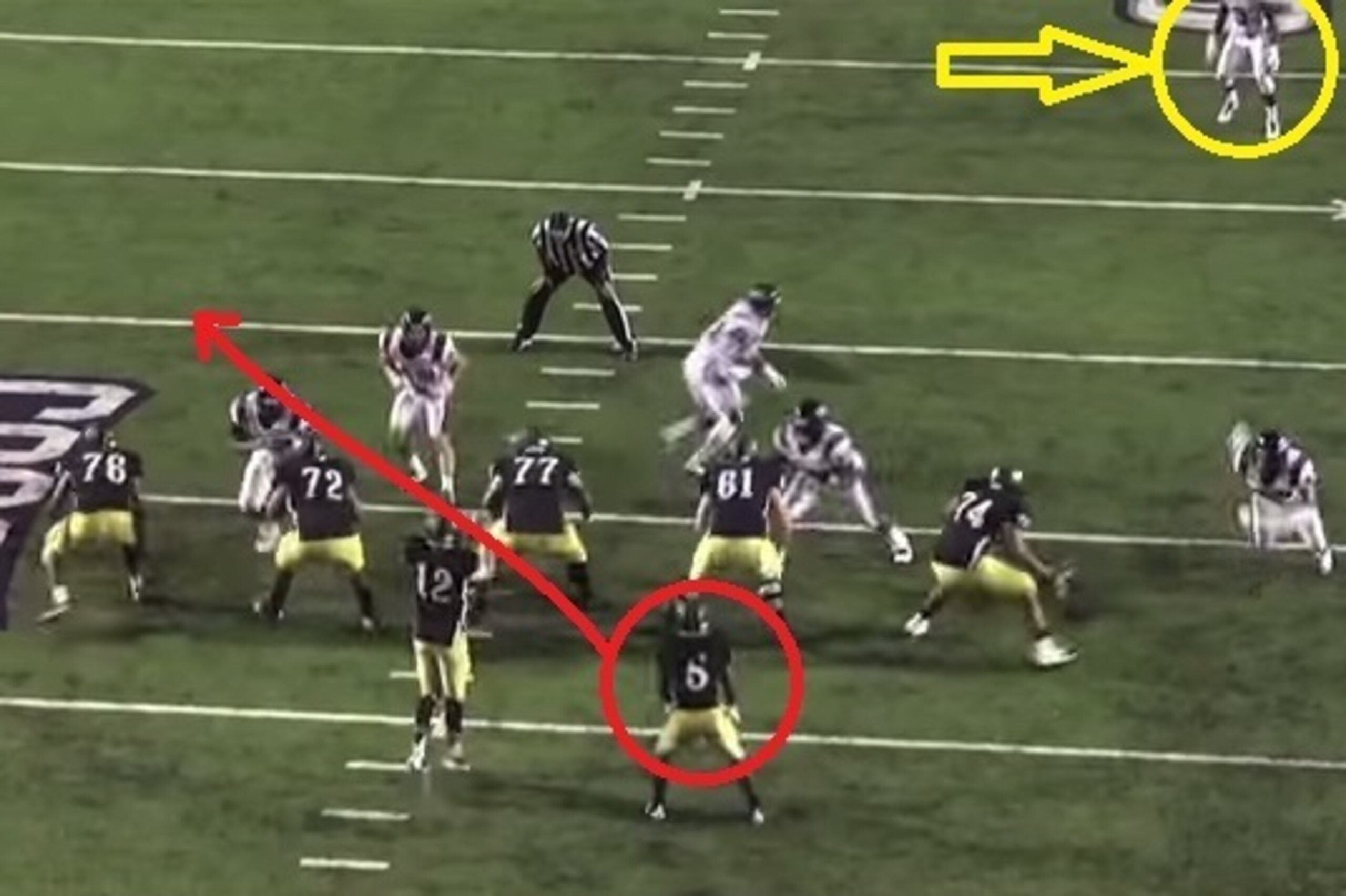
An example of this can be seen from Tartt's run-stuffing hit against TCU. Tartt (circled in yellow) cuts off the route of the TCU ball-carrier.

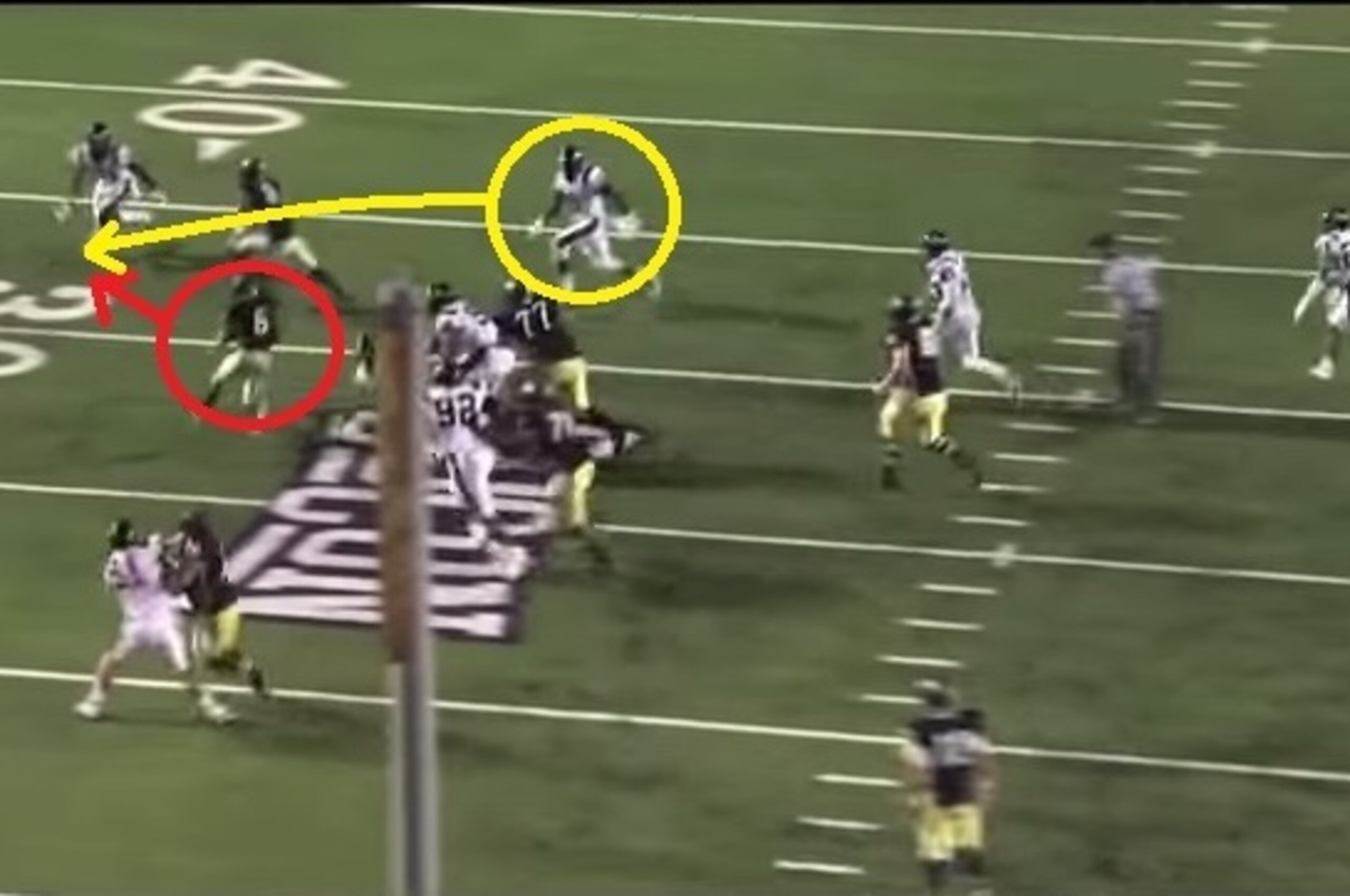
This angle shows Tartt sizing up the runner for a big hit.
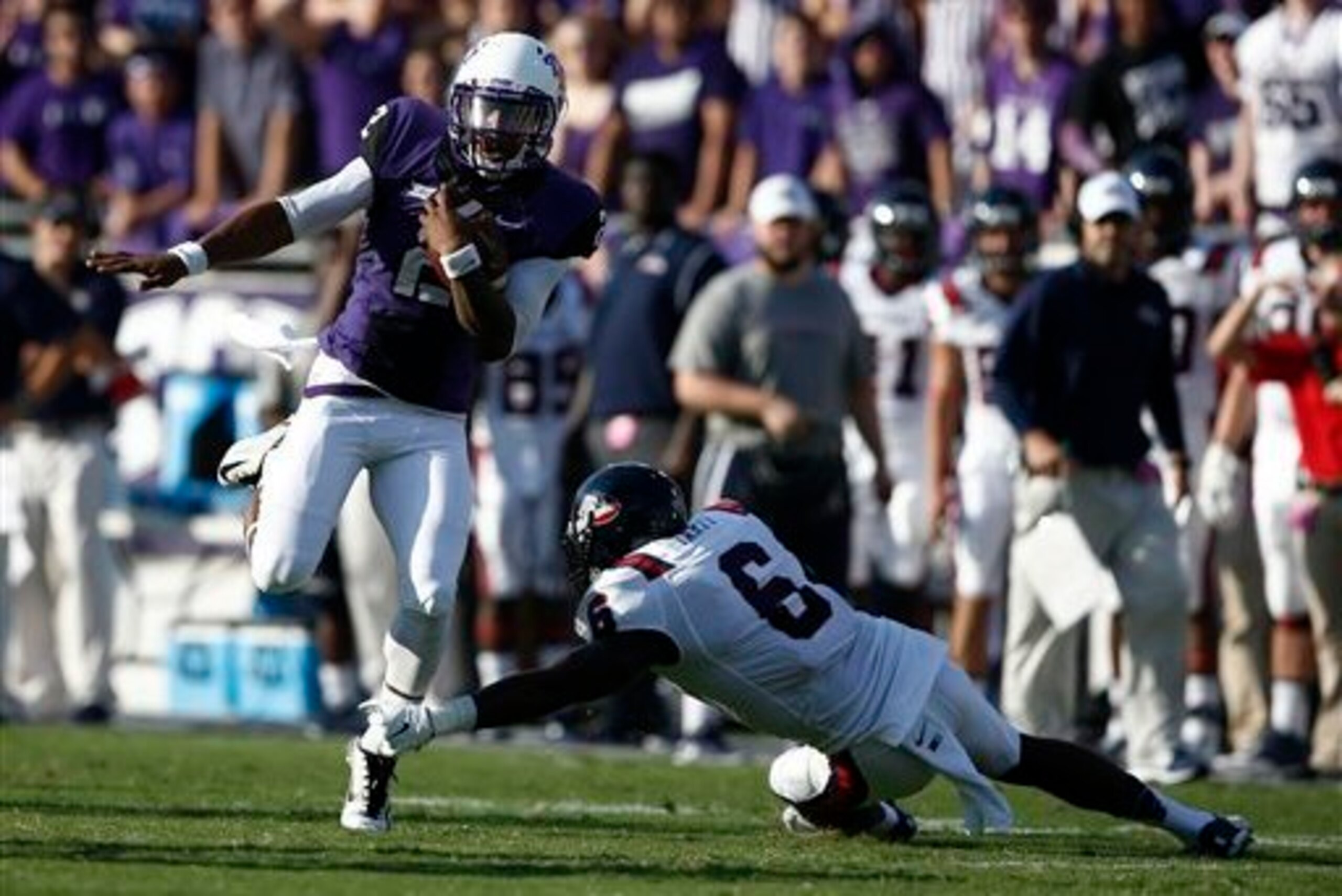
Tartt takes out his target for a big stop.

Physicality will be a major part of Tartt's game. His presence within the middle of the field will make opposing receivers think twice about crossing routes and various patterns that will cross Tartt's coverage assignments. The ability to step up in run defense will also be a primary factor.
Tartt Helping out the Inside Linebacker Position
The offseason losses of linebackers Patrick Willis and Chris Borland hurt the 49ers. And the lack of draft attention to this position hurts a bit more.
But Tartt could easily be an answer to what the 49ers have facing them in 2015.
Inside linebackers NaVorro Bowman and Michael Wilhoite should top San Francisco's depth chart at Nos. 1 and 2. There shouldn't be much of a problem there.
Yet the pass-happy nature of the NFL will likely open up an opportunity for Tartt to act as a linebacker in certain situations. Jeff Deeney of Pro tFooball Focus suggested this; he compared Tartt's role to that of Arizona Cardinals defensive back Deone Bucannon last season.
Bleacher Report's Nicholas McGee goes into further detail. He writes:
"In a league where the passing game is becoming more and more established as the king, nickel and dime schemes are being used as base defenses rather than sub-packages and that is why a player like Tartt is so valuable.
"
McGee and Deeney point out that Tartt has the flexibility to guard against middle-of-the-field passes but also has the ability to step up in the box against the running game.
In this frame, Tartt (yellow circle) is lined up in a more traditional safety setting. He doesn't bite on the delayed handoff and begins to converge on the ball-carrier.
Tartt has excellent converging speed to close off the run route, and he brings his man to the ground. This sideline-to-sideline ability is what an inside linebacker needs to display, and Tartt showcases this on the particular play.
The only question is whether or not he'll be able to adequately cover on passing downs.
Adjusting to the NFL Passing Game
While Tartt provides a rough-and-ready asset to the 49ers' run-stopping efforts on defense—and he is another option to beef up a secondary with three-plus safeties in the defensive backfield—Tartt doesn't exactly offer the utmost confidence in coverage situations.
Rang pointed this out prior to the draft:
"Doesn't possess ideal straight-line speed for single-high coverage duty in the NFL—the role in which he starred at Samford. May need at least one year to acclimate to the speed (and likely new position) he'll see in the NFL. Will occasionally lower his shoulder in an attempt to deliver the knockout blow and allow ball-carriers to slip by when he doesn't wrap securely.
"
David Neumann of Niners Nation backs this up in an excellent film piece that offers some additional viewpoints on Tartt. Neumann's analysis also reflects some of Tartt's liabilities in coverage.

According to Neumann and Rang, Tartt doesn't have the tools to cover the deep pass just yet. This rules out Tartt becoming a starter in his rookie season over the advanced abilities of Reid and Bethea.
But a three-safety set is something in which Tartt could be placed. The presence of Reid and Bethea should take some of the pressure off Tartt and allow him to focus more on the center of the field on deeper routes.
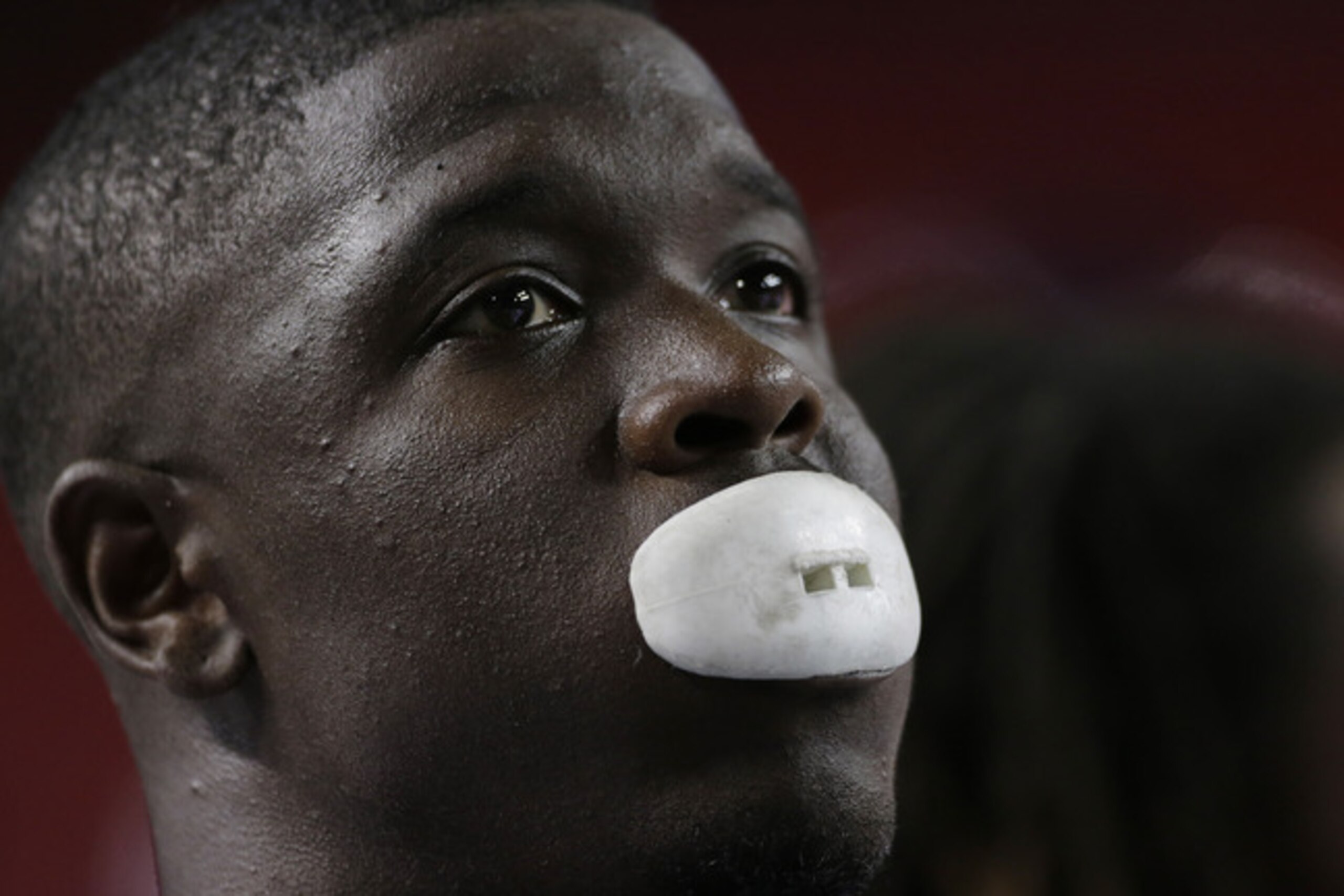
This highlight on an intermediate passing route showcases a bit of what may be expected of Tartt's middle-of-the-field coverage and hitting abilities.
The only question will be whether or not Tartt can continue to mature in this area and develop in coverage situations.
2015 and Beyond
General manager Trent Baalke likely didn't draft Tartt to be an immediate starter his rookie year. This selection may call into question whether or not this pick was wasted.
This notion won't be proven until Tartt has some time to make his on-the-field adjustments and improve in the noted areas. To put things shortly, one cannot make a judgment just yet.
Tartt will have the chance to back up Reid and Bethea immediately. Reid has a history of concussions, and Bethea will turn 31 years old before the start of the regular season. It's feasible that the 49ers will retain Bethea's services for another year or two and then release the veteran before his four-year, $21 million contract expires after 2017. Dylan DeSimone put it this way:
That would give Tartt some time to develop into an effective, hard-hitting force without being a liability in coverage.
The fact that San Francisco won't have to press Tartt into a starting role gives the team some flexibility in this area.
From this point forward, the final element will be whether or not the physically imposing defensive back will seize his opportunity.
All statistics, records and accolades courtesy of Pro-Football-Reference and Sports-Reference.com unless otherwise indicated.
Peter Panacy is a Featured Columnist for Bleacher Report, covering the San Francisco 49ers.
Follow him @PeterPanacy on Twitter.
.jpg?w=2560 "Cowboys Packers Football")




.jpg?w=2560 "🚨 Week 8 AP Top 25 Poll")