12 Reasons Playoff Hockey Is Totally Underrated
Hockey in general is totally underrated, and playoff hockey is the best kind of hockey. The Stanley Cup playoffs magnify some of the great things about the sport in general, and they also feature some unique attributes that make the playoffs so epic (re: sudden-death overtime).
While many sports fans recognize the greatness that is the NHL postseason, does everyone truly appreciate it in all its glory? While other people talk about LeBron James’ full-court shot at practice or Alex Rodriguez’s next home run, let us bask in the delight that is playoff hockey.
For those who don’t already know, here are 12 reasons why it’s the freakin’ best.
Epic Goalie Play
1 of 12
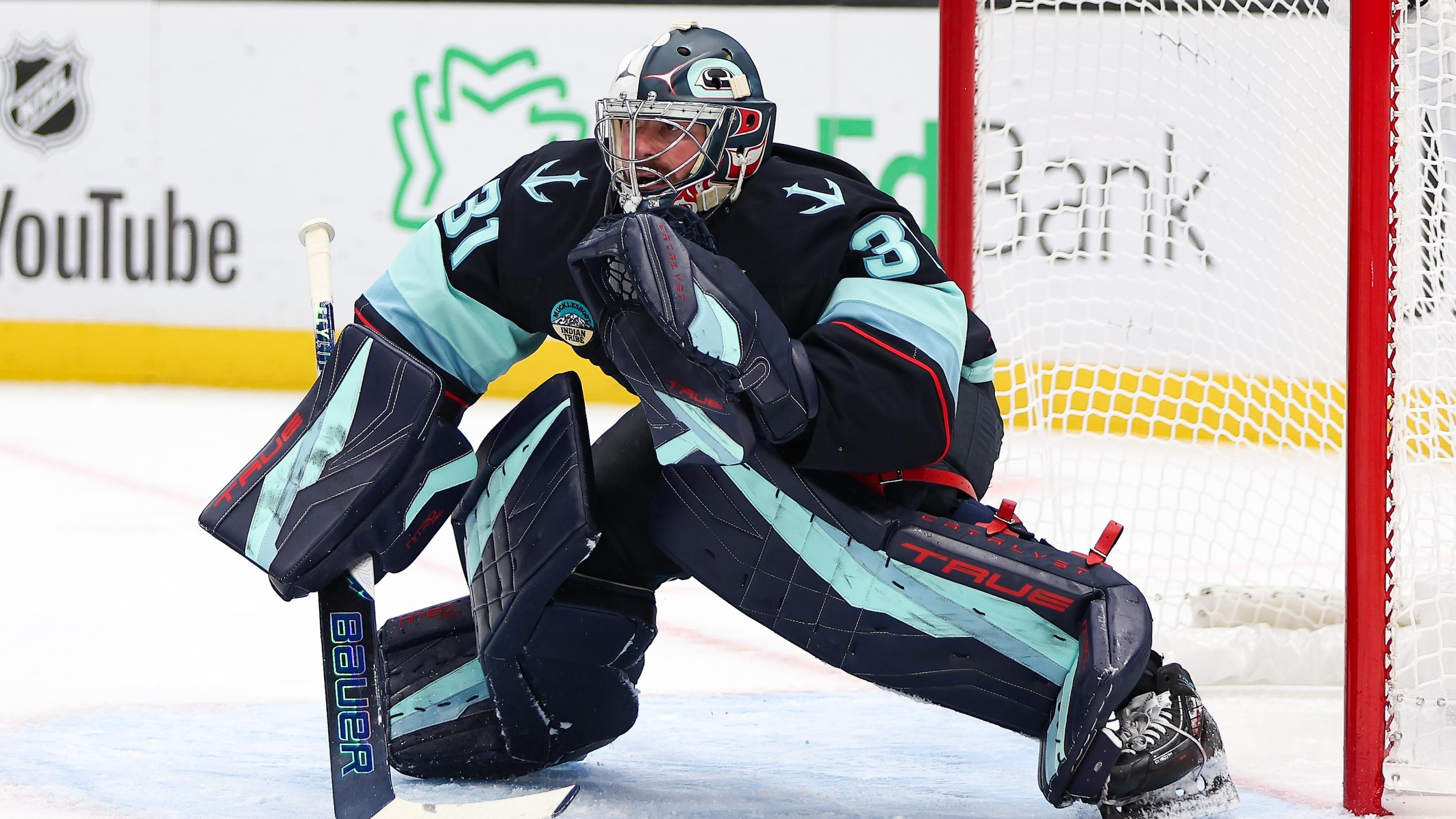
Sure, you have pitchers in baseball and quarterbacks in football, but when a goalie is hot in playoff hockey, there’s nothing quite like it.
During the Los Angeles Kings’ improbable 2012 Stanley Cup victory, Jonathan Quick allowed just 29 goals in 20 postseason games and won the Conn Smythe Trophy. In 2002, Dominik Hasek was unreal for the Detroit Red Wings, recording six shutouts in 23 games with just a 1.86 GAA.
Playoff Beards
2 of 12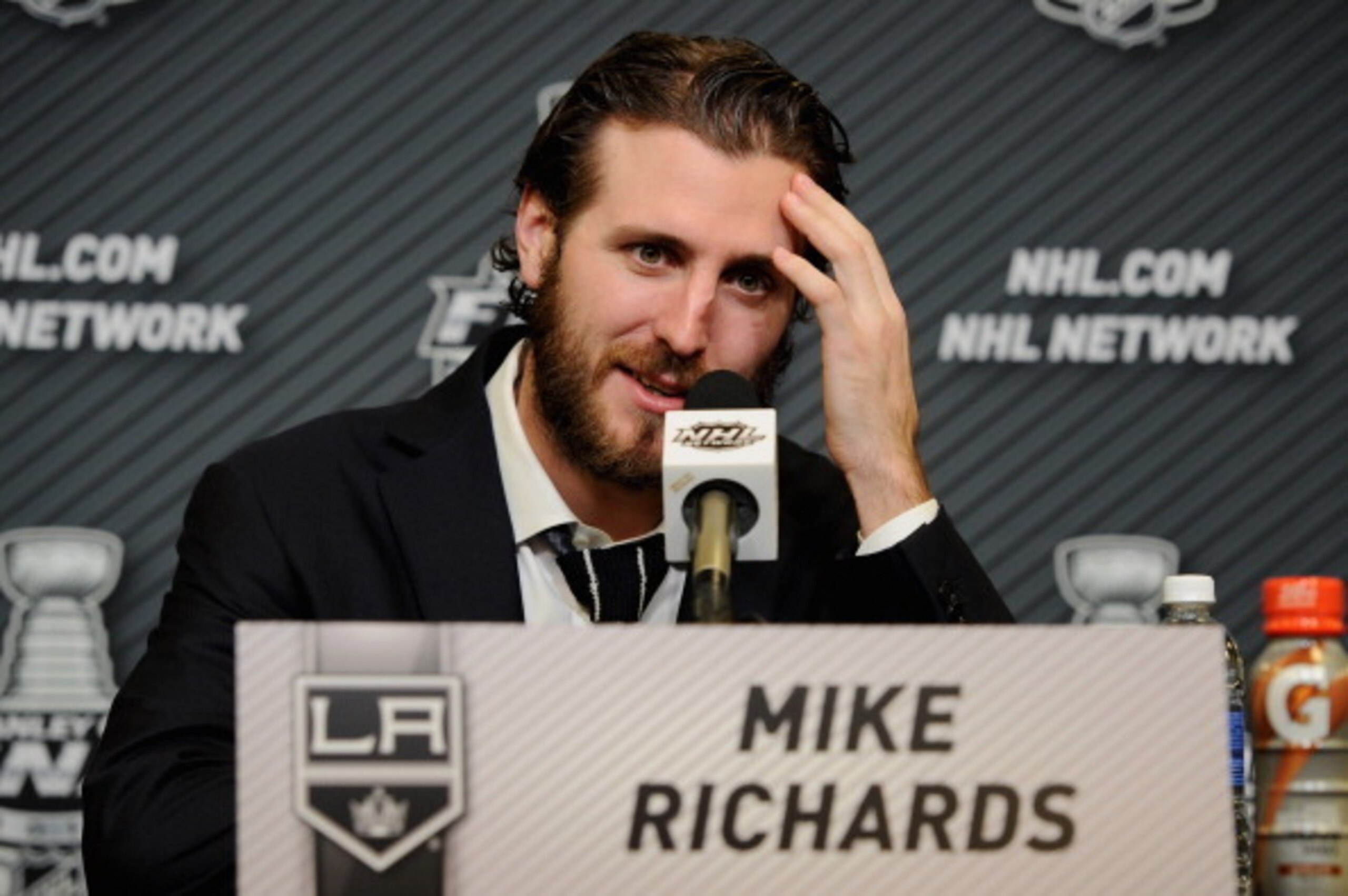
Sure, the Boson Red Sox started bringing beards to the MLB postseason, but make no mistake, this great sports tradition started with hockey.
According to Nina Mandell of For The Win, the New York Islanders started the playoff beard craze in the 1980s. Athletes grow their beards until they lose (or hoist the trophy), thus ending their season and their face full of playoff scruff.
Toughness
3 of 12
Some of these apply to regular-season hockey as well. For instance, it's no secret hockey players are some of the toughest guys around. Drew Miller of the Detroit Red Wings took a skate to the face and was back on the ice two days later.
The same thing happened again in the playoffs to Brooks Orpik of the Washington Capitals. Orpik’s wound wasn’t as severe, so obviously he returned to the game in the very next period.
Live Games
4 of 12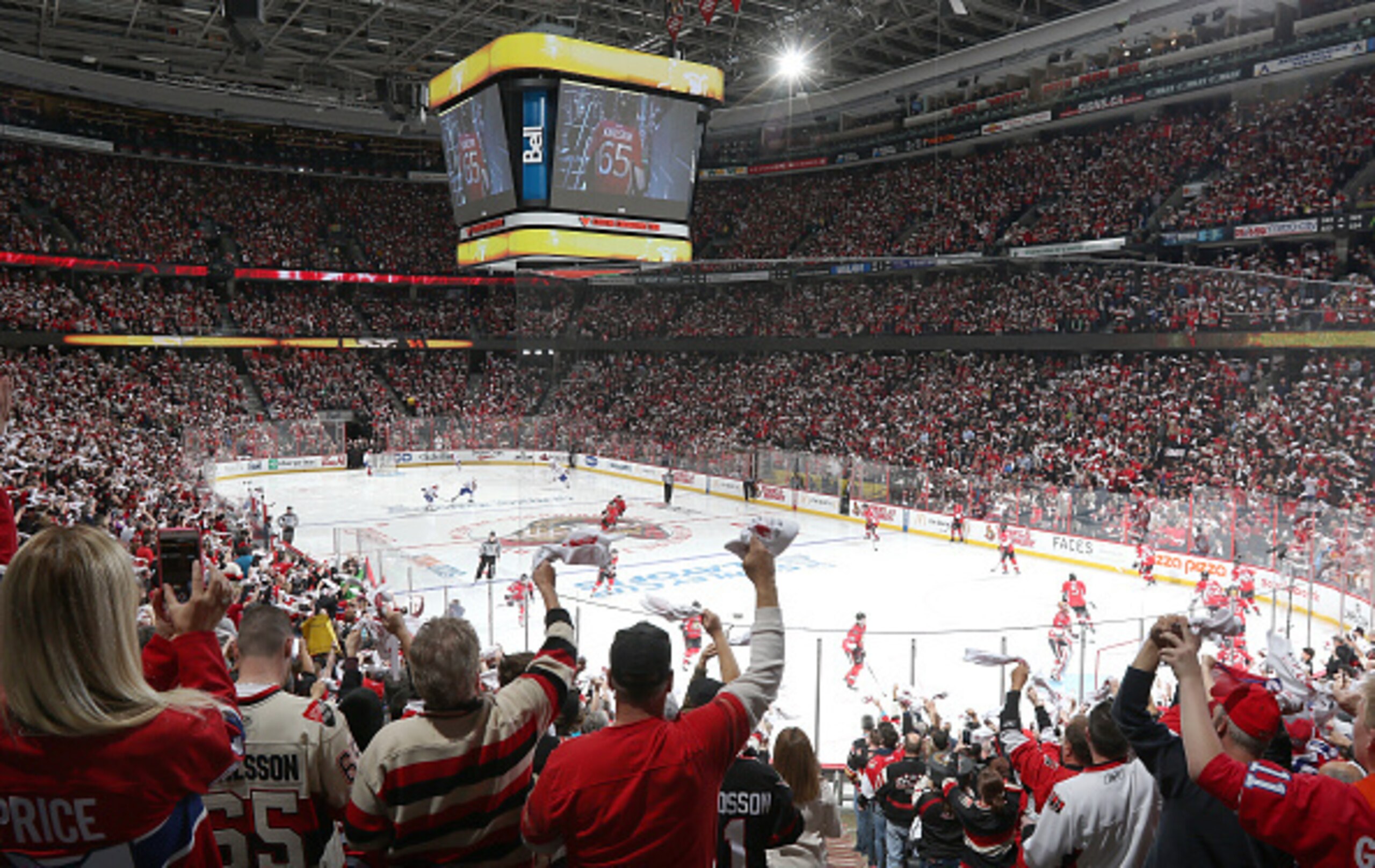
Live hockey is one of the greatest things in sports. If you have never seen a hockey game in the flesh, it’s time. The excitement of watching the action unfold inside the arena is hard to explain, but it’s a must for any sports fan. And in the playoffs, it’s even more electric.
No Commercial Breaks
5 of 12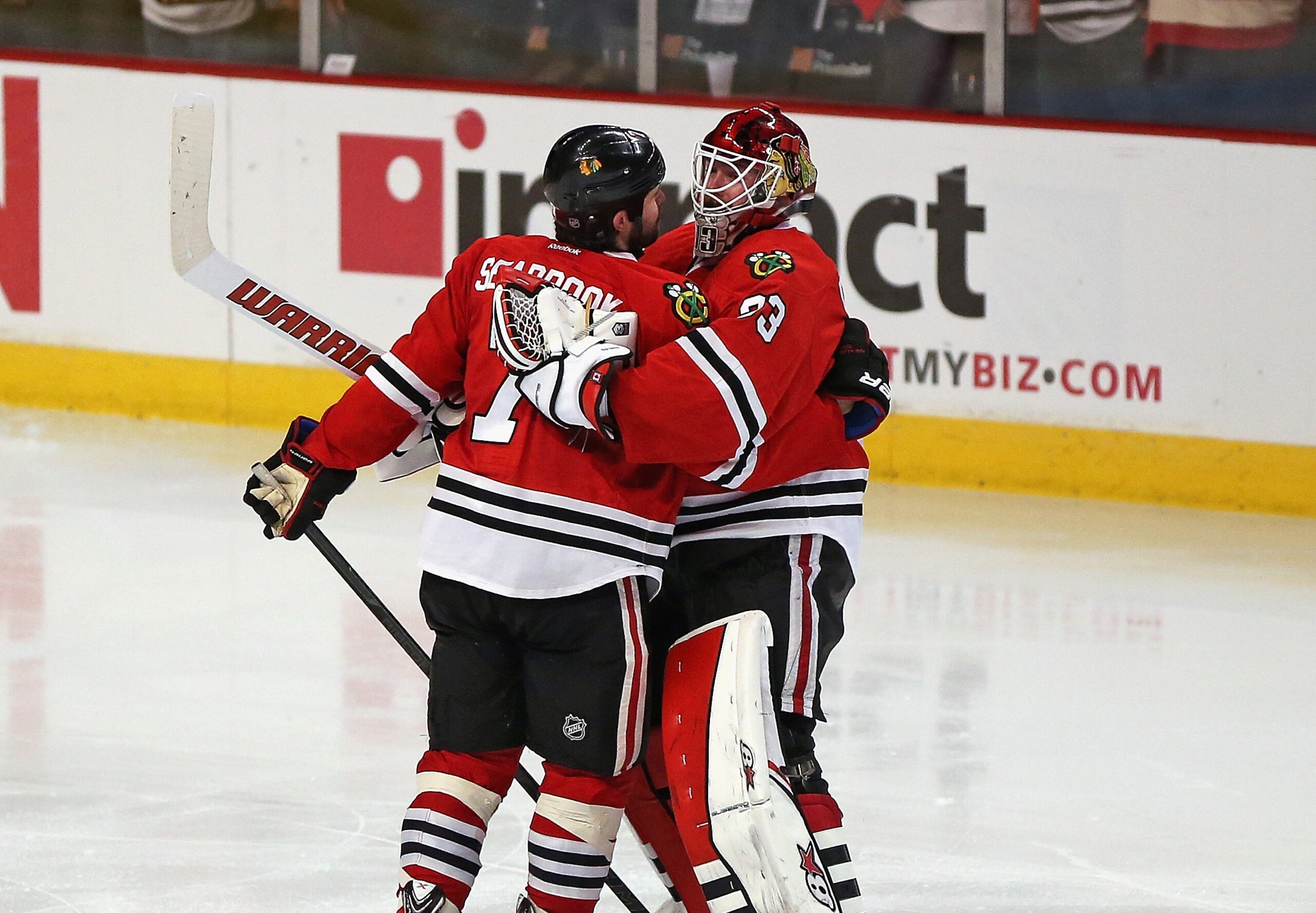
Overtime playoff hockey is a rare beauty, a glorious stretch of time that features exactly no commercial breaks. It is awesome. That is all.
Crazy Traditions
6 of 12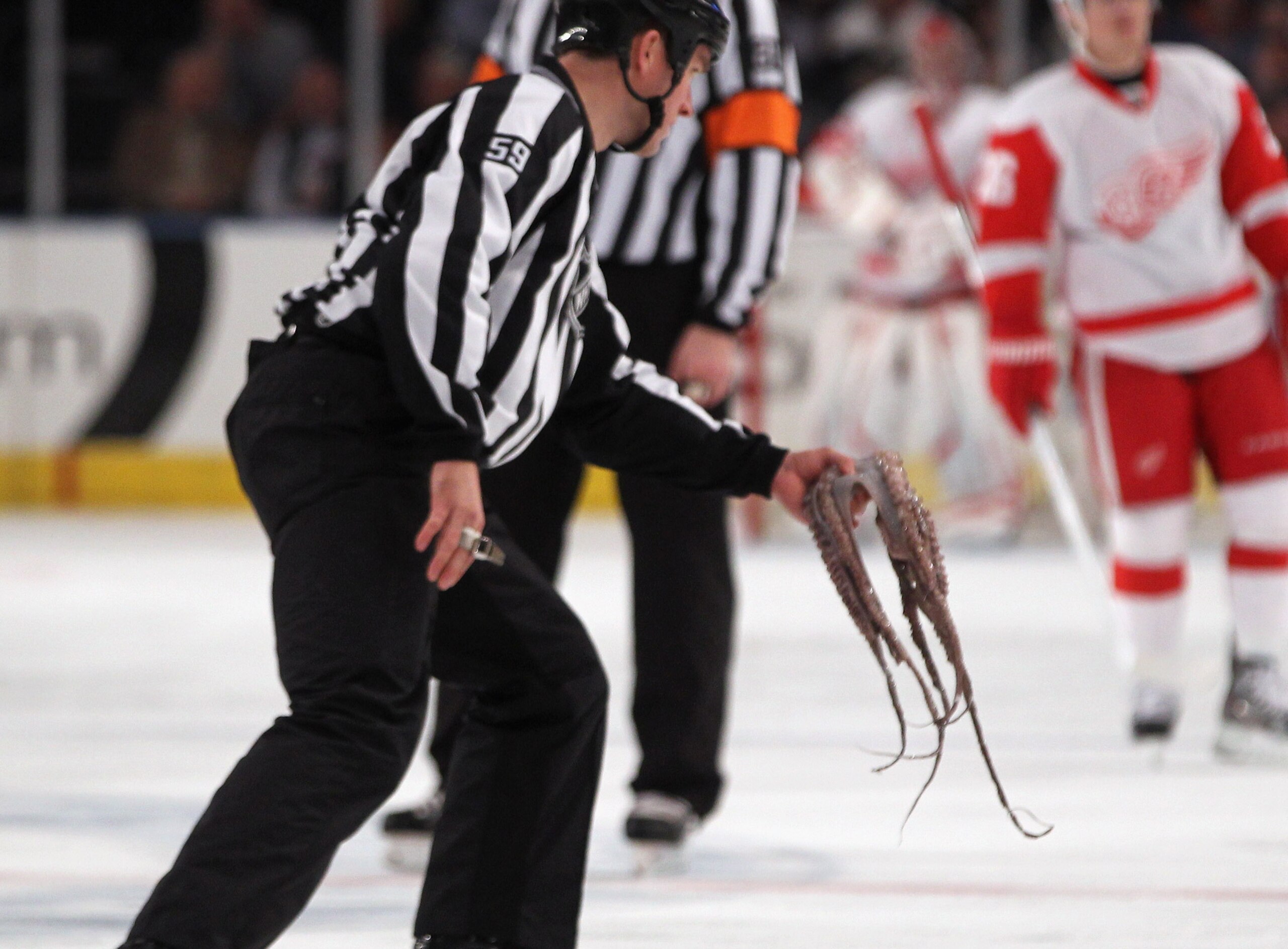
Throwing things on the ice is not unusual in hockey, but the objects thrown often are. The Detroit Red Wings take the cake in this department. During the team’s 1952 playoff run, Pete and Jerry Cusimano of Detroit tossed an octopus onto the ice, as its eight legs symbolized the eight wins needed for a Stanley Cup title back then.
The playoffs often feature the biggest octopi, with a 50-pounder hitting the ice in 1996.
Pulling the Goalie
7 of 12
Another ultra-exciting tactic in hockey, but especially playoff hockey, is the goalie pull. A team trailing with little time left in regulation often replaces its goalie with another attacker. This gives the team an added chance of scoring, but it also leaves the net wide open. It’s risky, and it’s just another suspenseful feature that makes playoff hockey so exciting.
Game 7
8 of 12
Sure, there are Game 7s in the MLB and NBA playoffs, but the amount of truly epic rubber matches in the Stanley Cup playoffs has been significant. In 2014, Jesse Lawrence of Forbes reported that over the previous 11 years, 29 percent of NHL series had reached seven games. This year, the first round yielded two Game 7s along with four series that went to six.
The adrenaline of a Game 7 in any sport is through the roof—it’s win or go home, for all the marbles. In the NHL in particular, a Game 7 combined with the playoff overtime rules has made for some of the most nail-biting minutes in sports.
Handshake Line
9 of 12
Despite its brutal nature, hockey often showcases the sportsmanship and class of its players. The handshake line is a time-honored tradition in the Stanley Cup playoffs. At the end of a series, win or lose, bloodied and battle-scarred players line up to shake their opponents’ hands.
Matt Cooke once explained it, as reported by The Canadian Press via NHL.com, “You have a mutual respect for the guy on the other side. You shake the hand to say, ‘Hey, great job. We've pushed each other to the limit. There's no more games.’”
The Trophy
10 of 12
The Stanley Cup has been around since the 19th century, and it’s the only trophy in professional sports that has each winner’s name inscribed upon it. There’s something special about the fact that this is a shared reward, a symbol of champions annually that is not owned by one particular team.
The tradition of celebrating with the Cup throughout the offseason is pretty boss, too.
Upsets
11 of 12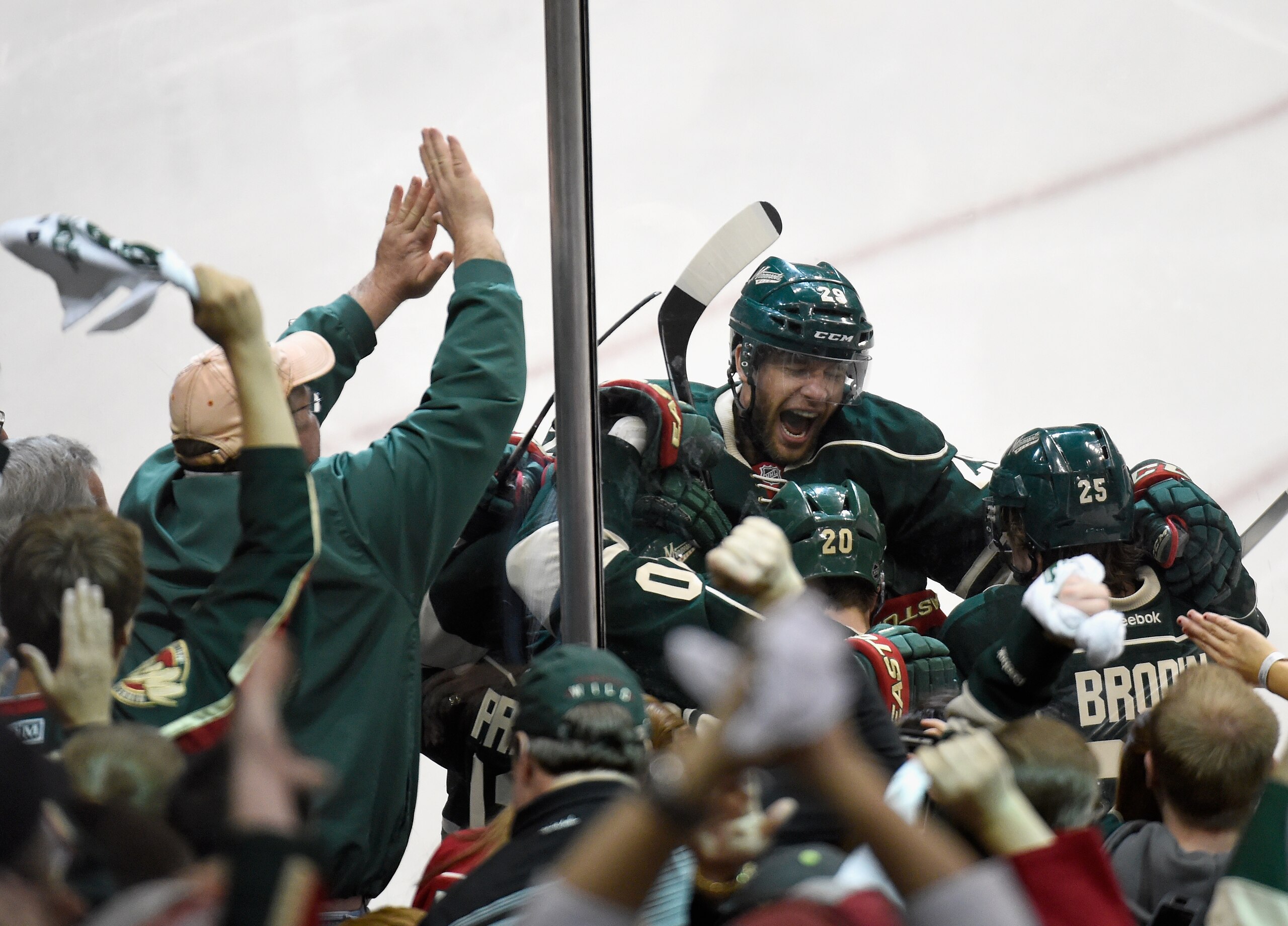
The NHL postseason tends to feature more upsets and lower seeds advancing than, say, the NBA playoffs. In 2012, the Los Angeles Kings won it all as a No. 8 seed, and in the past 13 seasons, 10 different teams have won the Stanley Cup.
According to David Solar of Sports Insights, six teams seeded No. 6 or lower have reached the Stanley Cup Final in the past 10 years. Meanwhile, only two teams in the history of the NBA Finals have prevailed as a No. 4 seed or lower.
Sudden-Death Overtime
12 of 12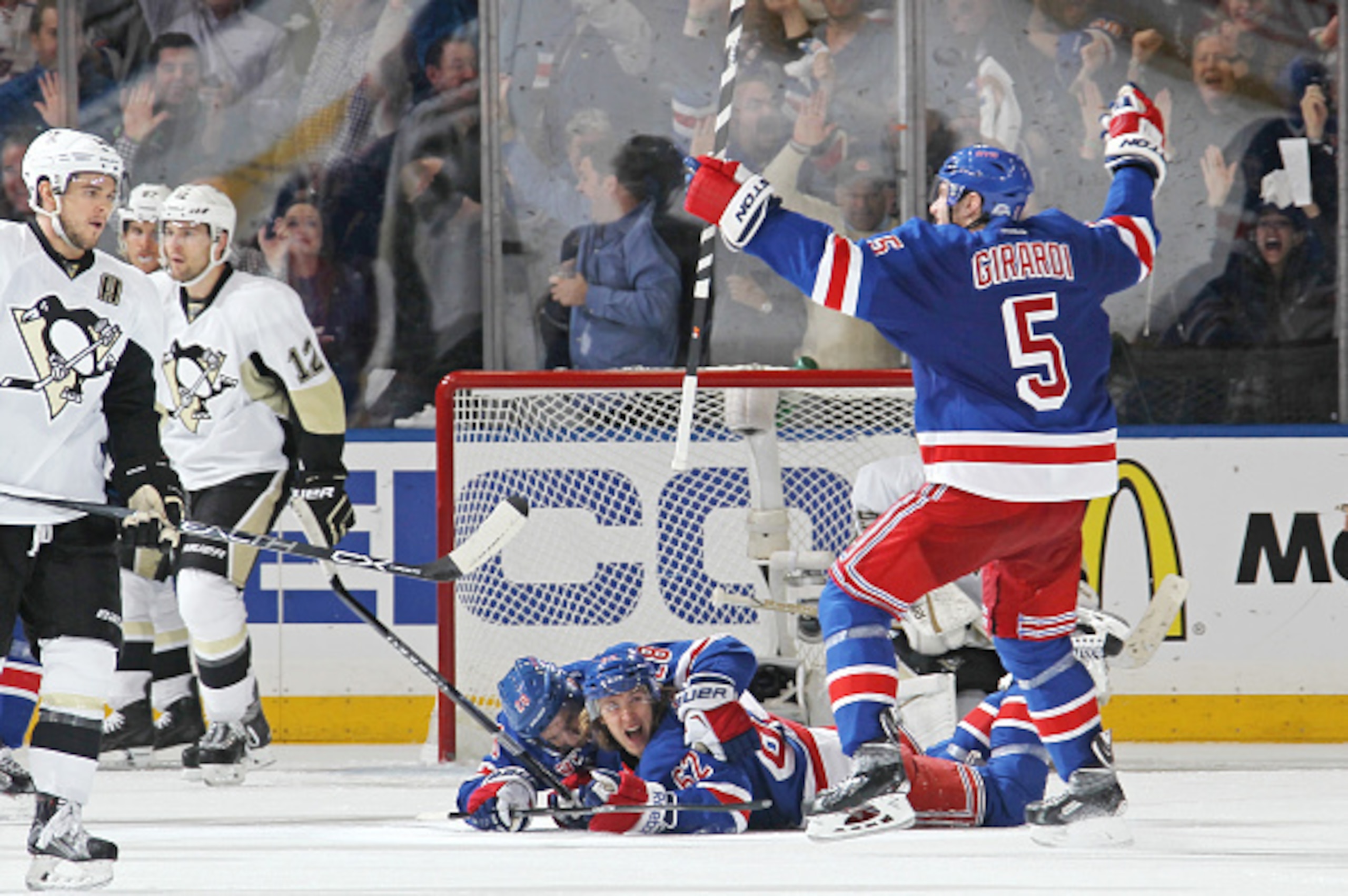
While the NHL regular season features shootouts, the postseason does not. Sudden-death extra periods are played until someone scores a goal. This makes for some of the most epic, nerve-wracking spectating in all of sports.
Anything can happen in the blink of an eye.
It also makes for some long games. We’ve already seen a three-overtime thriller this postseason between the Chicago Blackhawks and Nashville Predators. The longest game ever was in 1936—it had more than 116 minutes of extra time.
.jpg?w=2560 "NHL Trade Grades Connor Hellebuyck")
.jpg?w=2560 "Mahomes Told Teammate to Leave Meeting")
.jpg?w=2560 "5 Teams Eyeing Jonathan Taylor")


.jpg?w=2560 "NFL investigating Eagles")
.jpg?w=2560 "Jonathan Taylor Landing Spots 📍")