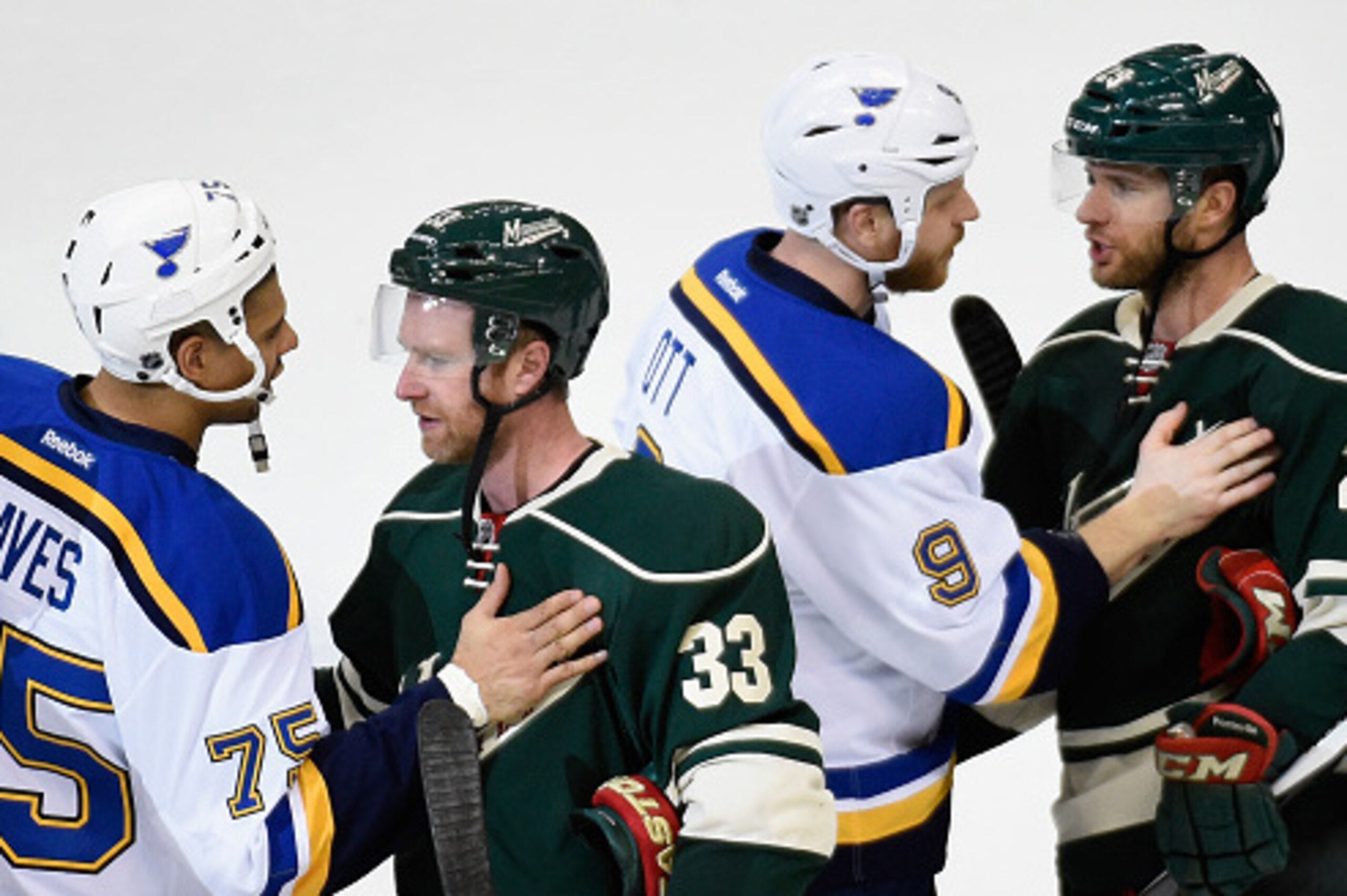

Who's to Blame for the St. Louis Blues' Early Exit from the 2015 NHL Playoffs
For the third year in a row, the St. Louis Blues were pushed out in Round 1, and this time it's likely we will see changes in significant areas.
Fans are angry and looking for someone to blame. Who is most at fault? There are several candidates. Any time a powerful club—the Blues posted 109 regular-season points—goes out in six games to a division rival, there are going to be culprits and some uneasy days.
The Minnesota Wild are full measure for their victory, but it's also clear the St. Louis Blues are wanting in some very important areas. It's a team game, and everyone takes responsibility for a loss like this one. Some are more responsible than others and in this case, there are several issues that need to be addressed.
Doug Armstrong
1 of 6
Roster makeup is the responsibility of the general manager, and Doug Armstrong gave coach Ken Hitchcock a team with issues. Expectations were very high in St. Louis, but the team's goalies were average at best.
During the regular season, Brian Elliott's save percentage ranked him No. 21 among starting goalies, and rookie Jake Allen ranked No. 29 in the same category. The St. Louis Blues have had goalie issues for years and at the 2014 trade deadline acquired Ryan Miller for the playoff run. That bet didn't work, but it's unfathomable for the Blues GM to enter the postseason with two average goalies and expect a deep playoff run.
The Blues not only passed on the opportunity to upgrade at the position, but Jake Allen was given the net for the series. His .904 save percentage during the playoffs ranks him near the bottom of NHL playoff goalies in the category.
Percentage of Blame: 35 percent.
Ken Hitchcock
2 of 6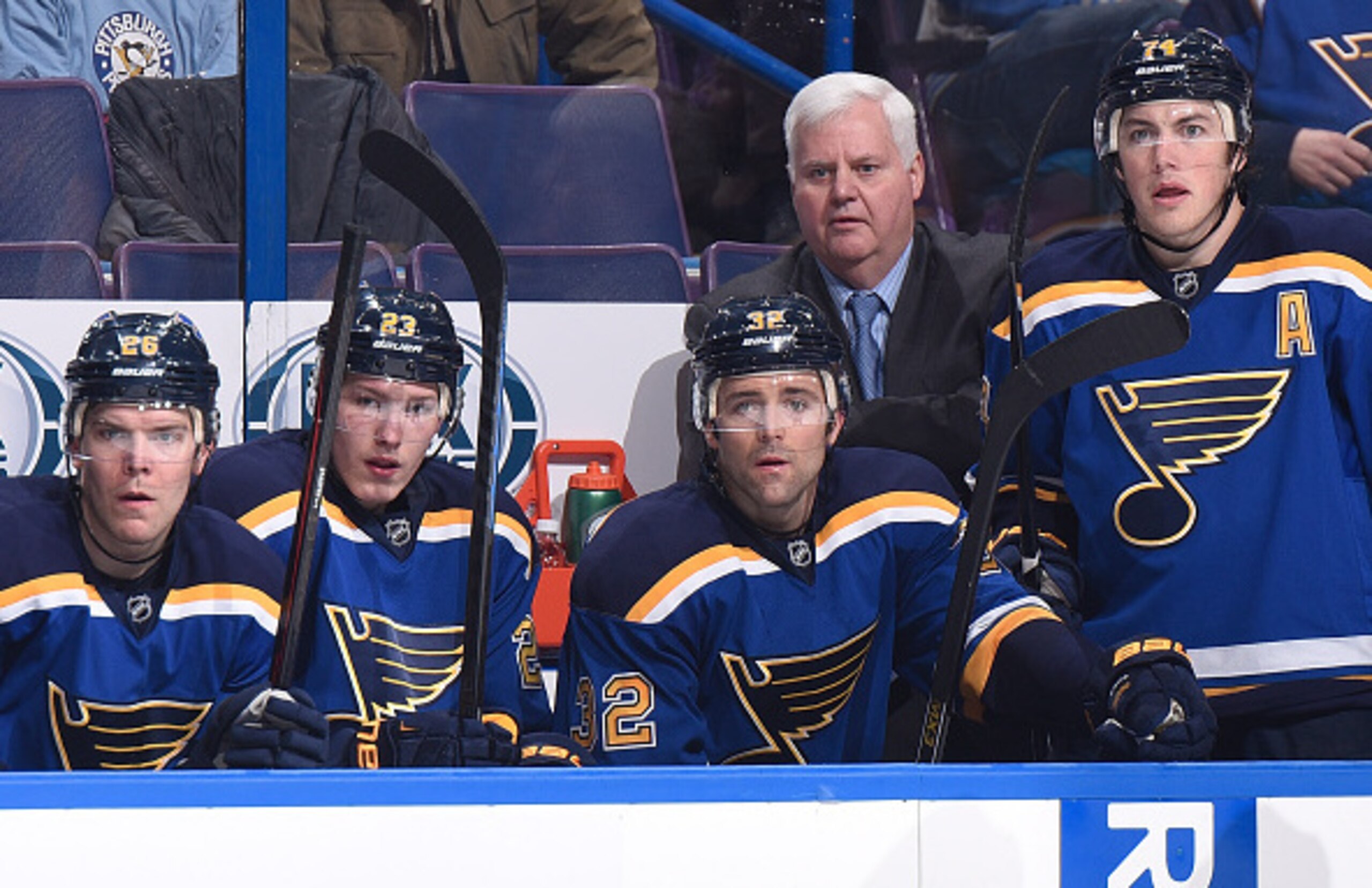
Ken Hitchcock is the member of the St. Louis Blues organization with the biggest target on his back. Why? It's easier to replace the coach than 23 players, and the team hasn't been able to get deep into the playoffs under this coach. At some point, when a coach is hired to finish the job and take a team to the Stanley Cup, progress has to be made. Hitchcock's four playoffs in St. Louis have one thing in common—a disappointing run.
In terms of in-game management, it's fair to question Hitchcock's decision to go with Jake Allen in Game 6 of the series after the rookie's struggles in Game 5.
Hitchcock did most things right, giving his best players all kinds of ice time in an effort to succeed. His team was on the right side of the possession game, and he received some good efforts from them. It didn't work out, and he may end up paying with his job.
Percentage of Blame: 25 percent.
Devan Dubnyk
3 of 6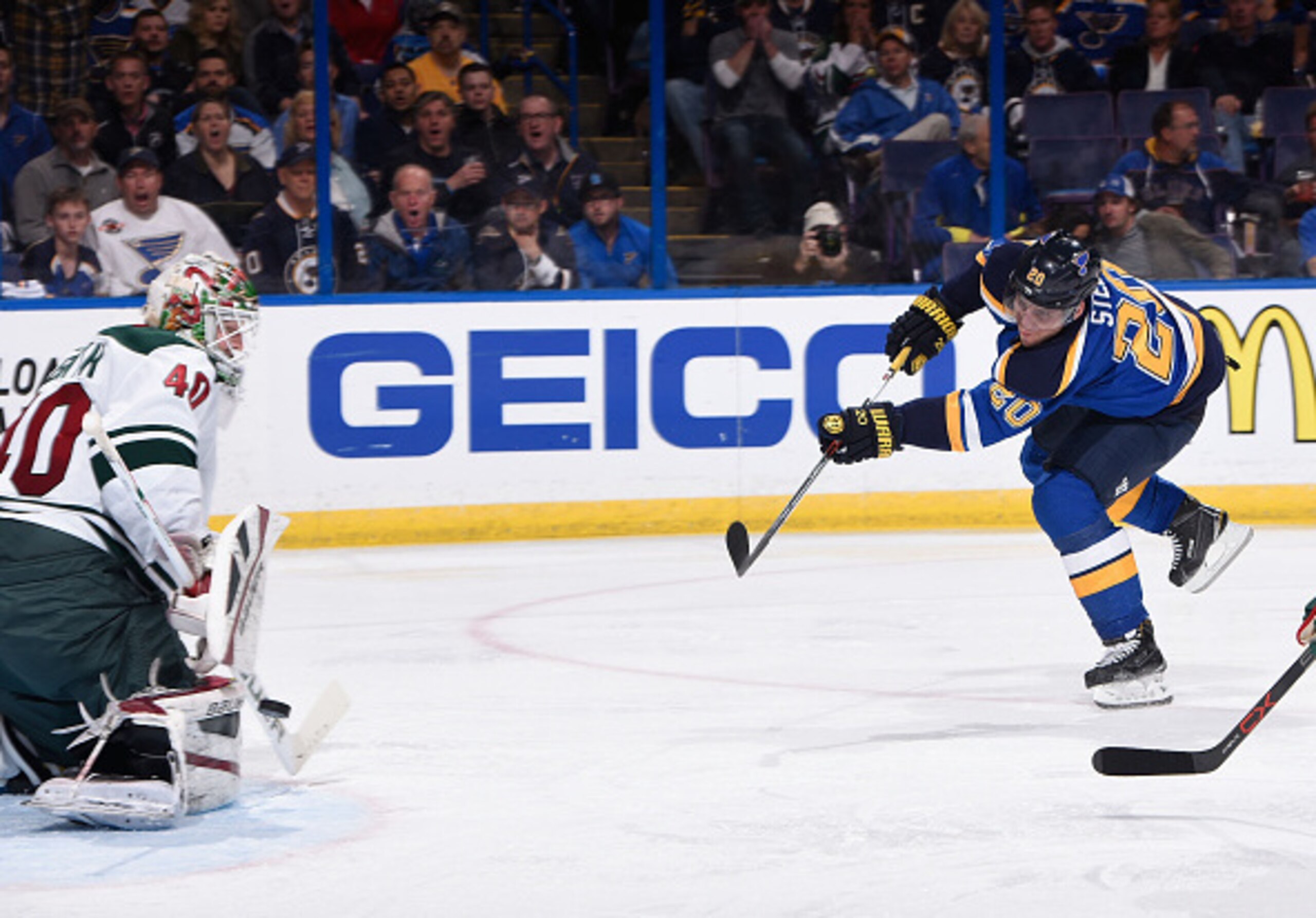
It's easy to give credit to the winning goaltender in a playoff series, as fans hold their breath on every save during the postseason. Often goalies get too much credit, but never more than with the season on the line.
Devan Dubnyk stoned St. Louis shooters at key moments in this series, but he was not the biggest factor in the Minnesota Wild victory. His save percentage—No. 12 overall in the playoffs so far—is actually a little below average for the league.
It's always a small sample size in the postseason, but Dubnyk was far more effective during the regular season.
Percentage of Blame: 20 percent.


Jake Allen
4 of 6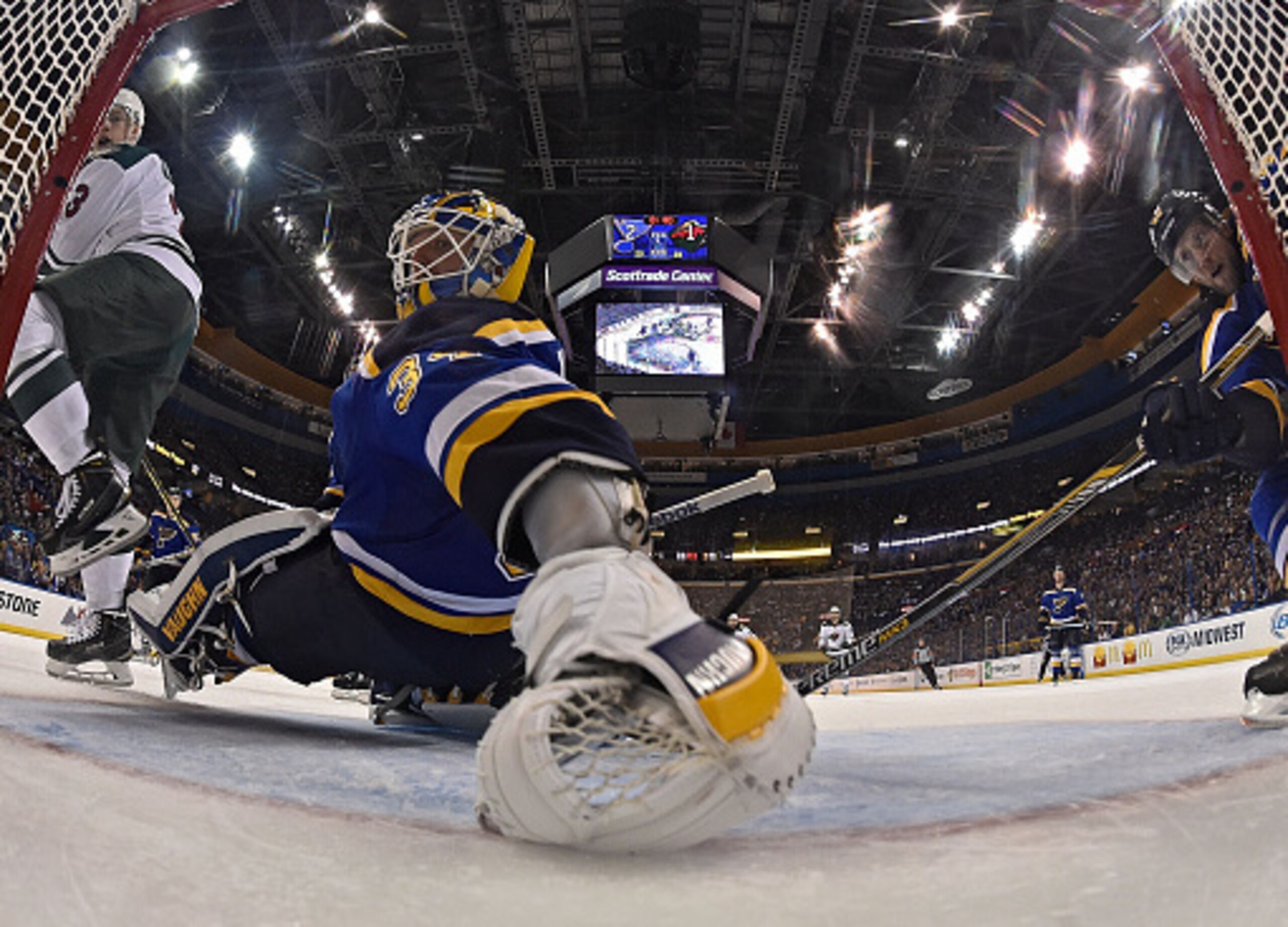
It is very unfair to blame Jake Allen, but he plays the most prominent position, and he let in two ghastly goals in the deciding game.
The Zach Parise goal at 7:14 of the first period—a shorthanded marker giving the Minnesota Wild a 1-0 lead—came from a ridiculous angle and shouldn't have gone in. The Justin Fontaine goal, at 11:19 of the second period, featured some ragged defense by Carl Gunnarsson, but an NHL goalie needs to stop that puck—especially considering the circumstances.
That said, Allen played well for long stretches in the series, and it would be wildly unfair to give him more than a small portion of the blame.
Percentage of Blame: 10 percent.
Paul Stastny
5 of 6
Paul Stastny needed to be better for the St. Louis Blues. He posted 46 points in 74 games during the regular season, for a total of .621 points per game. The Blues brought Stastny in for the purpose of adding another offensive weapon who could outscore opponents, but he delivered only one goal in the series—and that was the fourth goal in a drubbing of the Minnesota Wild on April 22.
Stastny signed a big free-agent deal and needed to be more of a factor. There's no way he is the primary culprit in this series, but based on his salary and status as a veteran leader, he takes some of the blame.
Percentage of Blame: 5 percent.
Steve Ott
6 of 6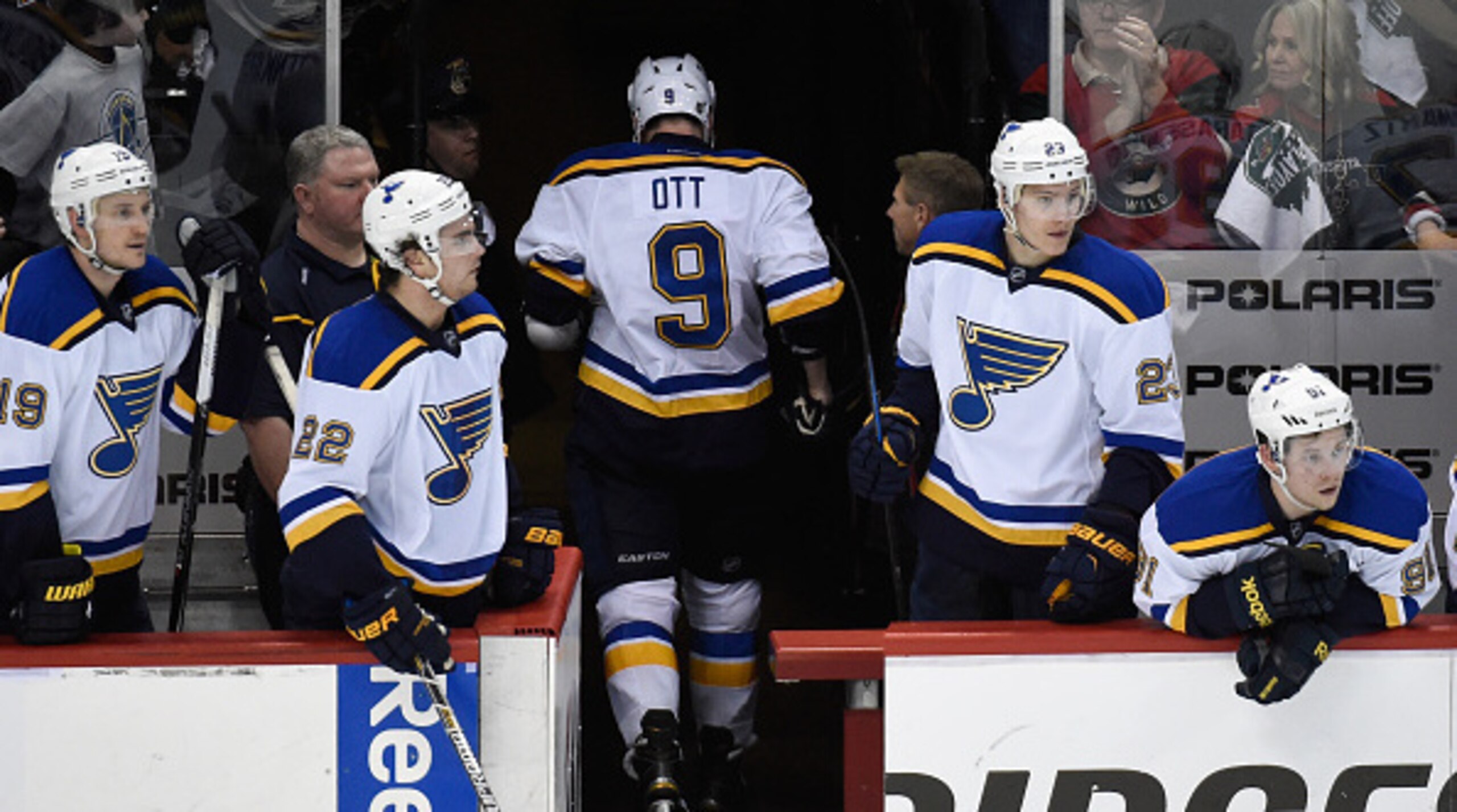
Steve Ott is a game warrior who has played his heart out for years in search of the Stanley Cup. His role on the St. Louis Blues is an important one, as a veteran with the ability to come up big under pressure.
Twice during the series, Ott took late misconducts, and, while not impacting the team's chances, they were reflective of his play. It was a frustrating series for the veteran, who faced fast opponents every shift during the series. Per NHL.com correspondent Dan Myers' game summary:
"Blues forward Steve Ott was assessed a two-minute minor for roughing and a 10-minute game misconduct with less than a minute remaining. It was the second time in the series Ott was assessed a misconduct late in a game; he was also given one late in Game 1.
"
Ott replaced Vladimir Sobotka during the summer and played a rugged style all year long. In what could be a sign of age, he looked a step slow for periods in this series.
Percentage of Blame: 5 percent.
.jpg?w=2560 "NHL Trade Grades Connor Hellebuyck")




.jpg?w=2560 "Mahomes Asked OT to Leave Meeting")
.jpg?w=2560 "Jonathan Taylor Landing Spots 📍")

.jpg?w=2560 "5 Teams Eyeing Jonathan Taylor")

