Breaking Down Chelsea Midfielder Cesc Fabregas' Performance vs. Arsenal
Cesc Fabregas got the homecoming he would have wanted at the Emirates Stadium on Sunday.
Chelsea took another big step toward sealing the Premier League title, and although he was booed throughout the game, Fabregas was given a standing ovation by the majority of Arsenal fans when he left the pitch.
It represented the respect he still commands in north London, but there was a begrudging appreciation for the way he performed too.
TOP NEWS

Final Men's Ballon d'Or Rankings 📊
Live Highlights and Viral Moments 🍿
Most to Blame at Man Utd? 😡
Fabregas was key to Chelsea's coming away with a draw, but it could have been so much more.
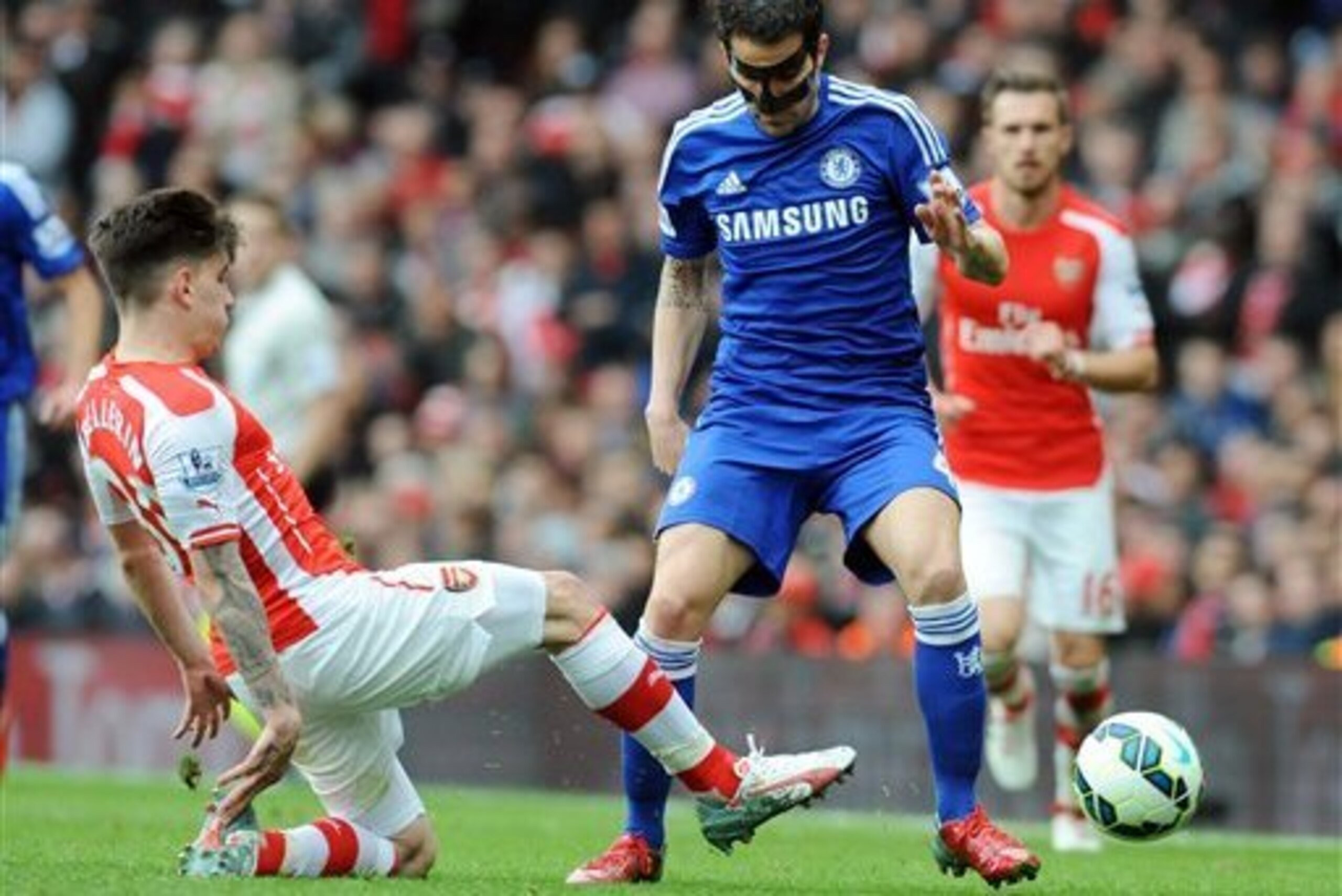
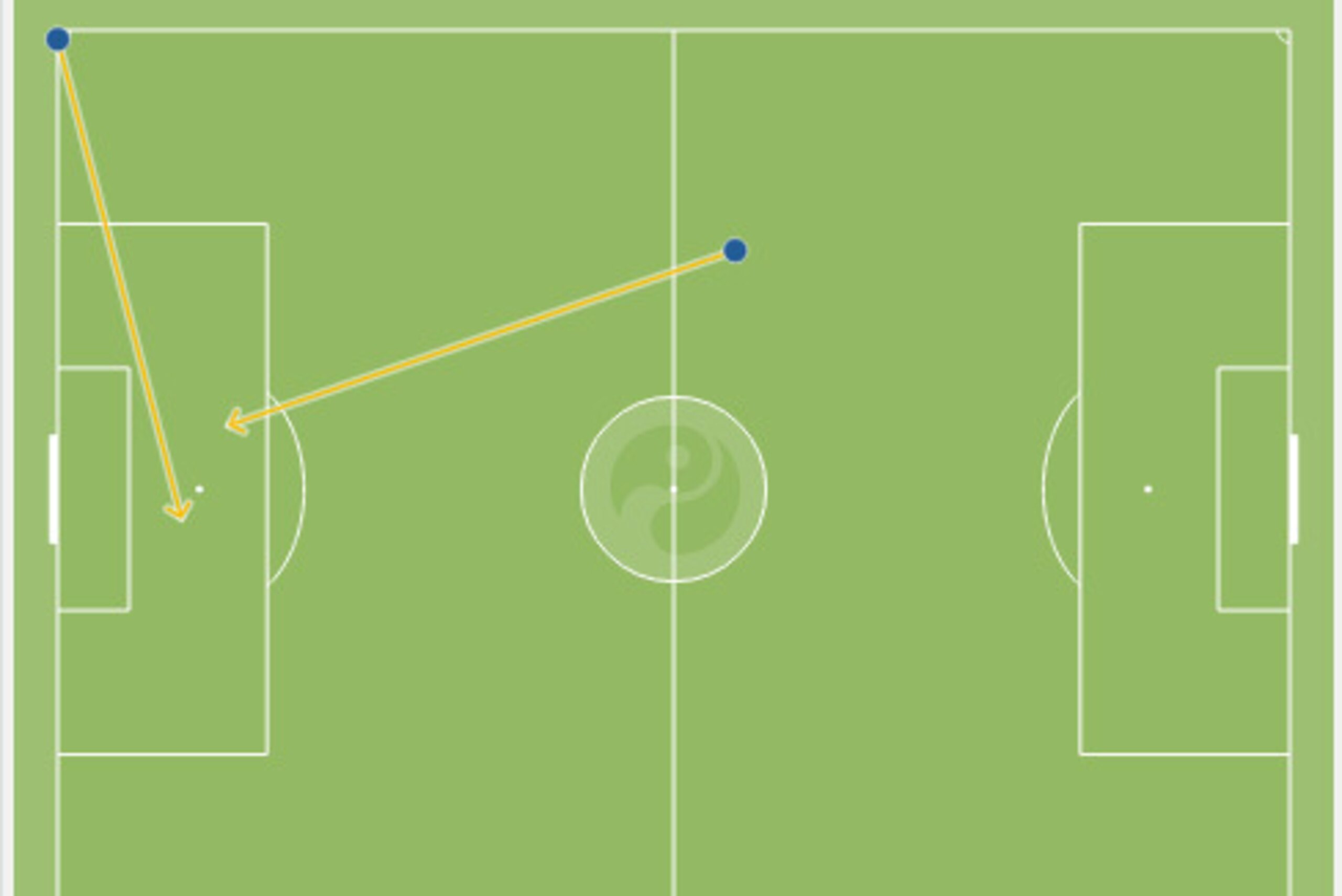
Indeed, it was the Spaniard's through ball that set Oscar clean in on goal in the first half. With David Ospina advancing, Chelsea's Brazilian lobbed the goalkeeper, only to be clattered in the process.
Hector Bellerin eventually recovered in time to clear the ball off the line too.
It was a chance created from nothing. From inside his own half, Fabregas saw Oscar's run, and it took not only great vision but also outstanding execution for him to pick out his team-mate.
That was the standout moment in an otherwise quiet affair, reminiscent of Diego Costa's goal against the Gunners in October when Chelsea defeated them 2-0 at Stamford Bridge.
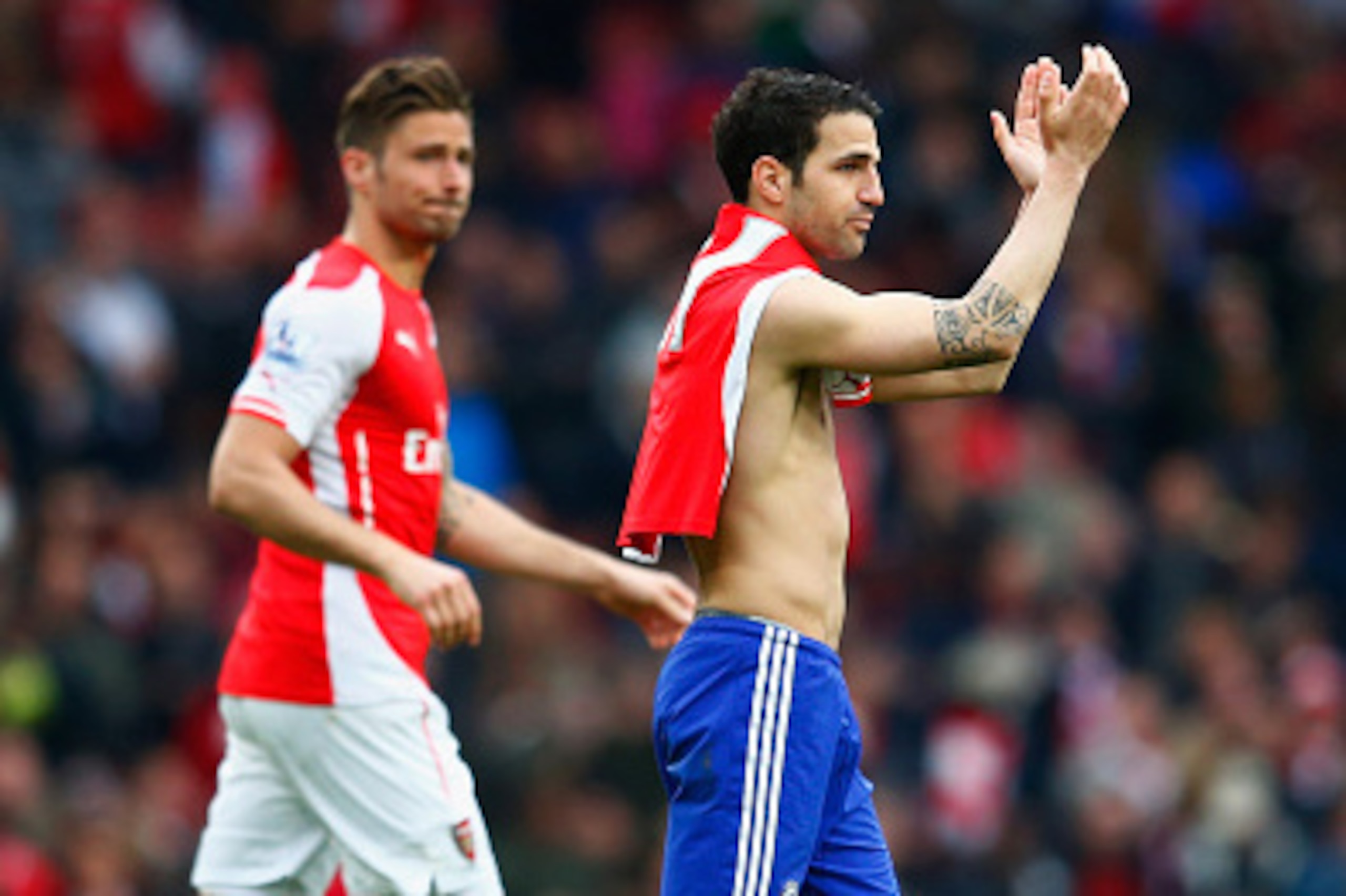
And who was on hand for the assist that day? Yes, it was Fabregas, and he proved Chelsea's main outlet again back on his old stomping ground.
It was an open first half at the Emirates—more so than many had expected.
Without a recognised striker in their line-up, Chelsea still had enough about them to cause Arsenal problems as Fabregas pulled the strings.
He created two chances in the game, the first being that long ball for Oscar and the second coming from the resulting corner.
With Oscar taken off at half-time due to that collision with Ospina, Fabregas moved forward in the No. 10 role, with Ramires playing alongside Matic in the pivot.
Rather than enhancing his attacking contribution, playing further up the pitch hindered Fabregas.
He wasn't able to pick out team-mates in the way he had, and with less of the game in front of him, space came at a premium, with Arsenal defenders quick to close him down.
The game changed after the interval, with Chelsea looking more defensive-minded, and it was no surprise that this came when their talisman was at his least effective.
Getting into the final third, more of Fabregas' passes were being cut out too. He eventually finished the game with just a 75 per cent success rate.
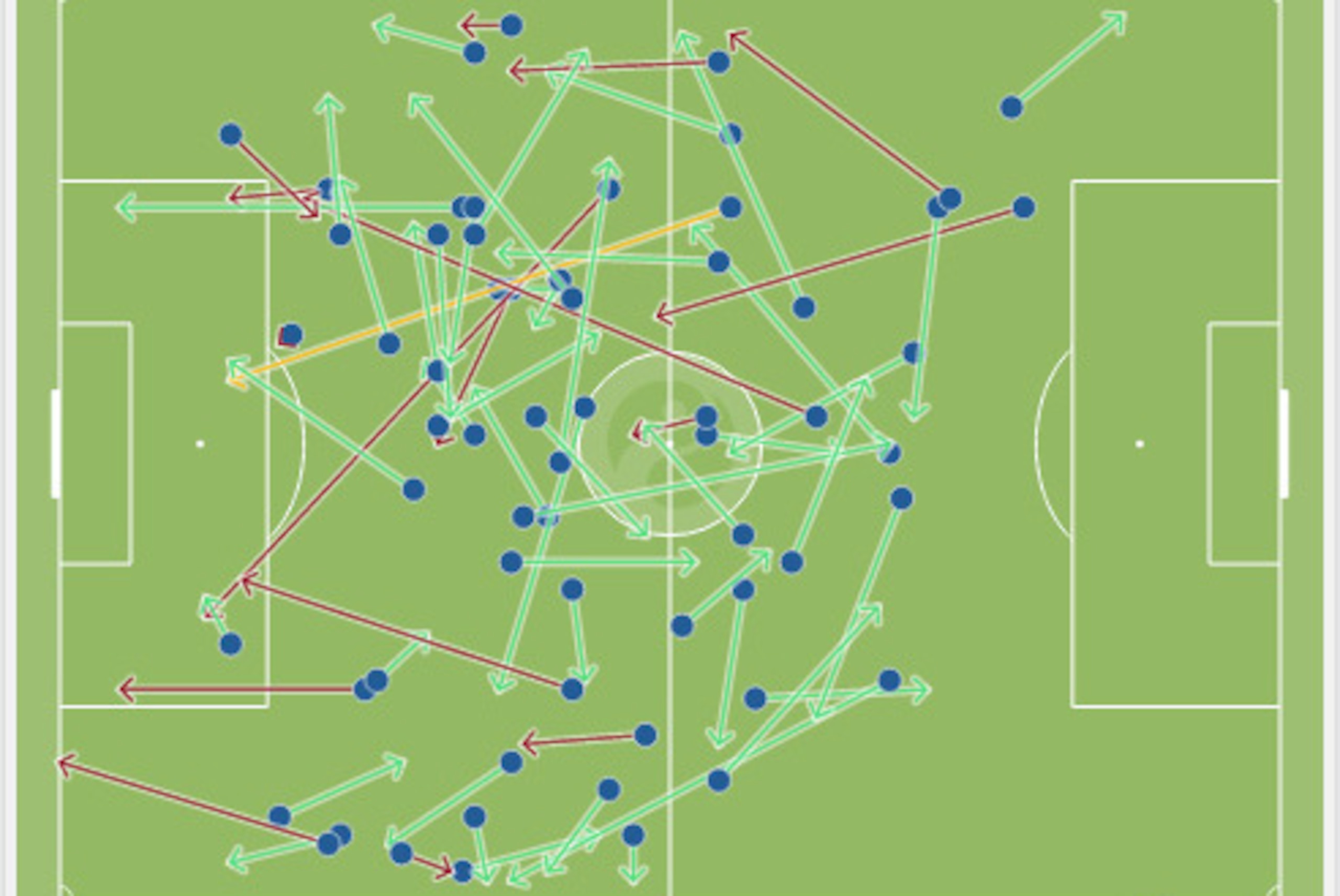
For some players, those stats would be impressive, but for a player of Fabregas' ilk, he will be disappointed in that regard.
It's also interesting to note that the two fouls Fabregas made in the game came in the second half, a time when he was being pressured more on the ball.
Sitting deeper alongside Matic, it's assumed he has more defensive duties, but it's his team-mate who takes on that responsibility, giving Fabregas the space and time he needs to build up play.
In the No. 10 position, Fabregas isn't just an attacking threat—he's also one of the first lines of defence. With Jose Mourinho demanding his players press from the front, he is forced into making more tackles, hence the fouls.
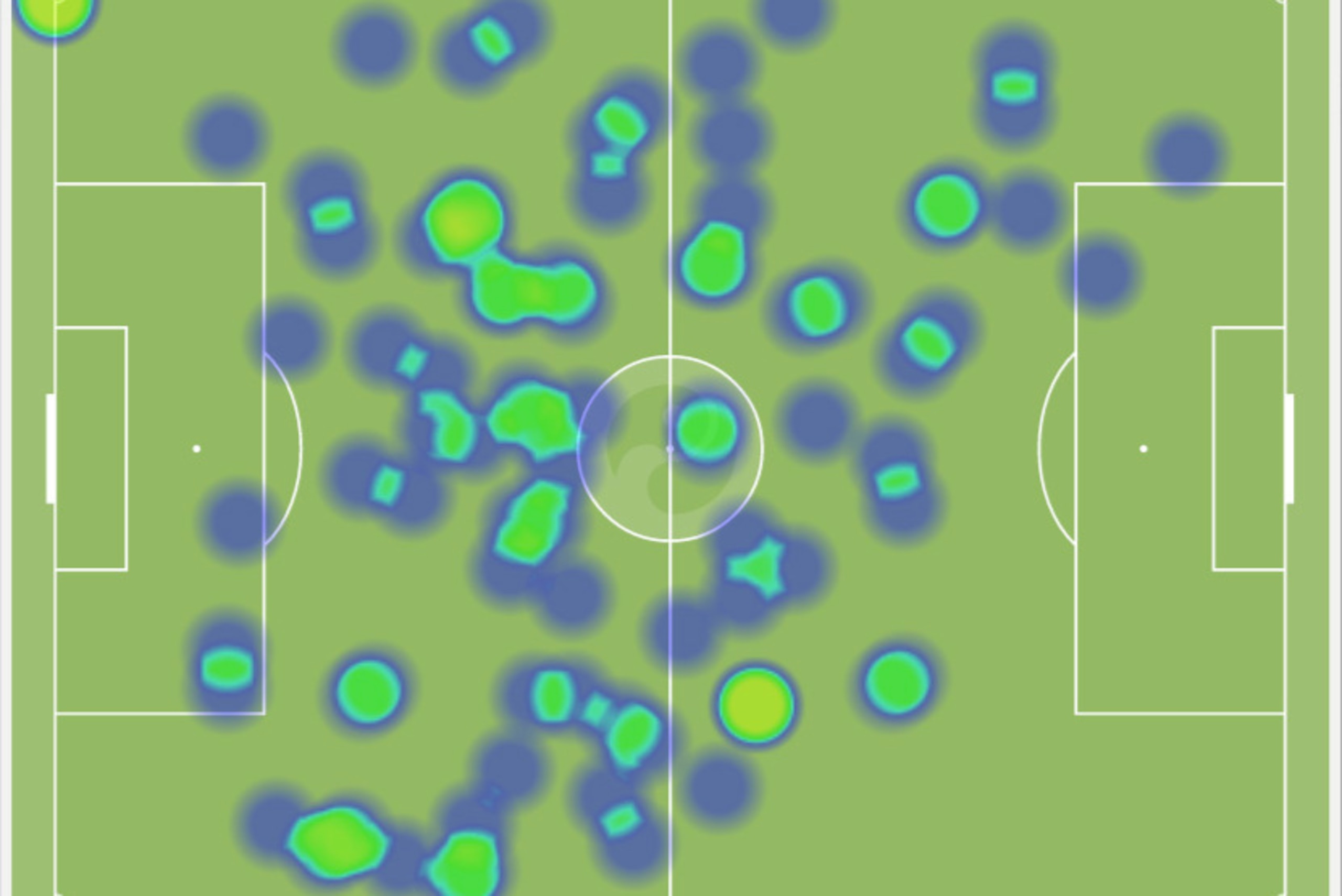
Overall, it was a solid display from Fabregas against Arsenal. He was involved in much of what Chelsea did in attack and didn't shy away from the other duties required of him.
Mourinho commented ahead of the game that he was confident Fabregas would deal with the pressure of returning to the Emirates with Chelsea, and he did just that.
Garry Hayes is Bleacher Report's lead Chelsea correspondent. All quotes were obtained firsthand unless otherwise noted. Follow him on Twitter @garryhayes


.jpg?w=2560 "5 Teams Eyeing Jonathan Taylor")
.jpg?w=2560 "Mahomes Told Teammate to Leave Meeting")


.jpg?w=2560 "Jonathan Taylor Landing Spots 📍")