

Ranking the Best Candidates to Replace Peter Chiarelli as Boston Bruins GM
After nearly a decade—and a pretty successful one at that—at the helm of the Boston Bruins, Peter Chiarelli has been fired as the team's general manager.
The club announced the decision in a release on Wednesday, thanking Chiarelli for his service, which included assembling a roster which won the Stanley Cup just four seasons ago. At the same time, the team announced that the search for Chiarelli's replacement would begin immediately.
Whom should the team look at? The following slideshow ranks the best candidates for the job.
8. Tom Fitzgerald
1 of 8
Brief biography: A Massachusetts native who finished a 1,000-plus-game NHL career in Boston, Fitzgerald has plenty of ties to the Bruins but started his front office career in Pittsburgh. He's served in a variety of managerial and coaching roles but was recently promoted to assistant general manager after a half-decade in the similarly titled but obviously less prestigious role of assistant to the general manager.
Biggest advantage: Success in Pittsburgh. Fitzgerald has climbed the ranks in the Penguins organization rather rapidly, indicating an executive who is well-thought of in a pretty solid NHL organization.
Biggest disadvantage: Experience. Fitzgerald has spent most of a decade in front office positions, but he's only been a particularly senior-level guy for a year now. That's a big risk, and ideally he'd have more of a track record as a high-level manager before stepping into the big chair.
7. Ray Shero
2 of 8
Brief biography: The son of longtime coach Fred Shero, Ray Shero had a decent career in college hockey but was destined to make his biggest mark off the ice. He spent years as an assistant general manager, first with the Ottawa Senators and then the Nashville Predators before being picked to oversee the Pittsburgh Penguins' rebuild as GM. He spent just under a decade with the Pens, guiding the team to one Stanley Cup, but was eventually dismissed after several disappointing playoff performances.
Biggest advantage: Experience and a basic level of competence. Shero has been around the game for a long time and had a measure of success in Pittsburgh; he's not as risky a hire as some of the less experienced candidates on this list.
Biggest disadvantage: His similarity to Chiarelli. If Boston wanted a general manager who could put a Cup-winning team together but struggle to keep it a contender, it didn't need to fire Chiarelli. Shero has a similar resume, except that he also had the benefit of Sidney Crosby at his last job.
6. George McPhee
3 of 8
Brief biography: After a short NHL career, McPhee moved into management, first with the Vancouver Canucks and then more famously with the Washington Capitals. McPhee's Washington teams were pretty good for the most part, but they never attained greatness despite some very successful regular seasons. After just under two decades in the top job, the team dismissed him in the summer of 2014.
Biggest advantage: Again, experience. McPhee knows the ropes and was a reasonably solid manager in Washington; he's also likely a better GM today than the day he was hired in the late 1990s. He's not likely to squander the solid core that Chiarelli assembled.
Biggest disadvantage: Is he capable of constructing a consistent contender? He had some formidable tools at his disposal in Washington, but he was never able to put it all together for any length of time.


5. Norm Maciver
4 of 8Brief biography: A well-traveled NHL and minor league player, Maciver eventually turned to coaching after his playing career ended. In that capacity he spent two seasons as an assistant coach in the Bruins organization. After leaving Boston, he moved into a front office role with the Chicago Blackhawks, rising through the ranks until he was named assistant general manager three years ago.
Biggest advantage: A senior role in a strong organization. The Blackhawks have been one of the NHL's best-run teams over the last decade, and Maciver has had a front row seat for all of it, starting out on the development side and eventually sliding into a senior management position. He's had a chance to learn from the best.
Biggest disadvantage: Risk. Maciver's resume is solid, but we won't really know what he's going to do with an NHL organization until he gets the chance to run one.
4. Don Sweeney
5 of 8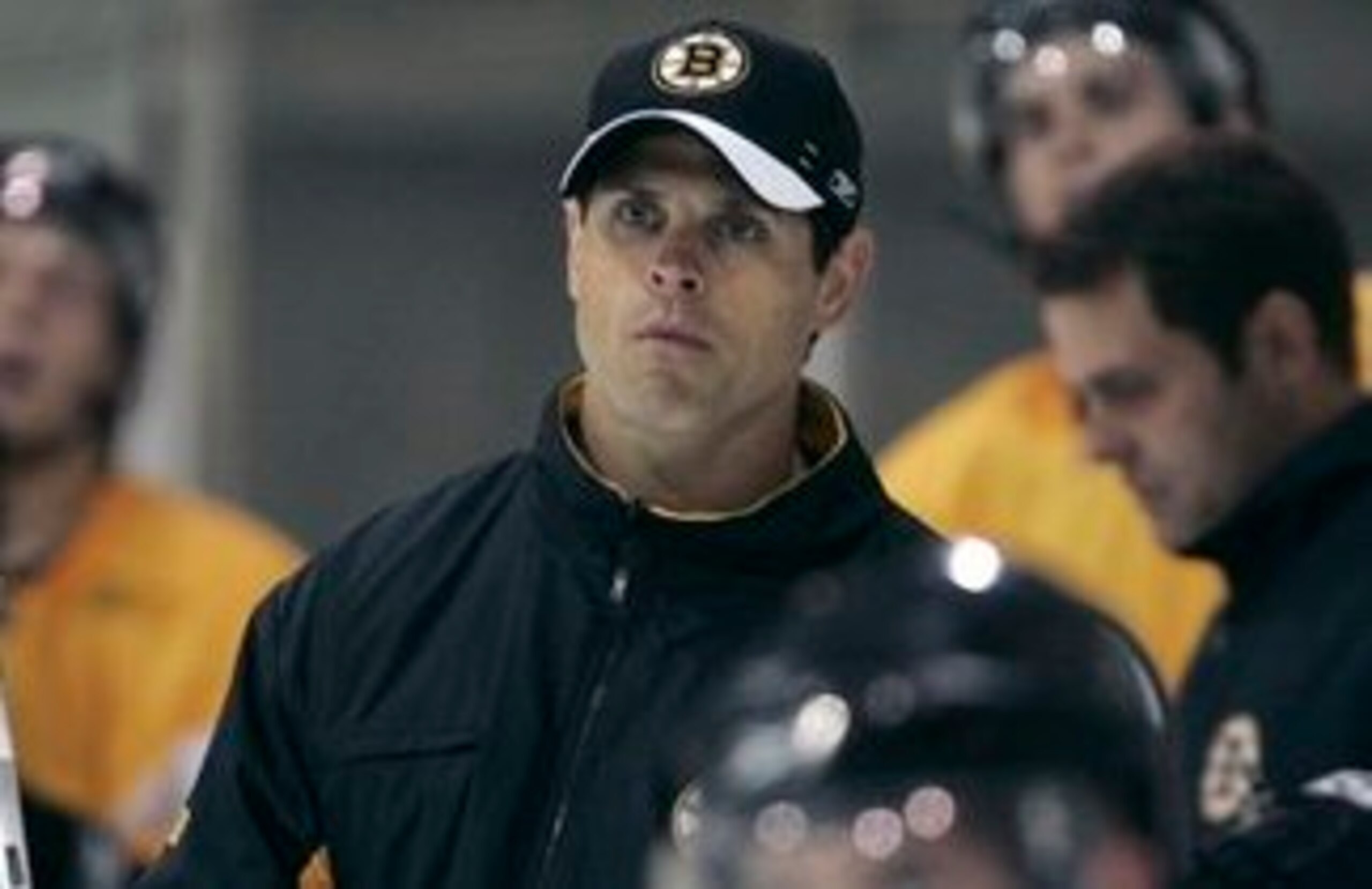
Brief biography: A longtime NHL'er who spent most of his 1,000-plus-game career in Boston, Sweeney joined the Bruins in the summer of 2006 at the relatively senior position of director of player development. More than half of his decade or so of front office experience has been spent as assistant general manager and last season he also assumed the responsibility of running the club's AHL affiliate in Providence.
Biggest advantage: He's an internal candidate. He knows the players, he knows the coaches and he knows the rest of the front office staff; by hiring him the Bruins would skip the awkward adjustment phase that typically comes with an outside hire. The team also knows exactly what it's getting.
Biggest disadvantage: Inexperience. Sweeney has paid his dues to a certain degree. But he's only ever really been a part of the one NHL organization, and he learned his current position from the guy the team just fired. There are external candidates with longer track records in senior hockey operations positions.
3. Mike Futa
6 of 8Brief biography: A very successful coach and executive at the junior level, Futa made the jump to the NHL on the amateur procurement side with the Los Angeles Kings and has steadily worked his way up the ranks in California. He has spent most of the last decade running the Kings' draft, and a lot of the credit for the solid team assembled in L.A. should go to him.
Biggest advantage: Philosophy. The Bruins and the Kings have some things in common in the way they've built their teams and the qualities they prioritize, with the caveat that L.A. has probably been a little better at it than Boston. Futa is likely to be a good fit for Boston's organizational priorities.
Biggest disadvantage: Risk. Futa's work has been solid, and he does have GM experience at the junior level. But he hasn't spent much time actually running a team at the professional level, which means there is more risk attached to hiring him than there is to some of the other candidates on this list.
2. Paul Fenton
7 of 8Brief biography: The well-respected Fenton has spent close to two decades with the Nashville Predators and another half-decade with the Mighty Ducks of Anaheim prior to that. He's been David Poile's right-hand man for close to a decade, running the Preds' AHL affiliate and helping to construct a consistently competitive team in Tennessee. His background is on the amateur procurement side; he came up as a scout and was instrumental in drafting many key Nashville players.
Biggest advantage: He's clearly qualified. Fenton has an impressive resume and piles of experience; he's going to land somewhere as a general manager, and the only real questions are where and when. He's also a Massachusetts native.
Biggest disadvantage: He's never held the top job. Like a few people on this list, Fenton is a bit of a risk because while he's been part of a solid organization he's never been the man calling all the shots. Poile clearly knows his business, and it's not clear to what degree the credit for Nashville's success should go to Fenton.
1. Julien BriseBois
8 of 8Brief biography: A lawyer, BriseBois broke into the NHL in a legal position with the Montreal Canadiens. A little over a decade ago he added a hockey operations component to his role, eventually taking charge of the Habs' AHL affiliate in Hamilton. In 2010 he jumped ship, joining the Tampa Bay Lightning as assistant general manager. During that time, he's run what can only be described as a spectacularly successful AHL team in Syracuse, a club that has churned out top young players and a very good coach while simultaneously performing extremely well on the ice.
Biggest advantage: His performance as an AHL general manager. Running a minor league team isn't the same as running a major league team. But it's a good place to test candidates, and BriseBois has done stunning things in the role.
Biggest disadvantage: Background. Hockey is still to a large extent an old boy's club, which means that a lawyer like BriseBois is always going to be looked at with some suspicion. BriseBois also doesn't know firsthand what it's like to be a professional hockey player.
.jpg?w=2560 "NHL Trade Grades Connor Hellebuyck")

.jpg?w=2560 "Mahomes Told Teammate to Leave Meeting")

.jpg?w=2560 "5 Teams Eyeing Jonathan Taylor")



.jpg?w=2560 "NFL investigating Eagles")

.jpg?w=2560 "Jonathan Taylor Landing Spots 📍")