
Sports Fads That Must Be Stopped
In the enormous, always changing world of sports, new fads tend to come and go every with every passing decade. And though some of the fads are both positive and fun, many of them are mostly regrettable.
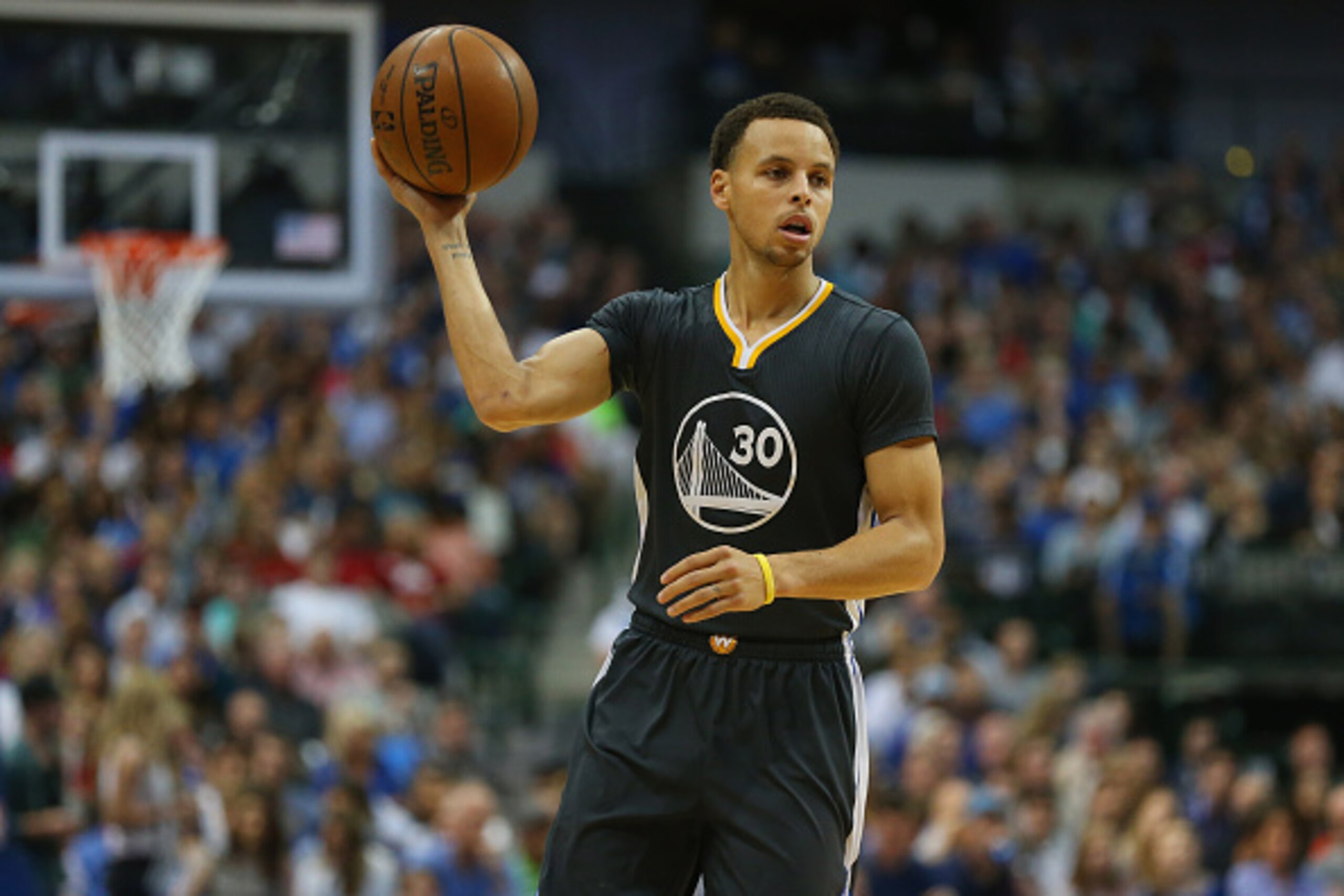
Take, for example, the NBA's new sleeved jerseys, which are beyond unattractive and tend to make even the manliest of ballers look far more childish than they ever should.
And then there's the new rent-a-team fad, in which freshman-laden basketball teams have taken over and, in the process, started to considerably compromise both the college and professional games.
Of equal concern is the glorification of ballpark food, once charming and one-of-a-kind offerings that have lost their character and appeal as they've grown more and more gourmet.
With each of the aforementioned developments in mind, we've decided to compile an even lengthier list of equally problematic trends, specifically highlighting 10 sports fads that must be stopped.
While some of our choices deal with general style and other more simplistic affectations, we've spotlighted some more abstract considerations too. No matter what, though, we've done our best to feature the fads in sports that, more than any others, simply must be stopped.
Compression Sleeves
1 of 10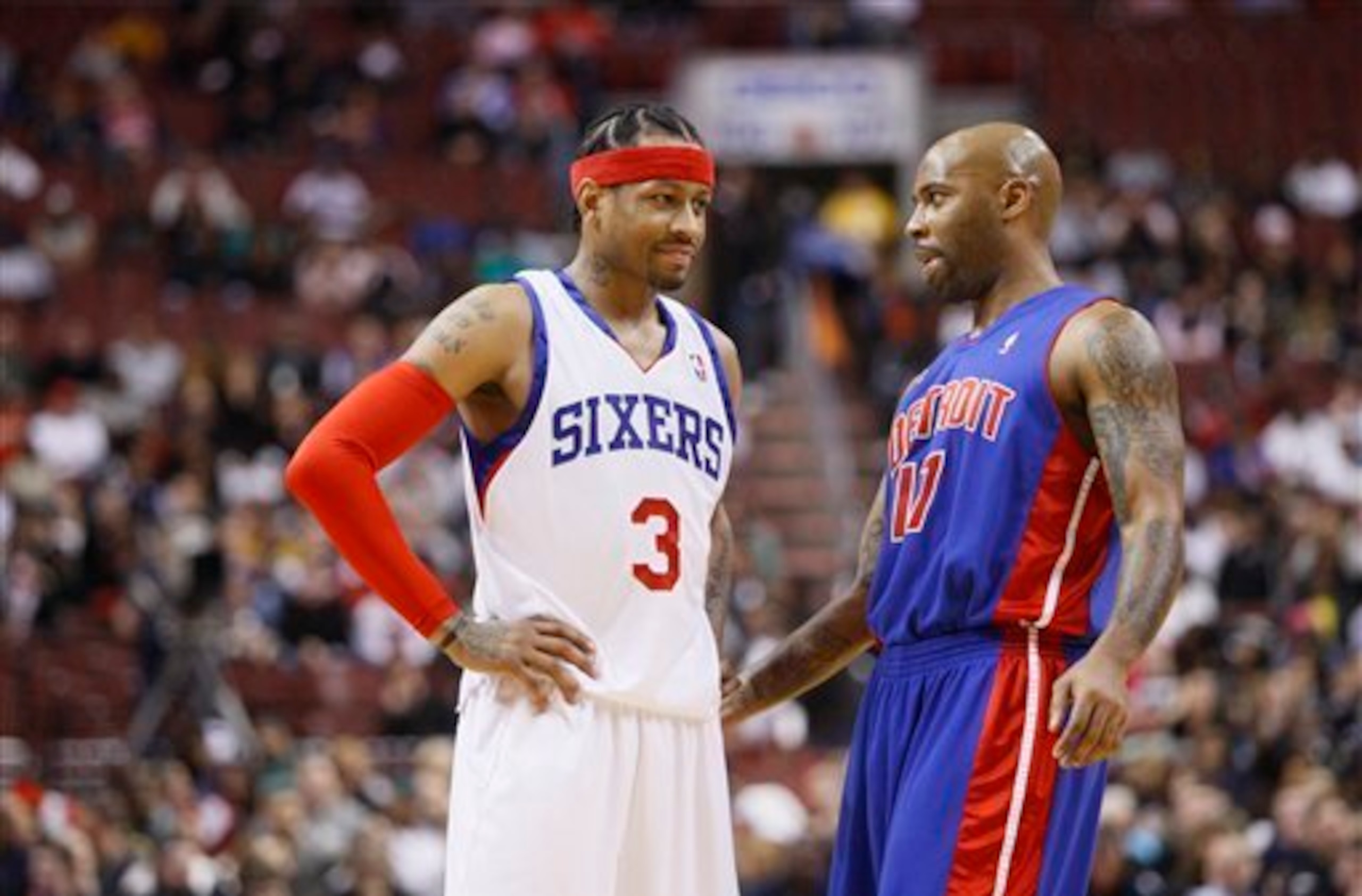
If a guy's a little banged up or simply recovering from injury, we have no gripe.
Otherwise, we just don't get the NBA obsession with compression sleeves.
The sleeve's medical benefits seem to be debatable, and it clearly isn't helping anyone shoot better either.
If we're being honest, the Allen Iverson-inspired fad has become nothing more than a fashion statement anyway.
And when viewed in a more honest light—as nothing more than wardrobe accessory—its place in a competitive sports league filled with the best grown-up athletes in the world becomes all the more questionable.
College Basketball Rent-a-Teams
2 of 10
You could make a convincing argument that college basketball's top two teams in 2015 were nothing more than one-year rent-a-teams.
Kentucky, for example, stormed out to a 38-0 record before losing to Wisconsin in the Final Four. Of course, the Wildcats achieved historic success on the backs of four marquee freshmen: Karl Anthony-Towns, Devin Booker, Tyler Ulis and Trey Lyles.
Not to be outdone, Duke also took a youthful approach. En route to yet another national championship, the Blue Devils relied heavily on four freshmen as well, including Jahlil Okafor, Tyus Jones, Justise Winslow and Grayson Allen.
It's also worth noting that in the team's title-winning performance over Wisconsin the aforementioned freshmen represented Duke's top four scorers. In fact, the still-maturing foursome combined to score 60 of Duke's 68 points.
More importantly, of the eight freshmen we've mentioned, it's likely that at least five will forgo their sophomore seasons to enter the NBA draft.
Simply put, the top of college basketball is now dominated by one-year rent-a-players, a trend that hurts nearly everyone involved.
For starters, the fad makes a mockery of what collegiate athletics are supposed to represent—you aren't a true college athlete if you're simply using "school" as a one-year developmental farm system.
Of course, one-and-dones have also started to hurt the two leagues they touch. The college game now lacks the offensive efficiency and sophistication that top veteran teams used to regularly display, not to mention name recognition and household stars too.
Moreover, on the pro level, the draft has become as much about guessing as it is about scouting, as one year of developmental tape more often than not has proved sufficient in making wise, calculated long-term draft decisions.
On the path we're taking there's a sad, but simple truth: The rent-a-team has started to dominate the college game and ruin it at the very same time.
Recruits Stringing Fans Along
3 of 10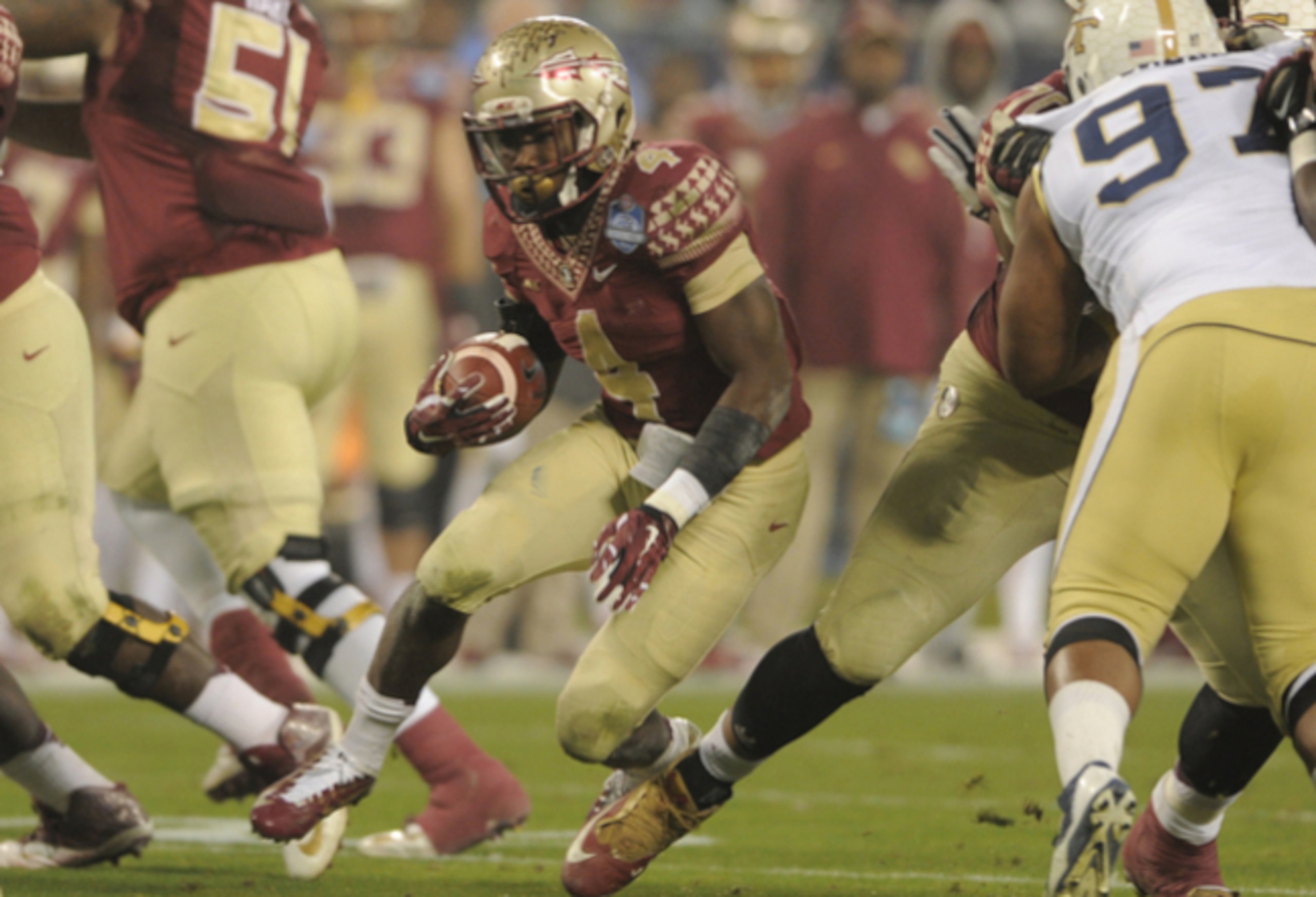
Over the years, college football fans all across America have become more and more obsessed with the world of recruiting.
In the beginning, interviews with recruits were a great source of information. Fans of a school could use them to learn more about the players of the future and also to get a better sense of which schools they were favoring or what criteria they were using.
More recently, though, as recruits have grown more comfortable with both the interview process and the world of social networking, their interviews and quotes have become less and less useful.
Now, many recruits use interview time and Twitter accounts to deceive fans, turning the recruiting process into nothing more than a public spectacle.
In the Class of 2014, for example, Miami running back Dalvin Cook took Florida Gator fans on a wild ride. After committing to the Sunshine State power on April 6, he reaffirmed his pledge on December 7: "Florida is my school," said Cook, per the Miami Herald's Safid Deen. "That's what I always tell people: I'm always still committed to Florida. I ain't never decommit because Florida is still in my heart right now. I'm still a Gator and that's my school."
Then, in the practices leading up to the January 2 Under Armour All-America Game, Cook continued acting committed and could be seen photobombing other recruits and Gator chomping on camera whenever the opportunities arose.
Of course, we know well by now that Cook instead picked the Seminoles—Florida's rival—prior to the All-Star Game—and on national TV, no less.
And Cook is simply one example of a now-pervasive trend.
Recruiting has become far less palatable to once-committed spectators. It has contributed to an ever-growing sense of egotism among elite high school athletes; along the way, too many recruits have failed to give the process the respect it deserves, losing sight of what's appropriate and of how lucky they are to be wined and dined and eventually provided with a free education.


.jpg?w=2560 "Titans Colts Football")
Sleeved Basketball Jerseys
4 of 10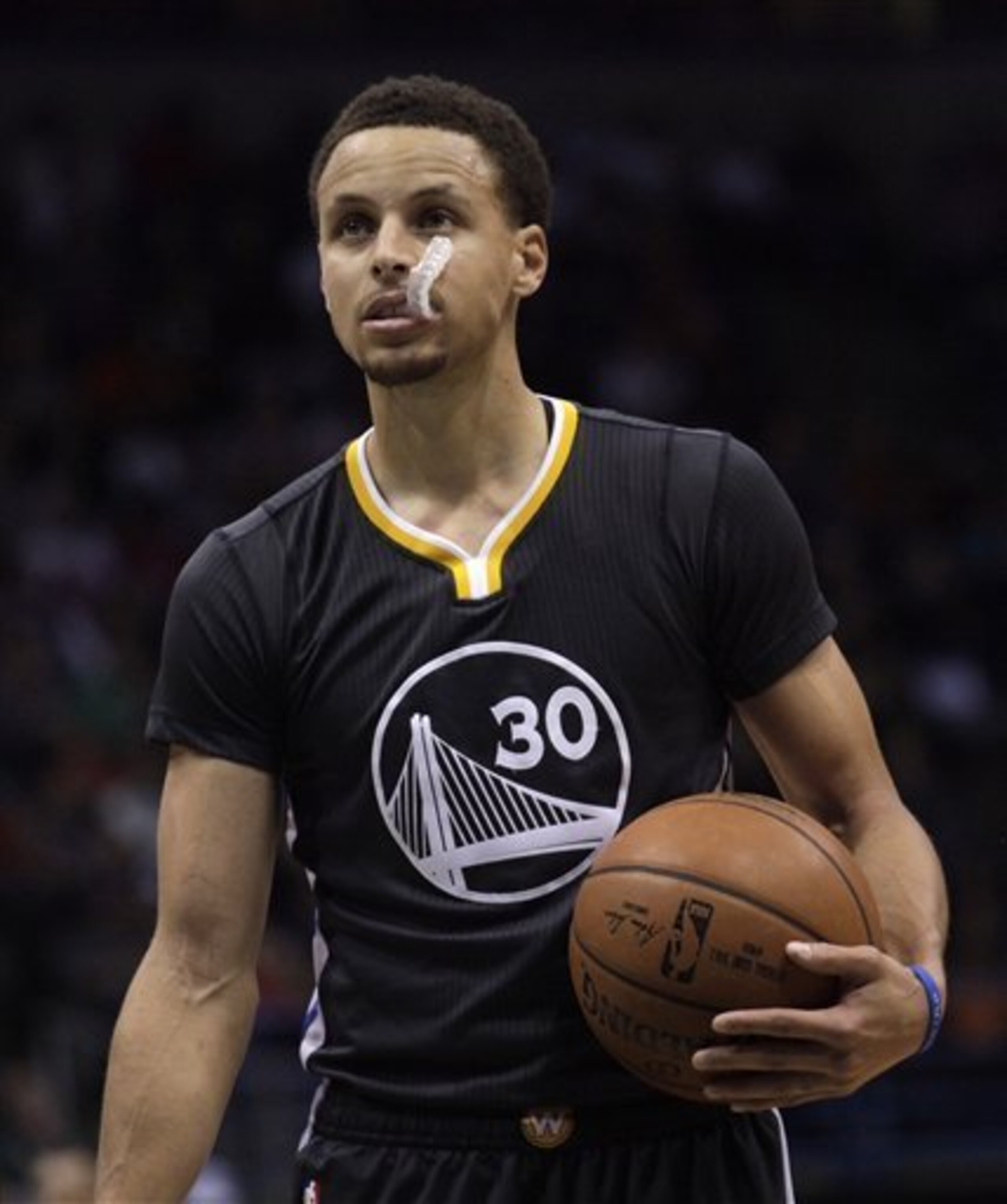
The NBA's sleeved-jersey fad is a rather unique one considering it's more of a forced or league-imposed trend rather than a truly popular one.
Nonetheless, the sleeved jersey has become the newest NBA fashion statement despite the fact that it's truly awful, an opinion with which pretty much everyone agrees.
It's clear, though, it has a purpose.
For starters, if enough jersey collectors out there have the desire to remain current, well, then the NBA has a ton of new jerseys to sell. Also, I'm not convinced the league and/or teams won't one day use the added sales as yet another source for ad revenue.
But in the end, it's a really bad look that tends to make grown men—established professional athletes, no less—look like little children all over again.
Caring About Tiger
5 of 10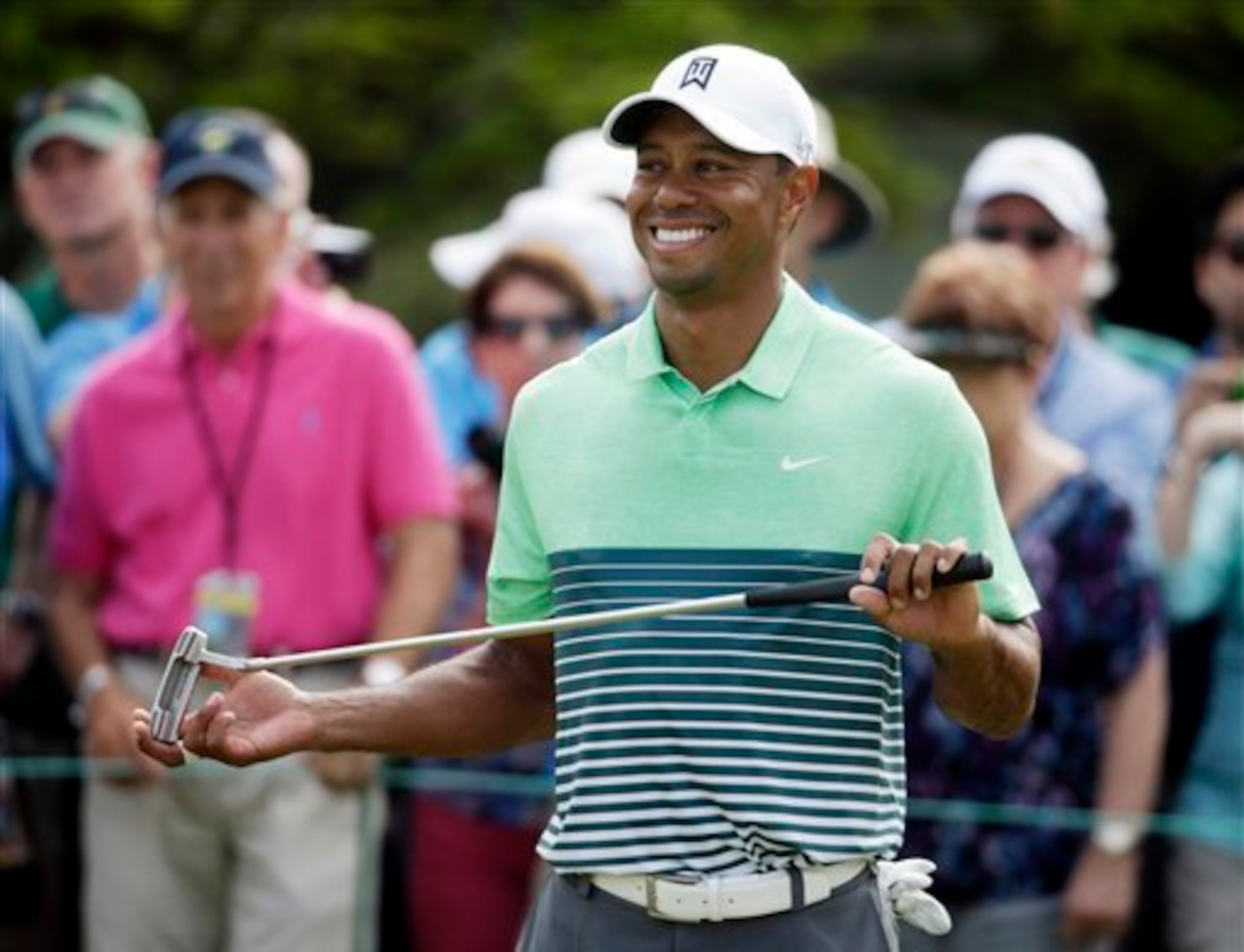
We used to care about Tiger Woods because he was the most exciting, skilled golfer in the history of the sport.
Over the last few years, though, a new fad has developed: Caring about Tiger Woods in hopes he will soon return to relevance.
I'm afraid, however, it's time we move on.
At this point, he has almost no chance of catching or passing Jack Nicklaus, who currently holds the record for most major championships with 18. In fact, there's a better chance Tiger sticks at 14, never again winning another major.
If he does something truly worth our time and attention, then awesome; we will all be there to provide it.
But in the meantime, he's simply no longer deserving of our undivided focus, which he far too often receives.
Take, for example, the lead-up to the 2015 Masters Tournament, which Tiger has dominated even though he hasn't won at Augusta National in 10 years!
For the record, it's been nearly seven full years since the once-dominant competitor has won anything on the big stage, dating all the way back to the 2008 U.S. Open.
We understand that golf yearns for a dynamic star, but for how long can we pretend Tiger's still that guy?
In this writer's opinion, his time is up!
Storming the Court
6 of 10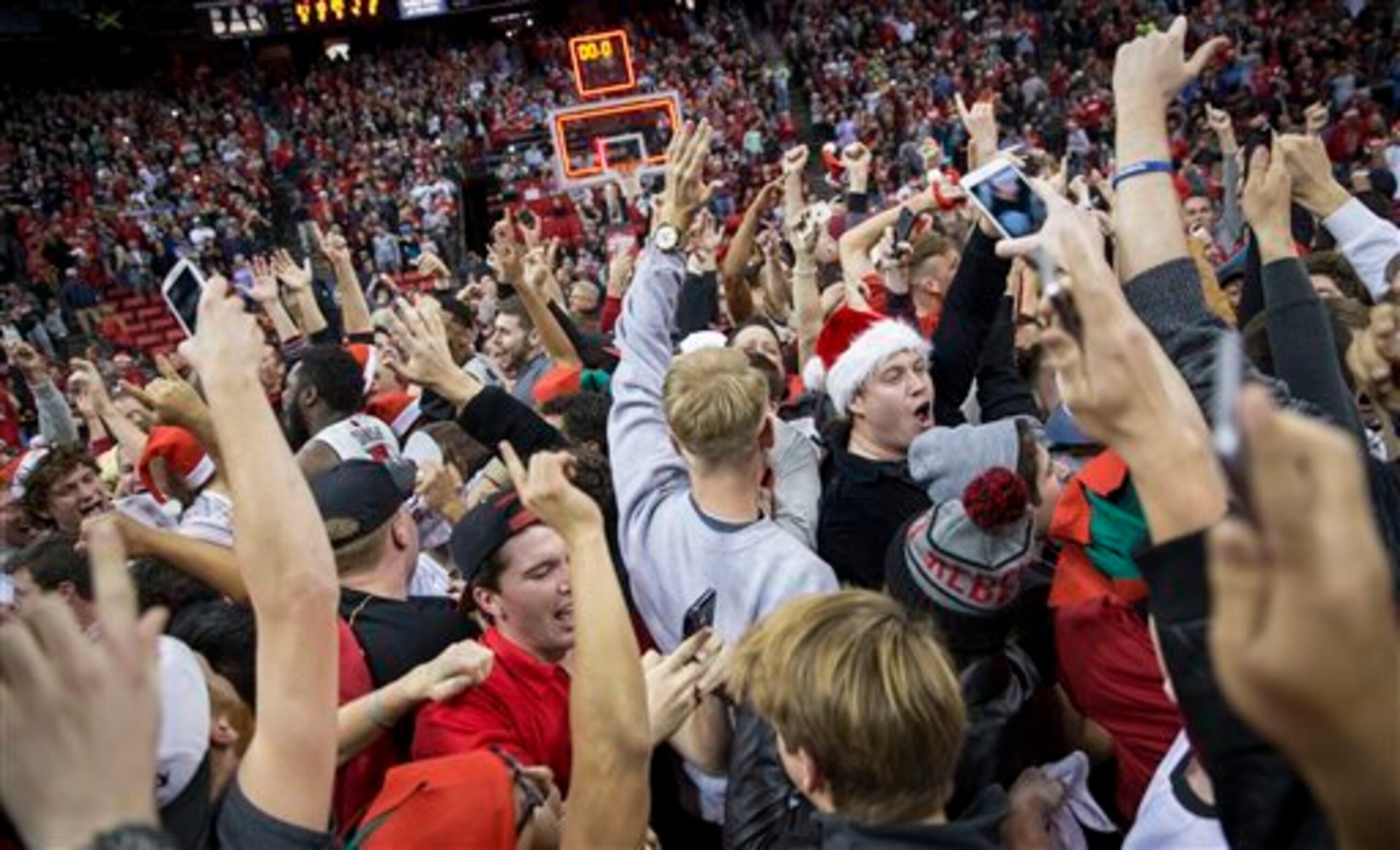
Fans used to storm the court once in a blue moon for only the biggest of upsets.
Lately, though, spectators have become far less demanding, running wild whenever they get the urge.
In 2010, Clemson basketball fans stormed the court following a win over UNC, which doesn't seem too absurd until you consider that the Tigers were actually favored to win the game.
Of course, plenty of sports fans don't see this as a problem.
We, however, beg to differ.
For one, it's undeniably dangerous, for fans, players and coaches.
But it's embarrassing too.
We are talking about competitive athletics here. If you don't at least believe you or your team can win, why even show up?
There's an expression—act like you've been there before—that's often overused, but it couldn't be more appropriate here.
If your team just pulled the upset, it obviously proved it's more than capable of hanging with the previously favored opponent. To maintain a shocked loser's mentality even after the win only further reaffirms your team's status of inferiority, which it—by the way—just worked tirelessly to overcome.
'Gourmet' Food at the Ballpark
7 of 10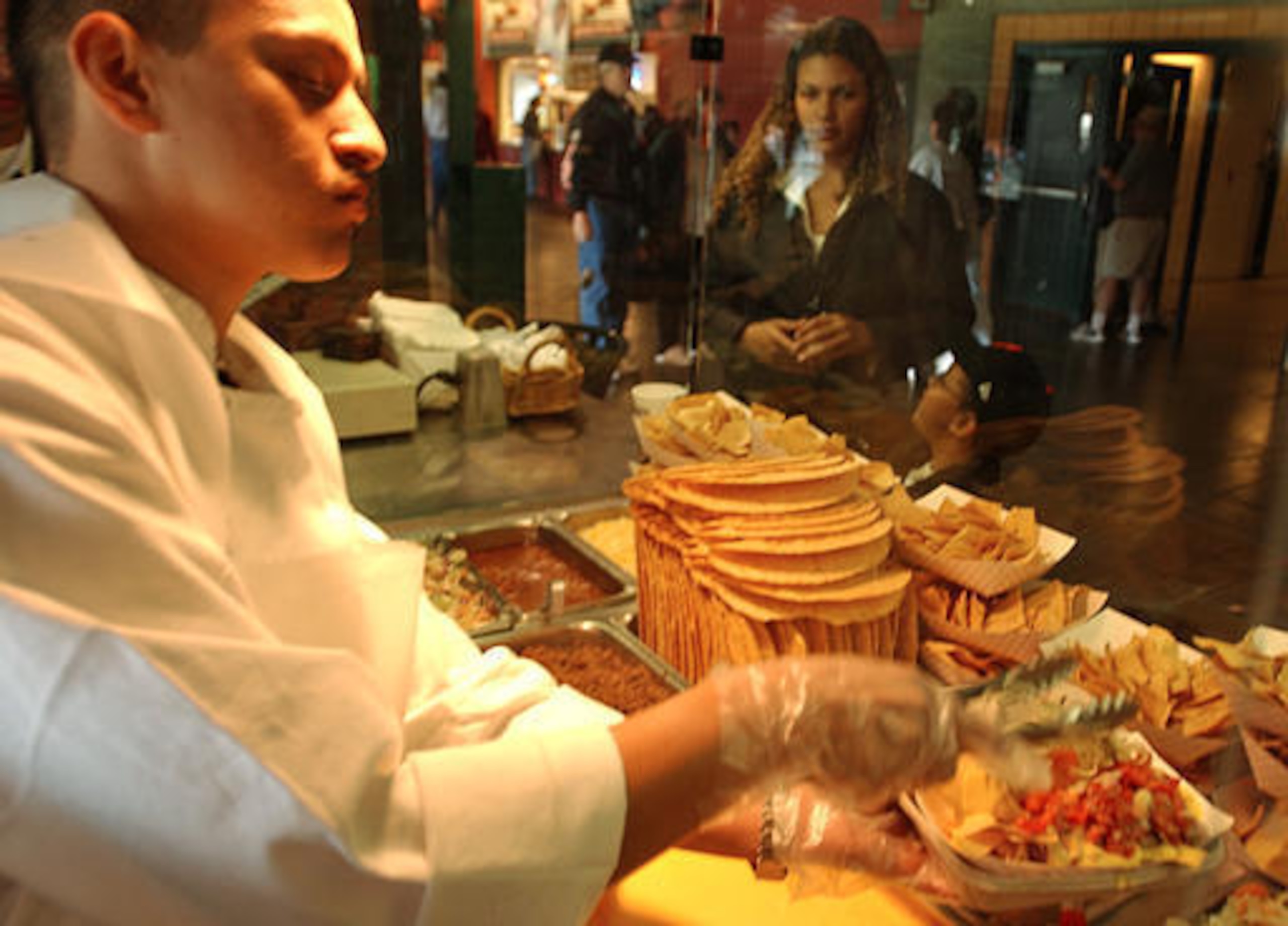
Sporting events and baseball in particular used to be as much about the food as the actual games being played.
It was the kind of food you'd really only get at the stadium, such as the ballpark dog, a box of crackerjacks, some salty popcorn and a basic soft pretzel.
But like most big-money businesses, those in charge can never sit still, always looking to grow bigger and better.
Now, ballparks are instead filled with overly complicated "gourmet" choices, and they've taken the charm away from a once-humble experience.
The Arizona Diamondbacks, for example, now sell a $25 corn dog!
Not to be outdone, the Texas Rangers are currently pushing Hungarian bacon sticks dipped liberally in maple syrup in addition to, get this, a pizza burger!
The Milwaukee Brewers offer a hot dog topped with BBQ brisket, while for the more sophisticated bunch, pierogies are available in Cleveland, salmon in Seattle and oysters in Colorado.
Whether any of that sounds appealing is beside the point because, at the end of the day, none of it belongs.
When it comes to food and our country's athletic pastime, we should stick with what we know and with what works. Tradition over gourmet, we say!
Drafting QBs Based on Workouts
8 of 10
Countless elite college quarterbacks fail at the professional level, and it's often difficult to decipher between those who can and can't make the transition successfully. So when NFL teams make a mistake and use a top pick on a future bust, it's at least forgivable.
What I don't understand, however, is why NFL franchises continue to waste top picks on signal-callers who were nothing more than average on the college level. Far too often they allow impressive workouts and pro days to sway their judgement. And though it may not be the newest of trends, it's become increasingly more prevalent.
As crazy as it may sound, it's as if NFL scouts simply don't watch college football.
Geno Smith, for example, completely imploded during his senior season, losing six games—five in a row—while throwing five interceptions along the way. Still, despite struggling while playing in a favorable college offense against a favorable college schedule, the New York Jets thought it wise to use the 39th pick on the inconsistent West Virginia product. The decision, by the way, hasn't exactly worked out.
Likewise, if you got the chance to watch any of Christian Ponder's career at Florida State, there's zero chance you'd use a first-round pick on the mediocre quarterback. That, however, is precisely what Minnesota did, selecting the former Seminole with the 12th pick in the 2011 draft. And just like with New York and Smith, the Vikings have already moved on from the failed Ponder experiment.
The same thing can be said of EJ Manuel too, yet another FSU signal-caller who was drafted unreasonably high after a lackluster college career (he was selected 16th overall to be exact).
Of course, all three quarterbacks had far from exceptional college resumes but looked good while throwing in shorts, which was apparently all the NFL scouts wanted to see. In hindsight, though, what they really needed to do was turn on the college tape for in all three cases, it would have predicted their future failures.
Ultimately, there's no way I should know more about college quarterbacks than NFL scouts and execs, but with every passing draft, it seems more and more like I do, which is a troubling fad to say the least.
'Paying' College Athletes
9 of 10
The rallying cry to pay "exploited" college athletes intensifies with every passing day, making it yet another sports fad that must be stopped.
For starters, it's a logistical nightmare. To begin with, who should do the paying? The colleges or the NCAA? If you think the universities should foot the bill, you should know that a large majority of athletic departments actually lose money, which makes such a proposition a nearly impossible one to accept.
But let's just say we've determined that the NCAA should do the paying. Next up we must decide who gets what. Should swimmers make as much as members of the football team? Should the third-string center make as much as the starting quarterback?
And if your argument is all about what's fair and about protecting the "exploited" athlete, well, then shouldn't members of the Alabama football team make more than members of Colorado's since, after all, they generate a whole lot more money?
If that's the case, what will happen to the middle-of-the-road schools? Do you really want a 10- or 15-team league filled with nothing but the elite athletic powers?
And if we can agree that it's the Johnny Manziels and Tim Tebows of the world who actually generate the big-time dollars—rather than the majority of collegiate athletes, of whom most have never heard—then is it really worth destroying a well-functioning, long-standing system on behalf of just a few individuals?
In truth, college athletes are an intensely replaceable commodity. Unlike true employees, who work because they need a paycheck, college athletes compete because they want to. And even when we're talking future pros—who only play because NBA and NFL rules require them to do so—one must consider the way in which they turn their college experience into a developmental one, getting ready for the next level while learning from elite coaches and training in elite facilities.
And even if we forget their obvious amateur status for a moment, we can't ignore one of life's most basic principles: People get paid according to their level of replaceability.
Just like the NCAA, McDonald's, for example, makes billions of dollars per year. Does that mean it should pay each of its in-store employees accordingly? Of course not! Just like the guy who works the register at your local Mickey D's, the vast majority of college athletes occupy roster spots that some other high school star can adequately fill.
Of course, we should also acknowledge the enormous elephant in the room: College athletes actually get paid.
In addition to the monthly stipends, free food, clothes and on-campus living, they also receive a free college education. And forget the value a college degree holds later on in life—which, for the record, is considerable—a free ride also means zero debt! You should know, in 2014, the average college student graduated with $30,000 in debt, an enormous, sometimes lifelong headache with which athletes need not deal.
While rallying behind your favorite college athletes may sound like a noble mission, it's actually a far-fetched and ill-advised notion that lacks legitimacy, justification and feasibility.
The Fantasizing of Sports
10 of 10
Don't get me wrong. I love fantasy football. And though I can do without fantasy baseball and basketball, I get those too.
Over the last few years, though, fantasy sports have gone from hobby to obsession for most, and it's all been driven by the major and always advancing sports networks.
Aside from the obsessive coverage they now provide, the industry's foremost purveyors continue to develop and push bigger and better offerings.
In their purest, most original form, fantasy sports had their downsides but weren't overly problematic.
Lately, though, they've begun to bastardize the competitive sports scene.
An obsession with individual production has made the games themselves secondary. Fans who once cared most about their favorite teams are now more concerned with specific players.
Games that used to be all about teamwork and collective victory are slowly losing out to glorified individualization, a fad that must be stopped before it becomes far too late.
.jpg?w=2560 "Chiefs Giants Football")



.jpg?w=2560 "NFL investigating Eagles")
.jpg?w=2560 "Jonathan Taylor Landing Spots 📍")
