

Which NHL Playoff Bubble Team Is More Dangerous: Minnesota or Los Angeles?
Pity the poor teams at the top of the Western Conference standings. After a long and tiring 82-game season in which they proved their worth by winning a pile of hockey games, their reward isn’t going to be an easy first-round match against an overwhelmed opponent. Instead, they could find themselves facing the best team in the league since January. Or, alternatively, the defending Stanley Cup champions.
The bubble teams in the West this year are, frankly, terrifying.
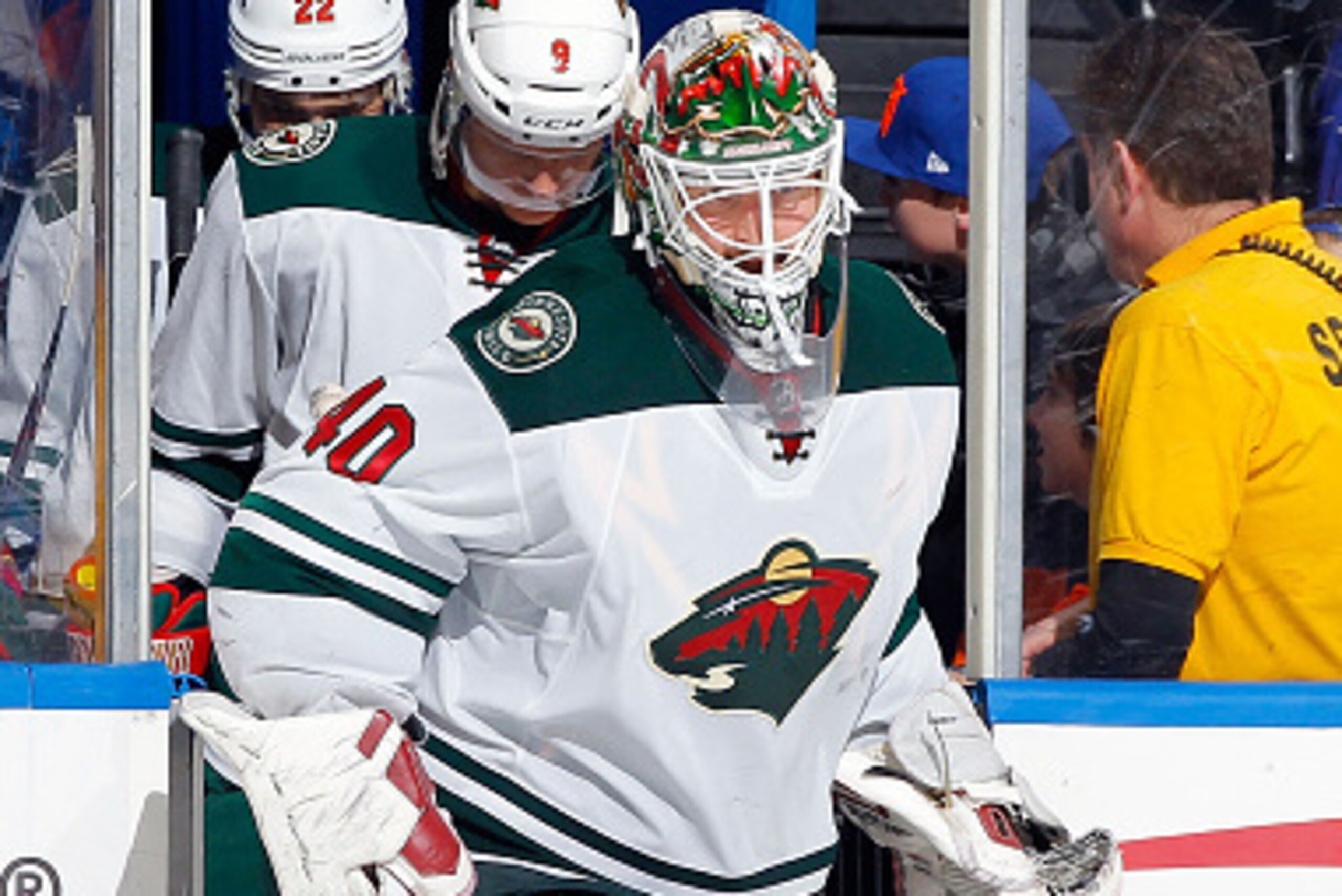

The Minnesota Wild currently hold the top wild-card spot in the West, thanks to a surge that started when they acquired No. 1 goaltender Devan Dubnyk in a trade with the Arizona Coyotes. Dubnyk has been brilliant for the Wild, posting a 26-6-1 record and 0.939 save percentage. Minnesota understandably has ridden him for all he’s worth.
Dubnyk’s record with Minnesota makes it pretty clear that the Wild have been a good team since his arrival, but it doesn’t convey the full extent of the club’s dominance. Per War-on-Ice.com, these are all the teams in the NHL with a double-digit goal differential since Dubnyk’s first game with the Wild on January 15:
- Minnesota Wild: +47
- Tampa Bay Lightning: +24
- New York Rangers: +24
- Ottawa Senators: +19
- Calgary Flames: +17
- Washington Capitals: +13
- Montreal Canadiens: +13
Imagine being the Anaheim Ducks, St. Louis Blues or Nashville Predators and looking at those numbers. The Blues and Ducks have a plus-three goal differential over the same span. Nashville is actually minus-four. And, barring something really surprising, whichever of those teams ends up winning its division but not the conference is going to have to face a Wild team that’s been 40-50 goals better than it has over the last 10 weeks.
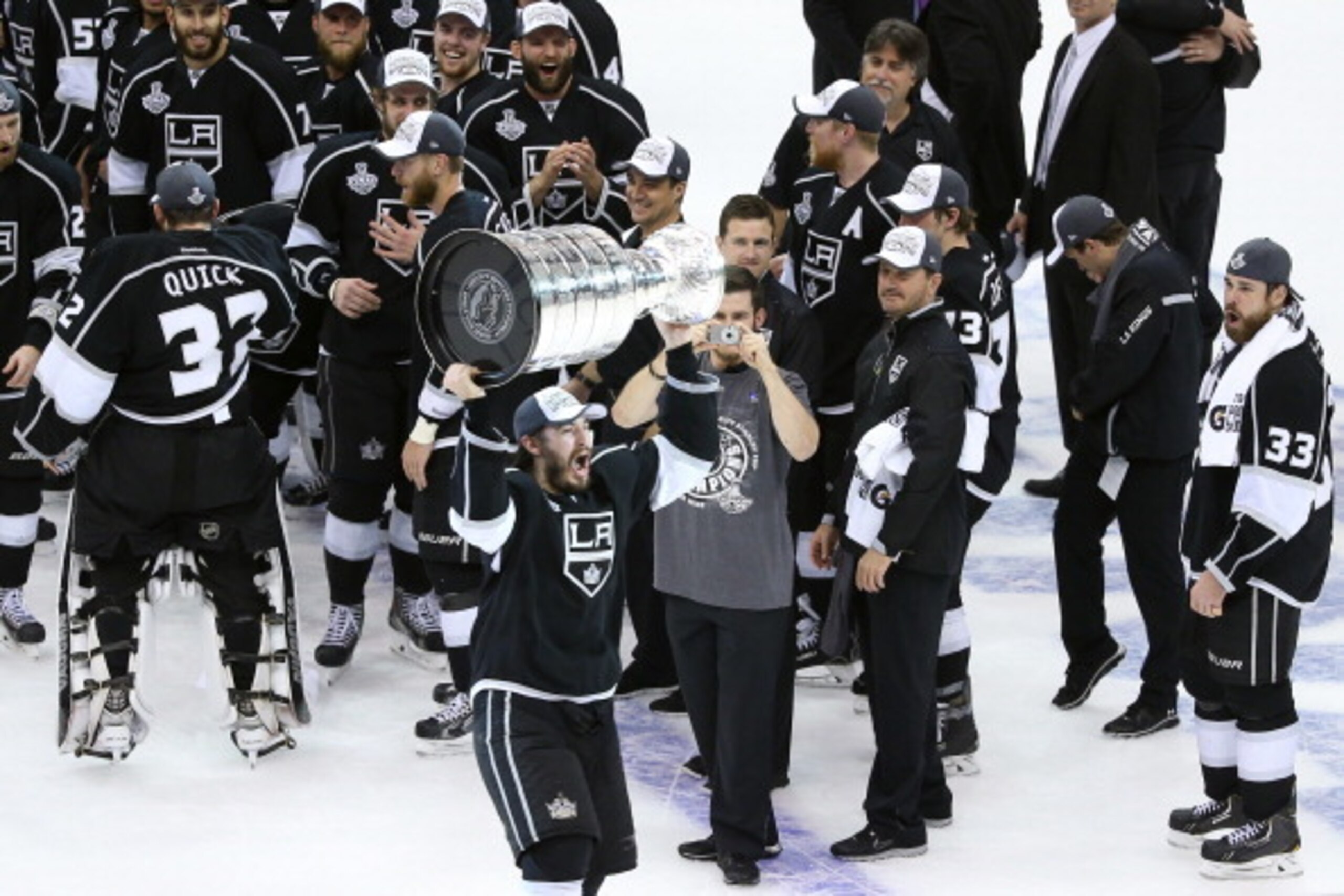
The Los Angeles Kings can’t point to the same record of recent dominance as the Wild (though the Kings are plus-two in the same span, putting them on reasonably even footing with potential division winners). After all, as of this writing, Los Angeles isn’t even inside the playoffs. But, if the Kings manage to overtake Winnipeg or Calgary for one of the final spots in the West, it’s a very good bet that nobody in the NHL is going to want to play them.
The current Kings roster is, after all, virtually unchanged from the one that won the 2014 Stanley Cup. It’s not all that different from the team that won in 2012 and went to the third round in 2013, either. L.A. is loaded to the gills with veteran players who have proved again and again that they can deal out significant damage in the postseason.

The comparison to the 2012 team is well worth considering. That season, the Kings were a relatively lightly regarded No. 8 seed, a team that didn’t make the postseason with room to spare. But there were indicators even then that they would be a formidable playoff opponent.
The 2012 Kings were analytics darlings, having an exceptional Fenwick percentage (a form of plus-minus that counts shots and missed shots) rating and a terrible record in close games. The first matters because it shows a team dominating puck possession, while the second matters because it’s a team resting on a tipping point—a relatively small increase in performance could dramatically improve the club’s record.
It’s worth seeing the way the current group compares to the 2012 club:
- 2011-12 Los Angeles Kings: 53.6 percent Fenwick (fourth in NHL), 37.0 winning percentage in one-goal games (27th in the NHL)
- 2014-15 Los Angeles Kings: 54.2 percent Fenwick (first in NHL), 36.1 winning percentage in one-goal games (27th in the NHL)
Once again, the Kings are a phenomenal puck-possession team losing a lot of very close games. A lot of observers seem to think this is a much worse team than the Los Angeles clubs of recent seasons, but I’m skeptical of that. The signs are there that this team would once again be a nasty postseason draw.
Which team is a worse draw in the first round? That’s an awfully tough question to answer, particularly since Minnesota’s roll shows no signs of slowing down. I’d prefer to draw Minnesota, since its success of late has been based on a combination of ridiculous goaltending (and at some point Dubnyk needs to come back to Earth) and a ridiculous shooting percentage (which can fluctuate dramatically) while the Kings continue to post dominant underlying numbers.
But either way, it’s a matter of choosing a lesser evil. Minnesota and Los Angeles may end up making the playoffs as wild-card teams, but make no mistake: Both are potential Stanley Cup champions.
Statistics courtesy of War-on-Ice.com and NHL.com.
Jonathan Willis covers the NHL for Bleacher Report. Follow him on Twitter for more of his work.
.jpg?w=2560 "NHL Trade Grades Connor Hellebuyck")
.jpg?w=2560 "Mahomes Told Teammate to Leave Meeting")
.jpg?w=2560 "🚨 Week 8 AP Top 25 Poll")

.jpg?w=2560 "Baker Gets Glove From Rays 🧤")
.jpg?w=2560 "5 Teams Eyeing Jonathan Taylor")


.jpg?w=2560 "Steelers Roll Saints in Paris")
.jpg?w=2560 "NFL investigating Eagles")
