

Breaking Down the Stanley Cup Contenders in the 2014-15 NHL Season
Does it seem like there are about a dozen teams with a legitimate shot at winning a Stanley Cup in 2015?
Las Vegas would agree with that sentiment. Following the trade deadline, Bovada released Stanley Cup odds for each team; there are 13 teams with odds 14-1 or better and a 14th team, the Washington Capitals, sitting at 18-1. The Chicago Blachawks, even without Patrick Kane for about 12 weeks, are the odds-on favorite at 15-2.
Last season, following the trade deadline, Bovada had just seven teams with odds better than 20-1. The Los Angeles Kings, at 12-1, were the longest shot of that group, and that turned out to be a very profitable wager.

All this parity among the league’s top teams—11 points separate the top-11 teams—is creating a much cloudier Stanley Cup picture, at least perception-wise, than in years past. Sure, an eighth seed won the Cup in 2012, and an eighth seed reached the Cup Final in 2006, but this season, it seems as though it won’t be as big a shock to see that happen.
How do all these teams compare to each other? What sort of chances do they have? Let’s take a look:
The Long Shots (relatively speaking)
14. Washington Capitals (18-1)
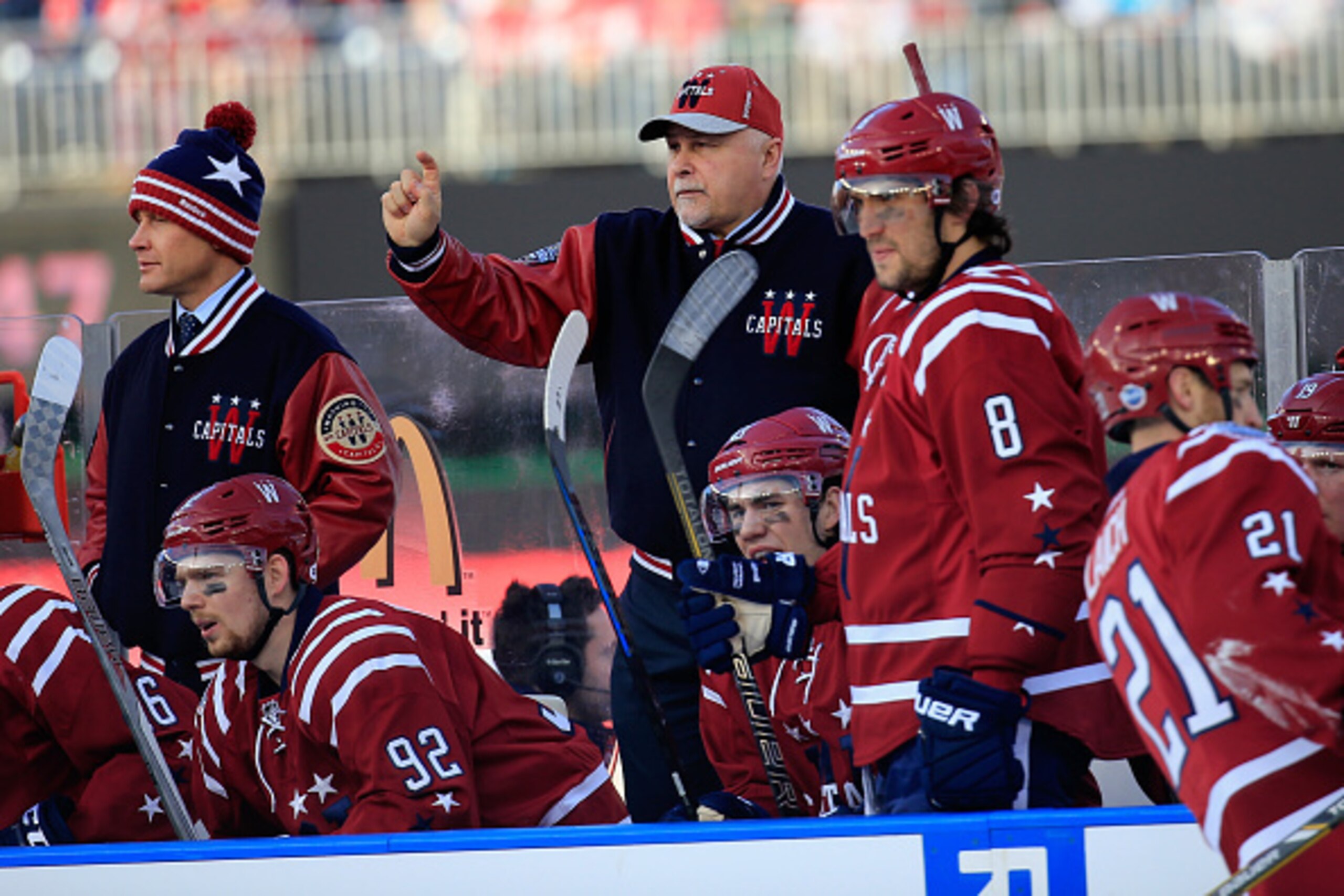
Positives: With Barry Trotz behind the bench, the Capitals are in the black in five-on-five shot attempts for the first time since 2010-11. Braden Holtby (31 wins, .925) would be a Vezina Trophy favorite in some years. Everyone knows about Alex Ovechkin and Nicklas Backstrom, but Troy Brouwer, Eric Fehr and Joel Ward are getting the job done with depth scoring. The defense, 1-to-6, is strong and deep.
Negatives: Will Holtby be too worn out when the postseason begins? He is on pace to make 69.4 starts; the last goalie to make 70 starts and win a Cup was Martin Brodeur in 2003. The Capitals aren’t top-heavy, but are they deep enough? Can the bottom-six sustain offense if and when Ovechkin/Backstrom are neutralized in games?
Outlook: It all comes down to Holtby. If there’s even the slightest flaw in his armor during a series, the Capitals won’t get out of the first round.
13. Boston Bruins (14-1)
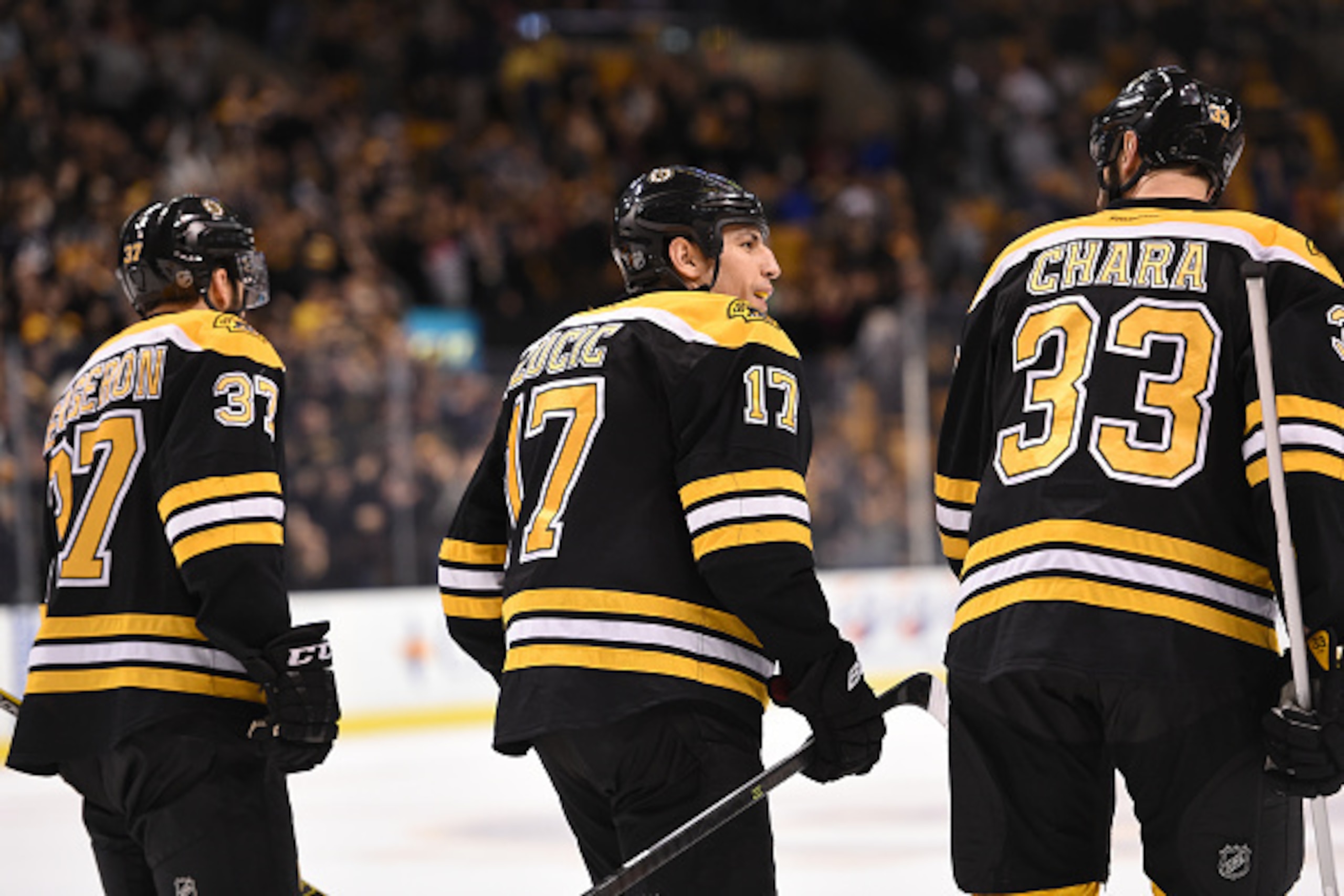
Positives: They are experienced. Zdeno Chara, Patrice Bergeron, Milan Lucic and others know what it takes to get to and win a Stanley Cup final. Tuukka Rask is having a down year, at least for him, with a .920 save percentage, so he has more to give. Outside of those two areas, it’s hard to figure why the Bruins have better odds than the Capitals.
Negatives: Well, one thing that can prevent them from winning a Cup is missing the playoffs, which is still a possibility. Their power play (17.2 percent, 23rd) has been awful, and who knows where David Krejci’s game will be when he returns late in the regular season or early in the playoffs. Losing Brett Connolly after acquiring him is crushing too.
Outlook: Yeah, you never know in the playoffs, and maybe a light goes on once the Bruins drop the puck on the playoffs and Rask carries them deep. That’s probably not the safest of bets, though.
12. Minnesota Wild (14-1)
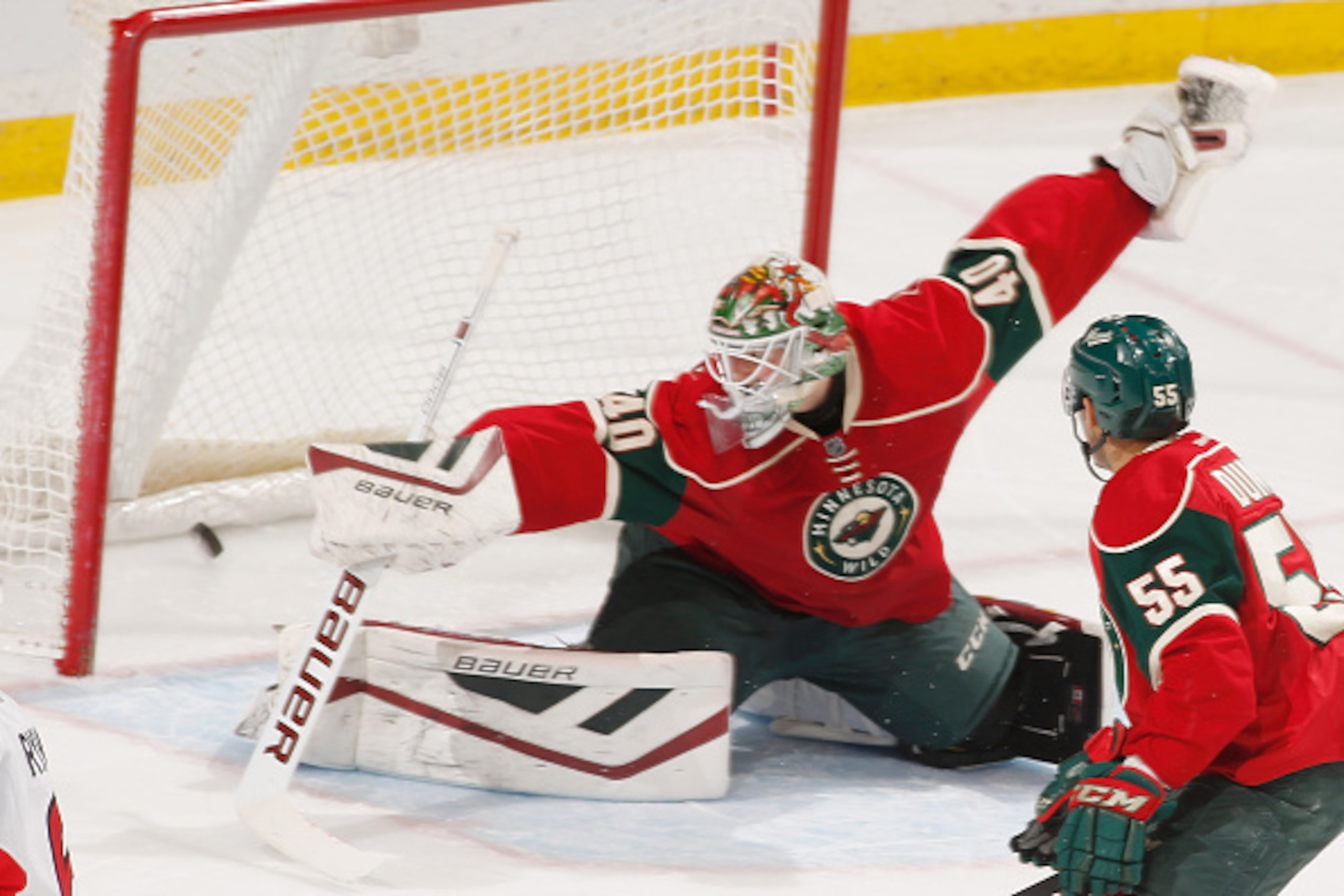
Positives: A month ago, the Wild were listed at 50-1, so they have been one of the hottest and best teams in the league since finding a goalie who can stop the puck. They are an elite possession team with a PDO of 99.3, so the odds say there could be more wins coming their way. At 87 percent, the Wild have the best PK of any team heading to the playoffs.
Negatives: As great as the power play has been, the power play is ranked 28th at 15.2 percent. Devan Dubnyk has been brilliant since coming over from Arizona, but he has played in as many postseason games as Papa John and the Trix rabbit.
Outlook: Five teams may get in from the Central, which means one would cross over into the Pacific, the NHL’s worst division this season. If that team is the Wild, they could do damage over there. It’s sort of obvious, but they will only go as far as Dubnyk can take them.
11. Detroit Red Wings (14-1)
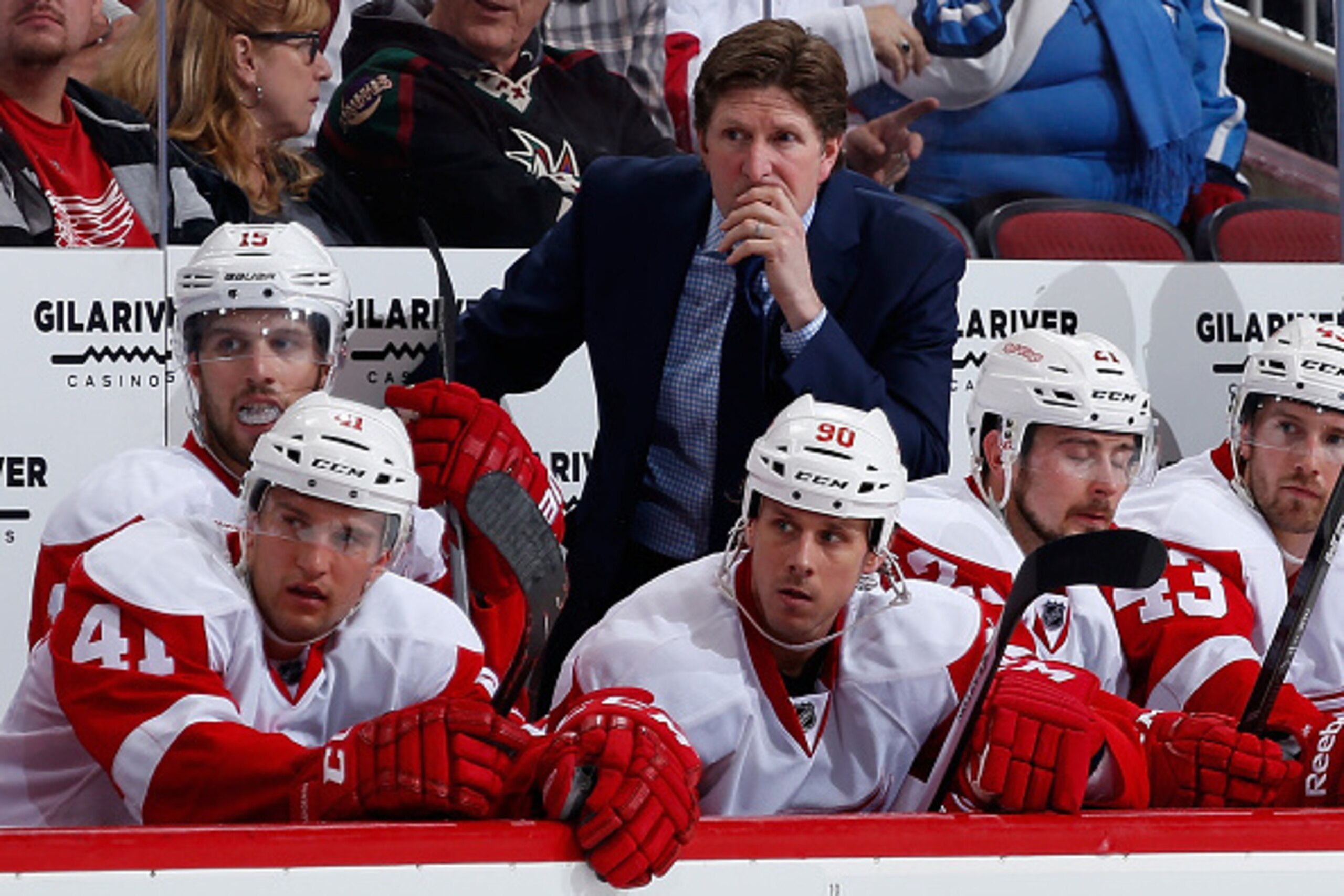
Positives: They have the speed to play with anyone. Did you know the Red Wings are the only team that hasn’t lost two straight in regulation all season? They lost six straight at point though, four in shootouts, so whatever. Henrik Zetterberg and Pavel Datsyuk are still the straws, but the drink actually has substance in it now. Jimmy Howard has been really good when healthy and has a .926 save percentage in his past 17 playoff games.
Negatives: The bottom six isn’t all that great, and that’s with Gustav Nyquist playing on a third line instead of Erik Cole for some odd reason. The defense is fine but not great. Against Tampa and Montreal, the two teams the Red Wings are most likely to face in the first round, the Red Wings are winless in five matchups.
Outlook: Mike Babcock is the best in the business, so you can’t discount him matching up against Michel Therrien or Jon Cooper, a young coach receiving a lot of praise and rightfully so. Think Babcock would be motivated to show who’s best? Still, the Red Wings probably don’t have enough to go far.
The New Favorites
10. Tampa Bay Lightning (14-1)
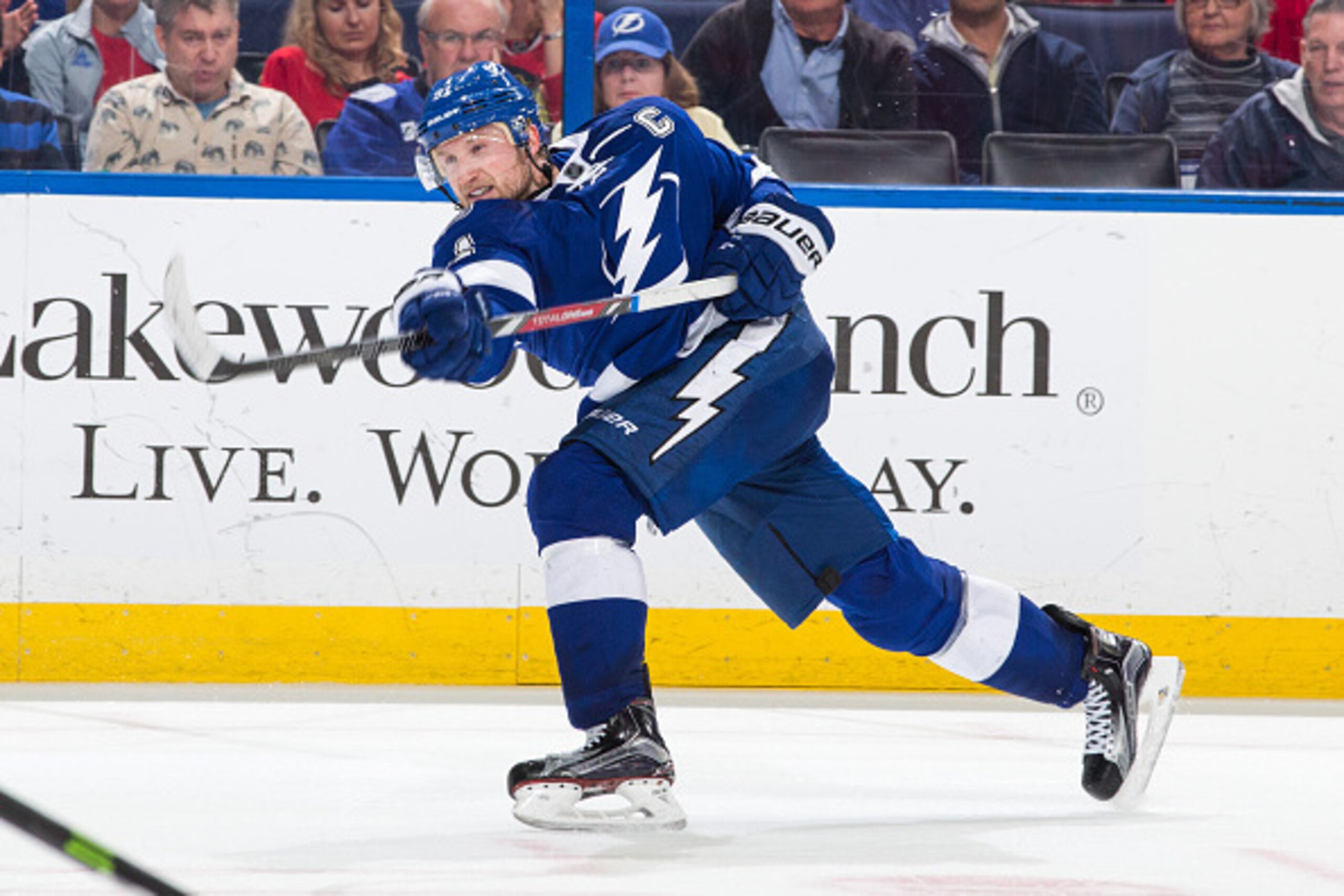
Positives: They have four lines that can contribute, and by adding Braydon Coburn at the deadline, the defense is well-rounded. Steven Stamkos can carry the offense, but the line of Nikita Kucherov, Tyler Johnson and Ondrej Palat have been arguably the best trio this season. At 24-6-1, they are the East’s best home team.
Negatives: At 15-14-5, they are the East’s second-worst road team among teams on this list. There is a dearth of playoff experience, at least as a group, with this team. For some of the younger players, last season’s four-game sweep is all they know. Ben Bishop has zero postseason experience.
Outlook: If they start the playoffs on the road, it could be another short postseason in Tampa. This group may need that deep run that falls short before having a true chance at raising the Cup.
9. Nashville Predators (9-1)

Positives: There is no better defense-goaltender combination in the NHL. Much like the Lightning, the Predators (26-5-1) are nearly unbeatable at home. If they have to face Chicago in the first round, it will be without Kane in the lineup. At 1.33, the Predators have the best five-on-five scoring differential in the league, and it’s usually the best five-on-five teams that go the deepest.
Negatives: Will the Predators be able to score in the postseason? The 25th-ranked power play isn’t a strong bet to bail out the offense at even strength. Just like with Tampa, there are a few players with postseason experience but a lot of young ones readying for a baptism. They have been skidding of late; is it a midseason slump or the start of a downward trend?
Outlook: Pekka Rinne can carry a team for two months. Maybe the likes of Filip Forsberg and Colin Wilson take to postseason hockey like ducks to water. The Predators could win 16 games or one. Still, that’s not a bad spot for a team that had 200-1 odds to win the Cup at this time last year.
8. New York Islanders
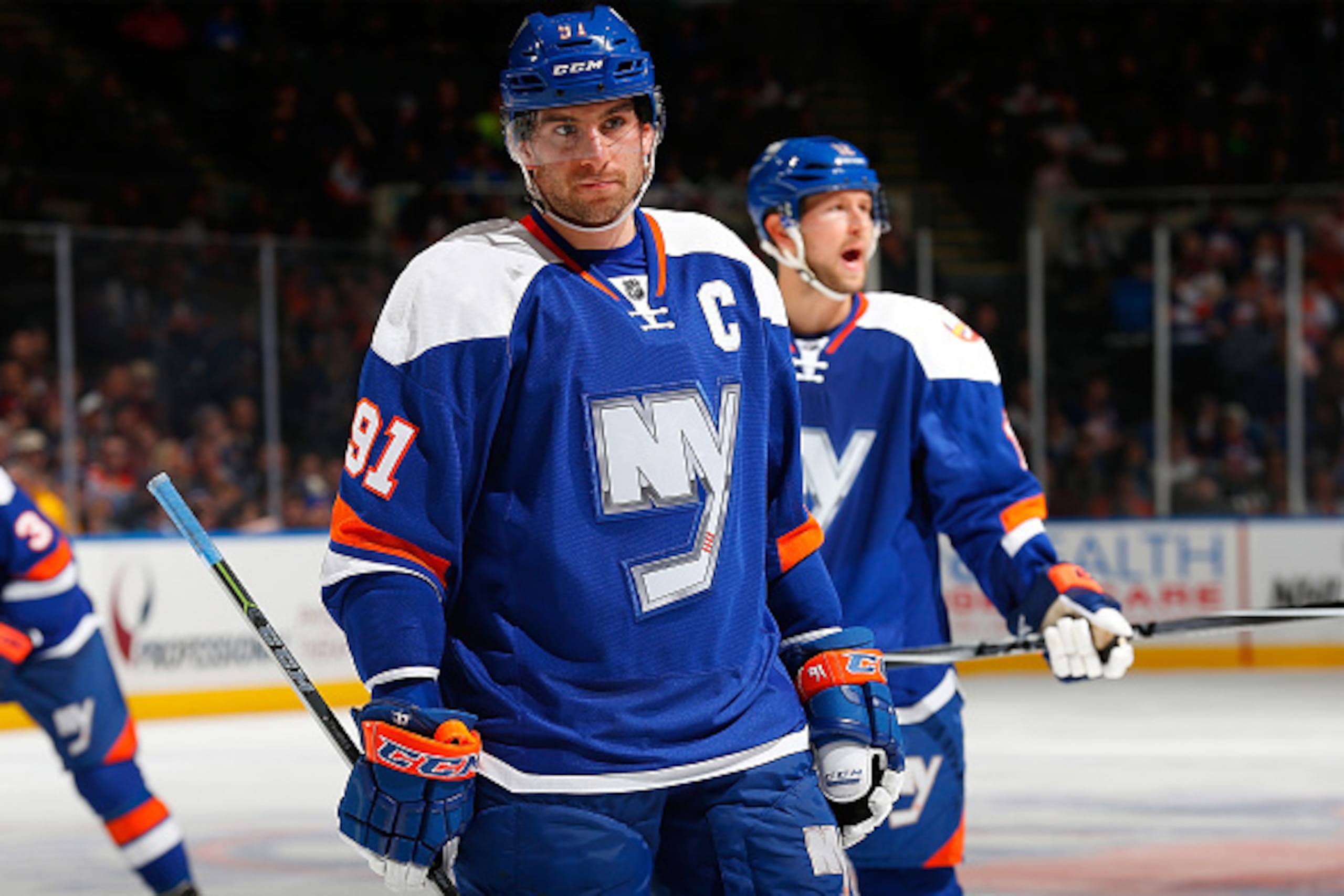
Positives: They get scoring from everywhere and have speed to burn. John Tavares is in the mix for another Hart Trophy nomination. With a 19-4-1 record against the Metro, there isn’t a team they could face in the first round that would worry them.
Negatives: Beyond Johnny Boychuk and Nick Leddy, most of the Islanders’ playoff experience comes from a six-game loss to the Penguins in 2013. Jaroslav Halak has played two playoff games since 2010 and has a checkered injury past. Can Jack Capuano outcoach the likes of Alain Vigneault or Barry Trotz?
Outlook: They have been at or near the top of any possession metric out there, and that almost always translates into playoff success. Every team on this list has its drawbacks, but the Islanders’ weaknesses seem the smallest compared to their strengths. The Islanders were also 200-1 to win the Cup at this time last year.
Always The Bridesmaids
7. Anaheim Ducks (9-1)
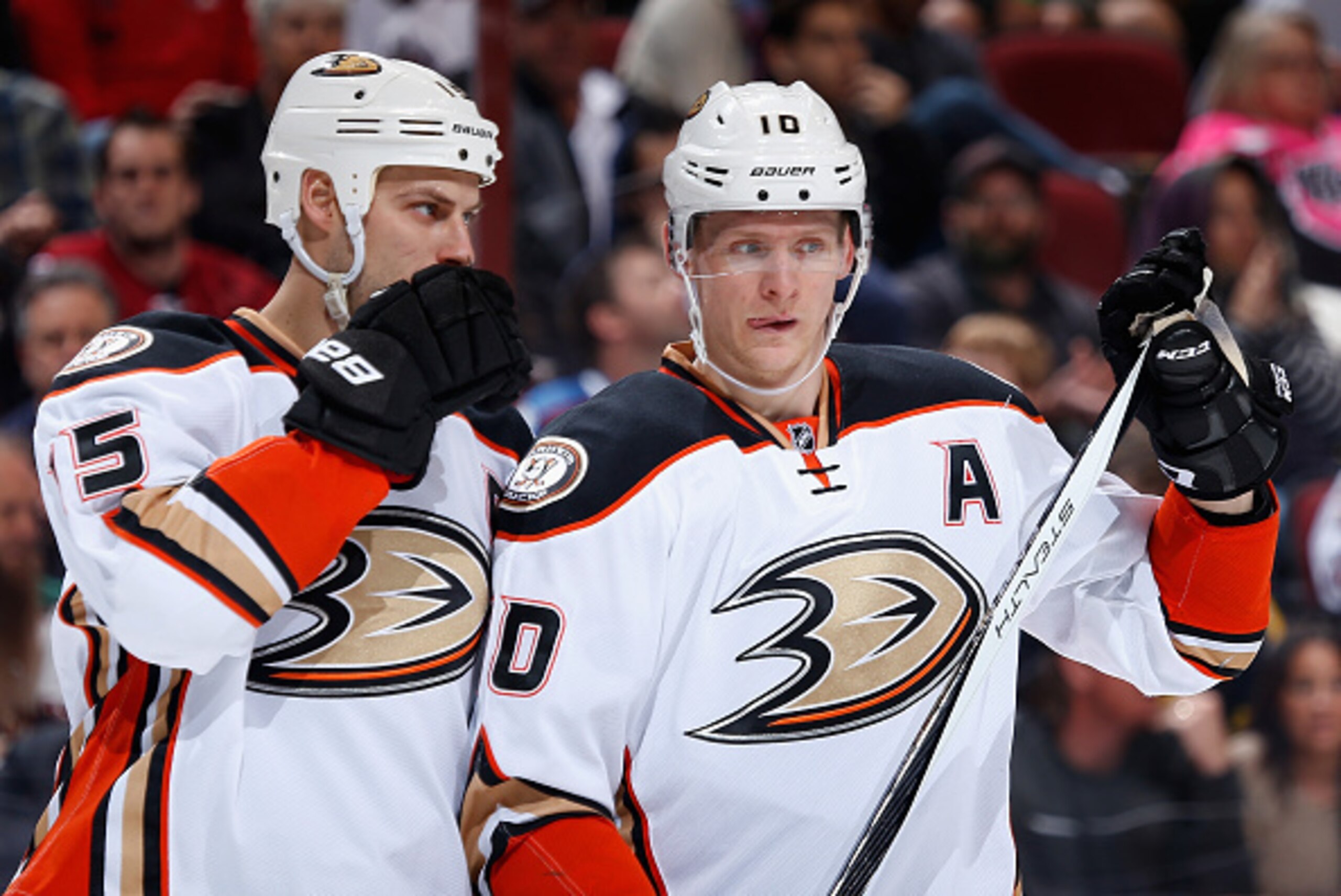
Positives: Corey Perry and Ryan Getzlaf are among the best duos in the NHL and can carry a team through a first-round series. Ryan Kesler is the second-line center they sorely needed against Los Angeles last season.
Negatives: The Ducks have a worse five-on-five scoring differential than Ottawa. Their power play ranks 22nd, the penalty kill 14th. They may not have enough scoring depth to compete with the West’s other top teams. The whole John Gibson/Frederik Andersen thing didn’t work out too well last season.
Outlook: How does this team continue to do so well in the regular season yet disappoint in the postseason? Bruce Boudreau…oh, right. Never mind. The Pacific is quite poor, so that probably has a lot to do with the regular-season success and could be how the Ducks make a push to the conference finals.
6. New York Rangers (12-1)
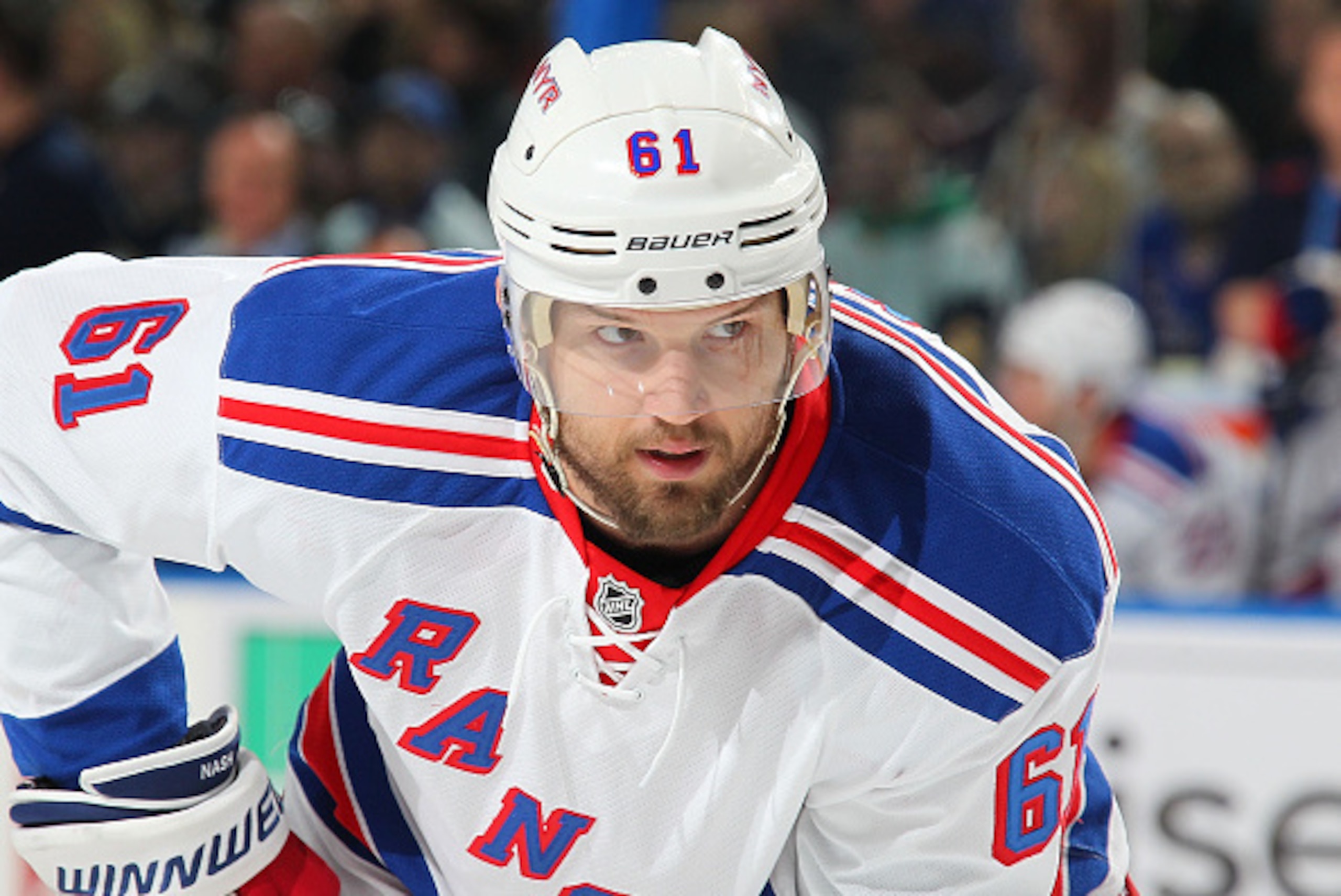
Positives: By acquiring Keith Yandle, the Rangers have the most formidable group of defensemen in the East. They are battle-tested, having reached the Final last season. The bottom six has improved over the season, and with James Sheppard in the fold, the Rangers no longer have to ice Tanner Glass. Henrik Lundqvist, assuming he’s healthy, can be a difference-maker.
Negatives: They have been a mediocre possession team all season. Kevin Hayes as a third-line center could be a detriment against teams with deeper, more experienced forwards. The Islanders, a potential first-round opponent, have handled the Rangers rather easily in three of four meetings.
Outlook: Lundqvist was the trump card for three rounds last season, and he can do that again. The Rangers’ 101.7 PDO and mediocre Fenwick percentage (50.4) should be a cause for concern. With their experience and Yandle, maybe they can find a way to string together 16 wins this season.
5. Pittsburgh Penguins (12-1)
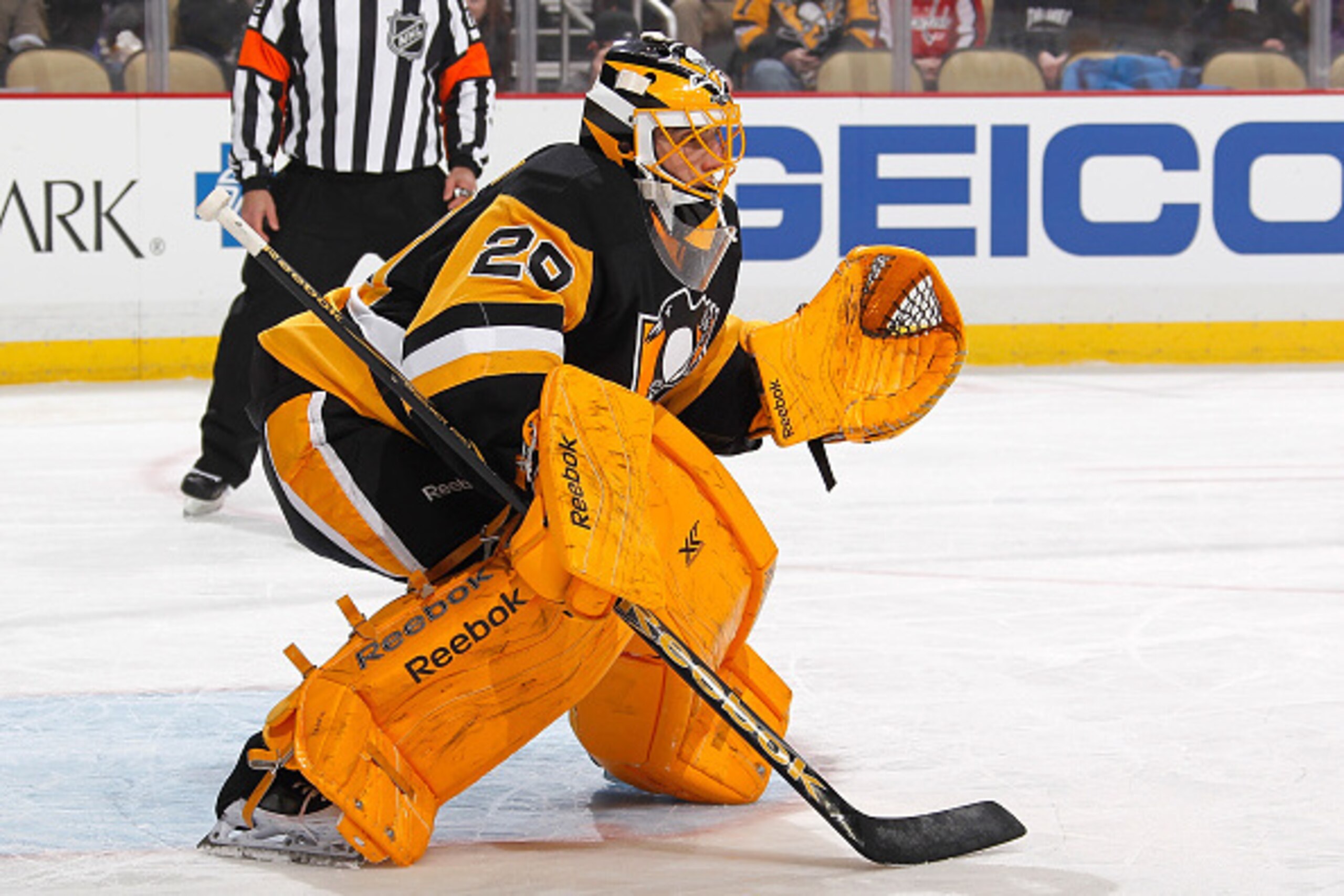
Positives: Sidney Crosby and Evgeni Malkin are pretty good. The bottom six, which cost them dearly in last year’s playoffs, is better this season. Marc-Andre Fleury is having his best season since…well, ever, so maybe this is the finally the year he’s actually good in the postseason. The special teams have been dynamic all season, with the power play and penalty kill both ranking in the top six.
Negatives: The bottom six is better, but is it good enough? Will Fleury be a detriment yet again? This is Mike Johnston’s first year as a head coach, so how will he handle his first NHL postseason? It’s almost all the same questions the Penguins have had for years now.
Outlook: If enough of those questions in the negatives are answered in the affirmative, the Penguins can win it all.
4. St. Louis Blues (10-1)
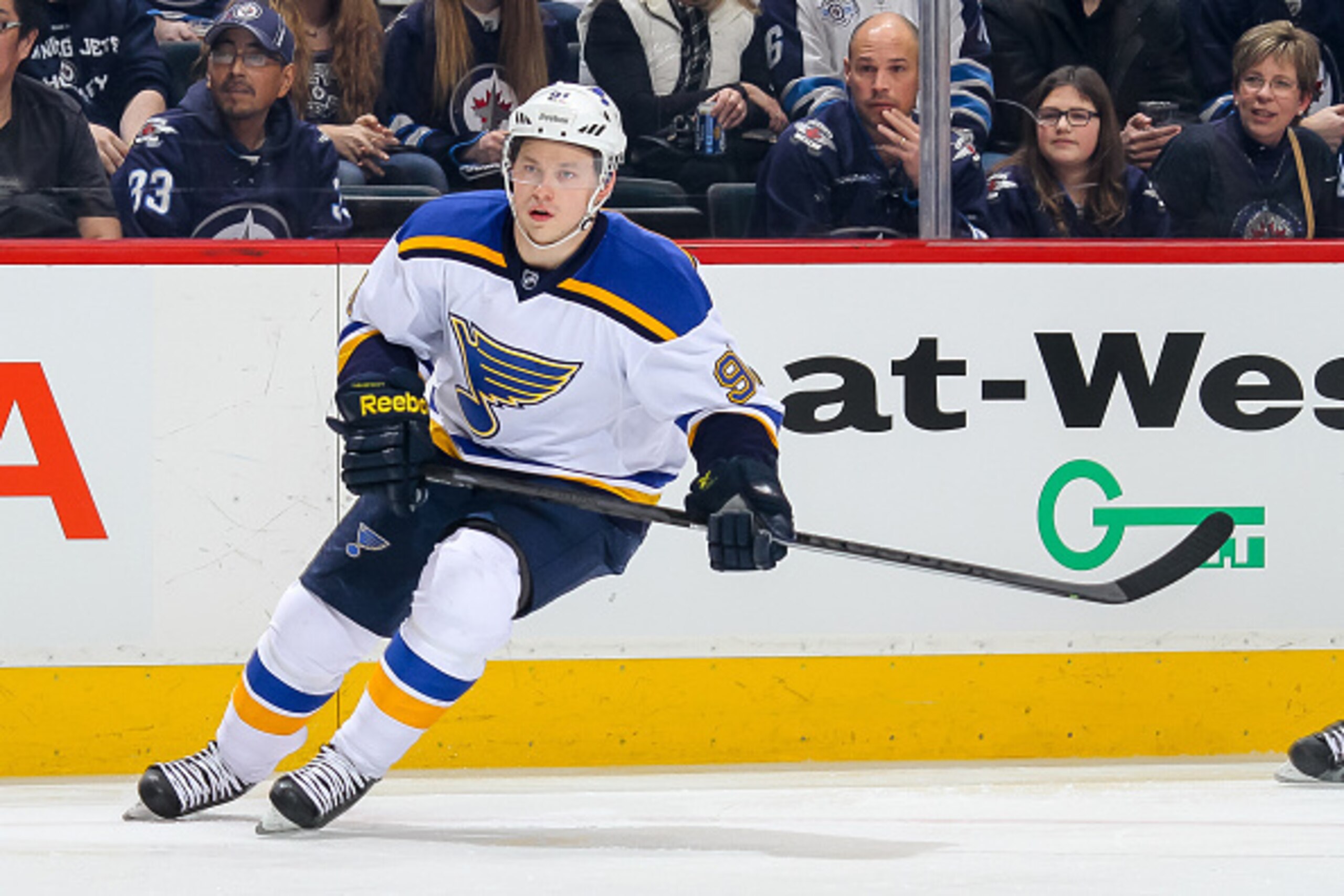
Positives: The Blues are fifth in scoring (3.00) and eighth in goals allowed (2.48). While offense, or a lack thereof, submarined the Blues last year, this year’s scoring seems more sustainable. There’s a good chance they will have 10 players with at least 10 goals when the season is out. If Zbynek Michalek is healthy, the Blues will have one of the top blue lines in the league.
Negatives: Can Brian Elliott win 16 games? He is 6-10 with an .898 save percentage in the postseason. Considering the scoring balance and defense the Blues possess, this is what their playoff success will come down to.
Outlook: If Elliott makes enough saves, the Blues will win the Cup. There’s always a chance with a Ken Hitchcock-coached team that the offense will go dry, but Elliott will ultimately determine the team’s fate.
The One Team That Doesn’t Fit Into Any Category
3. Montreal Canadiens (10-1)

Positives: Carey Price is having the NHL's best goaltending season in more than a decade. In a conference in which not much separates the best teams, he is the wild card. At 85.3 percent, Montreal has the best PK of any East team headed to the postseason. GM Marc Bergevin did everything he could to bolster his team at the deadline, adding Jeff Petry and a cavalcade of forwards. Their 12 road losses are tied for fewest in the NHL.
Negatives: When the dust settles, they will likely be the worst possession team in the postseason. Maybe Bergevin’s deadline moves help offset that, but it’s very likely a coaching issue that Brian Flynn won’t solve. The power play ranks 24th.
Outlook: How much can Price's play offset a team that’s in the red in shot attempts and can’t score on the power play? If Montreal is routinely speedbagged at five-on-five, Price may have to be at .945 to get it a Cup. If the Canadiens can just get a little bit better at five-on-five and on the power play, the Cup can be theirs.
The Usual Suspects
2. Los Angeles Kings (12-1)

Positives: Most of this group has won the past two Cups after 82-game seasons and fell short in the conference finals in 2013. Andrej Sekera just about makes the Kings whole on defense again, and the offense is actually better than it was during the 2012 and 2014 Cup seasons. The Kings just know how to win in the playoffs, which probably has a lot to do with being dominant at five-on-five.
Negatives: They rank 18th on the power play and 20th on the penalty kill. A poor power play is nothing new, but the PK hasn’t been this bad in any of the Cup seasons. Sekera can improve that, though.
Outlook: Jonathan Quick had a .911 save percentage in 26 playoff games last year; he’ll have to be better than that if the Kings are to make it three Cups in four years because the Kings aren’t quite as good this year. With that being said, why is anyone doubting the Kings? (Because they’re not in a playoff spot as of now? Fine.)
1. Chicago Blackhawks (15-2)
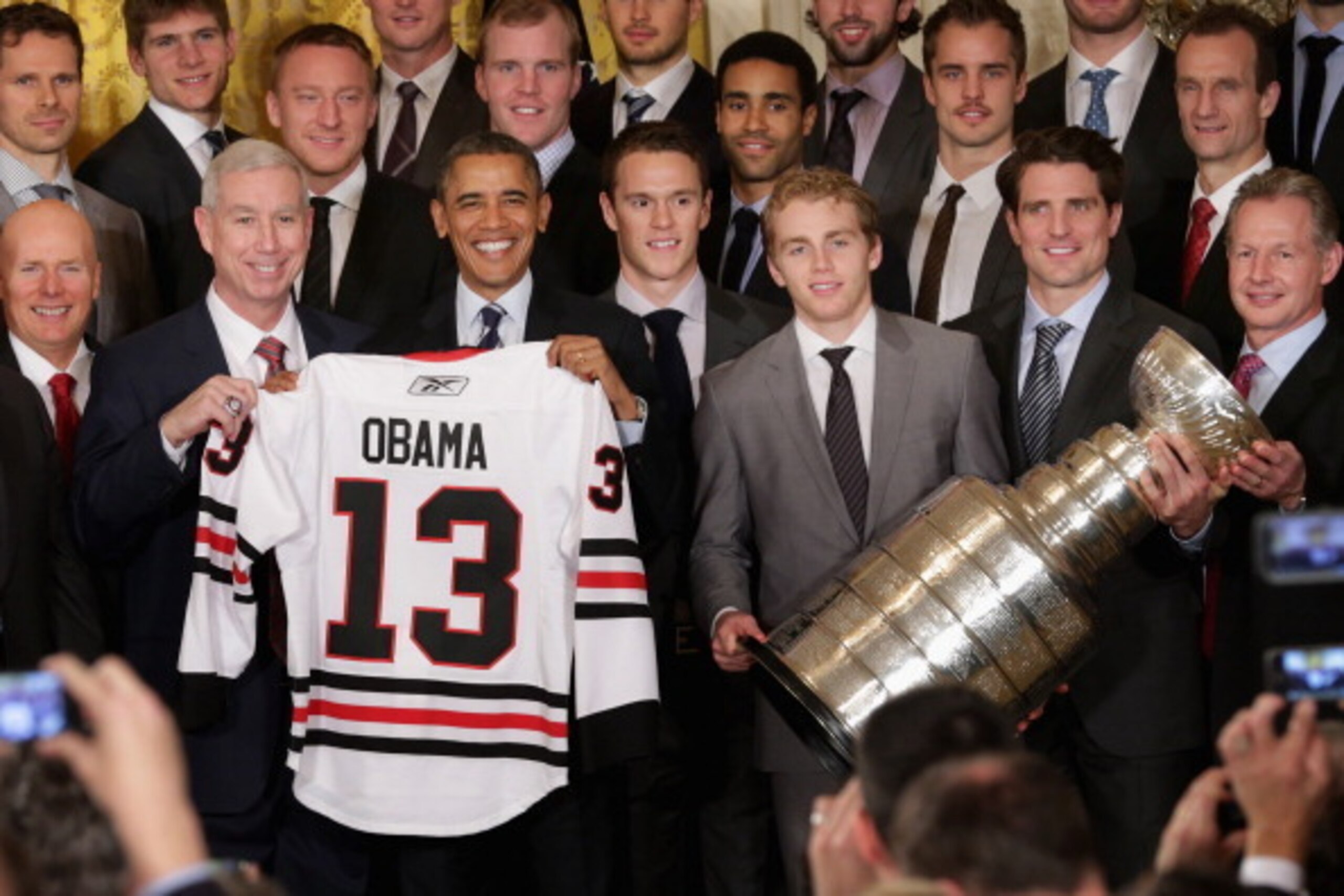
Positives: A lot of people are worried about the loss of Patrick Kane ending the Blackhawks’ hopes, but this is a team that is so deep that it had Patrick Sharp on the fourth line for recent games. They used Kane’s cap space to get Antoine Vermette and Kimmo Timonen, which makes them deeper than ever. Chicago has the third-ranked penalty kill. Kane is a huge loss, no doubt, but the Blackhawks have enough talent to survive his loss for two rounds.
Negatives: Are you insane? Kane was an MVP candidate! Yeah, having to beat Nashville and St. Louis (probably) the first two rounds without Kane won’t be easy, but it’s doable. Corey Crawford cost the Blackhawks dearly in the conference finals last year. With Kane out, everyone will need to be better, and that includes Crawford. The power play is subpar, but that’s almost always the case.
Outlook: If Chicago survives life without Kane and Crawford doesn’t deliver another .878 performance (seriously, that’s what he did in a seven-game series against the Kings last year, and it won him three games), the Blackhawks can take back the Cup. Getting through the first two rounds without Kane might be more difficult than getting through the last two rounds without him.
All statistics via NHL.com and Stats.HockeyAnalysis.com. Cap information via Spotrac.
Dave Lozo covers the NHL for Bleacher Report. You can follow him on Twitter: @DaveLozo.
.jpg?w=2560 "NHL Trade Grades Connor Hellebuyck")
.jpg?w=2560 "Mahomes Told Teammate to Leave Meeting")
.jpg?w=2560 "5 Teams Eyeing Jonathan Taylor")

.jpg?w=2560 "Baker Gets Glove From Rays 🧤")


.jpg?w=2560 "NFL investigating Eagles")
.jpg?w=2560 "🚨 Week 8 AP Top 25 Poll")
.jpg?w=2560 "Steelers Roll Saints in Paris")
.jpg?w=2560 "Jonathan Taylor Landing Spots 📍")