
Every NHL Team's Most Telling Statistic in 2014-15
It's easy to forget now, but the 2011-12 Los Angeles Kings just barely squeaked into the playoffs, securing the final playoff berth in the West and starting the postseason in a tough first-round matchup against Vancouver, a team that had gone to the Stanley Cup Final the previous season.
However, during the season, the team had been one of the league's best possession squads, posting a 54.0 percent Corsi rating at evens that was actually superior to that of the heavily favoured Canucks. Additionally, the Kings had lost a shocking number of one-goal games (17 wins, 29 losses), which suggested their record significantly undersold the team's ability.
That club went on to win the Stanley Cup, of course, and has been a dominant team ever since. But it's easy to look back in hindsight. Are there statistics that are similarly revealing for 2014-15's teams? The following slideshow will identify one telling stat for each of the NHL's clubs.
Unless otherwise noted, statistics are courtesy of NHL.com and war-on-ice.com and are current through the start of action on December 30.
Anaheim Ducks
1 of 30
Statistic: 18-0-6 record in one-goal games.
Why it's telling: Anaheim has built up an NHL-leading 24-8-6 record on the back of winning an incredible number of one-goal games. The Ducks have 42 points in these close contests, which is eight more than any other team and represents better than 80 percent of their total points on the season.
A charitable interpretation is that the team comes up big in the clutch, but it's also an indication that, on a lot of nights, the opposition is only one bounce away from winning.
Arizona Coyotes
2 of 30
Statistic: The Coyotes are 5-15-2 in Mike Smith's games but 9-3-2 when Devan Dubnyk plays.
Why it's telling: Goaltender performance is unpredictable, and when it goes south, it can destroy a team. The Coyotes win two out of three games when bargain-bin backup Dubnyk (.925 save percentage after ending last year in the AHL) starts and lose three out of four when big-money starter Smith (.884 save percentage) is in the net.
Boston Bruins
3 of 30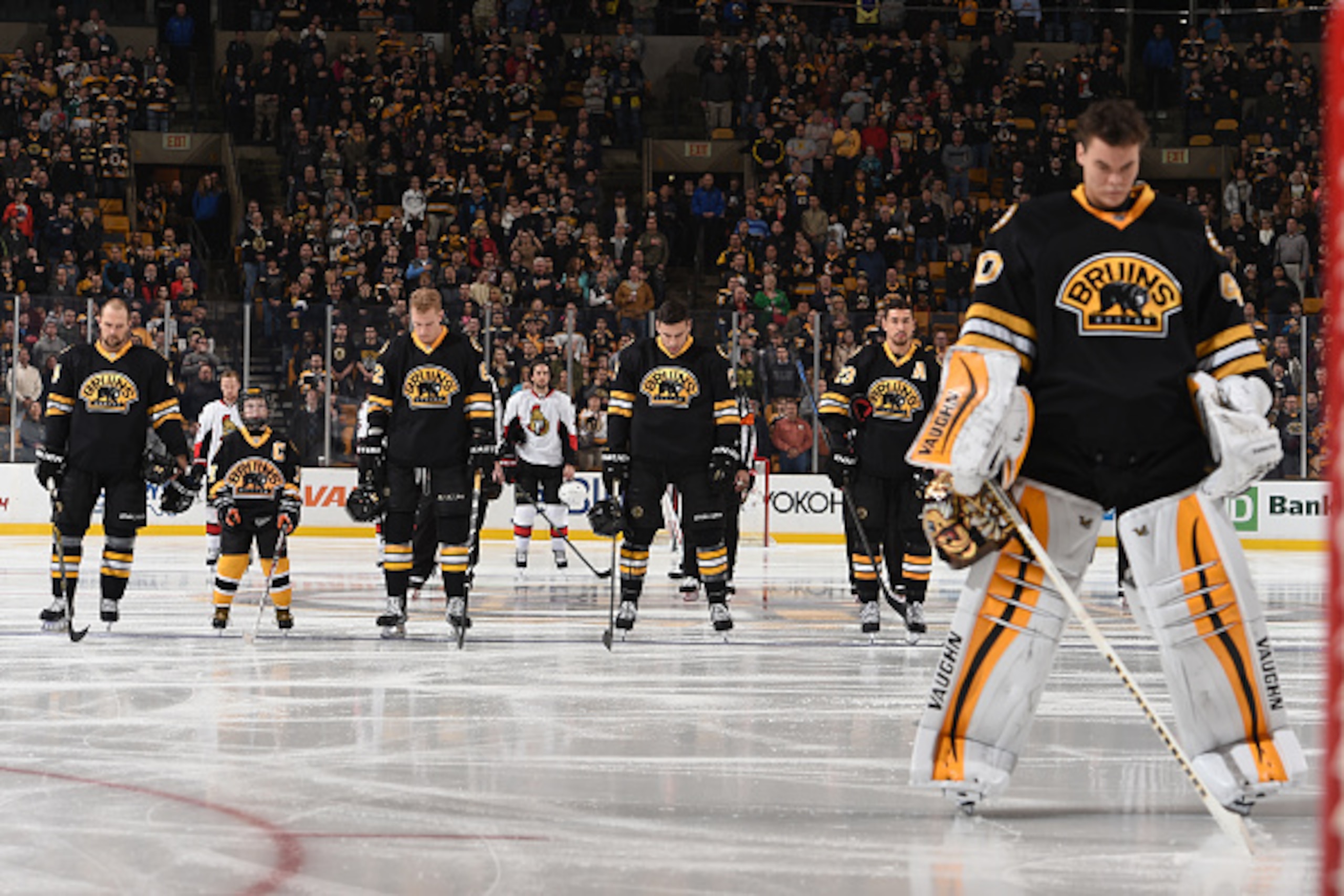
Statistic: Minus-one goal differential.
Why it's telling: A year ago, the Bruins averaged better than a goal per game more than their opponents; this year, the team is in the red. The problems are across the board: The power play is worse, the penalty kill is worse and both the percentages and the possession numbers are down at five-on-five.
A lot of factors are coming into play here, but this is a team that has taken a significant hit in terms of talent level (thanks to both injuries and personnel changes) from what it was a year ago.


Buffalo Sabres
4 of 30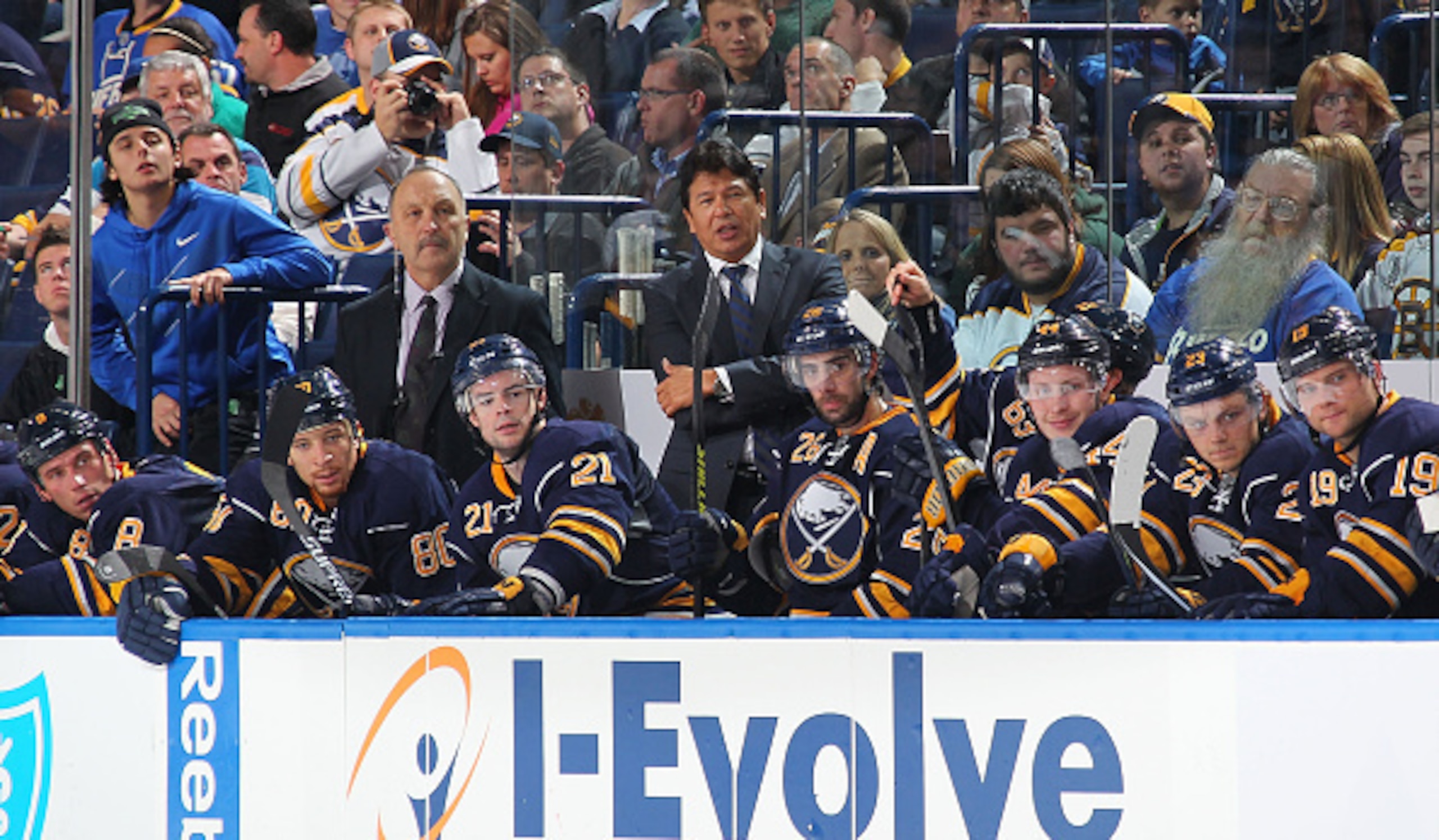
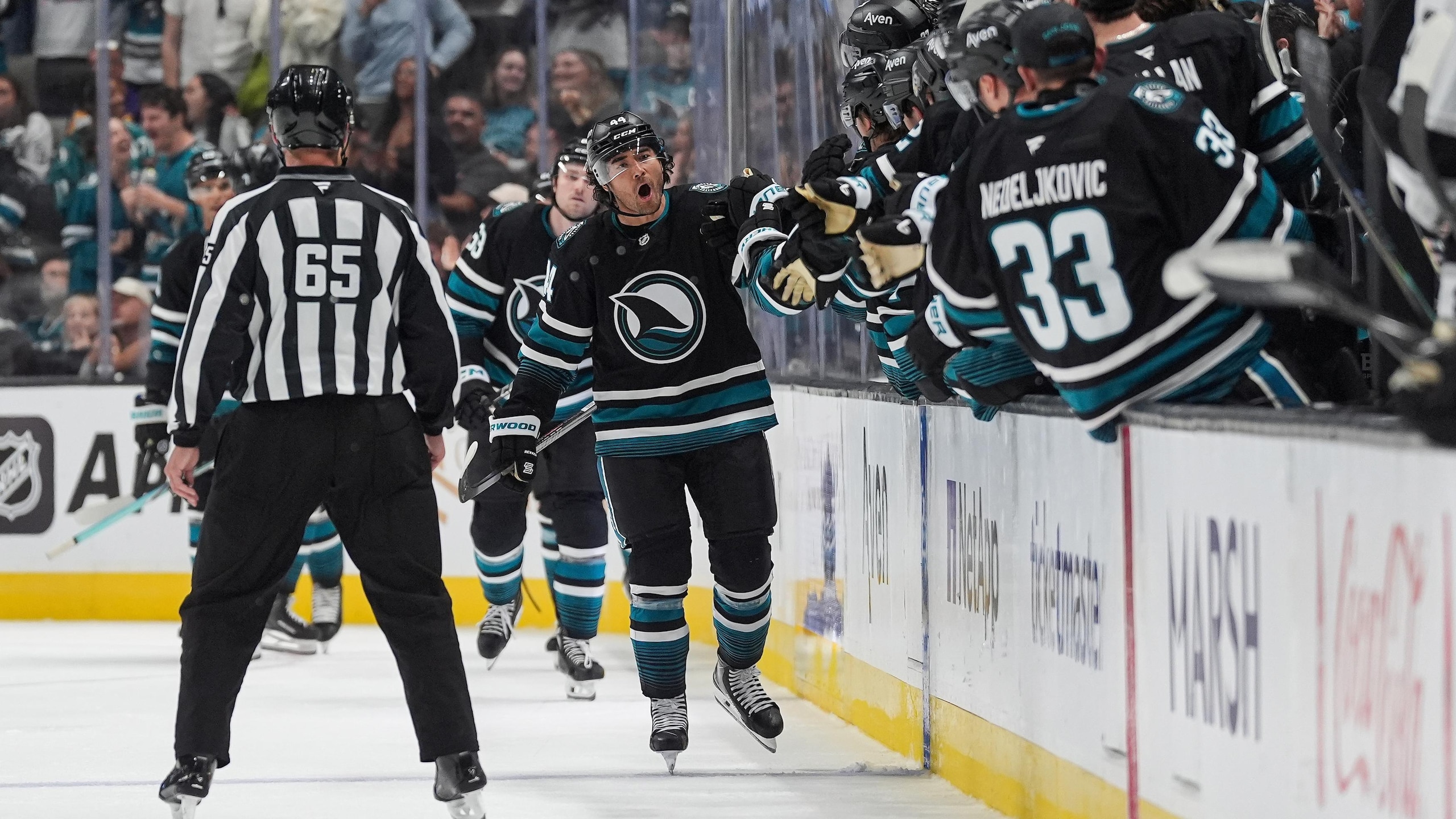
Statistic: 37.4 percent Corsi rating in all situations.
Why it's telling: Corsi is a count of all the shot attempts in a given game, and Buffalo's 37.4 percent rating means that the Sabres surrender nearly two attempts against for every one that they manage. They may not be dead last in the NHL standings, but no team has a worse combination of forwards and defencemen.
Calgary Flames
5 of 30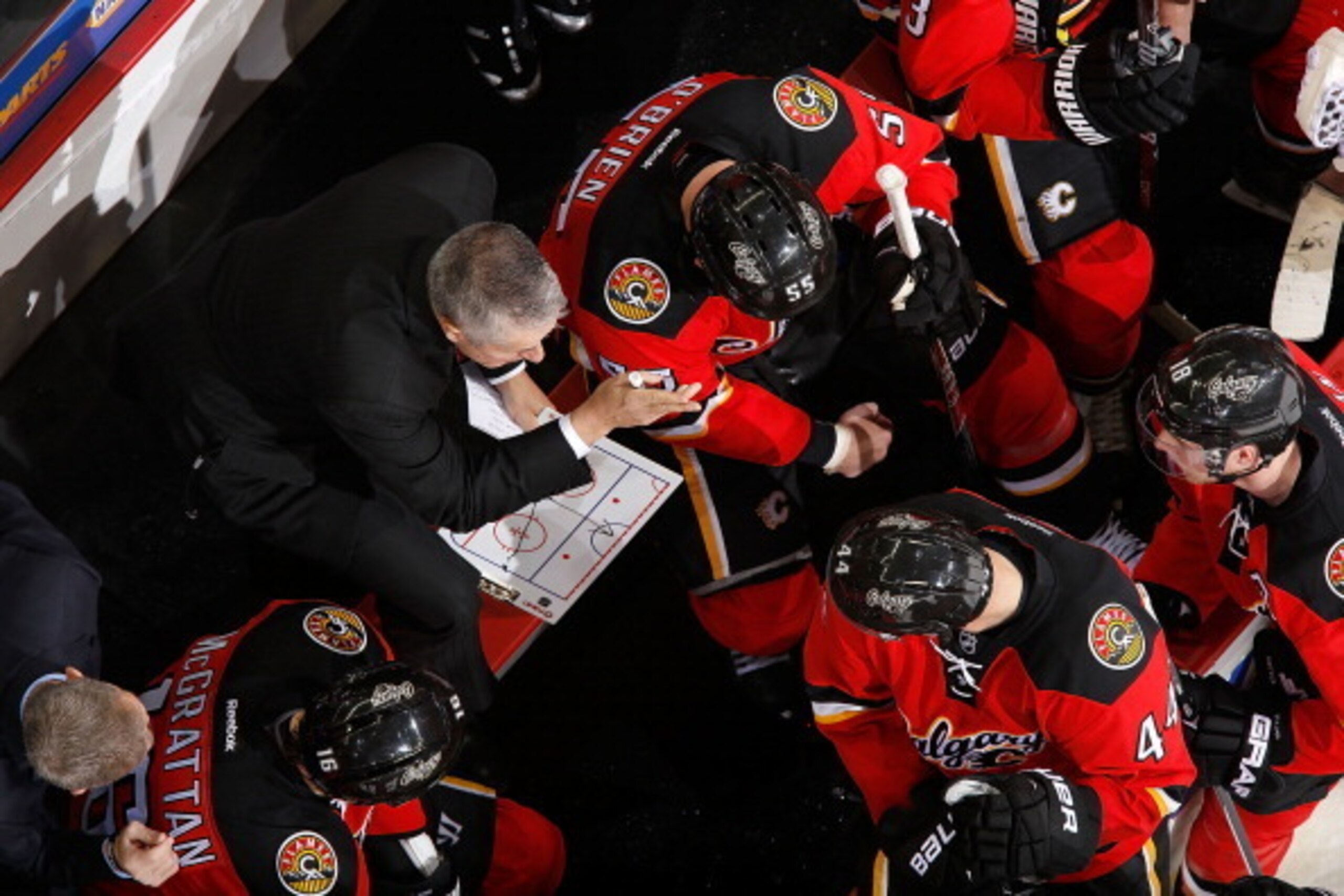
Statistic: 10-0-0 record when leading after two periods.
Why it's telling: The Calgary Flames are a flawed team in many respects, but something they've done in 2014-15 is hang on to wins. Only two clubs in the NHL have a perfect record when leading after two periods: Bob Hartley's Flames and the Chicago Blackhawks.
Carolina Hurricanes
6 of 30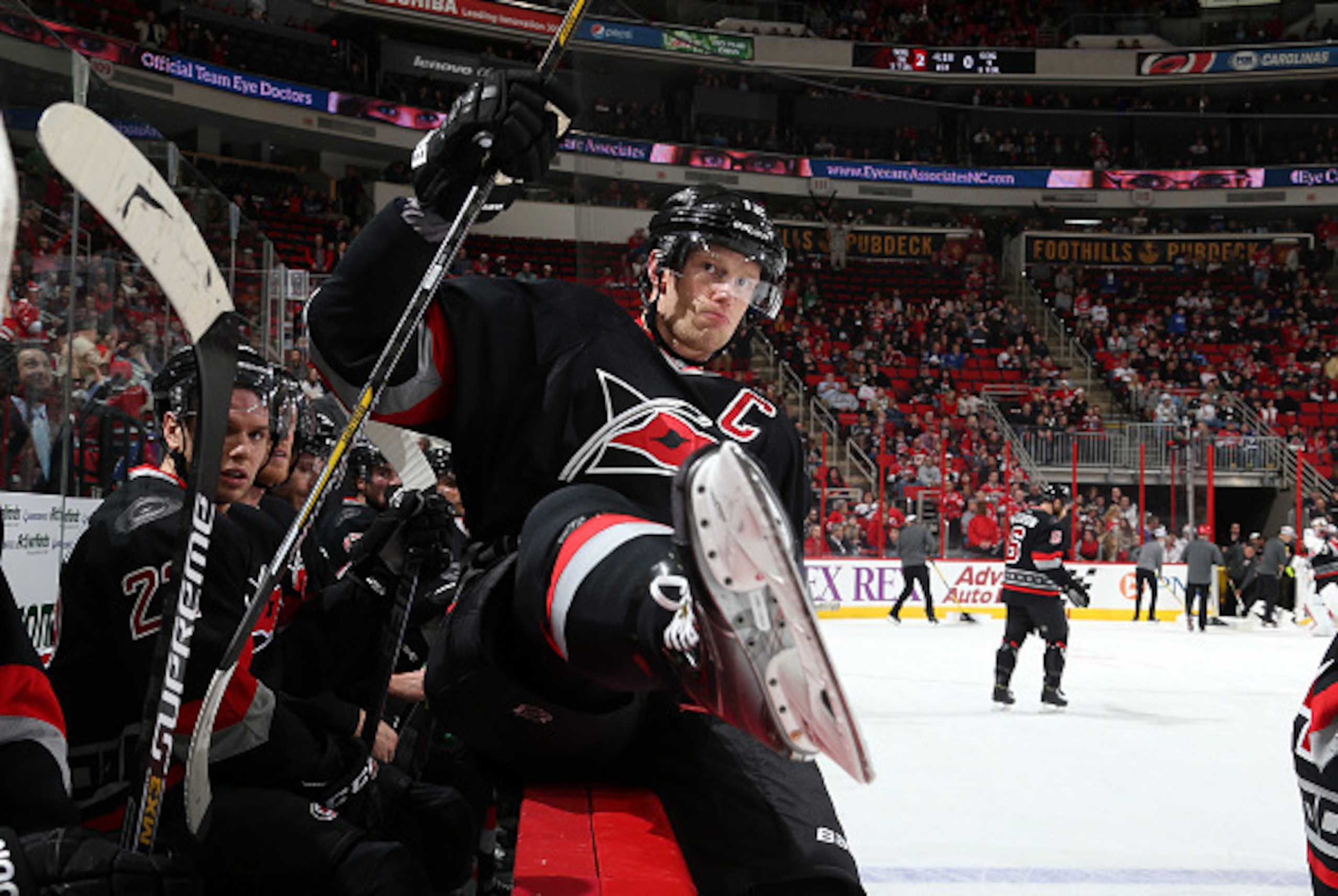
Statistic: 5.7 shooting percentage.
Why it's telling: The Hurricanes can't score; they take the shots, but pucks just don't go in. Along with the Buffalo Sabres, the 'Canes are the only other team in the NHL scoring less than two goals per game.
Chicago Blackhawks
7 of 30
Statistic: Plus-39 goal differential in 37 games.
Why it's telling: In an average game, the Chicago Blackhawks score better than one goal more than their opposition. That's a dominant performance; the next best team in the NHL (Nashville) is only plus-27.
Colorado Avalanche
8 of 30
Statistic: 5-2-2 when leading after two periods.
Why it's telling: NHL teams are typically pretty good at hanging onto their leads these days; even Buffalo wins three-quarters of the time when it enters the third period with any kind of lead.
Colorado's 0.556 win percentage in these situations is the second worst in the NHL, ahead only of the Edmonton Oilers.
Columbus Blue Jackets
9 of 30
Statistic: 191 man-games lost to injury (through Dec. 23).
Why it's telling: The Blue Jackets have been absolutely decimated by injury. According to the blog Springing Malik, through 30 games, Columbus led the NHL in both man-games and cap hit lost to injury. The team is still in rough shape, with five skaters listed as being on injured reserve on the official roster—a list that doesn't even include star winger Nathan Horton, whose career is threatened by back injury.
Dallas Stars
10 of 30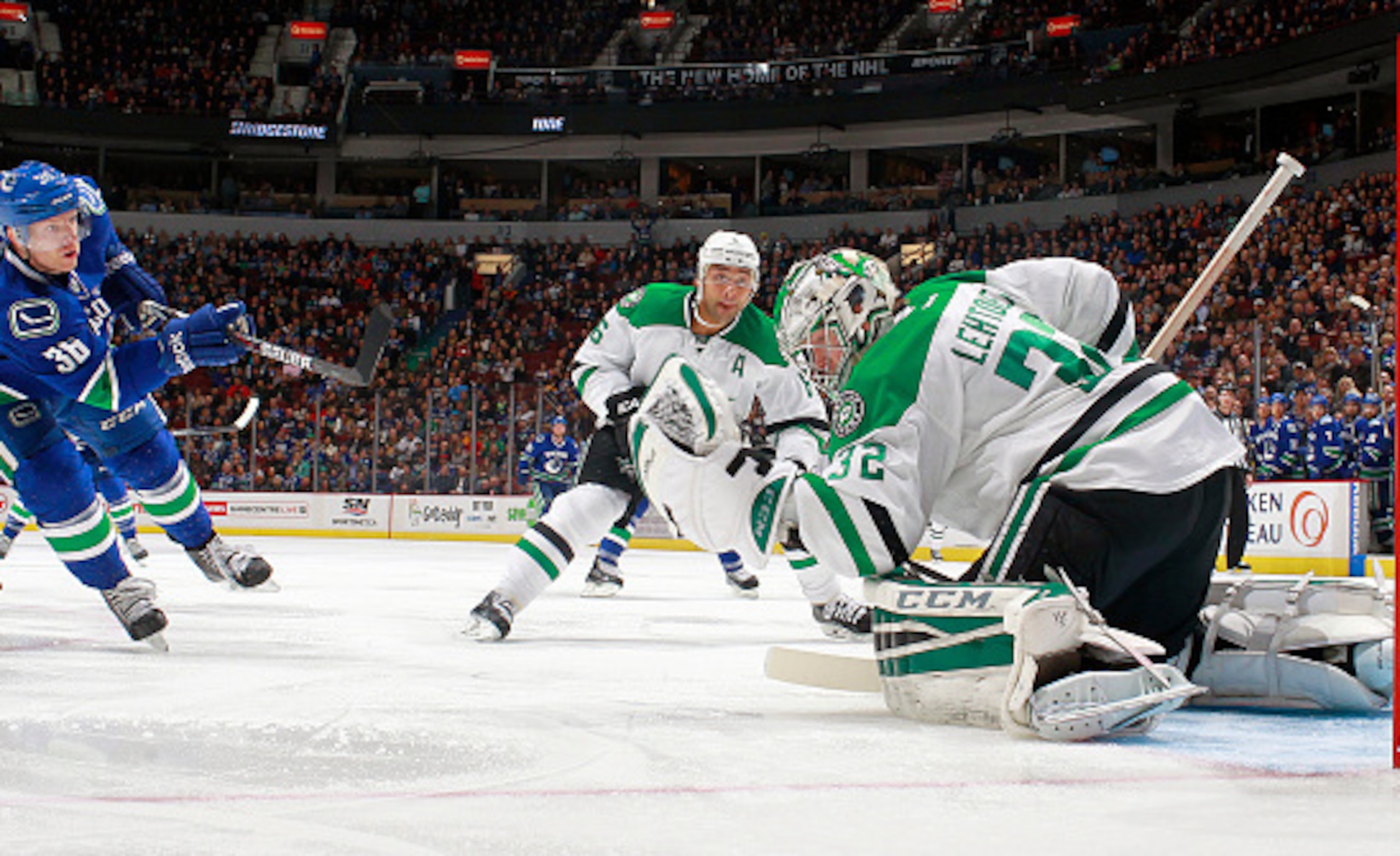
Statistic: 3.34 goals against per game.
Why it's telling: Lindy Ruff's teams have a reputation for being defensively responsible, but even he can't seem to save the Stars from themselves. Dallas has a top-10 offence but is the second-worst team in the NHL in terms of goals against thanks to a ramshackle defence and one of the worst backups in the game (Anders Lindback). Although, even starter Kari Lehtonen has had some problems behind this group.
Detroit Red Wings
11 of 30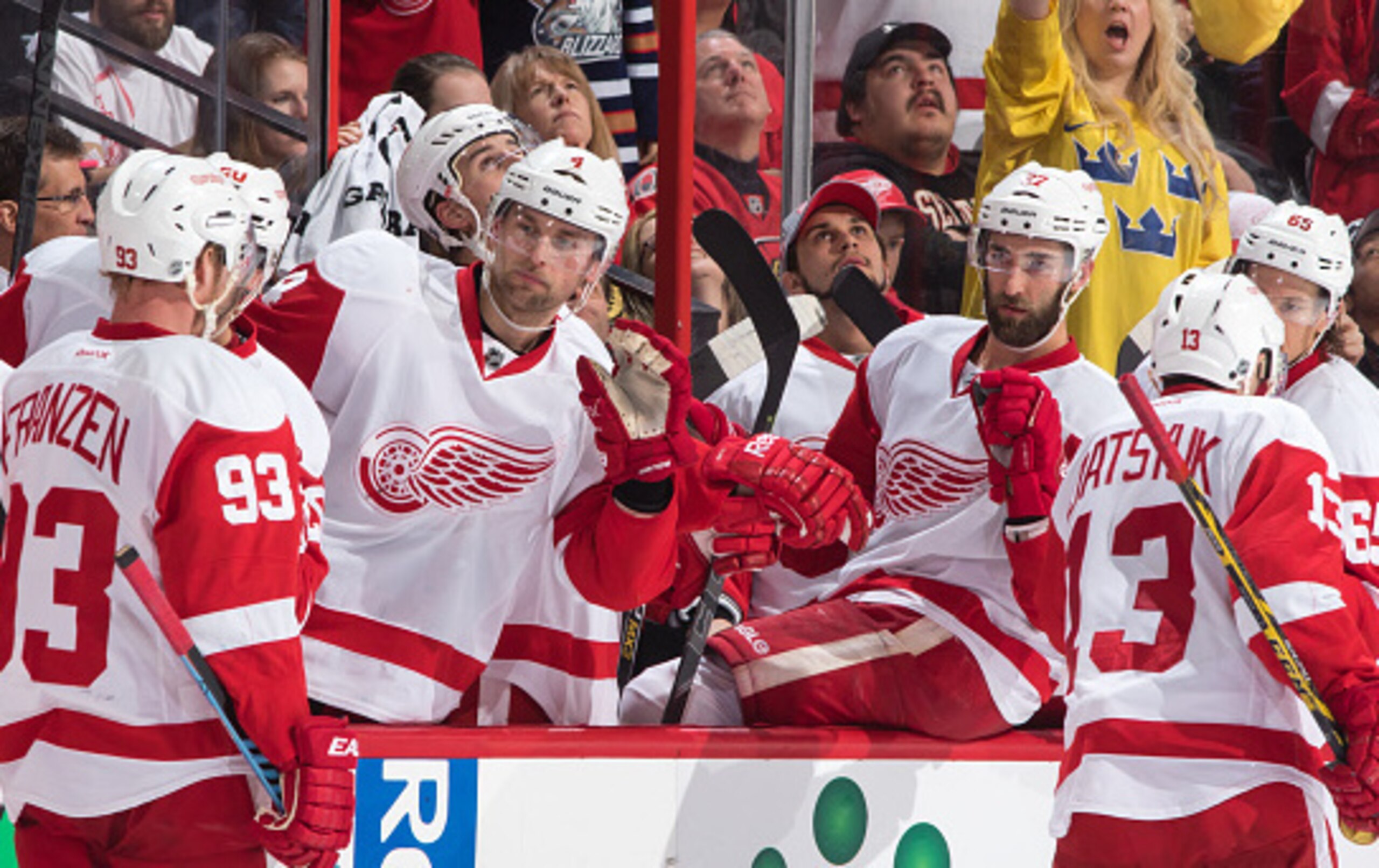
Statistic: 1-7 in the shootout.
Why it's telling: The Red Wings are only three points out of first in the East despite the fact that the team can't seem to win a shootout to save its life. General manager Ken Holland has long been an opponent of the skills competition, but the good news for Detroit is that shootout prowess won't matter at all when the playoffs roll around.
Edmonton Oilers
12 of 30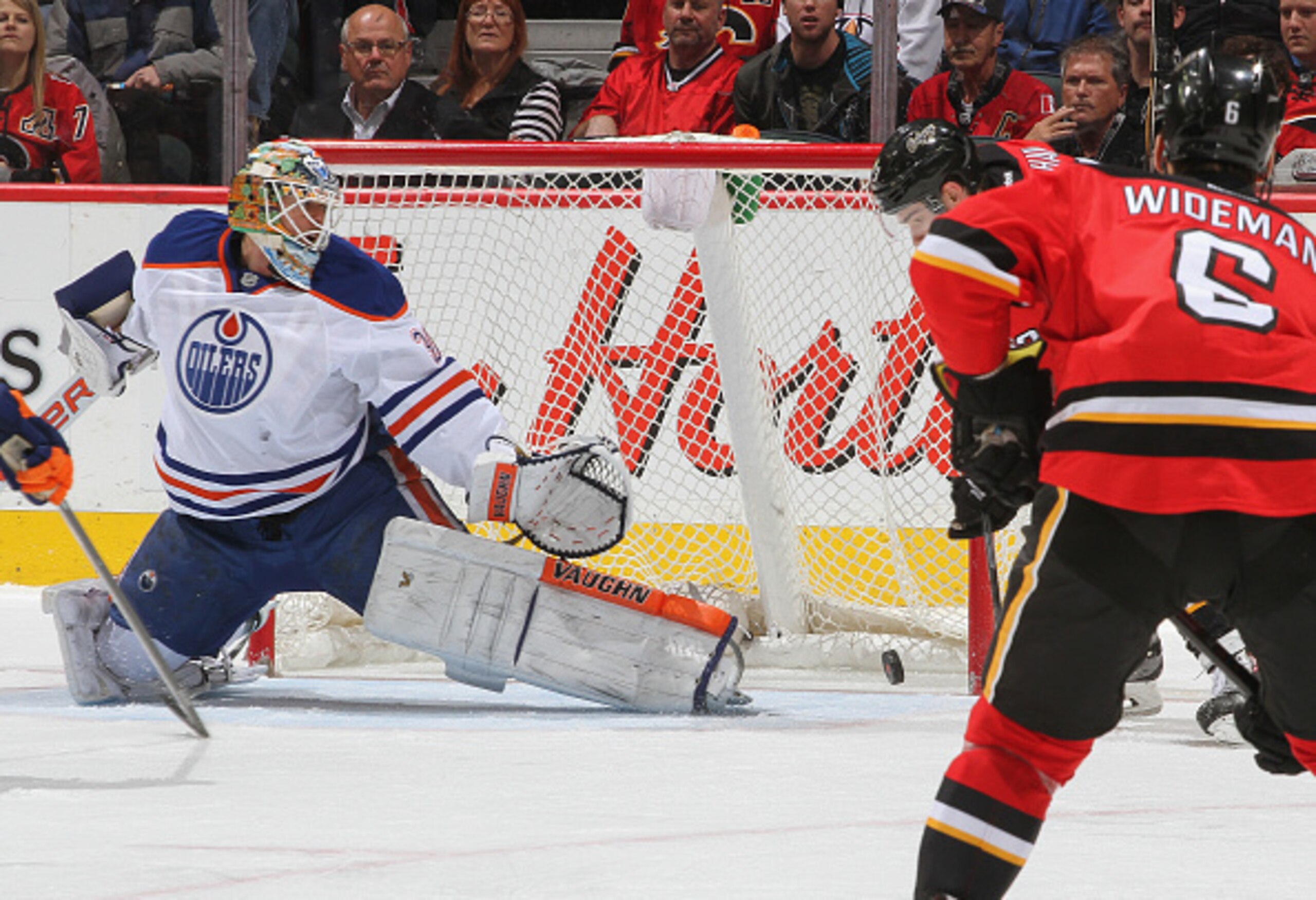
Statistic: 95.9 PDO.
Why it's telling: PDO, which combines shooting percentage and save percentage, is often used as a shorthand for luck by analytics types. That's not quite accurate, but in Edmonton's case, a league-worst 95.9 PDO highlights the team's two principle problems: It can't seem to buy a save and it can't finish its chances.
Florida Panthers
13 of 30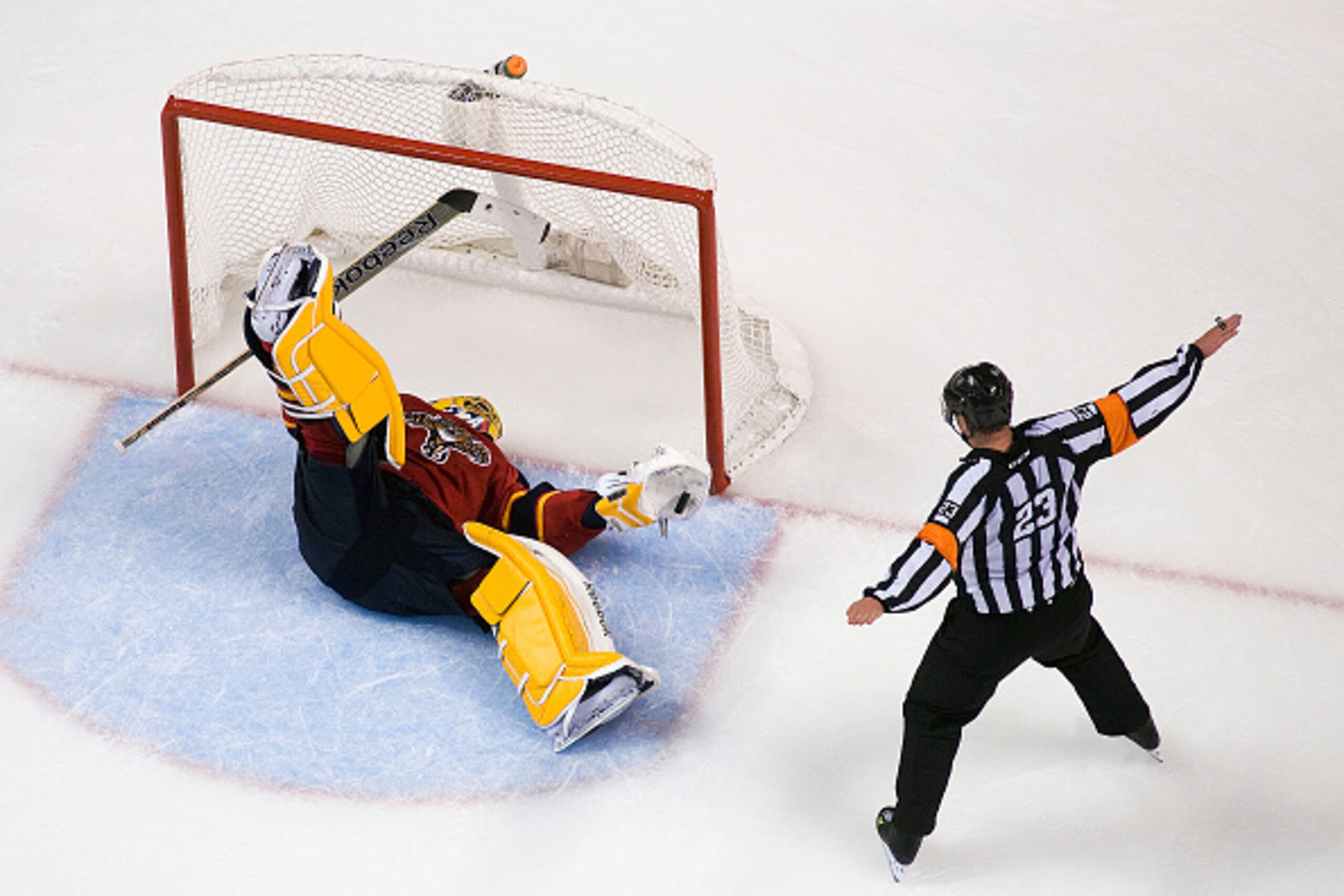
Statistic: Roberto Luongo is 14-7-6 with a 0.921 save percentage.
Why it's telling: Prior to bringing Luongo in at the trade deadline last year, the Panthers used four other goaltenders: one of them a 39-year-old coming off a year of inactivity and three sub-NHL goalies. Not one member of that quartet is in the league today; Scott Clemmensen played six periods for New Jersey earlier in the year but has since been banished to the AHL.
Florida's a surprisingly strong team this year, and the biggest reason is that it finally has some goaltending.
Los Angeles Kings
14 of 30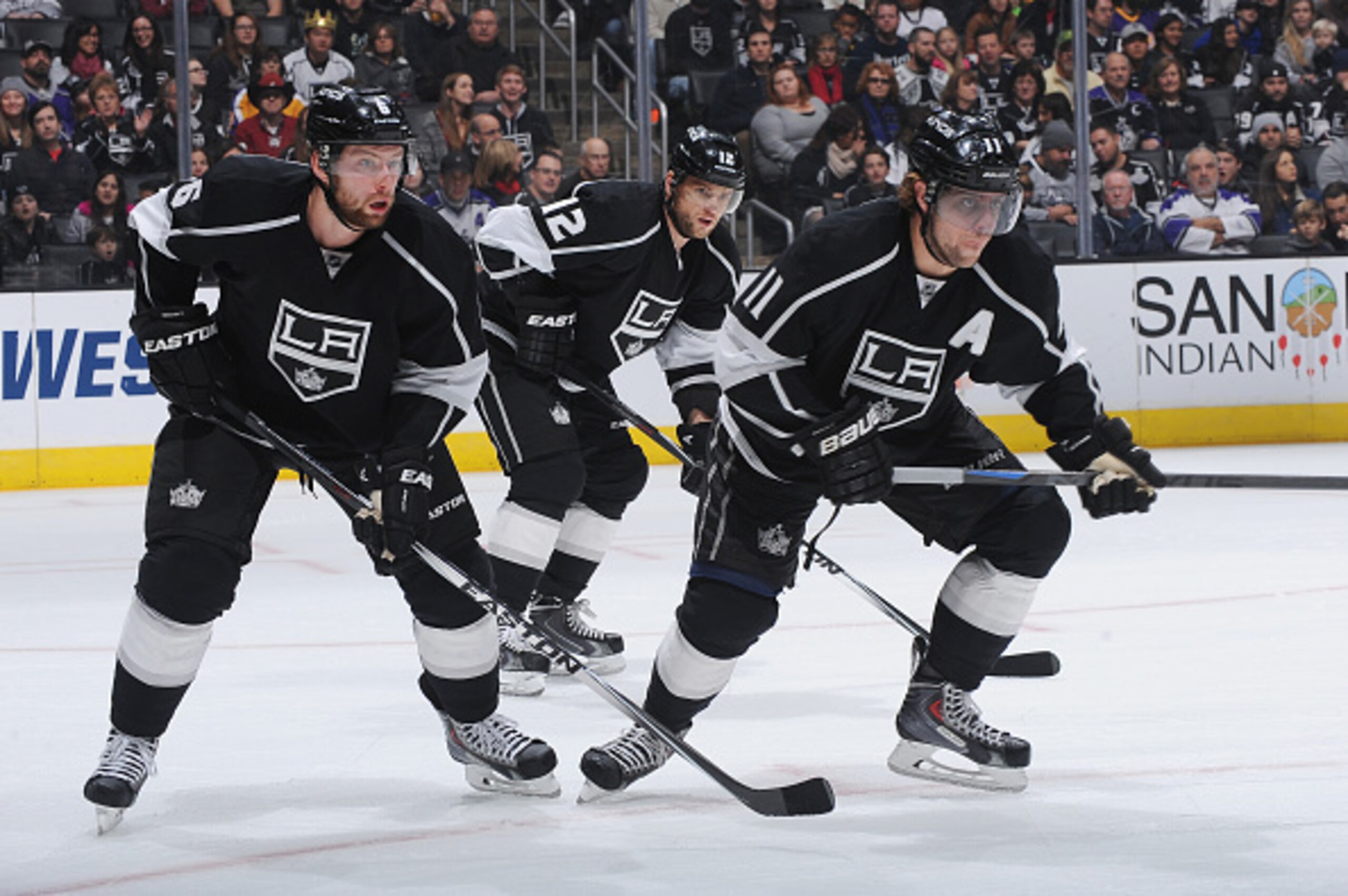
Statistic: 4-5-7 record in one-goal games.
Why it's telling: The only teams with a worse record in close games than the defending Stanley Cup champions are bottom-feeders Edmonton and Carolina, and it's a big part of the reason the Kings are on the playoff bubble. Still, this isn't new for L.A.; as noted in the introduction, the Kings were one of the worst teams in the league (17-14-15) in one-goal games in 2011-12—and they won the Cup that year.
Minnesota Wild
15 of 30
Statistic: .901 even-strength save percentage.
Why it's telling: The Minnesota power play gets a lot of attention, but despite its flaws, the team's goal differential is only five south of the NHL average. More troubling is the club's inability to get a save, pretty much regardless of which goalie starts in net. At even strength alone, the club has allowed 14 more goals than a team with a league-average save percentage would have.
Montreal Canadiens
16 of 30
Statistic: 8-7-1 since mid-November.
Why it's telling: On November 17, the Habs sat first in the NHL with a 14-4-1 record, this despite a modest plus-eight goal differential and some seriously questionable underlying numbers. The team has managed to bring an ugly losing skid to an end over the last couple of weeks, but realistically, that hot streak to start the season was never going to last.
Nashville Predators
17 of 30
Statistic: 0.926 save percentage.
Why it's telling: Pekka Rinne is back, and it's made a world of difference for the Predators. Goaltending isn't the only change, but the difference between a .934 save-percentage starter who plays almost every night and the .902 save-percentage goalie Rinne was (in just 24 games) last season has been the biggest difference-maker for the frnachise.
New Jersey Devils
18 of 30
Statistic: Average age of 31 (based on the opening-night roster)
Why it's telling: The Globe and Mail's James Mirtle—who tracked the average height, weight and age of the NHL's 30 teams at the start of the year—named the Devils the oldest team in the league in a landslide. The Devils' average age of 31.0 years old is over two years older than second-ranked Vancouver.
An old, slow team struggling to win games is only going to get worse.
New York Islanders
19 of 30
Statistic: Johnny Boychuk and Nick Leddy are averaging a combined 42:24 in ice time per game.
Why it's telling: There are a lot of reasons the Islanders are an improved team this season, including a year of experience for still-developing young talent, a new starting goalie and an influx of free-agent help. But a pair of trades by GM Garth Snow on October 4 brought in two of the Isles' top three defencemen this season; that kind of upgrade is massive for any club.
New York Rangers
20 of 30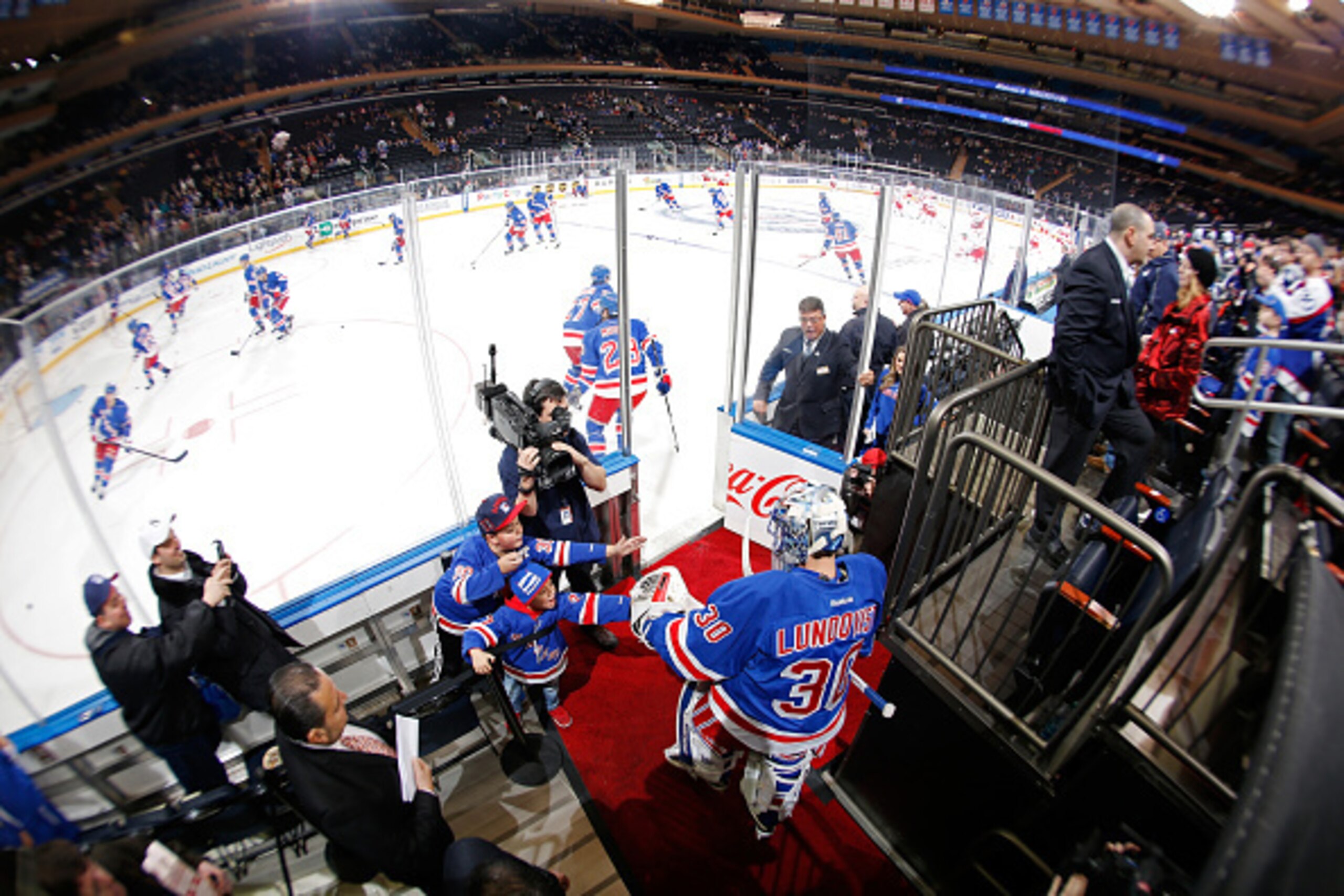
Statistic: 12-4-0 record in their last 16 games.
Why it's telling: A lot of different factors played into the Rangers' (second consecutive) slow start, but the team seems to have put it in the rear-view mirror. Some of the improvement is unsustainable, but with solid special teams and elite goaltending, New York was always a better club than the team that started the year 7-7-4.
Ottawa Senators
21 of 30
Statistic: 4-3-2 since the firing of Paul MacLean on December 8.
Why it's telling: It's still a little early to pronounce judgment on Dave Cameron as a coach, but the early returns are somewhat encouraging. Ottawa's possession numbers have improved, while the team's record has trended slighlty up as well.
Philadelphia Flyers
22 of 30
Statistic: 74.0 percent penalty-killing efficiency.
Why it's telling: The difference between the Philadelphia Flyers and a perfectly average NHL team at the moment is the penalty kill. The Flyers have a league-worst minus-31 goal differential while shorthanded; that's 12 goals worse than the league average.
Given that Philly is only minus-nine on the season, those 12 goals could make all the difference.
Pittsburgh Penguins
23 of 30
Statistic: Patric Hornqvist has six more points than James Neal.
Why it's telling: We can call it the Pittsburgh effect; playing with Sidney Crosby and Evgeni Malkin does good things to a player's offensive totals.
The best season of Hornqvist's career prior to this one had saw him tally 53 points; now he's scoring at just under a point per game. Neal, who over the last three seasons has been just one point shy of a point-per-game pace, has just 23 points in 34 games with the Predators.
San Jose Sharks
24 of 30
Statistic: 107.5 percent combined special teams rating.
Why it's telling: One of the reasons that nobody expects Todd McLellan to be out of work for very long once his time in San Jose ends is because of his team's exceptional performance on special teams. The Sharks power play has been special for ages and is again this season (ranked second in the NHL with a 24.5 percent conversion rate), while the penalty kill is just a touch south of the top 10 in the league.
St. Louis Blues
25 of 30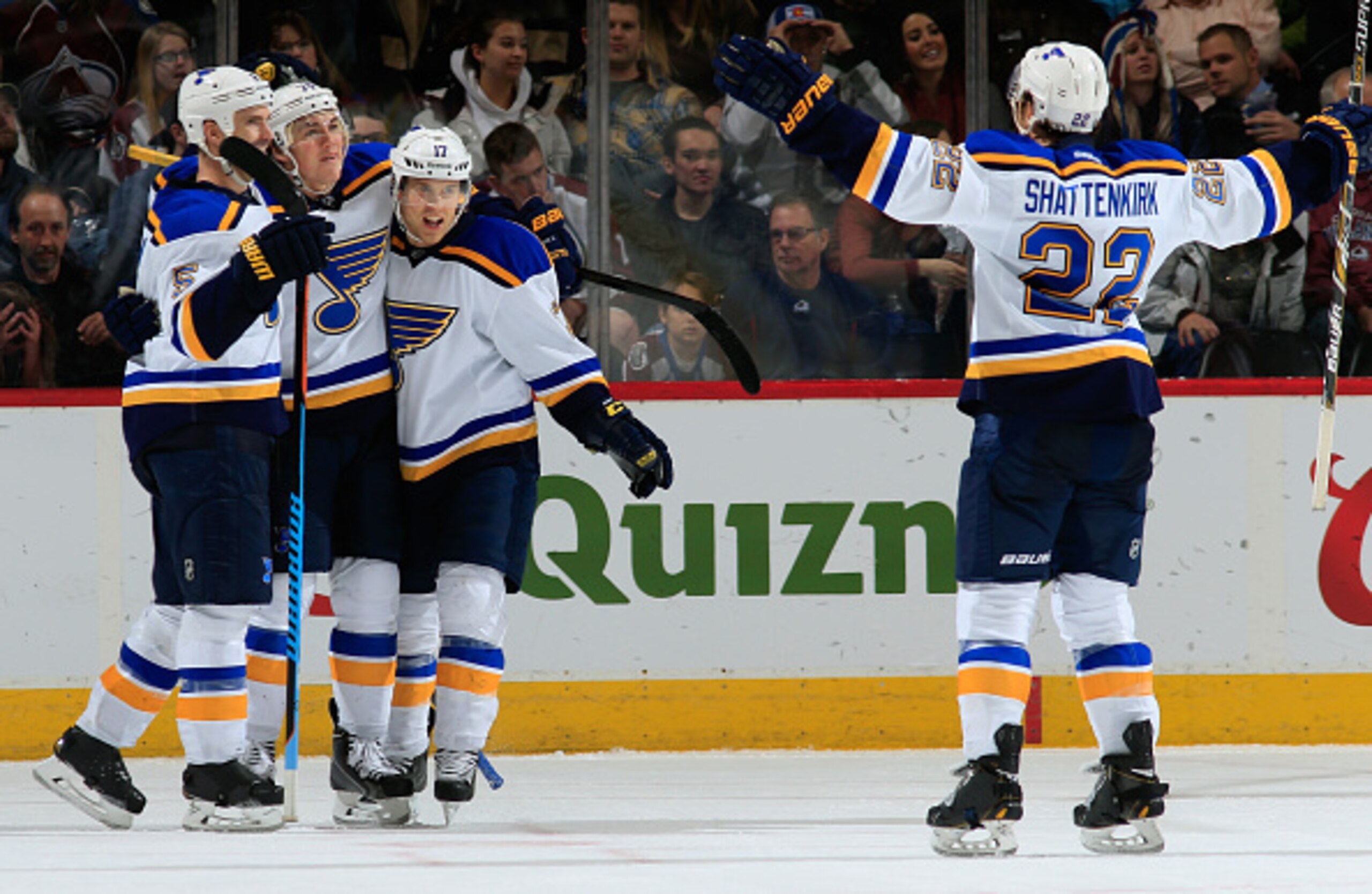
Statistic: Plus-30 power-play goal differential.
Why it's telling: What with their recent problems in net and ineffective power play, at times this season the Blues haven't looked all that formidable. The exception is the team's power play, which is an NHL-best plus-30, 11 goals better than the league average. That kind of scoring can cover over a lot of smaller bumps along the way.
Tampa Bay Lightning
26 of 30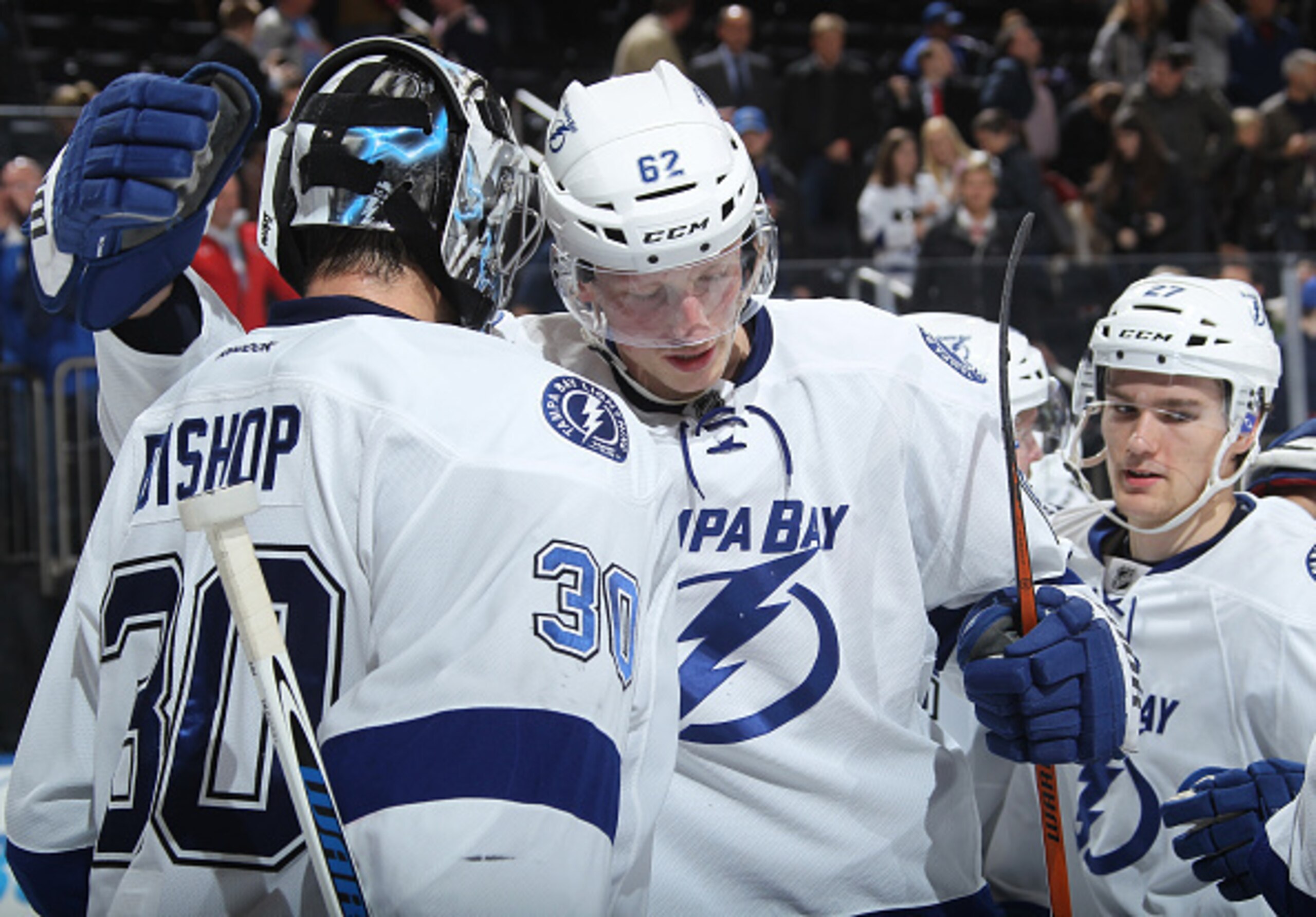
Statistic: 3-4-2 record in games where Evgeni Nabokov records the decision.
Why it's telling: Everybody knows that the Lightning are a good team, but the club's overall record perhaps undersells that because the backup goaltender has been getting lit up (.893 save percentage). When Ben Bishop plays, Tampa Bay has a ridiculously good 18-6-2 record, and if Andrei Vasilevskiy can solidify the No. 2 slot, the Bolts just might improve the rest of the way.
Toronto Maple Leafs
27 of 30
Statistic: 11.2 shooting percentage.
Why it's telling: Toronto has had no trouble lighting up opposing goalies this season; through 37 games, the average save percentage of those goalies has been a miserable .888. The question is whether it can last. No team has managed to post that kind of shooting percentage over an 82-game season since 2010-11, and even with that incredible success, the Leafs are life and death for a playoff spot.
Vancouver Canucks
28 of 30
Statistic: 49.7 percent Corsi rating at even strength.
Why it's telling: It's easy to look at the Vancouver Canucks' impressive record and strong special teams totals and lose track of what's happening at even strength, where they're a below-average team. The Canucks have been outscored 72-66 at evens, and it isn't really a percentages problem; they just don't control the play the way they once did.
Washington Capitals
29 of 30
Statistic: 17-1-2 record when scoring first; 1-10-5 record when trailing first.
Why it's telling: Well, perhaps "telling" is the wrong word, but this was just too weird a number to ignore. Washington's .850 win percentage when scoring first is the second-best figure in the NHL, but the club's 1-10-5 record when trailing first is the very worst in the game. First goal wins, I guess.
Winnipeg Jets
30 of 30
Statistic: Only one of the six defencemen from Game 1 of the season are still in the lineup.
Why it's telling: Winnipeg's defence has been decimated. Of their top six defencemen in the first game of the season, only No. 6 Paul Postma is still patrolling the blue line. Somehow, the Jets are still clinging to a wild-card slot in the West even with a patchwork back end.


.jpg?w=2560 "OBJ Calls Out Giants After Release")