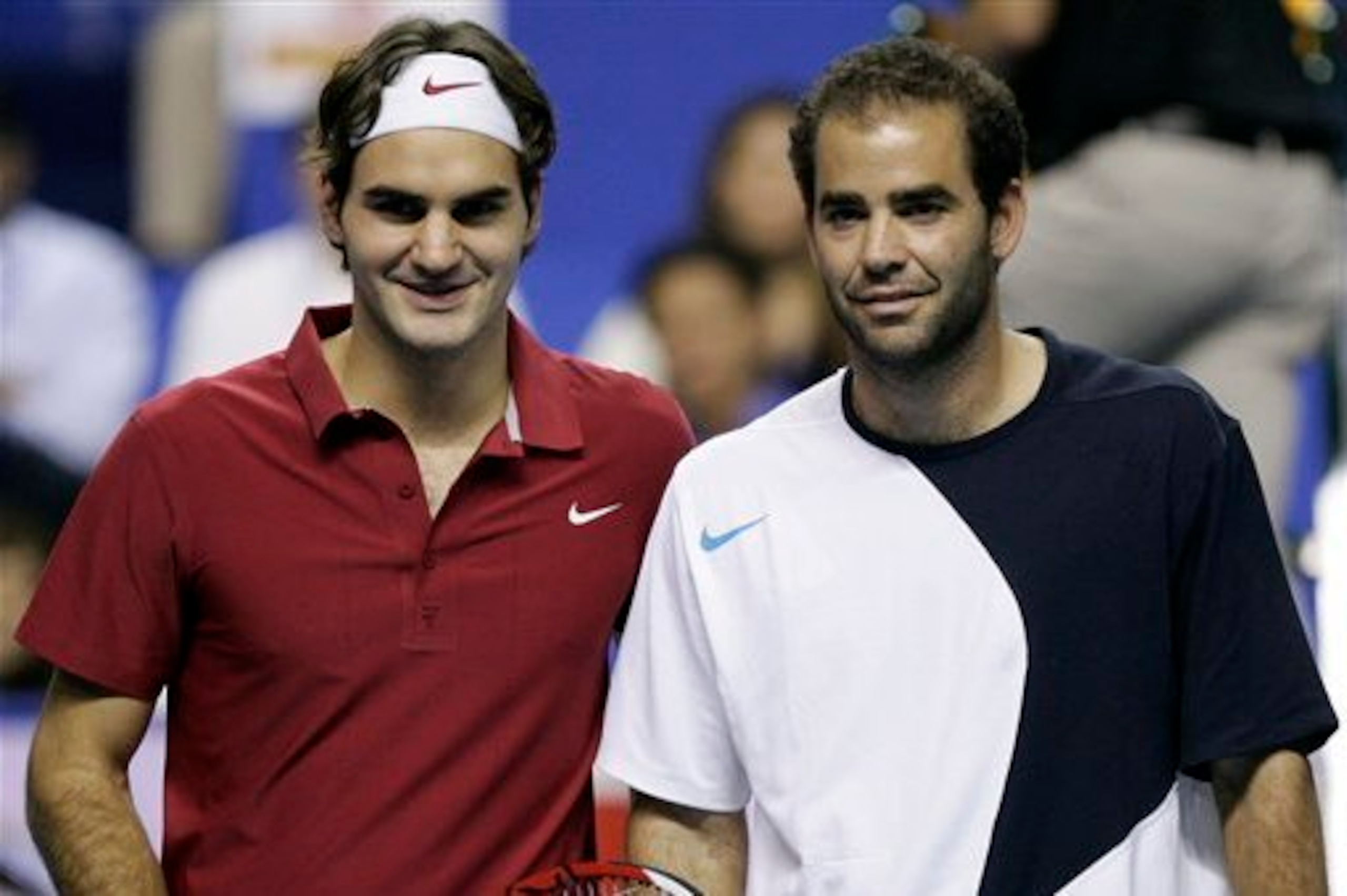

How Today's Tennis Stars Compare to Past Greats
Diehard tennis fans love to compare stars to past greats. There are countless ways to analyze data, appraise achievements and wonder how modern players would fare against players of prior generations. There are also fascinating aspects to how different stars play tennis.
This article will feature a more unusual look at the styles of tennis players by categorizing them into tennis families. For instance, we can group together serve-and-volley players like John McEnroe and Patrick Rafter even if they come from different generations.
In deciding on tennis families, there are plenty of imperfect variables that do not make this a clean-cut exercise for every player or family. Part of the price in creating a system is that some of the observations will be useful and others irrelevant. There will be plenty of debate to how and why one player or other belongs in a particular family.
Each slide will label a different family, headed by the best players who represent this group. I placed each player into only one family, but often we will see that a player could represent multiple families. He will be placed in the group of his most dominant style, and some of these decisions will be explained in the slides.
The intention is to list famous examples from past generations and mix them with current stars—mostly Top 20 players in the current ATP Rankings.
Baseline Tacticians: The Mats Wilander Family
1 of 9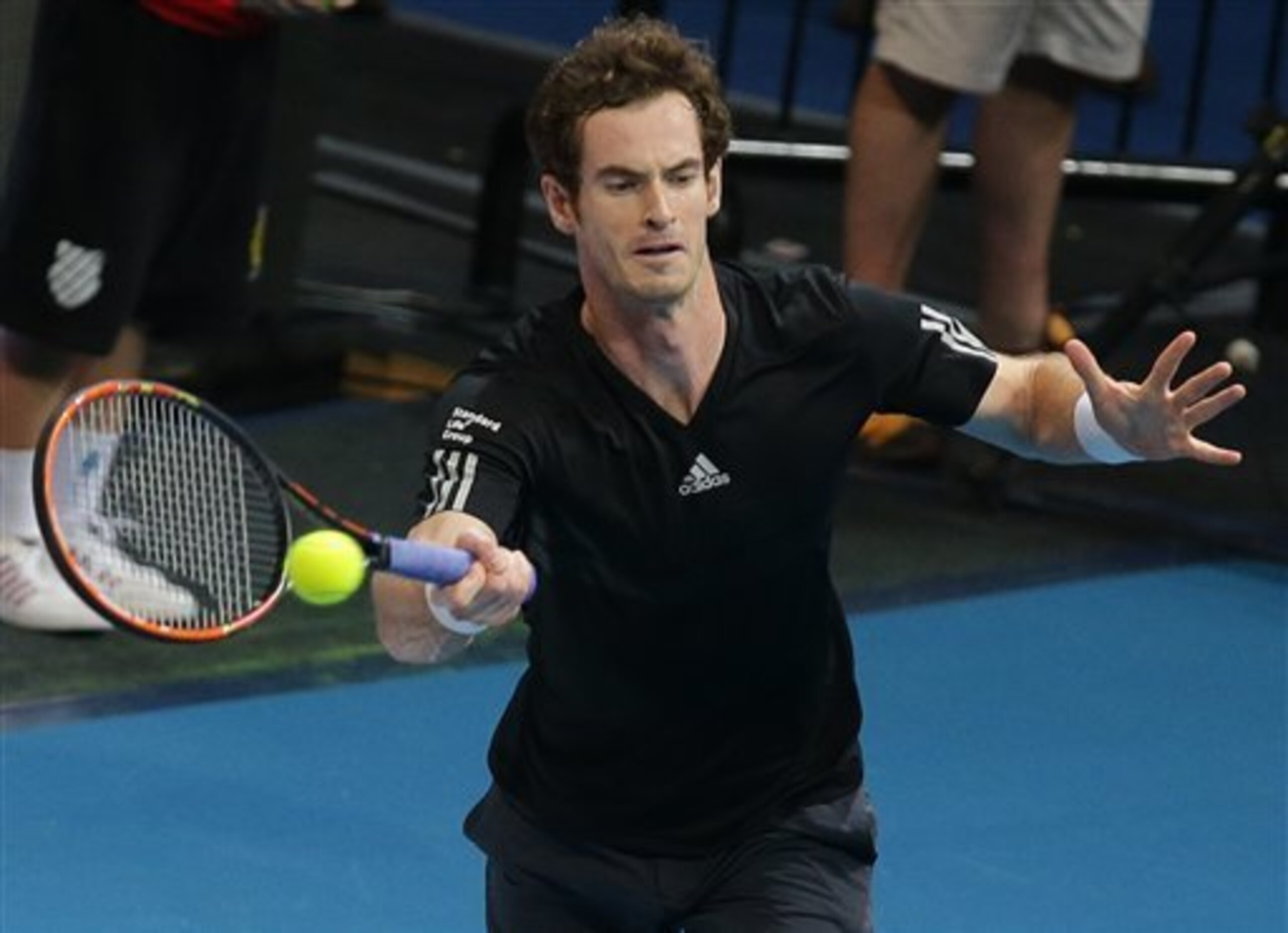
Gold Members: Mats Wilander, Andy Murray, Lleyton Hewitt, Michael Chang, Miloslav Mecir
Modern Stars: David Ferrer, Nikolay Davydenko, Tommy Robredo, Richard Gasquet, Gilles Simon, Fabio Fognini
The main quality of this group is that it plays a patient brand of baseline defensive tennis. All tennis professionals must still look to generate offense, so even this group has opportunistic ways of attacking. These players have the patience of Job to strike from a good position or when the percentages favor their attack.
Mats Wilander was a backboard on the baseline, but he was also a cerebral player who knew how to direct balls at an opponent's impatience. He could even get under the skin of contemporary rival Ivan Lendl who would either beat Wilander or commit too many unforced errors and lose.
On the other hand, players like Chang could vary somewhat with his play. He could be aggressive on hard courts, but he often resorted to heavier topspin on clay. Hewitt was tactically aggressive but was still more of a counterpuncher, using the faster surfaces to great success.
All of the players listed above utilized sound groundstrokes and usually outlasted their opponents. However, a player like Richard Gasquet, who could somewhat be considered an all-tools player, has the mentality of a defensive player even if he does not fit the old prototype as a clay-court retriever.
Baseline Shotmakers: The Andre Agassi Family
2 of 9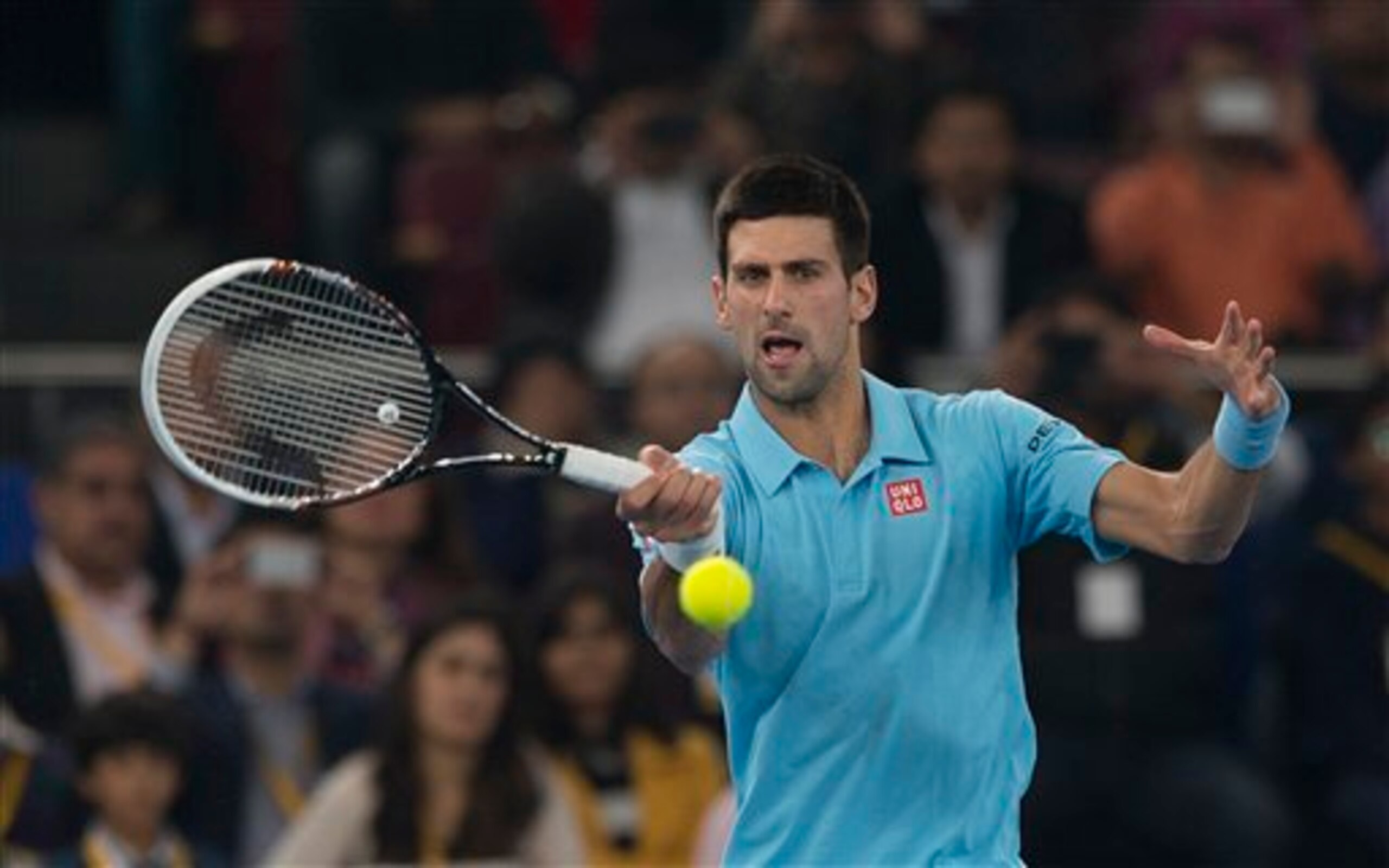
Gold Members: Ivan Lendl, Andre Agassi, Novak Djokovic, Gustavo Kuerten
Modern Stars: Stanislas Wawrinka, Gael Monfils, Kei Nishikori, Alexandr Dolgopolov
We could quibble over the naming rights to this group. Lendl was the godfather and Djokovic might already be the best of this group, but Agassi helped define what a modern baseline shotmaker has become. Until Djokovic blows past him, Agassi gets the name brand.
Agassi had very quick foot speed but was never a retriever. He had to control the action from the center of the baseline and direct offensive rhythm and pace in groundstrokes exchanges. He could outslug clay-courters at the French Open or play tic-tac-toe to bleed someone to death at Melbourne.
Most of these players are aggressive baseliners. They look to win with big groundstrokes and delight in creating highlight shots. This is not to say that they always do this. There are times that Djokovic could belong in the Wilander family, especially with his awesome defense and return game, but his ability to turn this into aggressive offense, step up and paint the sidelines is why he most belongs here. Kuerten might also belong in another family, but his artistic shotmaking is a dominant attribute.
Nishikori might have been categorized as a retriever before 2014, but his new racket and greater success have helped prompt more aggressiveness with his approach, and it's working on different surfaces. He takes the ball on the rise and looks to use all angles with his ball striking.
Monfils might be more of a defensive baseliner, and in many ways his spectacular shots and flair for the dramatic are what get him in trouble. He might be a great player if he was more intelligent with his aggressive shots or used a more tactical approach with his gifts.
On the other hand, Dolgoplov probably wouldn't be on the tour if he didn't try to power every shot as hard as he could.
Physical Topspinners: The Rafael Nadal Family
3 of 9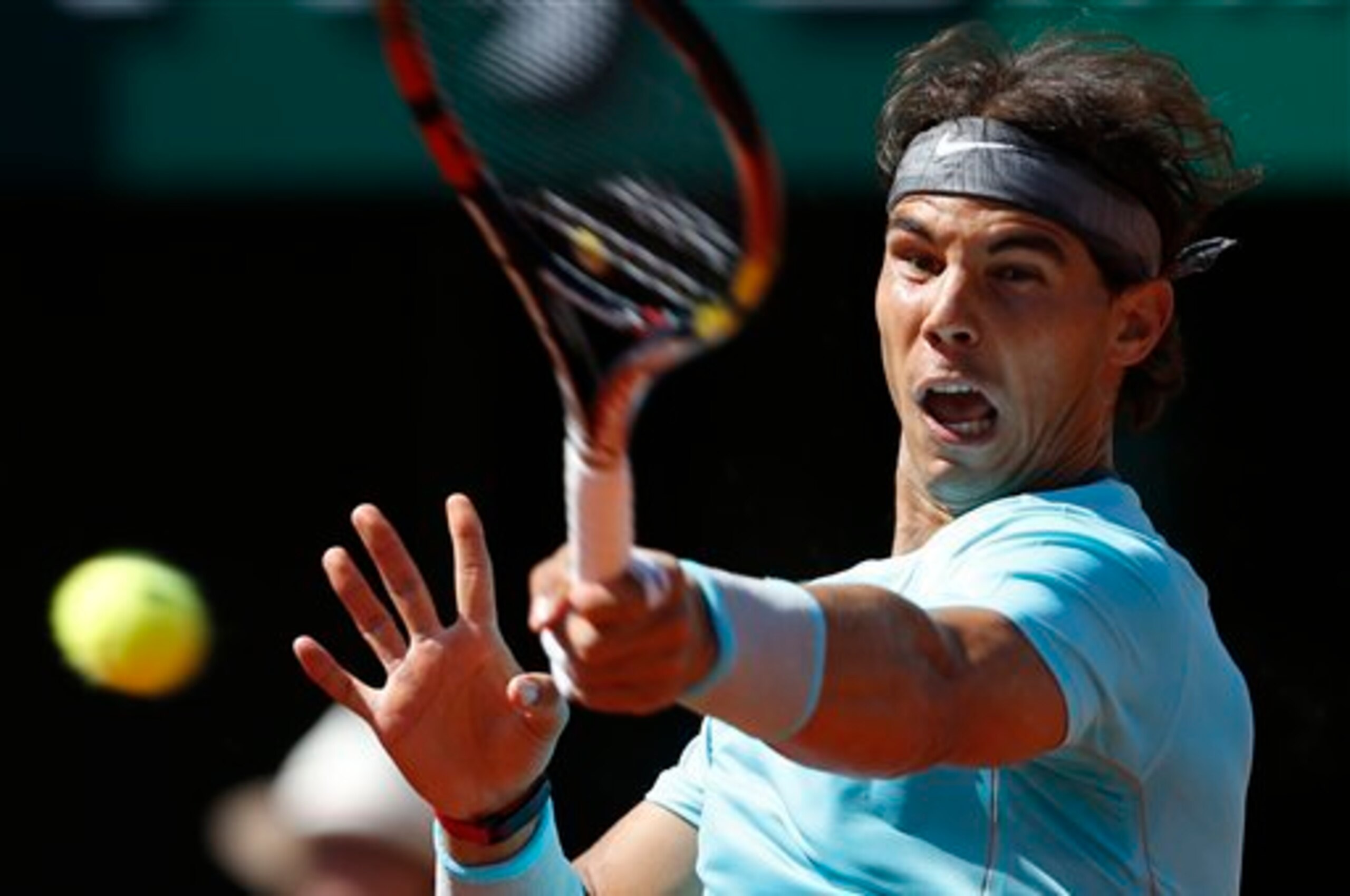
Gold Members: Rafael Nadal, Bjorn Borg, Jim Courier, Sergi Bruguera, Thomas Muster
Modern Stars: Juan Carlos Ferrero, Nicolas Almagro, Fernando Verdasco, Juan Monaco
Borg relished winning with fitness, toughness and topspin that was ahead of his time. There's no doubt he inspired shotmakers like Ivan Lendl and Andre Agassi, and even though he was adept on all courts and learned to serve and volley, he was at heart a fearsome, athletic grinder.
This family has the tools to wear down many opponents with a brutal dose of topspin that is often bigger and more grueling to their opponents. It was as much as a mentality than anything, although Almagro is hardly known for his toughness. Plenty of players can fit in this family even if they are not mentally tough, but it does take a resilient player to keep pounding away with mostly a vertical game.
These players had the tools to pound their opponents. Jim Courier did it with a semi-western grip, hitting every ball as hard as he could from the baseline. Bruguera looped the ball over and over like it was made of rubber. Muster was the original bull with a left-handed hammer, grunting with protracted effort as if each stroke would be his last and biggest.
Ferrero was a gifted player who might have been as good on hard courts as clay. He could wear out opponents with spin and all manners of strokes, so he might not fit the image as a physical player who could outgrind or intimidate his opponents. He also became injury riddled, but before then seemed an heir-apparent to a lot of 90s baseline players with a variety of topspin and strength.
Verdasco and Monaco should be greater than they are, but never really channeled their heavy topspin into the great success of the other stars listed above. It's also interesting that fewer players now can completely win on only physical topspin and endurance. Yes, Novak Djokovic could be in this group as well, but despite his fame in winning big matches against Nadal, he is first and foremost a shotmaker.
Nadal has kind of shattered the mold for this family. It's tough to put too many other players in here because of him. Furthermore, the Spanish star has also evolved his game, morphing from more of a retriever in 2005 to an aggressive shotmaker on hard courts in 2013.
And like Roger Federer, Nadal is also an all-courts player, evidenced by his success on clay, hard courts and grass. He has a great overhead smash and can volley with great efficiency. He earns his reputation through defensive prowess, but earns his trophies through offensive firepower. So, Nadal fits many categories, but he headlines this most unique family.
.jpg?w=2560 "Cardinals Giants Football")
.jpg?w=2560 "Titans Giants Football")

Ball Strikers: The Petr Korda Family
4 of 9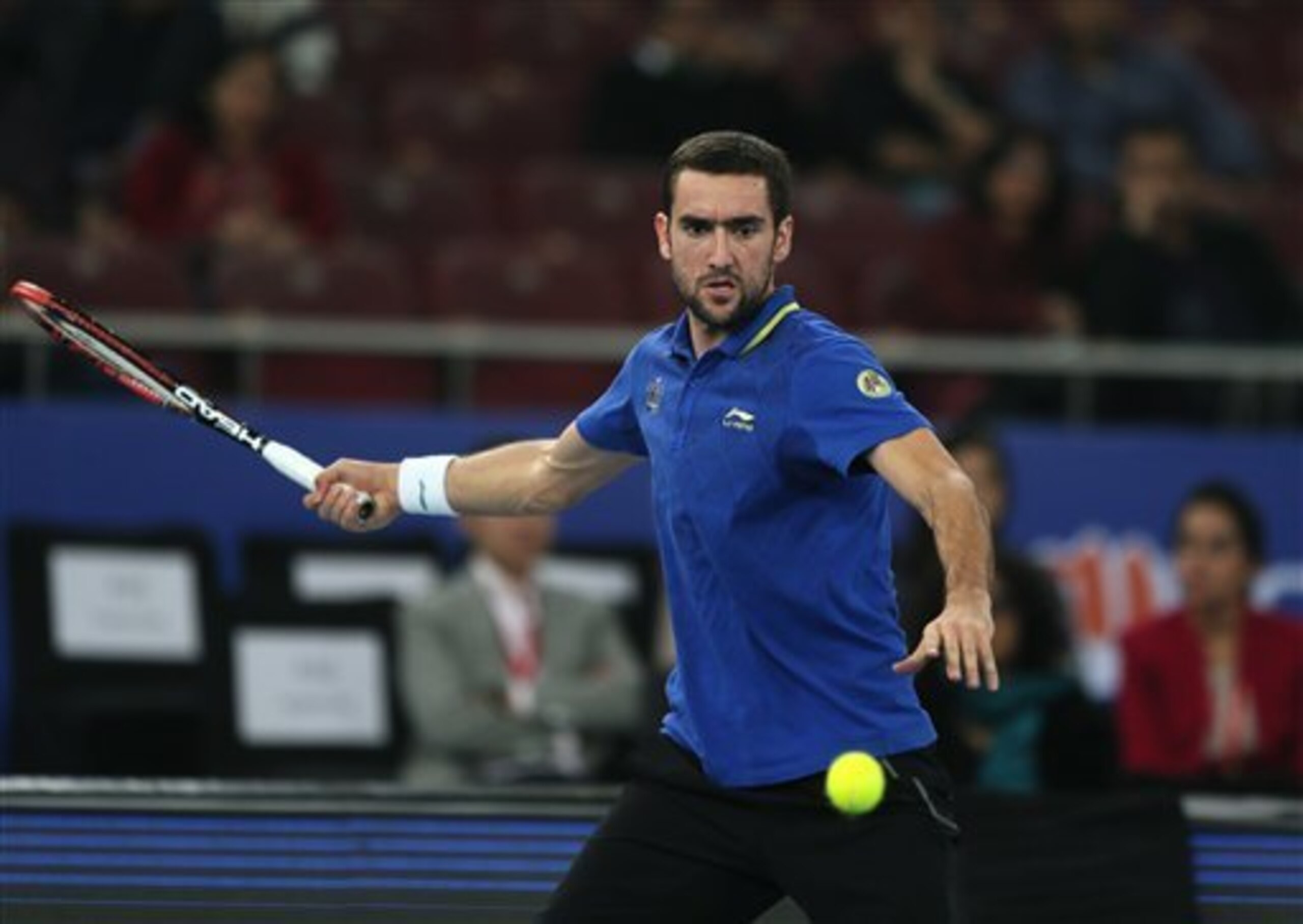
Gold Members: Petr Korda, Juan Martin del Potro, Marin Cilic
Modern Stars: Tomas Berdych, Jo-Wilfried Tsonga, Robin Soderling, Ernest Gulbis
Petr Korda had enviable talent and a variety of shots, but he also had a tendency to trade strokes rather than create ways to win. At the 1992 French Open final, he self-destructed against Jim Courier. Late in his career, he learned to put his shots together, won the 1998 Australian Open and challenged for the No. 1 ranking. But he often seemed lost.
This is more of a miscellaneous category in the last of our true baseliners' families. The players here could be in another family but they don't neatly fit in either. For instance, Del Potro can be a shotmaker, but he is more likely to find himself sitting back and trying to hit the ball as hard as he can with little variety. (Note: When healthy, Del Potro mixes in excellent underspin, but a chronic wrist injury has been a noted part of his inconsistent results in his young, prime career.)
Berdych, Tsonga and Gulbis almost make this seem like an underachieving family. Even Cilic, finally realizing his potential in winning the 2014 U.S. Open, has often been ambivalent about how to play. He is adept on multiple surfaces and when he puts it all together is a Grand Slam champion, but too often he is out there hitting the ball rather than adjusting his game plan for new challenges or opponents as necessary.
This family is likely to grow if current players insist on slugging balls rather than incorporate more tactics and imagination. Maybe players like Berdych, beautiful groundstrokes but not elite defense, are stuck in this limbo not because they are mentally weak but that getting to the top is a lot harder than the rest of us realize. There's no way he can suddenly return the ball like Andy Murray and we can't fault him for this.
Serveborgs: The Goran Ivanisevic Family
5 of 9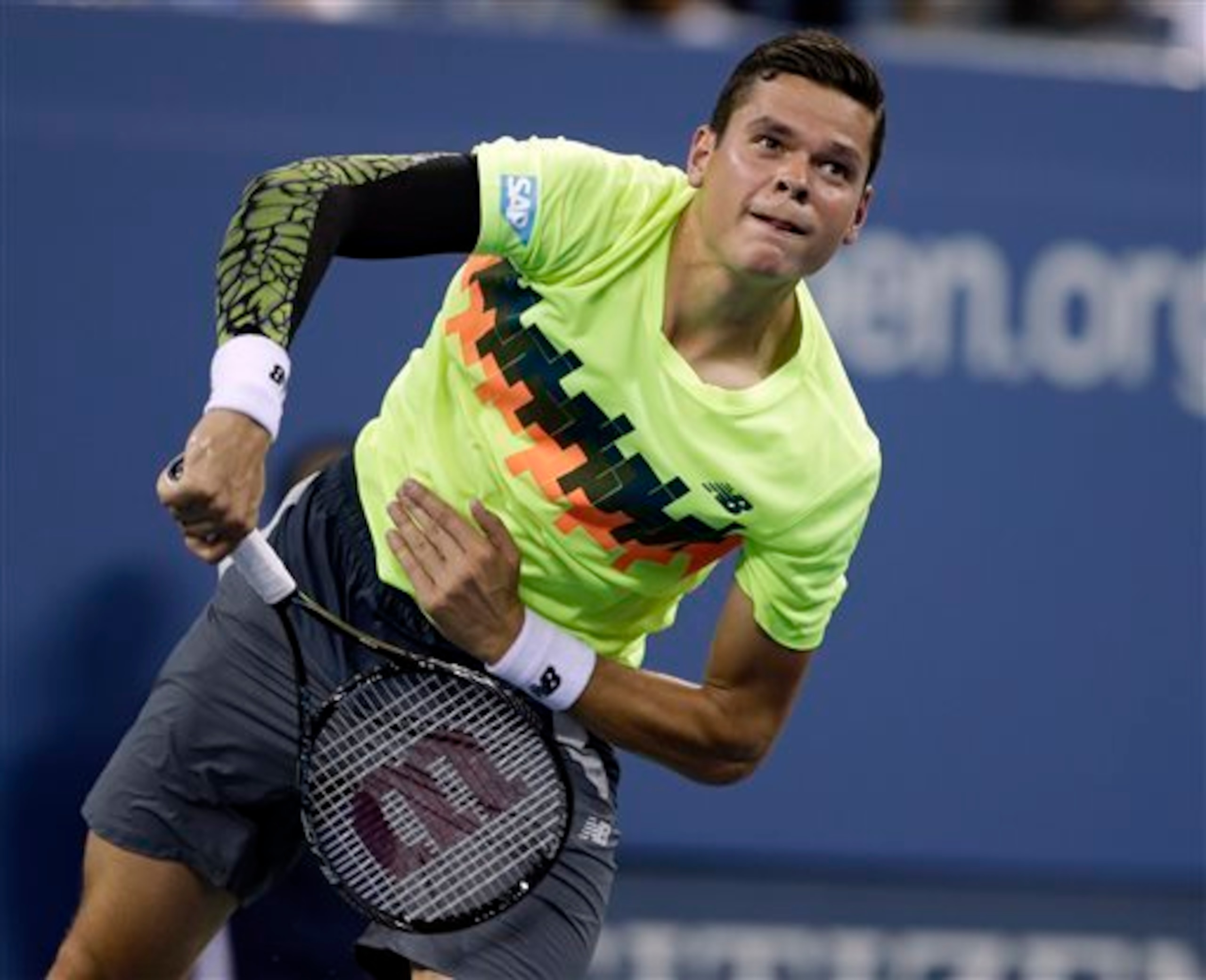
Gold Members: Goran Ivanisevic, Andy Roddick, Richard Krajicek, Kevin Curren, Roscoe Tanner
Modern Stars: Milos Raonic, Kevin Anderson, John Isner, Ivo Karlovic
For a bigger discussion and definition of a serveborg, you can review an article we published last March. Basically, there are plenty of great servers in the history of tennis. A serveborg is a player who relies very heavily on his serve but is often mediocre or subpar with other well-rounded tennis skills.
Serveborgs are typically large players who are limited with offensive volleys and other ways to strike quickly. They often possess only adequate footwork and play more of a defensive groundstrokes game.
Ivanisevic was the best of them all, great enough to fire bullets, and just solid enough to hang in with groundstrokes. He and Roddick are the exceptions, stars good enough to compete for majors on a regular basis because they had enough game to compete at the top. But they are still defined first and last by their big serves.
Krajicek could volley and pressure his opponents, but he was not consistent enough to be defined other than his serve and 1996 Wimbledon title.
Now we have Top-10 player Milos Raonic who relies heavily on his serve. He has worked hard to add more to his groundstrokes, but his path to a major title will require him to keep developing other quick-strike weapons including a better forehand and improved hands and feet to pick off a few more points at net.
It's fairly unlikely that journeymen like Anderson, Isner or Karlovic will seriously contend for majors, but their presence is proof enough that big servers will always have a place in the sport.
Quick-Strikers: The Pete Sampras Family
6 of 9
Gold Members: Pete Sampras, John Newcombe, Boris Becker, Pancho Gonzales
Modern Stars: Nick Kyrgios, Jerzy Janowicz, Radek Stepanek, Philipp Kohlschreiber
Sampras had all-court skills and like Nadal can certainly be labeled as such. He could win matches from the baseline and had the best running forehand in the 1990s when opponents pulled him off the deuce court. He was a shotmaker from the front and back of the court.
But Sampras was still primarily a power player and efficient at net. He forced opponents to make tough shots, he shortened rallies and was very difficult to break because he had the best second serve, perhaps ever. The quick-strikers are aggressive power players who can do much more than ride a big serve. They often have a secondary weapon like a big forehand or successful net skills, which are used frequently.
Newcombe and Becker were hall-of-fame power players who could execute quickly after a big serve.
Now we see less powerful players like Stepanek and Kohlschreiber employ their volley game whenever they can serve well or pressure the opponent into difficult passes. Stepanek might even be considered for our next family. He's a good example of a tweener.
The jury has hardly read the previews on Nick Kyrgios, but its obvious that his power serving does have the offensive back-up and mentality to finish points quickly. That will be his key, because if he is forced into a defensive baseline game, he will be relegated to the serveborg family.
Volley Artists: The John McEnroe Family
7 of 9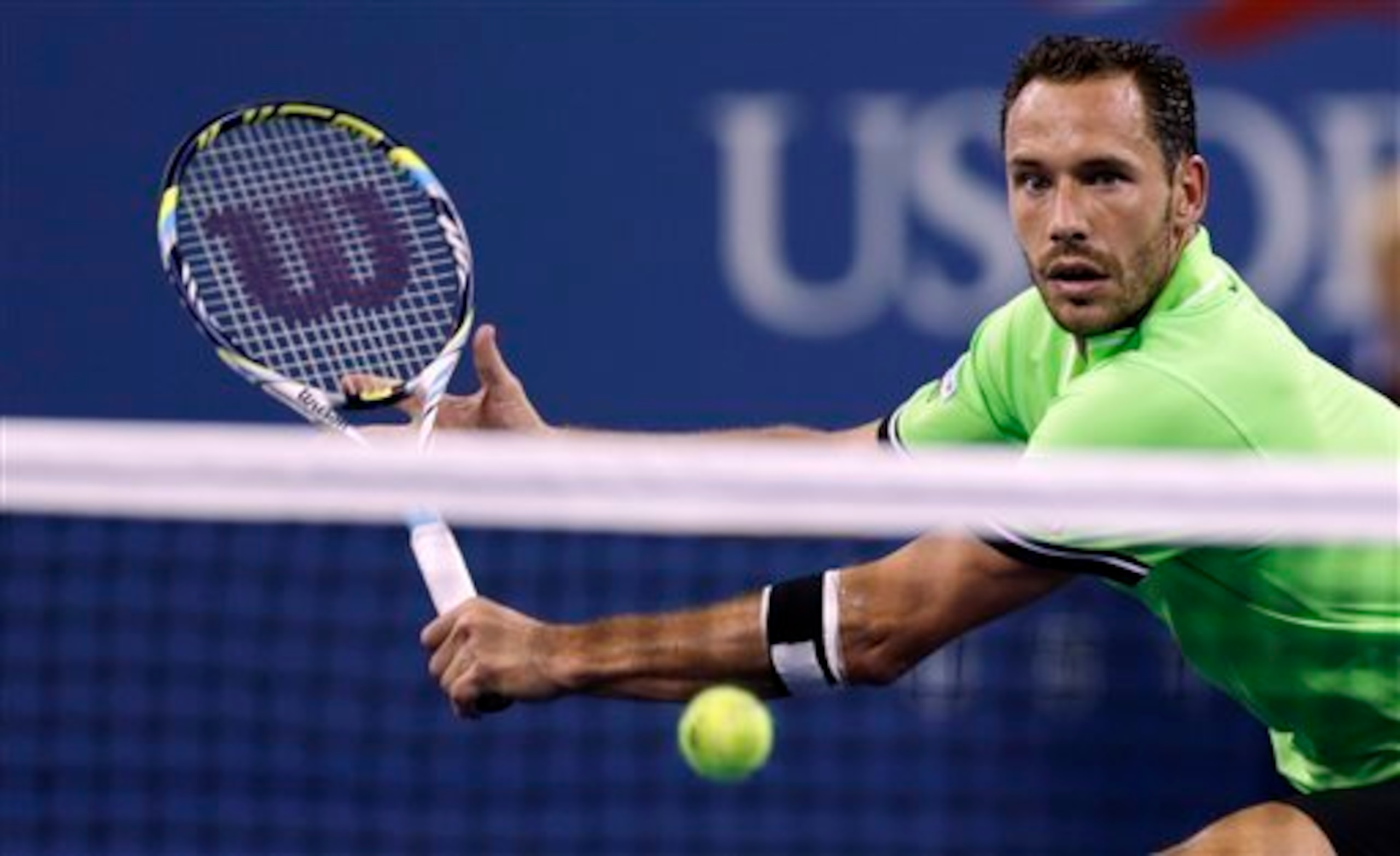
Gold Members: John McEnroe, Stefan Edberg, Pat Cash, Patrick Rafter
Modern Stars: Michael Llodra, Sergiy Stakhovsky, Nicolas Mahut
It's a family that is nearly extinct because it's difficult to win in today's ATP without power groundstrokes. Serve-and-volley tennis once thrived in the wooden-racket ages because players did not usually rely on pace as much as precision.
John McEnroe and Stefan Edberg were artists with wonderful hands, intelligence and a feel for creating volleys rarely seen in modern tennis. Was there ever a better forehand volley than McEnroe's? Could anyone be more graceful with a backhand volley than Edberg?
A few decades ago, there was more time to direct a kick serve and pick off returns at net. This group used finesse in so many ways including drop shots, dinks, slices and clever guile. It's a different brand of tennis than the Sampras-Becker strategy that relied on a power serve and feeble replies.
Modern serve-and-volley tennis is arguably dead, at least in terms of competing for majors, but it's refreshing to see remnants of its success. Sergiy Stakhovsky's upset of Roger Federer at 2013 Wimbledon was a time capsule of 1980s Wimbledon tennis. It should be noted that Stakhovsky is not always able to execute this style. On grass and on the right day he can do it, but that's still an exception.
Someday, perhaps soon, we may again see a champion use this style to win major titles. If so, it will likely be someone who also has power groundstrokes and great defense. In short, a multi-skilled player who can still make his living with serve-and-volley because his other skills allow him to thrive.
All-Court Kings: The Roger Federer Family
8 of 9
Gold Members: Roger Federer, Rod Laver, Jimmy Connors, Michael Stich
Modern Stars: Tommy Haas, Mikhail Youzhny, David Nalbandian, Grigor Dimitrov
Total mastery in tennis is the ability to use several winning styles from any position on the tennis court. Yes, we should include Pete Sampras, Rafael Nadal and others, but we are trying to identify players with the attribute that most defines them. In the case of Roger Federer, the answer is everything.
Can these players use a big serve, sound groundstrokes, get to the net, and adapt to various opponents? Evidence is further given when a player succeeds on several, if not all, surfaces.
So much of what made Jimmy Connors and Rod Laver incredibly fun to watch was their constant aggressiveness, often in unconventional ways. Laver had a huge forearm and could create all kinds of approach shots. Connors loved to improvise from anywhere on the court despite his reputation as a great returner with flat baseline strokes.
I remember wondering why Michael Stich could not dominate to a greater extent. He won Wimbledon and got to the French Open and U.S. Open finals. He had a big serve, great skills at net, excellent groundstrokes and a real feel with his variety. But maybe he had too many weapons or not quite the mentality and determination of someone like Sampras.
To a lesser extent, a player like David Nalbandian had all the tools but not the mentality. Would it have been easier had he a more single-minded attack?
It's obviously much more difficult to become very well rounded and able to win in a variety of ways. It greatly explains how Federer and Connors could be so great for so long. They could adapt to changing technology and conditions. If Nadal and Djokovic are to remain at the top of tennis for another five years, it's likely they will have to keep adapting new parts to their game.
What Does It All Mean?
9 of 9
All of the legends had unique ways of winning. It's why we can place McEnroe, Sampras and Federer in different families, even with some of their similarities. It's a tribute to original champions that we can create new families to sort some of these differences, however small or great.
There are plenty of perspectives in categorizing players by the way they play tennis. It can be interesting to note which styles succeed best in which decades or eras. It can be a reminder of how the sport changes, where it is headed, or how to develop new players.
There's also value in looking at young players' skill sets to figure out their chances for great success. For instance, there was a lot of hype about American Ryan Harrison a few years ago. However, his big serve and attempts to hit his forehand as hard as he can, as early as possible, cannot overcome his lack of footwork. He is a limited player, more in the serveborg category with the ideal of becoming a quick-striker.
On the other hand, teenage Nadal did not settle into the Spanish role of being a clay-court retriever. He had great footwork, a unique skill and a terrific work ethic with designs to be a champion. He changed his era with physical topspin and opportunistic shotmaking. Great players keep evolving.
The modern era has seen more players thrive as baseline shotmakers. Hence, the trend is for players to follow suit and develop this part of their game if not exclusively play in this style.
But nothing is certain, and despite all the prophecies about a player as talented as Grigor Dimitrov, it still requires so many other attributes to be a champion. For now, Dimitrov is gradually progressing, but it's a precarious balance adding in all of a champion's intangibles to become an all-court king.