

NFL New Personal Conduct Policy Seems to Be Just More of the Old
The NFL has admitted it's been getting personal conduct issues wrong, and it doesn't seem like it's learned a whole lot now that it's trying to get it right.
In response to numerous personal conduct issues that have plagued the league over the past calendar year, the NFL released a new personal conduct policy that seeks to make things more transparent and place more people in the discipline process.
For years, NFL commissioner Roger Goodell has been not only judge, jury and executioner, but also appeals officer in NFL conduct matters. The collective bargaining agreement has given Goodell that power, and he has taken the baton and lapped the players with aplomb...not that there haven't been stumbles along the way.
.jpg?w=2560 "Commanders Eagles Football")
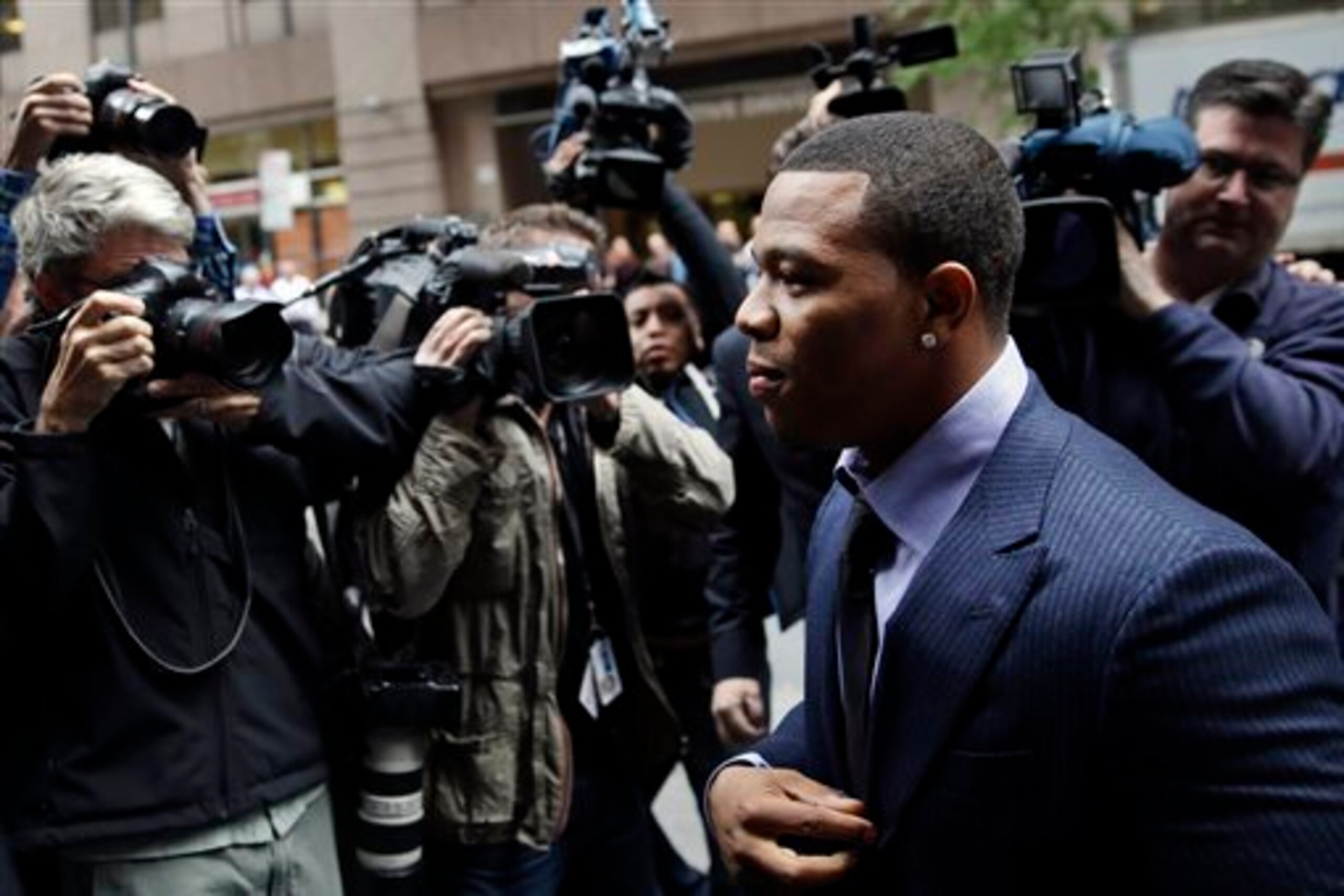
In his now infamous post-Ray Rice suspension presser, Goodell issued numerous mea culpas but very few solutions—only the promise of potential solutions down the road. This new policy is supposed to fix what was wrong in the old one.
The problem is the NFL seems to be doubling down on its past mistakes.
The NFL Makes It Clear It Has the Stick, but Speaks Softly on Everything Else
As a league, and more importantly as an employer, the NFL does not seem to be willing to move past a conduct policy that goes any further than simply posting a list of infractions and potential penalties for committing those infractions. While Hammurabi and Moses may have found that strategy to be effective, many other walks of life have moved on to bigger and better things.
The policy, which takes up eight pages of browser space, lists its expectations and then spends the better part of six pages outlining what happens when a player doesn't live up to those expectations. Not to be entirely glib, but it's almost surprising that "Your mother and I will be really disappointed in you" isn't one of the bullet points.
What's new in the policy?
Among other things, Goodell is giving up sole authority on the first step of player discipline and delegating that to "a disciplinary officer, a member of the league office staff who will be a highly-qualified individual with a criminal justice background."
It's a step in the right direction for the NFL—don't get me wrong.
Of course, Goodell will still be that officer's boss and may or may not still have much to say behind the scenes as to how the matter should be handled—a barrier of transparency that the league would never allow the players or public behind...but I digress.
Goodell as both the commissioner and Judge Dredd of the NFL wasn't working. He had zero background in dealing with any of the policies (or people) he was overseeing, with a background almost entirely in public relations before stepping into NFL power.
Again, go back and watch the aforementioned press conference where Goodell admitted his naivete, and realize I'm not being any harsher on Goodell's lack of knowledge in these sorts of things than he was on himself.
I spoke to Indianapolis Colts linebacker Andy Studebaker, who serves the NFLPA and his teammates as an alternate player representative for the union. He was just leaving practice when we exchanged texts and called me to hash out some of what he might look for in how discipline has and should be handled in the league.
"Players are frustrated in a lack of consistency," Studebaker said. "I don't think the voice of players is, 'How can we get this player off the hook?' Ninety-nine percent of the players are following the rules. I think the concern of the players is, will this new policy even be consistent? It's not that we don't want consequences for players. We just want them consistently handled."
Consistency has been an issue for Goodell, and though the new policy is more transparent than the old, there still isn't a ton of perspective behind the proverbial curtain. There still appears to be pla enty of leeway for the league to deal more harshly with players whose infractions might be considered more embarrassing, or in Goodell terms, that tarnish the NFL shield.
From Studebaker: "It's not fair to the player, potentially, to discipline him based on what's trending on Twitter right now."
In addition to the discipline, Goodell will be giving up a share of the responsibility in investigating conduct matters. Again, this is something he has recently gotten very wrong. Goodell and other various organizations have been at odds since the Rice suspension as to what the NFL should've known and when it may or may not have received a tape of the incident.
In the Rice presser, a reporter from TMZ embarrassed Goodell by stating it took one phone call for his organization to receive the video—a phone call Goodell clearly should have made and one the NFL will be sure to make in the future.
Now, the NFL actually has a flowchart for its step-by-step decision-making processes as it deals with potential infractions of the policy.
The new policy also addresses the kind of limbo that players with domestic violence charges found themselves in this season, as the league dealt with the public-relations nightmare that ensued the second Minnesota Vikings running back Adrian Peterson's issues dared to put a potential stain on one of the league's sponsors.
Now, as investigations are ongoing for violent crimes that may present a messy juxtaposition with the league's warm and fuzzy, family-friendly image, the league will put players on paid leave, as they did with Peterson and others.
That's public relations and damage control—that's not really discipline.
It fixes a problem with the league's protocol in certain matters—a symptom far removed from any root cause. That's less of an augmentation of the league's personal conduct policy and more of something that could've been handled with a memo simply saying, "Hey, you know that thing we did? Yeah, we're going to do that every time now."
The NFL spends 235 words' worth of digital ink talking about "Evaluations, Counseling and Services." That's 235 words in a document of over 3,000 words. At best, one could say that the NFL's policy is just shy of 10 percent not about simple discipline, but it might be more honest and realistic to say that any reading of the actual policy presents treatment, education and non-punitive corrective measures as an afterthought to the actual business of the policy.
In that flowchart, victim and family resources is a minor point placed off to the side, while nothing is placed above the infraction in terms of proactive measures that might, you know, actually keep things from happening in the first place.
The optional counseling and evaluation of players after the infractions is implied in the flowchart if one has read the fuller document, but it is hardly part and parcel of a process that is still about eye for eye and tooth for tooth rather than seeking to enact better conduct through carrots instead of sticks.
The Players and Their Representatives Could've Been Included, but Weren't...As Usual
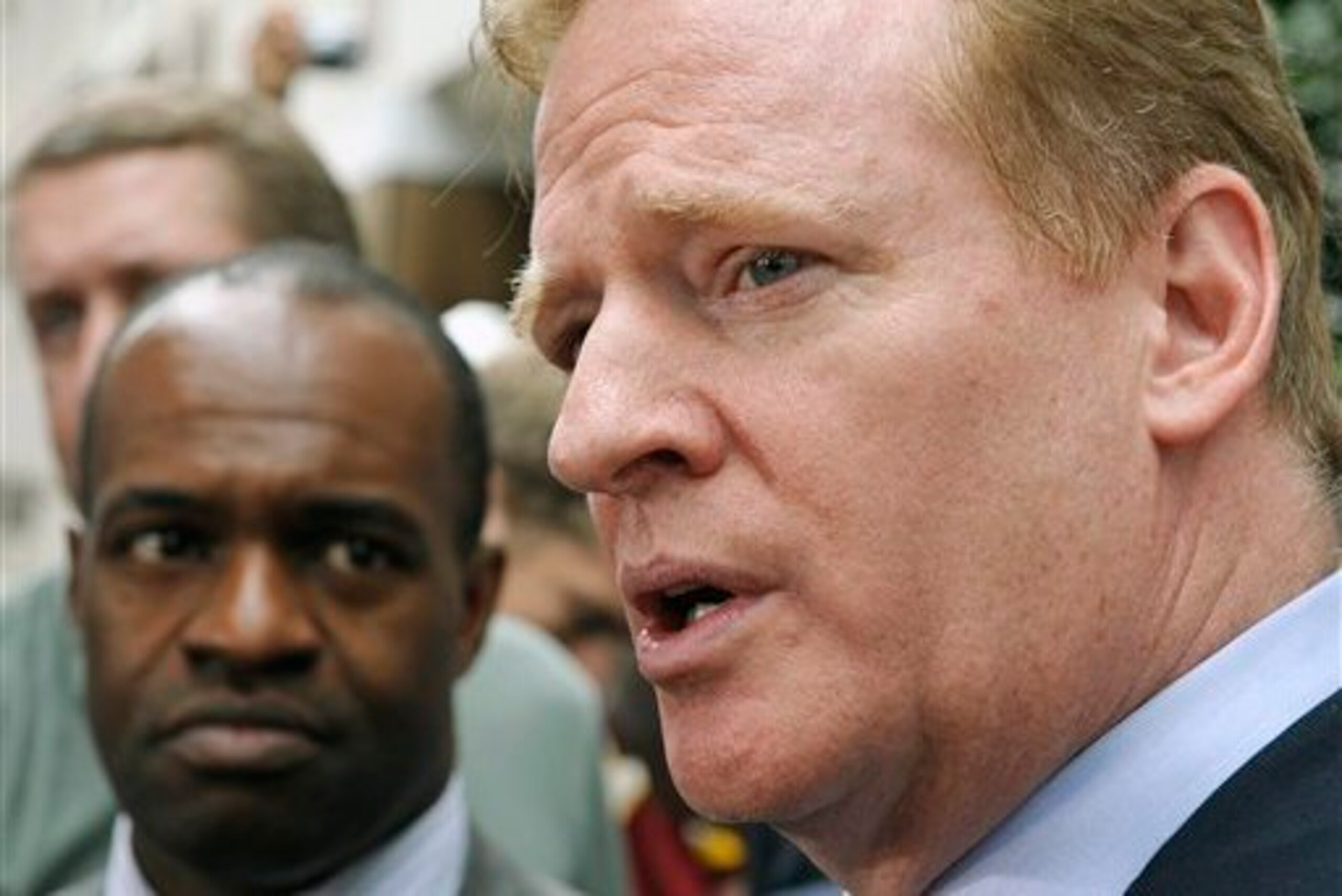
This is all status quo for a league that is still unilaterally making discipline up as it goes along. This is just another step in that process. From the NFLPA response to the new policy:
"Our union has not been offered the professional courtesy of seeing the NFL's new personal conduct policy before it hit the presses. Their unilateral decision and conduct today is the only thing that has been consistent over the past few months.
"
A request for more comment from the union and its officers was made, but the union has asked for more time because it received the new policy through media and at that point had even less time to look through it than some reporters.
Understand this: Though the league appeals to its CBA-mandated authority in the new personal conduct policy, that doesn't mean it can make wide-sweeping changes without even informing the players it's being done.
At the time of publishing, the league had committed to providing a comment on this issue to Bleacher Report, but had yet to do so.
People misunderstand the CBA process as something that only happens every decade or so when the old one runs out, but that's not how labor back-and-forth works in the NFL, or in any other walk of life. The CBA is a living document that is never fully closed as long as the employer wants the employees to continue working and the employees want to continue to get paid for their efforts.
More importantly, the league should want player voices to make this a stronger document. More from Studebaker:
"I think it would've been appreciated. It would've gone a long way for some good will. It's such a toxic relationship right now. My big takeaway is, should the players have been involved? There would've been value. There's a lot of guys around the league and even in my locker room who have been in the league a long time doing things the right way, who might know: 'What's the best way to help young players?'
"I don't want to come across as anti-Goodell, because that's part of the problem. If we're truly business partners—which is what they say—teamwork is the answer. The influence and power of the NFL mixed with players who are influential in their own right."
It's important to realize that the union and the players it serves don't want players to be immune from discipline when they make mistakes, but what the league has been doing in terms of discipline hasn't been working, and this is more of the same.
So, it's not absurd that the union might want a seat at that table in a more substantial way.
In an effort to fix how it handles discipline, the league has simply doubled down on much of what it was getting wrong before. Not getting more diverse voices in the room during that process is a pretty clear reason that happened.
What is the point of all this?
Isn't the point of any discipline to enact better conduct? The root of the word literally means to teach more than it has anything to do with punishments or even consequences. That's part of it, sure, but hardly needs to be the front-and-center totality of the matter.
It doesn't need to be 90 percent of the policy with only lip service paid to things like providing more education, counseling and resources for the players who may need it most.
When the only reaction to poor conduct is a promise to be reactive in a more comprehensive and public relations-friendly manner, it isn't a "new" policy as much as it's the old policy vetted though the court of public opinion.
That's the crux of the issue entirely: The old policy wasn't really the problem, as Goodell and the league have maintained a wide definition of his power under the CBA to deal with conduct as he sees fit. This policy is just codifying how he's going to see fit to do it, for now.
In the end, this new policy looks better than the old, but it remains to be seen if anything is actually any different.
Michael Schottey is an NFL National Lead Writer for Bleacher Report and an award-winning member of the Pro Football Writers of America. Find more of his stuff on his archive page and follow him on Twitter. Unless otherwise noted and cited, all quotes were obtained firsthand.
.jpg?w=2560 "Cowboys Giants Football")
.jpg?w=2560 "Packers Vikings Football")
.jpg?w=2560 "Grading WWE Raw 🔠")
.jpg?w=2560 "Follow WWE Raw 🇲🇽")
