
5 Biggest Takeaways from the 2014 MLB vs. Japan All-Star Series
Even before the 2014 MLB vs. Japan All-Star Series got underway, there were plenty of stories worth following. Would there be any major injuries? Would the MLB squad—"fresh" off a 162-game grind and, in some cases, a grueling postseason—have enough left in the tank?
And, most interestingly, would Samurai Japan—an awesome moniker if ever there was one—hold its own?
Five games later we have our answers. In honor of those five contests, let's examine five takeaways from this international interlude, which, while technically an exhibition, represented a watershed moment for baseball on the international stage.
It's not the World Series, or even the World Baseball Classic. But we'll take it.
The Injury Risk Is Real
1 of 5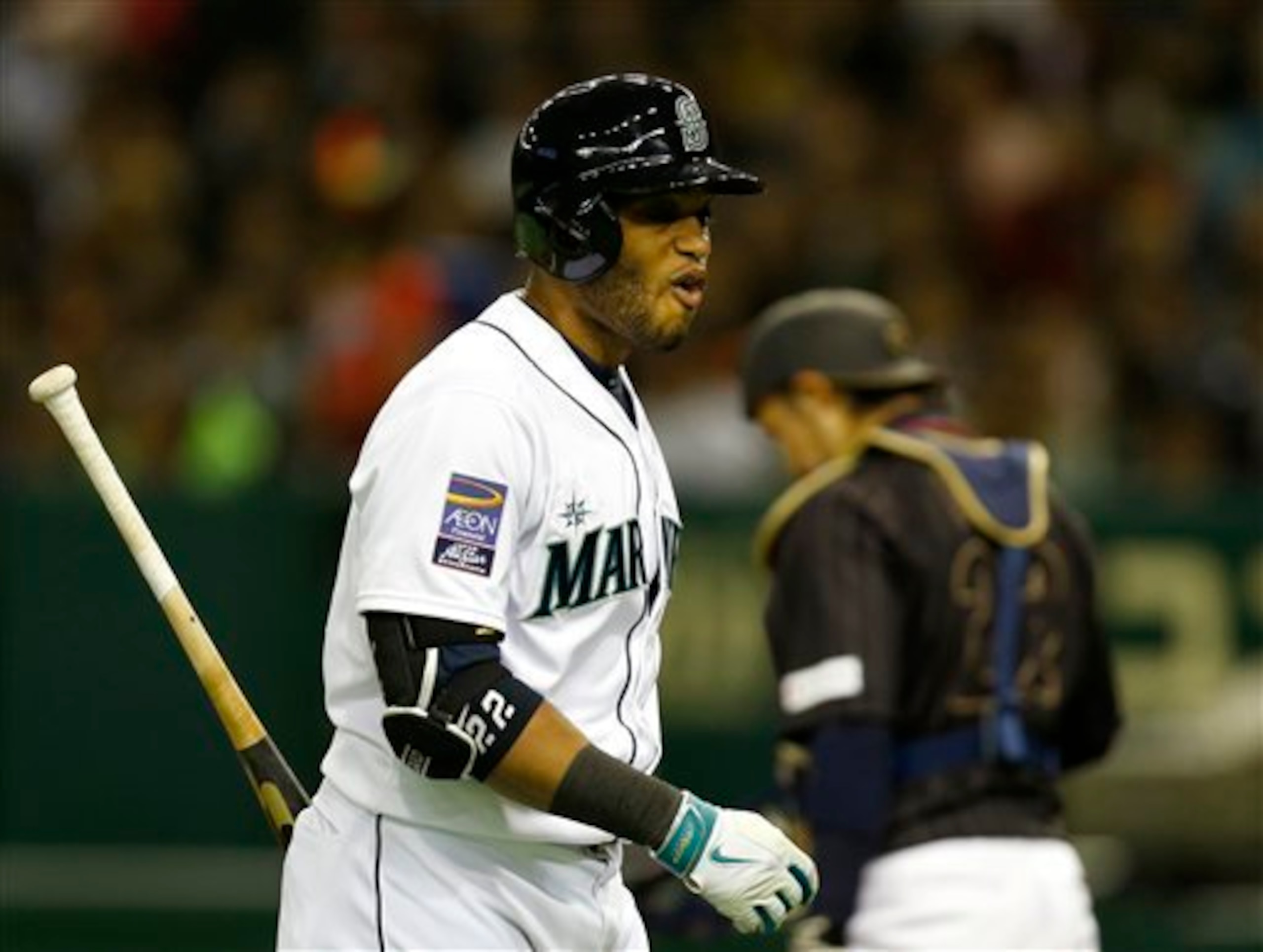
The main concern in any exhibition is injury. Sure, winning matters, but a team wants to know its investment is protected. Especially when said investment is worth close to a quarter of a billion dollars.
So it was with Robinson Cano, who flew to Japan trailing the hopes (and finances) of the Seattle Mariners, who inked him to a 10-year, $240 million pact before the 2014 season.
Then Cano was plunked in the foot by a Yuki Nishi pitch. The errant delivery fractured his right pinkie toe and will sideline him for up to four weeks, per MLB.com's Anthony DiComo.
Sure, he'll almost certainly be ready for spring training. But no squad wants to see its star wincing in agony, particularly in an ultimately inconsequential contest.
"It's part of the game, getting hurt," Cano told DiComo. "I'll be fine."
True enough. This game, though, did nothing to directly benefit the Mariners, the team that's paying through the nose for Cano's services. Should they, and other MLB squads, be more reluctant to lend their players out?
It's a question worth asking.
Nippon Professional Baseball Is Loaded with Arms
2 of 5
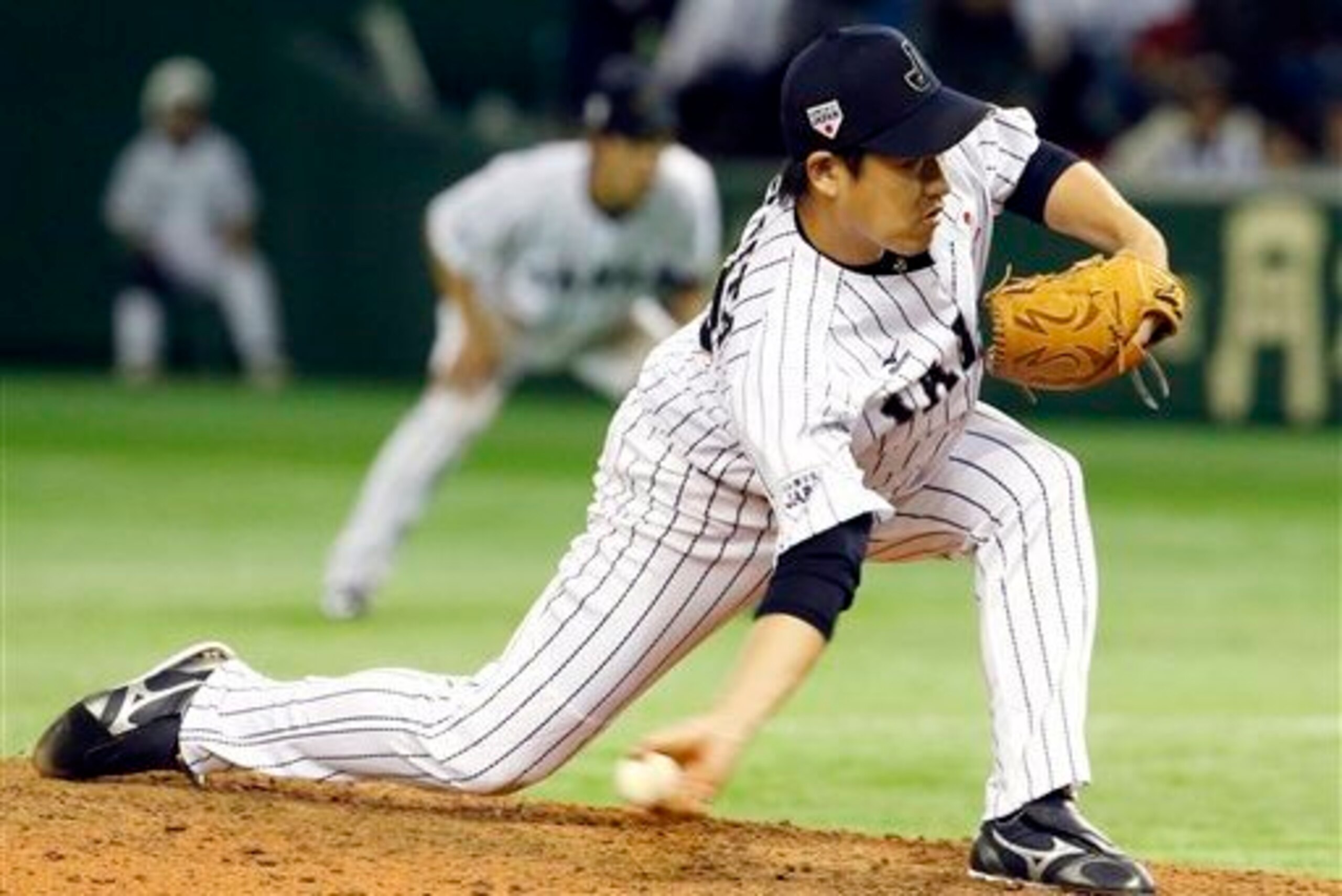
The prototypical no-hitter involves a single pitcher. In the case of Samurai Japan, their Nov. 15 no-no was all the more impressive for featuring an array of arms.
It began with Takahiro Norimoto, who twirled five perfect frames with six strikeouts before the bullpen—Nishi, Kazuhisa Makita and Yuji Nishino—finished the job.
"It's too good to be true," Norimoto said after the game, which sealed a 3-0 lead for Japan in the five-game series, per ESPN.com. "I wanted to see how my pitches would work against MLB hitters."
They worked just dandy and so did much of Japan's pitching staff, which tossed a pair of shutouts through the series' first three games.
The Nov. 15 gem, meanwhile, was the first no-hitter thrown in the on-again, off-again MLB vs. Japan series since 1990, per MLB.com's Joey Nowak.
It's unclear which Japanese star will cross the Pacific next. One prime candidate is 26-year-old right-hander Kenta Maeda, who blanked the MLB lineup through five two-hit innings Nov. 12.
Maeda's club, the Hiroshima Carp, haven't decided whether to post him, per The Japan Times. If and when they do, expect a bidding war.
Matt Shoemaker Can Still Pitch
3 of 5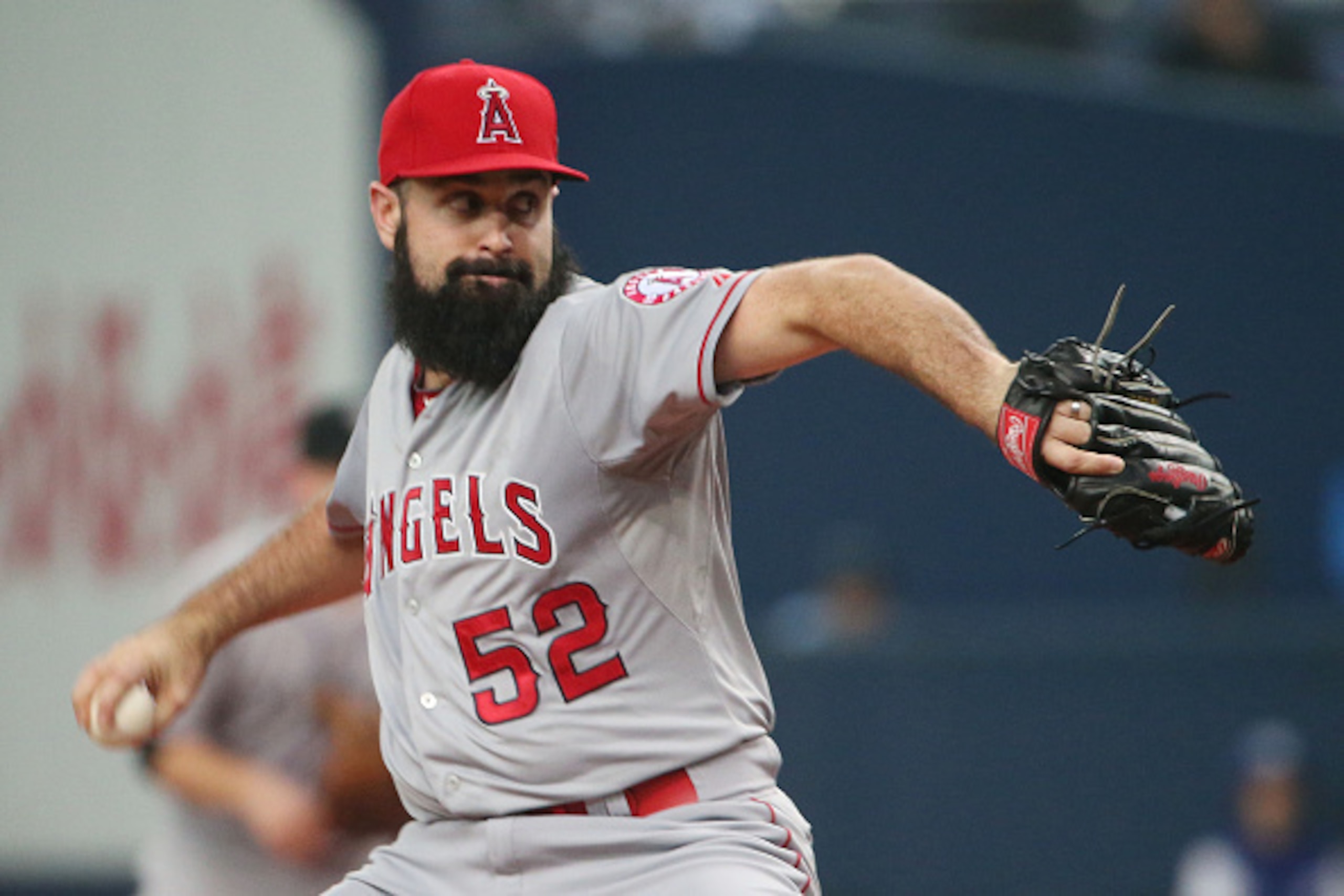
After finishing second in American League Rookie of the Year balloting, the Los Angeles Angels' Matt Shoemaker cemented his status as a budding talent worth following with a strong showing in Japan.
After allowing two runs in five innings in a Game 1 loss, Shoemaker rebounded on Tuesday with five shutout frames en route to a 3-1 win for the MLB contingent.
"We got very good pitching from everyone that came to the mound," MLB manager John Farrell told MLB.com's Nowak. "Obviously with Shoe's five shutout innings, he enabled our offense to get on track."
Shoemaker's outing was excellent news for the MLB squad, yes, but also for the Halos, who are counting on the 28-year-old right-hander to help anchor their rotation next year.
If his performance in the Land of the Rising Sun is any indication, the future is bright in Anaheim.

.jpg?w=2560)
Jose Altuve Can Still Rake
4 of 5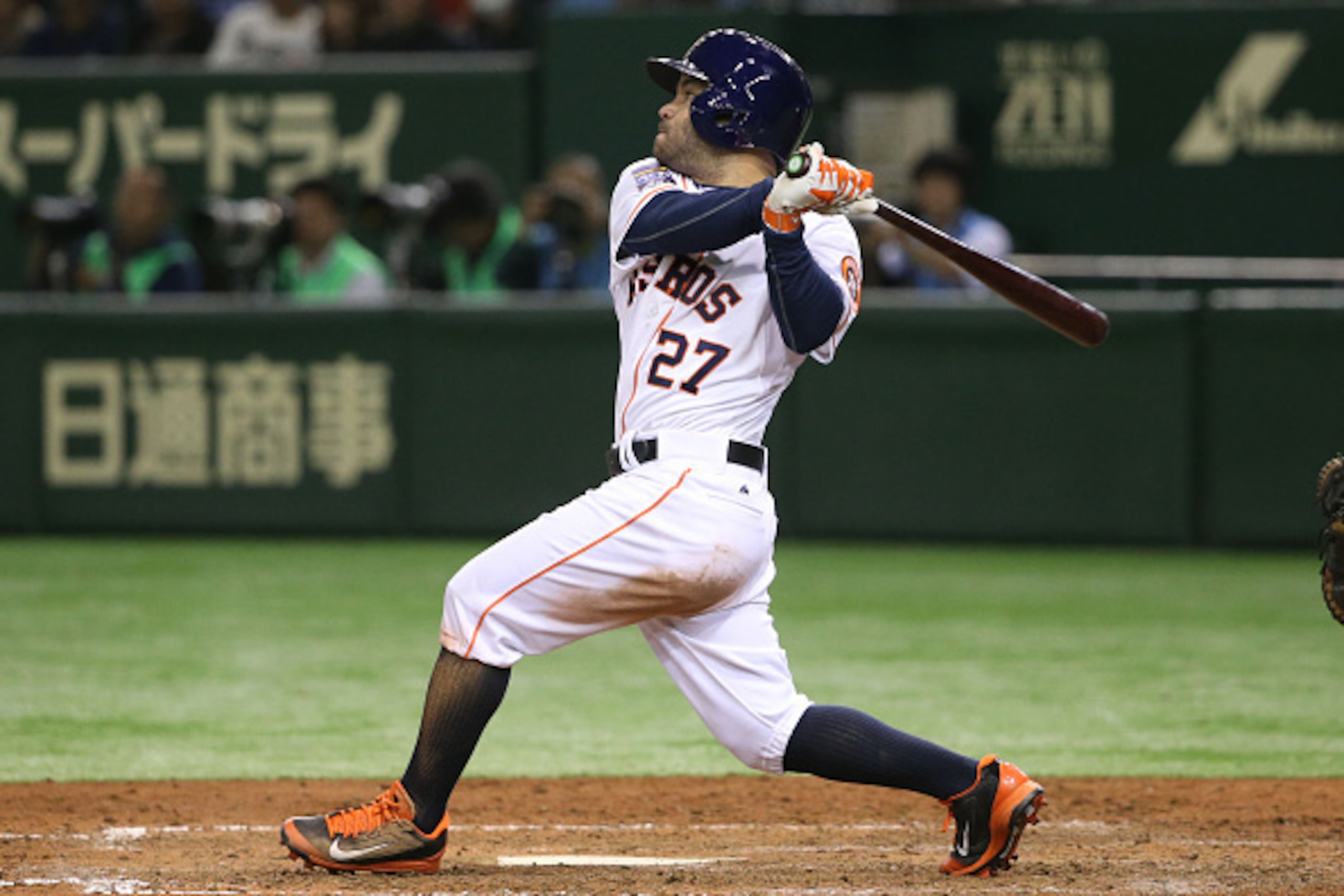
During the 2014 regular season, Jose Altuve of the Houston Astros led the AL with 225 hits, 56 stolen bases and a .341 batting average, becoming, as KHOU.com's Gene Dias notes, the first player to lead his league in those three categories since 1946.
So it should come as no surprise that Altuve tore it up in Japan, hitting .429 with a pair of doubles and a 1.000 OPS. Still, it's easy to overlook this burgeoning 24-year-old superstar.
Maybe it's because he plays for the Astros, a team few outside of Texas pay attention to. Or maybe it's because he began this Japan series on the bench before Cano got hurt.
Either way, once he got his shot, Altuve glistened on the international stage.
Japanese Baseball Is the Real Deal
5 of 5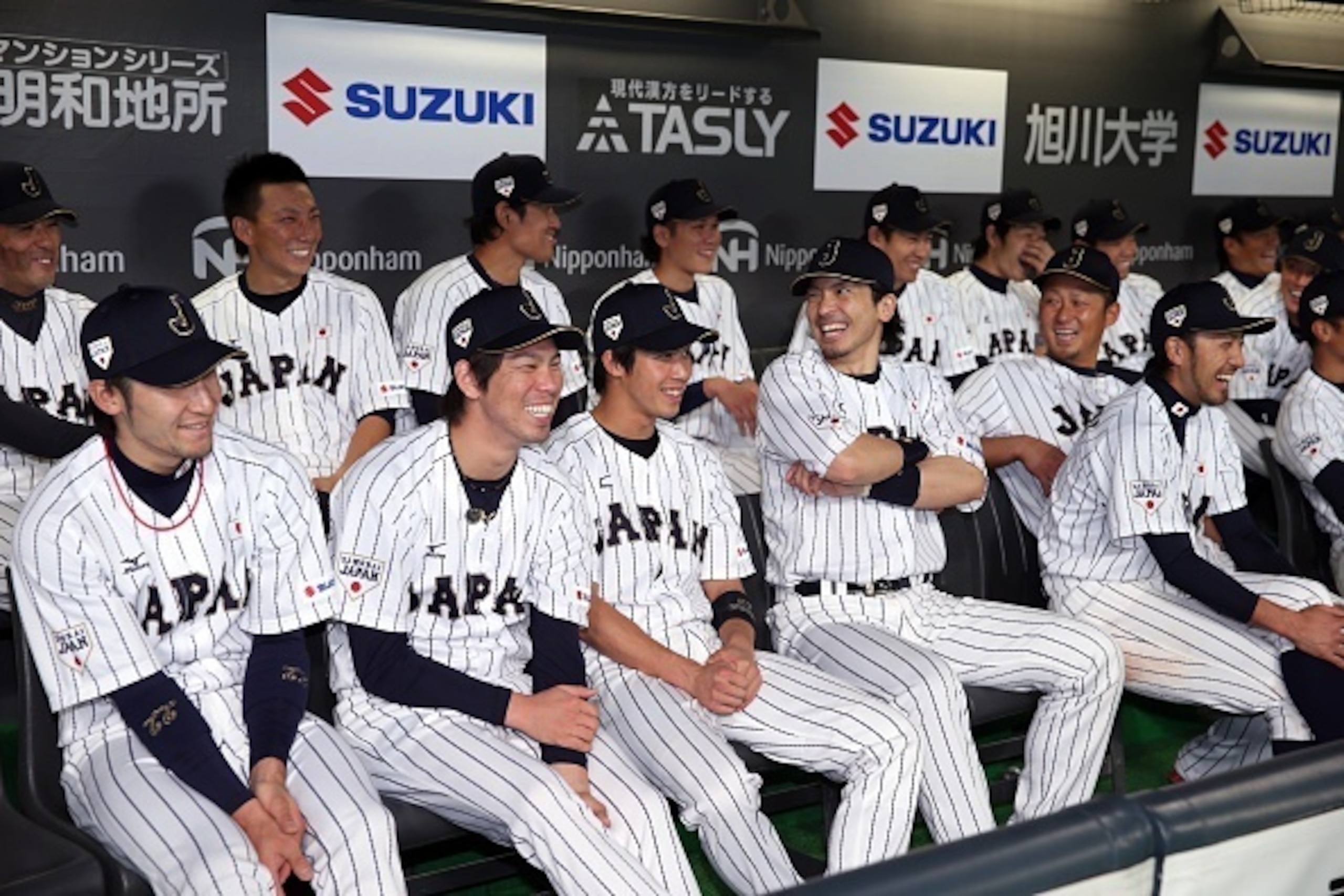
According to an MLB.com press release, the last time Japan and the MLB All-Stars met in this best-of-five clash, in 2006, MLB won 5-0. Eight years later, the cream of the Nippon Professional Baseball crop showed why they belong in the conversation for the best players worldwide.
This isn't a novel concept for MLB players and fans. Just utter names like Ichiro Suzuki, Hideki Matsui, Yu Darvish and Masahiro Tanaka, and you'll instantly silence any remaining doubters.
This year's exhibition showcased an impressively deep Japanese talent pool; gone are the days when baseball in Japan could reasonably be viewed as a second-rate diversion.
Yes, you could argue the MLB All-Stars were weary after a 162-game season. But Nippon Professional Baseball plays a similar-length schedule. You could also claim some top-flight MLB talent sat this one out, as MLB skipper Farrell did, per The Japan Times:
"We get this great opportunity to see a team of excellent players that is powerful, talented, with extremely good pitching. They are more talented now. Are there players on this team who could compete in the major leagues? We definitely think there are more who are going to come over to the States and be good major league players.
[But] we go through a very different system to assemble the team that is here. Individual major league teams can deny permission, and we experienced that in putting this roster together. There are a number of circumstances that don’t give us access to every top player at the major league level.
"
As The Japan Times noted in the same piece:
"The competition between a national team on Japan’s side and a haphazard assembly of big league talent on the other involved contrasting objectives. Some Samurai Japan players who have announced their desire to go abroad, such as Hiroshima Carp ace Kenta Maeda, could use the series to gauge their skills against big league competition.
"
Mostly, this series was as advertised: A clash between two talent-laden leagues that melded the casualness of spring training with the intensity of a postseason bout.
More so the latter for the 46,084 fans who cheered the Nov. 15 no-hitter at the Tokyo Dome, per Mark Townsend of Yahoo Sports.
For them, and for us, this was real, live baseball.
Is it spring yet?
.png?w=2560)