
Big-Name Offseason Targets Who Should No Longer Be Considered MLB Stars
This year’s free-agent class has its share of star players, with Max Scherzer, Jon Lester, Pablo Sandoval and Yasmany Tomas expected to receive contracts of at least $100 million.
However, the class also stands out for its collection of former stars, or guys that were (or absolutely should have been) All-Stars at one point in their careers but have seen their stocks decline in recent years due to aging, injuries and/or subpar performances.
The same can be said for some of the top offseason trade candidates, though the market for those players won’t develop until the top free agents sign.
Here's a look at some of the big-name offseason targets who should no longer be considered stars.
Casey Janssen, RHP
1 of 5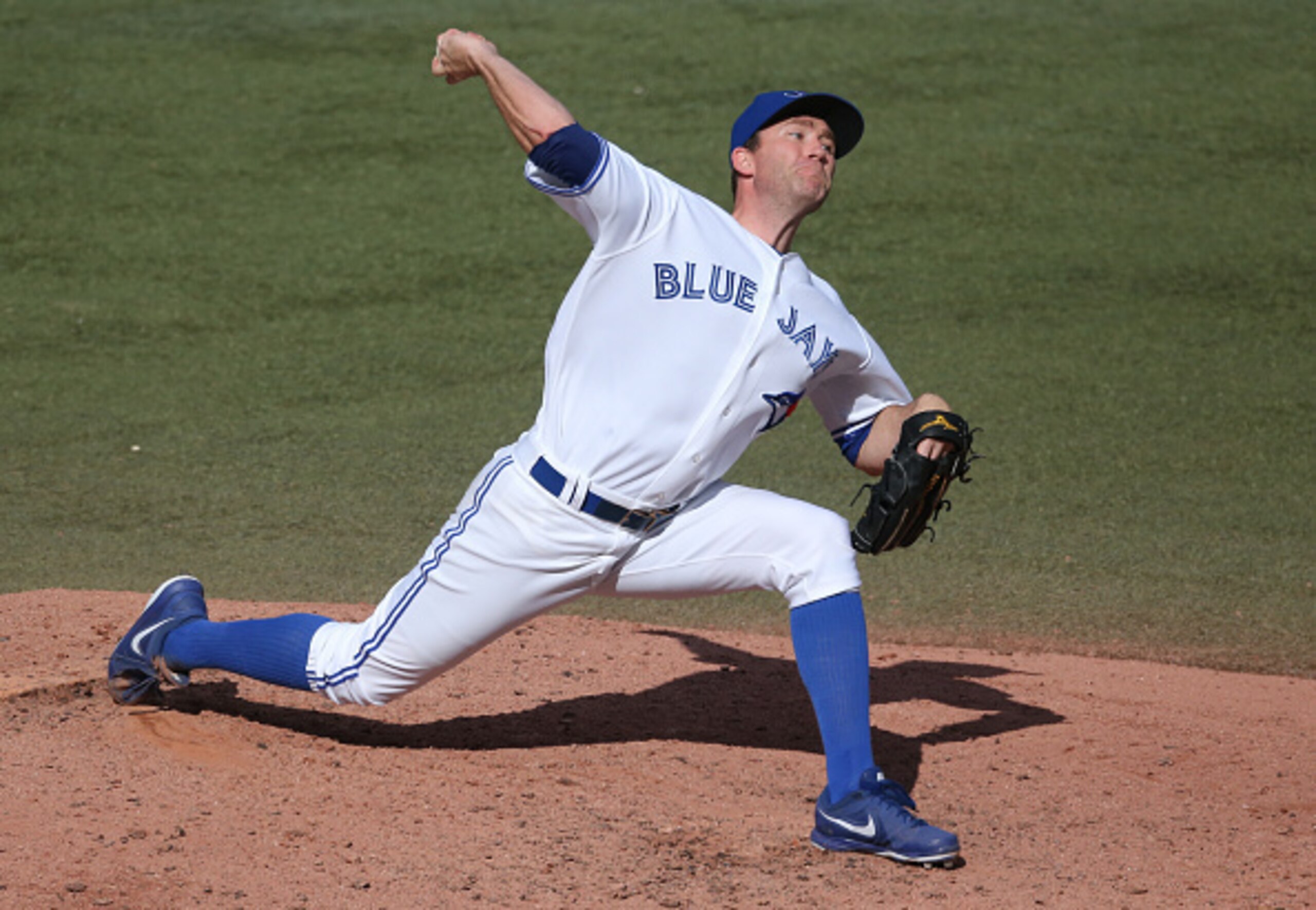
Status: Free Agent
Casey Janssen piled up strikeouts at the back end of Toronto’s bullpen from 2010 to 2013, averaging 8.7 strikeouts per nine innings including a career-high 9.5 K/9 in 2012. However, the 33-year-old right-hander didn’t miss as many bats this past season, and his velocity continued to fade, with his average fastball velocity dipping below 90 mph for the first time in his career.
Meanwhile, Janssen’s decreased velocity resulted in a career-high fly-ball rate of 43.7 percent in 2014—up considerably compared his 29.6 percent rate the previous year—and in turn a career-high 1.2 home runs per nine innings.
When healthy, Janssen has proven he’s good to save 20-plus games in a season, with 81 to his name over the last three years. But at 33 years old with two right shoulder surgeries since 2009—the latest delaying his start to the 2014 season—Janssen is no longer a safe bet to make it through a full season and can’t be considered an impact closer.
Jonathan Papelbon, RHP
2 of 5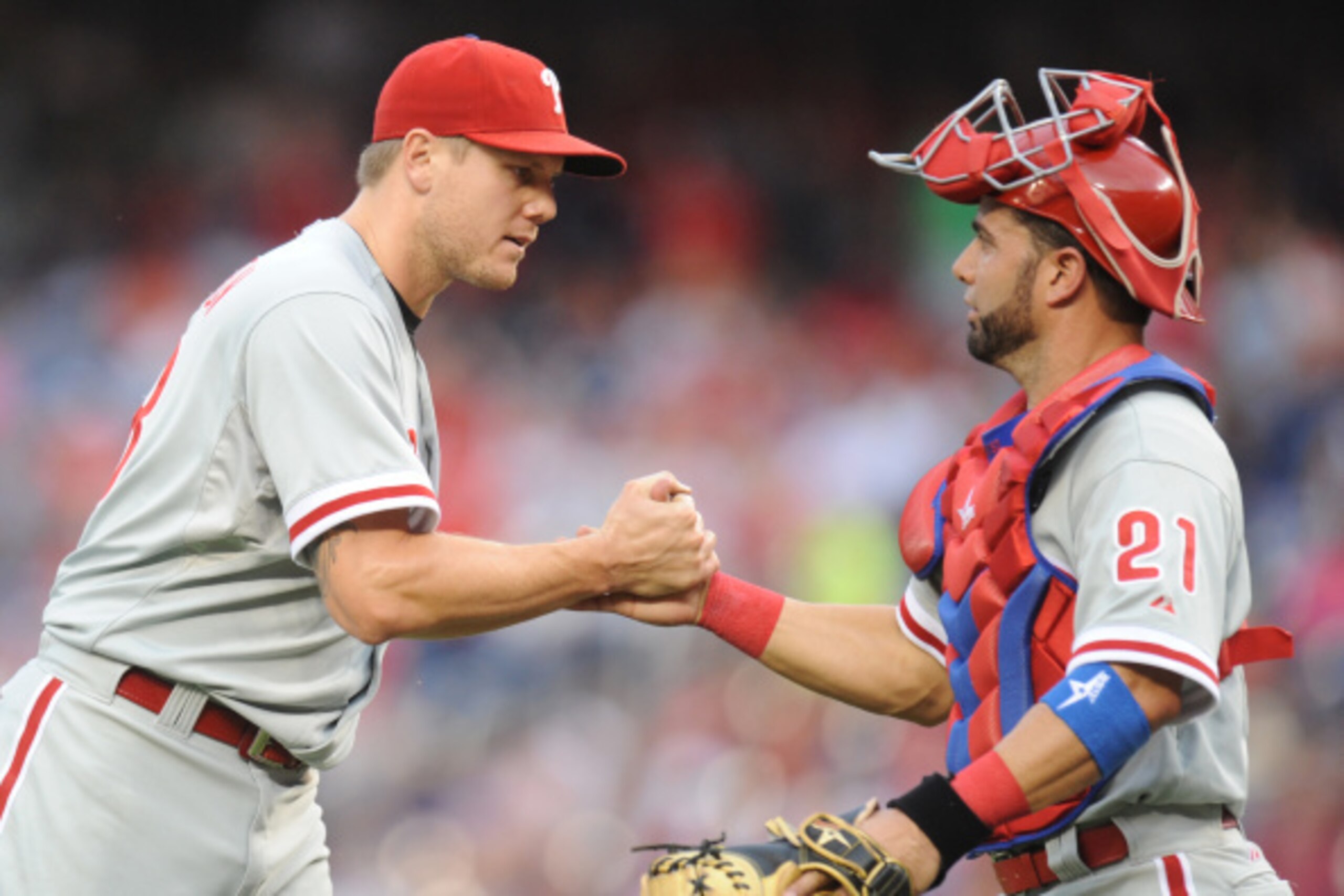
Status: Trade Candidate
Philadelphia Phillies closer Jonathan Papelbon was a popular candidate to decline in 2014 after his hits- and strikeouts-per-nine-innings rates in 2013 deteriorated to 8.6 and 8.3, respectively.
But Papelbon, a five-time All-Star, never fell apart; instead, he turned in his best performance as a member of the Phillies, saving 39 games with a 2.04 ERA and 2.53 FIP over 66 appearances during which he surrendered only two home runs in 66.1 innings.
While Papelbon’s diminished fastball velocity remains a concern, he's responded to the trend by relying less on his heat, which actually has allowed him to change speeds more effectively with his slider and splitter and continue to miss bats at a respectable rate.
Teams interested in trading for Papelbon won’t assume he'll be as good as his 2014 stats suggest, recognizing that the right-hander’s waning velocity is likely to continue and create a smaller margin for error in future seasons.
That said, Papelbon has managed to avoid the disabled list during his 10-year career, which in turn has allowed him to accrue the third-most innings among active relievers since 2005.
However, the reality is that Papelbon is entering his age-34 season with considerable mileage on his arm, and he’s already had to re-invent himself to compensate for a lack of velocity.
It’s also hard to ignore the right-hander’s sub-2.0 fWAR in four of the last five years, especially when the Steamer projection module (via FanGraphs) is calling for a 0.2 fWAR in 2015 based on 65 appearances.
Papelbon should be good for another year in the closer’s role, which is why he has trade value this offseason, but it doesn’t make sense for teams to target him as anything more than a one-year option.
Billy Butler, DH
3 of 5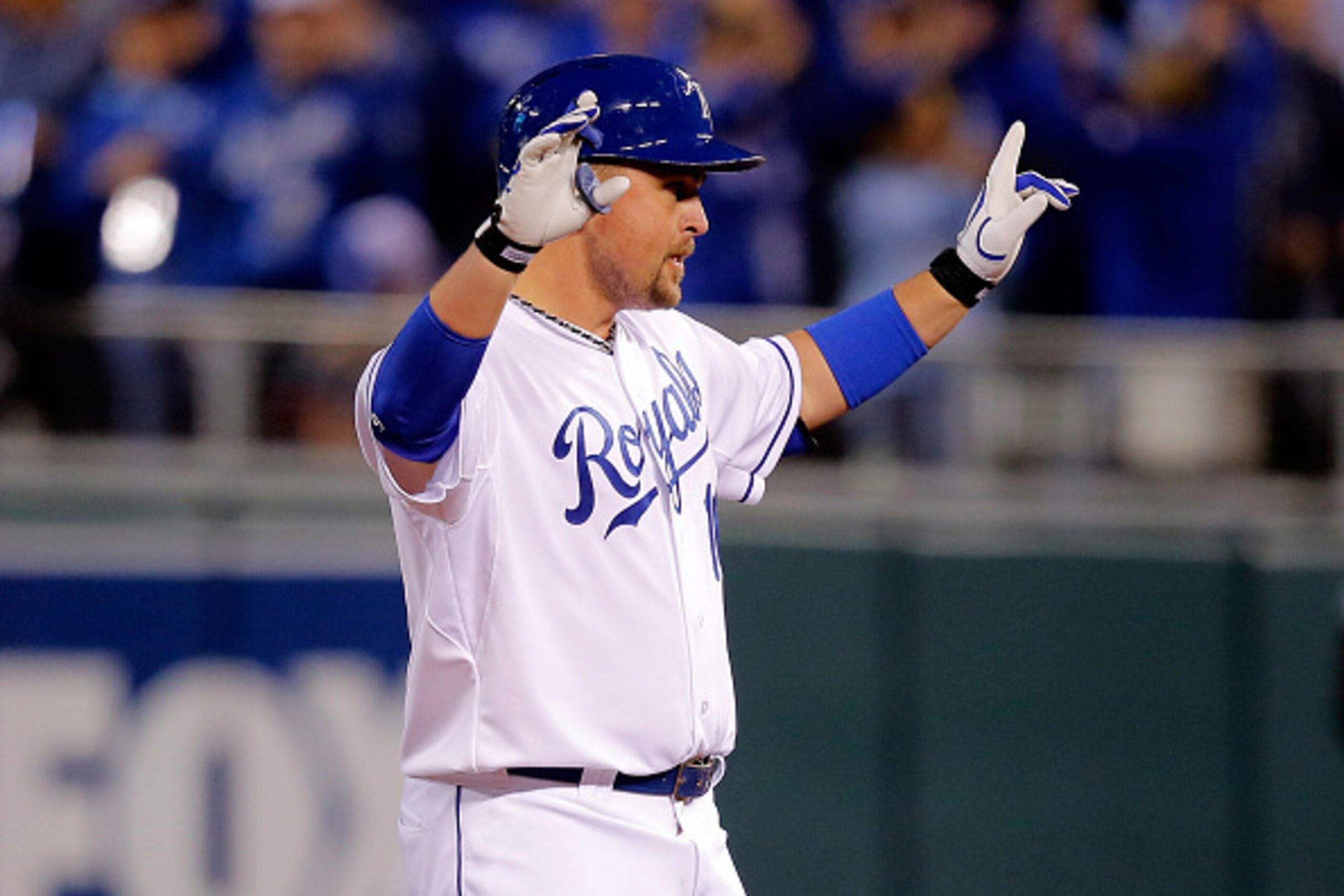
Status: Free Agent
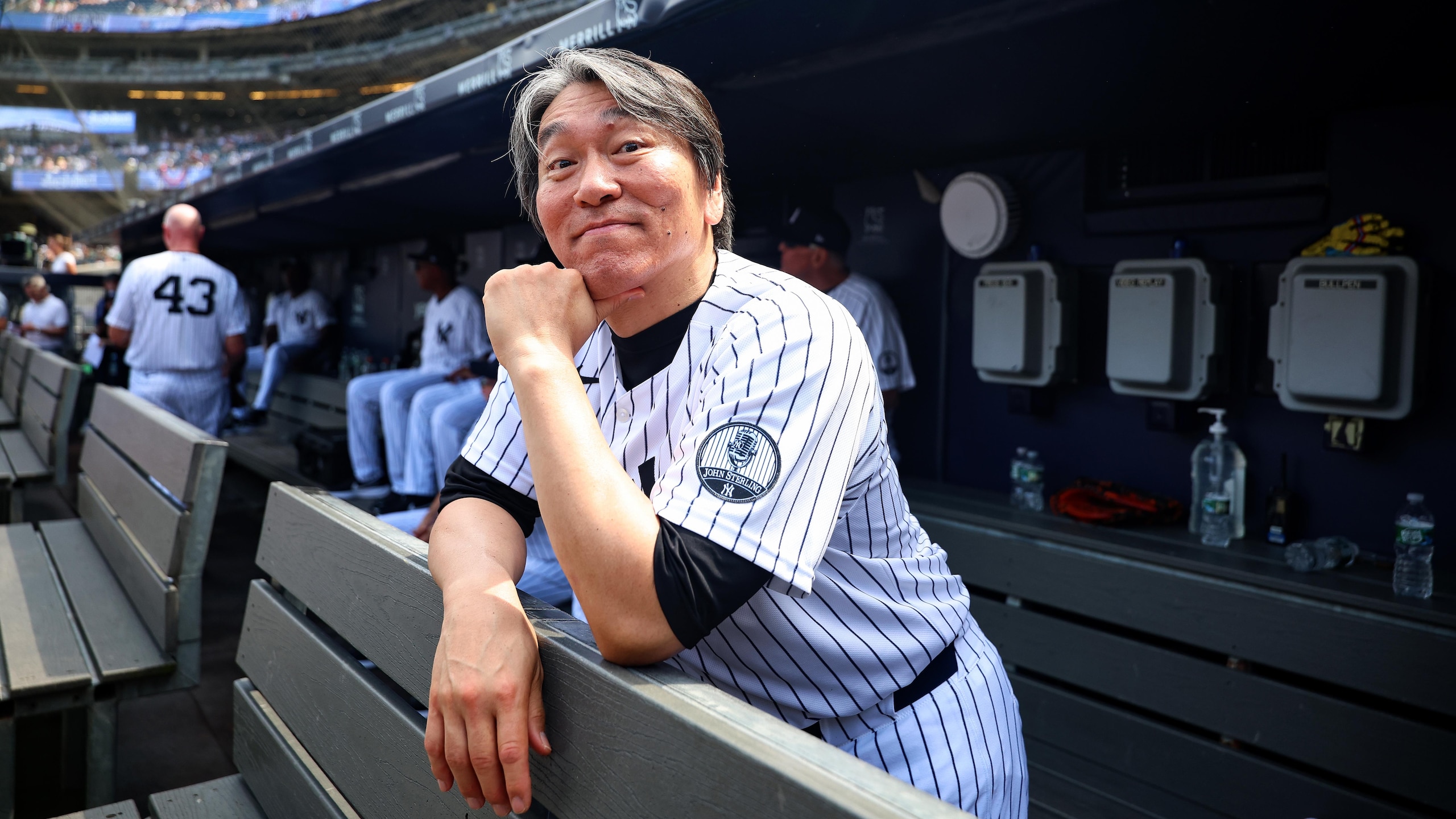
There’s no reason to sugarcoat it: Billy Butler had a brutal 2014 season.
The 28-year-old designated hitter posted a career-worst batting line of .271/.323/.379, walked less frequently than any other point in his career and failed to reach double-digit home runs for the first time since his 2007 rookie season.
If you’re looking for a reason why Butler continues to struggle to hit for power, look no further than the right-handed hitter’s high ground-ball rate. Butler’s 49.5 percent ground-ball rate this season would have ranked as the highest mark of his career had he not put the ball on the ground at a 53.1 percent clip in 2013. Either way, it was still above his career average of 48.3 percent.
Butler can still drive the ball from line to line and pile up his share of extra-base hits, but he’s just not hitting as many fly balls toward left field—his power field—as he once did. Until he remembers how to turn on the ball and make contact out in front of the plate, it’s hard to see Butler regaining the thump he showed back in 2012.
As a free agent, Butler should receive a few multiyear offers based on the lack of right-handed power on the market and the fact he hit a career-high 29 bombs in 2012, when he made his one and only All-Star appearance and won a Silver Slugger award. But even if he rediscovers his power stroke, it’s difficult to project Butler as anything more than one- to two-win player moving forward.

.jpg?w=2560)
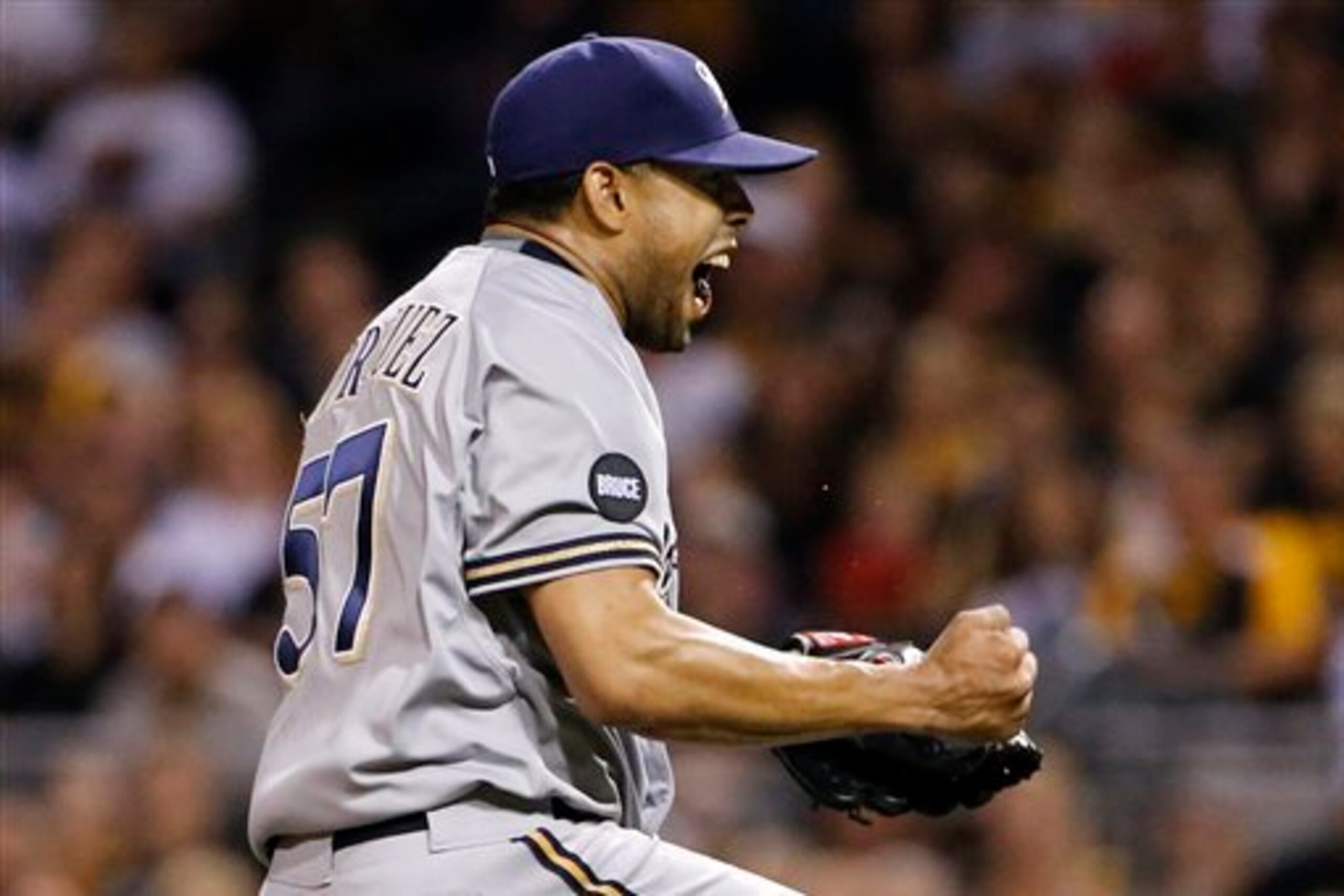
Francisco Rodriguez, RHP
4 of 5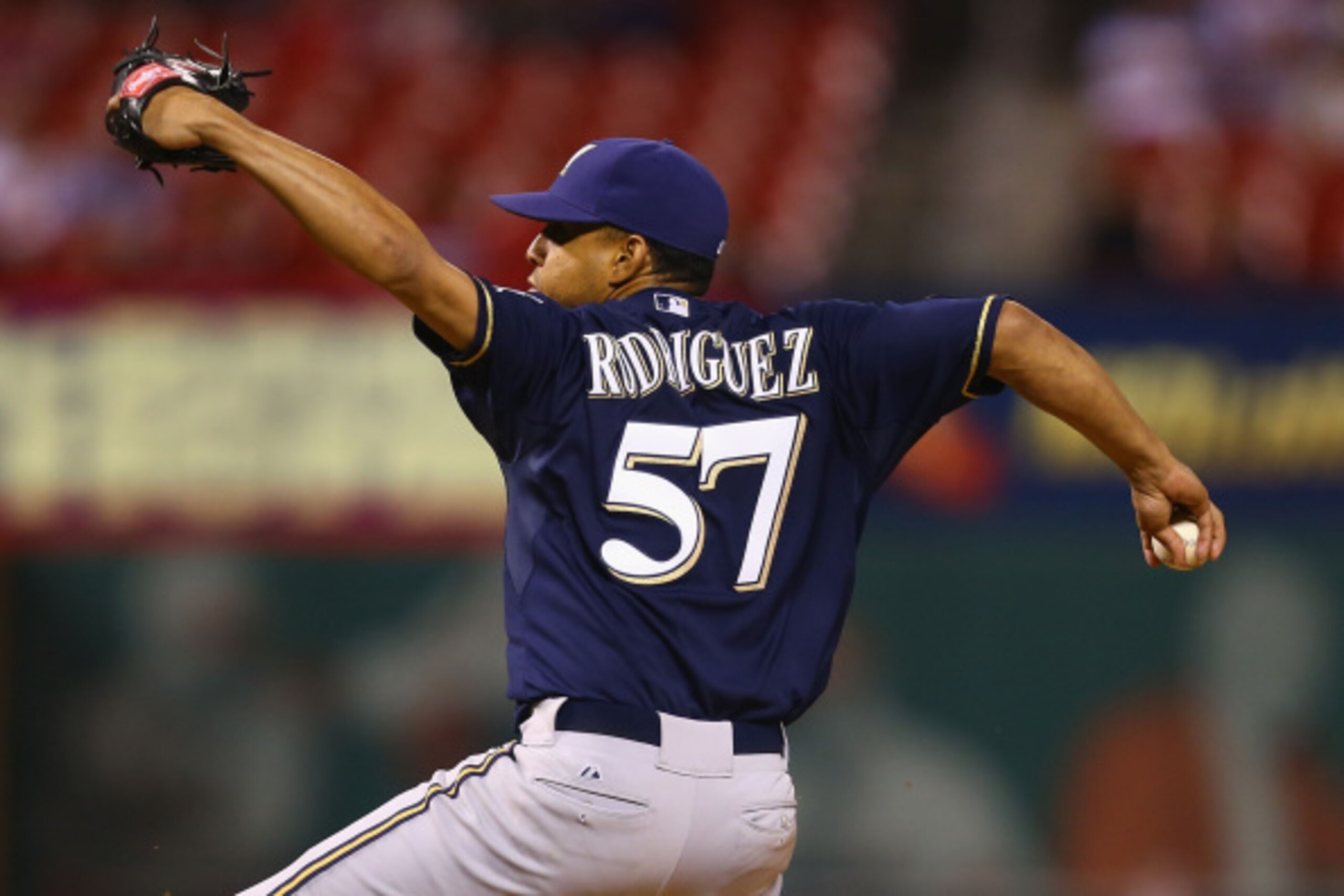
Status: Free Agent
At face value, K-Rod’s 2014 All-Star campaign was one of the better seasons in his 13-year career, as he saved 44 games, posted a 3.04 ERA and struck out more than a batter per inning.
However, the 32-year-old right-hander’s 4.50 FIP and 14 home runs allowed marked career worsts, as nearly a quarter (23.3 percent) of the fly balls he induced left the park. Beyond that, K-Rod’s velocity was down again in 2014 for the third straight year, while the declining effectiveness of his once-dominant breaking ball led to a more fastball/changeup-heavy approach.
That being said, Rodriguez still throws strikes, highlighted by a 2.5 walks per nine innings in 114.2 innings over the last two seasons, and misses enough bats to serve as a seventh- or eighth-inning guy. But don’t expect a repeat of his lucky 2014 performance.
James Shields, RHP
5 of 5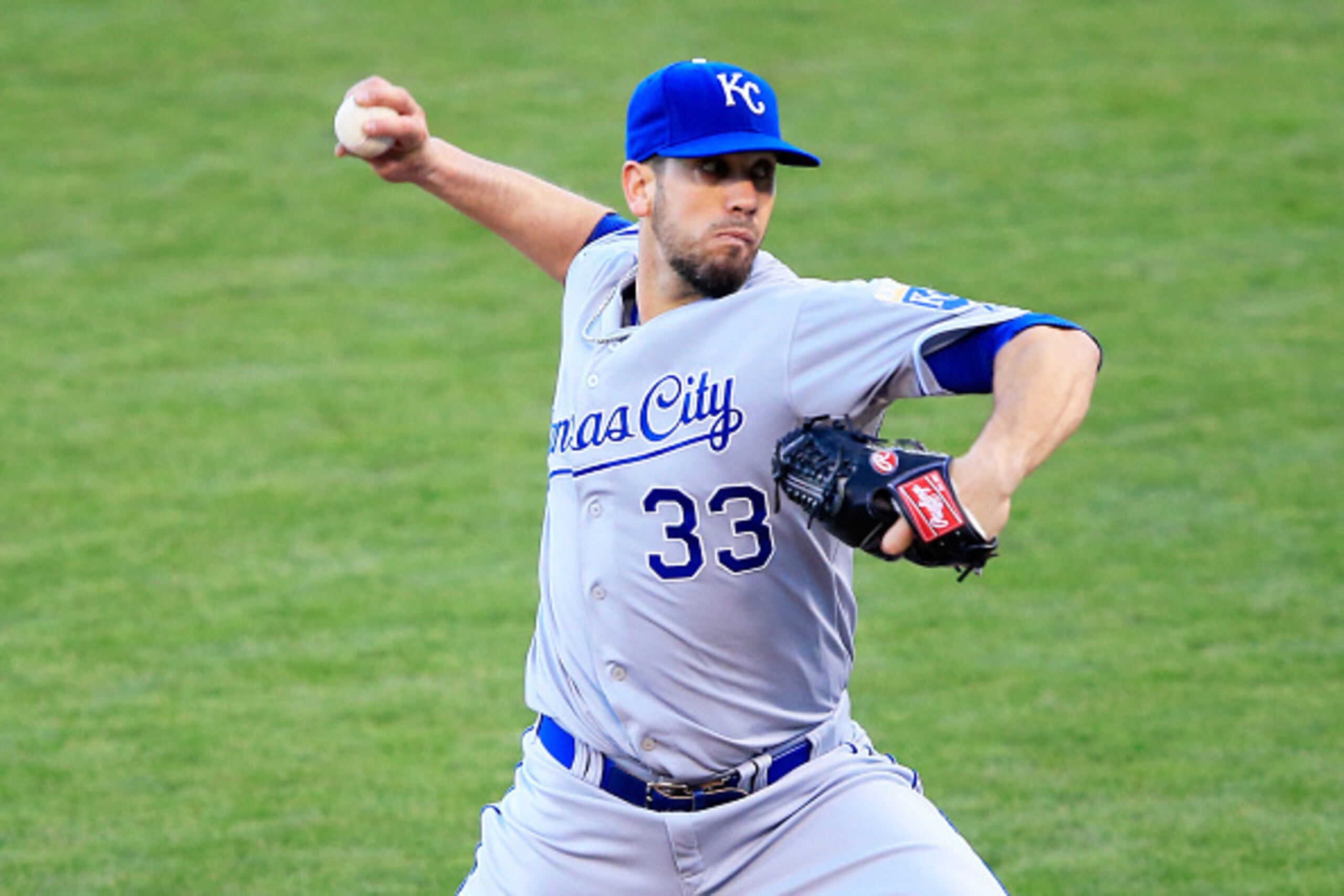
James Shields’ strikeout rate and swinging-strike rate have both declined quickly during his two years in Kansas City, though both trends have at least been partially offset by his improved walk rate and ability to keep the ball in the park.
The bigger issue is that Shields’ changeup simply isn't the weapon it once was. As a result, the 33-year-old threw the pitch nearly six percent less in 2014 than he did in his final year with the Tampa Bay Rays (2012).
It’s impossible to discuss Shields’ career without using terms such as “workhorse” and “durable.” He has logged at least 203 innings and 31 starts in every season dating back to 2007, and he’s improved that baseline to at least 227 innings and 33 starts over the last four years.
There are no obvious red flags with Shields as he enters free agency, but at the same time, it’s only natural to question how much longer he’ll be able to maintain such a heavy workload. And while he’s likely to command a nine-figure contract as the third-best starting pitcher on the free-agent market (after Scherzer and Lester), it’s difficult to envision Shields being more than a three-, maybe three-and-a-half-win pitcher in the next few years.
.png?w=2560)