

Changes the BBWAA Must Make to MLB Awards Voting Process
The Baseball Writers Association of America's (BBWAA) awards serve two equally important functions: They honor the best players and managers in the game, and they give us something to argue about during the long, cold offseason.
There's no such thing as a perfect system, which is sort of the point. There will always be snubs, flubs and downright head-scratchers. That's part of the fun.
Still, as BBWAA prepares to dish out its annual hardware—beginning with Rookie of the Year honors on Nov. 10 and culminating with the MVPs on Nov. 13—here are a few humble suggestions that would improve the proceedings...even if they almost certainly wouldn't end the arguing.
TOP NEWS
Tokyo Giants Hire Matsui 👔

Next MLB Players to Sign $200M Contracts 💰
.jpg?w=2560)
World Series Predictions 🔮
Add a Category for Reliever of the Year
Baseball has changed a lot since the inception of the Cy Young Award in 1956. Arguably the biggest shift has been the advent of the specialty reliever.
Put it this way: In 1956, the Chicago White Sox led all of baseball with 65 complete games, and no team threw fewer than 30, per Baseball-Reference.com. In 2014, all 30 clubs combined to throw just 118 complete games, and no team threw more than eight.
Translation: Bullpens matter—a lot. So why the lack of love?
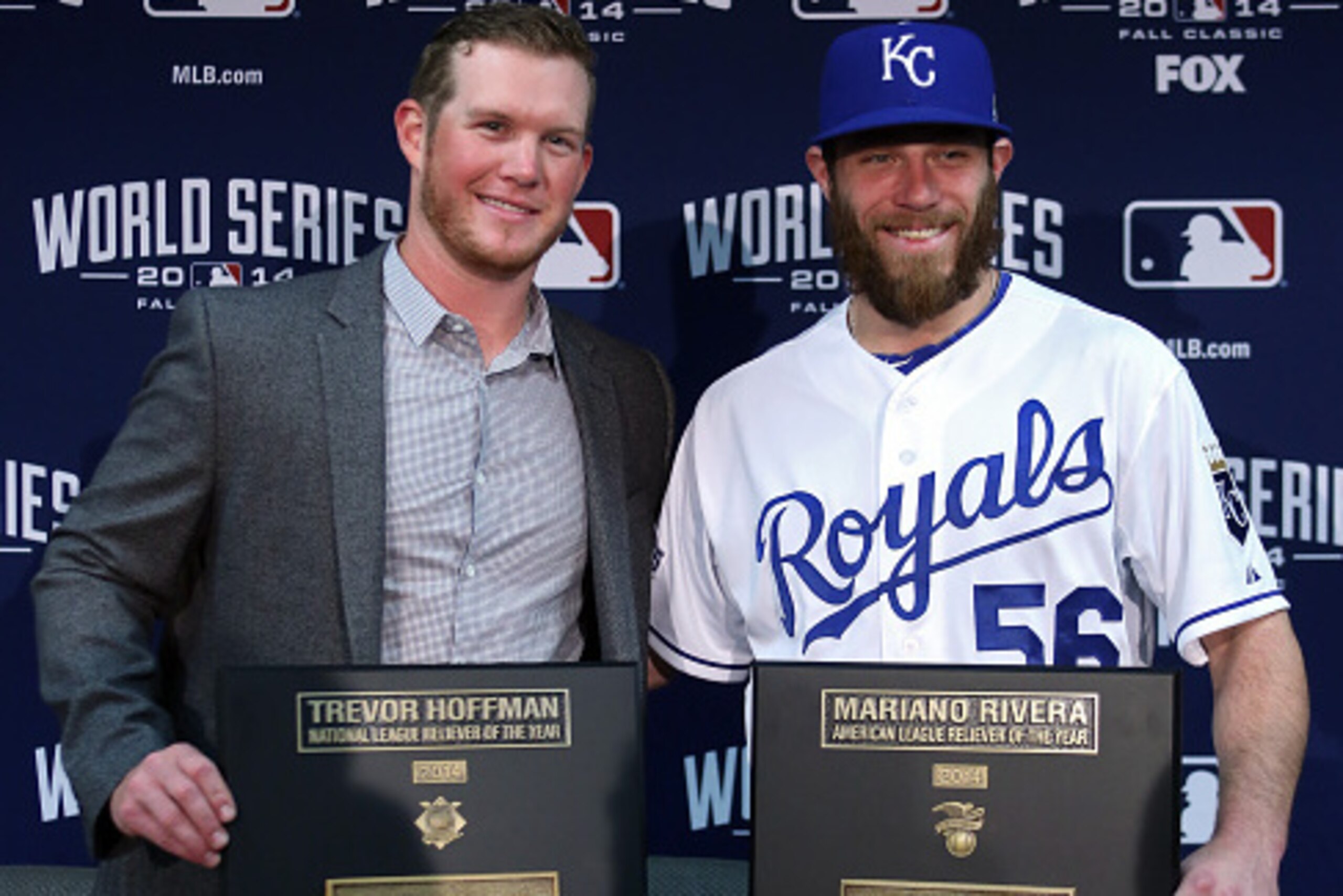
Oh, sure, there was the now-defunct Rolaids Relief Man Award. And this season, MLB created awards in each league named after legendary closers Mariano Rivera and Trevor Hoffman, which went to Greg Holland of the Kansas City Royals and the Atlanta Braves' Craig Kimbrel.
But there's no plaque or trophy for pen workers that carries BBWAA's stamp of approval. That's an outdated shame, as ESPN.com's Jayson Stark argued in 2010:
"In case you hadn't caught onto this, bullpens are turning out not to be some kind of passing fad in this sport.
[...]
Which means more and more relievers are going to start turning up on Hall of Fame ballots for, well, the rest of time. So we'd better give ourselves some kind of decent tool to evaluate them besides (shudder) saves.
[...]
Once upon a time in the 1950s, the BBWAA decided that pitchers weren't getting their due in the MVP voting, so it introduced the Cy Young Award. Now we have an exact parallel situation with relief pitchers. So what are we waiting for?
"
Occasionally, relievers manage to slip into the conversation for the other BBWAA awards. But, as Stark points out, Eric Gagne of the Los Angeles Dodgers (2003 Cy Young) and the Oakland A's Dennis Eckersley (1992 MVP and Cy Young!) are the only relievers to have won a Cy Young Award since 1990.
Bottom line: It's past time to acknowledge baseball's shutdown late-inning arms and the huge load they shoulder in the modern game.
Reward Managers Who Get More with Less
There are only 30 big league skippers, so it makes sense to limit the number voters can select. And BBWAA does: Where voters are asked to rank 10 MVP candidates and five Cy Young contenders, there are only three spots for Manager of the Year in each league.
What that usually means, unfortunately, is that managers who did the most with the least get overlooked.
It's not that this year's finalists are undeserving. But they're the usual assortment of playoff-bound managers.
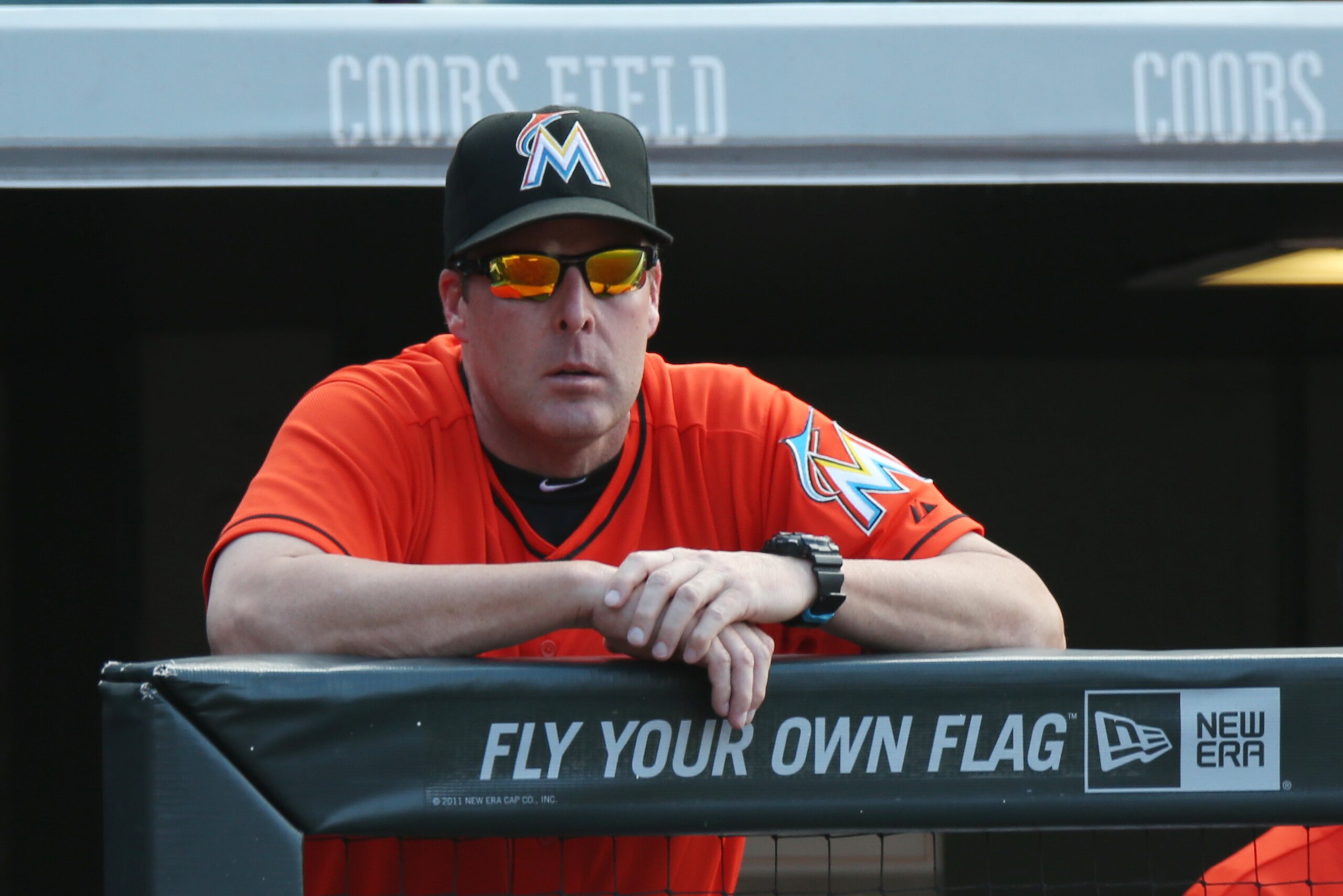
What about a guy like Mike Redmond of the Miami Marlins? The Fish didn't qualify for October, but Redmond guided his young club to a 15-game improvement over 2013 and kept it in contention longer than anyone expected.
Maybe someone else deserves Manager of the Year. Expanding the field, though, would at least give quality under-the-radar skippers a chance.
Clearly Define "MVP"
Almost every year, there's a heated debate about the meaning of "most valuable player." Is it simply the best player in baseball? Or is it the best player who helped his team make the playoffs?
And what about pitchers? Should they be considered alongside hitters, even though they've got their own, separate award?
The Los Angeles Dodgers' Clayton Kershaw is making that second question especially tough this year; he had a historically dominant season and looks like the prohibitive NL MVP favorite.
"If someone even tries to mention someone else, they're an idiot," Los Angeles first baseman Adrian Gonzalez told Dylan Hernandez of the Los Angeles Times.
But Kershaw is subject to the same doubts that plague every would-be MVP who jogs onto the field only once every five days.
Presently, BBWAA offers little clarity. Here's what the ballot tells voters:
"There is no clear-cut definition of what Most Valuable means. It is up to the individual voter to decide who was the Most Valuable Player in each league to his team. The MVP need not come from a division winner or other playoff qualifier.
The rules of the voting remain the same as they were written on the first ballot in 1931:
1. Actual value of a player to his team, that is, strength of offense and defense.
2. Number of games played.
3. General character, disposition, loyalty and effort.
4. Former winners are eligible.
5. Members of the committee may vote for more than one member of a team.
You are also urged to give serious consideration to all your selections, from 1 to 10. A 10th-place vote can influence the outcome of an election. You must fill in all 10 places on your ballot. Only regular-season performances are to be taken into consideration.
Keep in mind that all players are eligible for MVP, including pitchers and designated hitters.
"
There are specifics, but also ample vagueness and wiggle room. Why not tighten the definition?
Read those instructions again, and it's clear the language—"games played," "offense and defense"—is designed to favor everyday players. Let's go a step further and essentially eliminate pitchers from the MVP conversation.
We say "essentially," because obviously there could come a time when a pitcher contributes enough on the offensive end and appears in enough games to warrant consideration. That time, however, doesn't appear imminent.
If anything, pitchers, including starters, are moving increasingly toward a specialty role.
They still deserve recognition, of course, and they get it elsewhere. But let's place an emphasis on the last letter of "MVP" and reward the guys who play day in and day out.
.png?w=2560)


.jpg?w=2560 "B/R's Expert Week 7 NFL Picks 🔮")