NHL: 'Incidental' Goaltender Contact Needs to Have Video Review Possibility
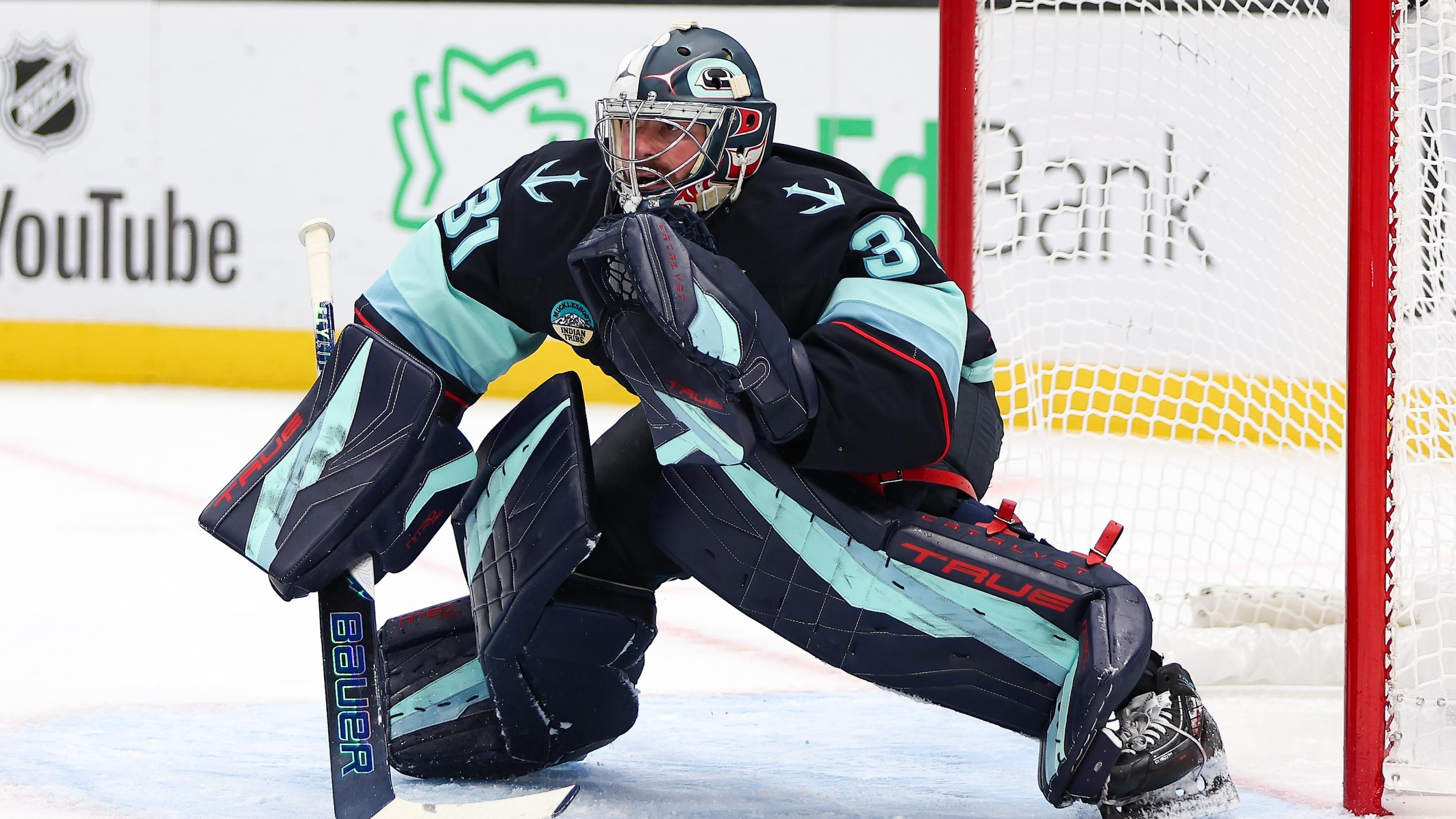
Goaltender interference has been a hot topic in the NHL ever since Ryan Miller was run over by Jordin Tootoo in 2011.
Speaking of goalie interference, the NHL got rid of the "Brett Hull rule," but a new menace has formed in the NHL over the past couple years.
This problem is known simply as "incidental" contact on the goaltender.
.jpg?w=2560 "NHL Trade Grades Connor Hellebuyck")
The Rule
The NHL Rulebook, Rule 69, states:
"This rule is based on the premise that an attacking player’s position, whether inside or outside the crease, should not, by itself, determine whether a goal should be allowed or disallowed. In other words, goals scored while attacking players are standing in the crease may, in appropriate circumstances, be allowed.
"
A goal would then be disallowed only under certain circumstances, as explained later in Rule 69:
"Goals should be disallowed only if: (1) an attacking player, either by his positioning or by contact, impairs the goalkeeper’s ability to move freely within his crease or defend his goal; or (2) an attacking player initiates intentional or deliberate contact with a goalkeeper, inside or outside of his goal crease. Incidental contact with a goalkeeper will be permitted, and resulting goals allowed, when such contact is initiated outside of the goal crease, provided the attacking player has made a reasonable effort to avoid such contact.
"
Referee's Discretion on Contact
An issue is that this call is solely at the referee's discretion, which is part of the problem, as there is no video review for referees making this call.
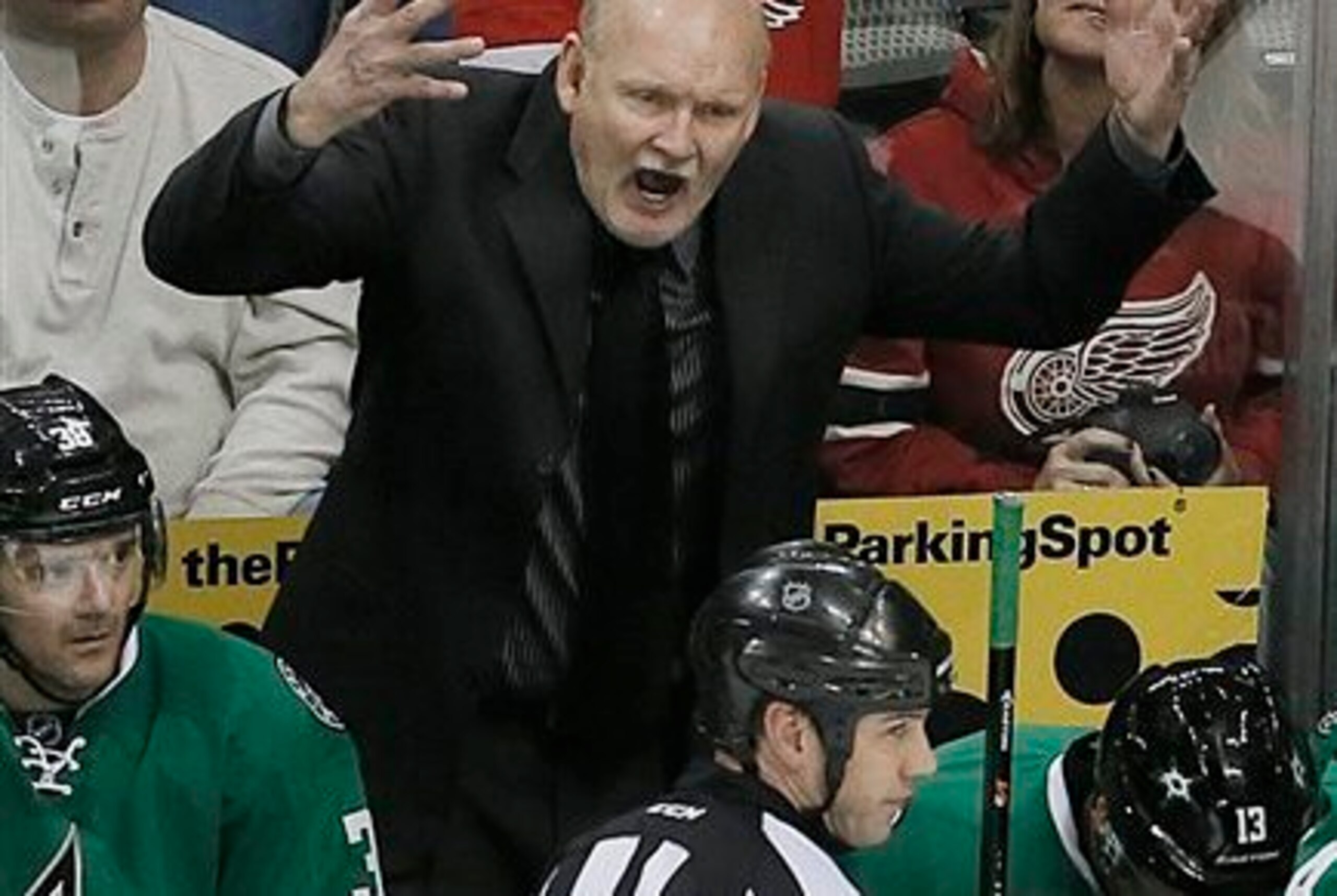
In order to make this call, one would need to first establish that contact with the goaltender had been made and that the player had initiated the contact.
The thing that drives some teams absolutely crazy with this rule is that because it is the referee's decision, there is sometimes no contact on the play.
Examples
Without putting too many examples on the page, there are a couple of calls that stand out among the pack.
In this first video (play starts at the 3:20 mark), Columbus Blue Jackets forward Ryan Johansen gets a goal waived off as his teammate Nick Foligno gets shoved into the goal.
Foligno gets held against the crossbar in the crease by San Jose Sharks defenseman Marc-Edouard Vlasic and is tied up with Joe Thornton, who is on the ice in the crease. As the puck goes behind the net, Foligno doesn't stand a chance of getting out of the crease because his skates are tied up with Thornton's and Vlassic has a stick around him, holding him in the crease.
When Foligno finally frees himself, the puck has been shot in the net and the referee has already waived it off.
The second call shows Keith Ballard's goal getting waived off after incidental contact by Erik Haula on Ballard's point shot.
The problem is that Haula never touched goaltender Eddie Lack, and he didn't prevent Lack from setting up in his crease to make a save.
Frustrations of Players
The frustration of a waived-off goal like those previously mentioned is palpable.
The fact of the matter is that in this day and age, when there are cameras and second looks galore, there should be some sort of ability to double check a referee's call on the ice in an instance of "incidental contact."
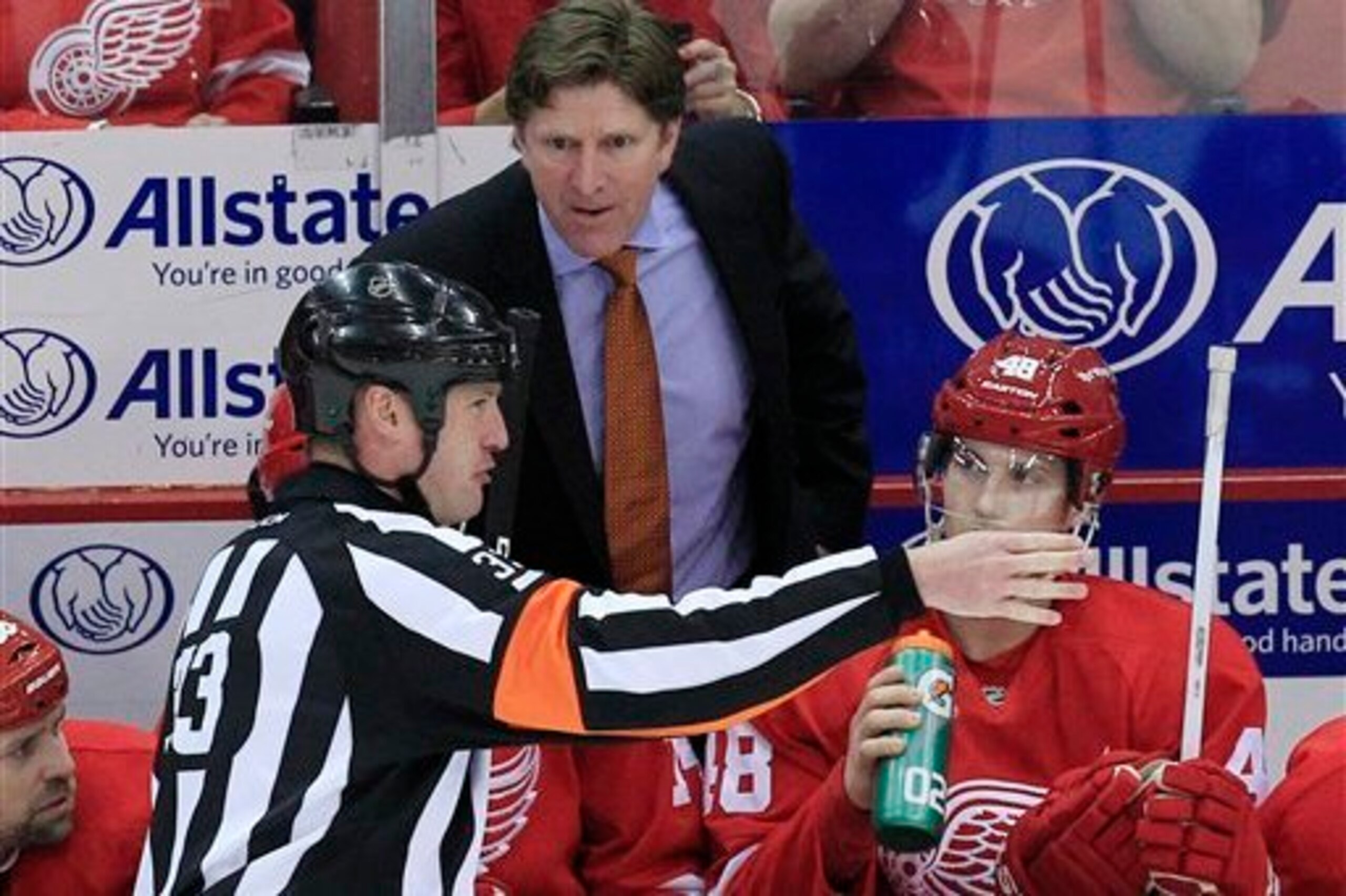
If a penalty needs to be assessed for goaltender interference, then so be it. But just because a goalie bumps into a player, is interfered with by his own player or the referee flat out calls something that doesn't exist, does not mean that this rule doesn't need a makeover of some kind.
Games change on these calls, and to have the referee make a call based on what he thinks he sees doesn't seem to do justice in today's high technology age.
Beyond the two examples in this article, there are numerous other calls of incidental contact made in games this season. Referees need a second set of eyes (mainly a slow motion camera) to review incidents as and when they occur.

.jpg?w=2560 "NFL House in Paris Closes for Protests")

.jpg?w=2560 "Trevon Diggs Cut by Seahawks")