NFL Week 8 Injury Notebook
Jadeveon Clowney's NFL career started off on the wrong foot due to injury, but the rookie himself told The Houston Chronicle's John McClain that he would "be surprised" if he doesn't suit up Week 8.
Original projections put Clowney's recovery time at four to six weeks, leading some to wonder if his absence during the Texans' Week 7 contest against the Pittsburgh Steelers implied a more significant injury than the team originally diagnosed.
Is that really the case? As of now, probably not.
Broadly speaking, injury return-to-play timelines are not an exact science. They vary from injury to injury and player to player. The extent and severity of an injury, a player's genetic healing ability and countless other factors—including pre-injury conditioning and subtle anatomical variants, to name a few—all come into play.
In short, a player will return to action when he meets his rehab goals, whenever that may be.
For example, Clowney tore his lateral meniscus. The rehab process following a lateral tear is generally more difficult than a medial injury.
In fact, a 2014 study in the American Journal of Sports Medicine by Dr. Danyal Nawabi and colleagues looked at elite soccer players recovering from meniscus removal surgery. A lateral meniscectomy led to a median return-to-play time of seven weeks, while the median time came out at five weeks following a medial tear.
While Clowney is not an elite soccer player, this Sunday marks the seven-week mark since his injury—well within the range of normal. His original four-to-six week projection likely represented an optimistic swing on things.
For more on the meniscus, let's start this week's injury notebook with a closer look at the knee's vital but sometimes bothersome structure.
Please note that the original form of this slideshow is current through the midafternoon on Friday and will receive periodic updates throughout the weekend.
Sports Medicine Topic of the Week: The Meniscus and Meniscus Tears
1 of 14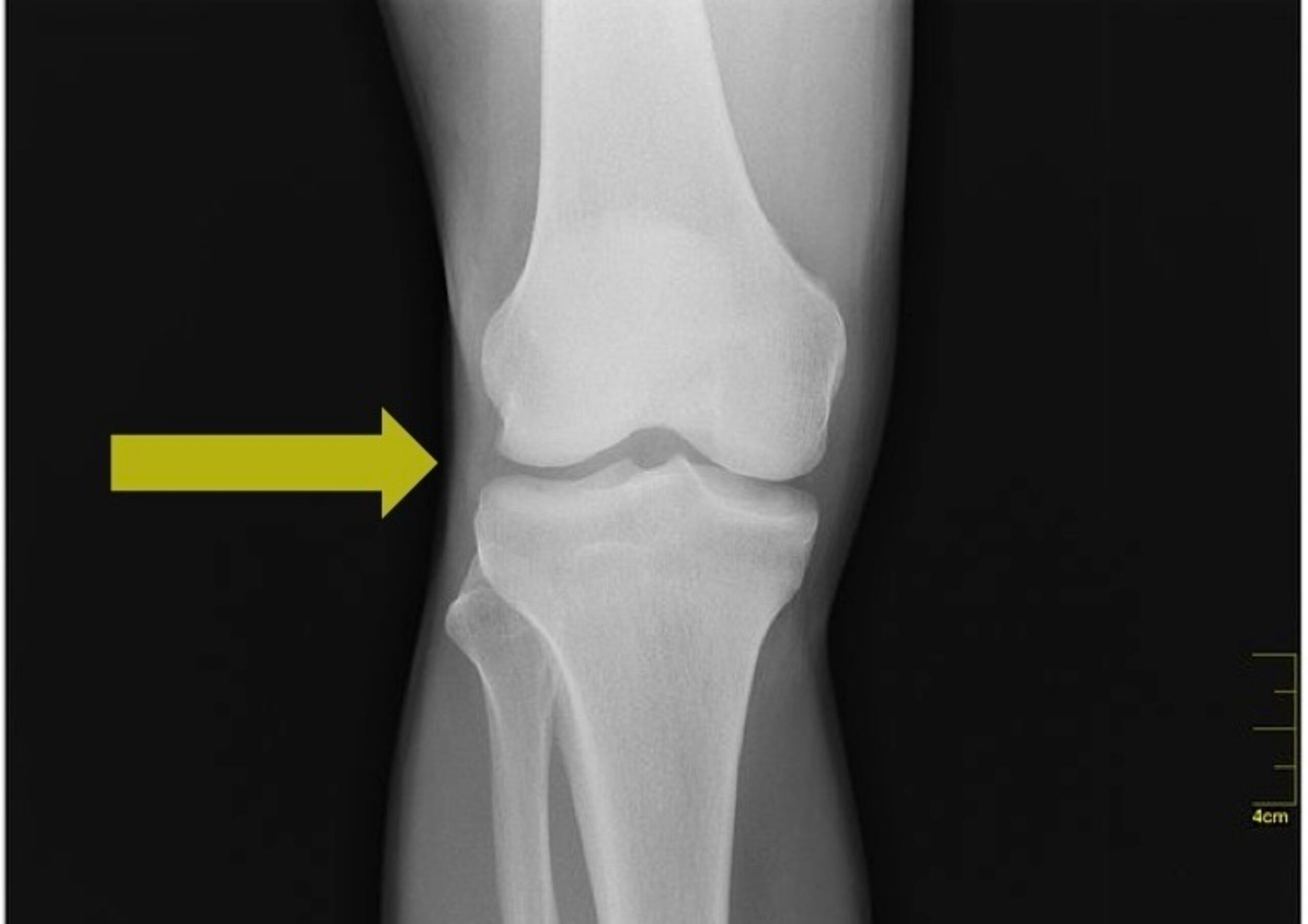
Each knee carries two cartilage menisci that sit between the femur and tibia—the thigh and shin bones, respectively. Together, the lateral and medial menisci function as a shock-absorbing cushion within the knee.
Like other tissues in the body, a meniscus can tear. In football, sudden and sharp twisting of the knee is often to blame. Meniscus injuries also frequently occur simultaneously with major ligament injuries—particularly ACL tears.
Rest and rehab can sufficiently treat some types of meniscus tears. However, if an acute meniscus injury produces symptoms—pain, swelling and clicking or snapping of the knee joint, for example—that prove too limiting, midseason surgery may be necessary.
Surgical intervention becomes especially important for symptomatic tears that result in a change in the architecture of the meniscus so that it rubs or catches on the femur.
During surgery, a surgeon can either remove or repair the damaged area.
Removing the torn cartilage often leads to a shorter recovery period but a higher chance of long-term knee problems such as arthritis. On the other hand, repairing a tear can potentially better preserve the joint's health at the expense of a longer absence from the field—one that usually approaches or exceeds several months.
The decision to repair or remove a torn portion of the meniscus depends on many factors, including the shape, location and extent of the tear.
In the end, many types of tears are not candidates for a repair. Different parts of the meniscus carry varying blood supplies, and injuries to areas with relatively low blood flow generally do not do well after a repair.
Prior week's topics
Week 2: The spine board
Week 3: The air splint
Week 4: The hamstring strain
Week 5: High- versus low-ankle sprains
Dr. Adam Bitterman, an orthopaedic surgery resident currently based in New York, contributed to this slide.
Fantasy Football Injury Advice of the Week: Your Player's Concussed. Now What?
2 of 14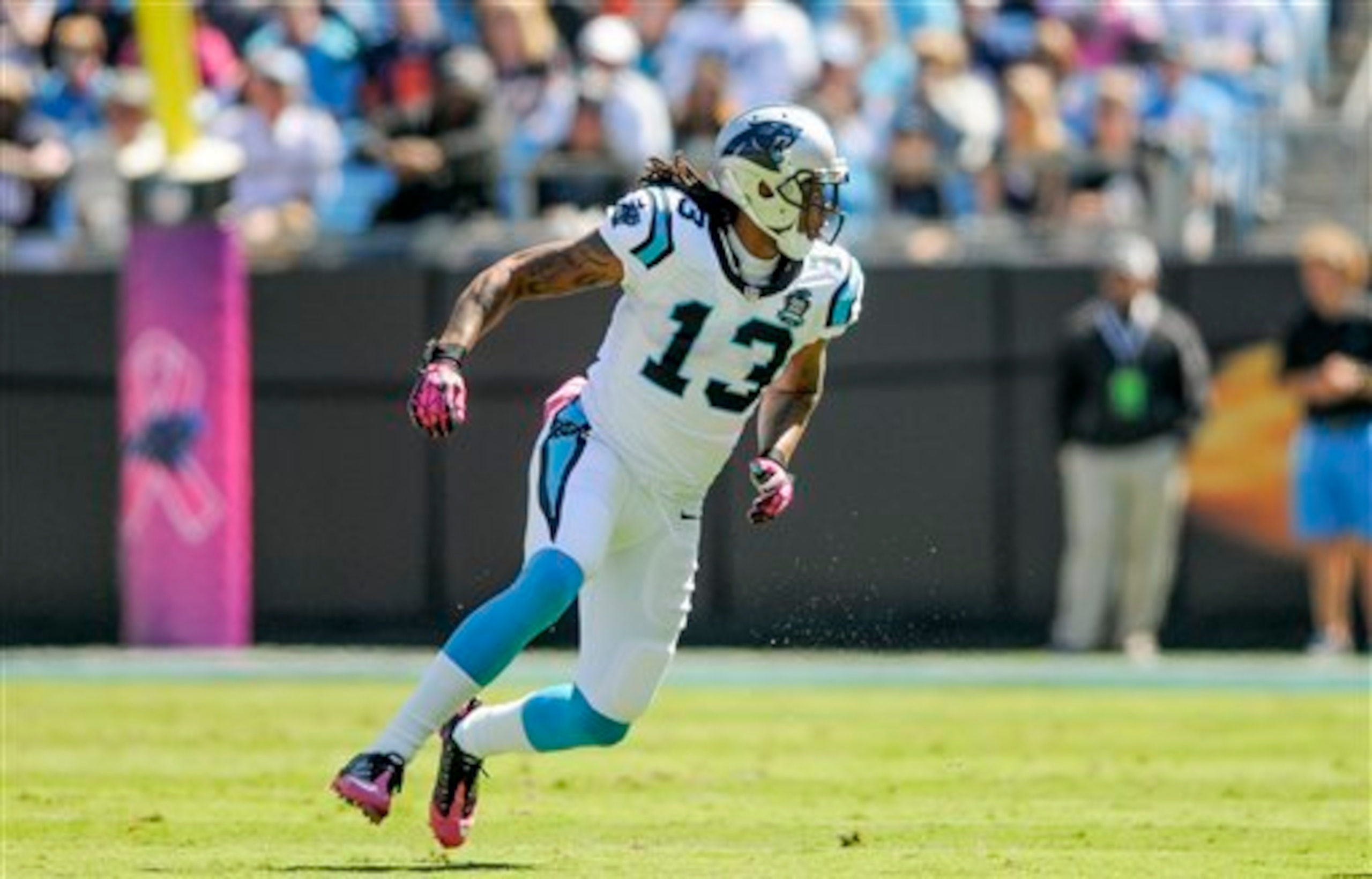
Last week, Carolina Panthers wide receiver Kelvin Benjamin, who is becoming a bona fide fantasy football stud week in and week out, battled his way back from a concussion. He received medical clearance in time for last Sunday's contest against the Green Bay Packers, and he recorded 61 received yards and a receiving touchdown in the process.
Benjamin's Week 7 performance shouldn't come as a surprise.
Why is that the case?
Concussion protocols—including the NFL's—involve monitoring a player for the return of concussion symptoms as he completes workouts that steadily increase in intensity. Full-contact practice or maximal cardiovascular exertion is the final step in many protocols.
In other words, a player must simulate the intensity of a game before receiving medical clearance.
Rarely, a player will re-experience symptoms during his first game back from injury and leave the field. Additionally, special cases involving a player with multiple recent concussions may garner more caution. However, generally speaking, starting a fantasy player after he clears the concussion protocol is a safe move to make.
Prior week's advice
Week 5: Analyzing practice status trends
Week 6: Injuries and player attributes
Bye Week Recap
3 of 14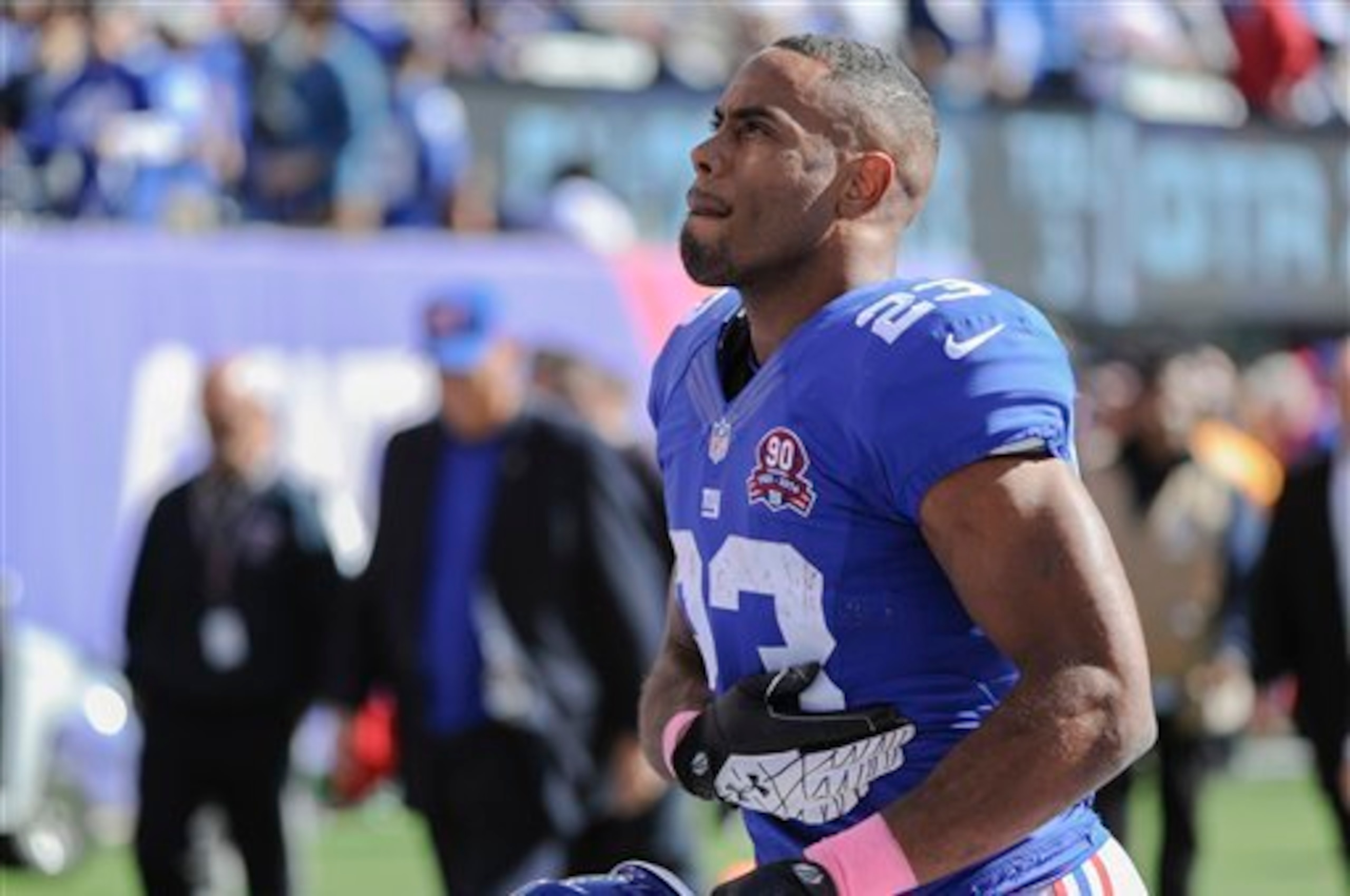
Make sure players from the following teams are out of your fantasy football lineups:
- New York Giants: NJ.com's Jordan Ranaan wrote this week that running back Rashad Jennings hopes to return after the bye week. Jennings is recovering from an MCL sprain.
- San Francisco 49ers: Tight end Vernon Davis will appreciate the week off. He has already dealt with multiple injuries this season.
.jpg?w=2560 "NFL Paris Football")
.jpg?w=2560 "Seahawks Chiefs Football")
.jpg?w=2560)
Robert Griffin III, QB, Washington Redskins (Red)
4 of 14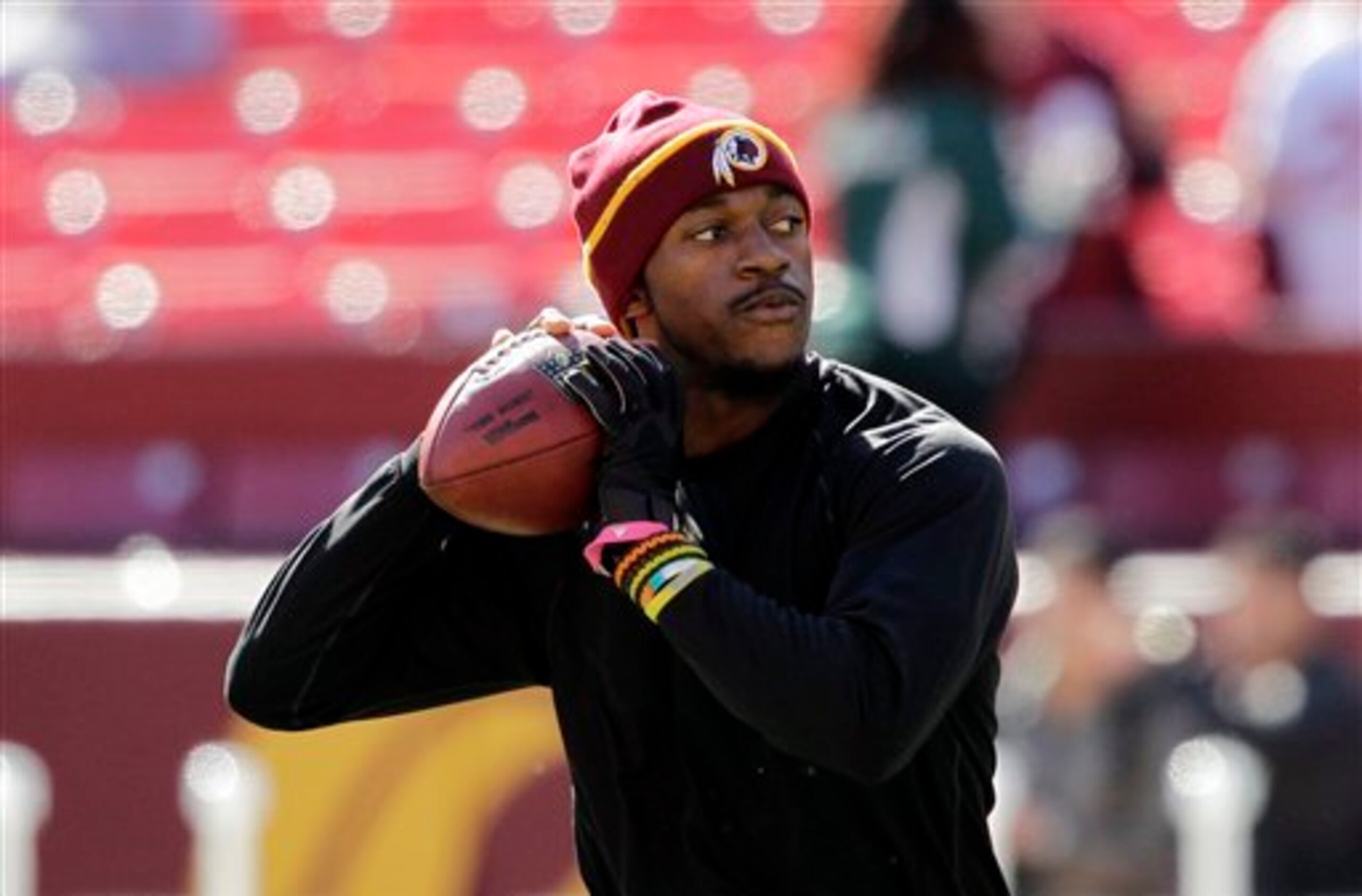
Player: Robert Griffin III, QB, Washington Redskins
Injury: Subtalar dislocation
Latest News: According to the NFL's Around The NFL Twitter account, head coach Jay Gruden said quarterback Colt McCoy will start Week 8. That said, CSN Washington's Tarik El-Bashir noted Griffin "looked good during individual drills" this week.
Alert Level: Red
Relevant Medicine and Anatomy: The subtalar joint lies underneath the ankle joint. It marks the location where two of the bones in the heel meet. The ligaments spanning the joint play a critical role in stabilizing the foot and heel when the sole of the foot moves outward or inward.
Possible On-Field Limitations and Considerations: When RG3 does return, his running game—or the lack thereof—will serve as a true testament to his foot's health. An ailing subtalar joint can limit his ability to plant and sharply push off the ground.
Fantasy Advice: For now, keep RG3 on your fantasy bench until he proves his foot's durability. He almost surely eventually will—Washington's medical team is one of the best of the best—but until he does, he is a risky start at a vital fantasy football position.
Follow-Up: Washington goes on bye Week 10. One must wonder if RG3 will sit out through his team's week off, though it seems he is making excellent progress.
Carson Palmer, QB, Arizona Cardinals (Green)
5 of 14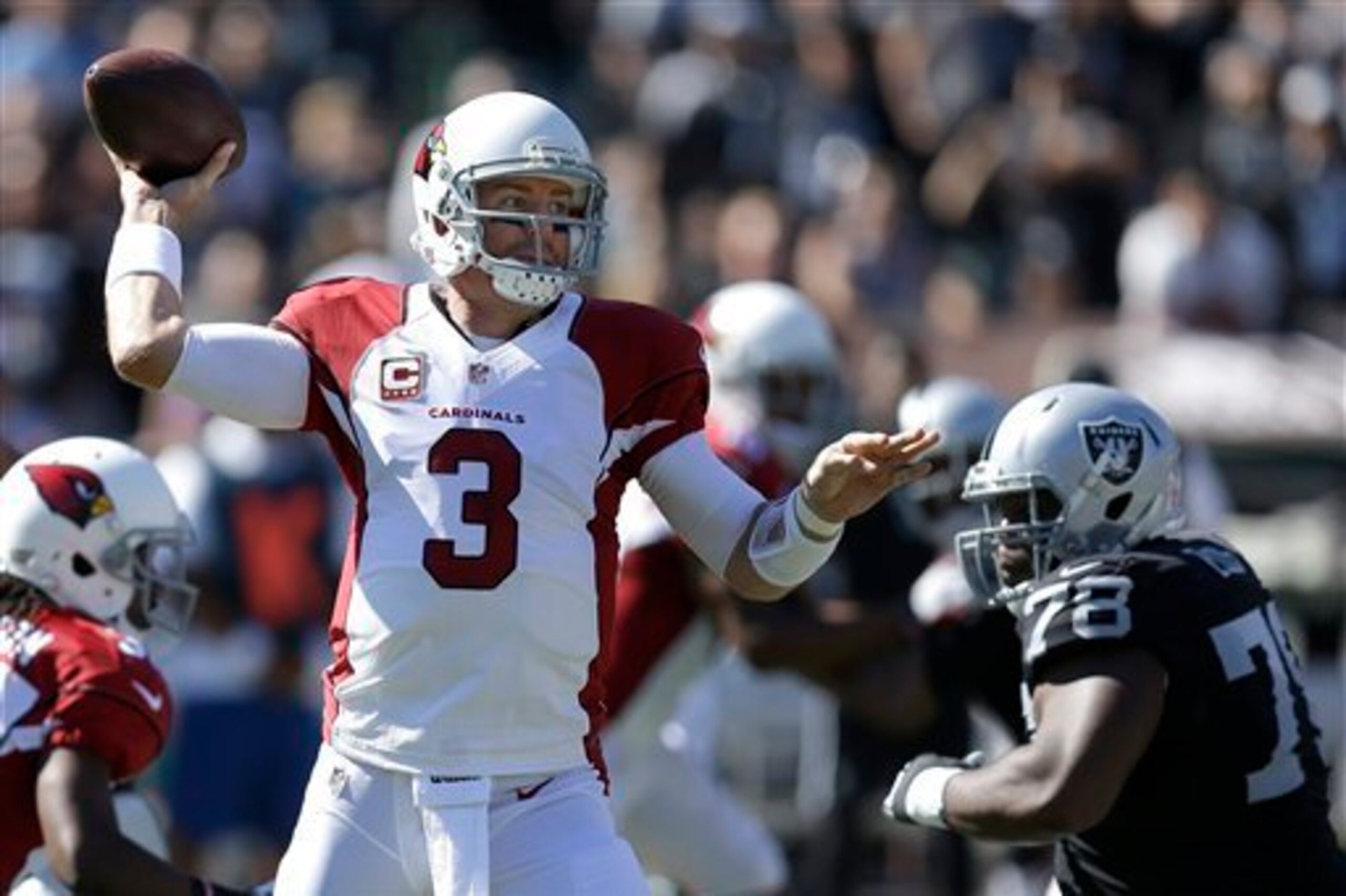
Player: Carson Palmer, QB, Arizona Cardinals
Injury: Axillary nerve contusion
Latest News: According to ESPN.com's Josh Weinfuss, Palmer "feels like he's back to full strength":
"I’m there. I’m there right now, and I’m actually able to lift in my upper body, which I wasn’t able to lift for, I think, five weeks, is what it was. Definitely had a lot of atrophies. Starting to get some strength back and starting to put on a little extra weight up top, which is good.
"
Alert Level: Green
Relevant Medicine and Anatomy: Palmer alludes to "atrophy," or the loss of muscle strength due to nerve inactivity. In many cases, the affected muscle or muscles actually shrink in size. As the axillary nerve controls the deltoid—the bulky muscle on the outer portion of the top of the shoulder—Palmer's shoulders might have looked quite different from one another during the middle stages of his rehab.
Possible On-Field Limitations and Considerations: It was just a matter of time. It seems Palmer's nerve is now entirely functional, and he is recovering—or has recovered—the strength he lost. He also threw a total of 75 passes during the past two weeks without issue.
Fantasy Advice: Start him as you normally would, especially since he faces a less-than-stellar Philadelphia Eagles secondary this week.
Follow-Up: Barring another hit to the same shoulder, Palmer's axillary nerve contusion is likely a thing of the past.
Giovani Bernard, RB, Cincinnati Bengals (Green-Yellow)
6 of 14
Player: Giovani Bernard, RB, Cincinnati Bengals
Injury: Rib injury
Latest News: The Bengals' injury report lists Bernard as "probable." He practiced in full Friday after practicing on a limited basis Wednesday and Thursday. The injury likely stems from a few teeth-clenching hits the running back took last week.
Alert Level: Green-yellow
Relevant Medicine and Anatomy: The ribs protect the vital organs of the chest and upper abdomen. Just like any other bones, they can break. However, the muscles and cartilage that connect the individual bones can also come into play, and rib contusions or sprains are relatively common injuries in the NFL.
Possible On-Field Limitations and Considerations: Most of the time, rib injuries—even many fractures—come down to protection and pain control. If the Bengals medical staff can provide Bernard with sufficient rib guards and pain relief, he can perform at or near 100 percent.
Fantasy Advice: There is not enough out there to bench Bernard. Start him as you normally would. Just hope he does not take another pummeling hit to the chest.
Follow-Up: No reports of Bernard suffering a fracture surfaced following his rough game, and rib contusions and sprains heal well with enough time.
Reggie Bush, RB, Detroit Lions (Red)
7 of 14
Player: Reggie Bush, RB, Detroit Lions
Injury: Ankle sprain
Latest News: Detroit Free Press' Dave Birkett tweeted Friday that Bush said he will play this week. However, the team's injury report lists the running back as "doubtful." Even worse, his practice reps trended downward throughout the week.
Alert Level: Red
Relevant Medicine and Anatomy: The ankle is a complex joint that needs to function at or near maximum capacity in order for an NFL running back to be effective. It marks the location where the bones of the lower leg meet the back of the foot, and several tough ligaments connect the two segments of the body to each other. Ankle sprains stretch or tear one or more of those ligaments.
Possible On-Field Limitations and Considerations: Planting, cutting and pushing off all become difficult after an ankle sprain. When one makes their living as an NFL running back, any limitation can mean the difference between evading a defender and merely going down after minimal forward progress.
Fantasy Advice: Even if Bush somehow plays this week, avoid him in fantasy lineups. Last week, he played through the injury but rushed for just 10 yards. Check in on his status late next week.
Follow-Up: It looks like the Lions are playing it safe with their running back. After all, the way this season is shaping up, they may need him for the long haul.
A.J. Green, WR, Cincinnati Bengals (Red)
8 of 14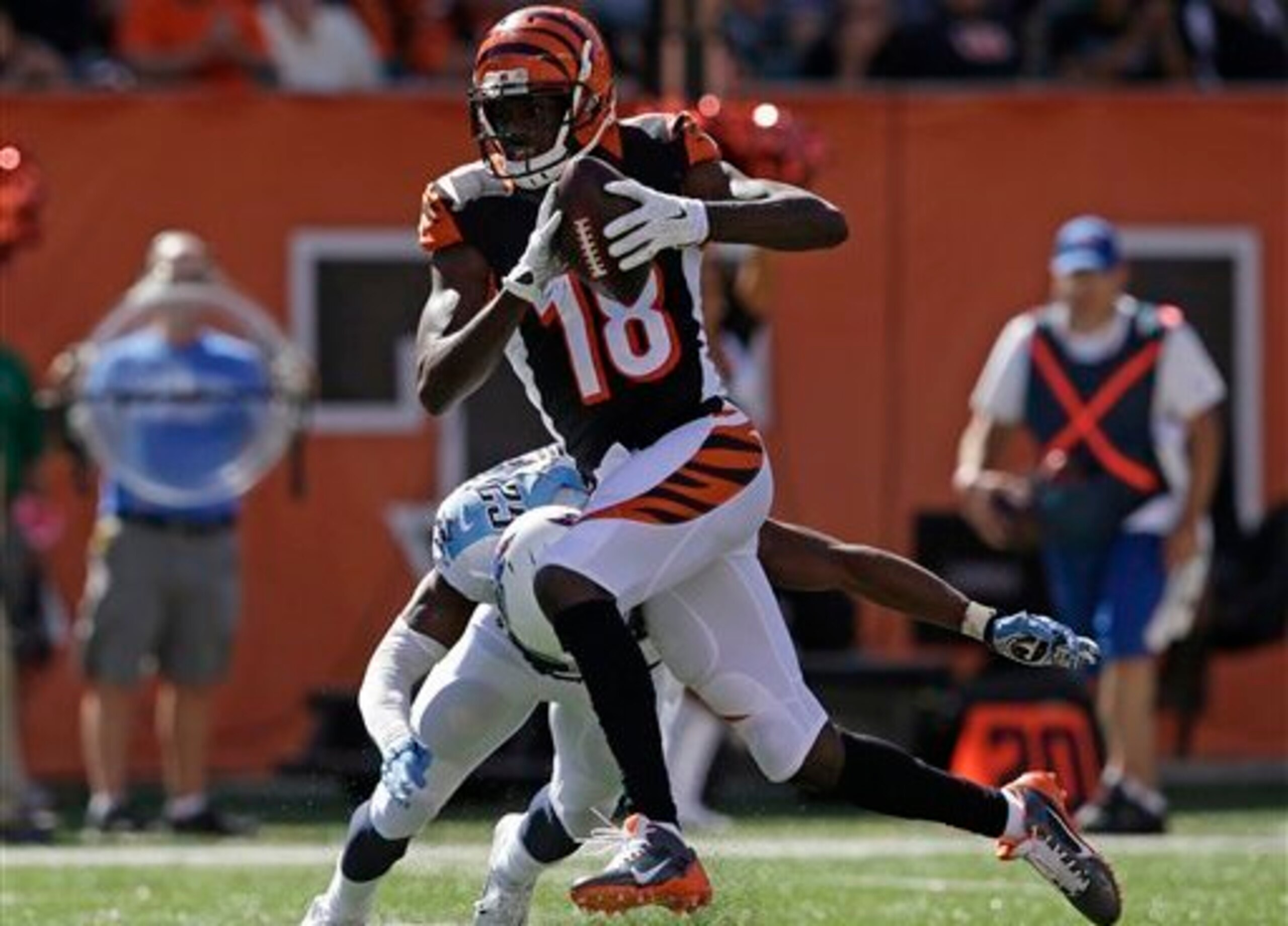
Player: A.J. Green, WR, Cincinnati Bengals
Injury: Turf toe "plus"
Latest News: This week's health check on Green is no better than last week's. The team's injury report shows the wideout did not practice at all this week. The Cincinnati Enquirer's Paul Dehner Jr. called Green doubtful, adding that he "likely won't be 100 percent at any point during the year."
Alert Level: Red
Relevant Medicine and Anatomy: Green's injury is becoming a classic case of an injury to the metatarsophalangeal (MTP) joint—where the base of the big toe meets the foot—that continues to linger despite treatment and could, eventually, need surgery.
The MTP joint complex is quite complicated. As a unit, it allows an athlete to push his toe into the ground in order to drive forward or leap upward. It also lets the great toe serve as a pivot point. However, if an outside force such as the ground pushes it upward too sharply, the various structures in and around the joint can suffer an injury. Certain types of injuries can also heal extremely slowly.
Possible On-Field Limitations and Considerations: As Dehner Jr. suggests, this injury might keep Green on and off the injury report all year. Pain control and foot support will play huge roles in his effectiveness on the field.
Thankfully, the injury does not affect one of Green's prime attributes as a wide receiver: his height.
Fantasy Advice: Do not think about dropping Green from your roster, as his upside is too great. However, consider avoiding him until he completes an entire game—as well as a week of respectable practice reps—before relying on him once more. In the interim, he might draw interesting trade offers from desperate owners.
Follow-Up: Expect Green to remain week-to-week for quite some time still. There are no guarantees here.
Calvin Johnson, WR, Detroit Lions (Orange)
9 of 14
Player: Calvin Johnson, WR, Detroit Lions
Injury: High-ankle sprain
Latest News: Lions writer Tim Twentyman called Johnson "truly" a game-time decision for Sunday's matchup against the Atlanta Falcons in London. According to the team's injury report, the star wideout practiced on a limited basis three days in a row this week, earning a "questionable" tag.
Alert Level: Orange
Relevant Medicine and Anatomy: The high-ankle ligaments connect the bones of the lower leg to each other just above the ankle. They allow the bones to remain stable during movements that involve turning the lower leg with respect to the foot.
High-ankle sprains lead to pain and instability in the lower leg at the location of the ankle. Both symptoms will decrease as the injured ligament or ligaments scar down, but high-ankle sprains tend to linger longer than the more common "low-ankle" sprain.
Possible On-Field Limitations and Considerations: The potential limitations Johnson faces remain the same as in previous weeks. He likely won't be able to cut away from defenders quite as well.
Fantasy Advice: My stance on Johnson, especially after his injury burned fantasy owners two weeks in a row earlier this season, did not change this week. If you are a conservative player, you should look elsewhere and plan to put him back in your lineup after the Lions come back from their Week 9 bye.
If you must start Johnson this week—if he even plays—his value lies in the red zone. Do not expect anywhere near a triple-digit receiving yard performance.
Follow-Up: This year's version of Atlanta Falcons wide receiver Roddy White—White struggled through a high-ankle sprain through much of the first half of the 2013 season—Megatron should return to form eventually as long as he can avoid further ankle tweaks. He will certainly welcome his team's bye week.
Reggie Wayne, WR, Indianapolis Colts (Red)
10 of 14
Player: Reggie Wayne, WR, Indianapolis Colts
Injury: Elbow injury
Latest News: According to the Indianapolis Star's Stephen Holder, head coach Chuck Pagano ruled out Wayne for Week 8. RTV6's Mike Chappell noted this week that the veteran is dealing with an elbow injury that may make him miss "a game or two."
Alert Level: Red
Relevant Medicine and Anatomy: Those watching Wayne's injury saw him fall on his arm awkwardly during the Colts' Week 7 matchup against the Cincinnati Bengals. He remained in the game but did not look like his normal self.
Details are lacking, but Wayne is more than likely dealing with a minor elbow sprain or strain. The injury likely stems from a mild elbow subluxation—a partial dislocation—that occurred during his fall.
Will Carroll, Bleacher Report's lead writer for Sports Medicine, reports a hyperextension injury mechanism is to blame, causing a mild biceps strain.
Possible On-Field Limitations and Considerations: Once Wayne returns to the field, fantasy owners can expect him to play well. Depending on the severity of his initial injury, he may wear a brace.
Fantasy Advice: Start him as normal once he returns.
Follow-Up: For now, nothing yet suggests a more significant injury such as a dislocation or a partial triceps tear.
Martellus Bennett, TE, Chicago Bears (Yellow)
11 of 14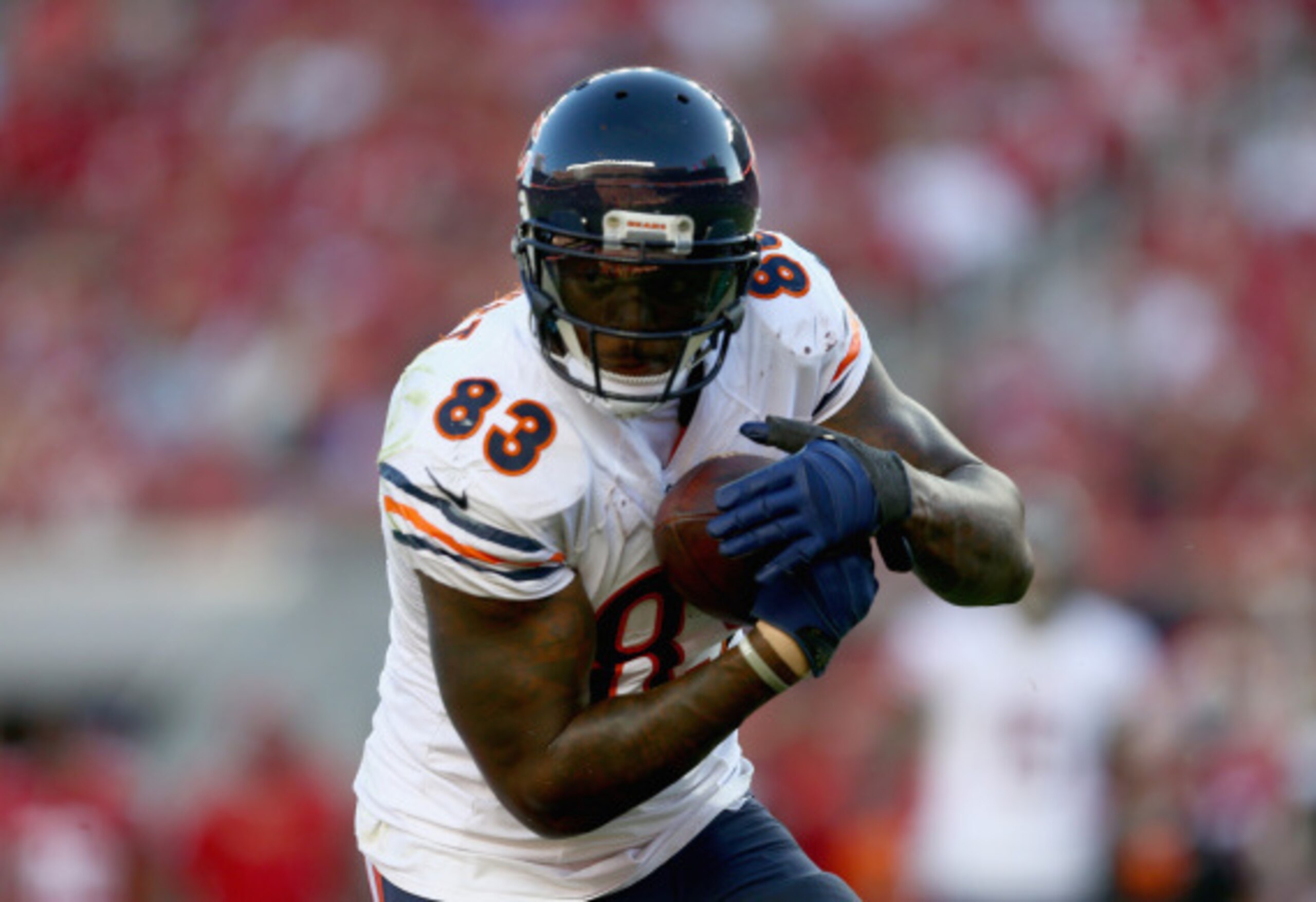
Player: Martellus Bennett, TE, Chicago Bears
Injury: Hamstring strain
Latest News: According to the Bears' injury report, Bennett is nursing a hamstring injury. However, his practice tags steadily increased from "DNP" to "full" throughout the week. The team designates him as "probable" for Sunday.
Alert Level: Yellow
Relevant Medicine and Anatomy: The hamstring muscle group makes up the bulk of the back of the thigh. Three muscles—the semimembranosus, semitendinosus and biceps femoris—connect the pelvis to the lower leg and primarily serve to bend the knee.
Hamstring strains frequently occur during all-out sprints. The rapid cycles of muscle contraction and extension can overwhelm the group and cause a strain.
Possible On-Field Limitations and Considerations: Bennett might not run at 100 percent because of his injury. However, tight ends rely on top-end, straight-line speed less than, say, the wide receiver position.
Fantasy Advice: With a steadily improving practice status this week and the Bears' wide receivers about to find themselves up against a strong New England Patriots secondary, Bennett is a strong fantasy play despite his strain.
Follow-Up: As players like New York Jets wide receiver Eric Decker can unfortunately attest, hamstring strains—even minor ones—can linger. Bears fans and fantasy owners alike will hope the big tight end does not follow suit.
Jimmy Graham, TE, New Orleans Saints (Yellow-Orange)
12 of 14
Player: Jimmy Graham, TE, New Orleans Saints
Injury: Shoulder sprain
Latest News: The Saints' injury report lists Graham as "questionable" after he practiced on a limited basis all week. The star tight end played last week but didn't factor into the team's game plan much at all.
Alert Level: Yellow-orange
Relevant Medicine and Anatomy: Within the shoulder sit four joints:
- The glenohumeral (GH) joint: Where the humerus—the upper arm bone—meets the shoulder blade.
- The acromioclavicular (AC) joint: Where the clavicle—the collarbone—meets the shoulder blade.
- The sternoclavicular (SC) joint: Where the clavicle meets the sternum—the breastbone.
- The scapulothoracic joint: Where the shoulder blade meets the ribs.
Like last week, details are still lacking when it comes to Graham's injury. Specifically, precisely which of his joints is ailing remains unclear.
Possible On-Field Limitations and Considerations: The tight end position often requires a player to reach out and catch passes in traffic, increasing the risk of upper-body contact. It also calls on a player to block. Both of these activities can become difficult with a sprained shoulder.
Fantasy Advice: If you started Graham last week—ouch—you can do so more safely this week. Just how safely, though, remains unclear. After all, every snap he plays risks a significant blow to his injured shoulder, a blow that could take him off the field at a moment's notice.
Follow-Up: Like last week, it all comes down to Graham avoiding a setback. Another hit to his shoulder could further injure his already-weak ligaments, compounding his recovery time.
Brian Cushing, LB, Houston Texans (Unclear)
13 of 14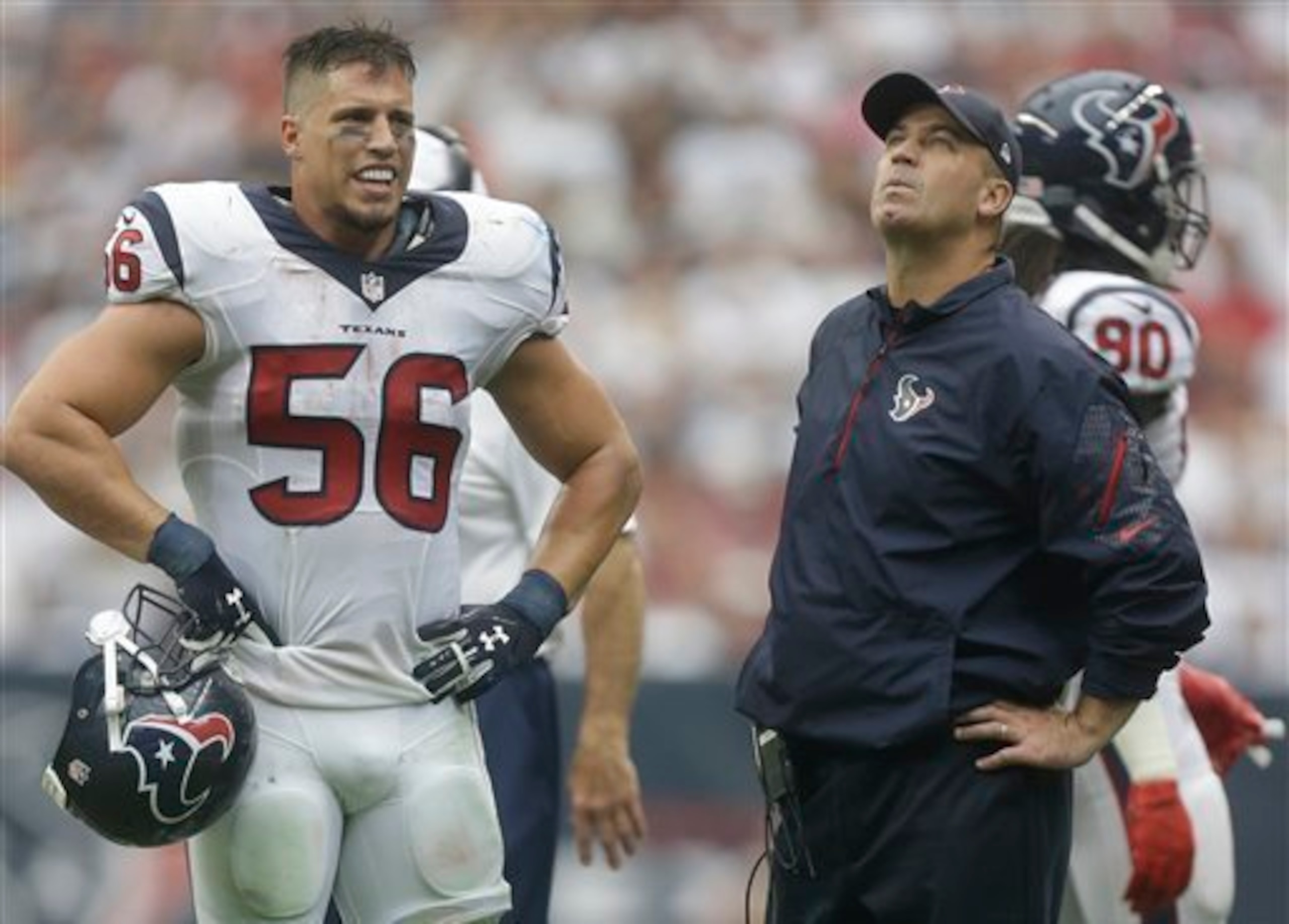
Player: Brian Cushing, LB, Houston Texans
Injury: Knee pain
Latest News: Earlier this week, a source told Pro Football Talk that Cushing "will miss at least a week." The Houston Chronicle's Brian T. Smith added Friday that the linebacker conceded he "could miss more than one game."
Alert Level: Unclear
Relevant Medicine and Anatomy: The knee marks the location where the tibia—the shin bone—meets the femur, or thigh bone. It is an important weight-bearing joint.
Four main ligaments span the joint: The ACL, PCL, MCL and LCL. ACL tears infamously often end a player's season, but a complete tear of any of the four ligaments constitutes a major injury.
ESPN.com's Tania Ganguli wrote this week that while Cushing continues to work back from two knee surgeries on the same leg—one to address a torn ACL and another for a simultaneous LCL tear and fracture—the linebacker said he hasn't "really been (himself)." Ganguli adds that he continues to deal with swelling and pain.
Possible On-Field Limitations and Considerations: A painful and swollen knee usually becomes more symptomatic as a game wears on. When Cushing makes his next start, compare his early and late-game performances.
Fantasy Advice: The Texans face the struggling Tennessee Titans this week, and rookie quarterback Zach Mettenberger will go under center for the first time for Ken Whisenhunt's squad. As such, the Texans defense is a solid fantasy play this week despite Cushing's probable absence.
Follow-Up: Ongoing symptoms in a twice-repaired knee is never a good sign. Some midseason rest might be just what the doctor ordered.
Fantasy Football Quick Hits
14 of 14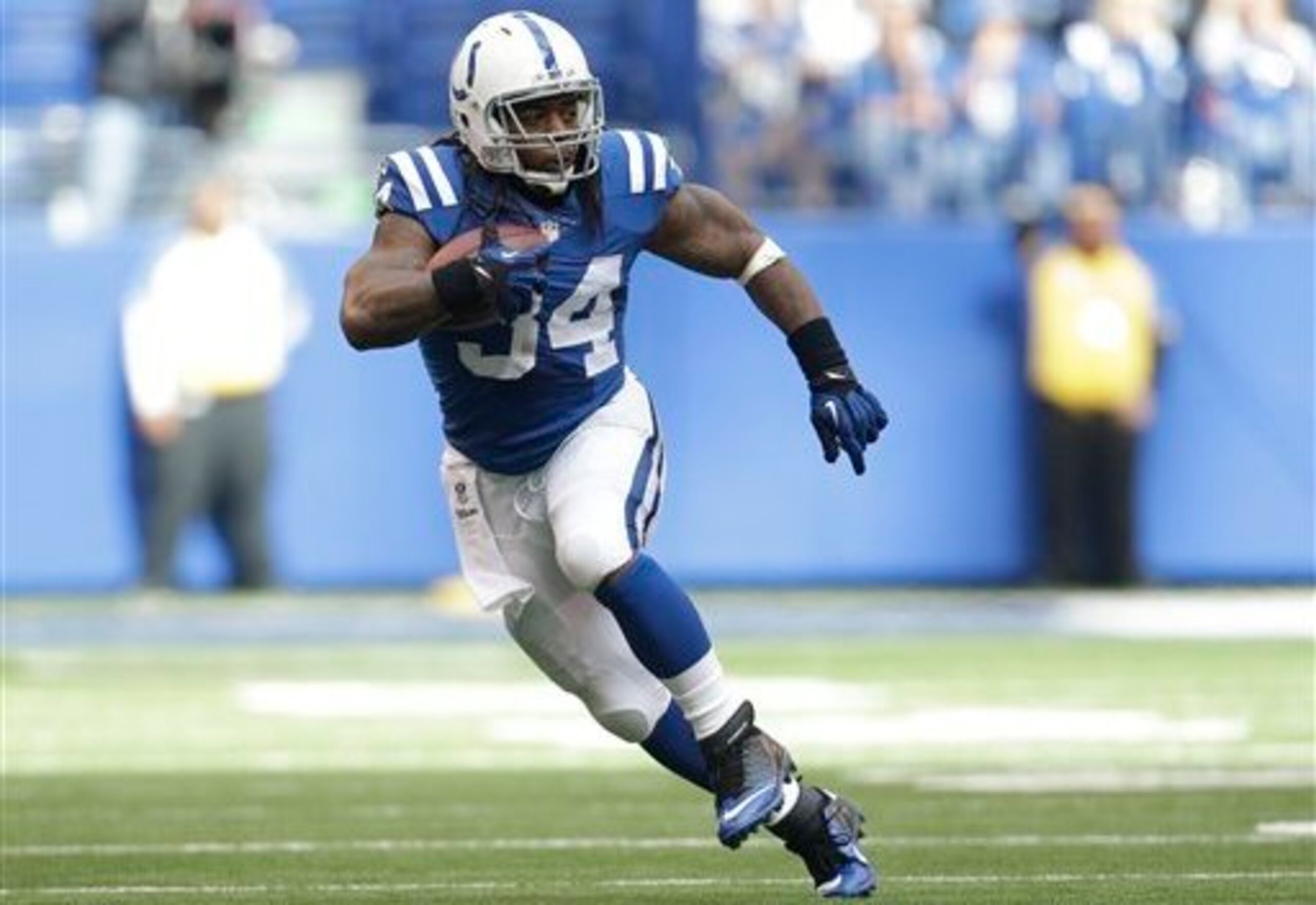
Quarterbacks
- New England Patriots quarterback Tom Brady remains on the team's injury report with an ankle injury. However, he played through whatever is bothering him very well last week and is not a running quarterback. As long as he doesn't suffer a surprise setback, don't think twice about starting him in fantasy lineups.
Running backs
- The Indianapolis Colts' injury report lists running back Trent Richardson as "questionable" after he missed practice all week with a hamstring strain. Follow his status closely.
- NFL Network's Ian Rapoport reported earlier this week that New Orleans Saints running back Pierre Thomas will miss two to three weeks with a shoulder injury.
Wide receivers
- Buffalo Bills rookie wide receiver Sammy Watkins showed up on the team's injury report this week with a groin strain. However, he practiced in full all week long, suggesting his injury is quite mild.
Tight ends
- ESPN.com's Jamison Hensley tweeted Friday that Baltimore Ravens tight end Owen Daniels recently underwent arthroscopic knee surgery. Hensley adds Daniels "will be out at least one game," but knee scopes usually lead to multiple-week absences.
Dr. Dave Siebert is a second-year resident physician at the University of Washington and a member of the Professional Football Writers of America. He plans to pursue fellowship training in Primary Care (nonoperative) Sports Medicine.
Stats were obtained from NFL.com official statistics.
Questions about players on this list? Not on this list? Send 'em to Dave on Twitter.
.jpg?w=2560 "Colts Football")