
Ranking the Best Markets for an NHL Expansion Franchise
NHL expansion is a topic that just won't go away, and perhaps that shouldn't be surprising. The last wave of expansion in 2000 is almost 15 years in the past, and the league now has long-term television deals in both Canada and the United States and extended labour peace thanks to the new collective bargaining agreement.
If the league chooses to expand again (and given how lucrative expansion fees can be, it's probable that it will), where should it go?
We've ranked eight potential markets based on their suitability for an NHL franchise. Fan support is essential, so we've looked at the history of hockey in each market, and naturally, population is a major concern. Business support matters, too, so corporate presence was considered.
The single-most important factor was the presence of an arena, which has been the difference between success and failure in countless cases.
8. Hartford
1 of 8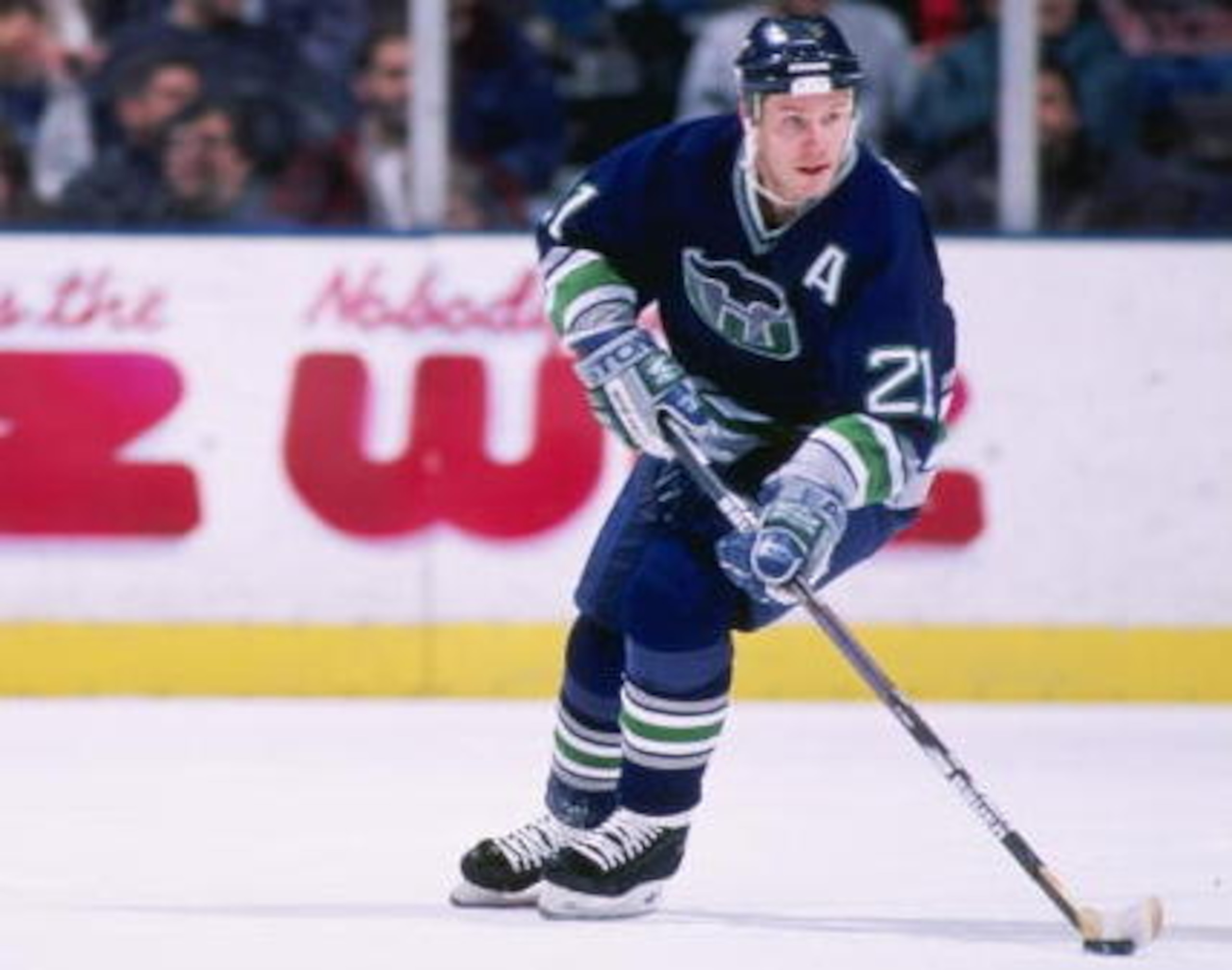
Hockey History: Hartford has been a home to high-level hockey continuously since the WHA's Whalers relocated there in 1974. The Whalers were in the market for just under 20 years, most of them in the NHL. Immediately after the relocation of the team to Carolina, the AHL's Wolf Pack relocated to the city and has been there ever since.
Market Potential: Hartford doesn't normally come in near the top of the list of potential NHL homes; the population base simply isn't that big, with just 1.2 million people living in the metropolitan area. The arena isn't great, either; the XL Center is both quite small and old by NHL standards. There's a business presence, but really, the only reason Hartford is even in the conversation is because of its history with the Whalers.
7. Kansas City
2 of 8
Hockey History: The best-known hockey team from Kansas City is the Scouts, a short-lived NHL franchise that lasted just two seasons before relocating. Before and after the Scouts, the Kansas City Blues played in the Central Professional Hockey League, a high-level minor league, and the Blades spent a little over a decade in the IHL before the league folded.
Market Potential: Fan interest is a major concern. The Scouts consistently ranked near the bottom of the NHL in attendance, even in their first year when there should have been a honeymoon period (HockeyDB.com shows they had an average attendance of 7,356, making them just one of two clubs to come in below the 10,000 threshold).
The Blades lost money, and there was an attempt to move them to Oklahoma City before the IHL folded. NHL preseason games involving the St. Louis Blues held in the city have not sold out. The city has an NHL-quality arena (the Sprint Centre), good business presence and a large population, but interest is a question mark.
6. Montreal
3 of 8
Hockey History: There isn't a major city in Canada that can compete with the hockey history of Montreal. That history isn't tied to just the Canadiens, either; the Wanderers predated the Habs by several years and shared the market with them for nearly a decade, and later, the Maroons played 14 years in the NHL. The first recorded indoor hockey game took place in the city in 1875. It's steeped in hockey heritage.
Market Potential: The second-largest city in Canada, Montreal is a hub of commercial activity and consequently boasts significant corporate presence; there should be no concern as to whether it lacks either the population base or the business presence needed to sustain a second hockey team. The big question pertains to the lack of an NHL arena. Without a place to play, a new hockey team is a non-starter.
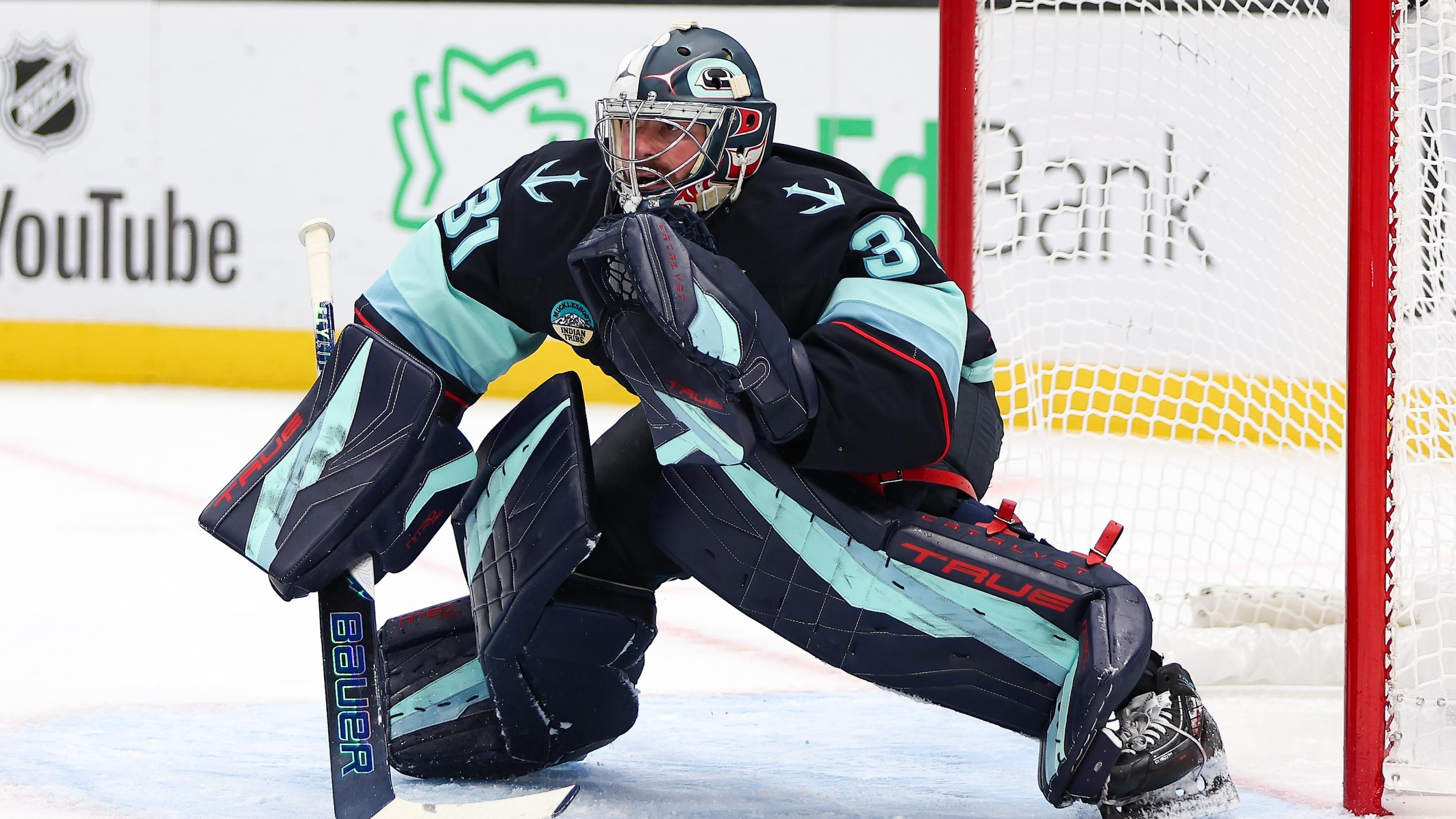

.jpg?w=2560 "NHL Trade Grades Connor Hellebuyck")
5. Houston
4 of 8
Hockey History: Houston has surprisingly strong hockey bloodlines for such a southern market. The WHA's Aeros are the highest-level team to ever play in the city; they were one of the WHA's most successful teams but weren't brought into the NHL when the two leagues merged.
The Aeros were preceded by the Apollos of the Central Professional Hockey League and later followed by the Aeros of the AHL, a well-supported team that relocated for a more team-friendly arena deal.
Market Potential: Houston is the largest market in the United States without an NHL team; more than 6 million people live in its metropolitan area, and it supports franchises in the NBA, NFL and MLB. The city has a new arena, the Toyota Center, and it's also possible, at least hypothetically, to renovate the Astrodome.
4. Las Vegas
5 of 8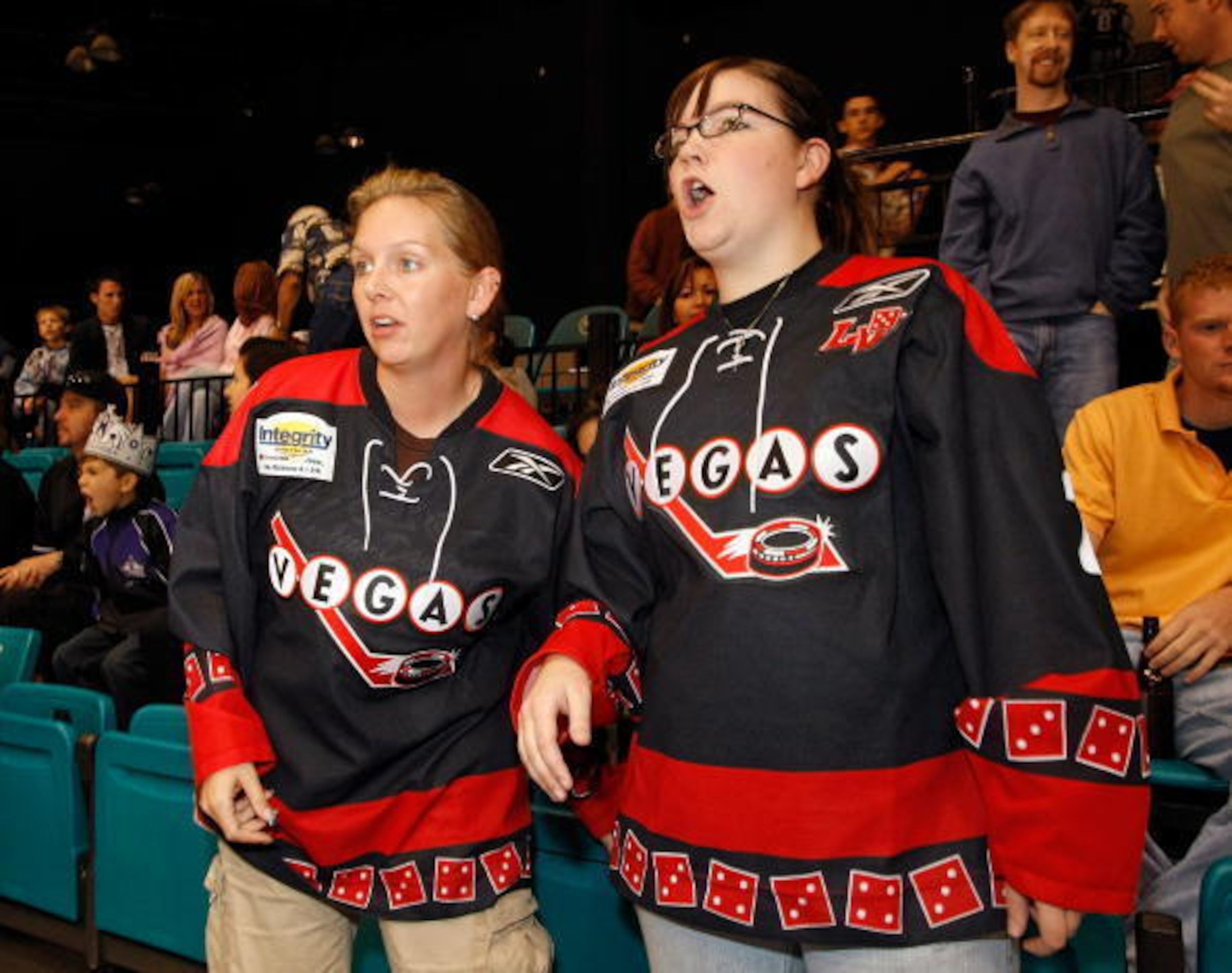
Hockey History: Vegas has some track record of supporting hockey teams. The Thunder played in the IHL from 1993-99 and were eventually replaced by the ECHL's Wranglers in the early 2000s. The Los Angeles Kings have also been playing annual preseason games there since the late 1990s.
Market Potential: Dave Lozo did a long look at Vegas when this topic most recently came up, and there's pretty decent reason to believe that the city can support a major league team. The population isn't massive, but it's big enough, the city is growing quickly and, of course, there is pretty good reason to believe that tourists might come to watch the road team, too.
A new arena is being built right now, which also adds to the appeal.
3. Quebec City
6 of 8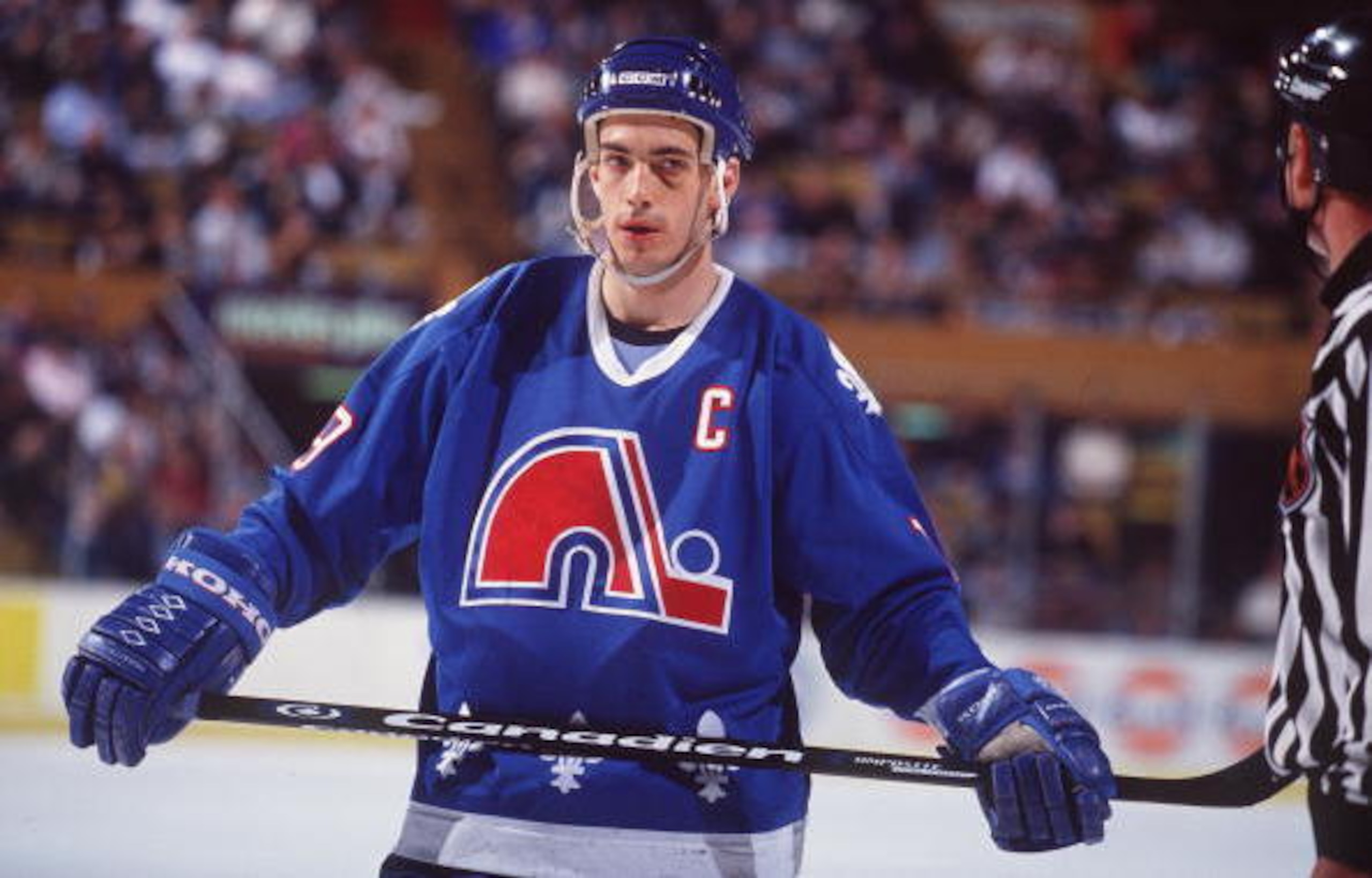
Hockey History: Unsurprisingly, Quebec City has long been a hotbed of interest in hockey. The Bulldogs, a team that eventually won two Stanley Cups as part of the NHA (forerunner to the NHL), started in the late 1800s and were in place through to 1920. They are less well known than the Nordiques, a team that spent better than two decades in the city, first in the WHA and then as part of the NHL.
Top-level minor league teams have also been part of the mix, including the Aces and Citadelles of the AHL and the Rafales of the IHL.
Market Potential: This is a tiny market, comprising less than 1 million people as of the last census. The francophone nature of the city also makes it difficult in some cases to market a league featuring mostly anglophone players.
The value here is in corporate support. Quebecor CEO Pierre Karl Peladeau's name is often mentioned as a potential owner, and the city has started building a brand-new state-of-the-art arena with a targeted completion date in 2015.
2. Seattle
7 of 8
Hockey History: Seattle has a long history with hockey. The Metropolitans won a Stanley Cup in 1917 as part of the Pacific Coast Hockey Association, and they were eventually followed by the Totems of the professional Western Hockey League. Since that team folded after changing leagues in the mid-1970s, the area has been represented by major junior teams.
Market Potential: With 3.6 million people living inside the metropolitan area, Seattle has the population base to support an NHL team. It has a strong economy, with a long list of major companies headquartered there. Most critically, according to King 5 News, there are plans to build a new arena in an effort to attract a major league franchise.
1. Hamilton (Southern Ontario)
8 of 8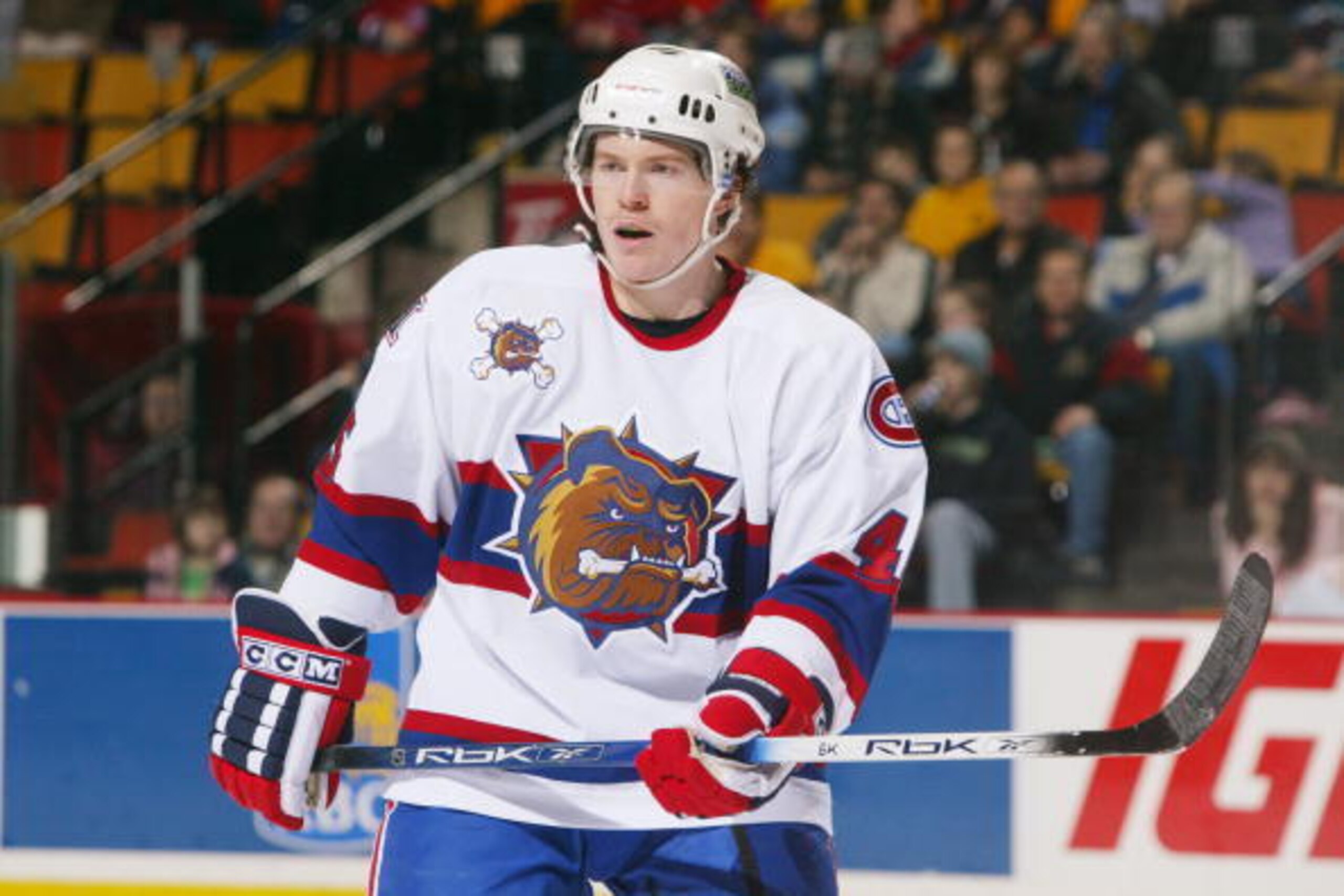
Hockey History: Hamilton has a brief history with the NHL; the Tigers spent five years in the city before a players' strike resulted in the franchise folding. Since then, the city has repeatedly pushed to get a franchise back, but so far to no avail. The AHL's Hamilton Bulldogs have played in the city since 1996.
Market Potential: Hamilton has one massive item in its favour: the FirstOntario Centre, an NHL-sized arena that would allow a team to begin operations immediately. Hamilton would also benefit from playing in the underserved southern Ontario marketplace as well as its proximity to Toronto, which would give it a chance at significant corporate support and put it in the media spotlight.
This pieces draws on research done in the 2011 Mowat Centre Report on The New Economics of the NHL, as well as the most recent census work done in both the USA and Canada.

.jpg?w=2560 "NFL House in Paris Closes for Protests")

.jpg?w=2560 "Trevon Diggs Cut by Seahawks")