Every NHL Team's Best Calder Trophy Hope in the 2014-15 Season
It's the one and only NHL trophy that can't be defended, and it's generally one of the most diverse and exciting award races every year.
The NHL's Calder Trophy has been awarded to a varied group of players over recent years. Sometimes, a young star with great draft pedigree wins the award, as Nathan MacKinnon did in 2014. Older prospects who took a more meandering route to the majors can come away victorious, too, as 25-year-old ninth-round draft pick Evgeni Nabokov did in 2001.
The following slideshow looks at each team's best candidate for the award. In each case, we break down the development path that took the rookie NHLer to this point, how he's performed early in 2014-15 and what it will mean for the team if this player is the best of the NHL's rookie crop.
Anaheim Ducks: John Gibson
1 of 30
Development path: Gibson was a second-round draft pick in 2011, the second goaltender selected that year by one pick. He's probably best known for winning gold with Team USA at the World Juniors in 2013, where he was splendid, but his road from the OHL to AHL has featured strong results.
Early returns: Gibson was shelled by the Penguins in his lone start so far in 2014-15, allowing six goals on 39 shots.
What it means if he wins it: It will mean that Gibson stole the starting job away from Frederik Andersen and will have provided the Ducks with extremely strong goaltending.
Arizona Coyotes: Tobias Rieder
2 of 30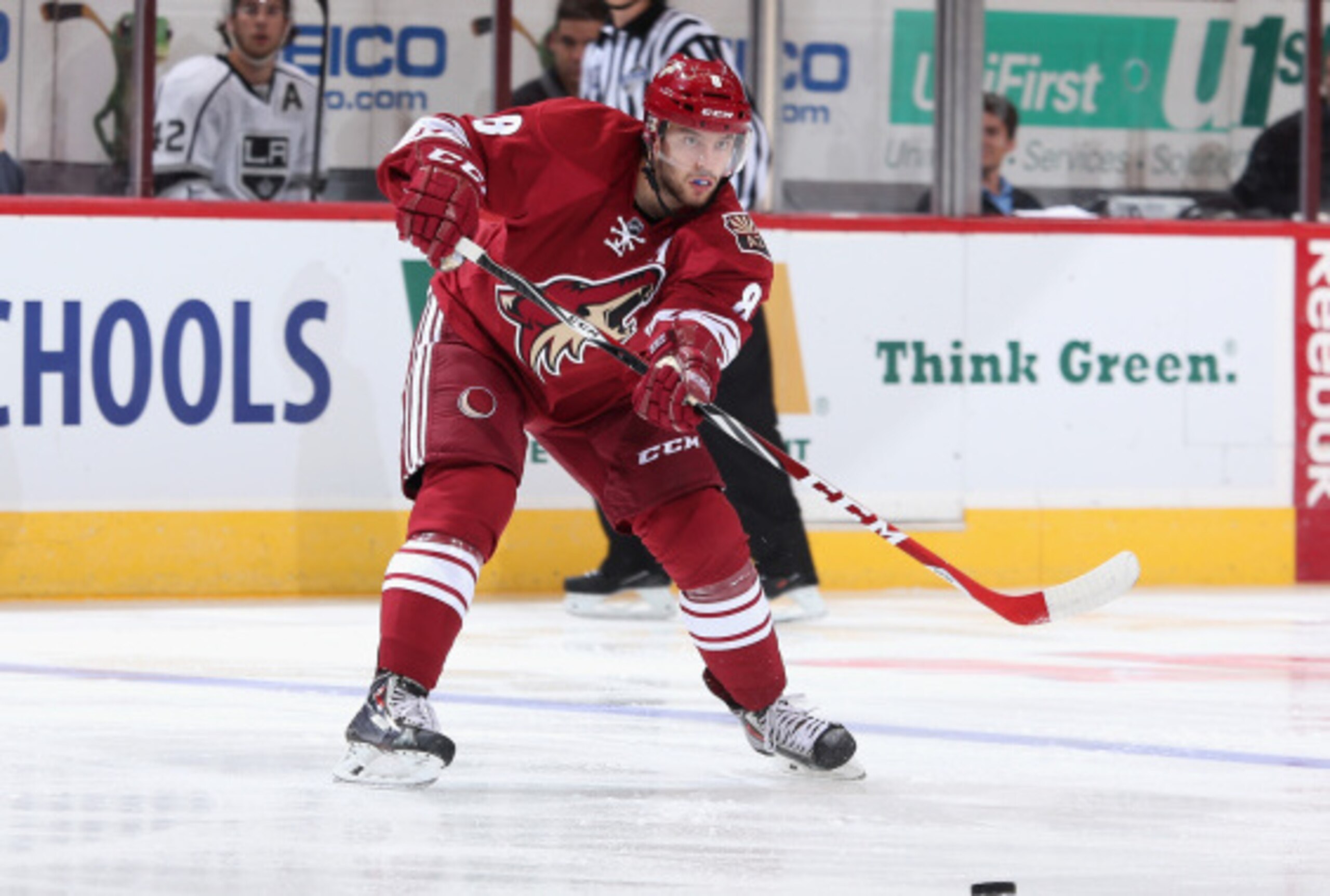
Development path: An Edmonton Oilers pick in the 2011 draft, Rieder was swapped to Arizona, where he emerged as a reliable two-way threat in his first AHL campaign. The OHL-developed German forward is both a goal scorer and a defensive forward.
Early returns: Rieder was demoted to the AHL out of training camp.
What it means if he wins it: The odds are pretty slim that Rieder can make this kind of jump, but it would likely mean he's developed a two-way game polished enough to earn major minutes and a surprising amount of offensive punch.
Boston Bruins: Ryan Spooner
3 of 30
Development path: Spooner, an intelligent forward with offensive ability, was a second-round pick of the B's out of the OHL back in 2010. He has two AHL campaigns at near a point-per-game pace under his belt and posted 11 assists in a 23-game cameo last season.
Early returns: He's pointless through four games so far and saw his ice time slashed against Colorado on Tuesday.
What it means if he wins it: It'll probably mean that Boston has had a significant injury; it's hard to see how else Spooner gets an opportunity with the deep Bruins.
.jpg?w=2560 "NHL Trade Grades Connor Hellebuyck")
Buffalo Sabres: Sam Reinhart
4 of 30
Development path: Reinhart is a WHL grad who was the second overall pick of the Sabres in last summer's draft.
Early returns: Reinhart is getting ice time, but he's pointless through Buffalo's first four games.
What it means if he wins it: Reinhart is a legitimate contender, a high draft pick who has tons of talent and will be given every opportunity in Buffalo. It'll mean that he's made teh most of his chances if he wins.
Calgary Flames: Johnny Gaudreau
5 of 30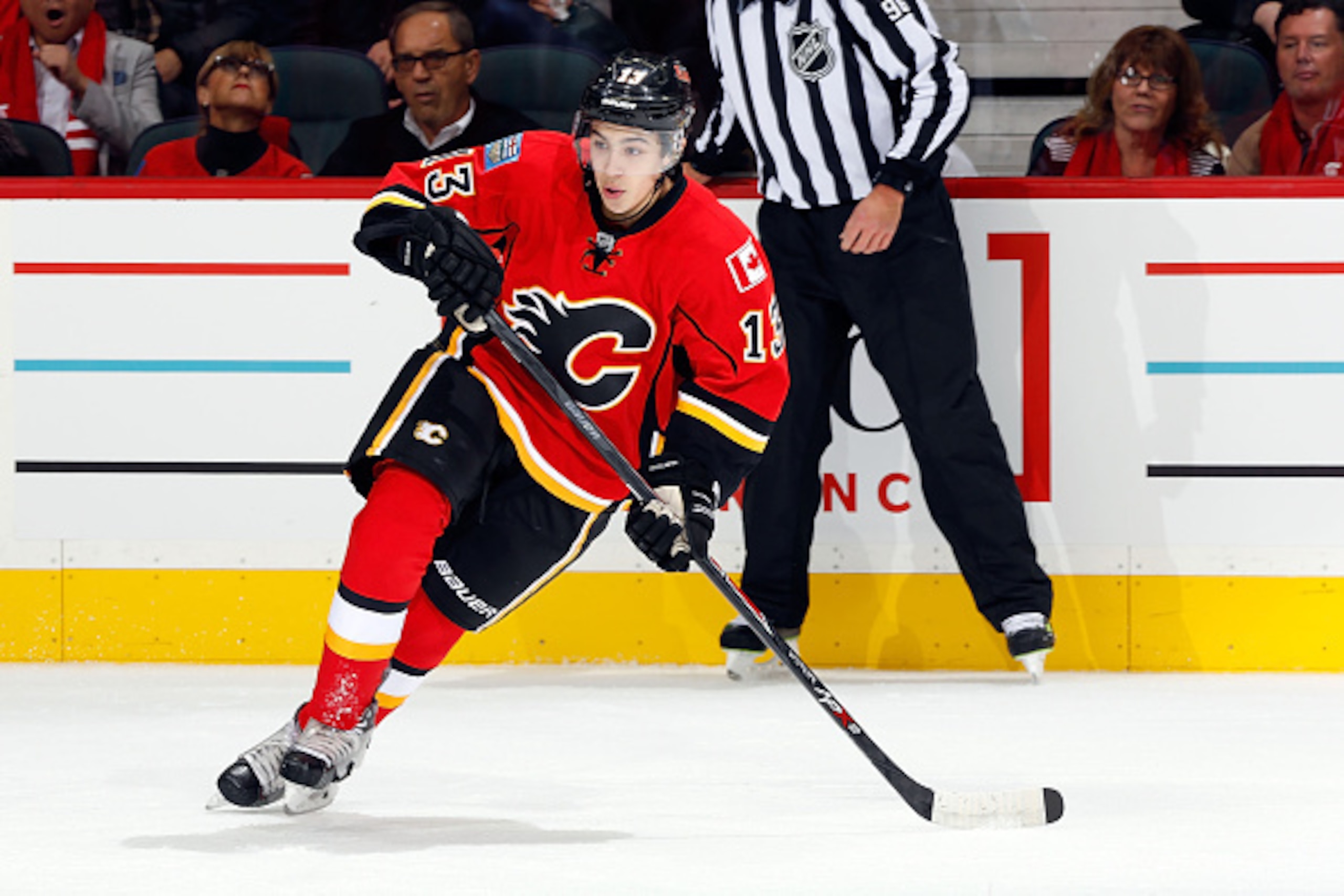
Development path: A fourth-round pick out of the USHL in 2011, diminutive Johnny Gaudreau has laid waste to college hockey over the last three years, averaging two points per game with Boston College in 2013-14.
Early returns: He scored his first career goal at the end of last season, but four games into 2014-15, he's still looking for his first marker of the campaign.
What it means if he wins it: Gaudreau's pint-sized, but he brings offence. Calgary got such a player wrong once before, allowing Martin St. Louis to leave for nothing; a Calder Trophy would go a long way to making sure history doesn't repeat itself.
Carolina Hurricanes: Chris Terry
6 of 30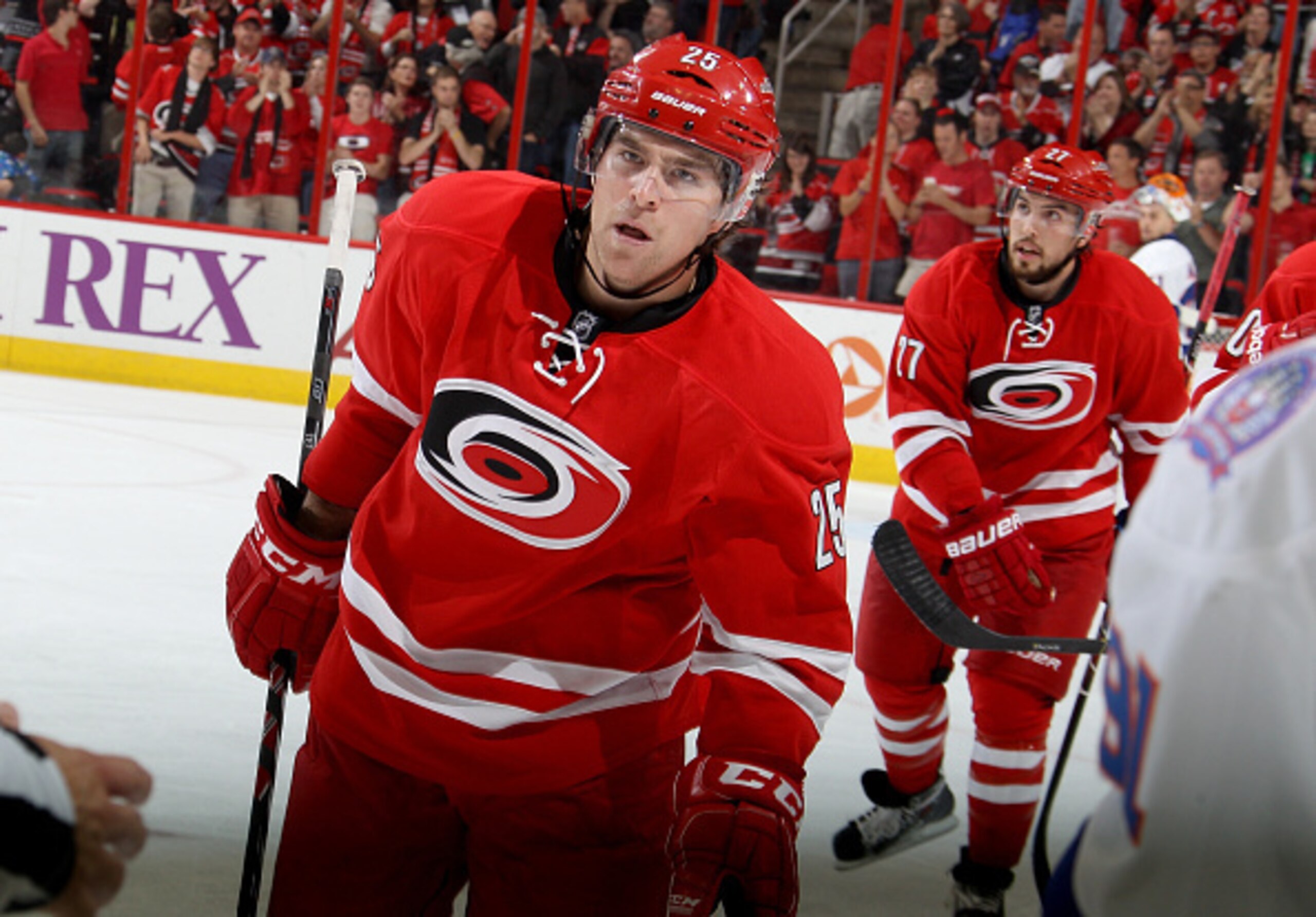
Development path: A late pick in the 2007 draft, Terry has never had trouble posting offence; he was a major scorer in the OHL and has put up points in the AHL, too. The 25-year-old is the most accomplished minor league scorer of the three rookie forwards on the Canes roster.
Early returns: Terry isn't getting much ice time, but he did score in his first game of the season and has three points through three contests.
What it means if he wins it: Terry's not a serious candidate; it'd be a major surprise if he wins and likely a combination of both everything going right and him taking advantage of some serious injuries to other players.
Chicago Blackhawks: Teuvo Teravainen
7 of 30
Development path: Chicago selected Teravainen in the middle of the first round of the 2012 draft. He was playing in Finland's top league at the time and has put in two more seasons at that level since. He managed to sneak in a North American cameo at the end of last season.
Early returns: Teravainen was cut out of training camp; he has one point in one AHL game so far with the Rockford IceHogs.
What it means if he wins it: Teravainen's talent isn't in doubt—only his readiness. An early recall and an opportunity on a skilled line are essential to his chances; a Calder win will likely mean nearly a full season of productive employment on the team's second line.
Colorado Avalanche: Dennis Everberg
8 of 30
Development path: A big forward who does a lot of things pretty well, Everberg was never drafted. Colorado signed him as a free agent in summer 2014.
Early returns: The only rookie on the Avs roster, Everberg is pointless and minus-two through four contests.
What it means if he wins it: An Everberg victory would be a massive upset; he'll be doing well if he can stay in the league all year.
Columbus Blue Jackets: Alexander Wennberg
9 of 30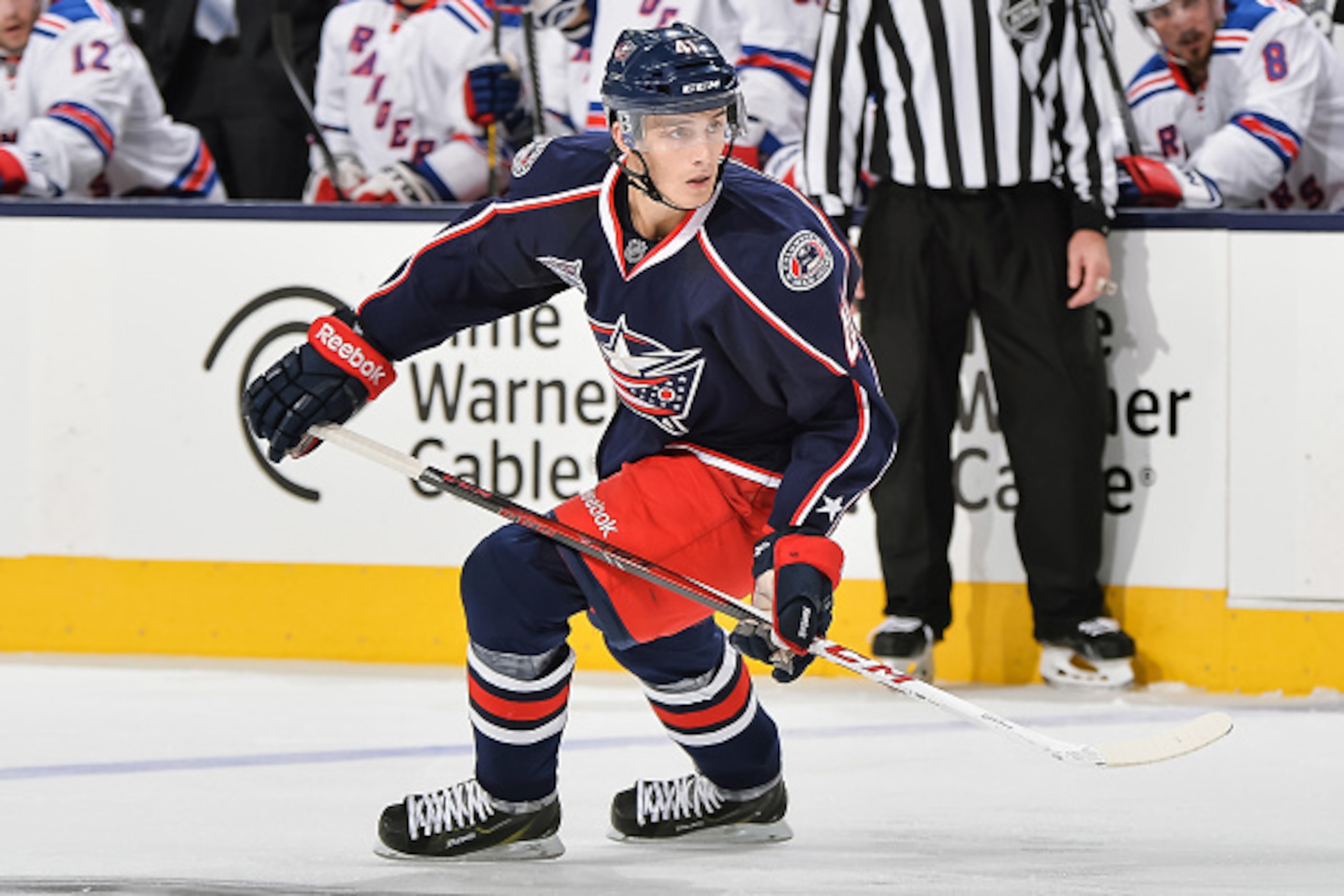
Development path: Wennberg was a first-round pick in 2013 after an impressive campaign in Sweden's second-tier Allsvenskan. He managed 16 goals in 50 games in Sweden's top league last year and is getting a shot in the NHL in his first North American season.
Early returns: Wennberg has been outscored by fellow rookies Marko Dano and Michael Chaput through two games, but he has an assist of his won and is getting heavy usage from coach Todd Richards.
What it means if he wins it: It'd be a boon to Columbus if Wennberg could be a significant scoring threat from the wing immediately. The Jackets are a good team and have depth down the middle but could use an upgrade in offensive weaponry.
Dallas Stars: Patrik Nemeth
10 of 30
Development path: Nemeth was drafted in 2010, but the Stars left him in Sweden's top league for two years afterward to round out his game. He got close to two full seasons in the AHL after that and is only making the jump to the NHL full time now.
Early returns: Nemeth, a defensive defenceman, is getting third-pairing minutes at even strength and duty on the penalty kill.
What it means if he wins it: Defensive defencemen rarely win this award; Barret Jackman in 2003 was the last one. Dallas has some defensive weaknesses, though, so a strong performance from Nemeth could go some distance toward stabilizing that group.
Detroit Red Wings: Petr Mrazek
11 of 30
Development path: Czech goaltender Mrazek came over to the OHL before being drafted by the Red Wings and completed three seasons at that level before graduating to the AHL, where he's spent most of the past two seasons.
Early returns: At the moment, Mrazek is the Red Wings' third-string goalie, meaning he's been assigned to Grand Rapids of the AHL.
What it means if he wins it: Mrazek is a dark horse; a lot has to fall into place for him to win the award. First, for him to get an honest shot at the job would likely mean an injury to starter Jimmy Howard; then he'd need to step into the majors and outperform Jonas Gustavsson.
Edmonton Oilers: Leon Draisaitl
12 of 30
Development path: The son of a veteran of Germany's top league, Draisaitl came over to the WHL and spent two years in Prince Albert before being drafted by the Oilers third overall this past summer.
Early returns: Draisaitl is pointless through his first three games.
What it means if he wins it: Edmonton's sketchy centre depth chart would look a lot better if Draisaitl puts togehter the kind of season that would win the Calder Trophy.
Florida Panthers: Aaron Ekblad
13 of 30
Development path: Ekblad came up through the OHL, and a near point-per-game performance with the Barrie Colts in 2013-14 was enough to convince the Panthers to make him the first overall pick at the draft that summer.
Early returns: Ekblad is playing in excess of 20 minutes per game, logging major time at evens and on the power play. He has one assist through three games.
What it means if he wins it: It might just mean that Ekblad puts up big numbers, but if he really deserves the award, it would mean he's bolstered a position that's been weak for years in Florida.
Los Angeles Kings: Tanner Pearson
14 of 30
Development path: Undrafted in his first two years of eligibility, Pearson made a splash in his final OHL campaign, and the Kings took a chance on him with the 30th overall pick. After a year-and-a-half in the AHL, Pearson graduated to the NHL last year, where he played 49 games between the regular season and playoffs.
Early returns: He leads all rookies in scoring with six points in four games.
What it means if he wins it: Pearson brought some offensive spark to a team that needed it in the 2014 postseason; if he scores enough to win the Calder this year, it'll mean that the Kings managed to get some serious production from their auxiliary scoring lines.
Minnesota Wild: Mathew Dumba
15 of 30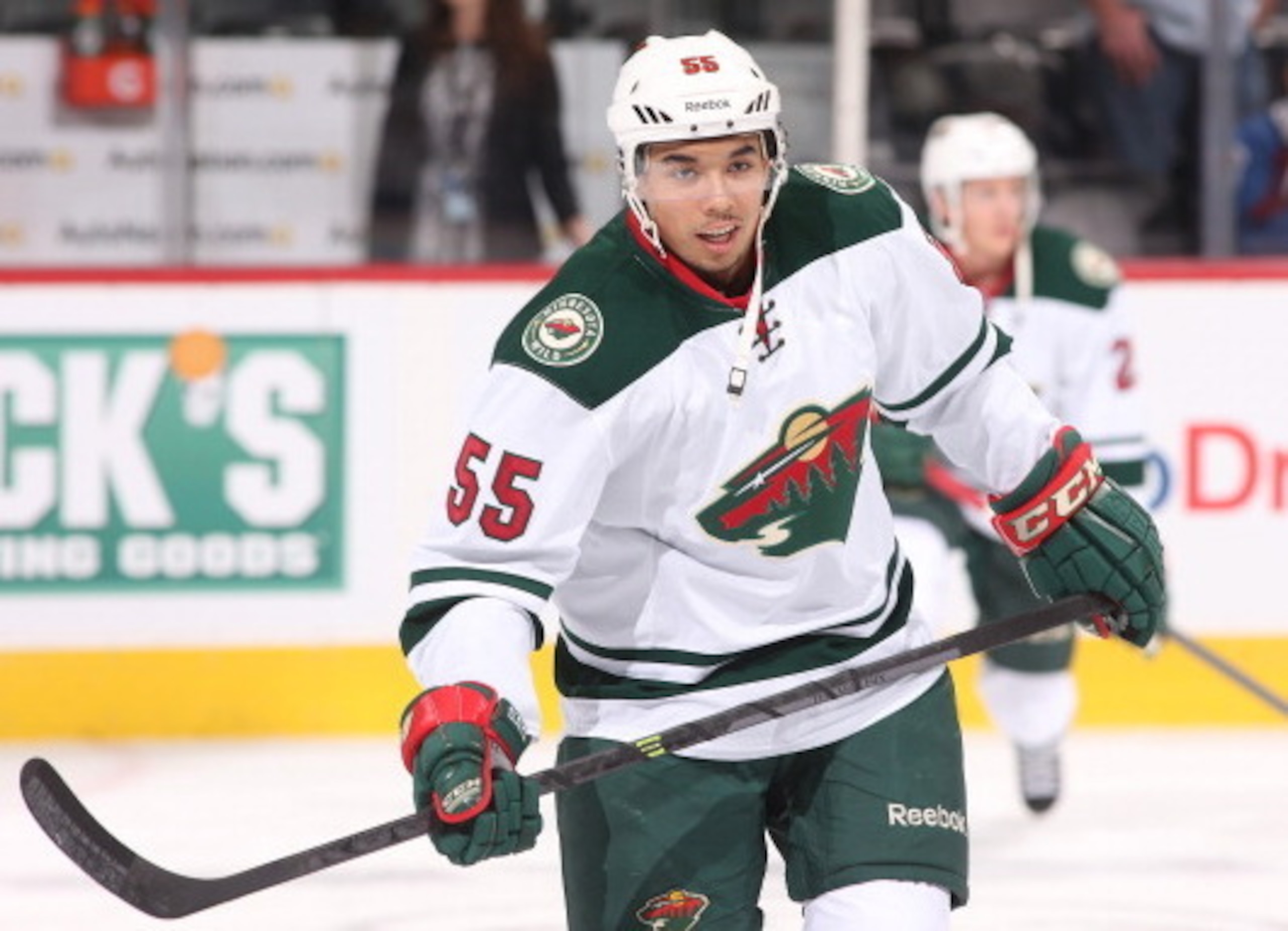
Development path: The seventh overall pick in 2012 regressed a bit back in 2012-13 but played well last year in a season that took him from the NHL to the WHL to Canada's entry at the World Juniors.
Early returns: Dumba's getting limited usage at evens and on the penalty kill, but he is playing substantial minutes on the power play. He has one assist through two games so far.
What it means if he wins it: Minnesota had just an average power play in 2013-14; if Dumba ends up winning the Calder, it'll likely be the result of a feature role on a much-improved unit.
Montreal Canadiens: Jiri Sekac
16 of 30
Development path: The undrafted Czech forward has taken an odd route to the NHL. He came over to North America and played in the USHL before heading back overseas. Back in Europe, he played in both the KHL's and the Czech Republic's top league. His strong work in the former in 2013-14 earned him a contract from Montreal.
Early returns: He's pointless through four games and has a minus-three rating; he played less than 10 minutes in the Habs' last game.
What it means if he wins it: Montreal's top scorer in 2013-14 topped out at 60 points; if Sekac is in the conversation later in the year, it likely means the Canadiens offence has seen a major improvement.
Nashville Predators: Filip Forsberg
17 of 30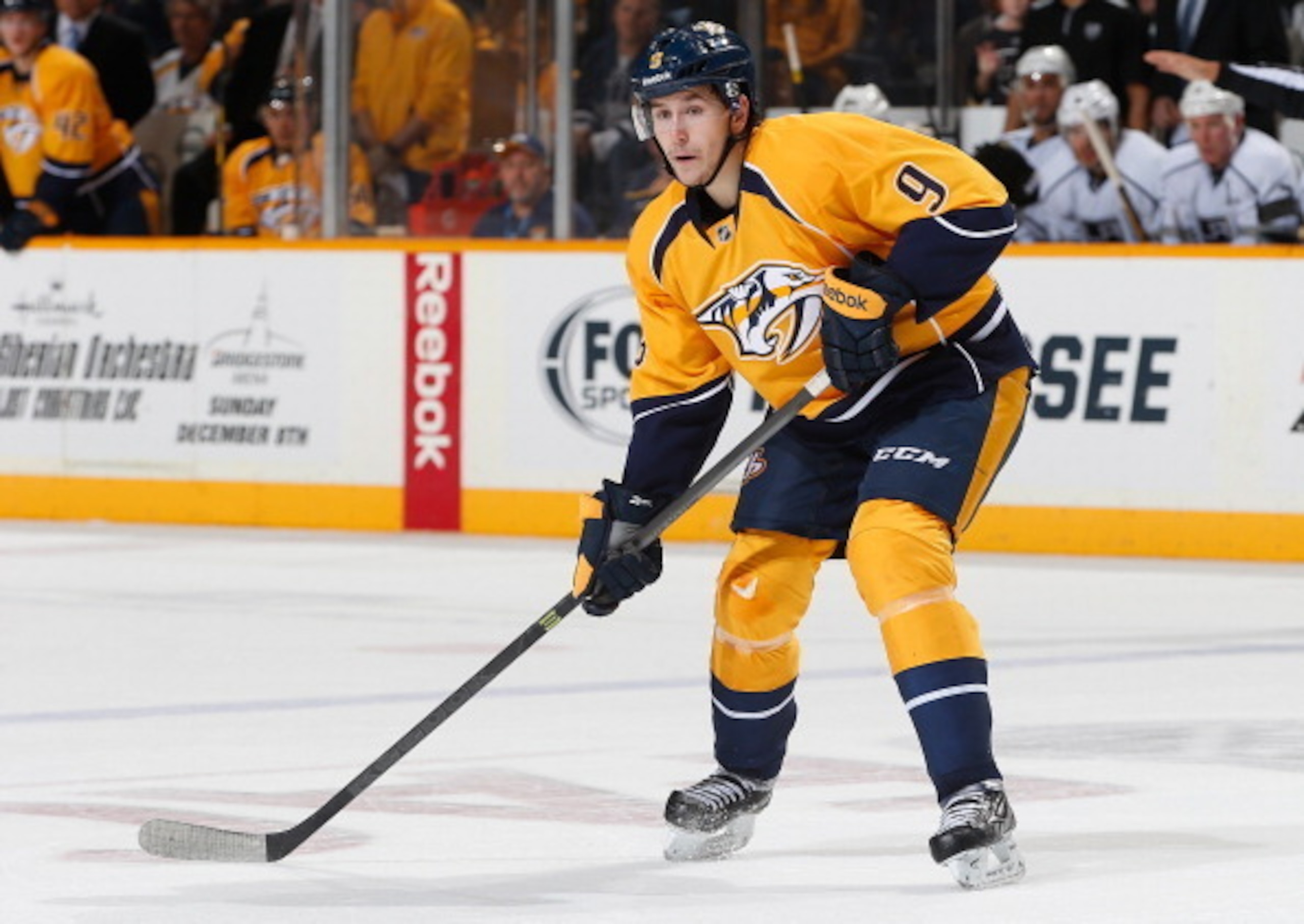
Development path: Washington took a chance on the power forward playing in the Allsvenskan at the 2012 draft; Forsberg had slid to 11th overall after pre-draft expectations that he'd go much earlier. The Caps traded him to Nashville before he even came to North America, and last season, Forsberg had a decent first year in the AHL with the Milwaukee Admirals.
Early returns: Forsberg has four points in his first three games and is playing a regular shift on the power play.
What it means if he wins it: Forsberg's been an interesting prospect to follow. Even though he just turned 20, there's a perception that he hasn't lived up to his potential. A Calder win would help erase that and drive home the size of the margin by which Nashville won the trade that brought him to the organization.
New Jersey Devils: Damon Severson
18 of 30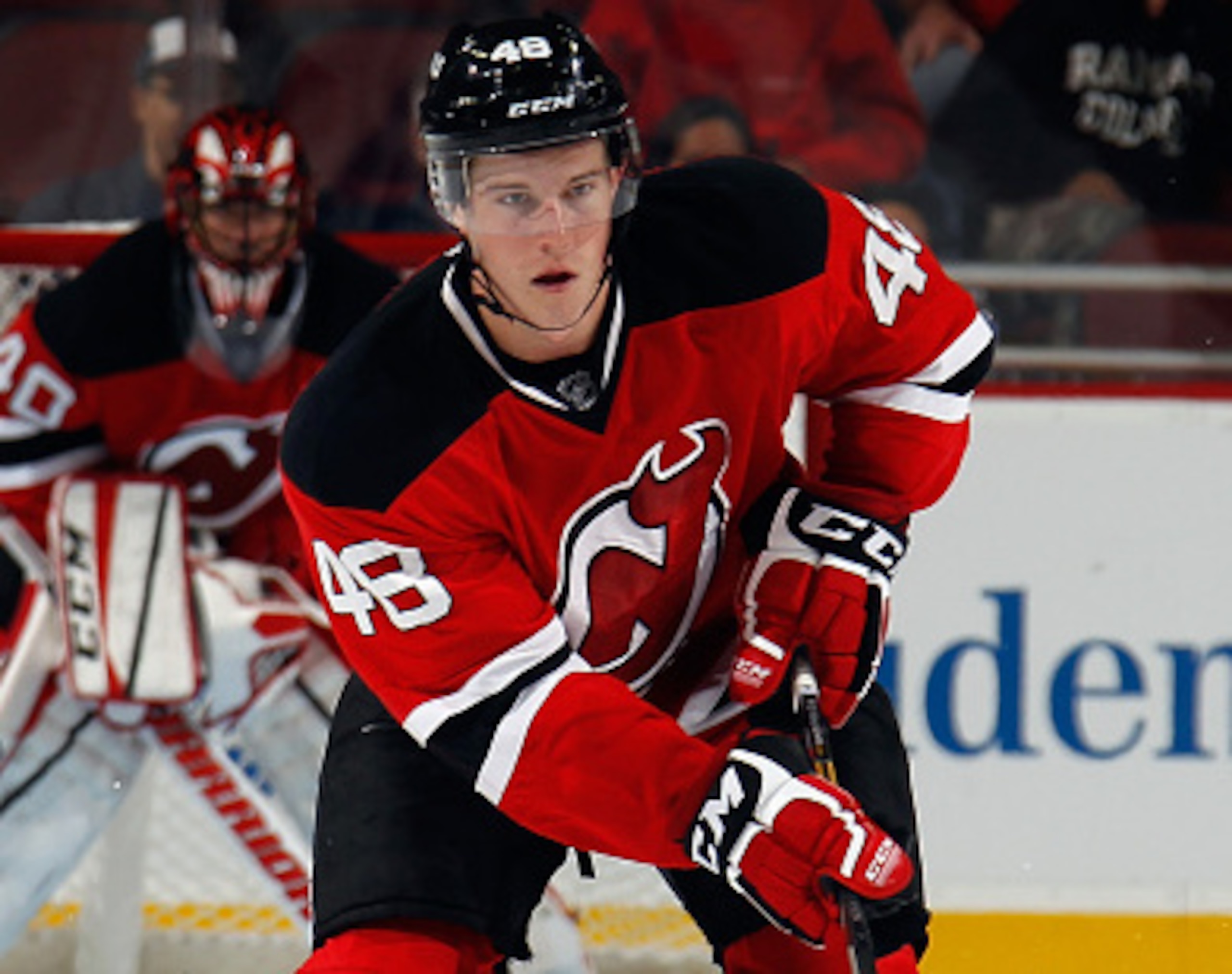
Development path: The 20-year-old Severson has seen his offensive game improve by leaps and bounds in the WHL since the Devils called his name late in the second round of the 2012 draft. This is the first season of his pro career.
Early returns: A surprising graduate to the Devils, Severson has two points and a plus-five rating through three games.
What it means if he wins it: If Severson wins, he'll become one of the few young stars on the Devils blue line in the team's recent history to do so, and it will also almost certainly indicate success in a power-play role with the team.
New York Islanders: Griffin Reinhart
19 of 30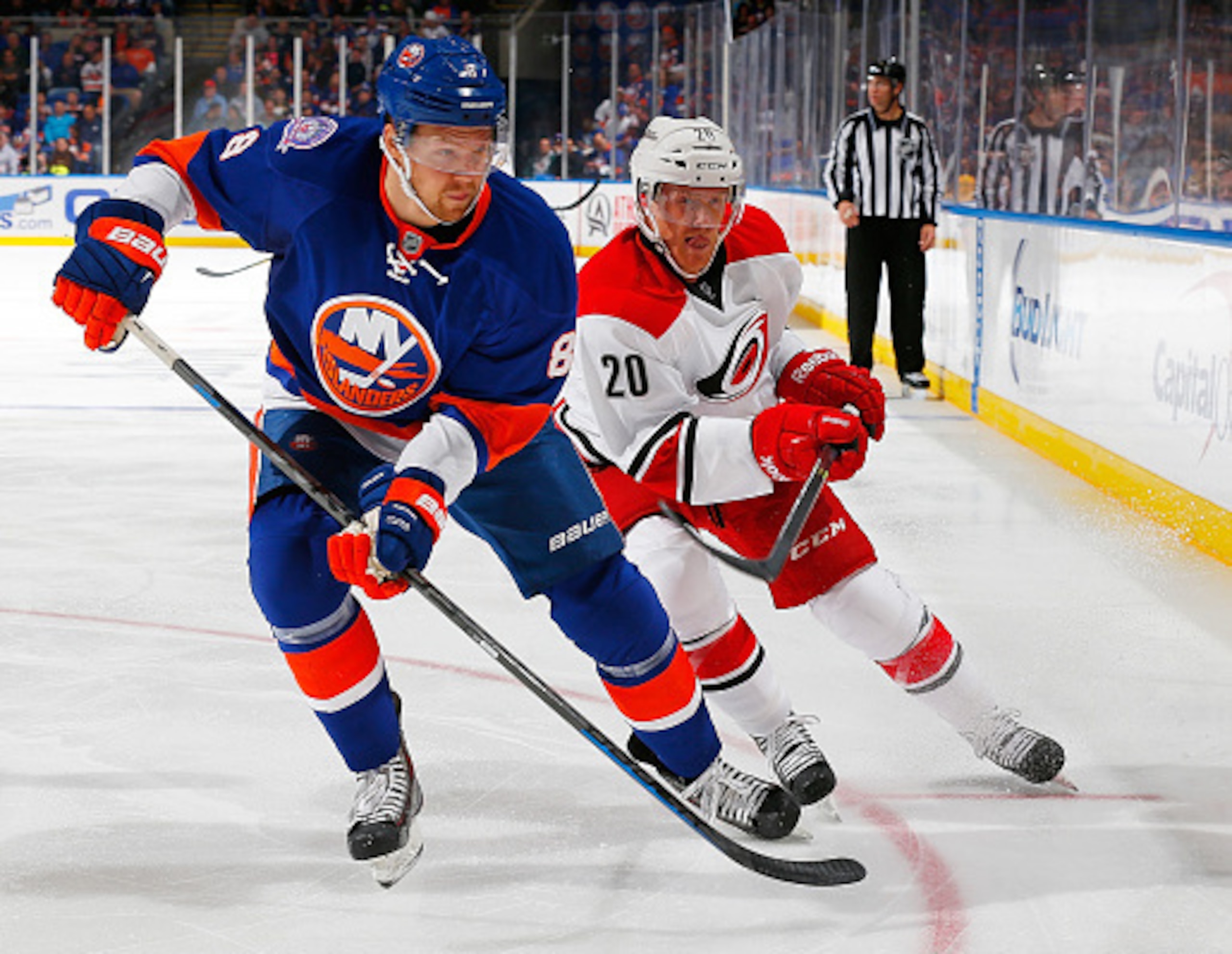
Development path: Reinhart was a fourth overall pick in 2012, but he has spent the last two years in junior. His game has not developed as hoped; once projected to be a two-way star, his offence has diminished in the WHL.
Early returns: Reinhart has been the Isles' No. 6 defenceman by a significant margin, averaging less than 15:00 minutes per game through three contests.
What it means if he wins it: It would be a pretty stunning reversal in fortune for a pick who looks like he'll play in the majors but won't be anything special.
New York Rangers: Anthony Duclair
20 of 30
Development path: A third-round pick in 2013, Duclair exploded in 2013-14, jumping from 50 points to 99 in the QMJHL. One of the youngest players eligible for the 2013 draft, it was a bit of a surprise that Duclair slipped to New York in the third round, but the team has benefited from that stroke of fortune.
Early returns: Duclair has three points and a plus-four rating through four games.
What it means if he wins it: Much was made of the Rangers' loss of depth weapons over the offseason; if Duclair can put a strong season together, it will go a long way toward alleviating those concerns.
Ottawa Senators: Mark Stone
21 of 30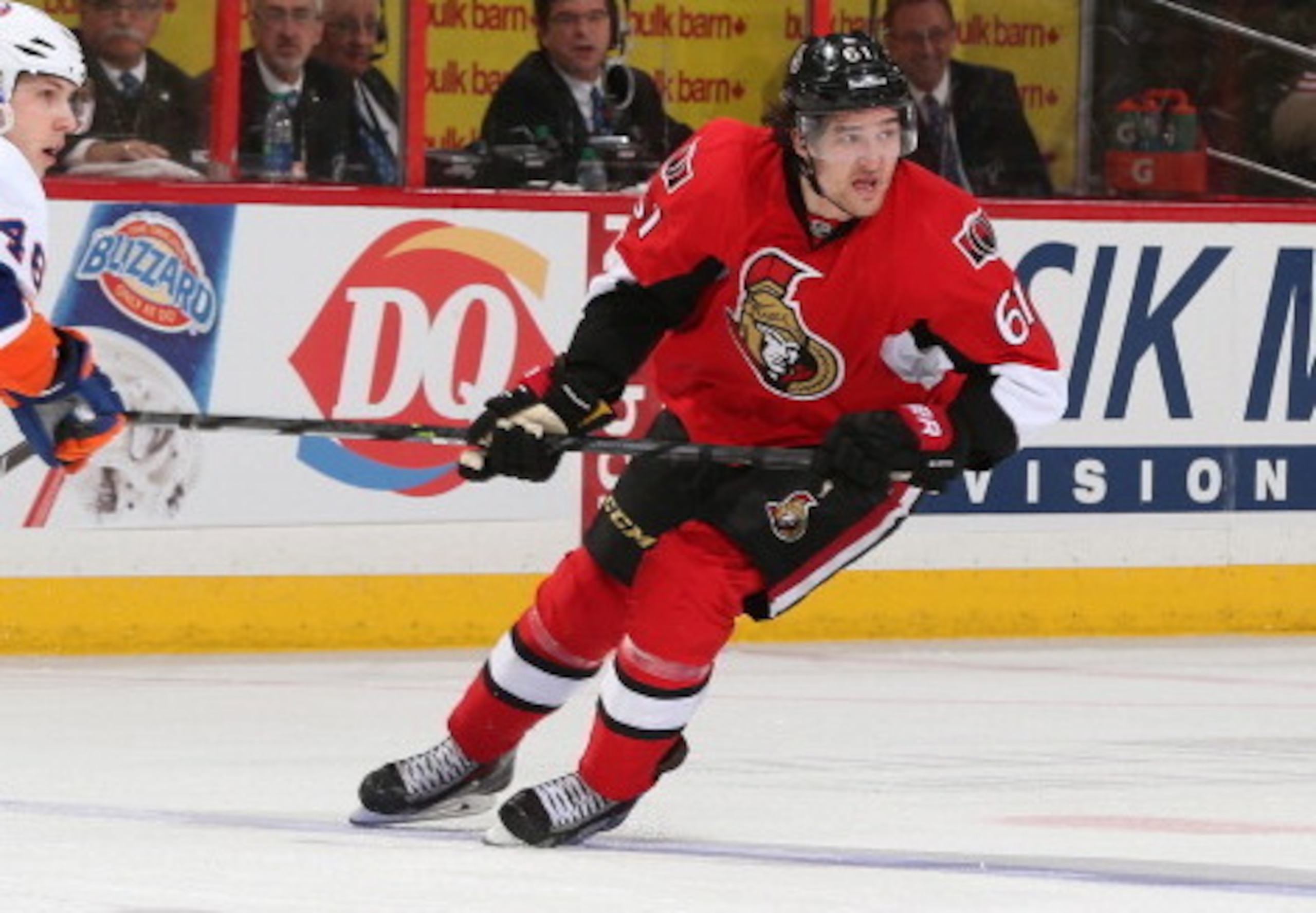
Development path: A late pick in the 2010 draft, Stone finished his WHL career and spent most of the last two seasons in the AHL before making the jump to the majors full time this year.
Early returns: Stone has just one goal but seven shots on net through three games.
What it means if he wins it: Ottawa's been largely building on the cheap, and it's a team that needs younger prospects like Stone to emerge if it has any chance of contending for a playoff spot in the East.
Philadelphia Flyers: Jason Akeson
22 of 30
Development path: Philadelphia's only rookie skater is an undrafted OHLer who earned a pro contract from the Flyers and has spent the last three years as a pretty decent scorer for the club's AHL affiliate.
Early returns: Akeson is pointless through four games and playing limited minutes.
What it means if he wins it: There's virtually no chance Akeson comes close to challenging for the Calder; at this point, he's just hoping to prove he's a full-time NHL player.
Pittsburgh Penguins: Scott Harrington
23 of 30
Development path: Harrington was a 2011 pick, and he's had a long, successful junior career with the OHL's London Knights. He graduated to the AHL in 2013-14.
Early returns: Harrington has yet to play a game for Pittsburgh, though he is currently on the roster.
What it means if he wins it: Harrington is a pretty unlikely candidate because he has never projected as an offensive defenceman at the NHL level. Right now, it's really just about holding down a major league job.
San Jose Sharks: Mirco Mueller
24 of 30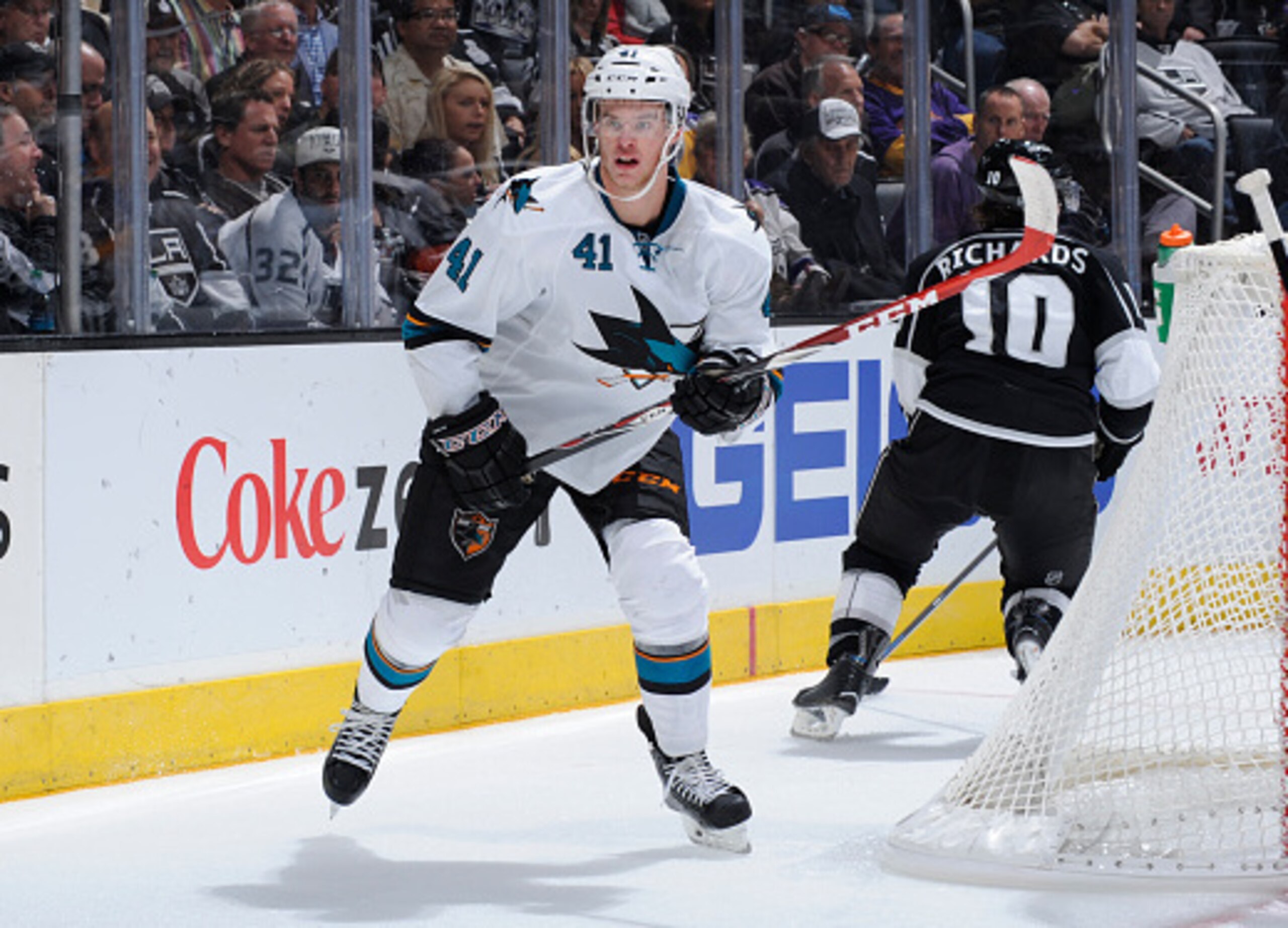
Development path: Mueller is making the jump to the NHL rather early. The first-round pick in 2013 has just two seasons of WHL action under his belt and a grand total of nine AHL games accumulated on a tryout deal at the end of last season.
Early returns: Mueller is still pointless, but he's playing close to 20:00 minutes per game on the Sharks blue line.
What it means if he wins it: A Mueller victory would put to rest any concerns about his development. His offensive track record suggests it's a long shot, but he's getting primo power-play minutes early.
St. Louis Blues: Jake Allen
25 of 30
Development path: A second-round pick for the Blues way back in 2008, Allen has three seasons of play in the QMJHL and four seasons of experience in the AHL under his belt.
Early returns: Allen has been consigned to the backup role in St. Louis so far.
What it means if he wins it: It will mean that Allen supplanted Brian Elliott as the starter in St. Louis and delivered strongly in the role in his first full NHL season.
Tampa Bay Lighting: Jonathan Drouin
26 of 30
Development path: Tampa Bay surprised many observers by returning Drouin to junior after making him the third overall pick in 2013. Drouin improved marginally on his superlative numbers in Halifax, but there was little question he'd graduate to the professional ranks in 2014-15.
Early returns: An injury has kept Drouin out of the Lightning's lineup so far.
What it means if he wins it: Drouin might be the favourite to win; he has the pedigree, talent and is heading into a positive situation with the Lightning.
Toronto Maple Leafs: Stuart Percy
27 of 30
Development path: The Oakville, Ontario, native was a first-round pick of the Leafs in 2011, and after a successful OHL career, he graduated to the AHL last season.
Early returns: Percy, a two-way defender, has showed surprising offensive flair so far with three points in his first four NHL games.
What it means if he wins it: It'd be a nice sign for both Toronto's defence corps and its development system, which are under constant scrutiny in one of the NHL's most demanding markets.
Vancouver Canucks: Linden Vey
28 of 30
Development path: Vey was originally a 2009 pick of the Los Angeles Kings and was dealt to Vancouver over the summer because there wasn't room for him in California. The WHL grad has three progressively better AHL seasons under his belt.
Early returns: So far, so good. Vey has two points through two NHL games.
What it means if he wins it: It doesn't necessarily mean that a loaded Kings team was wrong to trade him, but it will mean that Vancouver was wise to swap a second-round pick for his rights.
Washington Capitals: Evgeny Kuznetsov
29 of 30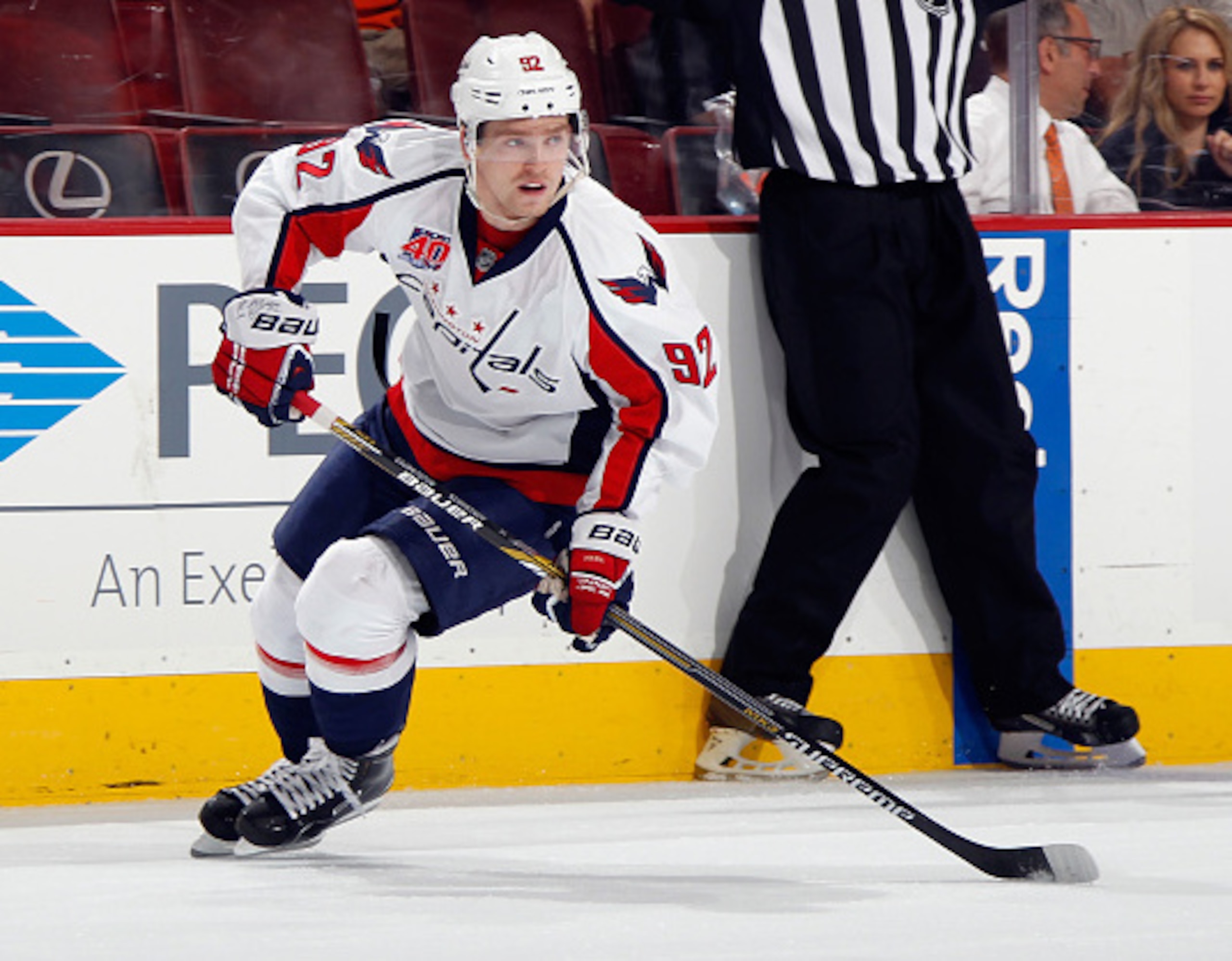
Development path: Kuznetsov finally came to North America toward the end of last season, after five years of playing in the KHL.
Early returns: Kuznetsov has been overshadowed by fellow rookie Andre Burakovsky, three years his junior; he has two points to Burakovsky's four.
What it means if he wins it: Washington has been looking for a bona fide second-line centre for years; if either Kuzentsov or Burakovsky wins the Calder, it will almost certainly mean that the team has finally found its man.
Winnipeg Jets: Michael Hutchinson
30 of 30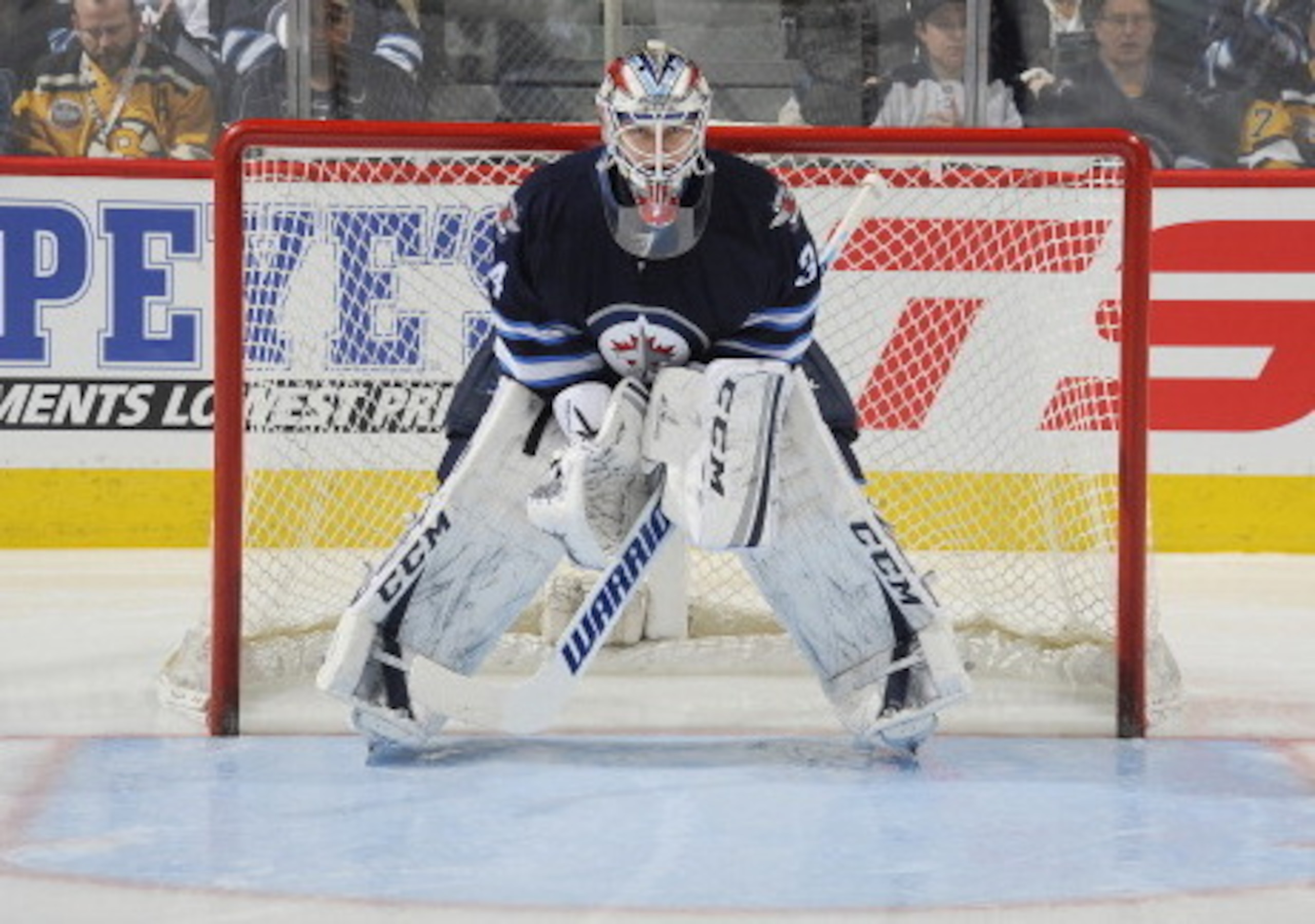
Development path: Hutchinson was a third-round pick of Boston in 2008 and spent his early career in the Bruins' system. A surplus of prospects in net eventually led to him not being qualified by Boston, at which point the Jets signed him. He split 2013-14 between the AHL and ECHL but was great in both leagues and had a strong three-game NHL cameo at the end of the season.
Early returns: Hutchinson allowed three goals on 13 shots against Los Angeles in his first start before being pulled in favour of Ondrej Pavelec.
What it means if he wins it: If Hutchinson wins rookie of the year, it will mean that he stabilized the Jets' uncertain goaltending situation and likely that his work was strong enough to propel the team into the postseason.

.jpg?w=2560 "NFL House in Paris Closes for Protests")

.jpg?w=2560 "Trevon Diggs Cut by Seahawks")