
2009 College Fantasy Football Draft Guide
Written by James Brown, Gatorsfirst.com Co-Founder
I have long been a fantasy sports player, and been a college football fan for even longer. Last year, when one of my friends asked me to join his college fantasy football league (CBS was allowing you to draft players with actual name for the first time) it seemed like the perfect fit: college football and my appetite for fantasy sports.
I spent all of last season pouring over as much data as I could find, but college fantasy football isn’t covered in any of the usual prominent locations.
TOP NEWS
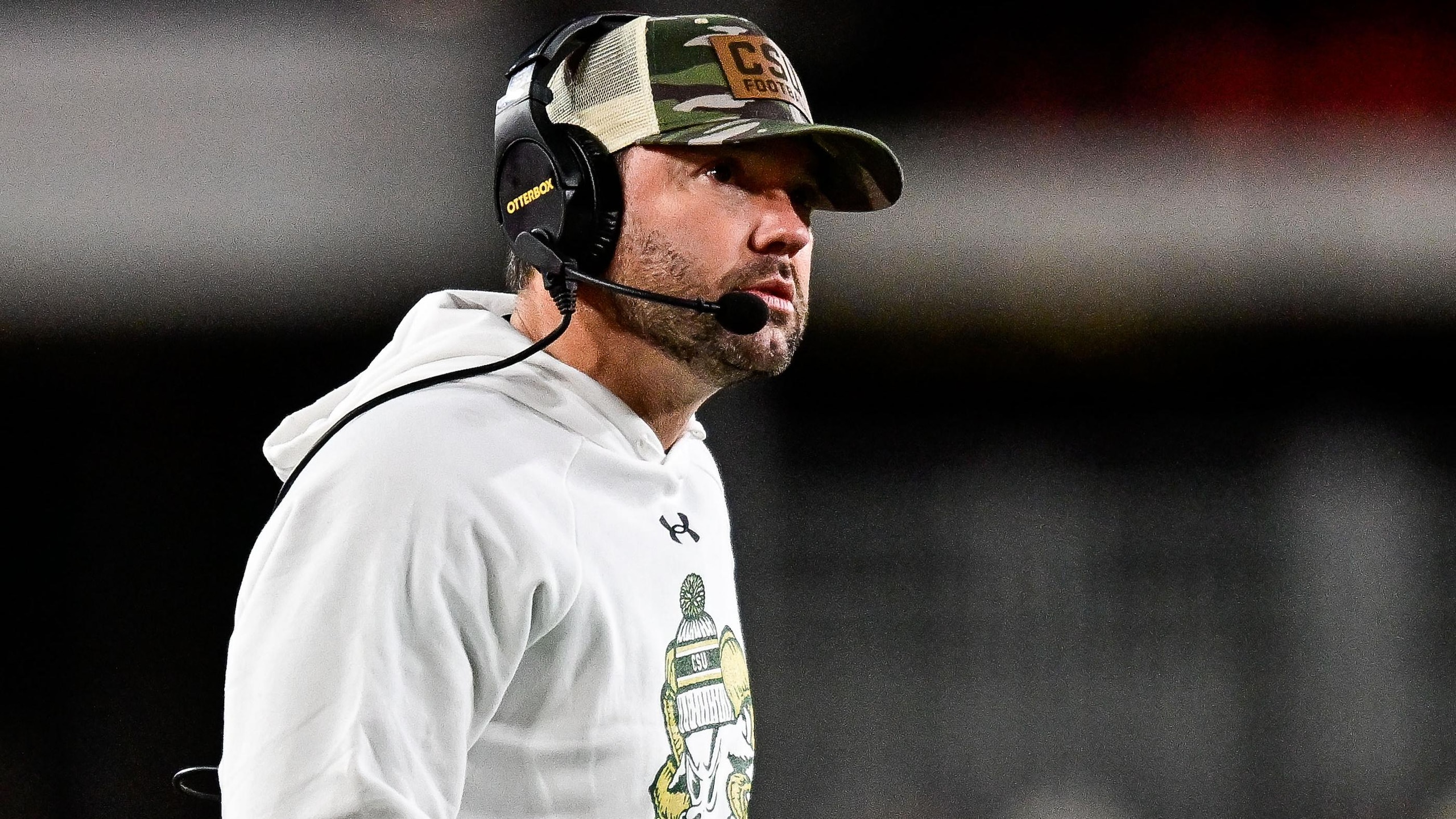
Colorado State DC gets fired mid-game during blowout loss
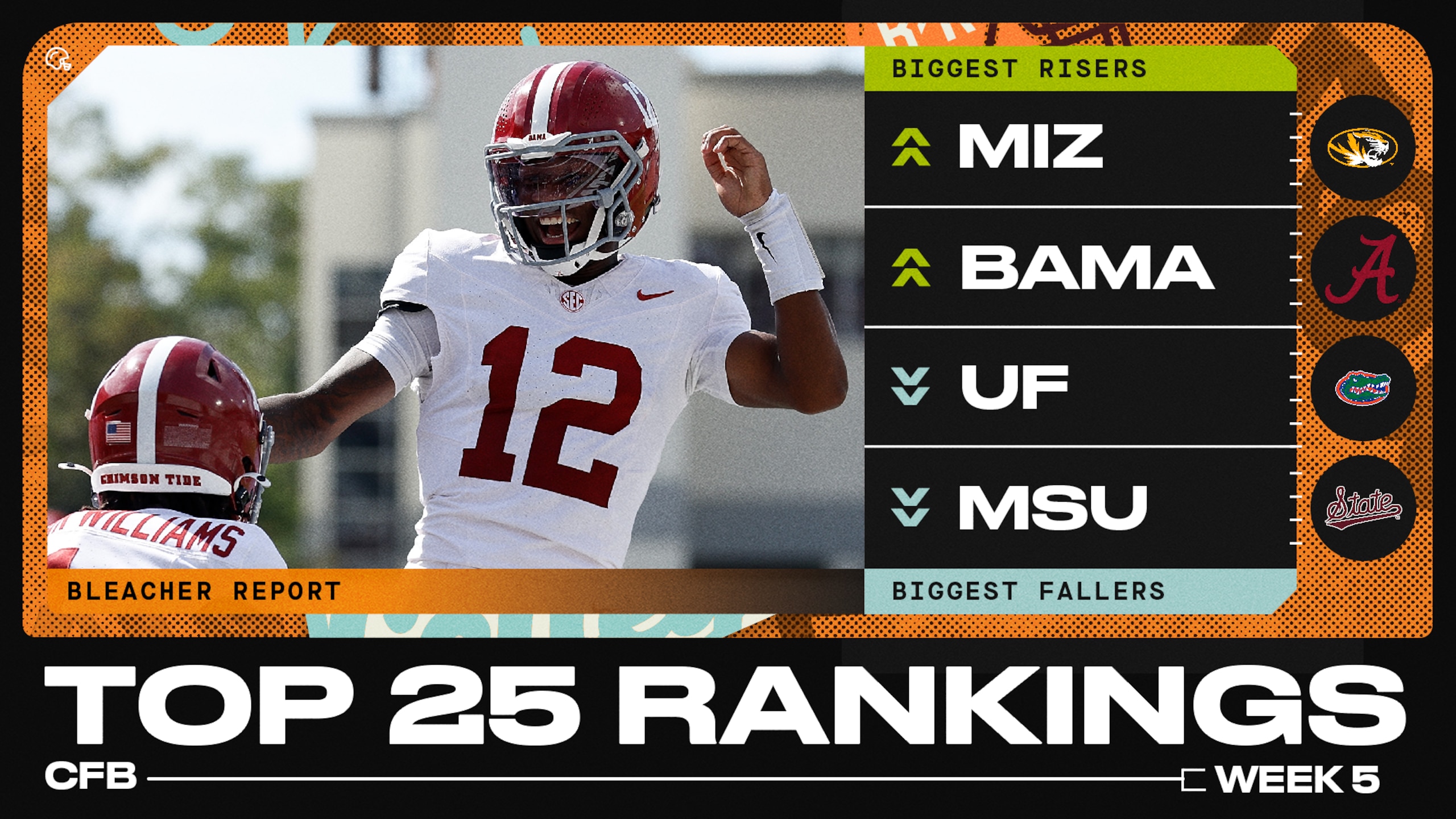
Massive Shakeup in CFB Top 25 List 🔢
_0.png?w=2560)
Week 5 Winners & Losers 📊
This draft guide marks the beginning of my efforts to bring more college fantasy football analysis to the forefront. I am not some other fantasy sports expert trying to extend my knowledge into college football—I’ve already been following the sport for a long time, and in an in-depth fashion.
I am not trying to be some overall fantasy sports guru, just give you exactly what you need for college fantasy football. I feel this sort of focus could help you more than some of the other places, where college fantasy football is an afterthought to the NFL version.
Why is College Fantasy Football Great?
College fantasy football is fantastic for many reasons. My favorite being, I can pay less and less attention to that other league on Sundays. As much as I love to gamble, I get more satisfaction out of winning at college fantasy football than straight up NCAA football betting.
However you look at it, college football is growing incredibly fast, and fantasy sports have gotten out of control—this is the next natural progression.
This blog is meant to be an initial guide, helping you through the draft process and making some general strategy points you can use throughout the season. In the coming weeks, I will be previewing each of the BCS conferences (and the independents), giving you some sleepers from each team and ranking the players in that conference.
Throughout the season I will update on who is flying under the radar, and help guide you to dominate your league.
As CBS is easily the largest sports website with a college fantasy football game, and I already am signed up for two of their leagues, I will be writing most of the analysis assuming you are playing by their rules.
CBS leagues play one QB, two RB, three WR, and a TE, K, and D/ST. Passing TDs are worth six points, as are all other TDs, and there are no points per reception (PPR). You get five bench spots. It is worth noting that if one of your players plays against a team outside of FBS (D-1A), then you only get 75 percent of that player’s points.
I am also going to concentrate on players from BCS leagues. CBS does allow you to restrict the player universe as you see fit, choosing from any of the D-1A leagues.
The wackiness of some of the non-BCS conferences causes some stats to go way up, and even thought fantasy sports and real sports have much different goals, I can’t endorse a system that values Colin Kaepernick over Tim Tebow. Finally, no matter how you customize your leagues, you’re probably using some subset of BCS leagues (or all BCS leagues) so I can help the most people this way.
Get Your Favorite Players
Let’s take a minute to talk general fantasy strategy. I am a big believer in a few concepts. The first is to get the players you want. Don’t go get Aaron Hernandez just because I like him—it’s you that has to cheer for him all season.
The projections may say Dez Bryant is a low first round pick, but if you’re drafting second, and you know he won’t be back when it’s your turn again, go get him. The projections are just that, projections, and if you’re going to get screwed halfway through the season, it might as well be with players you like. See, isn’t this better than football betting already?
Consistently Put up Big Numbers
The next general rule to follow, which is really more of a strategy, is to get consistent scoring. Many of you may have played NFL fantasy football before.
Well, there are two main reasons running backs are taken heavily in the first several rounds. The first is that they are usually a very consistent option. The same thing applies in baseball, where most strategies encourage you to build your team around the batters, as they give more consistent production year in and year out (and don’t carry the same season-ending injury risk of pitchers). In fantasy, you cannot play defense (putting in a Defense/Special Teams doesn’t count).
What you have to try to accomplish, each week, is to outscore your opponent (I know, I sound like a stupid commentator). Certain factors cannot be accounted ahead of time each week, you must try to put the highest number of points you can, and hopefully the luck evens out.
If you’re playing Florida the week Tim Tebow runs in five TDs vs. South Carolina, there’s not much you can do to prevent your opponent from scoring lots of points. But if you’re playing him when Chris Rainey and Jeff Demps slash the Razorback defense, you’ve lucked out the other way.
The best way to put yourself into a position to win a fantasy league is to prevent the low-scoring weeks, and to put up consistently above average scoring totals.
Pay Attention to Position Scarcity
Another key fantasy concept you’ll want to analyze for your league is position scarcity. There are a couple of factors to consider with college fantasy football position scarcity. The first one is easy: you want to know how many elite options, how many average options, and how many dreadful options there are at each position.
Do a complete ranking of each position in your league, or look at default rankings. Decide where the tiers are (Okay, there a five stellar QBs, and another six I could live with, but I have to make sure I get one or two of those second six if I miss out on the first five), and keep track of who is left in which tier during your draft.
The second factor to consider when thinking of position scarcity is the number of players you need to start each week. You may think that, because there are only 11 above average QBs in your 10-team league, the position is scarcer than RB, where there are 18-20 above average options.
I’d argue that RB is the more scarce position, as each team (in a CBS standard league) starts only one QB, but two RB. This is magnified in leagues with a flex position, as owners will typically start RBs in those slots.
Position scarcity, in the terms I’m discussing it, is also the main reason why you should always draft a kicker last. Kickers are wildly unpredictable, and at the end of the year, they end up with about the same amount of points.
Pulling up CBS’ projections, the top-projected kicker is projected to score 17 more points, total, than the 15th rated kicker (only half of your league should be nutty enough to grab a backup kicker, so I chose 15th). Those 17 points, when distributed over a 12 game schedule, don’t represent much of an improvement to your team.
You are better off using a draft selection on a breakout candidate (a sleeper or a freshman, or even a backup to a highly touted player), as keeping one of these guys tucked on your bench could pay huge dividends if he ends up a fantasy stud (earning you much more than that 17 point improvement grabbing the No. 1 kicker instead of the No. 15 kicker).
Apply the theory to only 10 kickers being drafted (one per team in a ten-team league, CBS’ maximum size allowed), and the difference is even smaller. Draft your kicker last. Drop him if he has a bad matchup, or a bye week. You’ll thank me in December.
Know the Goofy Rules Your Old High School Buddy Chose
The last general concept I’ll discuss, which seems obvious, but is often overlooked by lackadaisical fantasy players, is to know your league rules! This ties in a little with the position scarcity discussion, but it also ties in with scoring.
One important way it relates to CBS standard leagues is this: CBS has roster maximums per position, during the draft. You cannot draft more than three QBs, three RBs, four WRs, or two for each of TE/K/DST.
Don’t draft two kickers. That means, more than likely, you’re going to have to draft either a backup TE or DST. I never carry a backup of either, so this will crap my style a little bit. It is worth noting, however, that you are not limited by these same maximums after the draft, so more than likely I’ll immediately drop my second defense for another RB or WR.
Putting it Together: Draft Prep
So how can we apply these simple principles to our customized college fantasy football leagues? Most fantasy sites will rank a lot of QBs (a lot of these, it should be noted, require starting two QBs) at the head of the draft, and even CBS does.
But before you mindlessly draft that QB in the first round, like all of your league mates, pay attention to the principles I’ve just explained to you. Sure, QBs score the most points. But if you get the No. 8 and No. 12 best QBs, and platoon them, will you be that much worse off?
What would your team look like if you did the NFL fantasy thing, and went RB-RB with those first two picks? Or if you took a stud WR up there (remember, you have to start three)? I don’t know your exact league settings, but if you look at the player pool available in your league, you should be able to figure out the best course of action.
Last year, I ran through my league, even though I drafted toward the end of the first round. With my two closely spaced together picks, I snapped up what I had evaluated as the top two options at RB (Knowshon Moreno and Beanie Wells), setting my team up for consistent scoring and a significant advantage over my league mates.
I missed out on some above average QBs (I never had a shot at Tebow or Harrell drafting that low, anyways), but by the time the draft snaked back to me, everyone already had their QB, and was ignoring them in favor of their other holes.
This allowed me to take my pick of a number of breakout candidates, and I must say Colt McCoy ended up doing just that, and I didn’t grab him until the fourth round!
This isn’t because my league mates were complete idiots, or not familiar with the Big XII (I live in Texas). It’s because he was projected to be in that second tier of QBs, and while I was drafting QB in the fourth round, and had a pretty good selection of QBs still available (everyone else had their one starter), I didn’t need to worry about missing out on some good options.
Do Your Research All Season
The last point I want to make about college fantasy football, like any other fantasy sport, is you need to do your research. Though not many websites will provide lots of fantasy analysis on college football, there are many, many avenues to seek out information on who is playing well and who is not (of course, we offer both perspectives right here).
Watch a bunch of games, so you know which guys are getting extra touches (WR who run the ball a lot are prevalent in college football, and can boost that consistent scoring factor), and which guys are only getting their catches in mop-up duty (not consistent point scorers).
Pay attention to which guys are running the wildcat (the opportunity for extra statistics is nice, but be careful you don’t have your RB getting you negative points by throwing an interception). You need to know which defenses are good against the run or the pass, and play matchups accordingly.
Most college fantasy football leagues will have a massive player pool, so you can really sell out to matchups, and being an active owner can work to your advantage.
I’m not saying there is any one formula for winning your league, but the principles I’ve mentioned are adaptable to any league setting, and should put you in contention to win your league. Of course, you’ll also need to pick up some good walk-ons and make a few transfers along the way, but I’ll be right here for you all season long.
I’ve created a Gatorsfirst.com Fantasy Football Challenge. I am in the process of filling out the league, if you think you’ve got what it takes, post in the comments section, below, or click ‘contact us’. Just get ready to be embarrassed by my skills. Depending on the response, I may have to come up with a goofy contest to whittle down the entrants.
Check back often in the coming weeks, as I break down the fantasy prospects in each BCS league (and the independents, as many people add them to include Notre Dame). Indeed, I’ll keep you updated on the latest conference previews by linking them here.
ACC: 2009 Fantasy Football Preview
Big East: 2009 Fantasy Football Preview
Big Ten: 2009 Fantasy Football Preview
Big XII: 2009 Fantasy Football Preview
Independents: 2009 Fantasy Football Preview
Pac-10: 2009 Fantasy Football Preview
SEC: 2009 Fantasy Football Preview
You can find the original article here: http://gatorsfirst.com/index.php/florida-gators-sports-news/college-football/2009-college-fantasy-football-draft-guide.html
.jpg?w=2560 "Rap: Lions, LaPorta End Contract Talks")
.jpg?w=2560 "Report: Baker May Miss Up to 6 Weeks")
.jpg?w=2560 "EVERY Fantasy Football Update")

.jpg?w=2560 "Commanders May Change Logo 👀")