Game-Changers: Legendary Stars Who Transformed Sports
While it’s one thing to play a game, it’s another thing entirely to change it. With the requisite talent and right timing, however, certain stars managed to transform the sports they played.
Athletes like Johnny Unitas, Lawrence Taylor and Wayne Gretzky didn’t simply play their games at high levels. They took them to new ones. Whether they created moves, altered strategy or influenced rules, these transcendent athletes forever changed the way we view their sports.
With all that in mind, we’ve decided to honor 10 legendary sports stars who were absolute game changers. Again, these guys didn’t just play their sports; they redefined them.
Bob Kurland
1 of 10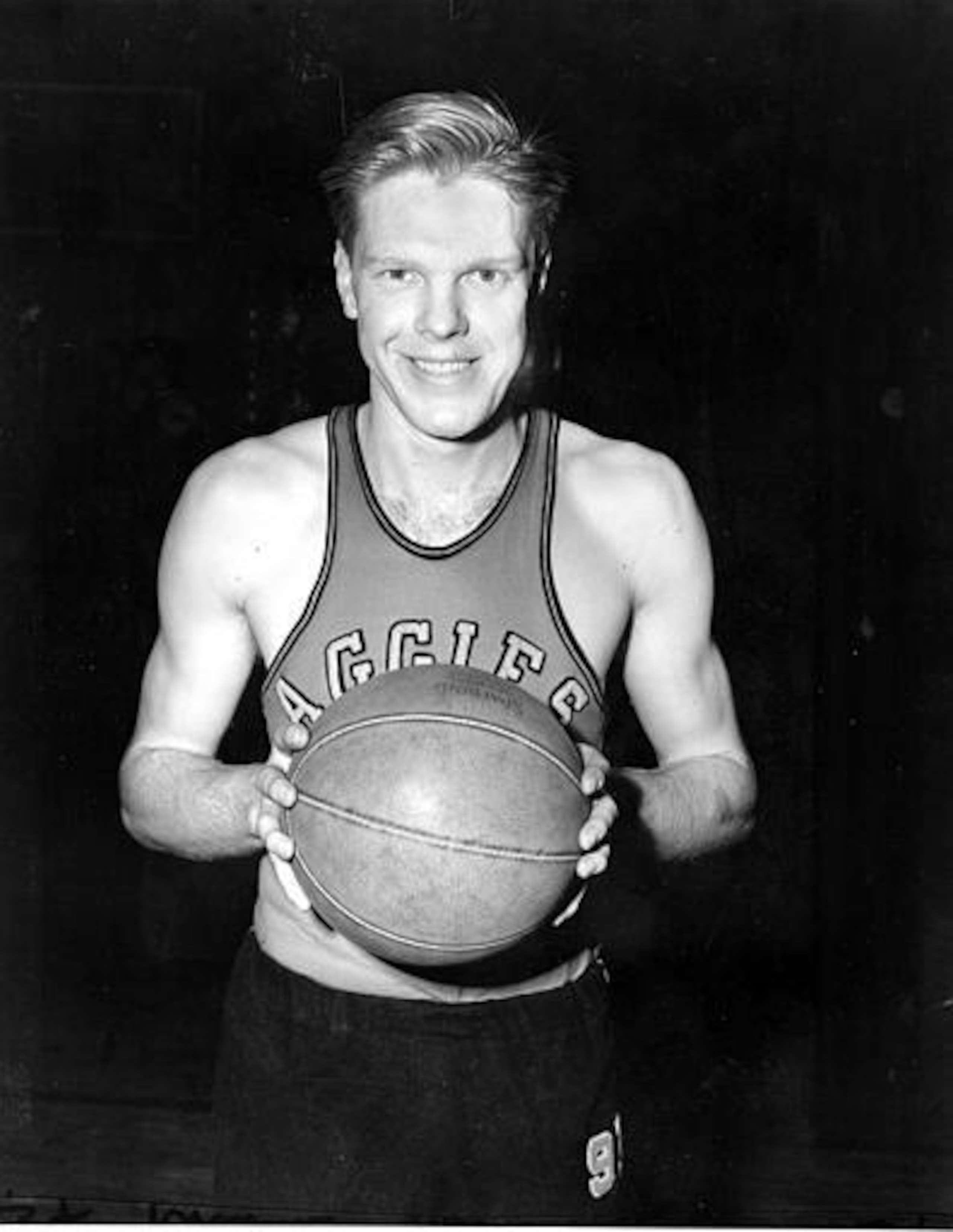
When broaching the topic of influential big men, names like George Mikan, Wilt Chamberlain and Bill Russell most often come to mind. In truth, though, former Oklahoma A&M Aggie Bob Kurland was arguably the most influential of all.
Kurland played college ball from 1942-1946, when centers regularly stood 6’5” and shorter. At roughly 7’0” tall, then, Kurland—along with George Mikan—represented the sport’s first true “big”, a fact that wasn’t lost on the relative giant.
As a result of his unique height and impressive leaping ability, Kurland played above the rim like no one had before. From catching shots in mid air to slamming basketballs at the other end, Kurland revolutionized the way basketball is played.
Most notably, he inspired the decision to make goaltending a violation and brought the dunk to the forefront of the game, both lasting influences that still remain today.
In fact, if not for Bob Kurland, the next guy on our list may never have been as influential as he was.
Kareem Abdul-Jabbar
2 of 10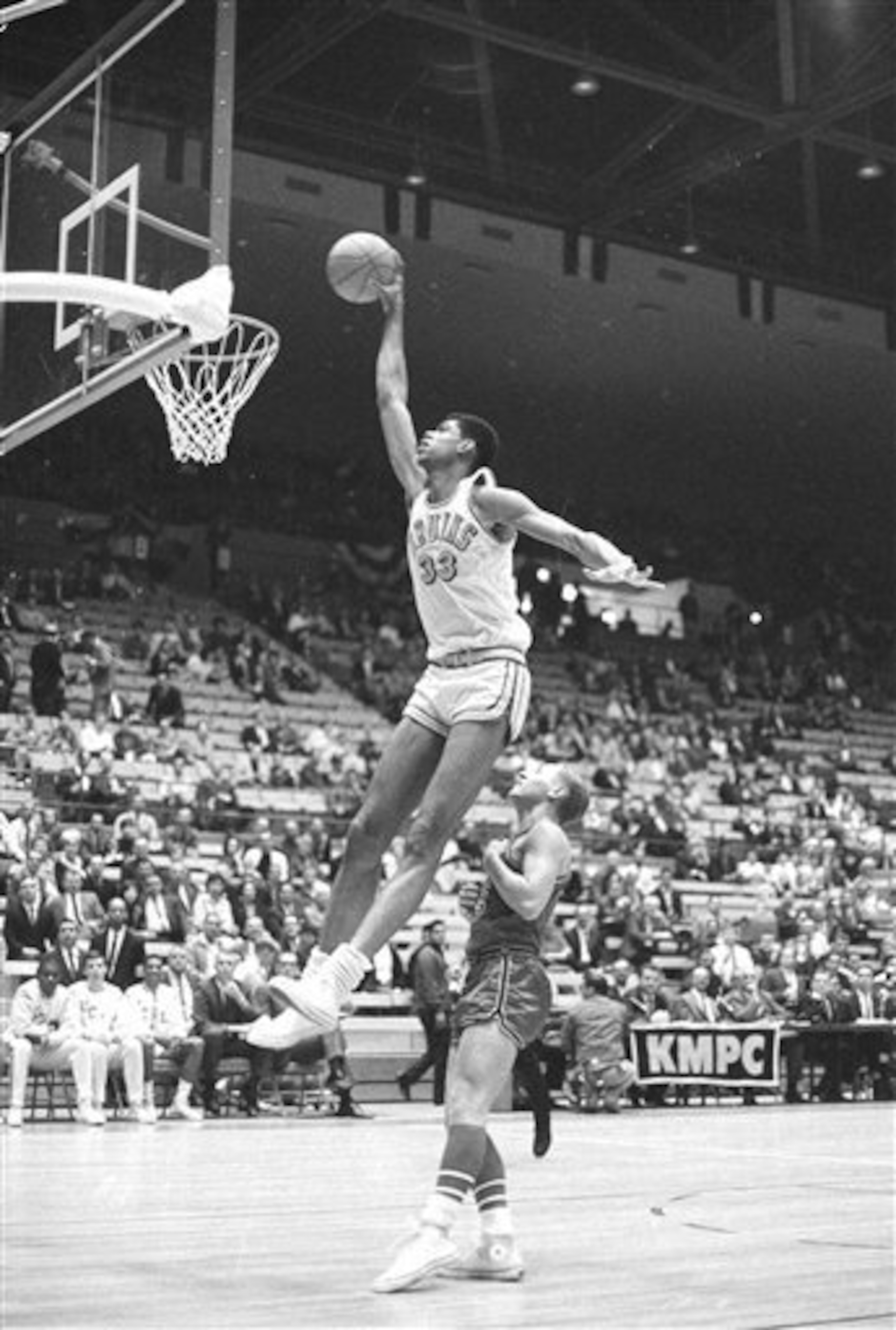
Kareem Abdul-Jabbar changed basketball in a multitude of ways, but his perhaps biggest influence on the game was of the more temporary sort.
Drawing inspiration from the likes of Bob Kurland and George Mikan, Abdul-Jabbar (at the time, Lew Alcindor) brought the dunk to a whole new level.
With an unrivaled blend of size, strength and athleticism, Abdul-Jabbar transformed dunking into, what was for him, an unblockable shot.
By flying above the rim with "too much" frequency and success, the UCLA legend forced college basketball’s hand. Following the 1967 season, officials made a bold call, deciding to ban the move from the game altogether. The dunk was not allowed again for nearly 10 years, re-instituted in 1976.
By then, the transcendent center had long moved on, taking his dominance to the NBA.
Tiger Woods
3 of 10
Tiger Woods has influenced the game of golf in almost too many ways to count (he's changed tour prizes and promotional deals, to name a few). For the purpose of this article, though, we will specifically focus on how he influenced the way the game is played.
No offense to golfers prior, but with his long drives and youthful swagger, Woods opened up the sport to the well-rounded athlete. He didn’t just dominate the game; he inspired others—most notably kids—to dominate it, too.
When Tiger turned pro in 1996, there were approximately 14,000 golf courses in America. From 1995 through 2008, golf enthusiasts built roughly 4,000 new courses in the United States. That’s a staggering number in a relatively short period of time. But, thanks to Tiger, the demand was there and developers followed suit.
Most importantly, with more courses and an increase in youthful golfers, play improved in an enormous way. In 1995, 64 golfers on tour had a season-long scoring average below 71. By 2010—when those who grew up watching Tiger were finally adults—129 professional golfers had an annual scoring average below 71.
From a skill perspective, Woods elevated the game of golf to a level never seen before and birthed a generation of athletes who followed his lead.
.jpg?w=2560 "NFL Paris Football")

.jpg?w=2560 "Seahawks Chiefs Football")
Johnny Unitas
4 of 10
In 1956, an unheralded Johnny Unitas joined the Baltimore Colts. When the Pittsburgh Steelers released him a year earlier, no one could have predicted the impact he'd have on the game.
Though quarterbacks before him were asked to throw the football, no one was as deadly with the pigskin as Unitas. He was the first NFL quarterback to throw for 3,000 yards in a single season and—until Drew Brees passed him in 2012—held the record for most consecutive games with a touchdown pass (47).
At one point, Unitas held just about every NFL passing record and quickly became the prototype for modern quarterbacks—a true gunslinger and media darling.
On the topic of Unitas, Dallas Cowboy legend Tex Schramm was equally effusive in praise:
“There were guys like Otto Graham and Sammy Baugh who were great passers, but Unitas was really the first great, unbelievable passing quarterback,” said Schramm. “We never had anything like that before in the league. He could hit anything. And he did it late in close games. He was a player the people loved to watch.”
Of course, some of those people were admiring kids, like Joe Montana, who owned just one jersey: Johnny Unitas’s No. 19.
Martina Navratilova
5 of 10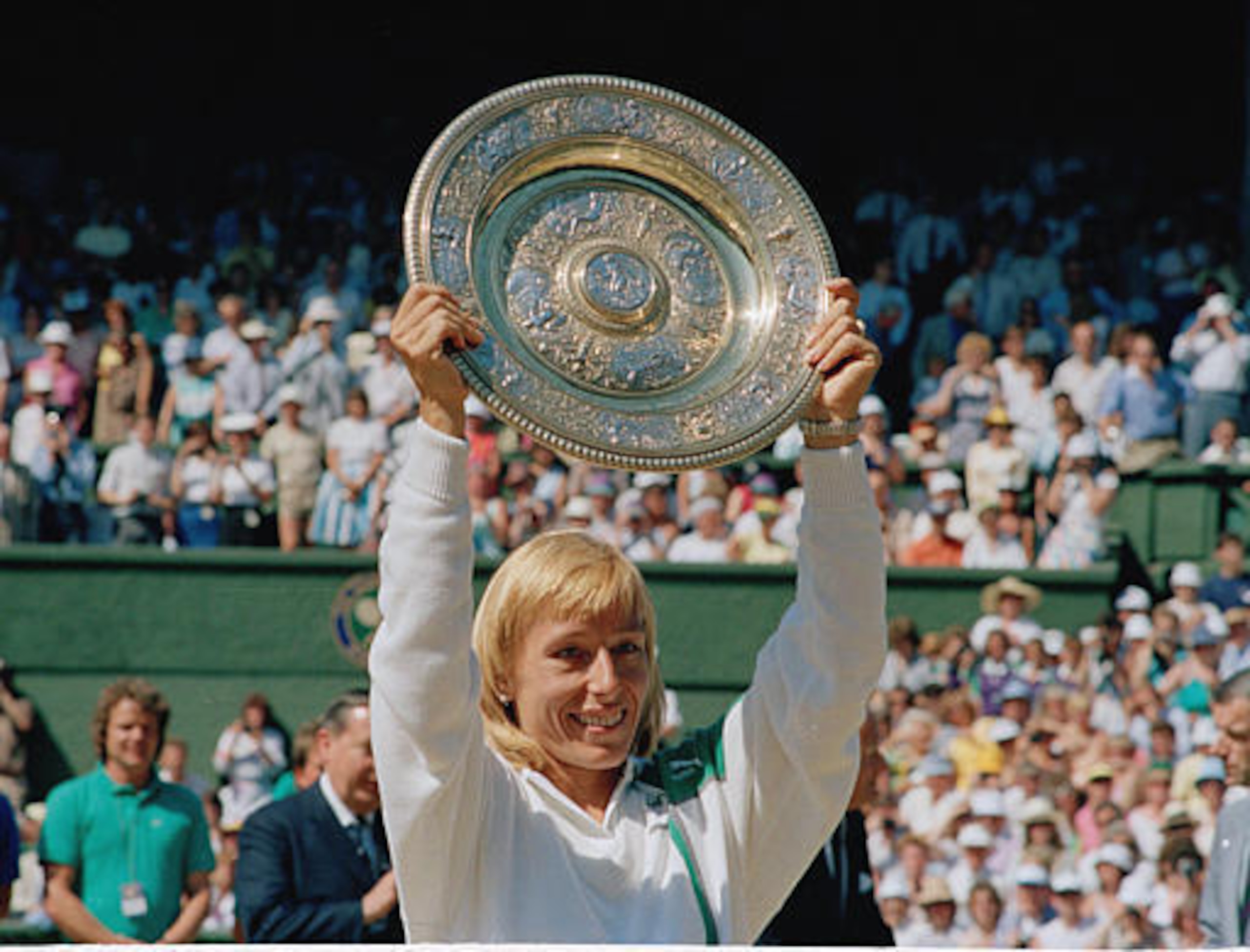
On the tennis court, Martina Navratilova was both one of the best and most influential players of all time.
Her dominance was unprecedented. She finished the year ranked No. 1 on seven different occasions and, at one point, a record-setting five years in a row. She also holds the record for most single titles (167) and for most double titles (177) in the open era.
It is how Navratilova played the game, however, that changed tennis forever.
“I think people thought of her as a villain because physically she was so strong,” said tennis legend Chris Evert in ESPN Classic’s Sports Century series. “There’s Chrissy and Tracy Austin and Evonne Goolagong and then along comes Martina, who’s working out and there’s veins popping out of her arms and who’s really strong.”
Navratilova’s commitment to body and overall muscular physique changed notions of feminism as well as the way women approached sports.
Her powerful and equally aggressive style of play—which incorporated the serve and volley like no woman before—added to the mystique and opened the door to a new, physical brand of tennis (a brand that was eventually adopted by players like Serena Williams, Amelie Mauresmo and Lindsay Davenport, to name a few).
When she exploded onto the scene in the late ‘70s and early ‘80s, Navratilova’s body and game were viewed as too “manly”. Today, they are a source of inspiration for female tennis players everywhere.
Lawrence Taylor
6 of 10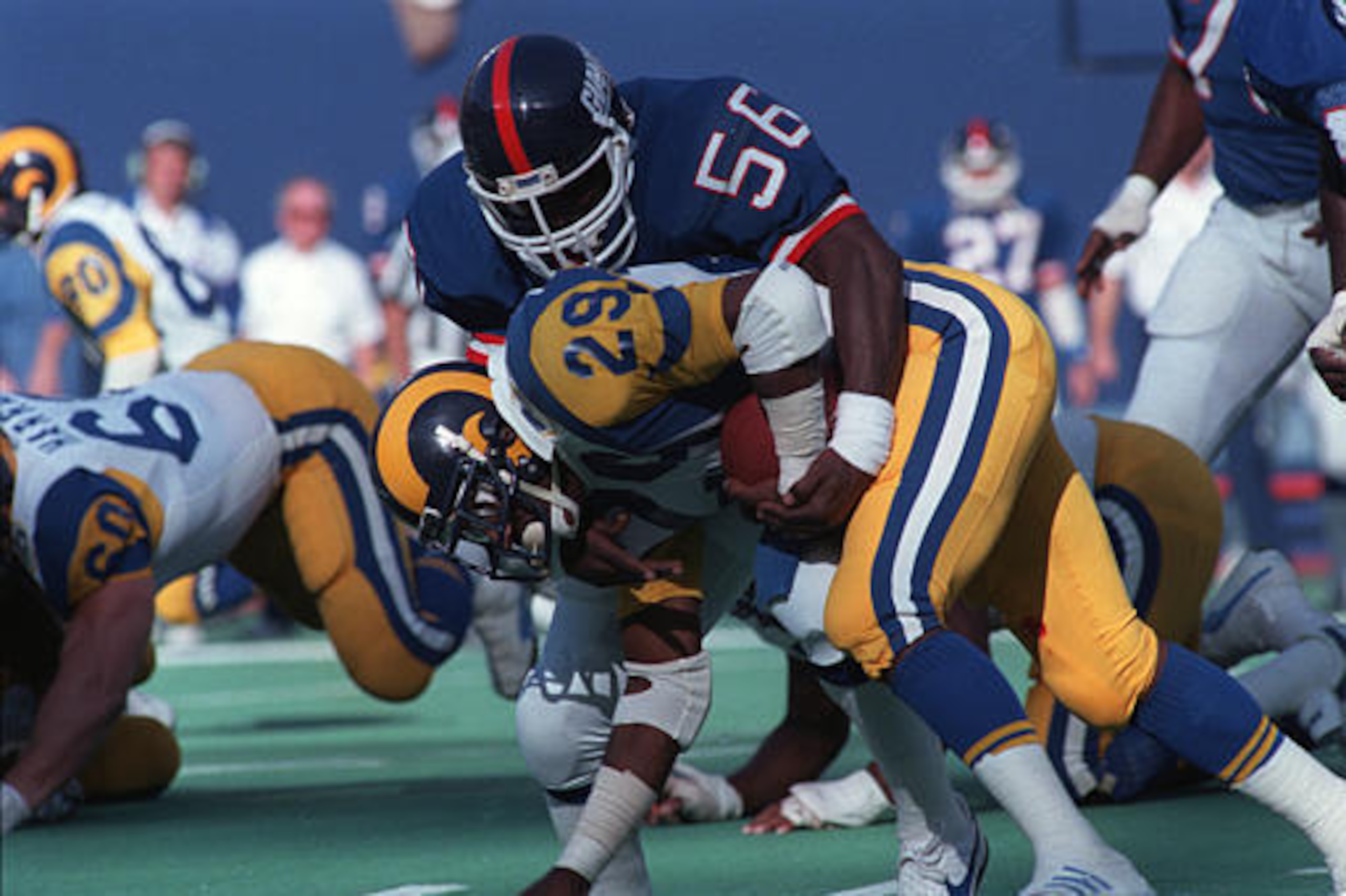
It didn’t take Lawrence Taylor long to change football forever. Drafted by the New York Giants in 1981, he finished his rookie season with 9.5 sacks as well as with NFL Defensive Rookie of the Year and Player of the Year honors. Despite run-ins with both drugs and the law, LT finished his 13-year career with 142 sacks, including 20.5 in 1986.
Thanks to his prowess rushing the quarterback, Taylor forever changed the way we view linebackers, in addition to the way offenses account for them.
“Lawrence Taylor, defensively, has had as big an impact as any player I've ever seen,” said Hall of Fame coach John Madden. “He changed the way defense is played, the way pass-rushing is played, the way linebackers play and the way offenses block linebackers.”
With a simple passion—a love for sacking quarterbacks—Lawrence Taylor transformed what it meant to game plan, on both sides of the ball.
Mark Gonzales
7 of 10While Tony Hawk is perhaps the best known and most celebrated skateboarder of all time, Mark Gonzales was arguably the most influential.
In fact, in 2011, Transworld Skateboarding ranked Gonz as the “Most Influential Skateboarder of all Time.” In the industry, he’s considered the pioneer of modern street skateboarding—currently skateboarding’s most popular form—and with good reason.
In 1986, Gonzalez used an “ollie” to clear the fist major gap, which is now known as the legendary “Gonz Gap.” That same year, Gonzalez and Natas Kaupas became the first athletes to skate handrails and, a year later, he became one of the first skaters to employ the “switch stance” style.
In a sport defined by innovation, Mark Gonzales was the most transcendent performer of all.
Wayne Gretzky
8 of 10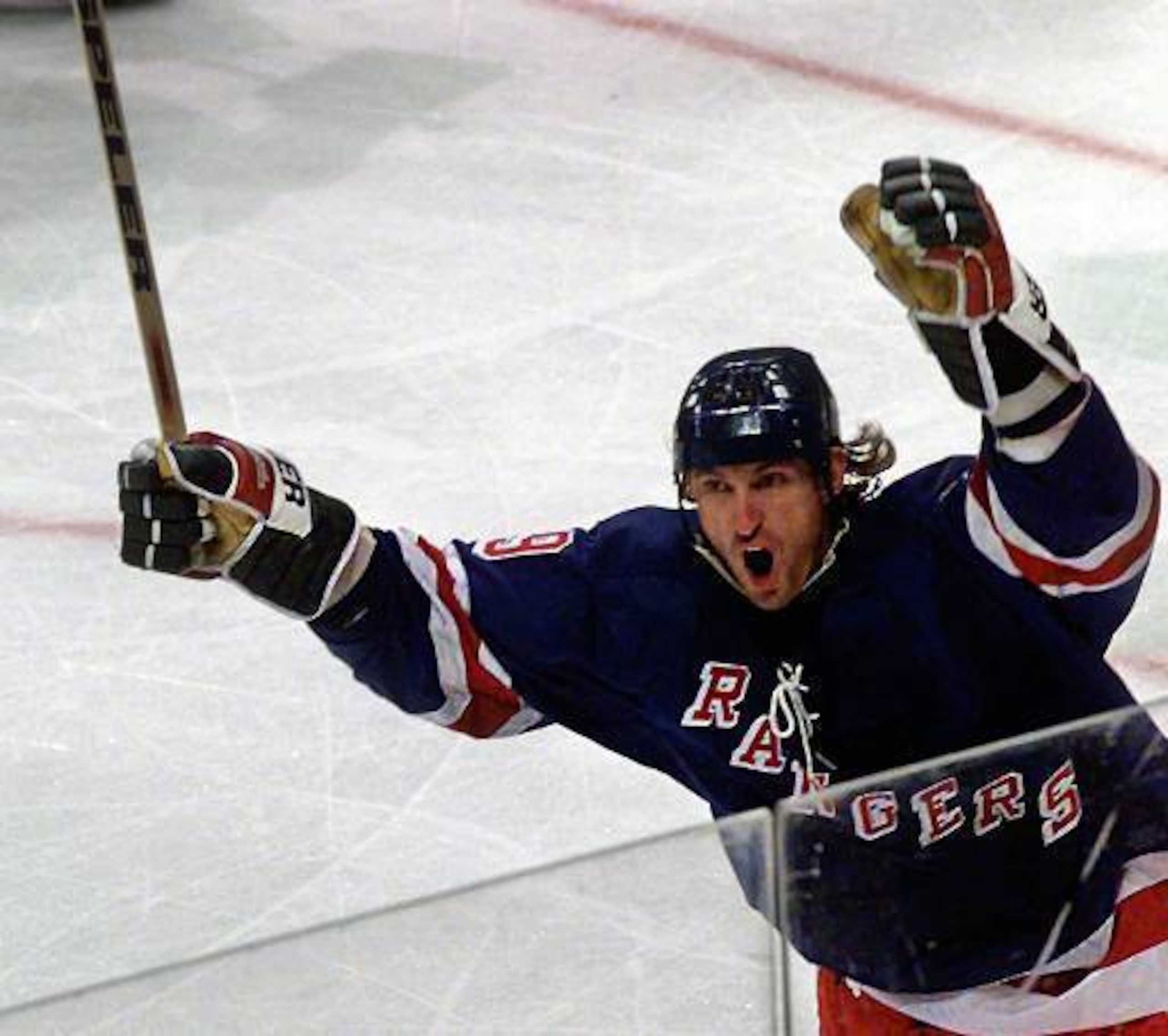
While stars can influence style of play, it takes a legend to change a sport’s rules. Of course, that’s exactly what The Great One did throughout his illustrious 20-year career.
As one of the NHL’s top goal scorers, Gretzky was known for setting up behind the opposing team’s net, an area that quickly became referred to as “Gretzky’s Office.” With this strategy and his other more fluid, cerebral tendencies, he changed the goal scorer’s approach completely.
It soon became clear to Gretzky, and his coaches, that his team benefited when fewer players were on the ice and there was more room to operate. At the time, simultaneous penalties on both teams were registered, and 5-on-5 could become 4-on-4 or even 3-on-3, depending on the number of whistles blown.
Of course, Gretzky’s Edmonton Oilers of the 1980s knew this and took full advantage, to the tune of four Stanley Cups in five years.
In the name of parity, the NHL had to do something and instituted the “Gretzky Rule”, where simultaneous penalties would offset and require both teams to remain at full strength.
The rule was reversed in the early 1990s, but long after Gretzky’s reign at the top had ended.
Oscar Robertson
9 of 10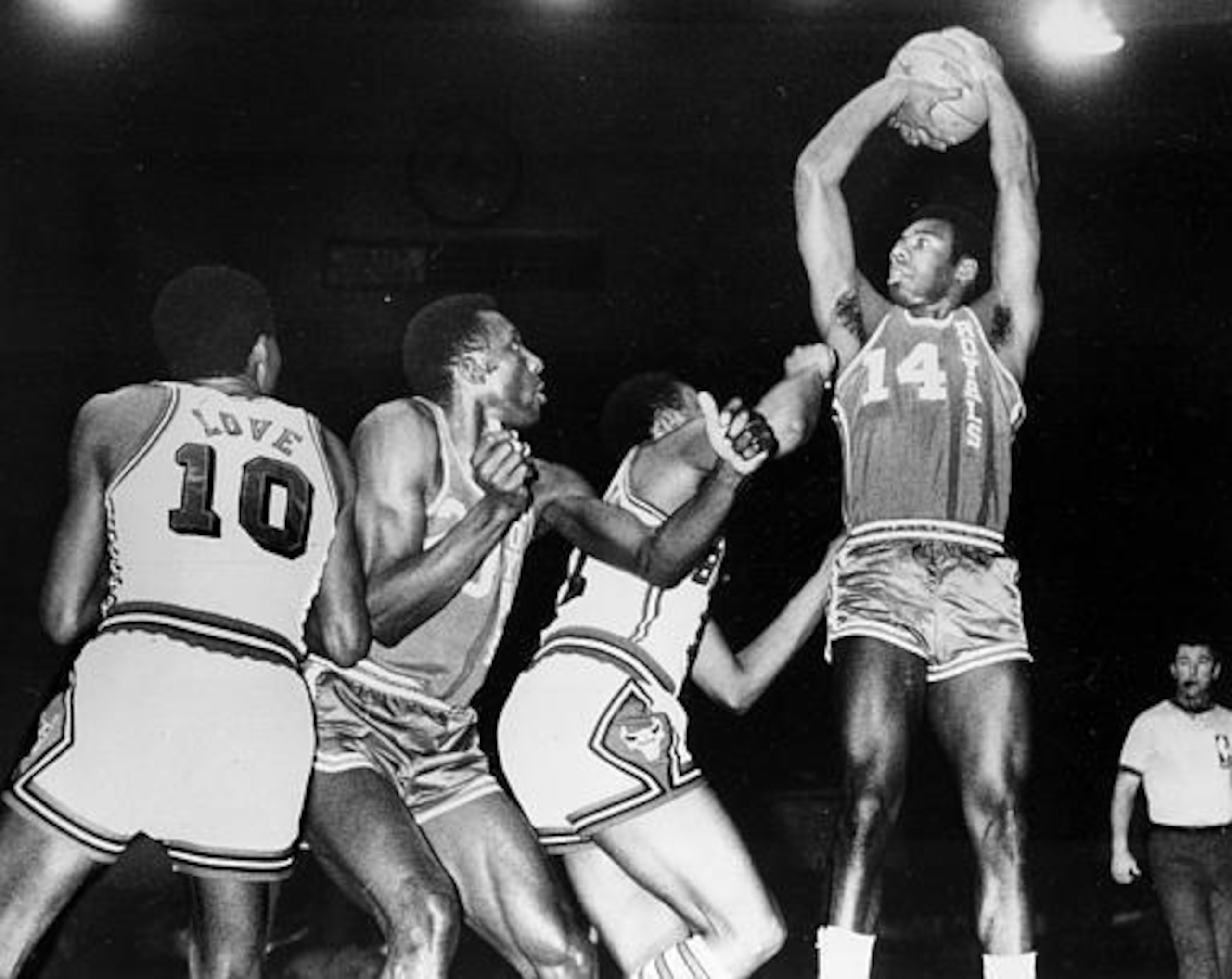
It isn’t very hard to find ways in which Oscar Robertson changed basketball. For starters, the 6’5” Robertson was the NBA’s first legitimate “big” guard, paving the way for the likes of Magic Johnson and others.
With size and strength on his side, The Big O's versatility was truly transcendent. Though Magic gets credit for introducing the term “triple-double” to daily basketball discourse, Robertson was the fist to bring the statistical feat to life.
Unlike anyone before, Robertson could play inside and out, score and pass.
He averaged more than 30 PPG in six of his first seven seasons. He was also the first player in NBA history to average more than 10 APG and the only guard ever to average more than 10 RPG, which he did on three separate occasions.
Over the course of his first five years in the league, Robertson actually averaged a triple-double: 30.3 PPG, 10.4 RPG and 10.6 APG.
Simply put, Robertson possessed basketball’s first true all-around game, setting the stage for the likes of Magic Johnson, Michael Jordan and LeBron James.
Roger Federer
10 of 10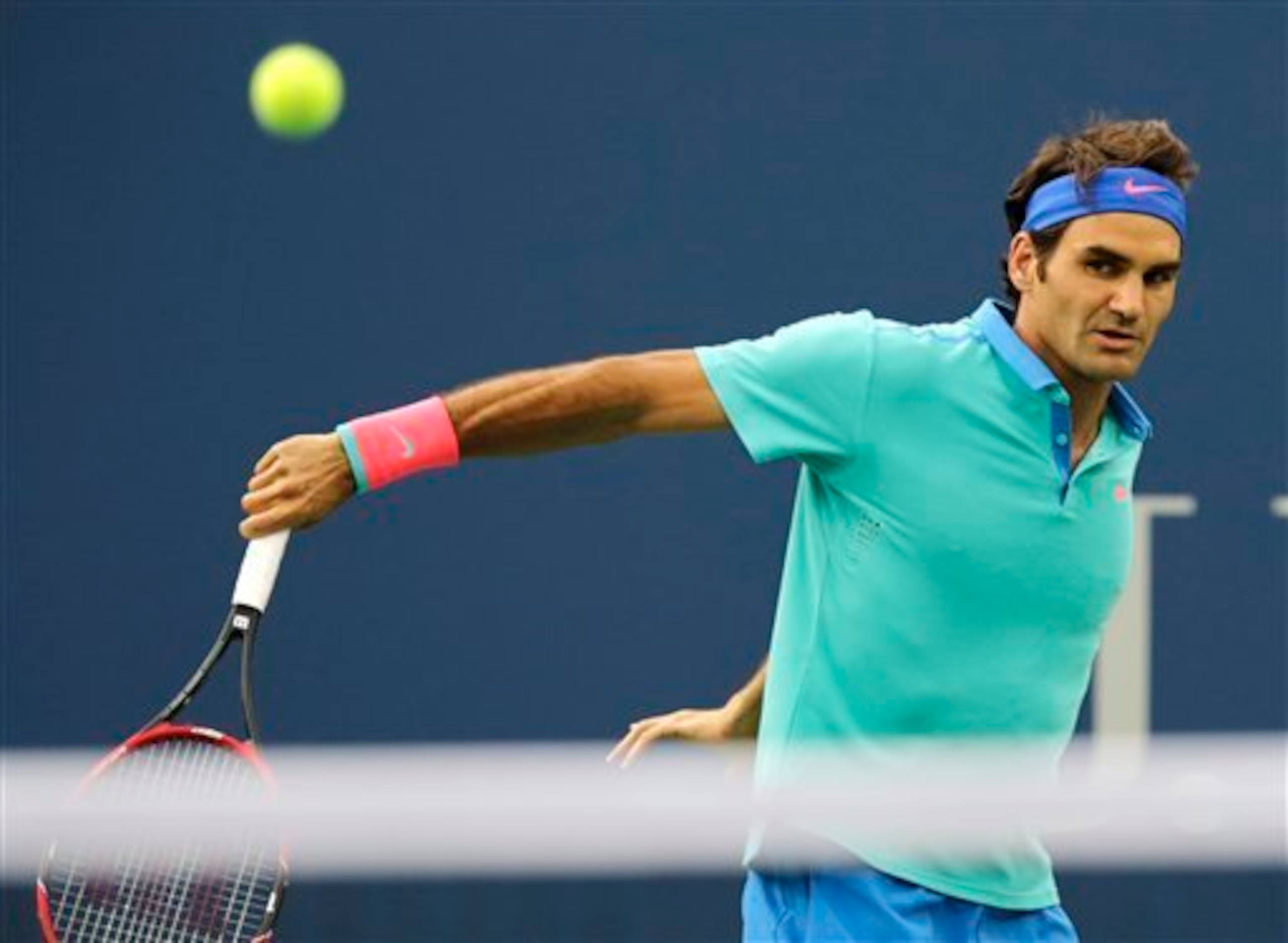
It’s rare for a still-active athlete to have such an enormous influence on his or her sport. But Roger Federer is that and more.
Before Fed, tennis was largely filled with two types of players: Those who rallied from the baseline and those who served and volleyed. The former was defined by speed and finesse, while the latter relied on strength and power.
Yet when Federer arrived on tour in 1998, tennis norms—established over roughly 100 years—were thrown out the window.
The Swiss sensation didn’t just dominate tennis in unprecedented fashion—among his many records, Fed held the World No. 1 ranking for an incredible 237 consecutive weeks—he dominated the sport with unprecedented skill, too.
In a few short years, Federer essentially vanquished specialists altogether.
Like no one else, he could serve with power, volley with proficiency, move with grace, and rally from the baseline with both pace and accuracy. He was the first true all-around player and forced everyone else to become the same.
A big serve and skill at the net could no longer get one by. And sitting behind the baseline, waiting for opponents to make mistakes, ceased to be a viable strategy.
To compete with Fed, one had to perfect it all, as well-rounded stars such Rafael Nadal, Novak DJokovic and Andy Murray perfectly illustrate.
With his all-around game and a knack for winning, Roger Federer demanded more of the competition, ushering in what many consider the Golden Era of tennis.