

Injuries for Panthers, Falcons Raise Questions About NFL Game-Day Roster Size
The National Football League made the decision to expand the size of each team's practice squad from eight to 10 players during this past offseason.
With injuries mounting at a rapid pace around the league, you can be certain that teams are happy to have the additional personnel within reach.
Unfortunately, the extra 64 jobs created during the offseason do nothing to help a team in the games in which these injuries have actually occurred.
TOP NEWS

New NFL Power Rankings 📊
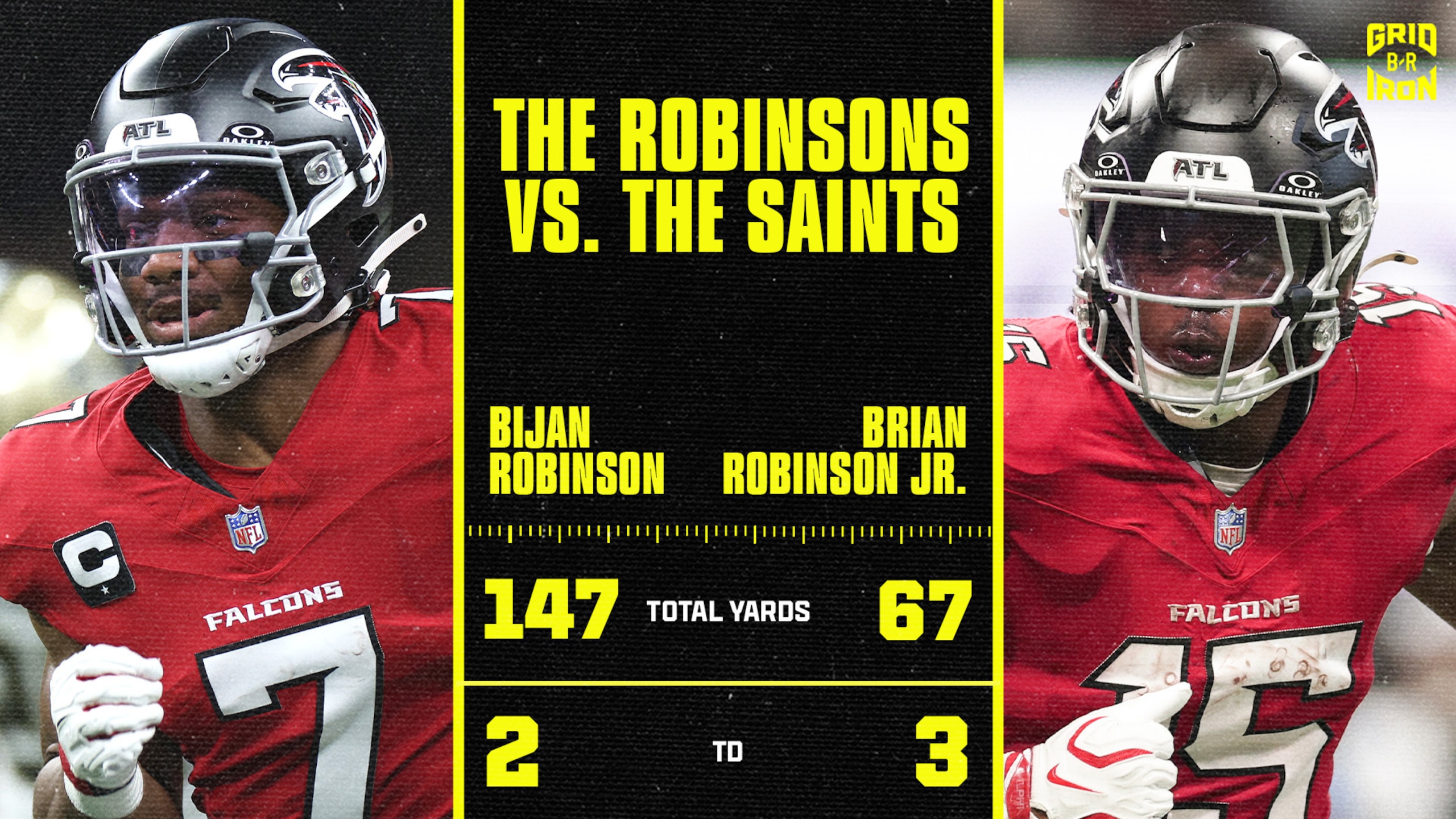
The Robinsons POUND the Rock 🪨
Takeaways from Falcons' dominant MNF win
The regular-season roster limit still stands at 53 players, with 46 allowed to dress on game day. This has been the case since the game-day roster was expanded and the emergency quarterback rule abolished back in 2011.
This means that seven players are ineligible to enter any given game, and if a team runs out of personnel at a specific position, that team is out of luck.
This can create serious issues for a team with a lack of depth or a multitude of injuries at a single key position. We saw a couple of examples of these issues on Sunday.
Carolina Panthers running back DeAngelo Williams left the game against the Baltimore Ravens with an ankle injury and never returned. Due to existing injuries, Williams' absence left the the Panthers with a pair of former practice squad players in the backfield.
Jonathan Stewart and Fozzy Whittaker were inactive with leg injuries of their own, while Mike Tolbert is currently on injured reserve (with designation to return).
Darrin Reaves and Tauren Poole were all that remained, and the pair combined for just 26 yards on 13 carries.
Though it might not have made a big difference in Sunday's 38-10 loss, an expanded roster limit could have allowed the Panthers to have an additional back available on the sideline (a veteran free agent like Felix Jones or Michael Bush may have sufficed).
The Atlanta Falcons faced an even more troubling situation during their Sunday loss to the Minnesota Vikings when the team lost three starting offensive linemen to injuries.
With center Joe Hawley, guard Justin Blalock and tackle Lamar Holmes all knocked out of the contest, the Falcons were forced to play tight end Levine Toilolo at the right-tackle position.
Quarterback Matt Ryan was sacked once and picked off twice after the unconventional lineup shuffle at the end of the third quarter. The Falcons had a one-point lead at that point.
Once again, a larger roster may not have affected the outcome of the game. However, it would have allowed Atlanta to carry more offensive linemen and avoid playing its third-year tight end out of position.
During the offseason, the league considered expanding the active game-day roster from 46 to 49 players for Thursday night games only. The theory was that additional available players would help to reduce injuries for teams playing on a short week.
The idea was tabled during the offseason and will likely reemerge at some point in the near future.
The big question here is that if the league believes a larger game-day roster can help eliminate injuries (presumably by decreasing the playing time for each player), then why doesn't the league consider expanding the roster for all games?
If expanding the game-day roster limit beyond 46 players (and perhaps the active roster beyond 53) can help prevent injury and can better help teams deal with the injuries that do occur, then the league absolutely should consider doing so.
Otherwise the NFL will continue to subject players to their current level of injury risk and will continue to put teams in the kind of awkward personnel positions we saw on Sunday.

.jpg?w=2560 "Rams Eagles Football")
.jpg?w=2560 "Grading WWE Raw 🔠")


.jpg?w=2560 "Injury-stricken Seahawks signing veteran RB")
