

20 Early Predictions for the 2015 Cricket World Cup
With the 2015 Cricket World Cup just five months away, international teams will already be well into their preparation for the event as a plethora of one-day international fixtures loom on the international calendar.
Hosting the event for the first time since 1992, both Australia and New Zealand will be confident of strong runs in next year's tournament, but they won't be without challengers.
Fresh from toppling Australia in the recent triangular series in Zimbabwe, South Africa look well-placed to break their duck at the World Cup and should be suited by the expected conditions.
Also arriving with high hopes will be the powerful subcontinental sides, most notably India and Sri Lanka. MS Dhoni's men showed just how suited they are to the 50-over format by cruising past England, while Angelo Mathews has led Sri Lanka to a remarkable run of form in 2014.
Yet, what can we expect from the 2015 World Cup in a broader sense?
Across the following slides, we make 20 early predictions for next year's event.
Faf Du Plessis Will Top the Run-Scoring Charts
1 of 20
Since moving up permanently from the middle order to No. 3 in the one-day arena, Faf du Plessis has been outstanding for South Africa.
Across 11 innings in his new position, the right-hander has blasted 729 runs at an average of 66.27 and a strike rate of 88.36.
Included in that tally are three hundreds and four half-centuries, only failing to pass 40 on two of the 11 occasions.
Such relentless run scoring is likely to continue in Australia and New Zealand—two countries that typically present conditions very much suited to Du Plessis.
Glenn Maxwell Will Break the Record for Sixes Hit in a World Cup
2 of 20
Those who watched Glenn Maxwell torture bowlers in the ICC World Twenty20 and subsequent Indian Premier League season will have been in awe of the Australian's breathtaking exhibitions of brutal hitting.
Returning to familiar surrounds, the 25-year-old looks set to continue that assault and could easily break the record for most sixes struck in a single World Cup.
That record currently belongs to Matthew Hayden, who cleared the fence 18 times during Australia's triumphant 2007 campaign.
Maxwell, however, struck 12 sixes in only four games at the World T20 before launching 36 such blows in the IPL.
With a minimum of six games available to Maxwell in the approaching World Cup, Hayden's record looks well within reach.
Despite His Dire Form, Alastair Cook Will Lead England
3 of 20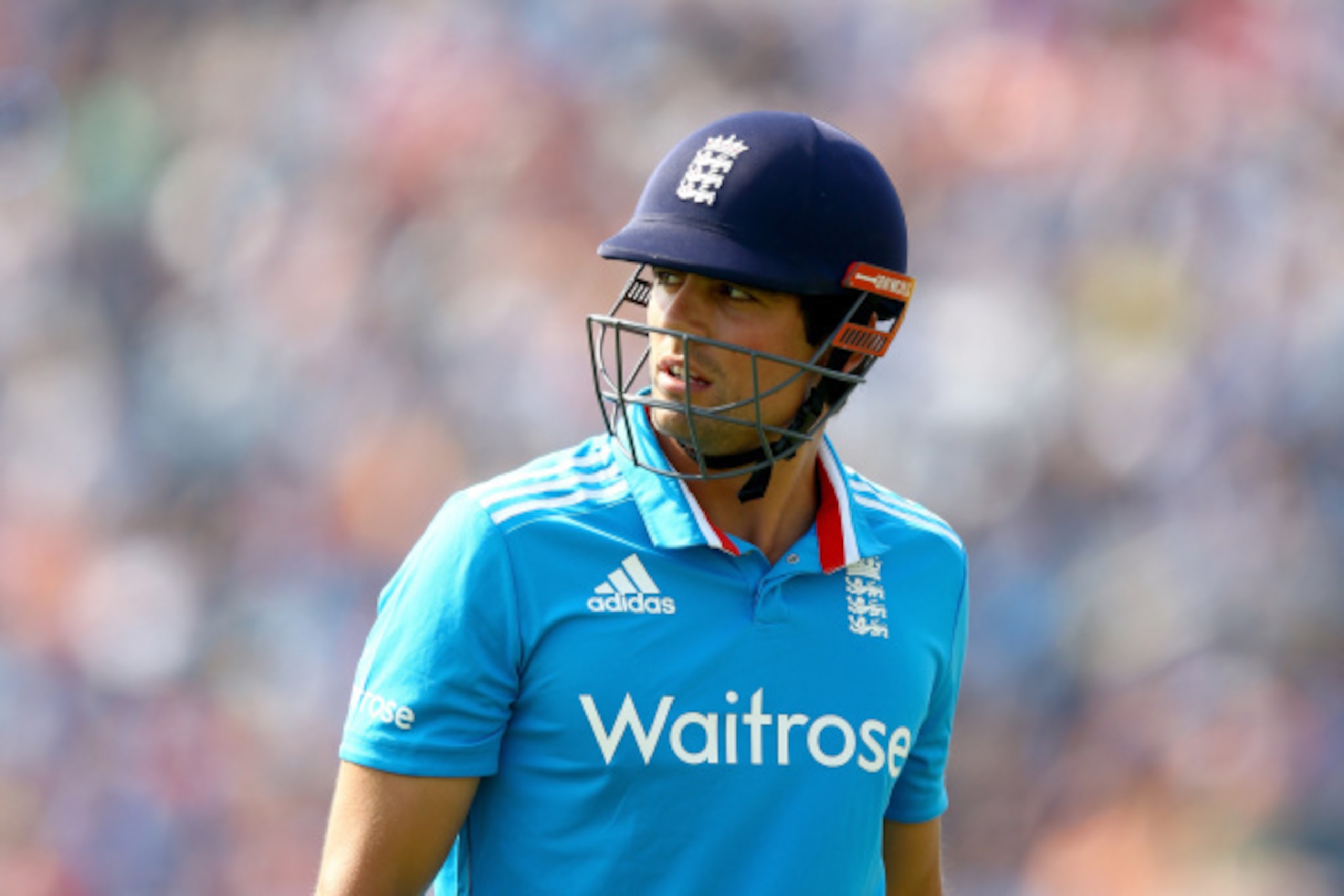
Pressure is mounting on Alastair Cook, and Andy Wilson of The Guardian has reported that a number of England's selectors have reservations about Cook's capacity to lead the team back to the top of the 50-over format.
But with less than six months to go until the 2015 World Cup, it seems unlikely that the skipper will be axed, particularly when one considers how heavily the ECB have invested in Cook since the disastrous tour of Australia last winter.
Discarding the current captain—while necessary in the eyes of many—will only be viewed as a destabilising force by team management, who are likely to allow Cook to the chance to prove himself one last time at the World Cup.


.jpg?w=2560 "Commanders Eagles Football")
The Pitches Will Surprise Many
4 of 20
Australian pitches have always been considered the hardest and fastest surfaces in world cricket, benefitting fast bowlers as well as batsmen comfortable on the back foot.
Those unique qualities, however, are beginning to fade.
The Melbourne Cricket Ground has used drop-in pitches for years. Following a recent redevelopment to cater for Australian Rules Football, the Adelaide Oval now employs that practice, too.
No longer produced in the middle, the resulting surfaces tend to lack pace and carry, also possessing little variety from one strip to another.
At the 2015 World Cup, five of the tournament's seven knockout matches will be played on drop-in wickets, as pointed out by Daniel Brettig of ESPN Cricinfo, with the grounds in Wellington and Auckland in New Zealand also following the trend.
Those arriving Down Under in the expectation of typically Australian conditions, therefore, might be surprised with what they see.
India and Pakistan Will Compete in a Thriller in the Opening Week
5 of 20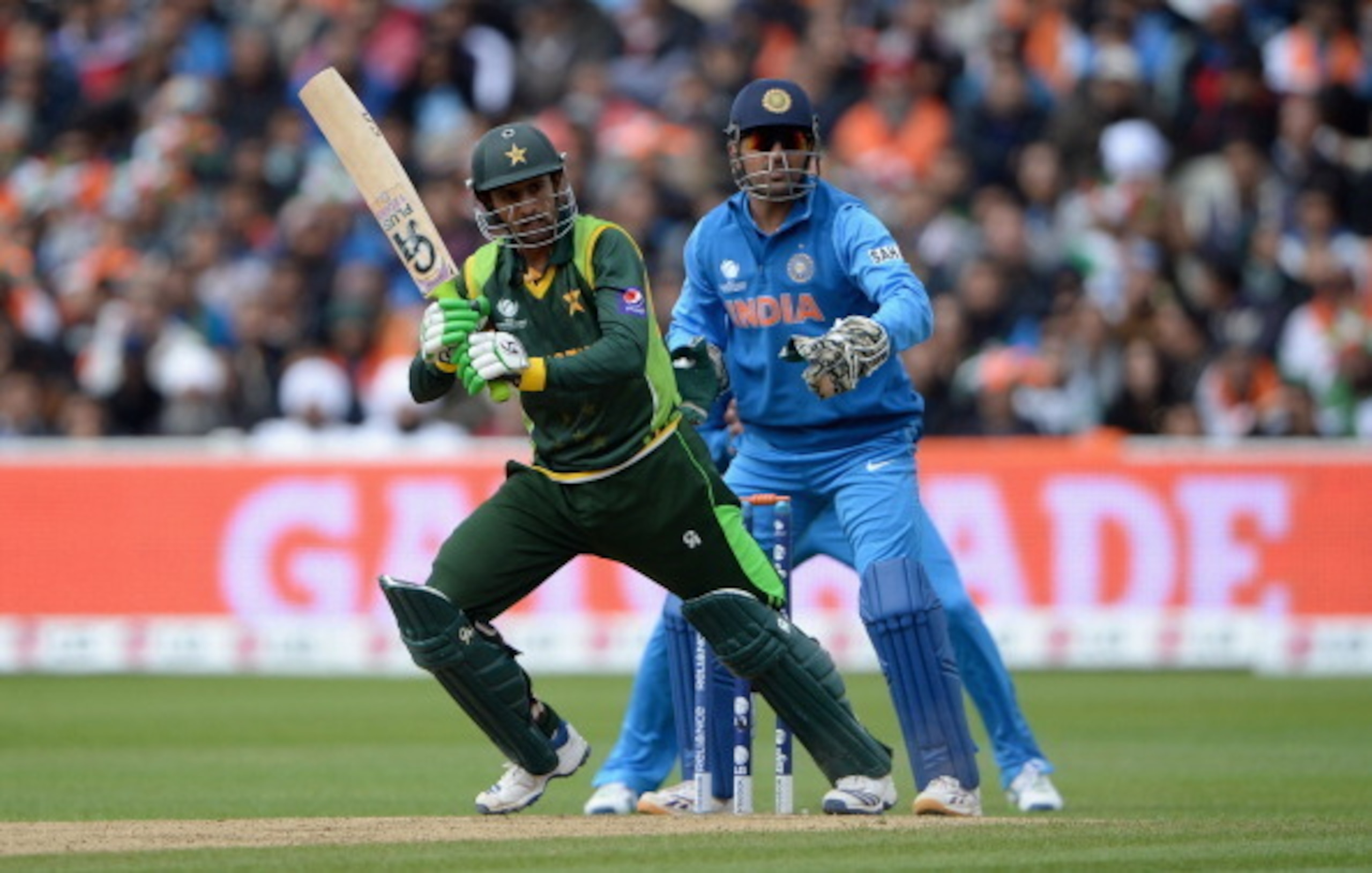
The most fierce rival in world cricket, India and Pakistan have a rich history of thrilling one-day internationals.
Tantalisingly, the nations meet in the fourth match of the 2015 World Cup at the Adelaide Oval on February 15.
While Pakistan are among the most volatile of cricket's major nations, contests with India have typically brought the best out of the men in green, as witnessed in this year's Asia Cup.
And with India looking in peak form following their thrashing of England, expect another thrilling affair in the opening week of next year's World Cup.
Illegal Bowling Actions Will Be a Hot Topic
6 of 20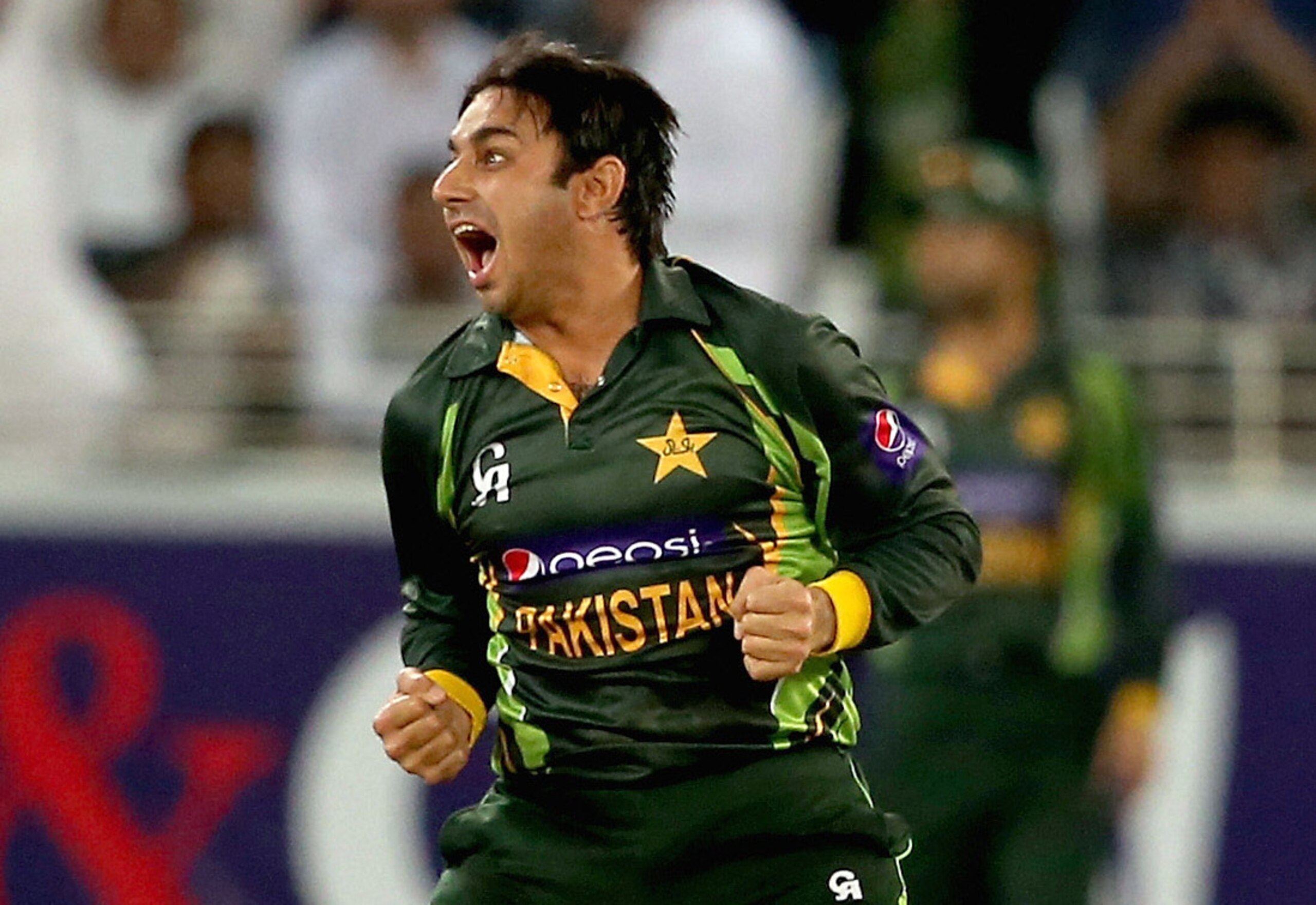
Saeed Ajmal is the latest international player to be banned from bowling after the ICC deemed his action illegal following testing completed by bio-mechanics experts in Brisbane.
Sohag Gazi and Prosper Utseya will also undergo testing for their actions as the ICC continues its crack down that began with the bans handed to Kane Williamson and Sachithra Senanayake earlier in the year.
Further aiding the governing body's cause is the news that wearable sensors may soon be available, per Nick Hoult of The Telegraph, capable of monitoring bowling actions in match situations.
Thus, whether or not Ajmal is cleared to compete in the World Cup, illegal actions will be a hot topic following a string of bans and suspensions.
The Ticket-Sale Problems of 2007 Won't Be an Issue
7 of 20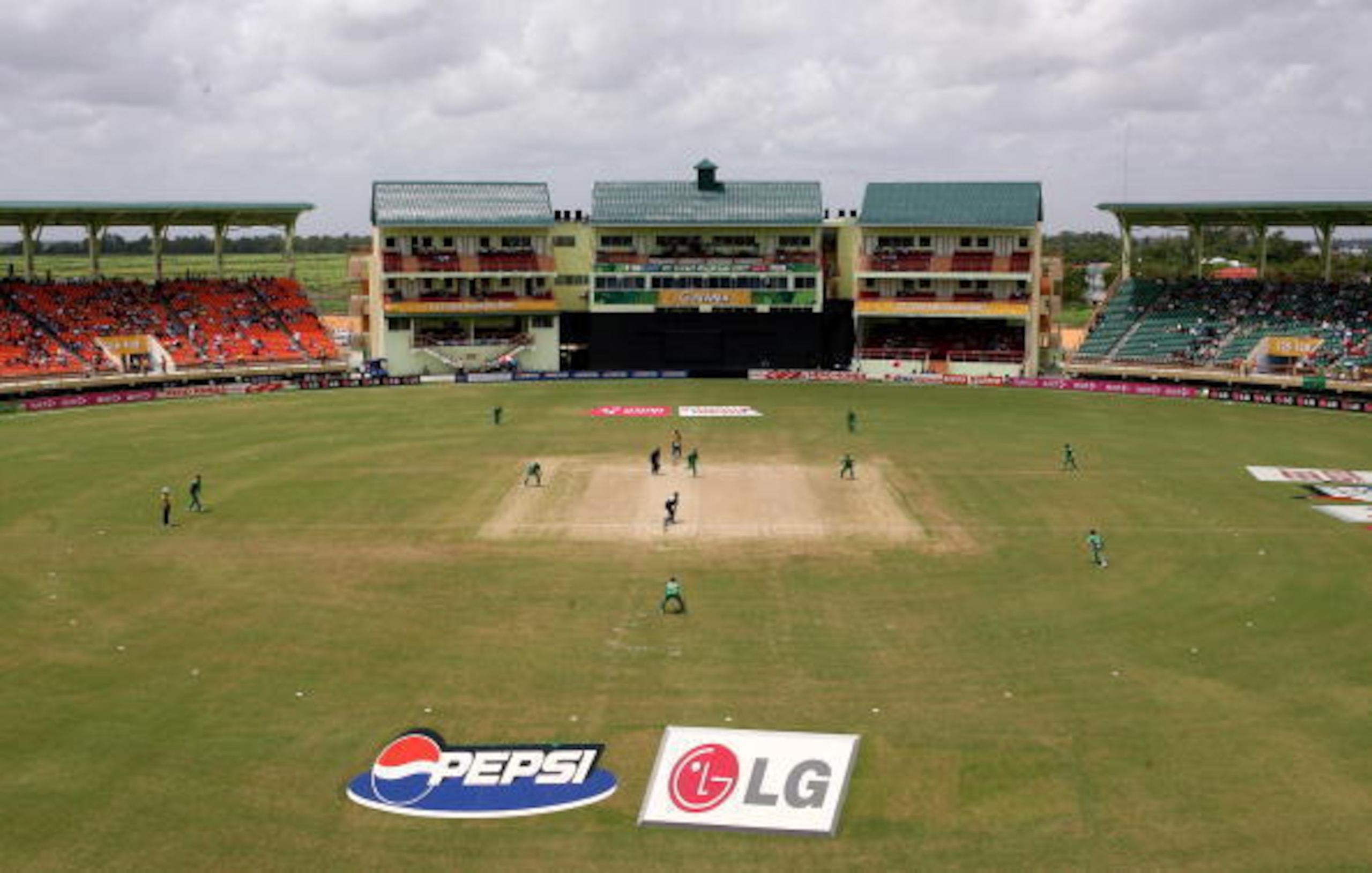
While the 2007 World Cup saw Australia claim a remarkable third straight title, the tournament was perhaps more notable for the empty stadiums seen at numerous matches.
Blamed on high ticket prices and the ICC's restrictions on many local customs, the 2007 event struggled with problems unlikely to be an issue in Australia and New Zealand.
Typically associated with large, raucous crowds, Australia's massive venues should be close to full given that the ticket prices have been set very reasonably.
"We've made sure the event is affordable with more than two thirds of all tickets $50 or under," John Harnden, the tournament's chief executive, said in November.
That pricing should allow the 2015 event to be a success.
Michael Clarke Will Battle with Fitness...
8 of 20
Michael Clarke has a long history of injury difficulties, the latest of which is a hamstring complaint that forced the Australian captain to fly home early from his country's tour of Zimbabwe.
Perpetually dealing with a degenerative back problem, and faced with a gruelling schedule between now and the World Cup, it seems likely that Clarke's health will be a concern for Australia as they aim to reclaim their title.
Head selector Rod Marsh has already expressed his lack of confidence regarding Clarke's fitness ahead of the trip to the UAE, and with clashes against South Africa, India and England following the showdown with Pakistan, rest could be difficult to come by for the Australian captain as the World Cup approaches.
...And Will Retire from ODIs at the End of the Tournament
9 of 20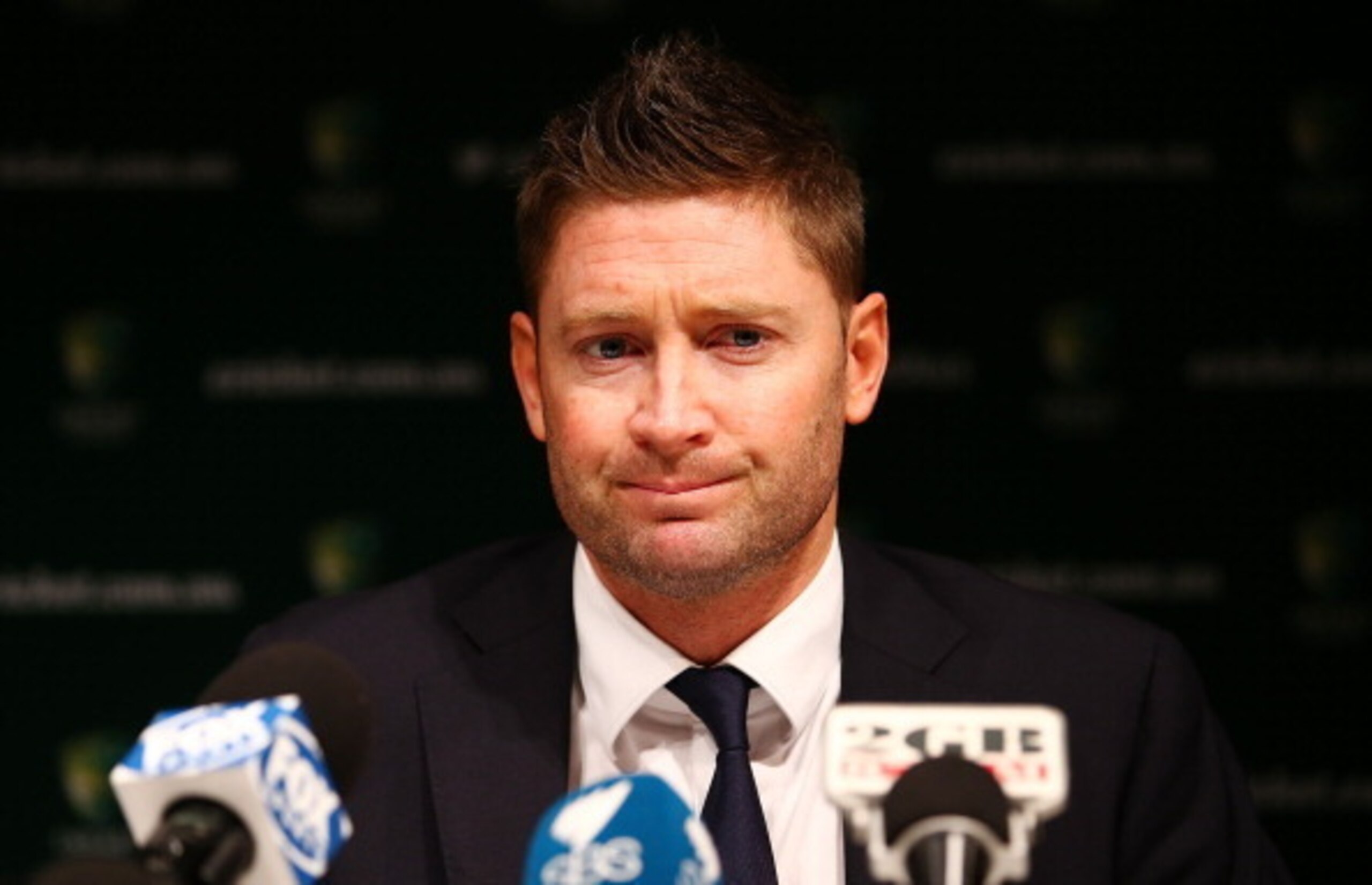
Michael Clarke will not be a one-day international player when the 2019 World Cup arrives, meaning there's little for the Australian captain to achieve in the 50-over format following the conclusion of next year's event.
With an eye to prolonging his Test career, the 33-year-old is likely to step aside from his position when the approaching tournament concludes, preserving his troublesome back and reducing the intensity of his annual schedule.
Among the team's current members, George Bailey or Steve Smith would appear to be the candidates most capable of replacing him.
Controversy Will Engulf India and the DRS
10 of 20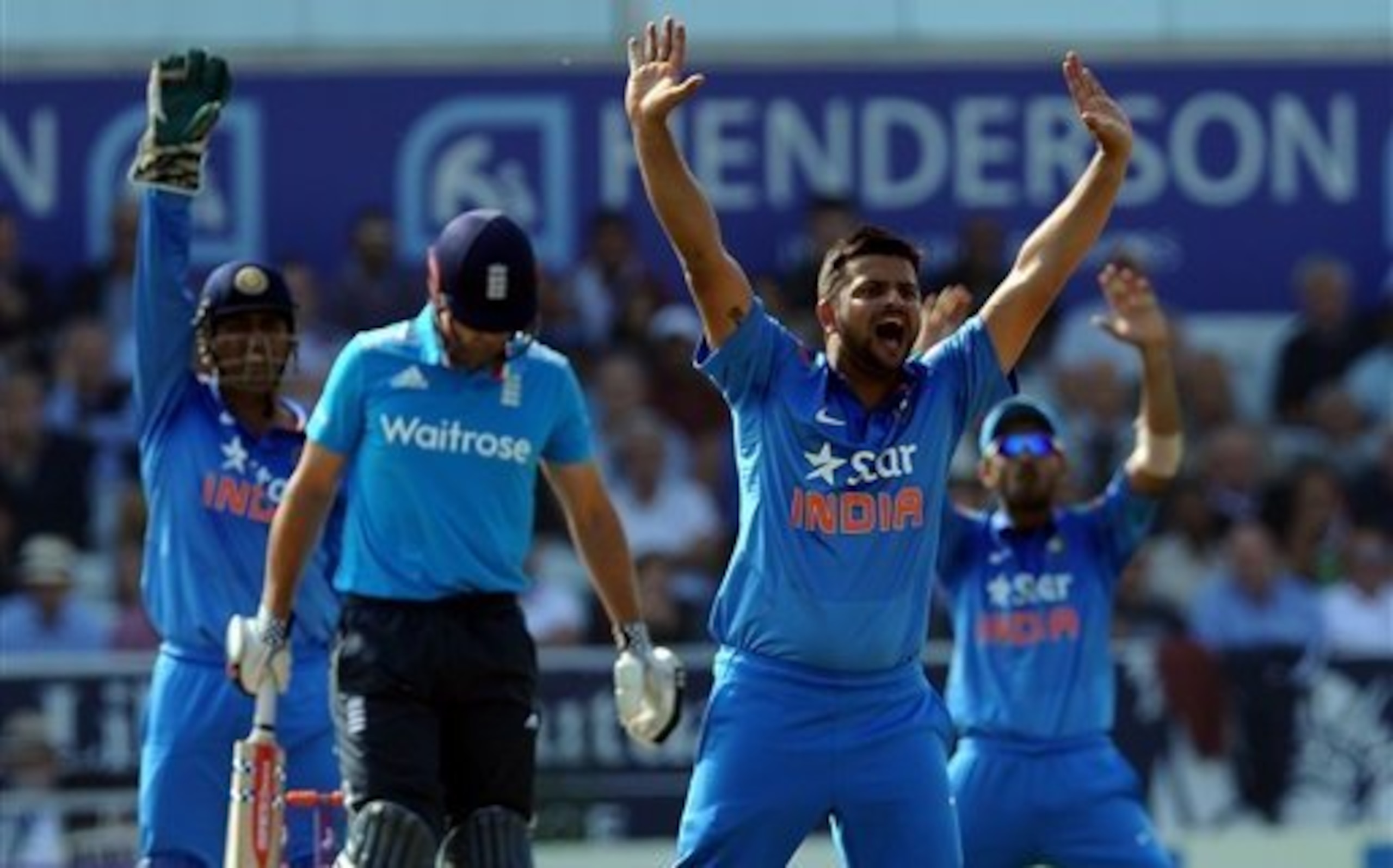
The Board of Control for Cricket in India's opposition to the Decision Review System has been a long-running storyline since the technology has been introduced into the game.
And while the current rules allow India to refuse the use of DRS in bilateral series, the system is mandatory for all ICC tournaments.
Thus, it feels inevitable that moments of controversy will engulf DRS and India during next year's World Cup, particularly when recent series—most notably the 2013 Ashes contest—have shown the technology is not yet flawless.
Of course, the system has improved since "Snicko" has been used in conjunction with Hot Spot, pairing audio detection with infrared imaging. But with the system's process still susceptible to human error, one can picture DRS becoming a contentious issue should a series of decisions go against India.
The Associate Nations Will Prove They Belong at the World Cup
11 of 20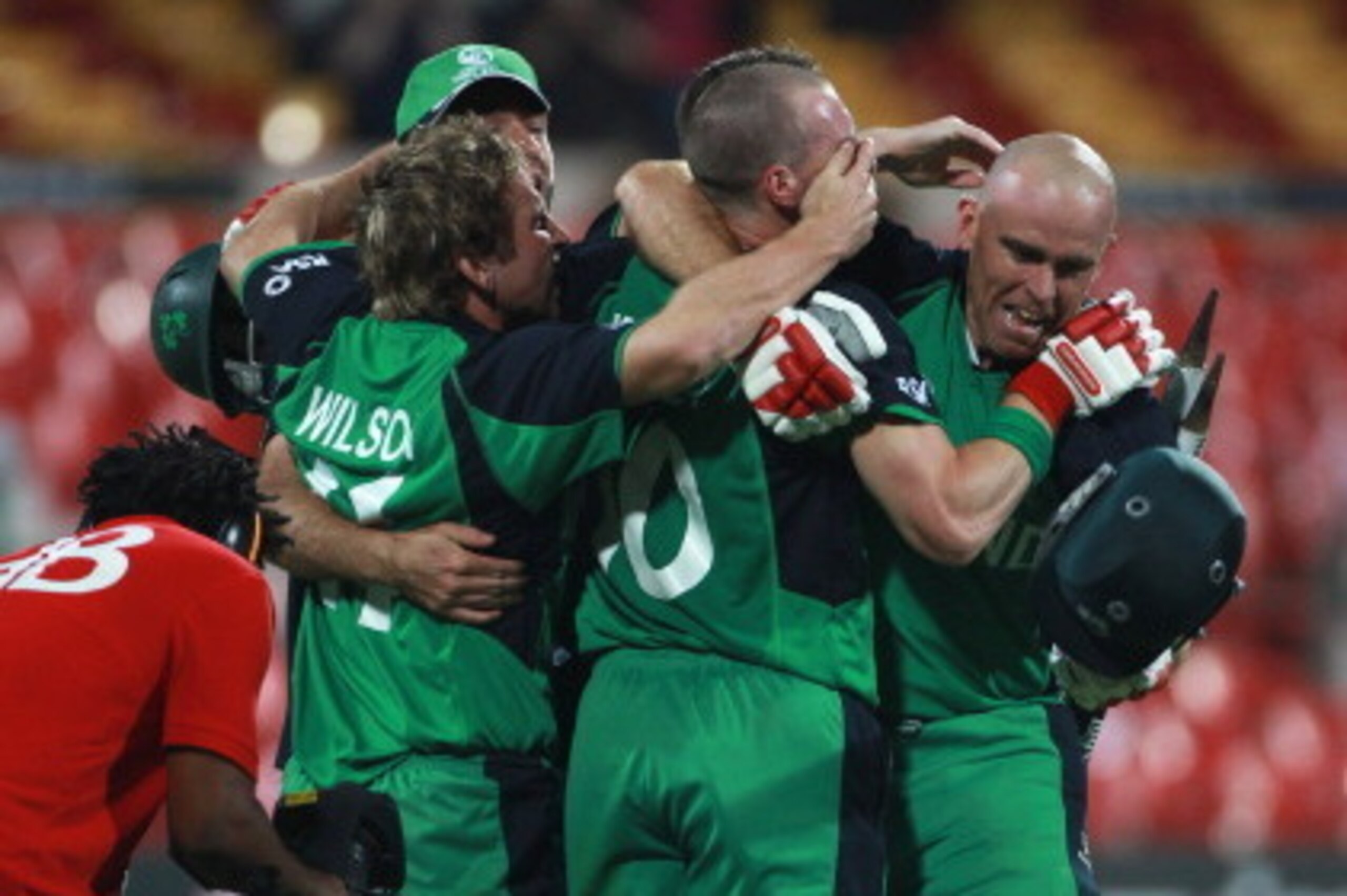
Remember Kenya's remarkable run to the semi-finals at the 2003 World Cup? Or Ireland's incredible chase to defeat England in 2011? Or how the Dutch spectacularly made the Super 10 stage at this year's World Twenty20, also going on to claim victory over England?
While cricket's Associates have suffered some heavy defeats at global tournaments, they've also regularly enhanced the worth of ICC events—something that will be missed when the 2019 World Cup switches to a 10-team format.
In 2015, teams such as Afghanistan, Scotland, Ireland and the UAE will add to the tournament's diversity, highlighting the potential of the game to widen its borders.
And whether or not the ICC thinks so, the Associates will prove they belong.
Stuart Broad Will Still Be Public Enemy No. 1 in Australia
12 of 20
Like David Warner had been in England during the 2013 Ashes contest, Stuart Broad became the pantomime villain during the 2013-14 Ashes series in Australia.
Heavily booed by Australian fans and rather amusingly targeted by the Courier Mail in Brisbane, the England fast bowler became a point of focus for his decision to stand his ground after edging a ball and being given not out against Australia at Trent Bridge in the first of the back-to-back Ashes series.
While the act might have been somewhat forgotten as Australia thrashed England last winter, Broad will once again be given the status of public enemy No. 1 when he returns Down Under for the 2015 World Cup.
Mitchell Johnson Won't Be the Same Force He Was in the Ashes
13 of 20
After his stunning Ashes campaign, it would be easy to assume that Mitchell Johnson will enjoy a blistering World Cup in comfortable surrounds next year.
Yet, it must be remembered that the left-armer's success against England was founded upon intimidation—a commodity that is difficult to replicate in limited-overs cricket.
Unable to consistently pepper batsmen with short-pitched deliveries in coloured clothing, Johnson's savagery isn't quite the same with the white ball; opponents safe in the knowledge that the Australian must pitch it up more regularly.
So while Johnson will still be a key contributor for Australia, it's unlikely he'll cause the havoc seen in last winter's Ashes contest.
The Ravi Shastri-Duncan Fletcher Situation Will Blow Up
14 of 20
The immediate results of Ravi Shastri's appointment to oversee all aspects of India's limited-overs campaign against England have been positive, with MS Dhoni's men completing a fine 3-1 series victory over the hosts.
Whether or not he'll continue to perform that role is still unclear, but his positive influence on the beleaguered tourists will tempt the BCCI to keep Shastri in his position for the World Cup.
Yet, with everyone in the Indian camp—including coach Duncan Fletcher—now reporting to the former all-rounder, it's only a matter of time before a power struggle takes place.
Fletcher is likely to feel as though he's been undermined, stripped of his influence amid doubts over his ability to lead India to success away from home.
In the heat of a World Cup, those underlying tensions will be exposed.
England's Failure Will Increase Calls for Greater Involvement in the IPL
15 of 20
Whether England like it or not, 50-over cricket is rapidly shifting toward the essence of the Twenty20 game, as domestic competitions such as the Indian Premier League and Big Bash League continue to grow in stature.
With skills and methods highly transferable between the two limited-overs formats, white-ball cricket is becoming increasingly detached from the Test arena.
England's one-day international approach, of course, appeared vastly outdated during the recent series with India, providing little hope that Alastair Cook's men can seriously compete in Australia and New Zealand.
So when England predictably struggle against more explosive and dynamic sides, showing how far behind the nation is in the limited-overs evolutionary process, expect calls for Englishmen to compete in the IPL to dramatically increase.
Bowling at the Death Will Be Tougher Than Ever
16 of 20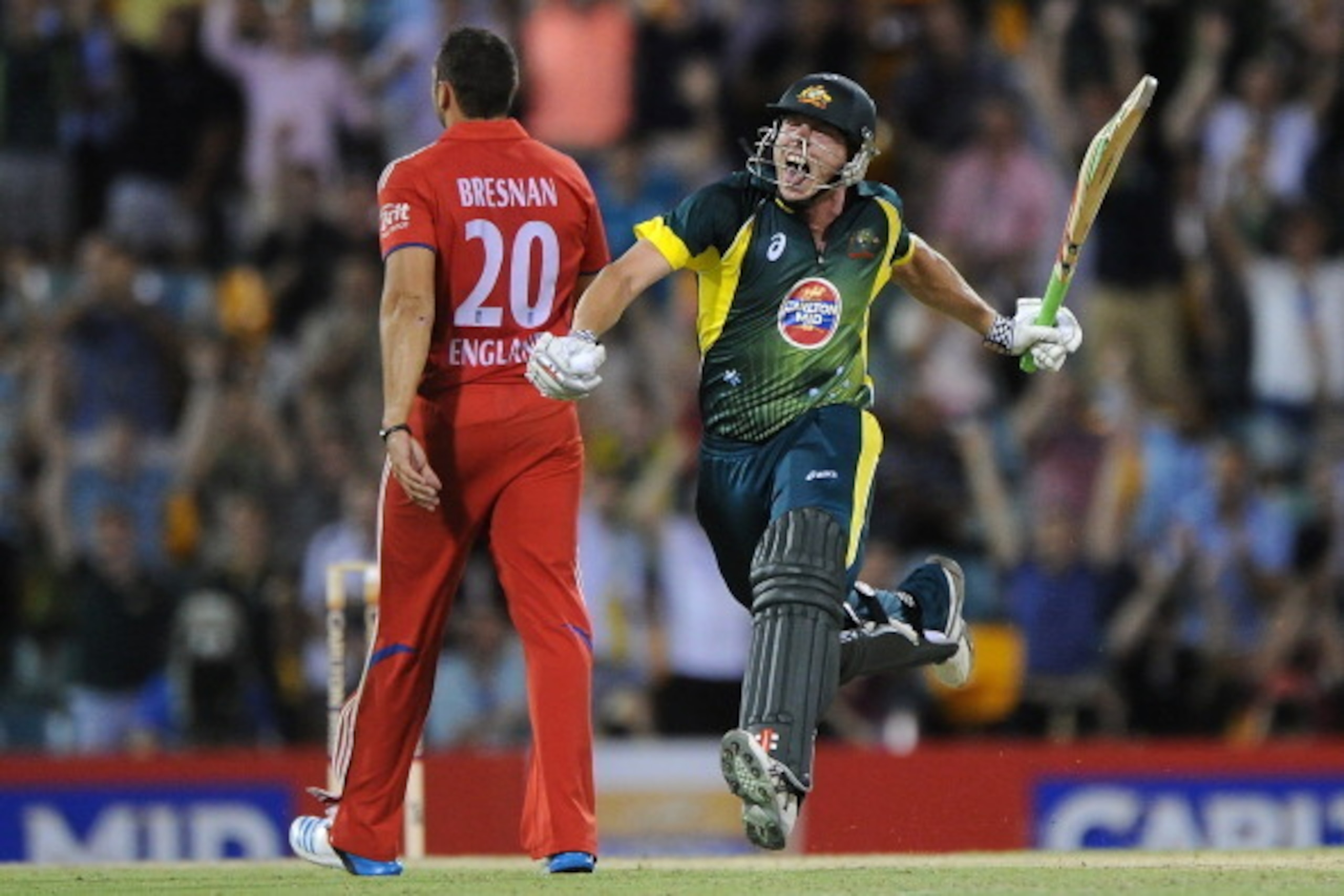
When England toured Australia last winter, it was remarkable how little movement there was from the Kookaburra balls that were used.
Even James Anderson, the world's finest exponent of swing, struggled to get the new ball to deviate in the air.
Compounding the problem is that Australian surfaces are rarely abrasive, meaning it will be equally difficult for bowlers to develop reverse swing, too.
Thus, when the final overs of an innings approach, the world's bowlers could be without a major weapon at next year's World Cup, only further tilting the balance toward the batsmen.
New Zealand Will Upset a Heavyweight on the Way to the Semi-Finals
17 of 20
Owning a strong seam attack and a suddenly explosive middle order, New Zealand are unquestionably a team on the rise in 2014.
Unlike Australia, however, the Kiwis shouldn't be overwhelmed by expectation at home, given that Brendon McCullum's side won't be among the favourites to claim to the trophy.
That should see New Zealand complete a strong run, possibly upsetting one of the tournament's heavyweights on their way to the semi-finals.
While the nation doesn't possess a strong history in ICC tournaments, a surging oufit comprising McCullum, Kane Williamson, Ross Taylor, Corey Anderson, Jimmy Neesham, Trent Boult, Tim Southee and Mitchell McClenaghan has the power to lead the somewhat forgotten hosts to an impressive campaign.
Fatigue and Expectation Will Take Hold of Australia
18 of 20
With home advantage and a brutal one-day international team, it's easy to understand why Australia are considered strong favourites to lift the 2015 World Cup.
However, it's hard not to feel Michael Clarke's team will be exhausted when they reach the beginning of the tournament, given the nation's schedule to come.
Fresh from a triangular series in Zimbabwe, the four-time World Cup champions are set to face Pakistan in Test and limited-overs contests in the UAE, host South Africa in an eight-game white-ball campaign, welcome India for four Tests and compete in a triangular series with MS Dhoni's men and England.
Including tour matches, Australia will compete in 23 games, or 50 days, of cricket between now and February.
The physical and mental toll of such an arduous run cannot be underestimated, particularly when you consider the burden of expectation the hosts will carry with them.
Angelo Mathews Will Lead Sri Lanka to Another Final
19 of 20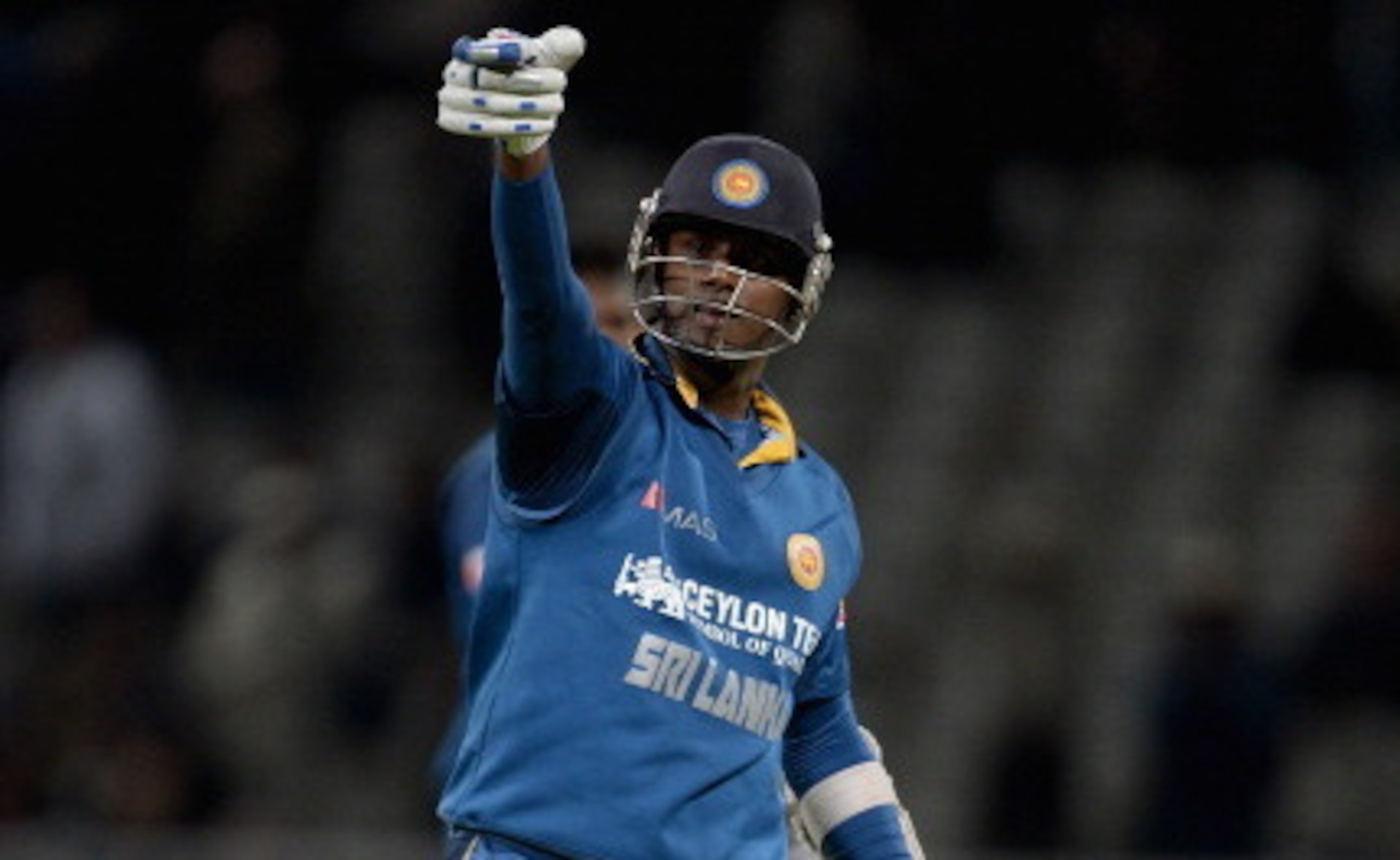
Sri Lanka have enjoyed a sparkling year in international cricket in 2014, capturing the Asia Cup and ICC World Twenty20 titles to complement series victories over England, Pakistan and Bangladesh.
Led superbly by the soaring Angelo Mathews, and given the nation's rich history in ICC tournaments, it's reasonable to assume that form will continue at the 2015 World Cup.
Having made six finals since 1996 (three at the World Cup and three at the World Twenty20), Sri Lanka have proved time and time again that they are a brilliant tournament side with a knack for navigating through the knockout rounds.
With a captain in irresistible form, backed up by the esteemed duo of Kumar Sangakkara and Mahela Jayawardene, expect Sri Lanka to reach the deciding game again.
South Africa Will Win the Title
20 of 20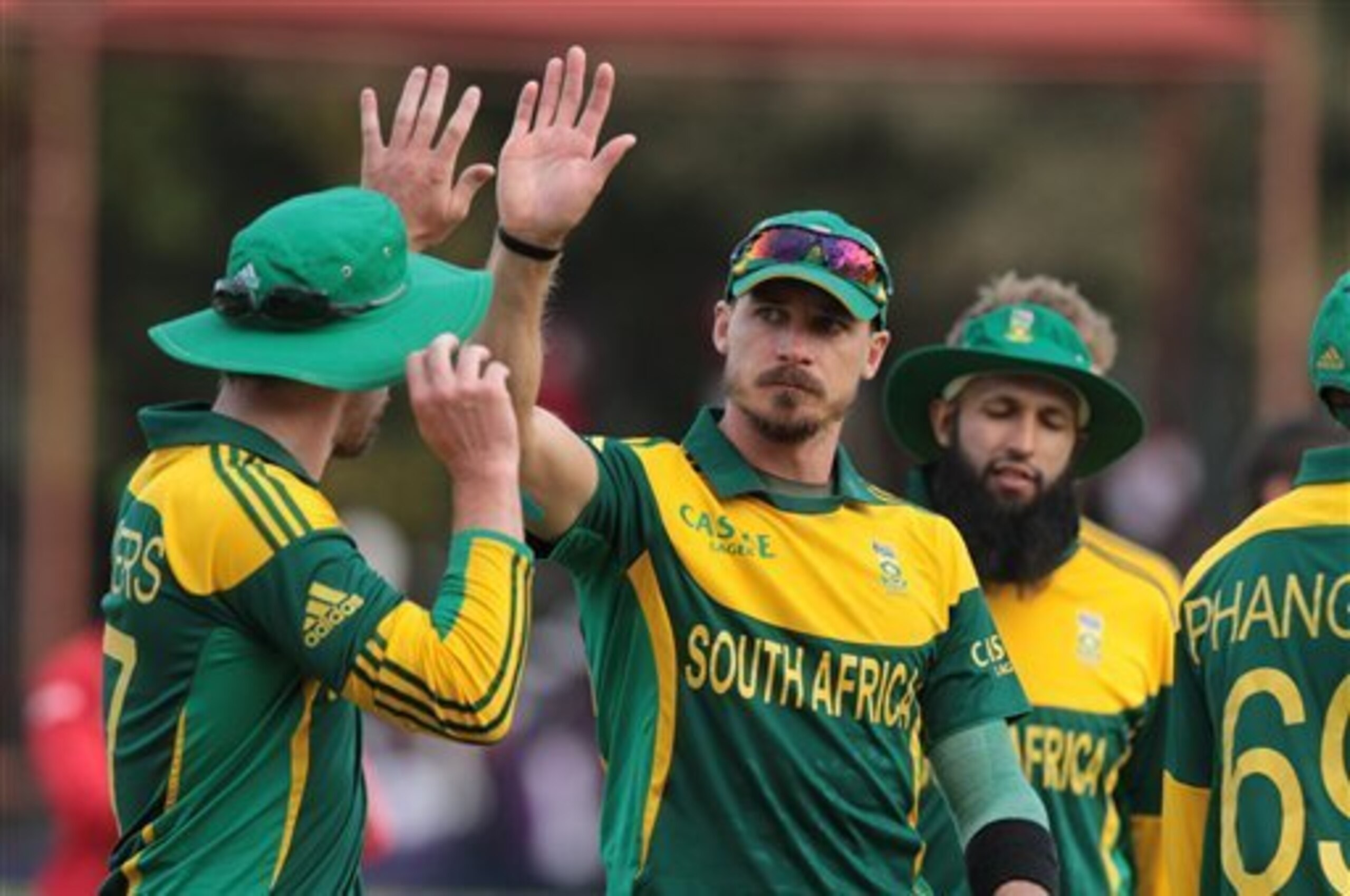
For a side that has regularly been so brilliant, South Africa's history in the World Cup is rather forgettable.
While failing to progress into the knockout stage at home in 2003 was the lowest point for the Proteas, the semi-final defeat to Australia in 1999 still sticks in the memory, as do the capitulations to Australia and New Zealand in 2007 and 2011, respectively.
Yet, one senses the current South African outfit possesses greater steel than any of those to previously travel to the World Cup.
In AB de Villiers, Hashim Amla, Faf du Plessis and Quinton de Kock, the Proteas have four of the finest 50-over batsmen in the game, backed up by a superb fast-bowling battery led by Dale Steyn.
Without the same weight of expectation carried by teams such as Australia and India, South Africa should thrive on a continent they've relished visiting in recent years.

.jpg?w=2560 "Chiefs Dolphins Football")


.jpg?w=2560 "Love's Body Already 'Tired'")