

Predicting the 10 Best Offenses in the NHL for the 2014-15 Season
Strong goaltending and defense are key pillars for building an NHL playoff contender, but offensive depth remains a crucial element. The stronger the offense, the better the chances of success.
Several factors are vital in assessing a club's potential offense. A strong first line stocked with high-scoring forwards is essential. They lead the way offensively and provide the bulk of the production.
Scoring depth is critical, especially on the second line. A skilled second line provides additional scoring punch and relieves pressure on the top-line stars.
Another important asset is having one or more skilled offensive defensemen. Their puck-moving abilities of are key to initiating an offensive attack. They also control the offense from the enemy blue line, which is crucial in power-play situations.
Here's a look at the 10 top-scoring teams in the NHL this season. Previous offensive production, scoring depth at forward and defense and offseason additions factored into the compilation of this ranking.
Honourable Mentions
1 of 11
Anaheim Ducks: The Ducks had the second-highest offense (266 points) last season, largely due to superstars Ryan Getzlaf (87 points) and Corey Perry (82 points). Adding second-line center Ryan Kesler should bolster their production. Still, they need several forwards (Devante Smith-Pelly, Jakob Silfverberg, Kyle Palmieri, Matt Beleskey, Patrick Maroon, Emerson Etem) to step up this season.
Columbus Blue Jackets: They finished 13th in goals last season with 231. Promising forwards Ryan Johansen and Boone Jenner could be poised for bigger things this season. Offseason acquisition Scott Hartnell should bring experienced leadership as well as scoring depth. A healthy Nathan Horton should also improve their production.
Detroit Red Wings: Having injuries to key players (Pavel Datsyuk, Henrik Zetterberg, Daniel Alfredsson, Stephen Weiss, Johan Franzen) explains the Wings falling to 17th overall in goals (222) last season. It also gave promising players like Gustav Nyquist, Tomas Tatar and Riley Sheahan an opportunity to shine. A combination of healthier veterans and rising talent could significantly improve the Wings offense.
Toronto Maple Leafs: The Leafs finished 14th in scoring last season. Phil Kessel and James van Riemsdyk provide established scoring punch. Improvement is expected from promising center Nazem Kadri. Production from oft-injured winger Joffrey Lupul and lack of a true first-line center are areas of concern. Winger David Clarkson must significantly improve from his woeful 11-point performance last season.
Washington Capitals: Like the Ducks, the Capitals' offensive production dropped sharply beyond their two superstar forwards (Alexander Ovechkin and Nicklas Backstrom). They'll need more from Marcus Johansen (44 points last season). Promising rookie Evgeni Kuznetsov could provide a boost to the Capitals offense this season. They'll look to offseason acquisition Matt Niskanen to provide points from the blue line.
10. Los Angeles Kings
2 of 11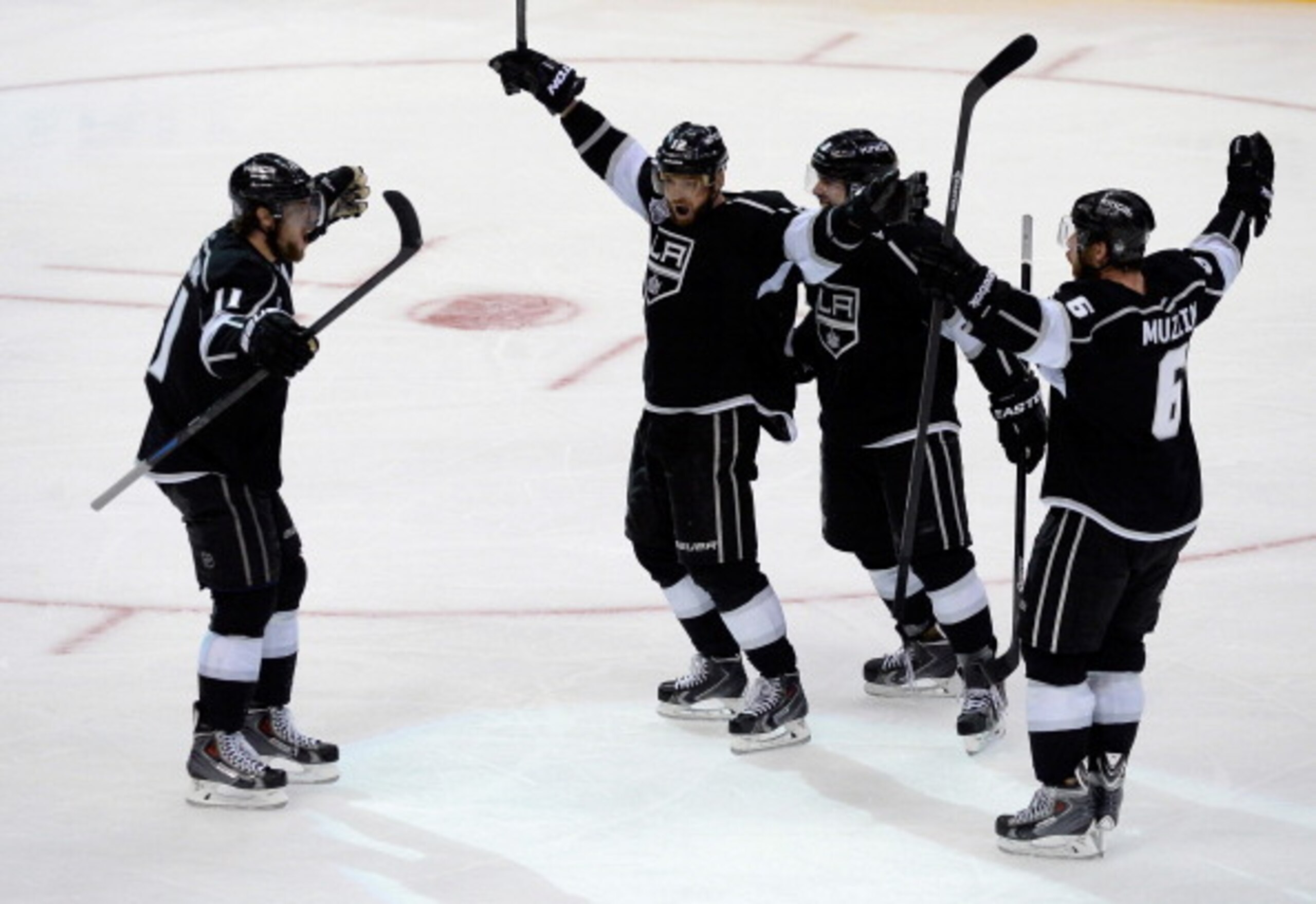
2013-14 numbers: 206 goals (25th overall), 2.42 goals per game, power-play percentage of 15.1 (27th overall).
Key offensive players: Anze Kopitar, Marian Gaborik, Jeff Carter, Drew Doughty, Mike Richards, Justin Williams.
Throughout most of last season, the Kings were among the NHL's lowest-scoring teams but led all playoff teams in scoring (3.38 goals per game) on route to their second Stanley Cup title in three years.
One reason behind this offensive turnaround was trade-deadline addition Gaborik, who meshed well on the first line with Kopitar. Another was that promising wingers Tyler Toffoli and Tanner Pearson combined with Carter to give the Kings a lethal second line.
Expect more of the same from these two lines this season. Williams, the 2014 playoff MVP, should be good for another 20 goals and 45 points. Bounce-back performances from Richards and team captain Dustin Brown should also boost the Kings' scoring. They can rely on Doughty's contributions from the blue line as well.
9. Dallas Stars
3 of 11
2013-14 numbers: 235 goals (11th overall), 2.82 goals per game, power-play percentage of 15.9 (23rd overall).
Key players: Jamie Benn, Tyler Seguin, Jason Spezza, Ales Hemsky, Valeri Nichushkin, Alex Goligoski.
The bulk of the Stars' scoring punch last season was provided by rising stars Benn and Seguin. Offseason additions Spezza and Hemsky will help them carry the load. They meshed well during their brief time together with the Ottawa Senators last season. Should they carry over their offensive chemistry, the Stars will have two formidable scoring lines this season. It should also provide a boost to their power play.
Promising Nichushkin acquitted himself well (34 points) last season as a rookie. He should continue to blossom into a scoring threat this season.
Goligoski enjoyed a career-best 42-point performance last season. He should remain a reliable offensive producer from their blue line. More offensive output will be expected from young forwards Colton Sceviour and Antoine Roussel.

8. Philadelphia Flyers
4 of 11
2013-14 numbers: 236 goals (ninth overall), 2.84 goals per game, power-play percentage of 19.7 (eighth overall).
Key players: Claude Giroux, Jakub Voracek, Wayne Simmonds, Braydon Schenn, Matt Read, Sean Couturier, Vincent Lecavalier.
Giroux (86 points last season), Voracek (62 points) and Simmonds (60 points) will once again lead the Flyers' attack. Schenn (41 points) and Read (40) will be expected to elevate their play this season.
Couturier is a strong two-way player and could improve his offensive numbers this season. If Lecavalier can avoid injury and return to a full-time center role, he should see improvement over his disappointing 37-point performance of last season.
The Flyers can also expect offensive contributions from veteran blueliner Mark Streit (44 points) and offseason acquisition Michael Del Zotto.
7. San Jose Sharks
5 of 11
2013-14 numbers: 249 goals (fifth overall), 2.92 goals per game, power-play percentage of 17.2 (20th overall).
Key players: Joe Thornton, Patrick Marleau, Logan Couture, Joe Pavelski, Tomas Hertl, Brent Burns.
Pavelski (41 goals), Thornton (65 assists), Marleau (70 points), Couture (54 points) and Burns (48 points) should lead the way again this season. Aging stars Thornton and Marleau remain reliable offensive threats. Couture, Pavelski and Burns should see more responsibility this season as they transition more into leadership roles.
NHL.com's Eric Gilmore reports Burns will be moved to defense to replace the departed Dan Boyle. It remains to be seen how that will affect his production.
Hertl, despite missing most of last season to injury, showed considerable offensive promise. He should improve their power-play production, which was in the bottom third of the league last season.
6. Tampa Bay Lightning
6 of 11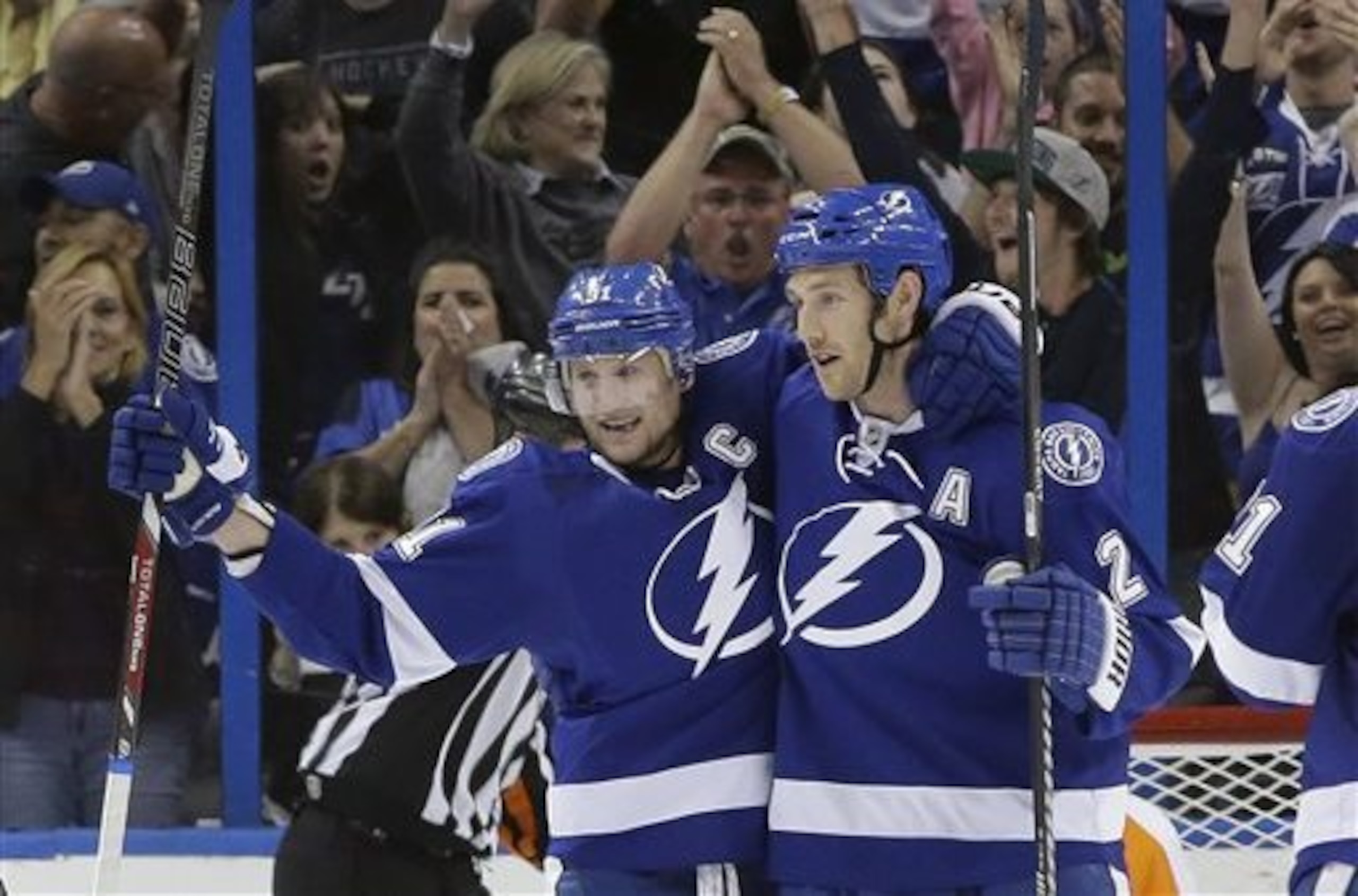
2013-14 numbers: 240 goals (eighth overall), 2.83 goals per game, power-play percentage of 18.5 (13th overall).
Key players: Steven Stamkos, Ondrej Palat, Valtteri Filppula, Tyler Johnson, Victor Hedman, Jonathan Drouin.
Stamkos, a two-time Richard Trophy winner as the NHL's leading goal scorer, showed no lingering effects upon his return late last season from a broken leg. Expect the 24-year-old sniper to rank among the league's leading scorers this season.
Palat and Johnson were among last season's leading rookie scorers and were Calder Trophy finalists. They should build upon those performances this season. Filppula (58 points) remains a reliable second-line center. Hedman (55 points) is coming into his own as a puck-moving defenseman.
The Lightning lost some scoring last season by trading Martin St. Louis to the New York Rangers for two-way winger Ryan Callahan. Drouin, the third overall pick in the 2013 NHL draft, could replace St. Louis' offense with a strong NHL debut this season.
5. Pittsburgh Penguins
7 of 11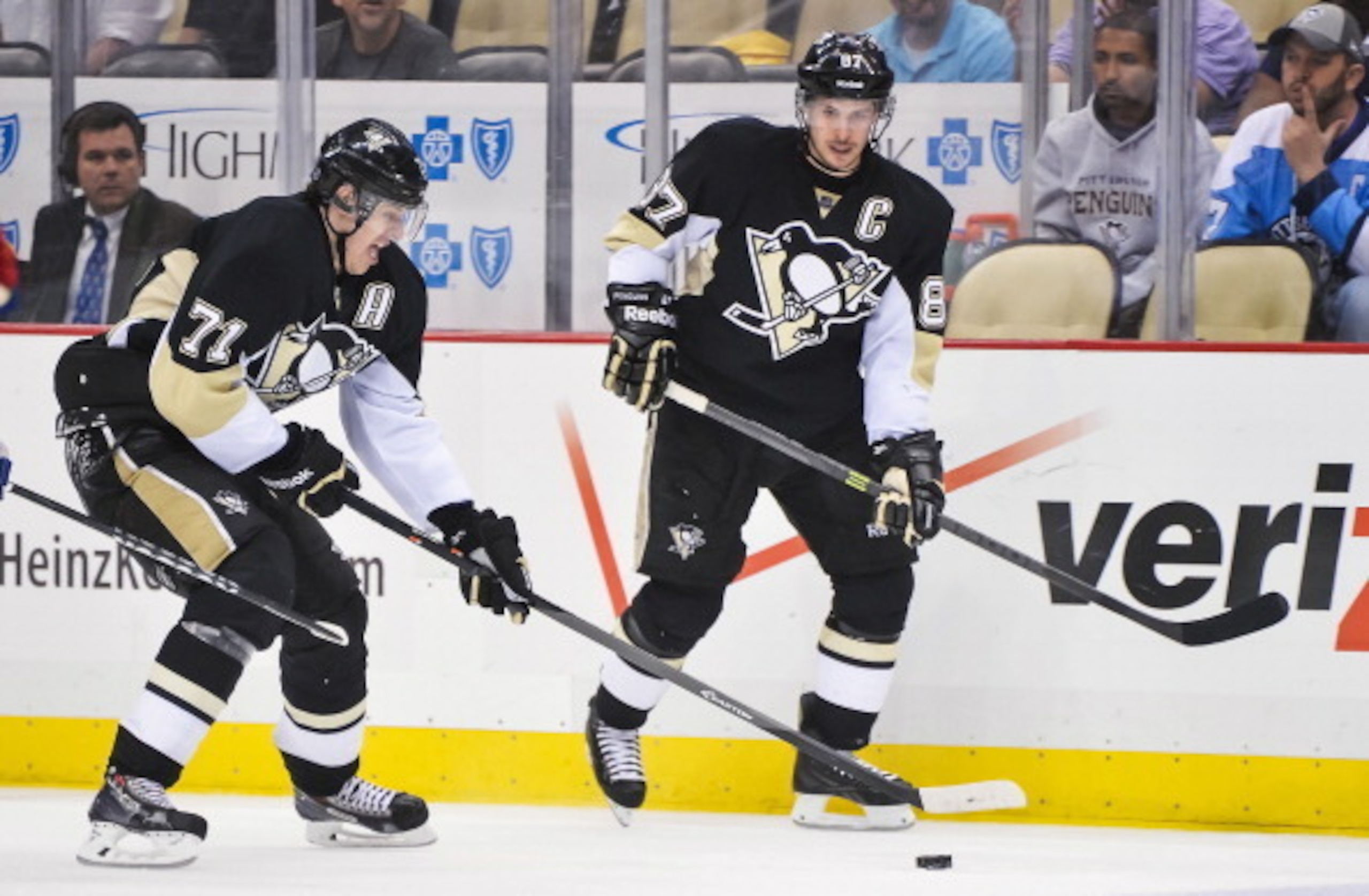
2013-14 numbers: 249 goals (sixth overall), 2.95 goals per game, power-play percentage of 23.4 (first overall).
Key players: Sidney Crosby, Evgeni Malkin, Chris Kunitz, Kris Letang, Christian Ehrhoff, Patric Hornqvist.
Superstars Crosby and Malkin are the spearheads of the Penguins offensive attack. Kunitz, 34, remains a solid complementary player for Crosby, netting more than 60 points in two of the past three seasons.
A healthy Letang should also provide a considerable offensive boost from the blue line. Ehrhoff is a skilled puck-moving defenseman who should offset the departure via free agency of Matt Niskanen.
Hornqvist was acquired in a deal this summer that sent James Neal to Nashville. He'll be expected to take Neal's spot on Malkin's line. How well he adjusts will have an impact upon the Penguins' production. A healthy Pascal Dupuis, returning from knee surgery, should also provide more scoring punch this season.
4. Colorado Avalanche
8 of 11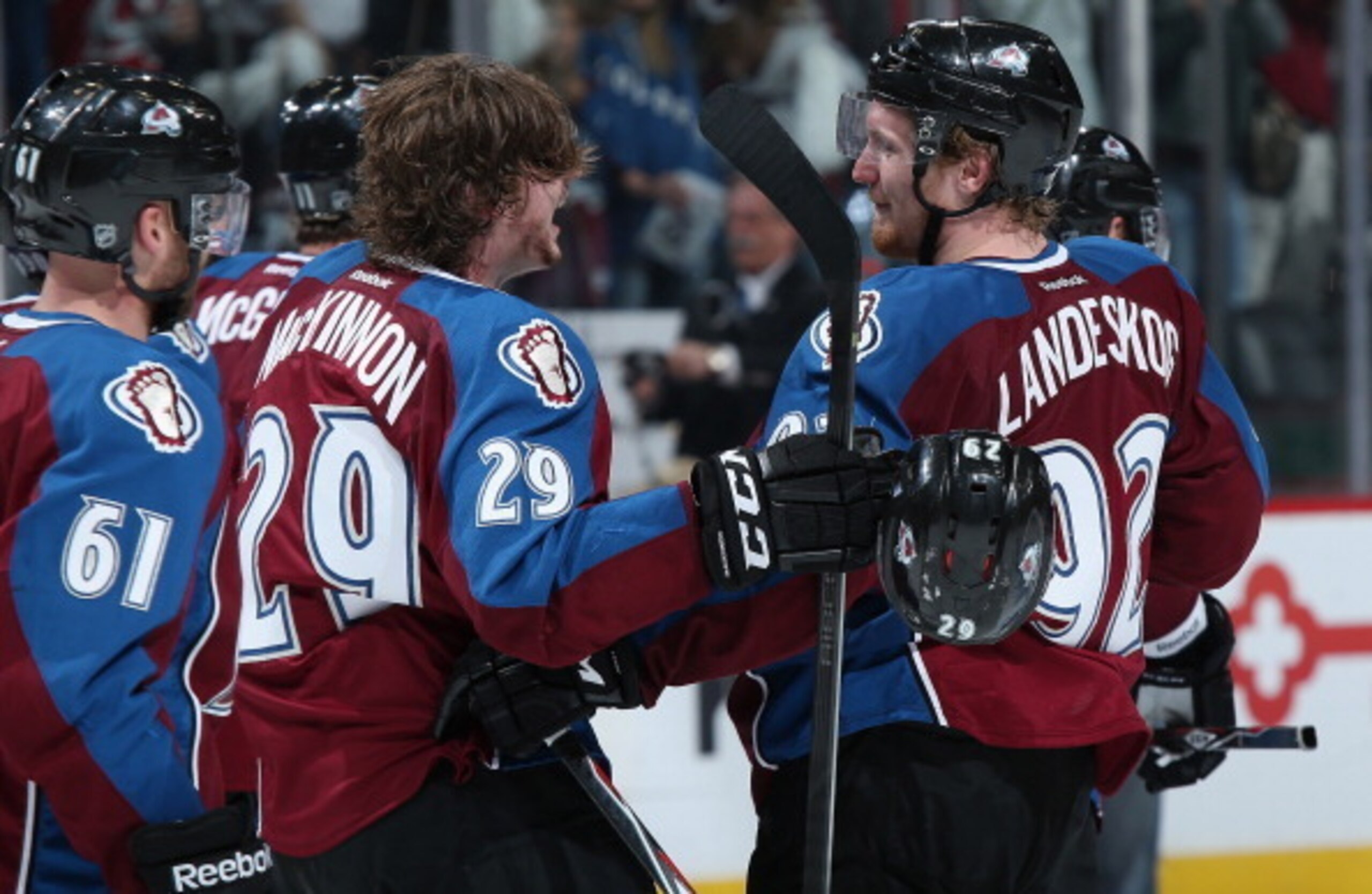
2013-14 numbers: 250 goals (fourth overall), 2.99 goals per game, power-play percentage of 19.8 (fifth overall).
Key players: Matt Duchene, Nathan MacKinnon, Gabriel Landeskog, Ryan O'Reilly, Jarome Iginla, Erik Johnson.
Duchene, MacKinnon, Landeskog and O'Reilly are all 23 or younger and have yet to fully reach their offensive potential. Barring injury, these four should continue to improve this season.
MacKinnon, last season's NHL rookie of the year, appears headed for superstardom. He could lead the Avalanche in scoring this season and for many more to come.
Iginla, 38, will be expected to replace the offense of departed center Paul Stastny. The loss of Stastny means O'Reilly or MacKinnon could move into the second-line center role. Johnson (39 points last season) and Tyson Barrie (38 points) can contribute from the blue line, but the Avalanche still lack an established top-two defenseman.
3. Boston Bruins
9 of 11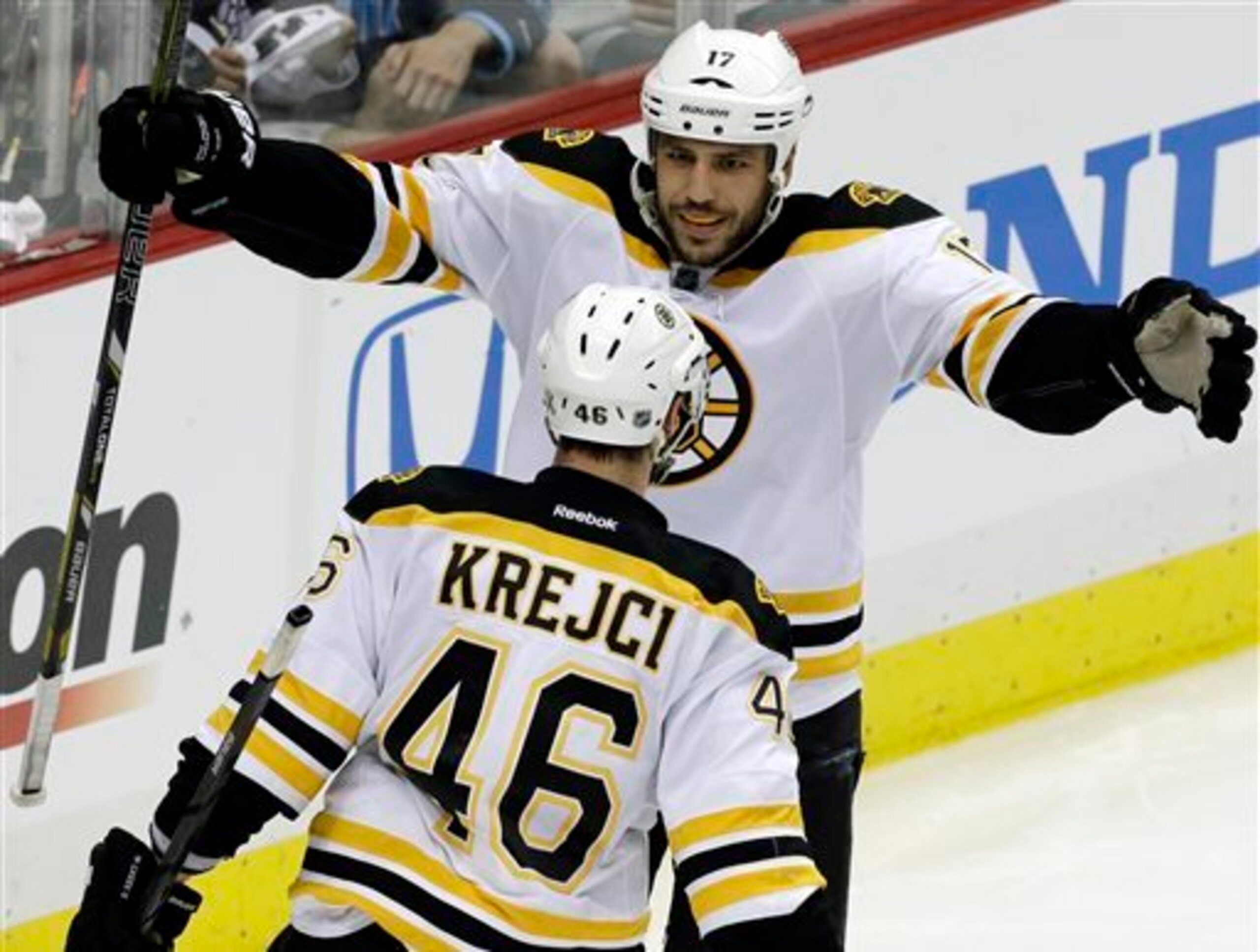
2013-14 numbers: 261 goals (third overall), 3.15 goals per game, power-play percentage of 21.7 (third overall).
Key players: David Krejci, Patrice Bergeron, Milan Lucic, Brad Marchand, Loui Eriksson, Reilly Smith, Zdeno Chara.
The Bruins spread their offense well throughout their roster last season, with nine players tallying 40-plus points. Krejci and Lucic will continue to anchor their first line. Bergeron remains among the best two-way forwards in the league.
Eriksson (37 points in 61 games last season) seeks a bounce-back performance. He will likely replace the departed Jarome Iginla as their first-line right wing. Marchand (53 points) must rebound after a woeful playoff performance. Smith will be expected to build upon last season's solid effort.
Aging captain Zdeno Chara should continue to provide offense from the blue line. Expect young defenseman Torey Krug (40 points, 19 with the man advantage) to be a key part of their power play.
2. St. Louis Blues
10 of 11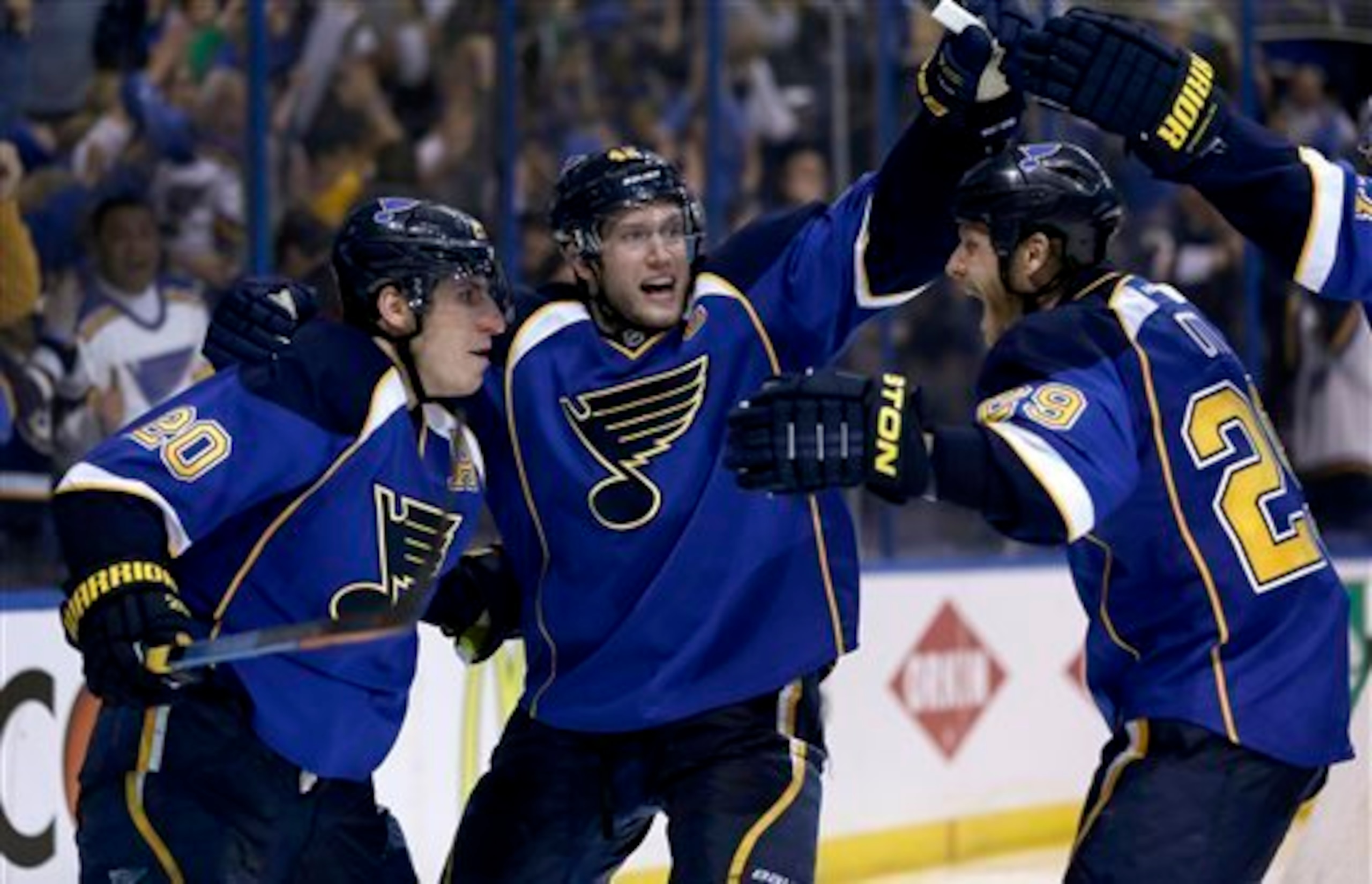
2013-14 numbers: 248 goals (seventh overall), 2.92 goals per game, power-play percentage of 19.8 (seventh overall).
Key players: Paul Stastny, David Backes. T.J. Oshie, Alex Steen, Jaden Schwartz, Vladimir Tarasenko.
The addition of Stastny via free agency this summer provides the Blues with a natural playmaking center. He should prove a significant addition to their offensive attack.
Backes and Oshie are reliable scorers who are good for between 25 and 30 goals and 60 points each. Steen had career-best totals in goals (33) and points 62) last season, but it is debatable if the oft-injured winger can muster similar numbers this season.
1. Chicago Blackhawks
11 of 11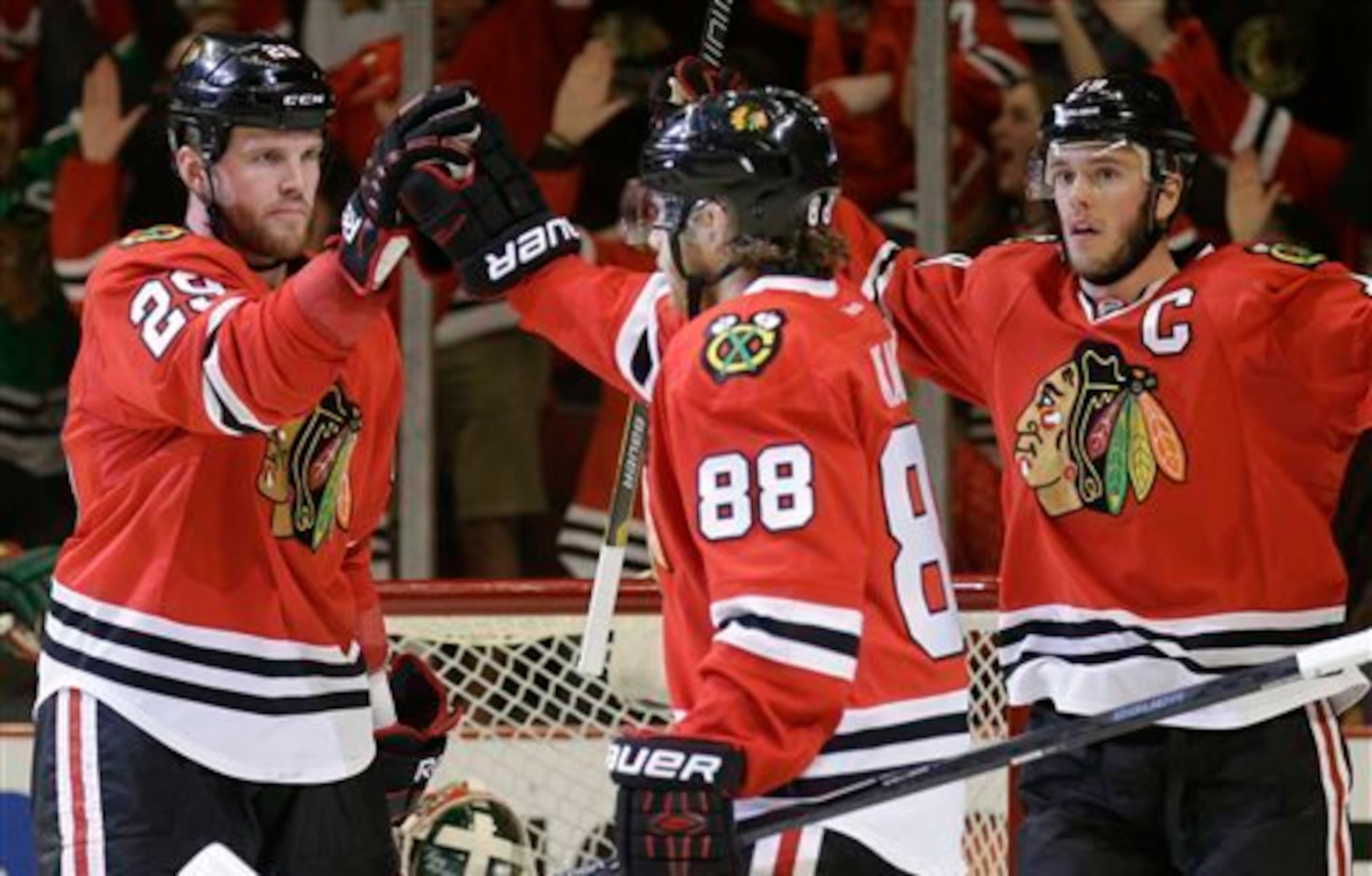
2013-14 numbers: 267 goals (first overall), 3.18 goals per game, power-play percentage of 19.5 (10th overall).
Key offensive players: Jonathan Toews, Patrick Kane, Patrick Sharp, Marian Hossa, Duncan Keith.
Superstars Toews and Kane rank among the league's elite forwards. Sharp has reached 30-plus goals in three of the last four seasons. Hossa, 35, is in decline but remains a dangerous offensive player.
The addition of Brad Richards should anchor the second line. Young forwards Brandon Saad (47 points last season) and Andrew Shaw (20 goals) could be poised for better numbers this season.
The Blackhawks can depend on solid offensive production from defensemen Duncan Keith (61 points in 2013-14) and Brent Seabrook (47 points). This club possesses considerable playoff experience. With a strong mix of superstars, veteran scorers, promising youth and blue-line firepower, the Blackhawks should remain the league's top offensive team.
Unless otherwise indicated all stats via NHL.com.


.jpg?w=2560 "Viral Rams Coach Vid 🖕")
.jpg?w=2560 "Injury-stricken Seahawks signing veteran RB")
.jpg?w=2560 "2 NFL Officials Suspended")

.jpg?w=2560 "Grading WWE Raw 🔠")
.jpg?w=2560 "Mahomes' Wife Trolls Kubiak 💀")

