

NHL Teams Can Still Sign Bargain Free Agents Before 2014-15 Season Begins
Unrestricted free agency is, famously, not a place to go looking for bargains. The NHL’s July 1 shopping spree is best known as the place where really good players can make a fortune, moderately good players can get way overpaid, and even depth players can dramatically increase their salary.
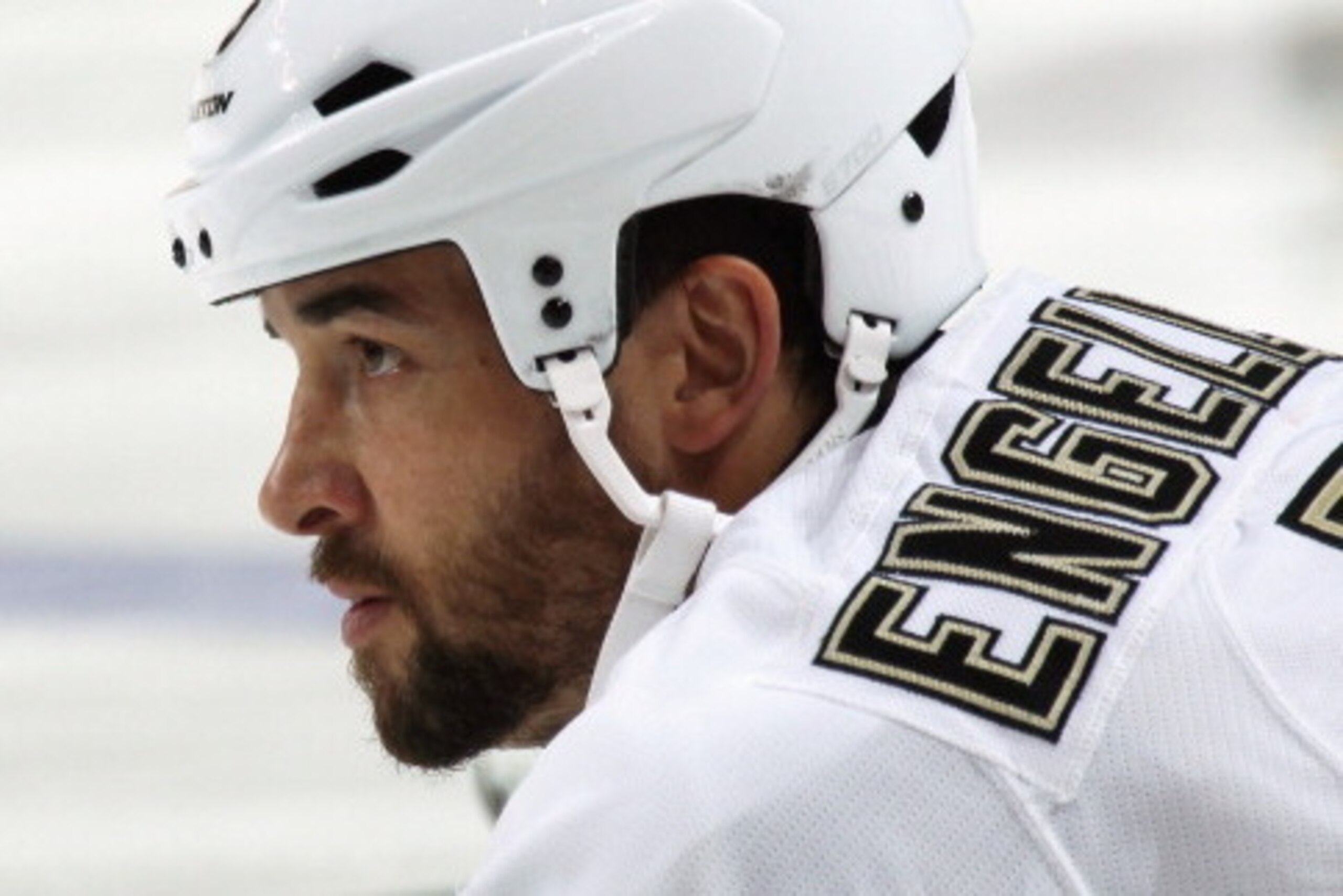
There are some exceptions—Brad Richards' one-year, $2 million deal with Chicago was notable in 2014—but they tend to be uncommon. Unrestricted free agency is a player’s fantasy, not an owner’s—a place where doubling, tripling or even more than quintupling one’s salary (as Deryk Engelland did) is possible.
TOP NEWS
3-Way Trade Ideas for Hellebuyck 💡

Mark Scheifele Landing Spots 📍

Ovechkin's Greatest Moments 🎱
What is in incredible is the way the dynamic shifts just within just a few weeks, as the veterans unclaimed early look desperately for a soft place to land. It’s a great market for a team willing to take on the role of scavenger and leave the hunting to others, a market where players can be had for dollar figures that can even make an entry-level deal look rich.

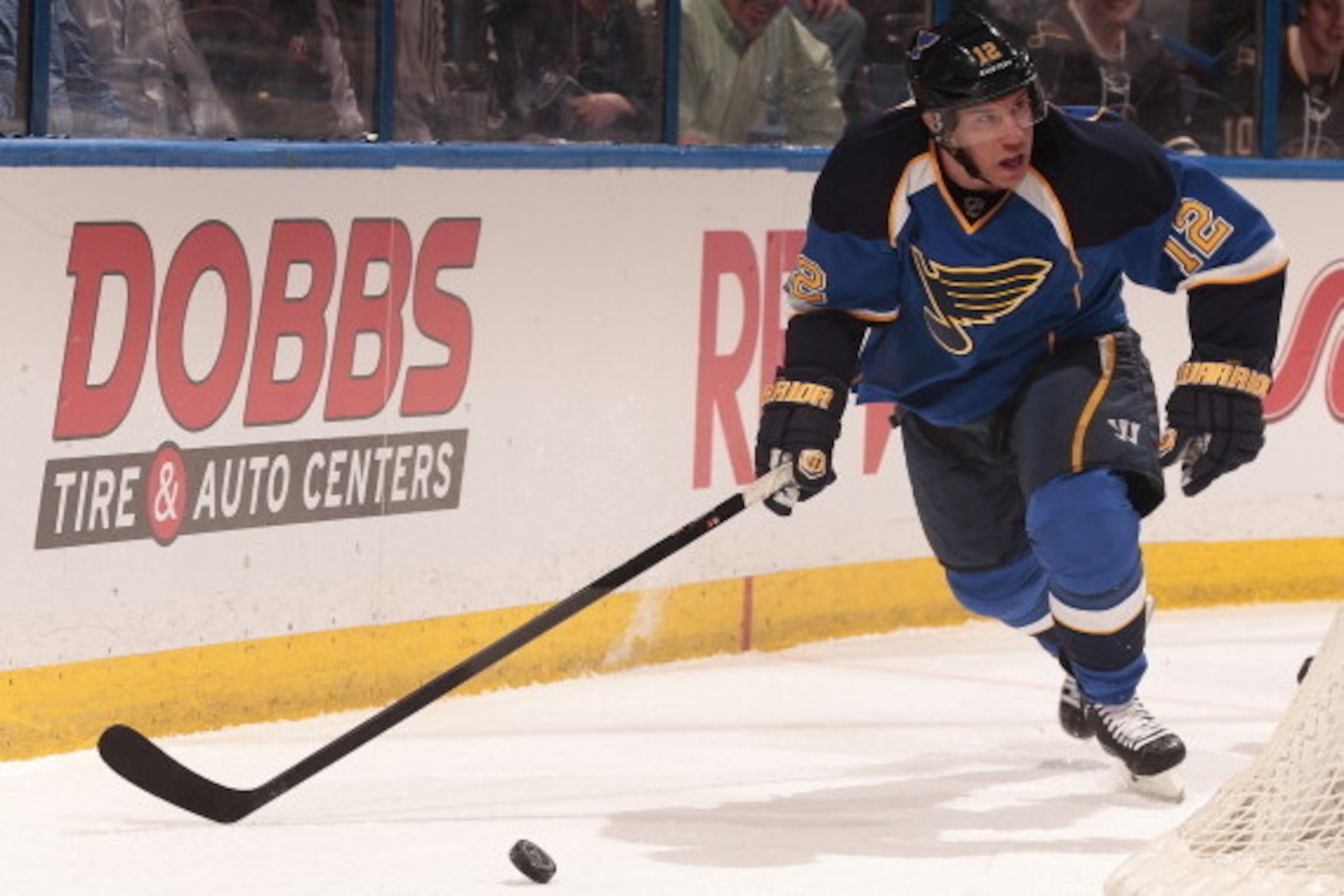
The most recent example is the Calgary Flames’ signing of Devin Setoguchi, who inked a one-year, $750,000 deal in late August. It’s the lowest dollar figure of the 27-year-old winger’s career:
| 2007-10 | Entry level | 821,667 | Three years |
| 2010-11 | Restricted | 1,800,000 | One year |
| 2011-14 | Restricted | 3,000,000 | Three years |
| 2014-15 | Unrestricted | 750,000 | One year |
Setoguchi will earn less per NHL game than he did on his rookie contract, a contract which included $425,000 per year in attainable bonuses above and beyond the base figure listed above. And while he’s coming off a difficult 27-point campaign, he averaged 23 goals and 44 points per 82 games played over the four years before it (and that’s omitting his big 31-goal, 65-point campaign in 2008-09).
It’s a pretty cheap deal compared to the rest of the league, too. Calgary has a guy who can score 40 points per season at the same cap hit (and with less term) than players like Philadelphia’s Zac Rinaldo and Vancouver’s Tom Sestito—a pair of forwards who over the totality of their careers have combined for just 35 points.
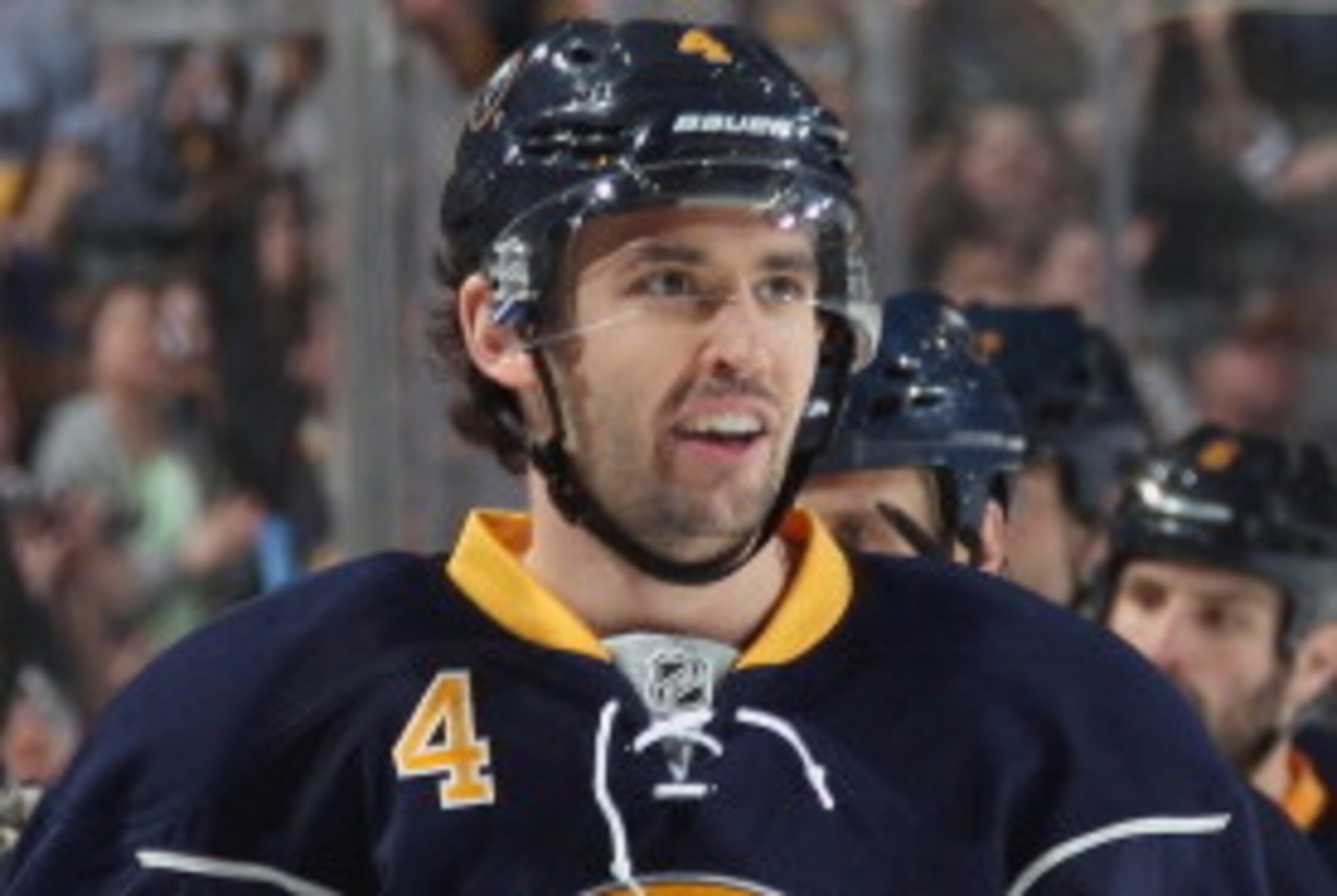
Setoguchi isn’t the only bargain. On July 15, the Predators inked both of the good free agent centres still on the market, Mike Ribeiro and Derek Roy. Both players took massive pay cuts to join a Nashville team in desperate need of help at the position:
| 2001-04 | Entry level | 855,667 | Three years |
| 2005-06 | Restricted | 1,178,000 | One year |
| 2006-07 | Restricted | 1,900,000 | One year |
| 2007-08 | Restricted | 2,800,000 | One year |
| 2008-13 | Unrestricted | 5,000,000 | Five years |
| 2013-17* | Unrestricted | 5,500,000 | Four years |
| 2014-15 | Unrestricted | 1,050,000 | One year |
| 2006-07 | Restricted | 627,000 | One year |
| 2007-13 | Restricted | 4,000,000 | Six years |
| 2013-14 | Unrestricted | 4,000,000 | One year |
| 2014-15 | Unrestricted | 1,000,000 | One year |
Roy is playing for a quarter of what he did just a year ago; Ribeiro is playing for less than a fifth. Both guys are coming off disappointing year. Roy had 37 points, while Ribeiro had 47 but was bought out because of off-ice issues.
Why do players sign these deals? Because they lack other options. Within a couple of weeks all the players that teams really wanted have been signed, and the guys who are left are unattractive for some reason or other. That’s true in these cases: Setoguchi is coming off a down year, Roy is 5’9” and his production has fallen off, and Ribeiro was just bought out.
But for a million dollars a pop, who cares? Deals that cheap barely even count against a $69 million salary cap, and if a team runs into trouble it can bury up to $950,000 in the minors before dollars start to count against the cap. These are real NHL players signing for a rounding error.

There are still useful guys out there, too, for teams looking at adding some cheap insurance. Some of the top options remaining:
- Ilya Bryzgalov, a former Vezina candidate who posted a 0.909 save percentage in 2013-14 despite missing training camp
- Jamie McBain, who averaged more than 20:00 per game in all situations on the blue line last year
- Derek Morris, who was just shy of that 20:00 per game mark on a pretty good Phoenix team
- Dustin Penner, a 6’4”, 247-pound winger who had 35 points last season
- Tomas Vokoun, who posted a starter-calibre 0.919 save percentage in 2012-13 and has a long record of gaudy totals
- Ray Whitney, who was just a hair shy of the point-per-game mark as recently as 2012-13
All of those players have something that makes teams nervous about them, whether it’s age or health or personality or playing style. All of them have also shown the ability to play in the majors and aren’t likely to command much more than a Roy or a Setoguchi on a one-year deal.
For a team willing to do some scavenging the potential for bargains, especially at the bottom end of a roster, is extraordinary.
Engelland, referenced earlier in this piece, has a history as a No. 6/7 defender and will earn nearly $3 million per season on a three-year deal. A team could probably sign Morris, McBain and a guy like Sami Salo and pick whichever player it liked best after training camp for the same job. Even sending the other two to the minors would result in significant cap savings and no more expenditure in real dollars.
That’s an extreme scenario, but it illustrates the point that a team willing to do a little bit of bargain hunting for depth pieces can do much better for itself than a club that insists on prioritizing specific depth players.
Jonathan Willis covers the NHL for Bleacher Report. Follow him on Twitter for more of his work.
Salary information courtesy of CapGeek.com, statistics via NHL.com.


.jpg?w=2560 "Viral Rams Coach Vid 🖕")
.jpg?w=2560 "Injury-stricken Seahawks signing veteran RB")
.jpg?w=2560 "2 NFL Officials Suspended")

.jpg?w=2560 "Grading WWE Raw 🔠")
.jpg?w=2560 "Mahomes' Wife Trolls Kubiak 💀")

